‘The Social Reckoning’ Ending Explained: Why Frances Haugen’s Big Win Leaves a Bitter Aftertaste



Aaron Sorkin’s return to the world of ‘The Social Network‘ arrived in theaters on October 9, and the conversation has already shifted to how it all wraps up. The Social Reckoning ending is built to feel like a victory and a warning at the same time. The film deliberately refuses the easy satisfaction of watching a giant corporation brought to its knees.
That choice is exactly why viewers are still arguing about it. If you walked out of the theater unsure whether to cheer or feel uneasy, you were likely meant to. Here is what actually happens in the closing stretch and what it says about Facebook, Frances Haugen and the limits of exposing the truth.
How Frances Haugen’s Senate Testimony Closes the Story
The film follows Haugen as an insider who starts out believing in the platform. When she first contacts reporter Jeff Horwitz through encrypted email, her goal is to fix the company and not to destroy it. Her faith slowly erodes as she digs deeper into internal research.
One of the things she finds are studies showing Instagram had a severe negative effect on the mental health of teenage girls. The breaking point comes after January 6, when she learns that safeguards meant to limit harmful content had been weakened. That discovery pushes her to leave and share what she knows.
The investigation grows into the Facebook Files. Haugen then reveals her identity, which gives the reporting credibility despite the personal risk, and she testifies under legal protection. The hearing, held in front of a Senate consumer protection subcommittee in October 2021, is where the movie lands its emotional payoff.
The January 6 Scene Intercut With the Hearing
The most talked about choice in the finale is its structure. The film ends by cutting between Haugen’s hearing and a scene at Facebook headquarters, where Mark Zuckerberg and his staff watch the Capitol riot unfold through posts and live videos on the site. The Senate testimony and the attack on the Capitol become two halves of a single argument.
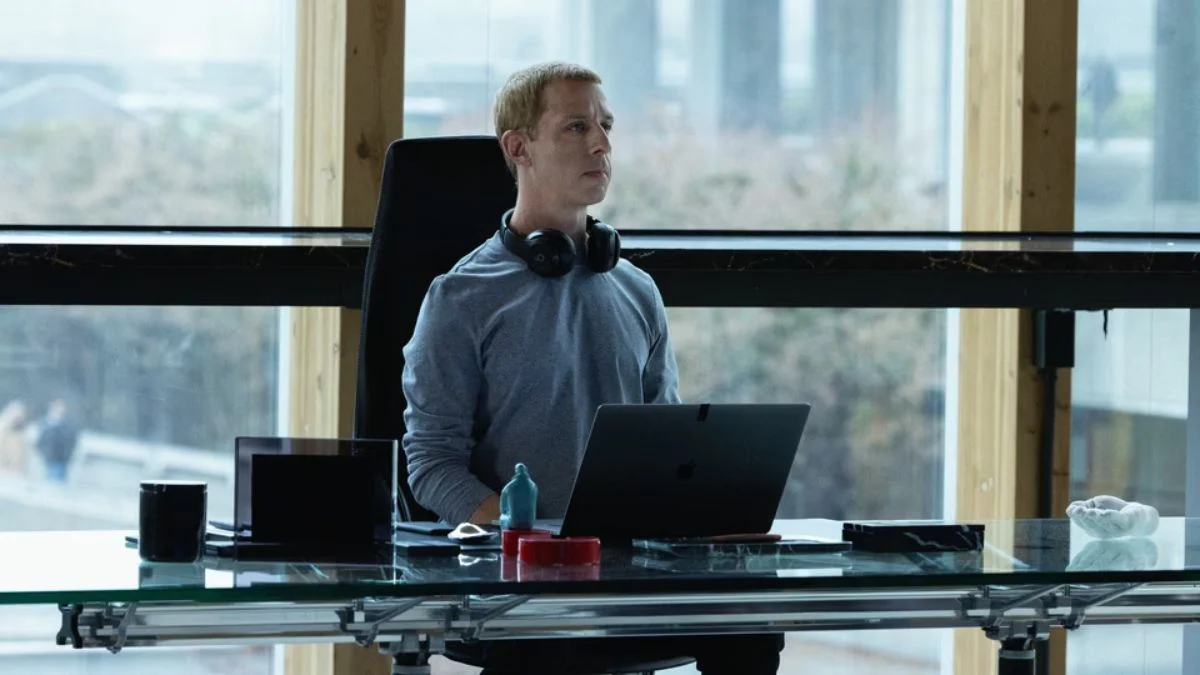
One reading of the sequence is that it directly challenges Zuckerberg’s claim that the platform is neutral. After so much talk of algorithms and corporate policy, the ending also returns the focus to real people who needed emergency treatment. That shift gives the abstract tech debate a human cost.
Not everyone is convinced the approach works. SlashFilm called the final scene the worst moment of 2026 cinema and criticized Sorkin for restaging such a horrifying moment in American history. The scene is clearly going to be the dividing line for audiences.
What Happens to Mark Zuckerberg After the Ending
Anyone expecting a dramatic downfall for the Meta founder will be disappointed. The film closes on Haugen’s testimony as a full circle moment, with her now alienated from Facebook and no longer a believer in Zuckerberg or his mission. There is no courtroom collapse and no dramatic resignation.
That restraint mirrors reality. After the real hearing, Zuckerberg responded publicly by saying the leaked research had been taken out of context to build a false narrative that the company did not care. The movie leaves him standing, which is the whole point.
TheWrap’s review argued that the film treats proving Zuckerberg a hypocrite as if it were the same as taking him down. That criticism cuts straight to the ending’s central tension. Sorkin shows a man who has been exposed but not stopped.
Why the Facebook Files Ending Divides Critics
The closing message is about the gap between knowing and fixing. The ending rests on the uncomfortable idea that exposing a problem does not necessarily solve it. One reading is that the whistleblower has earned her moment of relief while the audience has little reason to feel relieved.
Real world numbers back up that unease. According to The Hollywood Reporter, Instagram’s user base has grown 25 percent since Haugen testified, and Haugen herself says social media may be worse off today than when she leaked the documents. The film’s bittersweet tone reflects how little the landscape changed.
The end credits reportedly reinforce this by stressing how many adults still get their news from Meta’s platforms without fact checking. Critics are split on whether the finale lands. The Film Stage called the movie an effective thriller that cannot stick the landing, and compared Sorkin’s view of Haugen to a Jimmy Stewart character facing a corrupt foe.
Whether the ending feels like honest realism or a missed chance for catharsis may depend on how you feel about the real story. So did Sorkin’s choice to intercut Haugen’s testimony with the Capitol riot make the case against Zuckerberg stronger, or did it turn a real tragedy into a cinematic device that went too far?