The True Story Behind ‘Being Heumann’—How Judy Heumann’s Memoir Inspired Apple TV’s New Film

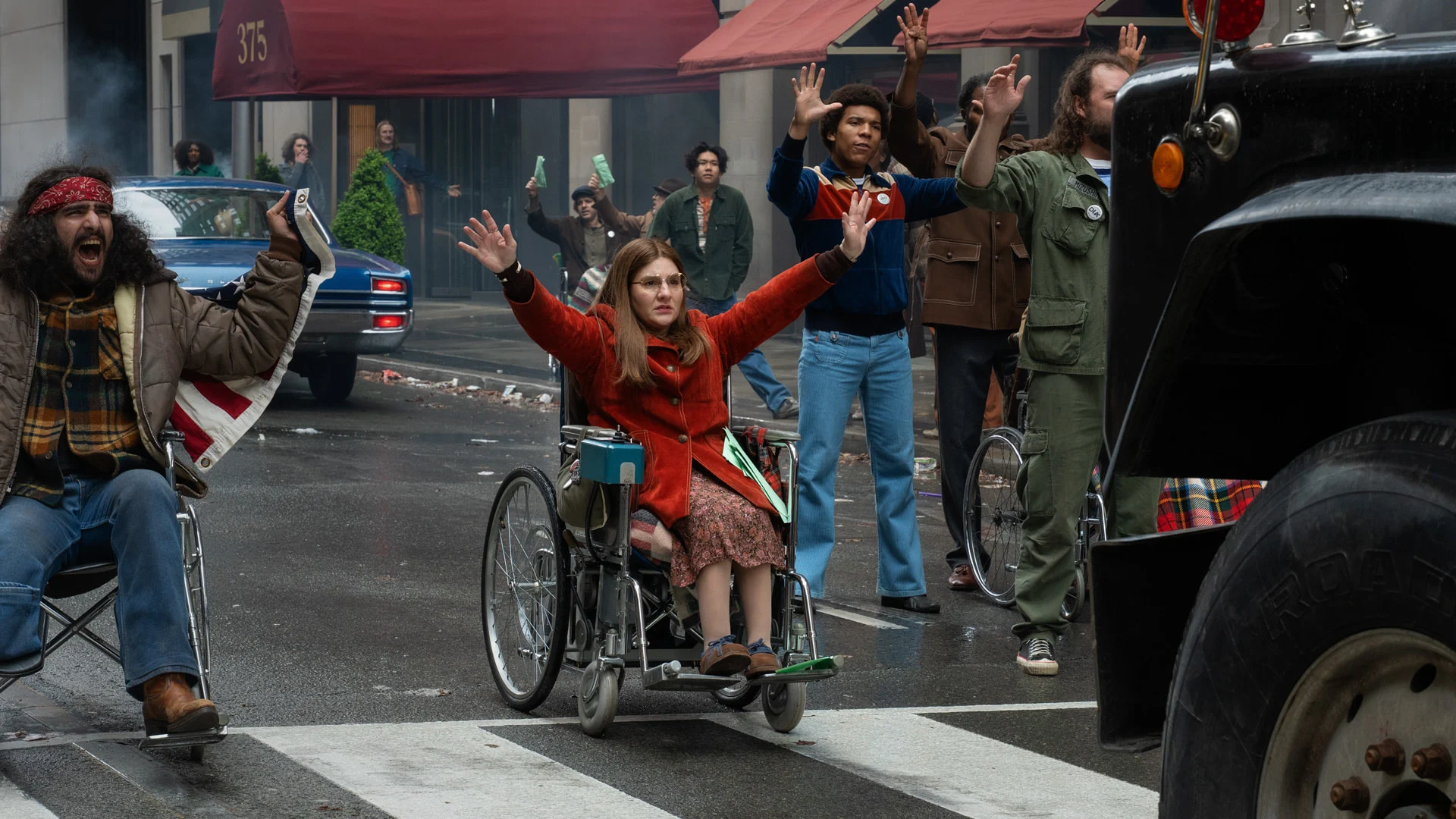
Hollywood’s awards landscape has increasingly embraced narratives that dismantle systemic exclusion and challenge long-standing cultural preconceptions. Apple Original Films demonstrated that appetite on a global scale when its independent acquisition ‘CODA’ captured the Best Picture Oscar, sparking widespread conversations about authentic disability representation. That milestone victory laid the groundwork for studio executives to greenlight ambitious projects centered on pivotal, overlooked milestones in civil rights history.
Historically, mainstream cinema struggled to capture grassroots activism without sanitizing the grit, friction, and communal logistics that define real social movements. Traditional biopics frequently smoothed over collective civil disobedience in favor of neat melodrama, keeping marginalized communities at arm’s length from mainstream cultural discourse. A modern generation of filmmakers is finally pushing past those outdated tropes to illustrate how political resistance actually takes root through persistent community solidarity.
The culmination of this creative shift arrives in the biographical drama ‘Being Heumann’, which debuted at the Toronto International Film Festival before arriving on Apple TV. The film is directly adapted from the bestselling 2020 autobiography ‘Being Heumann: An Unrepentant Memoir of a Disability Rights Activist’, co-written by the pioneering civil rights advocate Judith Heumann and author Kristen Joiner. Rather than presenting a passive tribute, the cinematic adaptation draws its narrative structure and irreverent humor straight from Heumann’s personal recollections of community mobilization.
Published just three years before Heumann passed away at the age of 75 in 2023, the book cemented her status as the widely celebrated mother of the disability rights movement. Director Siân Heder, reteaming with Apple following her Oscar-winning work on ‘CODA’, recognized the cinematic vitality of Heumann’s literary voice and worked alongside co-writer Rebekah Taussig to translate the text onto the screen. Supporting actors including Dylan O’Brien, Rob Delaney, and Ray Fisher joined the ensemble to flesh out the sprawling network of allies who rallied behind the cause.
The Heart of the Memoir: The 1977 San Francisco Sit-In
While the book traces Heumann’s journey from contracting polio as a toddler in Brooklyn to winning landmark discrimination lawsuits against the New York City school board, the movie zeroes in on its most electrifying chapter. That focal point is the historic 1977 occupation of the San Francisco regional offices of the Department of Health, Education, and Welfare. Protesters demanded the federal enforcement of Section 504 of the Rehabilitation Act of 1973, a dormant provision that prohibited federally funded entities from discriminating on the basis of disability.
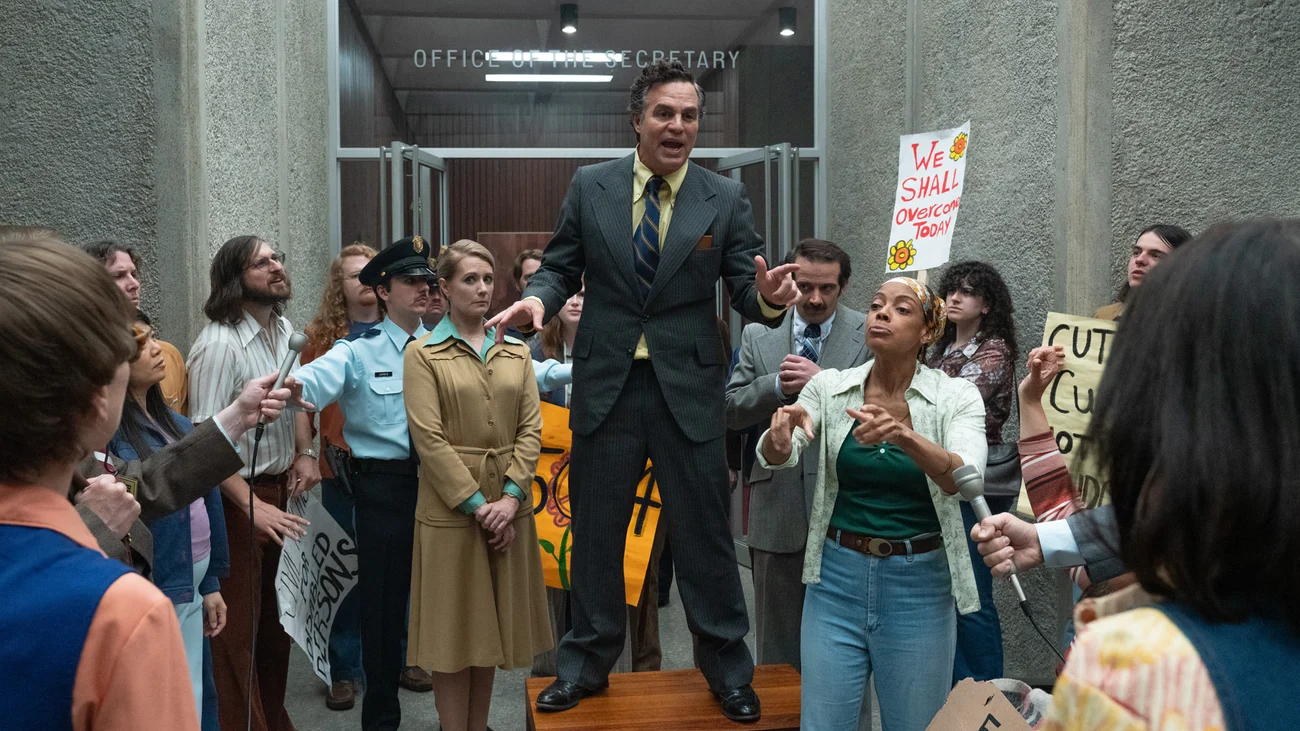
The standoff lasted 26 consecutive days, becoming the longest nonviolent occupation of a federal building in American history. As detailed on her official memoir archive, the real-life siege united more than 100 activists across diverse backgrounds, relying on coalitions with the Black Panther Party and local labor unions to survive without running water or outside phone lines. ‘Being Heumann’ translates this high-stakes pressure cooker into what filmmakers envisioned as a political thriller where collective perseverance triumphed over entrenched bureaucracy.
Translating Lived Experience to the Screen
Central to both the memoir and the screen adaptation is an uncompromising rejection of sentimental charity. British actress Ruth Madeley, who was born with spina bifida and uses a wheelchair, steps into Heumann’s shoes to capture her legendary humor and stubborn leadership. Opposite her, Mark Ruffalo plays United States Secretary of Health, Education, and Welfare Joseph A. Califano Jr., whose reluctance to authorize the costly regulatory guidelines triggers the historic rebellion.
The production made history by assembling one of the largest casts of disabled performers ever featured in a major Hollywood studio project. Filming required the production team to completely rethink conventional set architecture, designing custom accessible hair and makeup trailers and wheelchair ramps from scratch. Director Siân Heder in an interview with The Hollywood Reporter described the intense operational hurdles of the shoot, noting that “there were so many levels of meta in this movie where like the making of the movie became like the protest”.
A Lasting Legacy of Civil Rights
By bringing Heumann’s words to the screen, the movie underscores how direct action altered the physical and legal architecture of modern society. Section 504 paved the crucial pathway for the subsequent passage of the Americans with Disabilities Act in 1990, establishing curb cuts, accessible public transit, and equal education as non-negotiable rights. The film reinforces the memoir’s core thesis: disability is not an individual medical tragedy, but a social reality shaped by barriers in the surrounding world.
Ultimately, ‘Being Heumann’ serves as a vibrant companion piece to the Oscar-nominated documentary ‘Crip Camp: A Disability Revolution’, which previously highlighted Heumann’s younger years at Camp Jened. By translating her personal literary account into a sweeping period drama, Apple TV offers audiences an unvarnished chronicle of how organized defiance forced Washington to yield.
What do you think of Judy Heumann’s extraordinary legacy and the way ‘Being Heumann’ brings her memoir to life?