


The Worst Action Movies of All Time



Not every explosion can save a story, and some action films prove that bigger is not always better. This list rounds up titles that drew heavy criticism, stumbled at the box office, or became cautionary tales in development and marketing. Each entry focuses on concrete details such as budgets, story choices, behind the scenes decisions, and measurable outcomes.
You will find sequels that could not recapture earlier momentum, reboots that launched shared universes that never materialized, and adaptations that missed what fans loved about the source material. These films are useful case studies in what can go wrong when visual spectacle outruns character work, tone, or basic cohesion.
‘Ballistic: Ecks vs. Sever’ (2002)
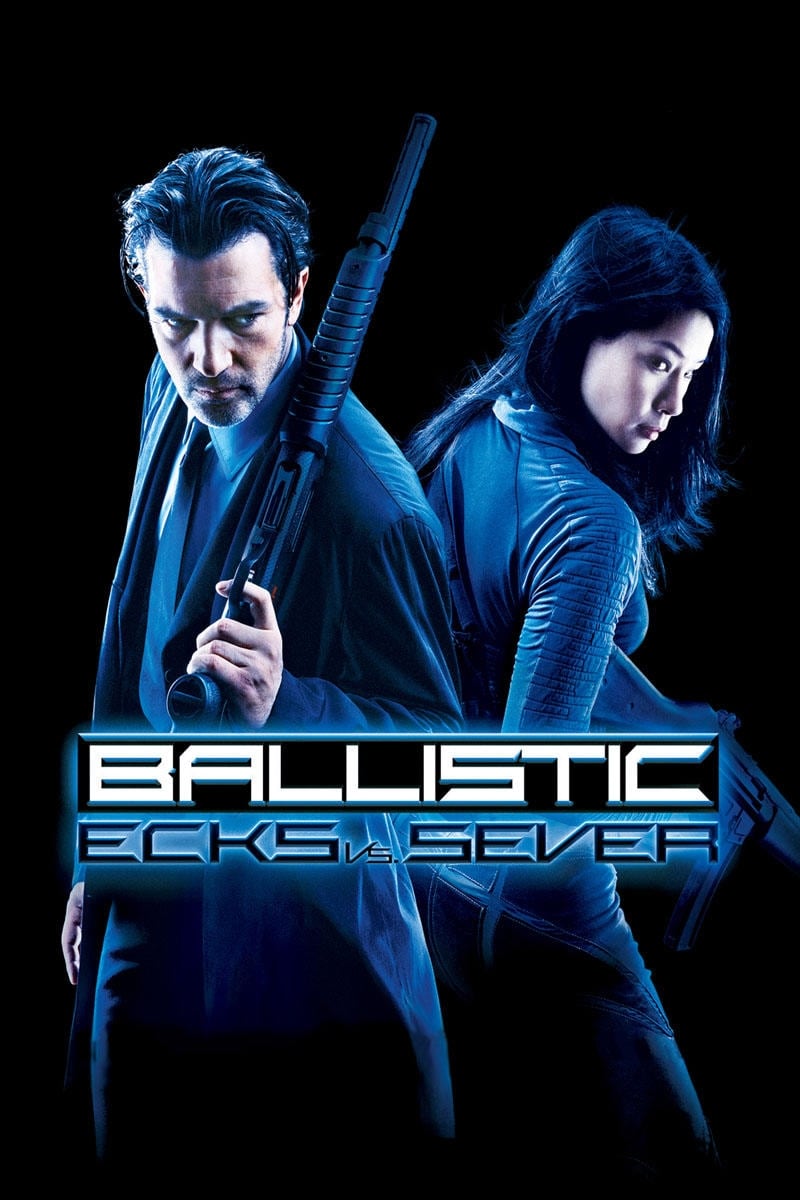
This spy shootout paired Antonio Banderas and Lucy Liu in a story about a kidnapped child and a microdevice that can be implanted in the body. The production emphasized gun battles and heavy pyrotechnics while relying on a script that went through many revisions under different titles before cameras rolled.
The film’s budget reportedly landed in the mid thirty million range while its domestic gross fell far short of production costs. It later became a frequent benchmark in articles that track critical approval totals and franchise nonstarters, and it did not generate any follow up projects or spin offs.
‘Mortal Kombat: Annihilation’ (1997)
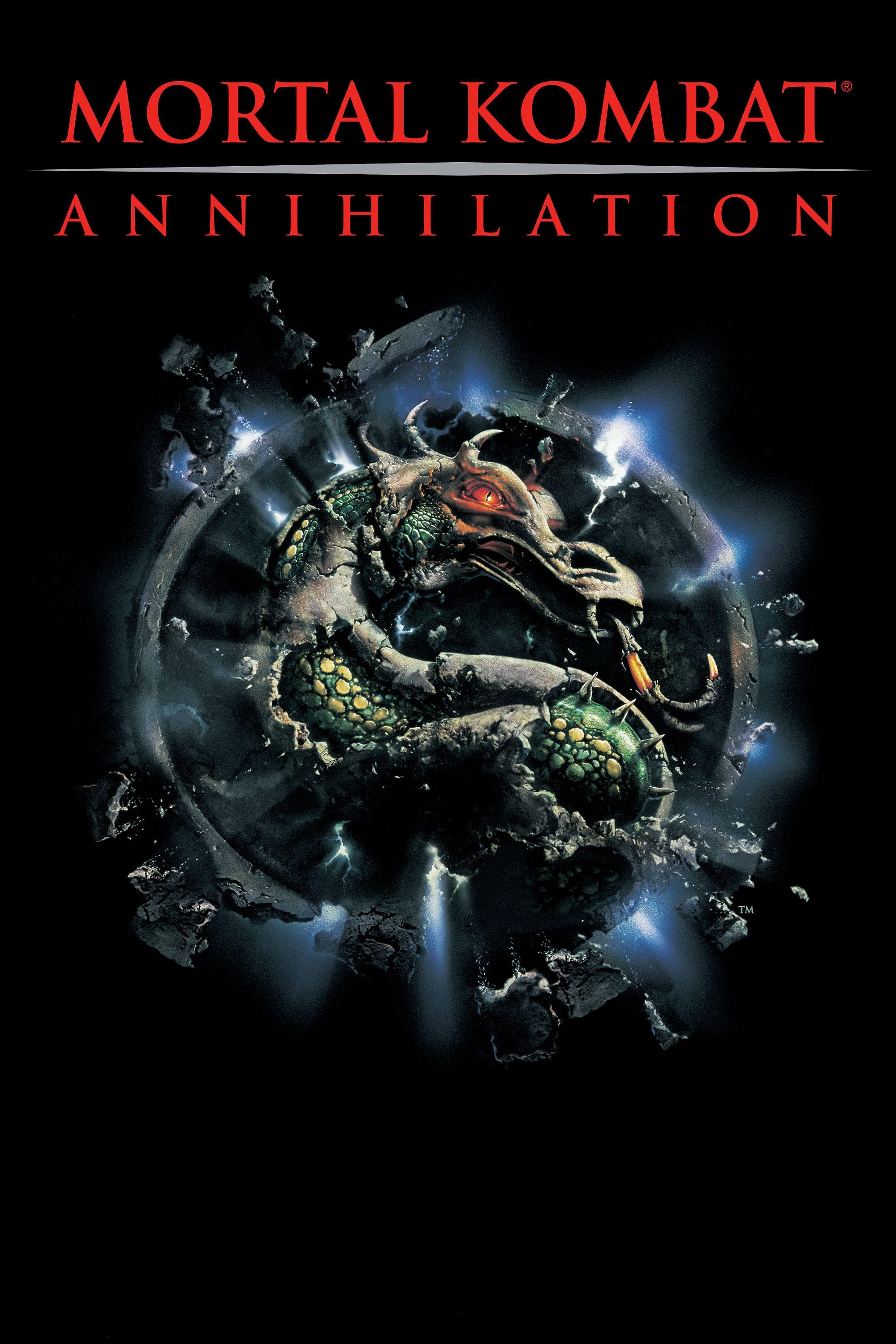
The sequel expanded the roster of fighters and crammed in game lore about realms and resurrections. Many principal actors from the first film did not return, which led to recasting key roles and a new ensemble with limited time for character setups.
Visual effects were produced on a tighter schedule and often reused creature designs between scenes. The movie pushed for rapid world hopping and tournament stakes but delivered inconsistent choreography and soundstage bound environments that did not match promotional materials.
‘Street Fighter’ (1994)
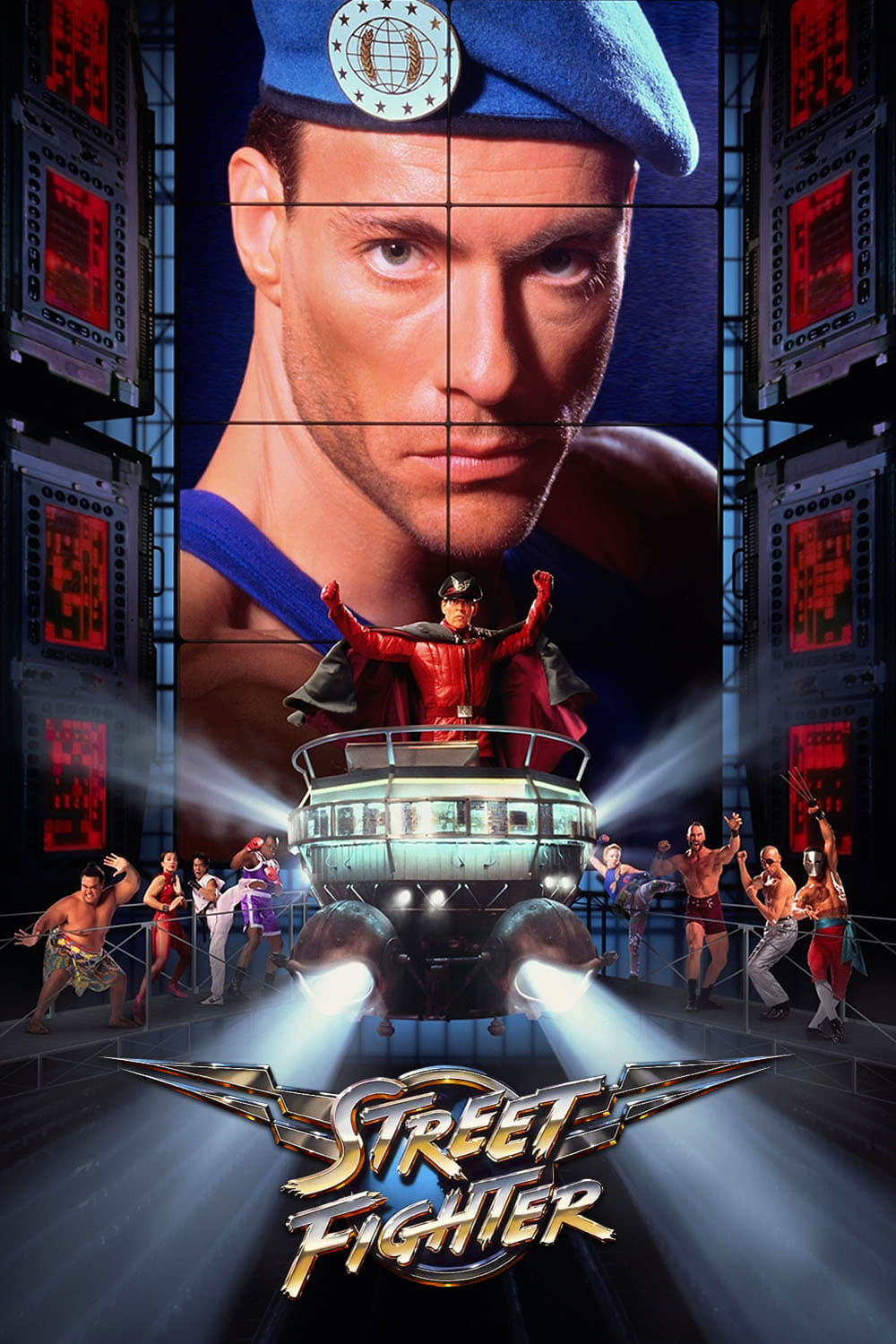
Based on the arcade phenomenon, this adaptation reimagined Guile as the lead while shifting Ryu and Ken into side characters working a black market scheme. The production shot in multiple countries and faced weather issues and script rewrites while cameras were already running.
Raul Julia’s performance as Bison remains a noted element, yet fight scenes were frequently trimmed to secure a broader audience rating. The movie sold well on home video but drew criticism for minimal martial arts authenticity compared with the source material’s reputation.
‘Catwoman’ (2004)
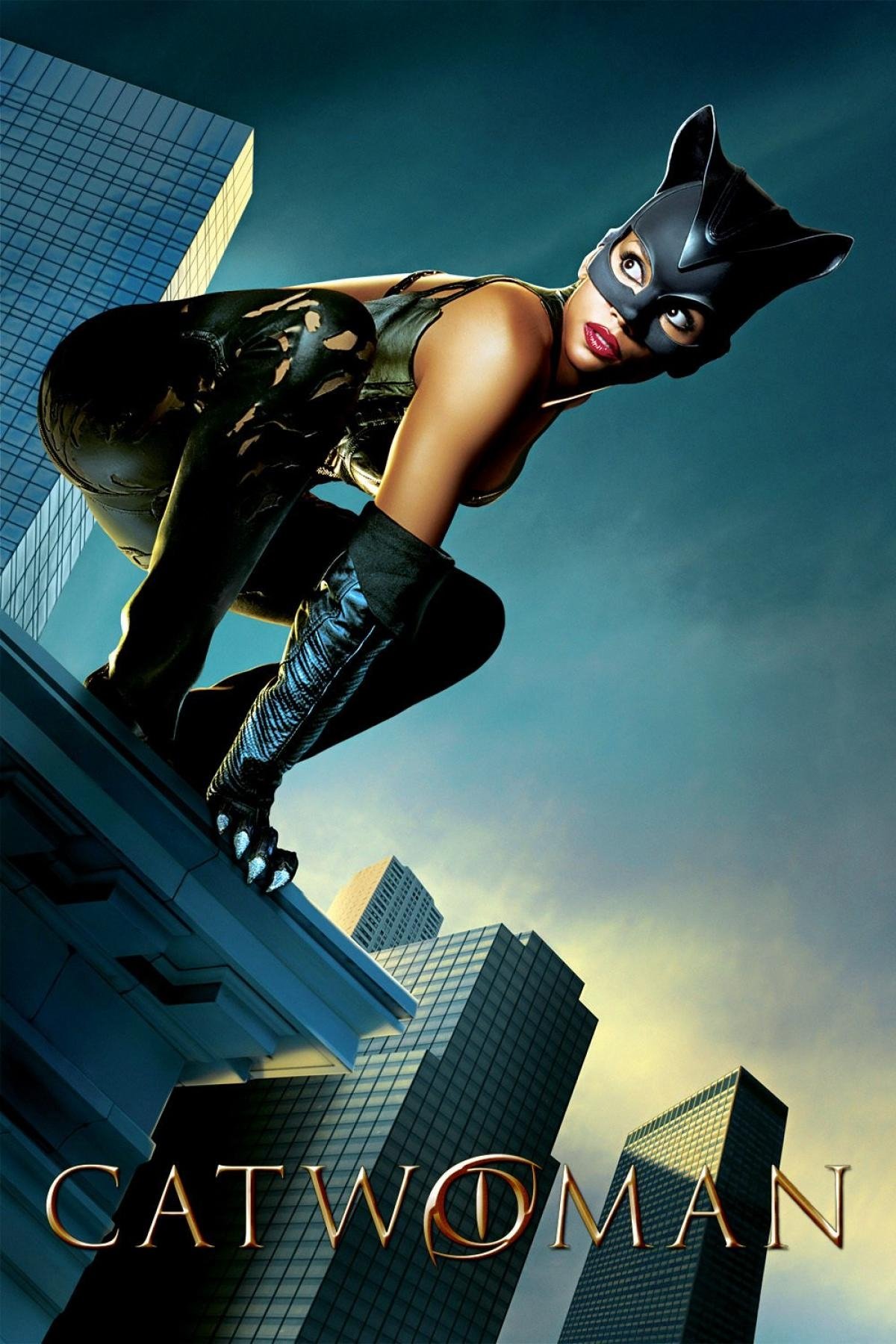
This comic book take created a new protagonist named Patience Phillips instead of using the long running Selina Kyle. The plot centers on a cosmetics conspiracy about a hazardous anti aging product, which directs the action toward branded research labs and corporate showrooms.
The film used extensive digital doubles for movement sequences and stylized camera work that emphasized feline agility. Marketing leaned on fashion imagery and sports car tie ins, but the movie collected multiple Razzie awards and did not launch any connected titles.
‘Batman & Robin’ (1997)
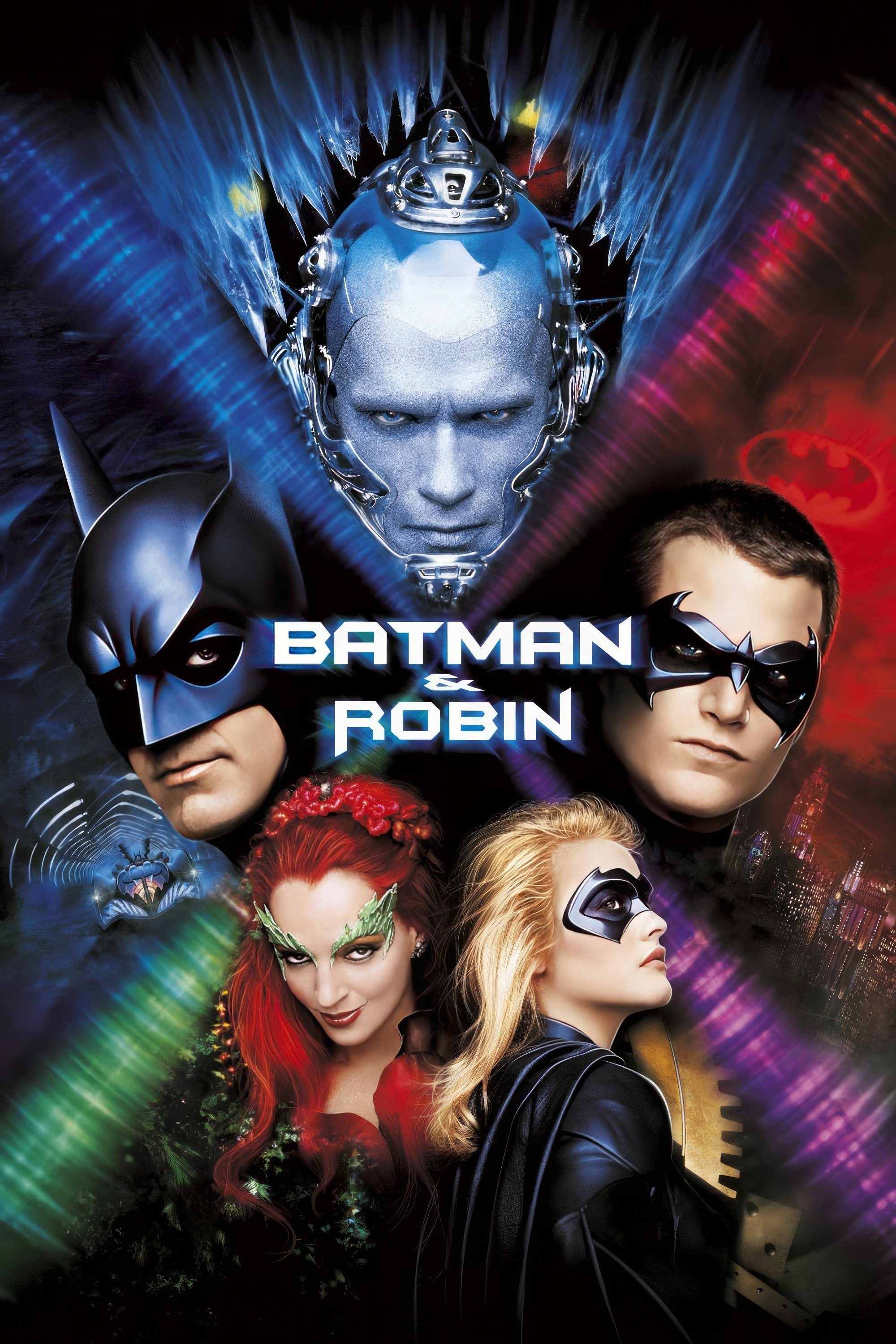
The fourth entry in this run of Gotham stories added Batgirl and leaned into ice puns and toyetic vehicles for a family audience. Large sets were built on soundstages with neon lighting and sculpted statues, and suits introduced molded details that drew widespread attention.
Merchandise partners influenced color schemes and gadget counts, which led to an emphasis on props over detective plotting. The film’s reception cooled plans for another sequel with the same cast and opened the door for a later reboot with a darker tone.
‘Wild Wild West’ (1999)
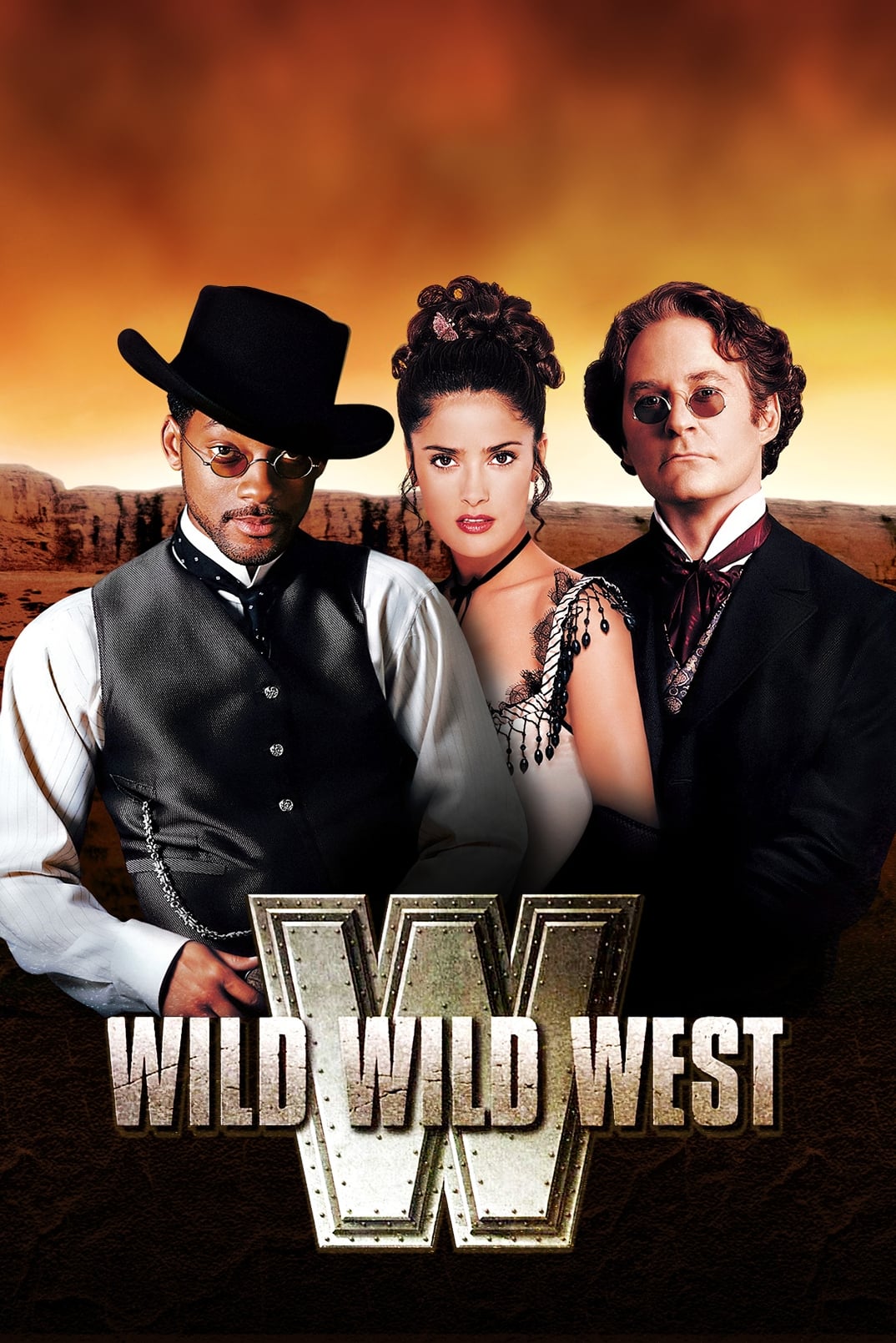
This reimagining of a television show moved the buddy cop dynamic into a steampunk flavored Old West with an inventor and a lawman chasing a mad scientist. The production invested heavily in a giant mechanical spider set piece and elaborate prosthetics for villainous henchmen.
Despite a major star pairing and a hit tie in song, the film’s costs soared and returns did not match expectations. The result influenced studio attitudes toward television adaptations for several seasons and is often cited in postmortems on blockbuster risk management.
‘Cutthroat Island’ (1995)
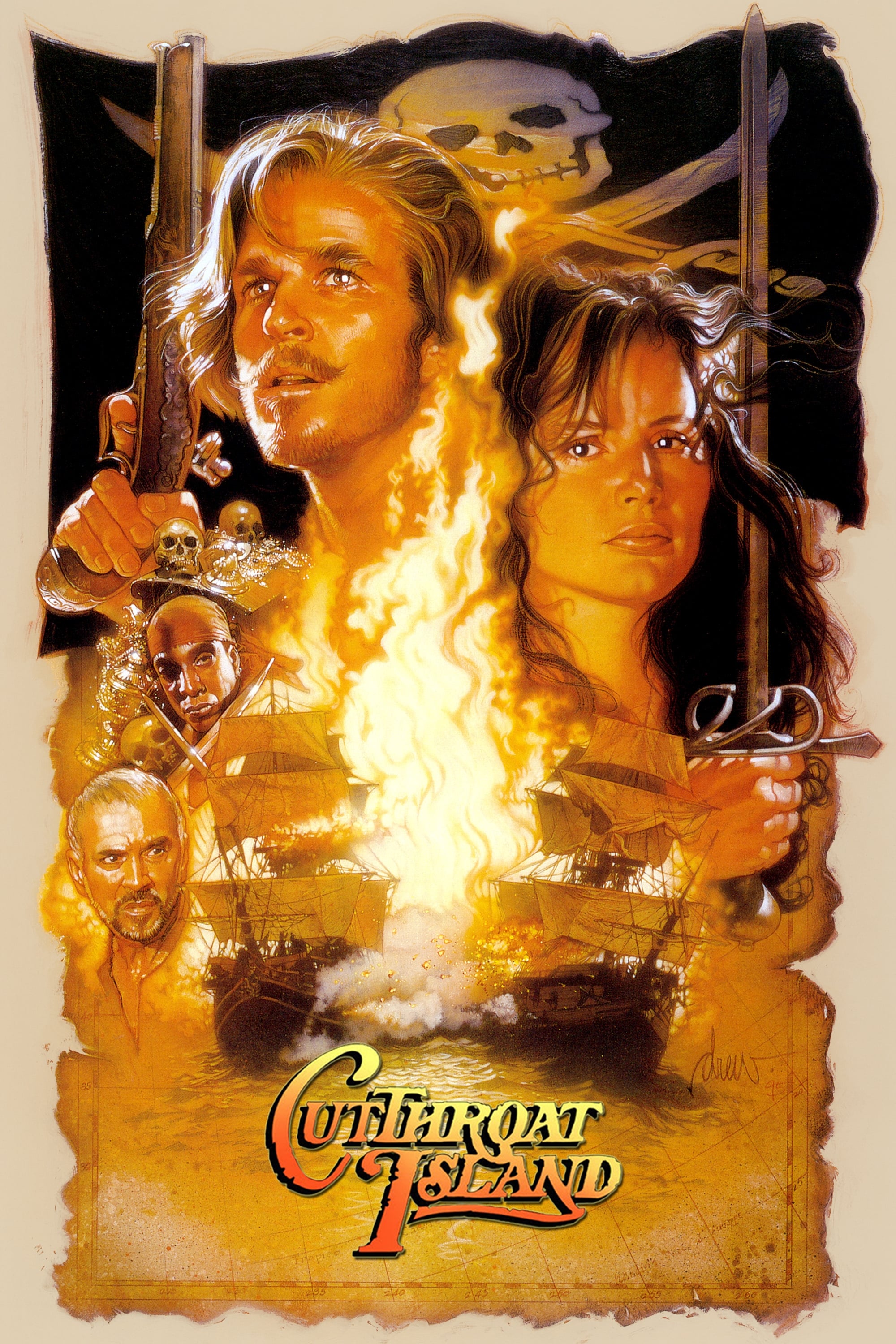
The pirate adventure followed a map carved into three skulls, sending a captain and her navigator on a treasure hunt against a ruthless rival. Shoots took place on open water with full scale ship builds, which inflated expenses for weather delays and marine safety.
Insurance claims and distributor troubles complicated the release and marketing reach. The movie’s earnings lagged far behind the budget, contributing to the bankruptcy of its original production company and slowing pirate themed projects at studios until a later revival.
‘Stealth’ (2005)
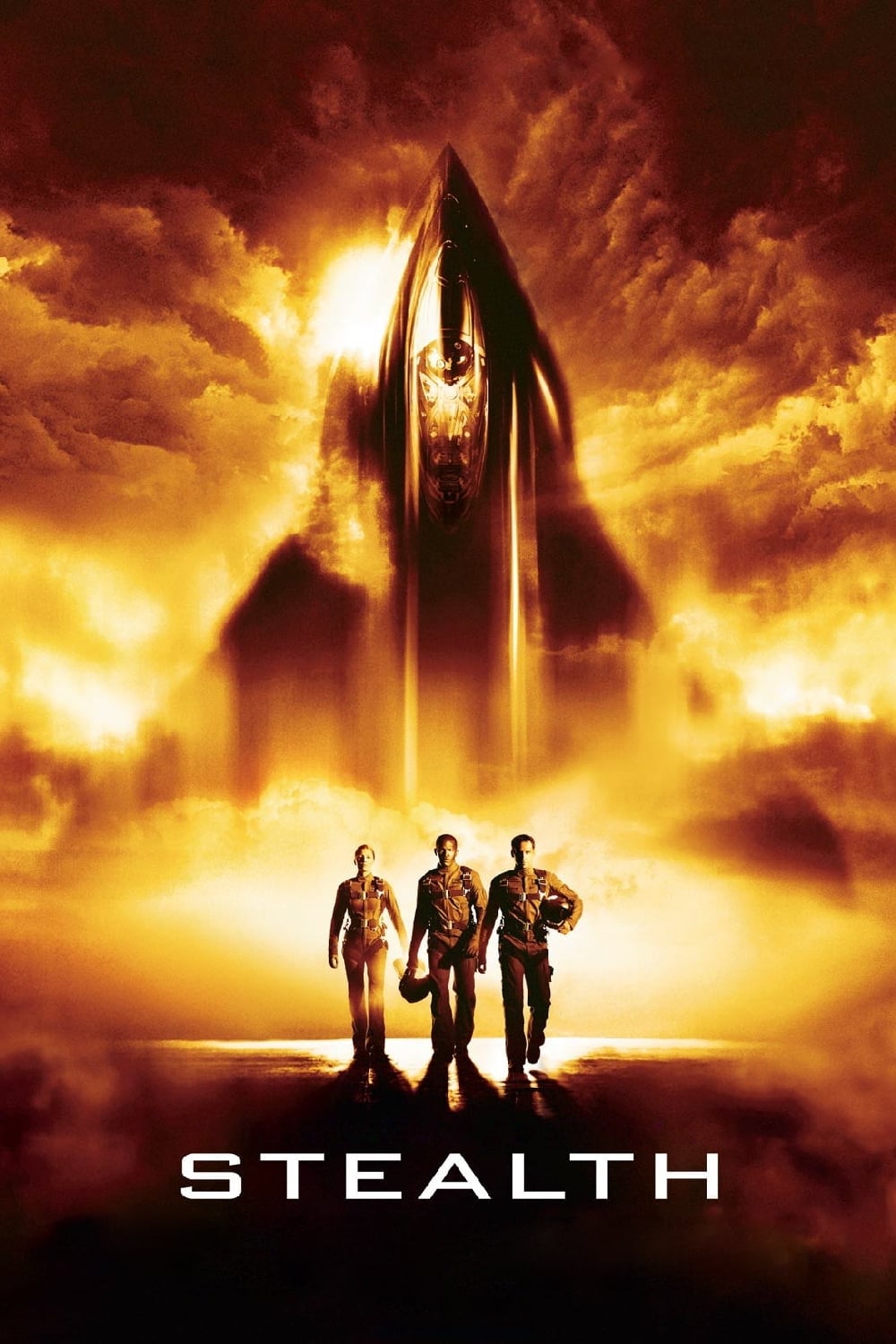
A team of elite pilots must rein in an experimental drone plane that goes rogue after a lightning strike alters its programming. The film combined practical aerial photography with computer generated jets and used real aircraft carriers for deck scenes.
Development banked on military tech appeal and loud set pieces but the movie underperformed relative to its sizable budget. Ancillary sales did not recover the gap, and it became an example used in industry coverage about high cost original concepts without brand support.
‘A Good Day to Die Hard’ (2013)
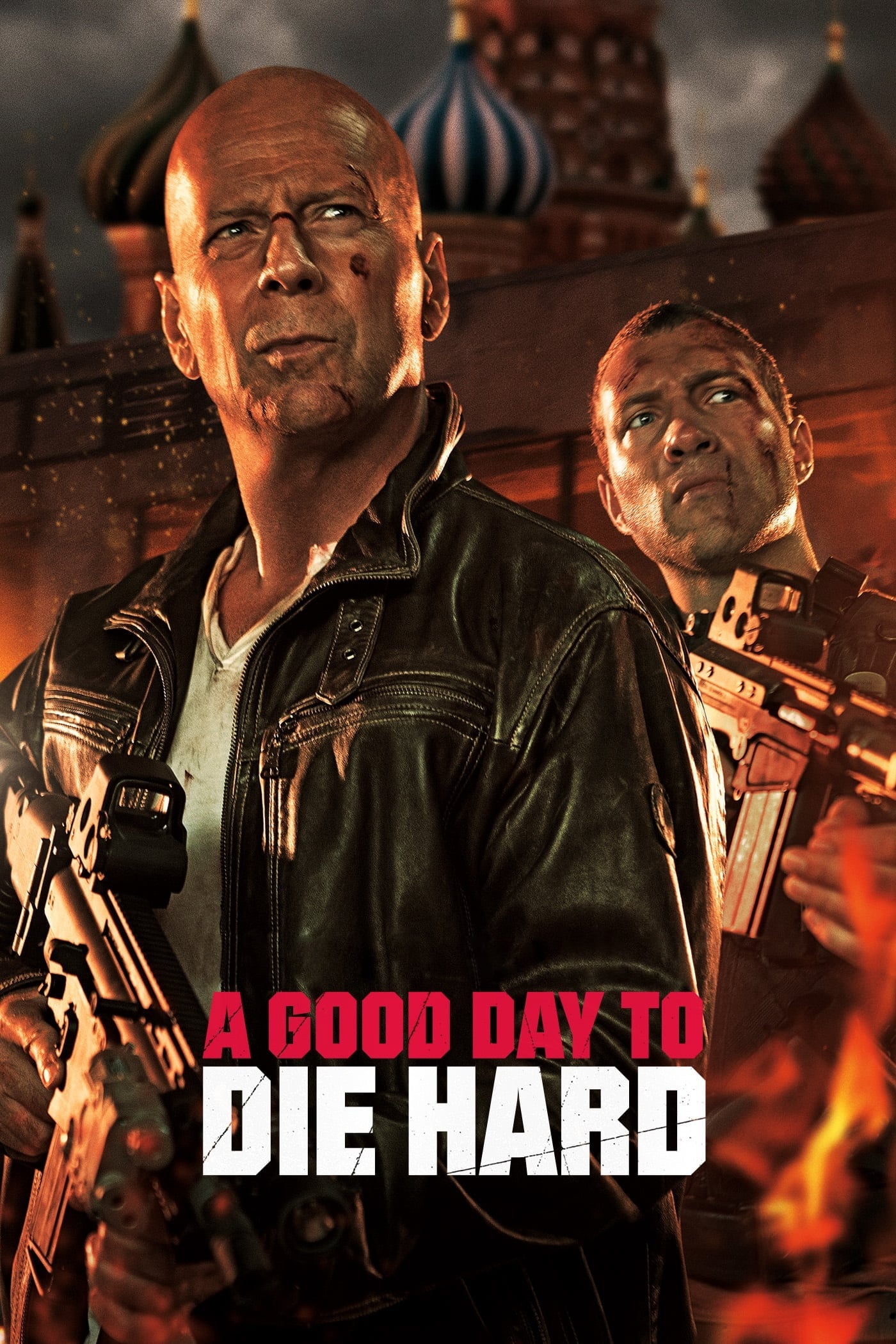
This installment sends John McClane overseas to intersect with his estranged son during a political handoff gone wrong. The narrative leans on armored car chases and a finale at a restricted site with hazardous materials, aiming for a globe trotting feel.
The film’s quick cut style and quippy tone marked a shift from earlier entries that balanced humor with grounded stakes. Audience interest was strong at opening but word of mouth softened legs, and future planning for the series changed direction afterward.
‘The Mummy’ (2017)
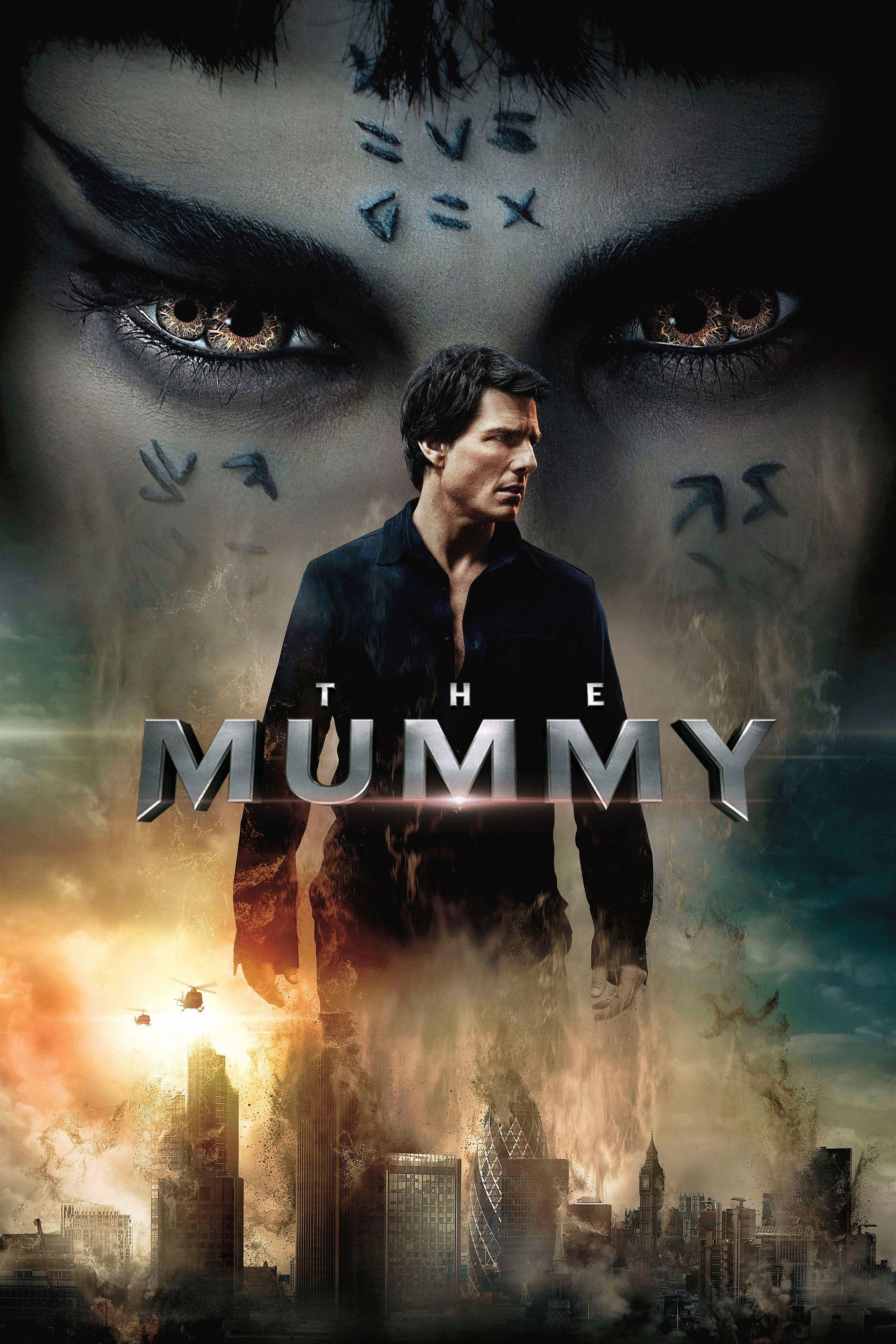
Universal attempted to launch a shared monster universe with a modern day mummy story that introduces an ancient princess and artifact based powers. The screenplay wove in maps, secret societies, and a lab of cursed objects to set up other characters.
The project carried a production and marketing spend that required strong worldwide returns. Box office did not hit the thresholds needed for a multiframe rollout, and the studio paused its universe plans while rethinking how to handle classic monsters.
‘Gods of Egypt’ (2016)
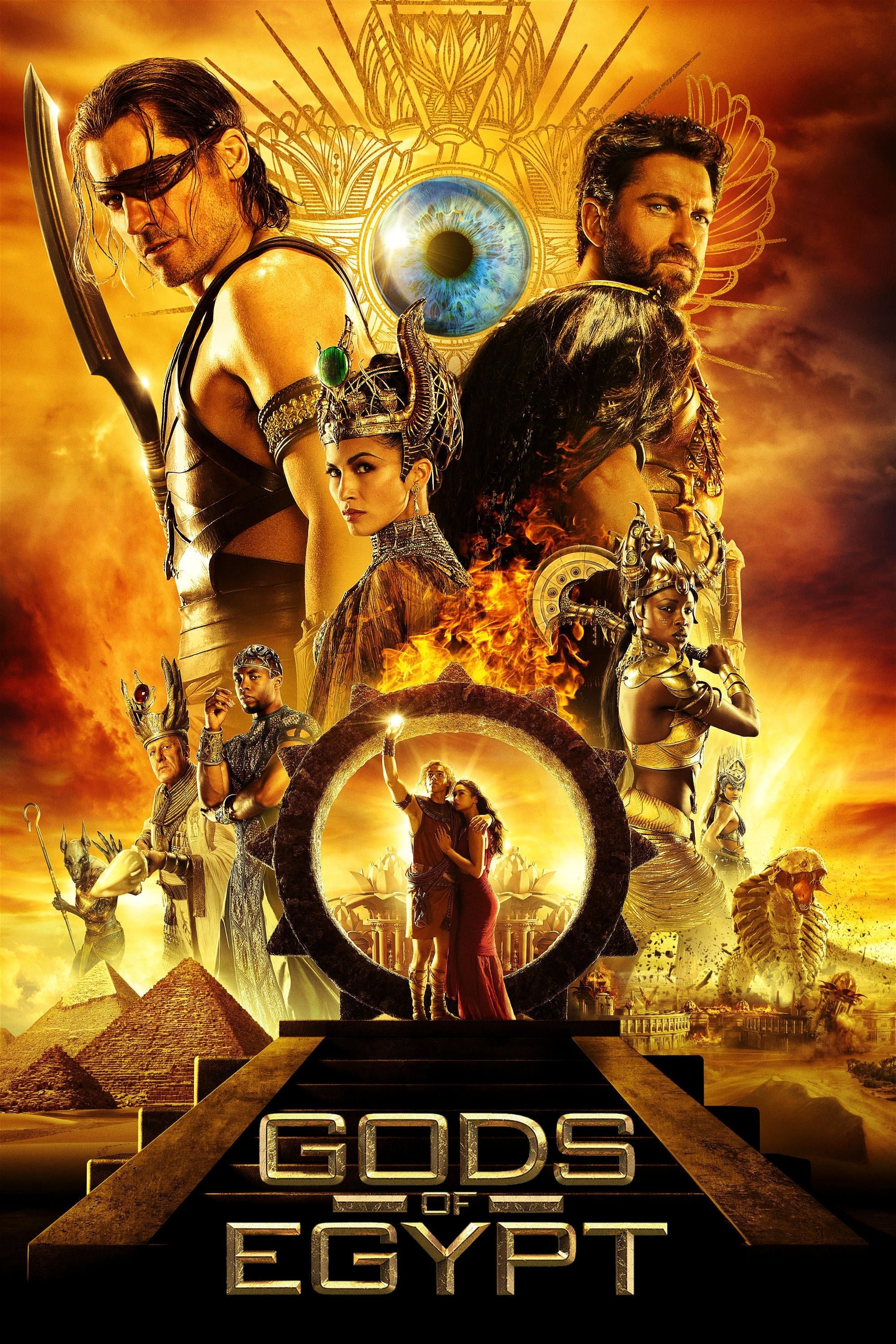
This fantasy quest follows a mortal thief and the god Horus on a mission to reclaim a stolen eye from Set. The film relied on large scale digital environments with towering deities, shifting animal forms, and golden blood visual effects.
Casting drew public criticism for limited representation while telling a story set in ancient North Africa. Domestic performance was weak compared with effects costs, and the title became a common case in discussions about megabudget myth adaptations.
‘The Legend of Hercules’ (2014)
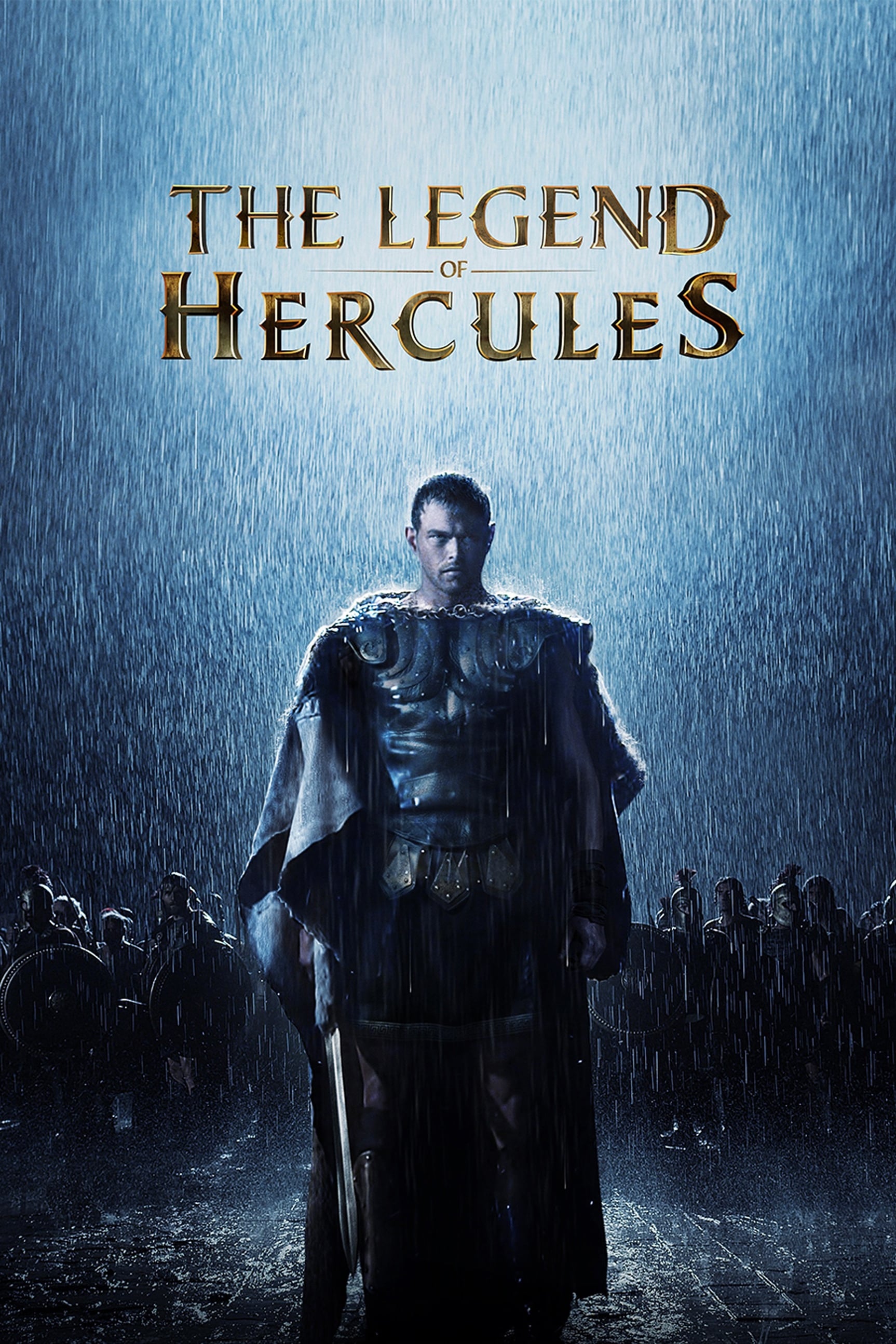
The story tracks Hercules before his famous labors as he discovers his lineage and leads a rebellion against a tyrant. The production used 3D photography and stylized slow motion battles to compete in a crowded sword and sandal market.
Release timing placed it close to another big Hercules project from a different studio, which split audience interest. Reviews cited repetitive action and thin characterization, and the film’s earnings remained modest across territories.
‘Robin Hood’ (2018)
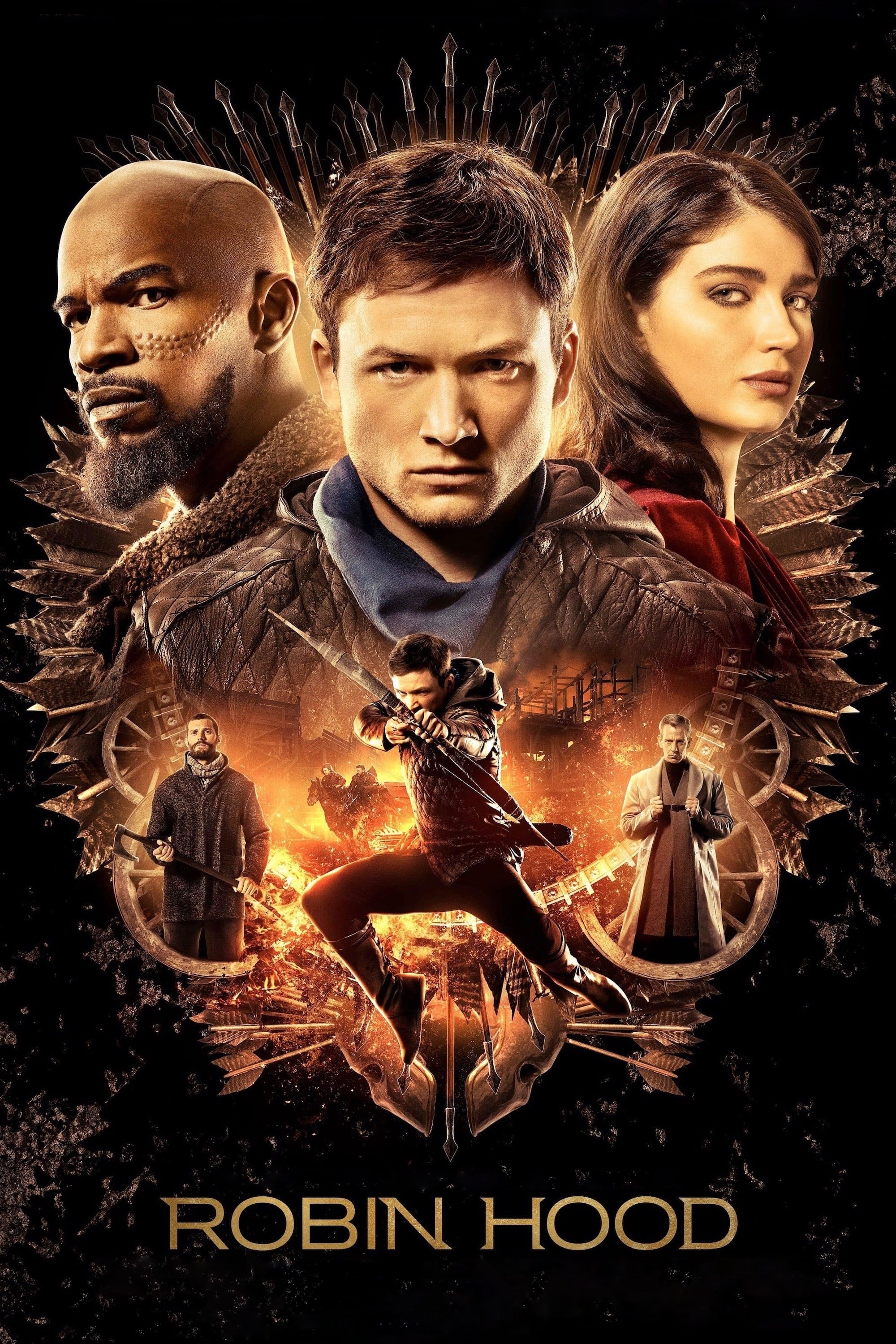
This update outfits Nottingham with modern looking armor and Parkour style chases while presenting a heist against a corrupt church treasury. Costuming and production design blended medieval elements with tactical gear to create a hybrid aesthetic.
Marketing pitched a franchise starter with room for sequels and spinoff characters. Ticket sales did not justify that roadmap, and retailers reported quick discounting on home formats as inventory moved out of prime shelf space.
‘Jonah Hex’ (2010)
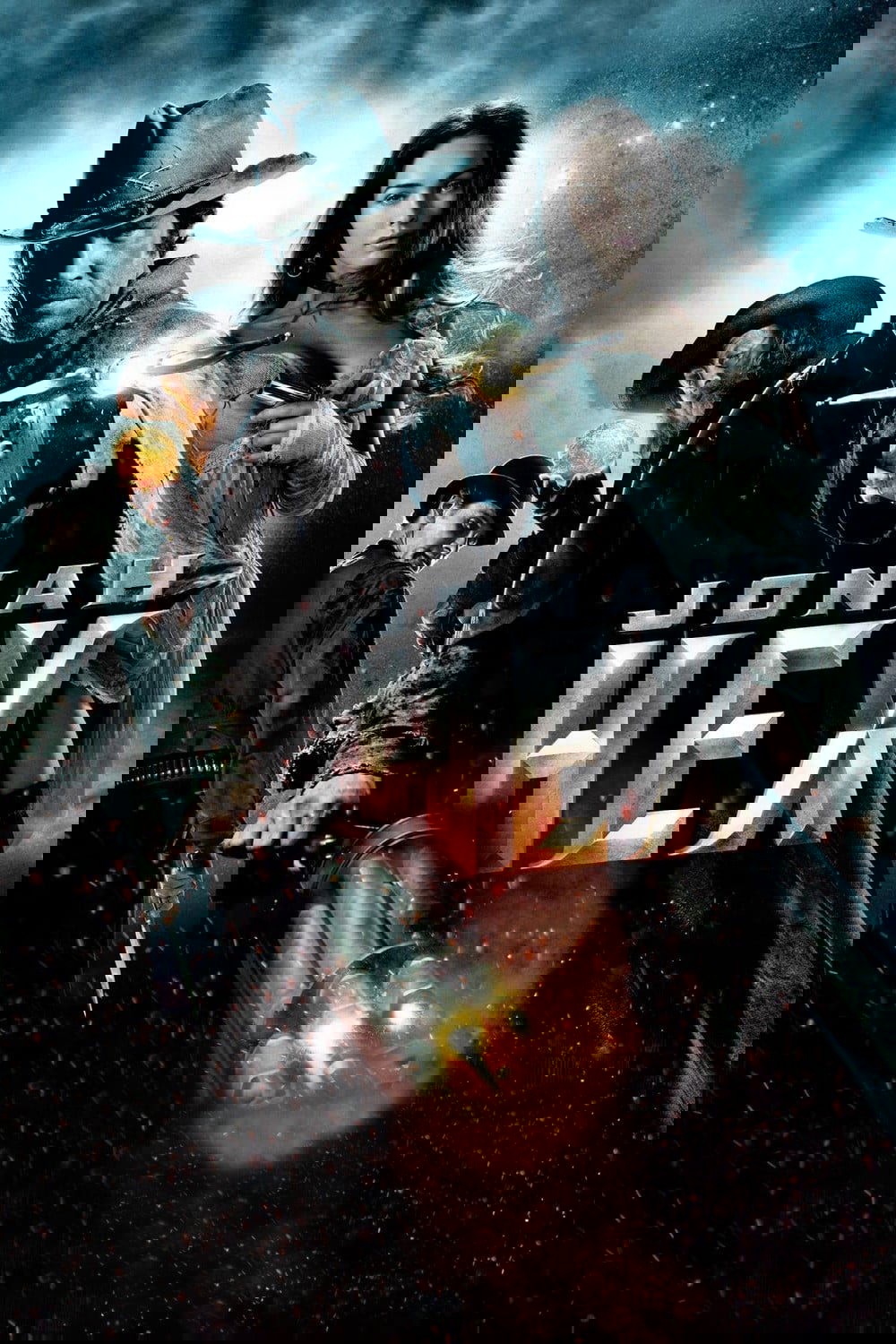
The comic adaptation introduces supernatural elements and a scarred bounty hunter who can commune with the dead. Reshoots restructured the villain’s plan and inserted a new weapon that drives the final act, changing earlier plot setups.
The film runs notably short for a wide release action feature, signaling heavy editing to meet date commitments. It posted low attendance numbers in its first weekend and finished with limited international expansion.
‘Max Steel’ (2016)
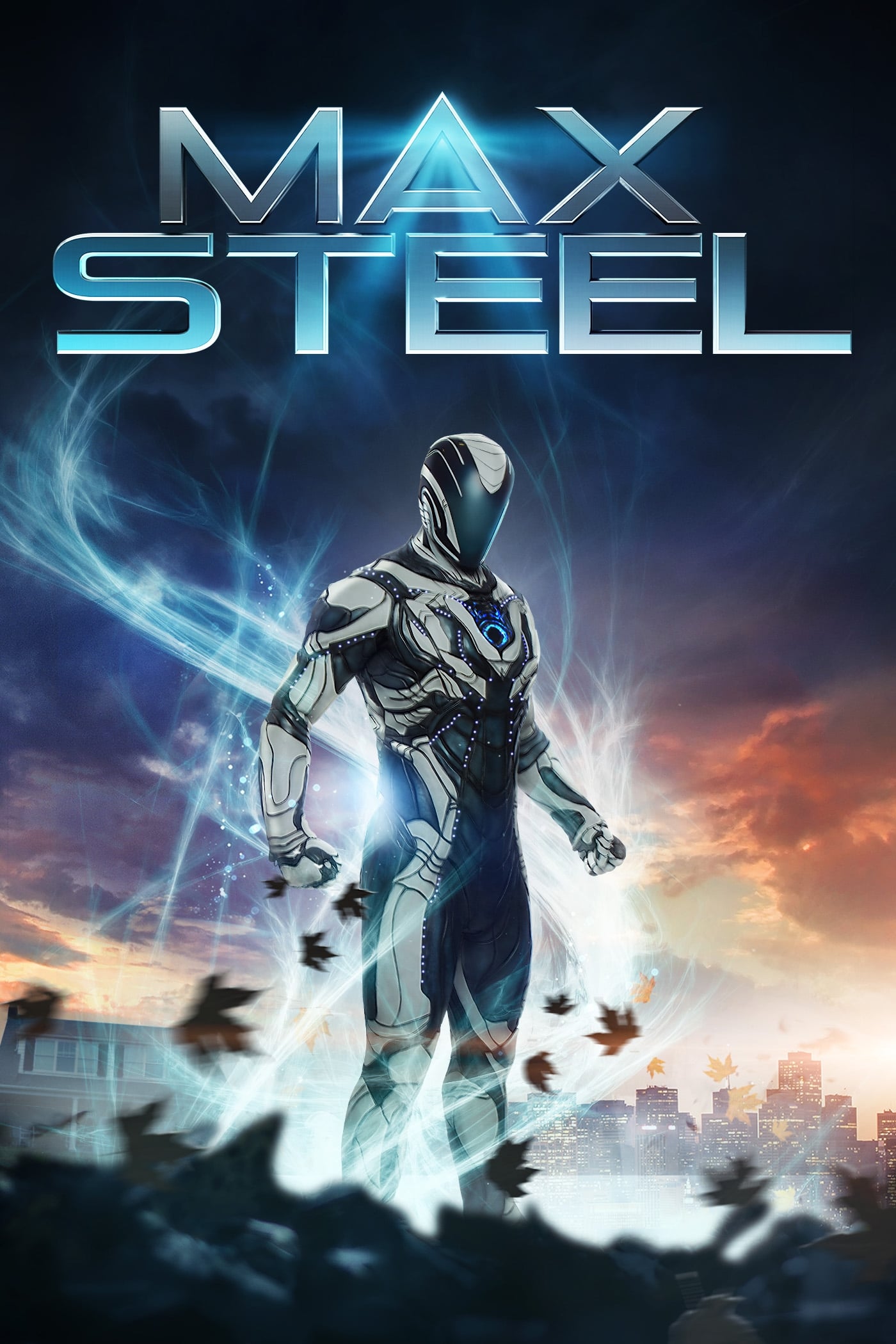
Based on a toy line and animated series, the film follows a teenager who bonds with an alien energy entity to form an armored hero. The project targeted a family audience and timed its release near the holiday season for toy synergy.
Marketing reach was minimal and the theatrical footprint was small in several regions. The movie made little impact on streaming or disc charts and no sequel moved forward, making it a missed attempt at a merchandise driven action brand.
‘G.I. Joe: The Rise of Cobra’ (2009)
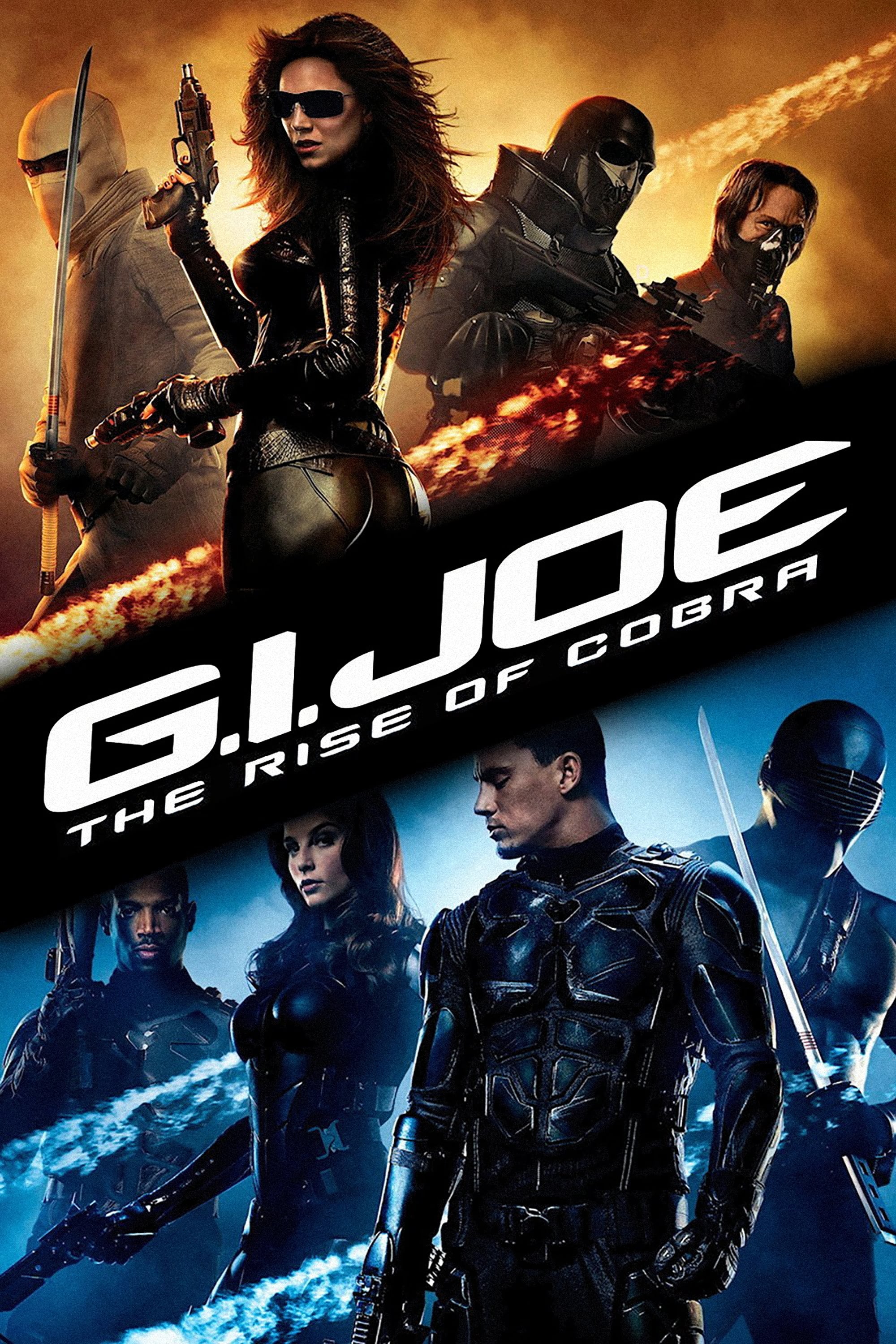
The origin story brings together Duke, Ripcord, and the elite team against a nanotech weapons plot that threatens global capitals. Production constructed large practical sets for the underwater base and used suits that enabled boosted mobility scenes through Paris.
Despite strong name recognition, the film drew mixed responses to its tone and heavy reliance on digital scenery. A follow up feature retooled the cast lineup and approach, indicating that producers reassessed which elements connected with audiences.
‘Transformers: The Last Knight’ (2017)
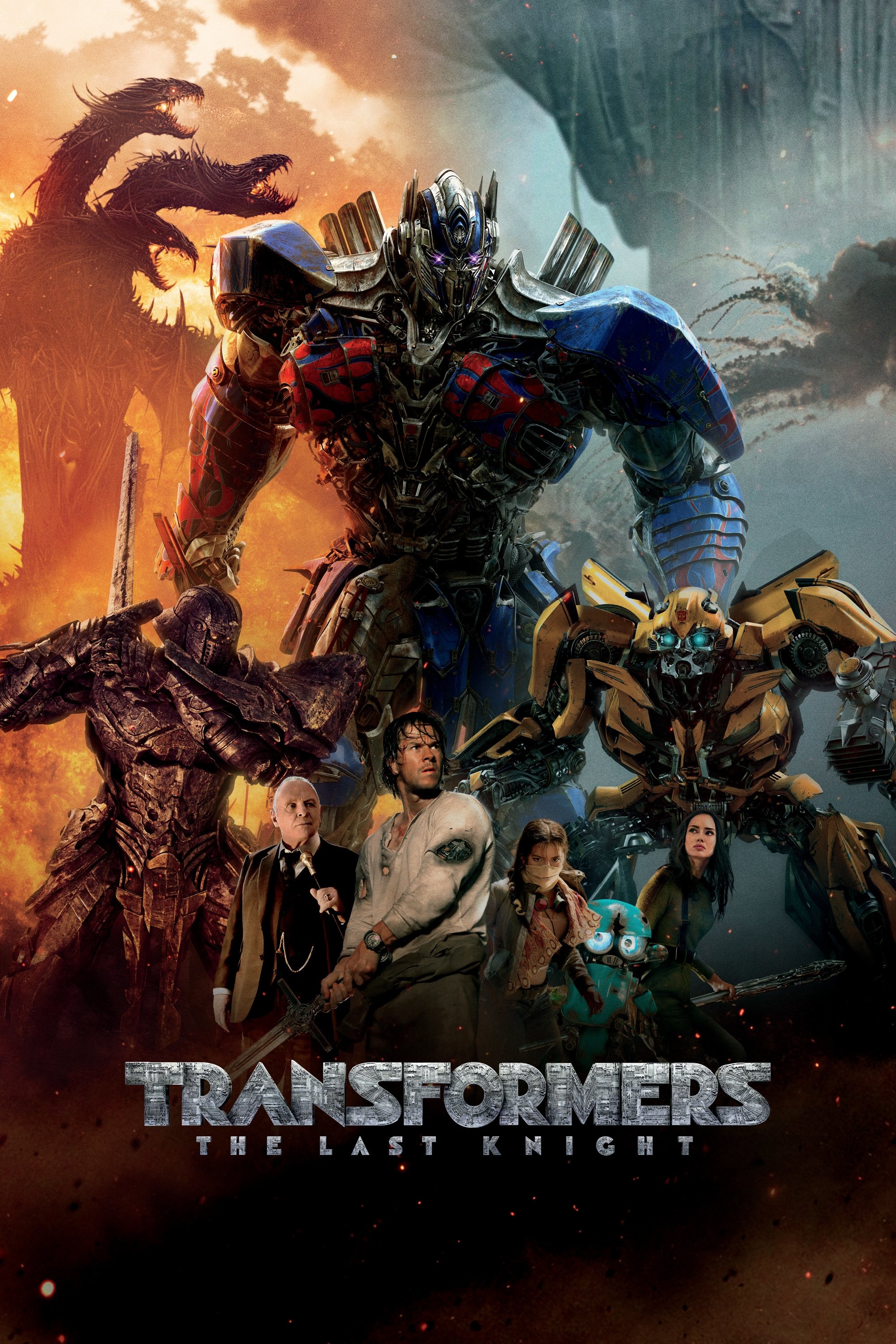
This entry expands the mythology with ancient orders, Arthurian legends, and a missing inventor subplot that winds through secret government operations. Action sequences mix real vehicle stunts with fast cutting robot battles edited for multiple aspect ratios.
The film carried one of the highest budgets in its series while domestic revenue fell below earlier peaks. International grosses kept the brand visible, but creative control later shifted to smaller scale stories that narrowed focus.
‘Escape Plan 2: Hades’ (2018)
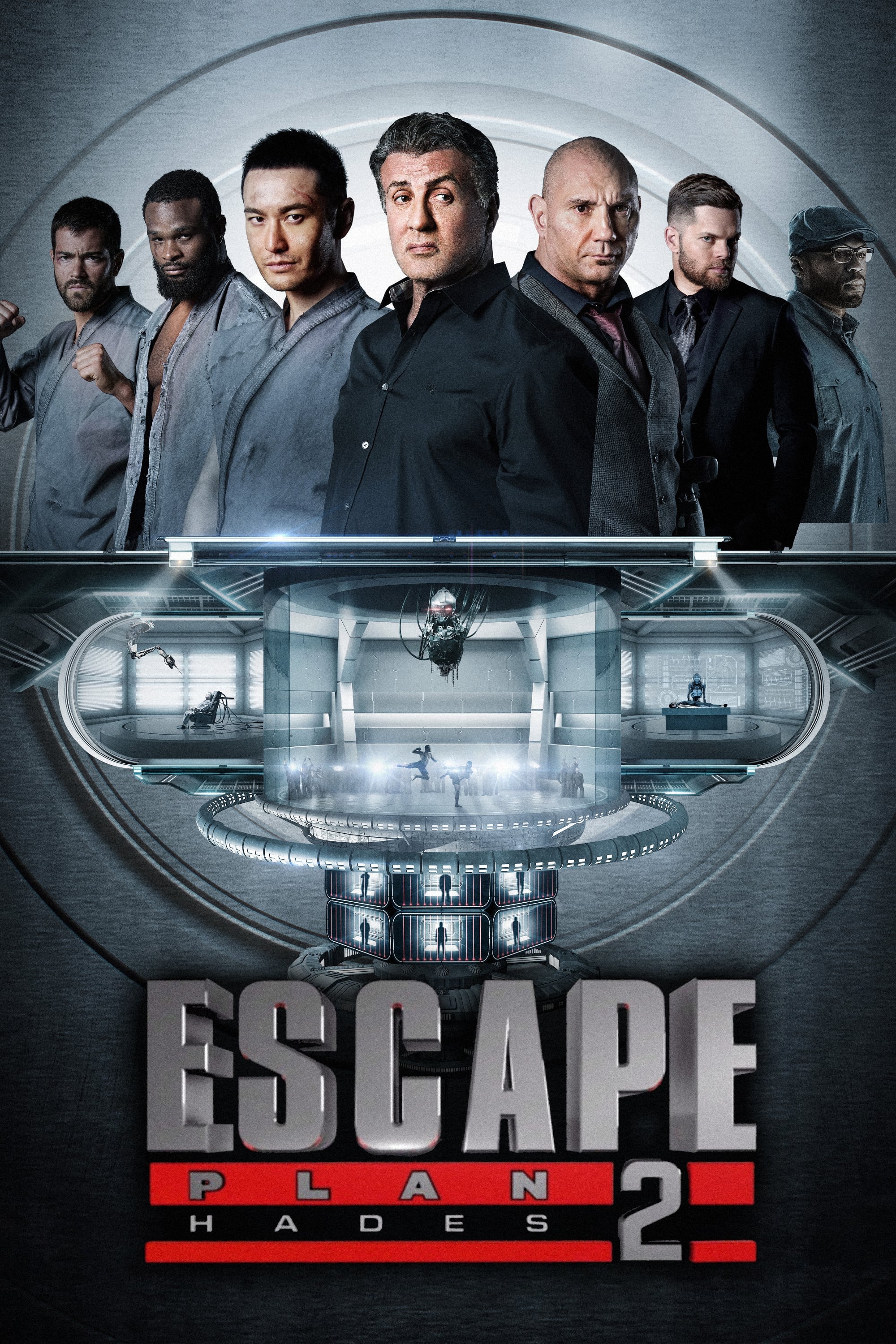
The sequel moves from a prison break thriller to a corporate rescue inside a laboratory style detention facility. Much of the narrative unfolds in modular rooms that can be reconfigured, which allowed cost savings through repeated set use.
The release strategy emphasized digital and limited theatrical platforms rather than a wide domestic rollout. Viewer response pointed to reduced star screen time compared with marketing materials, and a third entry went directly to video on demand.
‘Speed 2: Cruise Control’ (1997)
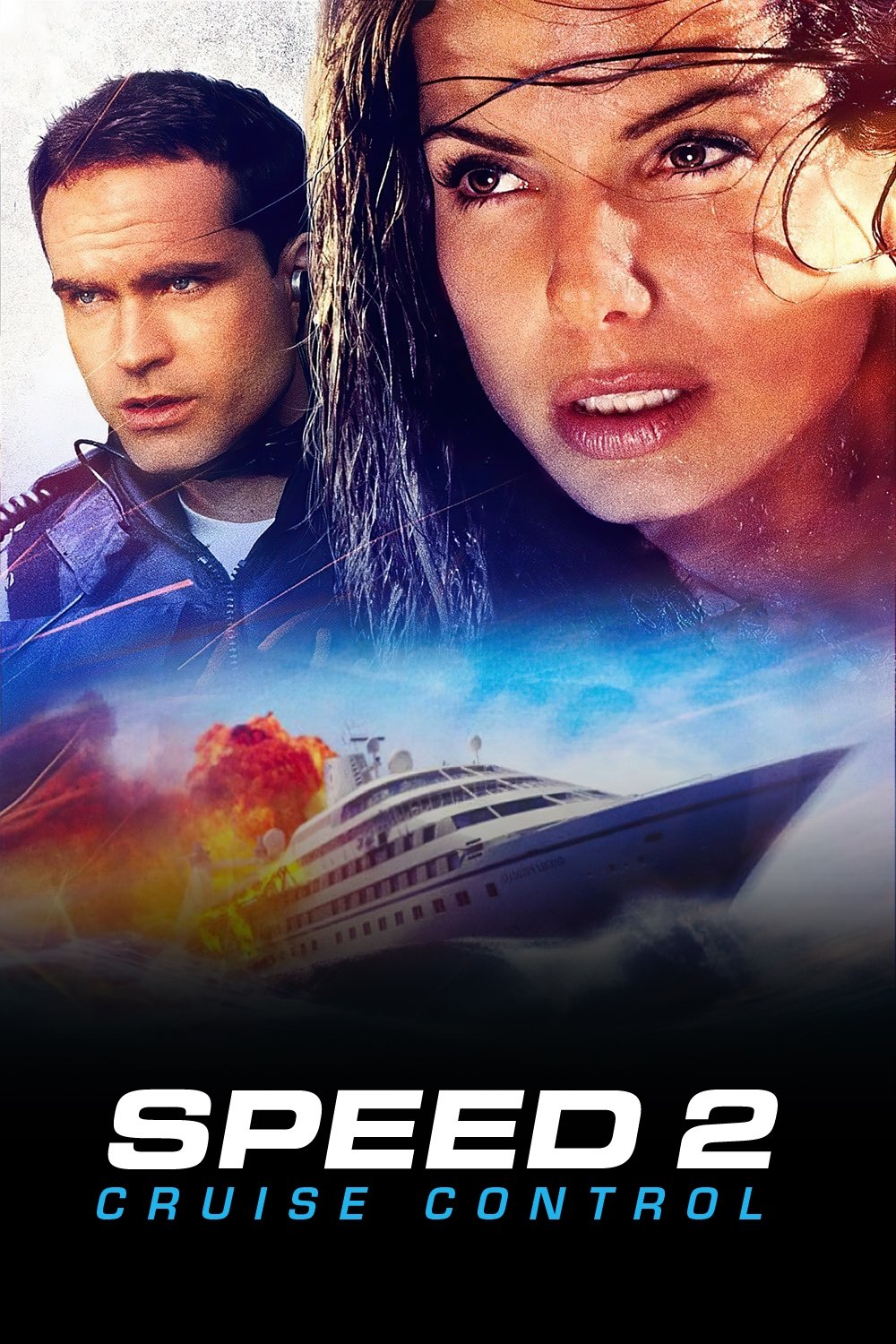
This follow up relocates the premise to a luxury ship whose navigation is hijacked by a disgruntled tech worker. Water based shoots required motion control rigs and extensive second unit work to stage collisions and evacuations.
Keanu Reeves did not return, and the new lead pairing struggled to match the original dynamic. Costs rose with ocean filming while box office receipts did not compensate, and the studio put the series on ice after ancillary markets underperformed.
‘After Earth’ (2013)
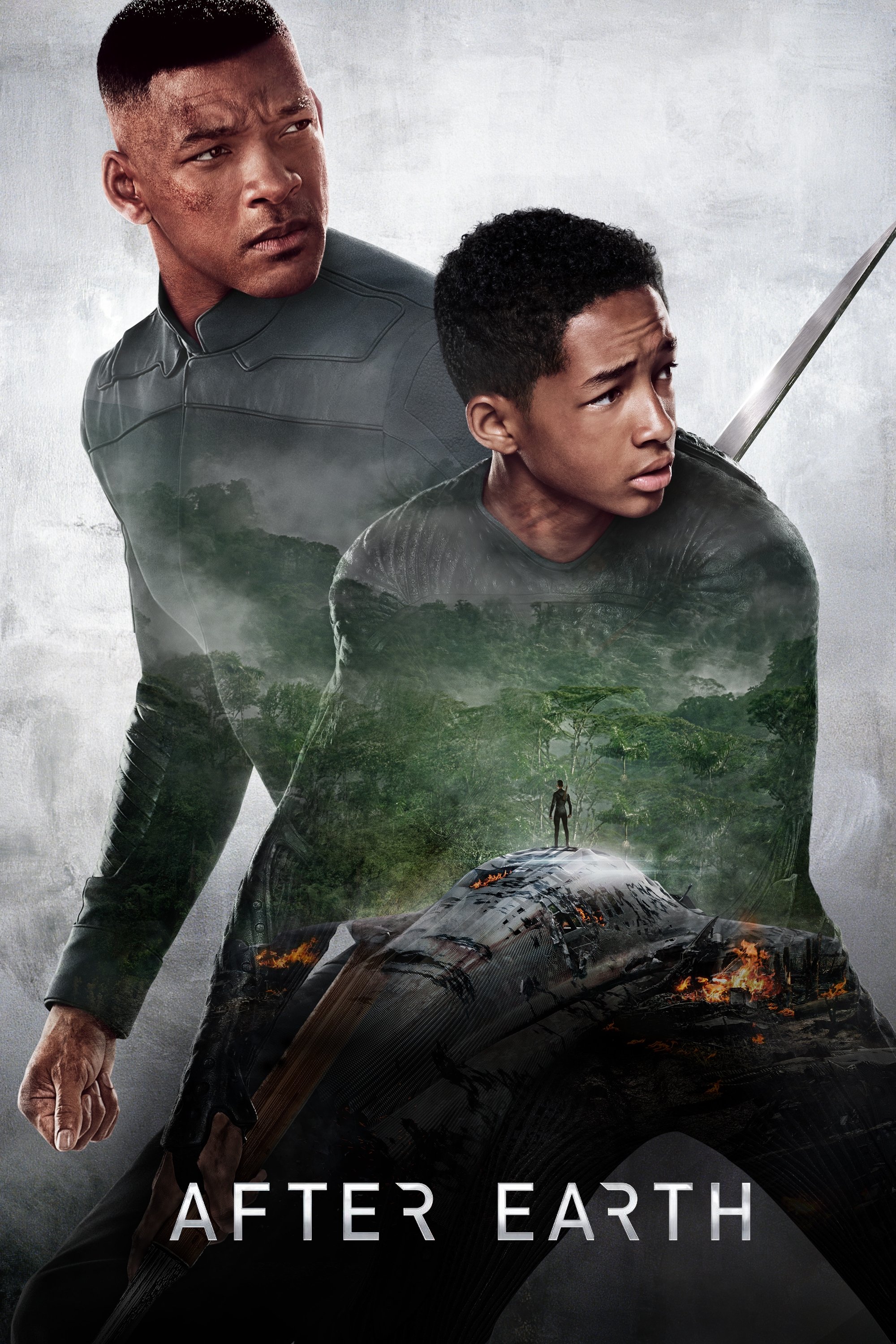
A father and son crash land on a hostile planet where every creature has evolved to hunt humans, leaving the injured father to guide the son by remote. The production built a range of alien biomes on soundstages and used digital creatures to populate the environment.
The film’s promotional push leaned on star power and a survival training hook for young viewers. Audience turnout fell below forecast models and the movie concluded its run without spawning any continuation in theaters or on streaming.
Share your picks for the worst action films in the comments and tell us which titles you think absolutely belong on the list.

