


The Worst Adventure Movies of All Time



Adventure movies promise discovery, daring escapes, and big spectacle. Sometimes the map leads straight into a swamp of confusing plots, awkward effects, or chaotic productions that never quite pull together. The titles below swung for the fences with big budgets, famous brands, or beloved books, yet the results left audiences scratching their heads more than clutching the armrests.
This list rounds up adventure films that stumbled for concrete reasons like troubled shoots, costly reshoots, uneven scripts, and box office results that did not match their price tags. You will find franchise entries that lost their spark, page to screen misfires that skipped the magic of the source, and original ideas that could not connect with viewers despite lavish sets and star power.
‘Cutthroat Island’ (1995)
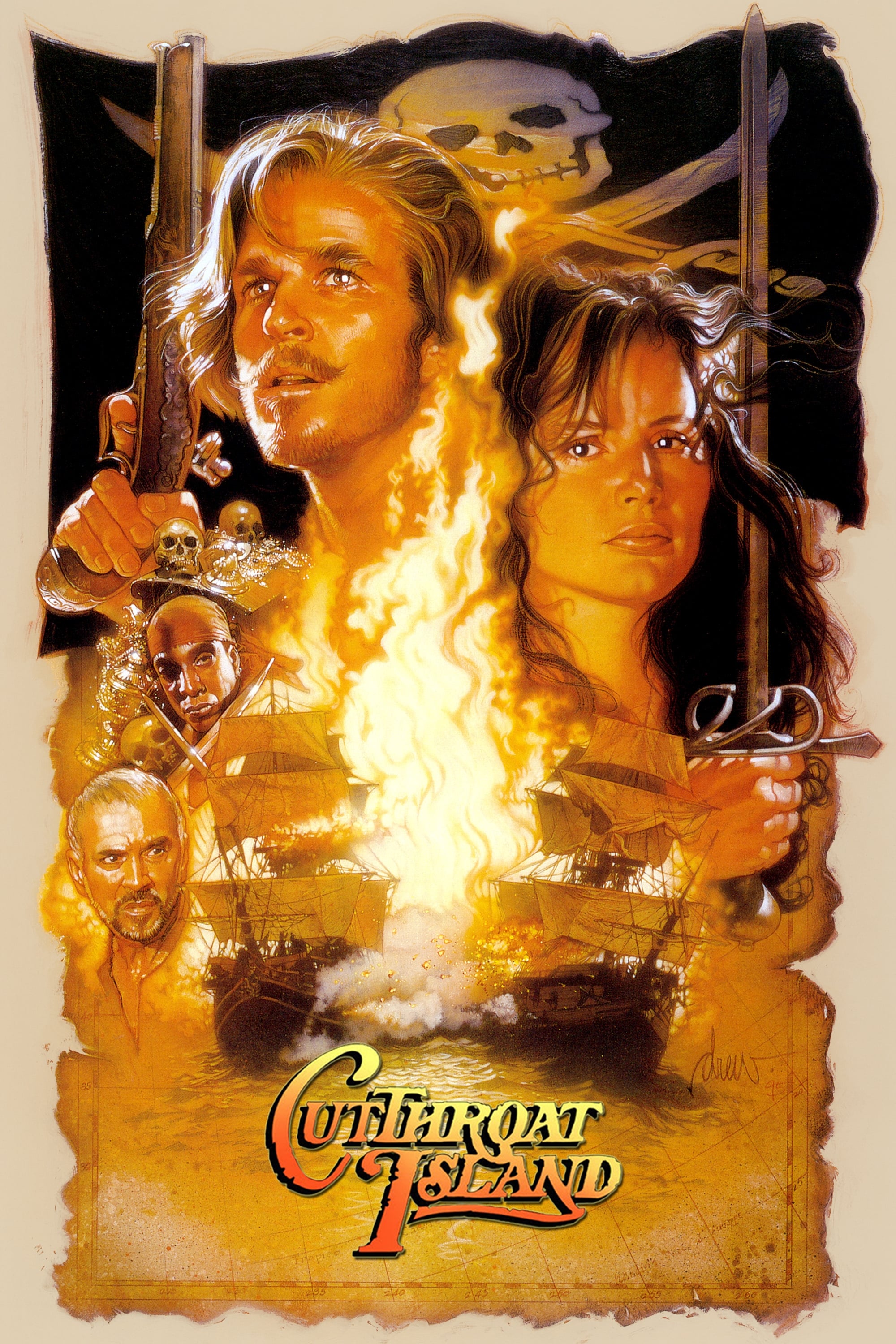
Production went through director changes, weather delays, and major cast injuries which pushed costs upward. The budget ballooned while insurance issues and logistical setbacks slowed the shoot on water and in period ports. The final negative cost far outpaced comparable swashbucklers of the era.
The marketing spend could not pull audiences into theaters and the worldwide gross landed far below the break even point. The film’s financial performance contributed to the collapse of its studio and chilled pirate themed projects for years in the aftermath.
‘The Last Airbender’ (2010)
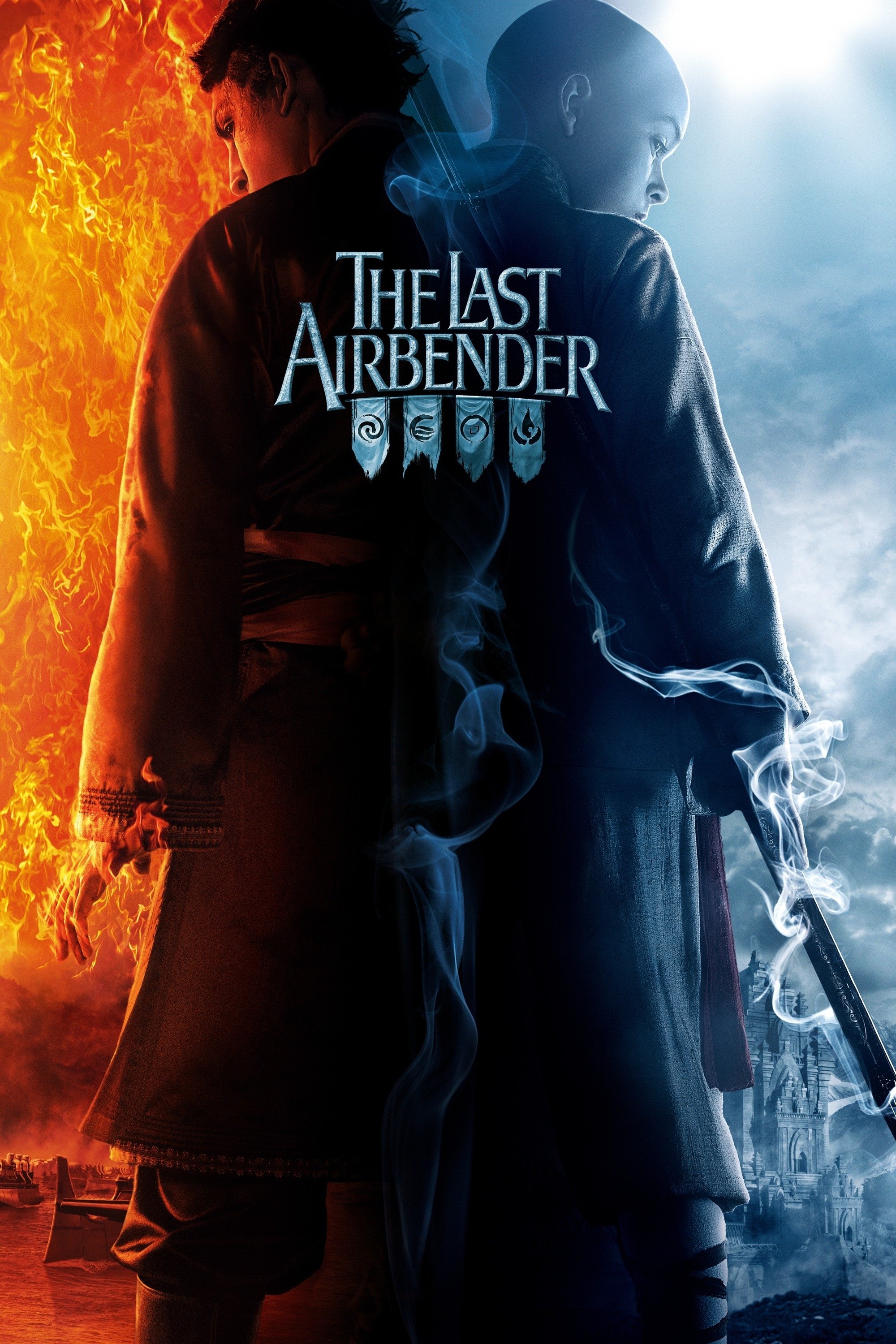
The adaptation compressed a full season of the animated series into a single feature which left story arcs rushed and characters thin on the page. Worldbuilding terms arrived in rapid fire scenes without the context that made the original setting feel lived in.
Extensive post production work focused on 3D conversion and effects while reviews cited stilted dialogue and uneven pacing. The film earned back its budget but critical reaction and audience word of mouth curtailed sequel plans that had been announced early in the rollout.
‘The Mummy: Tomb of the Dragon Emperor’ (2008)
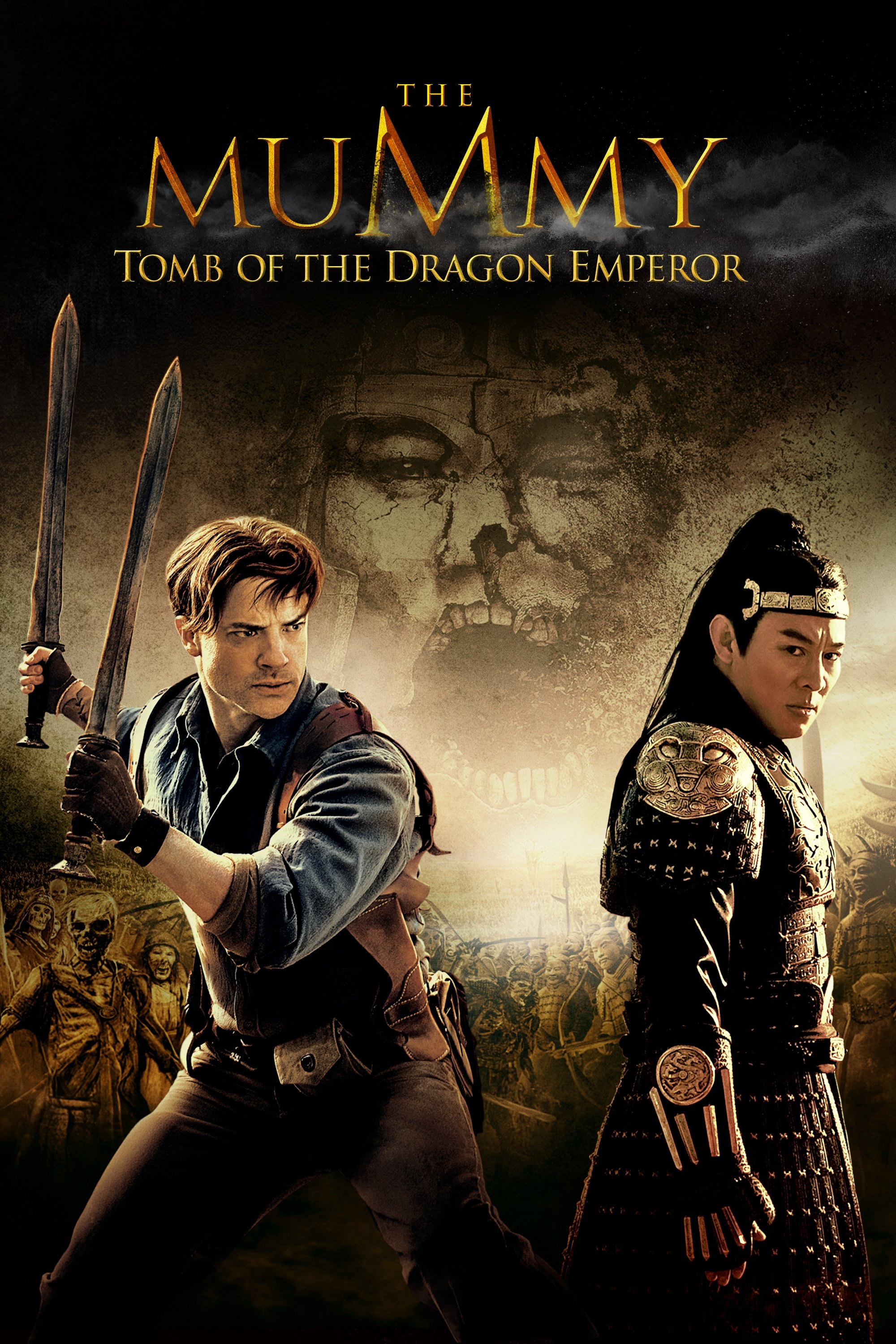
A new setting and villain attempted to refresh the adventure formula while key cast changes altered the family dynamic that anchored earlier entries. Location shooting involved large scale sets and creature effects that demanded heavy post production.
Although the film opened wide with a global push, domestic interest dipped compared with prior installments. International grosses helped but the reception signaled fatigue for the franchise which paused the mainline series afterward.
‘Eragon’ (2006)
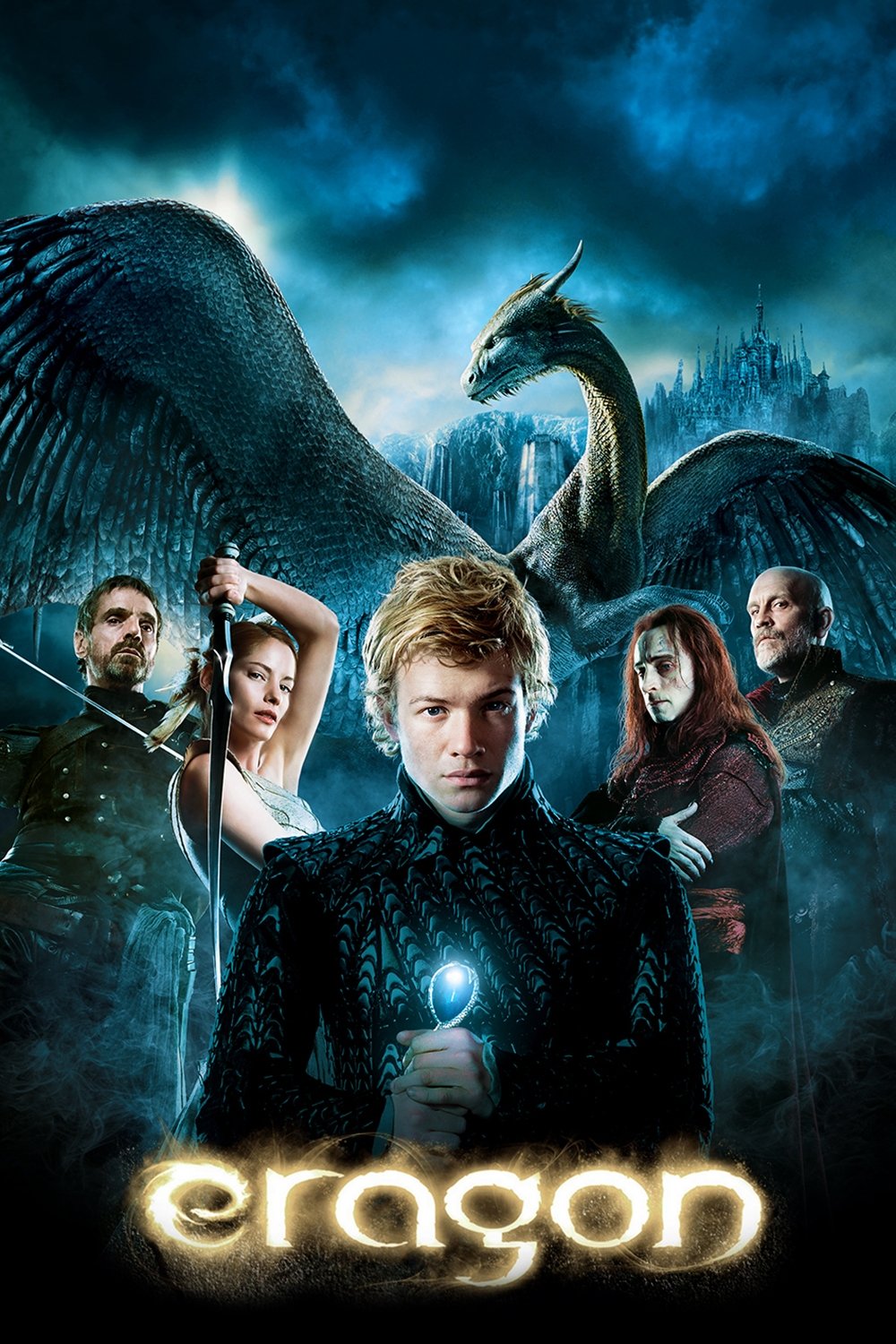
Major plot points from the novel moved at a sprint which undercut character development and the mentor student relationship that drives the journey. Visual effects delivered creature moments but the world’s cultures and politics received little screen time.
Box office returns started strong on opening weekend due to brand recognition then fell sharply in subsequent frames. Plans for adapting the remaining books stalled as the film did not meet expectations for a long running series.
‘Seventh Son’ (2014)
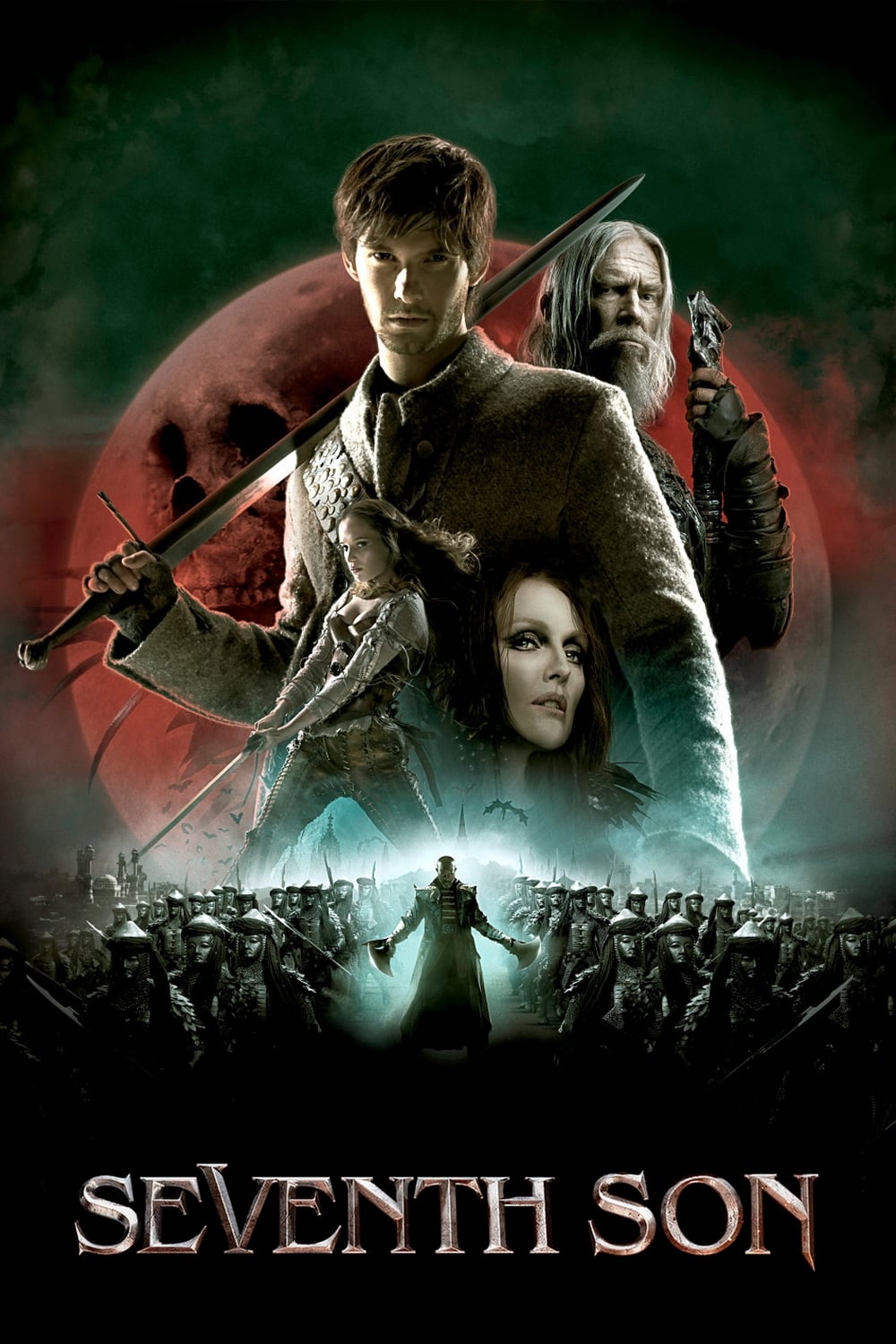
The project encountered reshoots and a distributor change which pushed the release back more than once. That timeline complicated marketing and audience awareness as competing fantasy adventures crowded the calendar.
Creature designs and set pieces offered spectacle while the script moved quickly between locations with minimal connective tissue. Worldwide grosses were not enough to cover production and promotion costs which closed the door on follow ups.
‘The Dark Tower’ (2017)
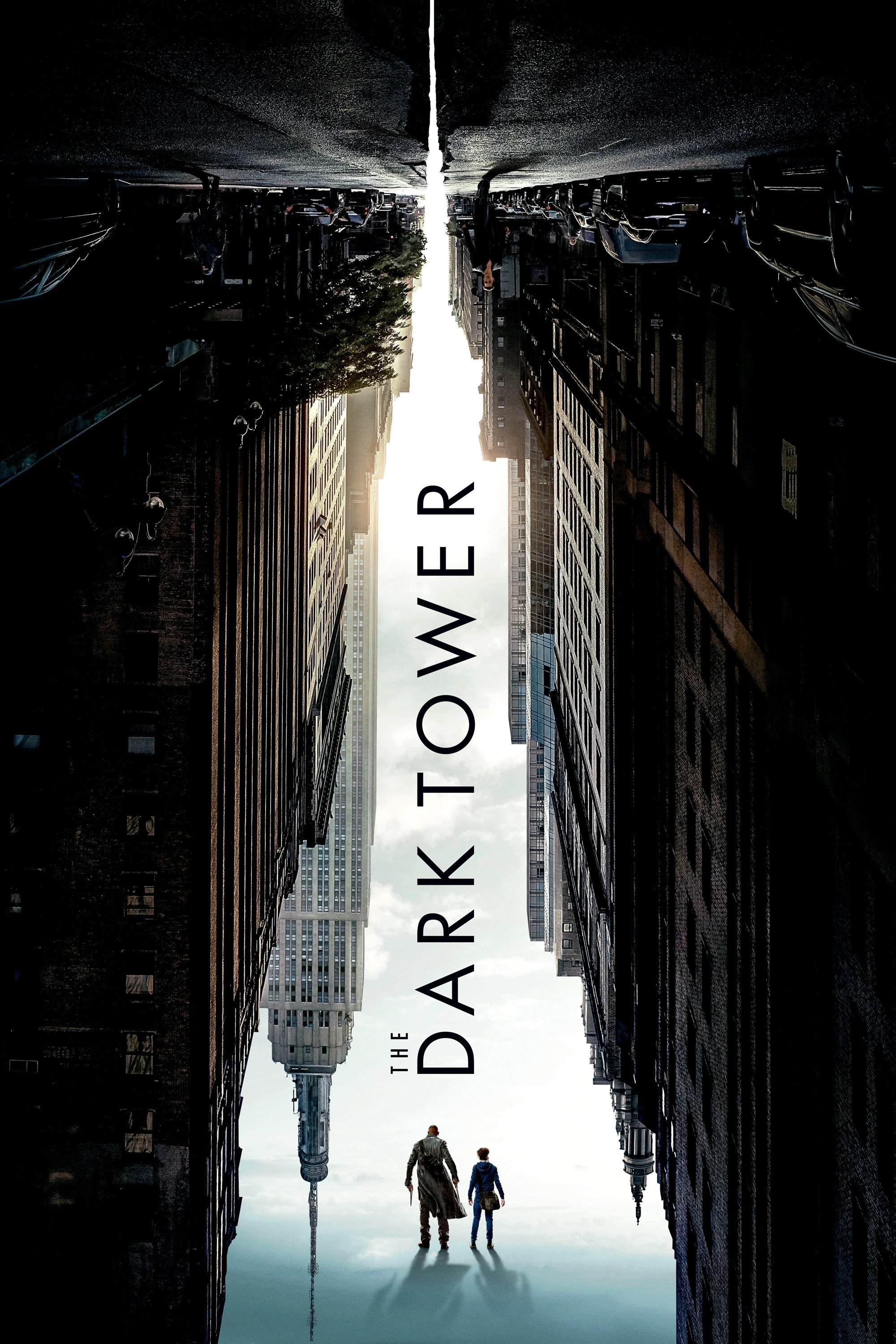
The film attempted to introduce a sprawling literary universe in a compact runtime which limited context for the mythology. Characters arrived with hints of deeper history that the script had little space to explore.
Reports described significant reshoots and competing visions for tone which shaped the final cut. Opening weekend numbers lagged behind expectations for a potential franchise starter and long term box office faded quickly.
‘Gods of Egypt’ (2016)
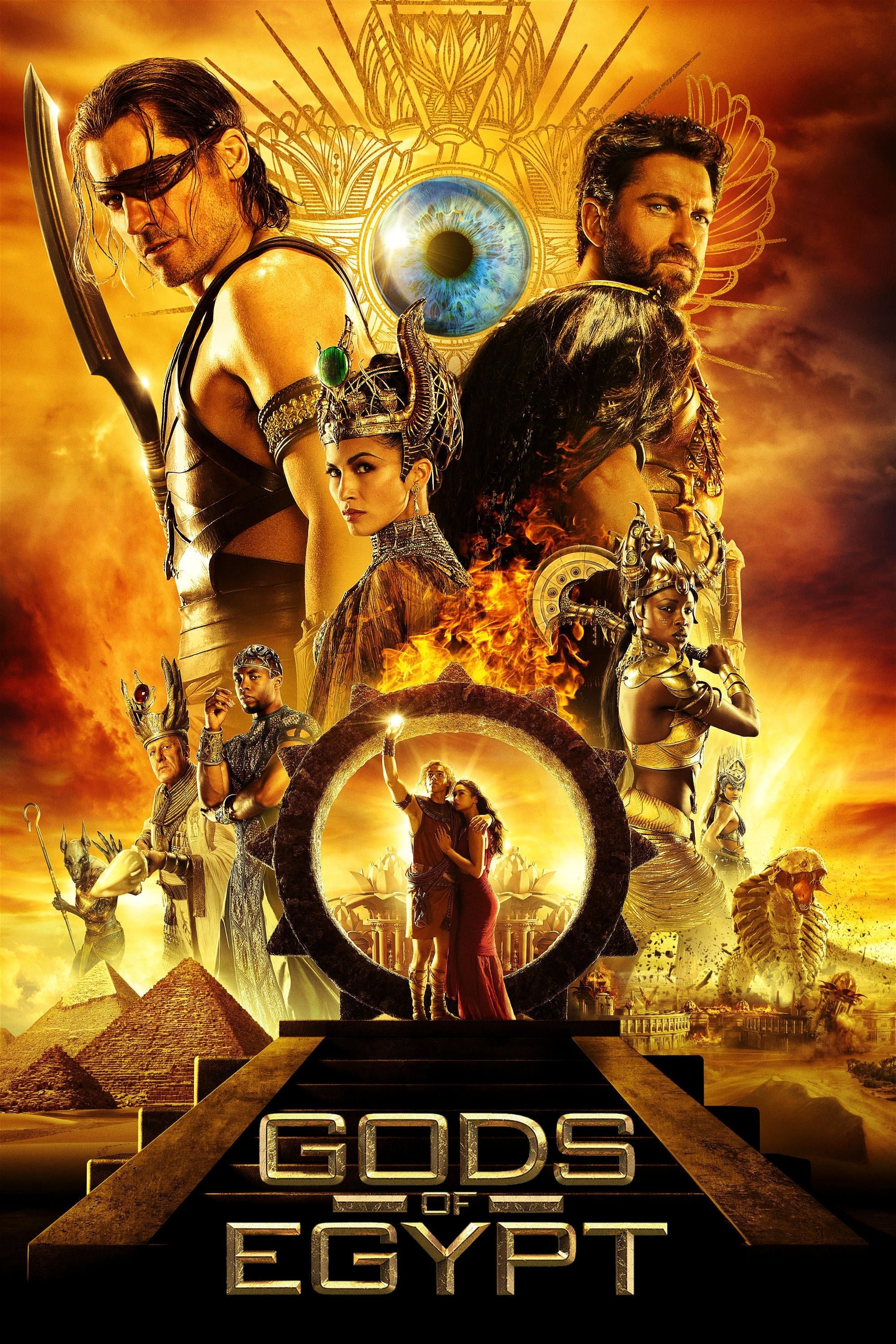
Casting choices drew criticism before release which shaped the conversation around the film. The production relied heavily on soundstage environments and digital landscapes that set an ambitious scope.
Marketing emphasized visual spectacle while reviews highlighted thin characterization and an overstuffed plot. Domestic returns were weak and the international market could not fully offset the large budget and global ad spend.
‘The Lone Ranger’ (2013)
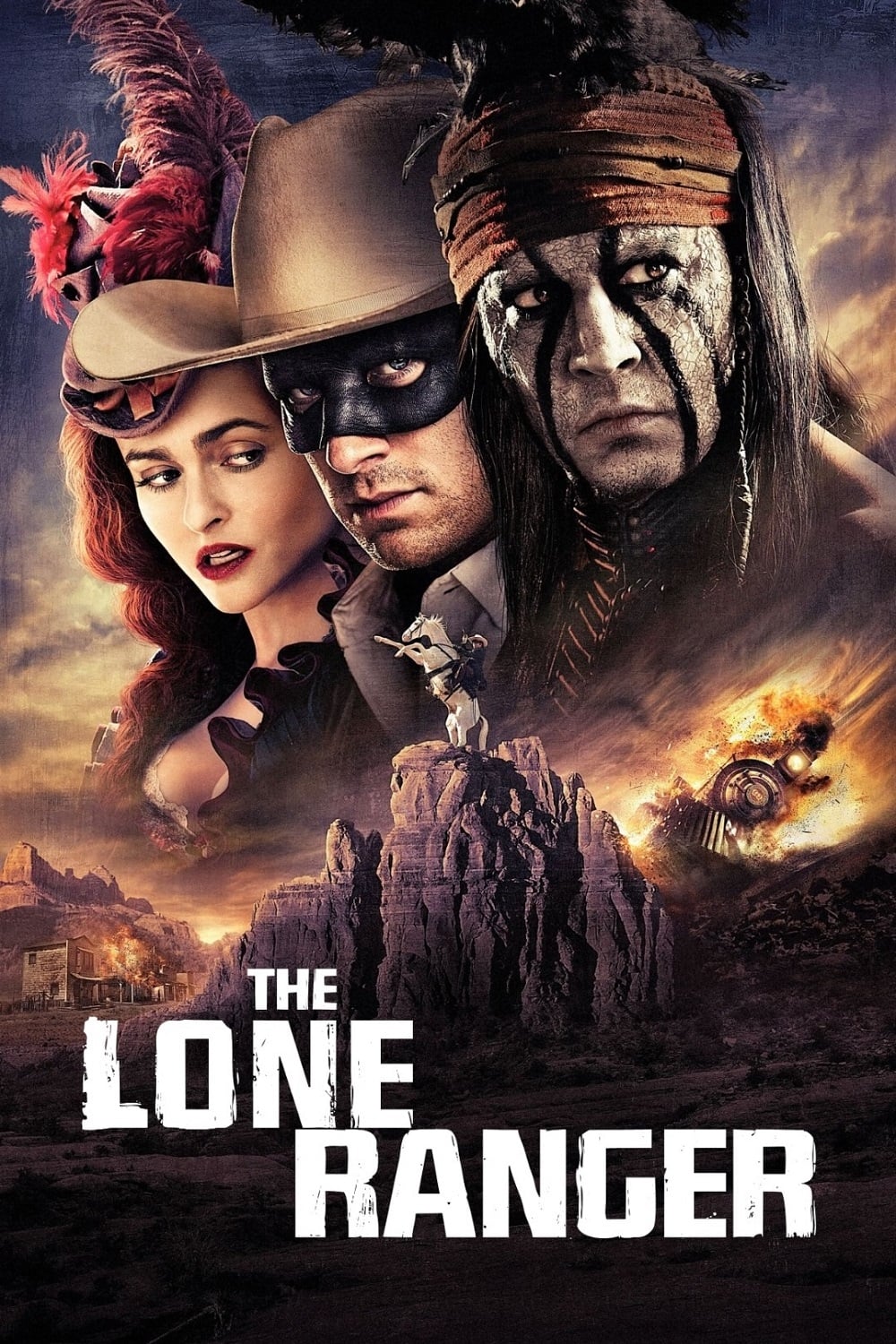
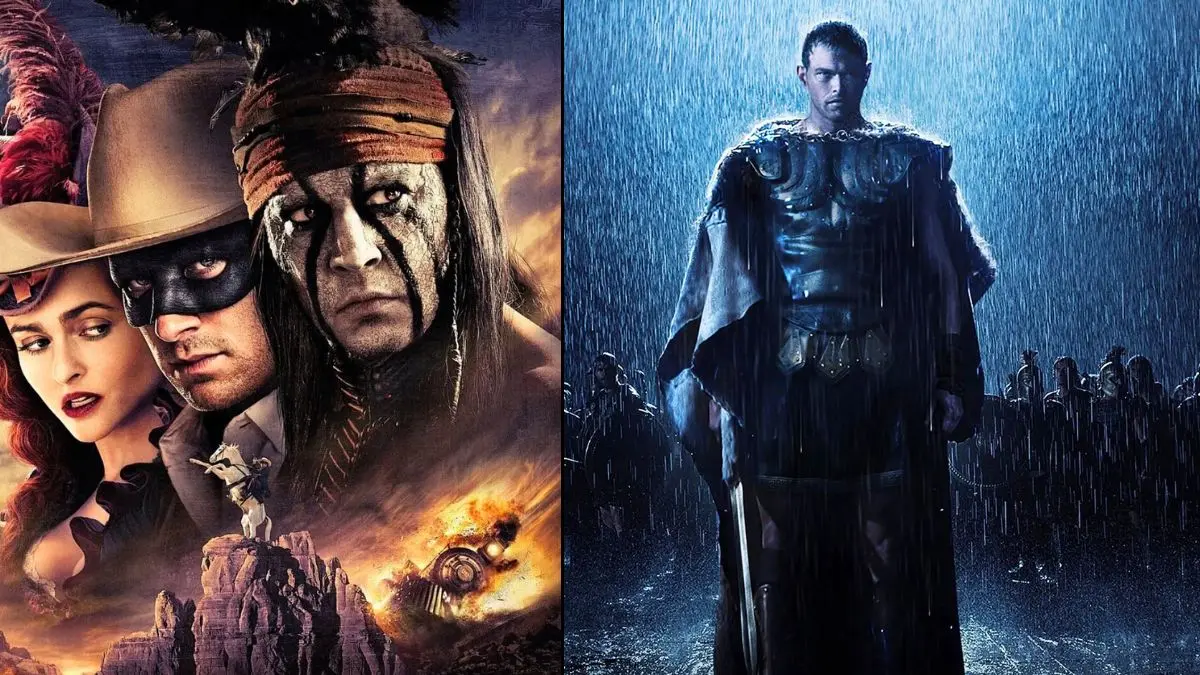
The project paused during development due to budget concerns then restarted after adjustments. Location work across the Southwest involved extensive train sequences and large scale stunts that drove costs high.
Despite a strong promotional push tied to a well known brand, domestic attendance underperformed. Ancillary markets and overseas grosses helped but the film’s total take remained far below its combined production and marketing outlay.
‘John Carter’ (2012)
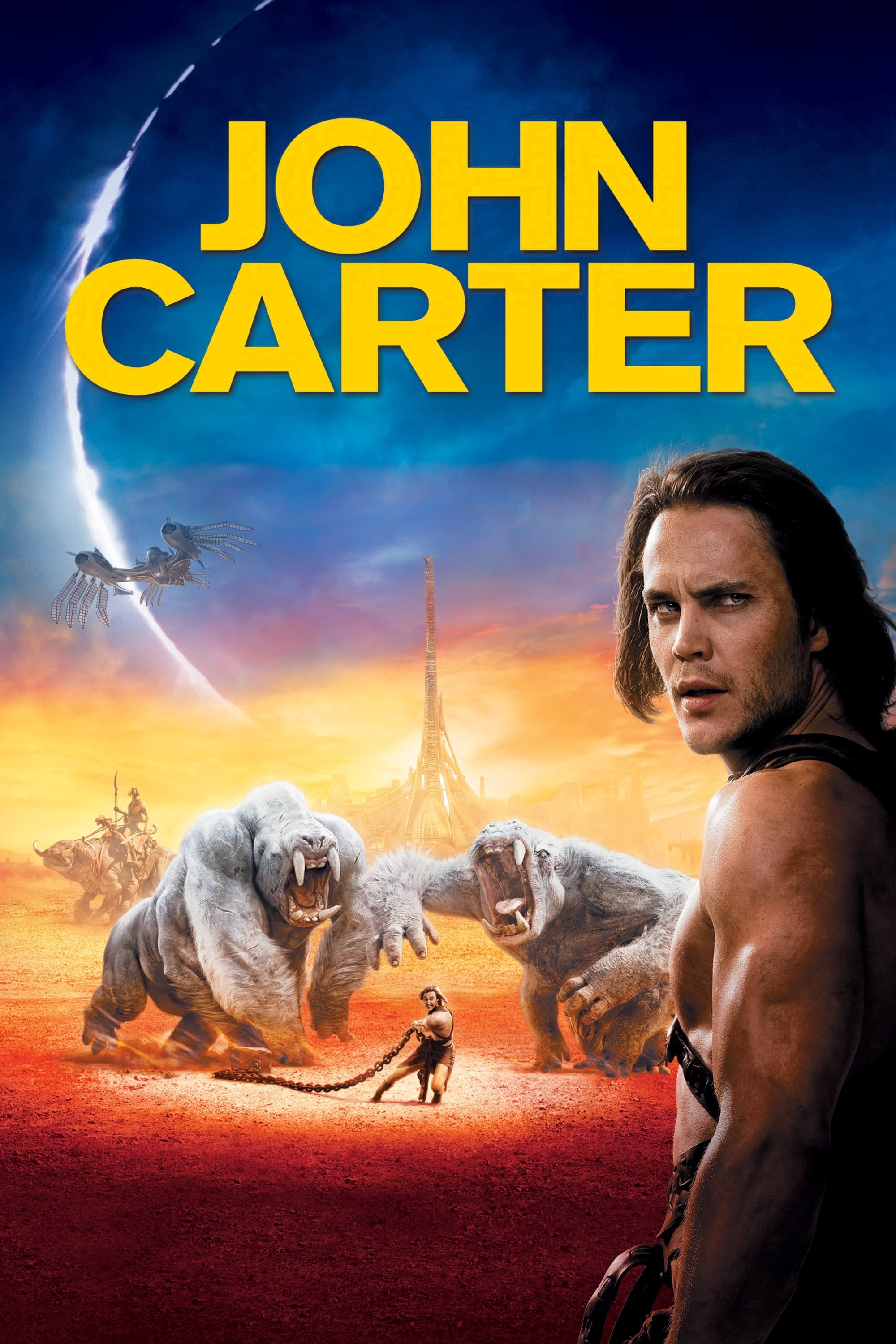
The adaptation drew from early pulp adventures that inspired many later franchises which made the story feel familiar to some viewers. Title changes and a broad marketing message made it hard to communicate the premise quickly.
Costs rose with elaborate sets, creature work, and extensive digital environments. Although international audiences showed interest, the domestic shortfall and large ad spend produced a substantial write down for the studio.
‘Prince of Persia: The Sands of Time’ (2010)
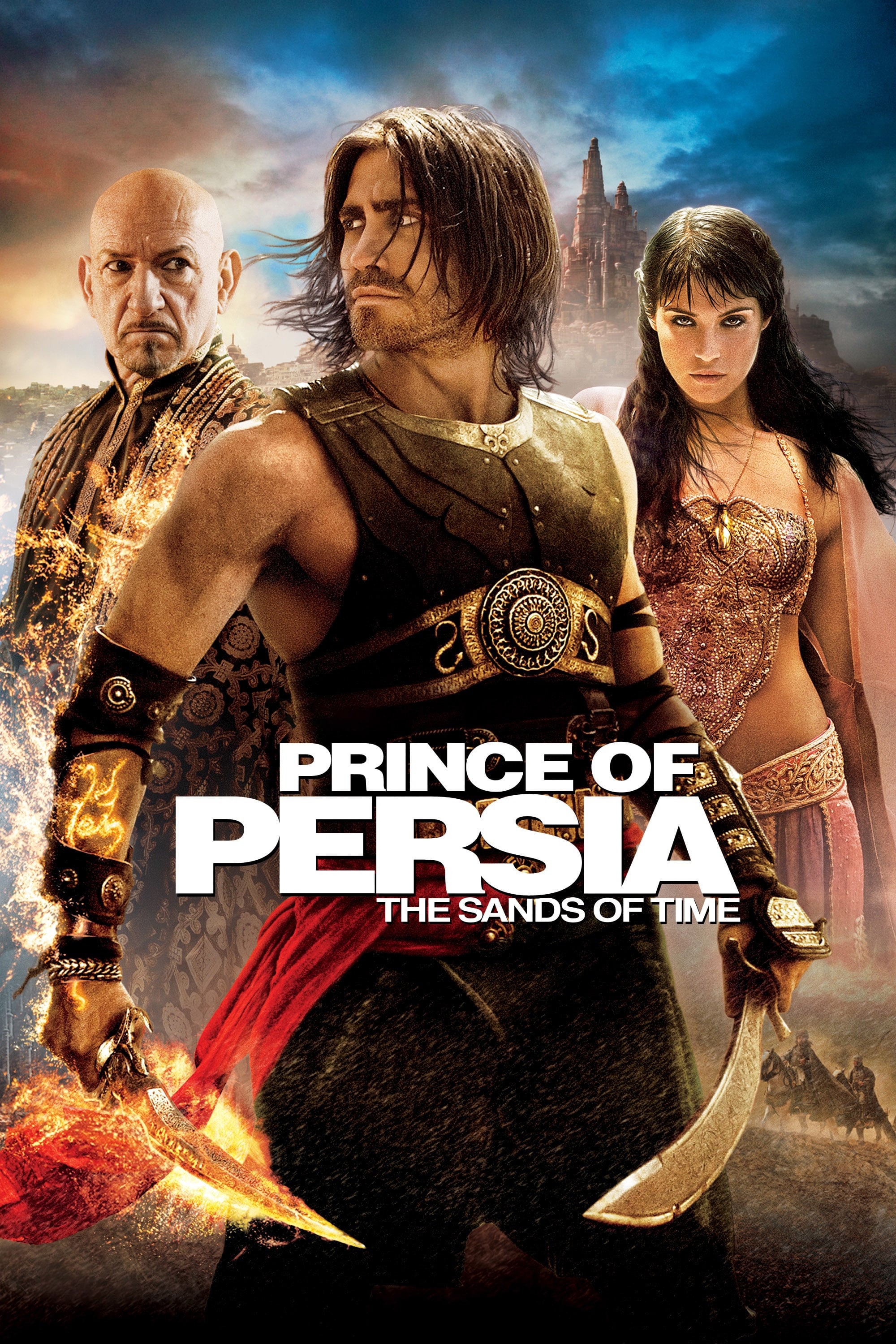
As a game adaptation, the film included parkour sequences and time shifting elements while streamlining complex lore. The script focused on set piece momentum which left relationships underdeveloped.
Global box office reached a sizable total yet the massive budget and marketing costs limited profitability. Reception cooled plans for a shared universe even though the brand recognition seemed strong on paper.
‘The Legend of Hercules’ (2014)
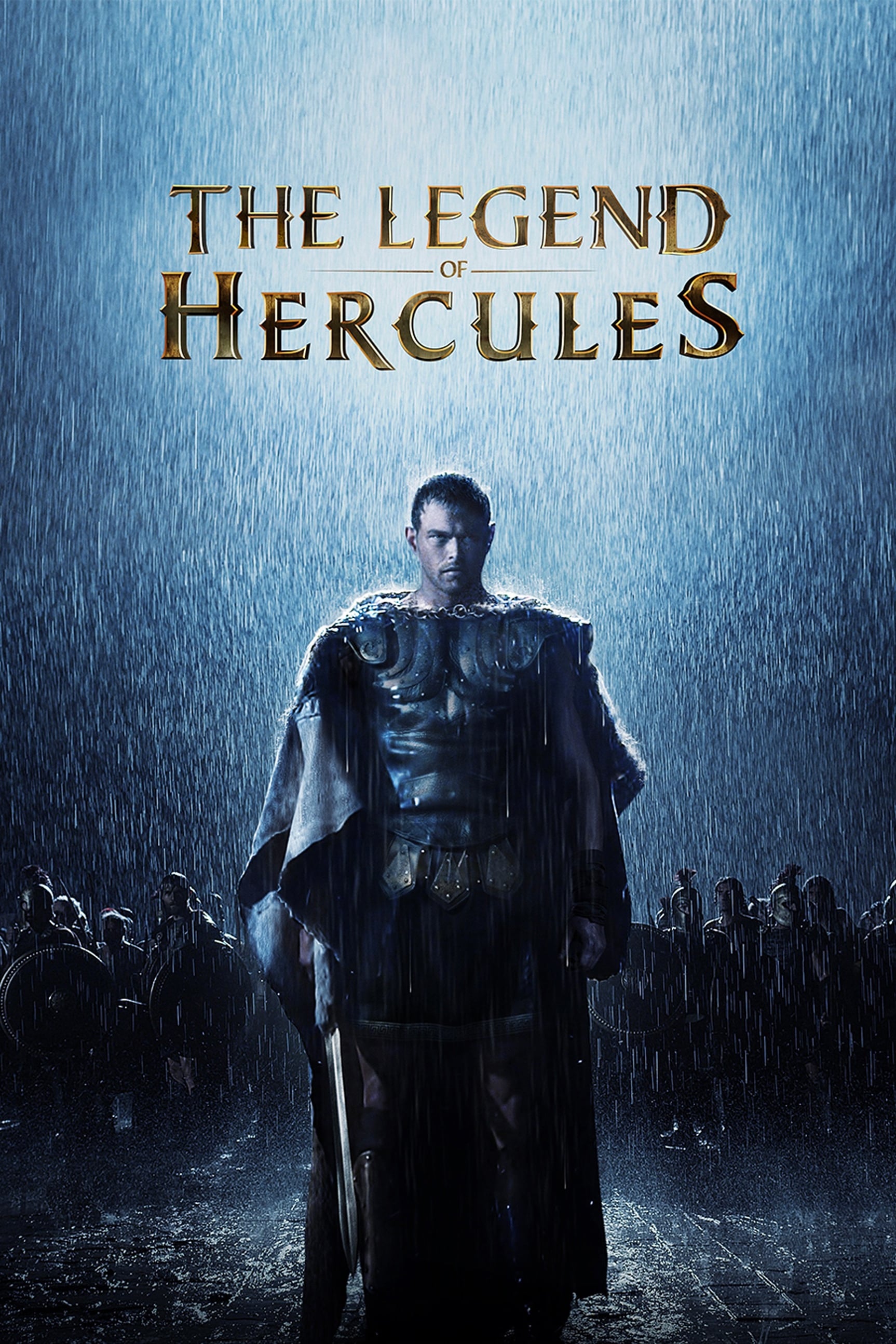
Shot in 3D with an emphasis on slow motion battles and digital backdrops, the film leaned on visual style over mythic depth. Dialogue focused on exposition and prophecy which left little room for character nuance.
The January release placed it in a quiet corridor yet attendance remained low through opening and second weekend. Ancillary sales did not change the overall picture and the title quickly vanished from theaters.
‘A Wrinkle in Time’ (2018)
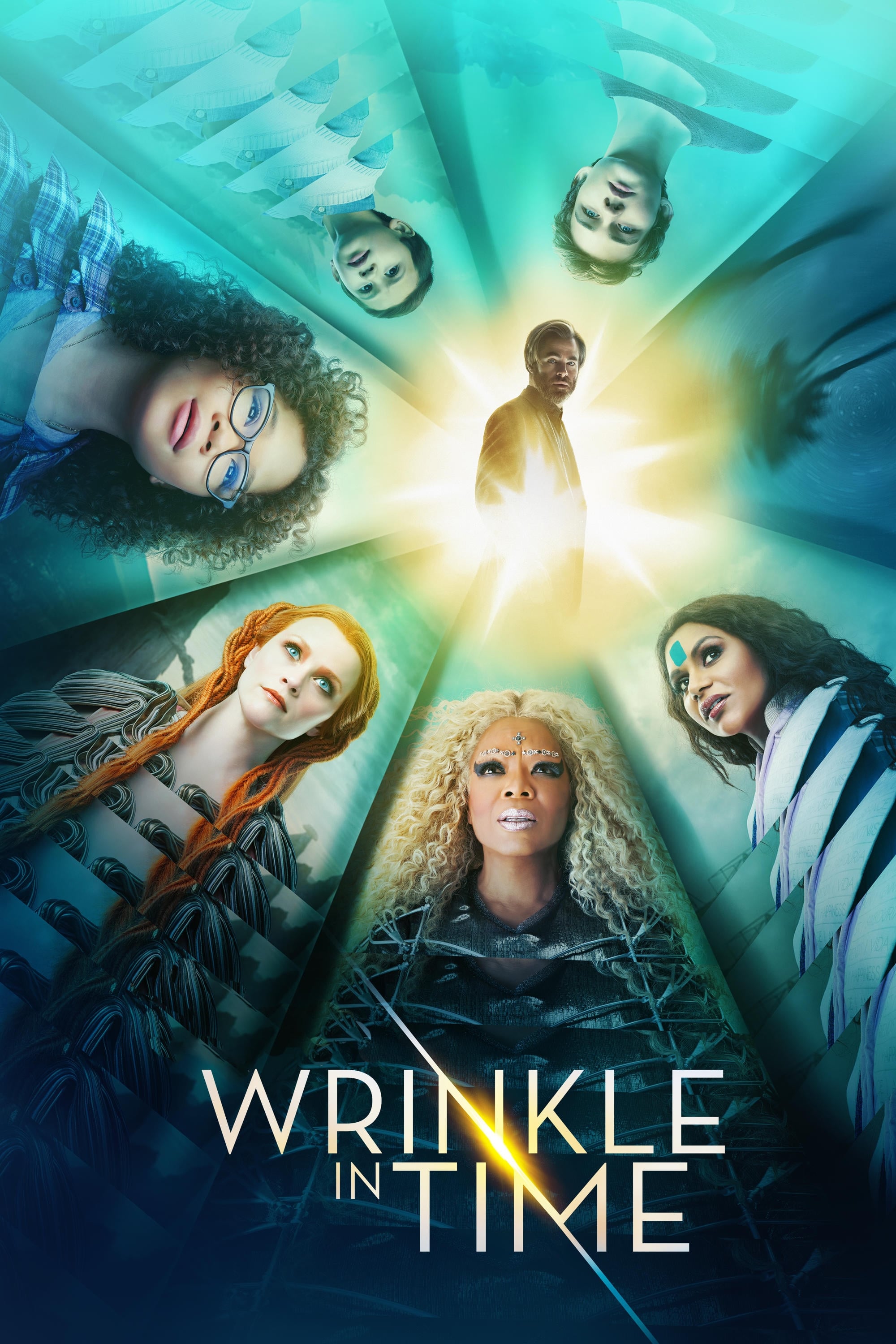
The film aimed to translate a challenging novel that blends science ideas with a personal quest. Condensing abstract concepts into a straightforward adventure left some story beats feeling abrupt.
The production featured lavish costumes and visual effects that raised costs. While the film found a family audience, the final gross did not cover combined production and marketing spending at the global scale.
‘The Golden Compass’ (2007)
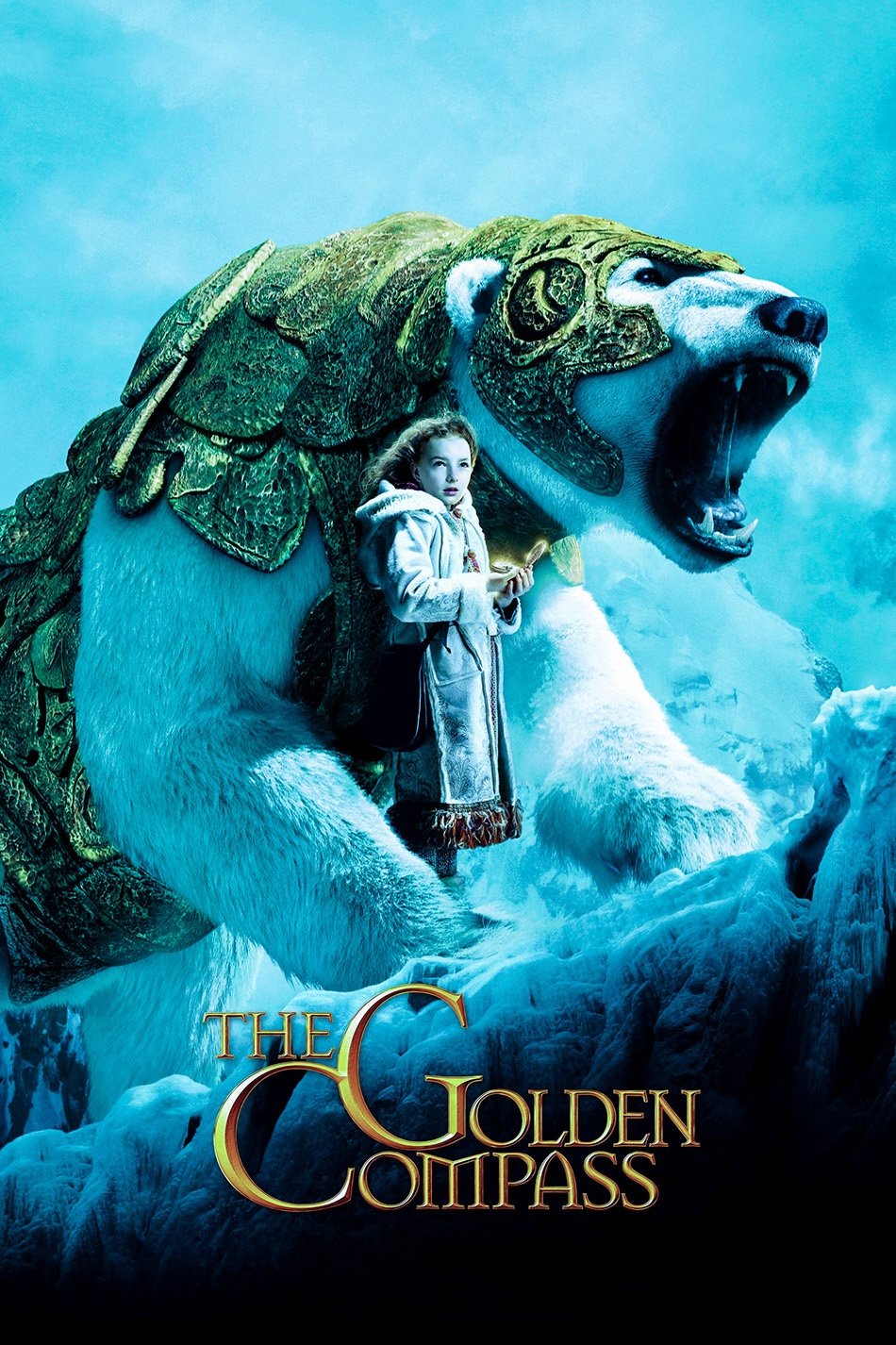
Worldbuilding details from the book arrived in fast exposition scenes which crowded the first act. Edits for different markets altered tone and continuity which complicated the rollout.
Merchandise plans anticipated a long series but ticket sales dropped after a strong opening. The box office imbalance between regions and the high cost base halted the proposed sequels.
‘The Mummy’ (2017)
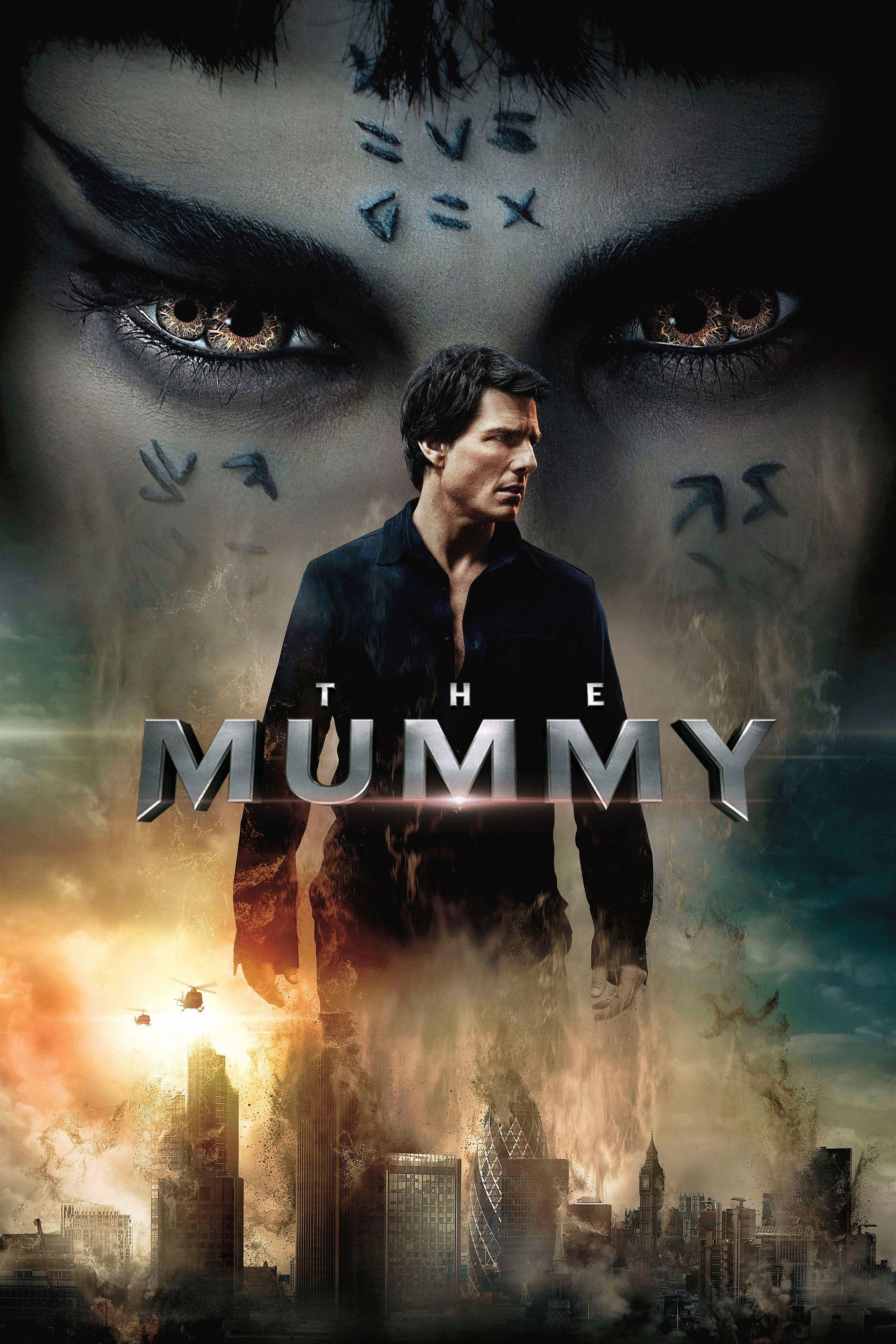
This reboot introduced a shared universe plan with character teases and crossover seeds. The main storyline competed with setup for future installments which diluted focus.
A heavy effects pipeline and large global campaign raised expenses. International turnout outpaced domestic interest but the total could not justify the planned universe which was shelved soon after.
‘The Adventures of Pluto Nash’ (2002)
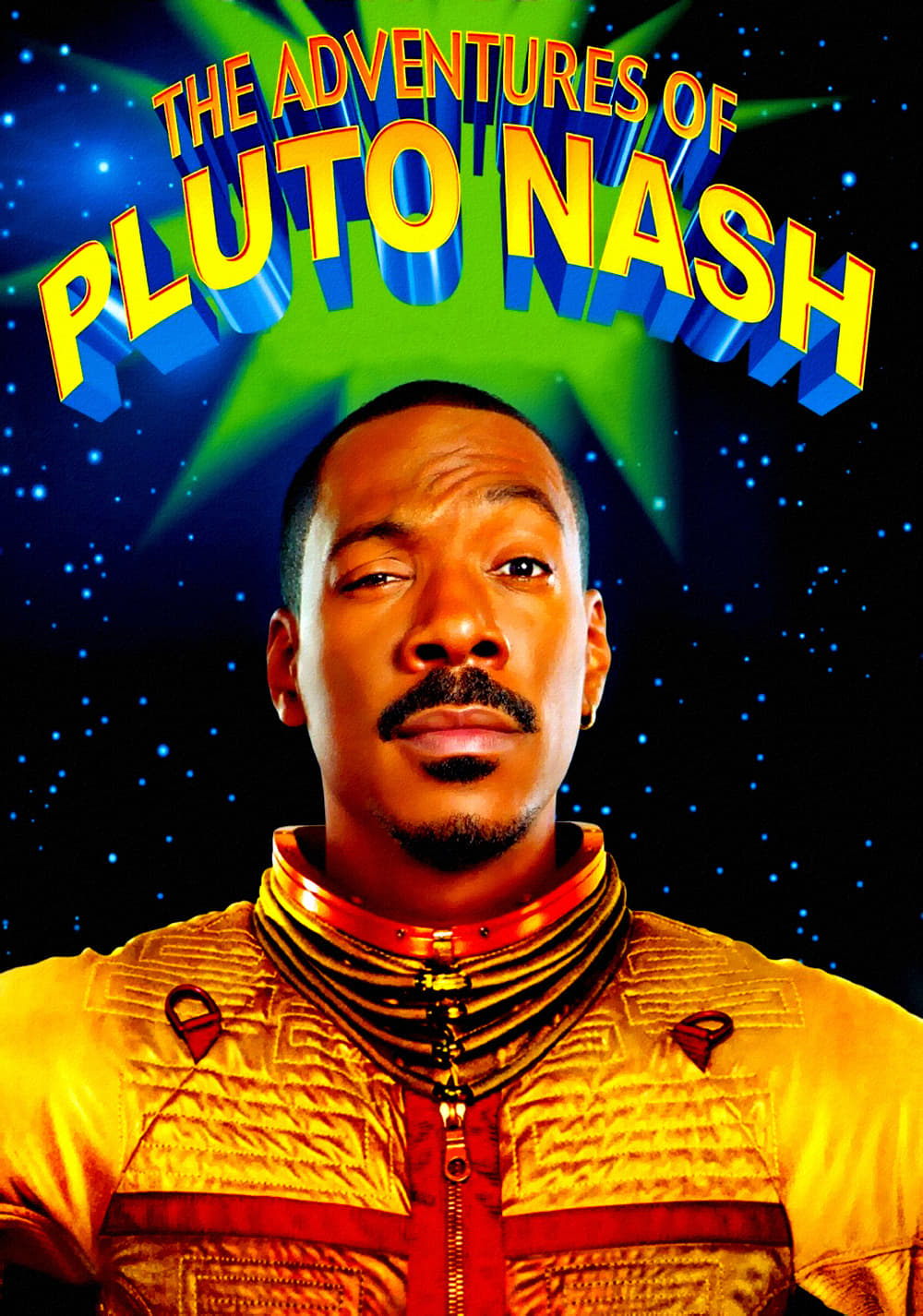
Set on the moon with a mix of sci fi and caper elements, the film spent heavily on sets and effects. Production delays and rewrites stretched the schedule.
Theatrical release was limited and marketing was scaled back which led to a very low opening. The final gross ranked among the largest gaps between budget and revenue for a wide release at the time.
’47 Ronin’ (2013)
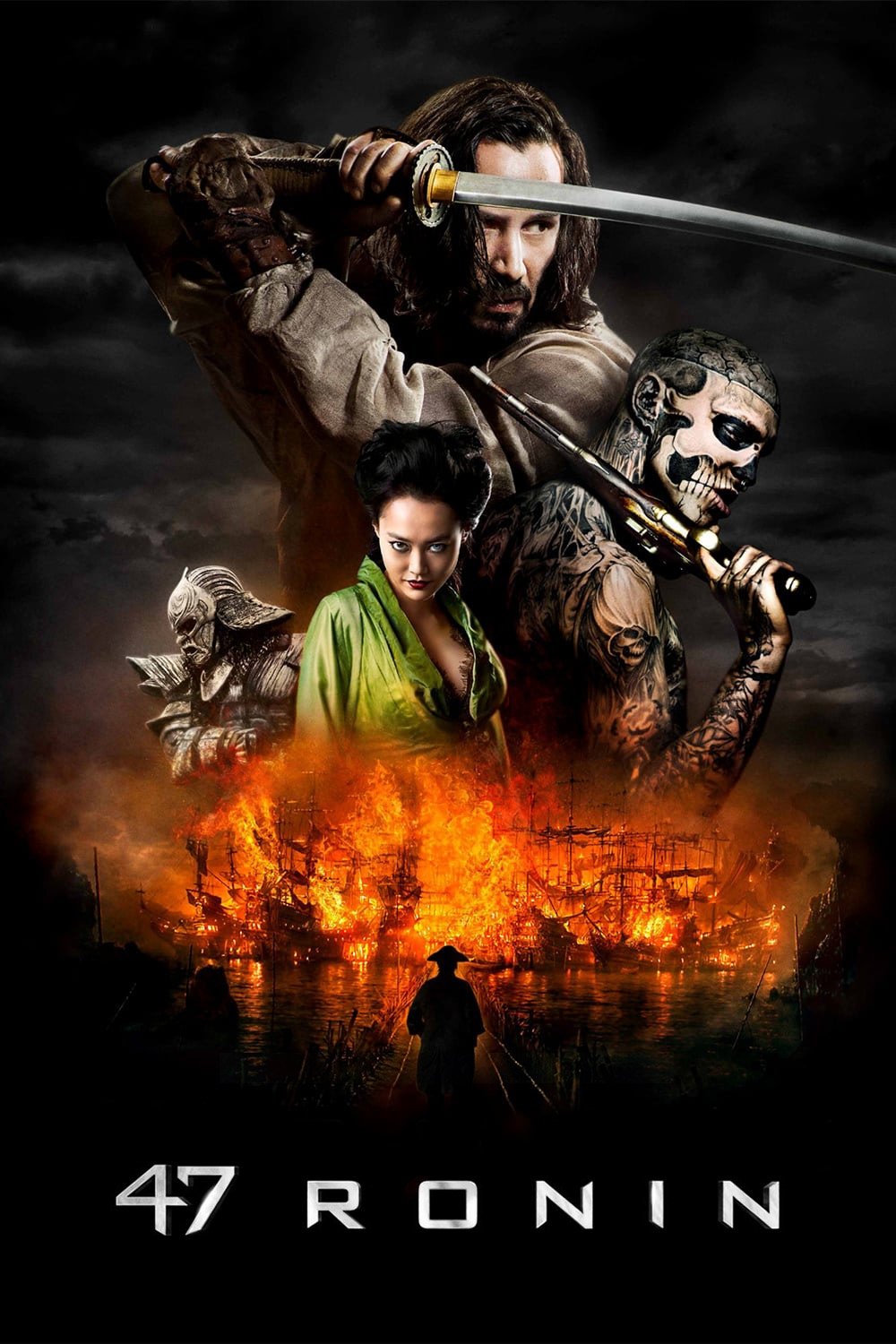
Drawing from a famous tale, the film added fantasy creatures and sorcery which shifted the genre balance. Reports described reshoots and editorial changes that reworked character emphasis.
The holiday release faced strong competition and domestic receipts were soft. Overseas revenue helped but not enough to clear costs and the film recorded a sizable loss.
‘King Arthur: Legend of the Sword’ (2017)
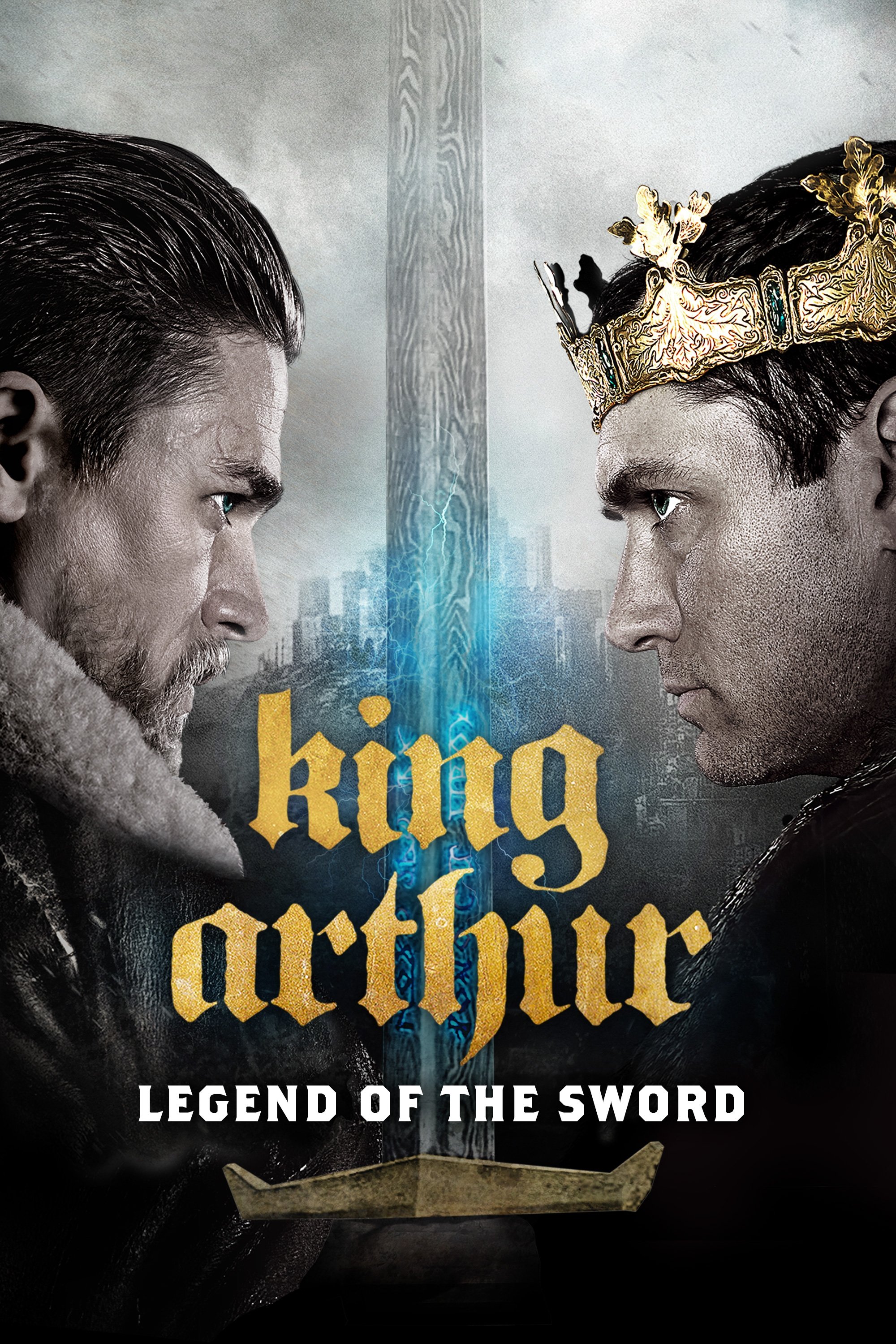
The story reframed the legend with street level banter and rapid fire montage. That stylistic choice left limited time for court politics and the round table dynamic that fans expected.
Despite dynamic action and large scale monster effects, attendance lagged during opening weekend and dropped steeply after. The financial result curtailed any immediate plans for a multi film saga set in the same world.
‘Mortal Engines’ (2018)
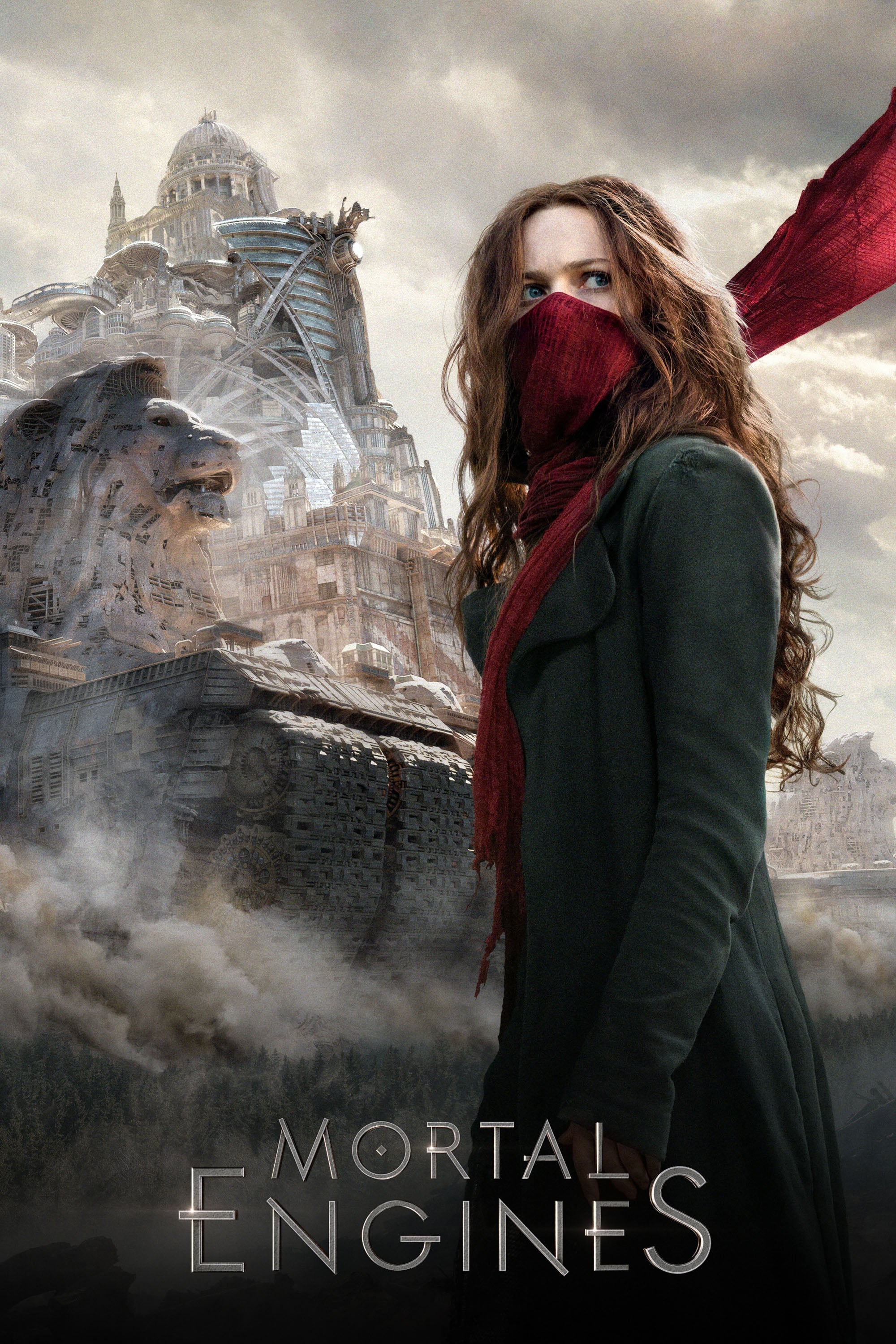
The concept of mobile cities promised striking visuals which required extensive digital work. The script raced through alliances and betrayals that needed more buildup to land emotionally.
A crowded holiday corridor and limited brand awareness affected turnout. Even with international markets, the high production cost and global marketing push outweighed receipts.
‘Dolittle’ (2020)
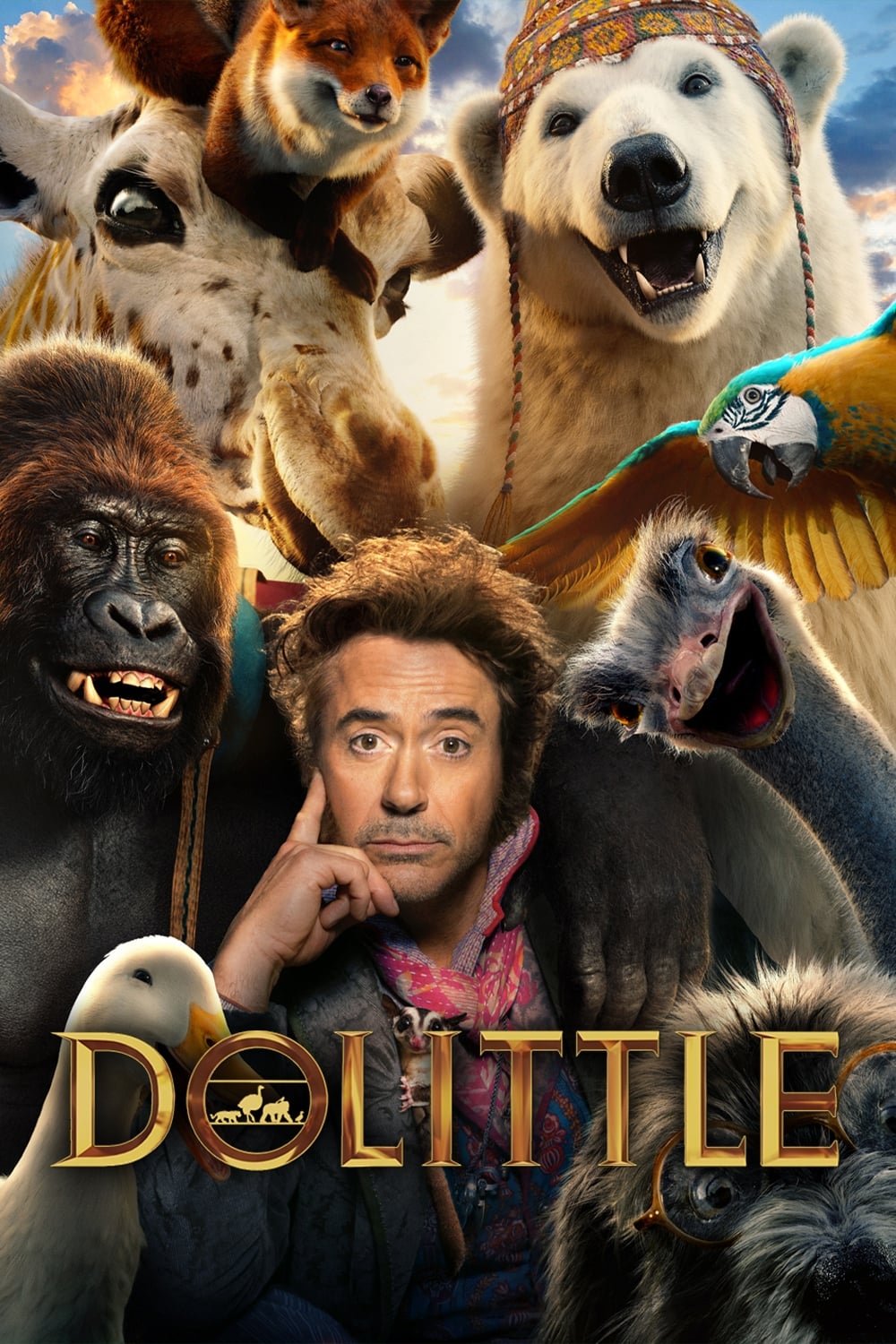
Animal dialogue scenes required complex effects and voice work which extended post production. Reports indicated additional photography to reshape tone and humor.
The release landed just before major market disruptions and attendance fell quickly. Home viewing could not recover the high cost basis and the film closed its run well below expectations.
‘Robin Hood’ (2018)
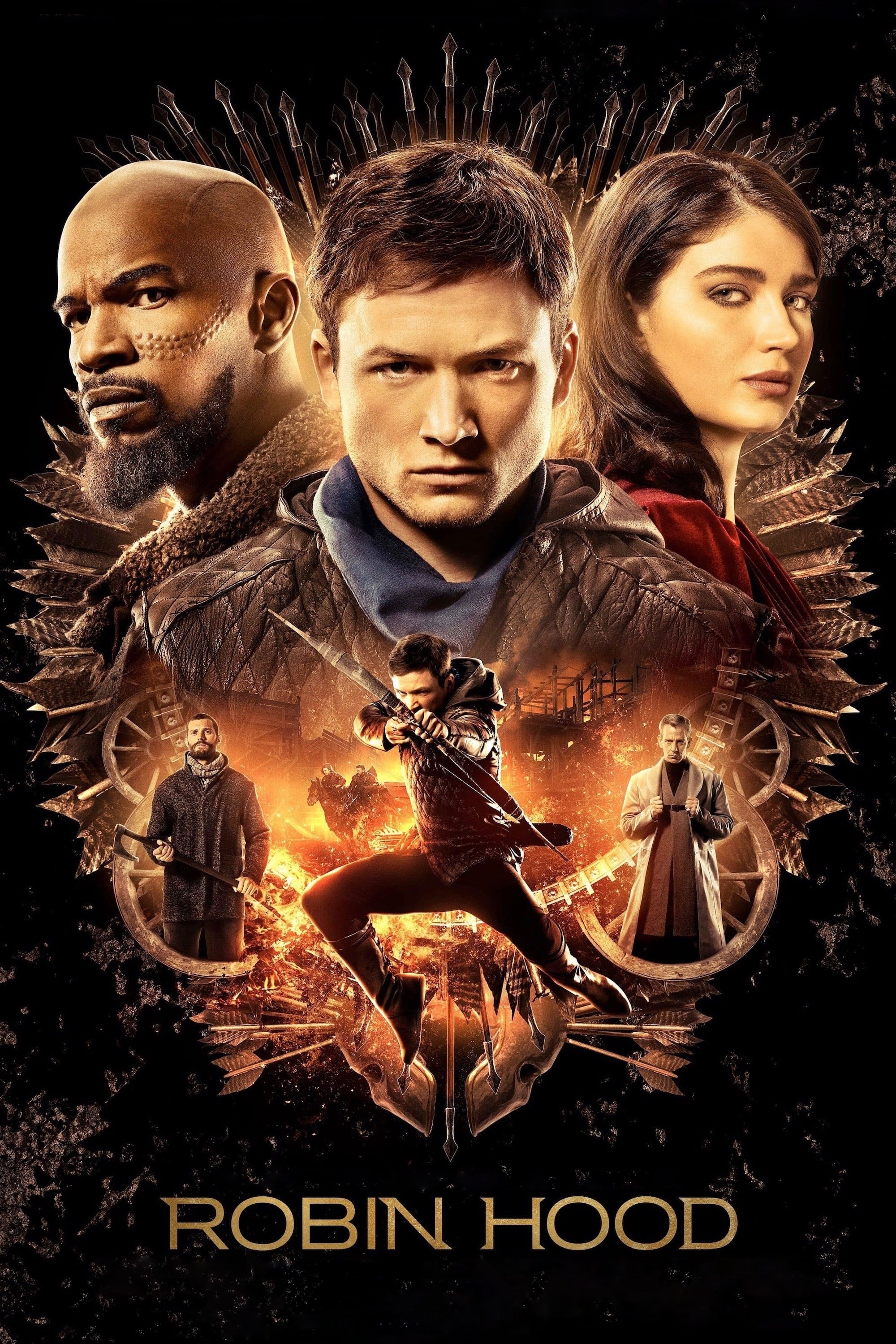
The update shifted the setting toward modern styled costuming and action which contrasted with the period backdrop. Story beats jumped quickly between training, heists, and revolt without deep character grounding.
Opening weekend numbers were modest and word of mouth trended downward. With strong competition and a sizable budget, the film’s theatrical run ended with revenues that did not cover combined costs.
Share the adventure flops that you think belong here in the comments.

