


The Worst Animated Movies of All Time



Animated films can be dazzling when story, craft, and technology all click. When they miss the mark, the results can be fascinating for the wrong reasons. This list looks at titles that became cautionary tales because of production problems, messy releases, or outcomes that studios did not expect.
You will find box office misfires, troubled independents, and mockbusters that rode the coattails of bigger hits. Each entry focuses on concrete details like budgets, distribution, behind-the-scenes choices, and what happened after release so you can see exactly how these films ended up with such rough reputations.
‘Foodfight!’ (2012)
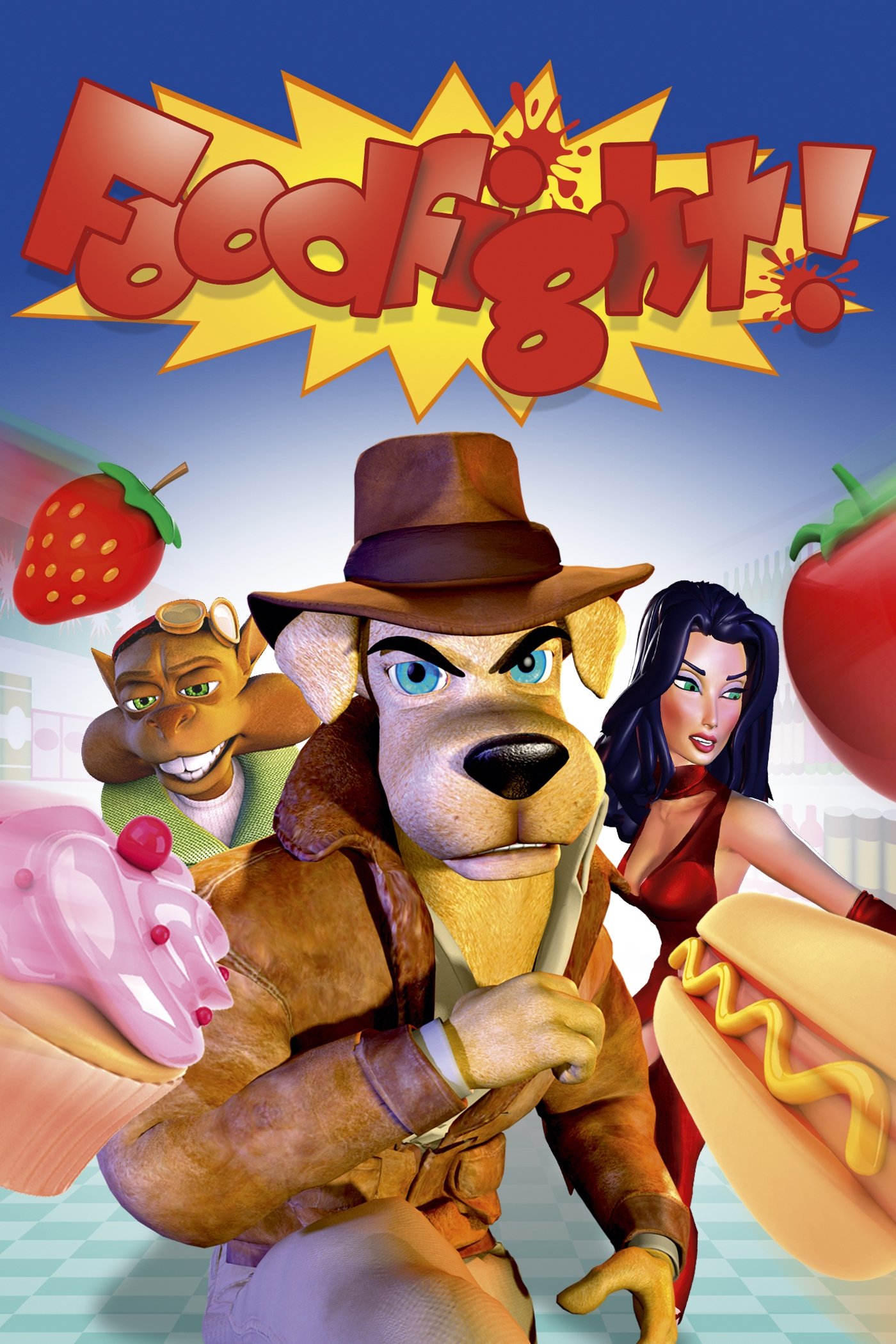
This CG feature spent years in development after a hard drive theft reportedly wiped early assets, forcing the team to rebuild characters and scenes under tight conditions. It used heavy motion-capture and licensed brand mascots like Mr. Clean and Mrs. Butterworth alongside an A-list voice cast that included Charlie Sheen and Eva Longoria. Despite the ambition, the final cut arrived straight to limited venues and video platforms after multiple delays.
Its reported budget ballooned into tens of millions while the theatrical take was negligible. The film became a case study in how technical setbacks, shifting pipelines, and complex licensing can magnify costs without improving results. Retail promotions existed on paper, but the movie’s minimal footprint meant those tie-ins never gained traction.
‘The Emoji Movie’ (2017)
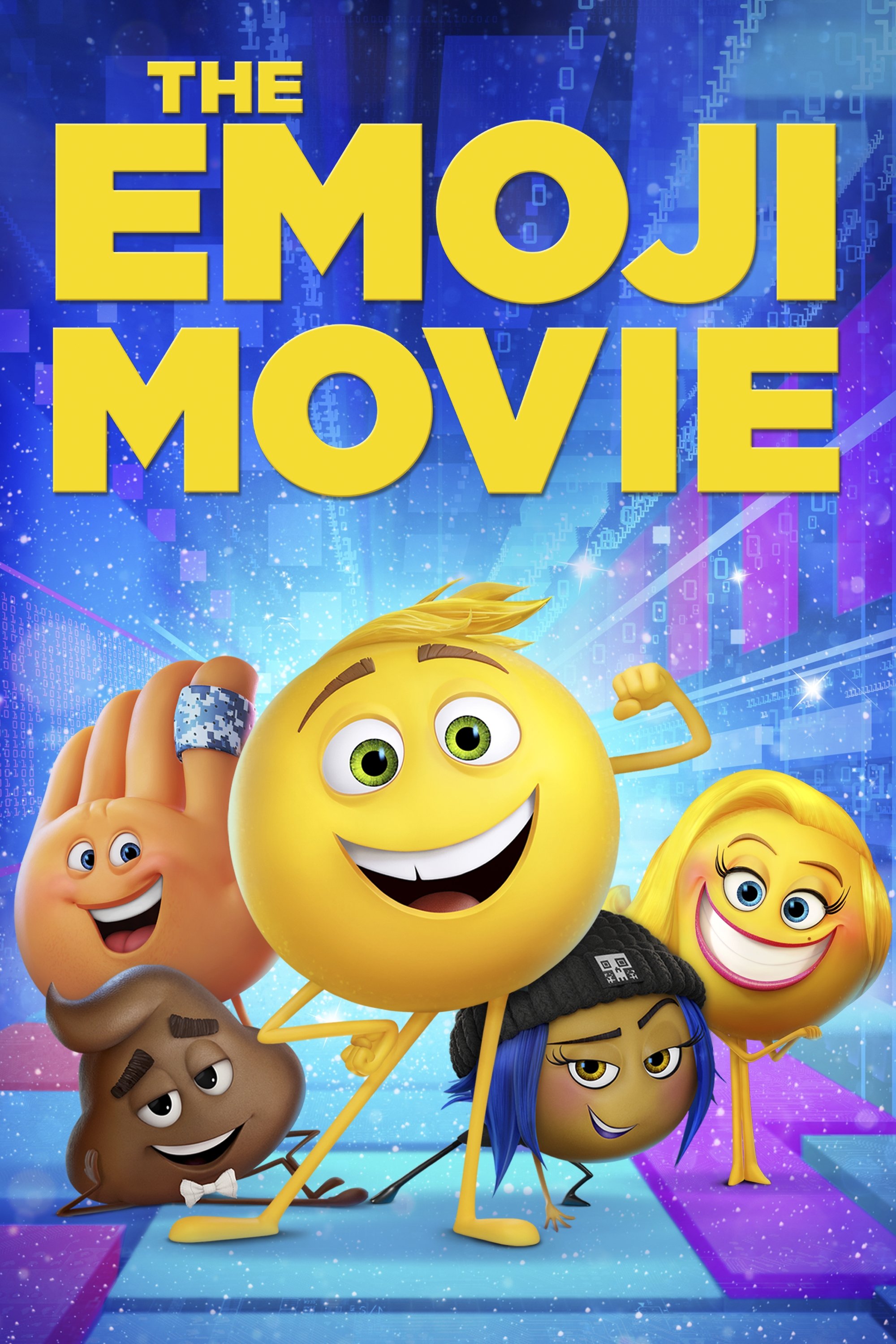
Sony Pictures Animation centered the story on smartphone icons, with T. J. Miller, Anna Faris, James Corden, and Patrick Stewart voicing characters inside a messaging app world. Marketing partnerships featured prominent mobile brands and an elaborate photo call at a major festival to push mainstream awareness. The project moved from announce to release on a fast timetable to capitalize on app culture.
The film grossed well globally relative to its mid-range budget, yet it also triggered broad critical pushback and studio reflection about greenlighting trends tied to recognizable digital symbols. Internally and across the industry, it became a reference point for how aggressively branded concepts can sell tickets while still prompting questions about long-term brand value and creative direction.
‘Norm of the North’ (2016)
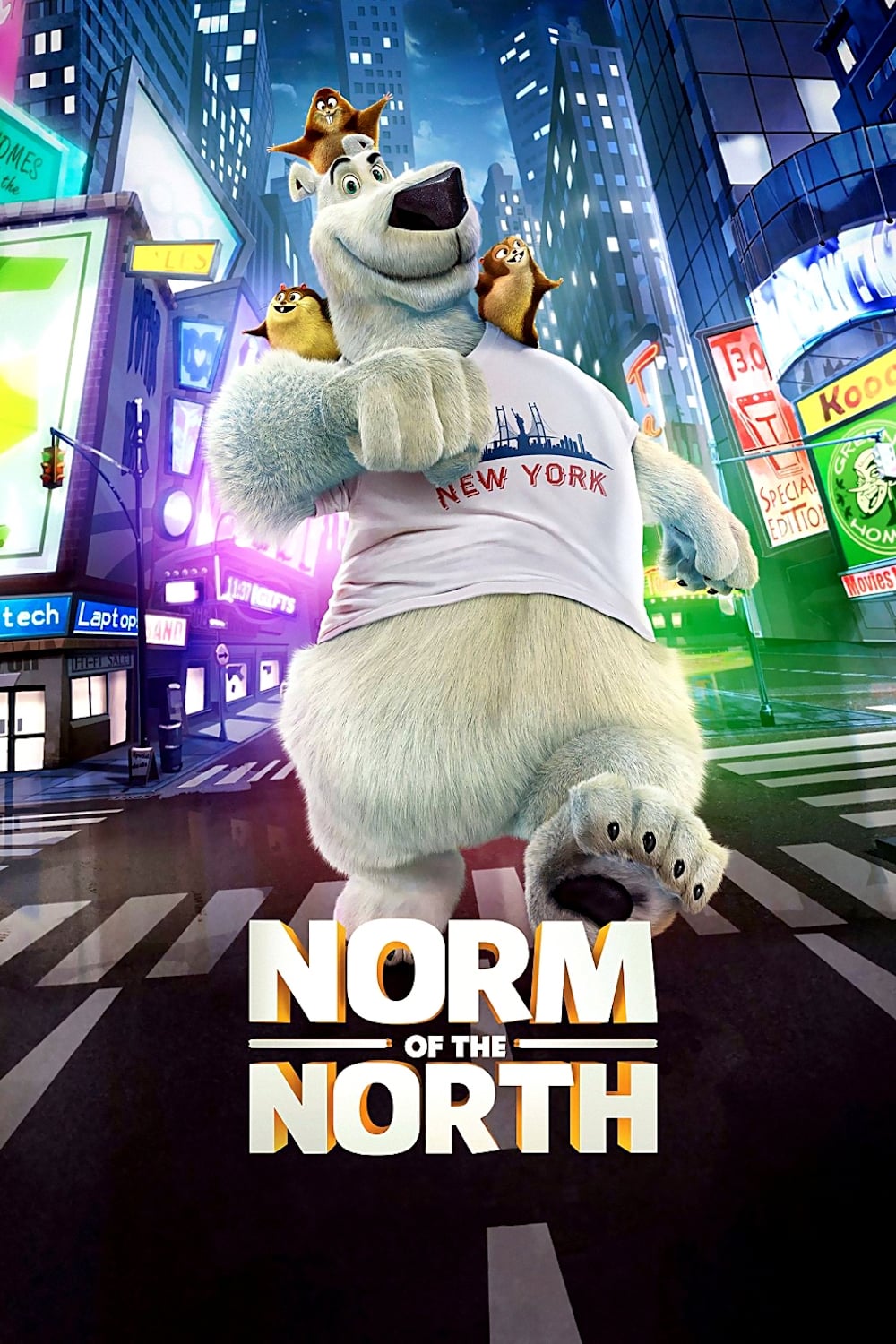
Produced by Splash Entertainment and released by Lionsgate, this family feature followed a talking polar bear who heads to New York City to oppose Arctic development. Rob Schneider led the voice cast and the script leaned on fish-out-of-water gags to reach young audiences. The movie spawned several direct-to-video sequels that extended the brand at low cost.
Theatrically, the original entry earned modest receipts compared with typical wide-release animated fare. Reviews cited repetitive humor and limited visual polish. The franchise’s pivot to home entertainment afterward illustrates how distributors can salvage value through ancillary channels even when a theatrical launch underperforms.
‘Delgo’ (2008)
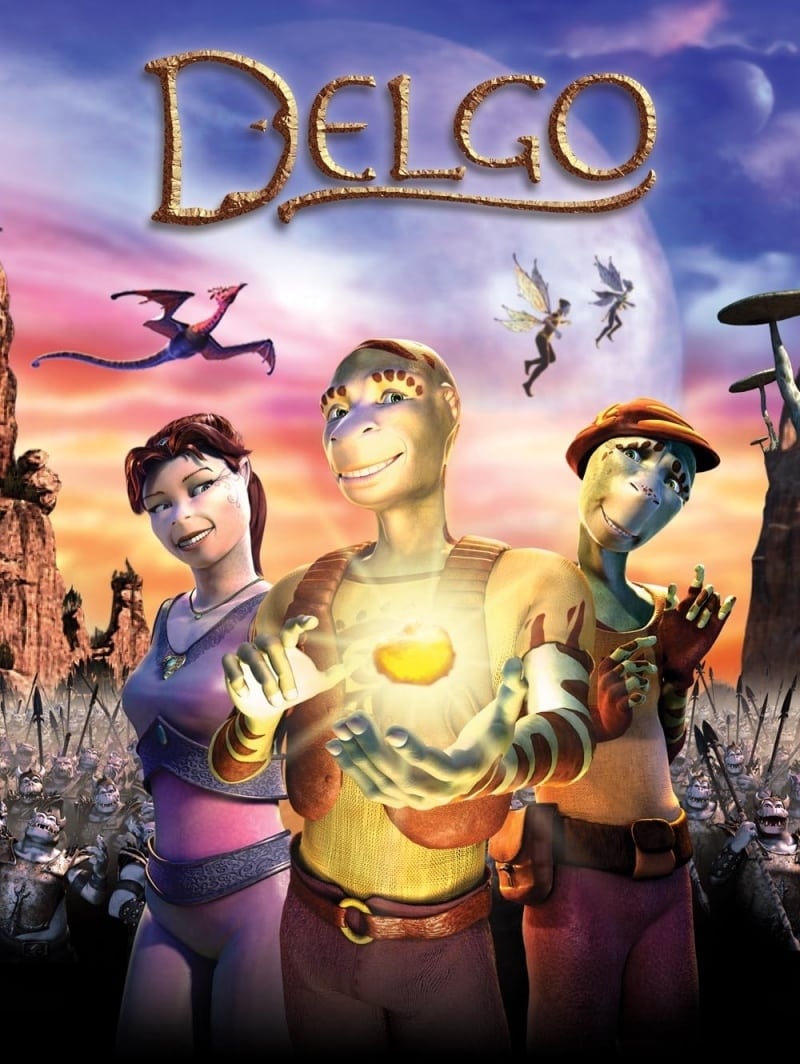
Created by Atlanta-based Fathom Studios, this independent CG epic assembled a cast that included Freddie Prinze Jr., Jennifer Love Hewitt, Val Kilmer, and Anne Bancroft. Production stretched over many years as a small team built proprietary tools to complete complex fantasy environments. The release strategy ultimately put the film into wide release with minimal marketing support.
It posted one of the weakest wide-opening grosses on record, which quickly led to a steep theater drop. Analysts pointed to the mismatch between release footprint and advertising spend, along with character designs that struggled to stand out against studio competition. The film is now frequently cited in discussions about the risks of going wide without audience awareness.
‘Mars Needs Moms’ (2011)
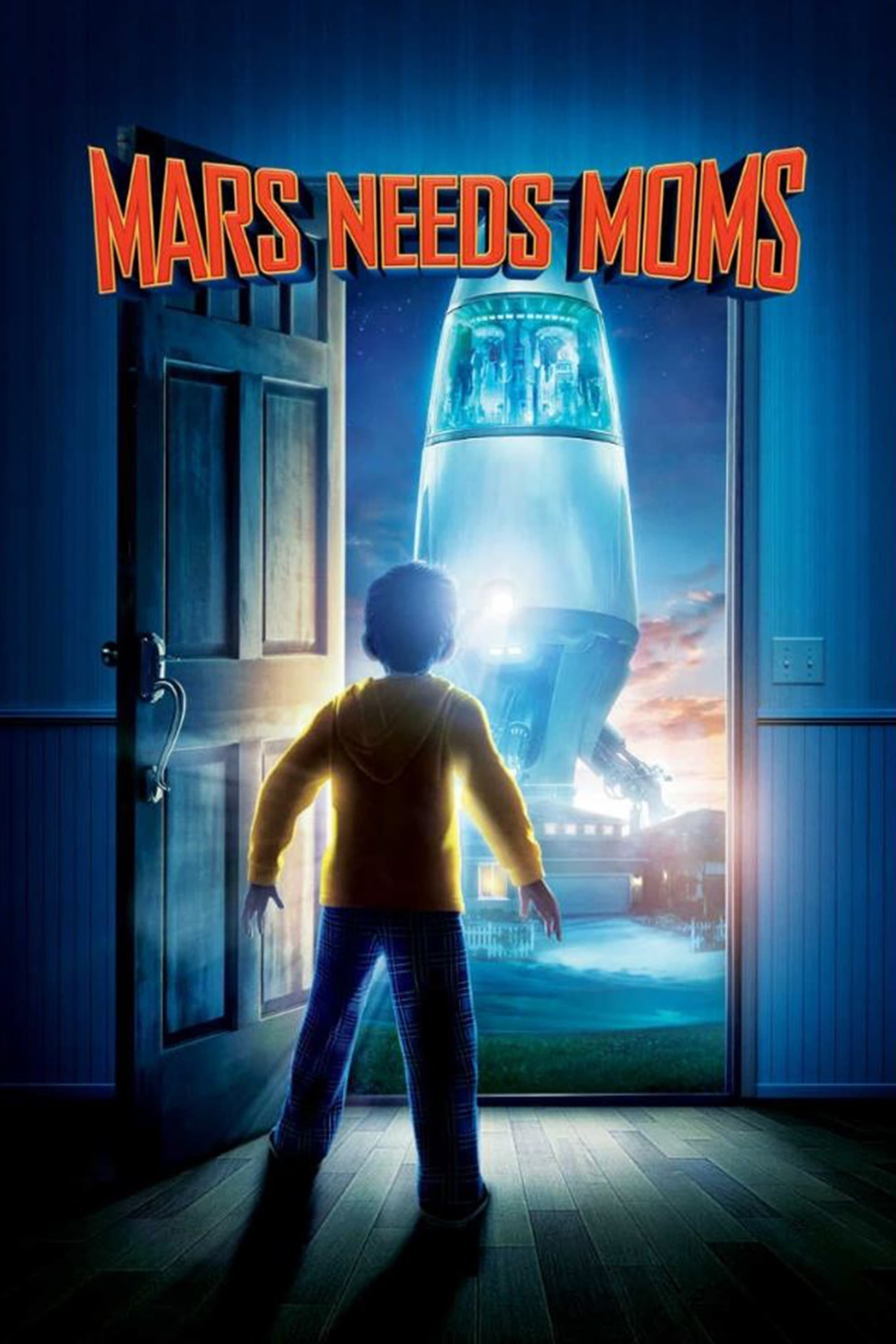
Using performance capture under ImageMovers Digital with Disney distribution, this adaptation of Berkeley Breathed’s book aimed for photoreal human characters in an all-CG world. Seth Green performed the lead through motion capture while another actor provided the final voice. The pipeline required extensive rendering and facial capture passes, pushing costs high.
The box office return fell far short of the production budget and became a financial blow to the unit. The outcome contributed to the shuttering of the performance-capture facility shortly after, and the film remains a prominent example of how uncanny-valley concerns and high fixed costs can compound risk in family animation.
‘A Troll in Central Park’ (1994)

From Don Bluth and Gary Goldman’s team, this fantasy musical followed a gentle troll with a magic green thumb. Dom DeLuise voiced the lead and the movie emphasized songs and pastel visuals aimed at very young children. Distribution in the United States focused on home video rather than a robust theatrical run.
The limited release strategy and narrow demographic targeting produced small immediate returns. Over time it became a footnote in the filmmakers’ filmography, often discussed for how its soft tone and simple plotting contrasted with their more ambitious adventure features and for how that shift affected audience reach.
‘Doogal’ (2006)
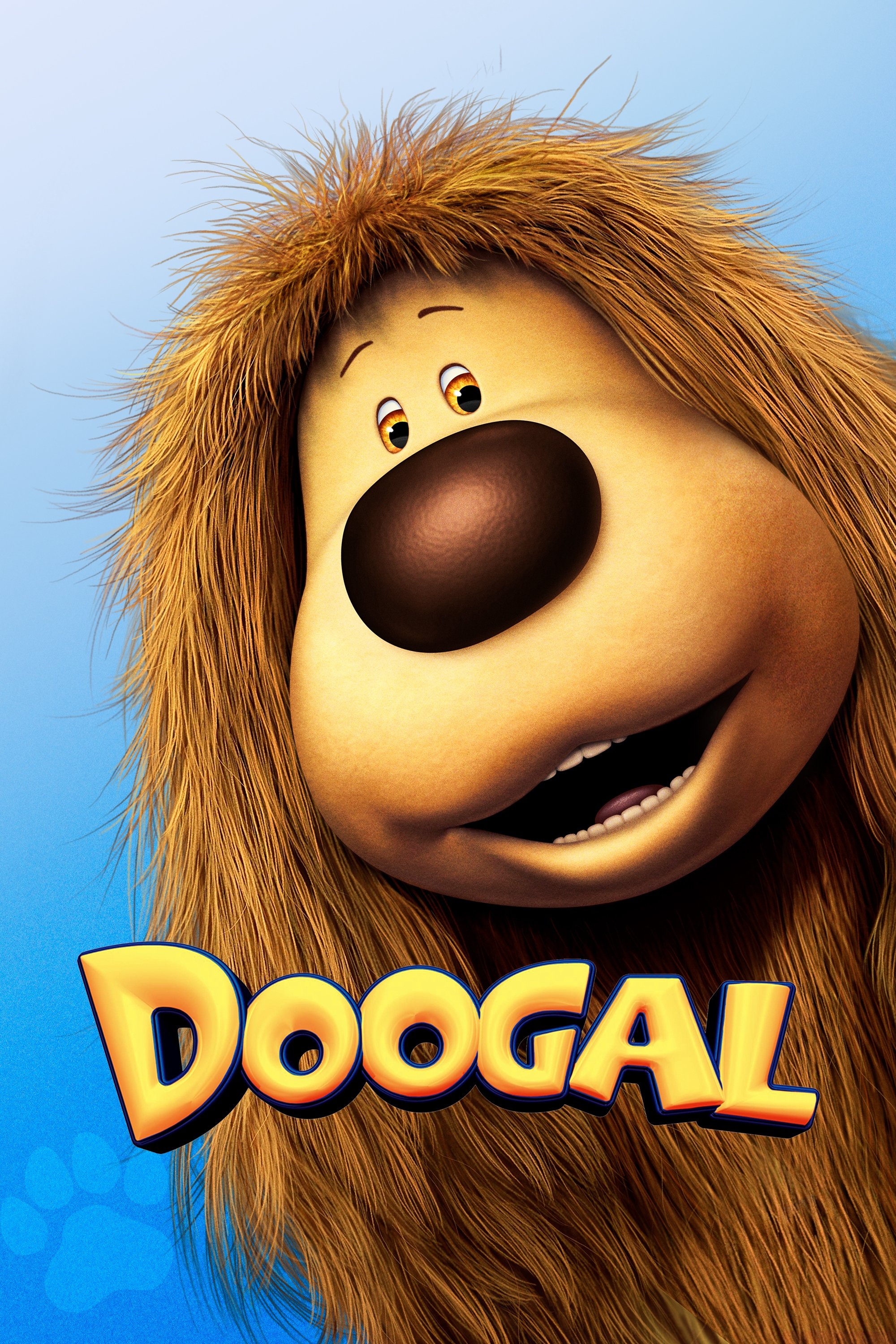
This is the U.S. recut of the British CG feature based on ‘The Magic Roundabout,’ distributed domestically by The Weinstein Company. The American version replaced much of the original script with a celebrity redub that included Jimmy Fallon, John Stewart, Whoopi Goldberg, and William H. Macy as narrator. The edit trimmed and restructured scenes to punch up jokes for U.S. audiences.
The overhaul confused viewers familiar with the source and did not attract new fans in sufficient numbers. Box office returns were weak and the film quickly exited theaters. The case is often used to discuss the risks of heavy localization that alters tone and pacing beyond what the underlying animation supports.
‘Legends of Oz: Dorothy’s Return’ (2013)
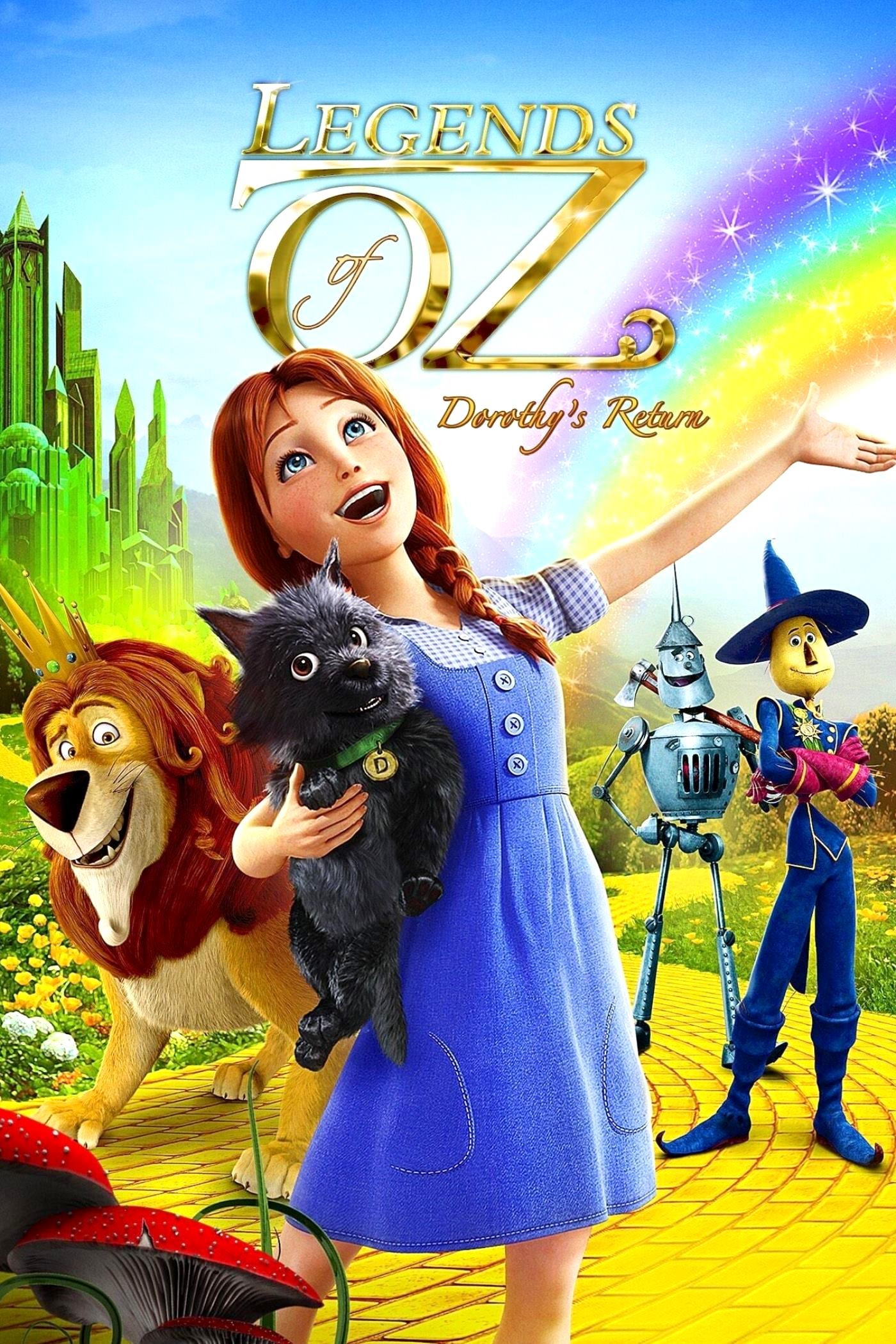
Produced by Summertime Entertainment and released by Clarius Entertainment, this musical sequel brought Lea Michele, Kelsey Grammer, Dan Aykroyd, and Jim Belushi to an all-star voice lineup. The production was financed in part through unusual state bond mechanisms that later drew investigative reporting and legal scrutiny about how funds were raised and spent.
The movie’s theatrical run delivered a small fraction of its reported cost. Merchandising and soundtrack efforts could not bridge the gap, and distributors faced write-downs afterward. Its financing story is now a popular example in entertainment business courses about independent animation funding and oversight.
‘The King and I’ (1999)
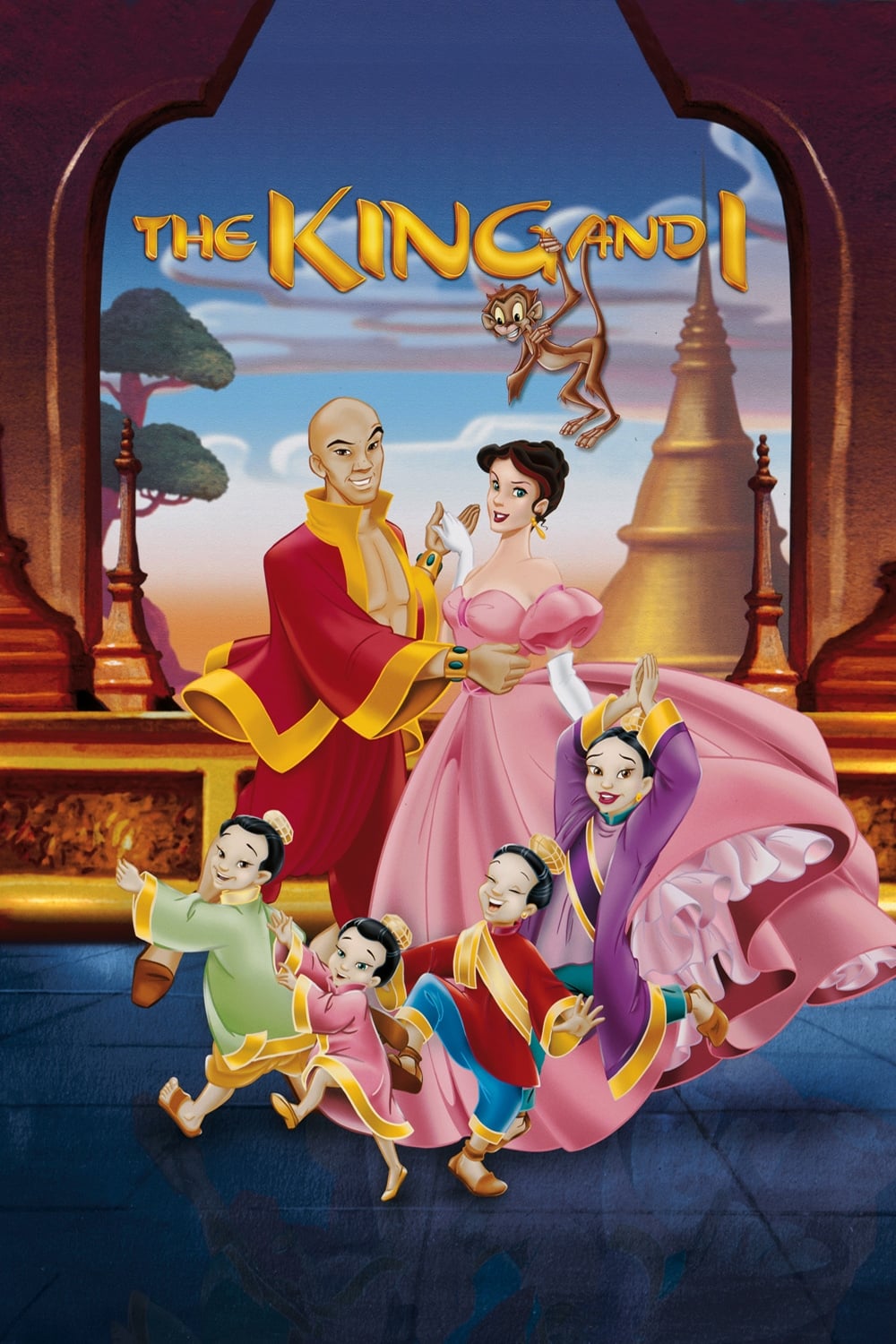
This animated adaptation of the Rodgers and Hammerstein musical came from Morgan Creek with Warner Bros. handling distribution. The screenplay simplified political and cultural elements from the stage version and added comedic animal side characters to target younger viewers. The film carried new recordings of the classic songs and bright character designs.
Audiences compared it unfavorably with both the musical and the well-known live-action film. Box office returns were limited and plans for broader franchise extensions stalled. The release is frequently referenced when discussing how adapting mature stage material into kid-focused animation can dilute themes without satisfying either audience.
‘Happily N’Ever After’ (2007)
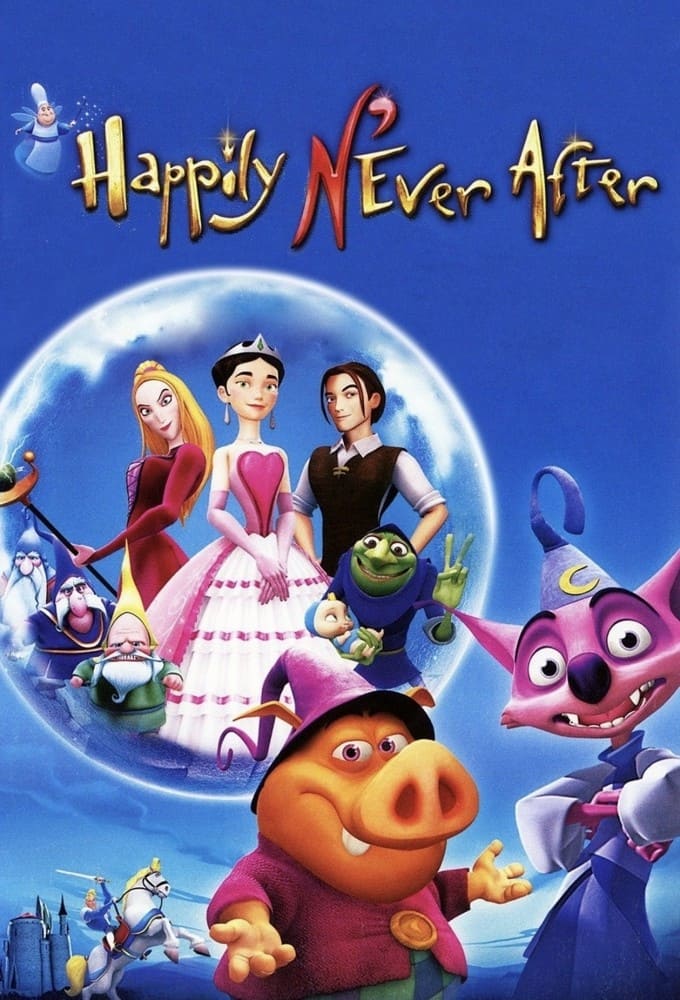
Vanguard Animation produced this fairy-tale spoof with voices from Sarah Michelle Gellar, Freddie Prinze Jr., and Sigourney Weaver. The story imagined what would happen if the balance between good and evil in a classic fairy-tale world tipped the wrong way. Marketing leaned on the familiar Grimm framework to reach families.
Despite a recognizable premise, the movie’s theatrical performance was underwhelming and reviews highlighted stiff character animation and uneven jokes. A direct-to-video sequel followed with a smaller scope. The title is often grouped with other mid-budget CG efforts that struggled to compete against powerhouse studios on both craft and campaign spend.
‘Ratatoing’ (2007)
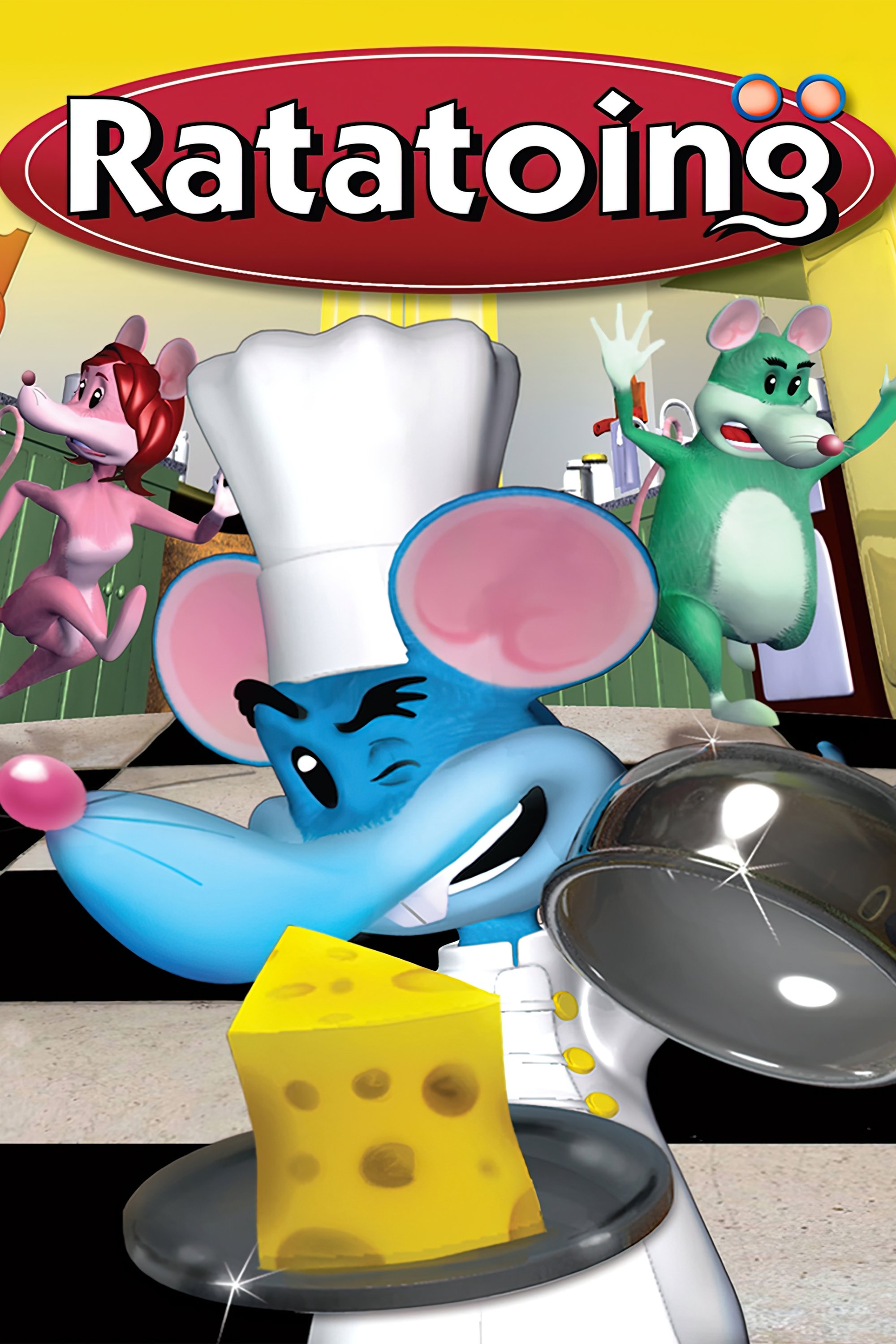
Produced by Brazilian studio Video Brinquedo, this direct-to-video release mirrored the setup of a more famous culinary rodent film with a cost-cut approach to modeling and textures. The runtime is short, the environments are sparse, and the English dub features limited voice direction. Packaging and key art were designed to attract casual buyers in bargain bins.
The film circulated internationally through budget distributors and online uploads, gaining notoriety as a textbook mockbuster. Its sales model relied on quick turnaround and minimal overhead rather than repeat viewership. The title is often used in lectures to illustrate how copycat strategies operate in low-margin home entertainment markets.
‘The Little Panda Fighter’ (2008)
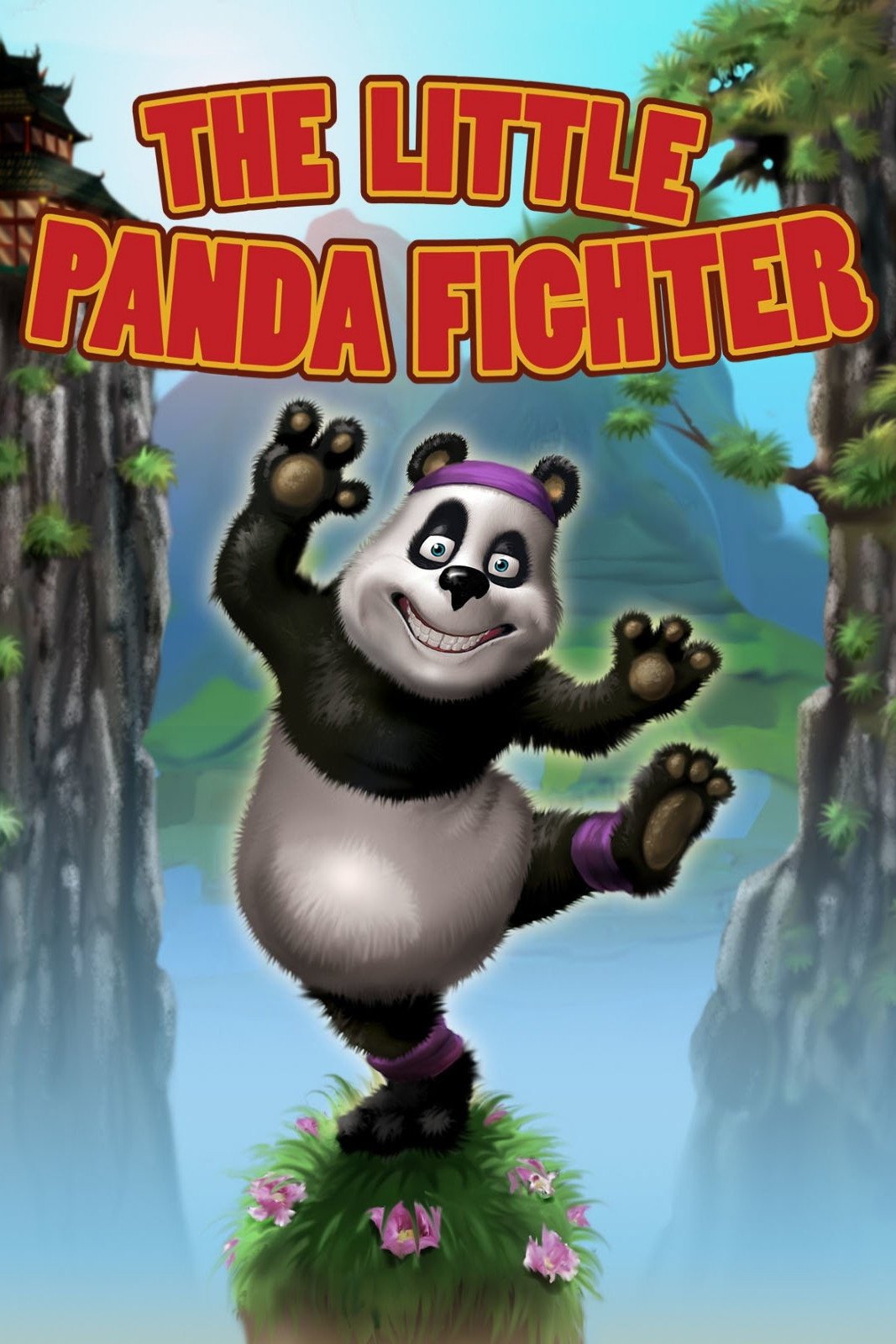
Another Video Brinquedo project, this movie follows a panda who works at a boxing club and gets pushed into the ring by his boss. The designs and plot echo a bigger studio franchise featuring a martial-arts panda, while the animation reuses rigs and background assets to keep costs down. Dialogue timing and lip sync reflect a rapid production schedule.
Distribution focused on discount DVD racks and streaming catalogs that license large batches of catalog titles at once. The film’s visibility surged online through parody reviews and compilation clips. Like its sibling releases, it is cited as a case study in low-budget asset reuse and opportunistic branding.
‘Arctic Dogs’ (2019)
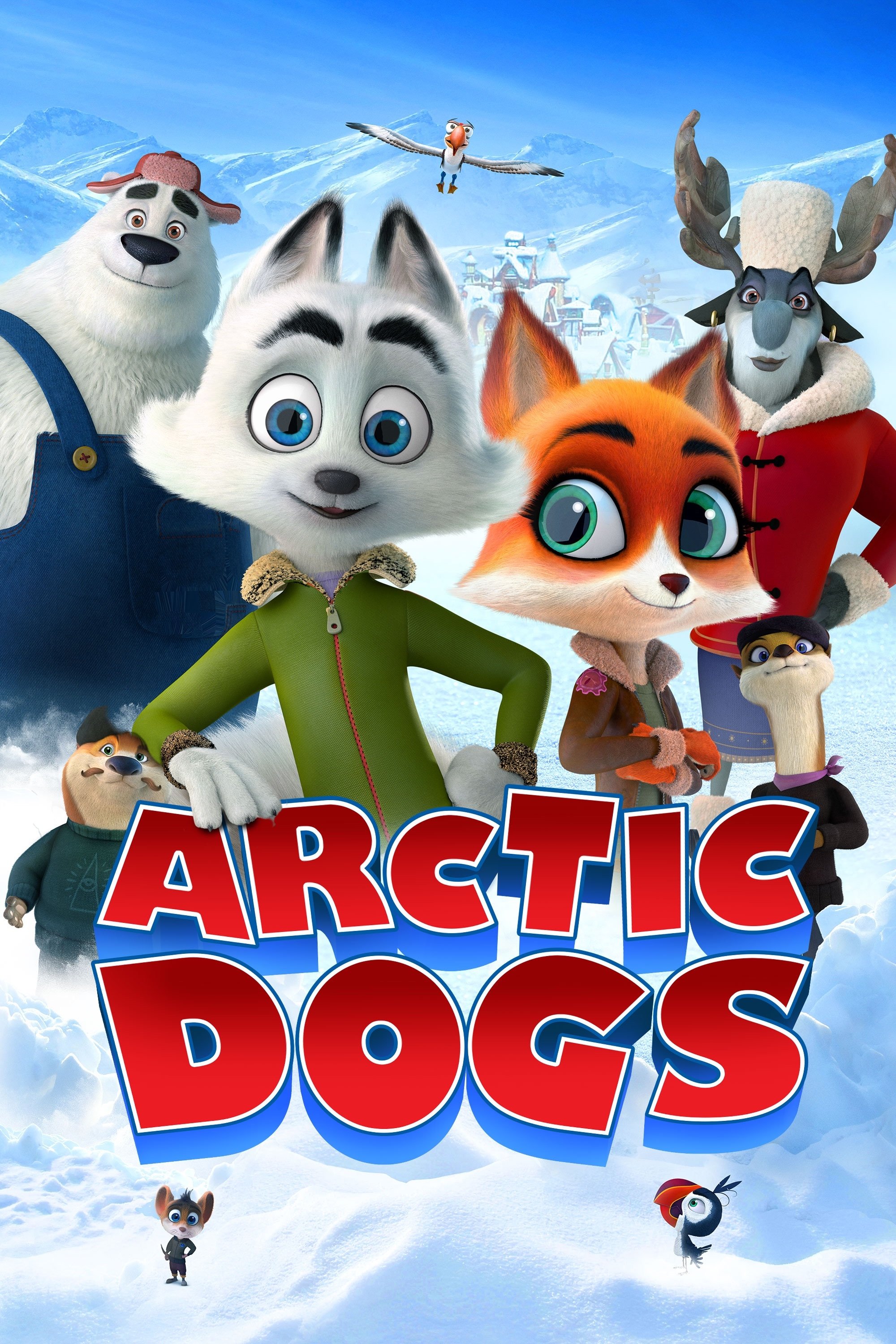
Originally known as ‘Arctic Justice,’ this feature starred Jeremy Renner, Heidi Klum, Alec Baldwin, and John Cleese in a story about a delivery-sled team facing an environmental threat. Production switched distributors before release, and the final campaign relied on modest ad buys and regional promotions to build awareness. Tie-ins included a mobile game and classroom activity sheets.
Domestic grosses landed well below typical expectations for a wide family release, with international receipts only partially offsetting costs. The film’s outcome highlighted how crowded holiday corridors can punish titles without strong brand recognition and how shifting distribution plans can limit reach.
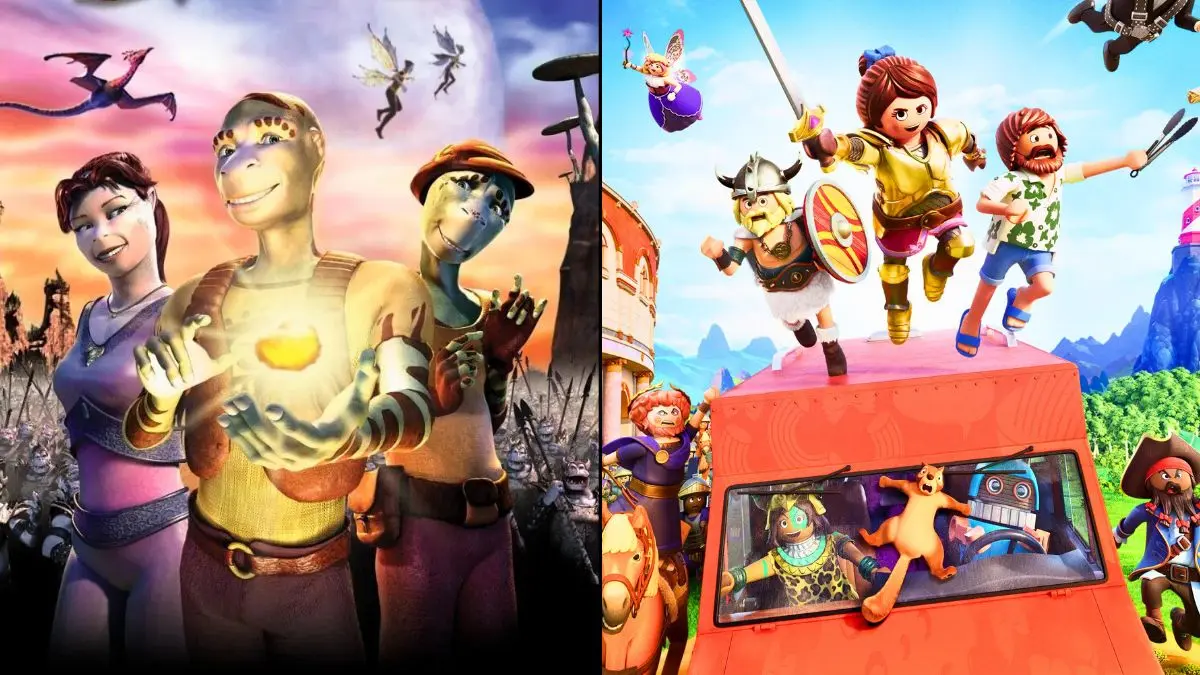
‘Playmobil: The Movie’ (2019)
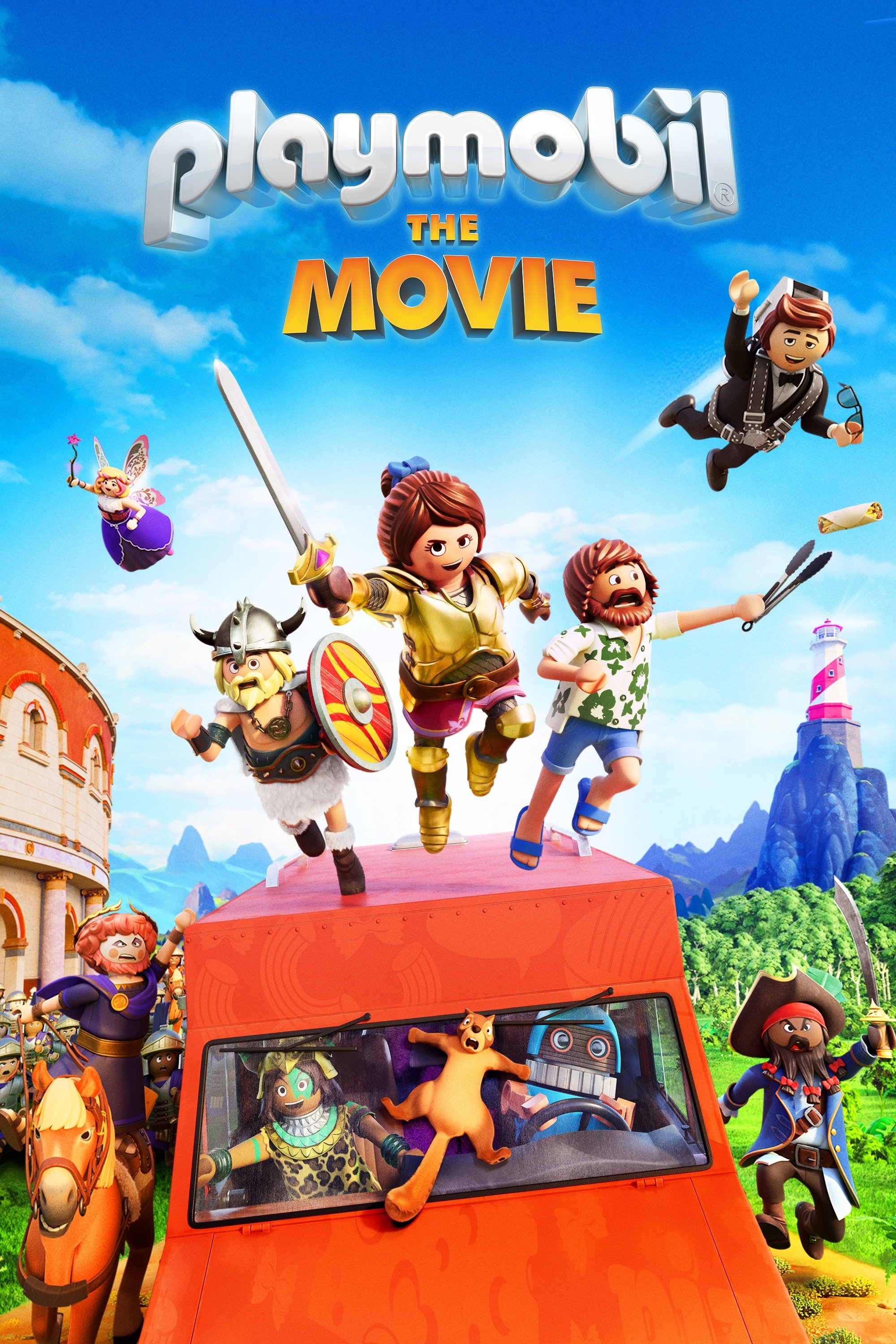
From the company behind ‘The Little Prince,’ this toy-based adventure mixed a brief live-action framing story with CG worlds and a voice cast that included Anya Taylor-Joy and Daniel Radcliffe. The U.K. release came first, while the U.S. distributor scheduled a later date with minimal promotion. Despite a sizable production budget, awareness remained low.
The U.S. opening weekend produced one of the smallest per-theater averages for a wide animated release, and the overall worldwide total fell far short of costs. The title is now frequently compared to another building-block franchise to show how brand equity, script development, and campaign scale can diverge even when working from similar toy properties.
‘Sir Billi’ (2012)

Marketed as Scotland’s first CGI feature, this independent film featured Sean Connery in his final role alongside Alan Cumming. The production spanned many years with a small team handling modeling, rigging, and rendering in staggered phases. The plot followed a retired veterinarian adventuring through the Highlands with a talking goat.
The film received a very limited theatrical presence and then moved quickly to home formats. Reviews cited stiff animation and uneven pacing, and the movie’s long road to release became its main talking point. It remains a reference for the challenges independent teams face when aiming for feature-length CG on constrained resources.
‘Eight Crazy Nights’ (2002)
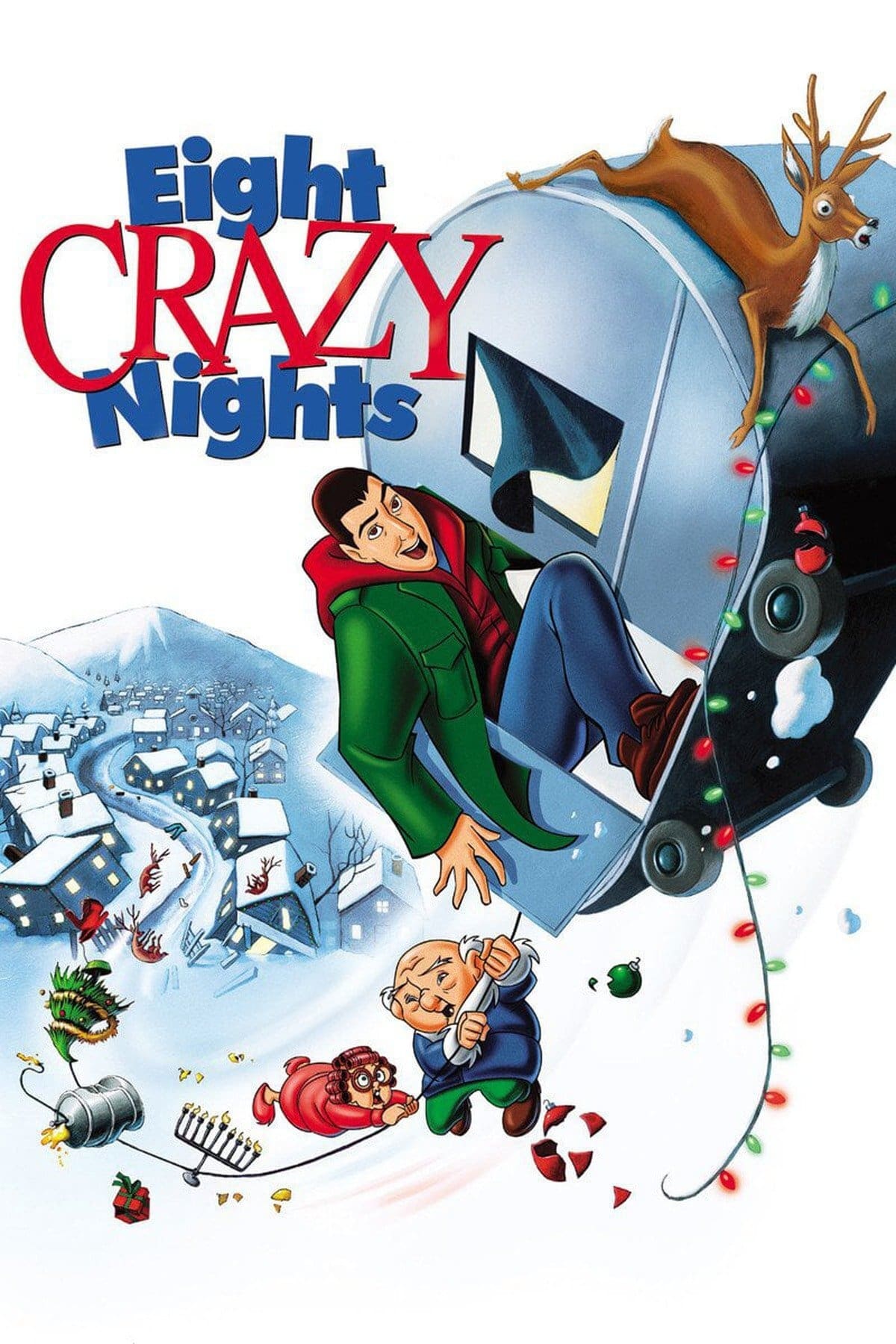
Adam Sandler headlined this adult animated holiday musical with Sony handling distribution. The film blended crude humor with heartfelt beats and included original songs performed by Sandler and the cast. Marketing targeted teens and young adults rather than the family audience typical for seasonal animated fare.
The movie underperformed relative to its production cost and earned multiple Razzie nominations shortly after. Home video helped recoup some expense, but the title has largely persisted as an example of how adult-oriented animation tied to a specific holiday can be a tough theatrical sell without strong word of mouth.
Share your picks for the worst animated films in the comments and tell us which titles you think deserve to be added to the list.

