


The Worst Drama Movies of All Time

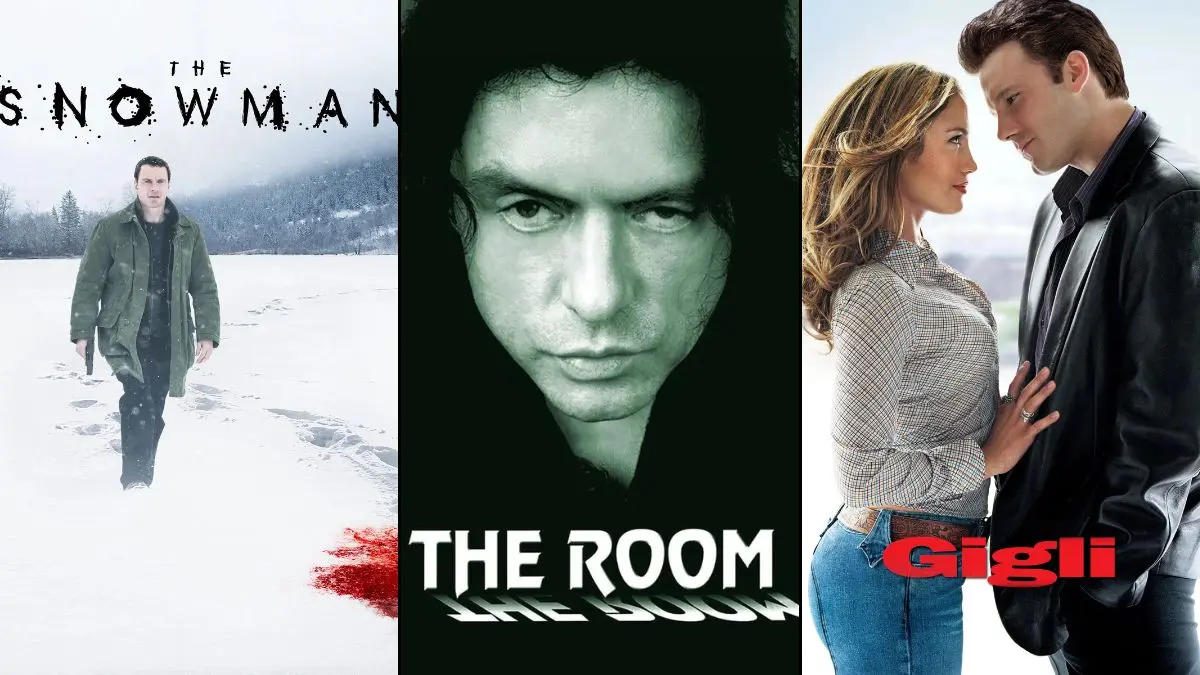


Not every drama lands the way its creators hope. Some films miss the mark with critics, underperform at the box office, or run into production woes that overshadow what ends up on screen. This list looks at dramas that became cautionary tales—films remembered for rocky releases, costly miscalculations, or widely documented critical drubbings.
To keep things fair and verifiable, each entry here relies on public records from reputable outlets—trade press, box-office ledgers, awards bodies, and contemporaneous interviews. You’ll find specifics like budgets, grosses, release patterns, and production context, with sources cited so you can dig deeper yourself.
‘The Room’ (2003)
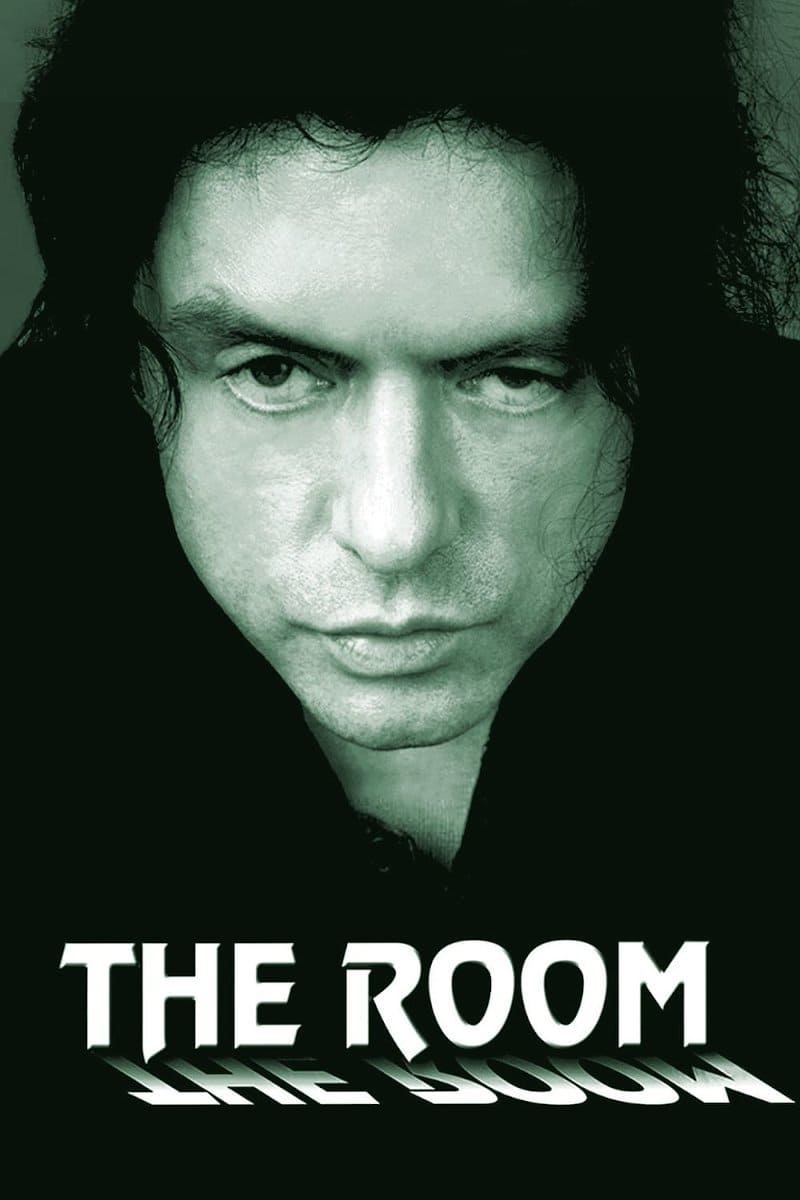
Tommy Wiseau’s independently financed passion project was shot in an unusual dual-format setup: Wiseau purchased both a 35mm film camera and an HD camera and mounted them side-by-side to shoot simultaneously—an approach that required separate crews and added to costs. Accounts from collaborator Greg Sestero describe additional budget inflation from building sets that could have been filmed on location and repeatedly reshooting dialogue as Wiseau struggled to remember lines.
Financial records indicate a minimal initial gross and a long afterlife driven largely by cult screenings and home media; The Numbers tracks its financial profile as a micro-release that later accumulated revenue through ancillary markets rather than through a standard wide theatrical run.
‘Gigli’ (2003)
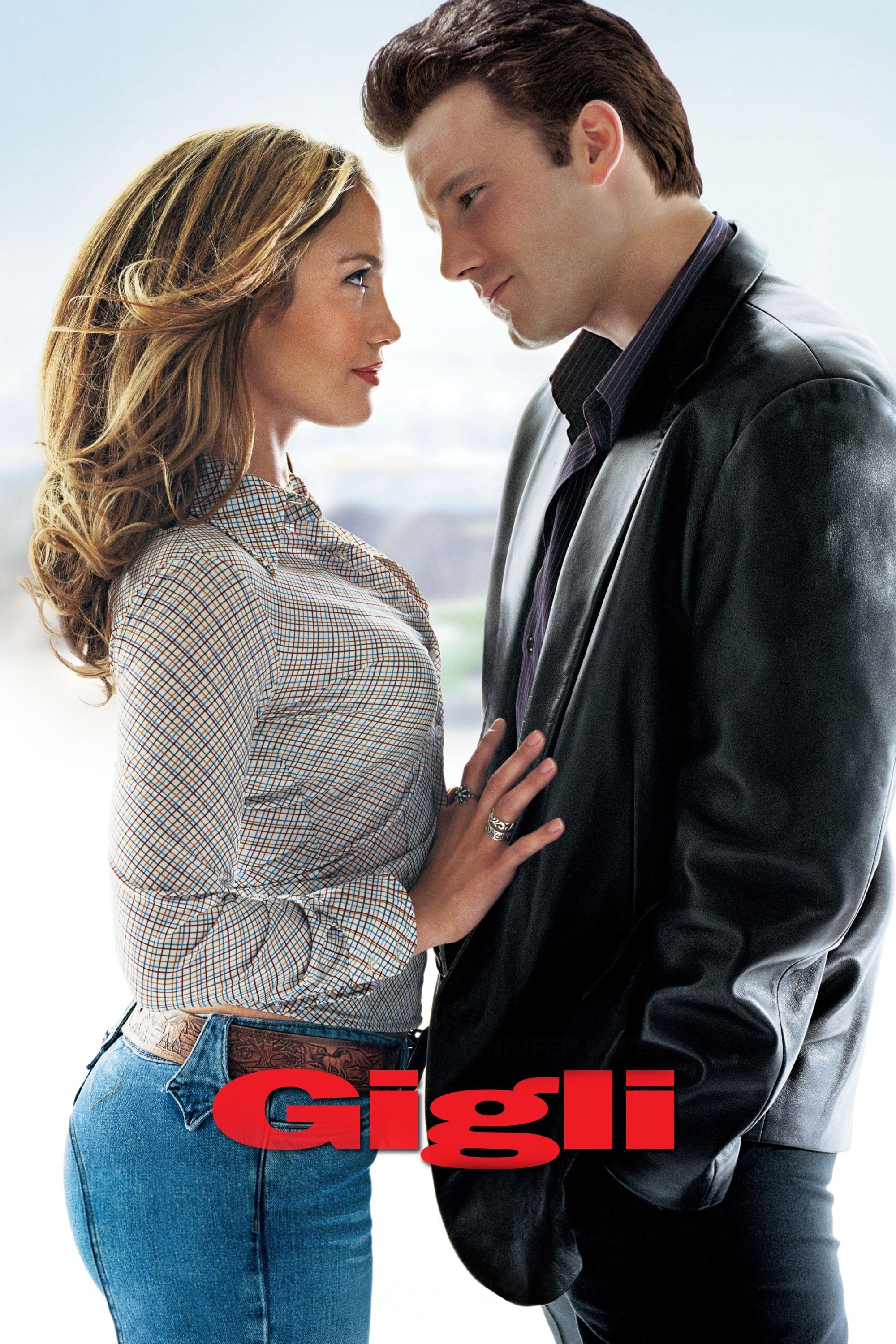
The Ben Affleck–Jennifer Lopez vehicle endured a troubled post-production, with reports of disagreements between writer-director Martin Brest and producers and edits completed without Brest’s approval. Publicity around the leads’ off-screen relationship surged, but the film opened to withering reviews and swiftly exited theaters.
With a reported production budget of roughly $75.6 million and a worldwide gross near $7.2 million, it ranks among the costliest theatrical underperformers of its era; those figures are widely cited in studio and box-office references.
‘The Postman’ (1997)
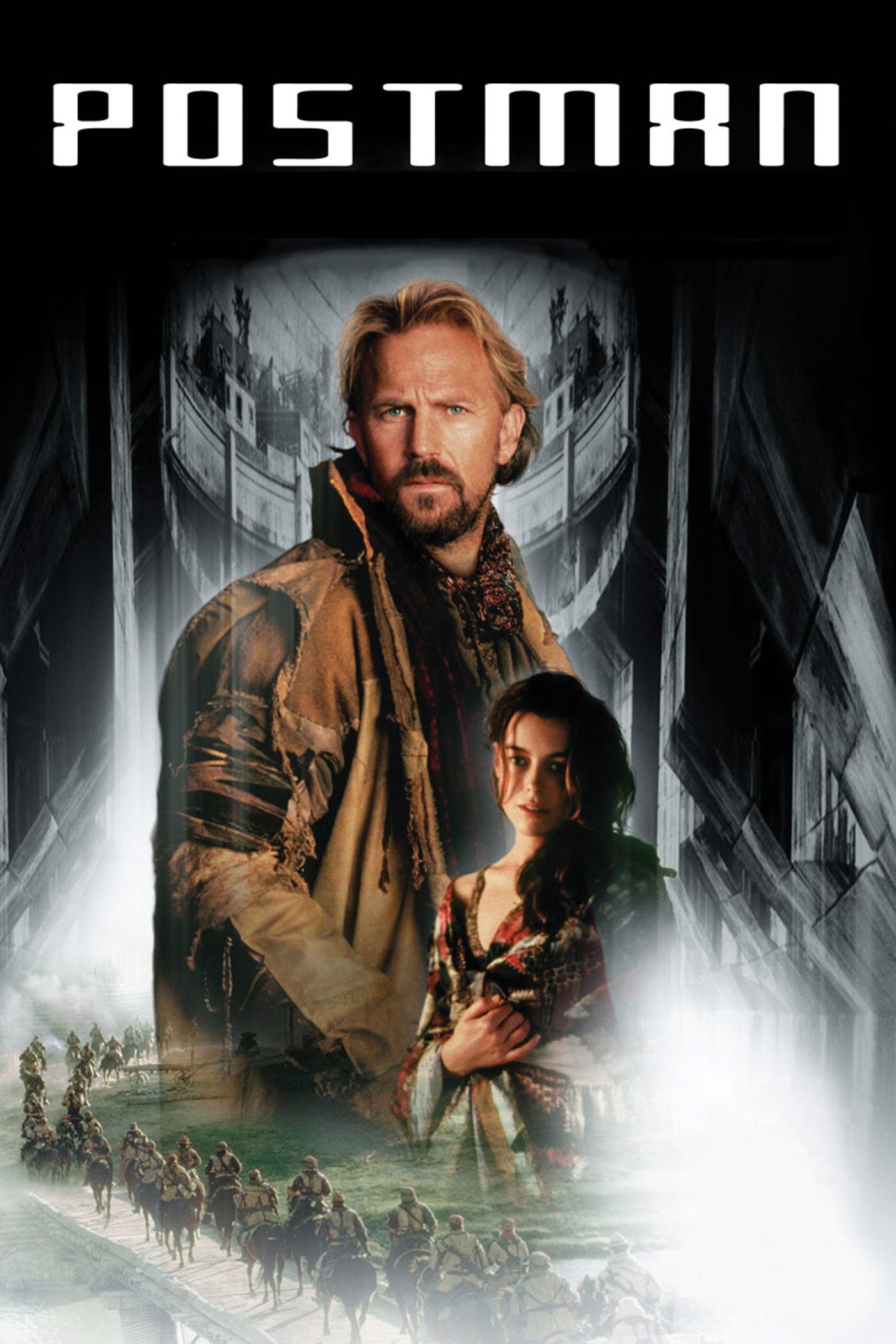
Kevin Costner’s post-apocalyptic epic was released on 2,207 North American screens and earned about $5.3 million over its first four days, ultimately grossing around $17 million domestically against an estimated $80 million budget (about $30 million worldwide). Contemporary box-office tallies and later retrospectives consistently identify it as a major commercial failure.
At the 1998 Golden Raspberry Awards, the film won Worst Picture, with Costner also receiving Worst Director and Worst Actor, and the screenplay cited as Worst Screenplay. Press coverage at the time noted that it swept the categories for which it was nominated.
‘Diana’ (2013)

This biographical drama about Diana, Princess of Wales, received strongly negative aggregate scores upon release. On Rotten Tomatoes it holds a low approval rating with a consensus calling out the script and direction, while Metacritic lists a score in the mid-30s based on dozens of reviews—both indicators of broad critical rejection.
The film’s reception became a story of its own: major UK outlets published sharply critical reviews, and in later interviews Naomi Watts herself acknowledged the project’s problems. These reactions are documented in contemporaneous reviews and follow-up reporting.
‘Collateral Beauty’ (2016)

Released opposite ‘Rogue One: A Star Wars Story’, the ensemble drama opened to the weakest wide-release weekend of Will Smith’s career at roughly $7 million from 3,028 theaters, a figure reported by trade outlets tracking daily receipts. Domestic totals eventually reached about $31 million.
Production history shows notable changes behind the camera—an earlier director exited over creative differences before David Frankel boarded—and critics’ aggregators recorded broadly negative reviews despite the star-studded cast. These production shifts and the critical consensus are detailed in industry coverage and reference entries.
‘The Goldfinch’ (2019)

Adapted from Donna Tartt’s Pulitzer Prize–winning novel, the film cost around $45 million to produce and earned approximately $9.4 million worldwide, with a U.S. opening of $2.6 million across more than 2,500 screens—one of the weakest wide openings on record for its screen count. Trade-press projections and post-mortems estimated studio losses in the tens of millions.
Box-office tracking shows a 71% second-weekend drop to under $1 million, confirming steep audience falloff. Industry analyses at the time attributed the result to the difficulty of condensing a complex novel and challenges positioning the film during a crowded release frame.
‘The Book of Henry’ (2017)

Colin Trevorrow’s suburban melodrama premiered at the Los Angeles Film Festival before Focus Features released it nationwide. It was reported as unsuccessful at the box office and registered generally negative reviews, with critics frequently citing tonal whiplash as a key problem; this pattern is reflected in reference summaries and critic-score aggregations.
Rotten Tomatoes and Metacritic list low aggregate scores, and box-office histories note the film’s modest domestic run after a wide debut. These outcomes drew attention because they followed Trevorrow’s rapid rise after ‘Jurassic World’, prompting widespread trade coverage of the film’s reception.
‘Serenity’ (2019)

Despite star power from Matthew McConaughey and Anne Hathaway, the neo-noir drama opened to about $4.4 million in North America and totaled roughly $14.4 million worldwide against a reported $25 million budget. The release marked a career-low wide-opening weekend for Hathaway, as documented by box-office reports and reference listings.
Post-release reporting detailed disputes over marketing spend between the filmmakers and distributor Aviron Pictures, while review aggregators recorded poor scores and audiences gave a D+ CinemaScore—context that explains how the film quickly faded from theaters.
‘The Snowman’ (2017)
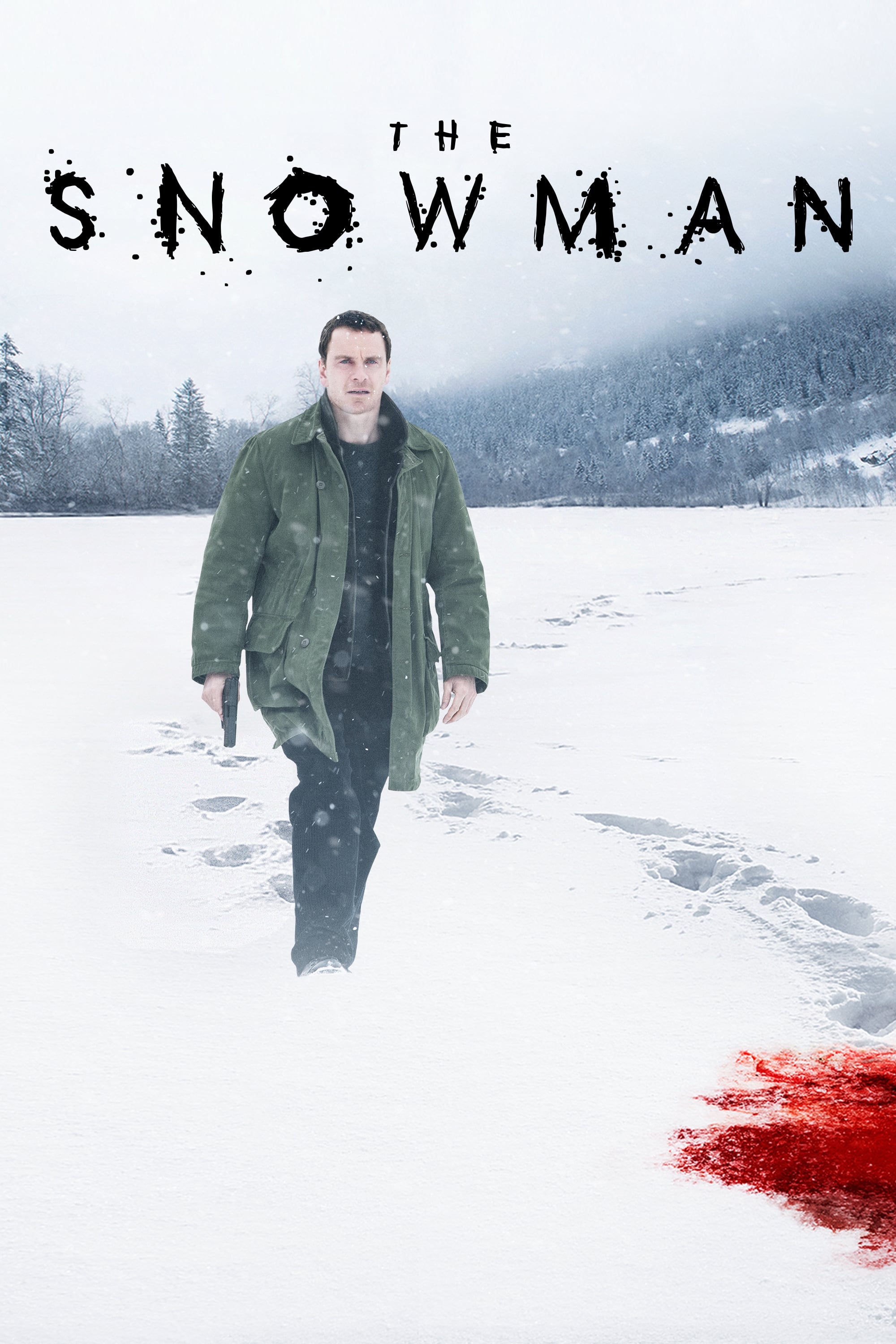
Director Tomas Alfredson later explained that the production never completed filming the entire screenplay due to time constraints, leaving gaps that complicated the final edit. Interviews and trade coverage from release week cite missing footage—estimates around 10–15%—as a key factor in the film’s incoherence.
The adaptation of Jo Nesbø’s Harry Hole novel opened to poor reviews and weak word-of-mouth, with distributors and the creative team acknowledging reshoots and a compressed schedule. Those issues, captured in contemporaneous interviews and news pieces, have since defined the film’s legacy.
‘All the King’s Men’ (2006)
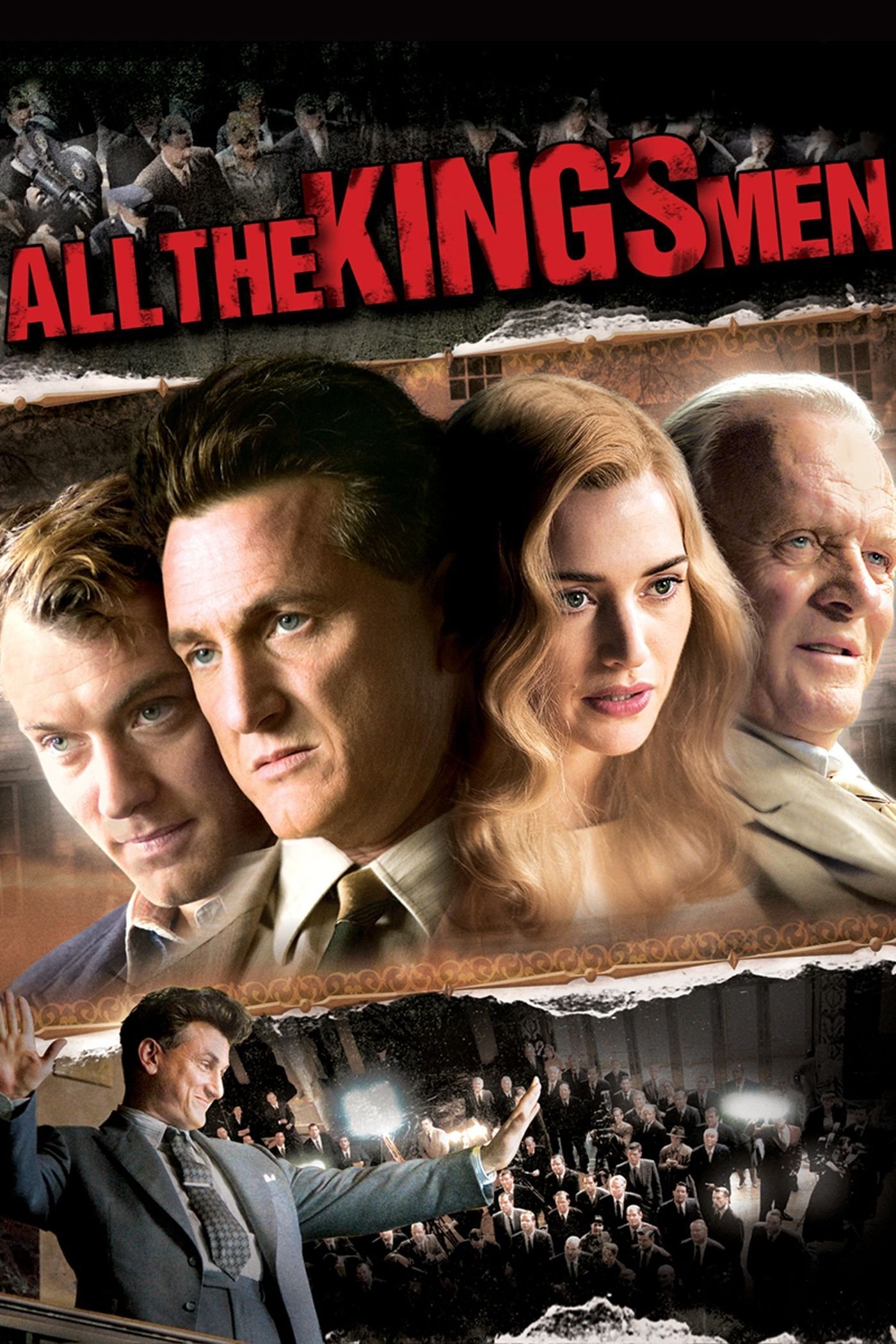
This remake of the 1949 Oscar winner arrived with a high-profile cast but struggled commercially, grossing about $9.5 million worldwide against a reported $50 million budget. Weekend-to-weekend drops after a $3.7 million debut underscored limited audience traction.
Critical aggregates show approval ratings in the low teens on Rotten Tomatoes and a mid-30s Metacritic score, with major outlets criticizing narrative cohesion and characterization. Retrospectives routinely cite it as an example of prestige packaging unable to overcome script and structure issues.
Share your picks—what other dramas would you add to this list?

