


The Worst Family Movies of All Time




Family films are meant to bring everyone together, but some titles are documented for unusually poor critical reception, weak grosses relative to costs, or notorious award tallies. To keep this grounded and checkable, each entry below cites public ledgers and records—box-office databases, award lists, and reference pages—so you can verify budgets, release patterns, grosses, and nominations.
Where relevant, you’ll also see sourcing on unusual release strategies, record-setting openings (for the wrong reasons), or long, difficult productions. This is a receipts-based tour through family movies that show up again and again when critics, historians, and data sets talk about the very bottom of the barrel.
‘Superbabies: Baby Geniuses 2’ (2004)

The sequel opened on August 27, 2004 across 1,276 theaters and finished its domestic run at about $9.22 million, with reporting that the worldwide total reached roughly $9.45 million—well below a commonly cited $20 million production budget. Box office weeklies and summary pages document the steep weekly declines and the final tally.
Records also show the film drew a very low critics’ score and appeared on the 25th Golden Raspberry Awards ballot for Worst Picture that season. The title page at Rotten Tomatoes and the Razzies’ year summaries capture the reception and nomination history.
‘The Garbage Pail Kids Movie’ (1987)
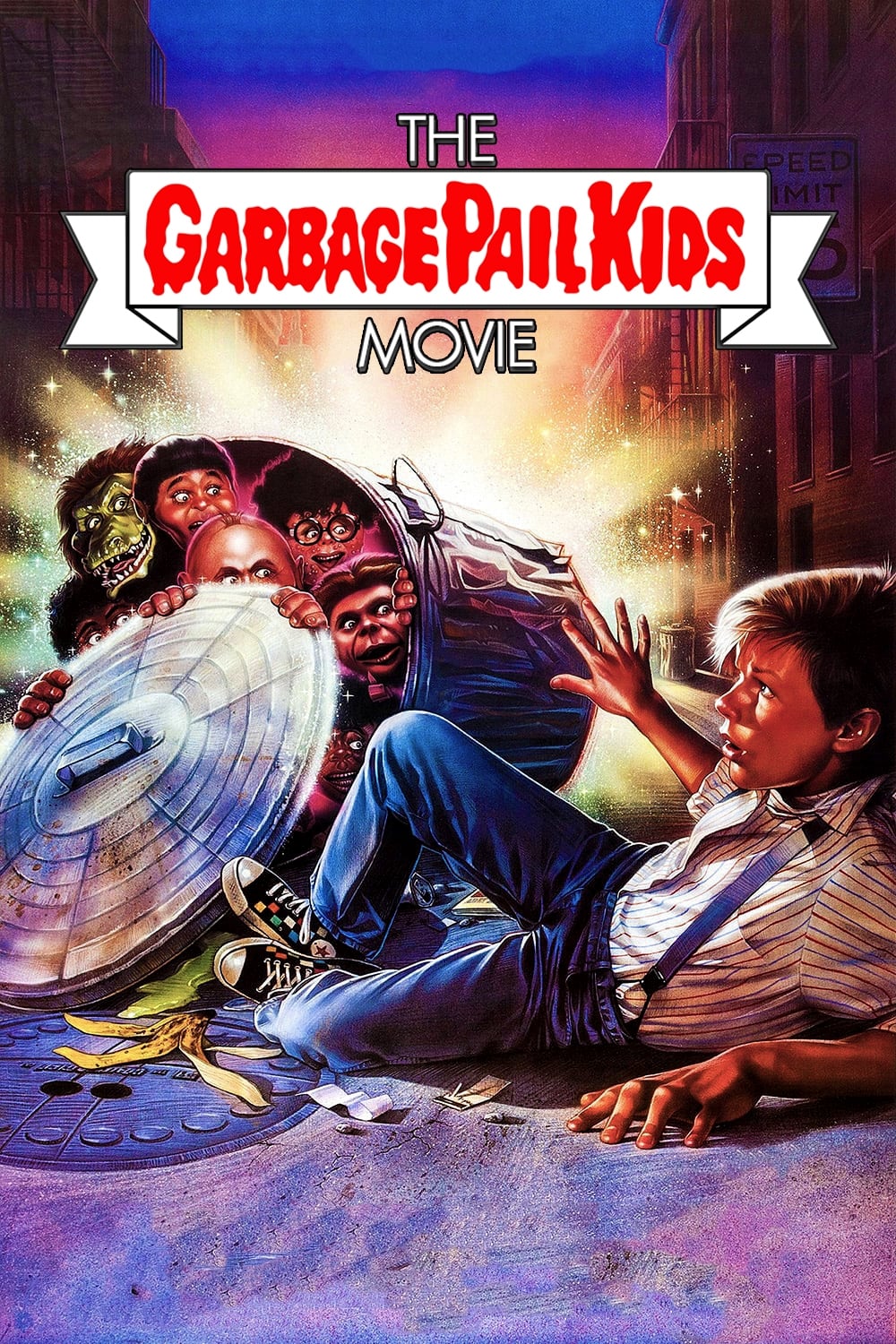
Adapted from Topps’ trading cards, the film was released by Atlantic Releasing on August 21, 1987 and closed with a domestic gross of about $1.58 million, per Box Office Mojo’s year and title pages. Those ledgers also show a 374-theater launch and the opening-weekend figure.
Aggregator listings record a critics’ score at the very bottom of the scale, and reference entries note its reputation and placement on “worst of” roundups, with the Rotten Tomatoes title page providing the current score and review excerpts.
‘Foodfight!’ (2012)

Financial databases report a production budget typically listed between $45–65 million and a minimal international theatrical gross—about $120,000—after a long-delayed release; the U.S. rollout focused on VOD/DVD. The Numbers details the worldwide total and budget figure it tracks, and industry write-ups summarize the small overseas theatrical footprint.
Trade and animation outlets recapped the prolonged production saga, including the widely reported claim that early hard drives were “stolen,” subsequent restarts, and eventual insurance-related disposition before home-media release. Contemporary coverage from Animation Magazine and curated reference pages outline those production notes.
‘The Oogieloves in the Big Balloon Adventure’ (2012)
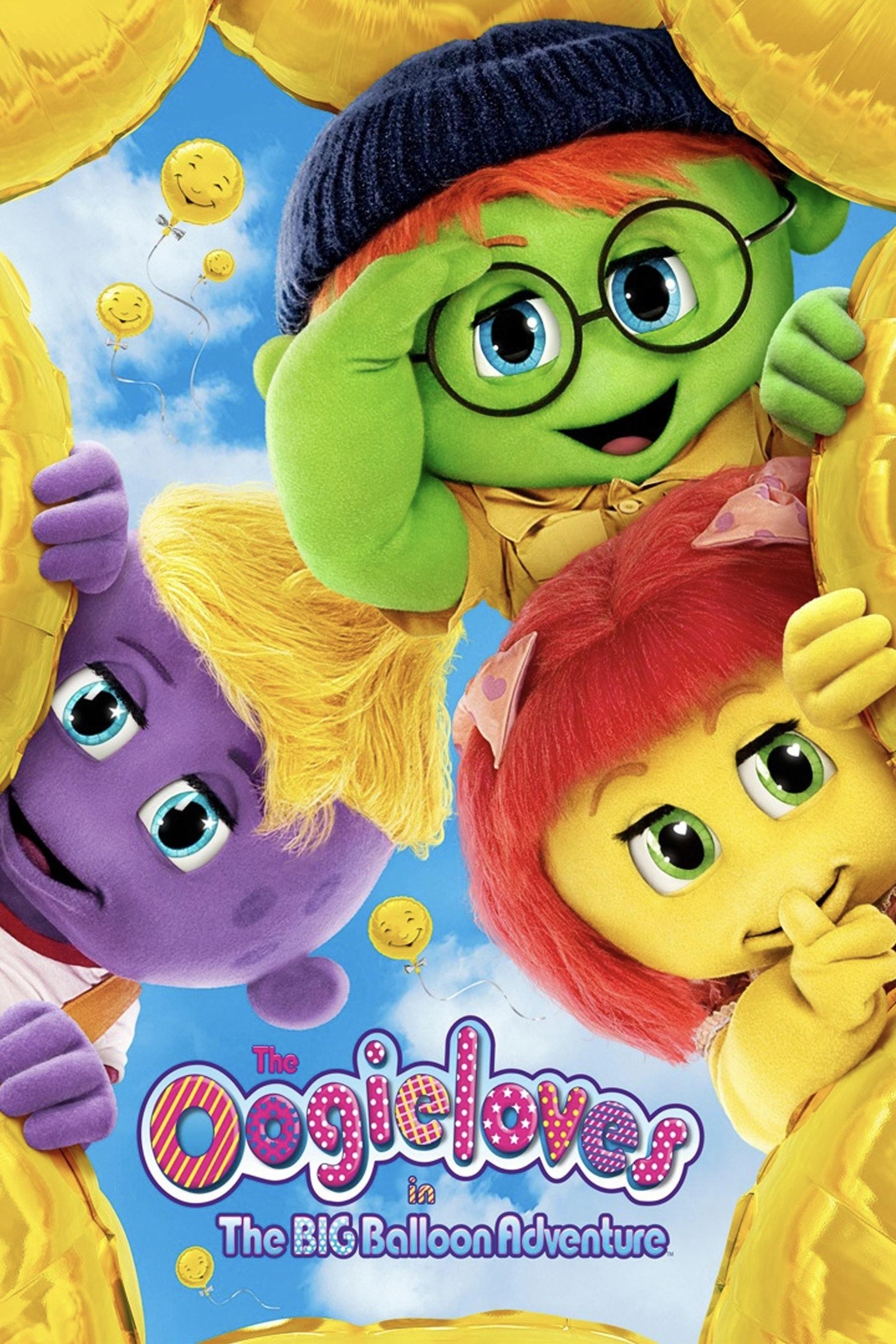
Box Office Mojo’s records document a $443,901 three-day opening from 2,160 theaters and a $206 per-theater average—data that places the film at the top of the site’s “Worst Wide Openings” table for 2,000+ locations. The studio-reported production budget is listed at $20 million, and the final domestic total stands near $1.07 million.
Contemporary coverage and retrospectives emphasize the record-setting nature of that debut and an unusually sharp second-week drop; industry reports and follow-up pieces summarized the numbers and context.
‘The Cat in the Hat’ (2003)
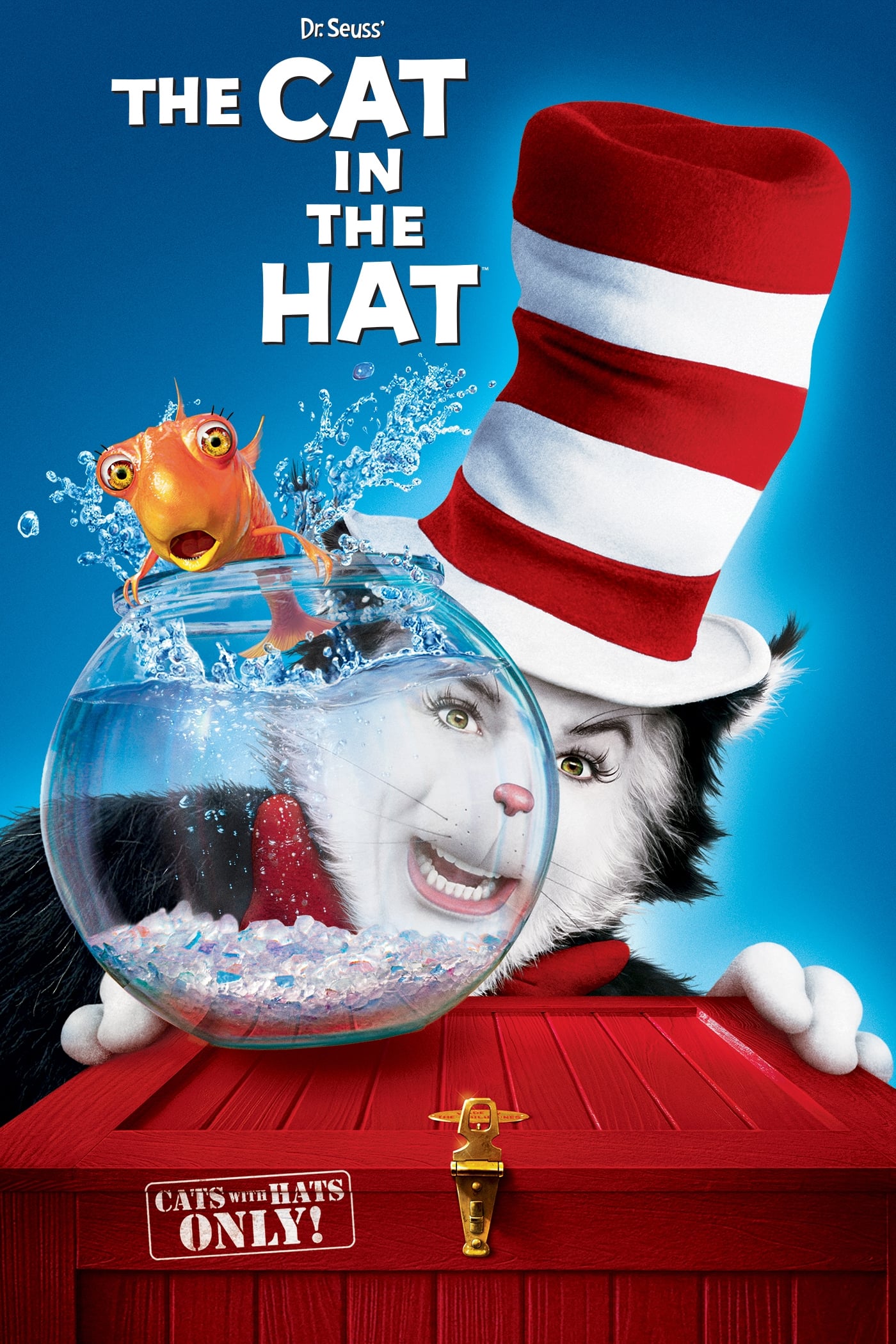
Release ledgers list a $109 million budget, a domestic opening above $38 million, and complete worldwide grosses, capturing the film’s large-scale rollout and nine-figure cost basis. Those figures are preserved on Box Office Mojo’s title pages and showdowns.
The film’s critical reception is recorded on aggregator pages, which also identify principal creatives and cast. Reference roundups that survey poorly reviewed blockbusters consistently include the title, with its critics’ score available on demand.
‘Son of the Mask’ (2005)
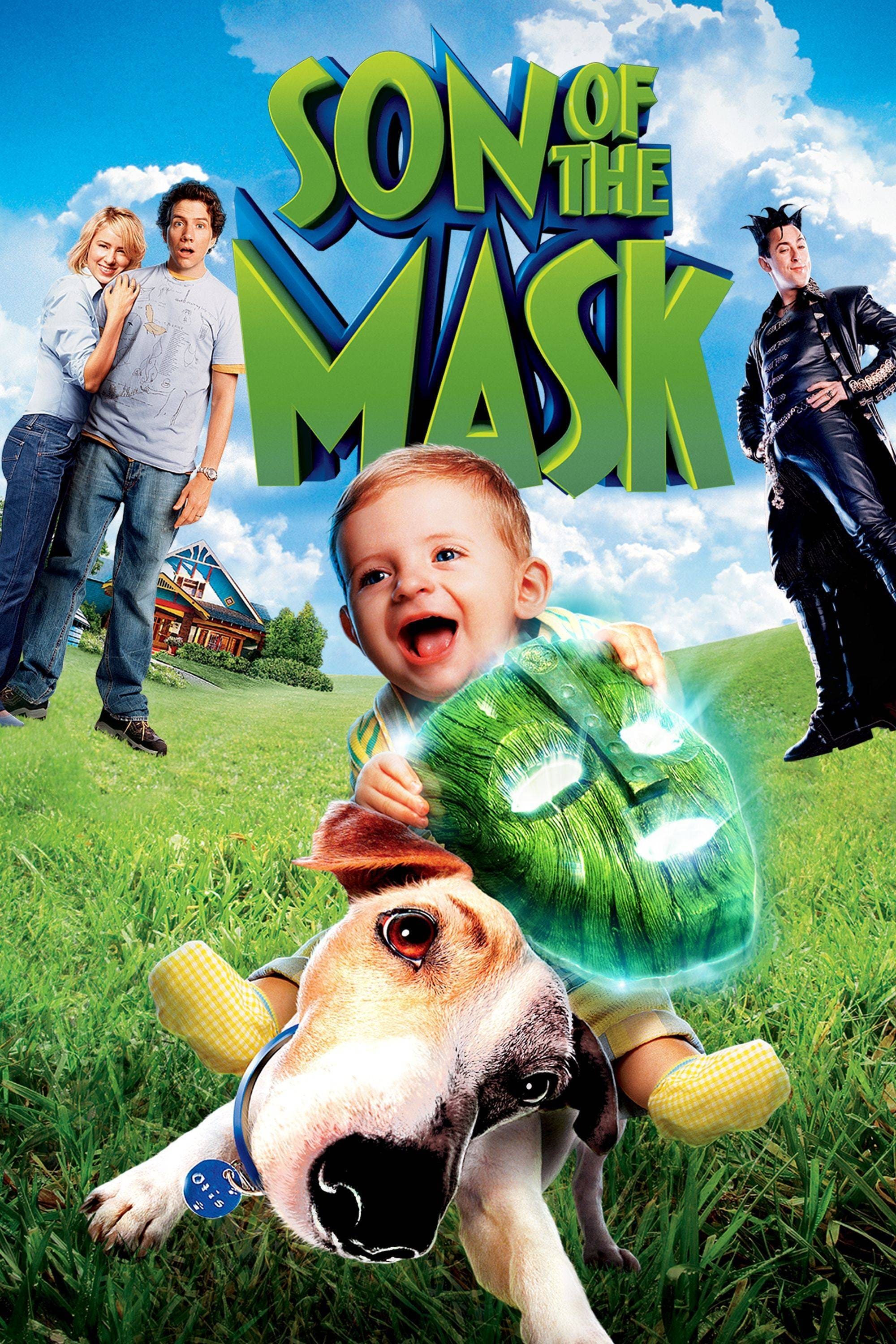
Databases detail a reported production budget in the mid–eight figures and a worldwide gross around $60 million, broken out as roughly $17 million domestic and $43 million international. Box Office Mojo and IMDb’s box-office summary list those totals.
Award records show the film drew eight Golden Raspberry Award nominations for its year, a point covered by the Los Angeles Times and compiled on year-by-year Razzie summaries. The Rotten Tomatoes listing captures the critical consensus along with credits and release info.
‘The Emoji Movie’ (2017)

Sony’s animated feature is logged with a $50 million budget and a $217.8 million worldwide total; opening weekend and rollout specifics appear in the Box Office Mojo and The Numbers entries. Those sources track territory splits, weekly performance, and cost.
Coverage from trade and business outlets documented a late review-embargo strategy ahead of release and the contrast between strong family turnout and very low critics’ scores on aggregator sites. Reports from The Hollywood Reporter and Business Insider recap the timing and rationale of the embargo.
‘Norm of the North’ (2016)

Financial databases list a production budget of about $18 million and a worldwide gross near $30.7 million, with Box Office Mojo breaking out a roughly 56/44 domestic–international split. Those ledgers also provide opening-weekend figures and theater counts.
The aggregator page records the film’s critical reception and core release details, while reference entries note the subsequent direct-to-video sequels—context that helps explain the franchise’s path after the theatrical run.
‘The Last Airbender’ (2010)

Ledgers show a worldwide total of about $319.7 million on a widely cited production budget near $150 million, with domestic–international splits reported on the title and release pages. Those figures underscore the film’s strong global turnout despite critical headwinds.
Award summaries for the 31st Golden Raspberry Awards list multiple “wins,” including Worst Picture, alongside other categories; wire-service and year-in-review pieces confirm the tally.
‘Home Alone 4’ (2002)

This installment premiered as a made-for-television movie on ABC on November 3, 2002, with DVD release following in 2003; release info and network premiere details are logged on IMDb and reference pages. The Rotten Tomatoes title page provides the program entry and credits.
Franchise retrospectives consistently place this recast entry at the bottom of the series and note its television format rather than a theatrical run; Entertainment Weekly’s ranked franchise lookback and release histories offer that context.
If you think another notorious title belongs on this list, drop your pick—and your sources—in the comments so everyone can check the receipts!

