


The Worst Fantasy Movies of All Time



Some fantasy films promise sweeping worlds and magical stakes only to stall out in execution. This list looks at theatrical and streaming releases that struggled with adaptation choices, storytelling clarity, or production issues that audiences and critics flagged on release.
You will find big budgets, recognizable casts, and famous source material across these picks. The notes focus on concrete details like plot setup, budgets, box office, release context, and adaptation decisions that shaped how each film landed with viewers.
‘The Last Airbender’ (2010)
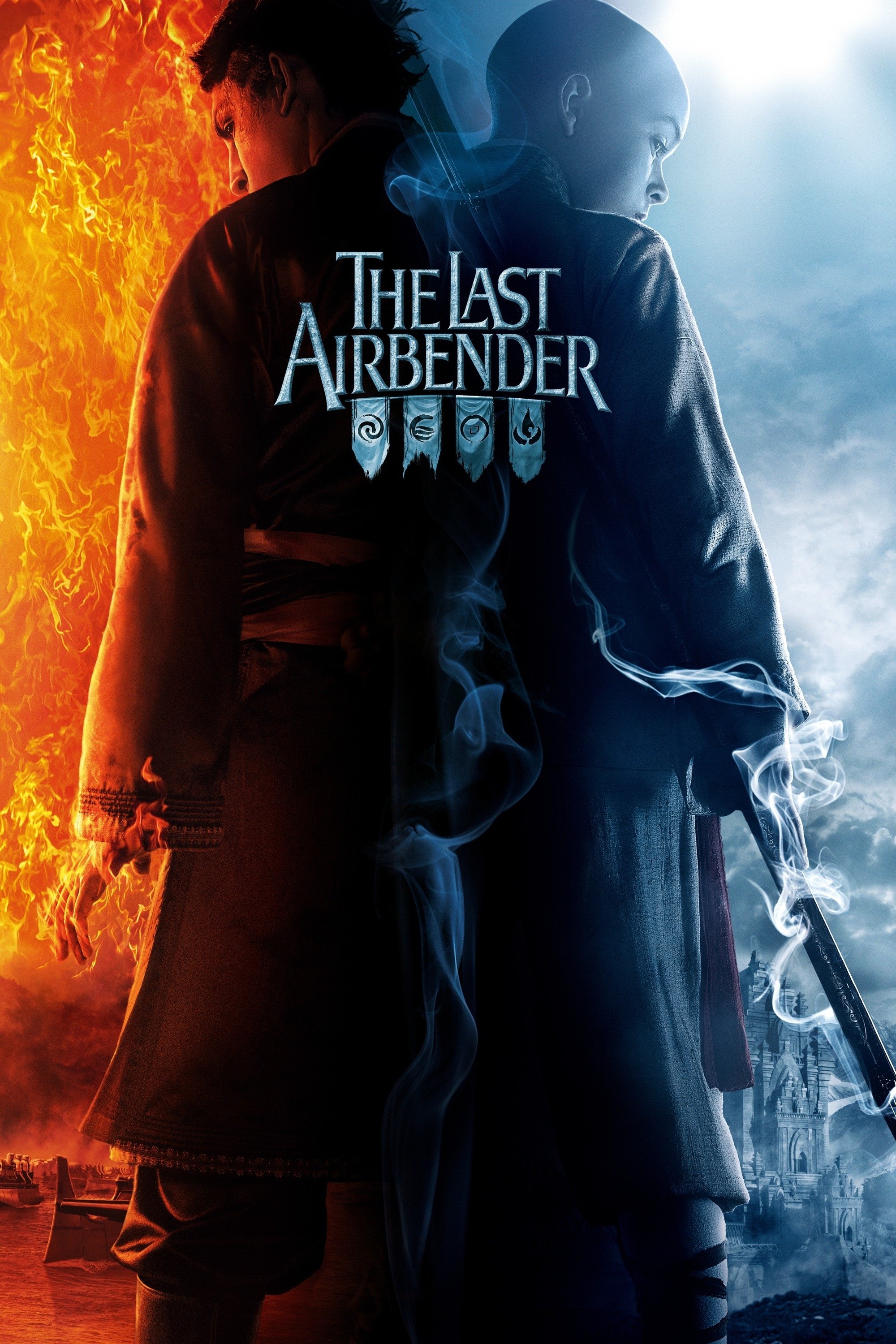
Based on the animated series, this film follows Aang as he awakens to stop the Fire Nation after a century of war. The script condenses a full season of television into a single feature, which affects character development and pacing across the journey.
It was directed by M. Night Shyamalan and stars Noah Ringer, Nicola Peltz, and Dev Patel. Backed by a large visual effects budget and 3D rollout, it opened strongly before steep weekend drops and drew sustained criticism for casting choices and post conversion presentation.
‘Gods of Egypt’ (2016)
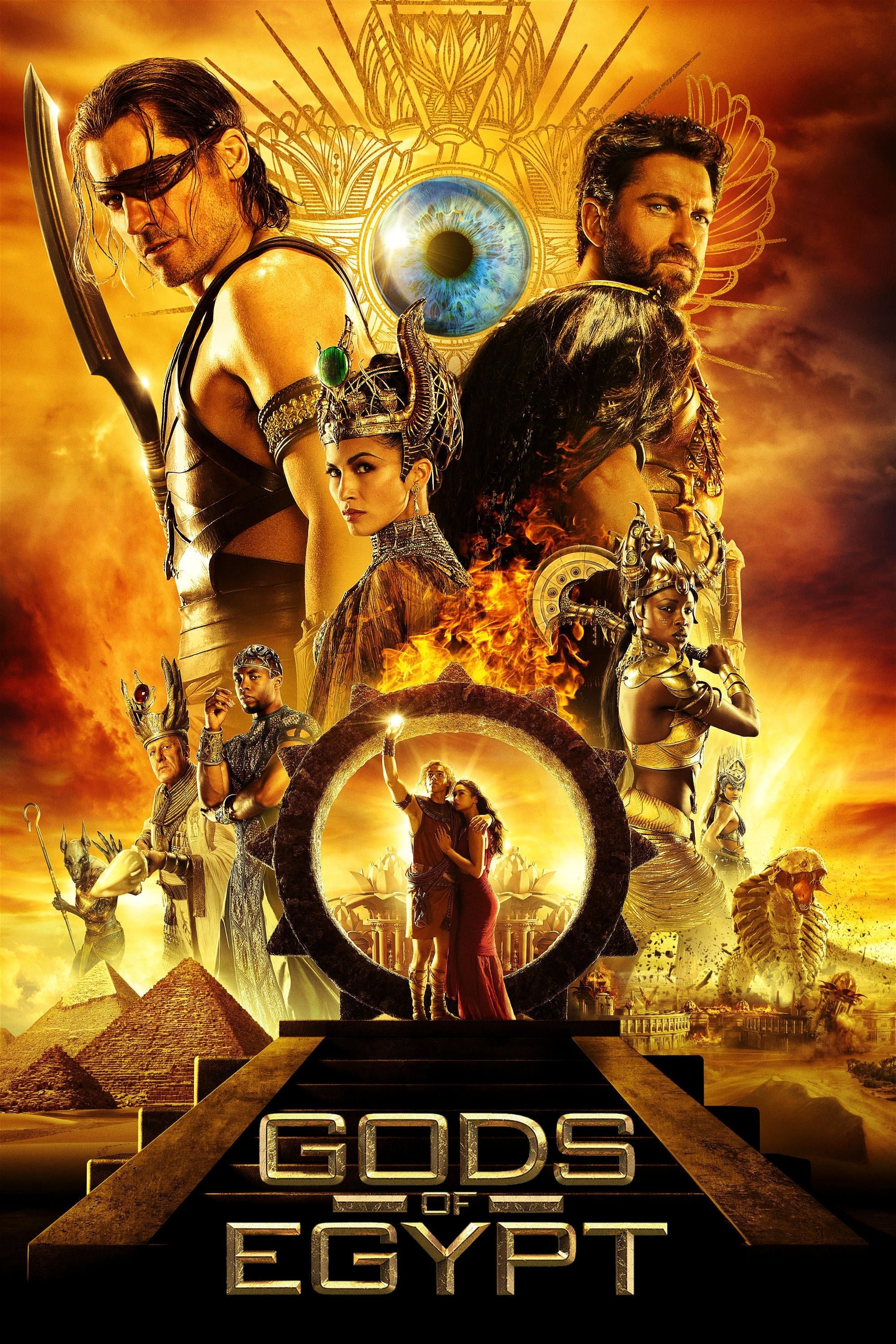
This original mythic quest centers on mortal thief Bek who teams with the god Horus to reclaim a usurped throne. The narrative mixes towering deities with city scale battles and relies heavily on digital environments to stage its set pieces.
Directed by Alex Proyas and starring Nikolaj Coster Waldau, Gerard Butler, and Brenton Thwaites, the production carried a major budget relative to its global gross. Pre release conversation focused on casting decisions and the film’s extensive use of computer generated imagery.
‘Eragon’ (2006)
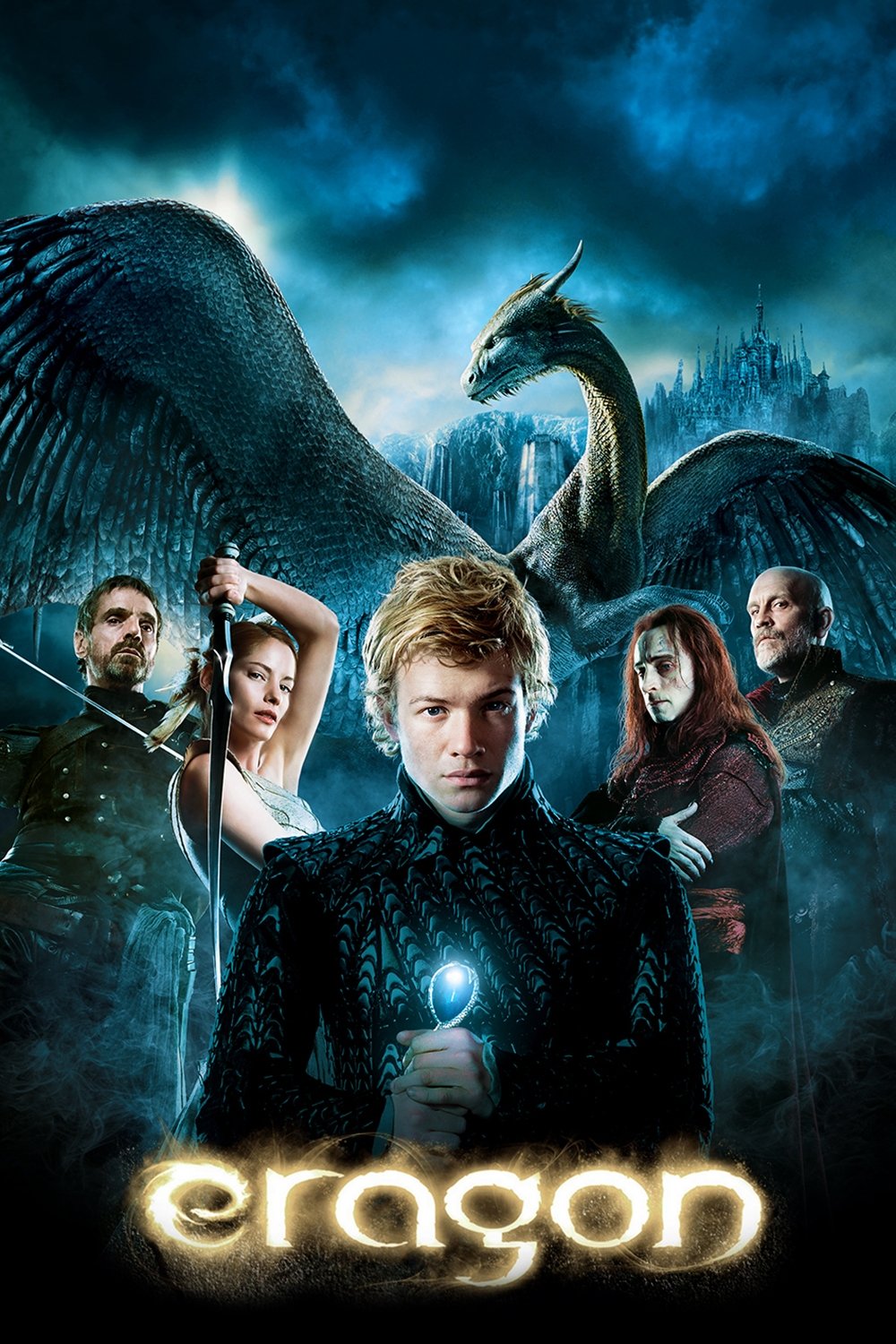
Adapted from the novel, the story follows a farm boy who bonds with a dragon and joins a rebellion against a tyrant. The movie compresses training and world building elements that occupy significant space in the book.
Directed by Stefen Fangmeier and starring Ed Speleers, Jeremy Irons, and Rachel Weisz as the voice of Saphira, it launched as a planned franchise starter. Merchandise and sequel setup were visible, yet the box office and reception led the studio to halt continuation plans.
‘Dungeons & Dragons’ (2000)
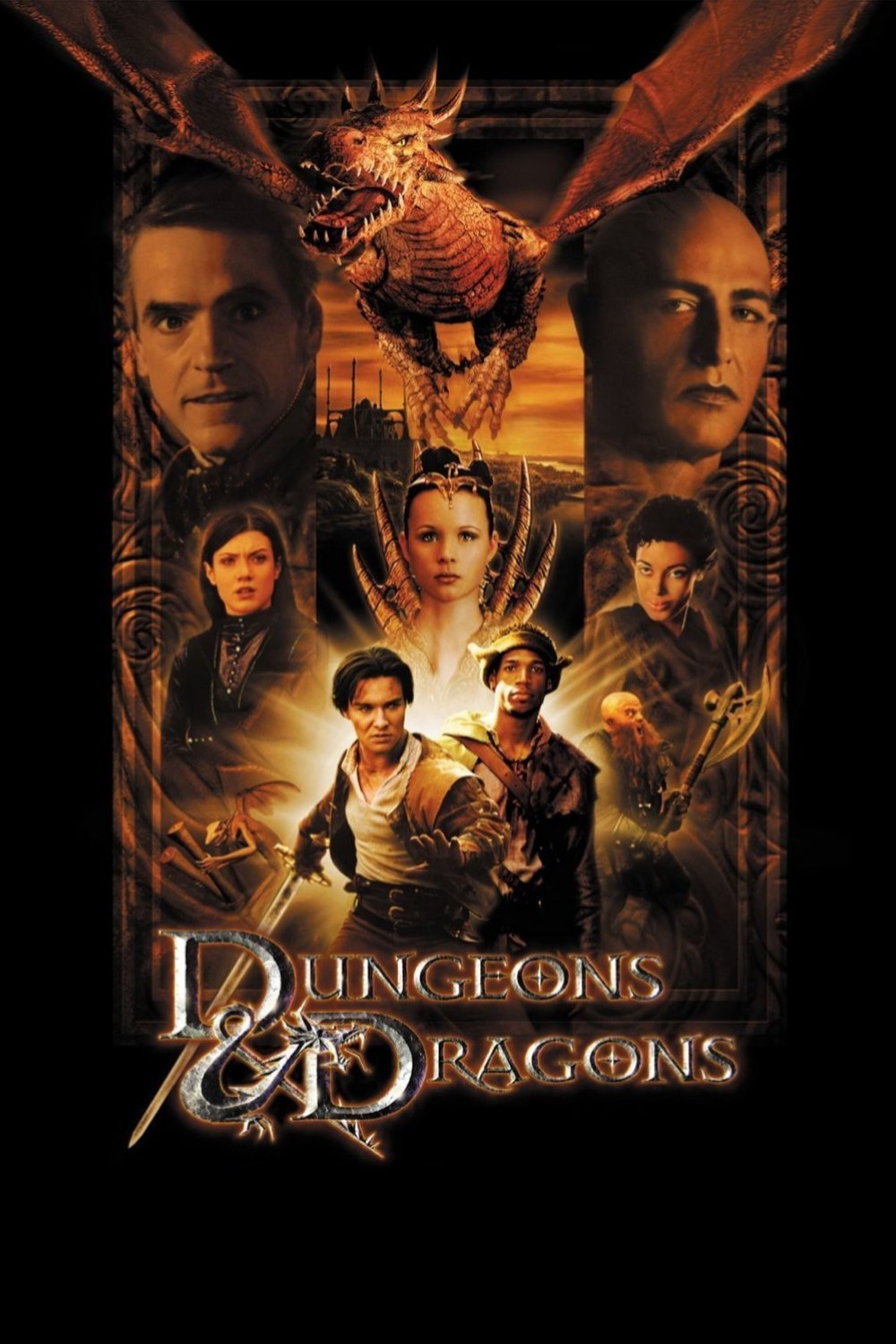
Set in the world of the tabletop game, the plot tracks thieves and mages racing to control a powerful artifact. The tone jumps between slapstick heists and palace intrigue, and practical sets combine with early era computer effects.
Directed by Courtney Solomon and starring Justin Whalin, Marlon Wayans, and Jeremy Irons, the film arrived before later fantasy booms elevated visual standards. Despite modest earnings, it generated a cult afterlife and eventually prompted fresh reboots under a new creative team.
‘The Dark Tower’ (2017)
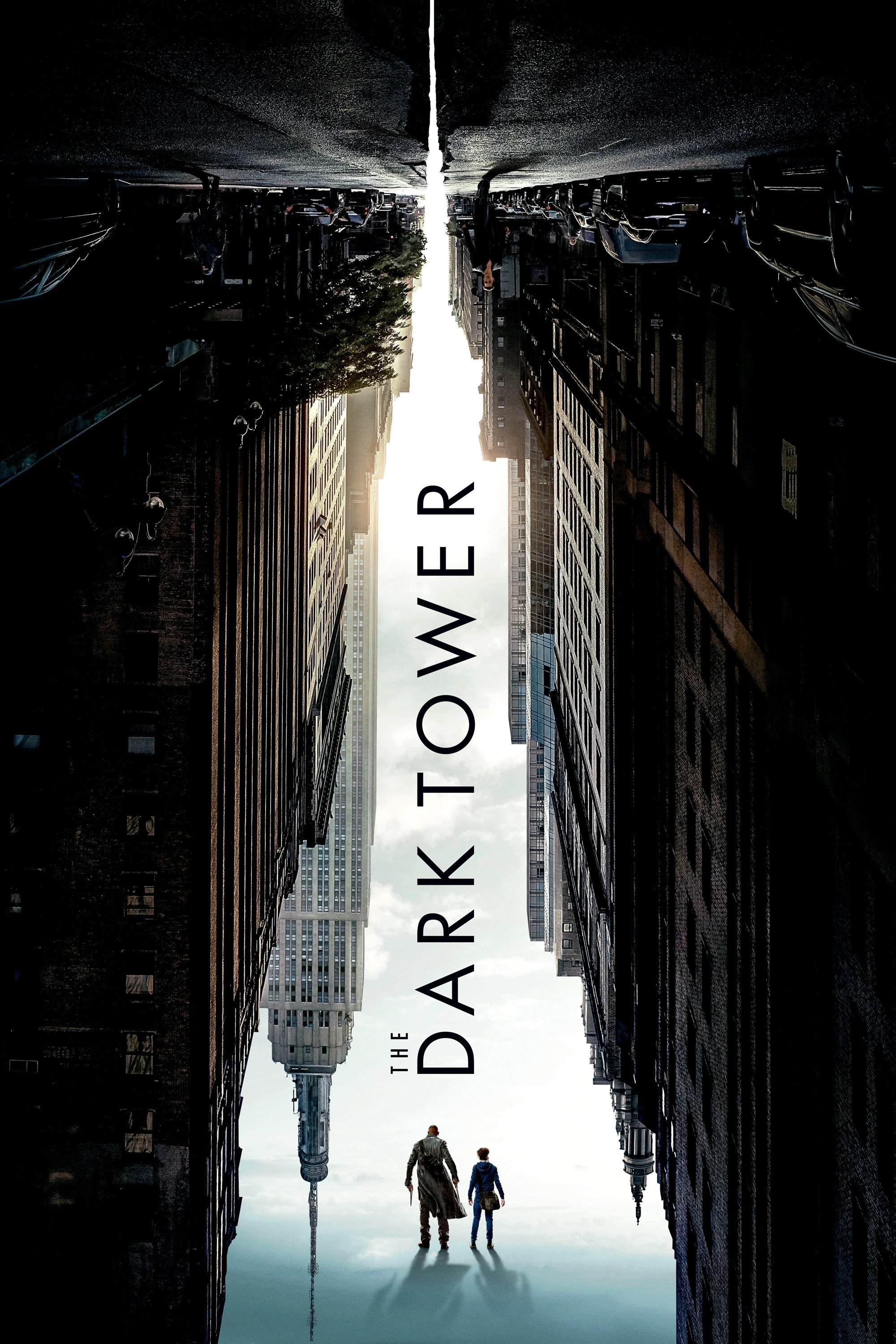
This adaptation brings together elements from multiple novels as gunslinger Roland pursues the Man in Black across worlds. The narrative aims to introduce a gateway character from Earth while also concluding a larger cycle, which results in a compact runtime.
Directed by Nikolaj Arcel and starring Idris Elba and Matthew McConaughey, the movie underwent edits after test screenings to reach a PG 13 audience. A proposed follow up series shifted to a new development path after the film’s mixed financial performance.
‘Seventh Son’ (2014)
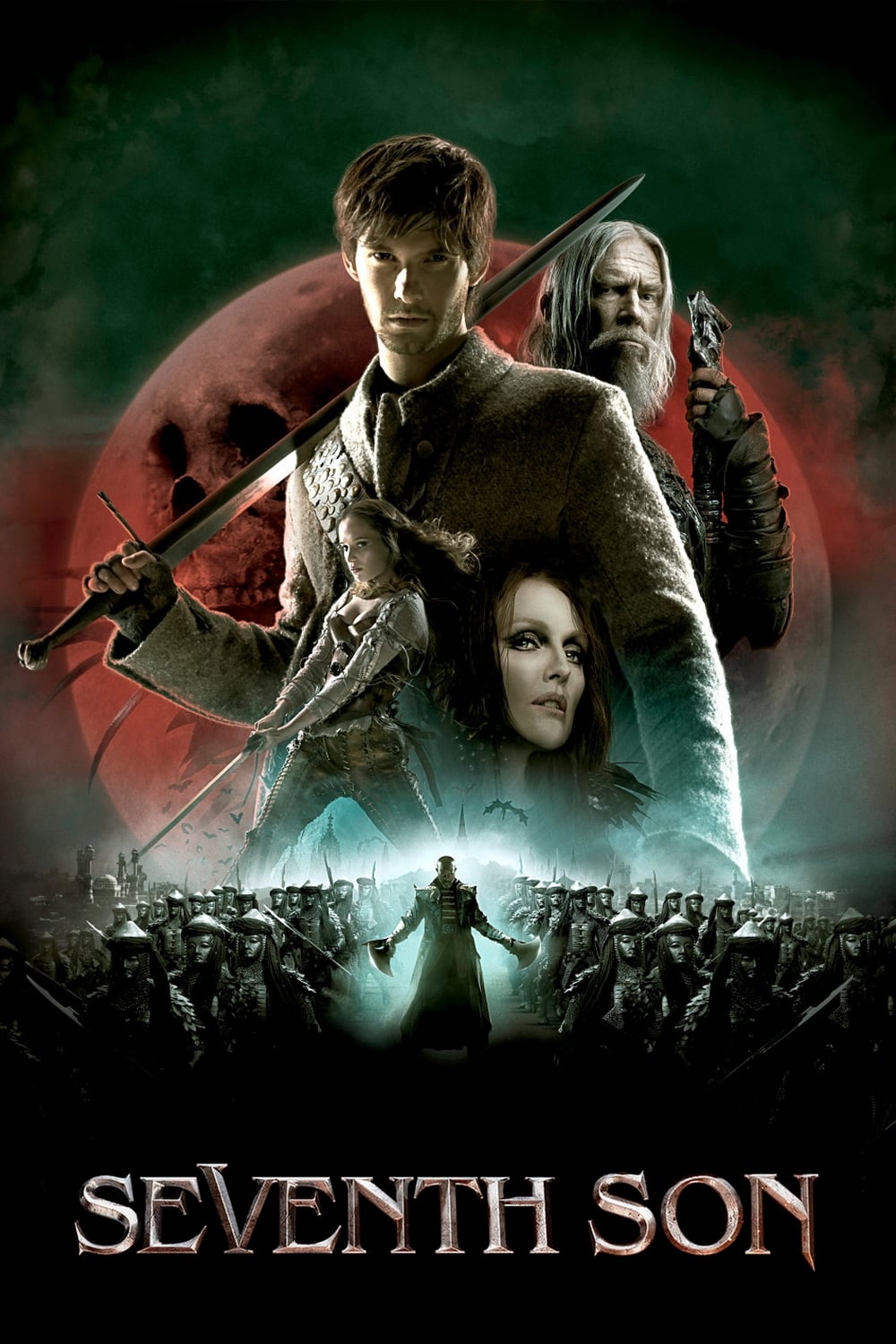
Based on a young adult series, this follows a spook in training who battles witches and creatures with his mentor. Production delays moved the release window and the final cut emphasizes creature fights over the source’s quieter folklore beats.
Directed by Sergei Bodrov and starring Ben Barnes, Jeff Bridges, and Julianne Moore, it combined international financing with a wide domestic rollout. Visual effects and reshoots pushed costs upward, and the film underperformed in key markets relative to its budget.
‘The Legend of Hercules’ (2014)
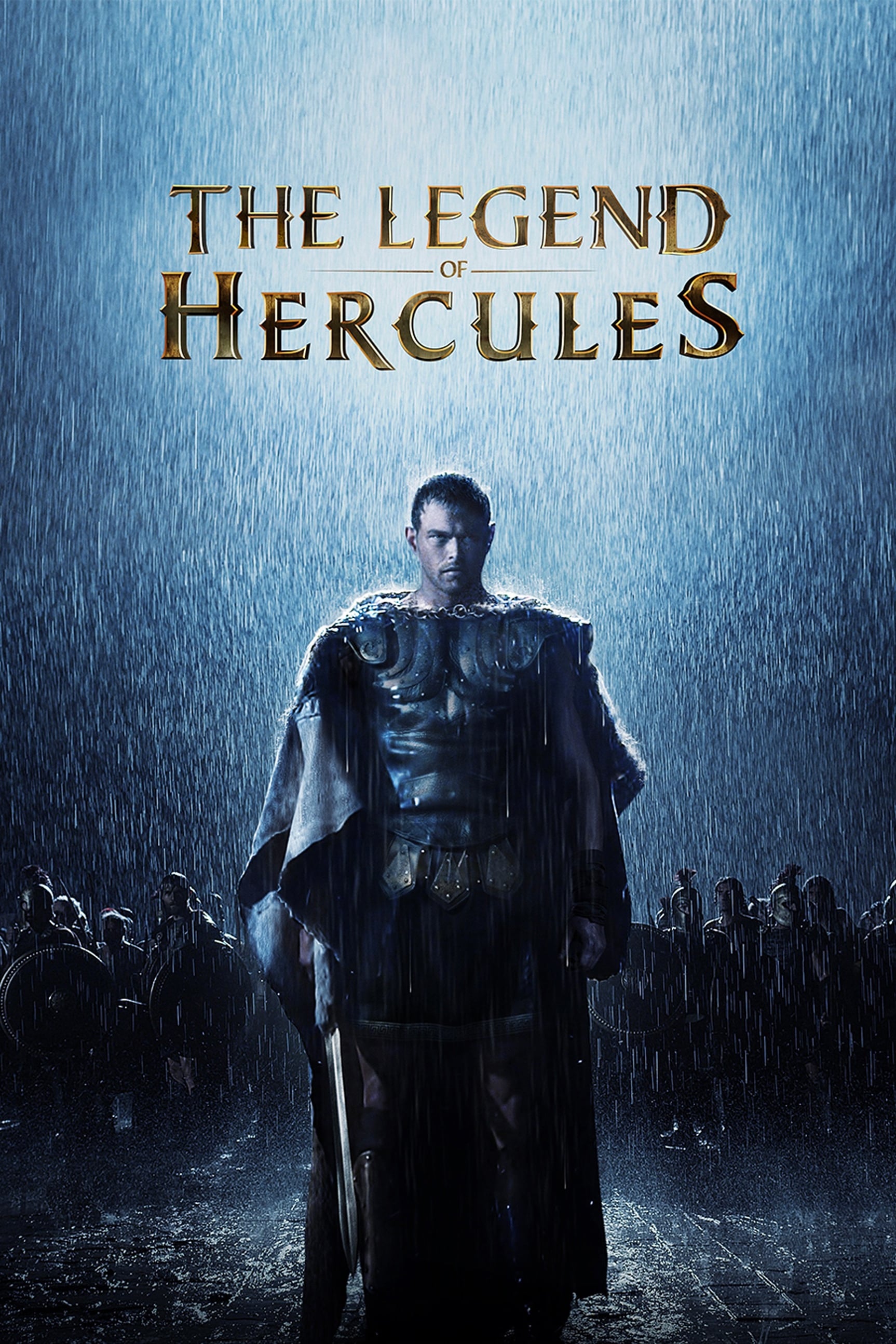
This origin tale sends Hercules into exile after a court conspiracy and then into gladiatorial arenas before a final palace showdown. The story favors a romantic throughline and rearranges myth beats to fit a straightforward revenge arc.
Directed by Renny Harlin and starring Kellan Lutz, it released the same year as another Hercules film that followed a separate interpretation. The movie leaned on stereo 3D action and extensive greenscreen work, yet it recorded low domestic revenue compared with production spend.
‘Dragonball Evolution’ (2009)
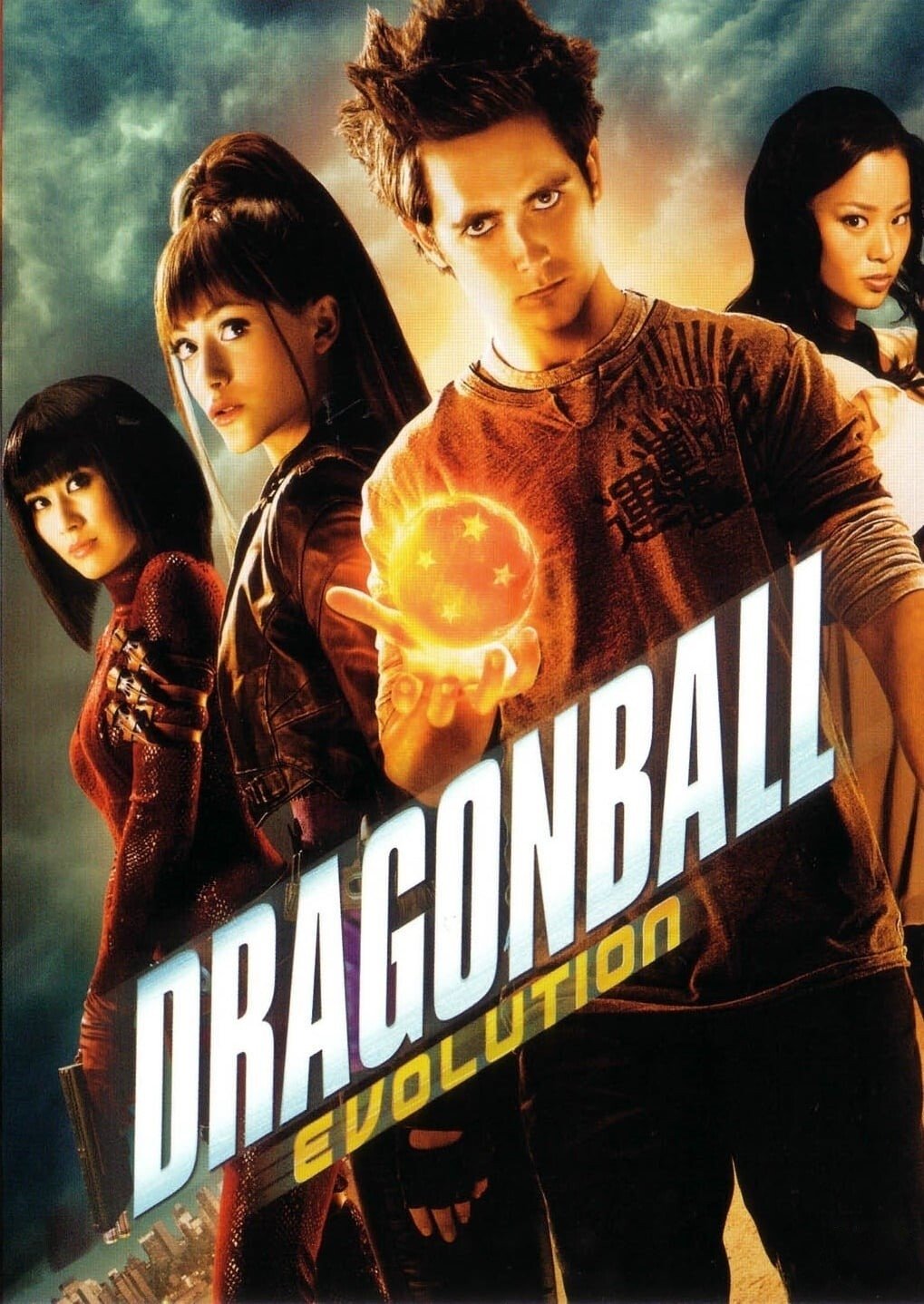
Loosely adapting an early arc of the manga, this film places Goku in a modern high school setting before a quest to stop Piccolo. The script streamlines characters and changes lore elements to fit a compact origin structure.
Directed by James Wong and starring Justin Chatwin, Emmy Rossum, and James Marsters, it aimed to reach new viewers beyond the anime audience. The theatrical run was brief in several territories and plans for sequels did not proceed after muted returns.
‘Artemis Fowl’ (2020)
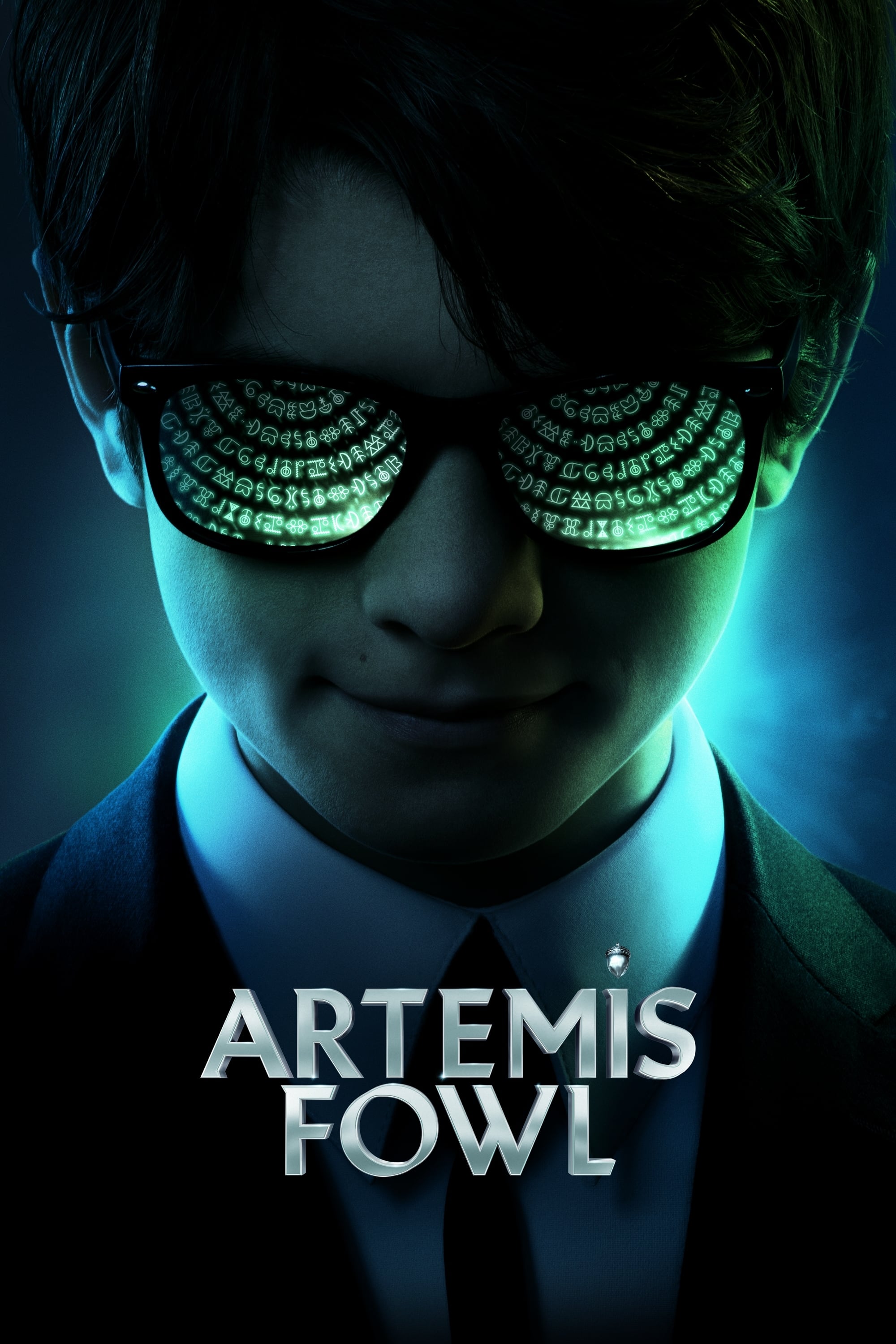
This adaptation follows a prodigy who ventures into a hidden fairy world while searching for his missing father. The film reframes the lead from antihero to sympathetic protagonist and blends heist beats with family backstory.
Directed by Kenneth Branagh and starring Ferdia Shaw, Lara McDonnell, and Colin Farrell, it shifted from a planned theatrical release to a streaming debut. The release strategy change came after schedule moves and the film drew attention for heavy narration and lore exposition.
‘Pan’ (2015)

This prequel imagines Peter’s first trip to Neverland where he encounters pirates and a young Hook. The production uses large scale sets and musical flourishes to reinterpret the origin while introducing new villains.
Directed by Joe Wright and starring Levi Miller, Hugh Jackman, Rooney Mara, and Garrett Hedlund, it opened to soft domestic numbers despite wide availability. Marketing centered on spectacle and a colorful design approach, yet the final gross fell short of costs.
‘The Nutcracker and the Four Realms’ (2018)
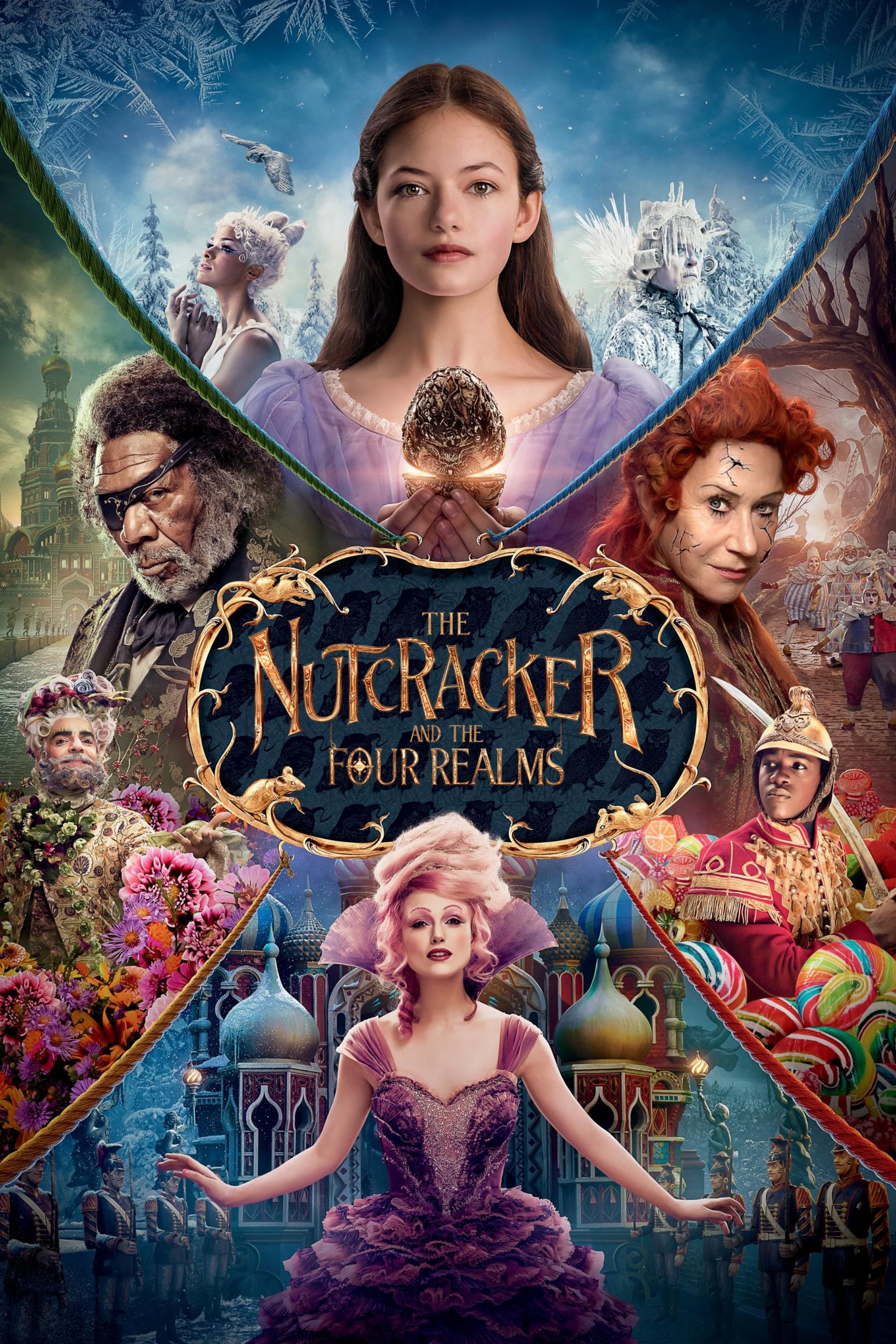
Inspired by the ballet and the source tale, this story sends Clara into parallel kingdoms ruled by personified realms. The plot emphasizes a twist on the villain’s identity and cycles through elaborate production design for each land.
Directed by Lasse Hallström and Joe Johnston with credited reshoots, it stars Mackenzie Foy, Keira Knightley, and Morgan Freeman. The movie relied on holiday timing and family appeal but delivered modest worldwide revenue relative to combined production and marketing outlay.
‘The Seeker: The Dark Is Rising’ (2007)
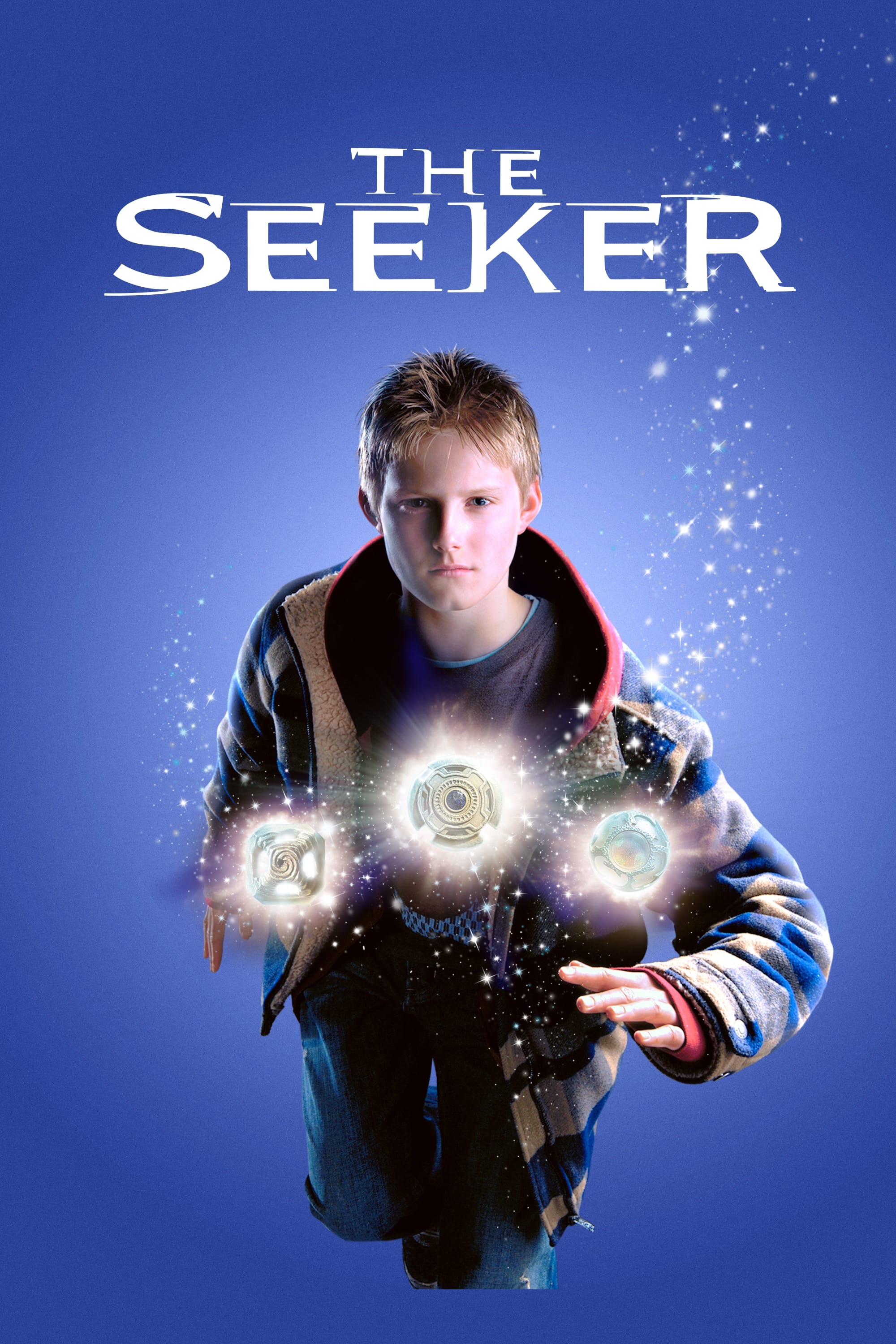
Adapted from the novel known as the second in the Dark Is Rising sequence, this film moves the setting and updates the protagonist’s background. The plot focuses on a teen who discovers he is an Old One destined to locate six signs that counter rising darkness.
Directed by David L. Cunningham and starring Alexander Ludwig, Christopher Eccleston, and Ian McShane, it made several changes from the book that drew attention from readers. The release landed in a crowded autumn window and the film closed with low totals.
‘The Mortal Instruments: City of Bones’ (2013)
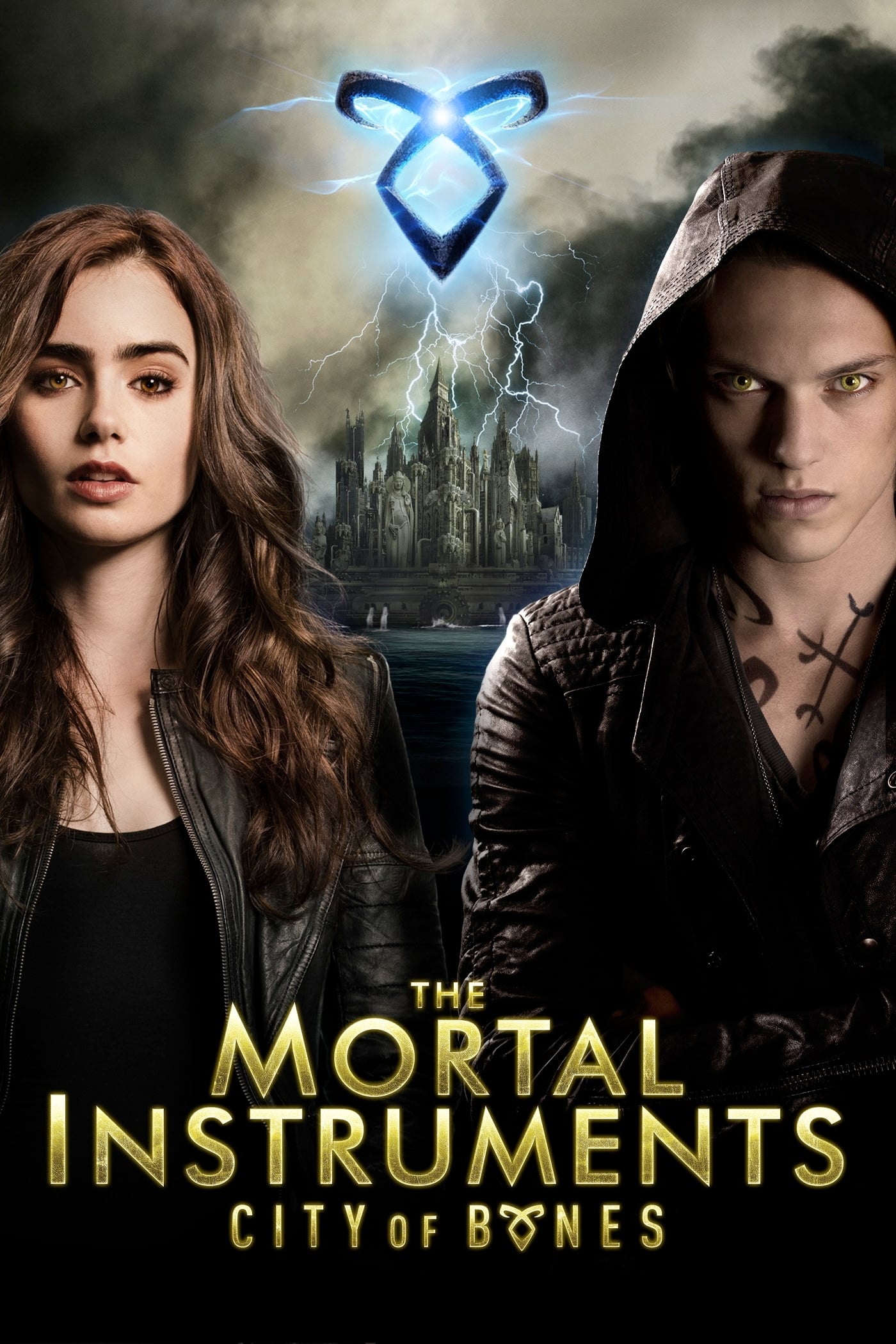
Set in a secret world of Shadowhunters, the film follows Clary as she uncovers demon hunting heritage. The adaptation introduces clans, runes, and politics quickly through expository scenes while staging action inside stylized New York locations.
Directed by Harald Zwart and starring Lily Collins and Jamie Campbell Bower, it launched with franchise intent including a dated sequel announcement. After a soft performance, continuation shifted to a television series that reimagined the story for episodic pacing.
‘Percy Jackson: Sea of Monsters’ (2013)
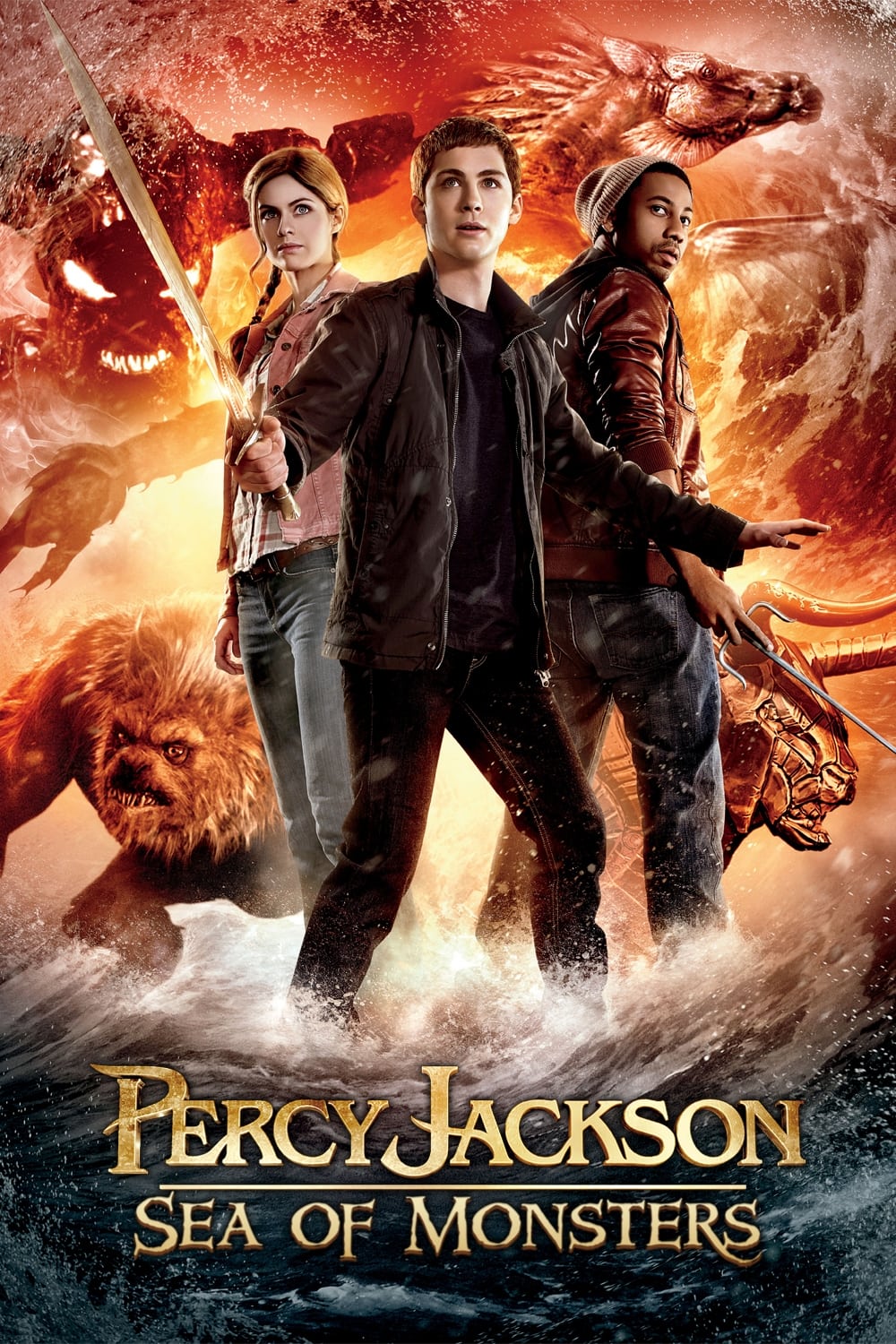
This sequel sends Percy and friends on a quest for the Golden Fleece to protect their camp. It combines nautical set pieces with myth creature encounters and adjusts character arcs from the books.
Directed by Thor Freudenthal and starring Logan Lerman, Alexandra Daddario, and Brandon T. Jackson, it reported a lower domestic opening than its predecessor. International grosses helped lift totals, yet the series did not continue in theaters and later moved to a new screen adaptation.
‘A Wrinkle in Time’ (2018)
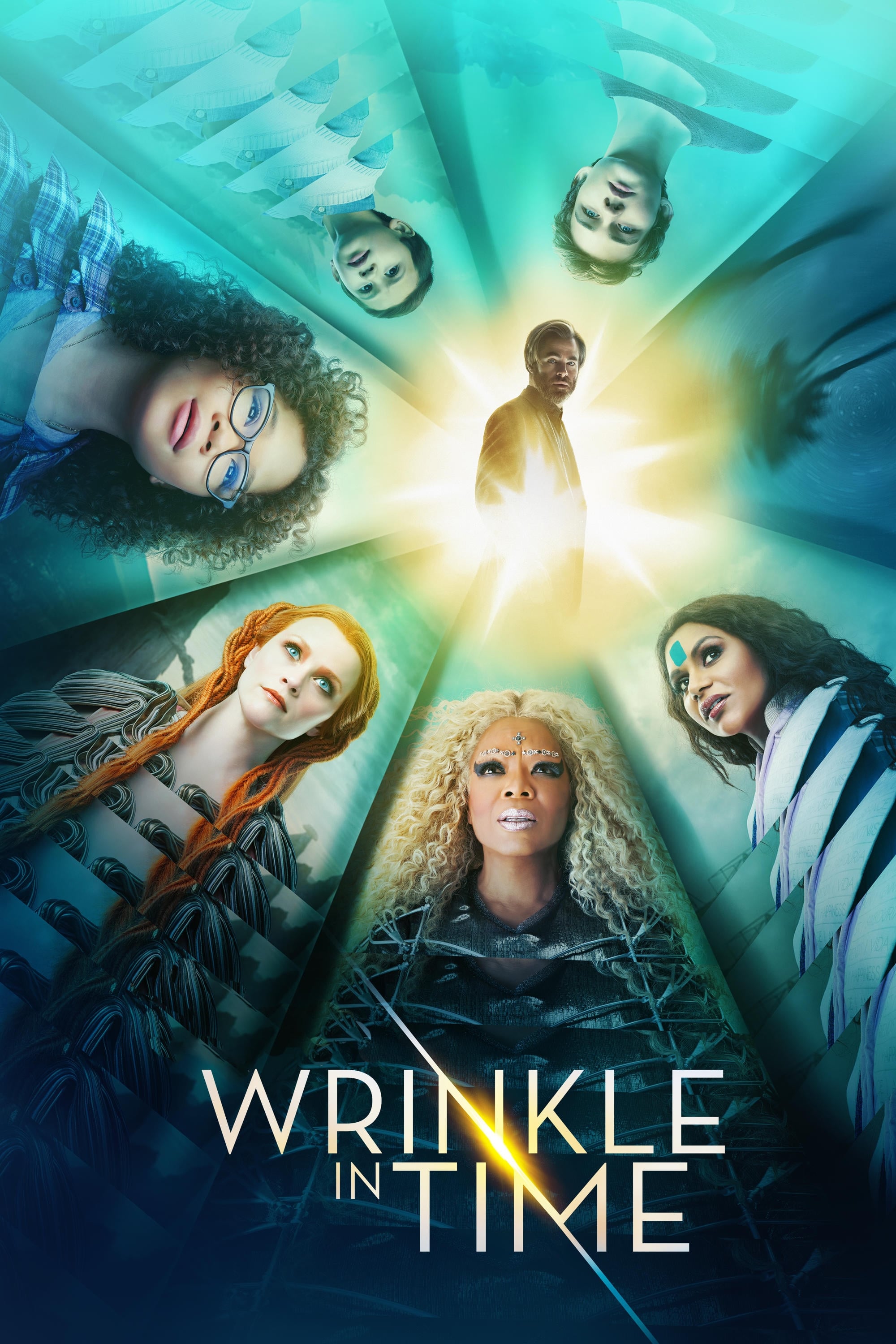
Based on the classic novel, Meg travels across dimensions with guides known as Mrs Whatsit, Mrs Which, and Mrs Who to find her father. The film uses bright cosmic visuals and emphasizes themes of self acceptance and family connection.
Directed by Ava DuVernay and starring Storm Reid, Oprah Winfrey, Reese Witherspoon, and Mindy Kaling, it carried a sizable budget for a character driven fantasy. Despite a wide promotional campaign, domestic revenue did not cover production costs and worldwide totals remained limited.
‘The Huntsman: Winter’s War’ (2016)
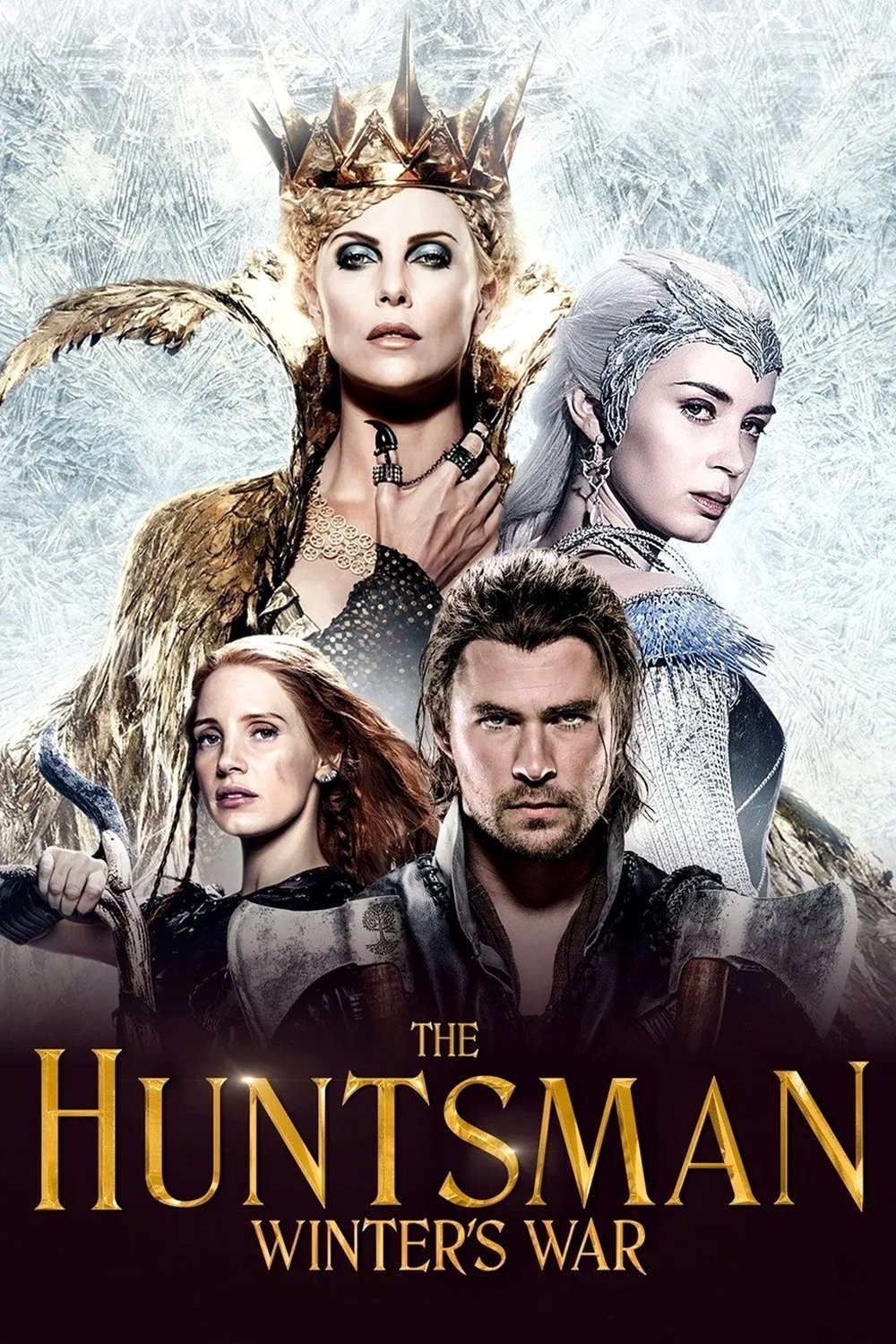
Serving as a prequel and sequel, the plot tracks Eric and Sara across rival royal factions and magical armies. The structure intercuts earlier timeline events with a new quest involving a powerful mirror artifact.
Directed by Cedric Nicolas Troyan and starring Chris Hemsworth, Jessica Chastain, Charlize Theron, and Emily Blunt, it arrived without the original series lead. The film’s global earnings declined from the prior installment while still investing in large scale effects and costumes.
‘In the Name of the King: A Dungeon Siege Tale’ (2007)
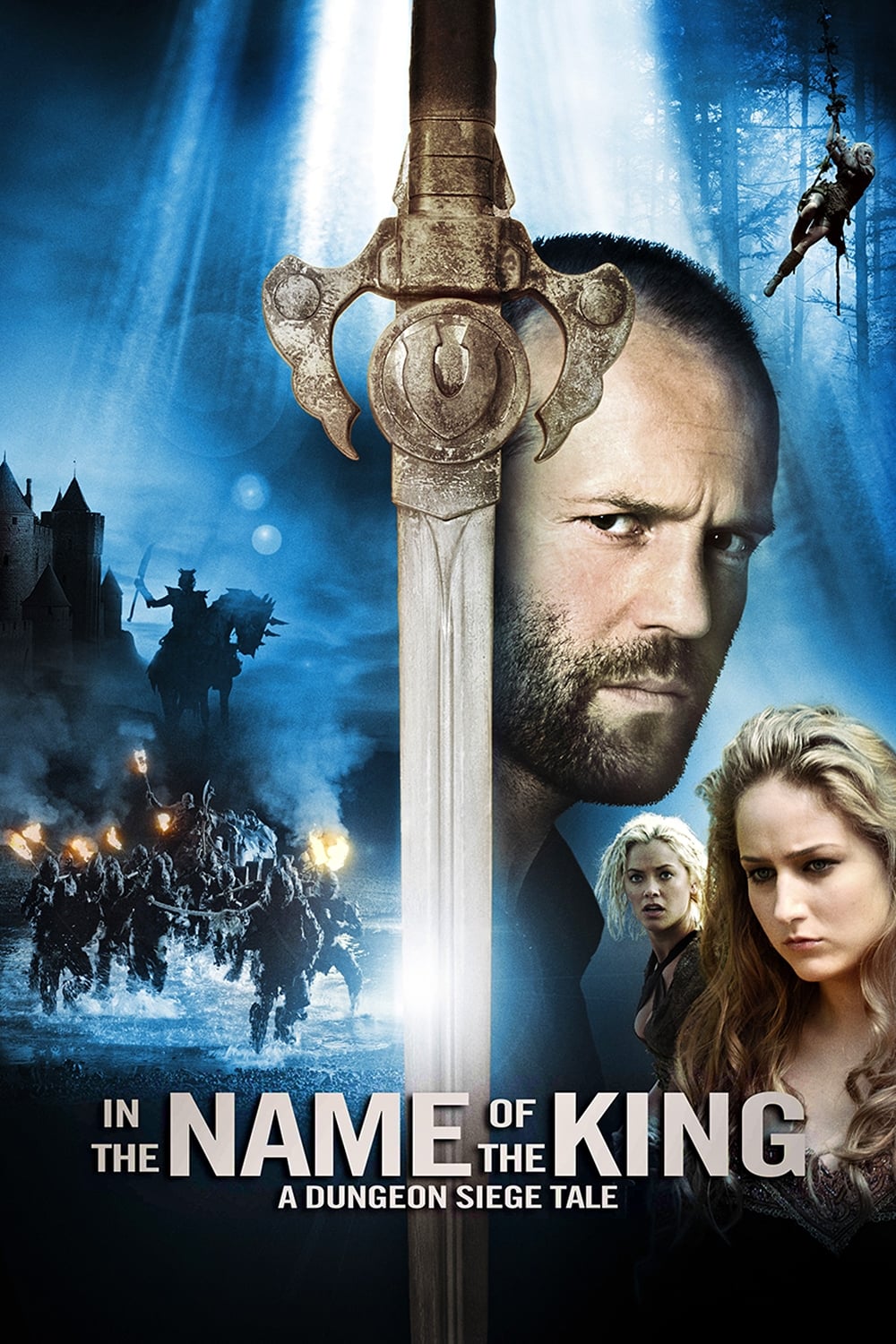
Loosely tied to a video game, the story follows a farmer who seeks to rescue his family from raiders linked to a sorcerer. Forest battles and aerial creature attacks make up much of the action as feuding nobles jostle for control.
Directed by Uwe Boll and starring Jason Statham, Leelee Sobieski, and Ray Liotta, the movie runs well over two hours in its domestic cut. Theatrical performance was minimal, yet multiple direct to video sequels were produced with new casts and smaller scopes.
‘BloodRayne’ (2005)
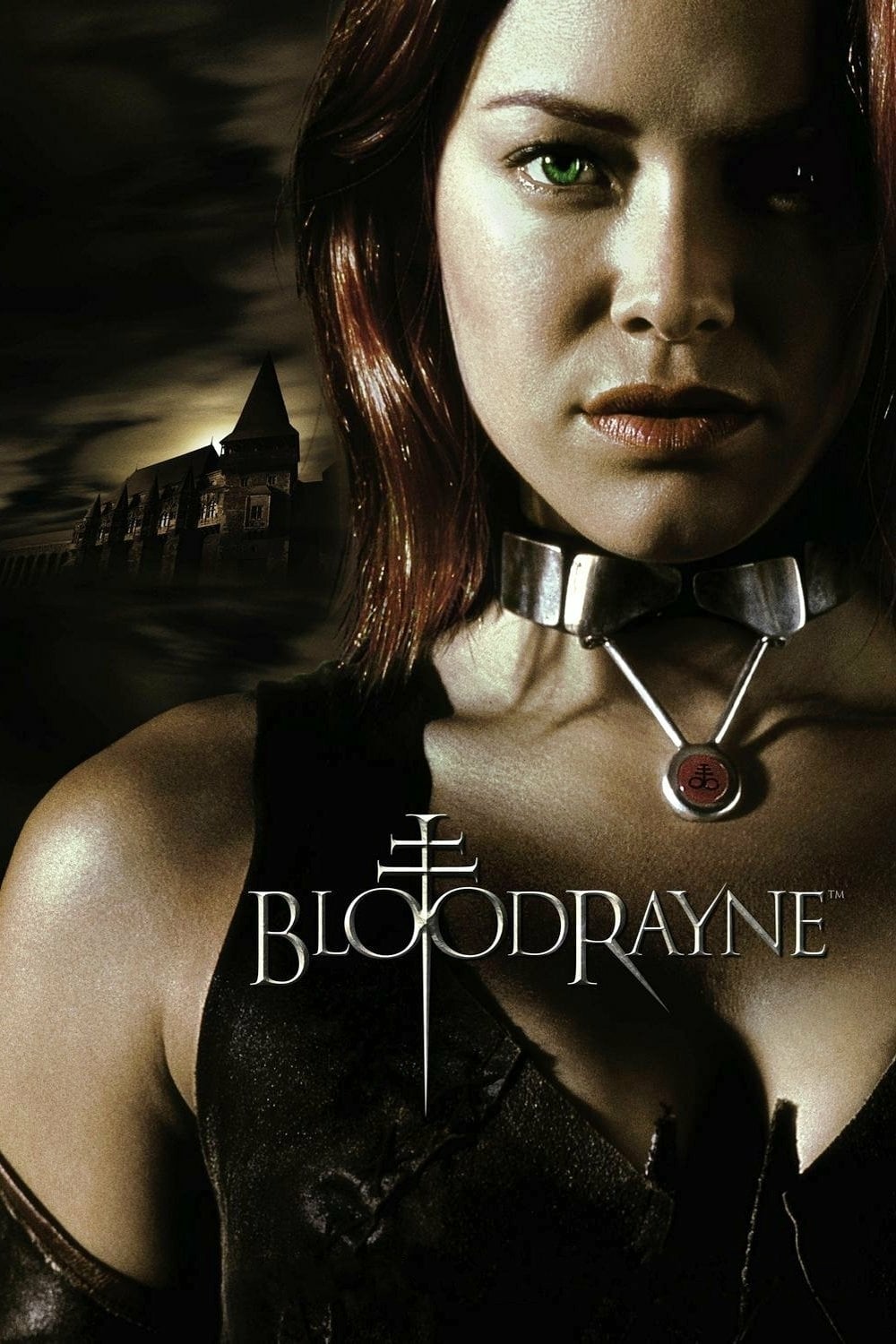
Adapted from the game, this tale centers on Dhampir warrior Rayne who hunts a vampire overlord while seeking revenge. Period settings in castles and camps provide the backdrop for sword fights and practical gore effects.
Directed by Uwe Boll and starring Kristanna Loken, Michael Madsen, and Ben Kingsley, it opened in a limited count before expanding. The film did not recoup costs in theaters, though it later spawned sequels that continued the character’s storyline outside the original timeframe.
‘The Mummy: Tomb of the Dragon Emperor’ (2008)
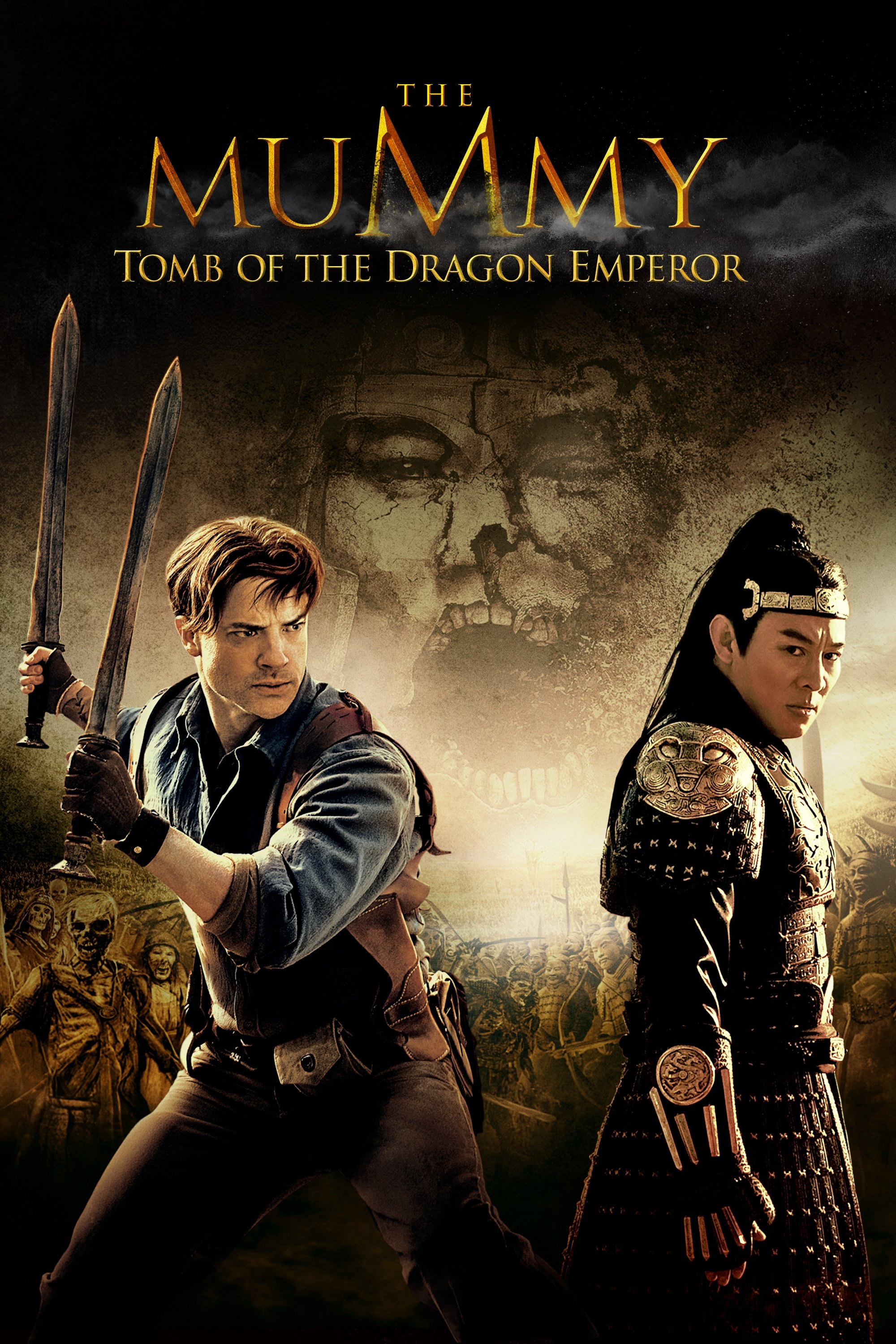
This installment moves the series to China where the O’Connells confront a cursed emperor who returns with terracotta armies. The plot introduces new myth elements and a time jump for the family while retaining adventure tone.
Directed by Rob Cohen and starring Brendan Fraser, Jet Li, Maria Bello, and Michelle Yeoh, it posted lower domestic numbers than the previous chapter. International markets provided the larger share of revenue, but plans for further direct sequels ended as the studio explored a new approach.
‘Pinocchio’ (2022)
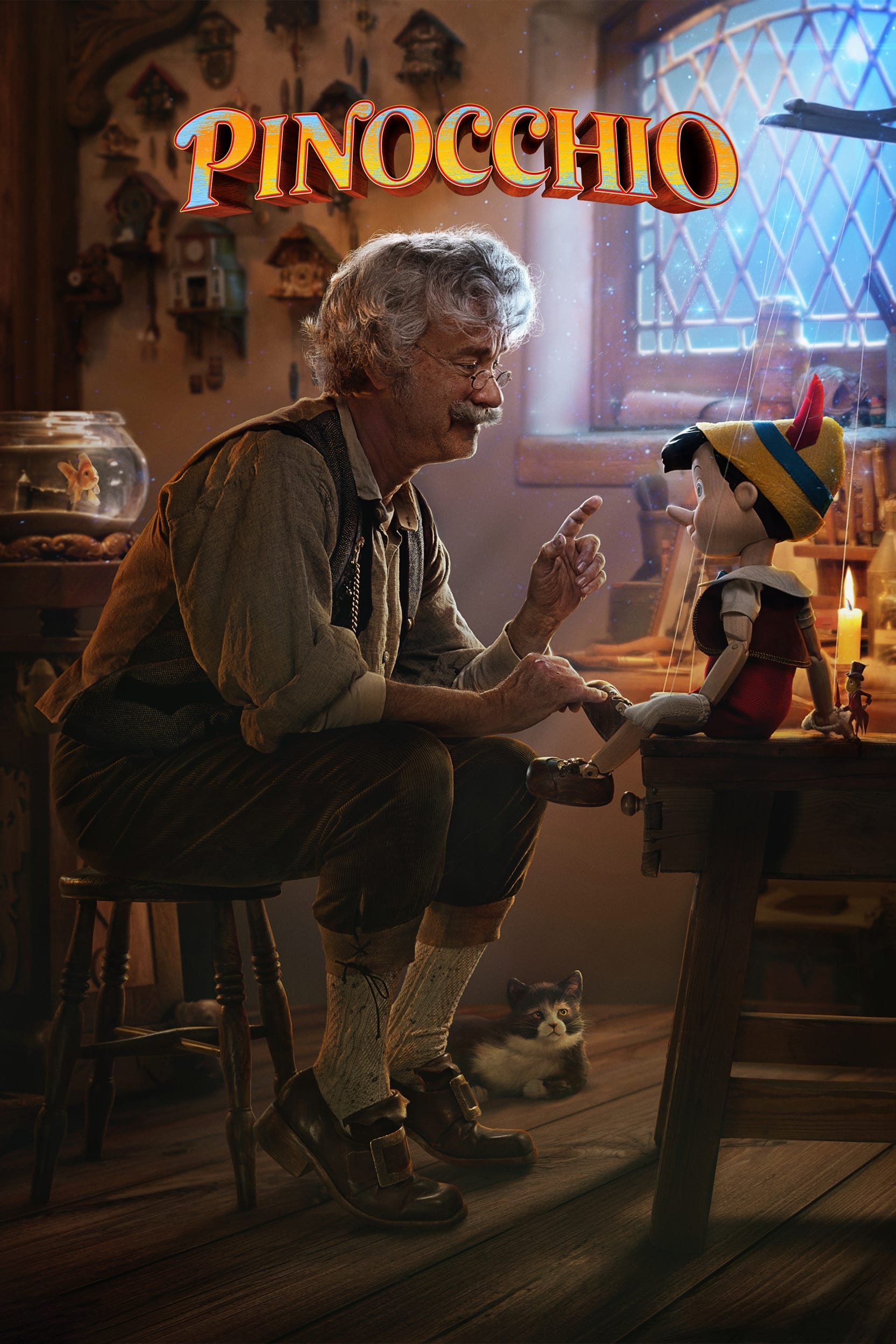
This live action retelling follows the wooden boy’s journey after Geppetto wishes for him to become real. The film mixes practical sets with digital characters and retains musical numbers from an earlier version while adding new scenes.
Directed by Robert Zemeckis and starring Tom Hanks with Benjamin Evan Ainsworth as the voice of Pinocchio, it premiered on a major streaming platform rather than in theaters. Viewership metrics were strong for a debut window, yet critical reception highlighted issues with pacing and visual design choices.
Share your own picks for the most disappointing fantasy films in the comments and tell us which ones you think truly belong on this list.

