


The Worst Kids Movies of All Time

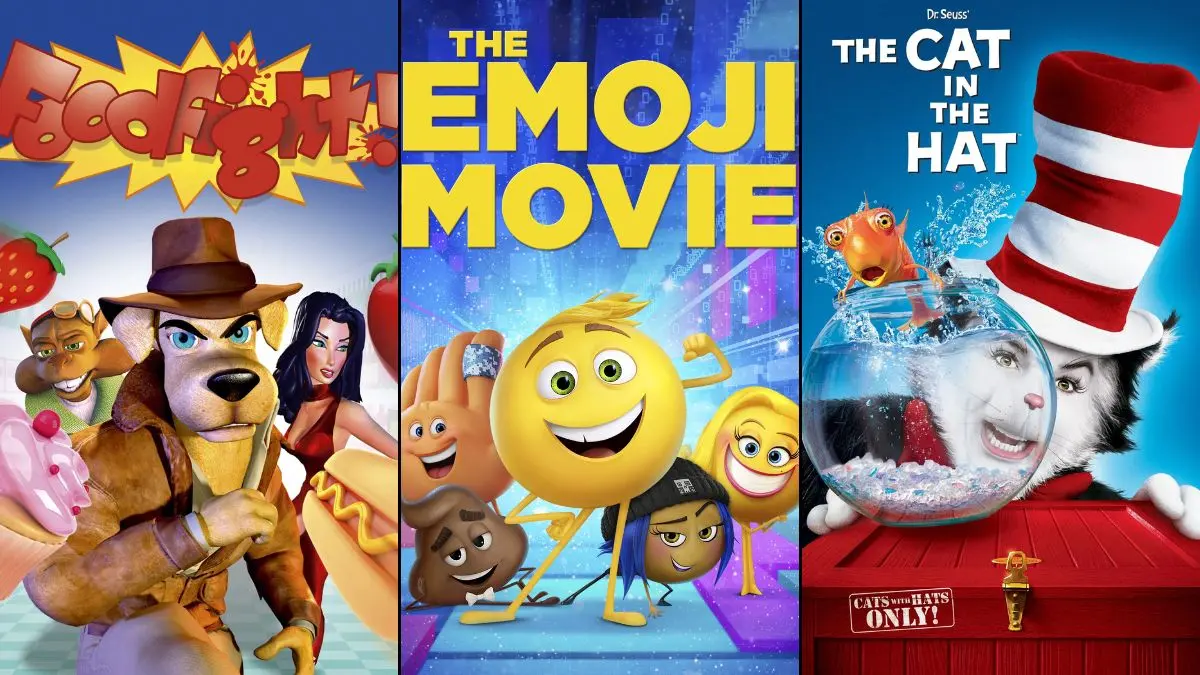


Some family films become instant staples, but others miss the mark so completely that they’re remembered for the wrong reasons. This list looks at children’s movies that are widely documented for poor critical reception, messy productions, or disastrous box office results. Each entry sticks to verifiable facts from reputable sources so you can see exactly why these titles show up whenever “worst kids movies” conversations happen.
A quick note on how selections were made: the films below are commonly cited for extremely low critic scores on review aggregators, negative awards recognition like the Razzies, or historically weak theatrical performance. Where useful, you’ll also find production tidbits that help explain what went wrong.
‘Foodfight!’ (2012)
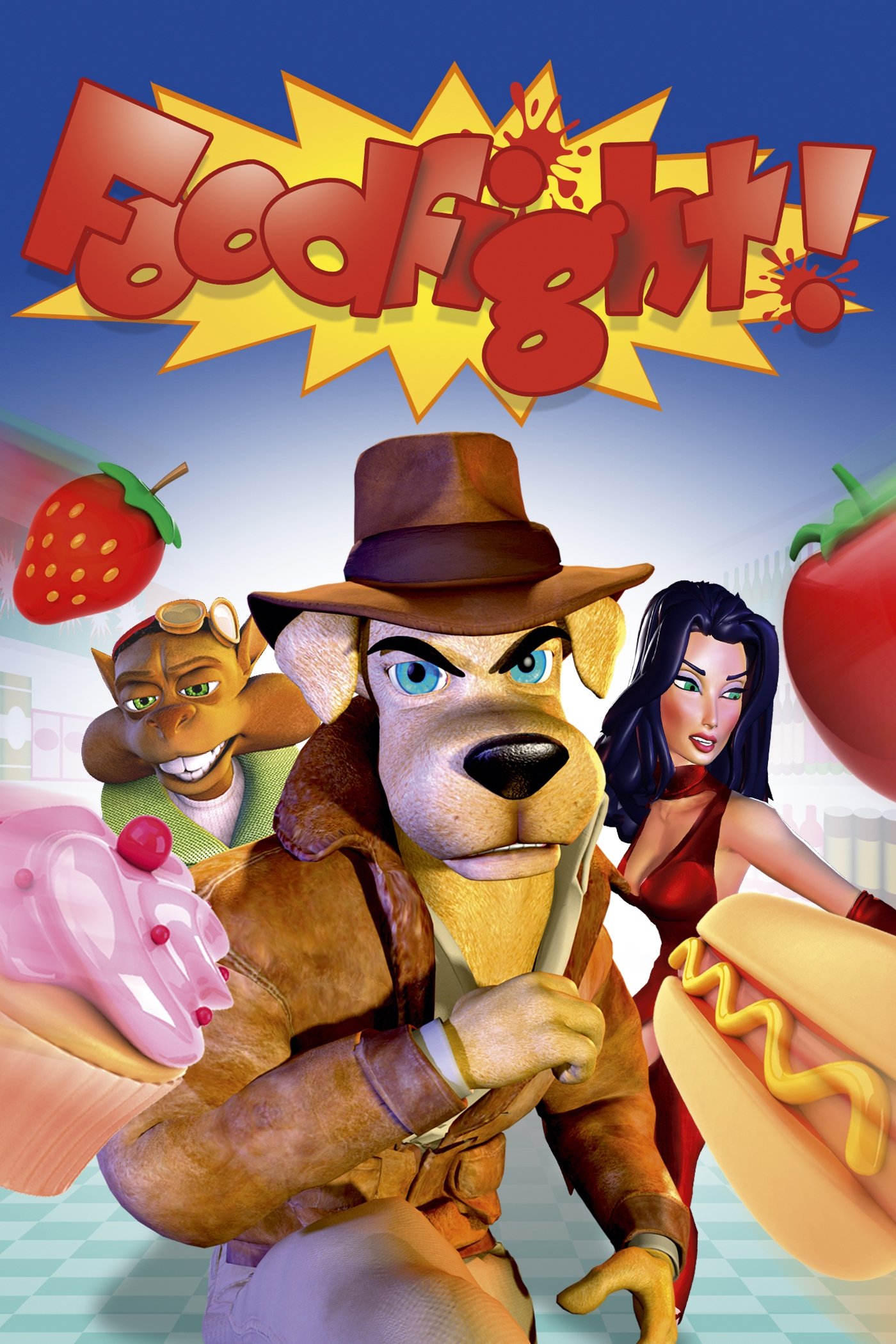
Conceived as a star-studded animated adventure set in a supermarket after closing time, ‘Foodfight!’ endured a notoriously troubled production that included missed delivery dates and years-long delays. Reported budgets range broadly, but even the conservative figures place the project in the tens of millions, while its documented domestic gross amounts to only a six-figure total.
Critically, the film has been singled out for extremely low aggregator scores and is frequently referenced in roundups of historically bad animation, with its final release arriving straight to home media in many territories. The combination of a high reported budget and minimal revenue has made it a textbook case study in animated feature misfires.
‘The Emoji Movie’ (2017)
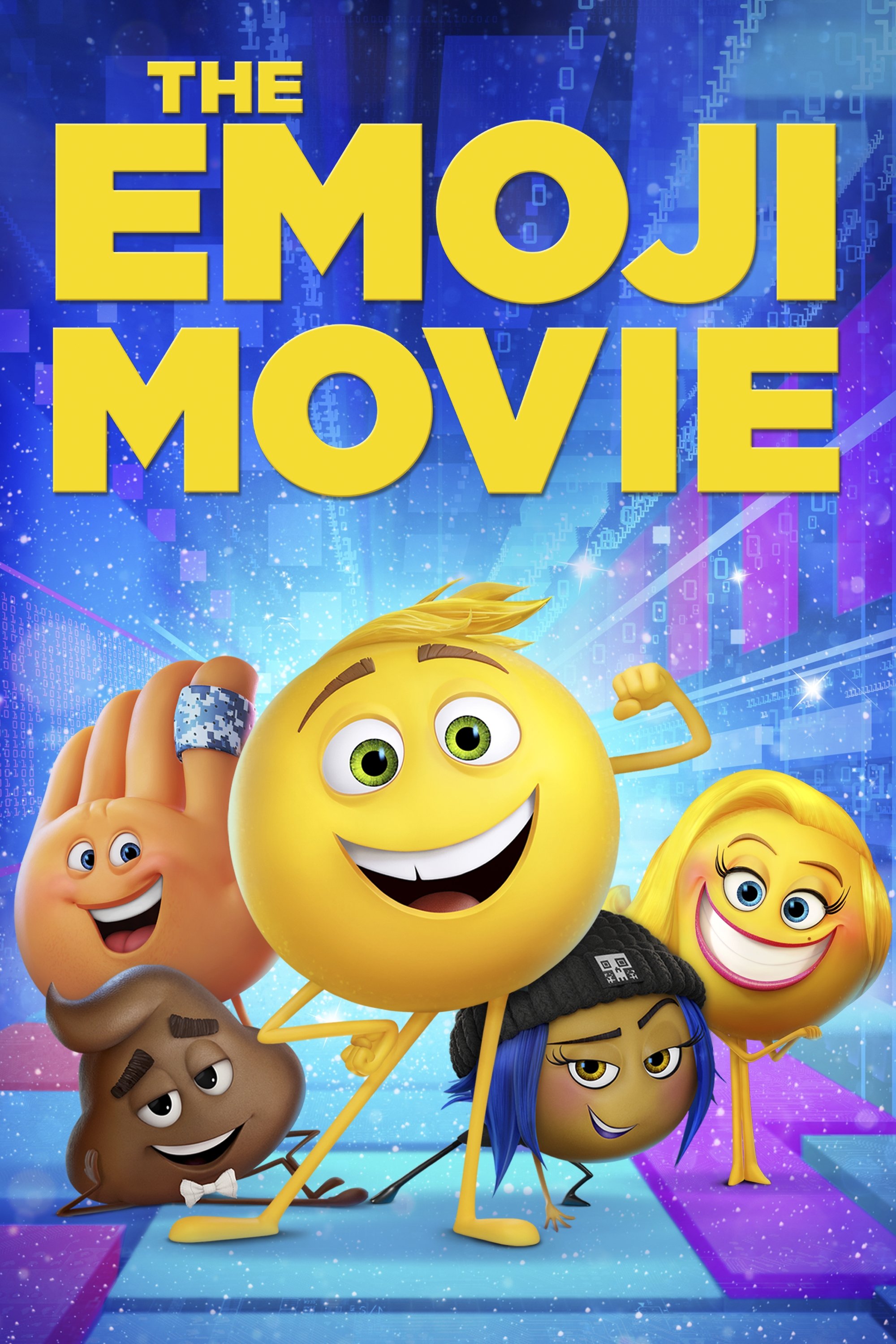
‘The Emoji Movie’ earned multiple Golden Raspberry Awards, including Worst Picture, Worst Director, Worst Screen Combo and Worst Screenplay, becoming the first animated film to win in those categories. Despite that critical drubbing, it performed commercially, with a worldwide total well into nine figures against a mid-range animation budget.
Aggregator pages record exceptionally low critic scores and document its release strategy and rollout, including details about opening-weekend performance and studio tactics surrounding reviews. Those records, along with its awards history, explain why it’s so often labeled among the most poorly received studio toons.
‘The Oogieloves in the Big Balloon Adventure’ (2012)
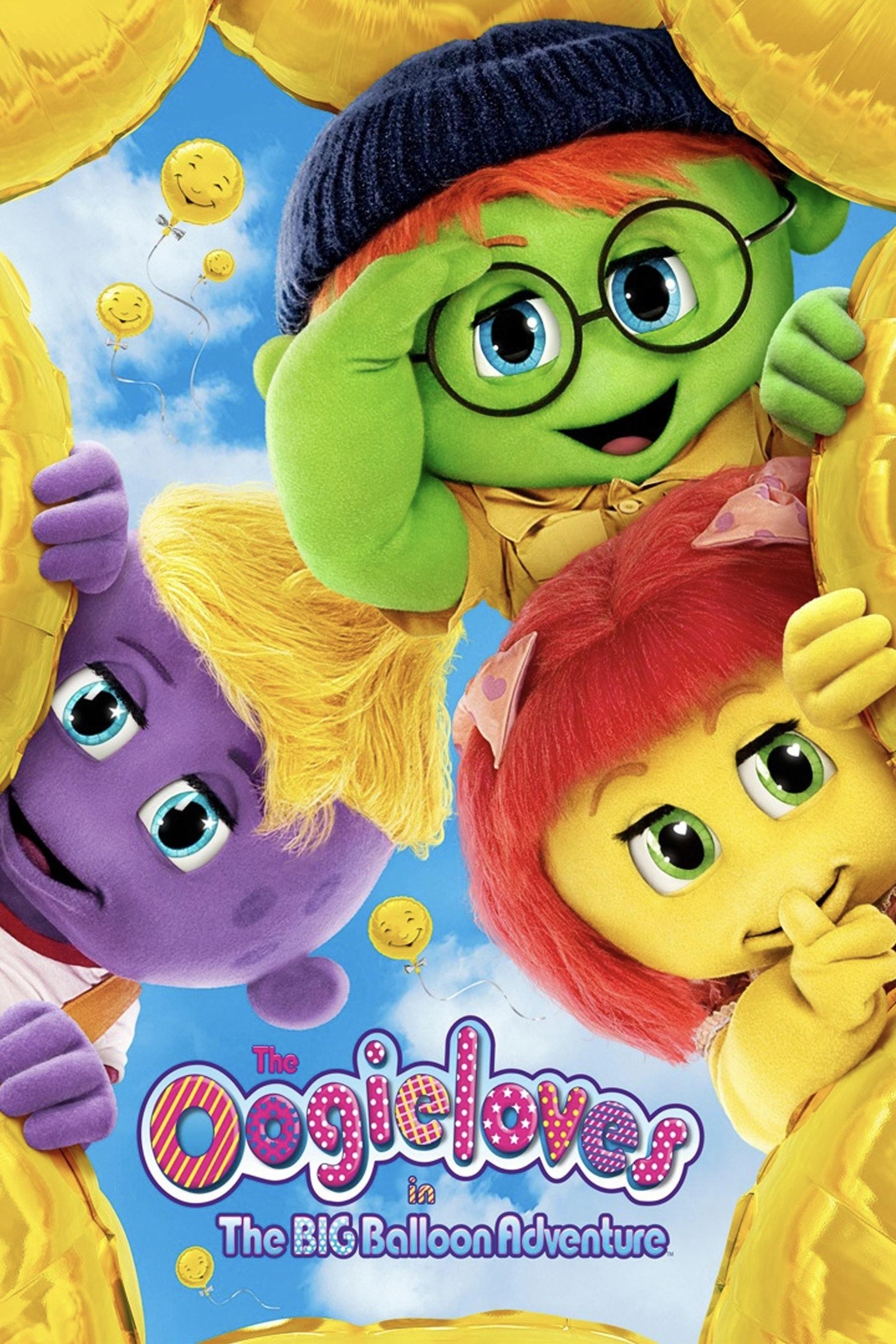
Designed as an interactive, preschool-aimed theatrical experience, ‘The Oogieloves in the Big Balloon Adventure’ is best known for one of the weakest wide-release openings ever recorded, including a remarkably low per-theater average during its first days in cinemas. Box Office Mojo’s tables continue to list it near the bottom for wide releases.
Reporting on its rollout documents a high production cost alongside substantial marketing spend, with trade coverage describing its debut as historically unsuccessful for a film opening in over two thousand theaters. Those figures have cemented its reputation as a cautionary tale in family-film distribution.
‘Superbabies: Baby Geniuses 2’ (2004)
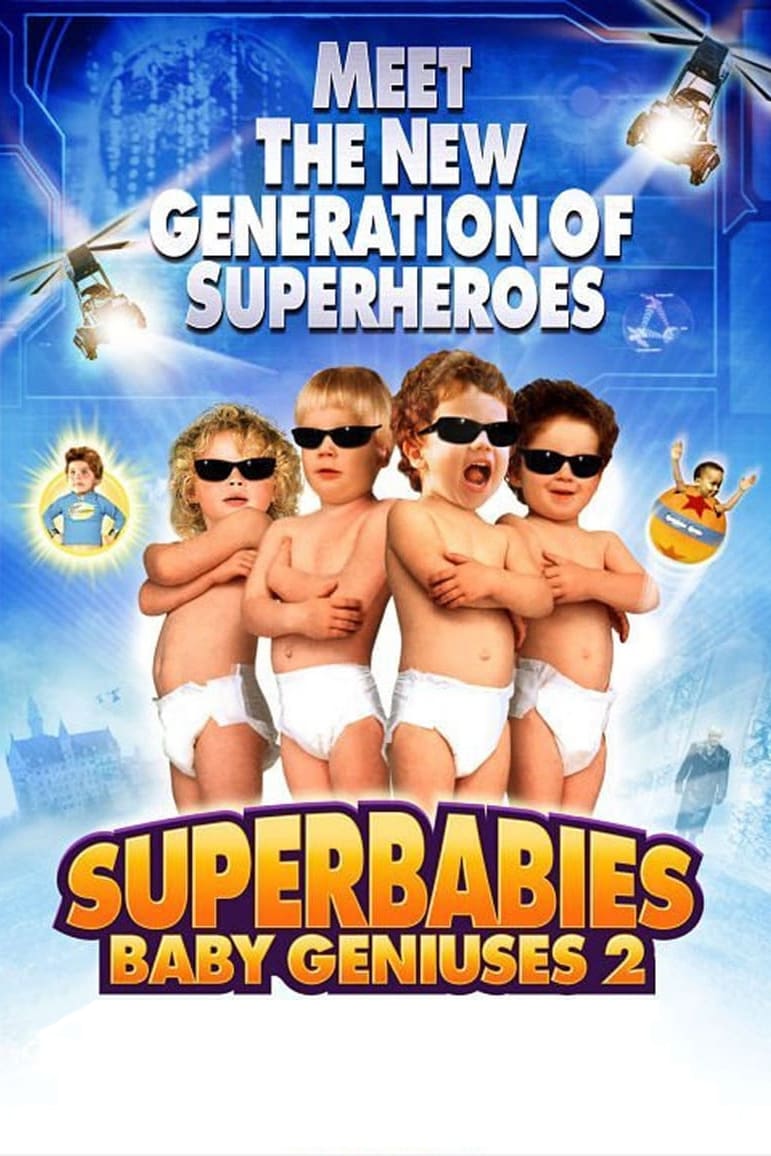
A follow-up to ‘Baby Geniuses’, ‘Superbabies: Baby Geniuses 2’ fared even worse with critics and audiences, and it was recognized by the Razzies with a Worst Picture nomination. Contemporary summaries also note that it failed to recoup costs during its theatrical run.
Review aggregators track the film with rock-bottom critical marks and compile top-critic pans that have persisted for years, keeping the sequel in “worst of” discussions whenever children’s cinema is surveyed.
‘Baby Geniuses’ (1999)

‘Baby Geniuses’ paired a high-concept premise with then-novel digital mouth animation for infant actors; documentation notes it as an early feature using computer-assisted lip-sync on live-action babies. It was widely panned by reviewers, yet it turned a profit at the box office, which later encouraged the franchise continuation.
Aggregator records capture its poor reception and box-office performance metrics, while trade references and archives outline its production details and subsequent expansion into sequels and direct-to-video spinoffs.
‘Son of the Mask’ (2005)
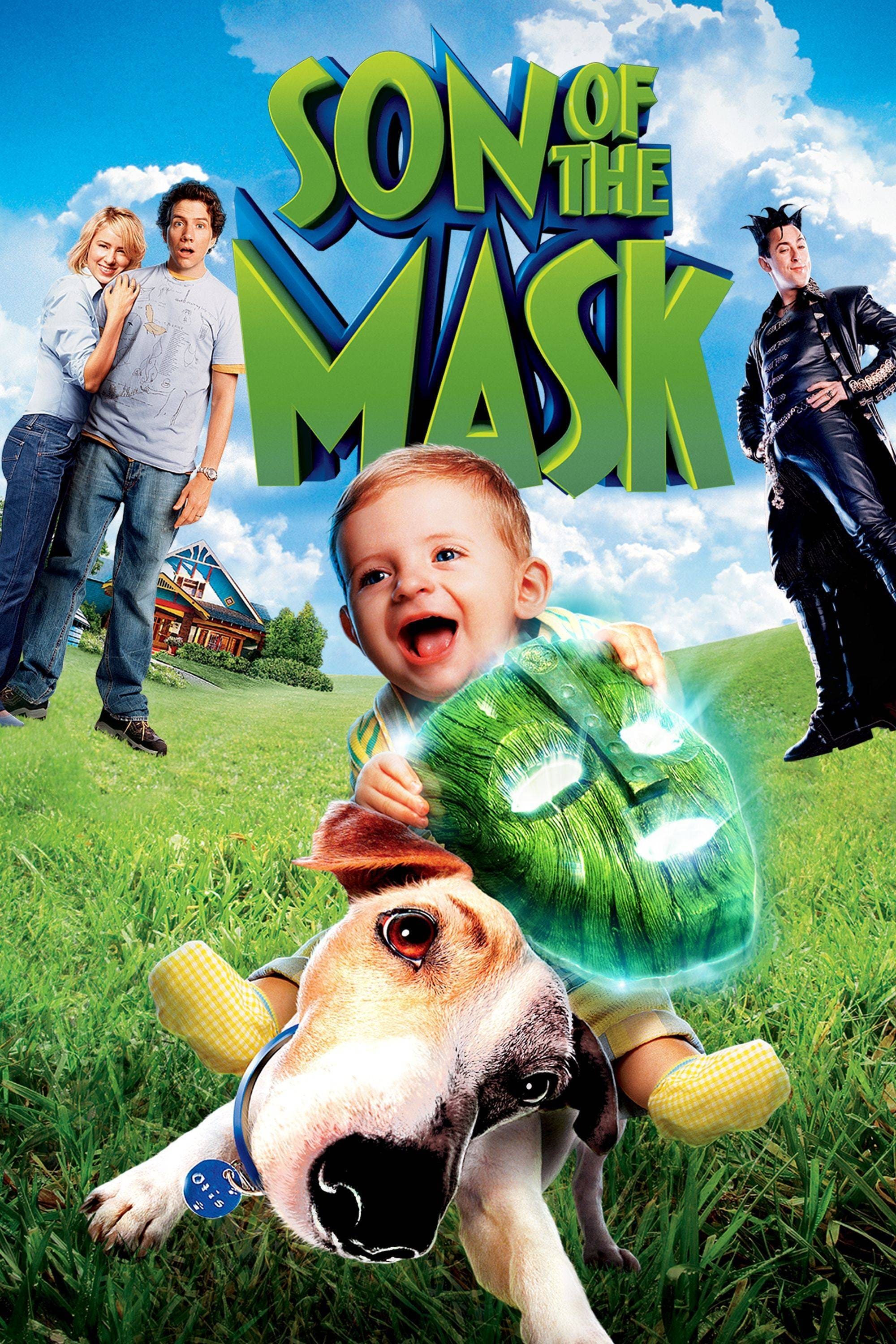
‘Son of the Mask’ attempted to extend a successful comic-based property with a new cast and premise. Publicly available budget and gross tallies show a significant shortfall between production costs and worldwide receipts, and the film later received a Razzie for Worst Remake or Sequel.
Review aggregators continue to log low critic scores, and trade coverage reflects industry skepticism about its execution and return on investment. Those data points keep it near the top of family-film misfire lists.
‘The Cat in the Hat’ (2003)
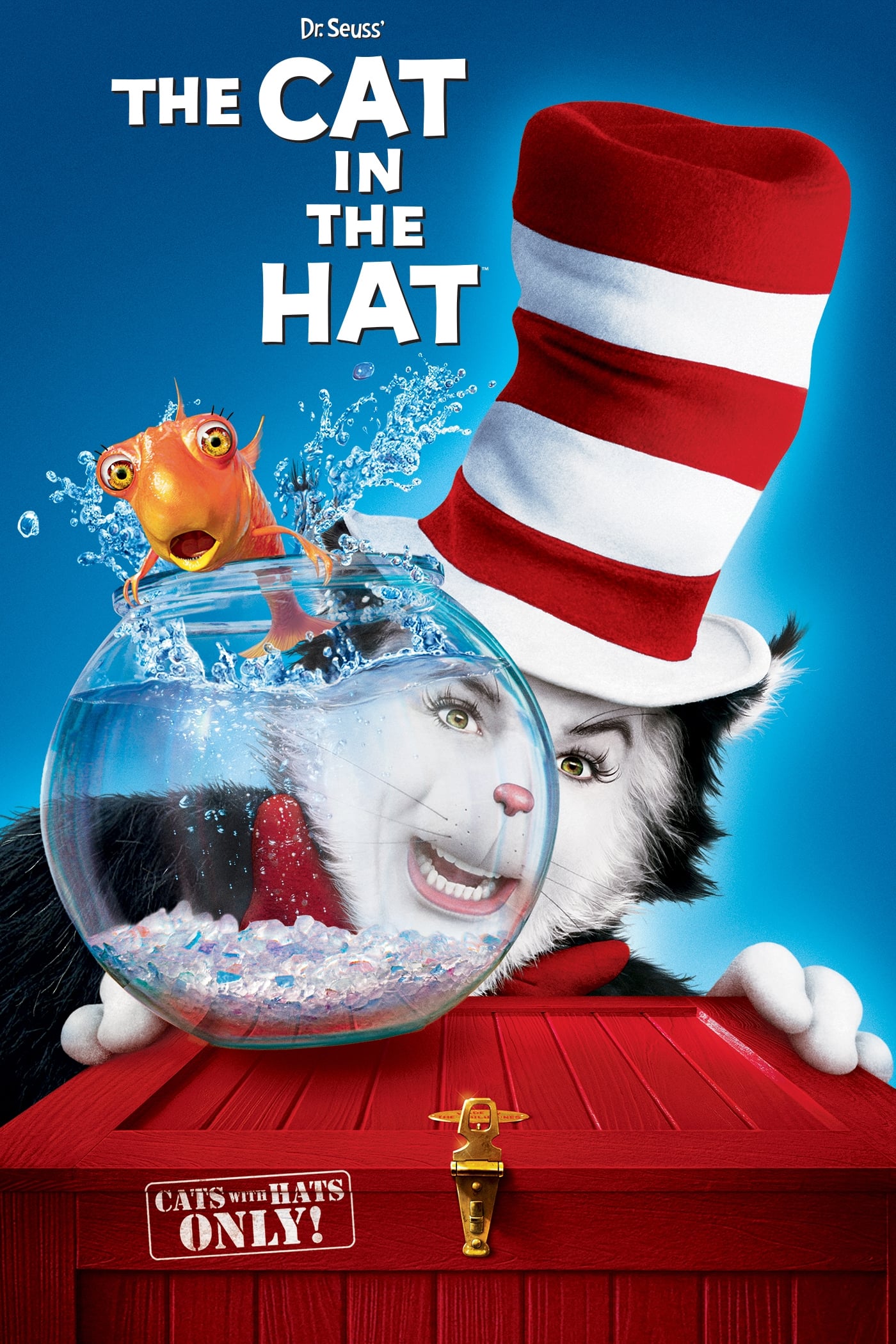
‘Dr. Seuss’ The Cat in the Hat’ adapted the classic picture book in live action and posted sizable domestic grosses, yet it was heavily criticized by reviewers, with aggregator pages showing persistently poor scores. Its box-office totals are well documented, including domestic and worldwide breakdowns.
In the wake of that reception, coverage has repeatedly noted decisions from the Seuss estate to avoid further live-action takes on the author’s work, a stance recapped in reporting about the newly announced animated version. This context explains why the property is returning to animation for its next big-screen outing.
‘Doogal’ (2006)
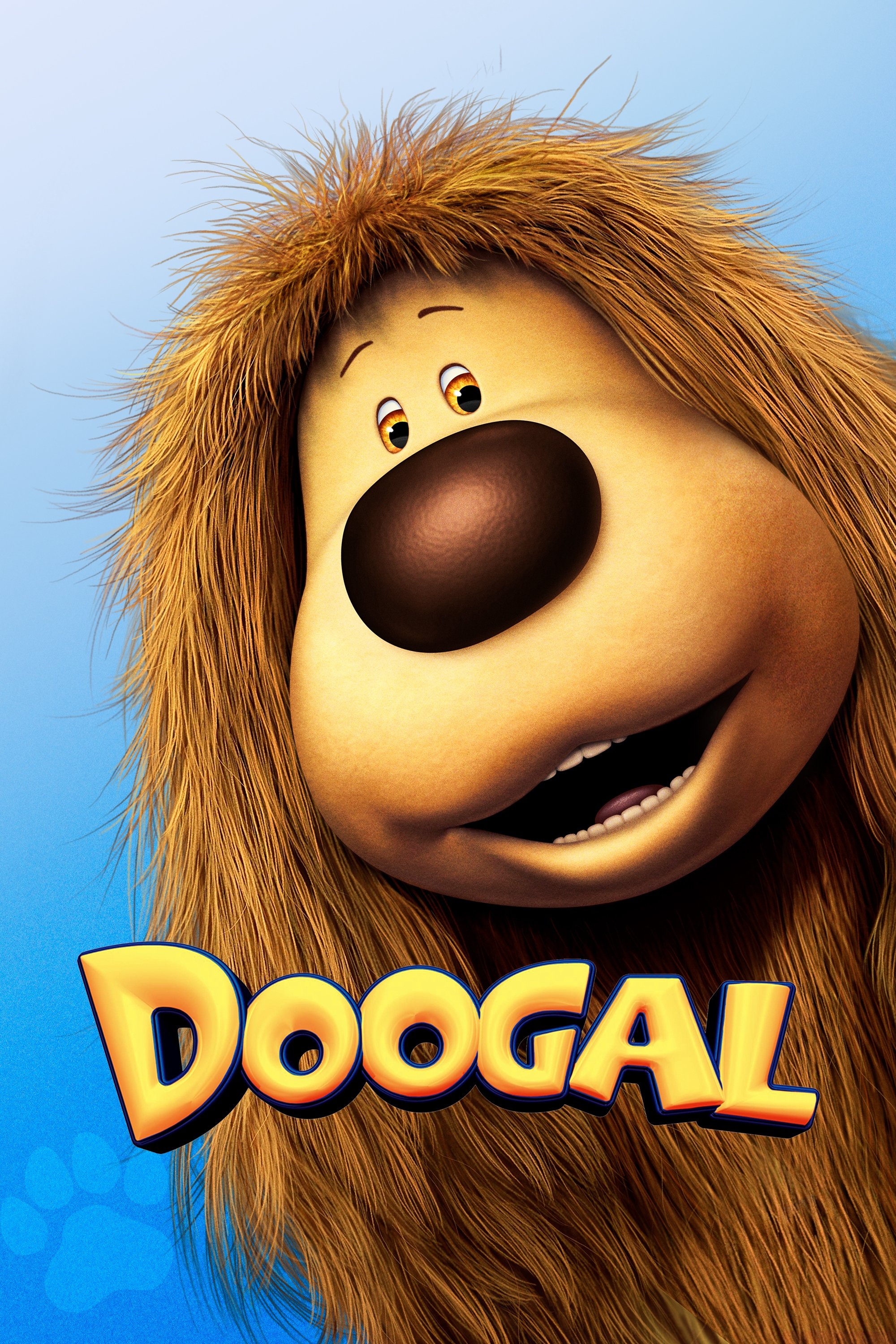
Released domestically by The Weinstein Company, ‘Doogal’ is the U.S. re-edit and redub of the Anglo-French feature ‘The Magic Roundabout’, with sources documenting the replacement of most of the original voice cast and additions of pop-culture-heavy dialogue. Industry histories and trade pieces detail those localization choices and their reception.
Critic-aggregate pages record very low scores and top-critic reviews that specifically call out the Americanized cut. Coverage also notes that it was not screened for the press in advance, which is frequently cited in reporting on its critical and commercial outcome.
‘Norm of the North’ (2016)
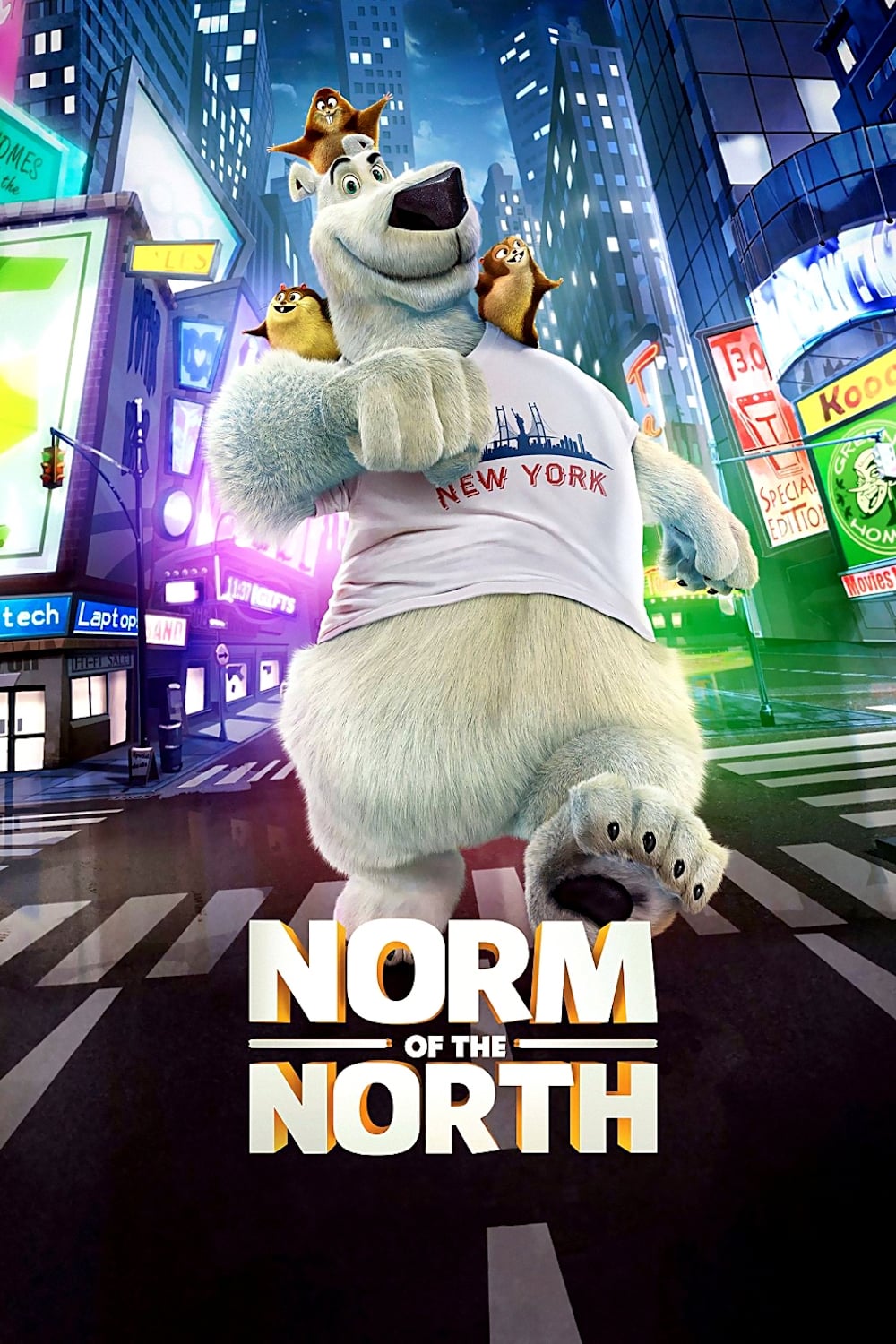
‘Norm of the North’ followed a talking-animal formula that had been successful for other studios, but aggregator pages document poor critical response along with an outline of its theatrical rollout. Public databases also show that the film’s global gross hovered only modestly above production-budget estimates.
Despite the reception, it spawned multiple direct-to-video sequels, which trade listings and aggregator filmographies track. That afterlife underscores how family titles can extend into ancillary markets even when initial reviews are unfavorable.
‘The Last Airbender’ (2010)
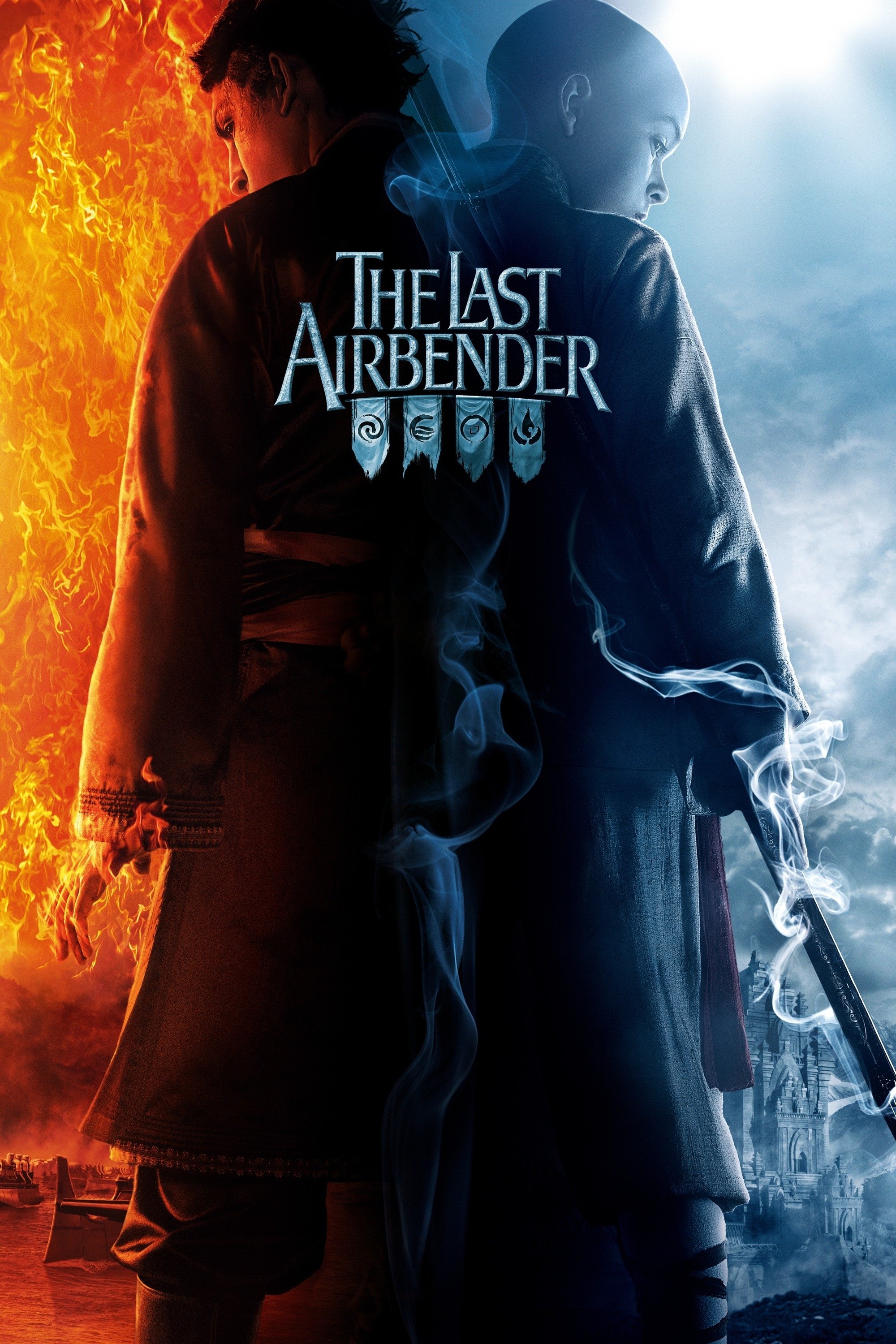
Based on Nickelodeon’s acclaimed animated series, ‘The Last Airbender’ is repeatedly cited for a stark contrast between strong box-office grosses and extremely poor critical notices. It swept the Razzies in its cycle, including Worst Picture, while reporting at the time emphasized both its global take and its near-bottom aggregator approval rating.
Review aggregator entries continue to list low critic scores and summarize the film’s critical consensus. Together with awards coverage, those records explain why it remains a fixture whenever disappointing family-aimed fantasy movies are discussed.
Share the kids’ movies you think belong on this hall-of-shame list in the comments!

