


The Worst Movie Reboots of All Time


Reboots try to give familiar stories a new start with different casts and fresh continuity. Studios use them to revive valuable brands, reach new audiences, and update effects and settings for modern tastes. When they miss the mark the results can stall franchises and derail plans for sequels and shared universes.
This list looks at high profile do overs that struggled with critics or audiences or both. You will see big names, big budgets, and big expectations that did not translate into lasting momentum. Each entry includes who made it, who starred, what changed from the earlier version, and what happened to the franchise afterward.
‘The Mummy’ (2017)
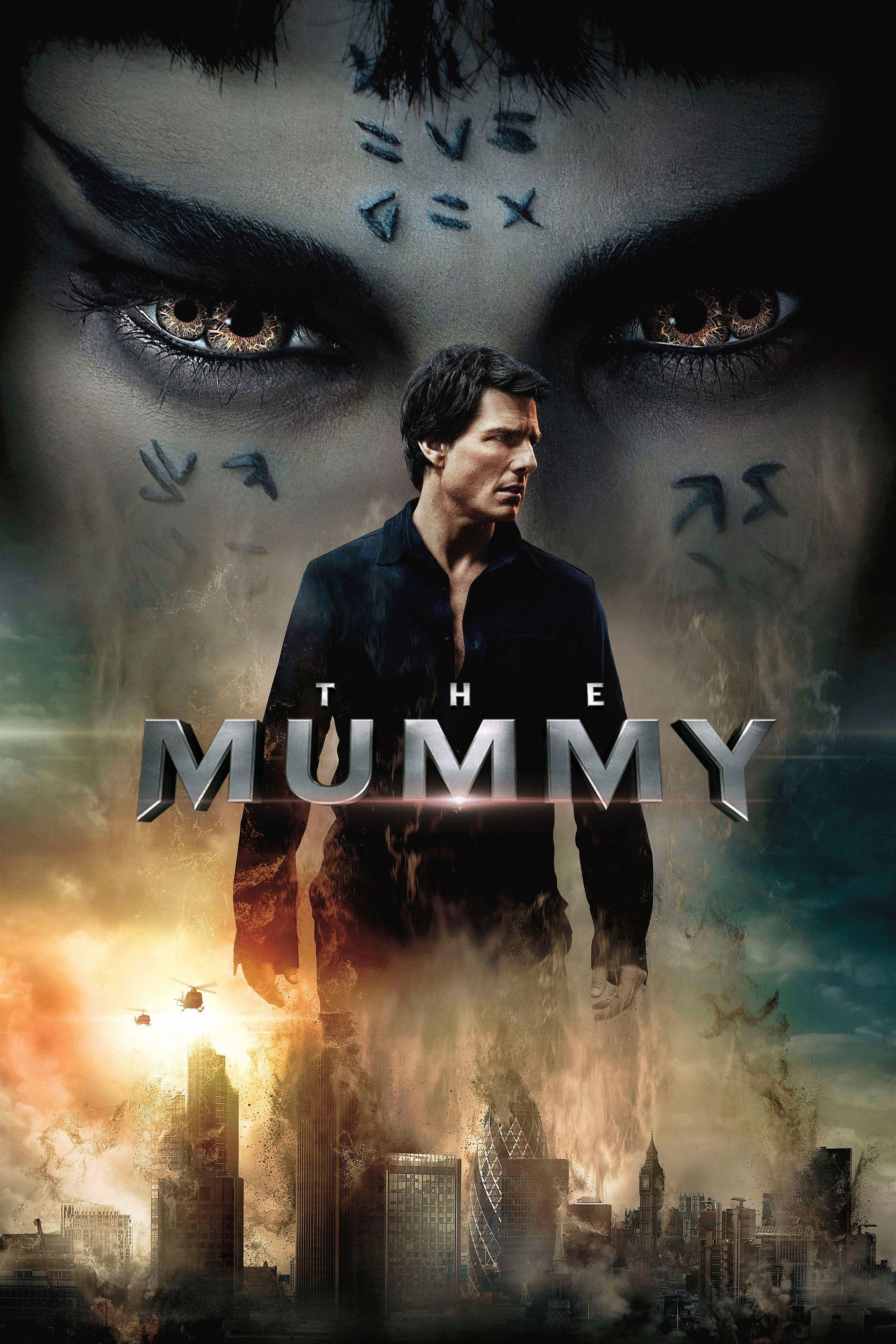
Universal launched this take with Alex Kurtzman directing and Tom Cruise, Sofia Boutella, Annabelle Wallis, and Russell Crowe starring. It positioned itself as a modern twist on ‘The Mummy’ with a present day setting and a focus on an immortal antagonist bound by an ancient curse.
It was also designed to kick off the Dark Universe plan that would have connected multiple monster properties. After a weak reception and underperformance, Universal halted that plan and shelved announced follow ups centered on characters like ‘Bride of Frankenstein’ and ‘The Invisible Man’.
‘Fantastic Four’ (2015)
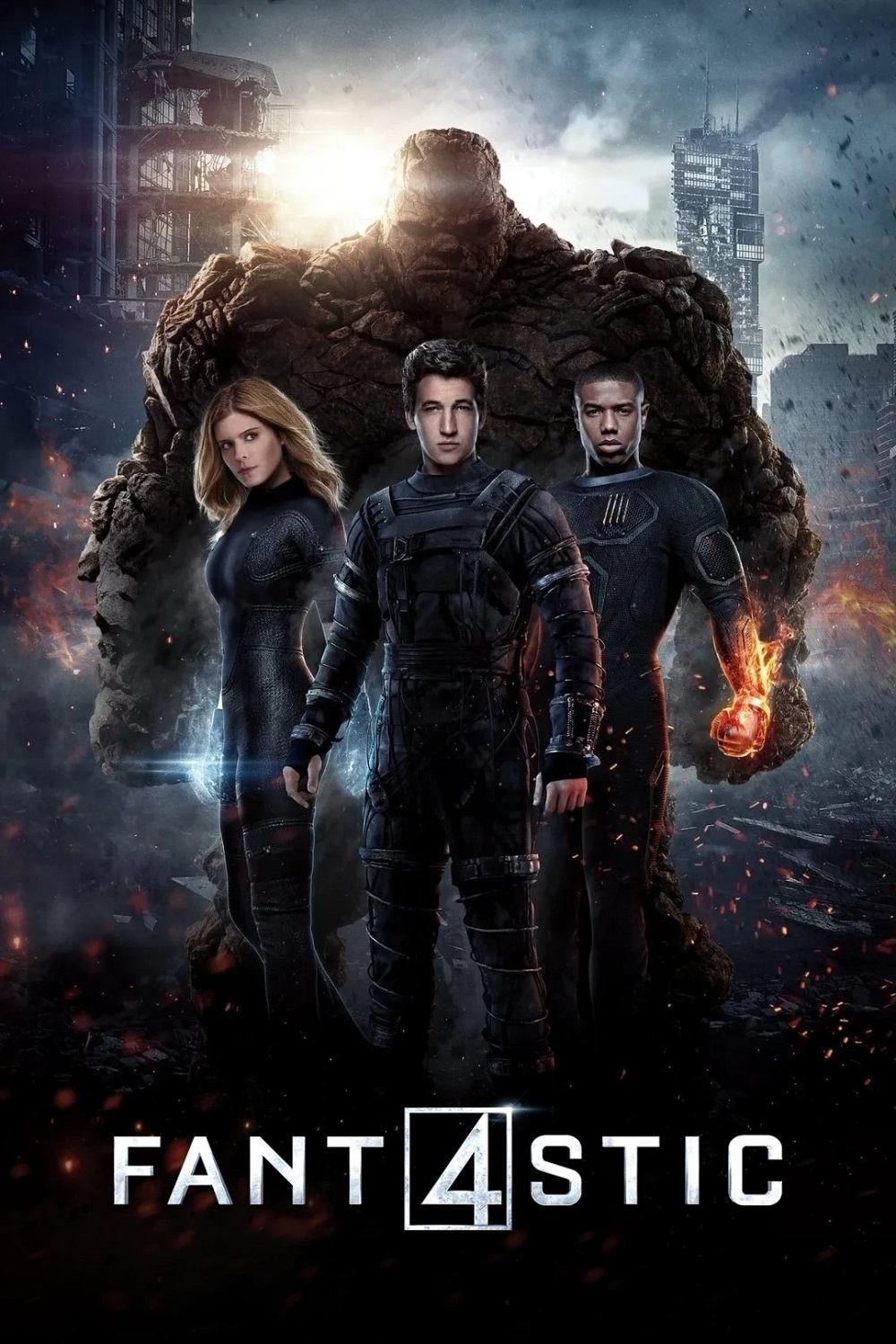
Josh Trank directed this Marvel team reboot with Miles Teller, Michael B Jordan, Kate Mara, and Jamie Bell. It shifted the origin to a dimension hopping experiment and presented a younger lineup with a grimmer visual style.
Reports of heavy reshoots and a troubled post production cycle surrounded the release. Poor audience response ended plans for immediate sequels, and the team’s next big screen future moved to a different studio after major corporate changes.
‘Ghostbusters’ (2016)
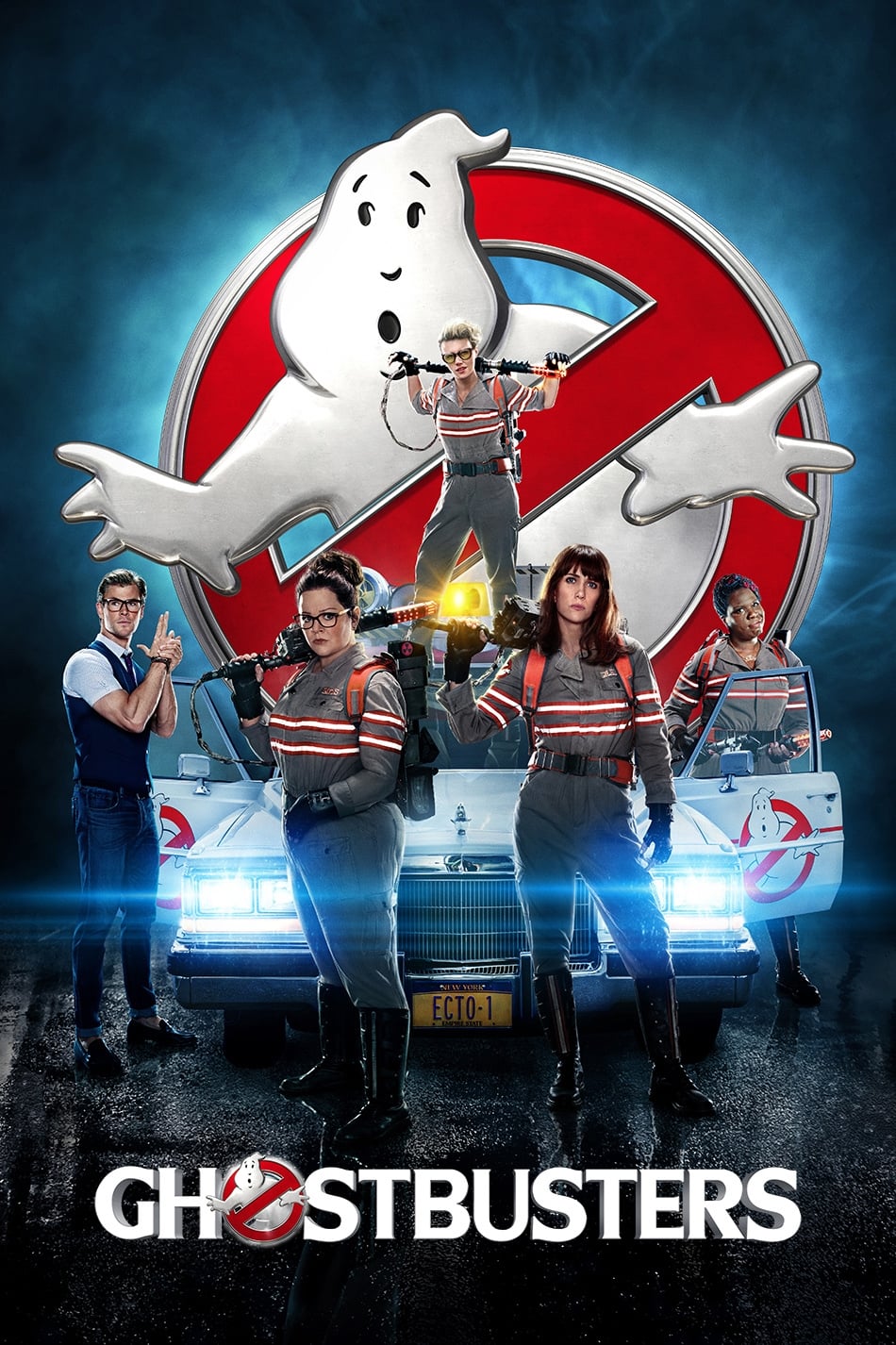
Paul Feig led the new squad with Melissa McCarthy, Kristen Wiig, Kate McKinnon, and Leslie Jones, while Chris Hemsworth played their receptionist. It reimagined the first encounters with New York ghosts and included cameos from original cast members as new characters.
Merchandise and marketing were widespread, yet the film did not establish the intended ongoing line of stories. The brand later continued on a separate track that returned to the original continuity rather than extending this version.
‘Total Recall’ (2012)
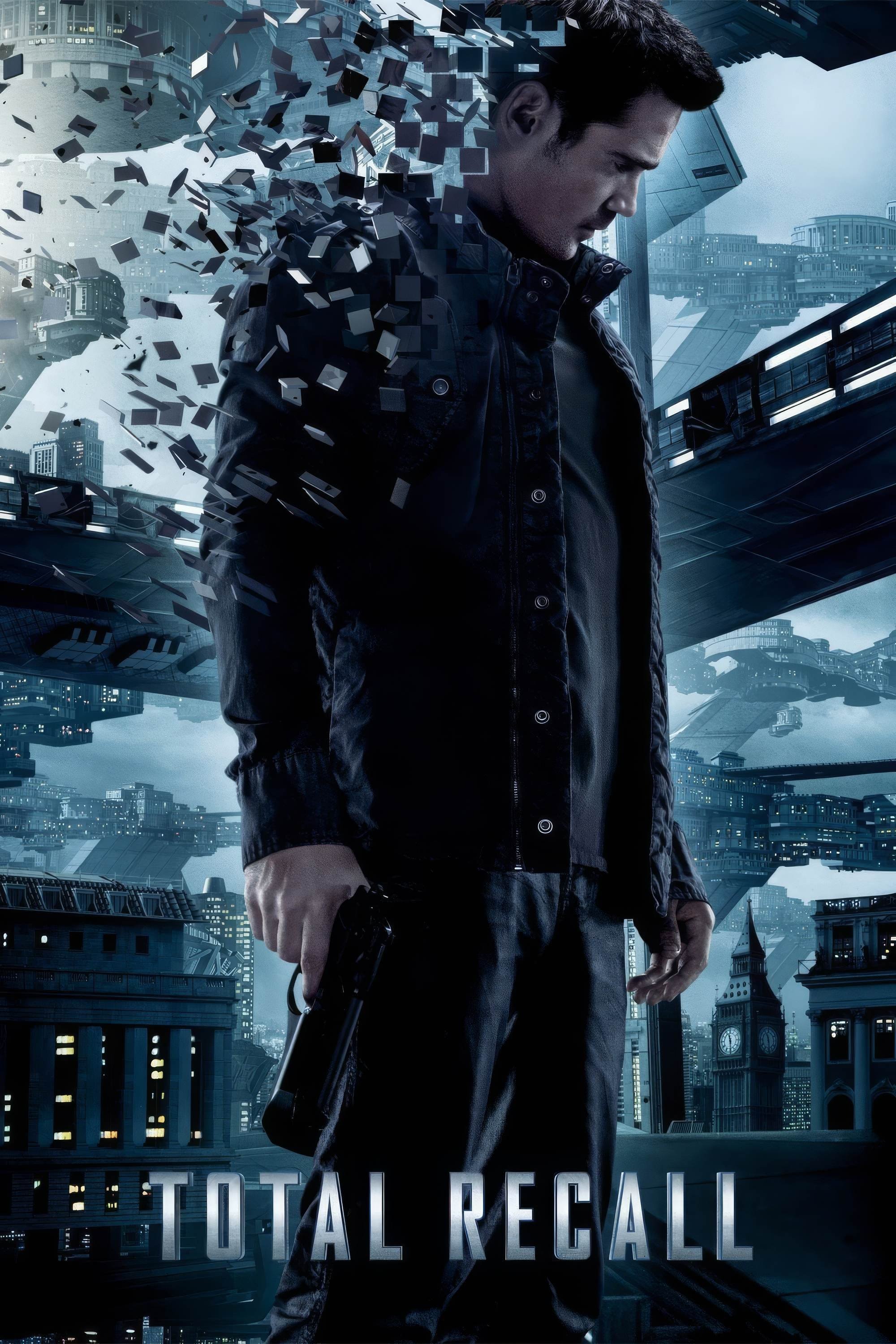
Len Wiseman directed Colin Farrell, Kate Beckinsale, and Jessica Biel in a new adaptation of the Philip K Dick story. This version removed travel to Mars and set its action on a future Earth connected by a massive transit system through the planet.
The film emphasized sleek production design and large scale pursuit sequences. Reception was muted and the property did not move forward with additional chapters built on this continuity.
‘RoboCop’ (2014)
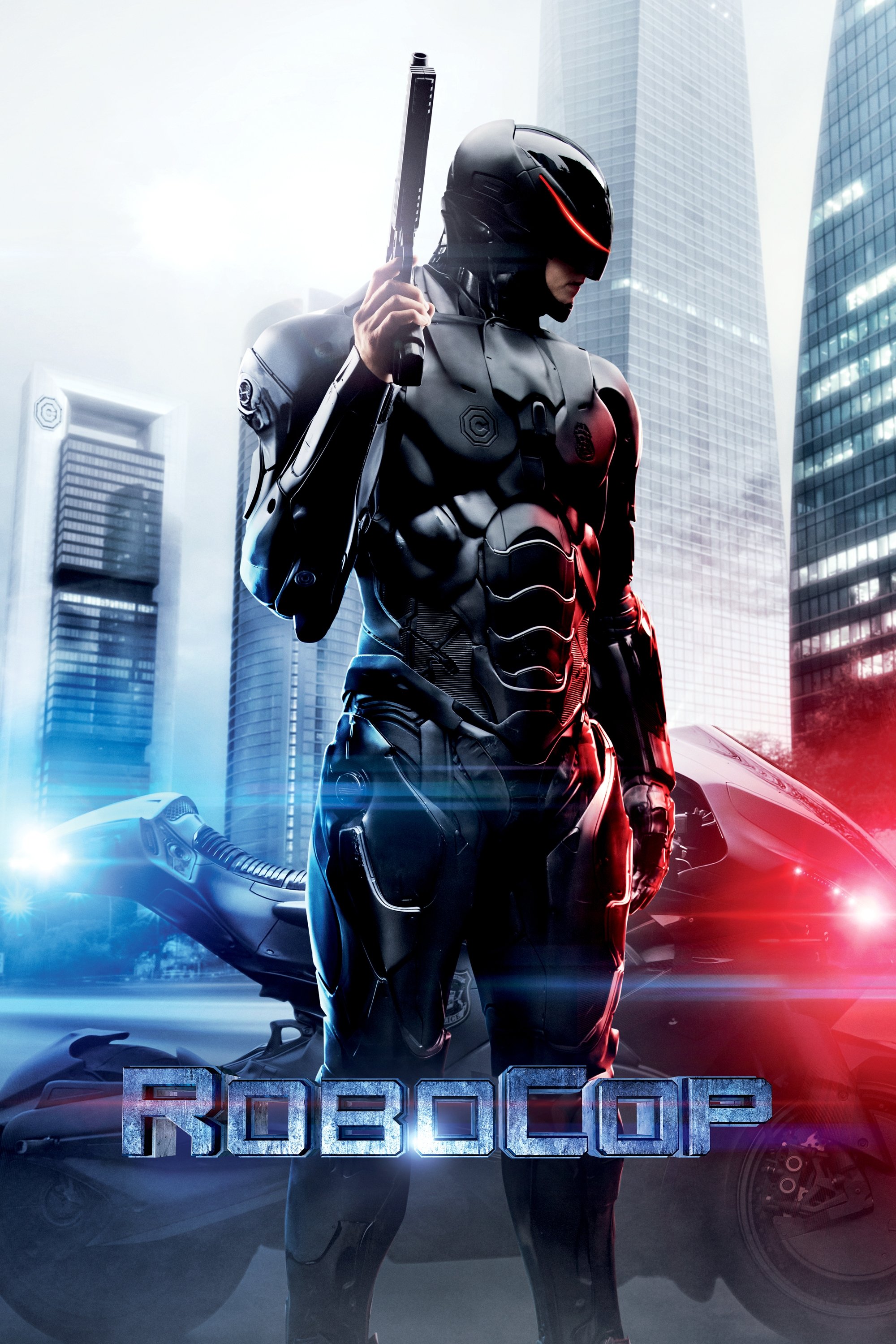
José Padilha directed Joel Kinnaman as the title character with Gary Oldman, Michael Keaton, and Samuel L Jackson in key roles. The suit design changed, Detroit’s surveillance state was expanded, and the corporate villainy shifted toward global drone warfare.
The movie carried a PG 13 rating and toned down graphic violence compared with the earlier series. Interest in a direct continuation faded and later development circled back to other approaches for the brand.
‘Planet of the Apes’ (2001)
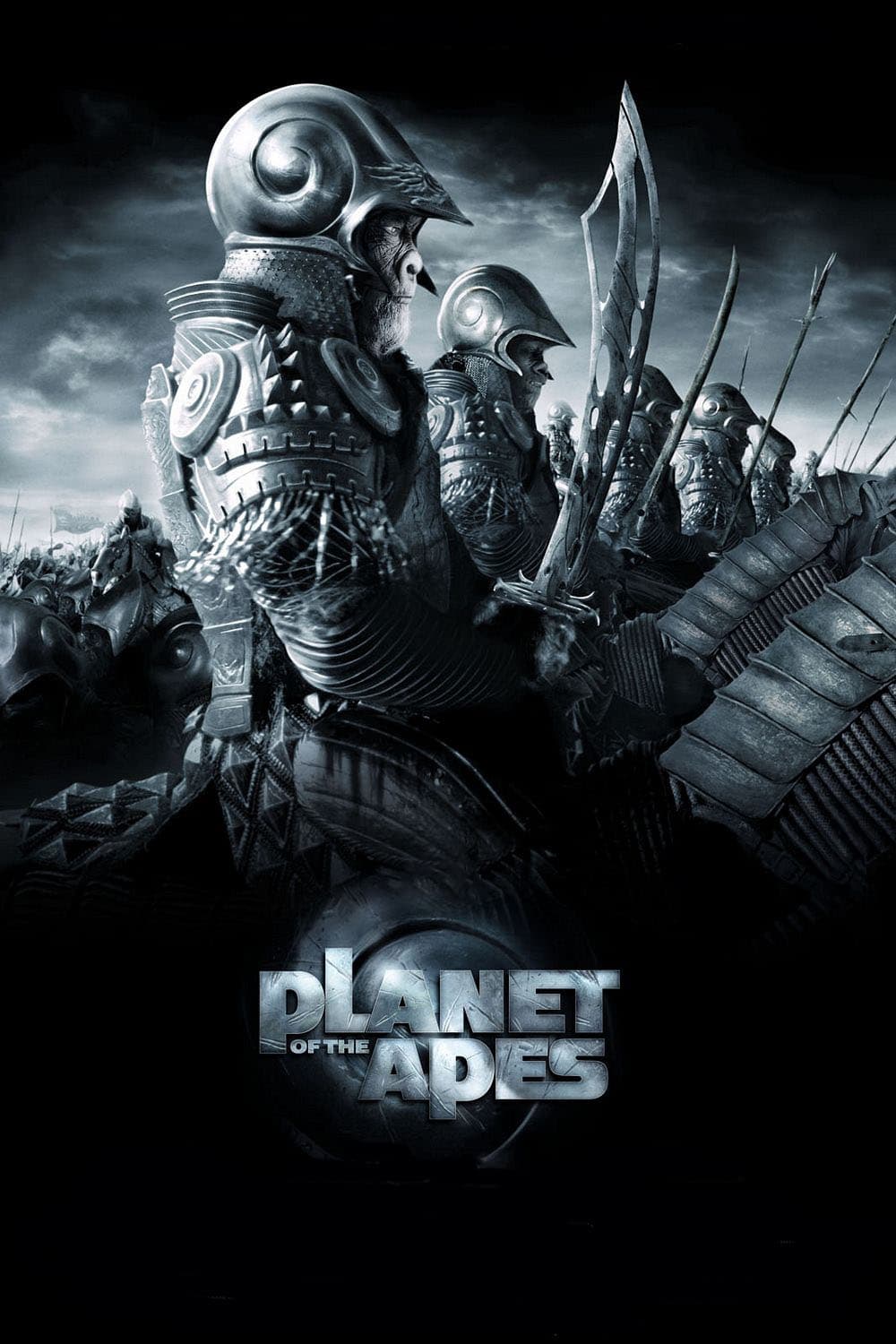
Tim Burton reimagined the classic with Mark Wahlberg, Helena Bonham Carter, Tim Roth, and Paul Giamatti. It presented a standalone timeline with new ape cultures and a different explanation for human and ape conflict.
The ending delivered a surprise monument reveal that set up further mysteries. Instead of extending this thread, the studio later rebooted the concept again with ‘Rise of the Planet of the Apes’ and built a new series from there.
‘A Nightmare on Elm Street’ (2010)
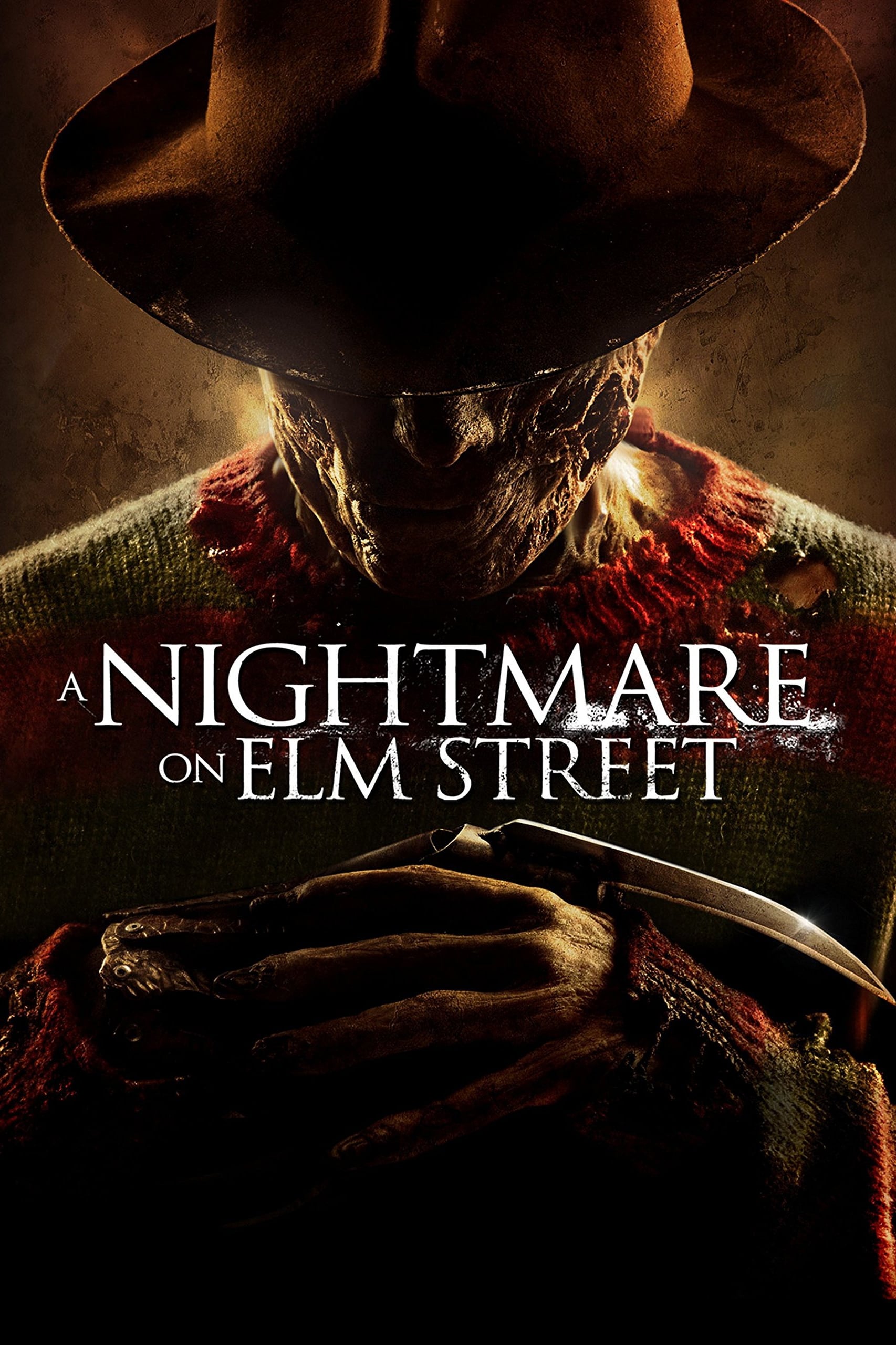
Samuel Bayer directed Jackie Earle Haley as Freddy Krueger with Rooney Mara and Kyle Gallner among the teens. It updated the dream visuals and explored a revised backstory for the killer.
Reviews were largely negative and audience interest dropped quickly after opening weekend. Plans for a follow up stalled, leaving the series without a sustained new run in this timeline.
‘The Wicker Man’ (2006)
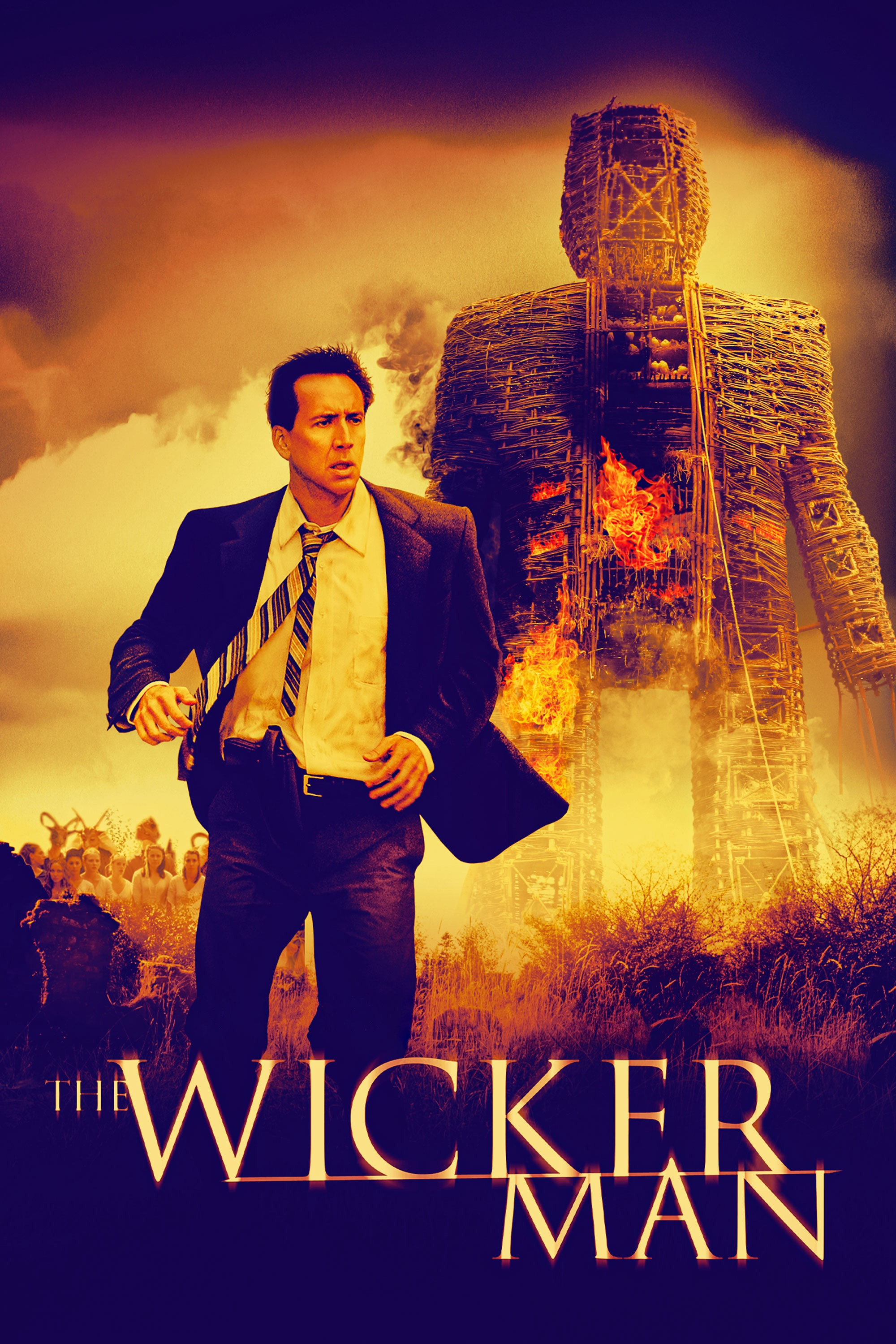
Neil LaBute relocated the story to the Pacific Northwest with Nicolas Cage, Ellen Burstyn, and Kate Beahan. The plot centered on a missing child investigation that led to a neo pagan island community with strict rituals.
The movie received multiple Razzie nominations and became known for several widely quoted scenes. It did not revive the property for additional entries and remained an isolated retelling.
‘Psycho’ (1998)
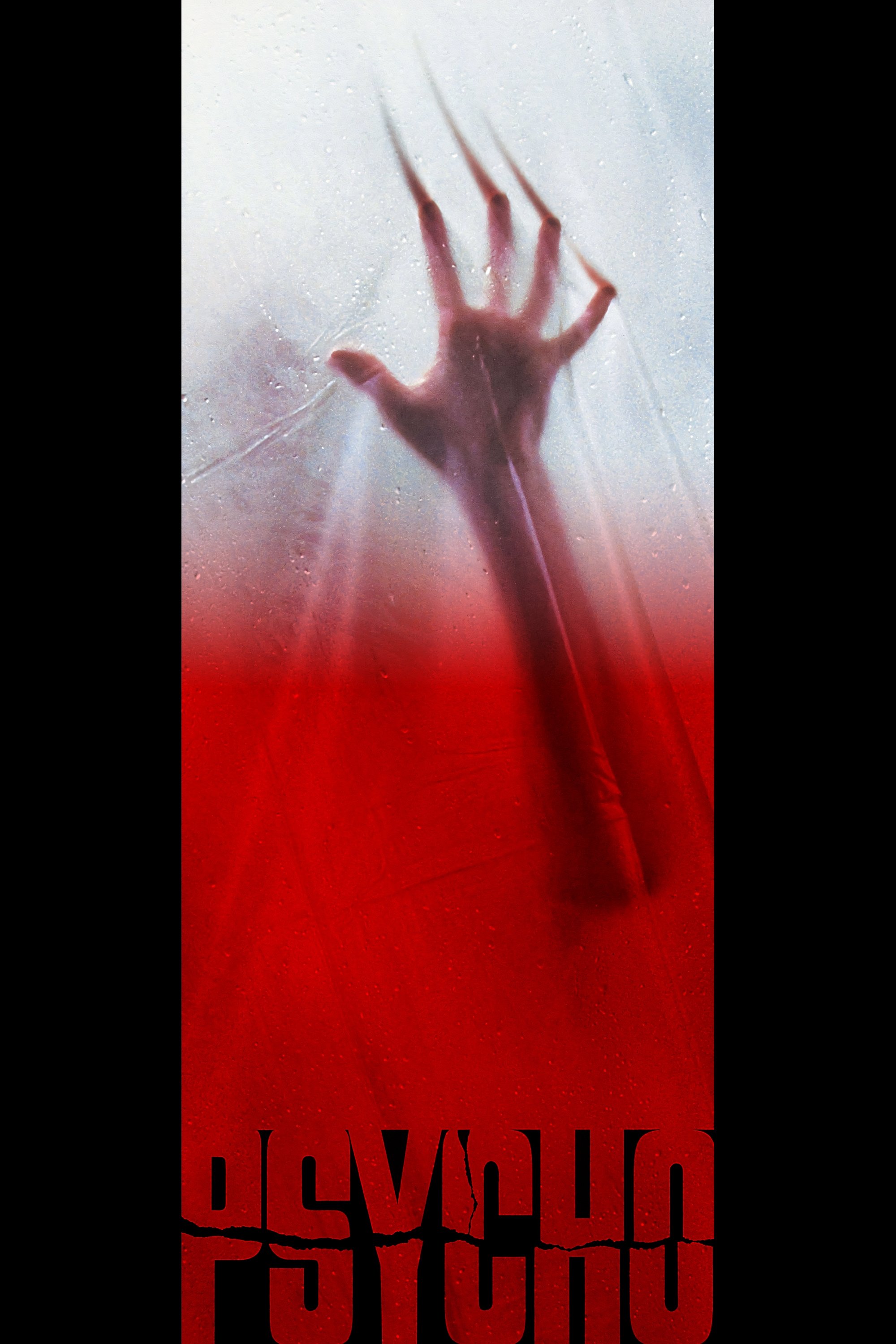
Gus Van Sant crafted an almost shot for shot color remake with Vince Vaughn, Anne Heche, Julianne Moore, and Viggo Mortensen. Camera setups closely matched the earlier film and even replicated key blocking and edits.
Audiences rejected the experiment and the box office was weak. The approach did not lead to a new run for the franchise and served mainly as a curiosity in the director’s filmography.
‘Ben-Hur’ (2016)
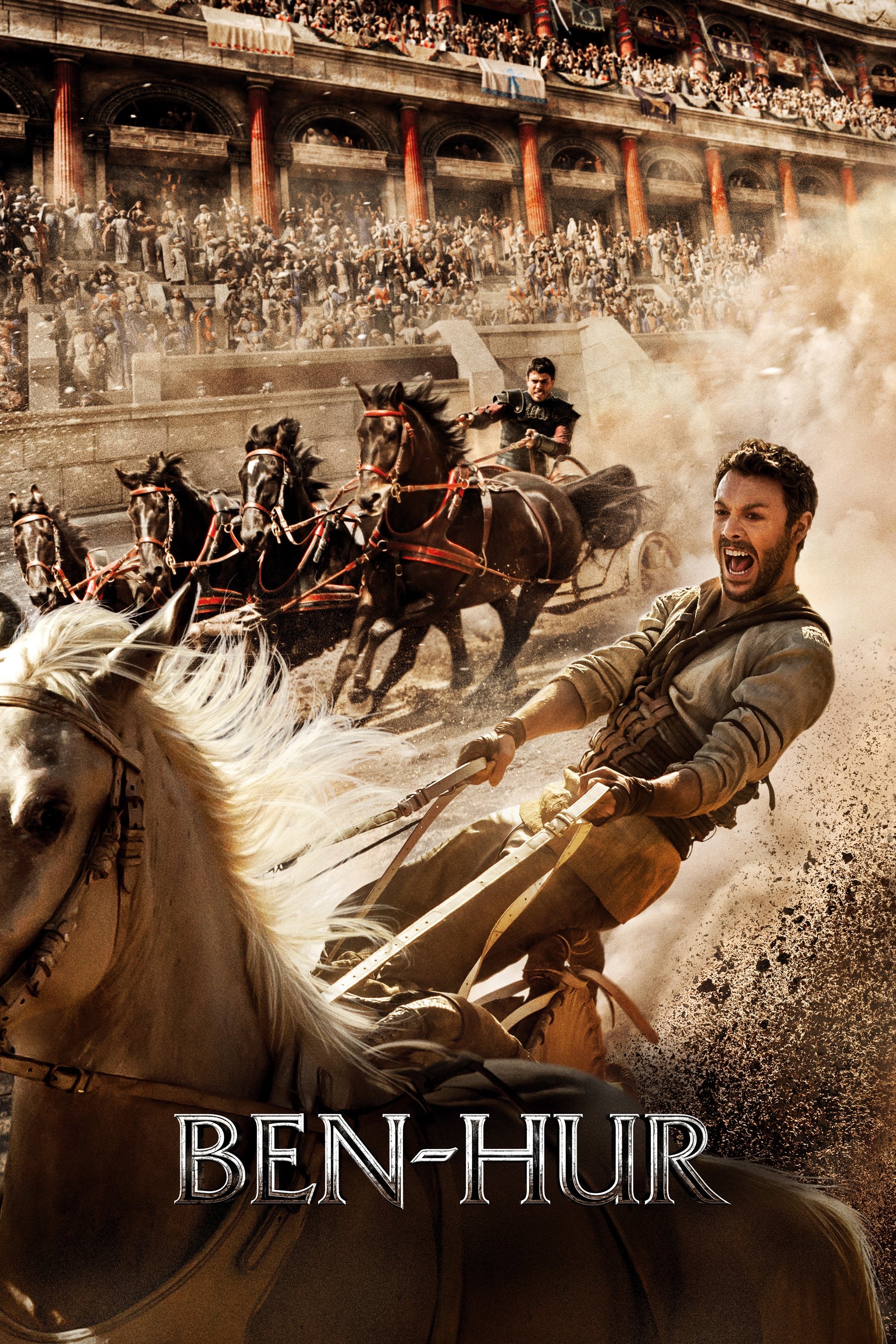
Timur Bekmambetov directed Jack Huston as Judah Ben Hur with Toby Kebbell and Morgan Freeman in support. It adapted the Lew Wallace novel again and highlighted a new take on the chariot race with extensive practical and digital work.
The film struggled to connect with audiences and analysts cited significant financial losses. With interest low, the studio did not extend this version into a continuing historical epic series.
‘Conan the Barbarian’ (2011)
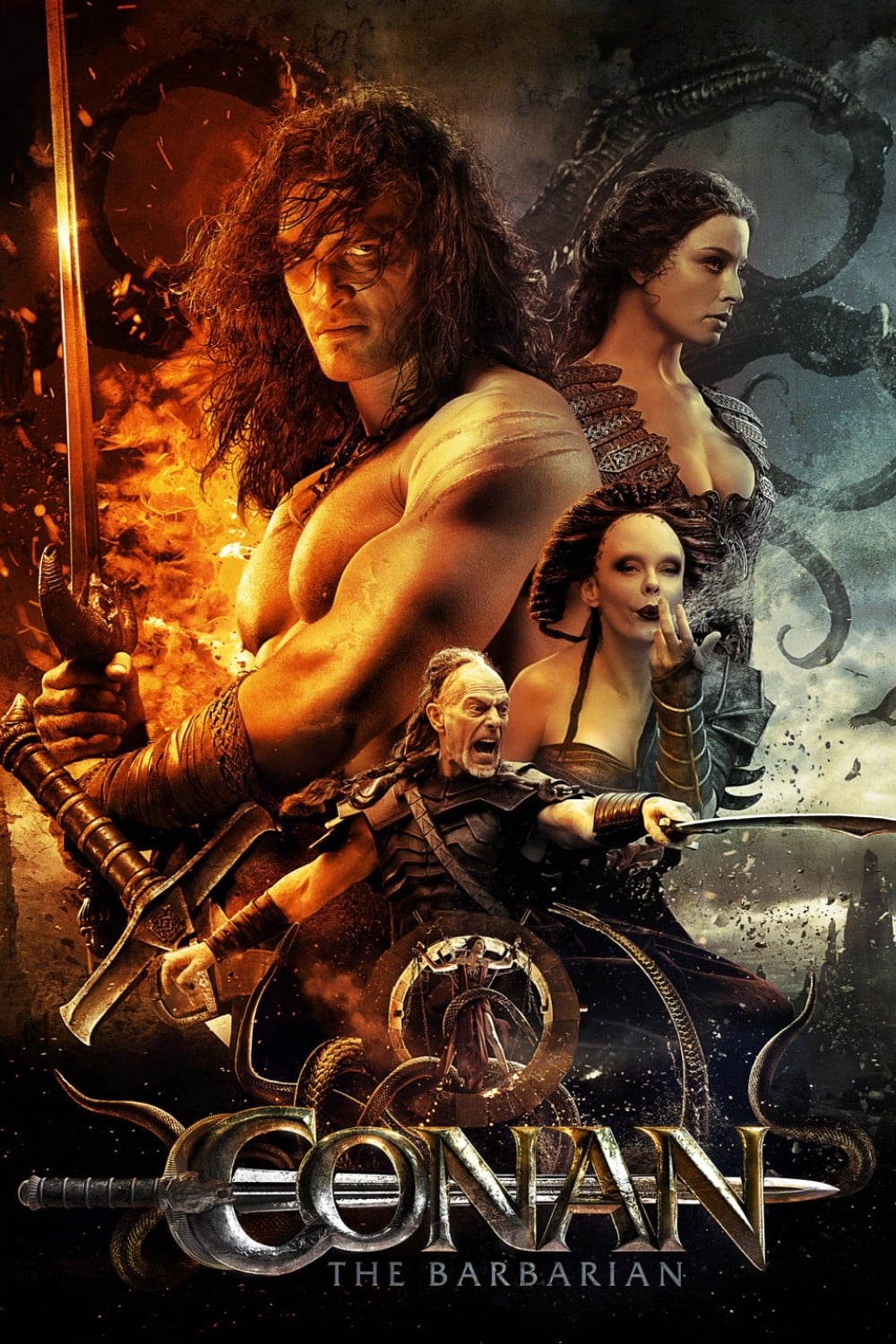
Marcus Nispel directed Jason Momoa as the Cimmerian warrior with Stephen Lang and Rose McGowan as villains and Ron Perlman in a key early role. The storyline introduced a quest tied to a dark artifact and a sorcerous cult.
Despite name recognition, turnout was limited and reviews were poor. Follow up plans that would have explored more of the Hyborian world did not advance.
‘The Pink Panther’ (2006)
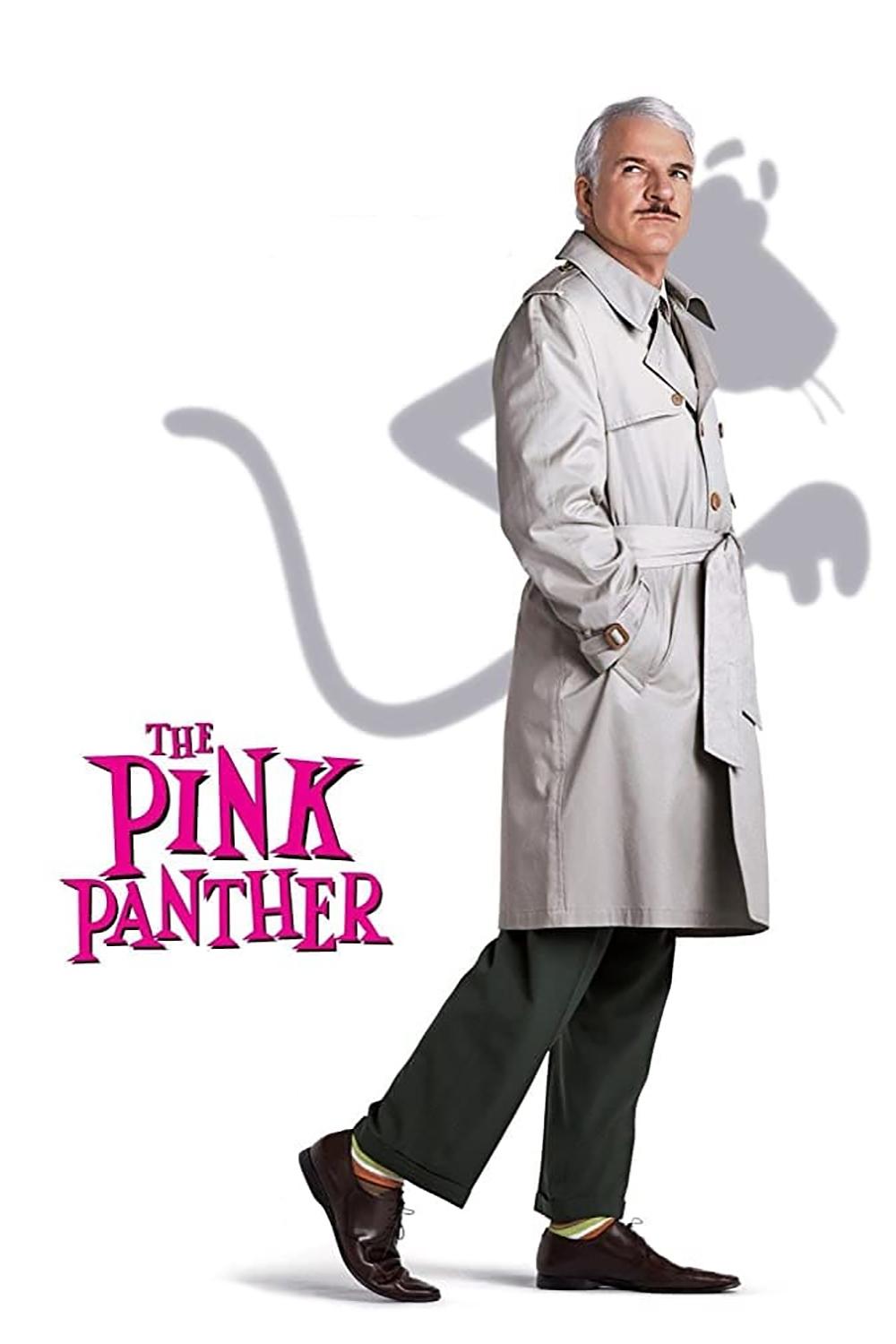
Shawn Levy relaunched Inspector Clouseau with Steve Martin, supported by Beyoncé, Kevin Kline, and Jean Reno. The plot followed a diamond theft case that put Clouseau under pressure from French authorities.
The film performed well enough to trigger ‘The Pink Panther 2’ but critical marks were low. The character did not secure a long term run in this incarnation and the property went quiet again afterward.
‘Arthur’ (2011)
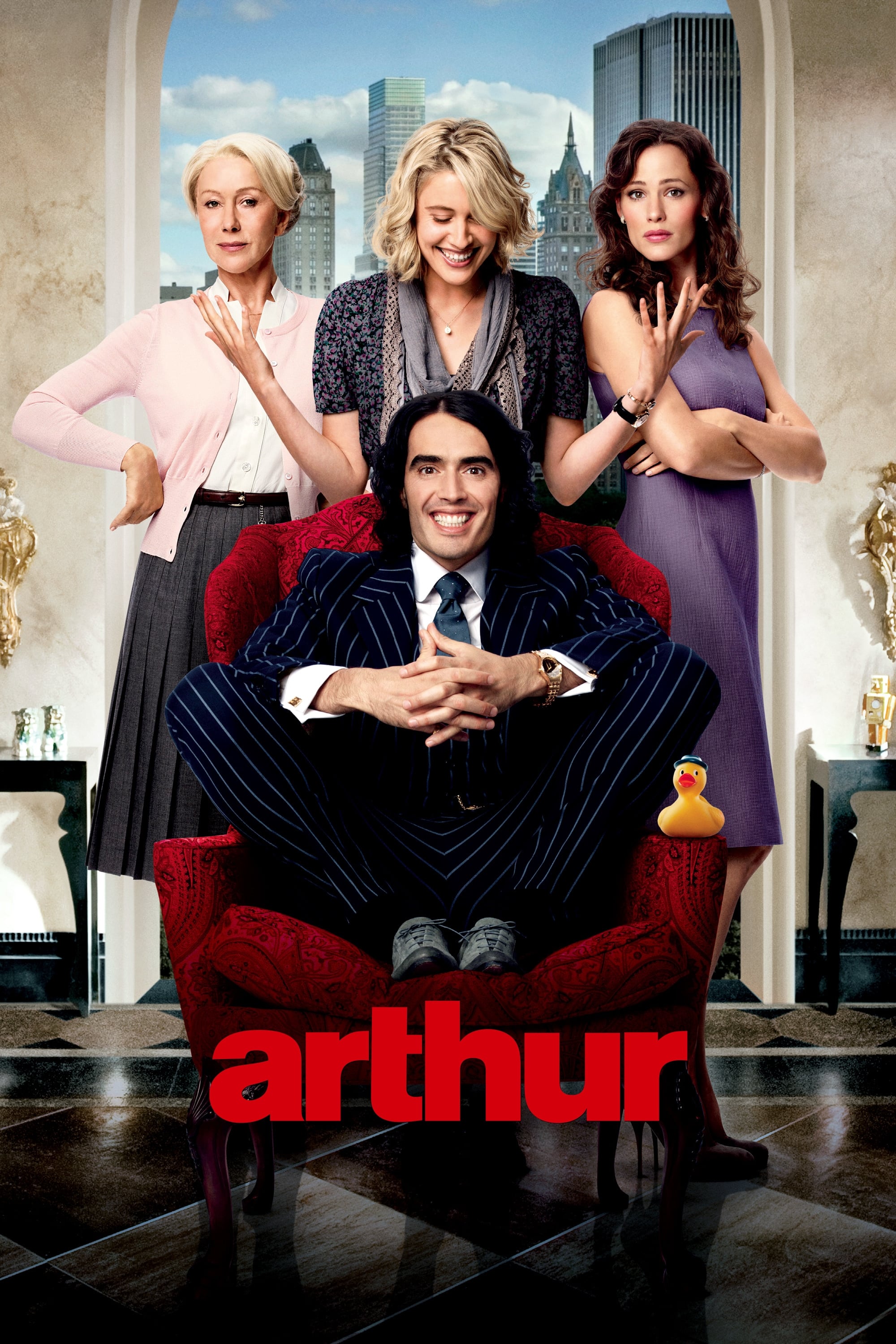
Jason Winer directed Russell Brand as the perpetually rich title character with Helen Mirren, Greta Gerwig, and Jennifer Garner. It updated the romance and inheritance plot for contemporary New York and recast the trusted valet role as a no nonsense guardian.
Audience turnout was soft compared with expectations for a well known name. Awards chatter included several Razzie nods and no continuation followed.
‘Godzilla’ (1998)

Roland Emmerich brought the monster to a modern New York setting with Matthew Broderick, Jean Reno, Maria Pitillo, and Hank Azaria. The creature design departed from the traditional look and emphasized speed and animal behavior.
TriStar had plans for a multi film arc, yet that plan ended after the initial release. Toho later treated the creature as a separate entity within its own canon rather than the classic version.
‘Hellboy’ (2019)
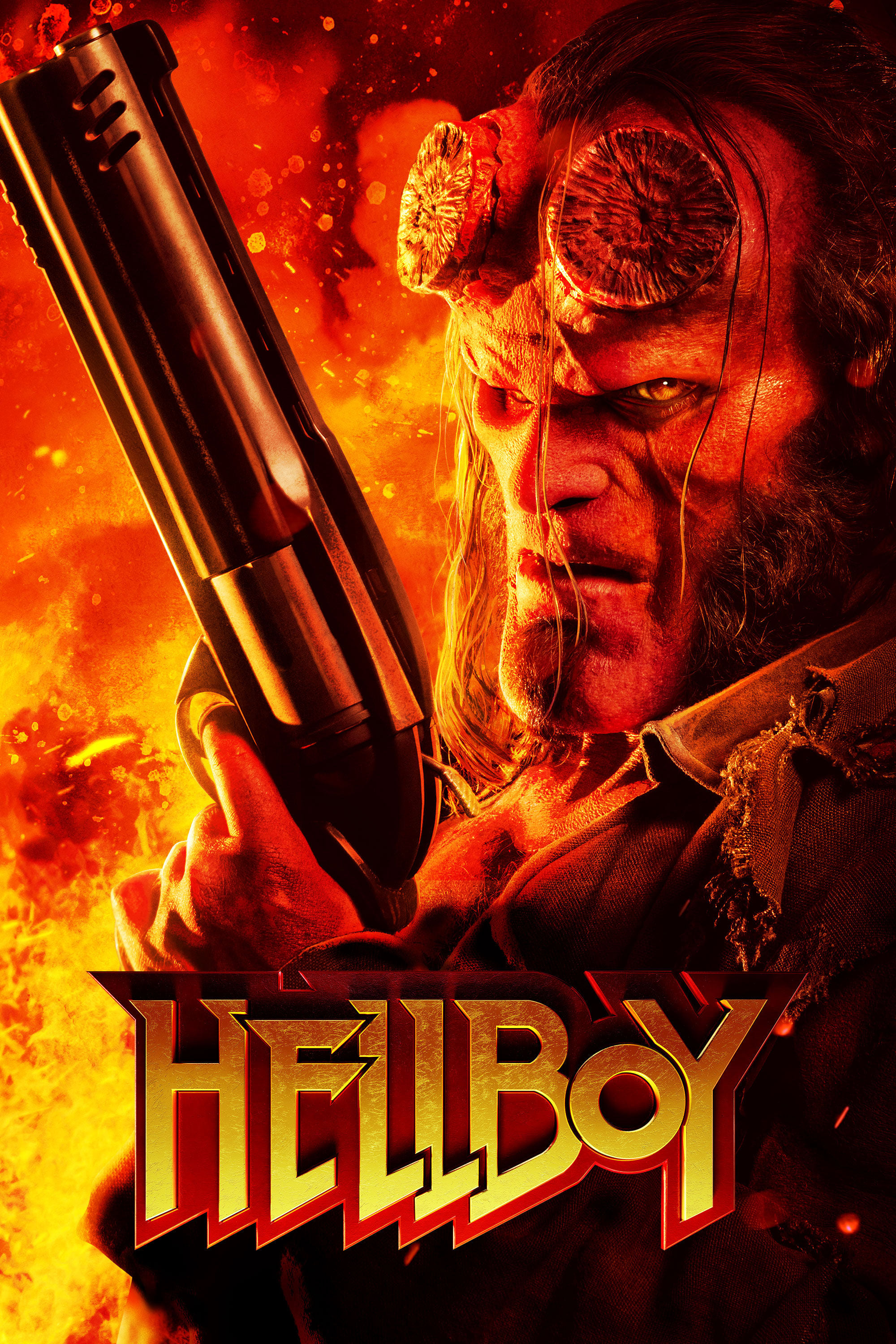
Neil Marshall directed David Harbour as the paranormal investigator with Milla Jovovich and Ian McShane. This reboot moved away from the earlier duology and leaned into folklore set pieces and heavier creature effects with an R rating.
Audience response was weak and reports described significant behind the scenes tension during production. Sequel ideas were dropped and the brand shifted again toward other interpretations.
‘The Omen’ (2006)
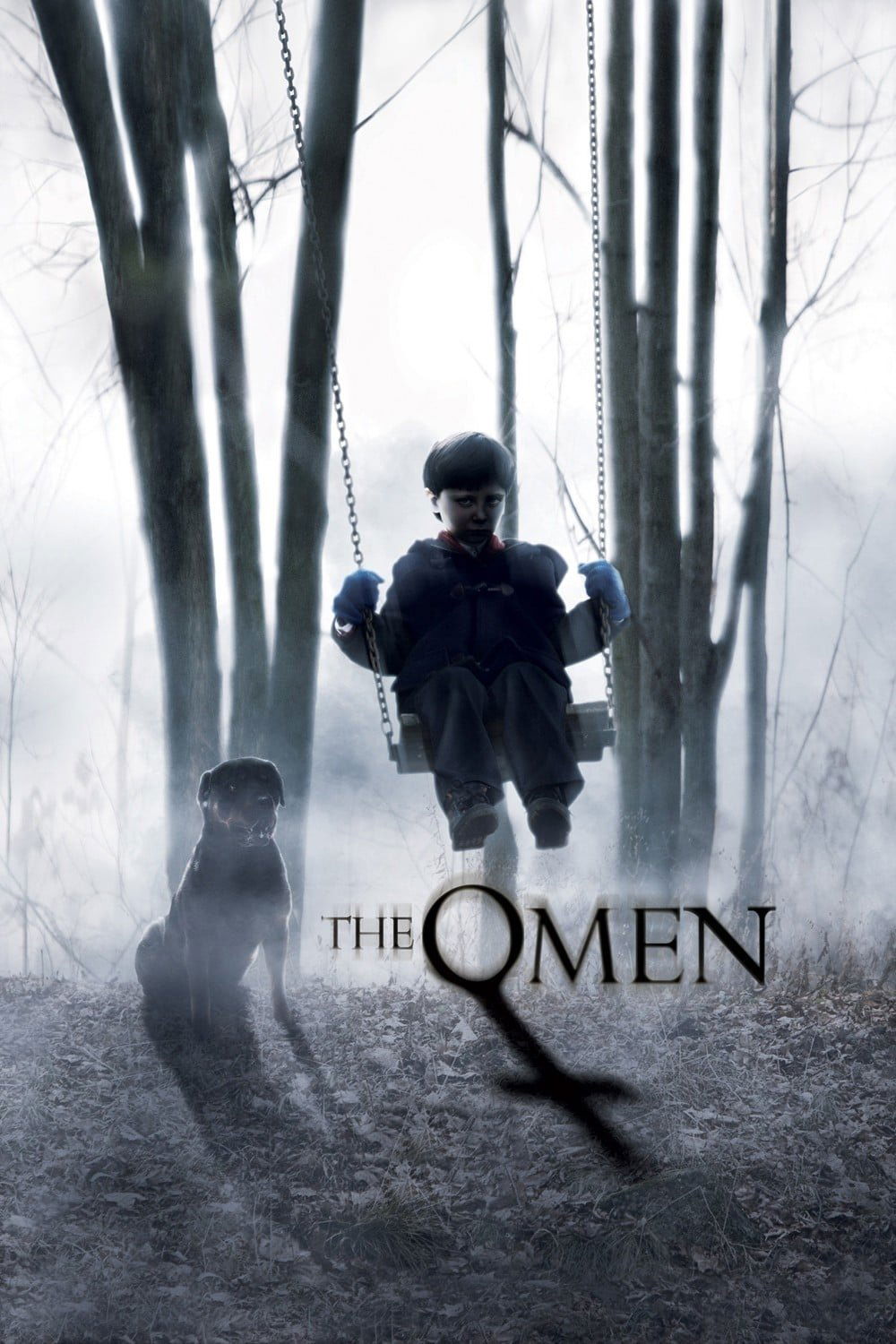
John Moore remade the tale of Damien with Liev Schreiber, Julia Stiles, and Mia Farrow. The marketing leaned on numerology and a release date chosen to echo the number associated with the Antichrist.
The film followed the core beats of the earlier story with updated visuals and sound. It earned initial curiosity but did not restore the series as an ongoing theatrical presence.
‘Poltergeist’ (2015)
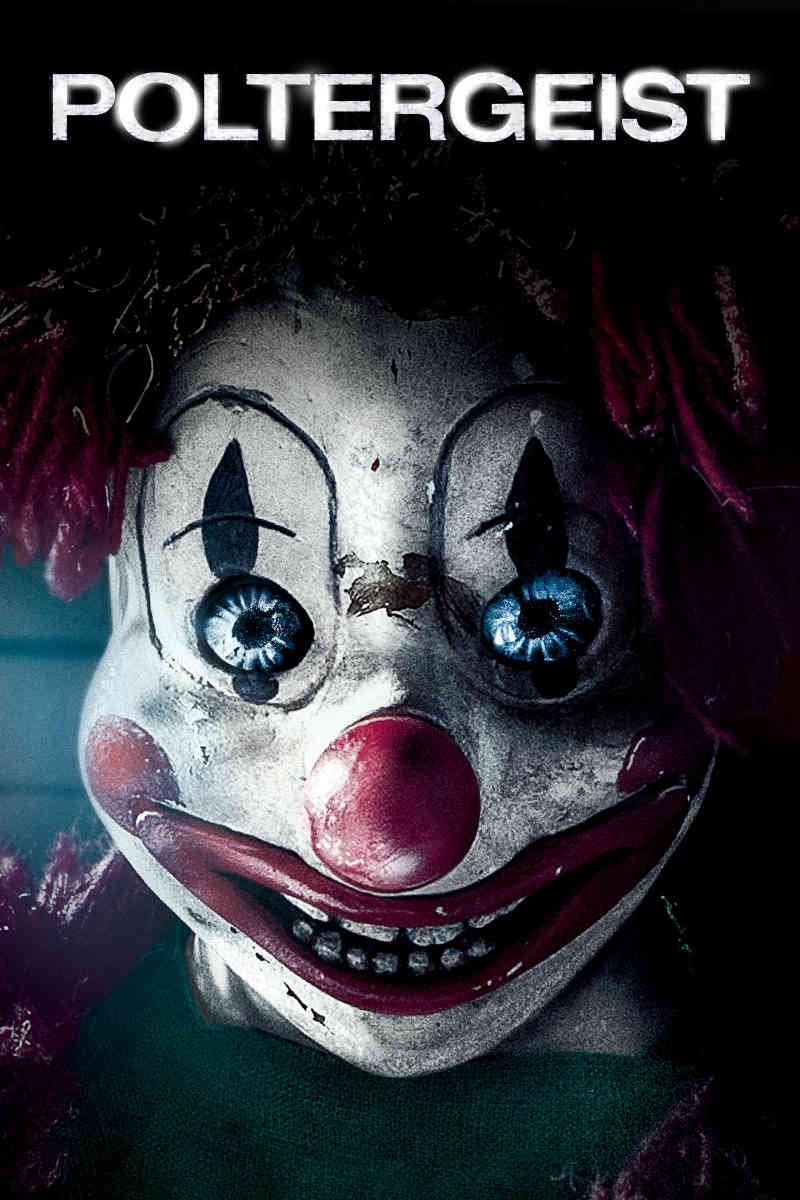
Gil Kenan directed Sam Rockwell and Rosemarie DeWitt as parents facing a suburban haunting. It recreated set pieces like the static filled television and introduced new gadget driven searches inside the house.
Reviews were tepid and the movie’s theatrical run was short. The studio did not build a continuing line from this remake and the property returned to dormancy.
‘Annie’ (2014)
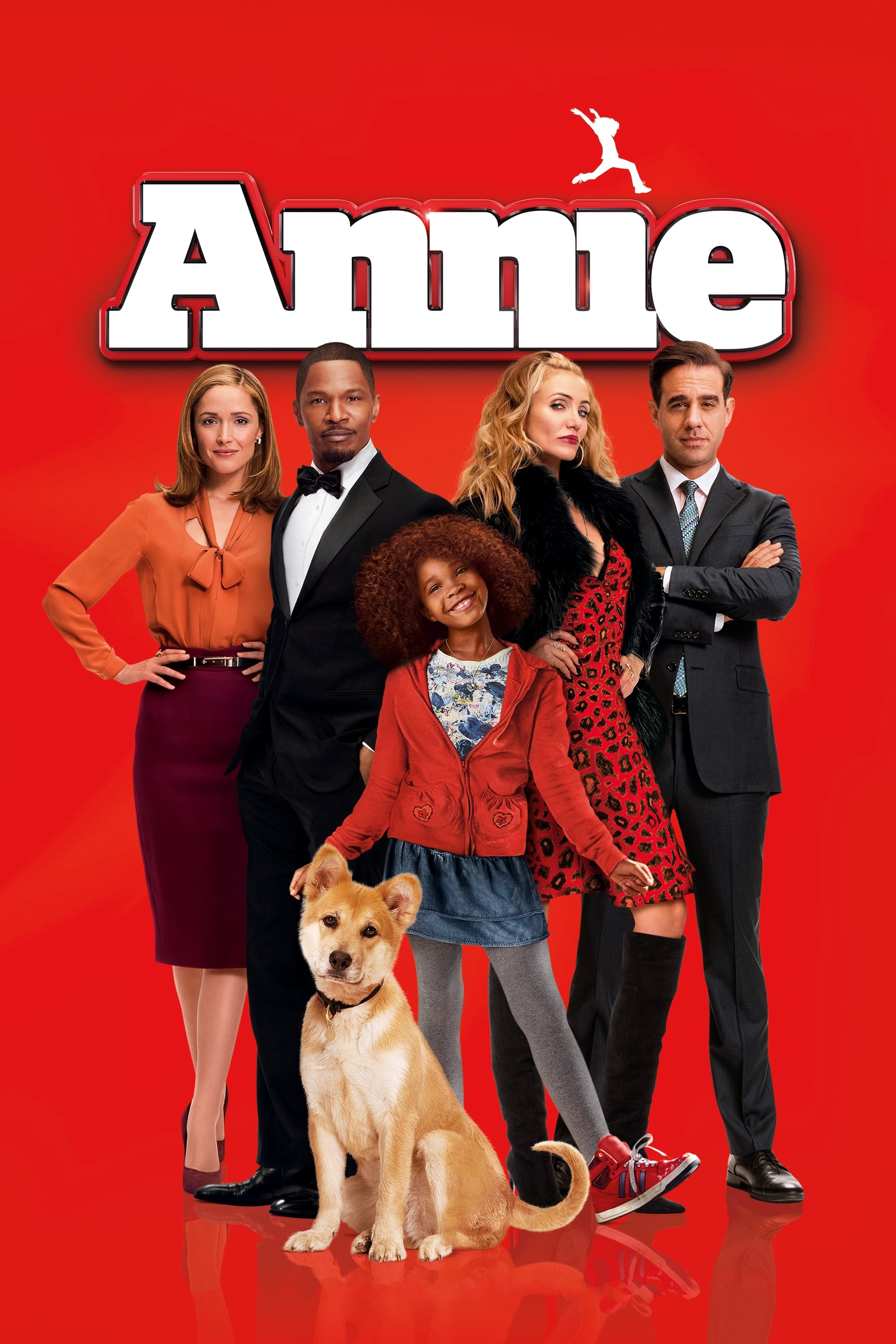
Will Gluck set this musical in present day New York with Quvenzhané Wallis as the title character and Jamie Foxx and Cameron Diaz in prominent roles. It reimagined Daddy Warbucks as tech magnate Will Stacks and merged updated songs with classics.
The release carried major producer names and a broad marketing push. It drew family audiences but did not generate a new series and the brand remained a one off modern take.
‘The Hitcher’ (2007)
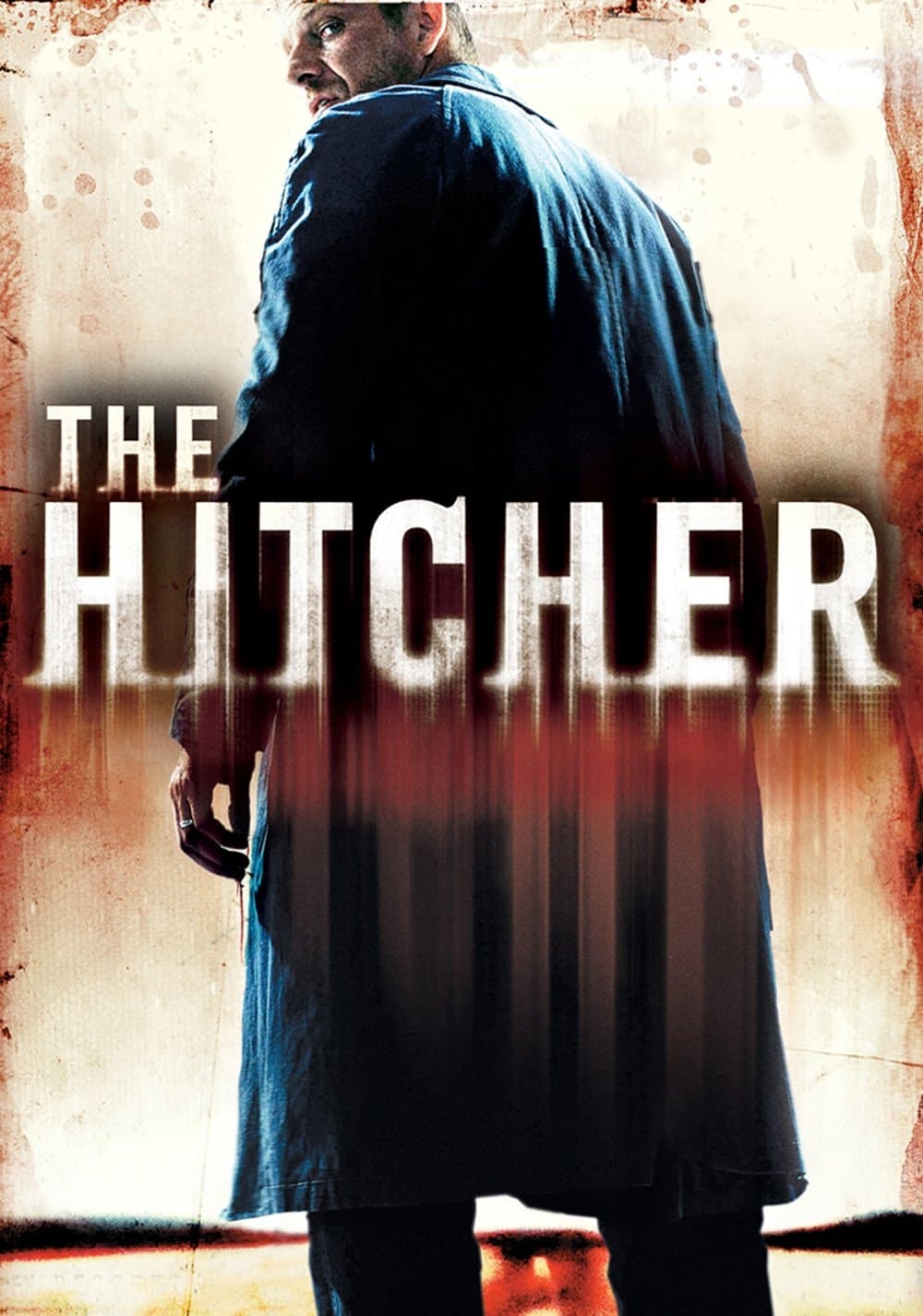
Dave Meyers directed Sean Bean as the murderous drifter with Sophia Bush and Zachary Knighton as the young couple he targets. The plot followed a series of roadside encounters that escalated into violent confrontations with police involvement.
The reboot leaned more on action and contemporary pacing than the earlier version. It opened modestly and did not continue as a franchise entry.
‘Death Wish’ (2018)
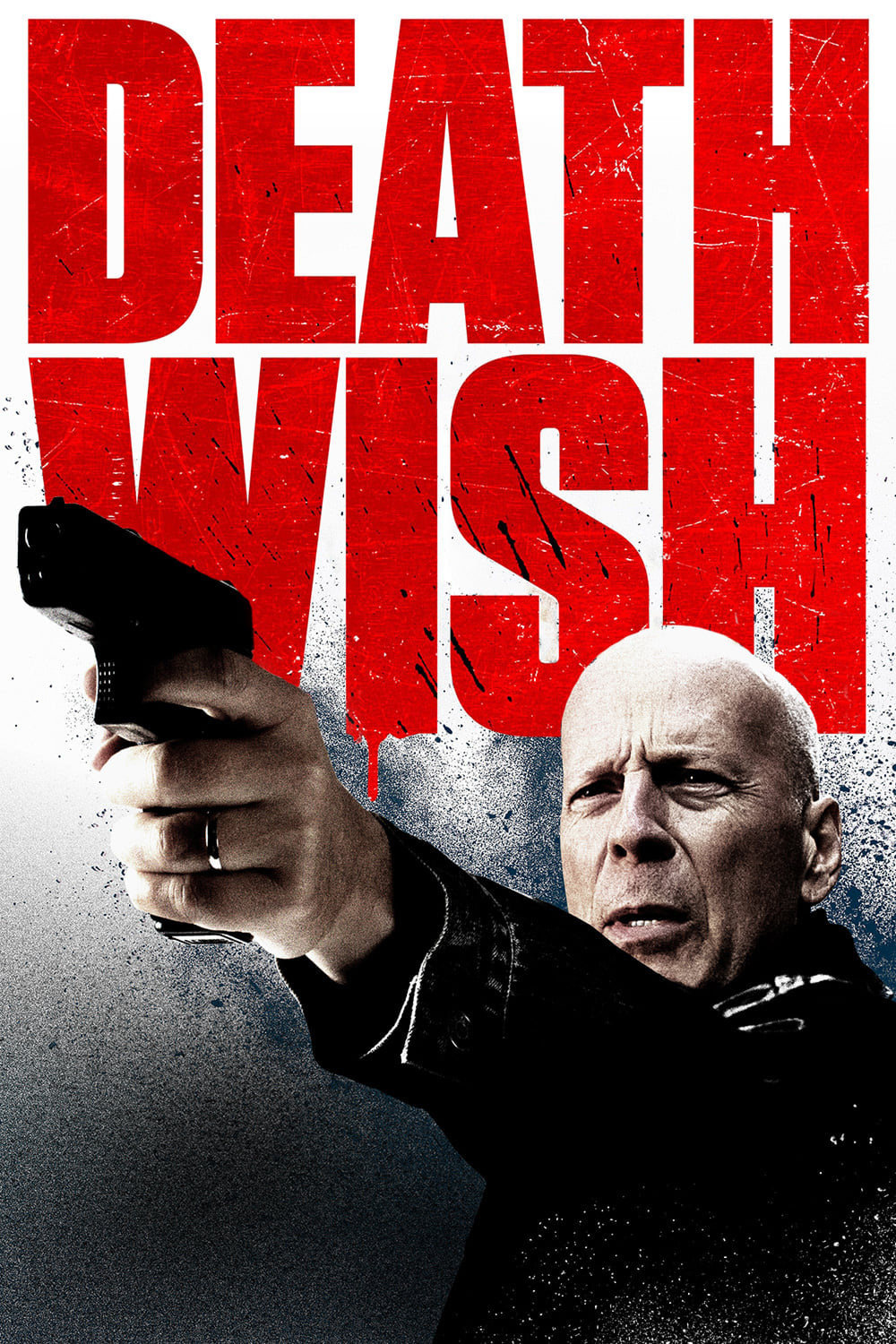
Eli Roth recast Paul Kersey with Bruce Willis and moved the setting to Chicago. The story tracked a surgeon who turns to vigilantism after a home invasion, with Vincent D’Onofrio and Elisabeth Shue in key roles.
Marketing drew controversy due to the subject matter and timing. Reception was mixed to negative and there was no follow up to reestablish the series on a new footing.
‘The Grudge’ (2020)
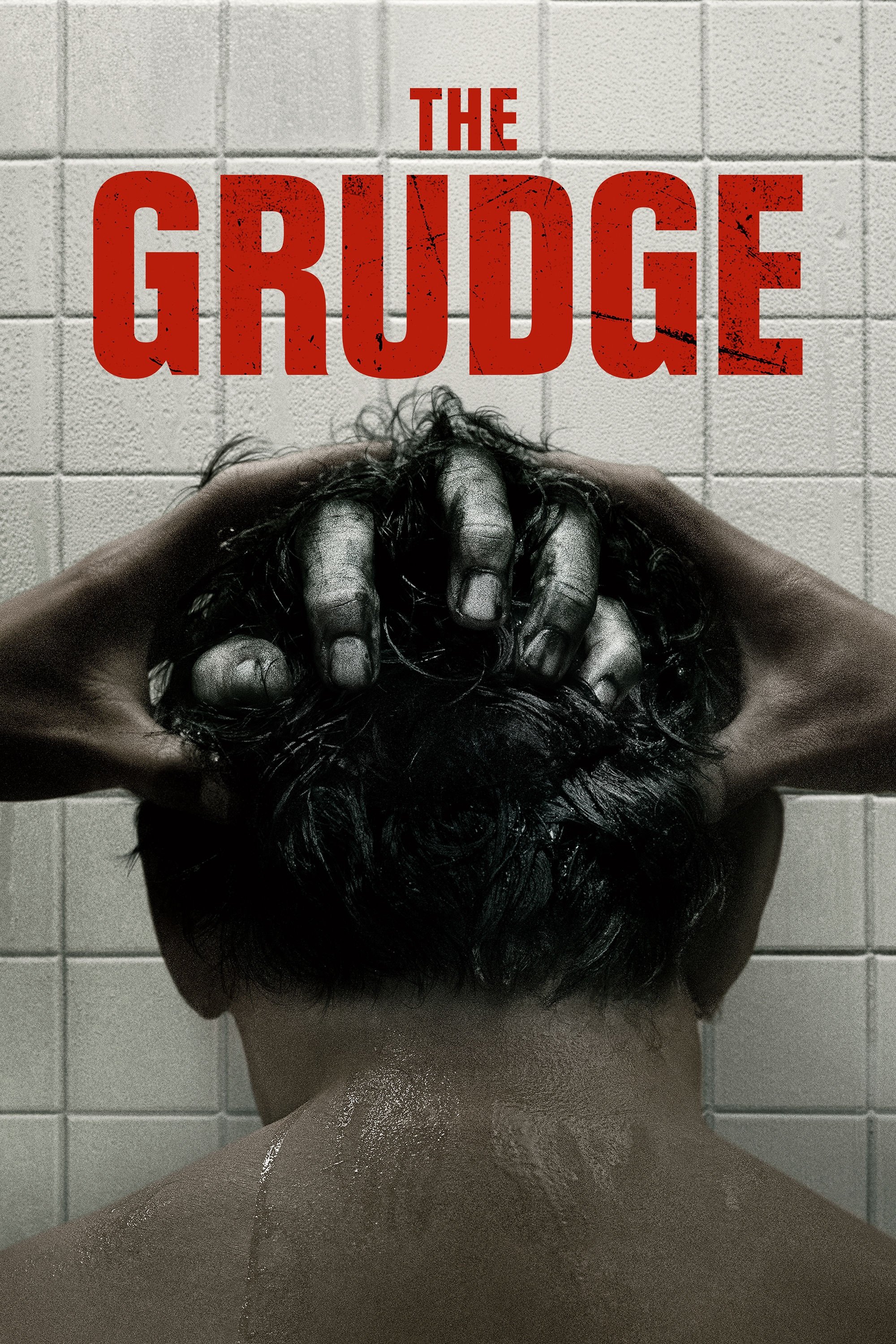
Nicolas Pesce expanded the cursed house mythology with Andrea Riseborough, Demián Bichir, John Cho, and Lin Shaye. The film acted as a side story connected to the larger canon while resetting the saga for a fresh start.
Audience scores and reviews were poor and word of mouth faded quickly. The studio did not move forward with immediate sequels from this branch of the story.
‘Oldboy’ (2013)
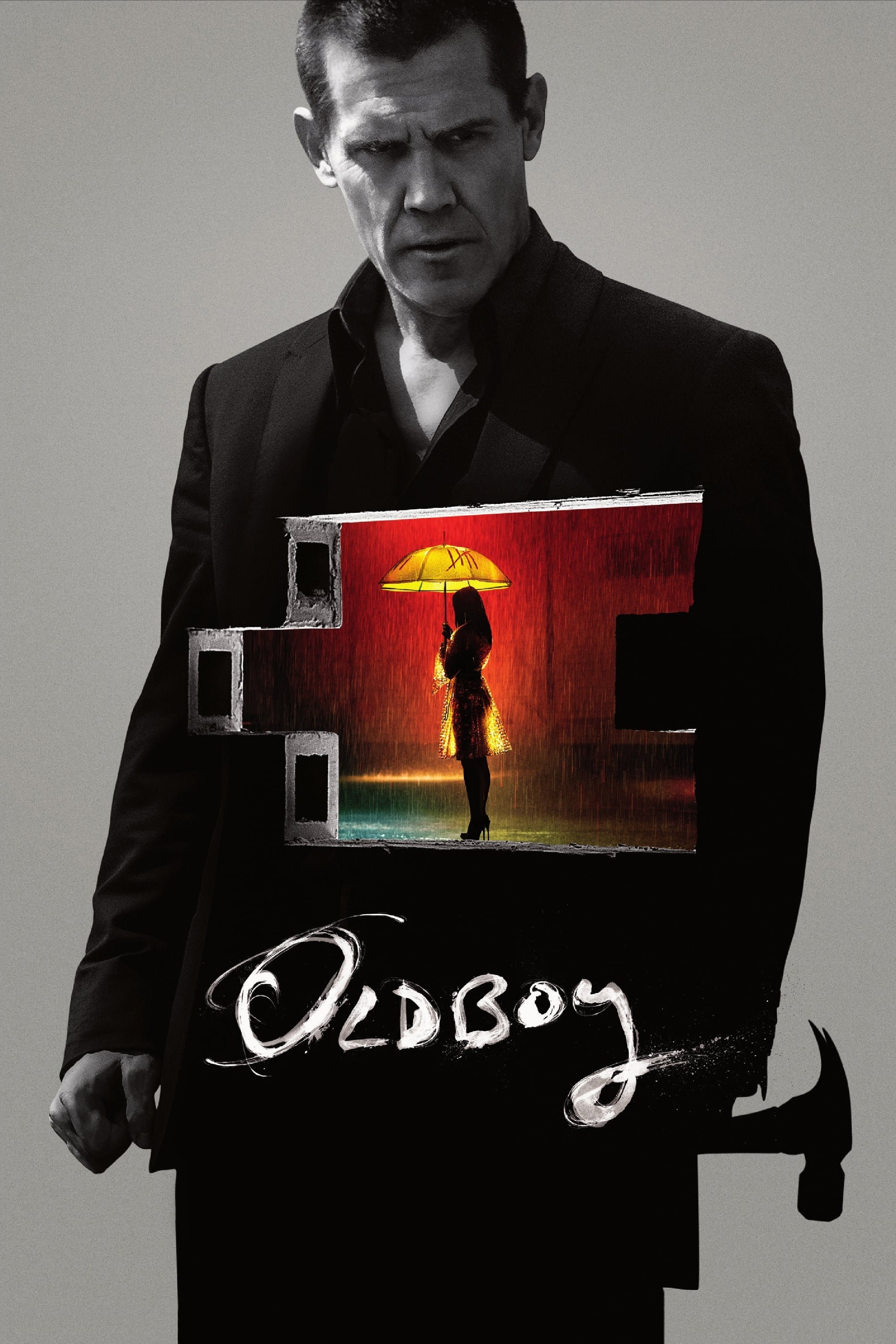
Spike Lee retold the revenge mystery with Josh Brolin, Elizabeth Olsen, and Sharlto Copley. It adapted the structure of the Korean film while altering character motivations and the final reveal.
The movie struggled at the box office and had a limited release footprint. Its performance ended talk of extending this approach to further adaptations.
‘Point Break’ (2015)
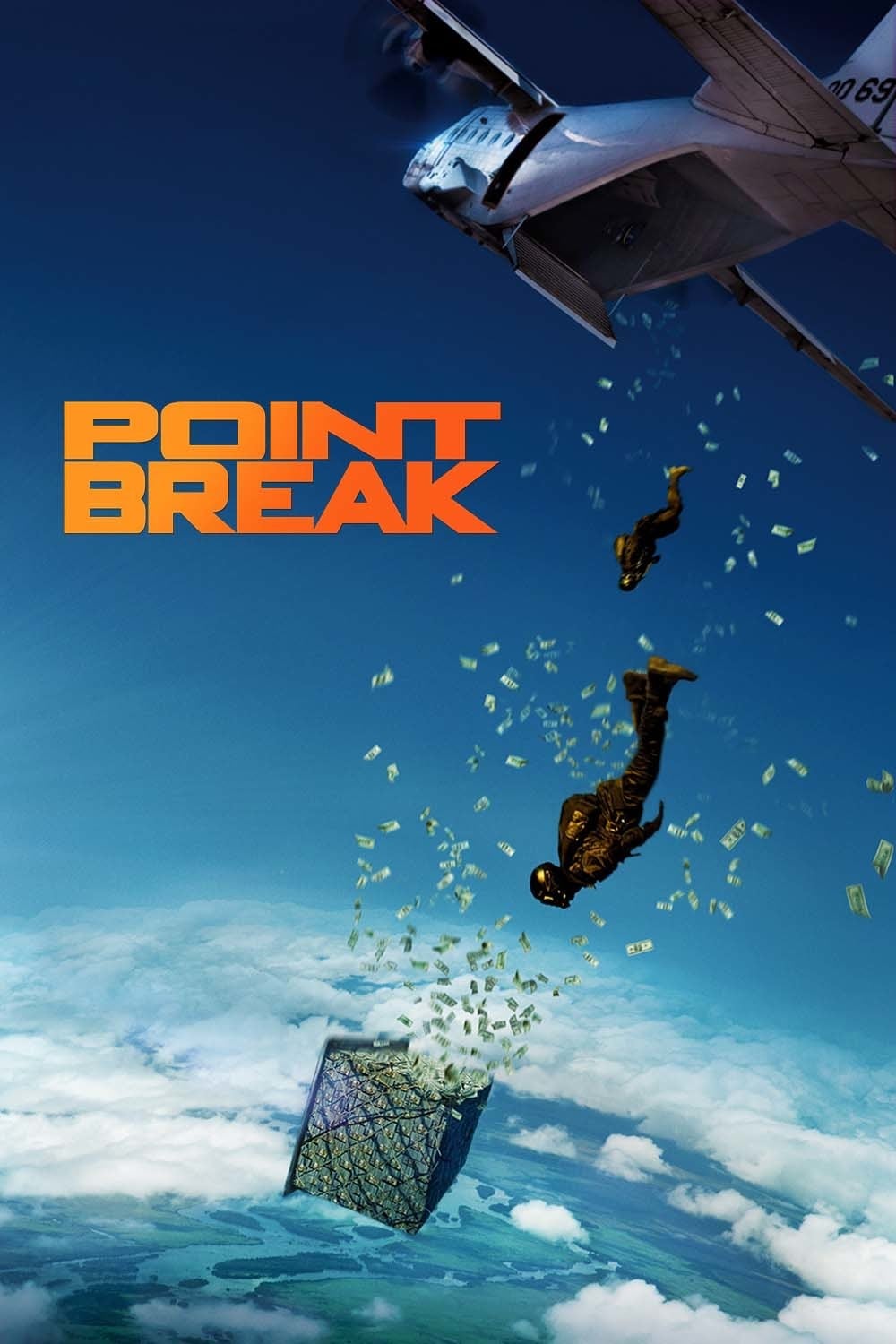
Ericson Core directed Luke Bracey and Edgar Ramírez in a global extreme sports crime story. The film swapped out surfing emphasis for a string of elaborate heist challenges tied to wingsuits, free climbing, and high altitude jumps.
Despite location work across several countries, attendance was low. The property did not continue with additional entries based on this reimagining.
‘The Day the Earth Stood Still’ (2008)
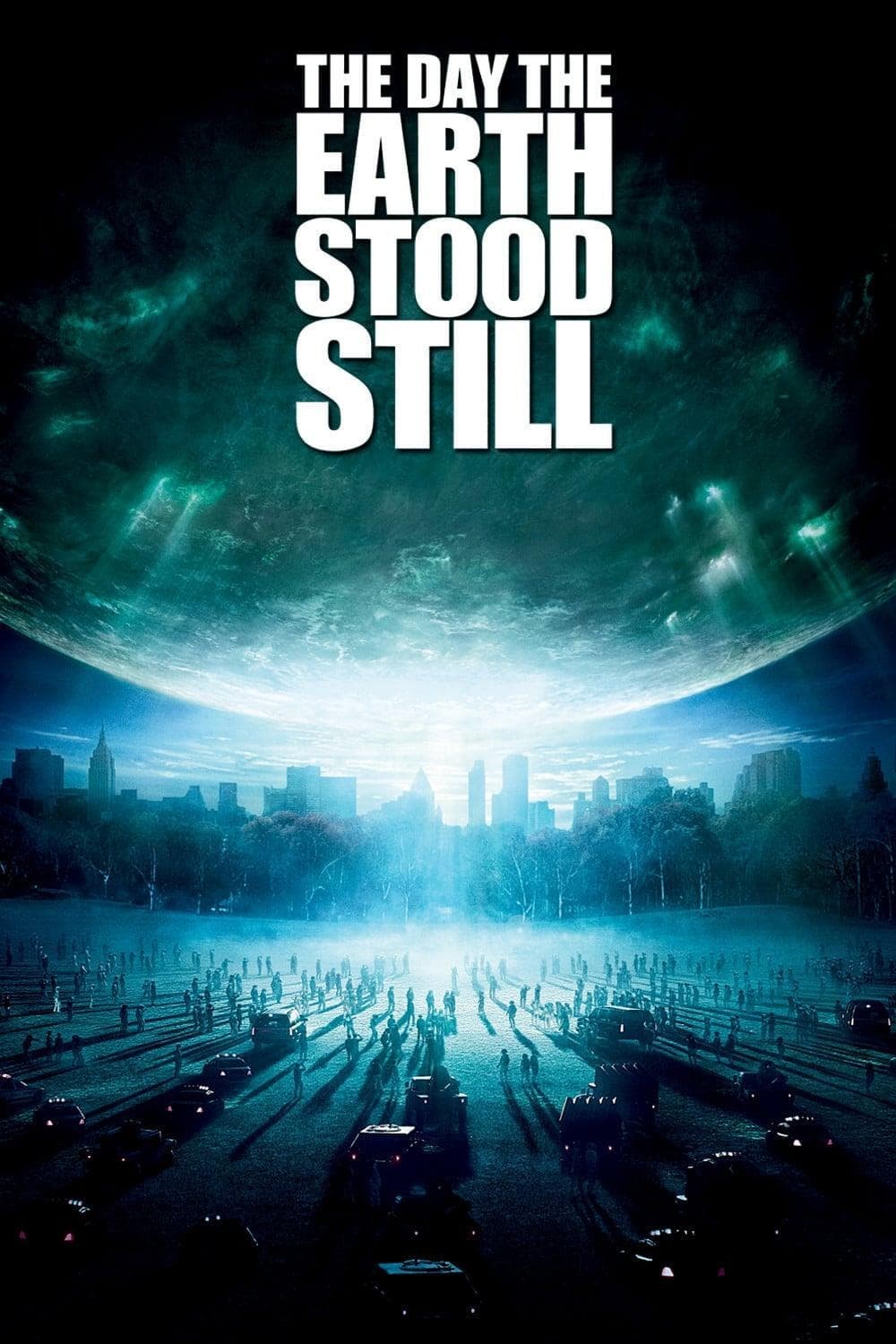
Scott Derrickson directed Keanu Reeves as Klaatu with Jennifer Connelly, Jaden Smith, and Kathy Bates. The update shifted the central warning toward environmental collapse and used extensive digital effects for the robot GORT.
The film opened strongly then faded as reviews landed in the middle to negative range. It did not encourage a run of sequels and remained a single modern retelling.
‘Rollerball’ (2002)
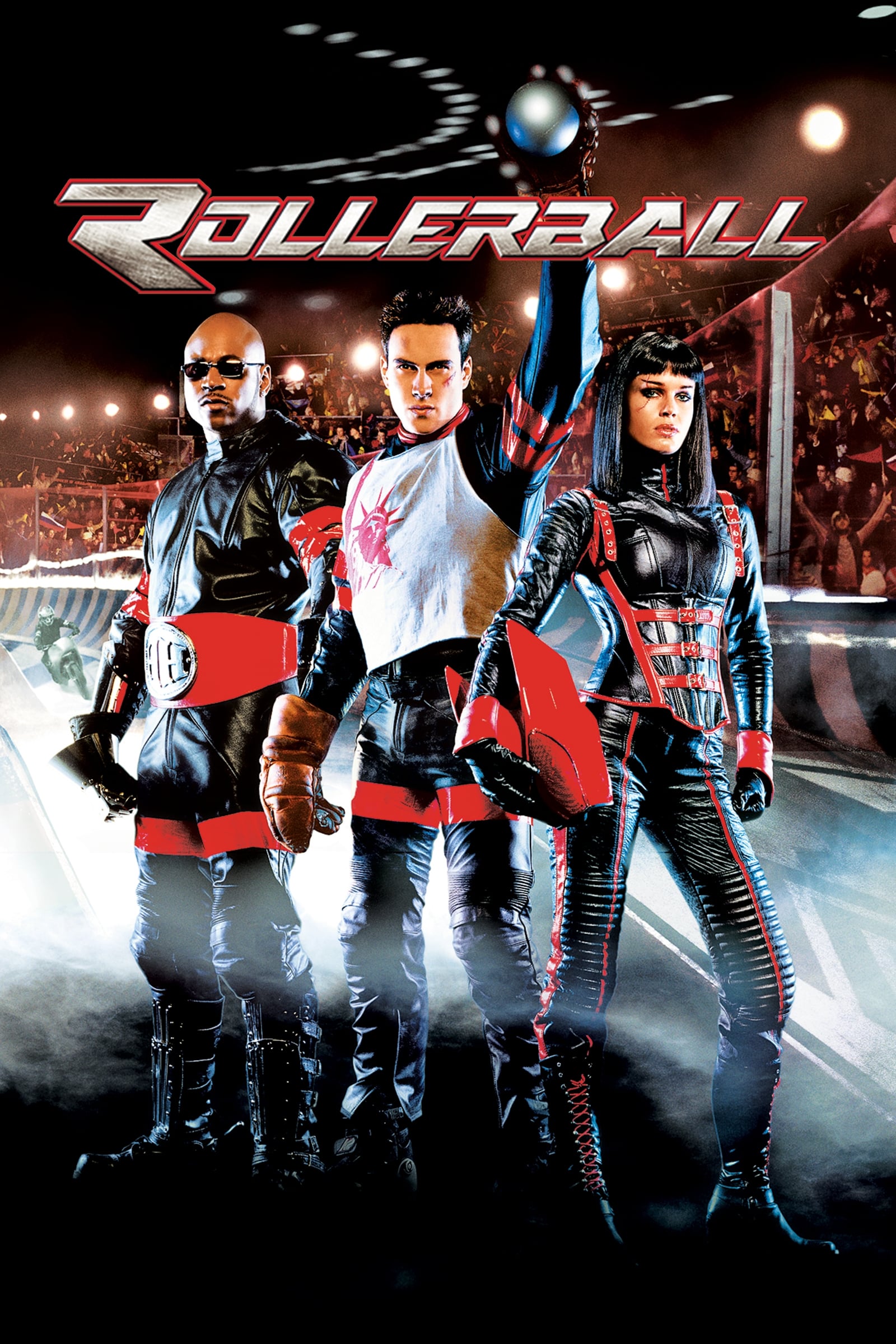
John McTiernan moved the violent sport to a Central Asian setting with Chris Klein, LL Cool J, Rebecca Romijn, and Jean Reno. The production went through reshoots and heavy editing and the release date changed multiple times.
The final cut emphasized loud action and music cues over the earlier social critique. It was a critical and commercial disappointment and no continuation followed.
Tell us which entries you would replace or add by sharing your picks in the comments.

