


The Worst Romance Movies of All Time

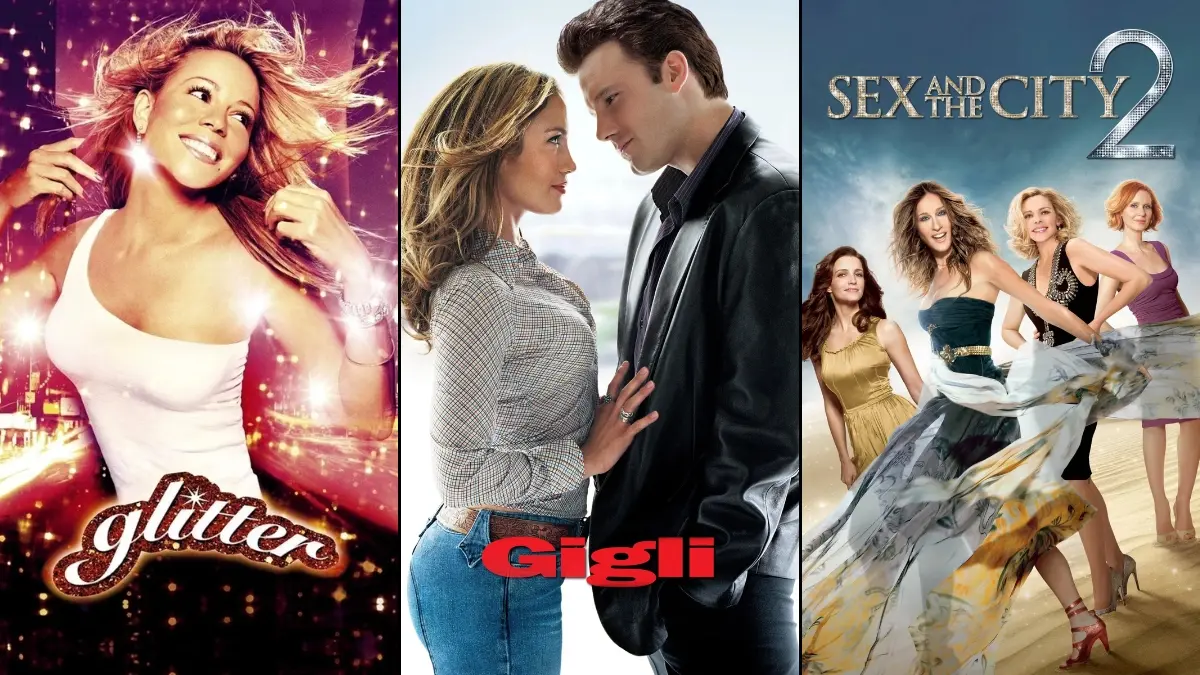


Romance is one of film’s most beloved genres, but every so often a high-profile misfire or a tiny release gone wrong becomes a cautionary tale. From star-studded ensembles that coast on celebrity cameos to notorious vanity projects and culture-war lightning rods, these titles are infamous not because audiences love to hate them, but because the production choices, critical reception, and financial outcomes are so well-documented.
Below is a sourced, verifiable tour through romance movies that landed with a thud. You’ll see who made them, how they performed, and the tangible markers—awards (the infamous Razzies), trade-tracked grosses, and aggregator snapshots—that put them in the “worst” conversation.
‘Gigli’ (2003)

Conceived as a crime-tinged romantic comedy from writer-director Martin Brest and led by Ben Affleck and Jennifer Lopez, ‘Gigli’ was released by Columbia/Revolution on thousands of screens. Box Office Mojo records show a budgeted star vehicle that opened wide and collapsed within weeks, ultimately grossing $5.7 million domestically.
The movie became an awards-season punchline for the Golden Raspberry Awards, where it led nominations and took multiple “wins,” including Worst Picture and categories across the board, a sweep widely reported at the time.
‘From Justin to Kelly’ (2003)
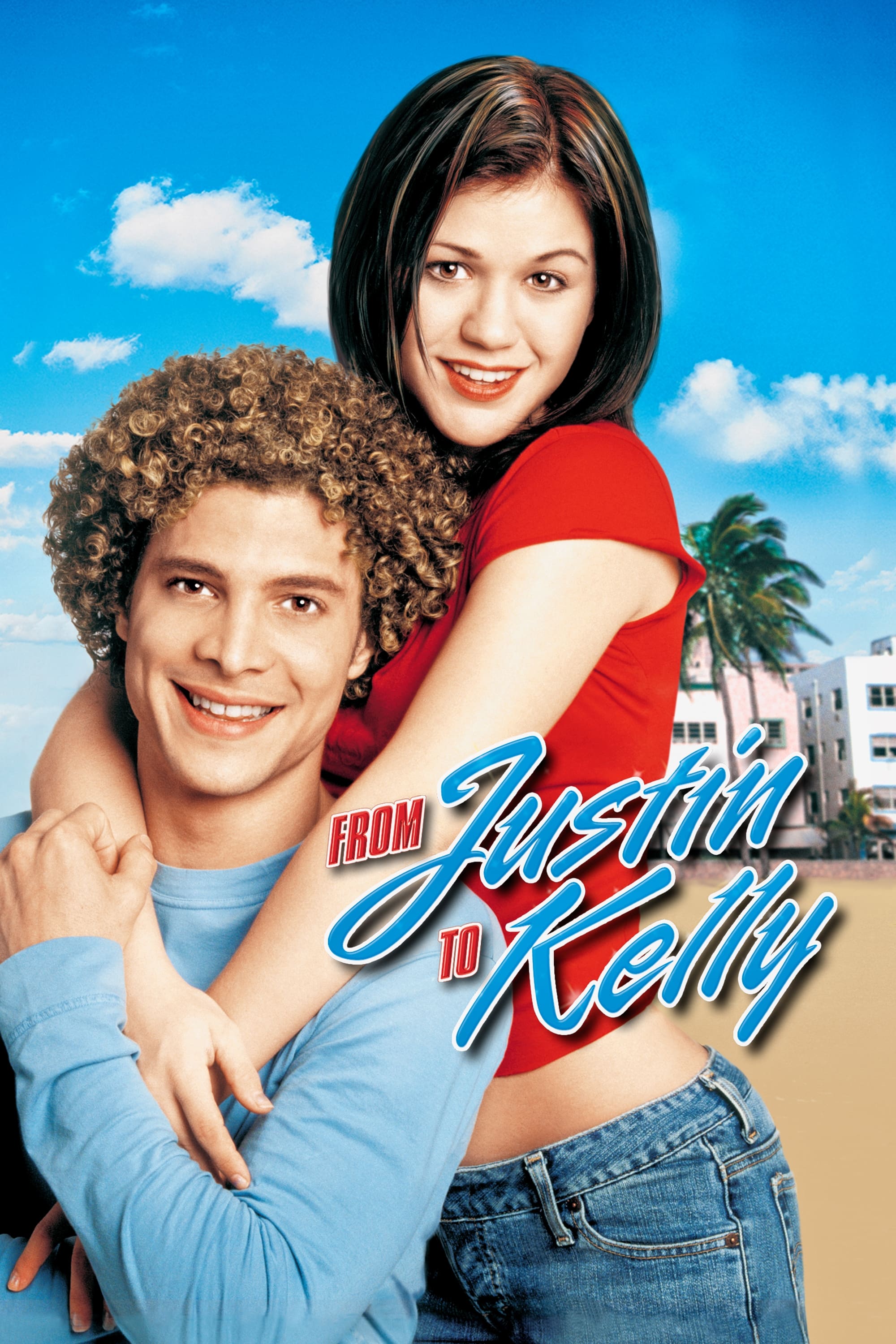
Featuring ‘American Idol’ winner Kelly Clarkson and runner-up Justin Guarini, ‘From Justin to Kelly’ was positioned as a musical spring-break romance from 20th Century Fox. Its domestic gross stalled under $5 million, with one of the steepest second-weekend drops tracked on Box Office Mojo among very wide releases.
The film drew extensive Razzie attention and even inspired a special “Governor’s Award” (for choreography) in Razzie lore, while Rotten Tomatoes maintains a page detailing its basics and release profile.
‘Swept Away’ (2002)
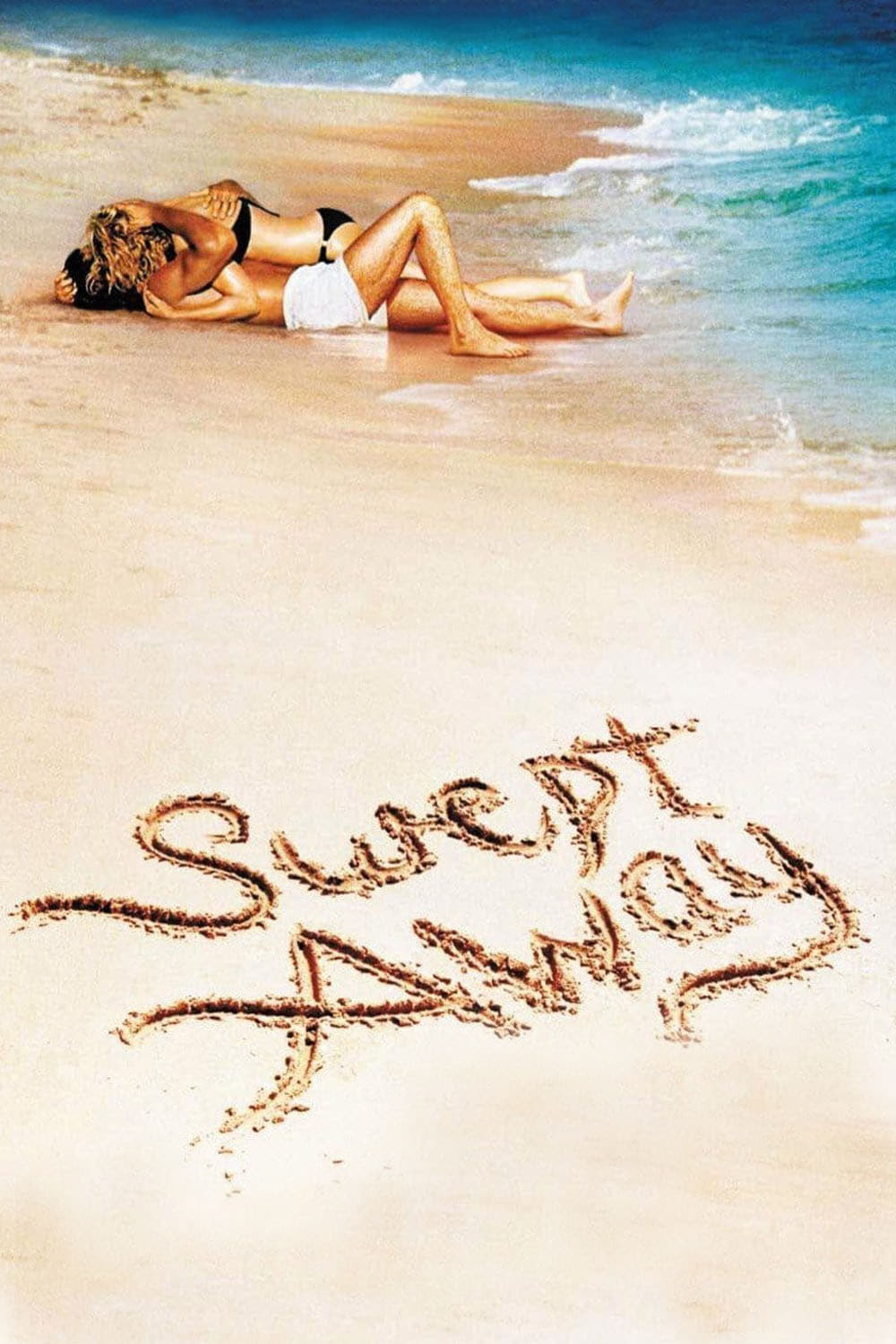
Guy Ritchie’s English-language remake starred Madonna and Adriano Giannini and was distributed by Columbia Pictures as a romantic comedy-drama. Rotten Tomatoes’ film page lists the release details and U.S. gross figure in the hundreds of thousands of dollars for its original run.
Trade tallies show a meager domestic take during the initial release and modest additional earnings abroad, a far cry from expectations for a star-fronted remake.
‘Glitter’ (2001)
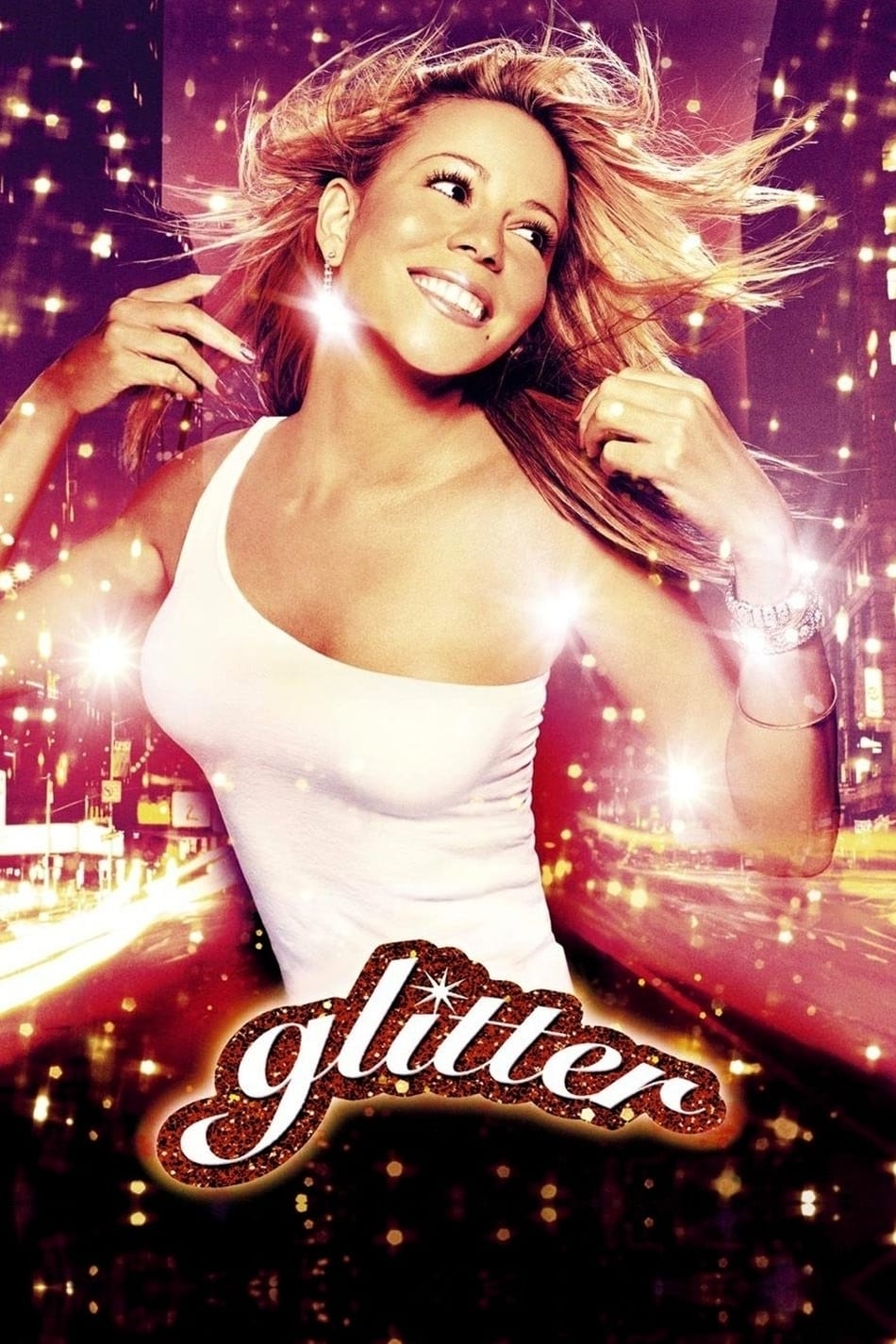
Mariah Carey headlined this music-industry romance, released by Fox, that struggled at the U.S. box office. Rotten Tomatoes lists its U.S. gross at about $4.3 million, and Box Office Mojo/industry analysts have long cited poor returns relative to reports of a multimillion-dollar budget.
Retrospectives still reference the film’s commercial failure and timing—opening in late September—while noting its later cult soundtrack resurgence; Vanity Fair reported how fans propelled the soundtrack back to No. 1 years later.
‘The Hottie & the Nottie’ (2008)
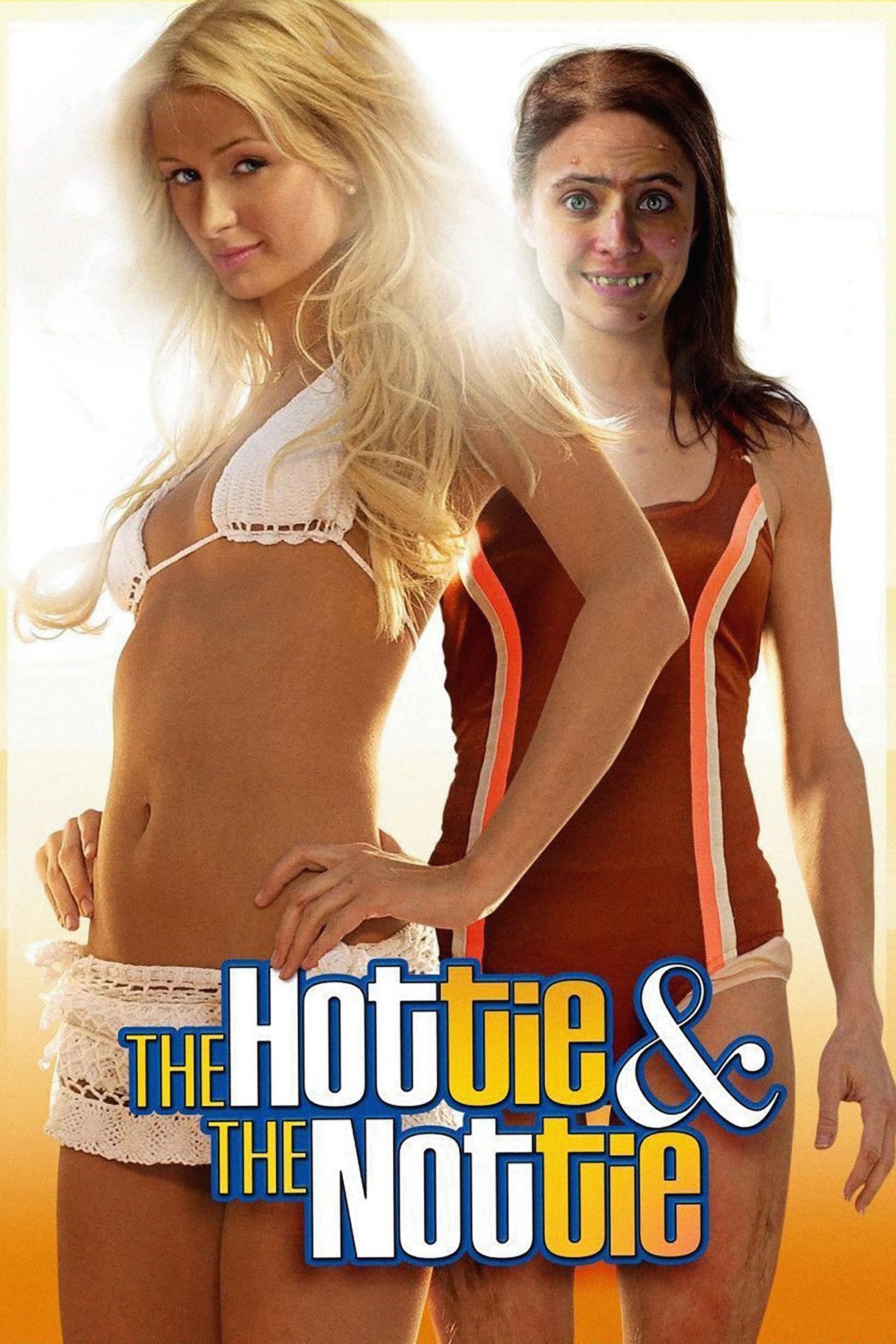
Starring Paris Hilton and released by Regent Releasing in a limited pattern, this romantic comedy is notable for its extraordinarily low domestic opening and tiny overall take, documented on Box Office Mojo and in contemporary box-office roundups.
At the Golden Raspberry Awards, Hilton took Worst Actress and was part of additional “wins,” with the film frequently cited in Razzie histories as a multiple-category “winner.”
‘All About Steve’ (2009)

Headlined by Sandra Bullock and Bradley Cooper and released by 20th Century Fox, this off-beat romance-comedy earned over $40 million worldwide—respectable on paper—but its critical reception was poor, as preserved on Rotten Tomatoes’ review pages.
Bullock accepted the Razzie for Worst Actress in person the night before she won the Academy Award for ‘The Blind Side’, a moment covered by major outlets and chronicled in Razzie acceptance histories.
‘New Year’s Eve’ (2011)

Garry Marshall’s ensemble follow-up to his holiday anthology formula stacked big names into intersecting romances. Despite a sizable worldwide gross of about $142 million per Box Office Mojo, it was critically derided, with Rotten Tomatoes maintaining its profile and Warner’s global totals logged in yearly charts.
International market data show the film’s overseas haul exceeded its domestic figure, underscoring a familiar pattern for star-driven rom-coms of the era: mixed reviews but exportable appeal.
‘Sex and the City 2’ (2010)
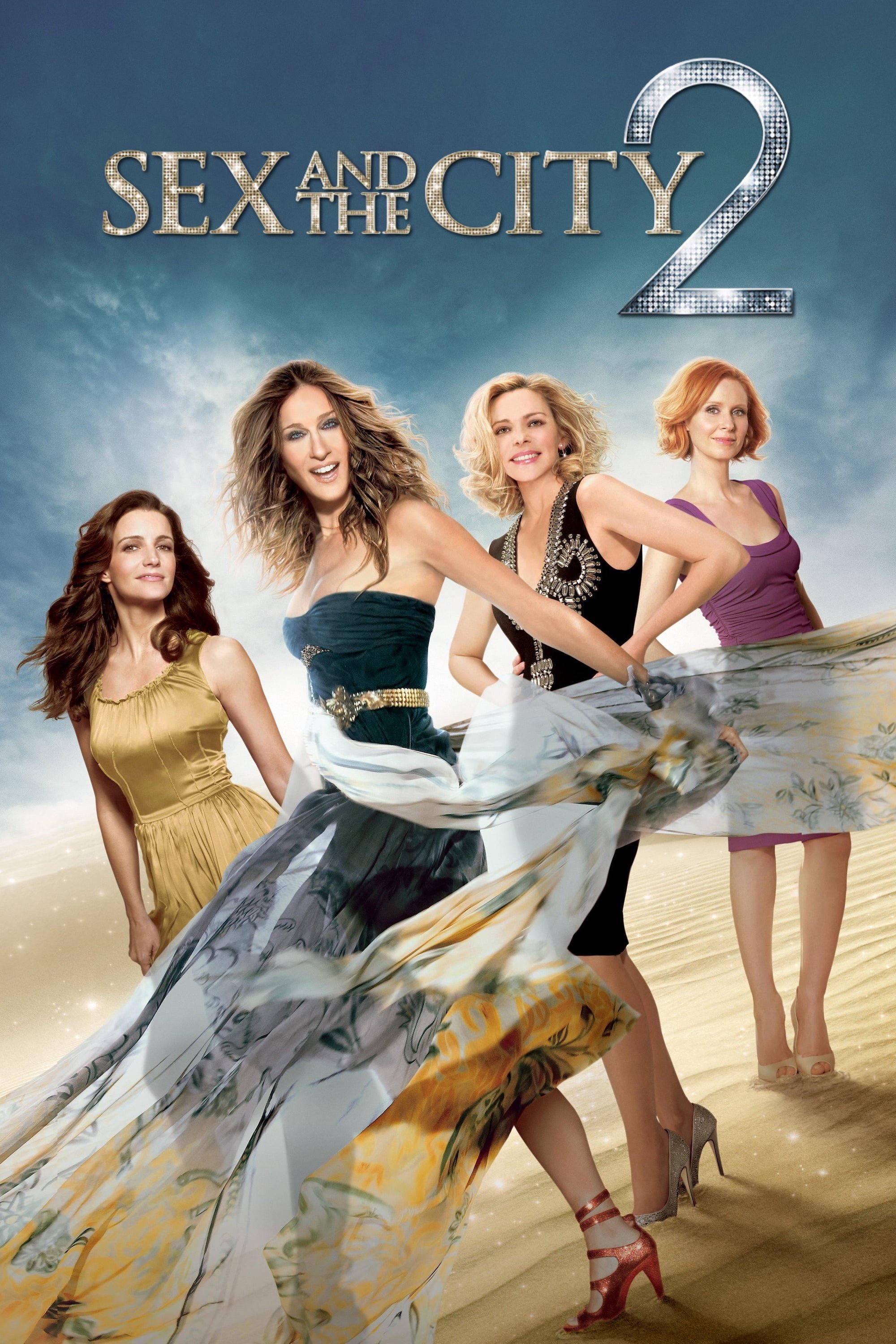
The second big-screen outing for the HBO franchise was released by Warner Bros./New Line and tallied nearly $291 million worldwide, according to Box Office Mojo’s franchise entry.
Beyond grosses, the film drew sustained criticism for its Middle East storyline; even star Sarah Jessica Parker later acknowledged the backlash while noting the movie’s strong global earnings.
‘Valentine’s Day’ (2010)
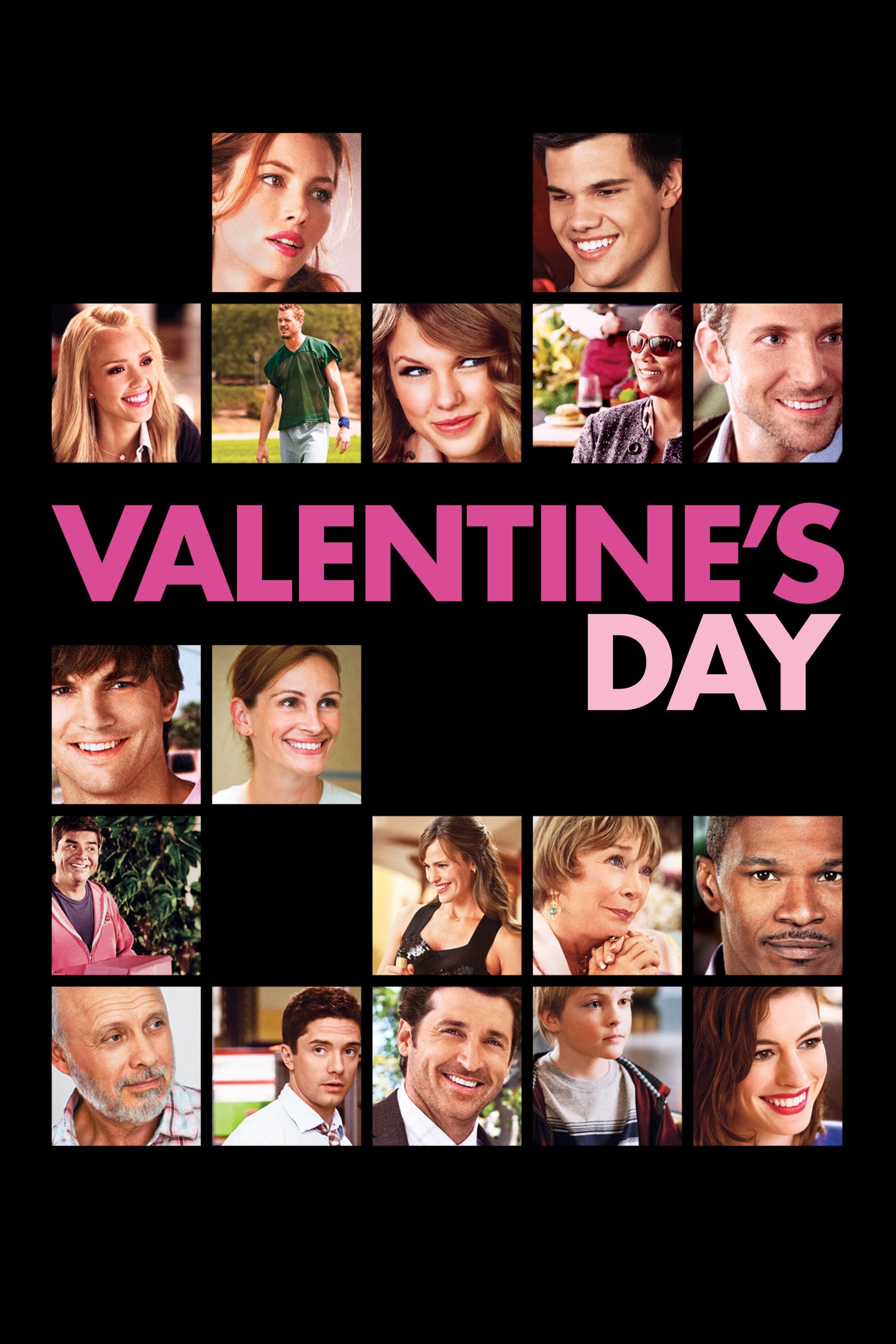
Another Garry Marshall holiday ensemble, ‘Valentine’s Day’ brought together an unusually large cast under New Line/Warner Bros. Rotten Tomatoes preserves its review snapshot and details, reflecting the critical consensus despite promotional heft.
The film remains a reference point in discussions of star-packed rom-coms where commercial visibility outpaces critical favor—coverage has repeatedly highlighted the gap between turnout and tepid reviews.
‘Little Italy’ (2018)

Starring Emma Roberts and Hayden Christensen, this Canada-set, U.S.-released romantic comedy posted a sub-$1.4 million worldwide tally, with Box Office Mojo showing under $1 million domestic.
Rotten Tomatoes tracks the film’s basic specs, while trade ledgers record its limited theatrical footprint and modest international returns.
‘Fifty Shades of Grey’ (2015)
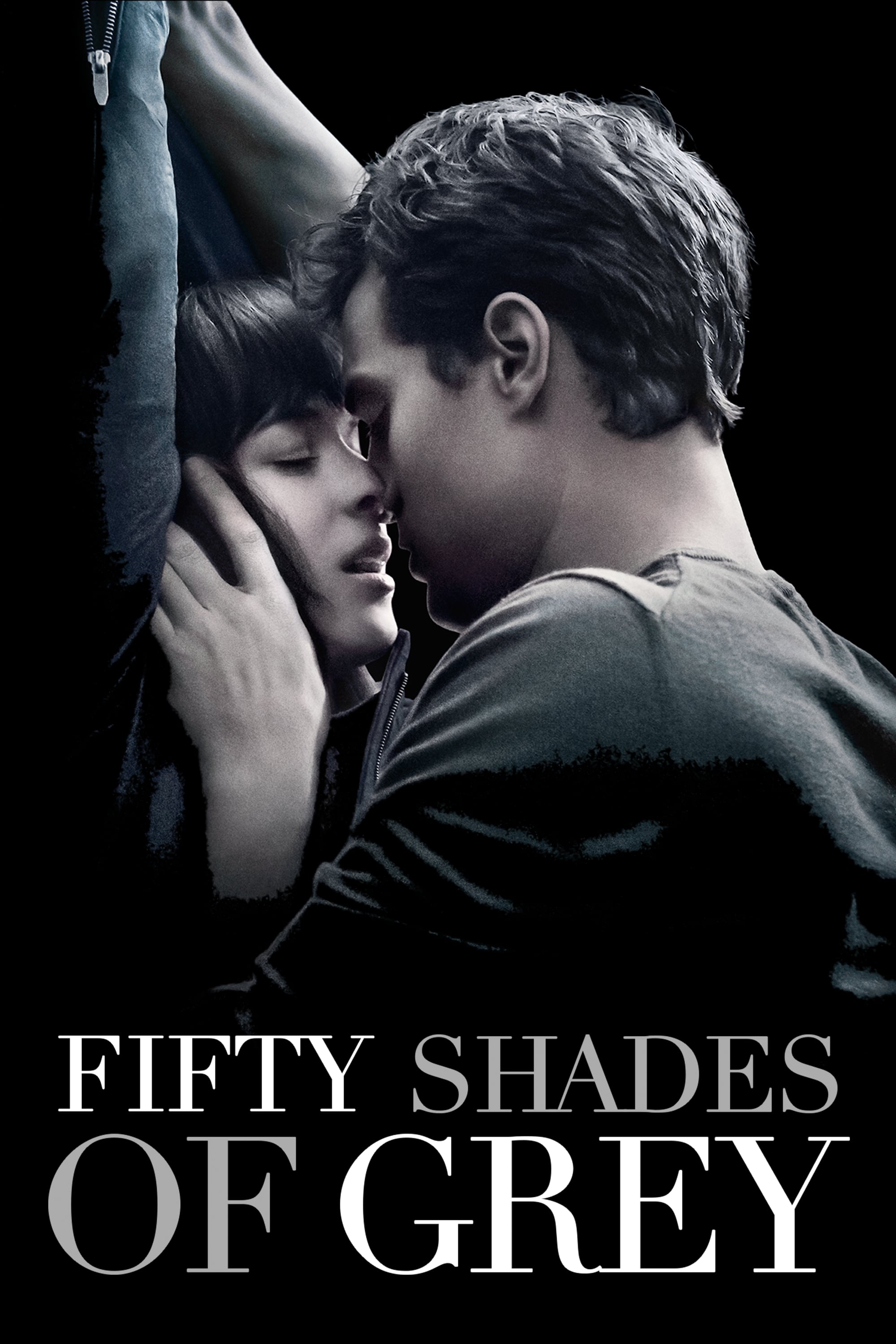
Universal’s adaptation of E. L. James’s phenomenon sits at a peculiar intersection: massive global success and a sweep of “worst” citations. Box Office Mojo places its worldwide gross near $570 million and identifies the franchise’s nine-figure domestic take and outsized international share.
At the 2016 Golden Raspberry Awards, it tied for Worst Picture and took multiple additional categories—Worst Actor, Worst Actress, Worst Screen Combo, and Worst Screenplay—reported by major outlets at the time.
‘Aloha’ (2015)

Cameron Crowe’s Hawaii-set romantic dramedy, released by Sony, grossed roughly $26.3 million worldwide per Box Office Mojo/yearly ledgers—soft business for a starry cast.
The film became a flashpoint over representation after Emma Stone was cast as a character with Asian and Native Hawaiian heritage. Crowe publicly apologized and later coverage documented Stone’s own public acknowledgment of the controversy.
Share your picks (and sources!) for the worst romance films in the comments.

