


The Worst Sci-Fi Movies of All Time



Some science-fiction films change the genre forever; others become cautionary tales about what not to do. Budget overruns, confused rewrites, awkward effects, and studio meddling have grounded more than a few ambitious ideas. The titles below are the ones most often held up—by box-office ledgers, reviews, and awards (the ignominious kind)—as textbook examples of sci-fi gone wrong.
To keep this list verifiable, each entry notes concrete, sourced facts such as release context, financial performance, critical reception, and notable production woes. Wherever you see a title in single quotes, that’s the work itself; the details that follow are there to explain why it consistently lands in “worst ever” conversations.
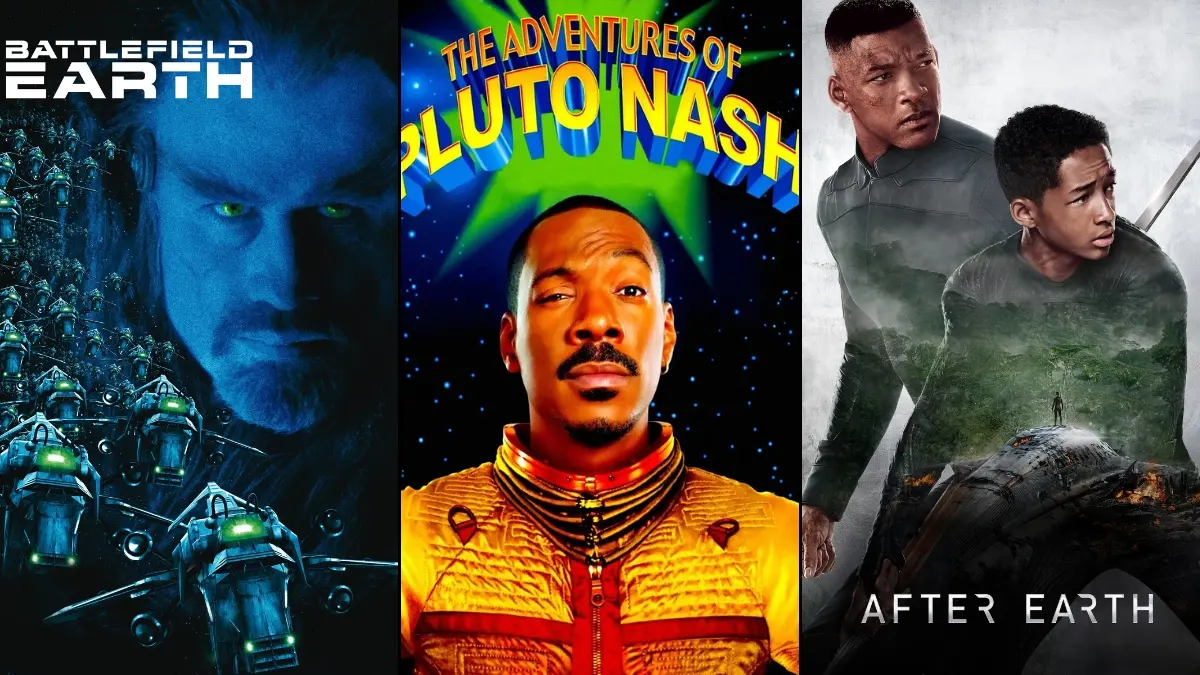
‘Battlefield Earth’ (2000)

Adapted from L. Ron Hubbard’s novel and headlined by John Travolta, ‘Battlefield Earth’ opened wide and sputtered, taking in about $21.5 million domestically and under $30 million worldwide on an estimated $73 million budget. Box Office Mojo’s ledgers show its soft opening and short theatrical tail.
The film swept the 21st Golden Raspberry Awards, “winning” every category in which it was nominated that night; Guinness later tied it for the most Razzies ever won by a single movie. Rotten Tomatoes still tracks its rock-bottom critical standing.
‘Plan 9 From Outer Space’ (1959)
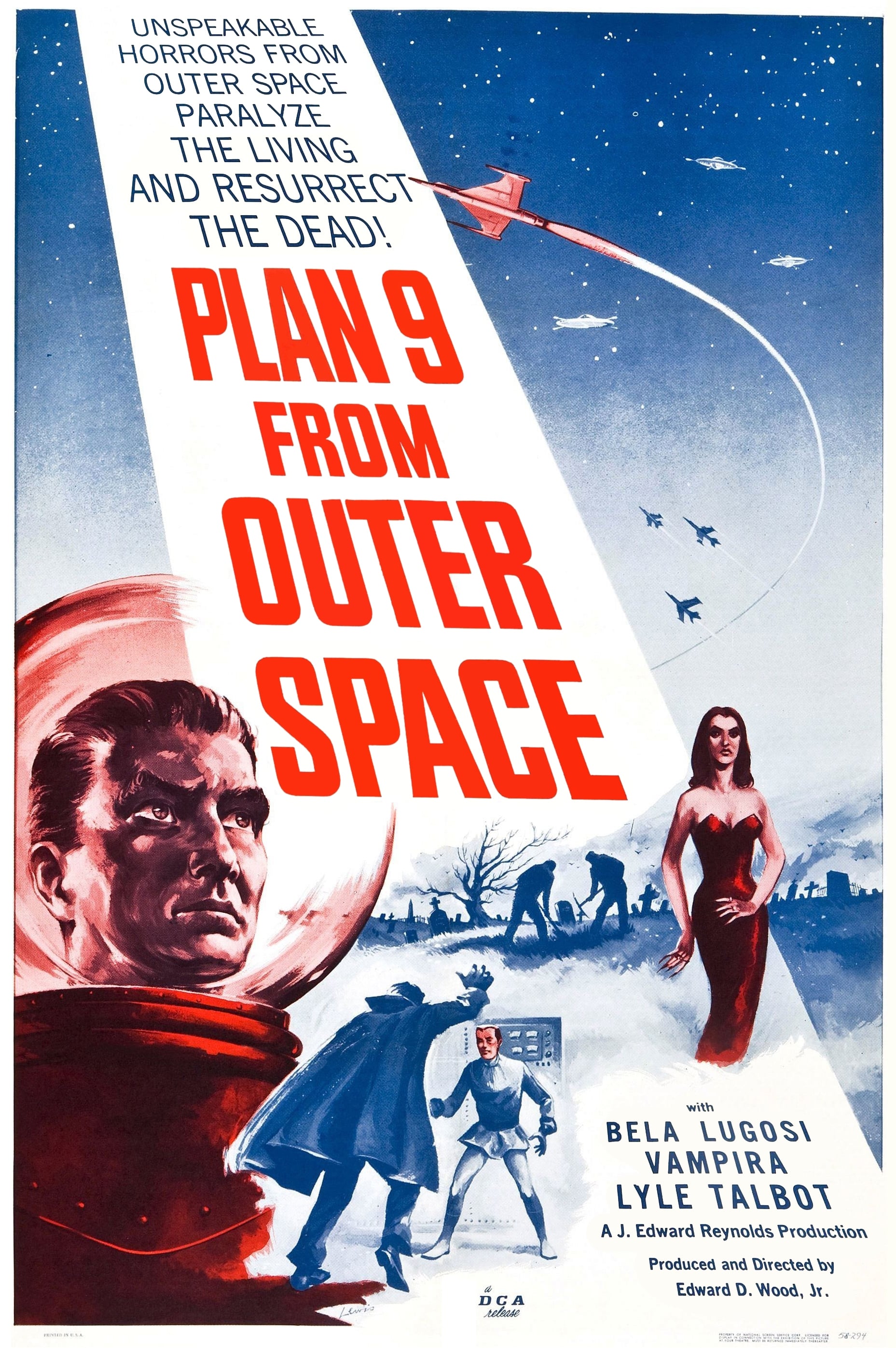
Ed Wood’s cult curio is frequently cited in mainstream outlets as an emblem of bottom-tier filmmaking, from visible spaceship strings to cardboard gravestones. TIME notes that Bela Lugosi only appears via minutes of pre-existing footage, used posthumously. Rotten Tomatoes’ overview captures the film’s longstanding reputation.
Shot on a shoestring with improvised effects and continuity lapses, the movie’s notoriety endured through reissues and television airings, eventually making it a staple of “so-bad-it’s-good” lists that treat it as a historical artifact of independent genre production.
‘The Adventures of Pluto Nash’ (2002)
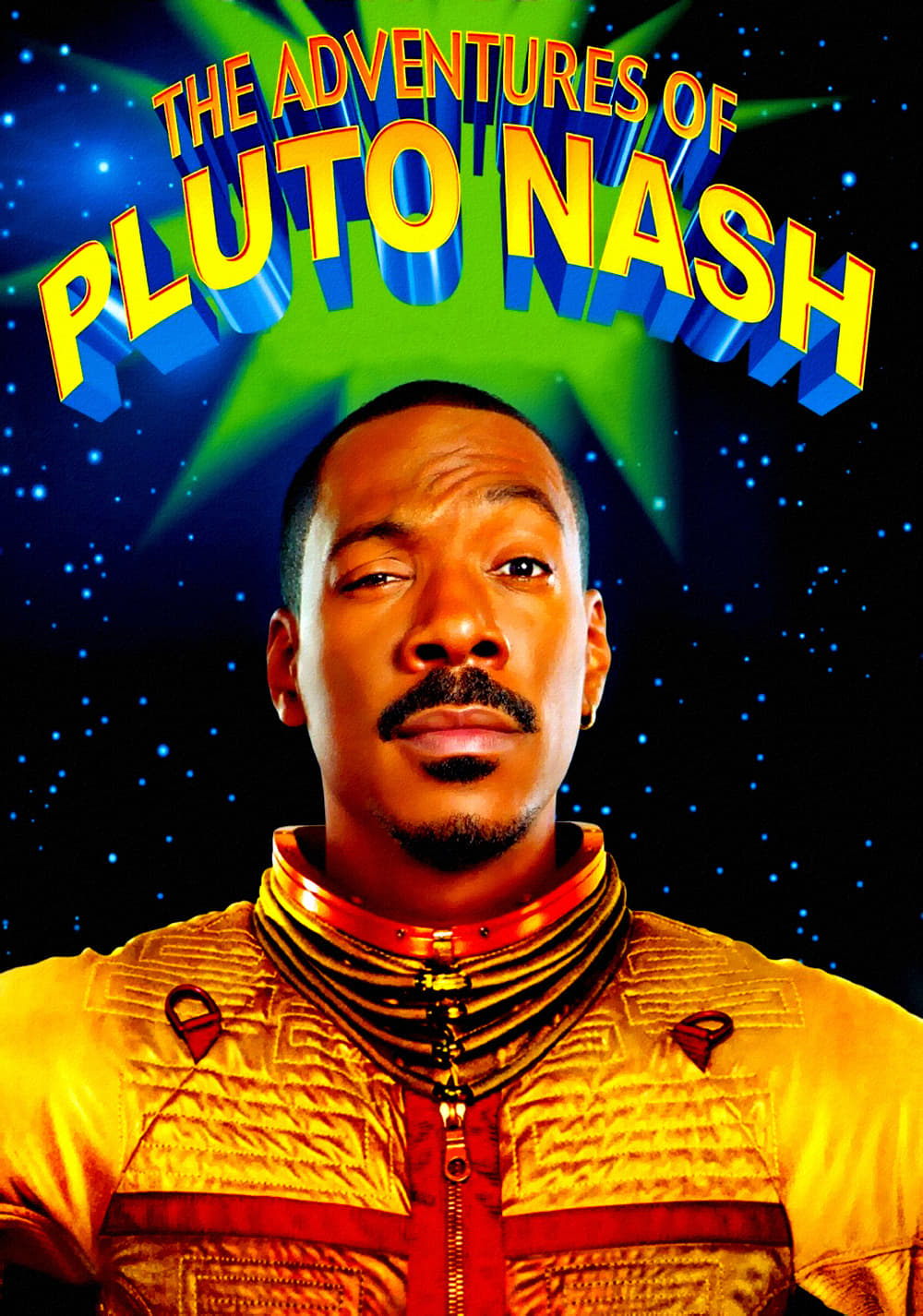
Eddie Murphy’s lunar caper is one of Hollywood’s starkest financial face-plants. Box Office Mojo and The Numbers record roughly $4.4 million domestic and just over $7 million worldwide against a production cost widely reported at ~$100 million.
Contemporaneous trades and databases also show its weak per-theater average and short run on over 2,300 screens, cementing its reputation as a notorious bomb that later became a case study in industry post-mortems.
‘Highlander II: The Quickening’ (1991)
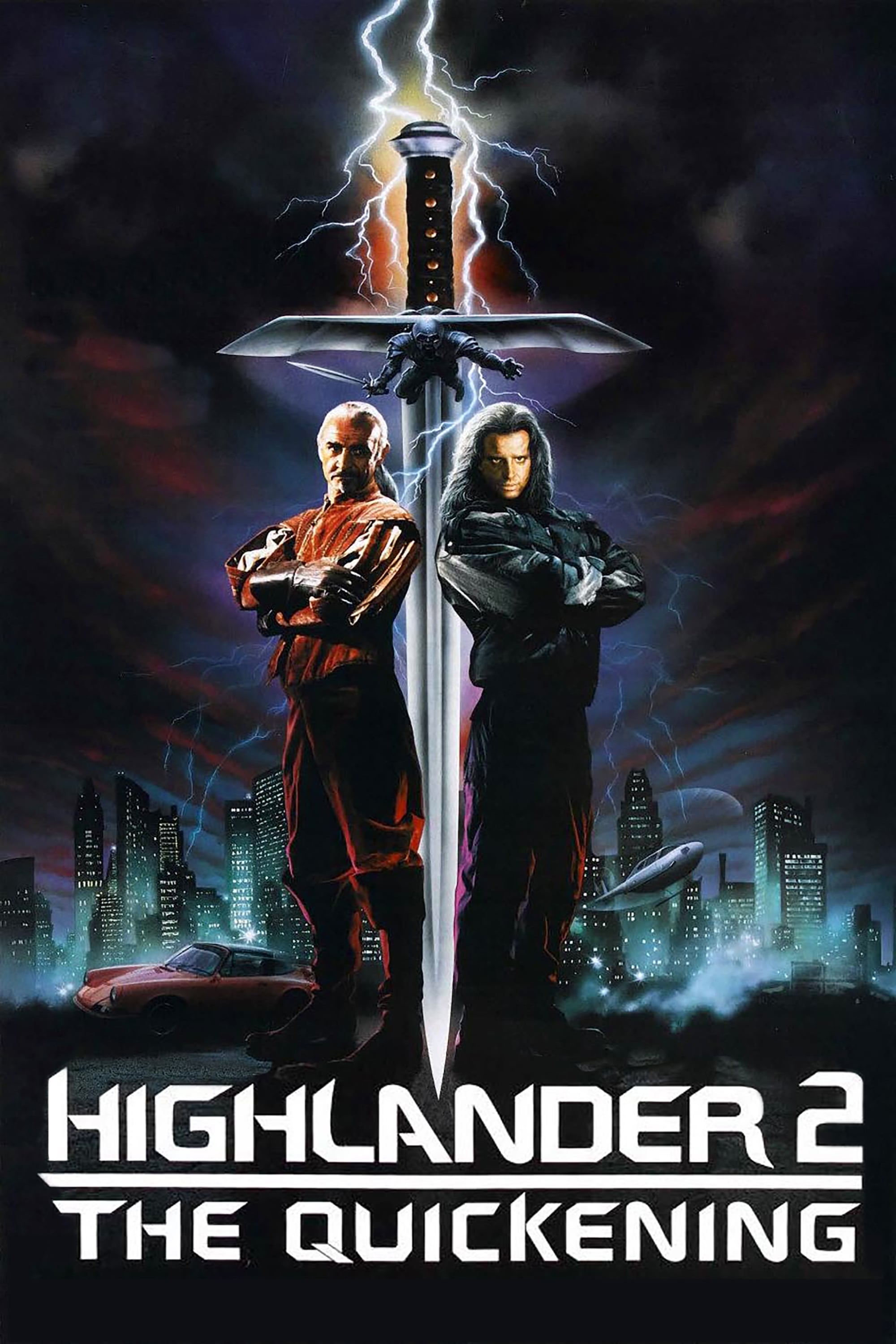
Filmed largely in Argentina amid economic turbulence, the sequel’s financiers and completion-bond company seized control, resulting in a cut that contradicted the original’s lore; later “Renegade” and “Special Edition” versions tried to patch story and effects. Wikipedia’s production history and alternate-cuts sections detail the upheaval.
Critically mauled on release and still infamous within the franchise’s canon, the title’s Rotten Tomatoes page preserves the contemporary reviews, while reference articles outline how multiple recuts attempted—only partially successfully—to salvage coherence.
‘Dragonball Evolution’ (2009)
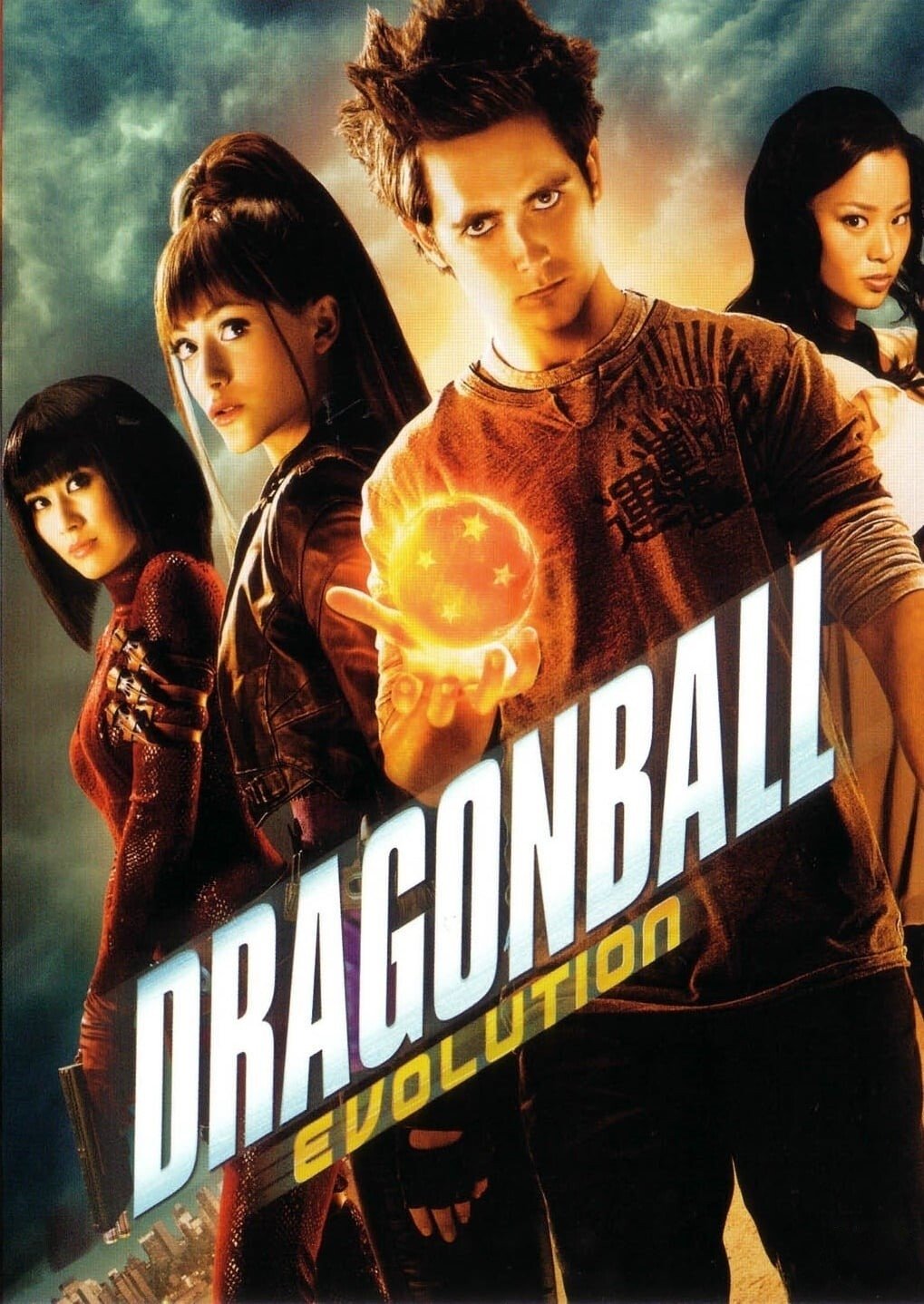
This live-action take on Akira Toriyama’s manga underperformed and was widely panned; Rotten Tomatoes logs its poor score, and Wikipedia tallies about $56.5 million worldwide against a reported $30 million production budget.
The film’s reception became infamous enough that the credited screenwriter publicly apologized years later, an unusual post-release epilogue that underscored the backlash among fans and critics alike.
‘After Earth’ (2013)

Marketed heavily on the star power of Will and Jaden Smith, ‘After Earth’ grossed roughly $244 million worldwide with about a quarter from North America; Sony’s adventure relied on overseas markets after a steep domestic drop-off. Box Office Mojo’s showdown and title pages document budget and gross splits.
Critical response was chilly, with aggregator write-ups recording complaints about pacing and storytelling choices; Rotten Tomatoes’ film page captures the consensus that framed it as a conspicuous misfire in M. Night Shyamalan’s career.
‘A Sound of Thunder’ (2005)

Loosely based on Ray Bradbury’s short story, this time-travel thriller struggled through delays and production problems, then opened to derisive reviews and meager business—about $11.8 million worldwide on a reported $80 million budget, per reliable summaries and box-office records.
Rotten Tomatoes tracks a single-digit approval score and a consensus pointing to conspicuously weak visual effects and choppy logic, issues repeatedly cited in contemporary reviews and post-mortems.
‘Lawnmower Man 2: Beyond Cyberspace’ (1996)
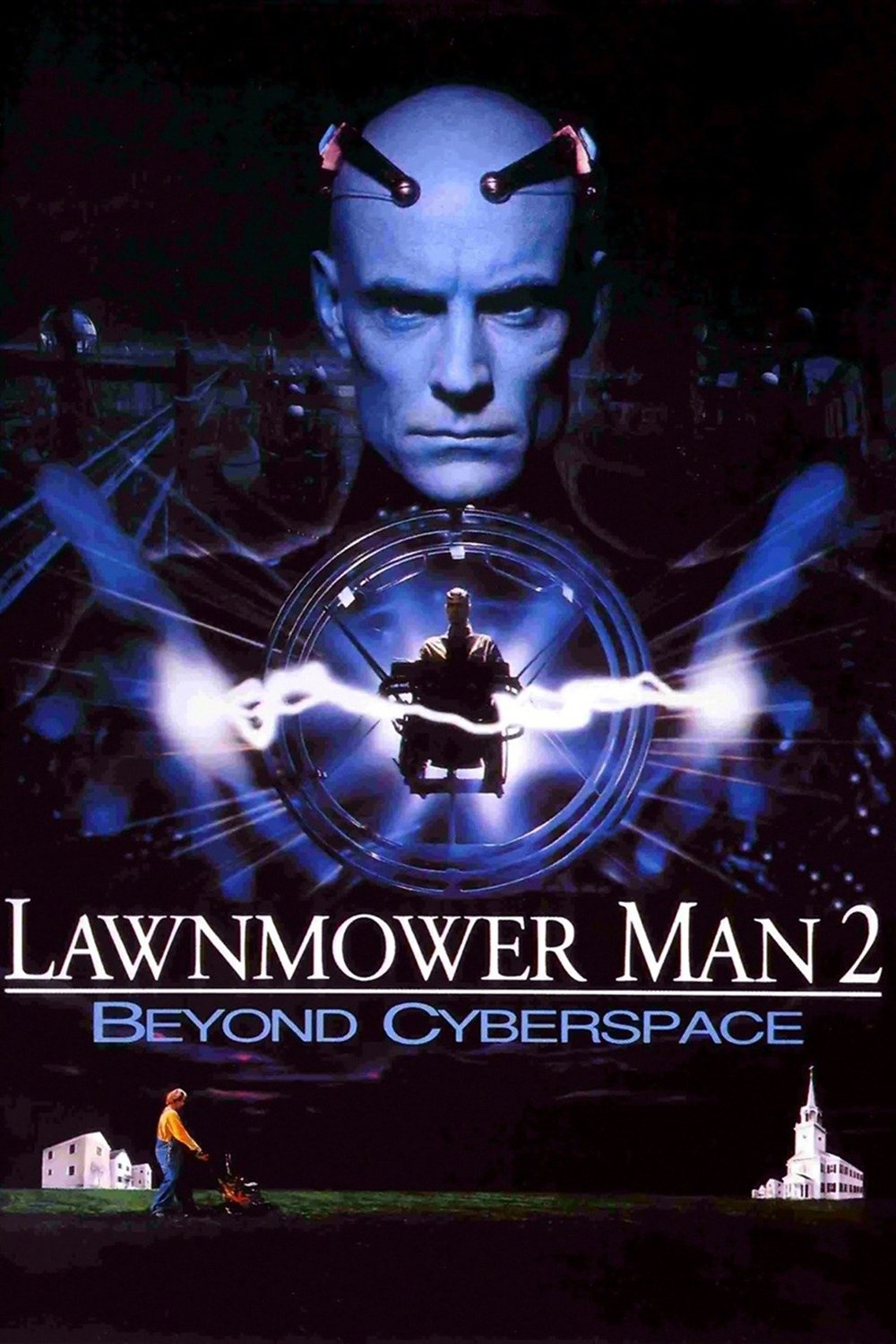
The sequel arrived without key talent from the first film and with a new lead actor for its central antagonist; its Wiki entry notes an anemic critical response and a sub-$3 million domestic gross. Rotten Tomatoes lists the U.S. box-office take and basic release data.
Critics cited a muddled plot and dated virtual-reality conceits, and franchise plans reportedly fizzled thereafter, with even proposed follow-ups never materializing beyond preliminary outlines.
‘Wing Commander’ (1999)
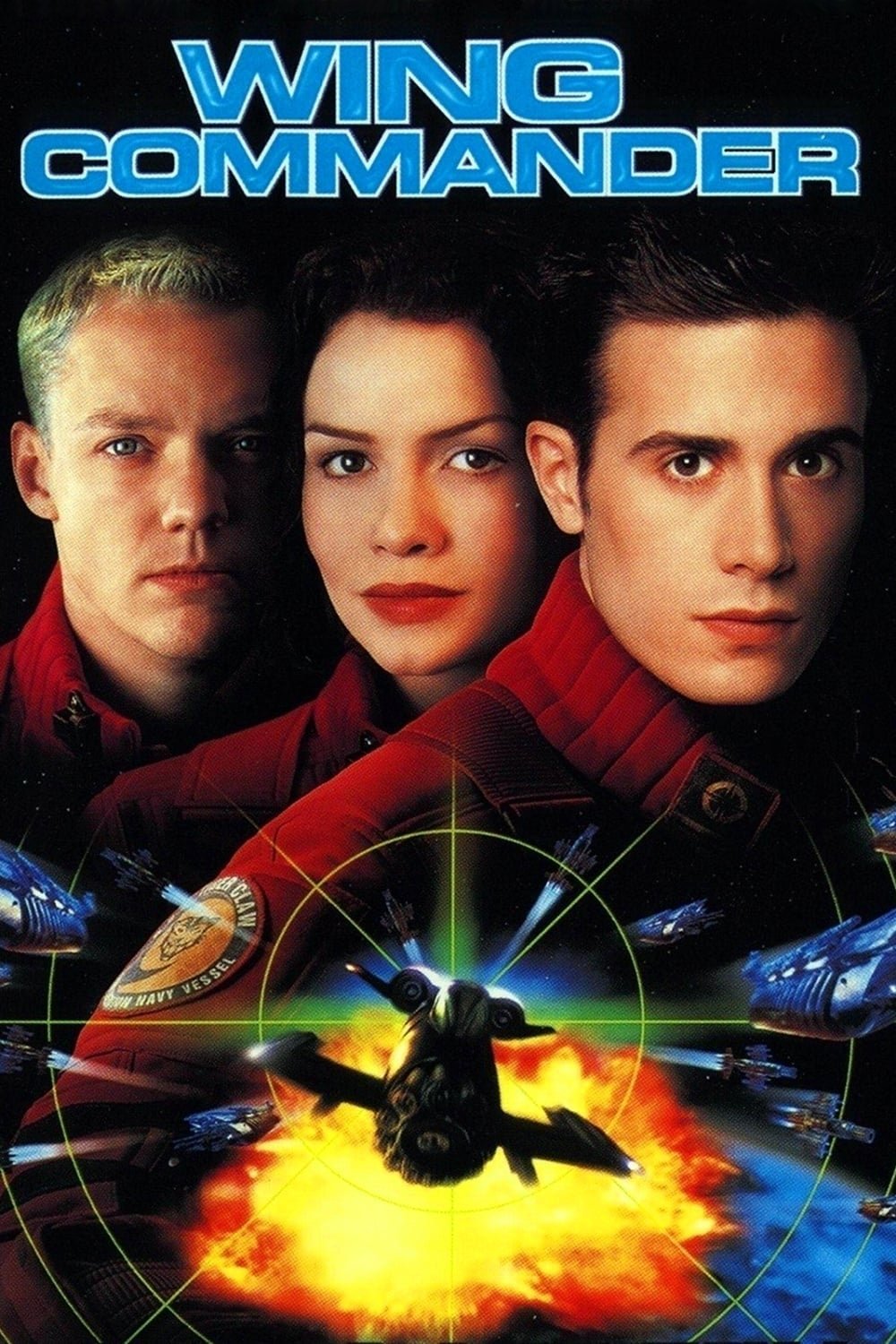
Created by the designer of the hit video-game series, the movie version opened to harsh reviews and disappointing numbers—about $11.6 million worldwide on a ~$25–30 million budget—according to Box Office Mojo and the film’s reference entry.
Rotten Tomatoes’ critics consensus calls out clichéd writing and bargain-bin effects, reinforcing its reputation as an early example of how hard it was to translate interactive space-opera thrills to the big screen.
‘Mars Needs Moms’ (2011)
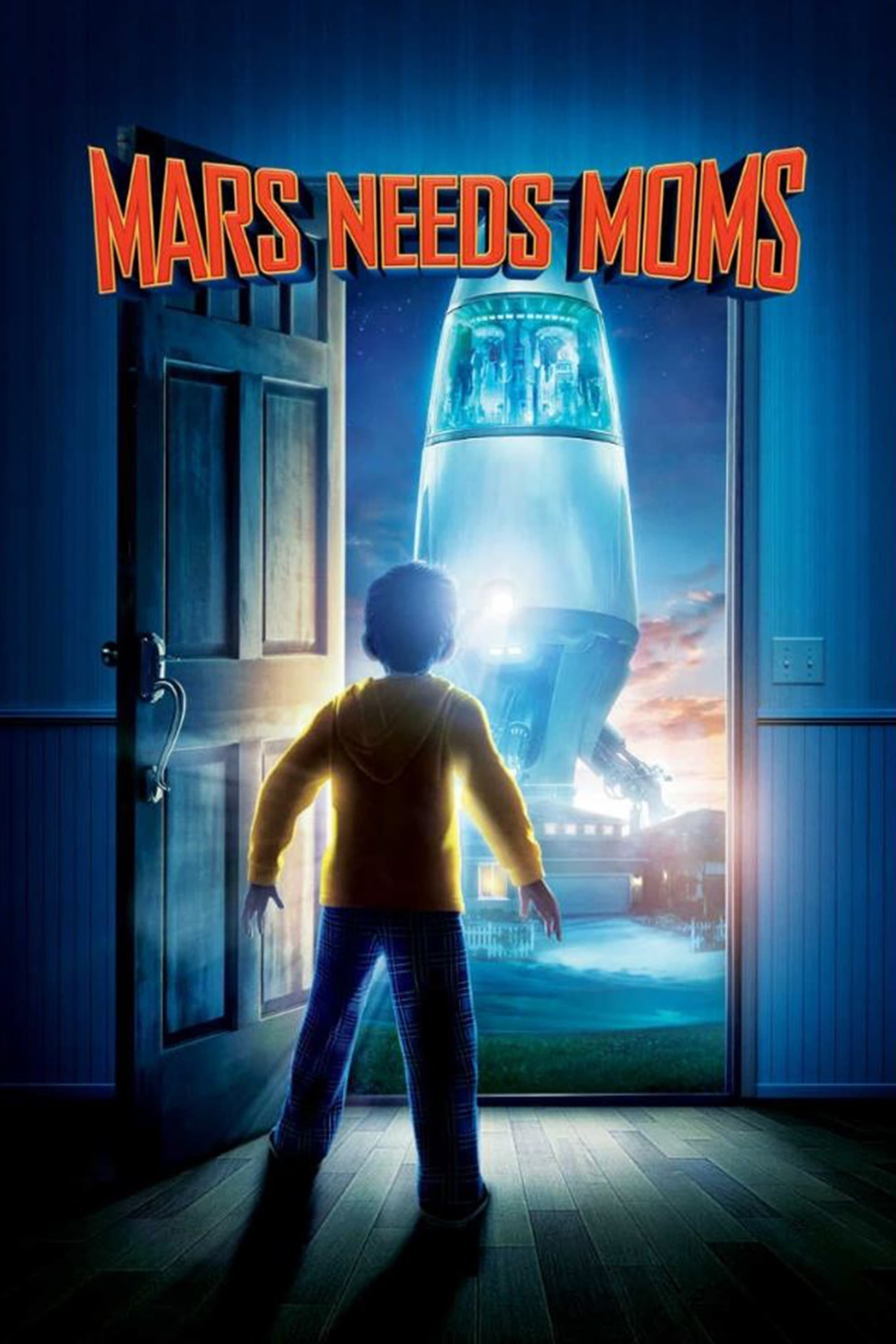
Disney’s motion-capture adventure is regularly cited as a modern studio debacle: the film earned roughly $39 million worldwide against a reported $150 million budget, a loss big enough to factor into discussions about shuttering ImageMovers Digital, the in-house performance-capture unit. Aggregators and retrospectives record the numbers and fallout.
Rotten Tomatoes reflects the tepid reception—technically polished in places but criticized for story and character design—while trade and business roundups continue to list it among the largest animated flops of the century.
‘Howard the Duck’ (1986)
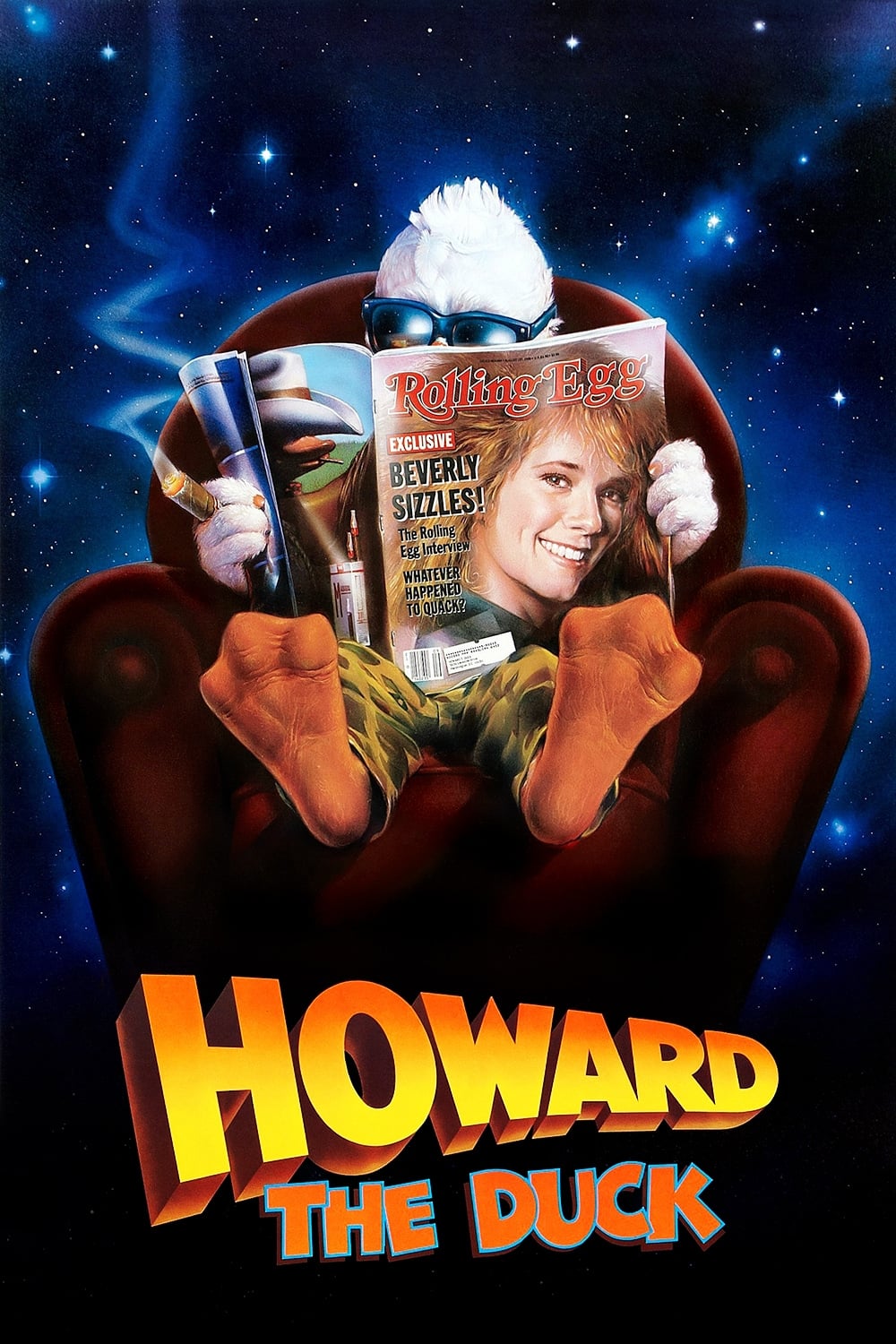
Backed by George Lucas as executive producer and mounted at significant cost for its time, the Marvel-derived oddity brought in about $16.3 million domestic on an estimated $30–37 million budget, per its reference entry.
The film picked up multiple Razzie nominations (and “wins”), and aggregator pages preserve its low approval marks, making it a perennial example of how tonal whiplash and design choices can sink a would-be tentpole.
If you’ve endured any of these, which one do you think truly deserves the “worst” label—and what title did we miss? Share your picks in the comments!

