


The Worst Sitcoms of All Time

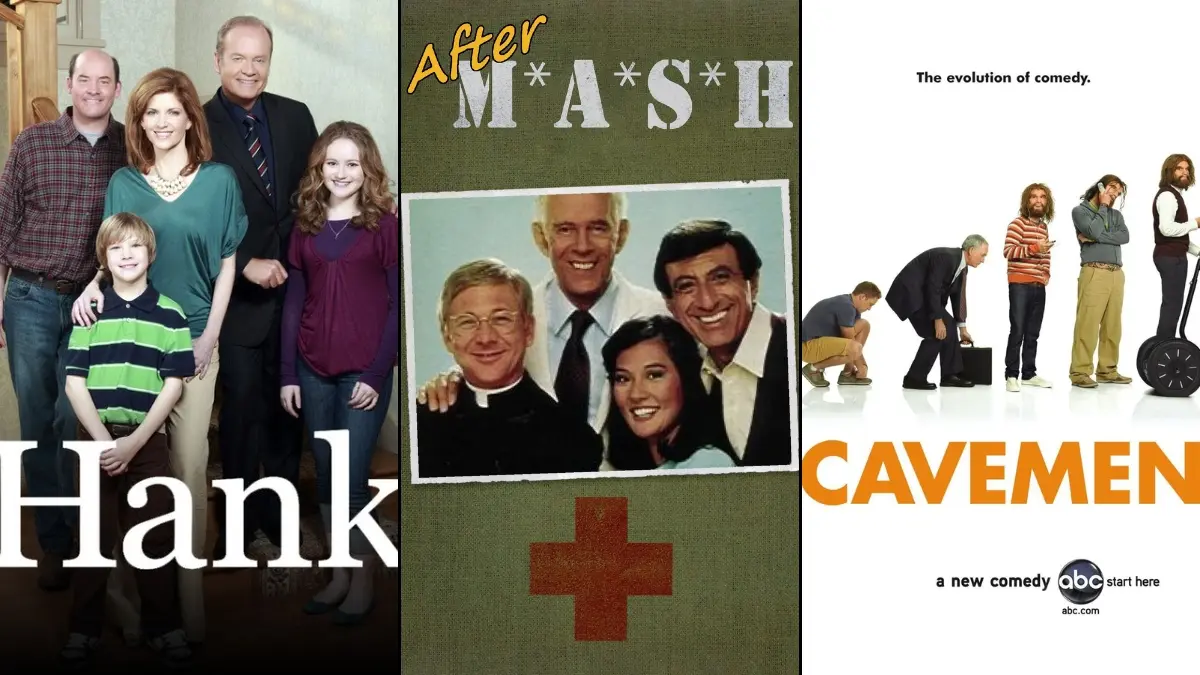


Every TV era produces a few sitcoms that make lots of noise going in and almost none on the way out. Some were high-profile launches with famous stars; others tried to stretch a thin premise across a weekly half-hour. What they share is a paper trail of swift cancellations, weak viewership, or widely documented critical drubbings that you can verify from network announcements, trade reports, and ratings records.
Below is a fact-first look at shows that fizzled fast or became cautionary tales. For each entry you’ll find the network or distributor, core premise, creators or stars, and concrete outcomes like episode counts, unaired installments, and official cancellation notes—plus links to contemporaneous reporting and databases so you can check the receipts yourself.
‘Work It’ (2012)
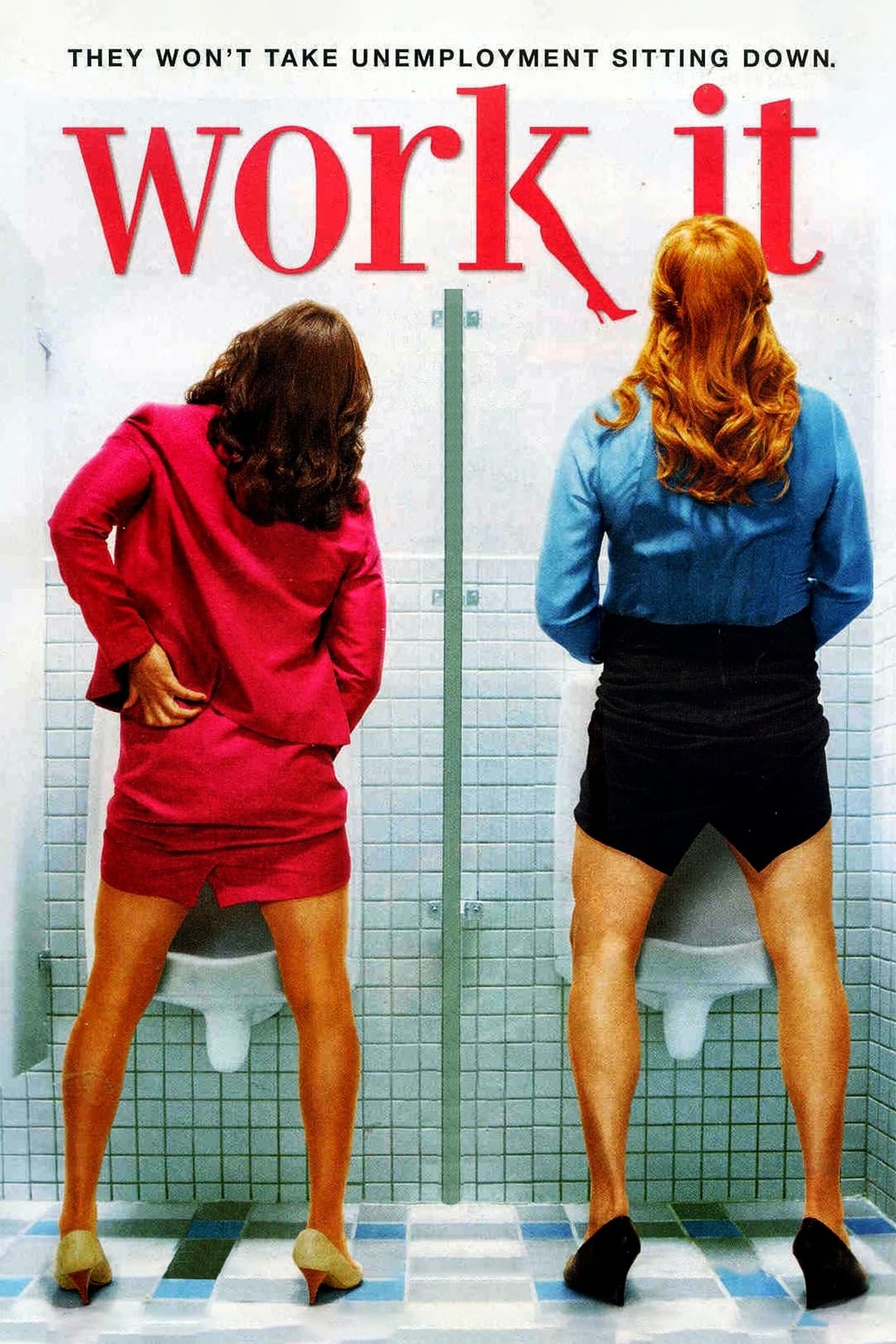
ABC launched this workplace farce about two unemployed men who dress as women to land sales jobs; it starred Benjamin Koldyke and Amaury Nolasco and was produced by Bonanza Productions and Warner Bros. Television. The series premiered as part of the network’s comedy slate and drew immediate scrutiny from advocacy groups. ABC pulled the show after broadcasting only two episodes.
Trade coverage at the time recorded a 2.0 adults-18–49 rating for the premiere and reported the quick removal from schedule that followed low ratings and backlash. Multiple outlets verified the shutdown following two airings, documenting one of the swiftest cancellations of a broadcast sitcom that season.
‘We Are Men’ (2013)

CBS introduced this ensemble comedy about four single guys living in a short-term apartment complex, starring Jerry O’Connell, Tony Shalhoub, Kal Penn, and Chris Smith. After its debut, the network canceled the show following the second episode, with scheduling notes confirming the slot would be filled by another returning comedy.
National outlets reported the decision the next day, noting the two-and-out run and the quick replacement on the Monday lineup. The cancellation notice and subsequent scheduling updates are preserved in network and news reports.
‘The Paul Reiser Show’ (2011)

NBC ordered this single-camera vehicle with Paul Reiser playing a version of himself; seven episodes were produced and two aired before cancellation. Trades recorded that its premiere delivered the network’s lowest in-season comedy launch rating at the time, and the series was pulled within a week.
Press and database entries list five unaired episodes and document the quick cancellation tied to the soft opening numbers. Later profiles of Reiser routinely referenced the two-episode run as a notable career hiccup, further corroborating the brief lifespan.
‘Dads’ (2013–2014)
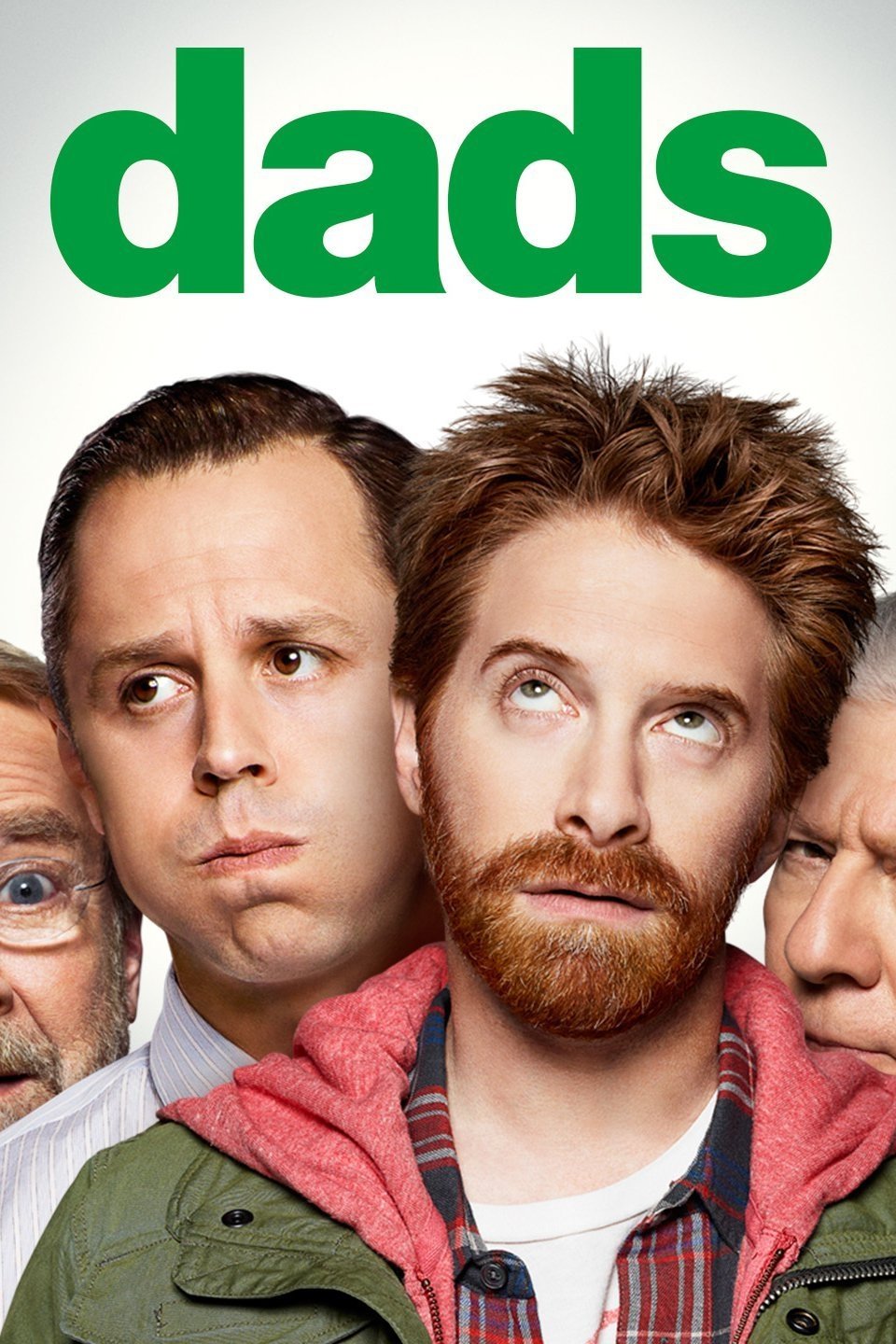
Fox’s multi-camera series from Wellesley Wild and Alec Sulkin centered on two game developers whose fathers move in with them; it starred Seth Green and Giovanni Ribisi and ran for one season. The show’s aggregate critics’ score sits at the bottom of major TV review sites for its lone season, and the series concluded without renewal.
Season pages record a zero-percent critics’ score for its season and detail cast and episode information, offering a public benchmark for its reception alongside its single-season run.
‘Cavemen’ (2007)
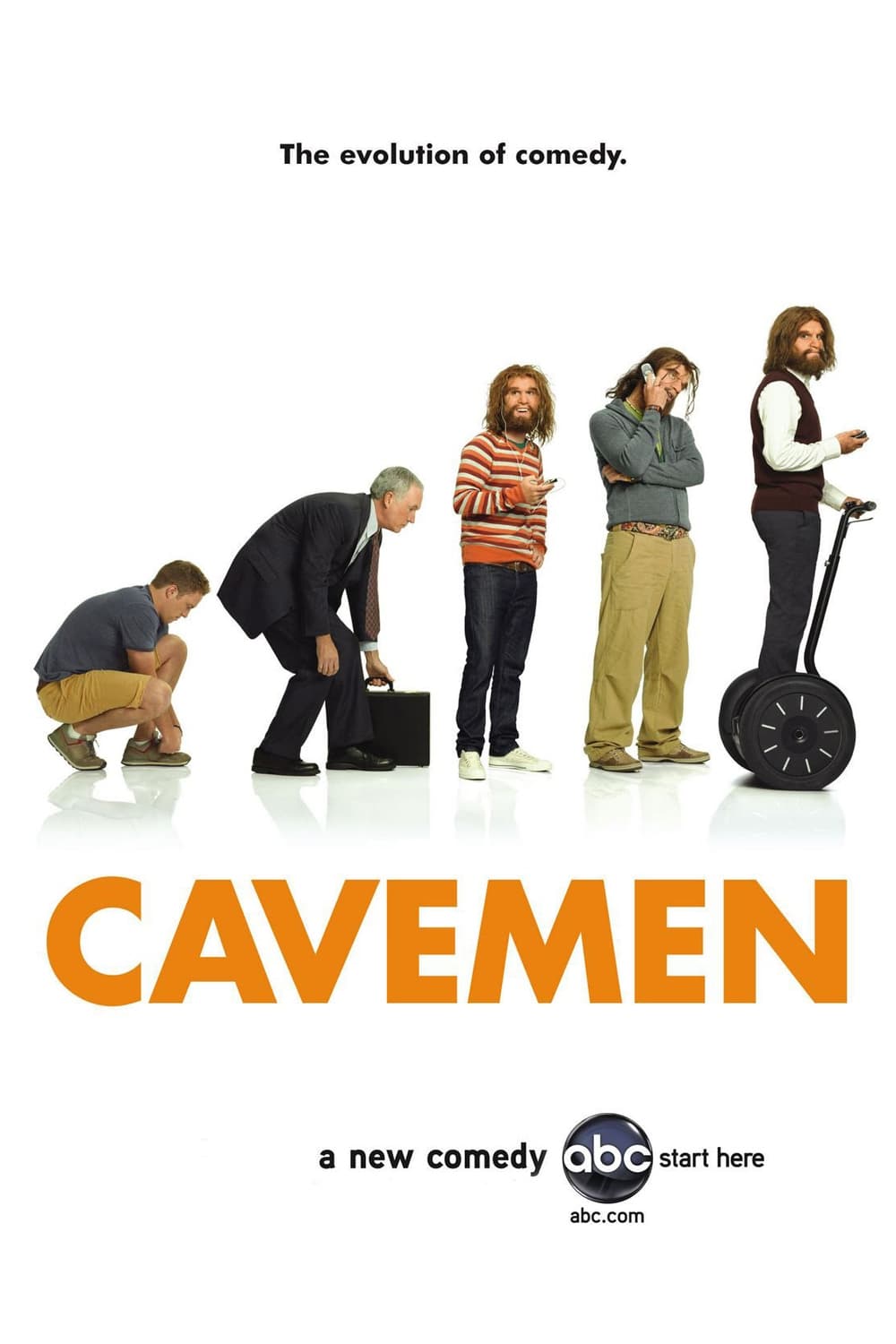
Based on the GEICO advertising characters created at The Martin Agency, ABC’s sitcom followed three cavemen navigating contemporary life; 13 episodes were produced and several went unaired domestically after the show was pulled mid-season. Production credits cite Joe Lawson, Josh Gordon, and Will Speck as developers.
Episode-count records note that one season was completed, with multiple unaired episodes in the United States. The underlying ad-campaign origins of the characters are also documented in marketing histories.
‘Homeboys in Outer Space’ (1996–1997)
UPN’s sci-fi sitcom starred Flex Alexander and Darryl M. Bell as spacefaring buddies traveling the galaxy in a sentient craft. Official listings cite one season with 21 episodes and production by Touchstone Television, with episode and crew details publicly cataloged.
Contemporary and retrospective write-ups describe widespread critical panning and place the show within UPN’s first-wave sitcom experiments. Reference entries summarize premise, cast, and its single-season outcome.
‘A.K.A. Pablo’ (1984)

ABC aired this Norman Lear–produced family sitcom created by Rick Mitz about a Mexican-American comedian balancing traditional parents and mainstream success. The series was canceled after six broadcasts, and later magazine lists placed it among historically poor-performing shows.
Archival entries document cast, premise, and the truncated run, noting its quick removal from the schedule and subsequent inclusion on roundup lists of underperforming programs.
‘AfterMASH’ (1983–1985)
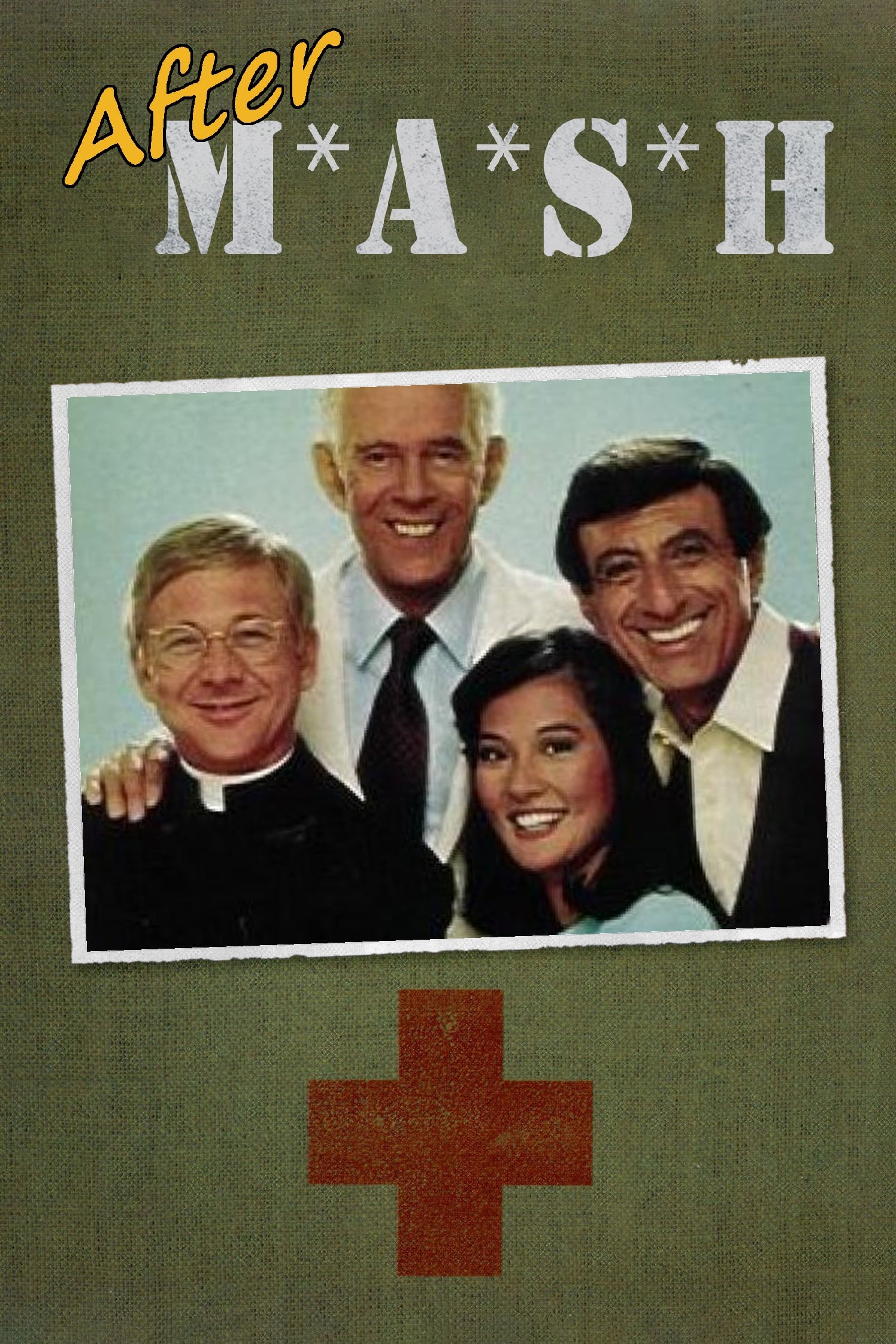
This CBS spin-off followed several familiar characters from a landmark wartime sitcom as they worked at a stateside hospital. Ratings fell sharply in the second season, prompting cancellation partway through that run; season-end standings placed it near the bottom of all shows on air that year.
Retrospectives and reference pages trace the early audience curiosity, the time-slot competition, and the drop to low national rankings that preceded the shutdown. Multiple sources summarize the two-season duration and the mid-season halt.
‘Emily’s Reasons Why Not’ (2006)

ABC’s single-camera comedy starring Heather Graham aired one episode in the United States before being pulled, with six produced overall and five unaired domestically. Network and press summaries cite heavy pre-launch promotion followed by an immediate stop after the debut.
Industry coverage and later analyses detail the unusual buy-to-series path and the decision to cancel after the premiere, noting international airings for the remaining episodes and a complete-series home-media release later on.
‘The Michael Richards Show’ (2000)
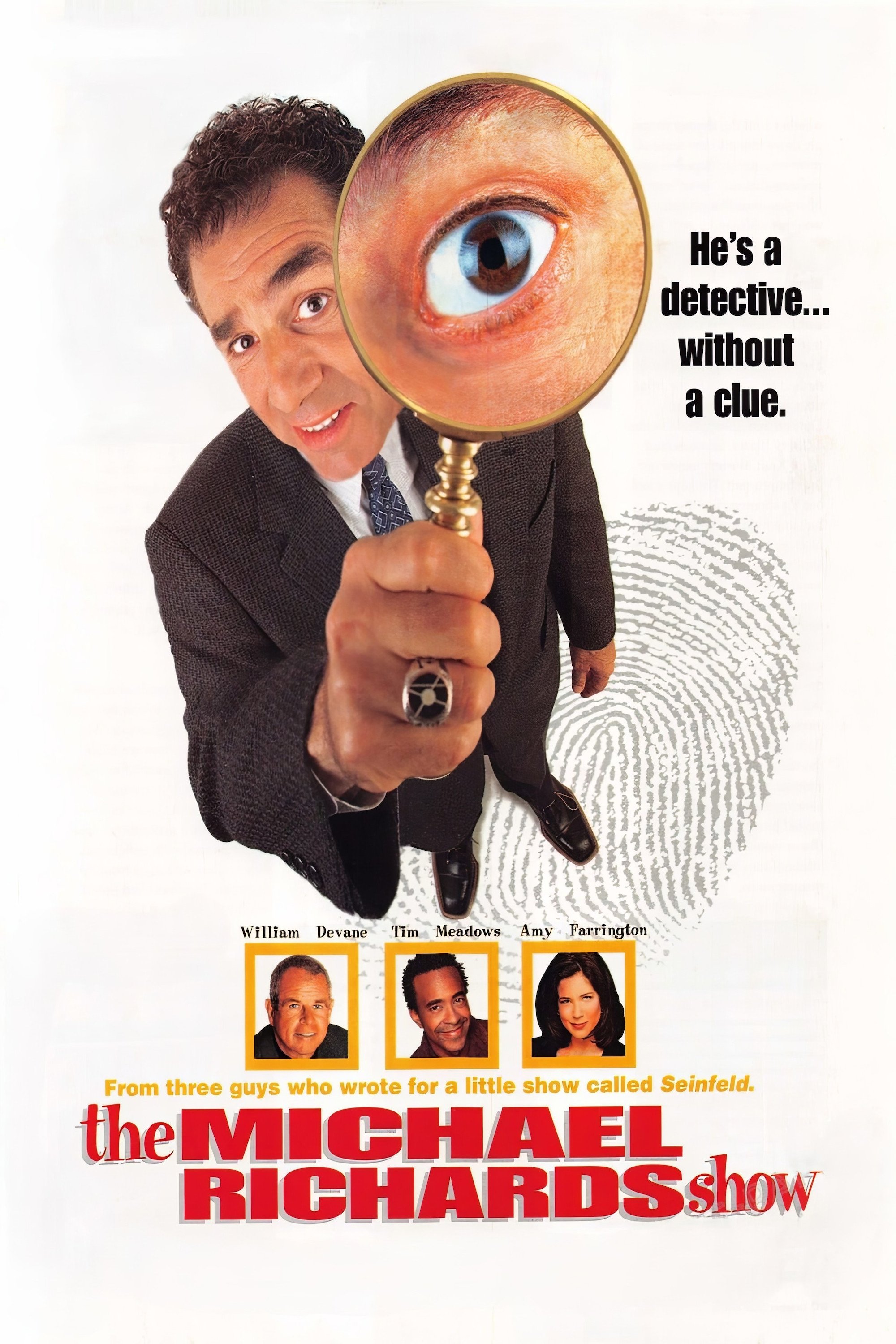
NBC’s detective-comedy vehicle for Michael Richards produced eight aired episodes before cancellation. Trade and newspaper reports recorded ratings erosion from the premiere, behind-the-scenes turnover by a co-creator after the second episode, and the network’s decision to halt production before completing the full order.
News write-ups at the time cited financial concerns tied to a guaranteed episode order and per-episode costs, along with schedule changes as the show exited the lineup. Database entries mirror the eight-episode tally and capture the production shutdown.
‘Hank’ (2009)

ABC’s family sitcom starring Kelsey Grammer halted production after filming its tenth episode, with the network confirming cancellation during its initial run. Reporting from the trades and wire services noted that remaining completed episodes would not immediately air and that the time slot would be filled with other programming.
Multiple outlets and archival databases consolidate the episode count, production stop, and absence of a subsequent season, recording a single-season lifespan.
‘Coupling’ (US) (2003)
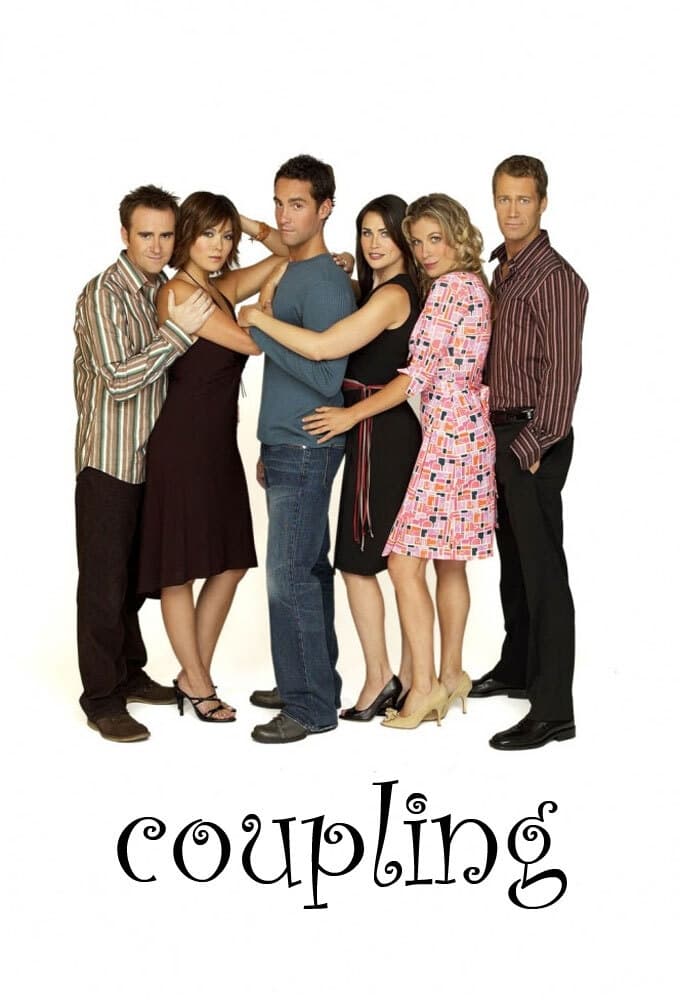
NBC adapted the British relationship comedy with an American cast and scripts closely based on the original; a 13-episode order yielded four broadcasts before the network benched the series, leaving several episodes unaired. Official records and trade reports confirm the swift removal and curtailed production.
Reference entries summarize the premise, commissioned episode count, and the quick cancellation tied to low ratings and poor reception, placing it among the network’s short-lived remakes of the period.
Share your own picks for the most ill-fated sitcoms—and the hard facts behind them—in the comments.

