


The Worst War Movies of All Time

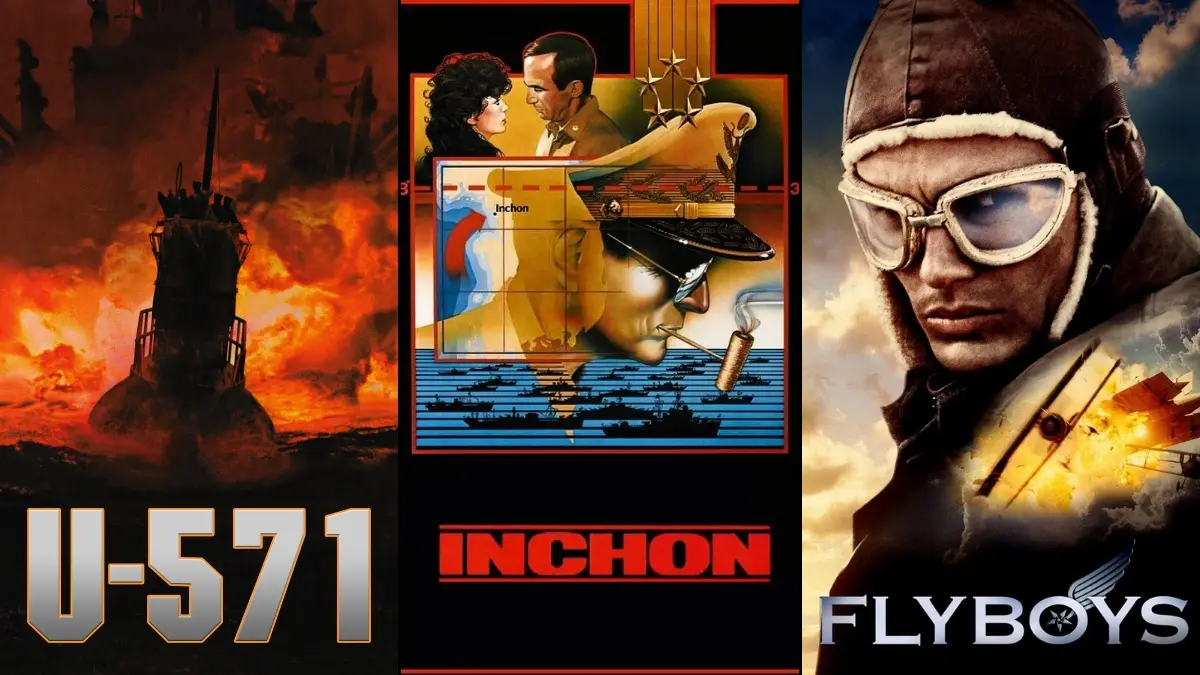


Some war films become touchstones for historical storytelling, while others miss the mark so widely that they live on as cautionary tales. Below is a researched roundup of widely panned or controversy-ridden entries—movies that drew notable critical drubbings, box-office face-plants, or historically focused backlash you can verify from reliable sources.
This isn’t about snark; it’s about facts you can check: review aggregates, contemporary criticism, budgets versus grosses, and well-documented disputes over accuracy. If you’re curious why a title shows up here, you’ll find receipts in every section.
‘Inchon’ (1981)
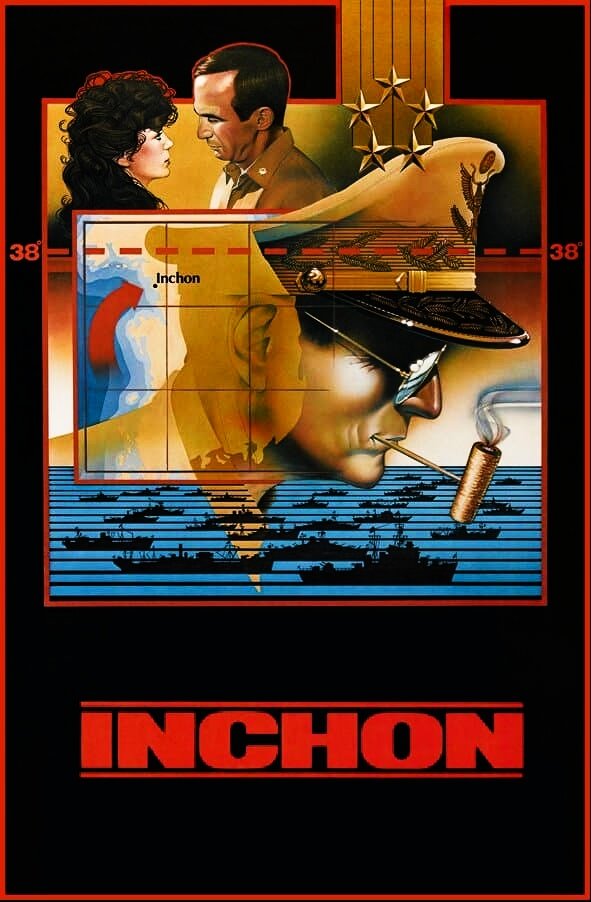
Made with backing from Unification movement founder Sun Myung Moon and directed by Terence Young, ‘Inchon’ dramatizes the Korean War’s amphibious landing but is most famous for its financial implosion: a production budget reported at roughly $46 million against about $5.2 million worldwide. It was pulled from theaters quickly after a poor release and has been profiled repeatedly as a major box-office fiasco.
The film also swept the Golden Raspberry Awards, taking Worst Picture, Worst Director, and Worst Screenplay (among other “wins”), and has been cataloged in reference works as a high-profile critical failure.
‘Gods and Generals’ (2003)

‘Gods and Generals’ attempts a wide-angle Civil War chronicle but arrived to weak receipts relative to its reported cost. Box Office Mojo lists domestic grosses just under $13 million against a widely reported budget of about $56 million, reflecting soft audience response despite an extensive theatrical rollout.
Critical response was similarly poor. Rotten Tomatoes records an anemic score and catalogs a runtime running well past three hours, details often cited in reviews that flagged pacing and narrative focus concerns.
‘Pearl Harbor’ (2001)
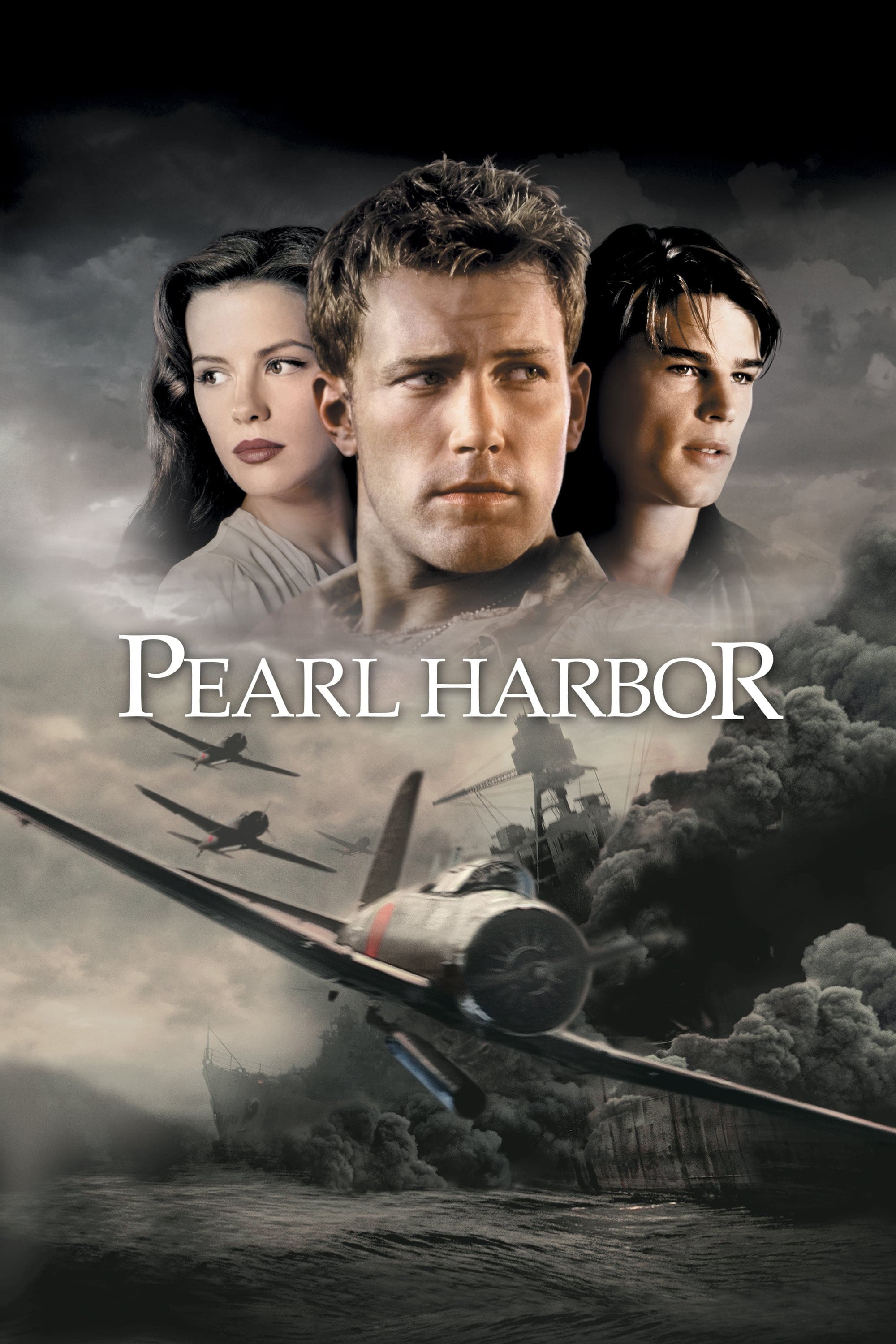
‘Pearl Harbor’ landed with a highly publicized release yet drew sustained critical pushback. Rotten Tomatoes’ overview summarizes the negative reception and preserves contemporary critics’ lines, while the site’s “Worst Blockbusters” roundup highlights its low score among big-budget releases.
Even as the movie earned strong overall ticket sales, reviews frequently called out its emphasis on melodrama over event-driven storytelling, a theme reflected across archived critic capsules.
‘The Green Berets’ (1968)
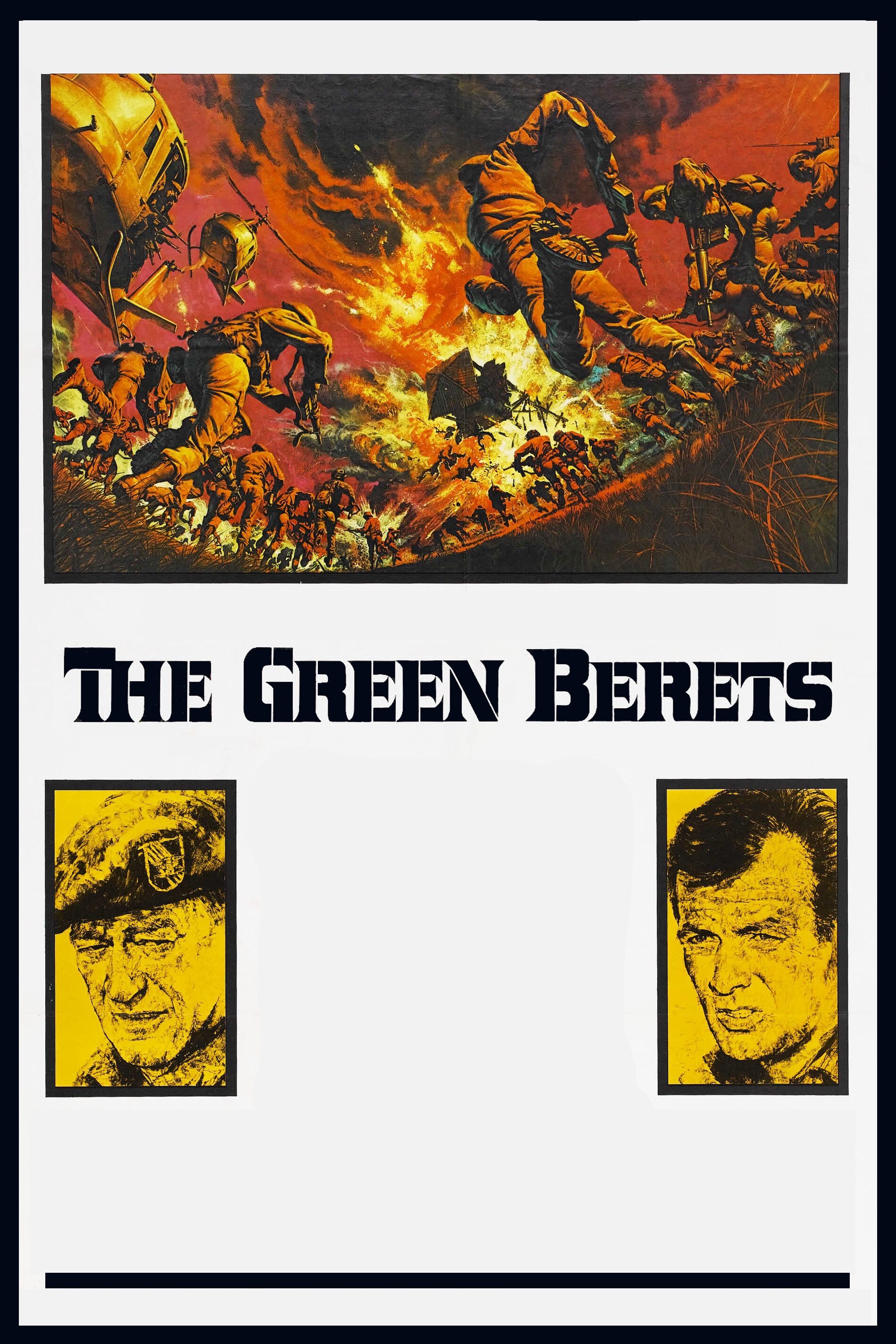
‘The Green Berets’ was released during the Vietnam War and is documented as strongly pro-intervention; it received overwhelmingly negative contemporary reviews even as it performed at the box office. Its Wikipedia entry consolidates production context and reception, while Roger Ebert’s original review records the critical case against its portrayal and tone.
Reference pages also note that the production enjoyed extensive Defense Department cooperation and that critics across major outlets objected to its simplifications; the Rotten Tomatoes page preserves its low aggregated score.
‘Flyboys’ (2006)
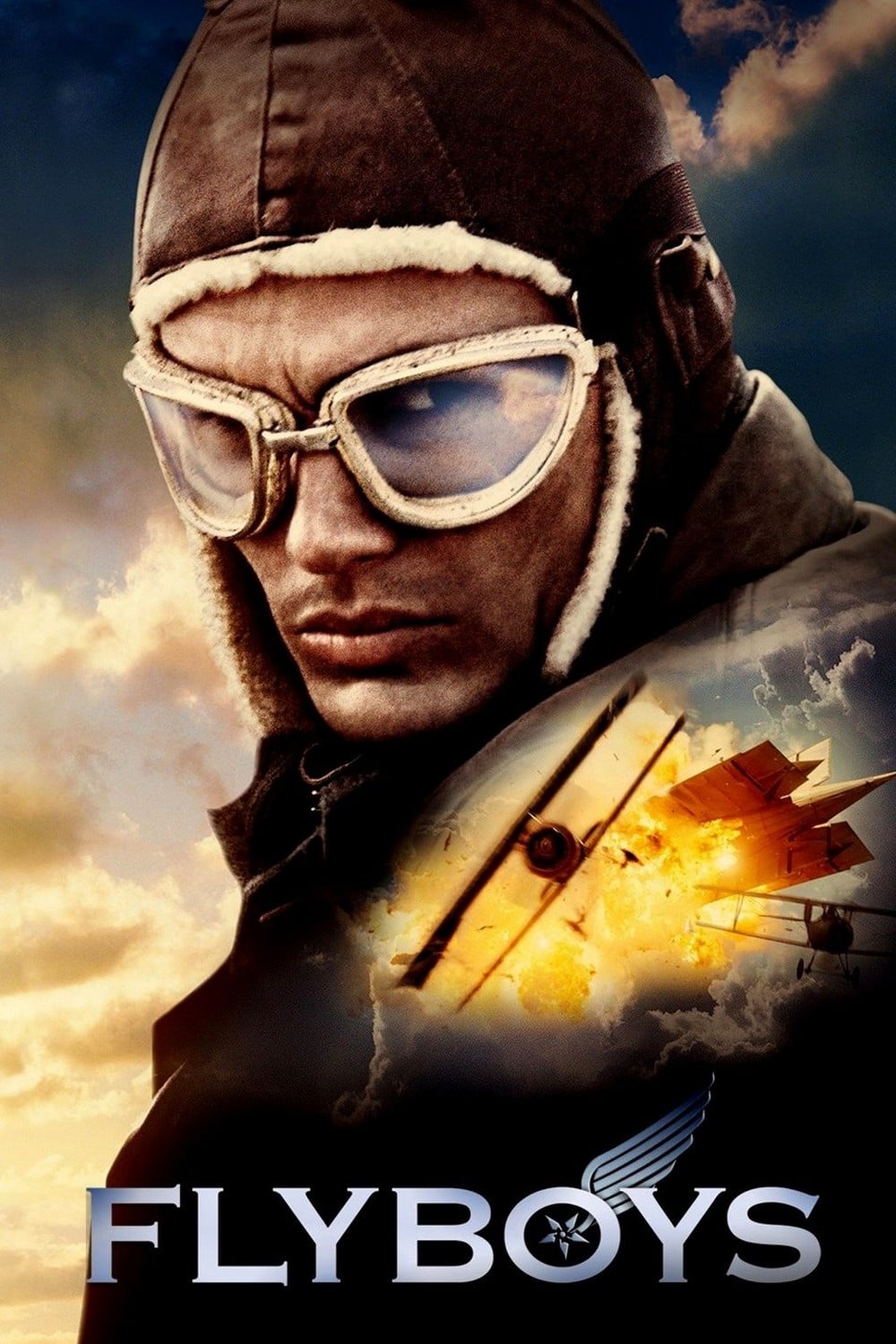
‘Flyboys’ dramatizes the Lafayette Escadrille but struggled commercially and critically. Wikipedia compiles the financials—budget around $60 million and worldwide grosses under $20 million—alongside its sub-40% approval rating on review aggregators.
Rotten Tomatoes’ page logs the critical consensus pointing to unconvincing visual effects and scripting issues, providing a snapshot of the reception preserved from early reviews onward.
‘Windtalkers’ (2002)
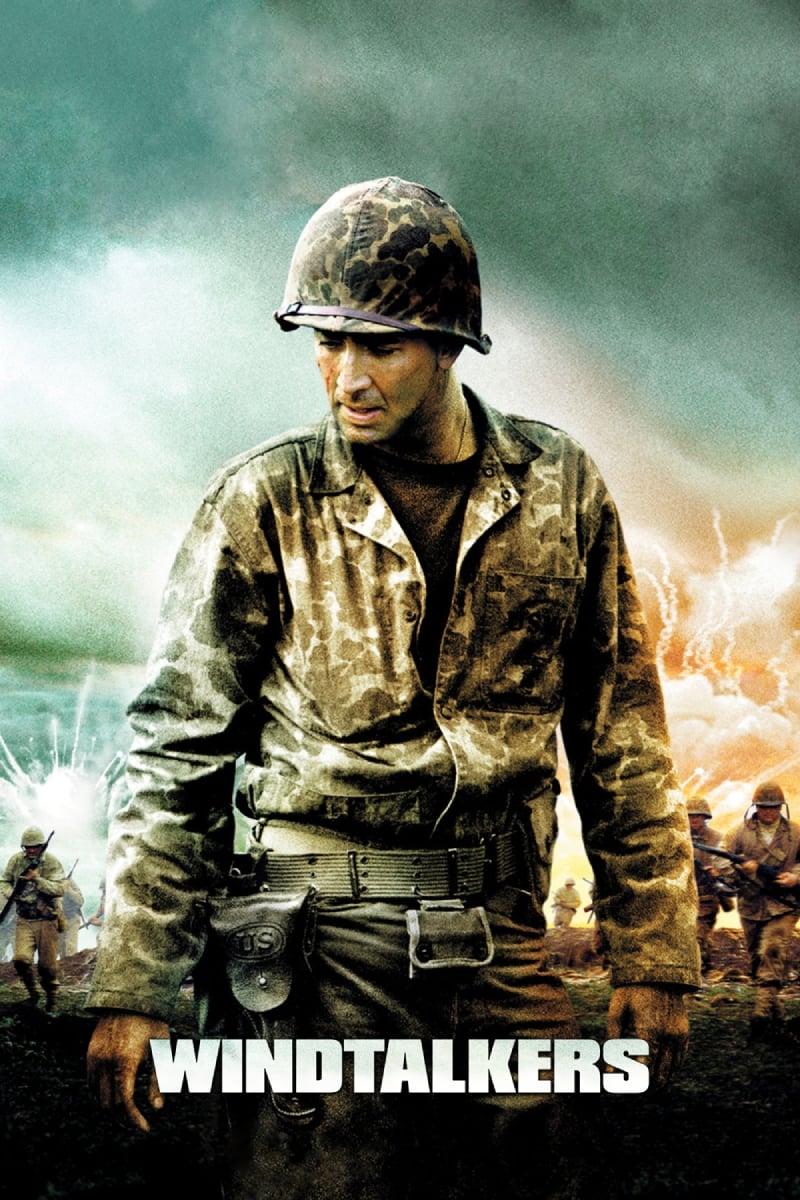
‘Windtalkers’ centers on Navajo Code Talkers but is consistently cited for underperforming against its reported cost and for mixed-to-negative reviews. Wikipedia records a worldwide gross far short of its production budget and details aggregated scores across major review sites.
Critic capsules archived on Rotten Tomatoes note that the premise remained powerful even as reviewers found the execution clichéd; Variety’s review excerpt captures that typical line.
‘Red Tails’ (2012)
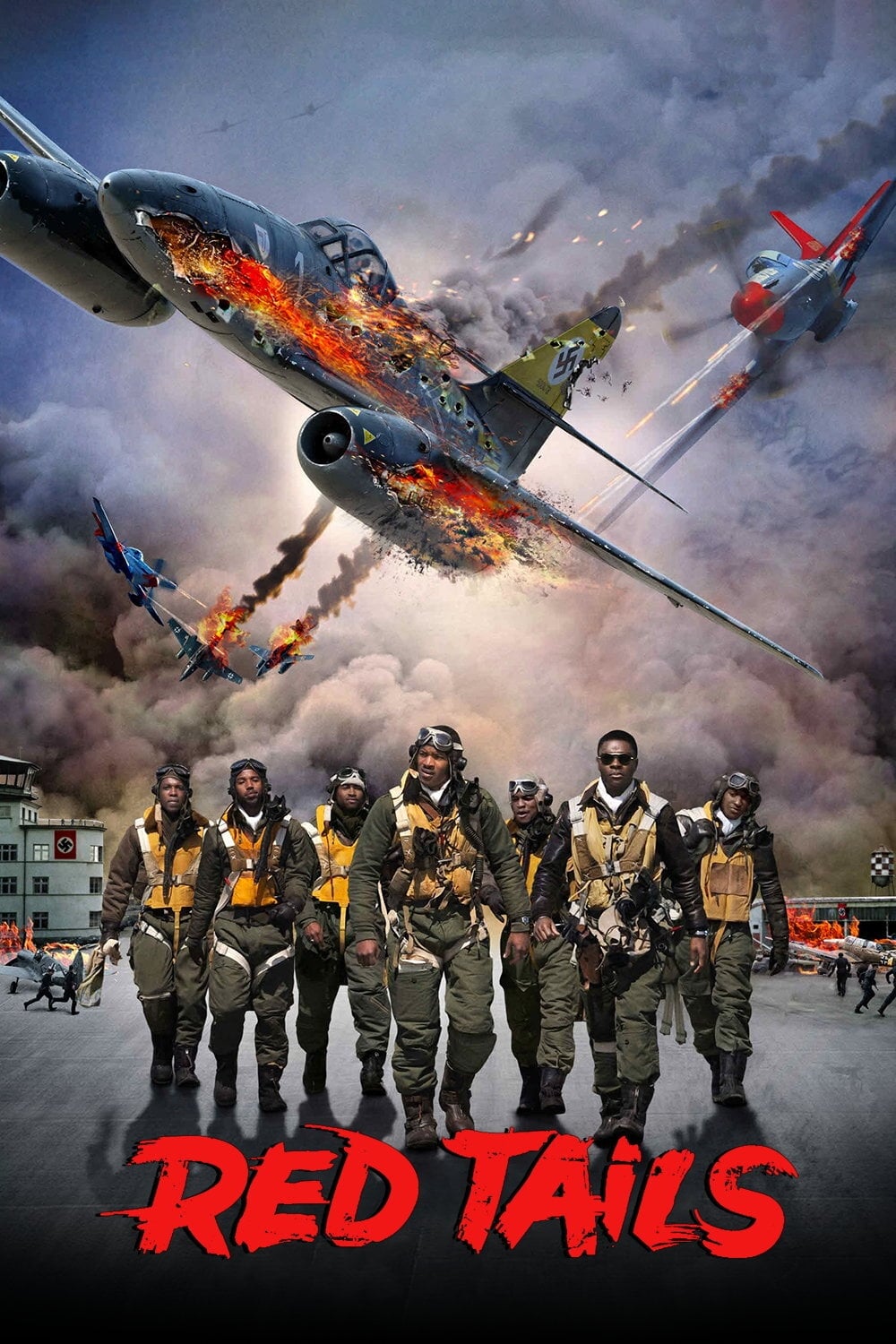
‘Red Tails’ presents the Tuskegee Airmen story but drew muted critical notices on release. Rotten Tomatoes lists the film’s score and summarizes distribution details and U.S. grosses, while trade coverage has since recapped the tepid reception and mid-tier performance.
Follow-up features revisiting the film’s launch likewise cite its roughly 40% approval rating and contextualize the marketplace competition it faced, providing an after-action look at how the rollout unfolded.
‘Alexander’ (2004)
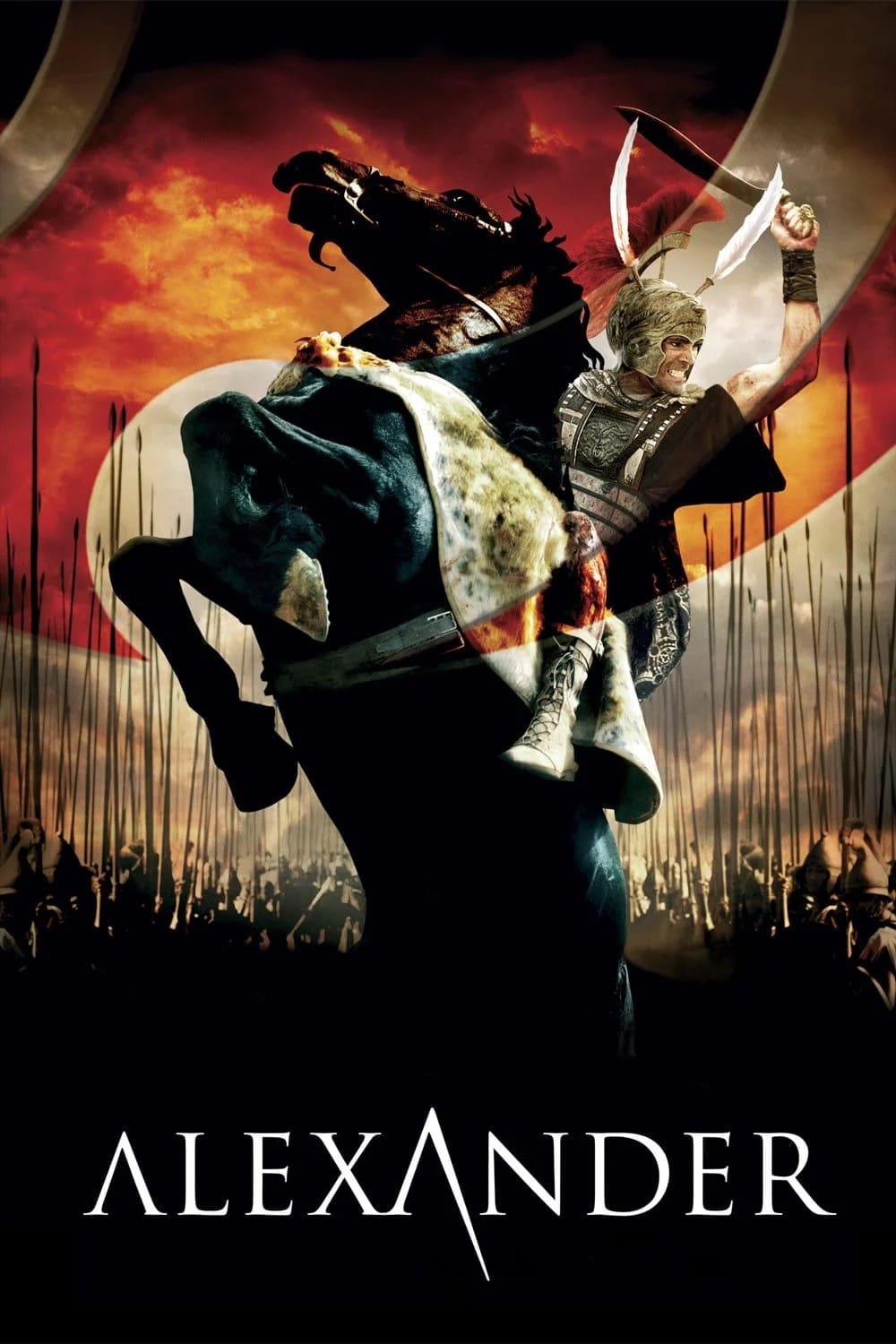
Though a historical epic rather than a traditional modern-era war film, ‘Alexander’ is frequently included in discussions of large-scale battle movies that faltered. Wikipedia compiles its low aggregated score, budget figures, worldwide total, and industry reporting that labeled it a box-office bomb.
Rotten Tomatoes’ entry preserves the critical consensus noting a talky approach and limited emotional engagement, a through-line echoed in prominent contemporary reviews.
‘U-571’ (2000)

‘U-571’ attracted sustained criticism for rewriting who captured critical Enigma materials during the Battle of the Atlantic. British press accounts and parliamentary comments condemned the film’s historical claims, with The Guardian summarizing the controversy and follow-up reactions documented in reference entries.
Backgrounders also clarify the real-world operation in which Royal Navy forces boarded a German submarine and recovered a naval Enigma machine, a historical anchor point often cited when discussing the movie’s accuracy debates.
‘Lions for Lambs’ (2007)
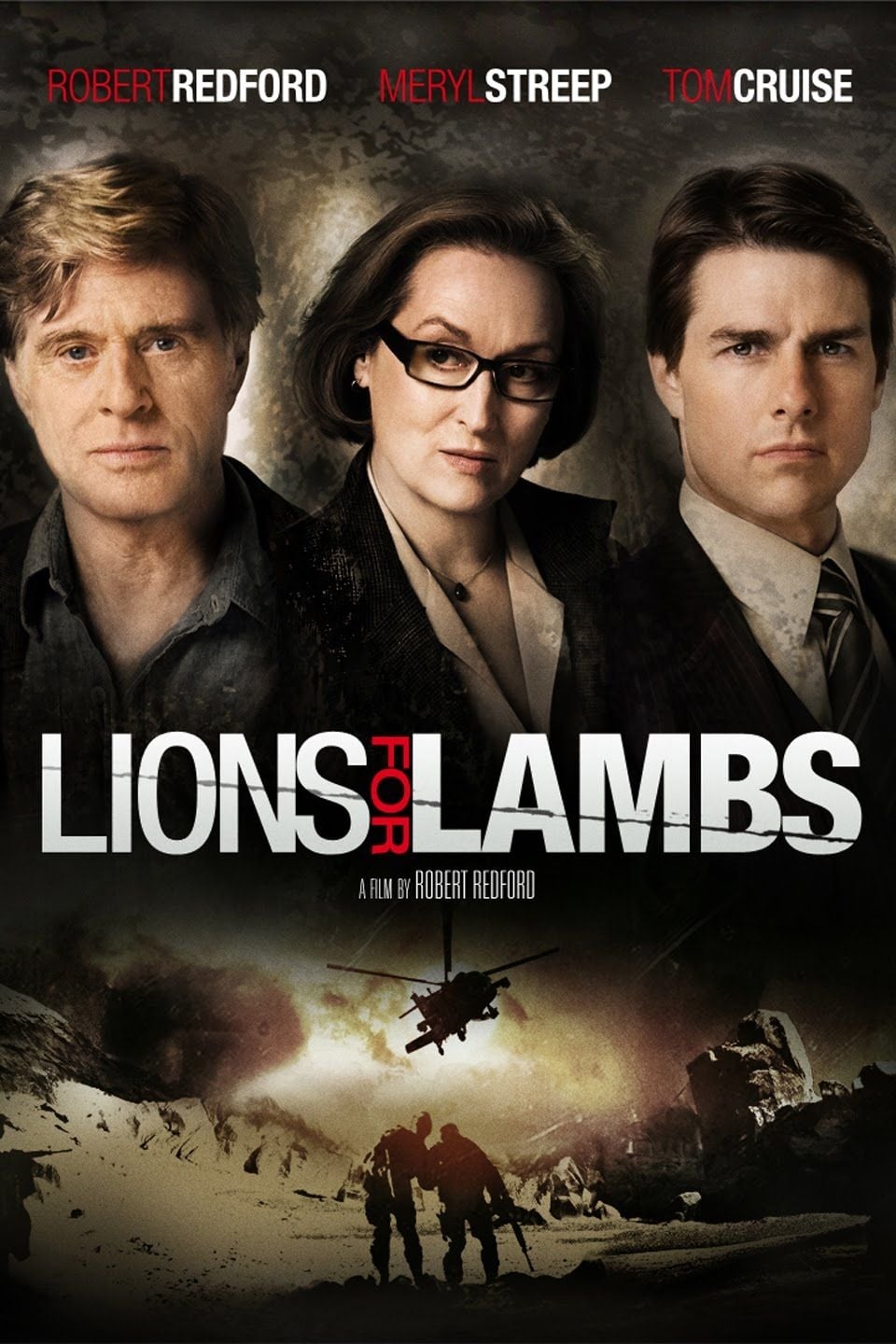
‘Lions for Lambs’ intercuts policy debate, journalism, and frontline action but was received as a misfire. Rotten Tomatoes maintains a low aggregate alongside clip archives, and trade and entertainment outlets later reiterated its poor critical consensus.
Financially, the film opened modestly and finished with worldwide grosses a little above its production cost; Box Office and press summaries consolidate that performance and capture contemporaneous reporting on audience response.
Have a different pick you think belongs on this list? Drop your thoughts—and your sources—in the comments!

