


The Worst Western Movies of All Time




Western misfires are their own kind of legend. They’re big swings with big stars, sprawling sets, and dust-choked ambition—only to get ambushed by brutal reviews, ballooning budgets, or box-office tumbleweeds. This list gathers widely documented duds that stumbled with critics, struggled commercially, or became cautionary tales in studio boardrooms.
To keep things verifiable, each entry points to reporting from trade outlets and box-office ledgers. You’ll see hard numbers, production histories, lawsuits, and awards (the unwanted kind) that explain how these titles earned their reputations—no hot takes required.
‘Heaven’s Gate’ (1980)

United Artists poured money into Michael Cimino’s frontier epic, which dramatically exceeded its planned cost and was pulled from theaters after a disastrous premiere engagement; a shorter re-cut followed but still underperformed. Box-office records list a domestic gross in the low single-digit millions against a budget reported around the mid-eight figures, making it a textbook commercial failure.
Trade coverage and retrospectives tie the film’s collapse to a broader industry reset, noting the steep writedown, the wave of negative press during production, and the ensuing corporate upheaval around United Artists. Those same sources also document the movie’s long afterlife and critical reappraisals, but its initial reception remains one of Hollywood’s most infamous face-plants.
‘The Lone Ranger’ (2013)

Multiple industry analyses pegged this Disney release for a steep write-down after a weak holiday opening and heavy costs that had previously forced budget showdowns and a temporary shutdown. Reporting cited production spending in the mid-nine figures and estimated losses that rivals and analysts put well into nine-digit territory.
Coverage at the time tracked how the film’s expensive production and marketing outpaced returns, with executives warning of a sizable quarterly hit and watchdog outlets labeling it one of the era’s costliest disappointments. Archival breakdowns collect those figures and the studio commentary into a single post-mortem.
‘Wild Wild West’ (1999)

Financial trackers place this steampunk western among the priciest releases of its season, with a reported budget around the high hundreds of millions and a worldwide gross that failed to create a comfortable margin. Trade interviews with the screenwriter and industry data note the mismatch between cost and return.
Awards tallies show the film collecting multiple Golden Raspberry trophies, including Worst Picture, cementing its place on “worst of” roundups alongside the underwhelming financial performance. Contemporary encyclopedic entries summarize those Razzie results for quick reference.
‘Jonah Hex’ (2010)
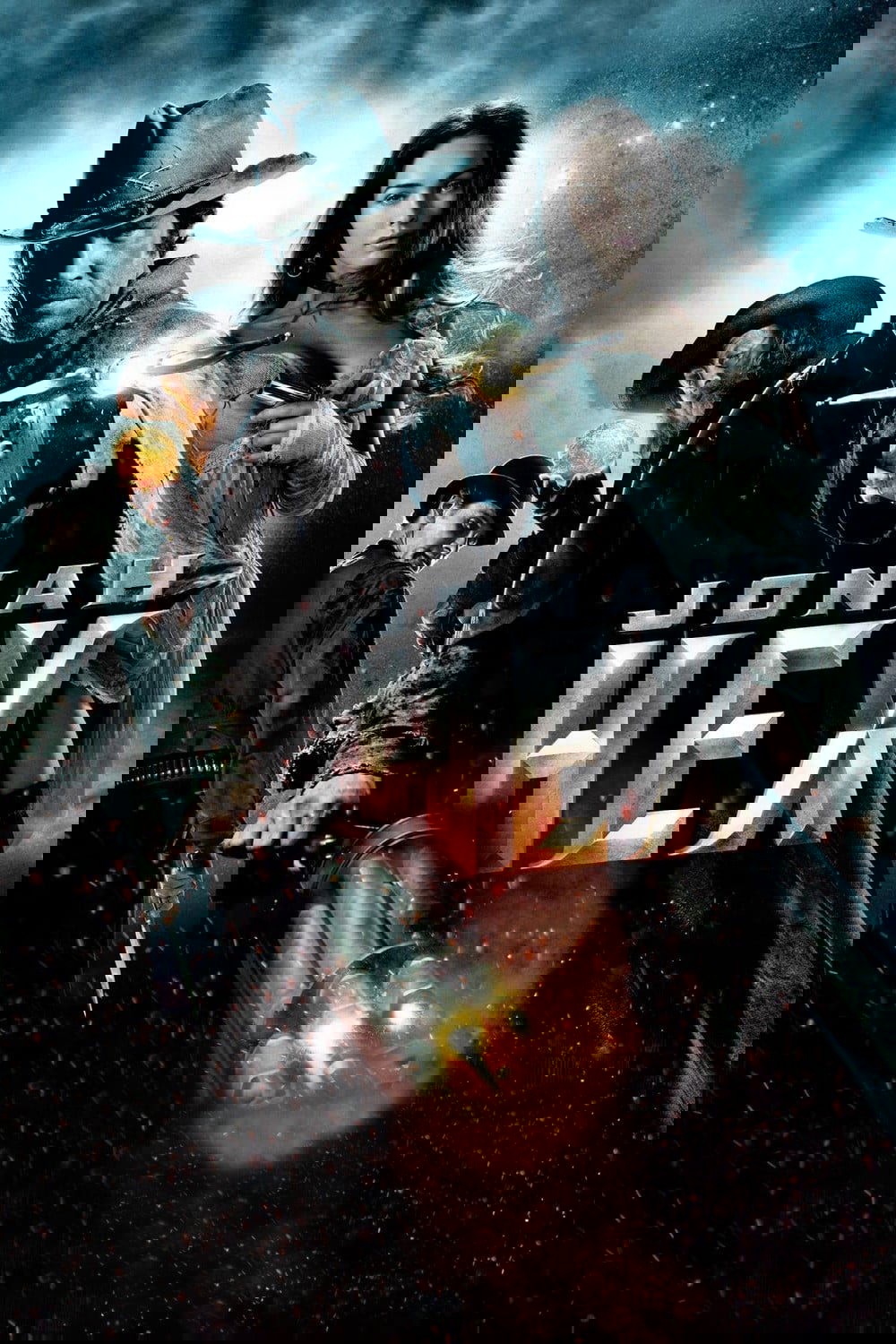
Box-office reporting and industry chronicles detail a troubled production marked by rewrites and post-production fixes, followed by a soft release that delivered minimal grosses relative to expectations. Trade and genre outlets later compiled firsthand accounts describing interference and a patchwork creative process.
Interviews with the star, published years later, specifically attribute problems to studio handling and a chaotic development cycle, providing on-the-record context for the film’s abbreviated theatrical run and poor reception.
‘The Legend of the Lone Ranger’ (1981)
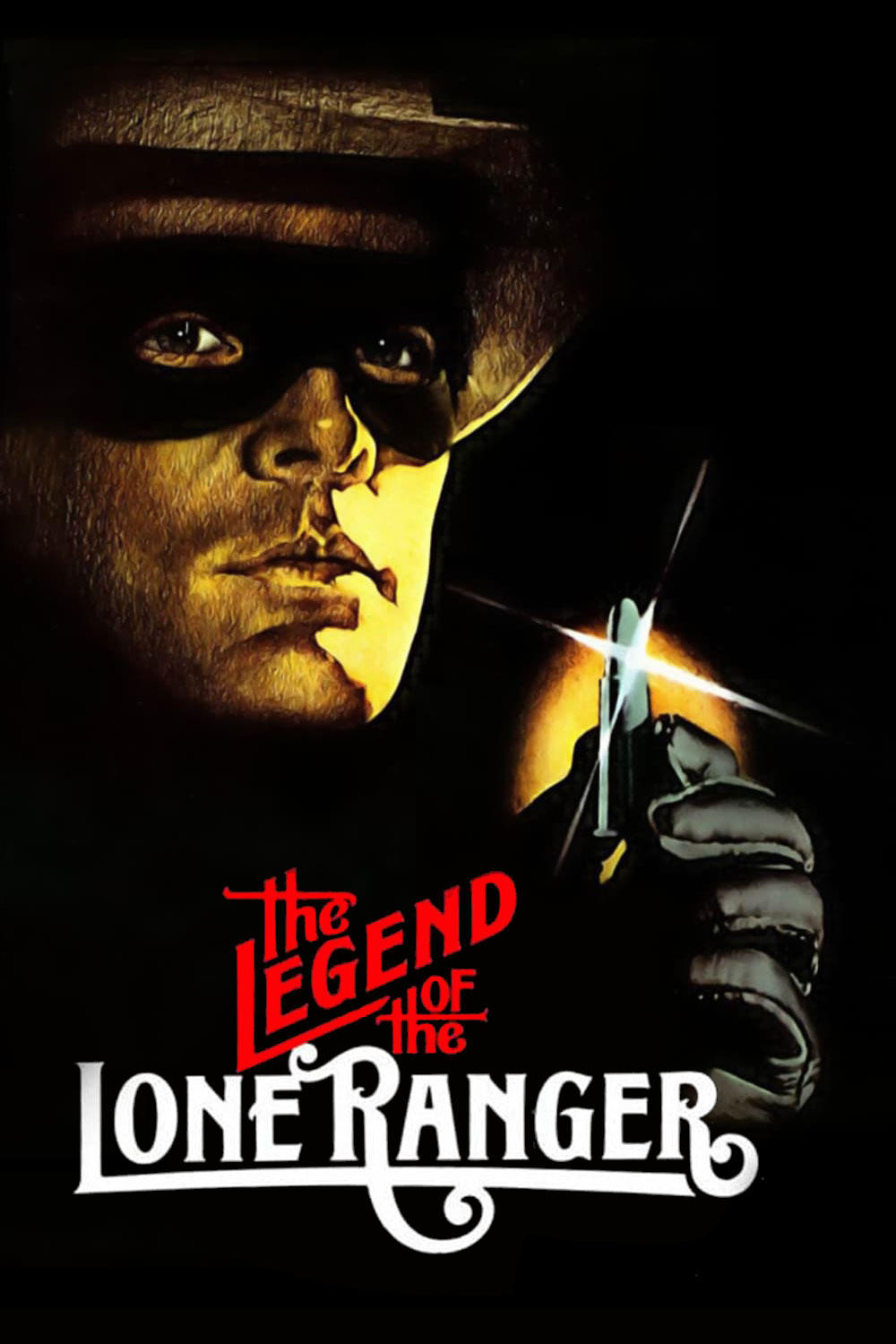
Contemporary and retrospective coverage links this movie’s negative publicity to a high-profile legal fight that barred TV icon Clayton Moore from appearing in his signature mask while the new production launched. After release, industry outlets documented disappointing grosses against its reported cost.
Media roundups have repeatedly cited the project as a flop that derailed careers, noting how the lawsuit and backlash overshadowed the rollout and how the film underperformed despite a wide launch.
‘Texas Rangers’ (2001)
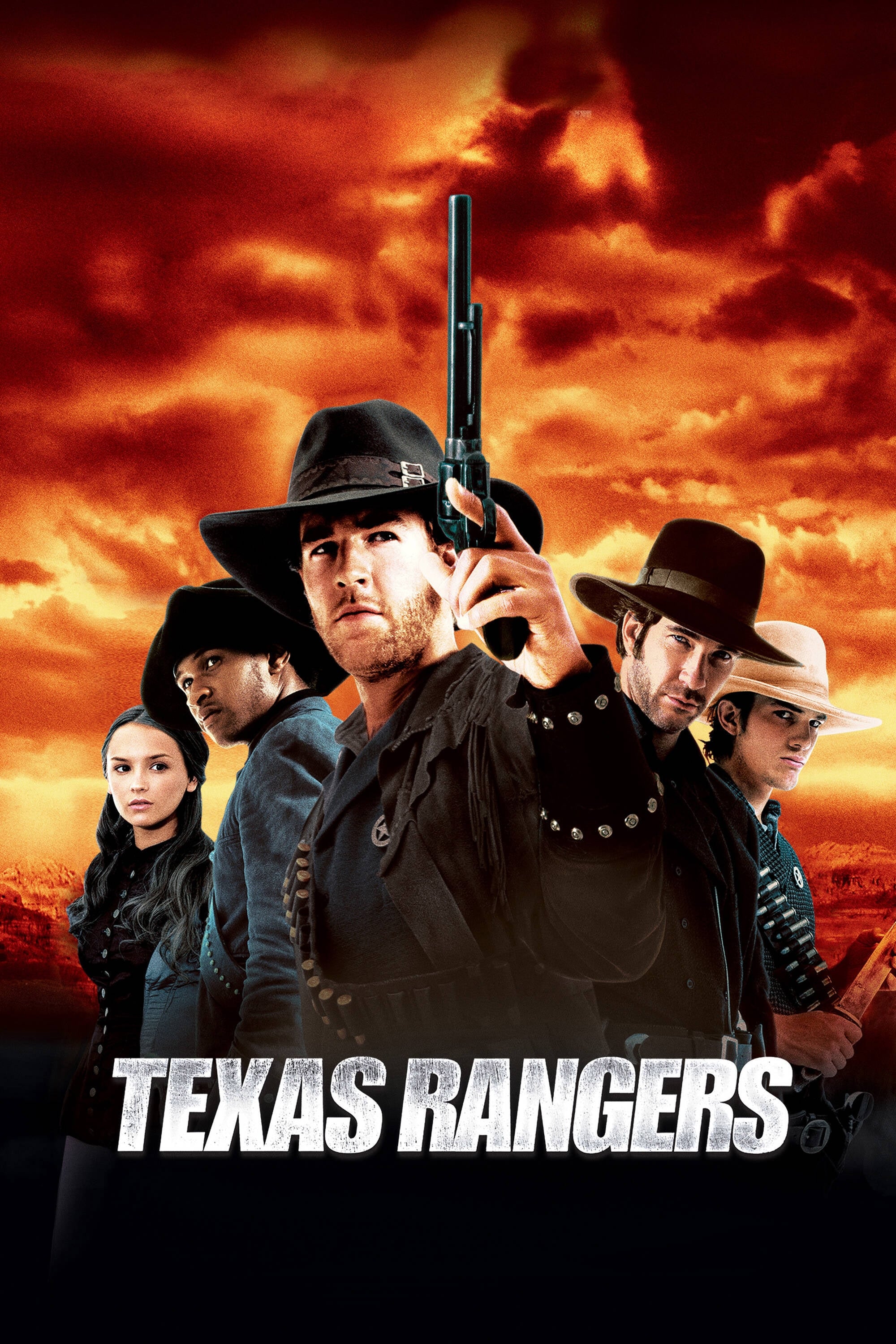
Ledger sites record a rare outcome: a studio western with an eight-figure budget that finished its entire run under the one-million-dollar mark worldwide, with distribution data listing a tiny domestic total and limited international revenue.
Aggregators and review archives show extremely low critic scores and a consensus that the production was compromised, with trade reviews pointing to cuts and a pared-down theatrical version—details that explain the abbreviated run and minimal returns.
‘American Outlaws’ (2001)

Financial databases put the budget in the mid-eight figures and the worldwide gross in the low eight figures, indicating a clear shortfall despite a wide release. Independent box-office reporting also documents the financing structure and marketing spend that preceded its poor performance.
Critical summaries show low scores across major aggregators and capture contemporaneous reviews that criticized the film’s approach to the Jesse James story, helping explain why it failed to connect with audiences.
‘The Ridiculous 6’ (2015)
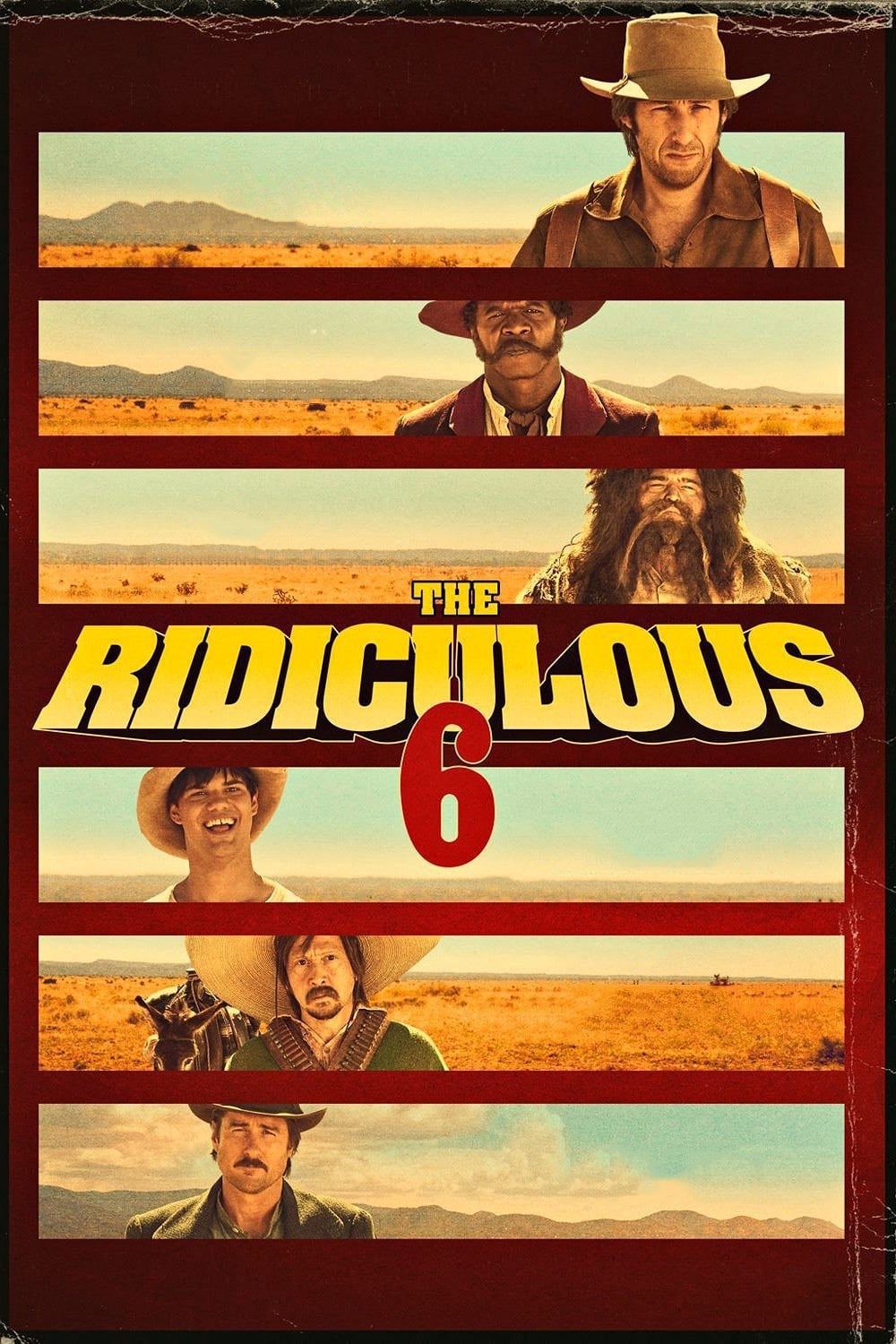
Review aggregators log a rare zero-percent critic score, and major outlets reported that Native American actors and a cultural advisor walked off the set over concerns about offensive material—coverage that included statements from the distributor about satirical intent.
Despite critical drubbings, the distributor announced record-setting early viewing on its platform, and multiple trade publications repeated that it posted the service’s biggest first-month movie launch globally at the time, underscoring the gap between reviews and reported viewership.
‘Gallowwalkers’ (2012)
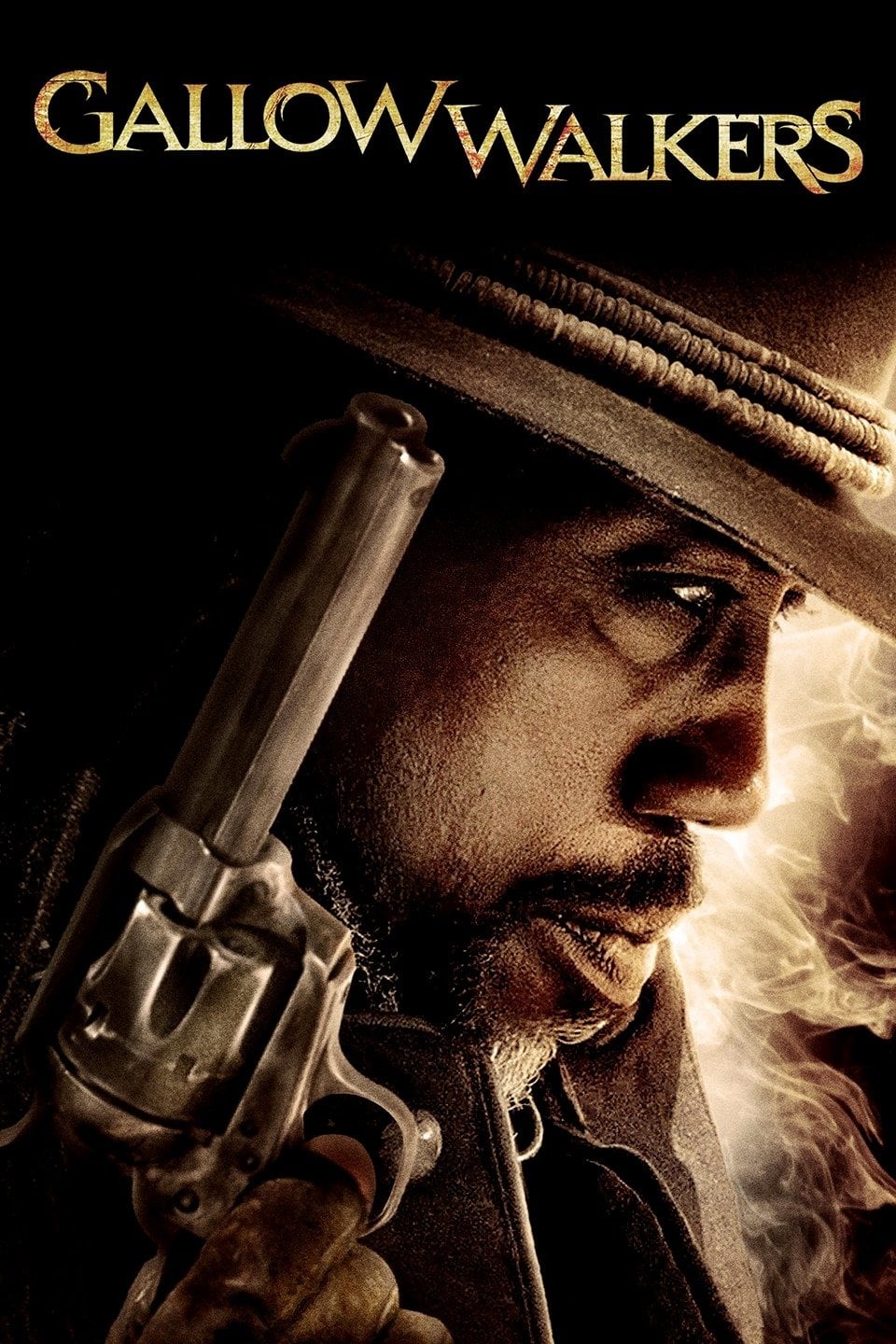
Reference entries and trade-style summaries trace the film’s long, bumpy path to release, including title changes, long delays tied to the lead actor’s legal troubles, and an eventual limited rollout after sitting on the shelf. Industry news reports provide independent confirmation of the legal issues that intersected with production.
Box-office ledgers offer minimal theatrical data, reflecting how the movie bypassed a traditional wide run, while genre histories recount the project’s retooling from an earlier concept and its meager market impact.
‘Cowboys & Aliens’ (2011)

Public accounting from trade outlets and box-office services records a production cost well into nine figures and a global gross that only modestly exceeded that figure, leading several publications to list it among major financial disappointments of its season.
Analyses from industry commentators describe how multiple studios shared the risk, why projections fell short, and how the release became a case study in summer-tentpole underperformance despite a star-packed cast and heavy promotion.
‘The Alamo’ (2004)
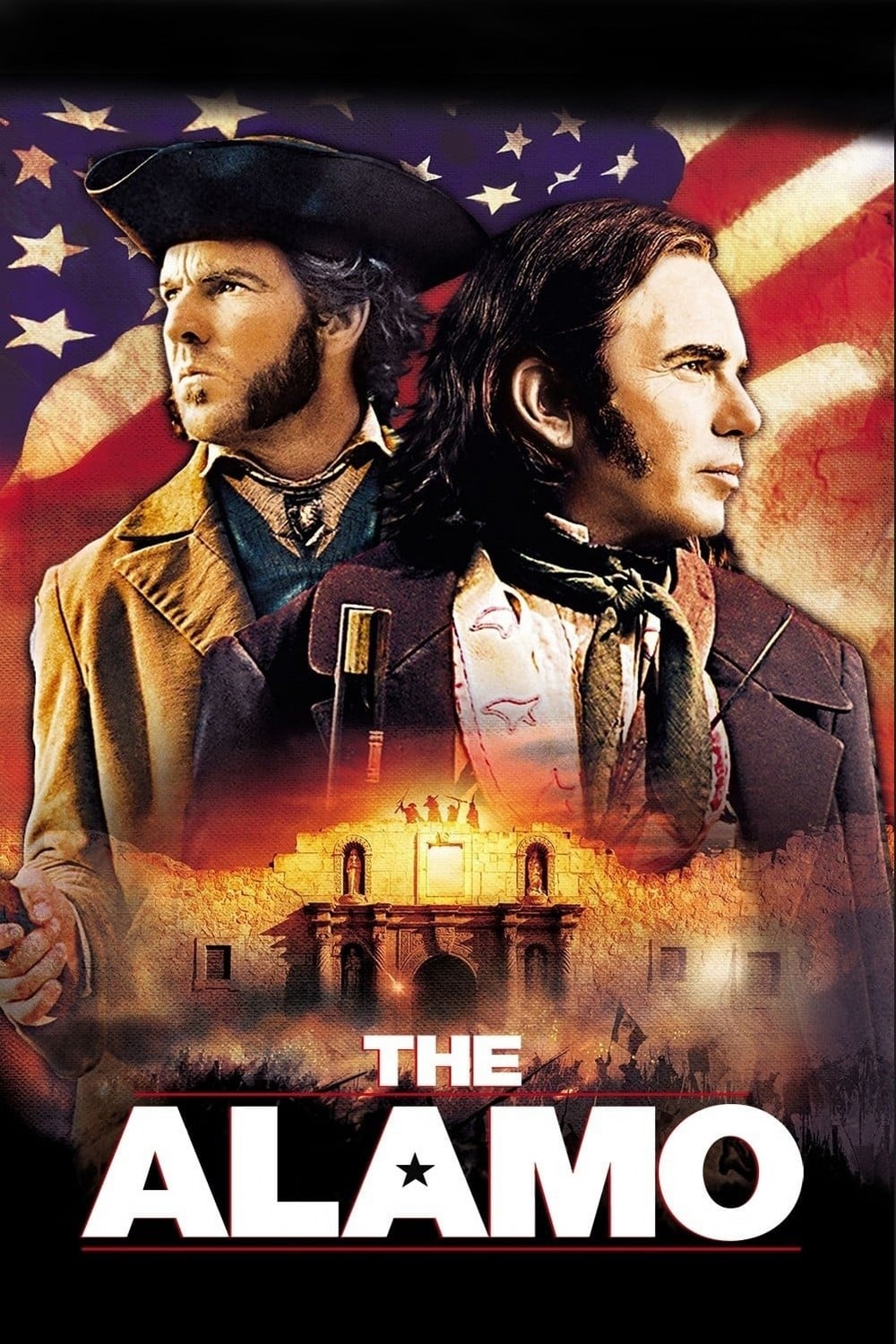
Box-office databases show a reported nine-figure budget with worldwide grosses that landed in the mid-twenties, and weekend breakdowns corroborate a soft opening followed by a quick fade. Aggregators log mixed-to-negative reviews, capturing the reception that accompanied those numbers.
Trade listings and historical box-office roundups continue to cite the film as a prominent modern western flop, noting the high production spend and the difficulty of recouping costs given the domestic-heavy revenue split.
Share your picks (and receipts) for the westerns that missed the mark most in the comments!

