‘The Yogurt Shop Murders’ Director on Facing the Killer’s Daughter, Solving the Case, and a Shocking Interview Moment

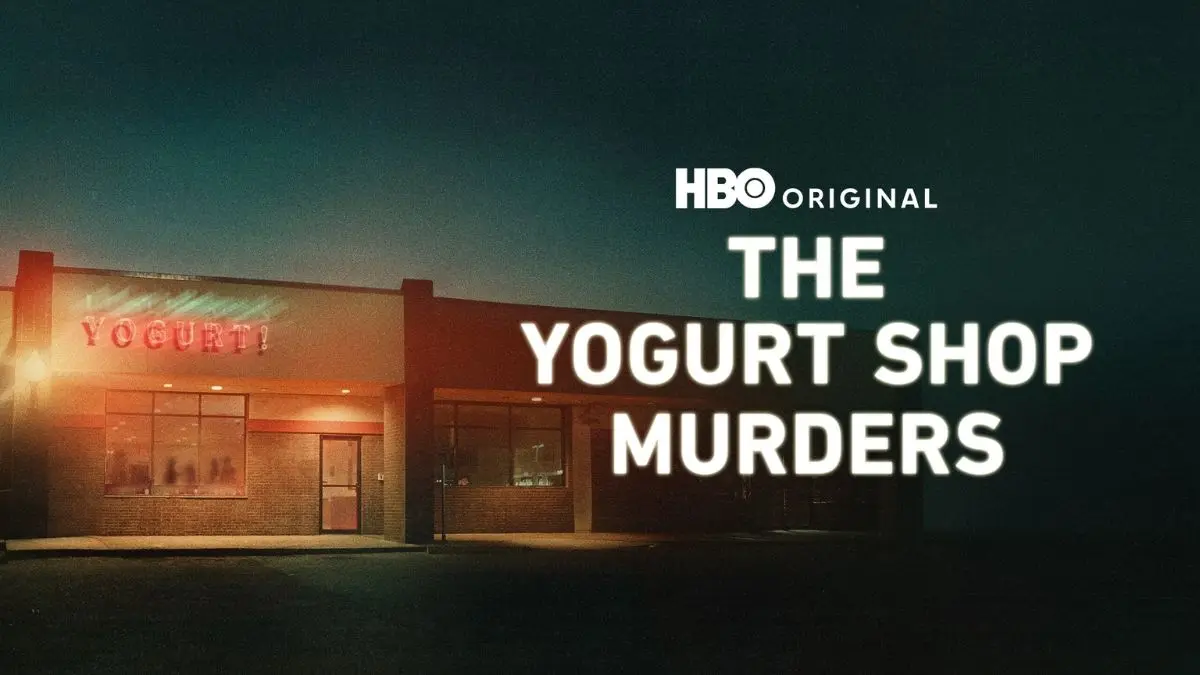

The HBO docuseries The Yogurt Shop Murders took an unexpected turn after real-world developments changed the direction of its final episode. What began as a deep investigation into a decades-old cold case became something closer to a real-time update when police announced they had finally solved the 1991 killings.
On September 27, 2025, Austin police revealed that Robert Eugene Brashers was responsible for the murders of four teenage girls: Amy Ayers, Eliza Thomas, Jennifer Harbison, and Sarah Harbison. The announcement came just one month after the fourth episode of the series aired, shifting the meaning of the entire documentary project.
Director Margaret Brown was already preparing to continue filming when the news broke. She traveled to Austin that same day to shoot what would become the fifth episode of the series, titled The End of Wondering. The episode focuses on how DNA evidence eventually led investigators to Brashers, who died in 1999, and how the case finally reached closure after more than three decades.
Brown had spent over three years working on the series, interviewing investigators and the families of the victims. The case had long been one of the most painful and confusing unsolved crimes in Austin history. Because of that, she admitted she felt nervous about returning after the breakthrough.
She said she was worried about how the families would react to the news that a serial killer had been identified as the person responsible. But instead of renewed trauma, she found that many of them felt a sense of relief after years of uncertainty.
The series also revisits the long and complicated history of the investigation. In its early stages, police focused on four teenage boys: Forrest Welborn, Maurice Pierce, Robert Springsteen, and Michael Scott. All four were arrested or charged at different points in the case.
Scott and Springsteen were convicted in 1999, but those convictions were later overturned. Welborn’s charges were dropped in 2000, and Pierce was held for years before being released in 2003. He was later shot and killed by police during a traffic stop in 2010. By February 2026, all four men had been formally exonerated.
The aftermath of those accusations continued for decades. On May 13, the city of Austin agreed to pay a total of $35 million in restitution to Welborn, Springsteen, Scott, and Pierce’s family members.
For the fifth episode, Brown was finally able to speak with people who had previously refused interviews. This included members of the victims’ families connected to the wrongly accused men, as well as Deborah Brashers, the daughter of Robert Eugene Brashers.
Brown said one of the most difficult moments of filming came during her interview with Deborah Brashers. Deborah wanted to speak out and apologize on behalf of her father’s family. Brown described the experience as overwhelming and emotionally intense.
She said, “It was the craziest interview I’ve ever done in my entire life. I thought I was going to throw up. That woman has been through so much.”
In an interview with Variety, Brown also explained how she initially approached the idea of a final episode. HBO originally viewed it as a short addition to the series, but Brown pushed to expand it once new developments changed the case.
She said she felt it was important to return to Austin and complete the story, especially after spending so much time with the families. For her, the fifth episode was not just an update, but a necessary continuation of a story that had remained unresolved for decades.
Brown also reflected on the emotional complexity of the case, especially when it came to how families responded to the newly cleared suspects. She noted that while some viewers may expect sympathy across all sides, grief and trauma often leave little room for that kind of response.
She encouraged audiences not to judge the families too quickly, explaining that their reactions come from years of pain and unanswered questions.
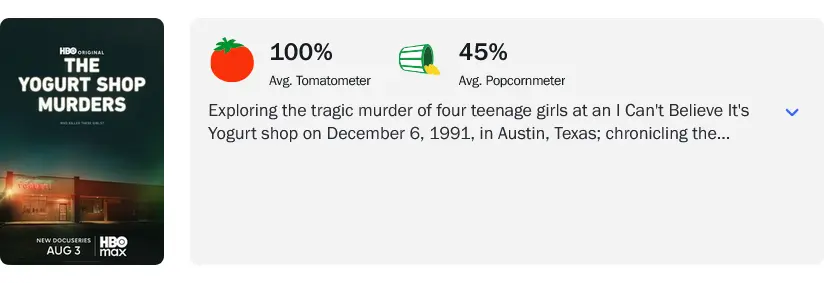
The fifth episode of The Yogurt Shop Murders ultimately brings together all these threads: the original crime, the wrongful accusations, and the eventual breakthrough in DNA evidence. It also shows how a documentary can evolve alongside real-world events, especially in cases where justice takes decades to arrive.
Have something to add? Let us know in the comments!