


10 Things You Probably Didn’t Know About ‘The Amazing Spider-Man 2’

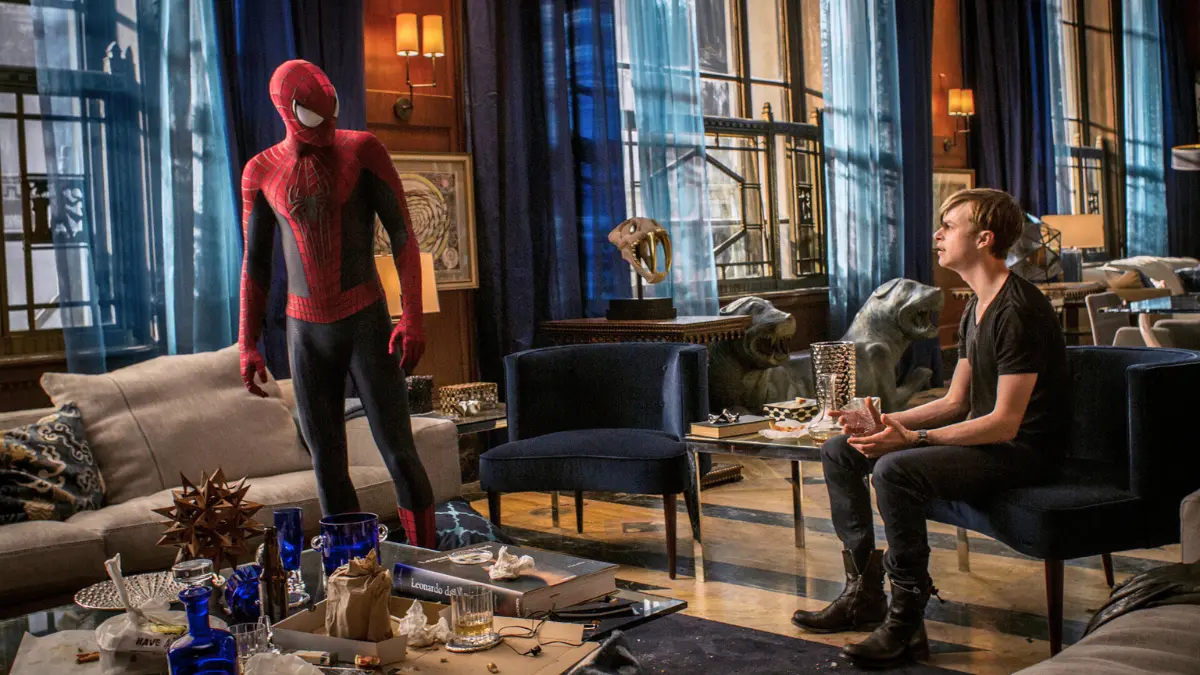


When ‘The Amazing Spider-Man 2’ arrived in 2014, it was the second and final film in Marc Webb’s rebooted Spider-Man series starring Andrew Garfield. With Emma Stone returning as Gwen Stacy and new villains like Electro, Green Goblin, and Rhino entering the story, the film aimed to expand the universe and set the stage for future sequels and spin-offs. Despite its ambitious scope, the movie received mixed reviews, but it left a lasting impact with its visuals, emotional beats, and bold choices.
Behind the scenes, the production was full of big plans, challenges, and surprising details that shaped how the movie turned out. From casting decisions to hidden comic book nods, there’s a lot more to ‘The Amazing Spider-Man 2’ than meets the eye. Here are ten things you probably didn’t know about the film.
Shailene Woodley Was Cast as Mary Jane Watson
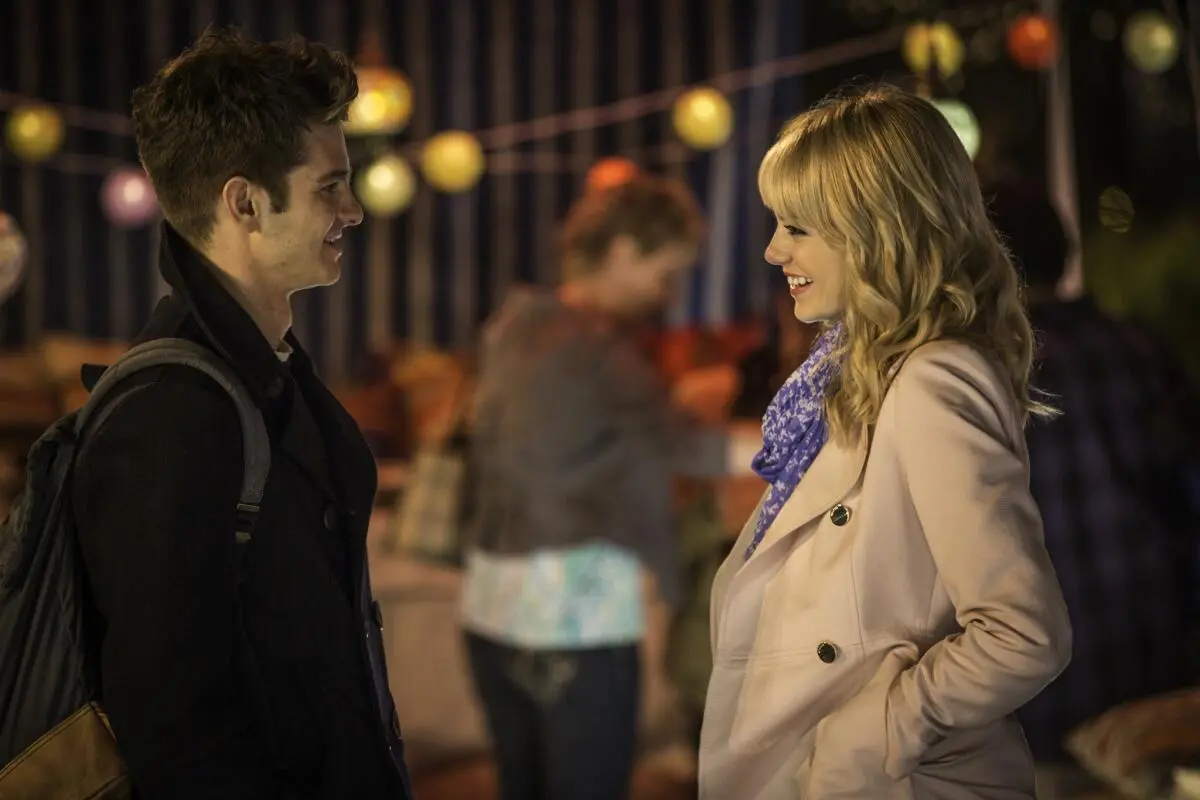
Before the movie’s release, Shailene Woodley was cast to play Mary Jane Watson and even filmed several scenes. However, the filmmakers decided to cut her role entirely to keep the focus on Peter and Gwen’s relationship.
The choice was meant to avoid crowding the story and to save Mary Jane for a future installment. Although those plans never came to fruition, Woodley’s scenes remain a fascinating “what if” in Spider-Man history.
Hans Zimmer Formed a Supergroup for the Score
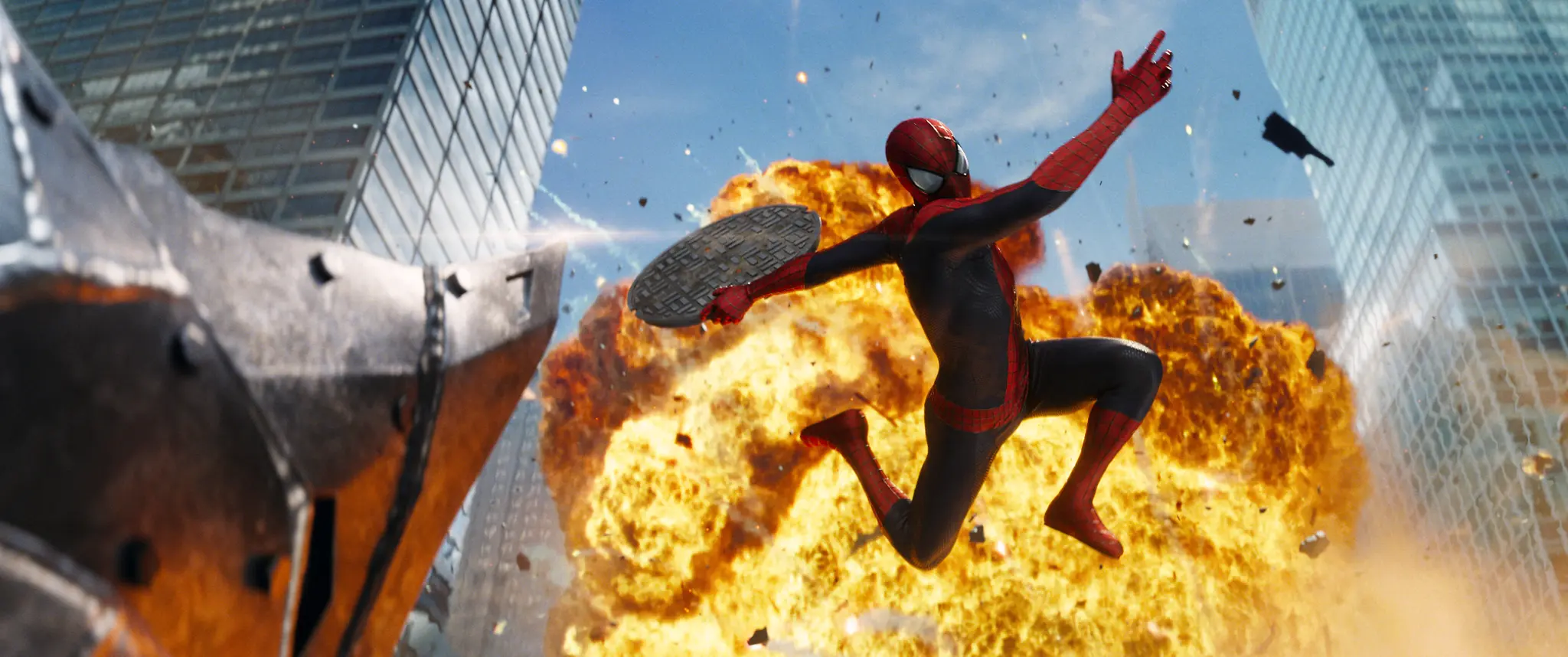
The soundtrack for ‘The Amazing Spider-Man 2’ was composed by Hans Zimmer, but he didn’t work alone. Zimmer created a group called The Magnificent Six, which included Pharrell Williams, Johnny Marr, and several other well-known musicians.
Together, they experimented with electronic sounds and unconventional instruments, especially for Electro’s theme. This unique collaboration gave the score a distinct identity compared to other superhero films of the time.
Electro’s Look Was Inspired by ‘Ultimate Spider-Man’
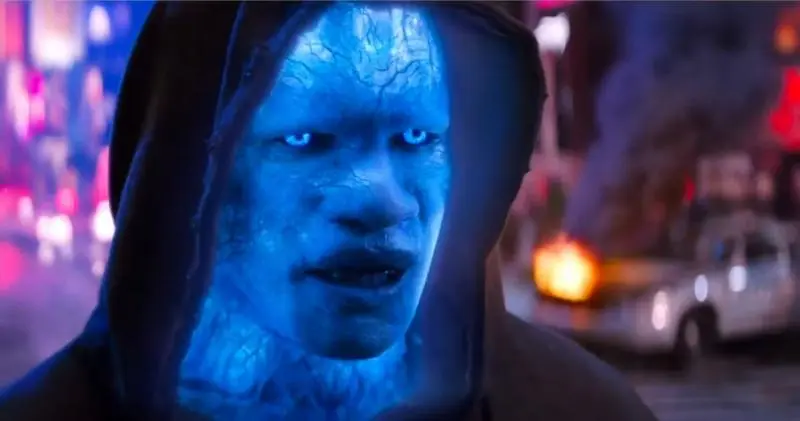
Jamie Foxx’s Electro didn’t resemble the character’s classic green-and-yellow comic book outfit. Instead, his blue, glowing appearance was based on the ‘Ultimate Spider-Man’ comics, which presented Electro as an electrically charged figure.
The visual effects team designed his body to pulse with electricity, using digital layers to make his skin look transparent with glowing veins. This made Electro stand out as one of the most visually striking villains in the series.
Andrew Garfield Helped Shape Peter’s Story
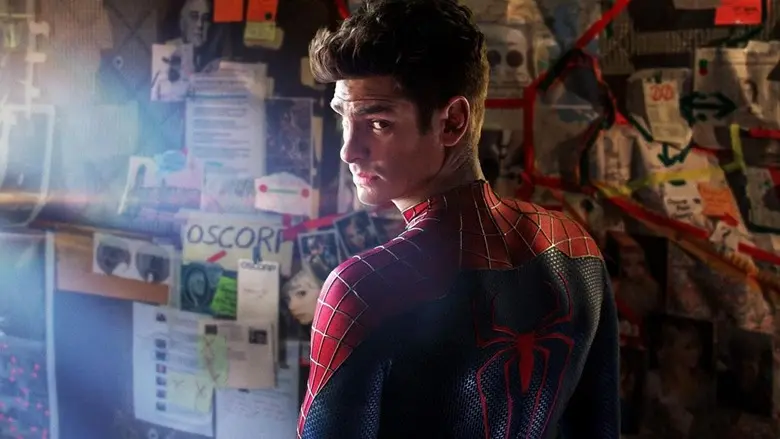
Andrew Garfield was deeply involved in the creative process and offered suggestions for Peter Parker’s emotional journey. He pushed to make Peter more vulnerable and relatable, especially in his relationship with Gwen Stacy.
Garfield believed the heart of Spider-Man’s story was about personal sacrifice. His dedication to the role influenced how certain key scenes played out, particularly the emotional finale.
The Film Set Up the Sinister Six
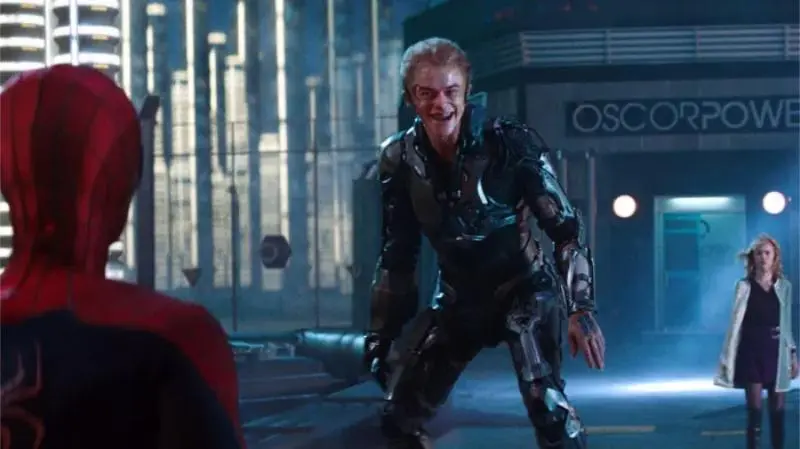
Throughout the movie, there are teases of a larger villain team-up. Oscorp’s secret projects included nods to characters like Vulture, Doctor Octopus, and even Black Cat, hinting at the Sinister Six.
Sony had plans to launch a spin-off film centered on the villainous group. Concept art and story outlines were developed, but the project was canceled after the franchise shifted directions.
Gwen Stacy’s Fate Was Taken From the Comics
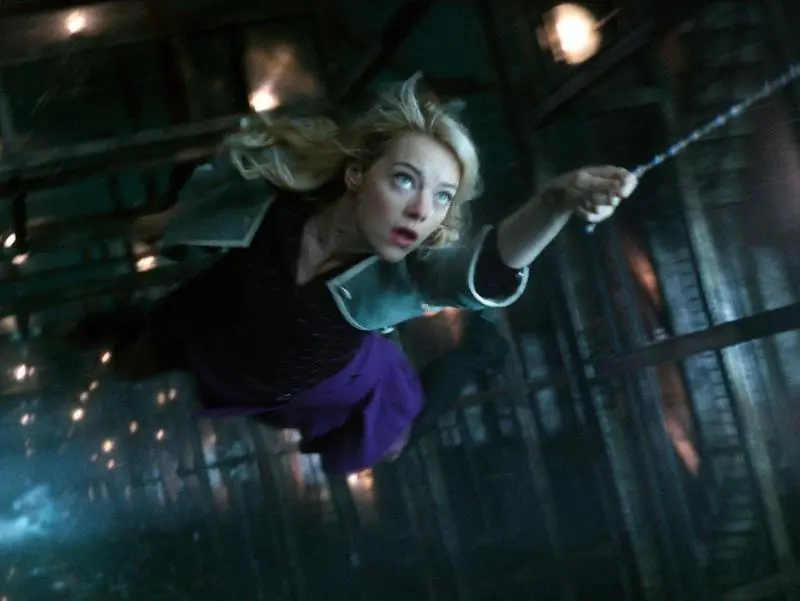
The dramatic ending with Gwen Stacy falling from the clock tower was directly inspired by her iconic comic book storyline. The filmmakers recreated the tragic moment with careful attention to detail, even down to Gwen’s wardrobe resembling her comic book counterpart.
This scene was one of the boldest choices in the film, as it shocked audiences and gave the movie one of the most emotional moments in superhero cinema.
Paul Giamatti Loved Playing Rhino
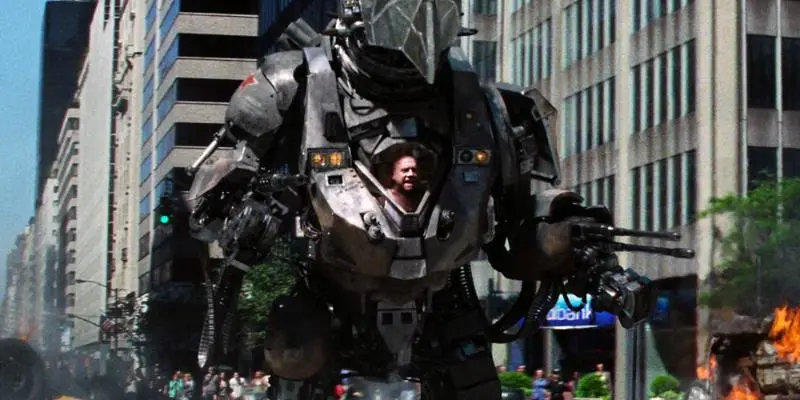
Paul Giamatti appeared briefly as Aleksei Sytsevich, also known as Rhino. Although his screen time was short, he fully embraced the over-the-top character. Giamatti later said he had a blast playing such a wild role.
His armored Rhino suit was heavily CGI-enhanced, making him one of the more unusual villains in the Spider-Man films. The movie ends with Spider-Man facing off against him, a setup for a battle that audiences never got to see in a sequel.
Deleted Scenes Teased Peter’s Father Alive
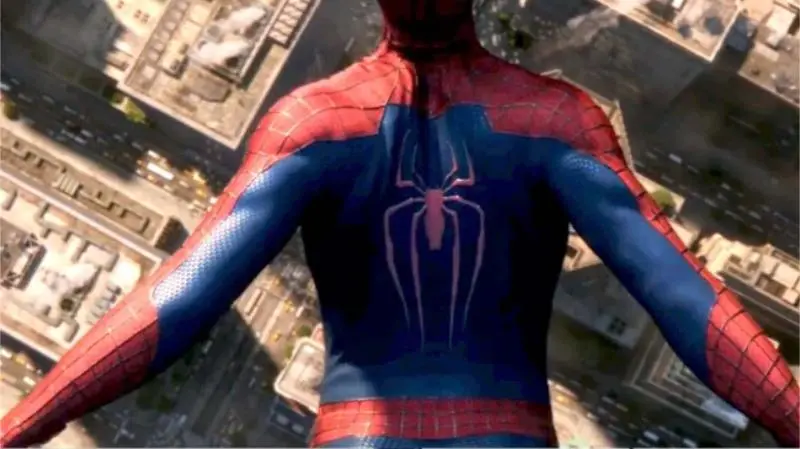
Several deleted scenes suggested that Richard Parker, Peter’s father, was still alive. One version even showed him reuniting with Peter at Gwen’s grave, which would have drastically changed the story.
These scenes were cut because the filmmakers felt they distracted from the main narrative. Still, their existence sparked years of fan debate about what might have been if the storyline continued.
Emma Stone Did Extensive Stunt Work
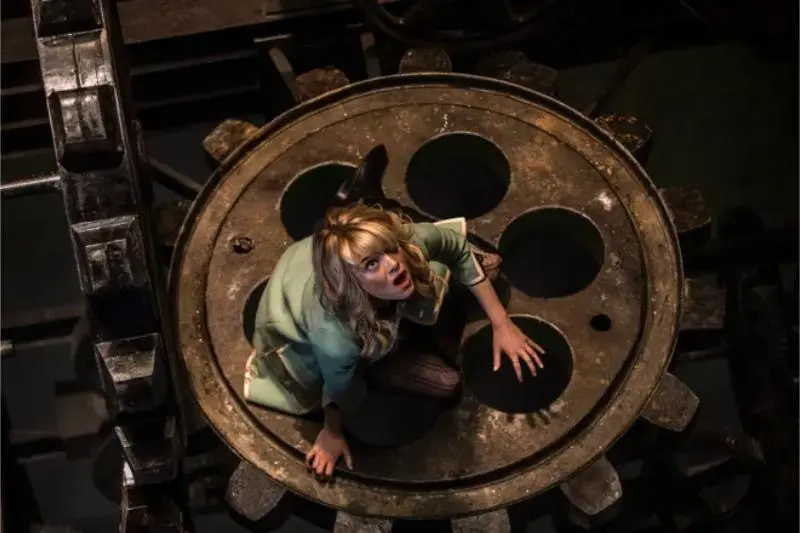
Emma Stone performed many of her own stunts during the film, especially in the scenes involving Gwen’s fall. She trained for the wire work and rehearsed with stunt coordinators to make the sequence look authentic.
Her commitment added emotional weight to the character’s tragic final moments. Stone’s performance remains one of the most praised aspects of the film.
The Film Was Supposed to Lead to a Bigger Universe
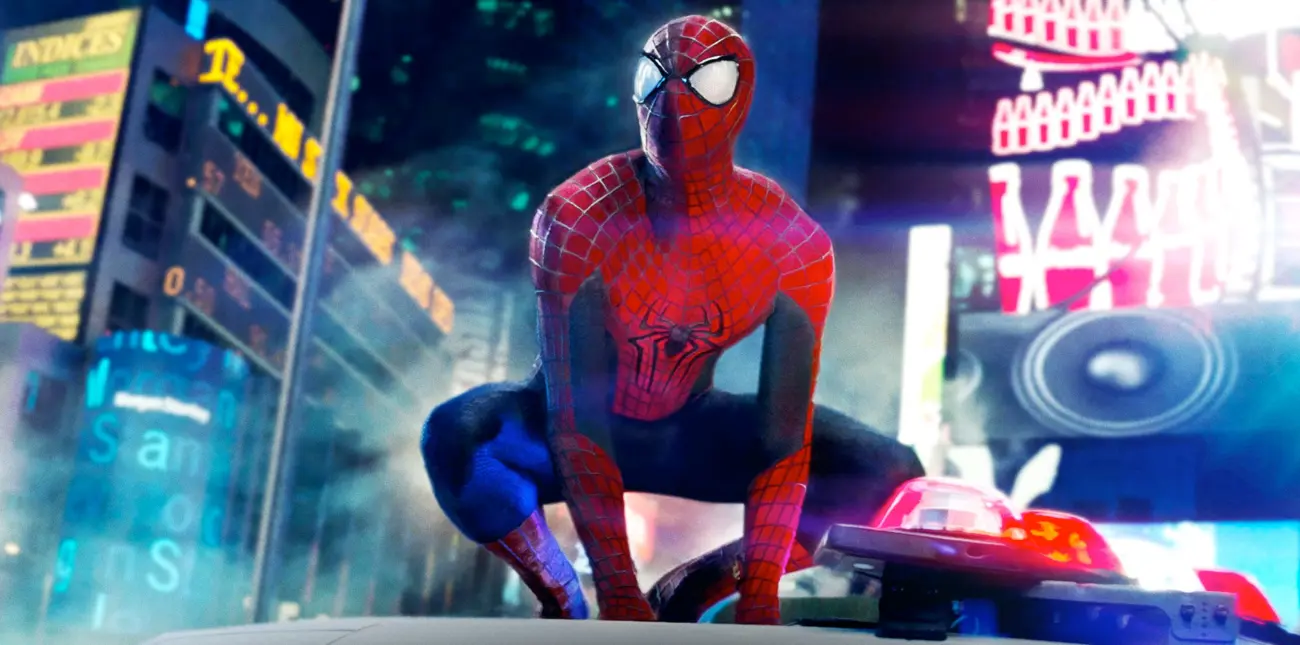
Sony originally planned an entire cinematic universe around ‘The Amazing Spider-Man 2.’ Spin-offs for Venom, Sinister Six, and even a movie focused on Aunt May were discussed.
However, after the film’s mixed reception and behind-the-scenes changes, these projects were abandoned. Instead, Sony made a deal with Marvel Studios to reboot Spider-Man again, leading to Tom Holland’s version joining the Marvel Cinematic Universe.
Which of these surprising details about ‘The Amazing Spider-Man 2’ did you enjoy learning the most? Share your thoughts in the comments!

