


10 Things You Probably Didn’t Know About ‘X-Men: Apocalypse’

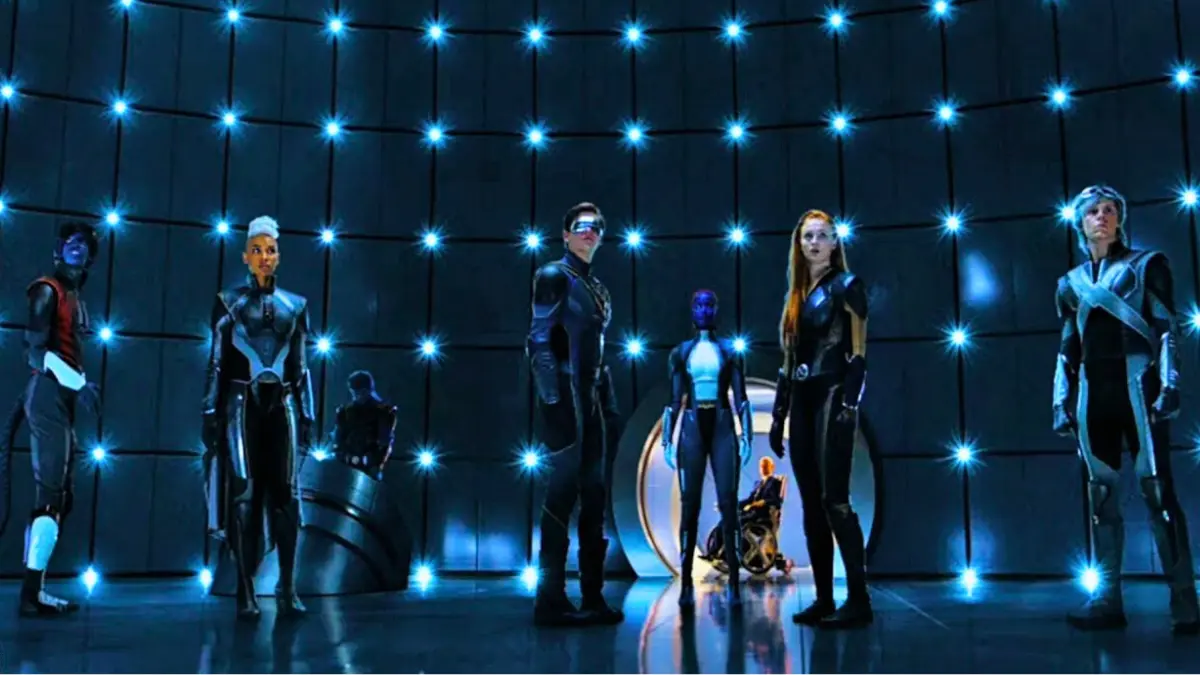


When ‘X-Men: Apocalypse’ was released in 2016, it marked the ninth film in the long-running ‘X-Men’ franchise. Directed by Bryan Singer, the movie introduced Oscar Isaac as the powerful mutant Apocalypse, the first mutant in history, who seeks to reshape the world with his Four Horsemen. Featuring returning cast members like James McAvoy, Michael Fassbender, Jennifer Lawrence, and Nicholas Hoult, along with new faces such as Sophie Turner as Jean Grey and Tye Sheridan as Cyclops, the film was one of the most ambitious in the series.
Although reviews were mixed, the movie delivered massive action sequences, ancient mythology, and a focus on the younger generation of mutants. Behind the blockbuster spectacle, there are many fascinating details about its development and production. Here are ten things you probably didn’t know about ‘X-Men: Apocalypse’.
Oscar Isaac’s Costume Was Extremely Restrictive
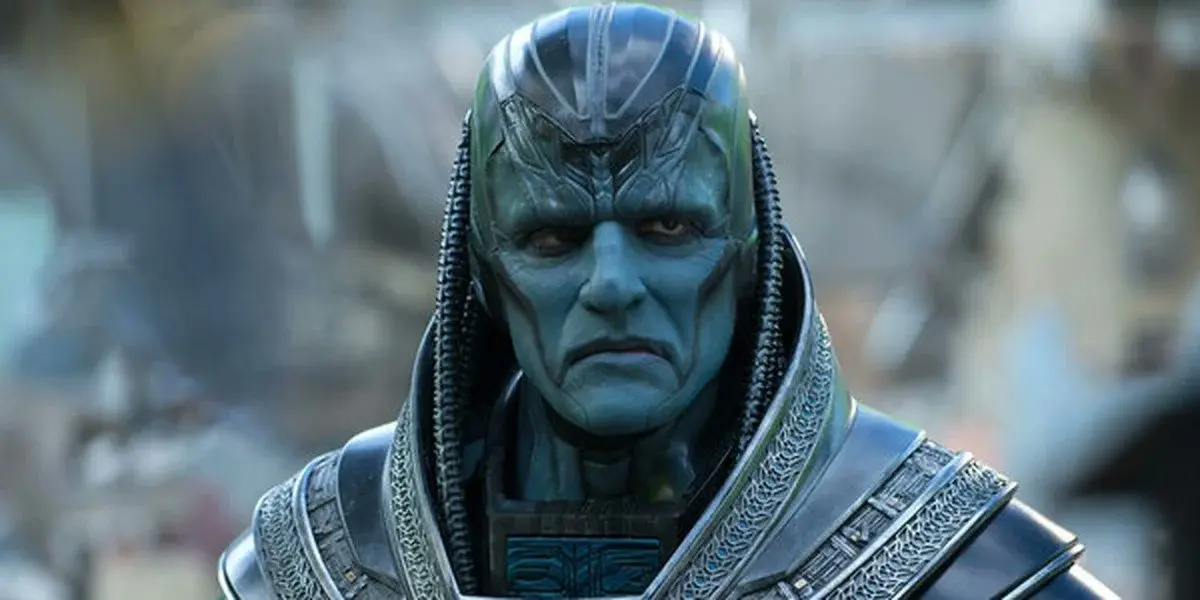
Oscar Isaac’s transformation into Apocalypse required heavy prosthetics, armor, and extensive makeup that took hours to apply. The costume was so restrictive that he could barely move or hear while wearing it.
Isaac often felt isolated on set because of the difficulty in communicating with others, but he pushed through the discomfort to bring intensity to the role. His dedication helped give Apocalypse a commanding and intimidating presence.
The Film Introduced a Young Jean Grey and Cyclops
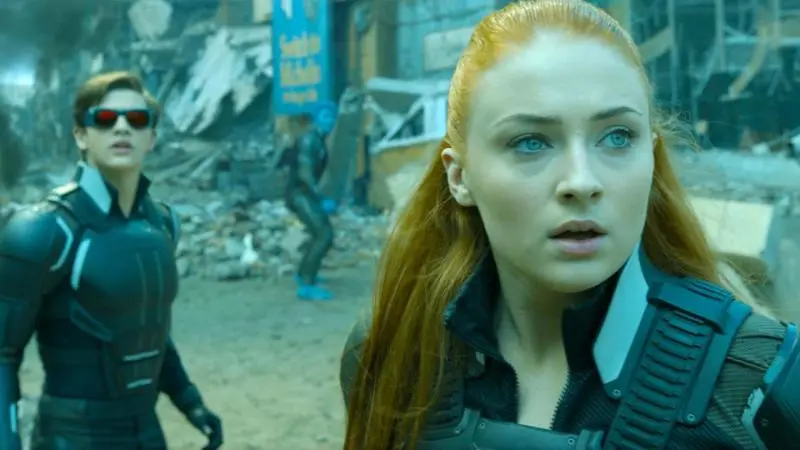
‘X-Men: Apocalypse’ introduced younger versions of Jean Grey and Cyclops, played by Sophie Turner and Tye Sheridan. The casting gave the series a fresh opportunity to explore these iconic characters in their early years.
Turner trained extensively to embody Jean’s psychic powers, while Sheridan worked on bringing Cyclops’ leadership qualities to the screen. Their performances set the stage for the next era of the ‘X-Men’ storyline.
Quicksilver’s Scene Took Months to Create
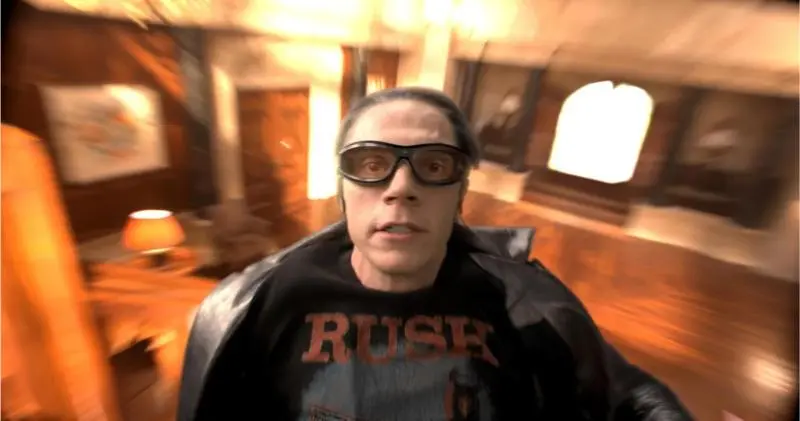
Following the success of Quicksilver’s kitchen scene in ‘X-Men: Days of Future Past,’ the filmmakers created an even larger sequence for him in ‘Apocalypse.’ This time, Quicksilver rescued students from Xavier’s School during an explosion.
The sequence required complex slow-motion filming and heavy visual effects. Shooting and editing the scene took months, making it one of the most elaborate action set pieces in the film.
Magneto’s Storyline Was Inspired by Real Tragedies
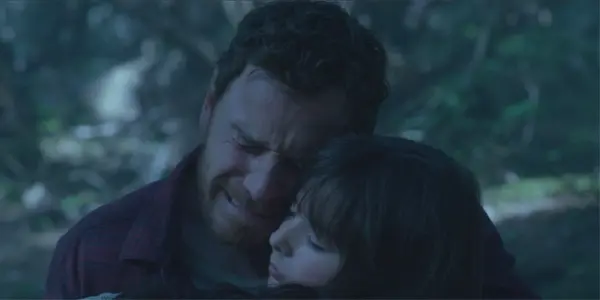
In ‘Apocalypse,’ Magneto tries to live a quiet life in Poland before tragedy pushes him back toward destruction. His storyline drew inspiration from historical persecution, reflecting his struggle as both a victim and a dangerous figure.
Michael Fassbender delivered a powerful performance that highlighted Magneto’s emotional conflict. His arc continued to blur the line between villain and tragic antihero, a hallmark of the character throughout the franchise.
Jubilee Was Cut Down in the Final Edit
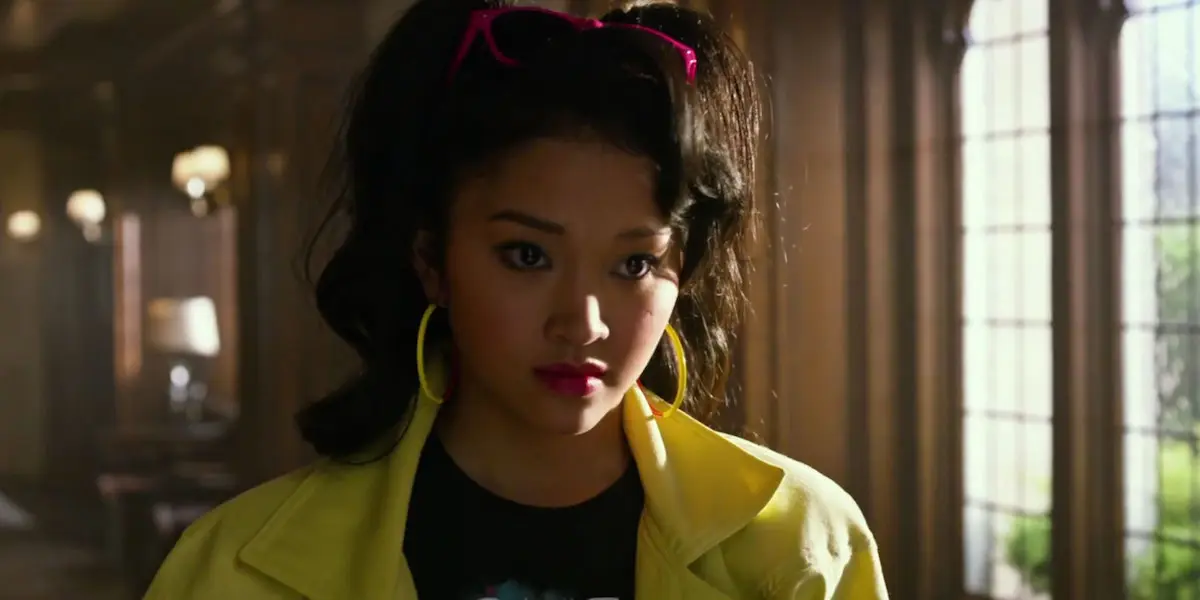
The fan-favorite mutant Jubilee, played by Lana Condor, was heavily promoted in trailers and posters. However, many of her scenes were cut in the final version of the movie.
Although she had limited screen time, her inclusion was a nod to longtime fans of the comics and the 1990s animated series. The cuts disappointed some viewers who hoped to see more of her powers in action.
Hugh Jackman’s Cameo Was Brutal
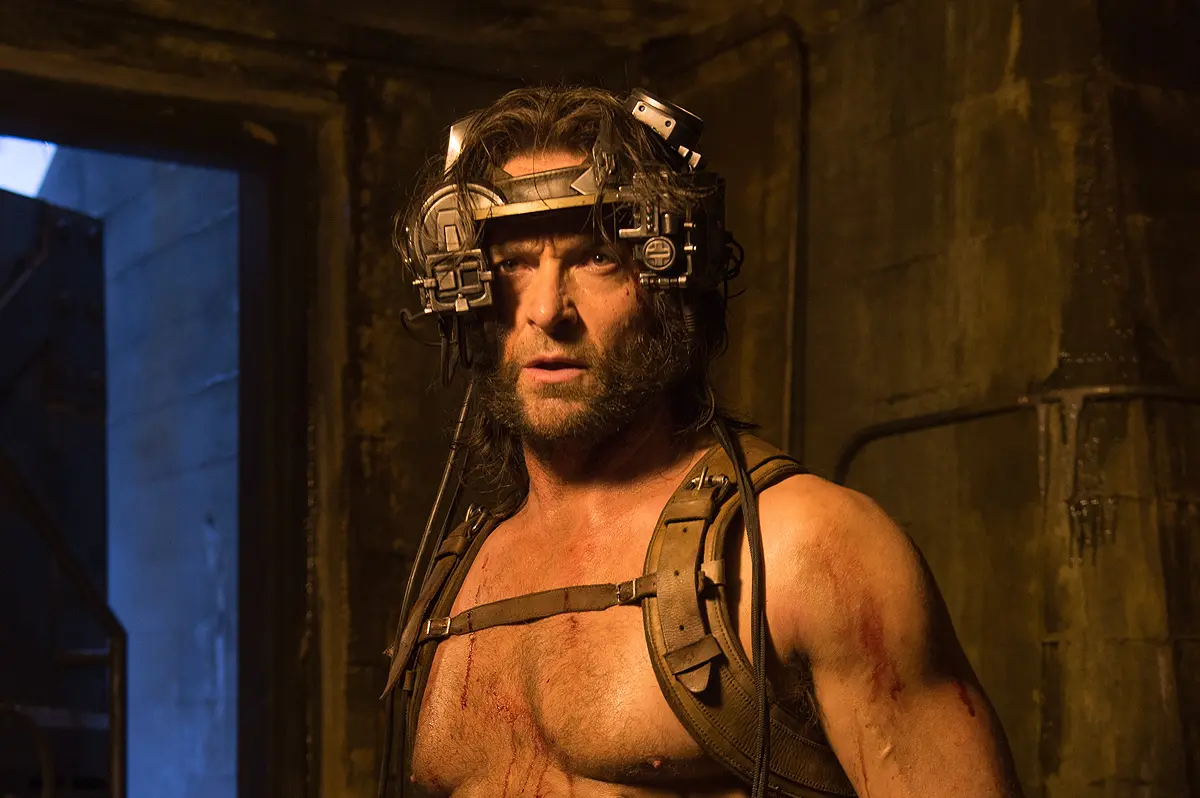
Hugh Jackman returned briefly as Wolverine in a violent cameo where he rampages through a military facility after escaping as Weapon X. The sequence showcased a feral side of Wolverine that fans had long wanted to see.
The cameo also served as a setup for Jackman’s final film as the character, ‘Logan,’ which followed a much darker and more grounded tone. His appearance was one of the film’s most talked-about moments.
The Film Was Shot in Montreal

‘X-Men: Apocalypse’ was filmed primarily in Montreal, Canada, where massive sets were constructed to recreate ancient temples and post-apocalyptic battlefields. The location offered both modern facilities and vast outdoor spaces for large-scale action scenes.
Montreal had also hosted earlier ‘X-Men’ productions, making it a familiar base for the crew. The city’s versatile backdrops helped the film capture both epic and intimate moments.
Storm’s Origin Was Redesigned
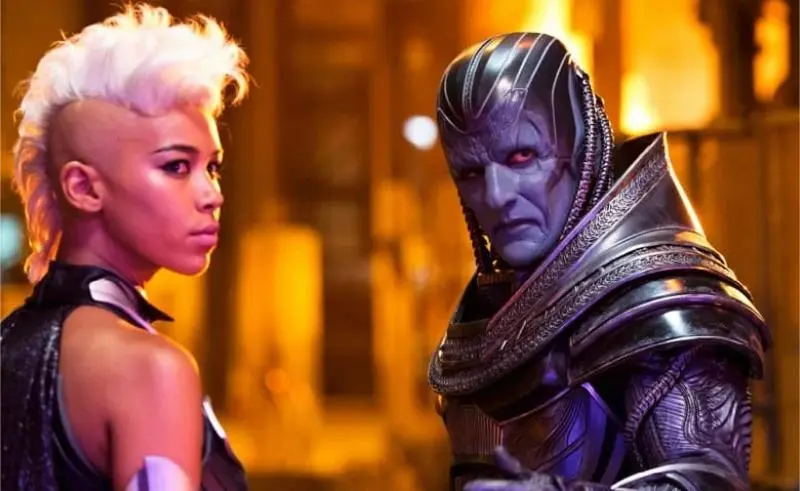
The movie presented a new origin for Storm, portrayed by Alexandra Shipp, who was reimagined as one of Apocalypse’s Horsemen. Her mohawk hairstyle was inspired directly by a famous comic book version of the character.
By aligning Storm with Apocalypse before her eventual redemption, the film explored a different side of her journey. Shipp’s performance added depth to the character’s introduction into the rebooted timeline.
Bryan Singer Included Ancient Mythology Influences
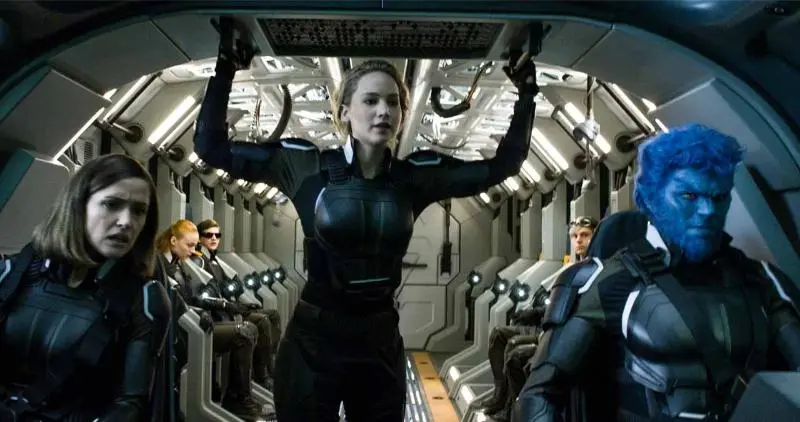
Apocalypse’s backstory was heavily influenced by ancient Egyptian mythology. The filmmakers drew from real-world religious imagery and ancient architecture to design his appearance and powers.
This choice emphasized Apocalypse’s status as the world’s first mutant, worshipped as a god by ancient civilizations. The mythological angle added scale and gravitas to his character.
The Post-Credit Scene Teased Mister Sinister
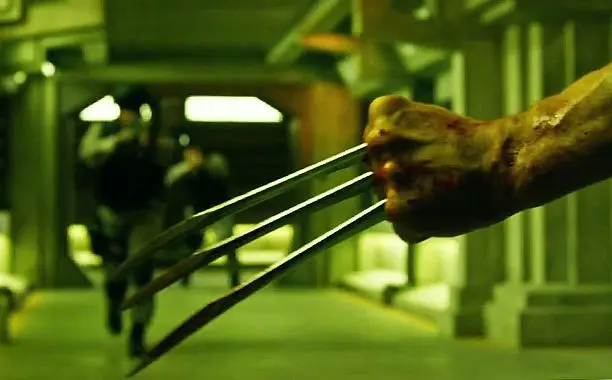
In the film’s post-credit scene, mysterious figures collect Wolverine’s blood sample, hinting at the introduction of the villain Mister Sinister in future movies. This was intended to set up storylines involving genetic experimentation.
Although Mister Sinister never appeared in the main ‘X-Men’ films, the tease kept fans speculating about possible sequels and spin-offs. It showed the filmmakers’ ambition to expand the universe even further.
Which of these behind-the-scenes facts about ‘X-Men: Apocalypse’ did you find most surprising? Share your thoughts in the comments!

