


Thriller Movies You’re Sleeping On (But Shouldn’t)

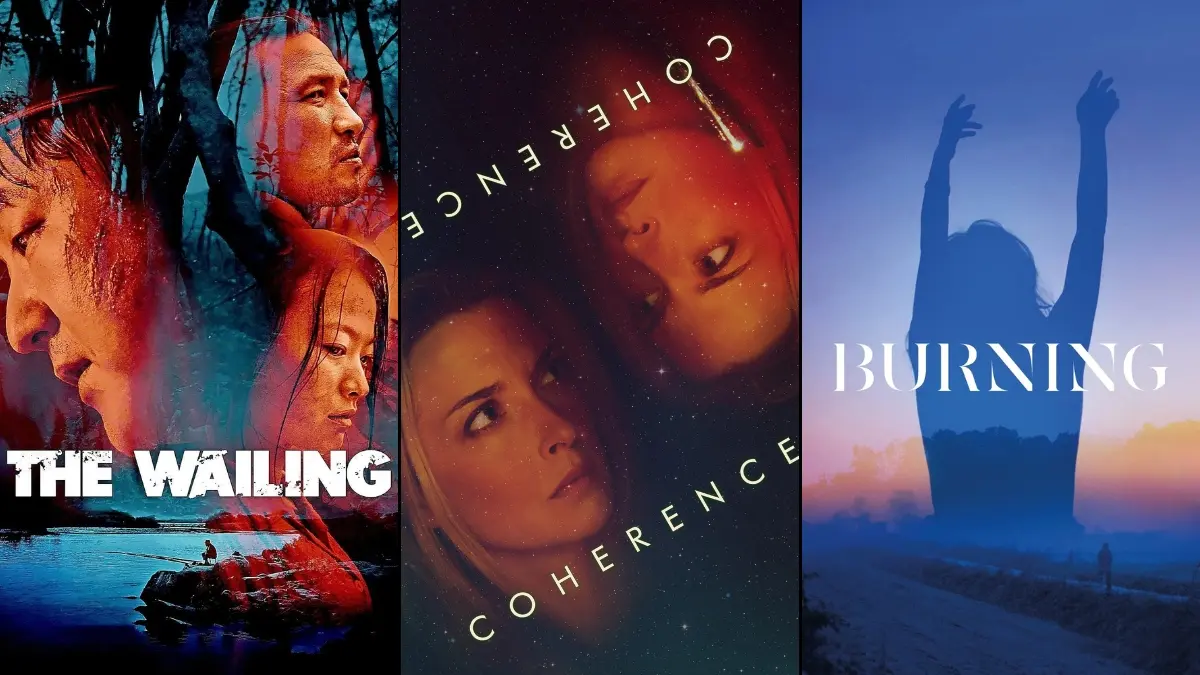


There’s more to the genre than the same handful of household titles. If you’re in the mood for tight plotting, nail-biting setups, and stories that crank up the pressure without wasting a minute, this list has you covered with titles that flew under many people’s radar.
Each pick below includes practical details—who made it, who’s in it, how it’s structured, and what makes its setup tick—so you can quickly decide what to queue up next. No spoilers, just the context you need to press play with confidence.
‘Blue Ruin’ (2013)
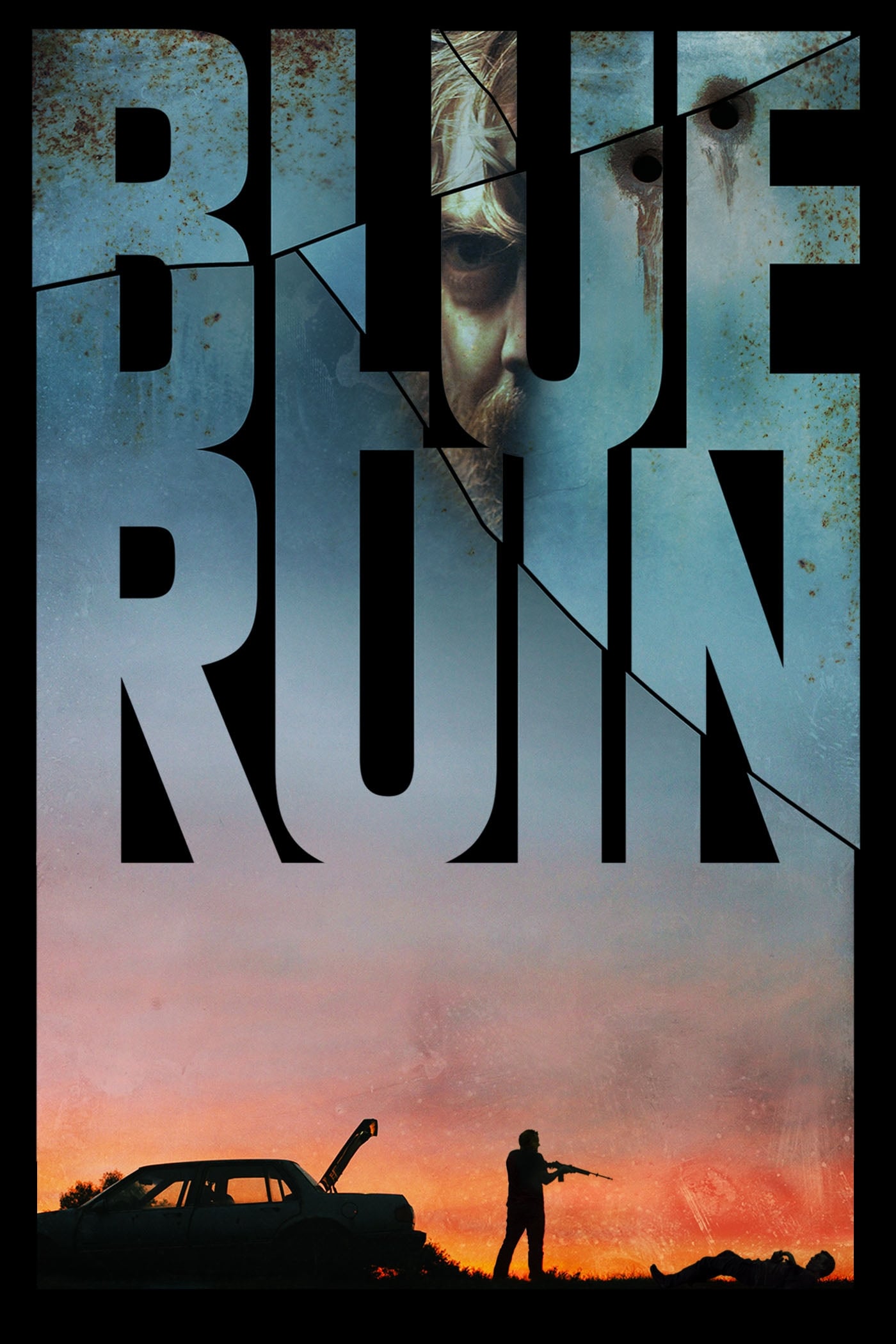
Written and directed by Jeremy Saulnier, ‘Blue Ruin’ stars Macon Blair with supporting turns from Devin Ratray and Amy Hargreaves. It follows a drifter who returns to his hometown and becomes entangled in a violent family dispute. The production favors a grounded approach, using limited dialogue and long stretches of quiet to track a protagonist with minimal resources.
The film was financed in part through crowdfunding and filmed across Virginia and neighboring states, with Saulnier doubling as cinematographer. Its lean runtime and practical effects emphasize close-quarters tension, and the story structure unfolds through cause-and-effect choices rather than exposition.
‘Calibre’ (2018)
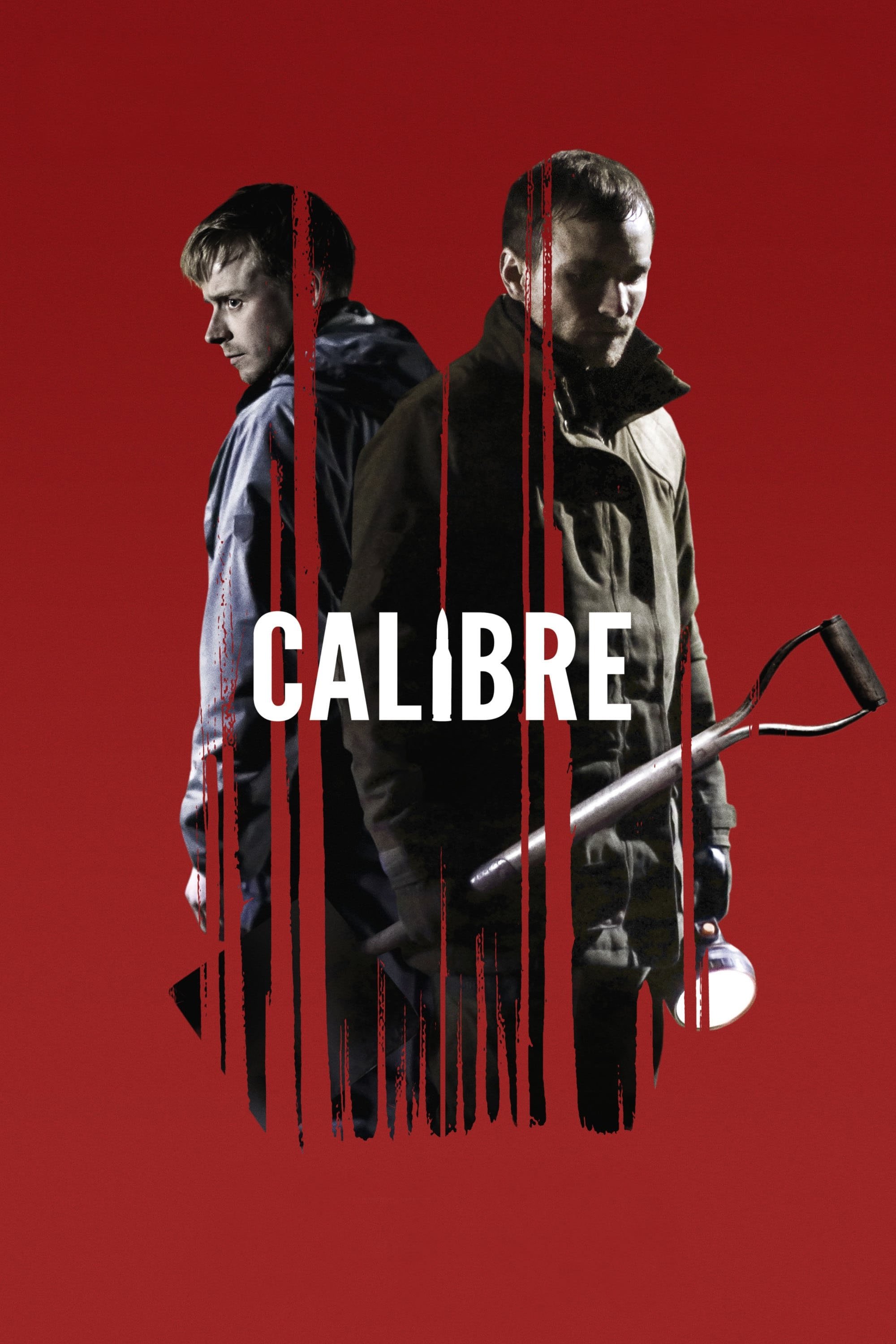
Written and directed by Matt Palmer, ‘Calibre’ features Jack Lowden and Martin McCann as lifelong friends whose weekend hunting trip in the Scottish Highlands goes catastrophically wrong. The plot is contained to a remote village and relies on escalating mistakes that lock the protagonists into increasingly limited options.
The production makes extensive use of location shooting in Scotland, with muted, naturalistic lighting and a focus on faces and silence during key negotiations. It’s a character-driven thriller where community dynamics, small-town relationships, and a tight moral dilemma drive the narrative.
‘The Invitation’ (2015)
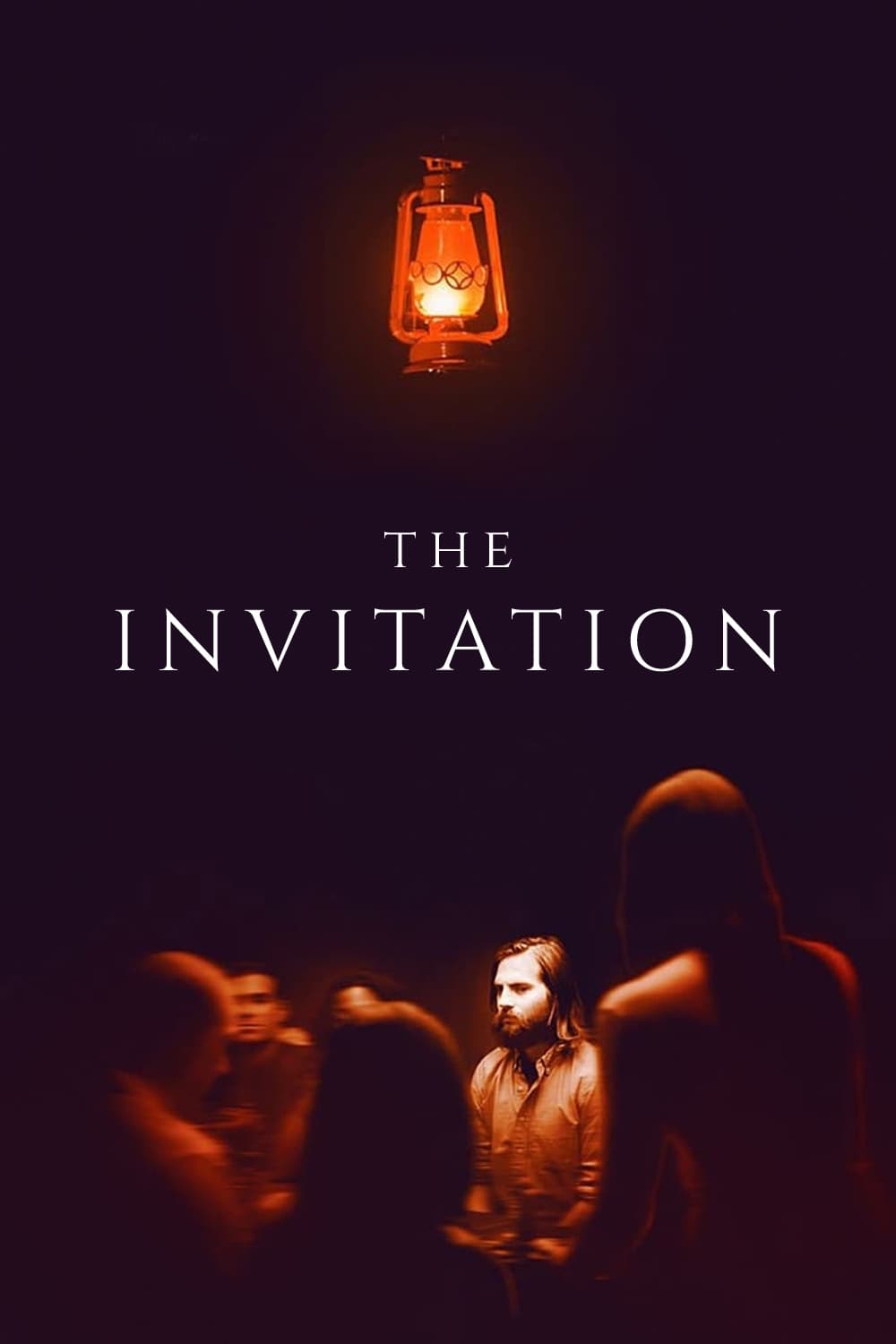
Directed by Karyn Kusama and written by Phil Hay and Matt Manfredi, ‘The Invitation’ centers on a dinner party hosted in the Hollywood Hills that reunites old friends under uneasy circumstances. Logan Marshall-Green leads the ensemble alongside Tammy Blanchard and Michiel Huisman in a single-location setup that methodically narrows the emotional distance between guests.
The film’s design leans on controlled lighting and spatial blocking within one home to heighten uncertainty about motives and past trauma. The script balances grief and suspicion, and the editing parcels out information through conversation rhythms and small environmental cues.
‘The Guilty’ (2018)
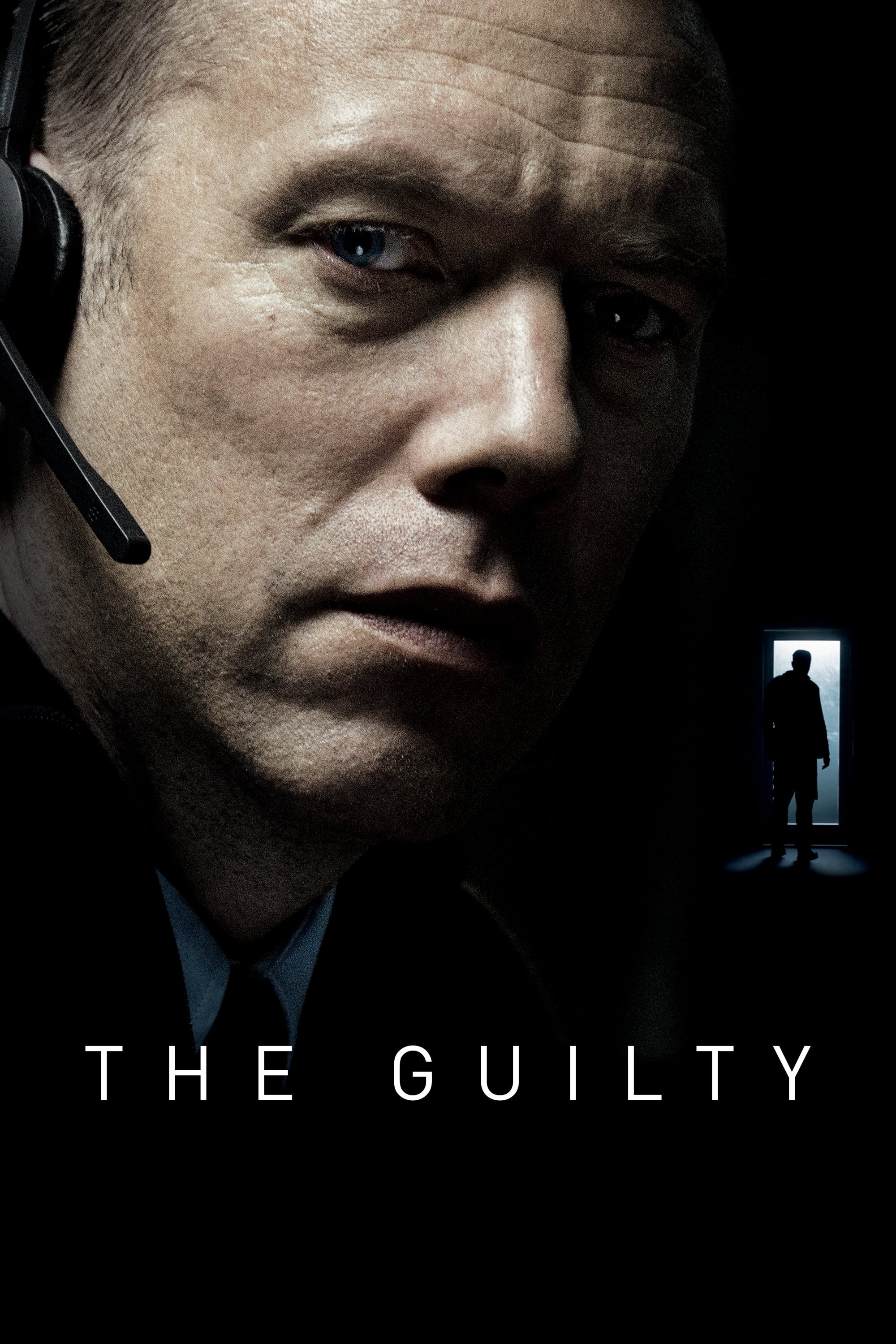
‘The Guilty’ is a Danish thriller directed by Gustav Möller and co-written with Emil Nygaard Albertsen, starring Jakob Cedergren as an emergency dispatcher who receives a call from a kidnapped woman. The narrative unfolds almost entirely within a call center, using voices and sound design to build the story world.
Shot in a small office space over a rapid schedule, the production relied on real-time phone performances between actors to maintain timing and authenticity. Its approach demonstrates how minimal settings, audio layering, and tight framing can sustain a complex procedural.
‘Coherence’ (2013)
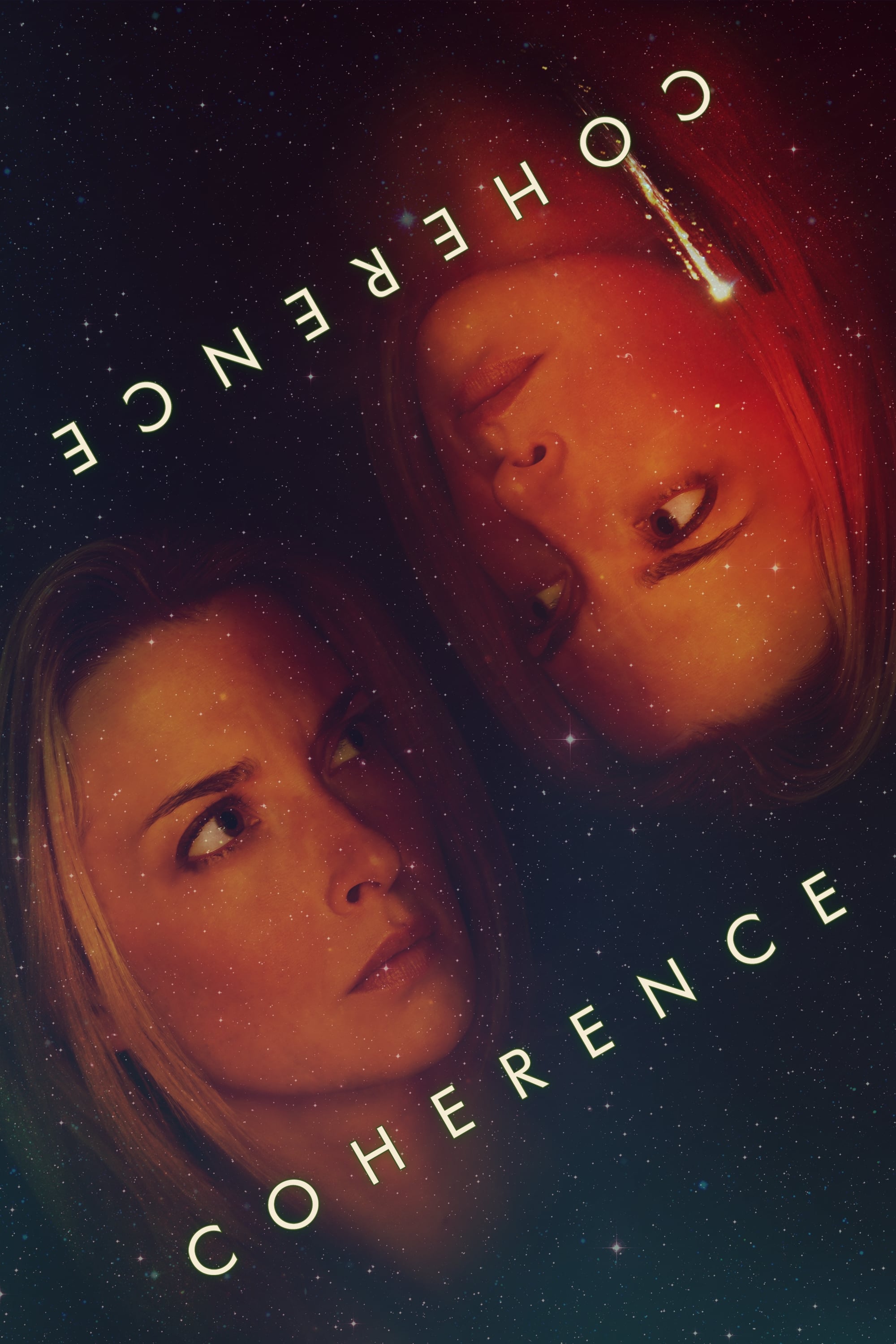
Written and directed by James Ward Byrkit, ‘Coherence’ follows a group of friends at a dinner party during a strange astronomical event that fractures reality. The cast—including Emily Baldoni and Nicholas Brendon—worked with scene outlines instead of traditional dialogue pages, encouraging spontaneous interactions.
The film was shot in Byrkit’s own home with handheld cameras and practical lighting, emphasizing improvisation, spatial geography, and continuity puzzles. Its low-budget production prioritizes concept and performance, turning simple props like notepads and glow sticks into core story mechanics.
‘Victoria’ (2015)
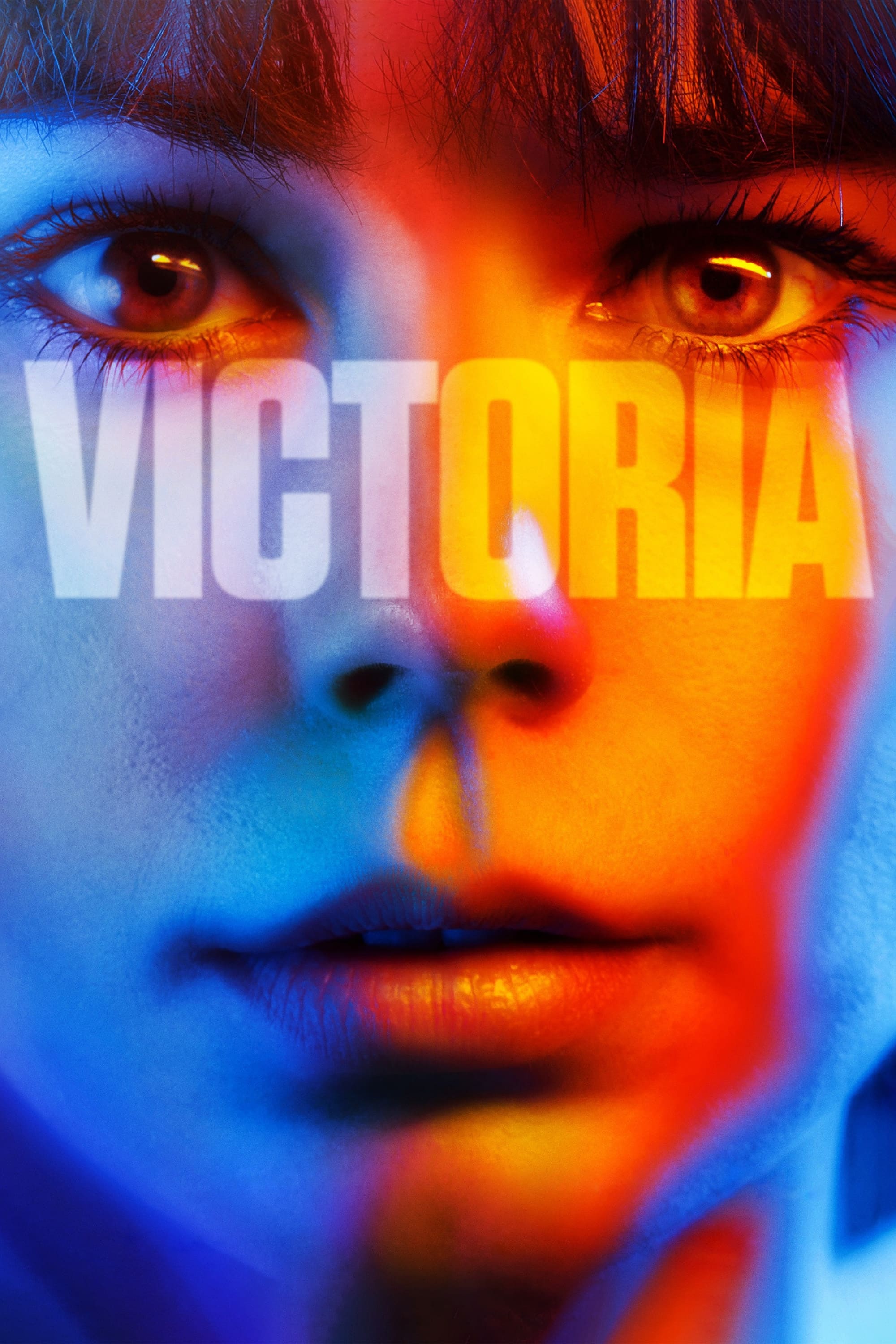
‘Victoria’ is directed by Sebastian Schipper and is renowned for being filmed in a single, continuous take. Laia Costa stars as a young woman in Berlin who meets a group of locals and becomes involved in a heist plotted over the course of one night.
The production executed the feature-length one-shot across multiple city blocks with rehearsed timing and live performance adjustments. Music, street lighting, and real locations carry the momentum, and the camera choreography integrates club spaces, rooftops, and vehicles without cuts.
‘The Wailing’ (2016)
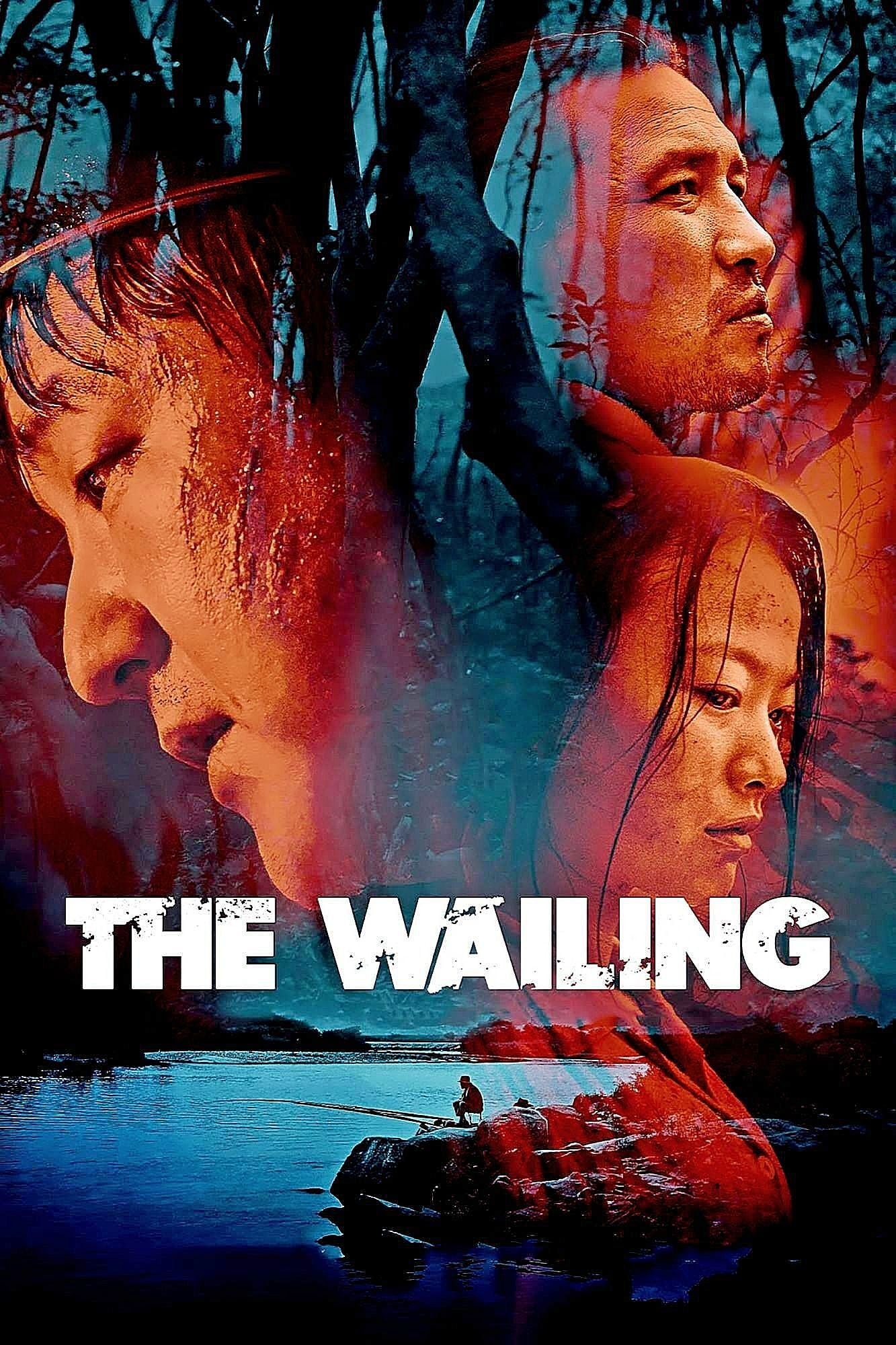
Directed by Na Hong-jin, ‘The Wailing’ blends crime investigation with folklore as a rural police officer confronts a rash of violent incidents in his village. The ensemble includes Kwak Do-won, Hwang Jung-min, and Chun Woo-hee, with shifting perspectives between law enforcement, family, and spiritual practitioners.
The production uses mountainous locations, extended set-pieces, and ritual choreography to stage its central confrontations. Sound design and weather elements play functional roles in scene transitions, and the cinematography contrasts domestic interiors with mist-covered exteriors to track the investigation’s scope.
‘I Saw the Devil’ (2010)
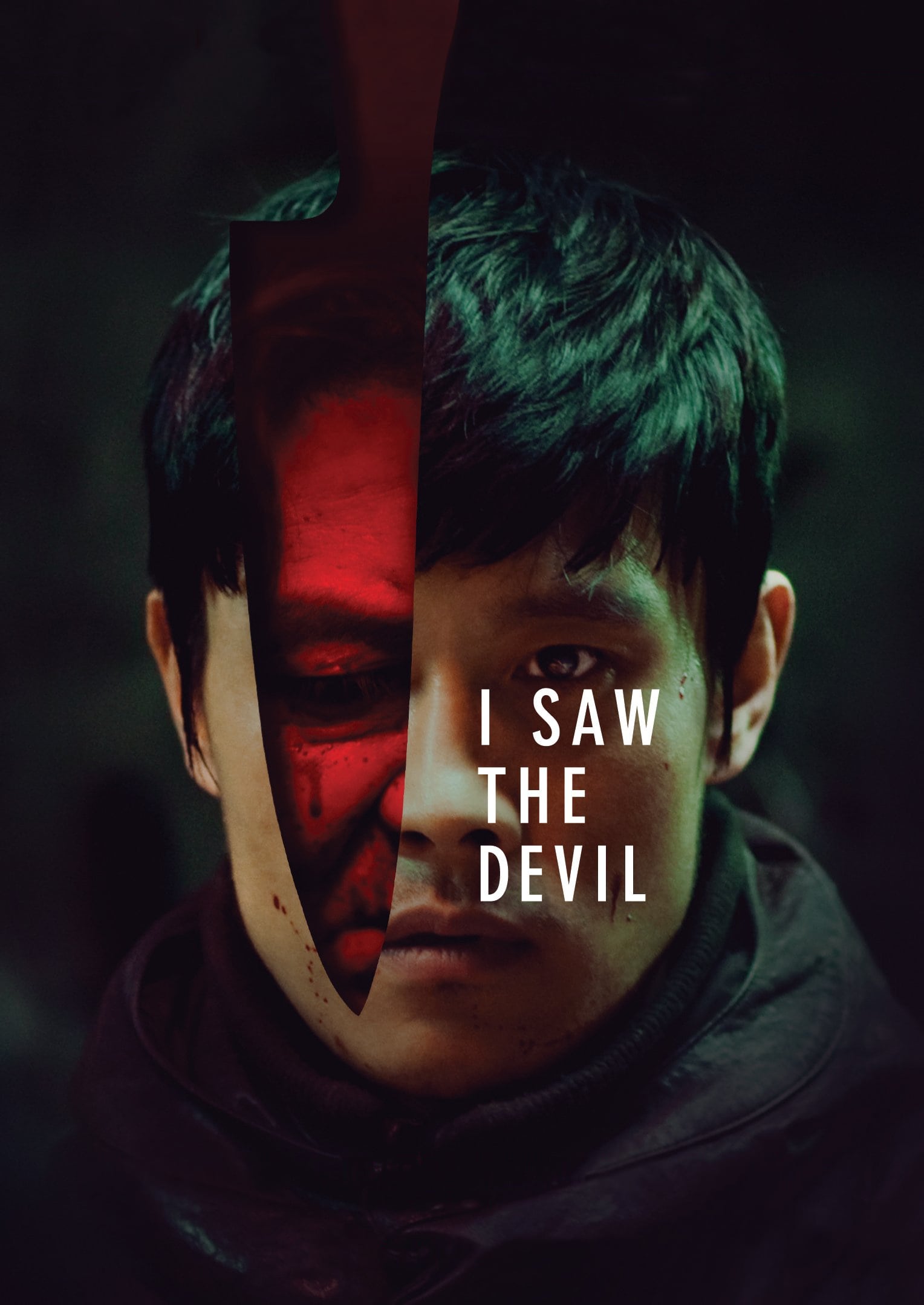
From director Kim Jee-woon, ‘I Saw the Devil’ stars Lee Byung-hun as a government agent and Choi Min-sik as the serial killer he targets. The plot is structured around a pursuit that repeatedly resets, focusing on tactics, surveillance, and concealment.
The film uses practical stunts and tightly staged fights to prioritize spatial clarity. Vehicle interiors, roadside checkpoints, and safe houses become recurring environments, while the score and editing cadence delineate hunt-and-counterhunt phases without relying on extended exposition.
‘Tell No One’ (2006)
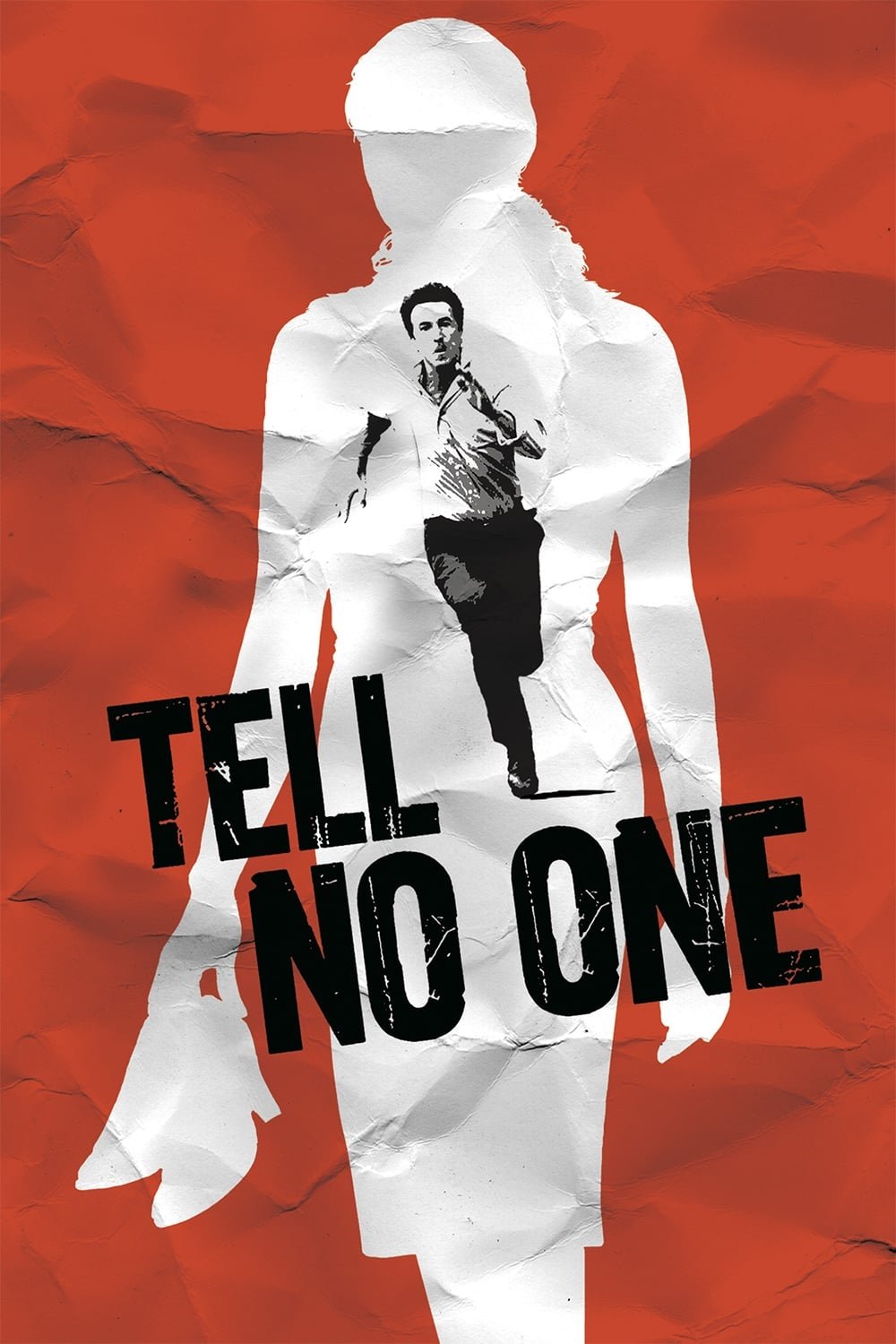
Based on Harlan Coben’s novel, ‘Tell No One’ is directed by Guillaume Canet and stars François Cluzet as a pediatrician who receives a message suggesting his wife may be alive. The script reorders clues through emails, surveillance footage, and official records that reopen a closed case.
Shot across Paris and surrounding areas, the production blends police procedural beats with family drama. The film intercuts chase sequences with legal and medical contexts, using overlapping timelines and official documents to propel the mystery.
‘The Vanishing’ (1988)
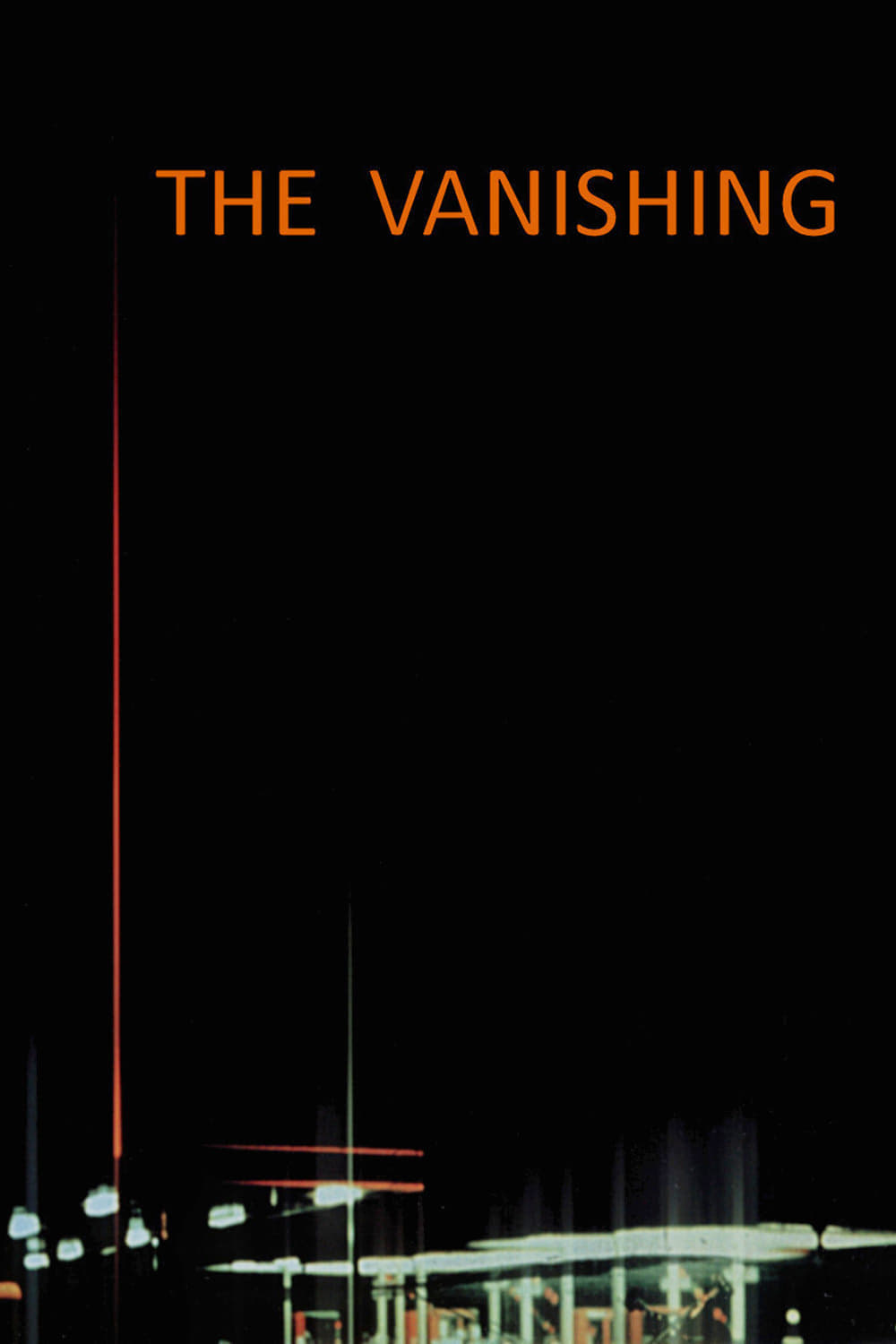
Also known as ‘Spoorloos’, ‘The Vanishing’ is a Dutch thriller directed by George Sluizer. It follows a man’s search for his missing partner, cross-cut with the preparations of an abductor whose methods are carefully documented.
The production emphasizes everyday settings—service stations, apartments, and roads—to anchor its procedural detail. Narrative information is delivered through diaries, rehearsals, and trial-and-error planning, with a focus on method rather than spectacle.
‘A Simple Plan’ (1998)

Directed by Sam Raimi and adapted by Scott B. Smith from his novel, ‘A Simple Plan’ stars Bill Paxton, Billy Bob Thornton, and Bridget Fonda. The story begins with the discovery of cash in a crashed plane and follows the steps taken to hide it from authorities.
The film leans on winter landscapes and small-town institutions—banks, bars, and local law enforcement—to structure its chain of events. Costuming and production design underscore class and occupation, while the plot tracks financial records, alibis, and shifting agreements.
‘Wind River’ (2017)

Written and directed by Taylor Sheridan, ‘Wind River’ stars Jeremy Renner as a tracker and Elizabeth Olsen as an FBI agent investigating a death on tribal land. The procedural uses search patterns, forensics, and interagency jurisdiction to organize its investigation.
Shot in snowy, high-altitude locations, the production prioritizes environmental realism with practical makeup effects and layered wardrobe. The sound mix integrates wind and distance to shape communication challenges, and the narrative uses official reports and interviews to connect clues.
‘Burning’ (2018)

Directed by Lee Chang-dong and based on a Haruki Murakami short story, ‘Burning’ features Yoo Ah-in, Steven Yeun, and Jeon Jong-seo. The film examines a missing-person case that intersects with class, informal labor, and transient spaces on the outskirts of a city.
Cinematography favors long takes and natural light at dusk to track routine movements and subtle spatial changes. The production uses real apartments, fields, and storage sites to ground its timeline, while phone logs and casual conversations function as evidence.
‘The Chaser’ (2008)
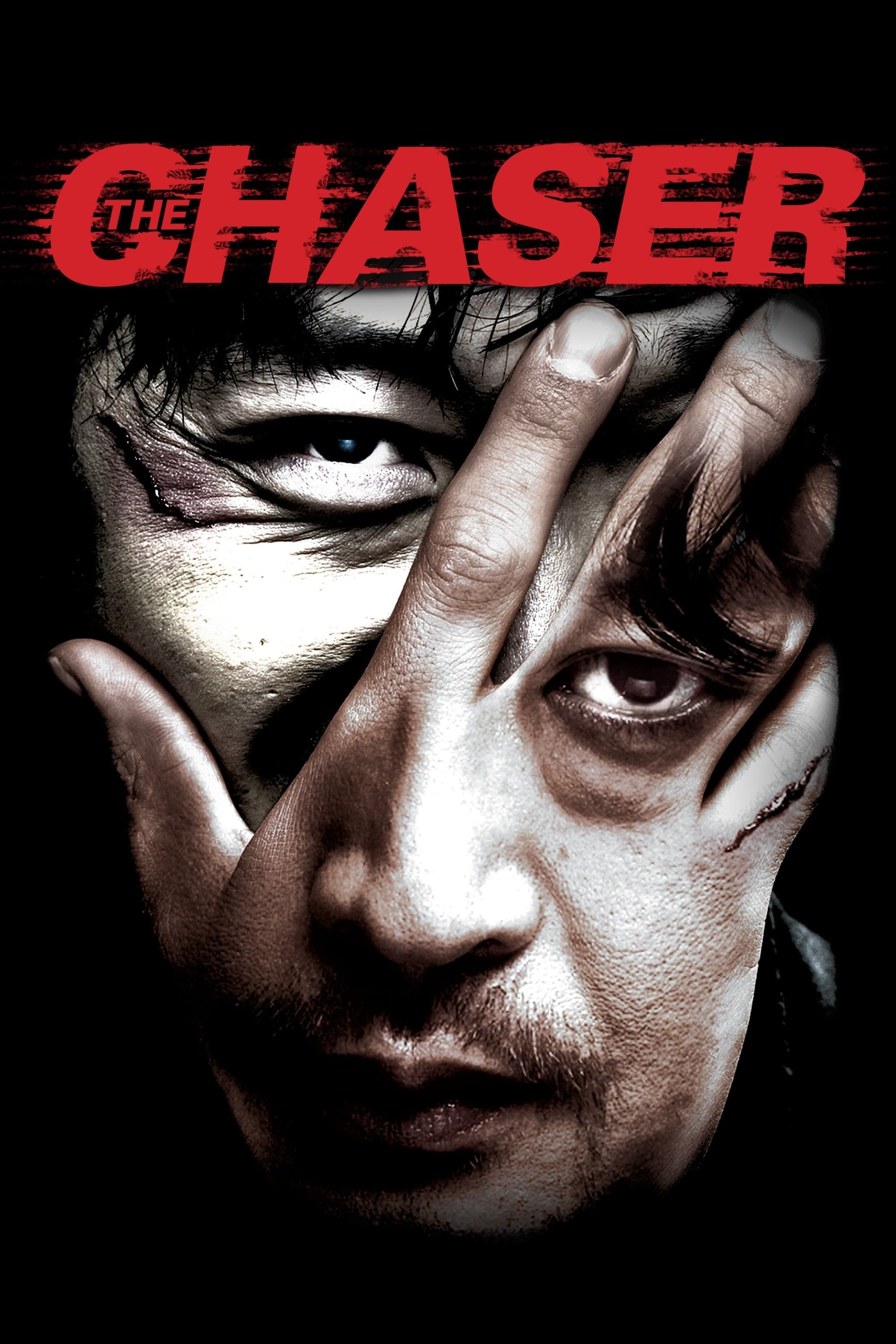
Directed by Na Hong-jin, ‘The Chaser’ follows a former detective turned pimp who notices a pattern in his missing workers and sets out to find them. Kim Yoon-seok and Ha Jung-woo lead the cast, with the story switching between street-level searches and police procedures.
The production employs handheld camerawork during foot chases and uses neighborhood maps, call histories, and departmental protocols as organizing tools. Scenes staged in cramped offices and alleyways maintain proximity to the investigation’s time pressure.
‘Green Room’ (2015)
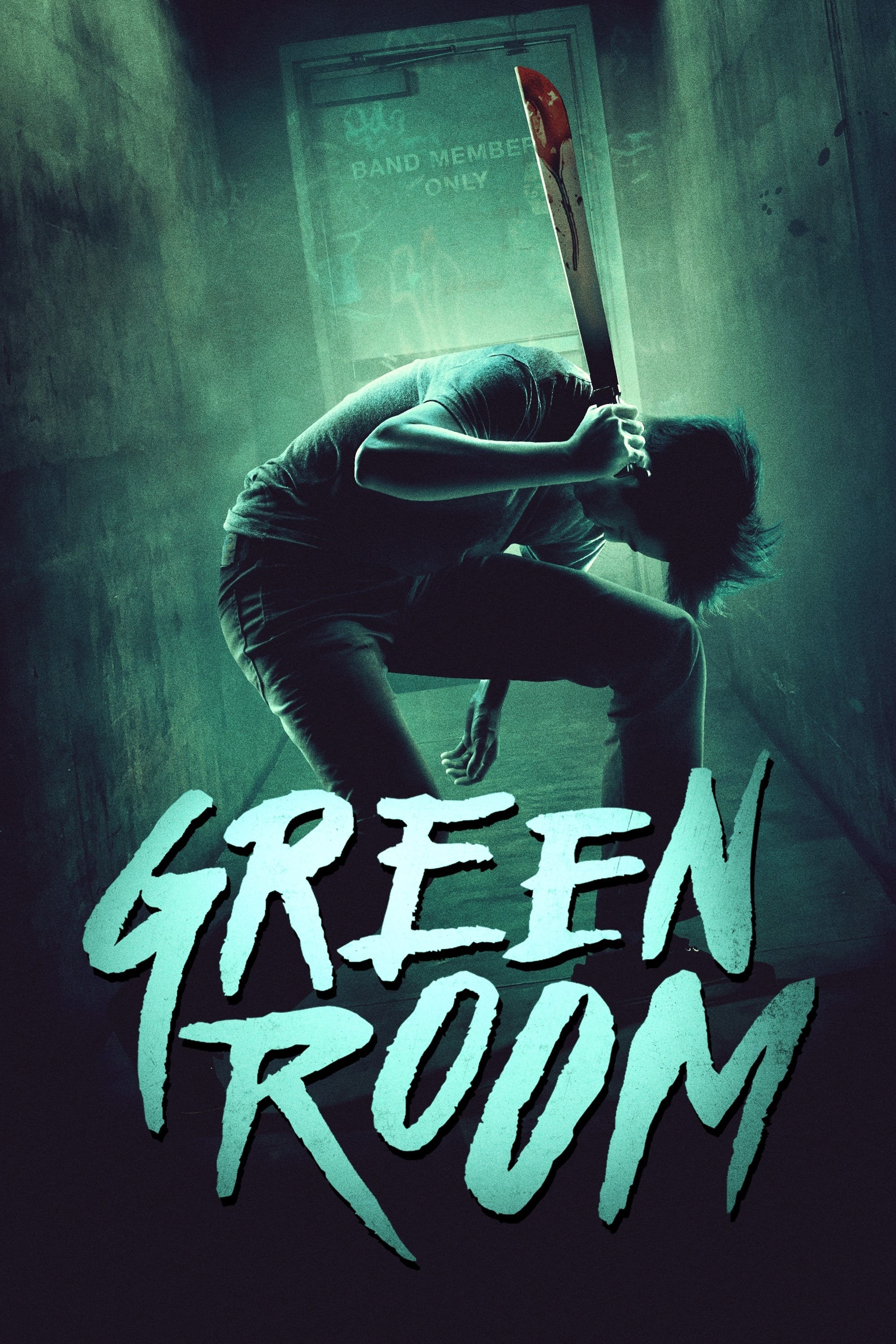
Jeremy Saulnier directs ‘Green Room’, starring Anton Yelchin, Imogen Poots, Alia Shawkat, and Patrick Stewart. A touring punk band witnesses a crime at a rural venue and becomes trapped backstage, forced to negotiate and improvise under lock-in conditions.
The single-location design relies on corridors, doors, and line-of-sight obstacles to structure each attempt at movement. Practical effects, clear sightlines, and a schematic of the club’s layout guide the action, while radios, set lists, and gear cases become tools within the plot.
‘Hush’ (2016)
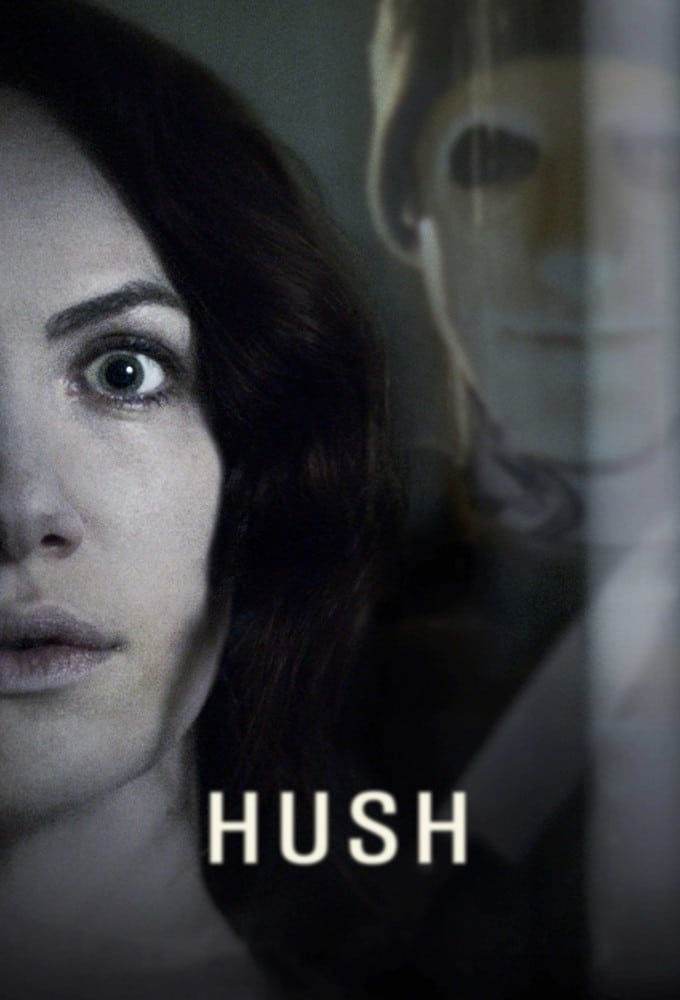
Directed by Mike Flanagan and co-written with star Kate Siegel, ‘Hush’ centers on a deaf-mute author targeted by an intruder at her secluded home. The narrative uses visual alarms, written messages, and household items as part of the protagonist’s defensive strategy.
The production emphasizes visual communication—close-ups on hands, screens, and window reflections—over dialogue. Sound design alternates between ambient silence and situational noise to mark shifts in awareness, and the setting’s floor plan is mapped progressively through action.
‘Timecrimes’ (2007)
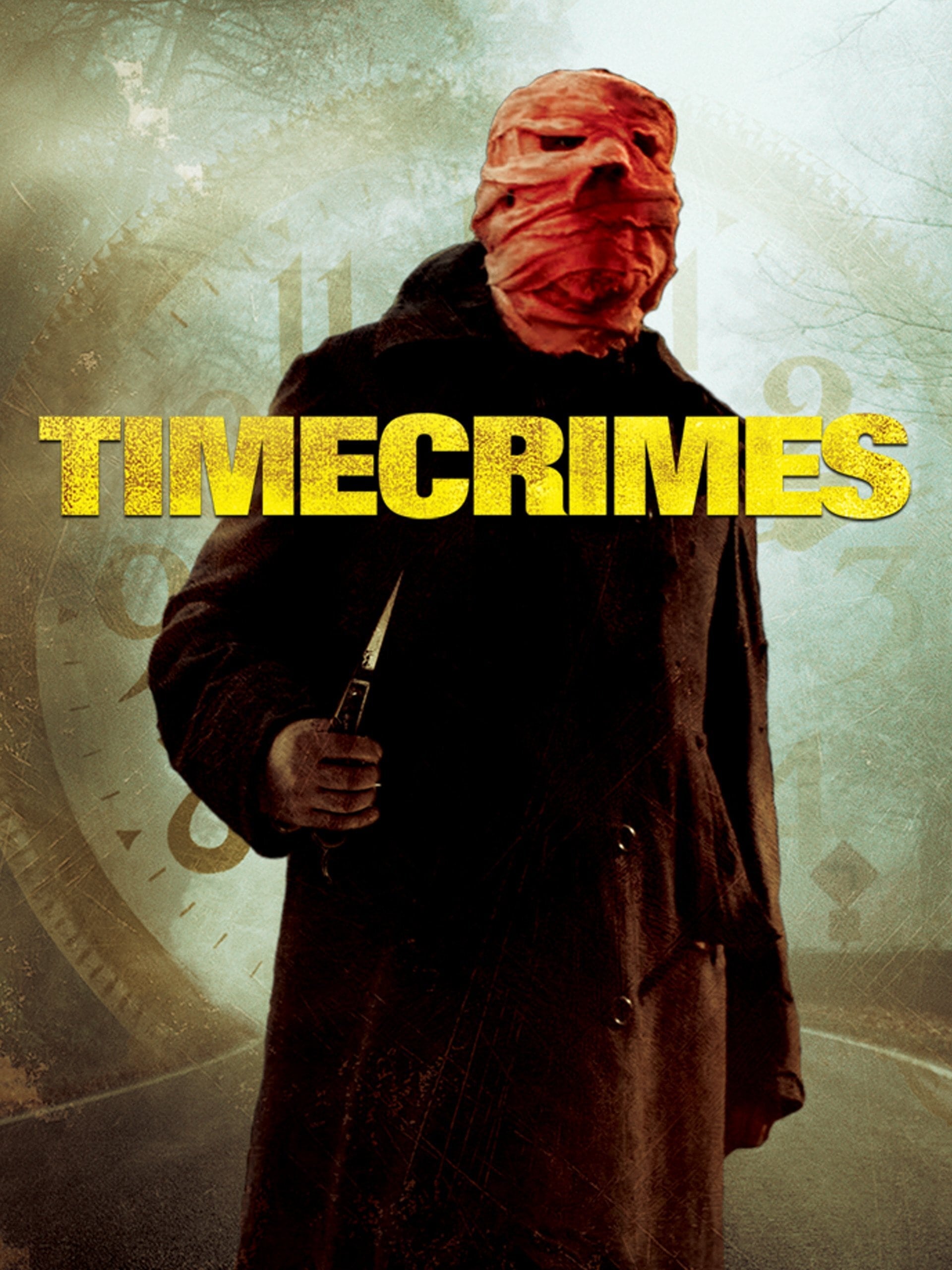
Written and directed by Nacho Vigalondo, ‘Timecrimes’ follows a man who stumbles into a time loop after encountering a masked figure. The script treats the loop as a logistical puzzle, with repeated locations and objects serving as anchors.
Filmed largely in rural exteriors and a small lab facility, the production uses practical props, visible markers, and staggered blocking to track iterations. Scene timing is engineered so that movements overlap cleanly, allowing viewers to trace cause and effect across cycles.
‘The Secret in Their Eyes’ (2009)
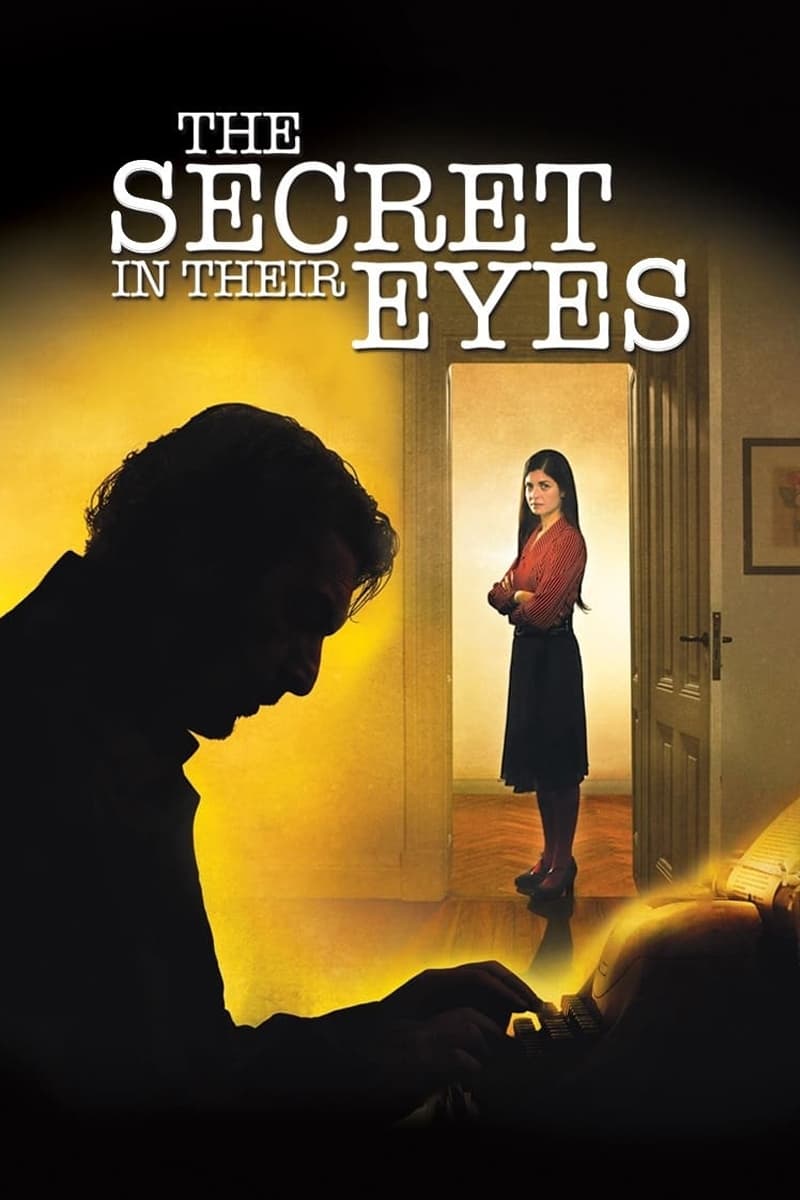
From director Juan José Campanella, ‘The Secret in Their Eyes’ intertwines a cold case with the long-term impact on the investigators and witnesses. The cast includes Ricardo Darín, Soledad Villamil, and Guillermo Francella, with a structure that alternates between an official inquiry and a personal manuscript account.
A notable stadium sequence combines elaborate camera movement with crowd choreography to transition from surveillance to pursuit. The production balances legal documentation, office politics, and personal correspondence to advance the case.
‘Good Time’ (2017)
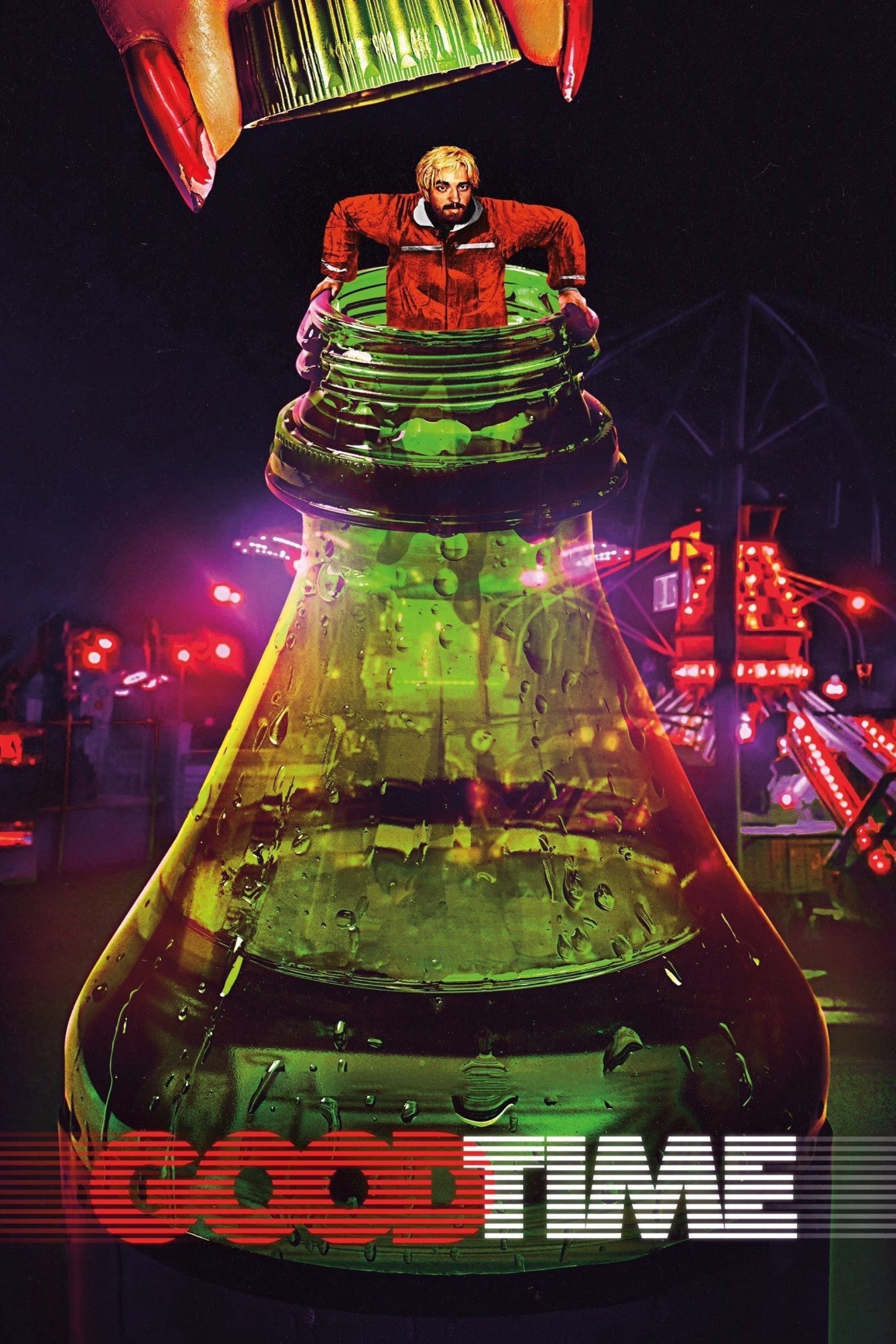
Directed by Josh and Benny Safdie, ‘Good Time’ stars Robert Pattinson as a small-time criminal attempting to secure bail money after a botched robbery. The story unfolds over one night, moving through hospitals, amusement parks, and apartments with constant time constraints.
The film’s visual style uses tight lenses, neon-lit locations, and diegetic sound from public spaces. The production schedule prioritized real-location access and non-actors for authenticity, while prop money, disguises, and forged documents drive scene objectives.
‘Prisoners’ (2013)
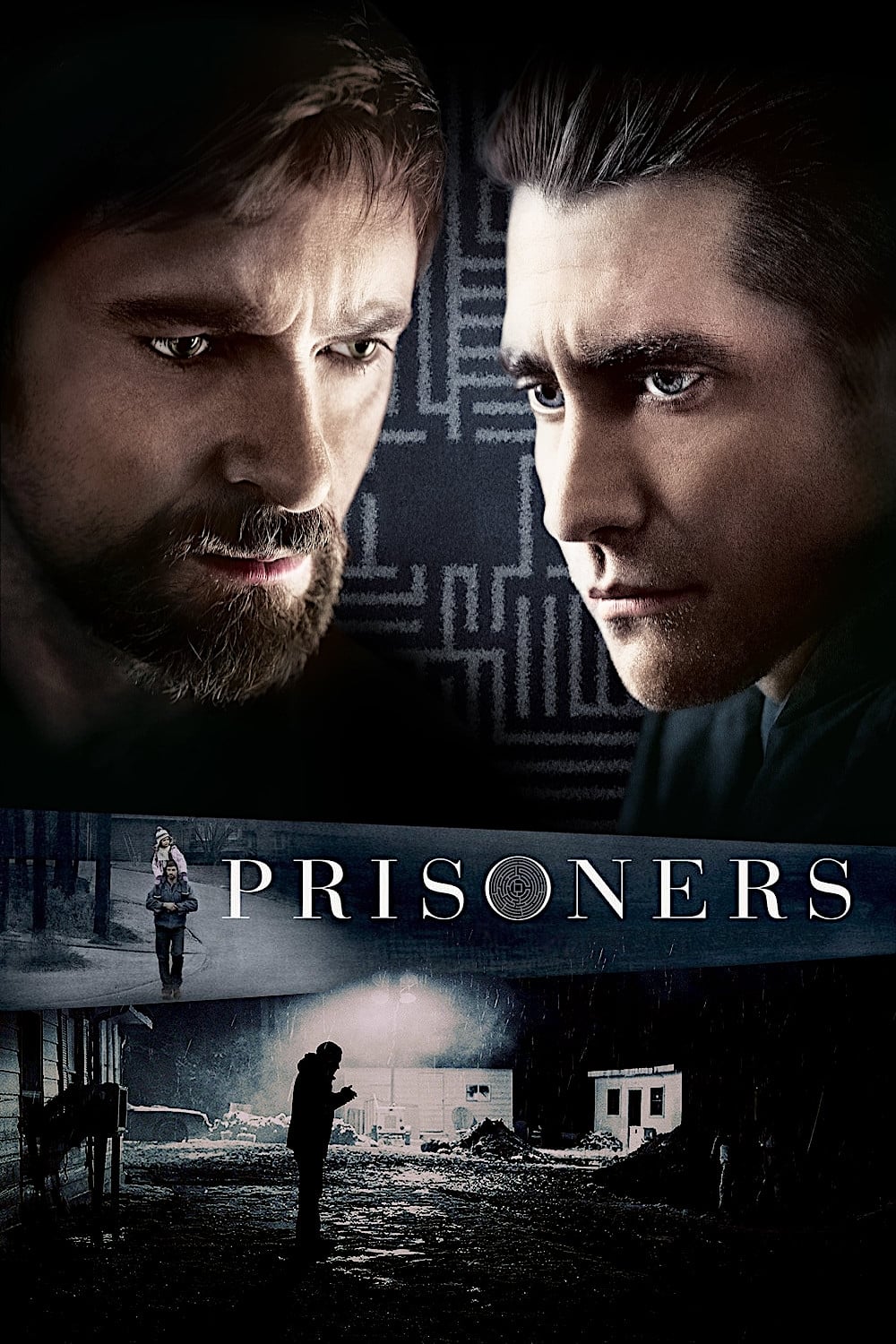
Directed by Denis Villeneuve and written by Aaron Guzikowski, ‘Prisoners’ follows two families and the police after a disappearance in a Pennsylvania suburb. The ensemble includes Hugh Jackman, Jake Gyllenhaal, Viola Davis, Melissa Leo, and Paul Dano, with parallel threads between vigilante actions and official investigation.
Roger Deakins’ cinematography uses overcast exteriors and sodium-lit nights to shape visibility and mood. The narrative relies on physical evidence, maps, and case files, and the production builds out basements, subdivisions, and police offices as functional spaces.
‘Cold in July’ (2014)
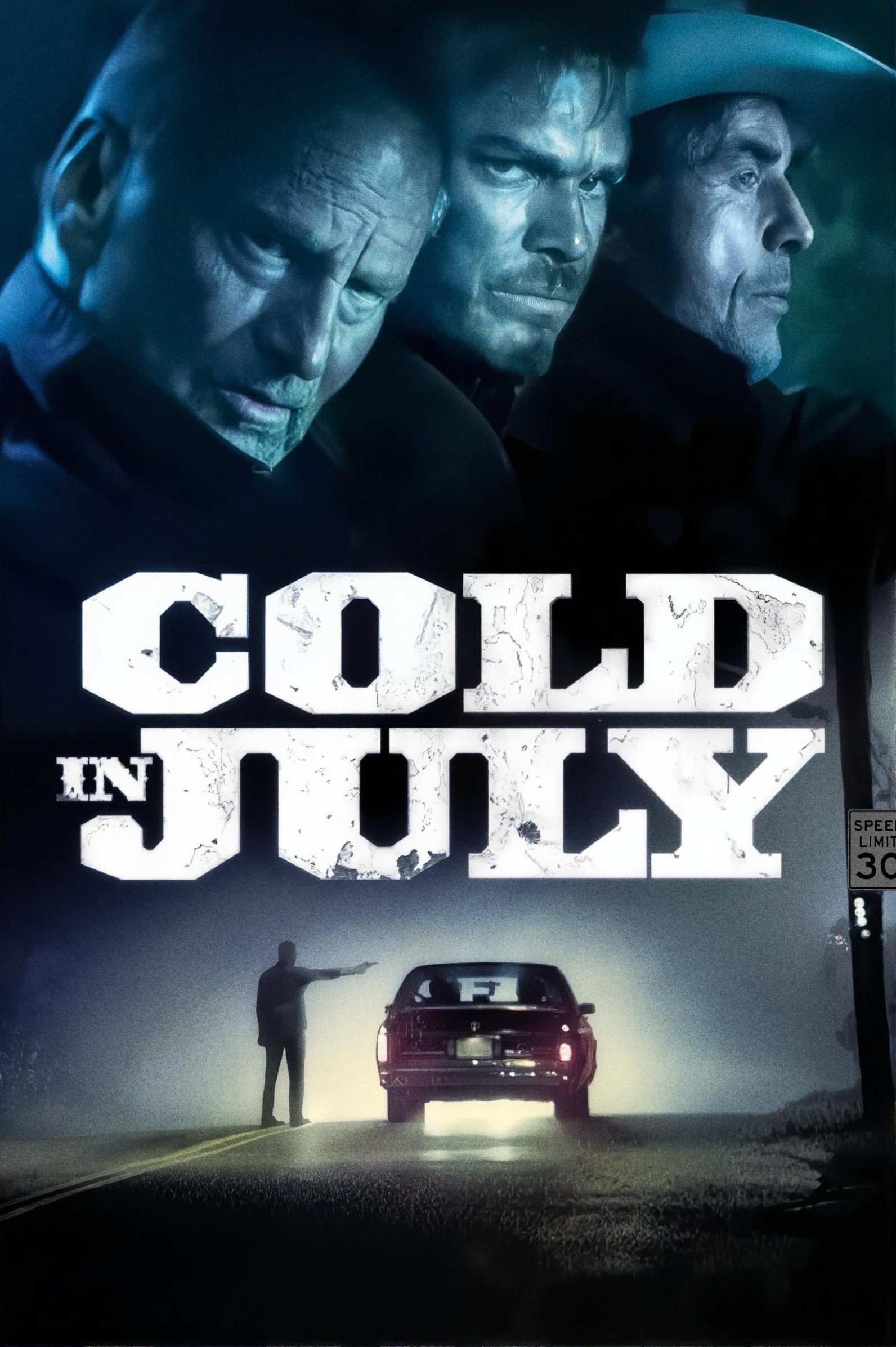
Directed by Jim Mickle and adapted from Joe R. Lansdale’s novel, ‘Cold in July’ stars Michael C. Hall, Sam Shepard, and Don Johnson. The plot begins with a home intrusion and expands into a network of criminal connections uncovered through conflicting records.
The production shifts settings from small-town Texas to rural hideouts, with neon signage, pawn shops, and gun ranges as recurring backdrops. Period-appropriate vehicles, rotary phones, and analog paperwork are integrated into the investigative trail.
‘The Invisible Guest’ (2016)
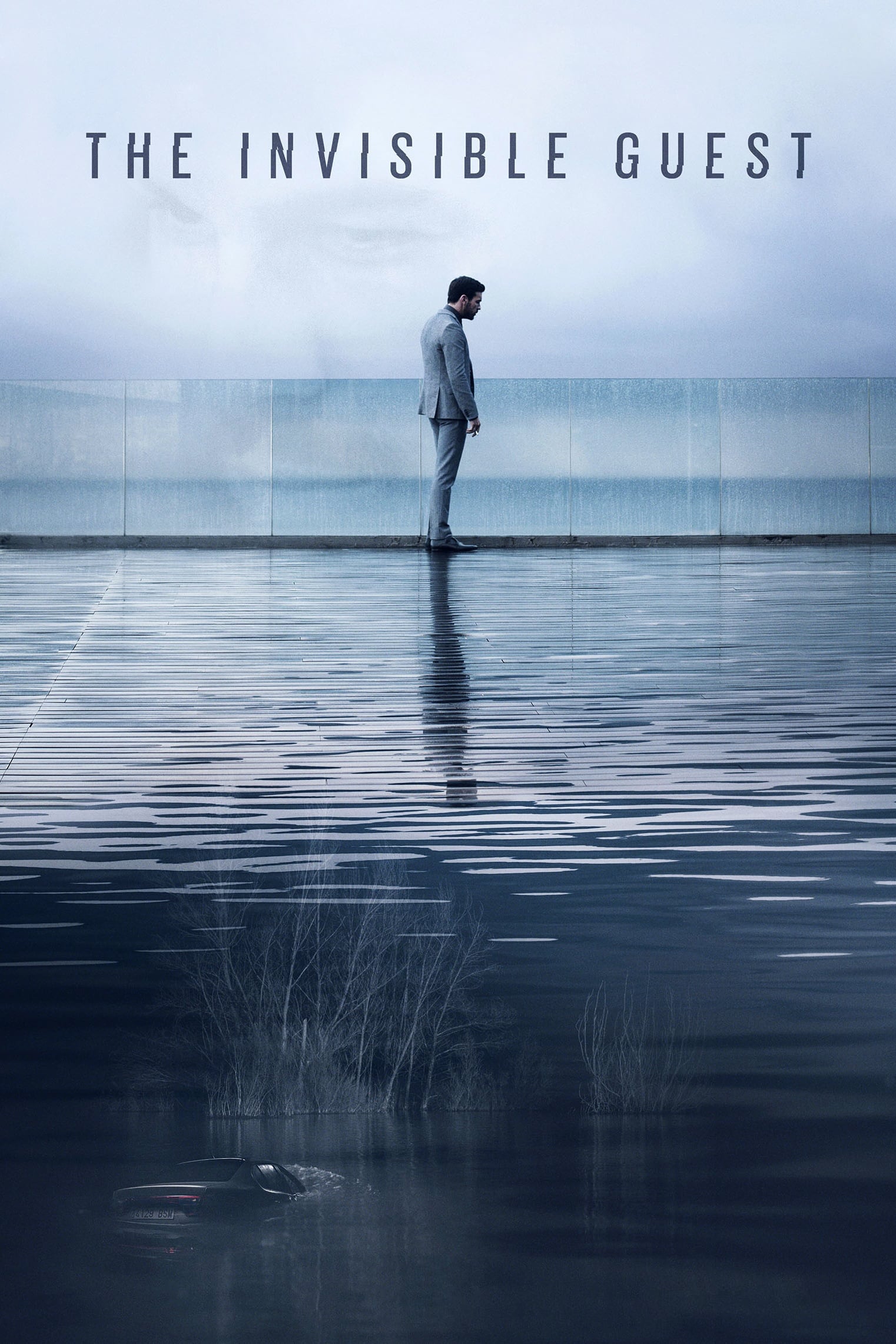
Written and directed by Oriol Paulo, ‘The Invisible Guest’ (‘Contratiempo’) features Mario Casas, Bárbara Lennie, Ana Wagener, and José Coronado. It centers on a businessman accused of murder who meets a defense consultant for a timed strategy session.
The film is structured around interviews, affidavits, and reconstructed scenes that test multiple versions of the same event. The production employs mirrored spaces and reflective surfaces to underline narrative reversals, with transitions keyed to testimony switches.
‘The Autopsy of Jane Doe’ (2016)
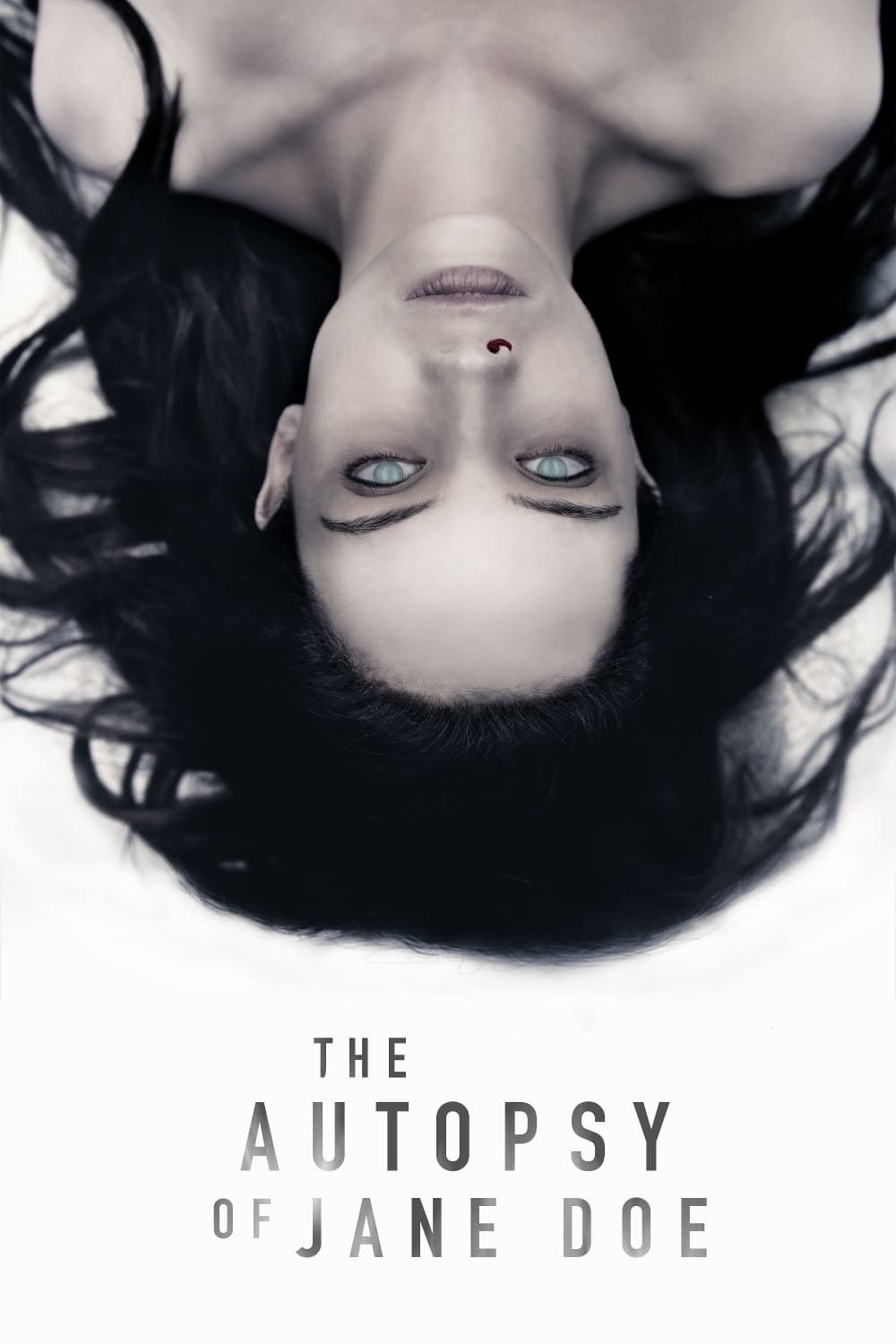
Directed by André Øvredal and starring Emile Hirsch and Brian Cox, ‘The Autopsy of Jane Doe’ takes place inside a family-run morgue where a mysterious body arrives with no external cause of death. The procedural focuses on forensic steps—incisions, radiography, and toxicology—as catalysts for the unfolding mystery.
The single-facility location allows controlled lighting, practical prosthetics, and medical props to carry the storytelling. Sound cues from vents, elevators, and metallic instruments punctuate discoveries, and the script uses logbooks and examination notes as a running record.
‘The Collini Case’ (2019)
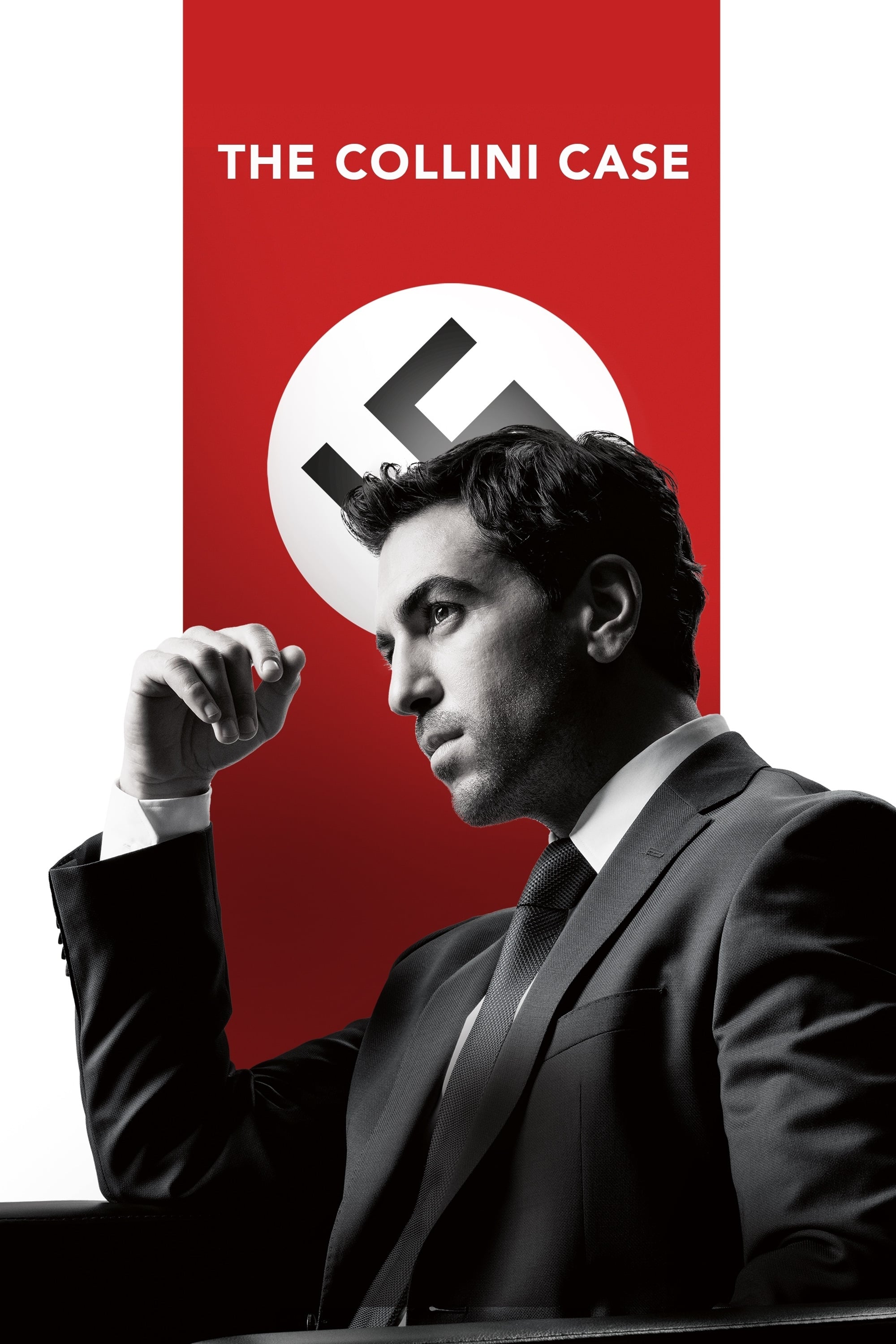
‘The Collini Case’ (‘Der Fall Collini’) is a German legal thriller directed by Marco Kreuzpaintner, starring Elyas M’Barek, Heiner Lauterbach, and Franco Nero. A young defense attorney takes on a client accused of a high-profile killing and uncovers historical implications that intersect with the justice system.
Adapted from Ferdinand von Schirach’s novel, the production moves between courtrooms, law offices, and archival repositories. The narrative uses statutes, procedural rules, and declassified documents to examine how legal frameworks shape outcomes.
‘El Cuerpo’ (2012)

‘The Body’ (‘El cuerpo’), directed by Oriol Paulo, stars José Coronado, Hugo Silva, and Belén Rueda. The story begins when a corpse disappears from a morgue, prompting a detective to question a widower whose alibi conflicts with physical evidence.
Set largely within a forensic facility and interrogation rooms, the production uses security footage, inventory logs, and timed sequences to structure reveals. The script balances parallel timelines and planted clues, leveraging controlled spaces and prop placement to resolve its central mystery.
Share your own overlooked favorites in the comments so everyone can discover more edge-of-your-seat gems.

