Timothée Chalamet Answers a Question About AI With a Chilling ‘Dune’ Warning

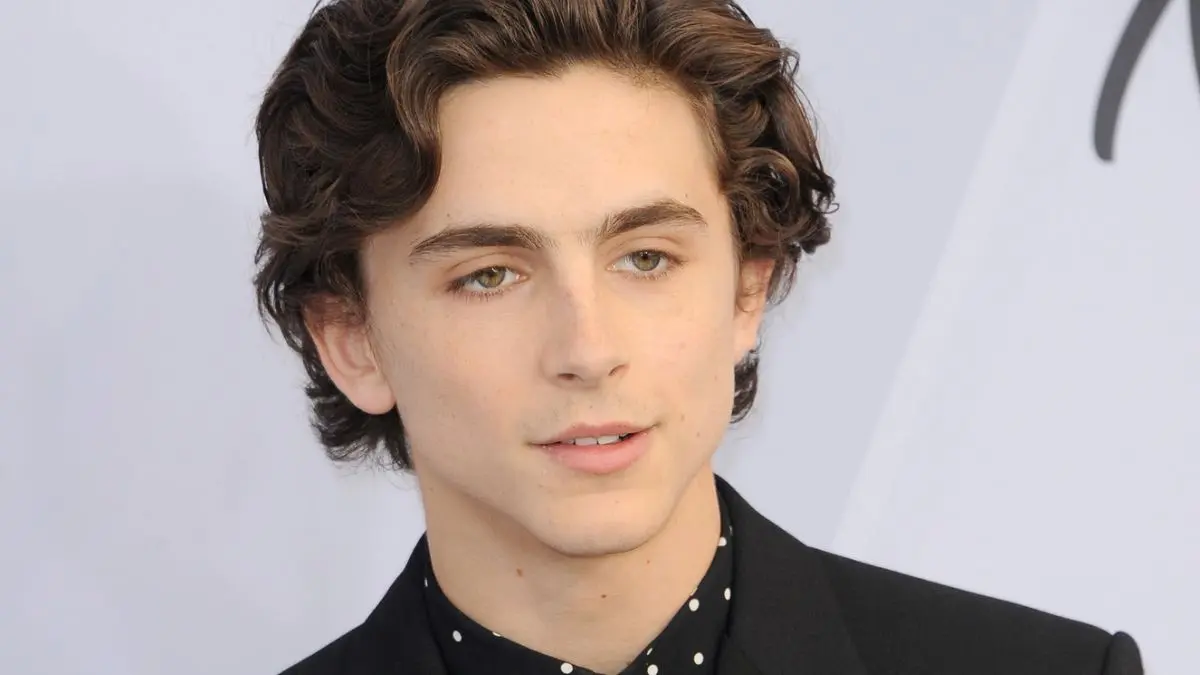
Timothée Chalamet has never been shy about weighing in on artificial intelligence, even when his answers land somewhere between hopeful and fatalistic. Earlier this year he said Gen Z will bear the brunt of teaching society how to live with AI, and he expressed a level of fatalism about it, while believing the movie industry will ultimately find a healthy way to embrace the technology. That makes his latest answer on the subject feel like a natural next chapter.
The comment arrives in a big new profile. Chalamet covers the Holiday 2026 issue of Vanity Fair, in a cover story published Tuesday, November 17. Writer Mark Guiducci notes that the 30-year-old is acutely aware how a single comment in the magazine could ricochet around the internet.
Asked for his thoughts on AI, Chalamet skipped the usual industry talking points and reached for the most famous commandment in the ‘Dune‘ universe: the rule against building a machine in the likeness of a human mind. It’s a short, ominous answer that says plenty without technically saying anything about any specific tool or company.
The line comes from the lore of Frank Herbert’s saga. It is part of the Orange Catholic Bible, a text written after the Butlerian Jihad, a roughly century-long religious war that erupted about 10,000 years before the events of the films. In that backstory, humanity waged war against the AI it created and subsequently outlawed it, which is why the franchise shows no modern technology.
Chalamet isn’t the first ‘Dune’ name to connect the story to today’s headlines. Director Denis Villeneuve has expressed concern about the growing use of AI in filmmaking, voicing his worries at a London screening of ‘Dune: Part Two’. The franchise’s creators and stars, it seems, are comfortable using its mythology as a mirror.
Compared with his earlier remarks, the ‘Dune’ reference reads as a sharper, more dramatic version of the same unease. Rather than predicting a smooth transition, Chalamet borrowed a fictional prohibition born from a war against thinking machines. That doesn’t necessarily contradict his belief that the industry will adapt, but it does put a darker frame around it.
The topic has also been a flashpoint for his peers. Charlize Theron told The New York Times that in 10 years, AI will be able to do Timothée’s job, but it will not be able to replace a person on a stage dancing live. Her remark came after Chalamet drew backlash for suggesting ballet and opera have lost cultural relevance, a controversy that pushed a broader debate about generative AI and the arts into the spotlight.
The timing is hard to miss. ‘Dune: Part Three’ is based on ‘Dune Messiah’ and is scheduled for release in the United States on December 18. In it, Chalamet’s Paul Atreides has become a deeply troubled, authoritarian leader.
“Forgive me for all I’ve done.” Experience the epic conclusion. Dune: Part Three only in theaters and IMAX December 18. #DuneMovie #FilmedforIMAX https://t.co/x9Nftg9yXd
— DUNE (@dunemovie) July 8, 2026
To play that version of Paul, Chalamet has said he studied megalomaniacs across human history, describing the experience of making the film as claustrophobic and isolating. He also frames the story as a cautionary tale about cults of personality and figures of charisma. A character warning against the dangers of unchecked power is a fitting backdrop for an actor warning about unchecked technology.
For Chalamet, it is also familiar territory. This marks his sixth straight year promoting a major film around Christmas, and a quotable ‘Dune’ reference is exactly the kind of moment that travels. Whether it was meant as a joke, a genuine concern or both, it has given the ‘Dune: Part Three’ press run its first big talking point.
: Do you agree with Timothée Chalamet's 'Dune'-inspired warning about artificial intelligence?
Have something to add? Let us know in the comments!