


Top 10 ‘Doctor Who’ Villains, Ranked

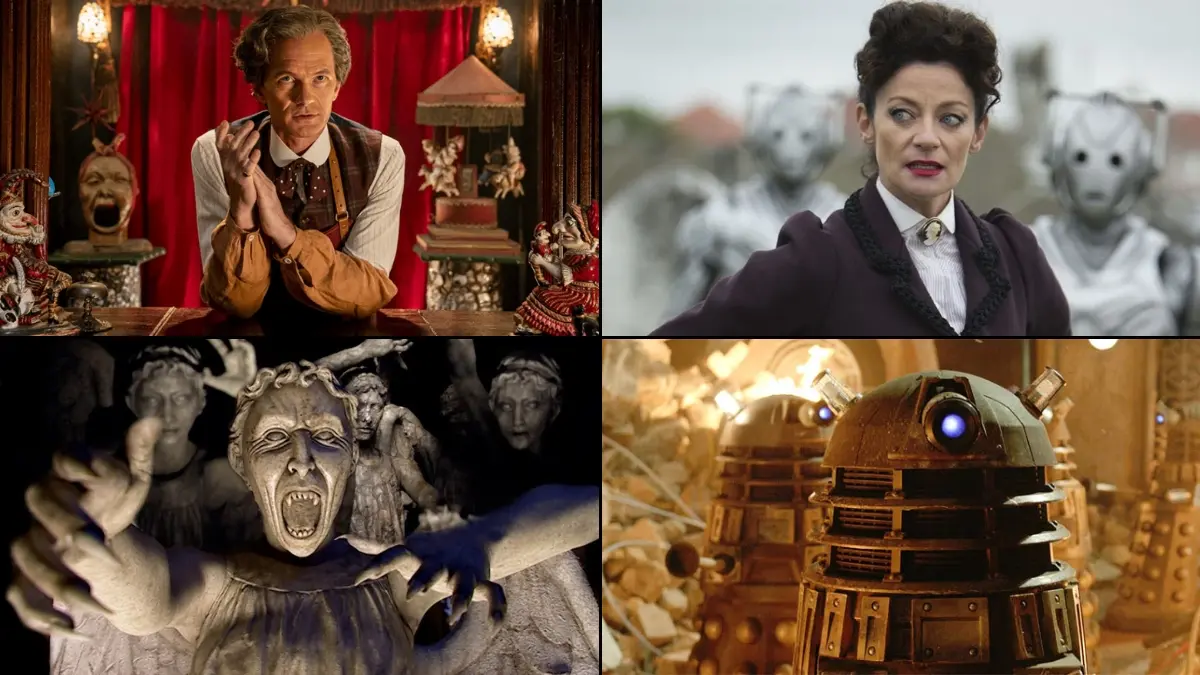


From Skaro-born mutants to time-locked predators, ‘Doctor Who’ has introduced a vast rogues’ gallery across classic and modern eras. Decades of television have layered each adversary with origin stories, tactics, technology, and pivotal encounters that shaped the Doctor’s journeys and the wider universe of the show.
What follows focuses on concrete details—first confrontations, capabilities, notable operations, and how each foe influences events on and off Earth. Episode and story titles are included so you can trace appearances within ‘Doctor Who’ continuity.
10. Autons / Nestene Consciousness

The Nestene Consciousness is a disembodied, hive-mind intelligence that animates plastic, first encountered when mannequin Autons erupted from high-street shop windows in ‘Spearhead from Space’ and later expanded their methods in ‘Terror of the Autons’ and ‘Rose’. As a gestalt entity, the Nestene uses broadcast control signals and disguised transmitters to command Auton troops, create plastic facsimiles of targeted humans, and coordinate mass infiltration in urban centers.
Operationally, Autons conceal energy weapons in their hands and draw strength from widespread petrochemical plastics, with the Nestene often seeking an industrial or energy source to stabilize its presence. Known countermeasures include disrupting the control transmission and deploying anti-plastic solutions, while intelligence records also note the Nestene’s reliance on prepared relay infrastructure and replacement duplicates to sustain prolonged operations.
9. Zygons

Zygons are shapeshifting extraterrestrials whose first recorded clash with the Doctor occurred in ‘Terror of the Zygons’, where they coordinated operations with a cyborg sea-creature known as the Skarasen. Later, large-scale human-Zygon diplomacy and insurgency dynamics unfolded in ‘The Day of the Doctor’, ‘The Zygon Invasion’, and ‘The Zygon Inversion’, with body-print pods used to maintain and mimic designated humans.
Their biotechnology is wholly organic, from living spacecraft to tactile control systems, and successful impersonation typically requires the original individual to be held alive to sustain the print. Zygon units have fielded electrical discharge attacks and clandestine cells adept at long-term infiltration, while command decisions have hinged on refugee resettlement, identity management, and the stability of negotiated ceasefires within human populations.
8. Sontarans
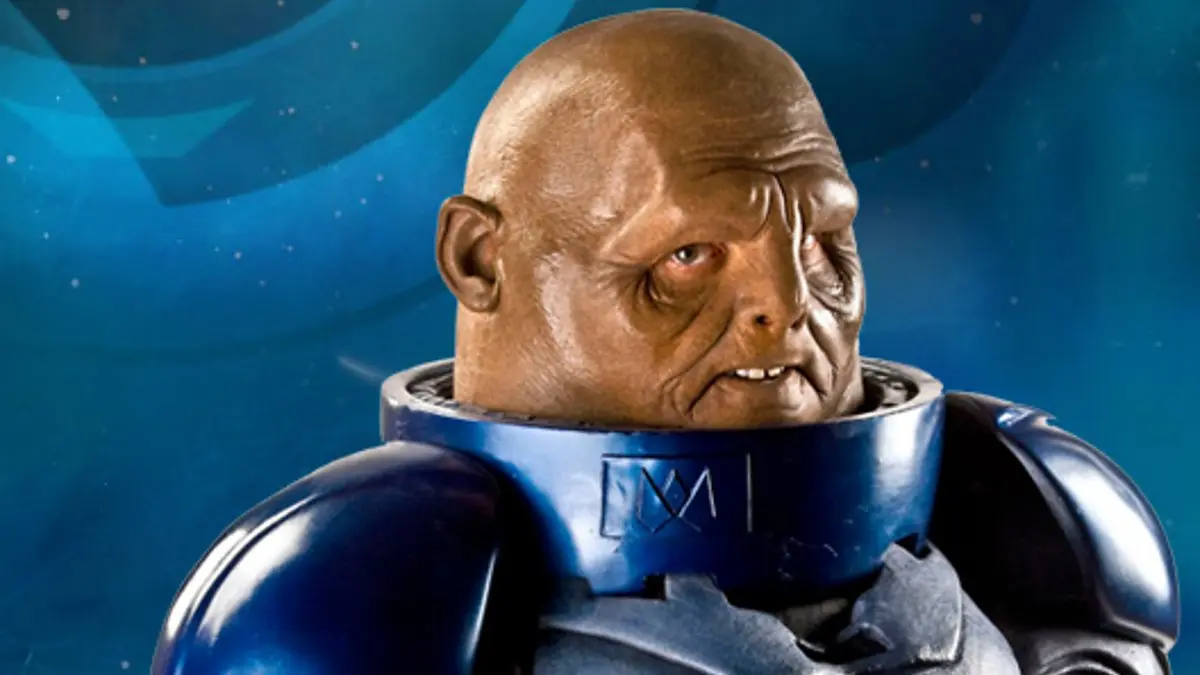
Sontarans are purpose-bred clone soldiers from the planet Sontar, locked in a perpetual interstellar conflict with the Rutans since their introduction in ‘The Time Warrior’. On Earth, their operations have ranged from industrial sabotage through the ATMOS program in ‘The Sontaran Stratagem’ and ‘The Poison Sky’ to temporal and battlefield maneuvers during ‘Flux’, including occupation tactics and rapid deployment by spherical drop-pods.
Their physiology includes a probic vent at the back of the neck—a tactical weak point—counterbalanced by high-density armor, regimented training, and standardized energy weapons. Sontaran command emphasizes honor-bound combat doctrine, accelerated cloning, and concise chain-of-command structures, with occasional specialized roles (including medics and tacticians) demonstrating flexibility within the otherwise battle-focused clone batches.
7. The Toymaker
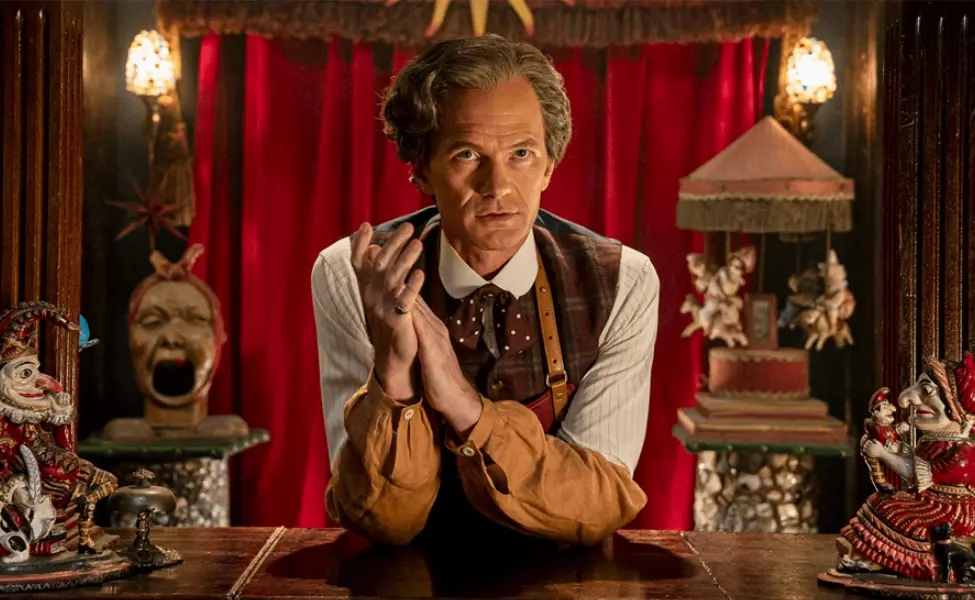
The Toymaker is an immortal, reality-bending gamemaster first encountered in ‘The Celestial Toymaker’, where he trapped opponents in an extradimensional Toyroom and enforced lethal play conditions bound by intricate rules. He returned in ‘The Giggle’, orchestrating chaos on a planetary scale through manipulated games, stagecraft, and puppetry, confronting the Doctor with contests that carried material consequences for entire populations.
His capabilities include constructing pocket universes, binding participants to game rules, and reshaping environments, props, and even people into pieces on a board. Intelligence assessments emphasize that the Toymaker’s constraints—self-imposed rules and the need for an agreed contest—can be exploited, and that his collections of animated toys, riddles, and musical or theatrical challenges often conceal the decisive mechanism that can invert or end his control.
6. The Silence
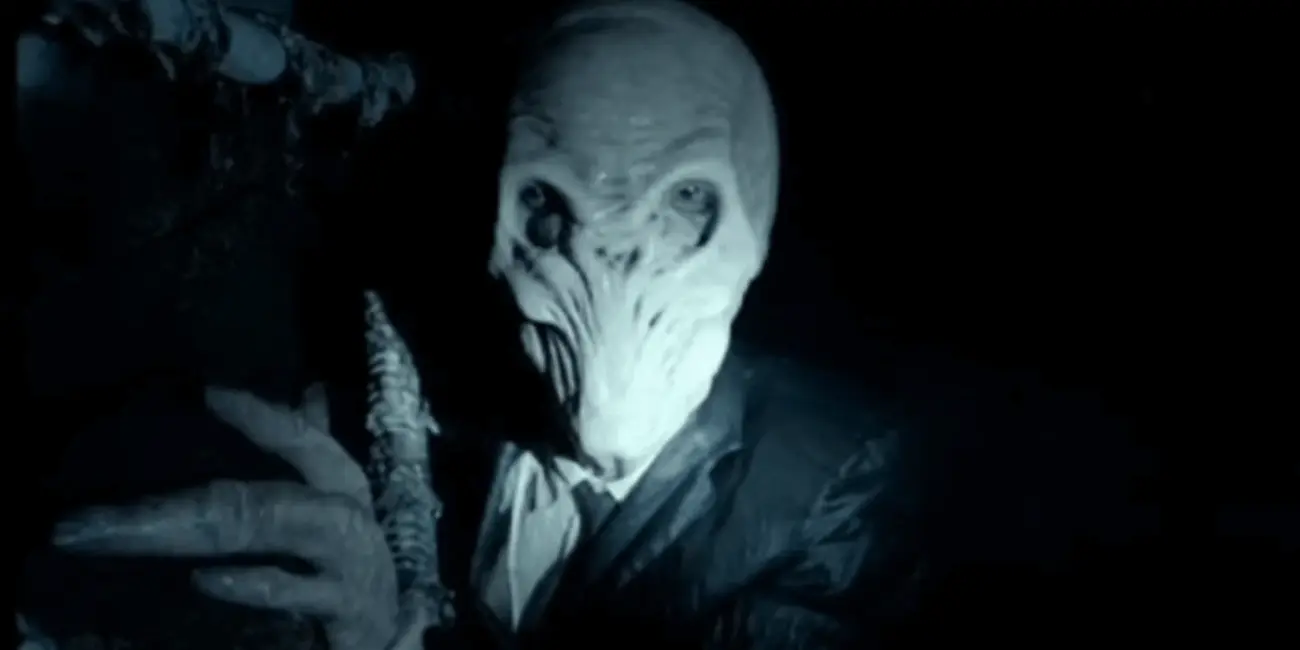
First seen in ‘The Impossible Astronaut’ and ‘Day of the Moon’, the alien species colloquially called the Silence induce retroactive amnesia the moment a viewer looks away, prompting countermeasures like tally-mark systems and audio reminders among human task forces. Their presence intersected with a broader religious movement known as the Silence, tied to Madame Kovarian and the conditioning of River Song, culminating in the temporal standoff chronicled in ‘The Time of the Doctor’.
Individually, the creatures discharge bio-electric blasts and embed post-hypnotic suggestions that persist after memory resets, enabling long-term manipulation of societies. A pivotal human defensive action involved piggybacking a command onto the Moon landing broadcast in ‘Day of the Moon’, instructing humanity to attack the creatures on sight—an example of turning the Silence’s own compulsion mechanisms against them through mass media.
5. Davros
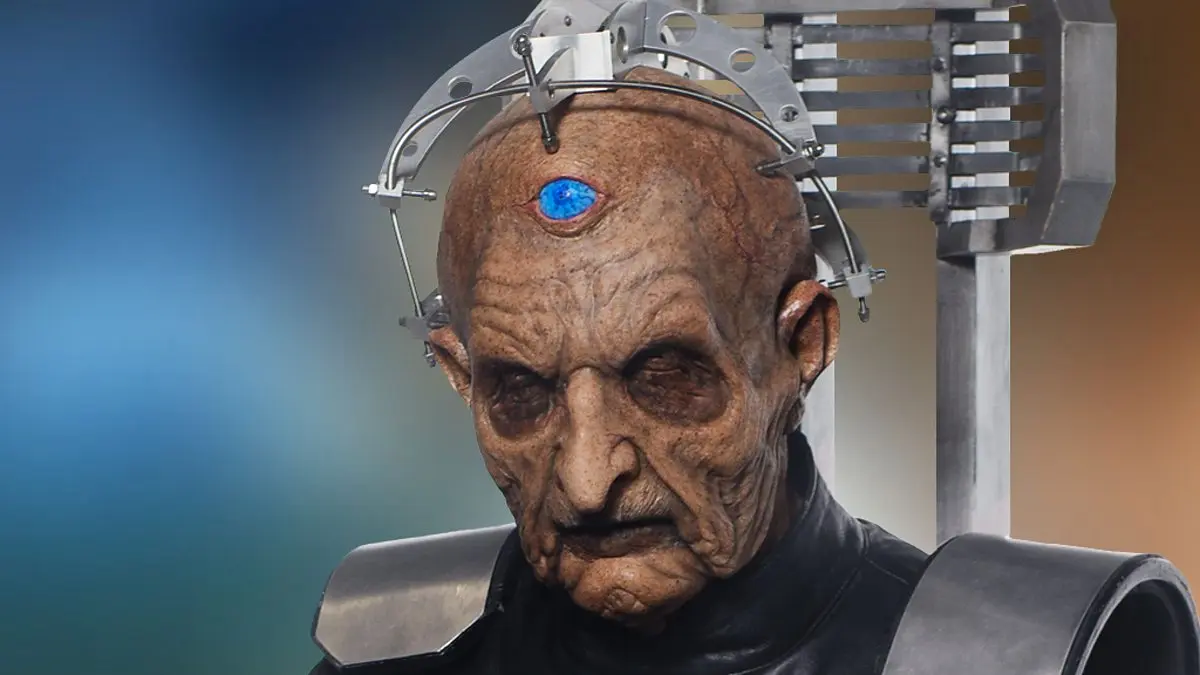
Davros is a Kaled geneticist from Skaro who engineered the Daleks by removing what he deemed “weaknesses” from his species, first documented in ‘Genesis of the Daleks’. Subsequent encounters—such as ‘Revelation of the Daleks’, ‘The Stolen Earth’ and ‘Journey’s End’, and ‘The Magician’s Apprentice’ and ‘The Witch’s Familiar’—show him alternately commanding, bargaining with, or being overthrown by his creations while pursuing large-scale weapons and dimensional strategies.
Constantly reliant on a mobile life-support chair with integrated systems, Davros has pursued projects including the Reality Bomb and attempts to manipulate the Doctor’s regenerative energy. Records detail recurring dialogues intended to elicit strategic concessions, as well as his use of Dalek factionalism to survive, rebuild, and iterate on design doctrines for new Dalek generations.
4. Cybermen
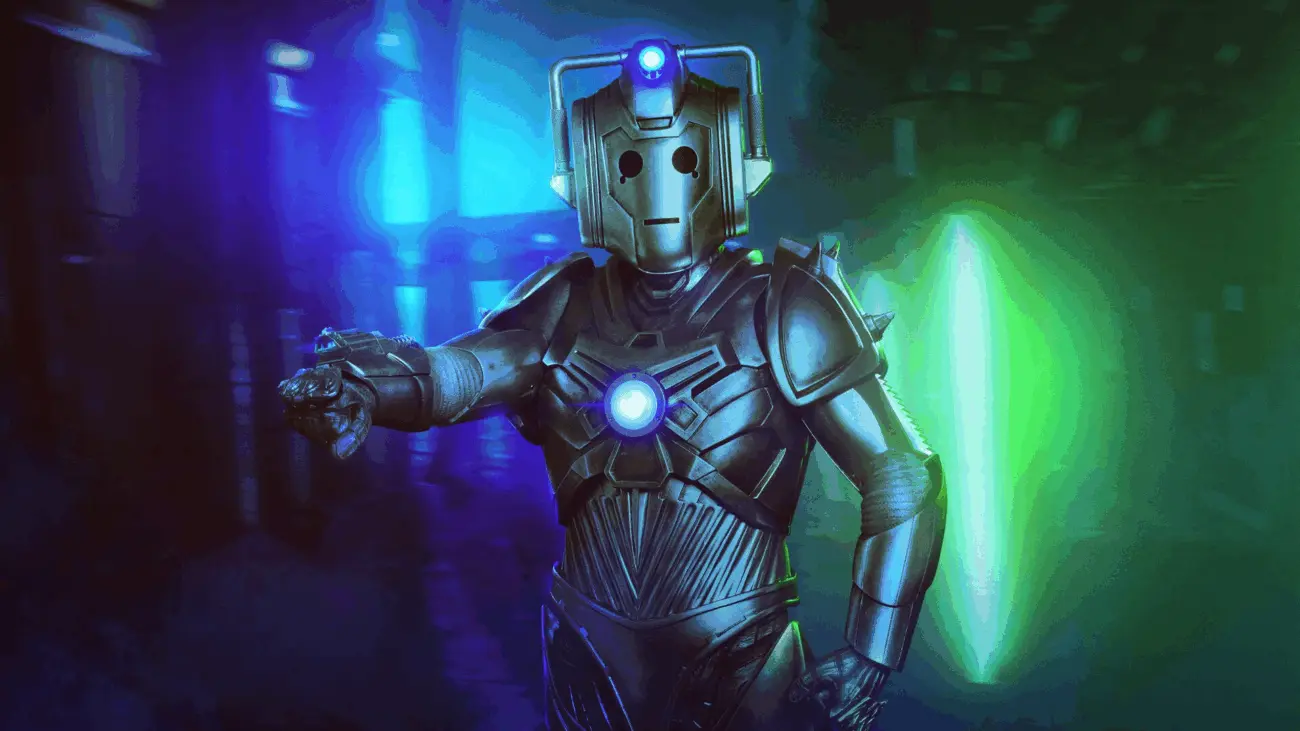
Cybermen originated as cybernetically augmented humanoids who replace failing or “unnecessary” biological components—a process known as cyber-conversion—first cataloged in ‘The Tenth Planet’. Parallel-Earth variants were introduced in ‘Rise of the Cybermen’ and ‘The Age of Steel’, with later evolutions and multi-model deployments appearing in ‘Army of Ghosts’ and ‘Doomsday’, ‘Nightmare in Silver’, and the two-parter ‘World Enough and Time’ and ‘The Doctor Falls’.
They field emotion-inhibitors, modular upgrades, and auxiliary units such as Cybermats and Cybermites, with conversion facilities ranging from industrial plants to covert medical wards. Classic-model vulnerabilities included gold contamination of respiratory systems, while modern iterations have countered many legacy weaknesses; nonetheless, disrupting control nodes, overloading inhibitors, or triggering residual emotions remain documented tactics for resistance forces.
3. Weeping Angels
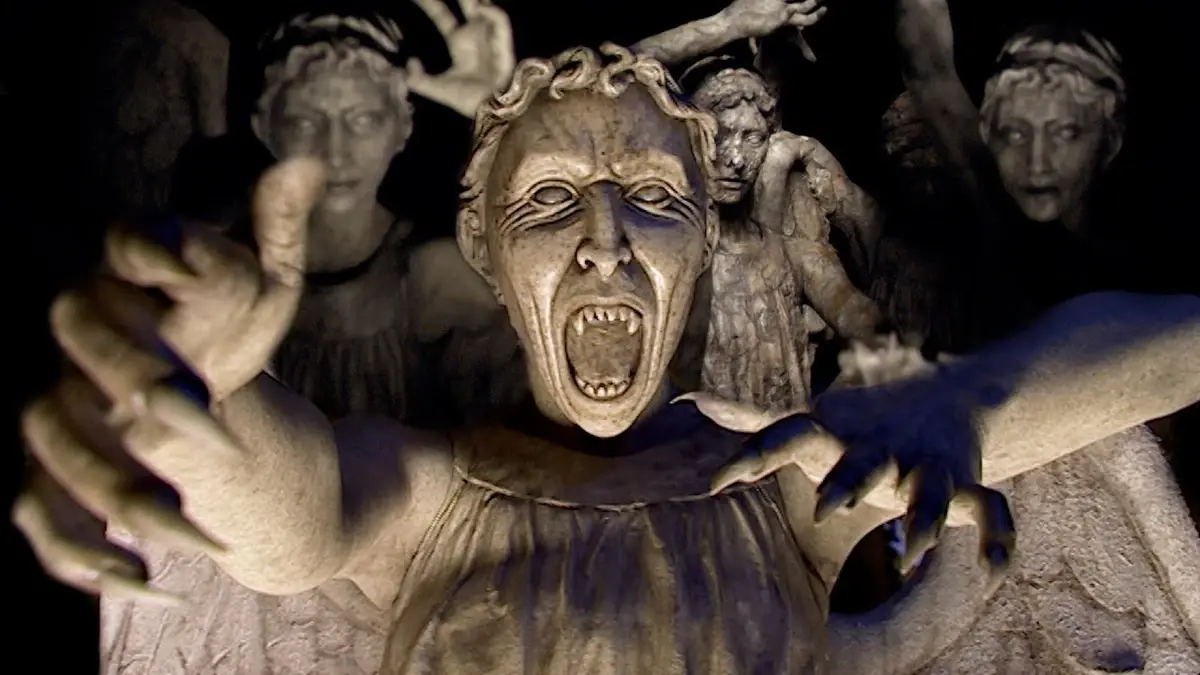
First chronicled in ‘Blink’, Weeping Angels displace victims into the past and feed on the temporal energy of the life that would have been lived, effectively weaponizing time itself. Subsequent operations in ‘The Time of Angels’ and ‘Flesh and Stone’, ‘The Angels Take Manhattan’, and ‘Village of the Angels’ demonstrate coordinated hunting, manipulation of recorded images, and strategic occupation of fixed points.
Angels are quantum-locked and become stone when observed, moving at extreme speed only when unobserved; the principle that “the image of an Angel becomes an Angel” enables them to propagate via recordings and photographs. Field notes cite tactics such as continuous observation, elimination of image vectors, and avoidance of contact with Angel-corrupted technology, as well as documented incidents of TARDIS-targeting to access time-energy sources.
2. The Master / Missy
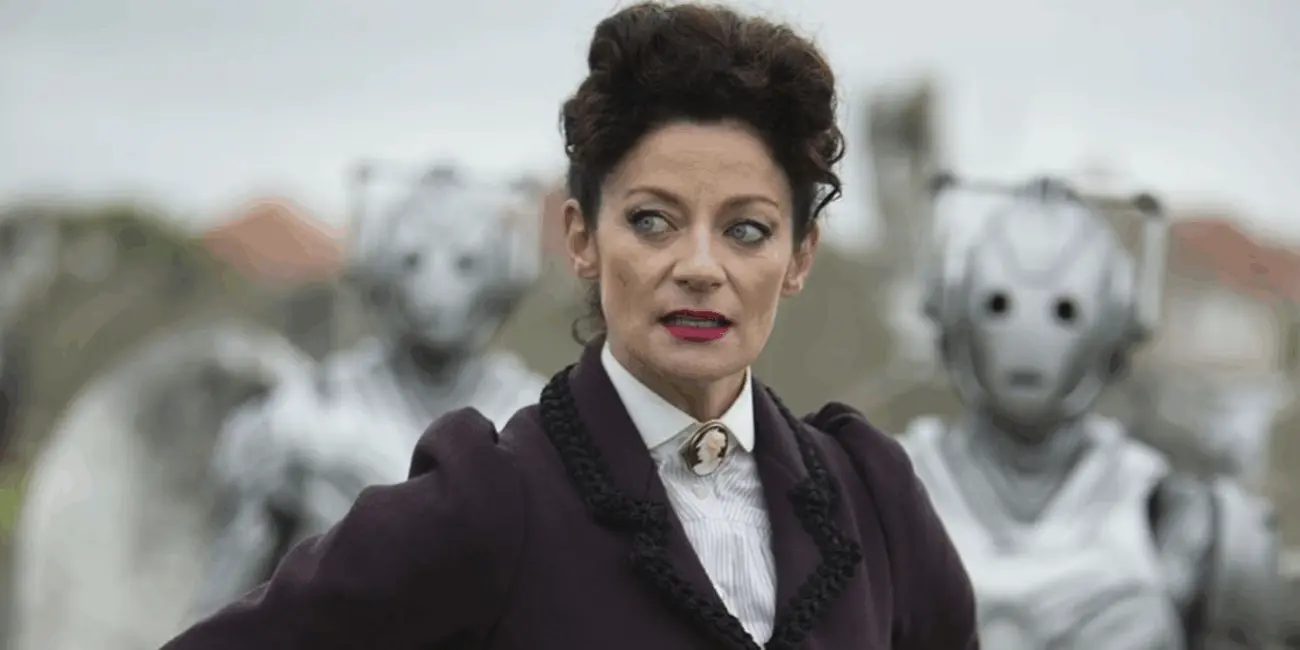
The Master is a renegade Time Lord with a history of regeneration into multiple identities—among them Missy—first entering the record in ‘Terror of the Autons’ and recurring through stories including ‘The Sound of Drums’ and ‘Last of the Time Lords’, ‘The End of Time’, ‘World Enough and Time’ and ‘The Doctor Falls’, ‘Spyfall’, and ‘The Power of the Doctor’. The character maintains an operational TARDIS with a functioning chameleon circuit, extensive knowledge of Gallifreyan technology, and a pattern of long-game infiltration.
Standard equipment includes the Tissue Compression Eliminator, while fieldcraft often relies on hypnosis, assumed identities, and manipulation of existing political or military structures to engineer crises. Interactions with the Doctor have influenced major events on Earth and Gallifrey alike, with documented alliances of convenience and betrayals shaped by personal history, control of advanced weaponry, and access to time-travel infrastructure.
1. Daleks
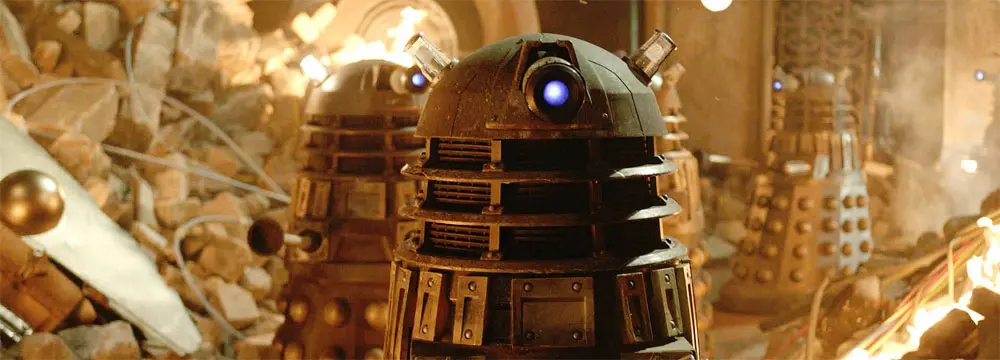
Daleks are genetically modified Kaled mutants housed in armored travel machines from Skaro, first appearing in ‘The Daleks’ and repeatedly engaged across classic and modern eras, including ‘Genesis of the Daleks’, ‘Remembrance of the Daleks’, ‘The Parting of the Ways’, ‘Victory of the Daleks’, and ‘Asylum of the Daleks’. Their command structures—ranging from Supreme Daleks to the Cult of Skaro—have acted as force multipliers during the Last Great Time War and numerous post-war campaigns.
Their capabilities include flight, personal shielding, and high-output energy weaponry, coordinated by centralized command logic and rapid self-repair or self-evolution protocols. Known strategic variations include temporal engineering, reality-level weapon projects, and extensive use of captive labor or conversion systems, while countermeasures have targeted control signals, exploited factional splits, or leveraged environmental hazards that bypass shield calibrations.
Got another foe you’d slot differently or one we missed—drop your picks in the comments!

