


“True Story” Movies That Are Not So True


Movies based on true stories often draw us in with their promise of real-life drama. They claim to show history as it happened, but many take big liberties with the facts to make the story more exciting or emotional. These films can still be entertaining, but their “true story” label can mislead viewers about what really happened.
Hollywood often tweaks timelines, adds fictional characters, or changes events to fit a dramatic narrative. This list explores 50 movies that claim to be based on true stories but stretch the truth, sometimes to the point of near-fiction. From biopics to historical epics, here’s a look at films that don’t quite match the history they’re based on.
‘The Revenant’ (2015)

This gritty survival tale follows Hugh Glass, a frontiersman mauled by a bear and left for dead. The movie shows him seeking revenge against those who abandoned him, including a dramatic showdown with a man who killed his son. It’s intense and gripping, but the real story is less cinematic.
In reality, Hugh Glass did survive a bear attack and was abandoned, but there’s no solid evidence he had a son or sought revenge. Historians debate whether he even fought a bear at all. The film builds a mythic tale around Glass, adding fictional elements to heighten the drama.
‘Argo’ (2012)
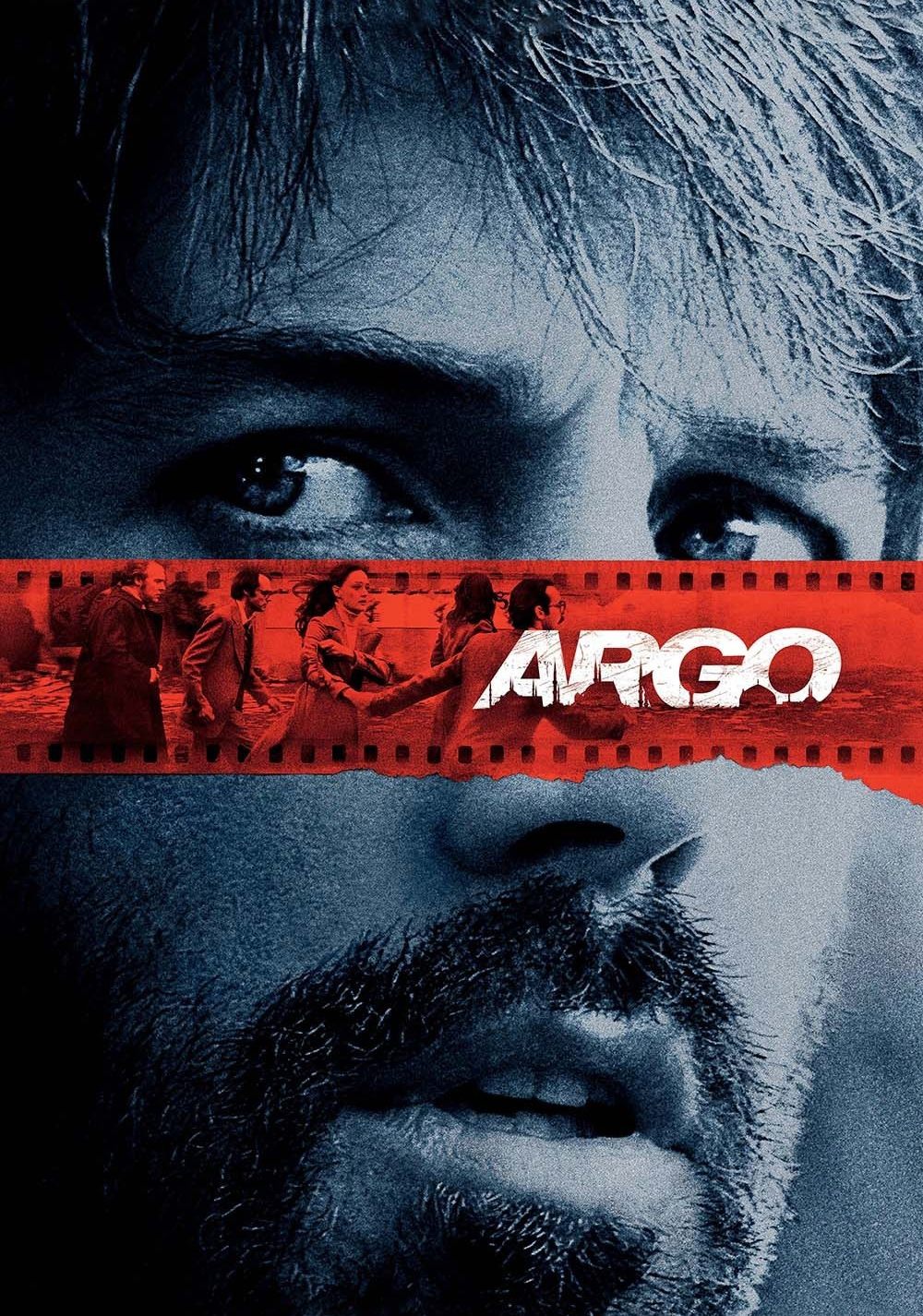
This tense thriller depicts a CIA operation to rescue American diplomats from Iran by posing as a film crew. It’s a thrilling ride with close calls and high stakes, but the movie downplays Canada’s role and exaggerates the drama.
The real rescue, known as the Canadian Caper, relied heavily on Canadian diplomats, who housed the Americans and helped plan the escape. The film makes it seem like a mostly American effort, ignoring key contributions from Canada and adding fictional airport chases for suspense.
‘The Pursuit of Happyness’ (2006)
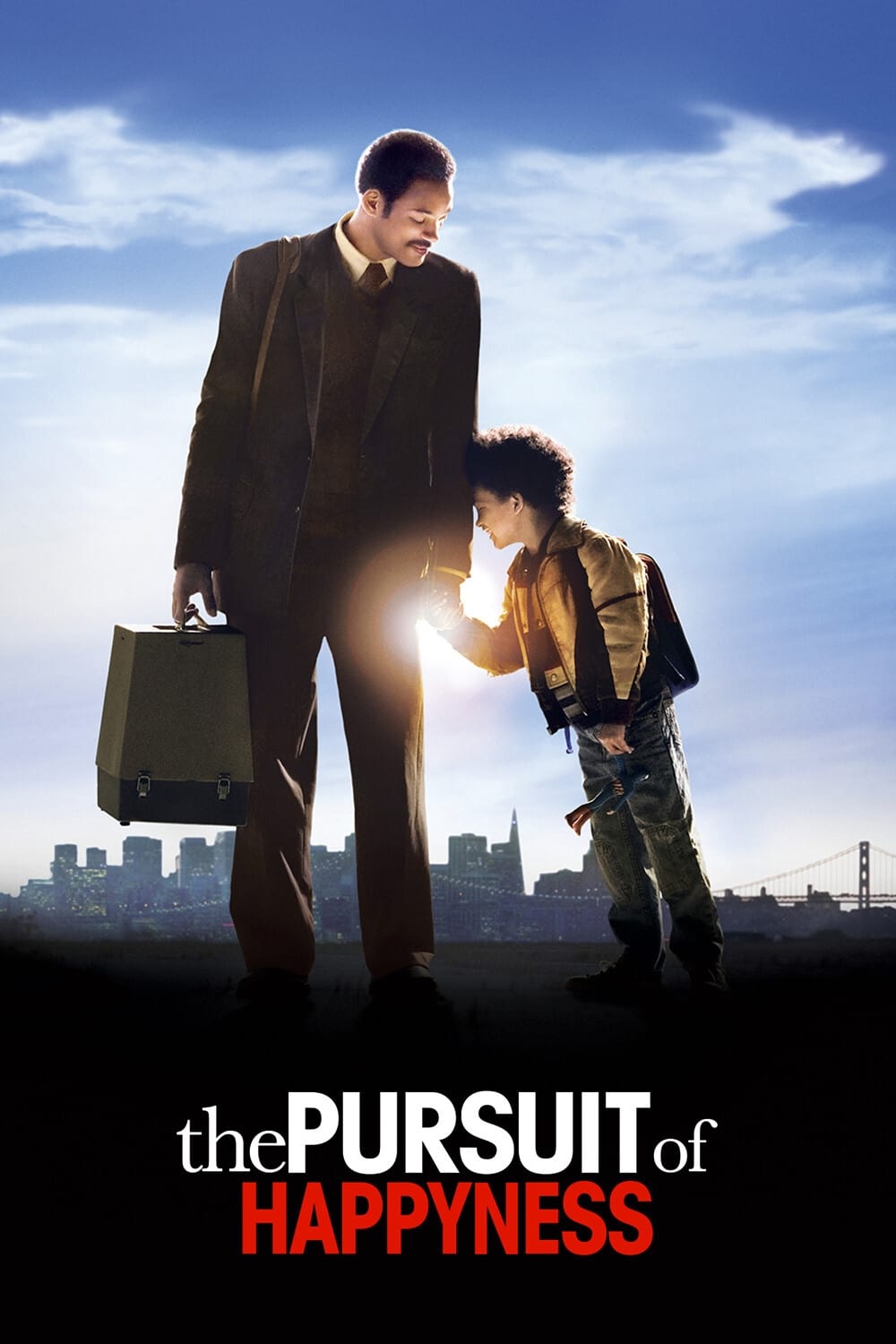
This heartfelt film shows Chris Gardner, a homeless father, struggling to provide for his son while chasing a stockbroker career. Will Smith’s performance is moving, but the movie softens some harsh realities of Gardner’s life.
In truth, Gardner faced darker struggles, including an arrest for domestic abuse, which the film omits. It also simplifies his rise to success, making it seem smoother than it was, leaving out years of hardship for a more uplifting story.
‘Catch Me If You Can’ (2002)

This fun cat-and-mouse story follows conman Frank Abagnale Jr., who forged checks and impersonated professionals while evading the FBI. Leonardo DiCaprio’s charm sells the tale, but much of it is exaggerated or outright false.
Abagnale’s memoir, the film’s basis, has been debunked as largely fabricated. Many of his claimed cons, like posing as a pilot or doctor, lack evidence, and the FBI agent character played by Tom Hanks is a composite, not a real person.
‘Fargo’ (1996)

This dark comedy claims to be based on true events in Minnesota, with a kidnapping plot spiraling into chaos. The Coen Brothers’ quirky storytelling makes it memorable, but the “true story” claim is a lie.
The brothers later admitted they made it all up, using the “true story” tag to add authenticity. While inspired by real crimes, the film’s plot and characters are entirely fictional, crafted for dark humor rather than historical accuracy.
‘Cinderella Man’ (2005)
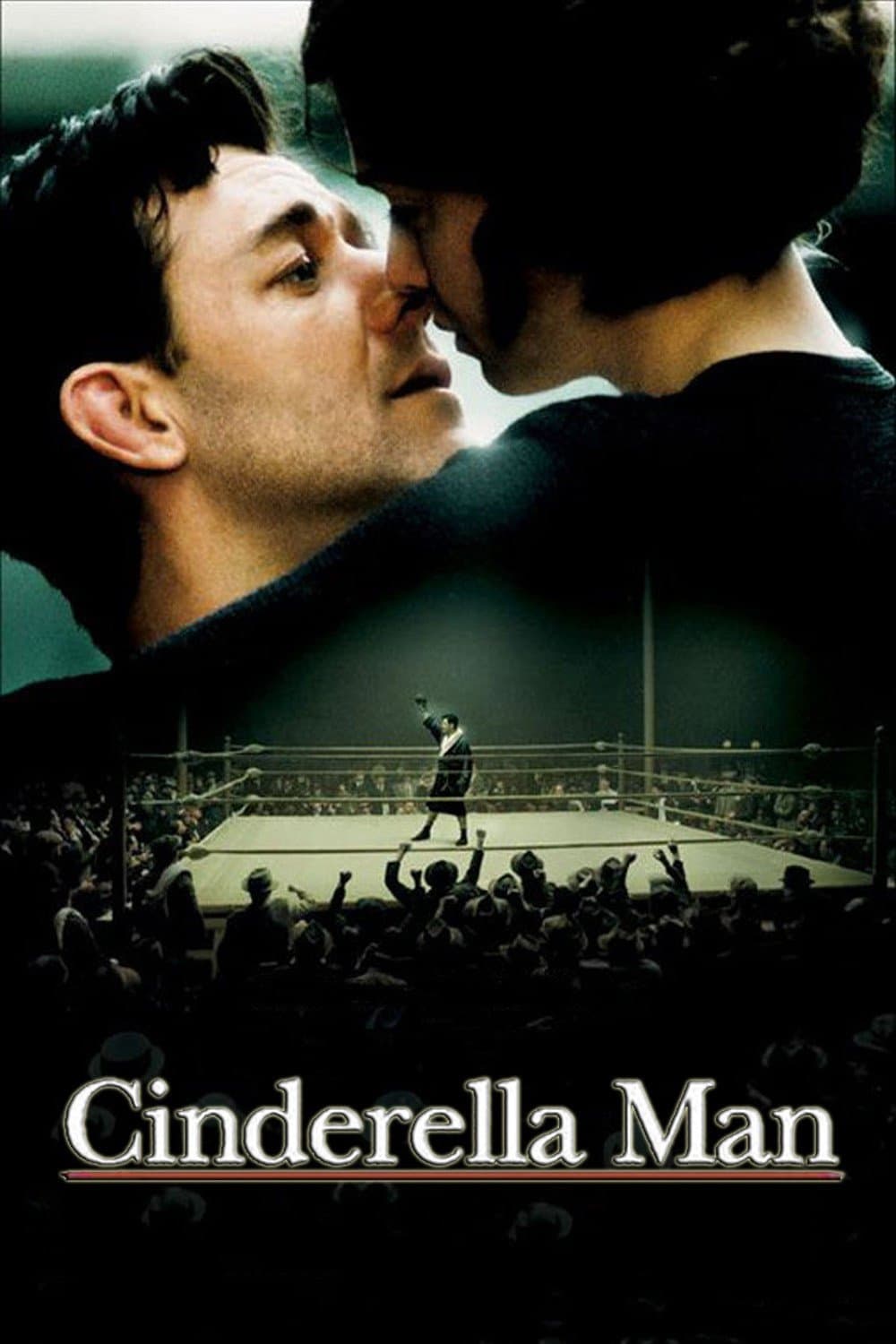
This boxing drama follows James J. Braddock, a Depression-era fighter who rises to win the heavyweight title. Russell Crowe’s portrayal is inspiring, but the film vilifies Braddock’s rival, Max Baer, for drama.
In reality, Baer wasn’t the cruel villain shown. He was a complex figure who felt remorse for a ring death, not the gloating killer the movie depicts. The film exaggerates his personality to make Braddock’s victory more triumphant.
‘Munich’ (2005)
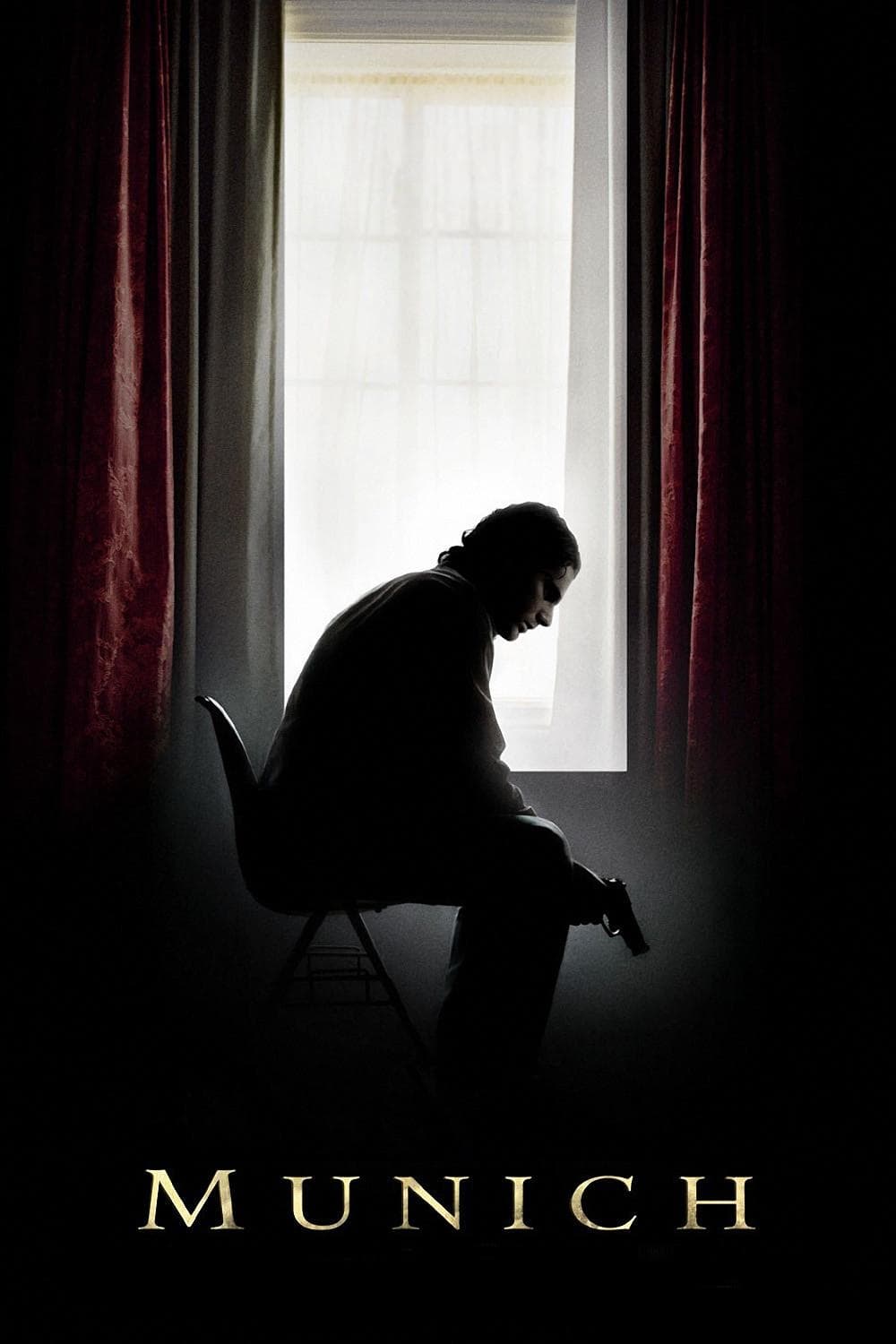
This intense Spielberg film follows a Mossad team hunting terrorists after the 1972 Olympics massacre. It’s gripping and emotional, but the story takes big liberties with the real operation.
The film’s source, a book by Yuval Aviv, is questioned for accuracy, and some doubt Aviv’s involvement with Mossad. The movie simplifies the complex, messy retaliation efforts, adding fictional drama and omitting civilian casualties to streamline the narrative.
‘The Patriot’ (2000)
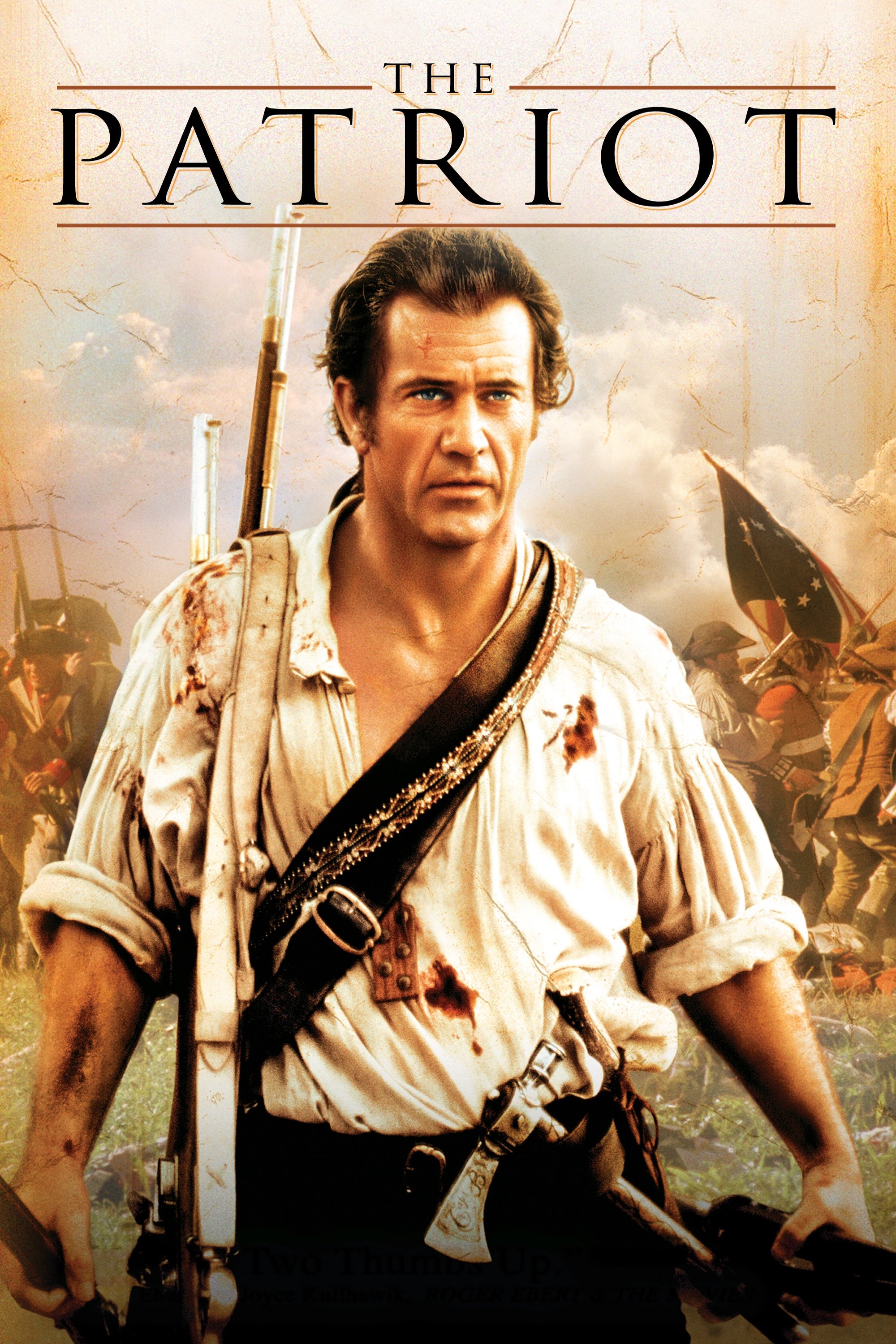
This Revolutionary War epic shows a farmer leading a militia against the British. Mel Gibson’s heroics are thrilling, but the film mixes fiction with history, creating a misleading picture.
No single real person inspired Gibson’s character. The movie blends stories of various figures but exaggerates battles and villainizes the British, ignoring historical nuances for a patriotic, action-packed story.
‘Braveheart’ (1995)
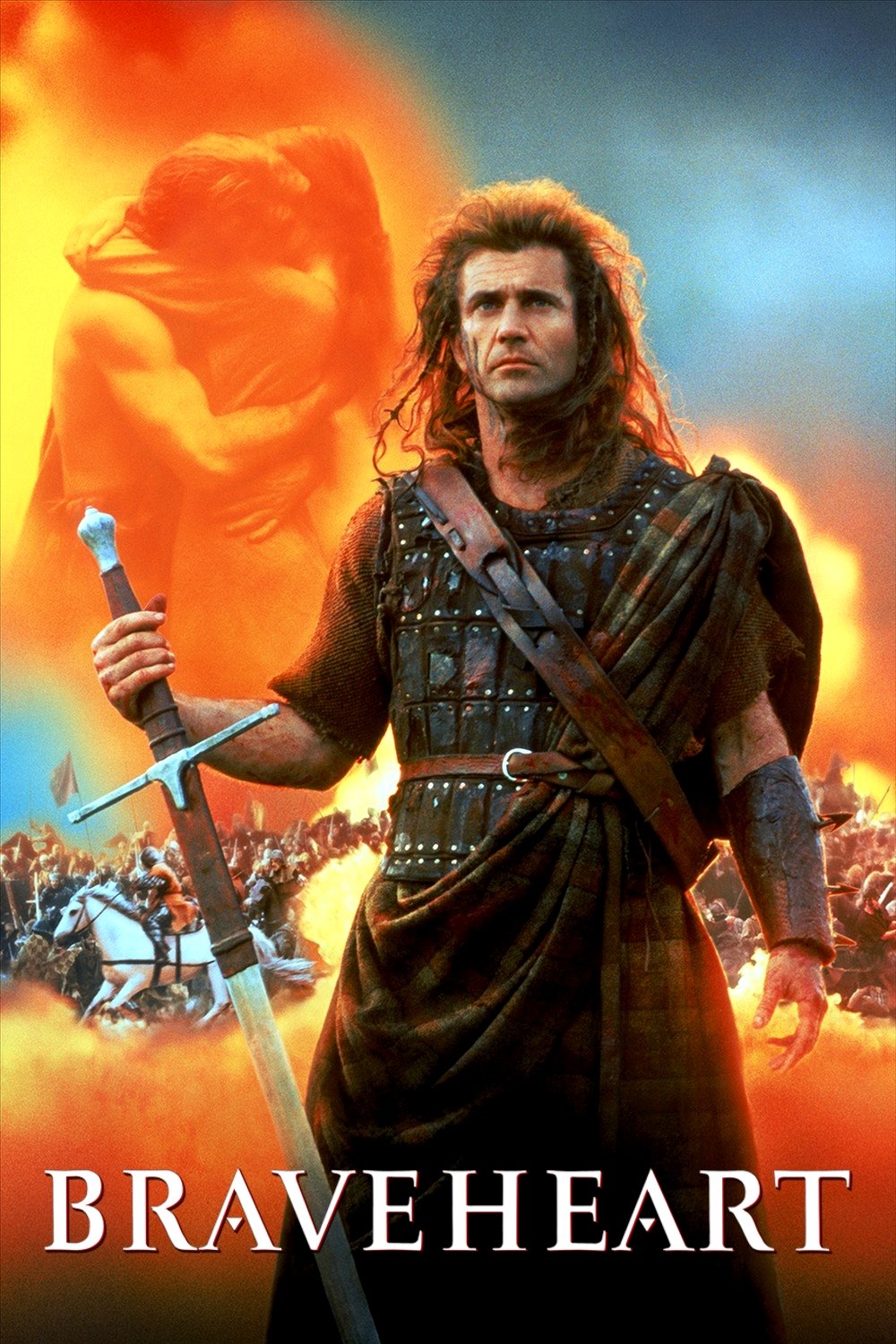
This epic portrays William Wallace’s rebellion against English rule. It’s a stirring tale of freedom, but the history is wildly inaccurate, from costumes to events.
Wallace didn’t wear kilts, and the Battle of Stirling Bridge lacked a bridge in the film. The love story with the French princess is pure fiction—she was a child at the time. The movie prioritizes drama over facts.
‘300’ (2006)
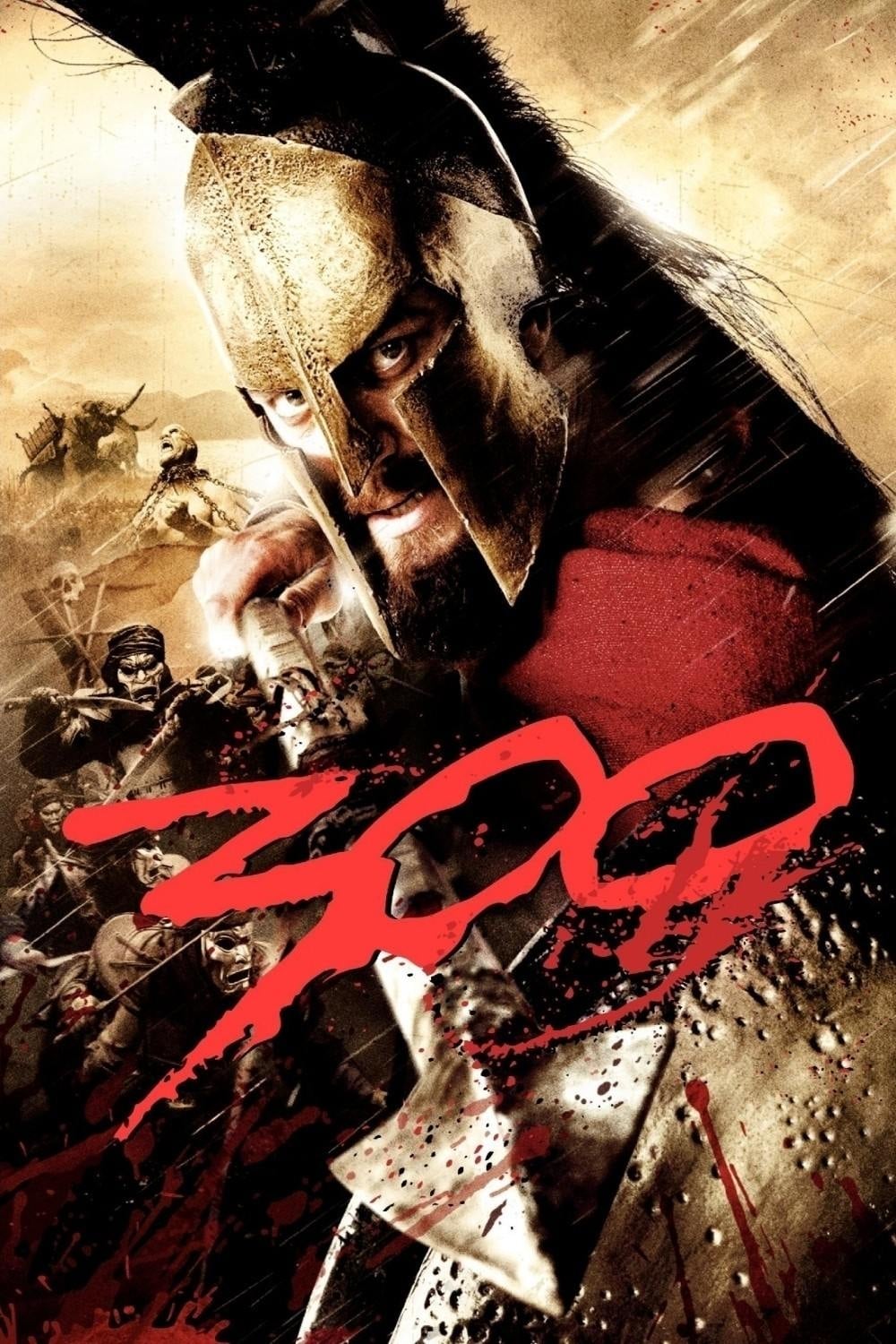
This stylized film depicts the Spartans’ stand against Persians at Thermopylae. Its visuals are striking, but the history is heavily altered for cinematic flair.
The real battle involved more than 300 Spartans, including thousands of allies, and the Persians weren’t the monstrous villains shown. The film amplifies the Spartans’ heroism and simplifies the conflict for a comic-book style narrative.
‘Troy’ (2004)
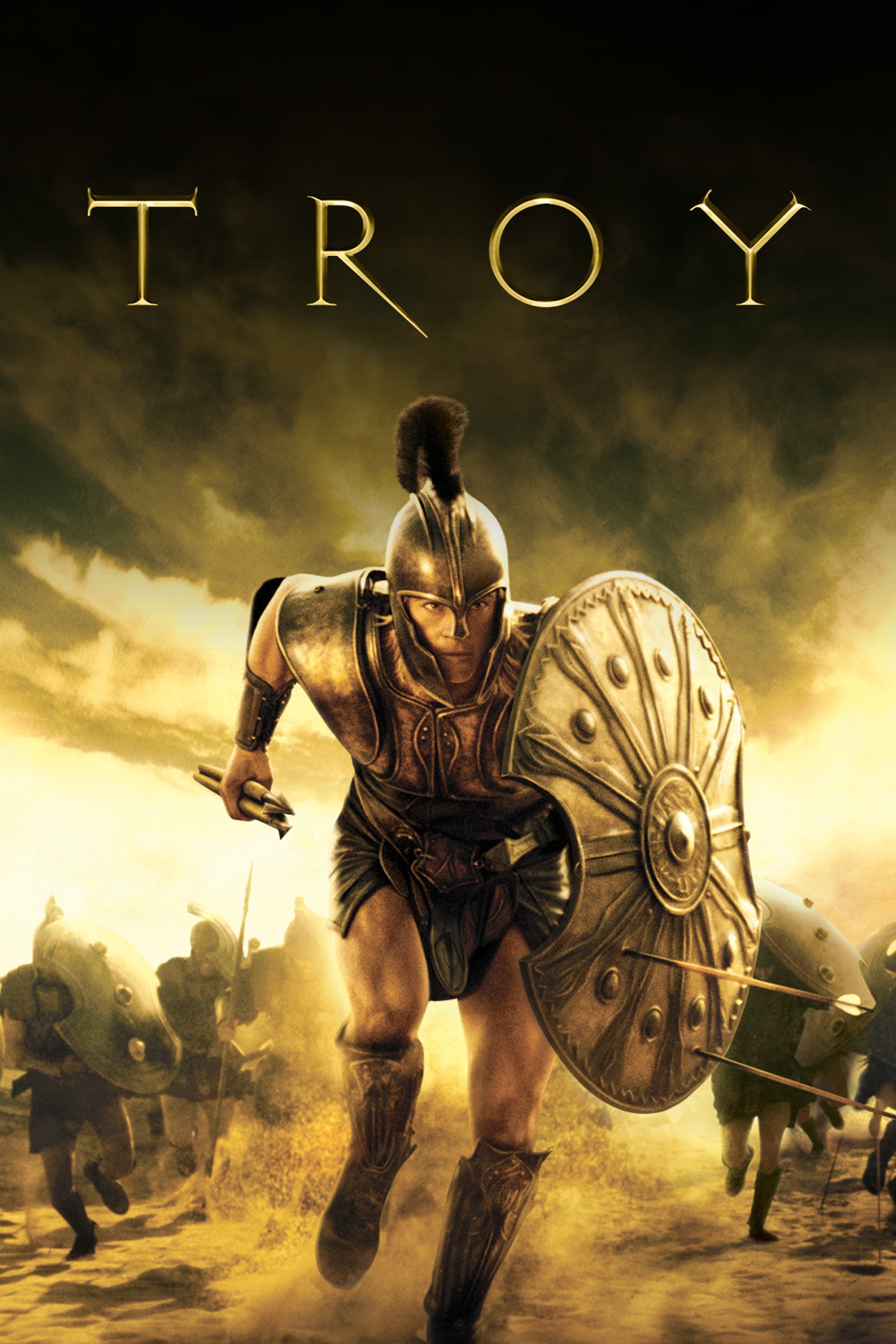
This epic retells the Trojan War, with Brad Pitt as Achilles. It’s a grand spectacle, but it strays far from Homer’s Iliad and historical evidence.
The film removes gods and mythical elements, inventing new plotlines like Achilles’ romance. Archaeological evidence suggests a real Trojan War, but the movie’s timeline and character motivations are fictionalized for drama.
‘Pearl Harbor’ (2001)

This romantic war film centers on a love triangle during the Japanese attack on Pearl Harbor. It’s emotional but sacrifices accuracy for melodrama.
The love story is fictional, and the film misrepresents the attack’s timeline and military details. It also exaggerates American heroism, downplaying the real chaos and complexity of the event.
‘The Imitation Game’ (2014)

This biopic follows Alan Turing’s work cracking Nazi codes. Benedict Cumberbatch shines, but the film dramatizes Turing’s life and relationships.
Turing wasn’t as socially awkward as portrayed, and the film invents tensions with colleagues. It also exaggerates the immediate impact of his codebreaking, simplifying a complex team effort for a heroic narrative.
‘Bohemian Rhapsody’ (2018)
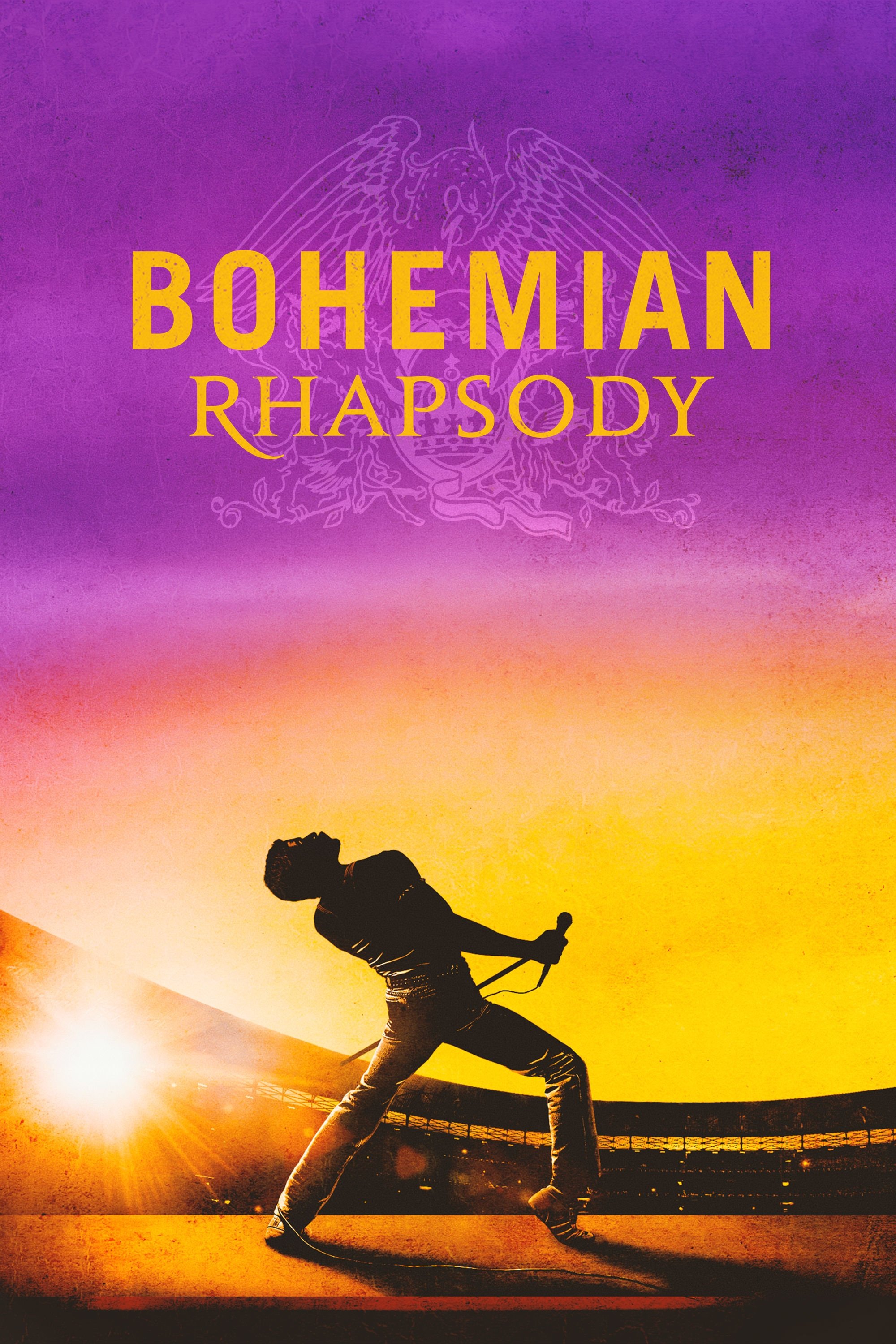
This music biopic traces Freddie Mercury and Queen’s rise to fame. It’s a crowd-pleaser, but it plays fast and loose with the band’s history.
The film rearranges timelines, like Mercury’s AIDS diagnosis, for emotional impact. It also fabricates drama, such as the band’s breakup before Live Aid, which never happened, to heighten the story’s arc.
‘The Social Network’ (2010)

This sharp drama shows Mark Zuckerberg creating Facebook amid betrayals and lawsuits. It’s compelling, but it takes liberties with the real story.
Zuckerberg’s personality is exaggerated for drama, and key events, like his motivations, are speculative. The film prioritizes a gripping narrative over factual details, shaping a myth around Facebook’s origins.
‘A Beautiful Mind’ (2001)
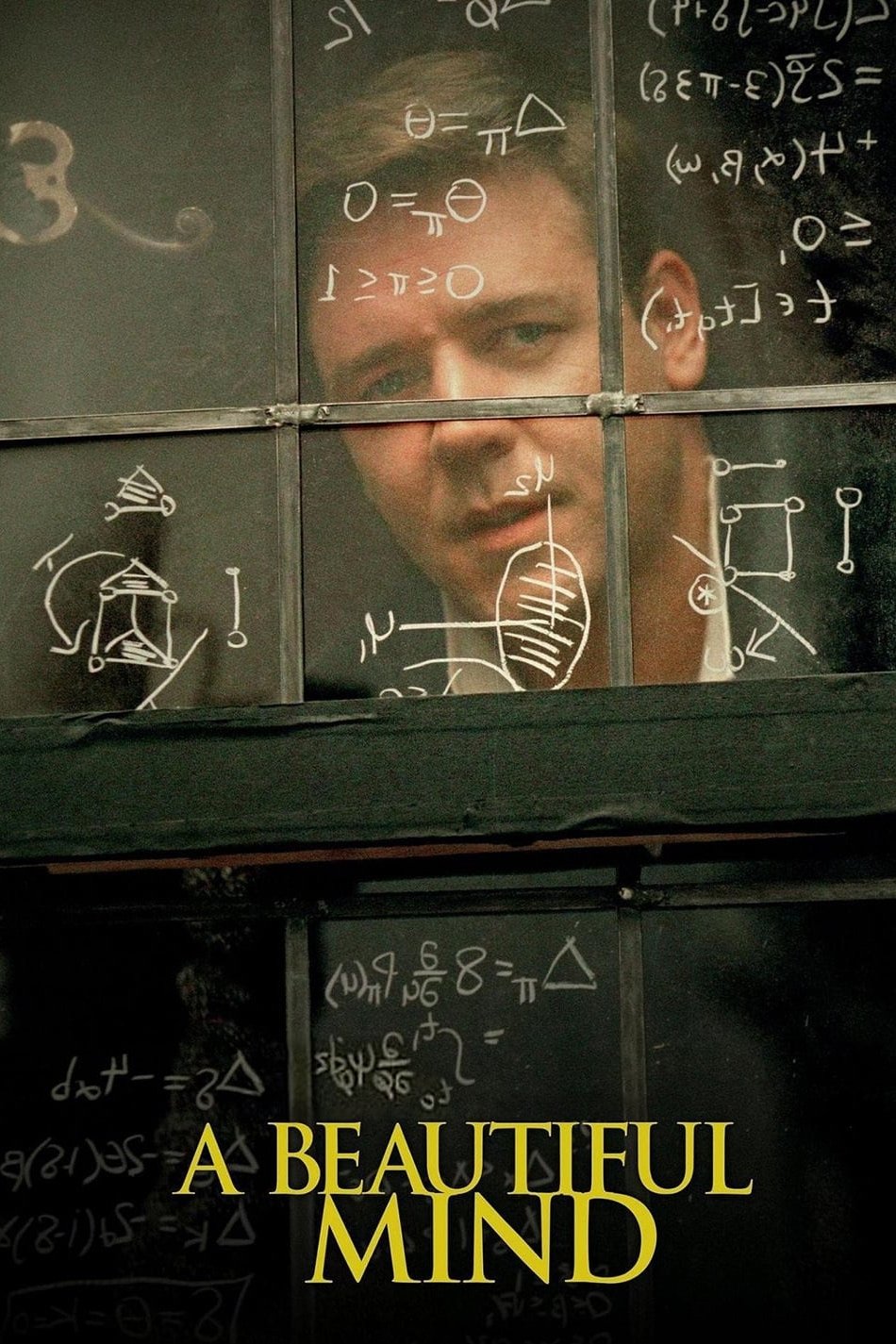
This film follows mathematician John Nash’s struggle with schizophrenia and genius. It’s moving, but it alters Nash’s life significantly.
The movie invents hallucinations and simplifies his marriage, omitting his divorce and complex personal life. It creates a cleaner, more inspirational story than the messy reality.
‘The Wolf of Wall Street’ (2013)
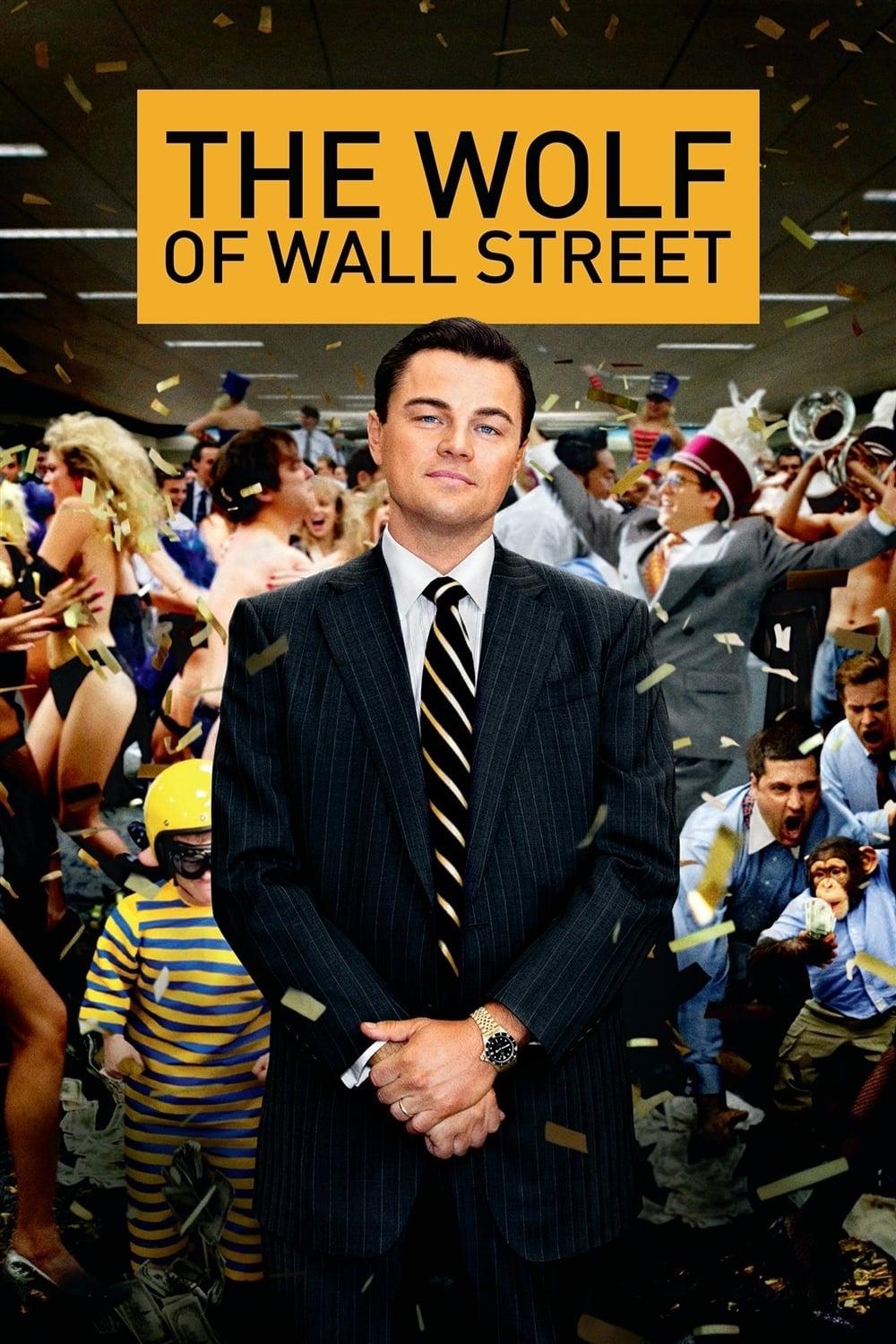
This wild ride depicts stockbroker Jordan Belfort’s rise and fall. It’s entertaining, but Belfort’s memoir, the film’s source, is unreliable.
Many events are exaggerated or fabricated for shock value, like the extent of Belfort’s debauchery. The film leans into excess, prioritizing entertainment over a factual retelling.
‘American Sniper’ (2014)

This war film follows sniper Chris Kyle’s tours in Iraq. It’s intense, but it embellishes Kyle’s story for cinematic effect.
Kyle’s memoir, the film’s basis, includes disputed claims, like his kill count. The movie adds fictional confrontations, like a sniper duel, to heighten drama, straying from documented events.
‘The King’s Speech’ (2010)
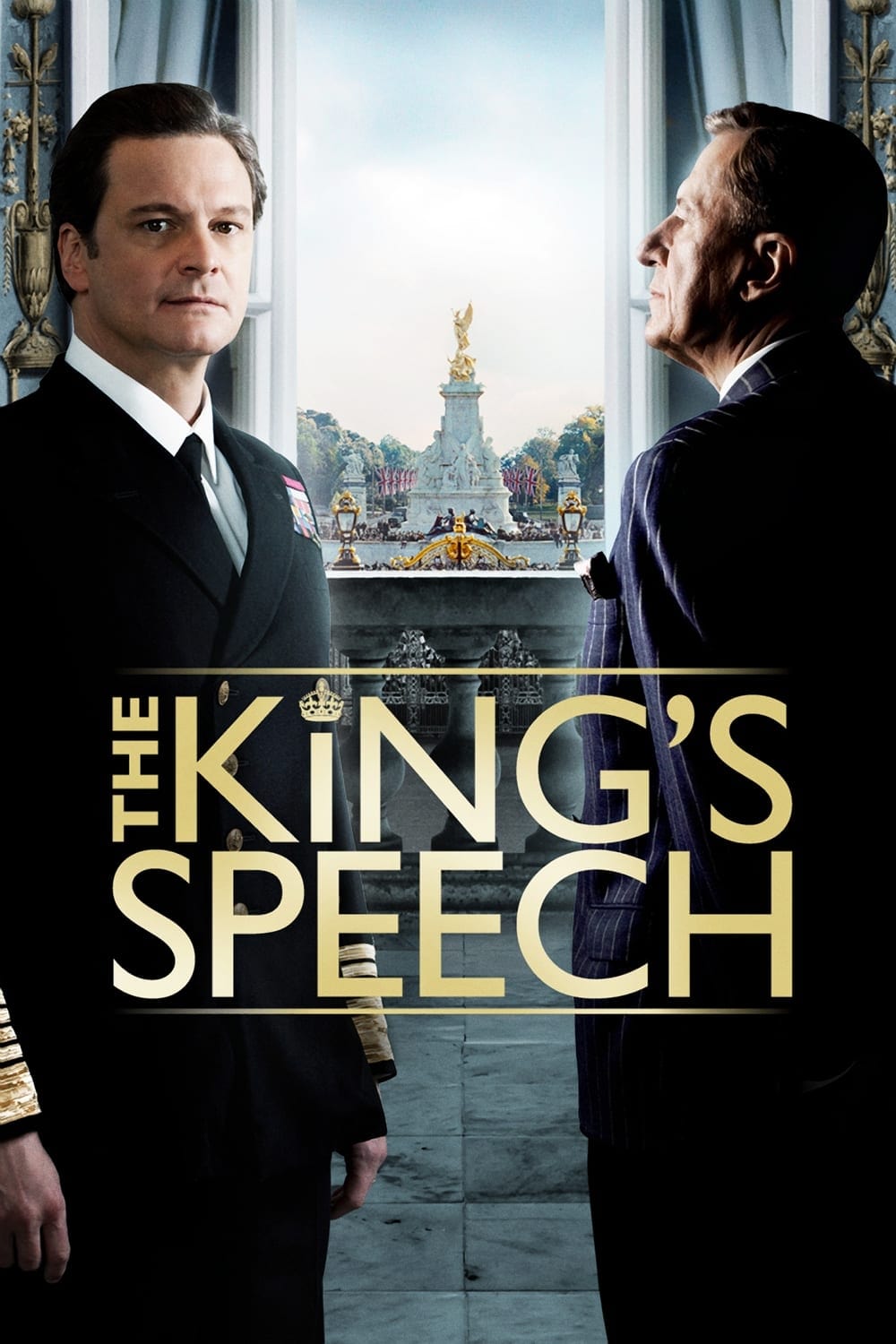
This drama shows King George VI overcoming a stammer with a speech therapist’s help. It’s uplifting, but it tweaks historical details.
The timeline of the king’s therapy is compressed, and his relationship with the therapist is dramatized. The film simplifies his journey for a feel-good story, glossing over political complexities.
‘The Blind Side’ (2009)
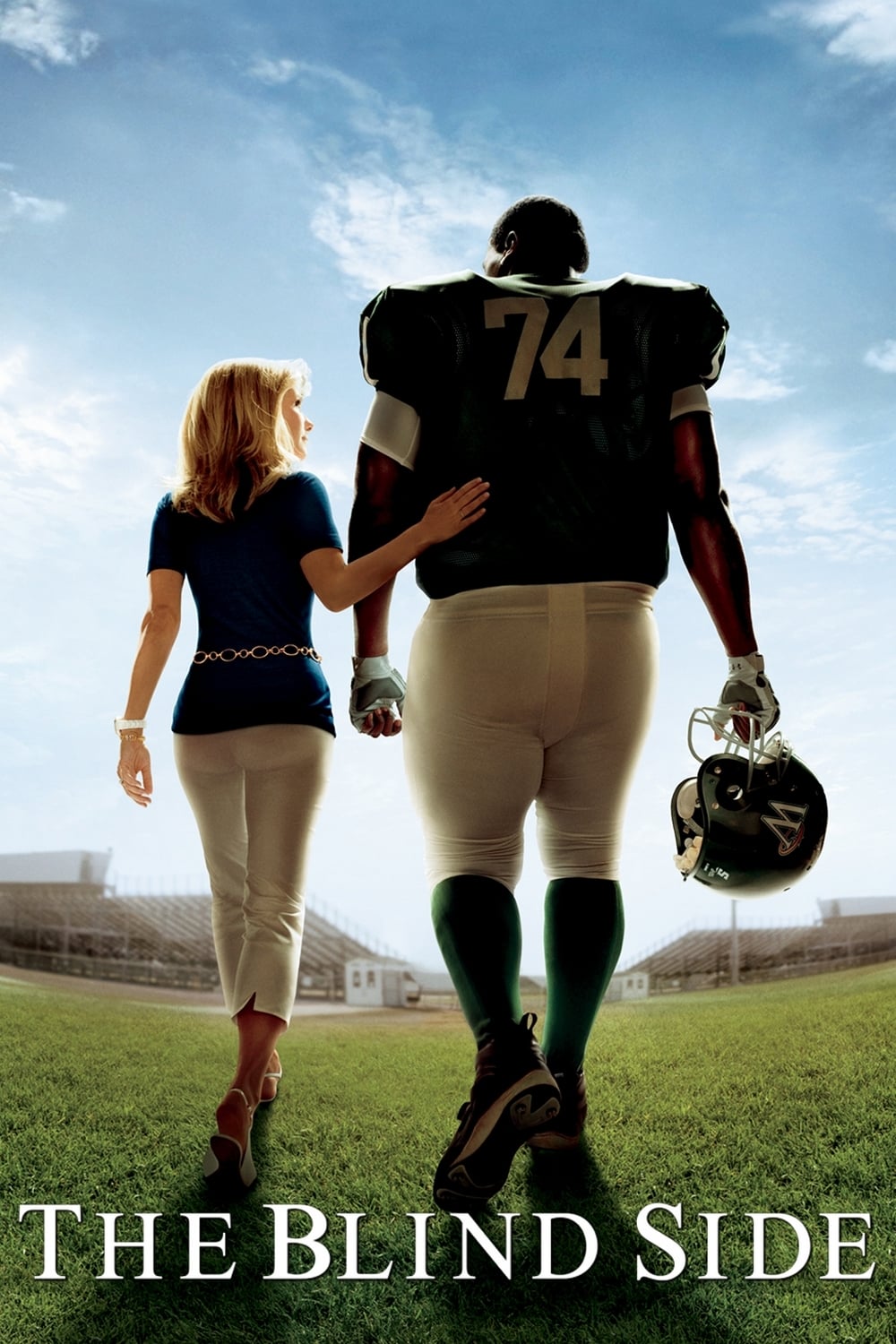
This heartwarming film shows a wealthy family helping a homeless teen become an NFL star. It’s inspiring, but it oversimplifies Michael Oher’s story.
Oher wasn’t as naive as depicted and already had football skills. The film exaggerates the family’s role, creating a savior narrative that Oher himself has criticized.
‘Erin Brockovich’ (2000)

This legal drama follows Erin Brockovich’s fight against a polluting utility company. It’s empowering, but it takes liberties with the case.
Brockovich’s role is amplified, downplaying the team of lawyers involved. The film also simplifies the legal battle, adding dramatic flair to make her victory more cinematic.
‘The Greatest Showman’ (2017)
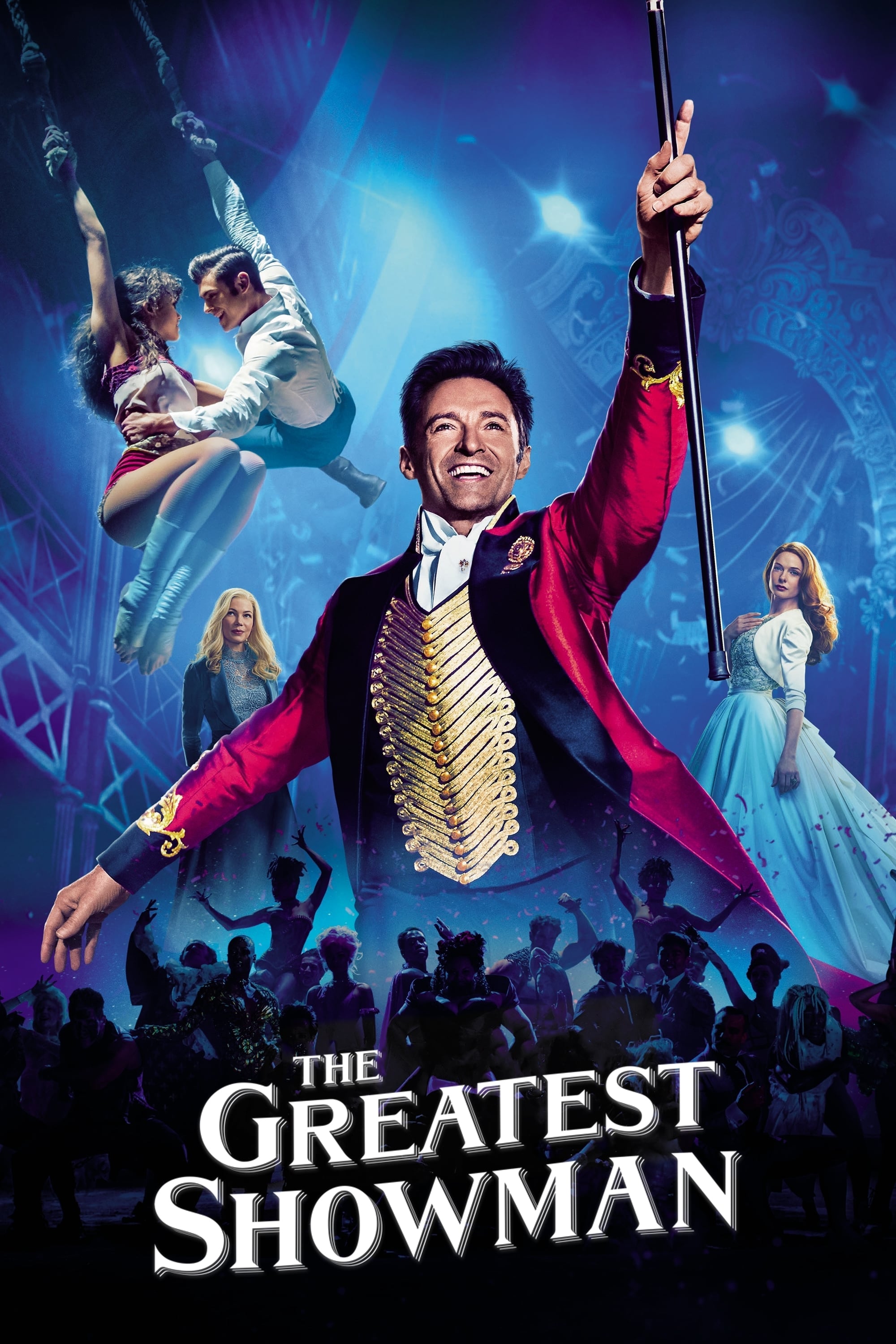
This musical portrays P.T. Barnum’s rise as a showman. It’s flashy and fun, but it whitewashes Barnum’s controversial life.
Barnum exploited performers and used deceptive tactics, which the film glosses over. It creates a family-friendly story, ignoring his unethical practices for a feel-good tale.
‘Amadeus’ (1984)
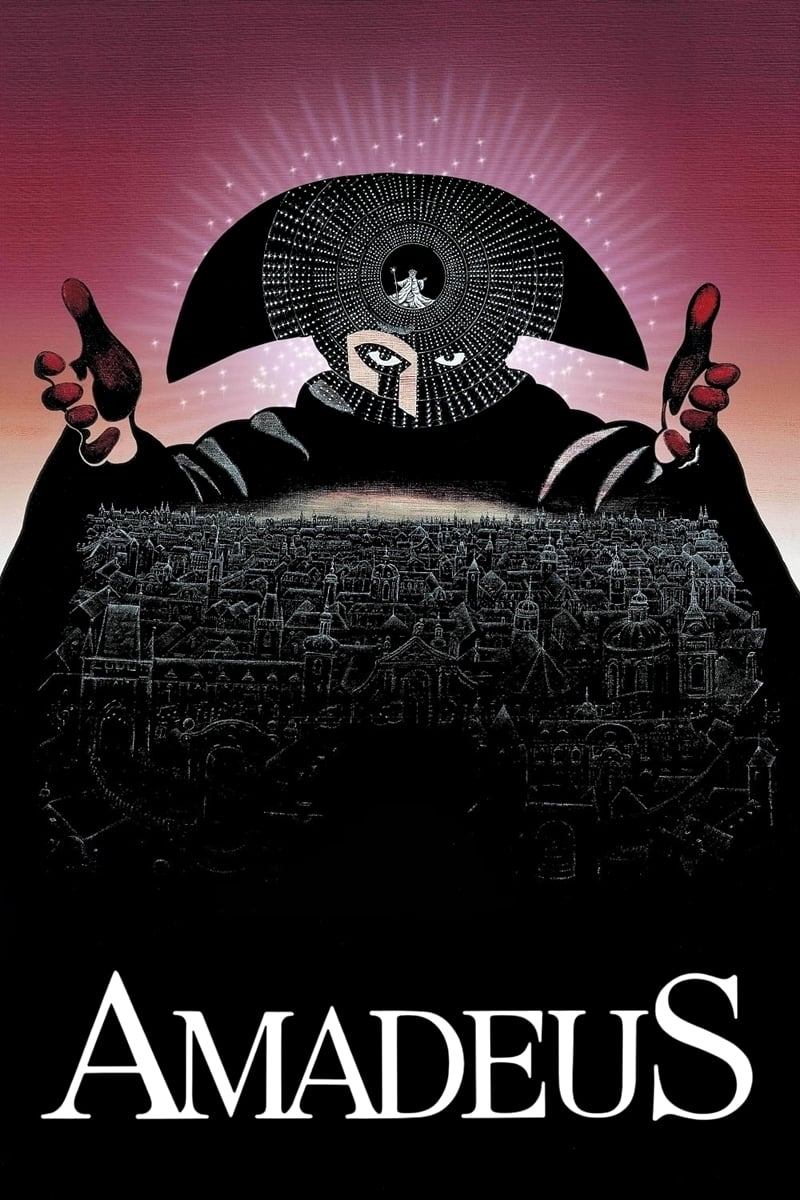
This lavish film depicts Mozart’s rivalry with composer Salieri. It’s a masterpiece, but it’s largely fictional despite real characters.
Salieri didn’t sabotage Mozart’s career, and their rivalry is exaggerated. The film uses historical figures to craft a dramatic story of jealousy, not a factual biography.
‘Hidalgo’ (2004)
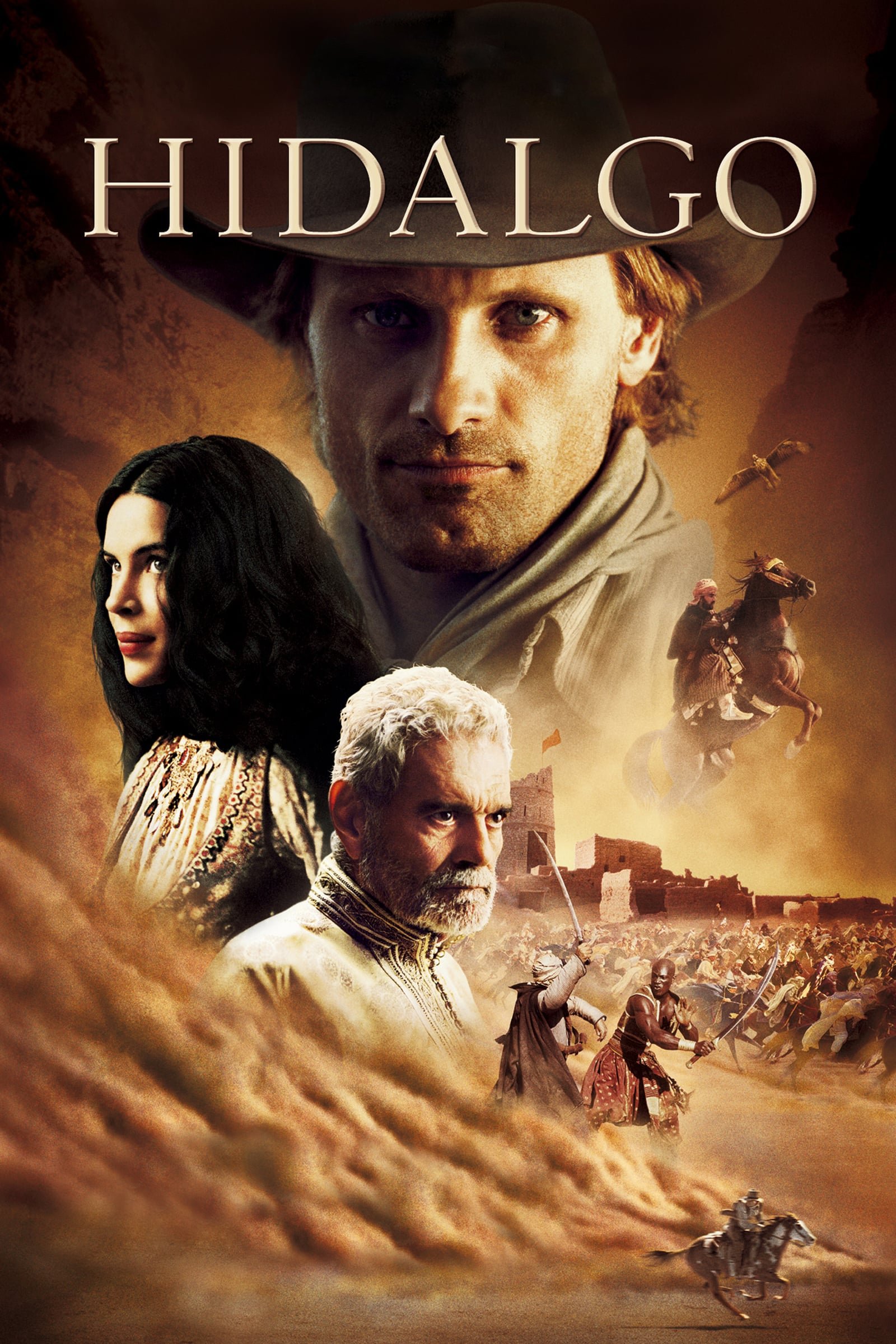
This adventure film follows Frank Hopkins, a cowboy in a long-distance horse race. It’s exciting, but Hopkins’ story is mostly fiction.
Hopkins claimed to be a legendary rider, but records show he exaggerated his exploits. The race itself is unverified, making the film more myth than history.
‘The Texas Chainsaw Massacre‘ (1974)

This horror classic claims inspiration from real events, specifically Ed Gein’s crimes. It’s terrifying, but the connection to reality is loose.
Gein was a murderer who used human remains, but there was no chainsaw-wielding family or massacre. The film uses his story as a vague starting point for pure horror.
‘The Strangers’ (2008)
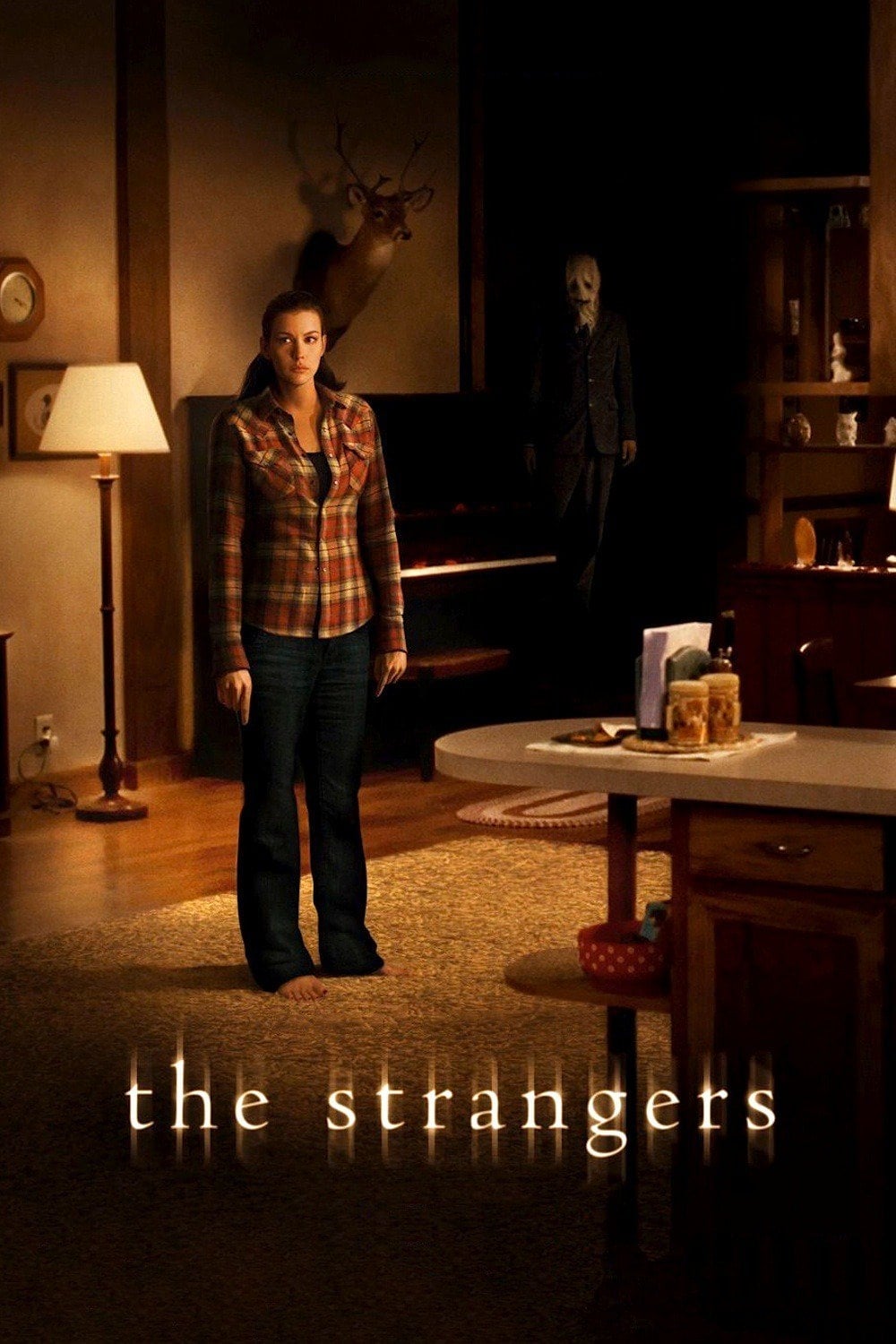
This chilling home invasion thriller claims to be based on true events. It’s unsettling, but the “true story” is vague and overstated.
The film draws loosely from random real-life break-ins, but no specific event matches its plot. It uses the true-crime label to amplify fear, not accuracy.
‘The Haunting in Connecticut’ (2009)
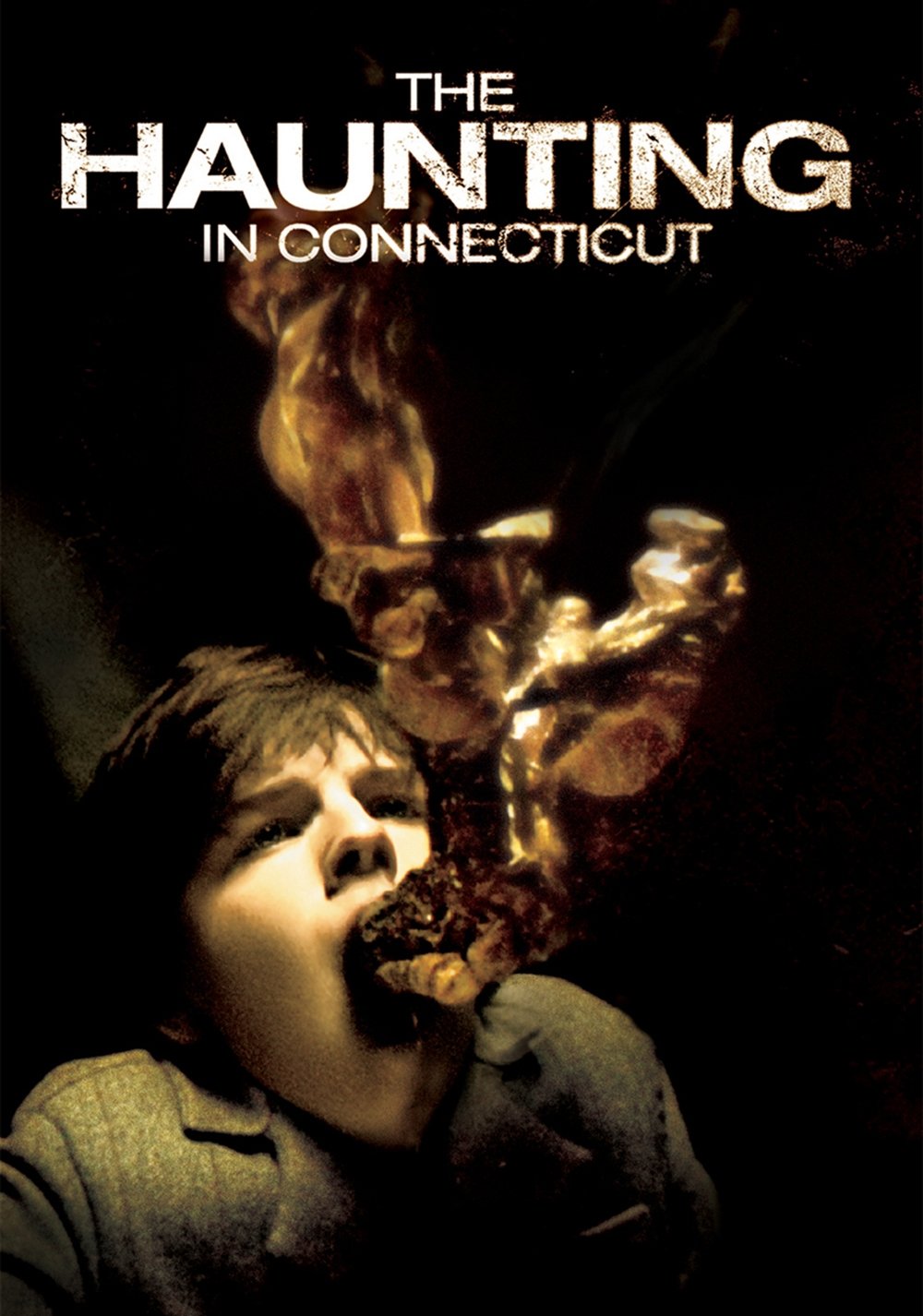
This horror film claims a family faced supernatural terror in a haunted house. It’s spooky, but the real story is far less dramatic.
The family reported odd events, but evidence of a haunting is shaky. The movie exaggerates claims into a full-blown paranormal tale for scares.
‘The Amityville Horror’ (1979)

This iconic horror film follows a family tormented by evil in their home. It claims to be based on the Lutz family’s experiences, but the truth is murky.
The Lutzes reported paranormal activity, but investigations found no evidence. The film builds a terrifying myth, amplifying unverified claims for horror.
‘The Exorcism of Emily Rose’ (2005)
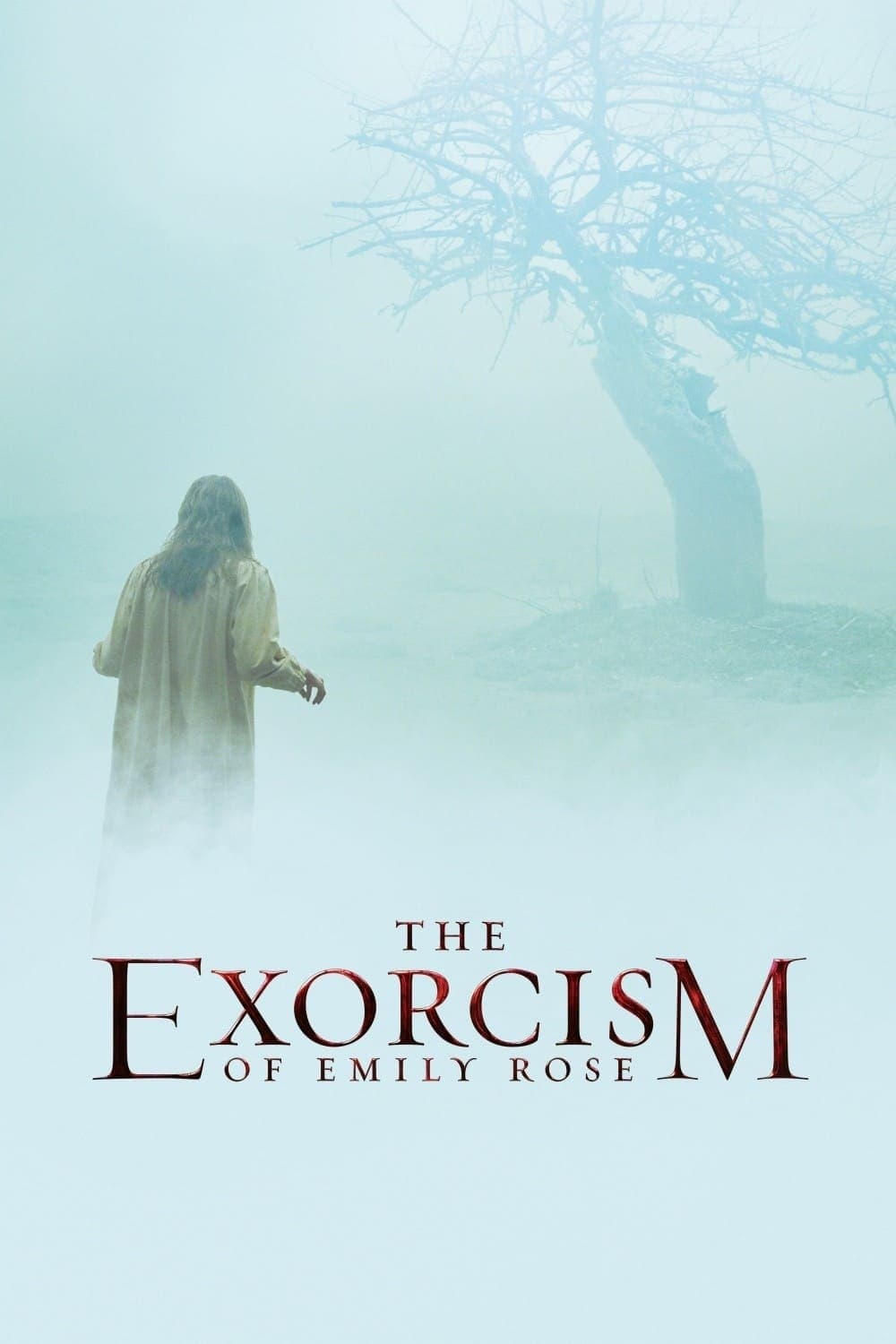
This film blends horror and courtroom drama, inspired by Anneliese Michel’s exorcism. It’s gripping, but it distorts the tragic reality.
Michel’s case involved mental illness and neglect, not demonic possession. The movie leans into supernatural horror, oversimplifying a complex, sad story.
‘Pain & Gain’ (2013)

This dark comedy follows bodybuilders committing crimes for wealth. It’s wild, but the real Miami Sun Gym case was even darker.
The film downplays the brutality of the crimes and invents details for humor. It captures the absurdity but softens the grim reality for entertainment.
’21’ (2008)
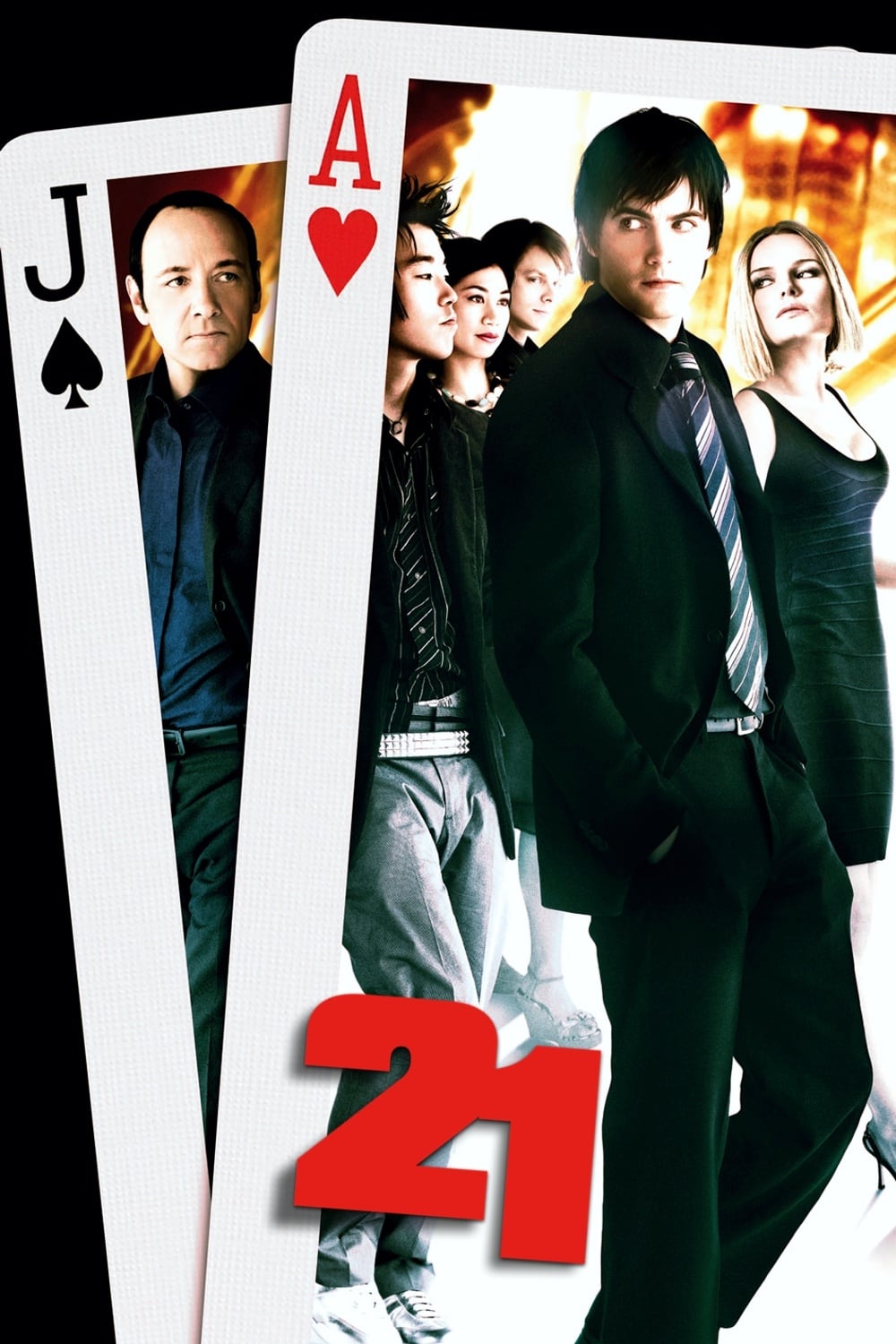
This heist drama shows MIT students using math to win at blackjack. It’s thrilling, but the real story of the MIT Blackjack Team is less glamorous.
The film adds fictional drama, like a villainous professor, and exaggerates the team’s lifestyle. The real operation was more calculated and less cinematic.
‘The Fighter’ (2010)
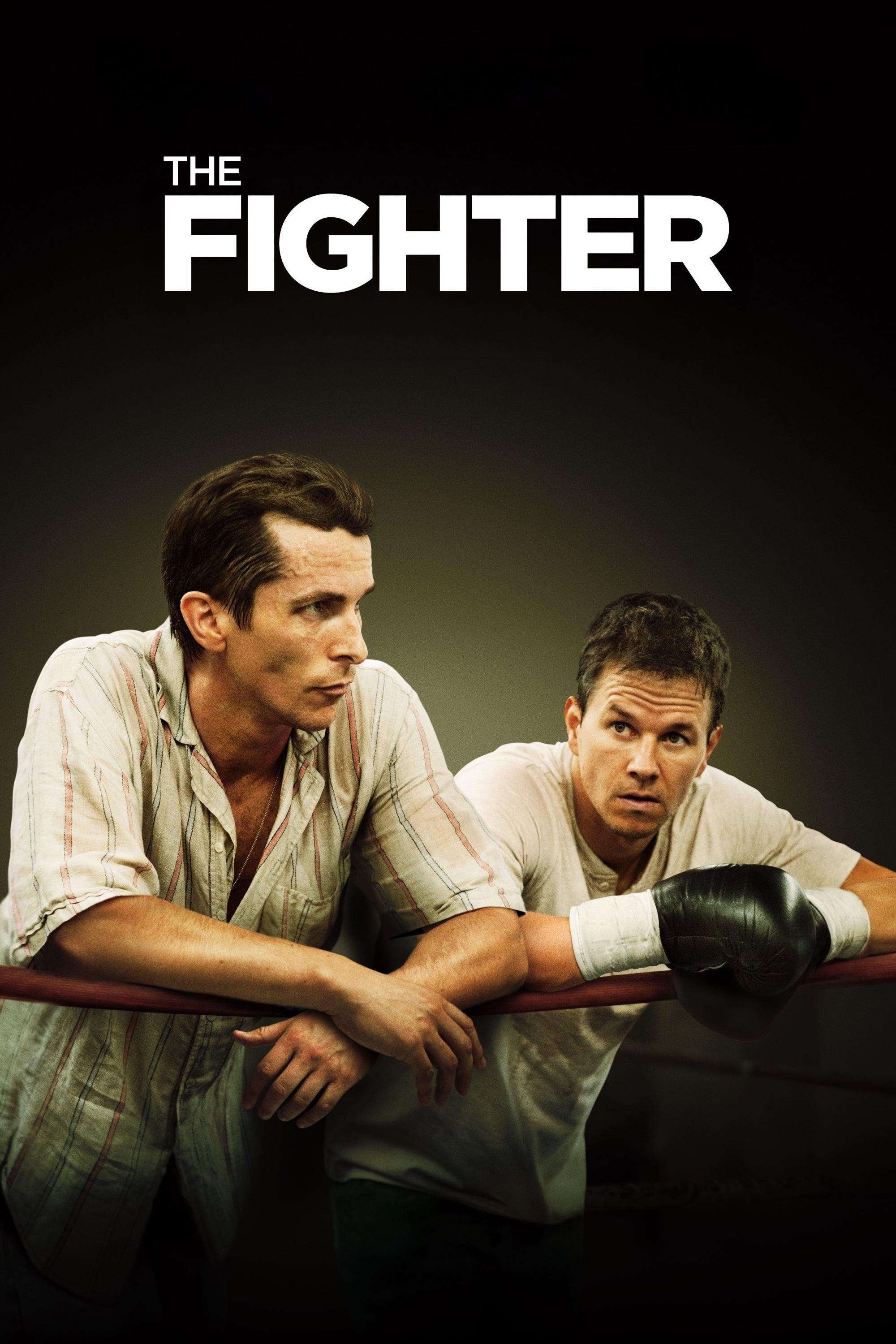
This boxing drama follows Micky Ward and his brother Dicky. It’s emotional, but it tweaks their story for drama.
The film exaggerates family conflicts and simplifies Ward’s career path. It creates a tidy underdog story, leaving out messier details of their lives.
‘The Iron Claw’ (2023)
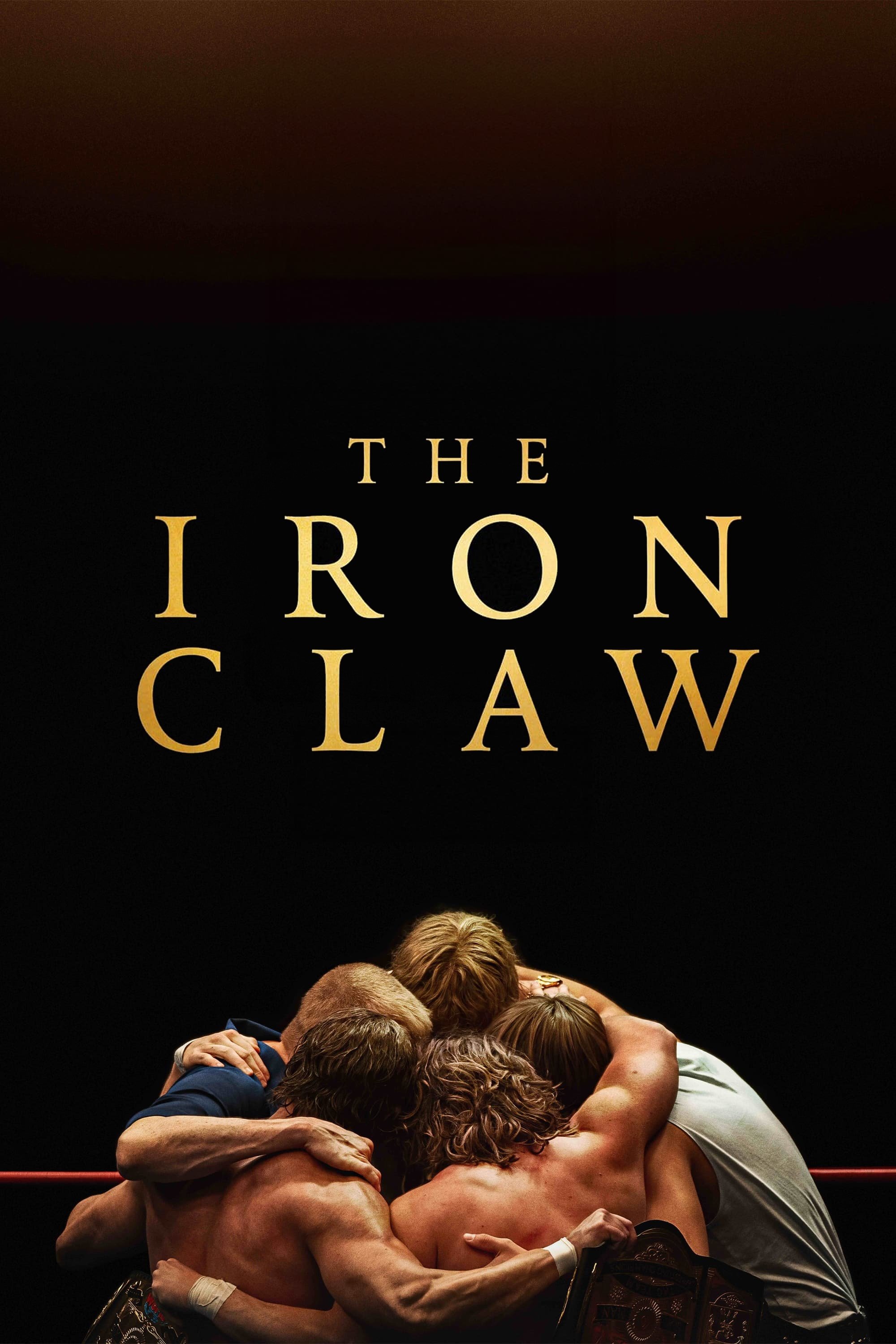
This biopic follows the Von Erich wrestling family’s triumphs and tragedies. It’s emotional, but it condenses and alters their history.
The film omits one brother and changes timelines for impact. The real Von Erich story is even more complex, with additional struggles left out.
‘Cool Runnings’ (1993)
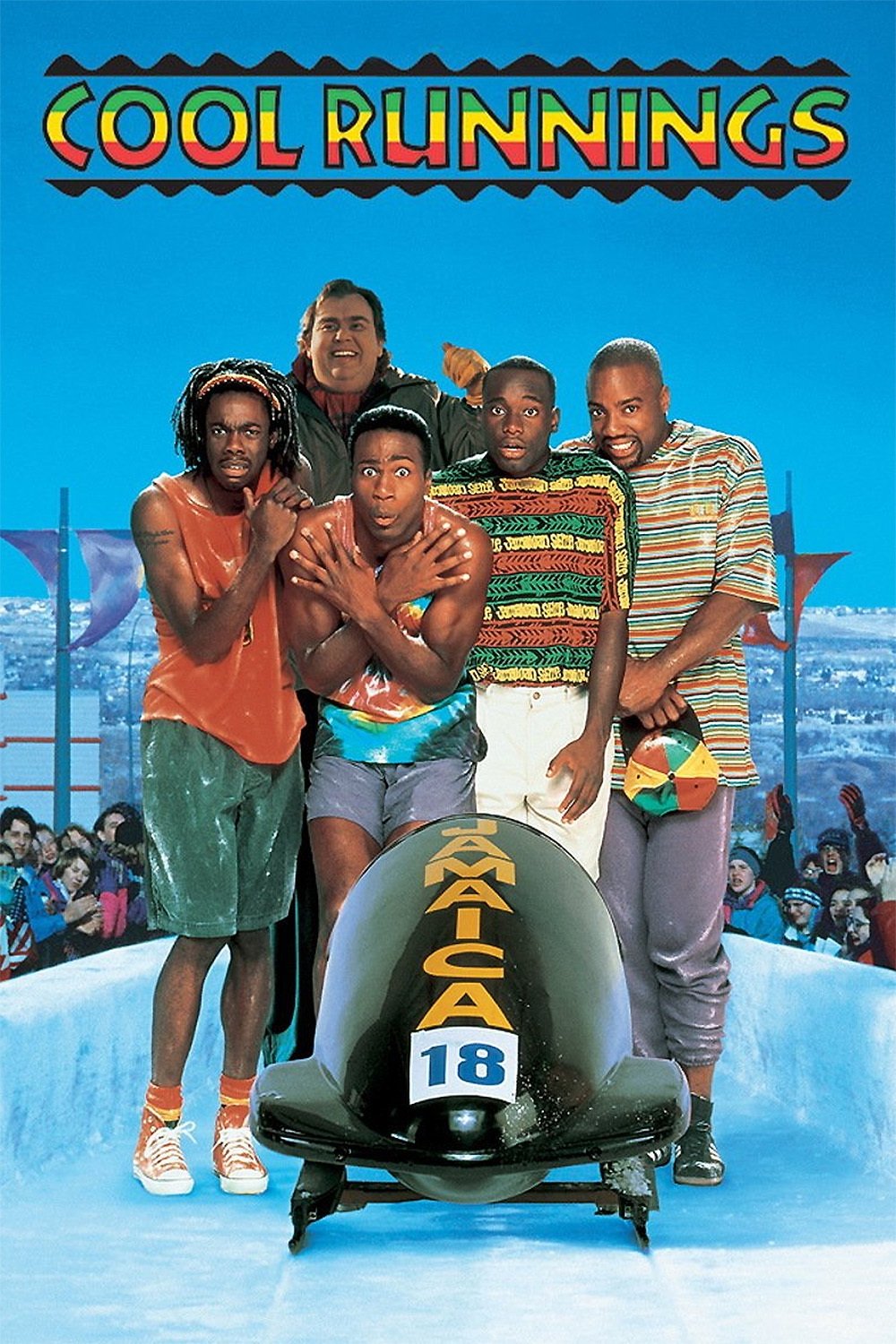
This feel-good comedy shows Jamaica’s first bobsled team at the Olympics. It’s fun, but it’s heavily fictionalized.
The real team faced challenges but wasn’t as comedic or underdog as shown. The film adds silly rivalries and exaggerates their inexperience for laughs.
‘The Hurricane’ (1999)

This drama follows boxer Rubin Carter, wrongfully convicted of murder. It’s powerful, but it takes liberties with his story.
The film simplifies Carter’s trial and portrays him as wholly innocent, though evidence is debated. It crafts a clear hero narrative, glossing over complexities.
‘American Made’ (2017)
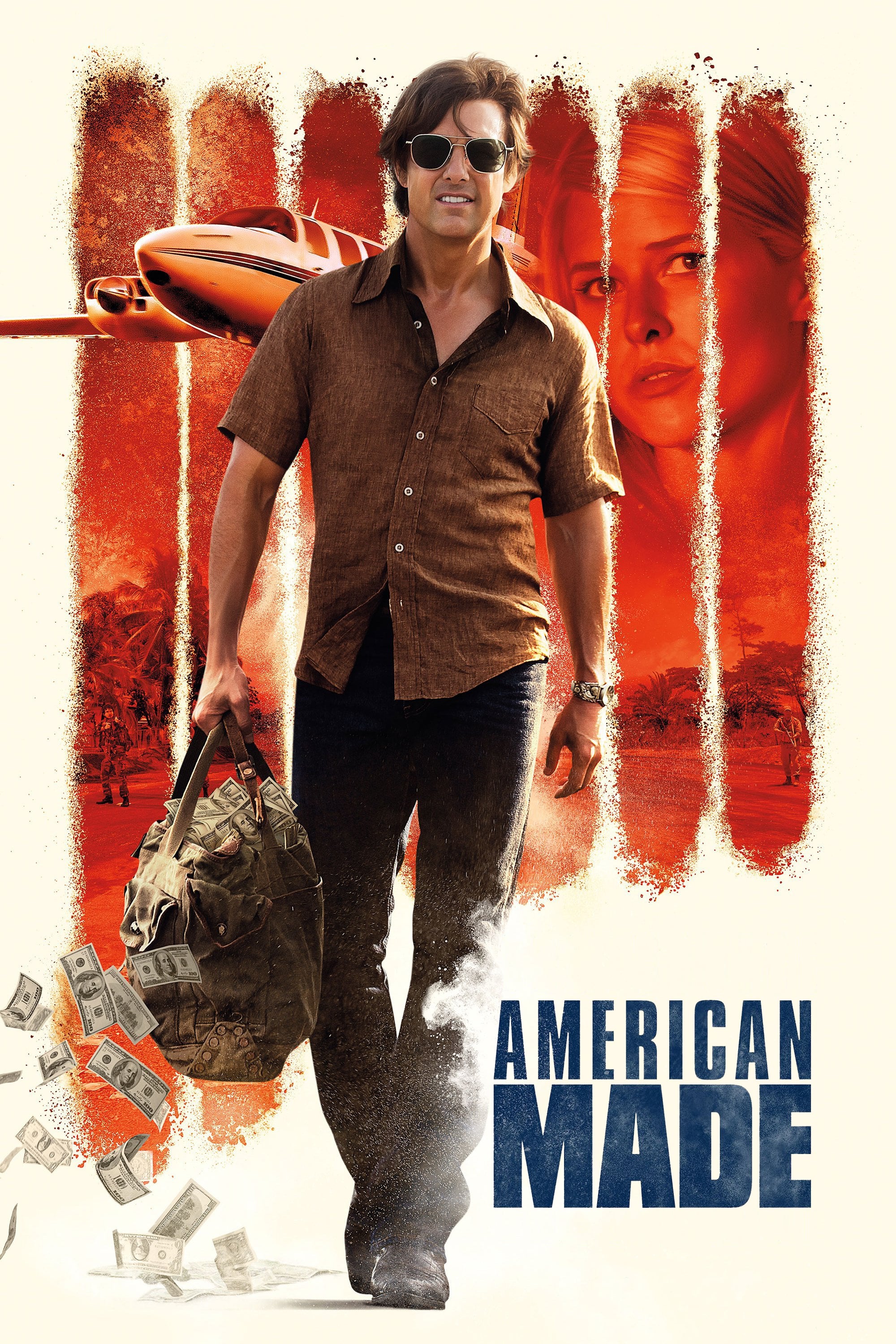
This action-comedy follows pilot Barry Seal’s drug-smuggling and CIA work. It’s entertaining, but it skips much of Seal’s real life.
Seal’s smuggling began earlier than shown, and his CIA ties are exaggerated. The film prioritizes thrills over the full, crazier reality of his career.
‘J. Edgar’ (2011)
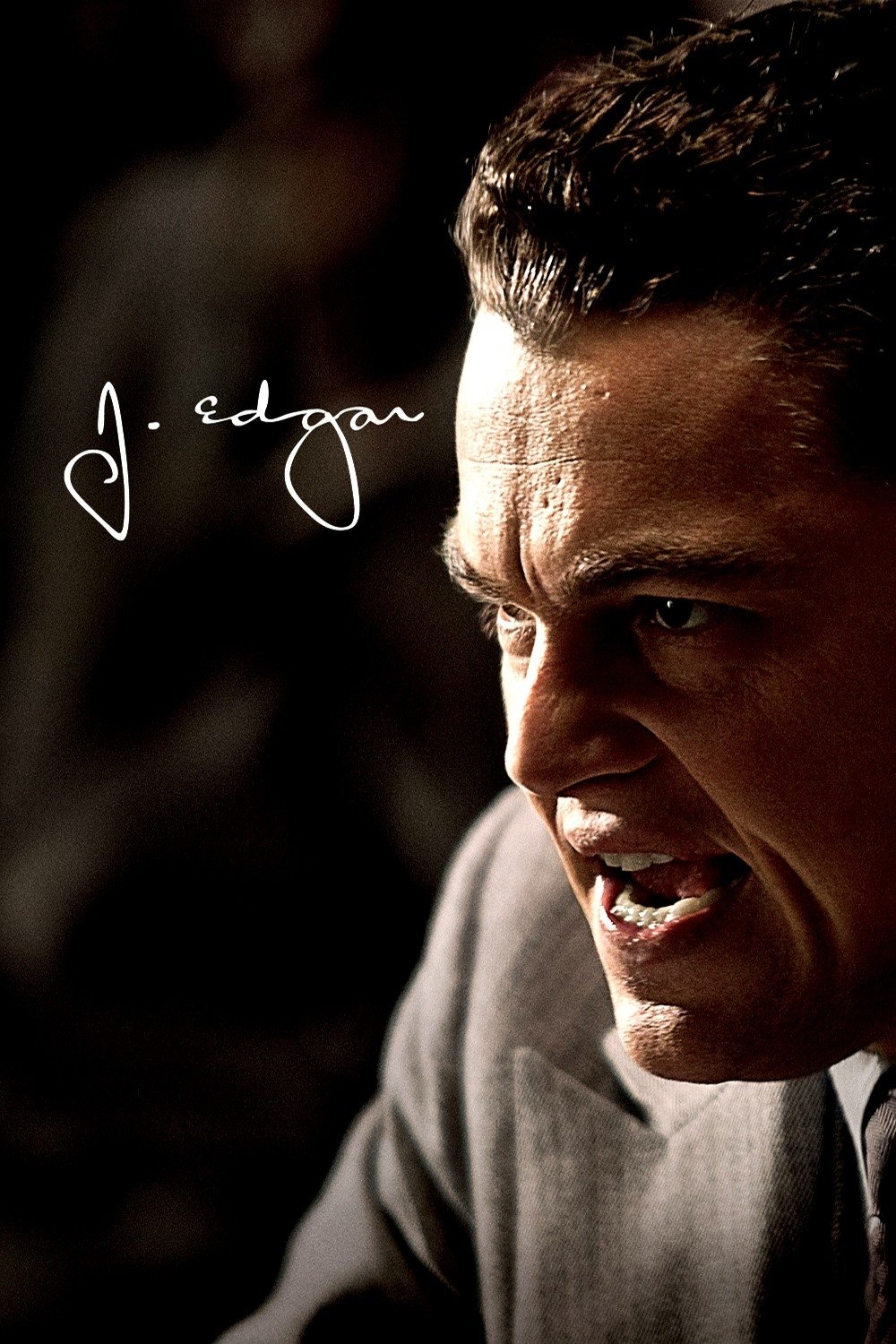
This biopic explores FBI director J. Edgar Hoover’s life and career. It’s intriguing, but it speculates heavily on his personal life.
The film suggests unproven rumors about Hoover’s sexuality and exaggerates his role in some cases. It blends fact and fiction for a dramatic portrait.
‘The Aviator’ (2004)

This biopic follows Howard Hughes’ rise as a filmmaker and aviator. It’s lavish, but it embellishes Hughes’ mental struggles and relationships.
The film compresses timelines and exaggerates his eccentricities for drama. It captures his essence but sacrifices accuracy for a larger-than-life story.
‘The Queen’ (2006)

This drama shows Queen Elizabeth II navigating Princess Diana’s death. Helen Mirren’s performance is stellar, but the film speculates on private moments.
The queen’s emotions and conversations are invented, as no records exist. The film crafts a humanizing story but fills gaps with fiction.
‘The Insider’ (1999)
This thriller follows a whistleblower exposing the tobacco industry. It’s gripping, but it tweaks the real Jeffrey Wigand’s story.
The film dramatizes Wigand’s personal life and simplifies the legal battle. It heightens tension, making the corporate fight more cinematic than it was.
‘Zodiac’ (2007)
This mystery follows the hunt for the Zodiac Killer. It’s chilling, but it takes liberties with the unsolved case.
The film suggests stronger leads on suspects than police had. It streamlines the investigation, adding clarity and drama to an ambiguous true story.
‘Titanic’ (1997)
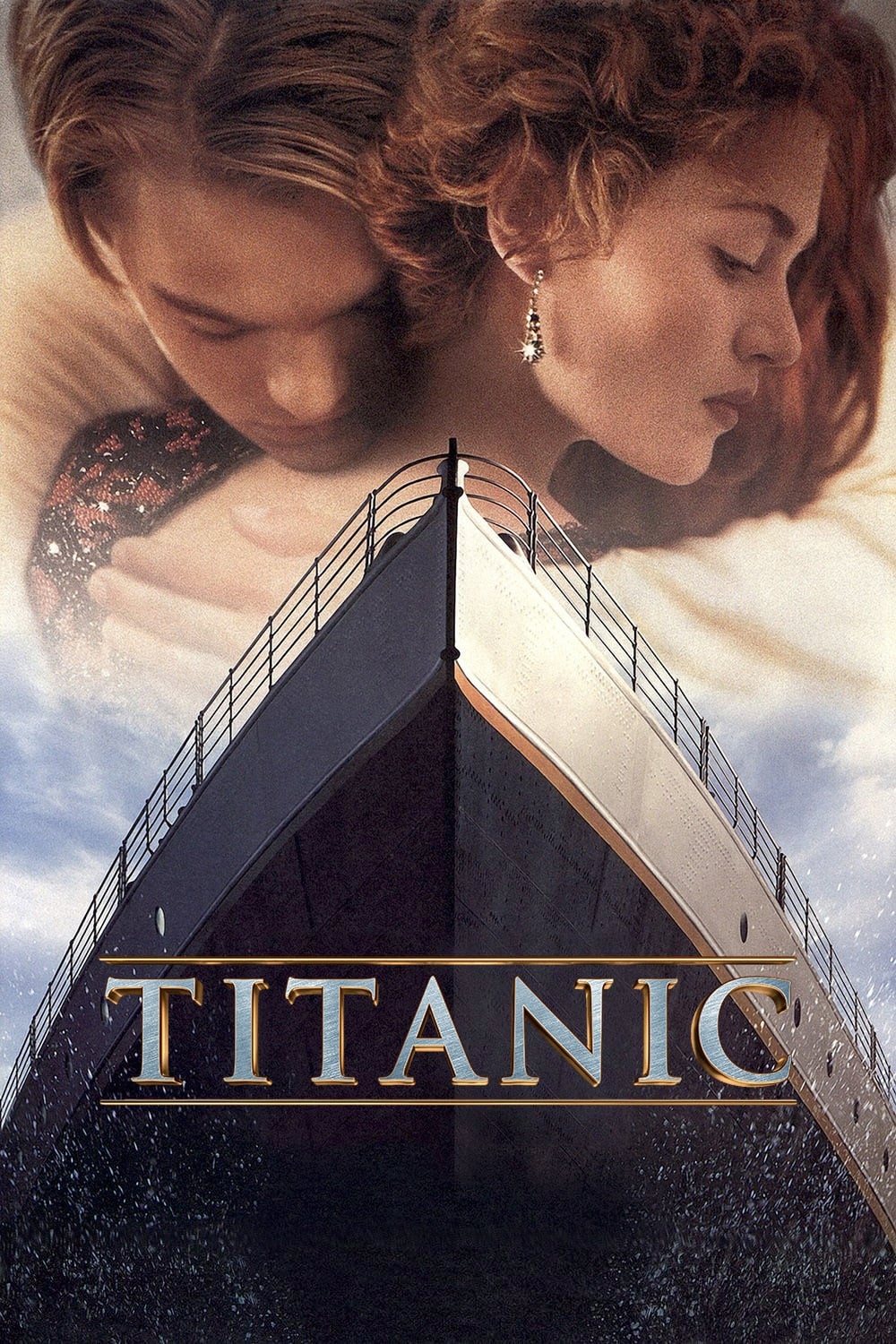
This epic romance depicts the Titanic’s sinking with a fictional love story. It’s iconic, but historical details are skewed.
Real passengers are altered or invented, and the ship’s sinking is dramatized for effect. The film prioritizes emotion over precise historical accuracy.
‘The Last Duel’ (2021)
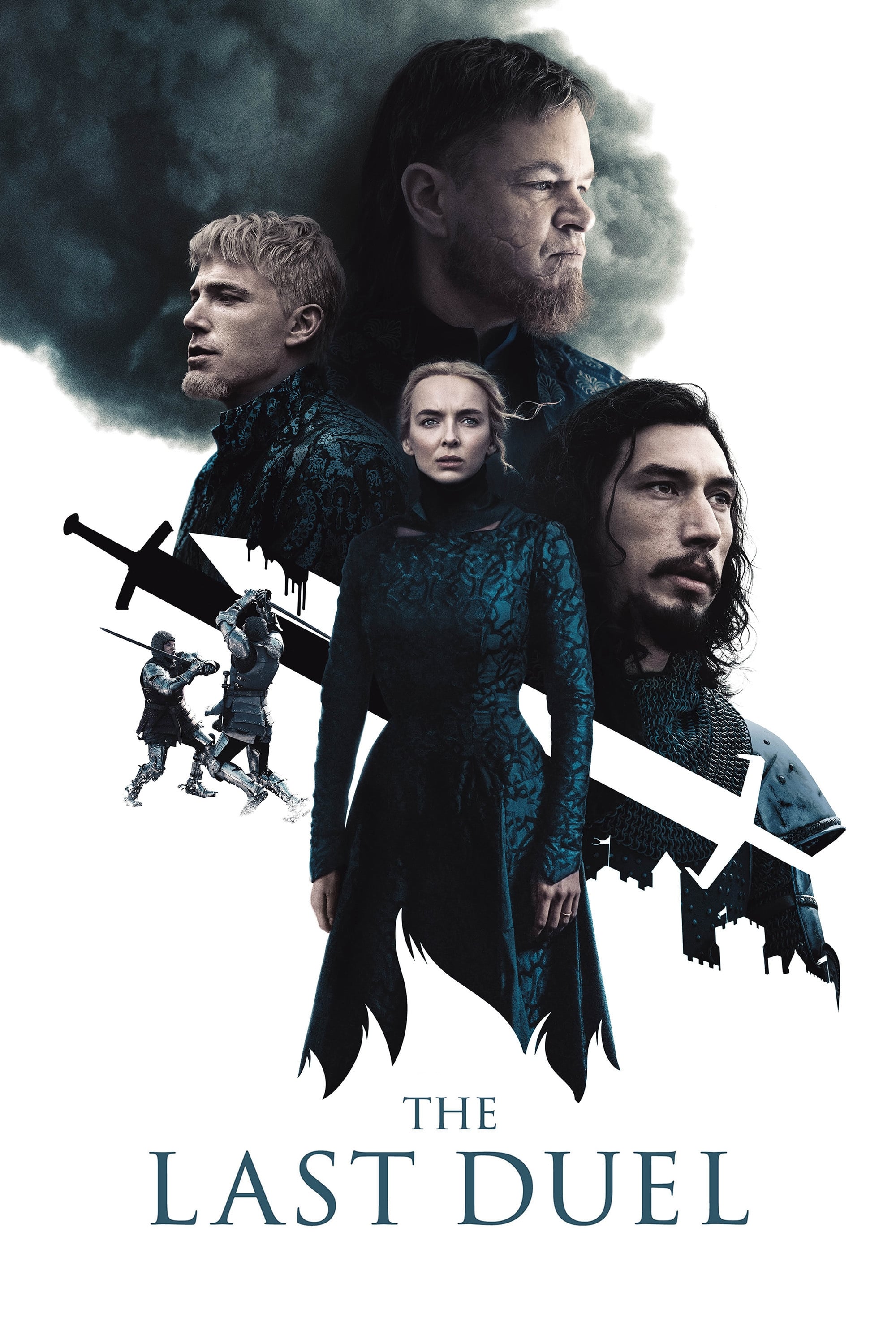
This medieval drama depicts a real French duel over a rape accusation. It’s intense, but it fills gaps in the historical record.
The film uses multiple perspectives to speculate on motives and events. While based on a true case, it adds fictional drama to flesh out the story.
’12 Years a Slave’ (2013)
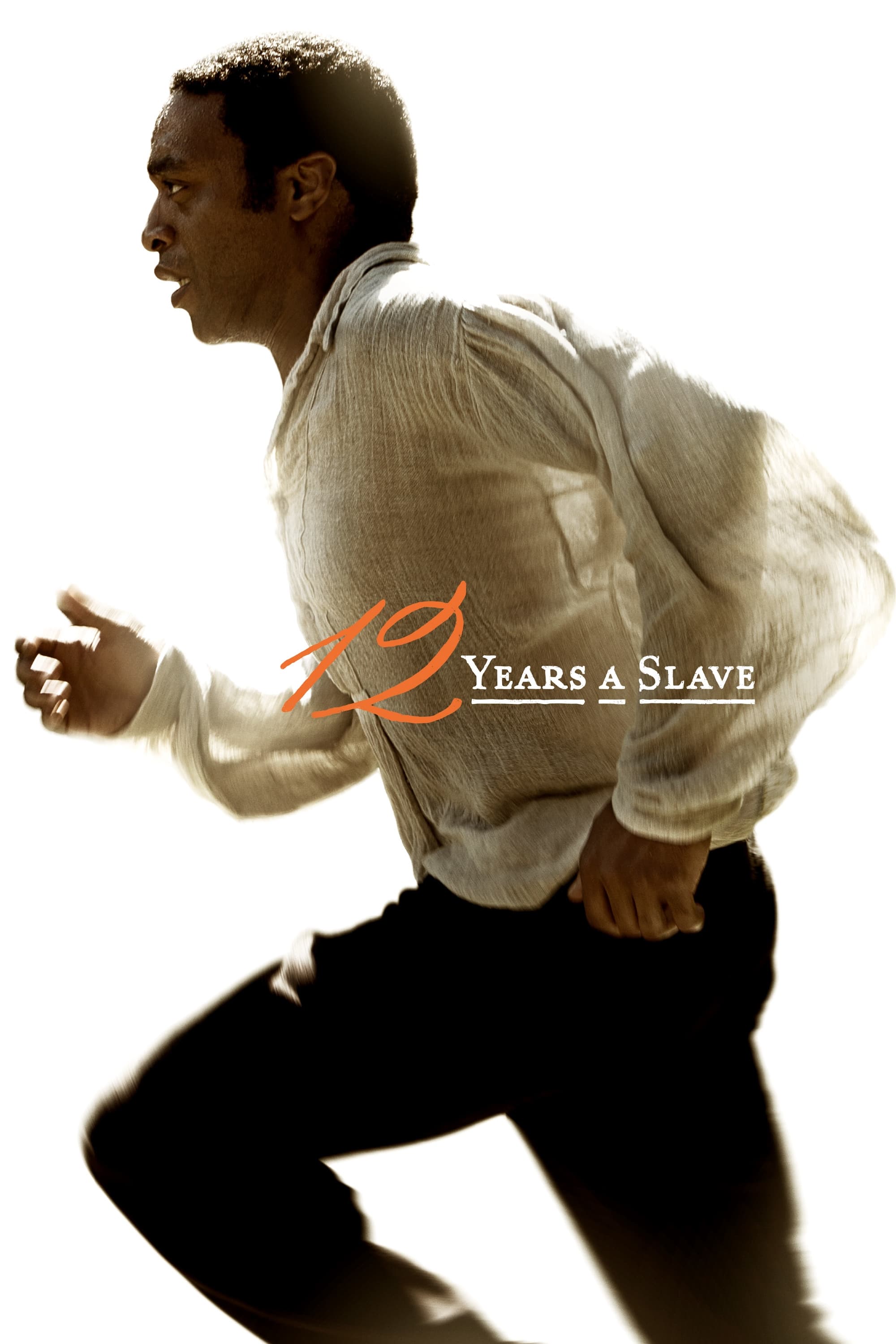
This harrowing film follows Solomon Northup’s enslavement. It’s powerful, but some scenes are dramatized for impact.
Northup’s memoir is the source, but the film adds emotional moments, like a reunion, that aren’t fully documented. It stays close but enhances for cinema.
‘The Big Short’ (2015)
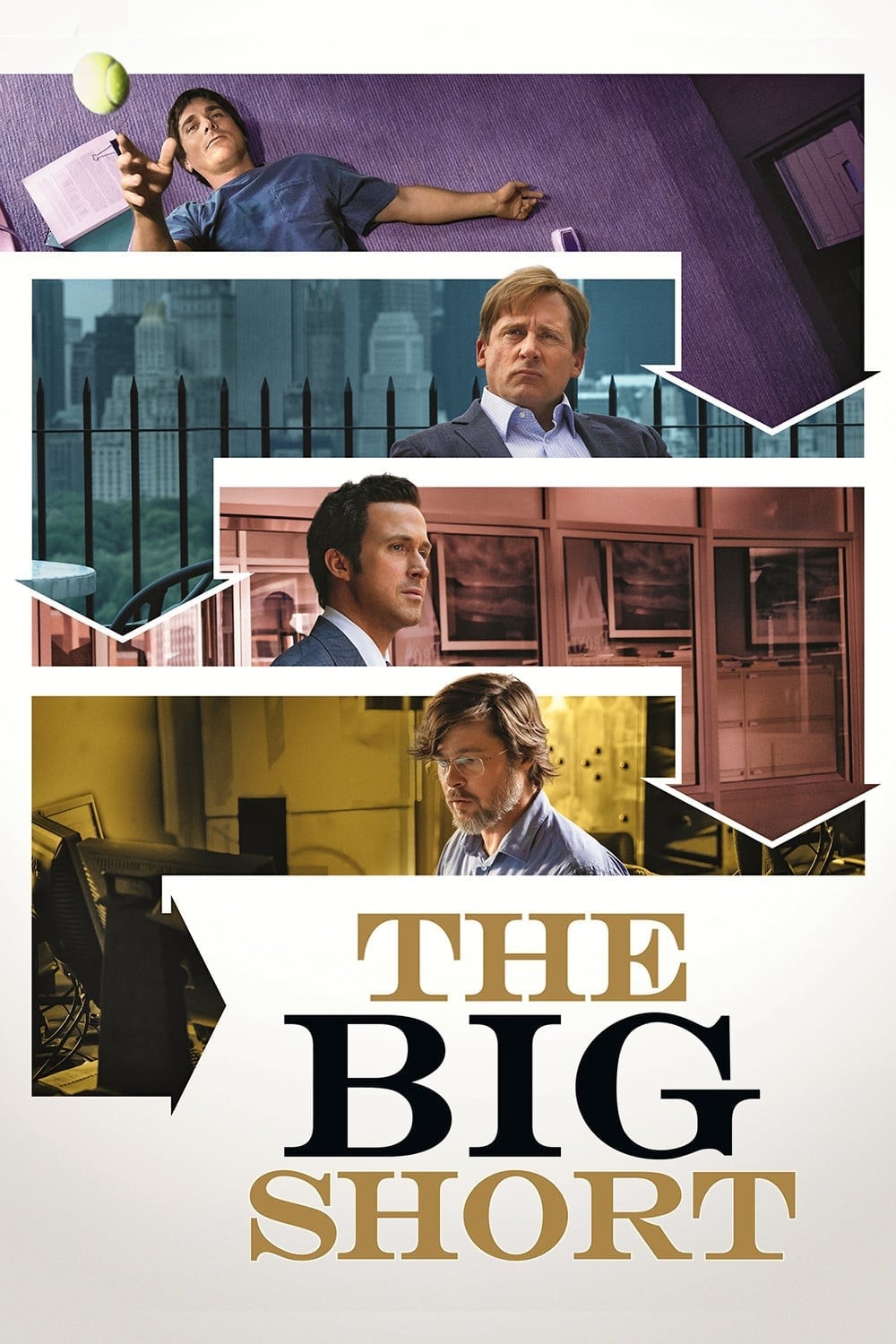
This sharp comedy-drama explains the 2008 financial crisis through real investors. It’s clever, but it simplifies complex events.
The film creates composite characters and exaggerates personalities for clarity. It captures the crisis’ essence but tweaks details for a snappy narrative.
‘Rocketman’ (2019)

This musical biopic follows Elton John’s rise and struggles. It’s vibrant, but it plays loose with his life’s timeline.
Events like his rehab are rearranged, and some relationships are fictionalized. The film uses fantasy elements to prioritize emotion over strict facts.
‘Green Book’ (2018)
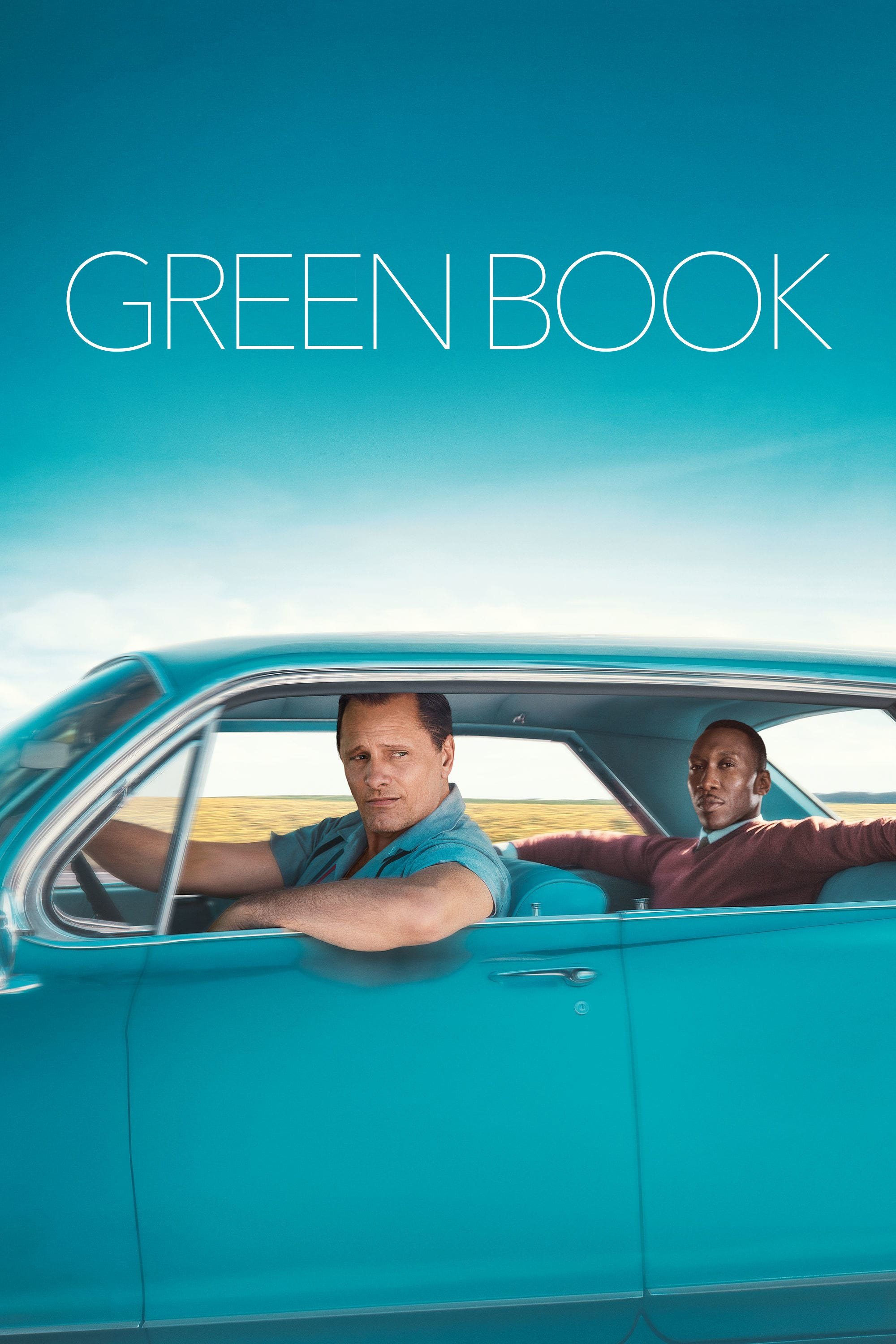
This feel-good drama shows a pianist and his driver bonding in the segregated South. It’s heartwarming, but it’s criticized for inaccuracies.
The real Don Shirley’s family disputed the portrayal of his life and relationships. The film simplifies racial tensions for an uplifting story.
‘The Sound of Music’ (1965)

This beloved musical tells the Von Trapp family’s escape from Nazis. It’s charming, but it strays from their real story.
The family’s escape was less dramatic, and Maria’s personality is exaggerated. The film crafts a fairy-tale version of their lives for mass appeal.
‘Selma’ (2014)
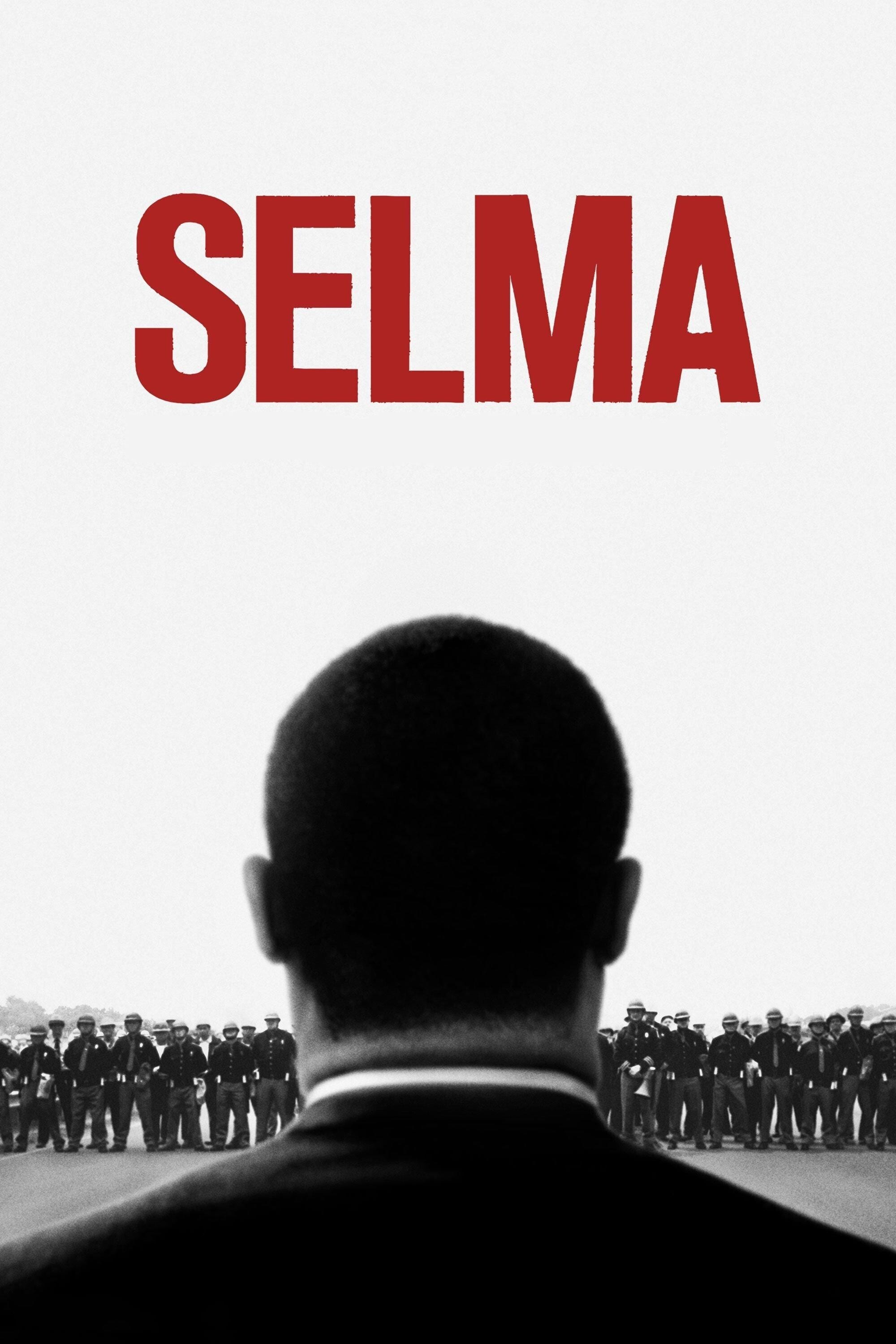
This powerful film depicts Martin Luther King Jr.’s civil rights march. It’s moving, but it alters some historical details.
The film exaggerates tensions with President Johnson and simplifies the march’s planning. It captures the spirit but tweaks events for dramatic effect.
‘Hustlers’ (2019)

This crime drama follows strippers scamming wealthy clients. It’s flashy, but it embellishes the real New York magazine story.
The film heightens the glamour and softens the crimes’ consequences. It stays true to the scam’s core but adds flair for entertainment.
What’s your favorite “true story” movie that bends the truth—share your thoughts in the comments!

