


“True Story” Netflix TV Series That Are Not So True


Netflix has a knack for pulling viewers in with shows labeled as “true stories,” but the truth often gets stretched for drama. Many of these series take real events and add fictional twists, exaggerated characters, or altered timelines to keep you hooked. While they’re entertaining, the line between fact and fiction can get blurry, leaving audiences wondering what really happened.
This list dives into 20 Netflix TV series marketed as “true stories” that play fast and loose with the facts. From crime dramas to historical epics, we’ll break down what’s real, what’s not, and why these shows still captivate. Let’s explore how far these “true stories” stray from reality.
Inventing Anna (2022)

‘Inventing Anna’ follows Anna Sorokin, a con artist who posed as a wealthy heiress to scam New York’s elite. The show captures her bold schemes and lavish lifestyle, but it ramps up the drama with fictionalized characters and events. For example, the journalist Vivian Kent is a composite of real reporters, and some of Anna’s scams are exaggerated for effect.
The real Anna Sorokin did con banks and socialites out of thousands, but the show adds flair, like over-the-top confrontations and invented relationships. It’s a gripping watch, yet the embellishments make it more of a dramatized tale than a faithful retelling.
The Watcher (2022)

‘The Watcher’ tells the chilling tale of a family receiving creepy letters from an unknown stalker after moving into their dream home. Based on a real case in New Jersey, the show keeps the core idea of the unsettling letters but spins a wild narrative with fictional suspects and heightened suspense.
In reality, the letters were disturbing, but no dramatic chases or conspiracies unfolded like in the series. The show’s creators added subplots and characters to build tension, making it more of a thriller than a true recounting of the unsolved mystery.
The Serpent (2021)
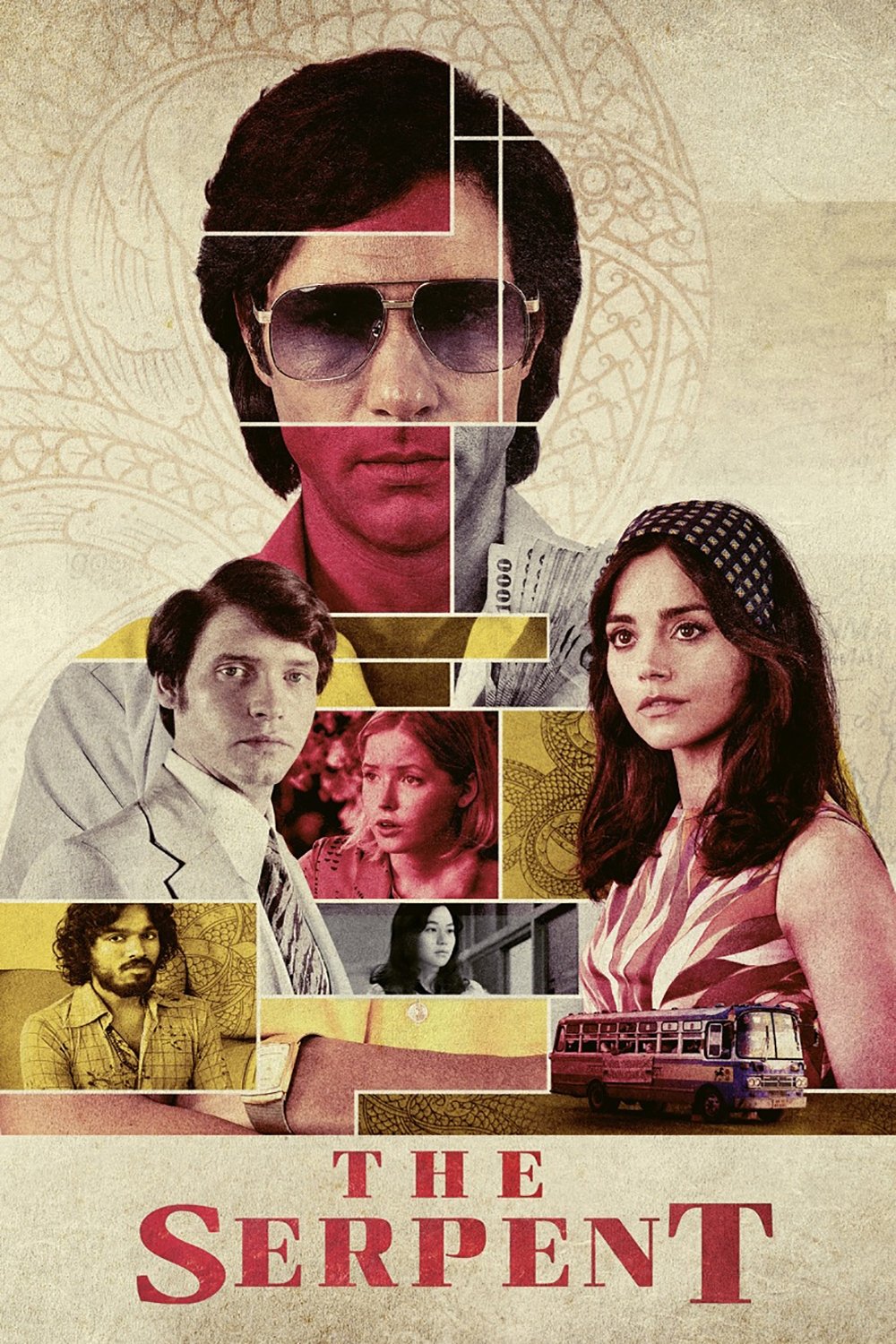
‘The Serpent’ tracks serial killer Charles Sobhraj, who preyed on travelers in Southeast Asia during the 1970s. The series nails his charisma and crimes but tweaks timelines and invents characters, like the fictional Dutch diplomat who helps catch him. These changes heighten the cat-and-mouse vibe.
Real events inspired the show, but Sobhraj’s story is simplified, and some murders are dramatized for impact. The result is a tense, binge-worthy series that sacrifices historical accuracy for a polished narrative.
Unbelievable (2019)

‘Unbelievable’ follows a young woman, Marie, who is doubted after reporting a rape, and the detectives who uncover a serial rapist. Based on a Pulitzer Prize-winning article, the show sticks close to the real case but fictionalizes names and adds emotional depth to Marie’s arc for viewer connection.
The real investigation happened, but the series condenses timelines and creates composite characters for clarity. It’s powerful and respectful to the source, yet the added drama and streamlined story make it less than fully accurate.
When They See Us (2019)
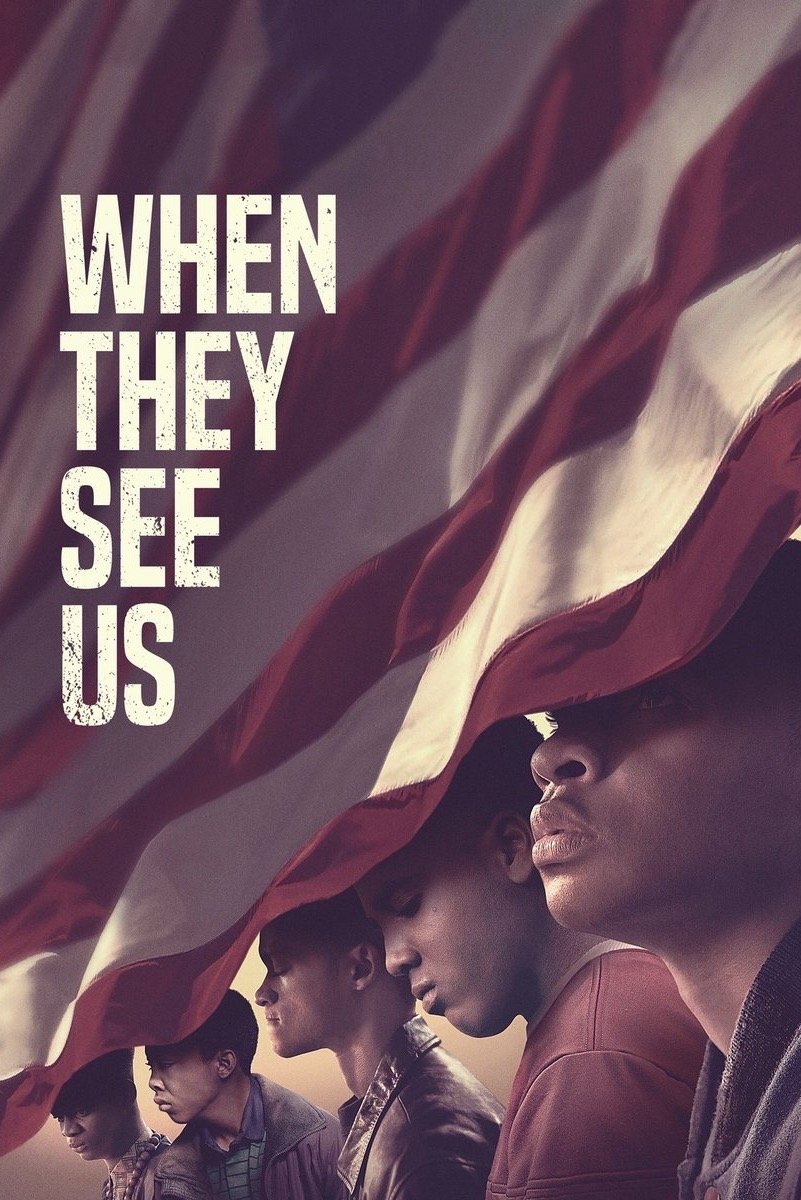
‘When They See Us’ depicts the wrongful conviction of five Black teenagers in the Central Park jogger case. The series captures the injustice and systemic racism they faced, but it takes liberties with dialogue and some events, like the prosecutor’s portrayal, to amplify emotional impact.
The real Central Park Five endured a horrific ordeal, but the show adds dramatic confrontations and simplifies legal proceedings. It’s a gut-punch of a series that prioritizes emotional truth over strict factual accuracy.
The Crown (2016-2023)

‘The Crown’ chronicles Queen Elizabeth II’s reign, blending historical events with personal drama. While major events like royal weddings and political crises are real, the show invents private conversations and relationships to flesh out the royal family’s inner lives.
For instance, Princess Margaret’s affairs and certain royal feuds are exaggerated or fabricated for storytelling. The series is a lavish look at history, but its creative liberties make it more of a dramatized saga than a documentary.
Narcos (2015-2017)
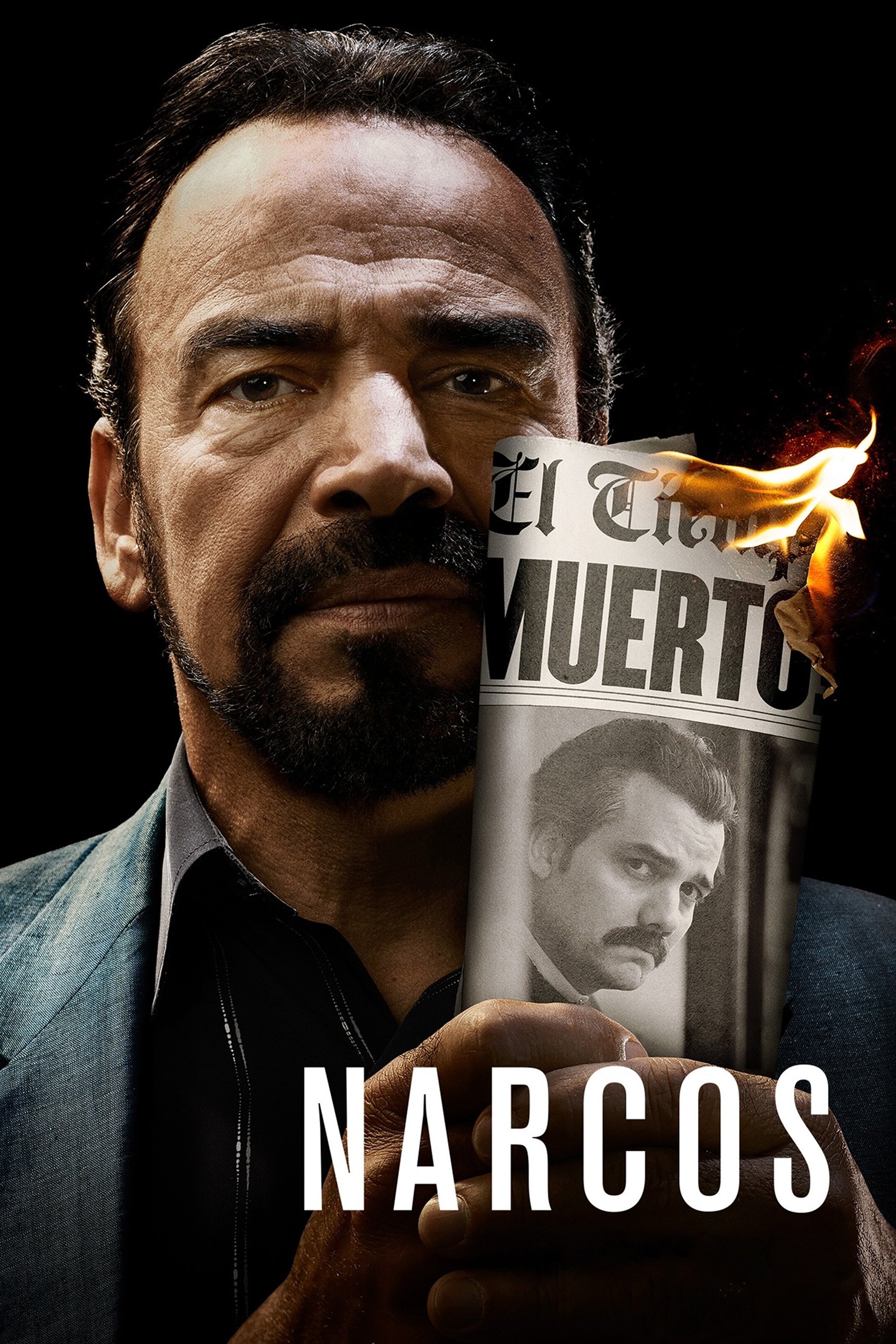
‘Narcos’ dives into the drug trade, focusing on Pablo Escobar and other kingpins. The show uses real events, like Escobar’s rise and fall, but fictionalizes supporting characters and condenses complex operations into tighter, more thrilling plots.
Real drug lords existed, but the series adds cinematic shootouts and simplifies political dynamics for entertainment. It’s a gritty, action-packed ride that captures the era’s chaos while straying from precise historical detail.
Mindhunter (2017-2019)
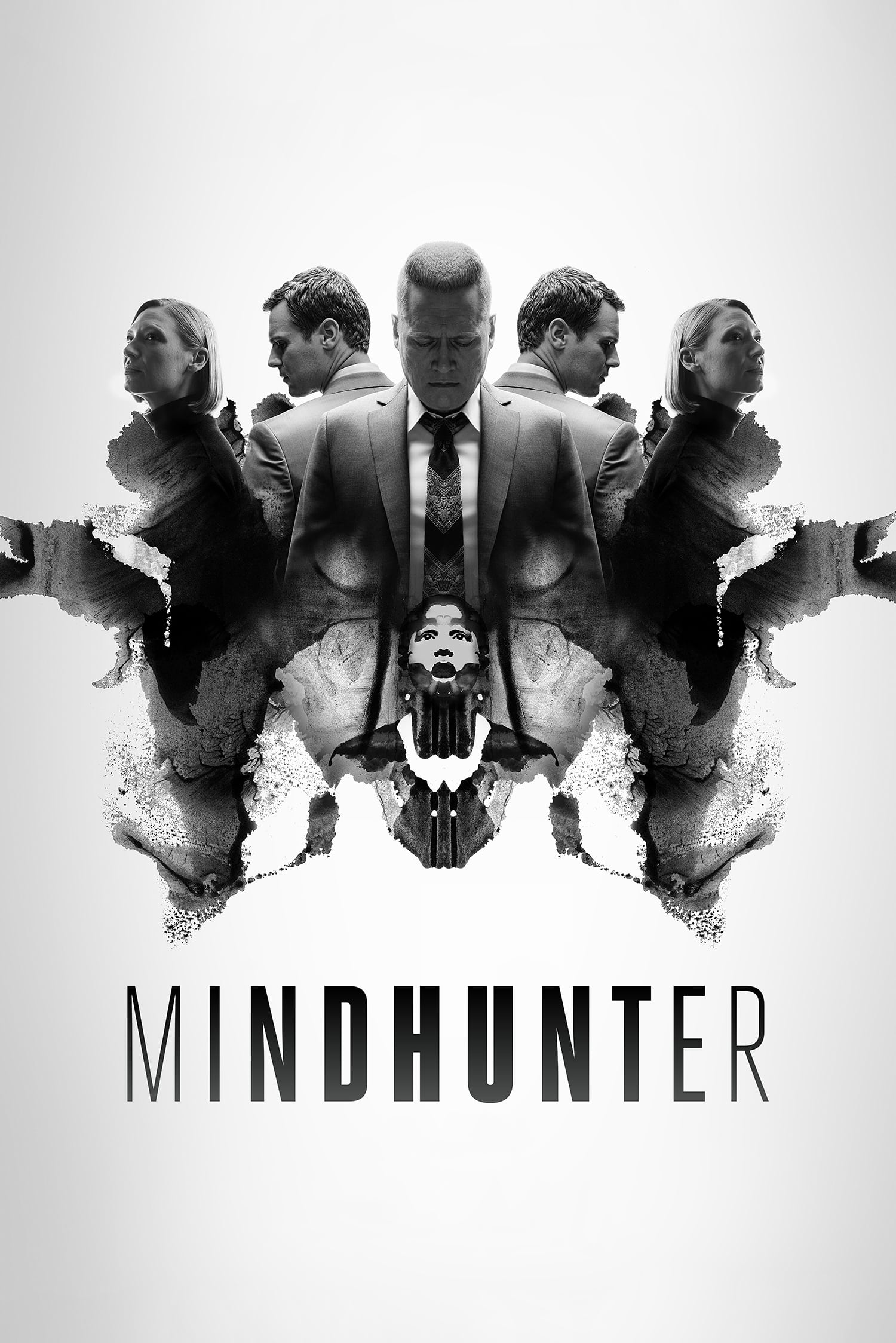
‘Mindhunter’ follows FBI agents pioneering criminal profiling by interviewing serial killers. Based on real FBI work, the show features actual killers like Ed Kemper, but it crafts fictionalized interviews and adds personal drama to the agents’ lives for narrative depth.
The real Behavioral Science Unit did groundbreaking work, but the series exaggerates timelines and invents character arcs. It’s a chilling look at criminal minds, yet the added fiction makes it less than wholly true.
The Queen’s Gambit (2020)
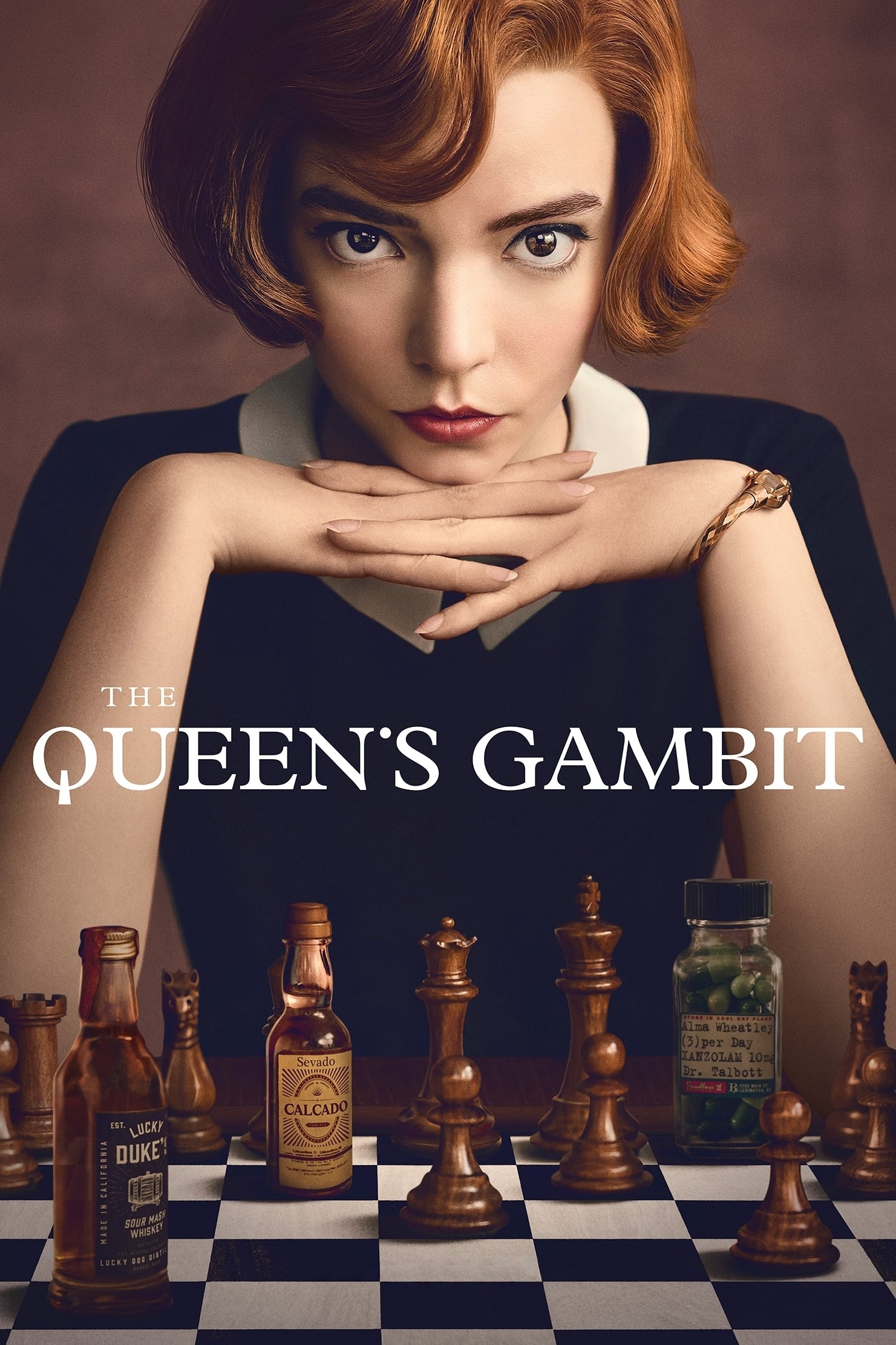
‘The Queen’s Gambit’ tells the story of a fictional chess prodigy, Beth Harmon, inspired by real chess players and the game’s history. While chess strategies and tournament settings are accurate, Beth’s personal struggles and relationships are entirely made up to create a compelling drama.
No single person inspired Beth, but the show draws on the experiences of chess grandmasters. Its emotional depth and period details feel authentic, but the story is pure fiction dressed as a “true” tale.
Alias Grace (2017)
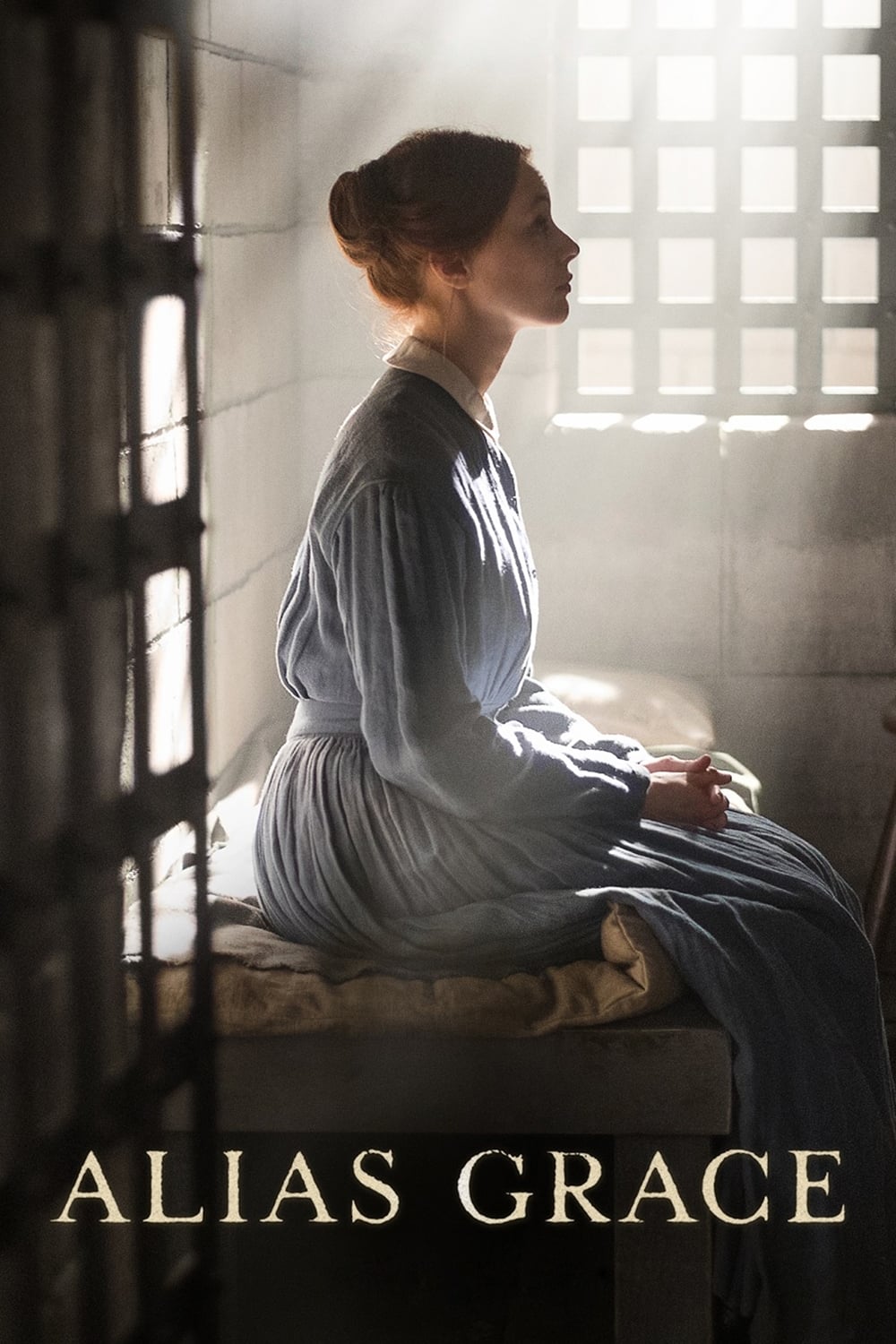
‘Alias Grace’ follows Grace Marks, a maid convicted of murder in 1840s Canada, based on a novel by Margaret Atwood. The show uses historical records of the real murders, but it weaves a fictionalized narrative around Grace’s motives and mental state, leaving her guilt ambiguous.
Real events inspired the story, but the series adds psychological depth and invented characters, like the psychiatrist probing Grace’s mind. It’s a haunting watch that blurs the line between fact and speculation.
The English Game (2020)

‘The English Game’ explores the origins of modern soccer in the 19th century, focusing on class divides. Real figures like Arthur Kinnaird are featured, but the show creates fictional rivalries and personal dramas to highlight social tensions.
The spread of soccer happened, but the series simplifies historical events and adds invented characters for emotional stakes. It’s a feel-good sports drama that prioritizes storytelling over strict historical fidelity.
Hollywood (2020)

‘Hollywood’ reimagines 1940s Tinseltown, blending real figures like Rock Hudson with fictional characters chasing fame. The show uses the era’s backdrop but crafts an alternate history where inclusivity triumphs, unlike the real industry’s discrimination.
While some events, like Oscar ceremonies, are rooted in reality, the outcomes and characters’ lives are heavily fictionalized. It’s a glamorous what-if story that sacrifices historical truth for an uplifting narrative.
Self Made: Inspired by the Life of Madam C.J. Walker (2020)
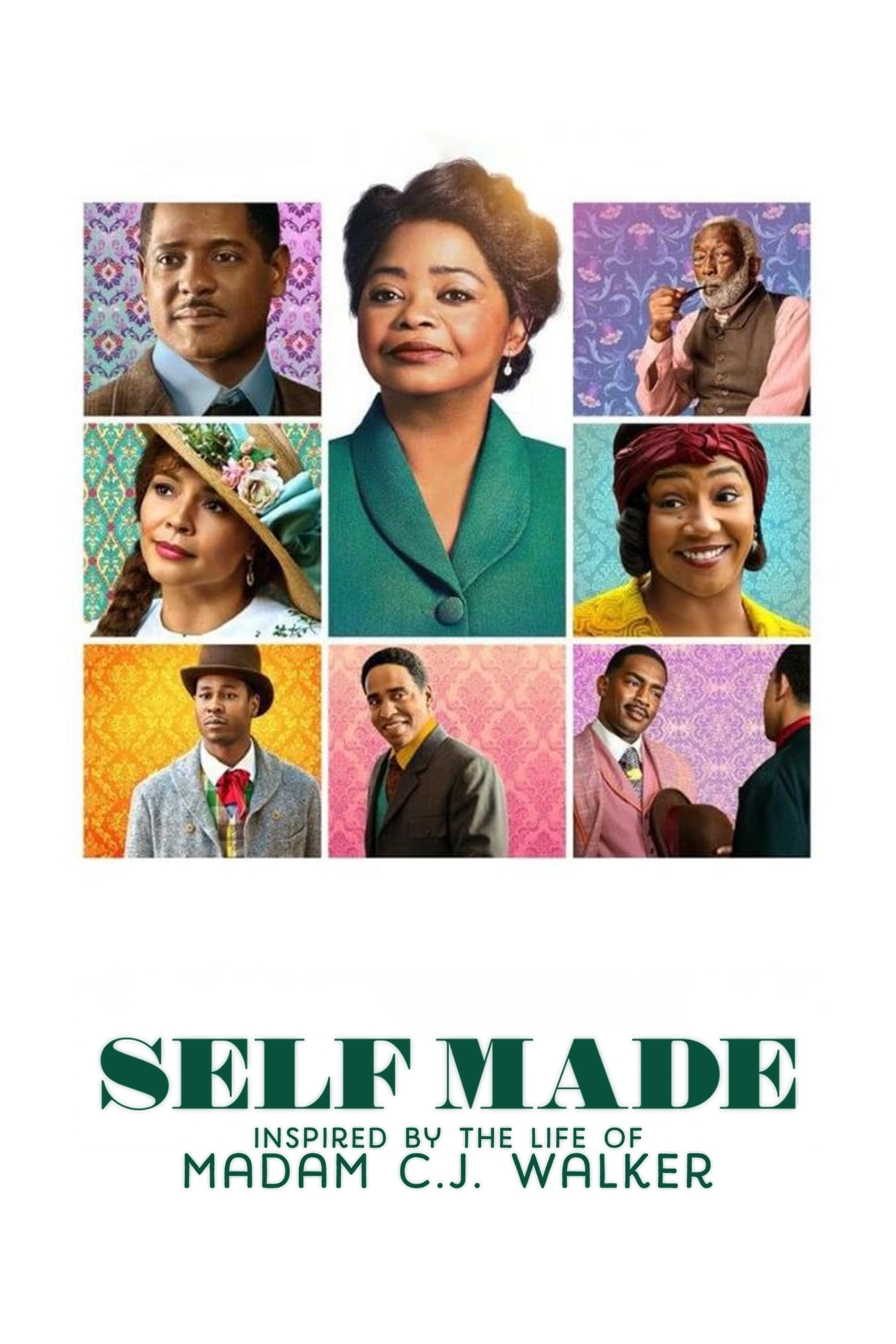
‘Self Made’ tells the story of Madam C.J. Walker, a Black entrepreneur who built a haircare empire. The series captures her real rise from poverty, but it invents rivalries, like with Addie Munroe, a stand-in for a real competitor, to heighten drama.
Walker’s achievements are factual, but the show adds fictionalized personal conflicts and streamlines her business journey. It’s an inspiring watch that embellishes the truth for emotional impact.
The Trial of the Chicago 7 (2020)
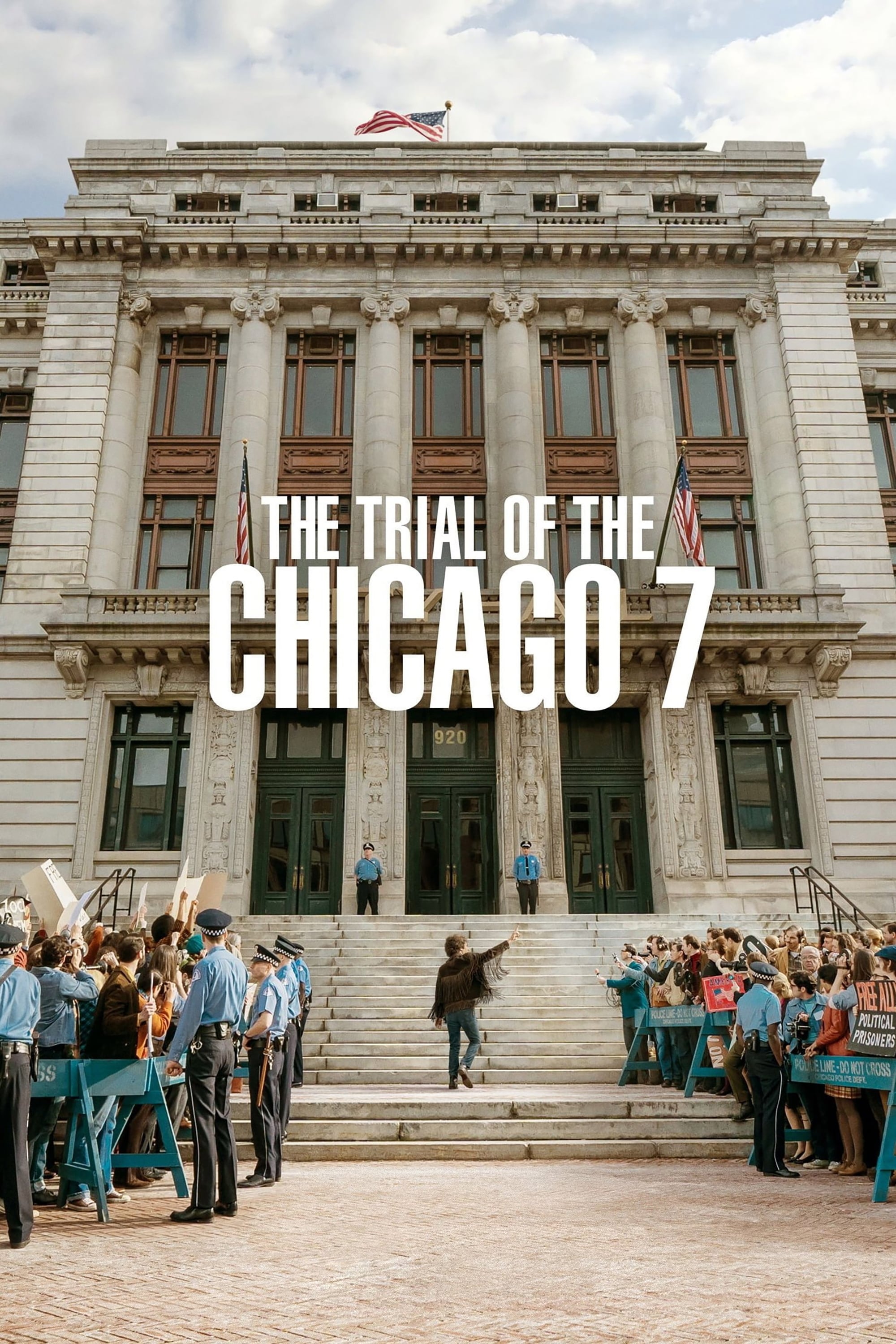
‘The Trial of the Chicago 7’ depicts the real trial of activists charged after 1968 protests. The show nails the political climate and key figures, but it alters dialogue and compresses events to make the courtroom drama more gripping.
The real trial was chaotic, but the series streamlines timelines and adds dramatic flourishes, like exaggerated confrontations. It’s a powerful look at injustice, but it takes creative liberties for cinematic effect.
The Liberator (2020)

‘The Liberator’ follows a diverse WWII regiment, based on the real 157th Infantry Regiment. The animated series captures their battles but fictionalizes personal stories and simplifies military campaigns for a streamlined narrative.
The regiment’s heroism is real, but the show invents characters and condenses events to fit four episodes. It’s a visually striking tribute that prioritizes emotional storytelling over historical precision.
The Dig (2021)
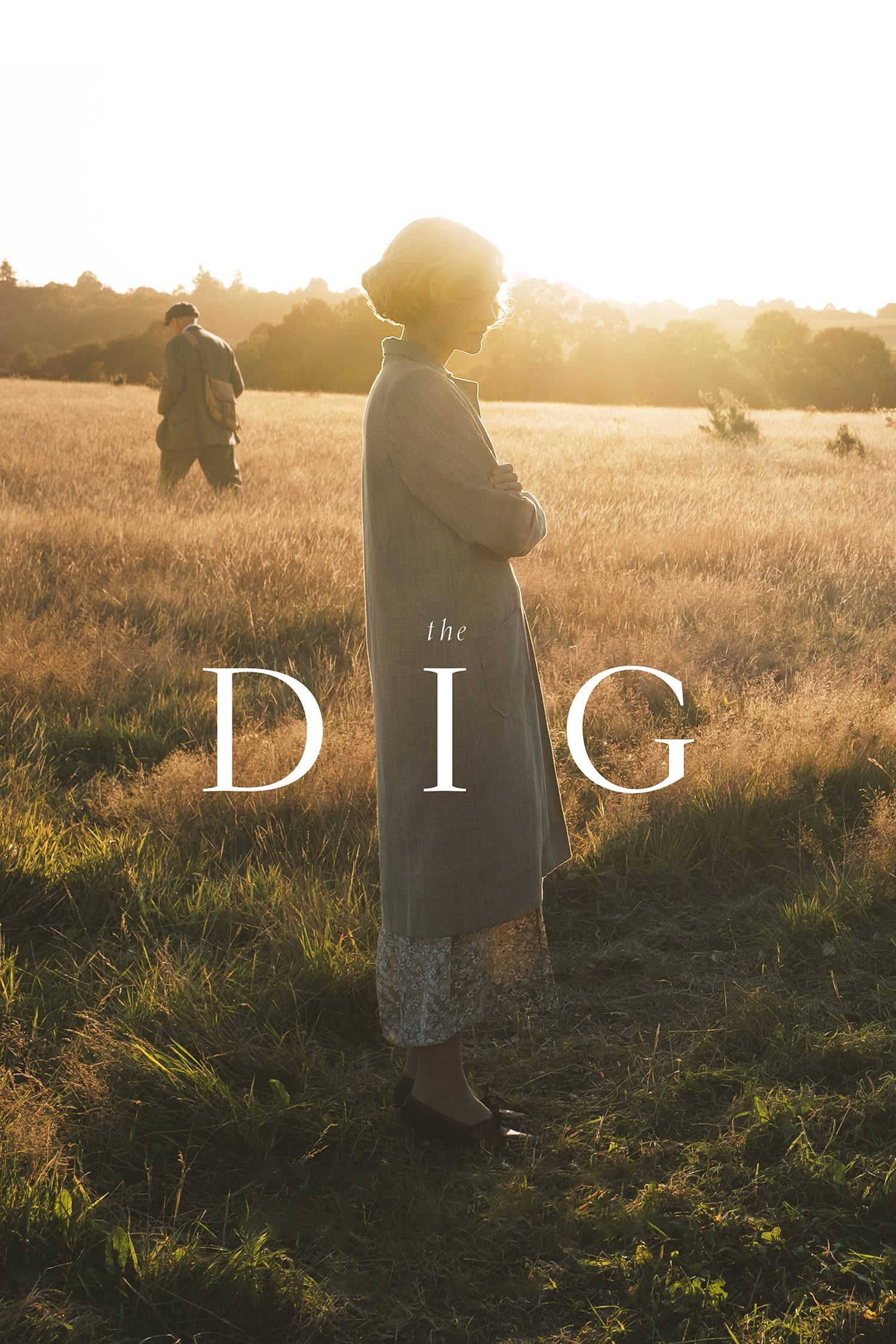
‘The Dig’ portrays the real discovery of the Sutton Hoo archaeological site in England. It uses real figures like Edith Pretty, but it adds a fictional romance and exaggerates personal dramas to heighten emotional stakes.
The excavation happened, but the series simplifies the timeline and invents subplots for heart. It’s a quiet, moving drama that leans more on fiction than the actual dig’s story.
Halston (2021)
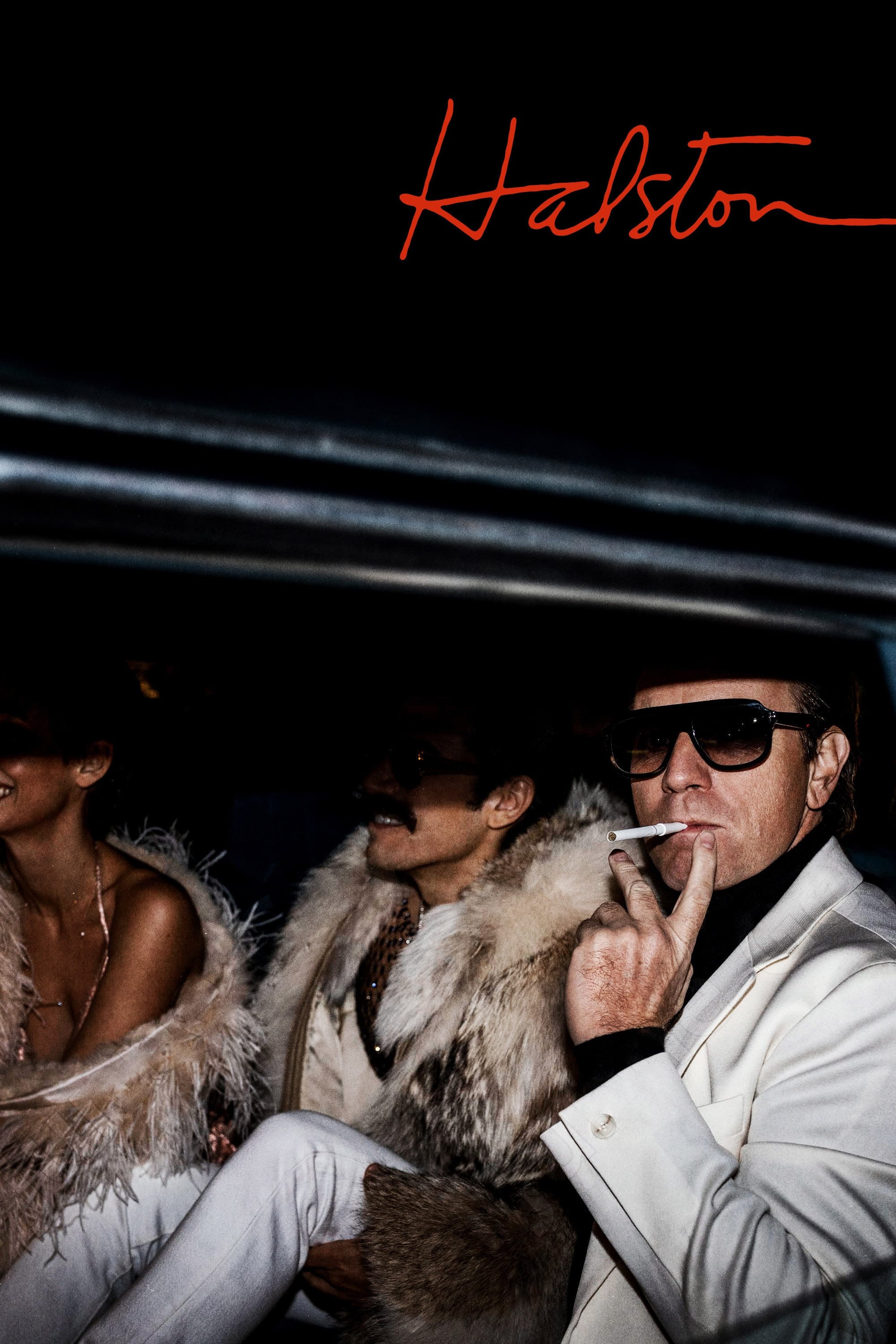
‘Halston’ follows the rise and fall of fashion designer Roy Halston. The series captures his real impact on 1970s fashion but fabricates personal relationships and dramatizes business deals for a more scandalous vibe.
Halston’s life was dramatic, but the show amplifies his struggles and adds fictional characters to spice up the story. It’s a stylish watch that strays from the designer’s true biography.
Maid (2021)

‘Maid’ is inspired by a memoir about a single mother escaping poverty and abuse. The series keeps the core struggles real but fictionalizes characters and events, like the mother’s relationships, to create a cohesive narrative.
The real memoirist faced hardship, but the show adds dramatic arcs and simplifies her journey for emotional pull. It’s a heartfelt series that blends truth with fictional flourishes.
Dolemite Is My Name (2019)
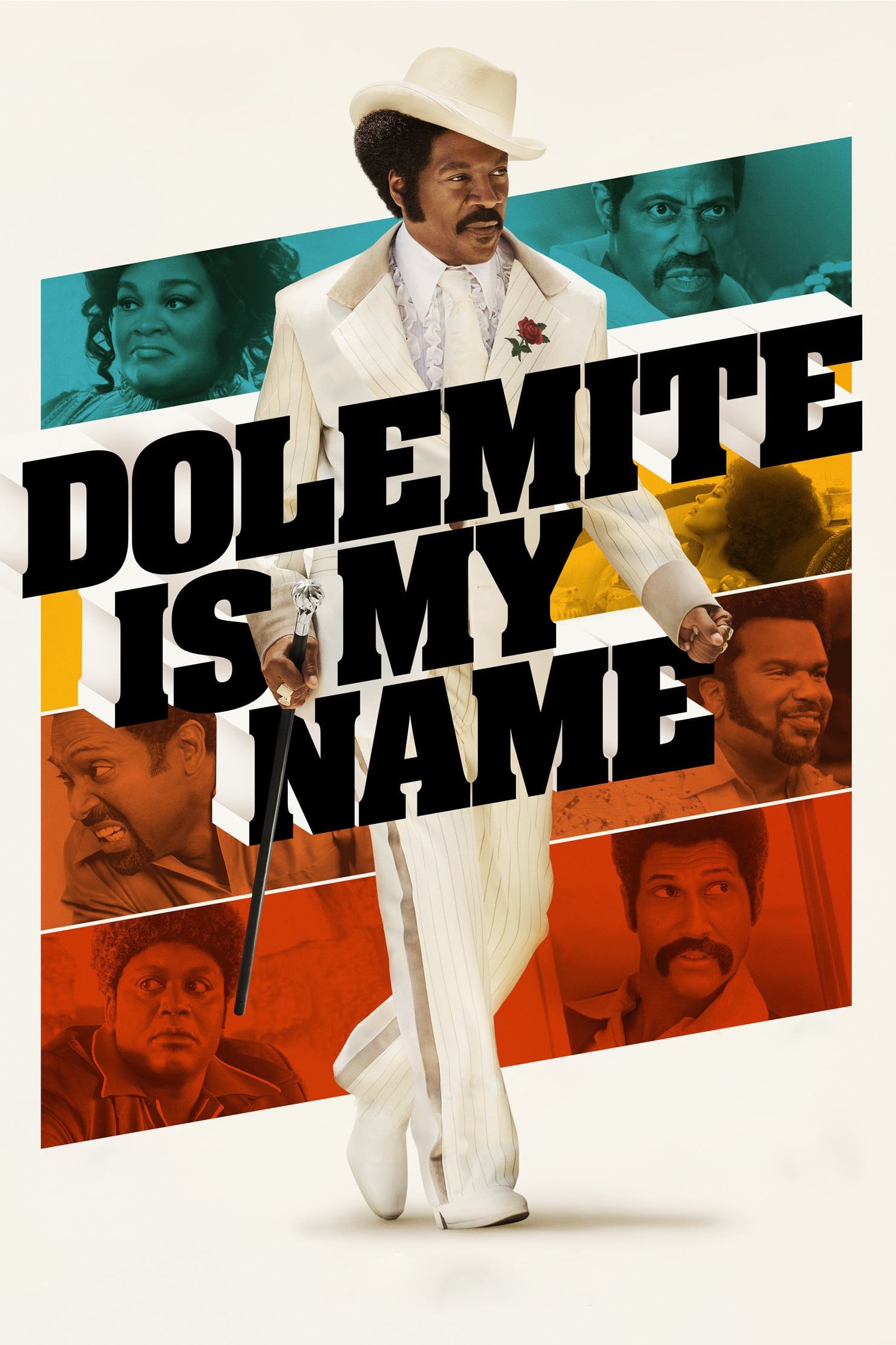
‘Dolemite Is My Name’ follows Rudy Ray Moore’s rise as a blaxploitation icon. The series captures his real hustle and creativity but exaggerates timelines and adds fictionalized interactions to boost the comedic and dramatic flair.
Moore’s story is inspiring, but the show streamlines his career and invents supporting characters for entertainment. It’s a fun tribute that doesn’t stick closely to the real timeline.
True Story (2021)

‘True Story’ follows a comedian, loosely based on Kevin Hart, whose life spirals after a night with his brother. While inspired by Hart’s career, the entire plot—murder, cover-ups, and betrayal—is completely fictional, despite the “true story” label.
The show uses Hart’s real fame as a backdrop but crafts a wild thriller with no basis in reality. It’s a gripping drama that misleads with its title, offering pure fiction instead.
Which of these not-so-true Netflix series have you binged, and what did you think of their take on the “true story” label? Share your thoughts in the comments!

