The Best Movies About the American Revolution You Absolutely Cannot Miss


The struggle for American independence has provided filmmakers with a rich historical tapestry filled with dramatic battles, political intrigue, and complex characters. From the initial sparks of rebellion in Massachusetts to the decisive victories that birthed a new nation, cinematic depictions of this era capture the monumental shifts of the eighteenth century.
Directors have approached this pivotal time period through various lenses, including sweeping war epics, intimate character studies, and even musical theater adaptations. These cinematic interpretations offer audiences a visual exploration of the sacrifices and strategies that defined the Revolutionary War.
‘Revolution’ (1985)
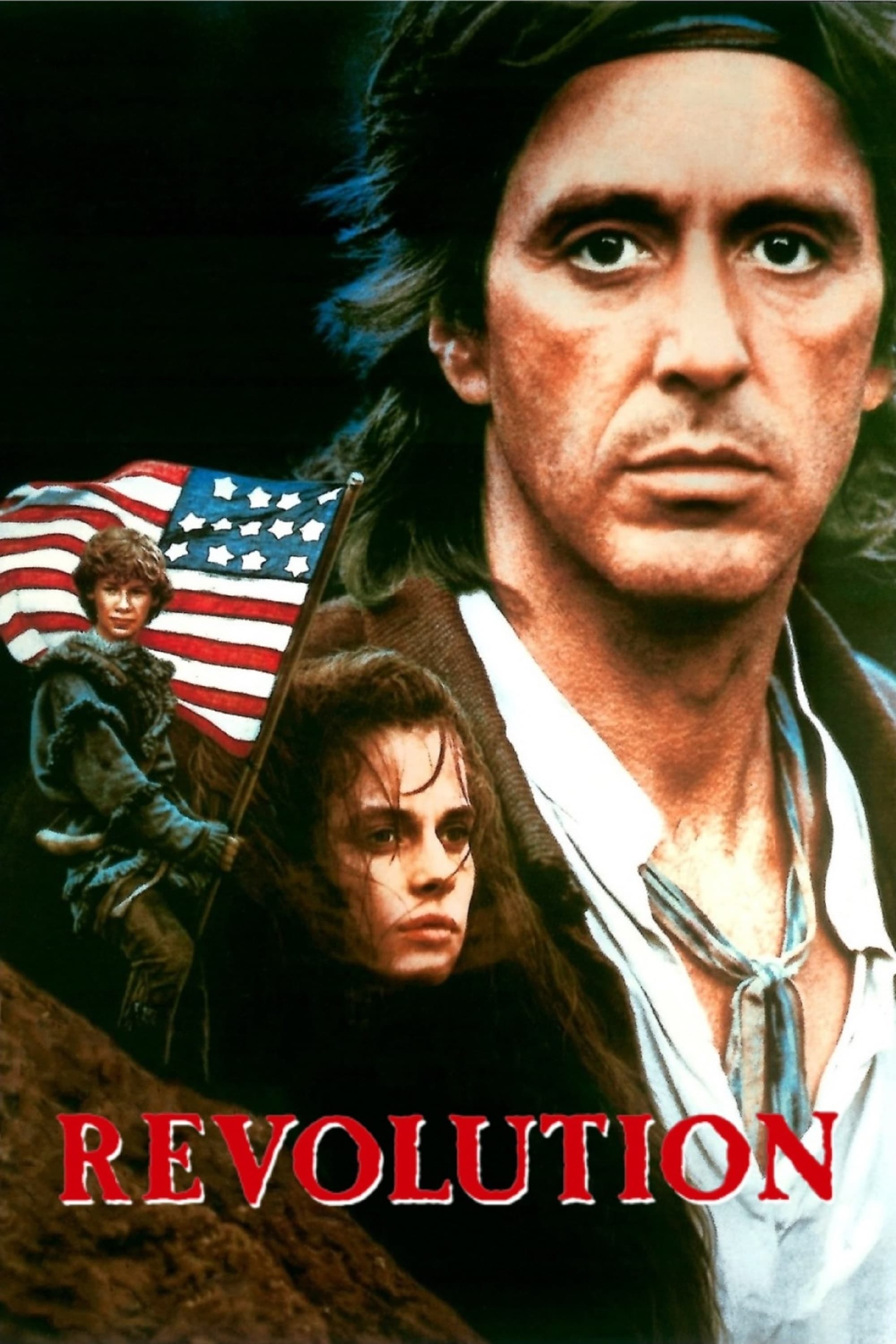
Directed by Hugh Hudson, ‘Revolution’ follows a New York fur trapper named Tom Dobb who gets unwillingly drafted into the Continental Army. The narrative explores his journey through major historical events, including the Battle of Brooklyn and the harsh winter at Valley Forge.
As Dobb navigates the brutality of the conflict, he seeks to protect his young son from the dangers of the battlefield. The production utilized large-scale practical sets and thousands of extras to recreate the gritty reality of eighteenth-century warfare.
‘America: The Motion Picture’ (2021)

This animated comedy film offers a heavily fictionalized and satirical take on the founding of the United States. ‘America: The Motion Picture’ follows a chainsaw-wielding George Washington as he teams up with beer-loving Sam Adams to fight the British.
The narrative intentionally ignores historical accuracy, blending modern pop culture references with exaggerated action sequences. Directed by Matt Thompson, the project features an ensemble voice cast that reimagines the Founding Fathers as action heroes.
‘The Scarlet Coat’ (1955)
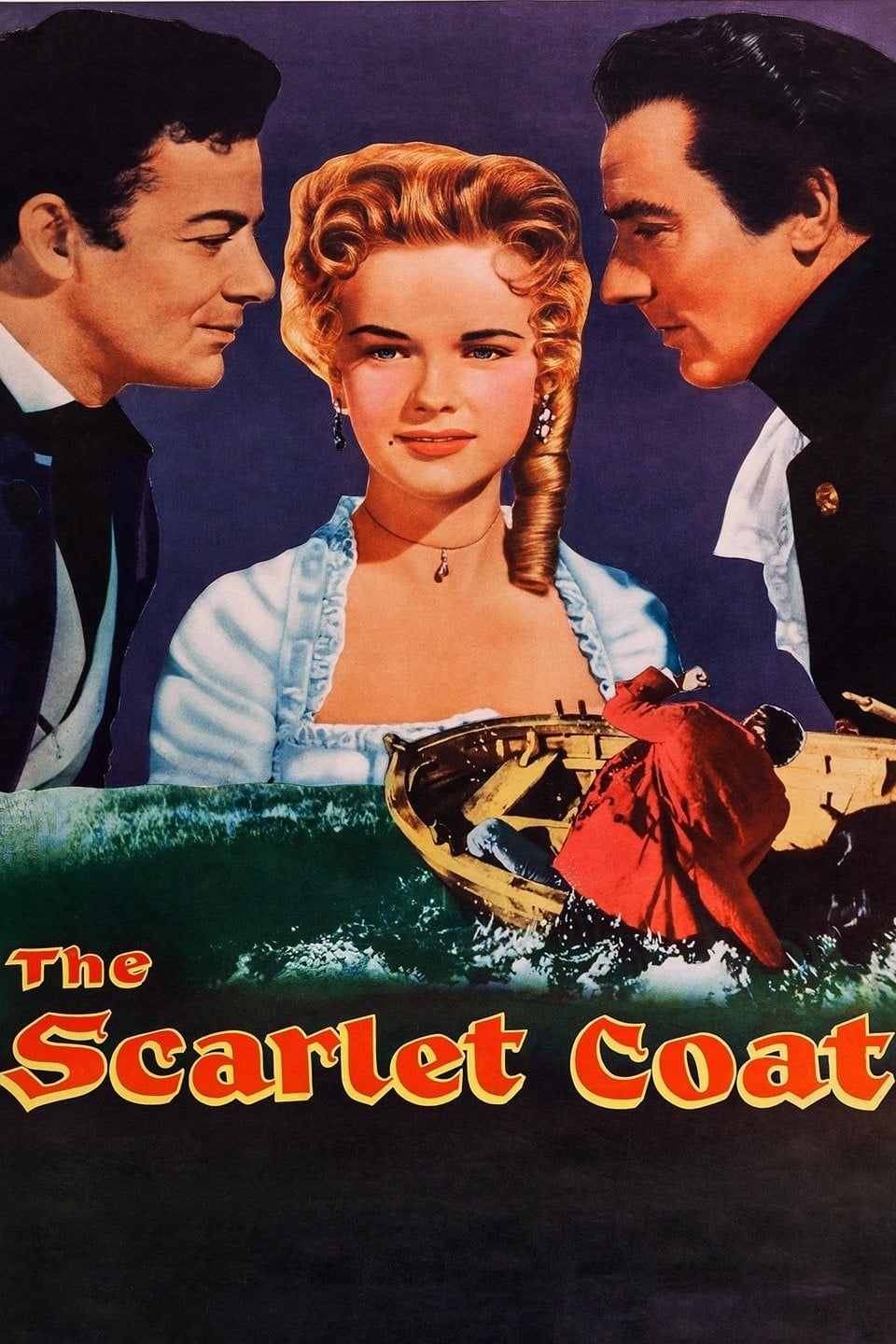
‘The Scarlet Coat’ delves into the true story of Benedict Arnold’s treason and the British spy ring operating during the American Revolution. The plot centers on an American intelligence officer who goes undercover to investigate a potential traitor within the Continental Army.
His mission brings him into direct contact with Major John André, the British officer who collaborated with Arnold. The film highlights the dangerous espionage tactics and divided loyalties that characterized the intelligence war between the colonies and Great Britain.
‘Lafayette’ (1961)
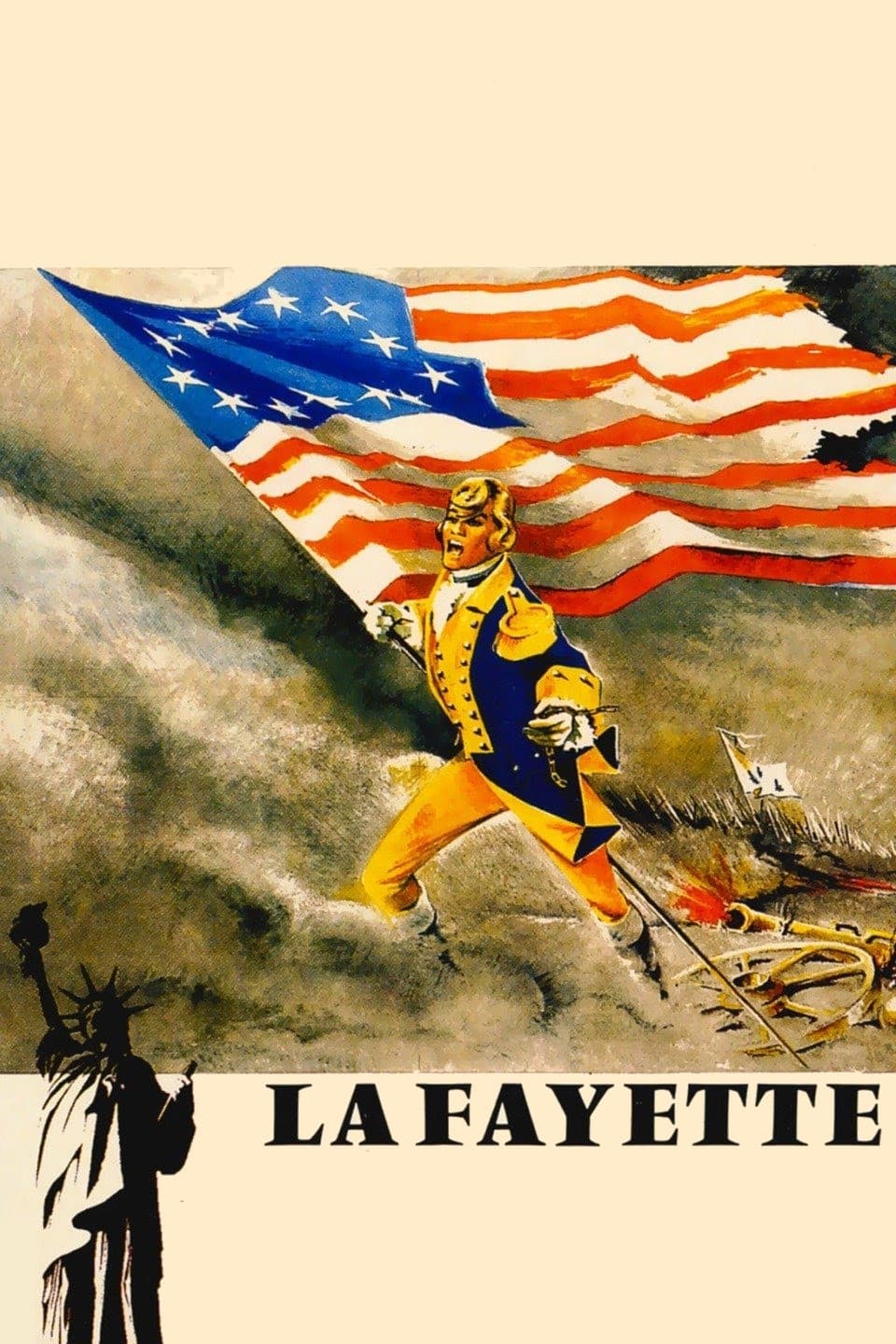
This French-Italian biographical film chronicles the life of the Marquis de Lafayette and his crucial contributions to the American cause. ‘Lafayette’ details how the young French aristocrat defied his own king to sail to America and offer his military services to George Washington. T
he narrative showcases his involvement in major battles and his successful efforts to secure essential French military and financial support. The production features grand European filming locations and highlights international cooperation during the Revolutionary War.
‘John Paul Jones’ (1959)
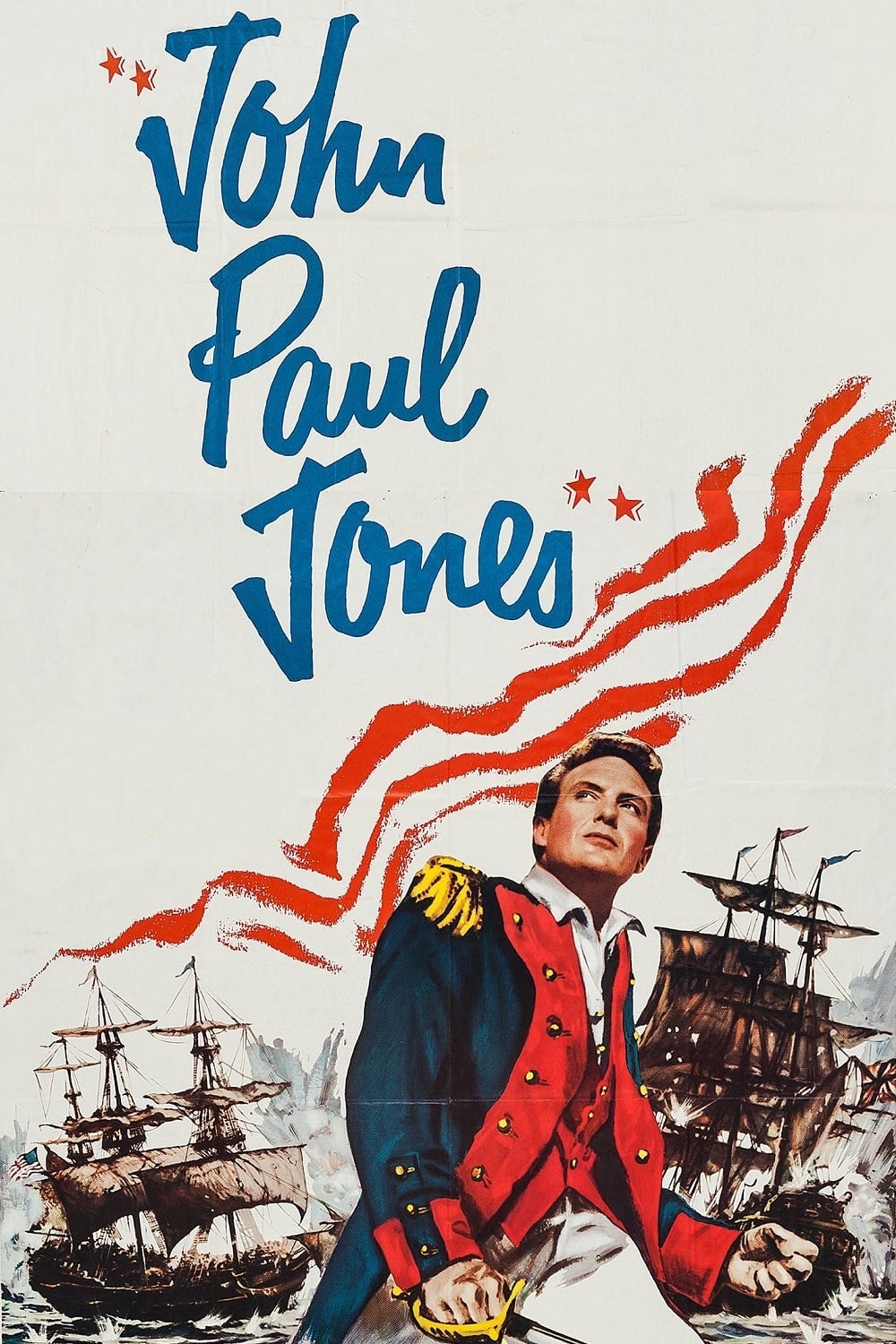
Directed by John Farrow, ‘John Paul Jones’ serves as a biographical account of the celebrated naval commander who became a hero of the American Revolution. The narrative follows Jones from his early days in Scotland to his daring naval engagements against the British Royal Navy.
The film highlights his strategic brilliance at sea, including his famous declaration that he had not yet begun to fight. The production focuses on the establishment of the American naval forces and the crucial maritime battles that disrupted British supply lines.
‘The Devil’s Disciple’ (1959)
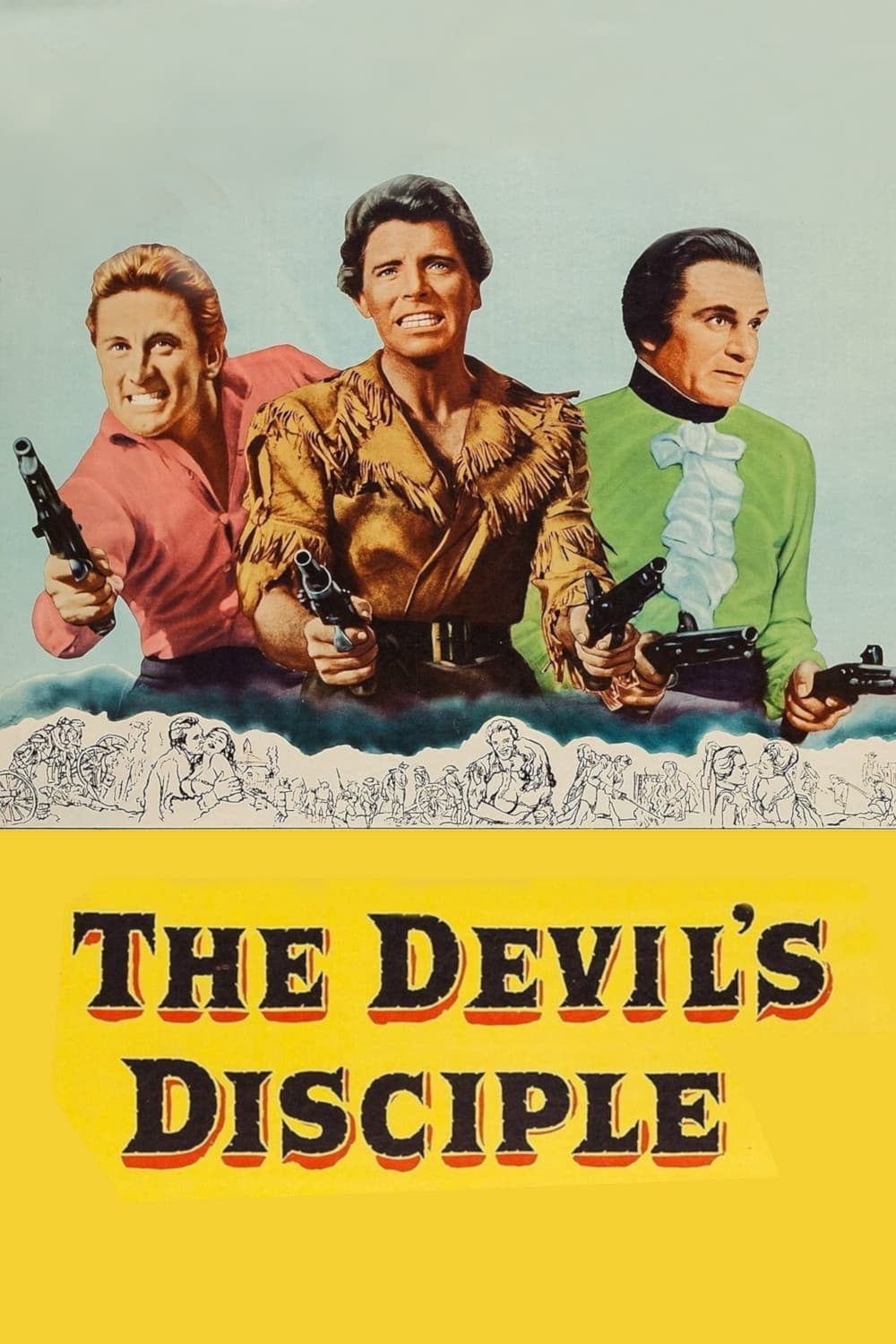
Based on the play by George Bernard Shaw, ‘The Devil’s Disciple’ is set in a New Hampshire town in 1777 during the Saratoga campaign. The story revolves around a rebellious outcast and a local minister who unexpectedly swap roles when British forces arrive to arrest the clergyman.
This mistaken identity leads to a satirical examination of heroism, duty, and British military bureaucracy. The film blends historical conflict with sharp dialogue to highlight the absurdities of war and colonial politics.
‘Johnny Tremain’ (1957)
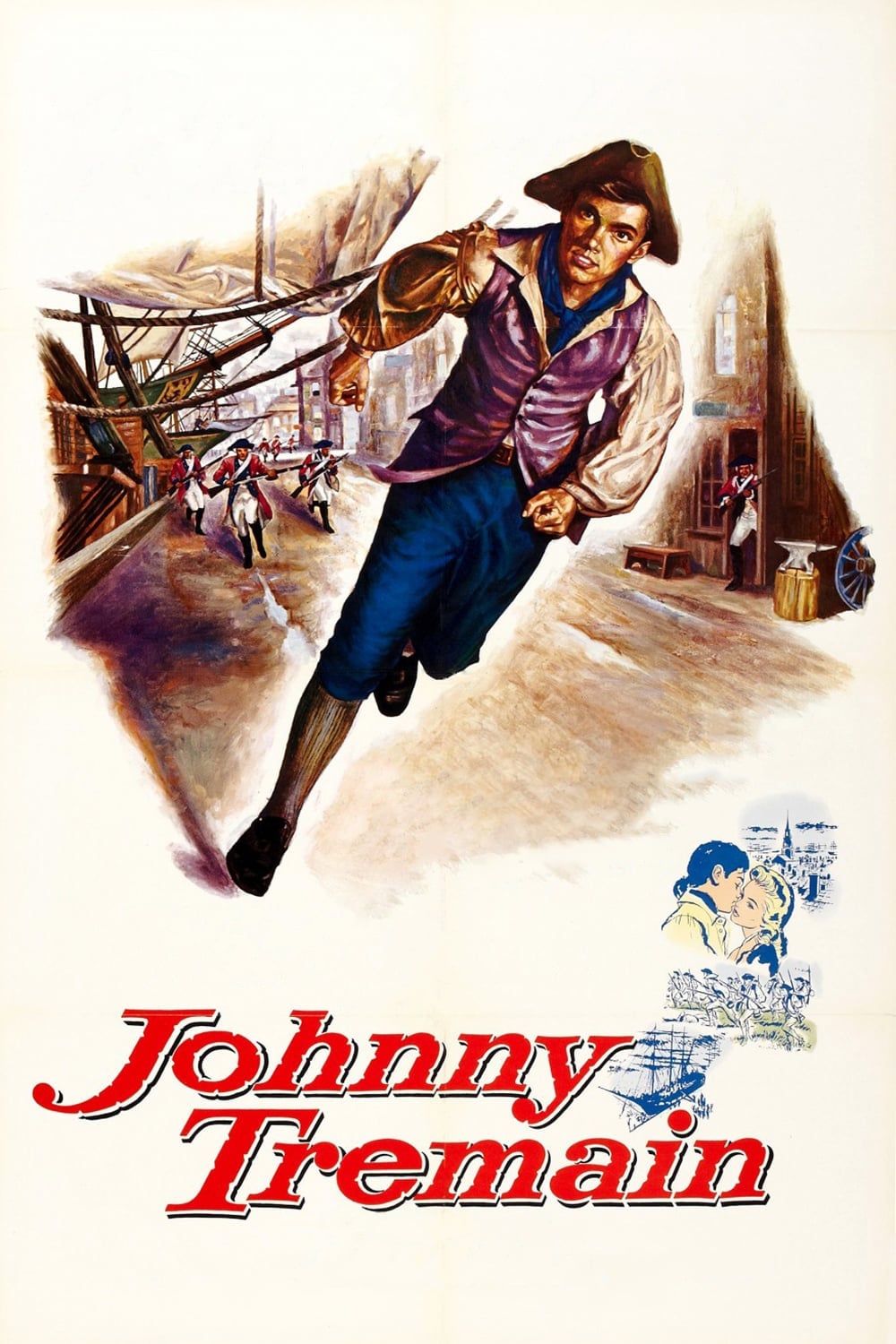
Produced by Walt Disney, ‘Johnny Tremain’ adapts Esther Forbes’s Newbery Medal-winning novel about a young silversmith apprentice in Boston. The protagonist’s life changes dramatically after a debilitating hand injury leads him to join the Sons of Liberty.
Through his work as a messenger, he witnesses pivotal historical moments like the Boston Tea Party and the Battles of Lexington and Concord. The film provides an accessible, family-friendly perspective on the political tensions that sparked the American Revolutionary War.
‘April Morning’ (1988)
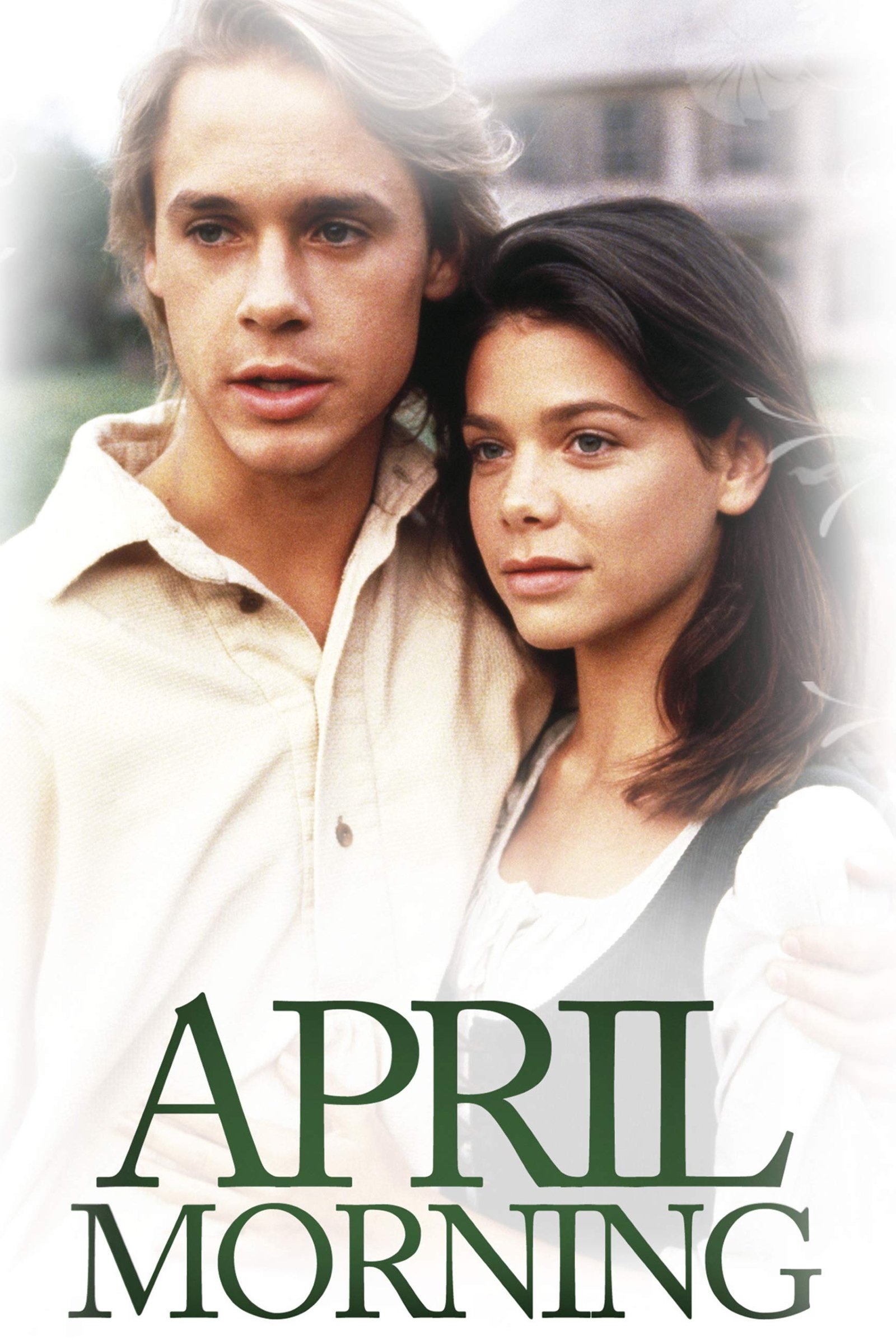
Based on the novel by Howard Fast, ‘April Morning’ focuses on the intense period surrounding the Battles of Lexington and Concord. The television film follows a fifteen-year-old boy who must quickly transition into adulthood as his local militia faces the advancing British army.
The narrative closely examines the community dynamics in a small Massachusetts town thrust into the center of a historic conflict. The production emphasizes the sudden, chaotic nature of the first military engagements of the American Revolution.
‘Felicity: An American Girl Adventure’ (2005)
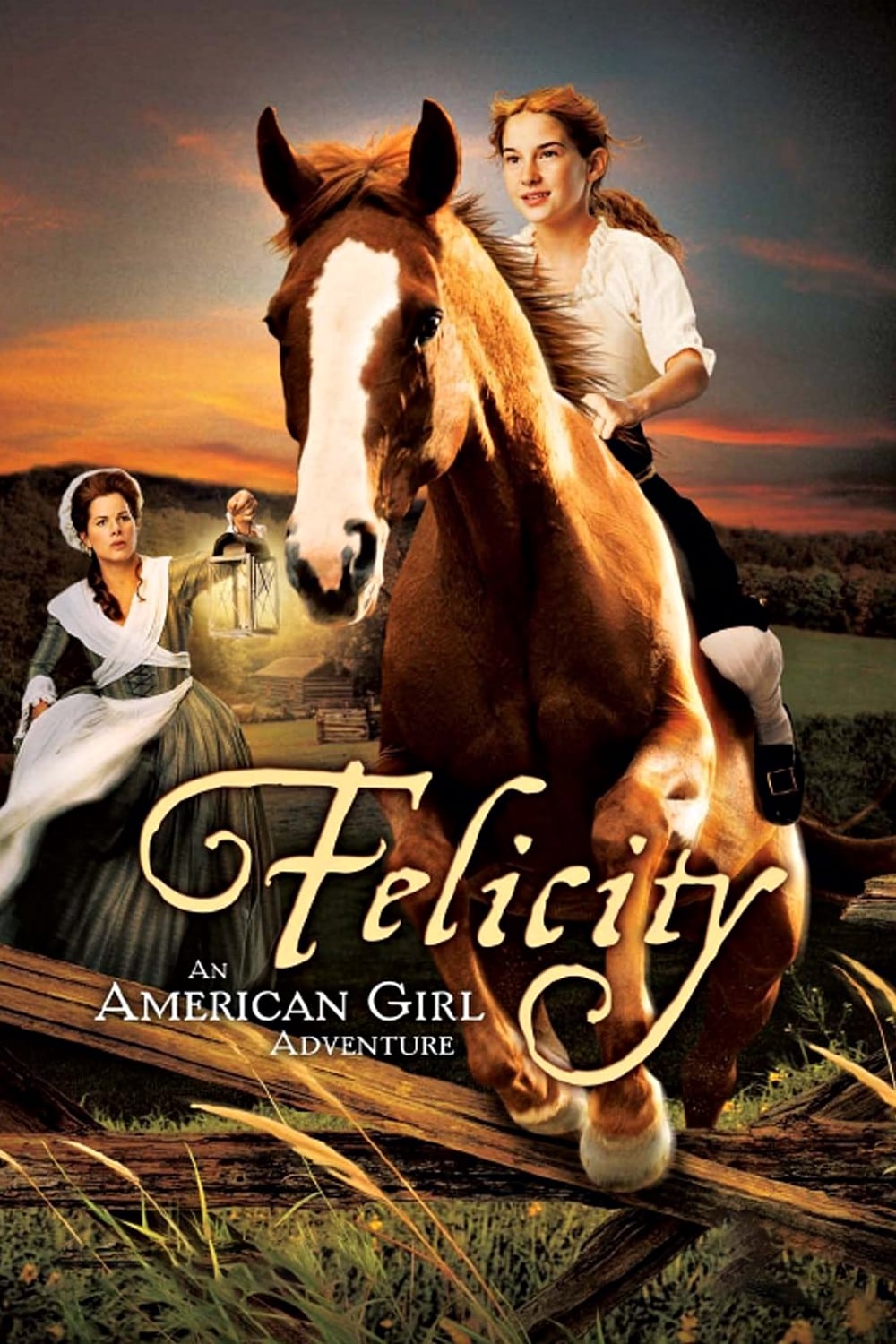
‘Felicity: An American Girl Adventure’ provides a civilian perspective on the American Revolution through the eyes of a young girl living in Williamsburg, Virginia. The film illustrates the escalating tensions between Patriots and Loyalists leading up to the outbreak of the war.
Felicity navigates a divided community, observing how political differences fracture relationships among family and friends. The narrative emphasizes the domestic and social impact of the revolution rather than focusing solely on battlefield skirmishes.
‘Mary Silliman’s War’ (1994)
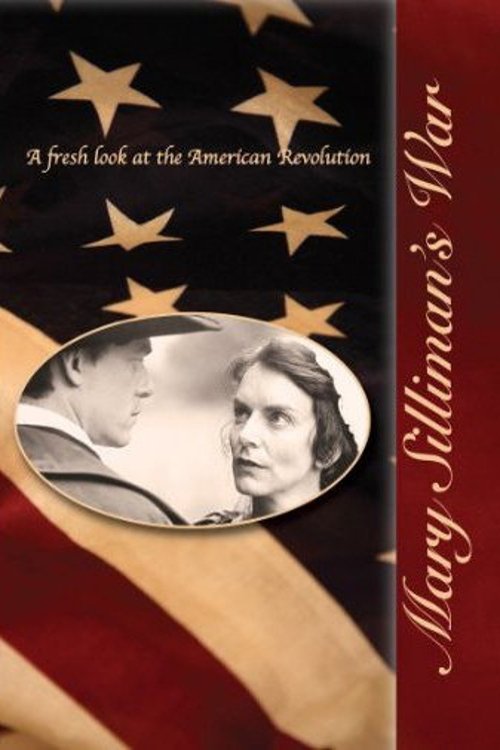
‘Mary Silliman’s War’ offers a grounded look at the revolution by focusing on the real-life experiences of a Connecticut woman managing her family’s farm. When her husband is captured by Loyalist forces, Mary must navigate complex legal and political landscapes to secure his release.
The film emphasizes the often-overlooked struggles of non-combatants and the localized civil war that erupted between neighbors. The story highlights the heavy toll that ideological divisions took on everyday colonial life.
‘Drums Along the Mohawk’ (1939)
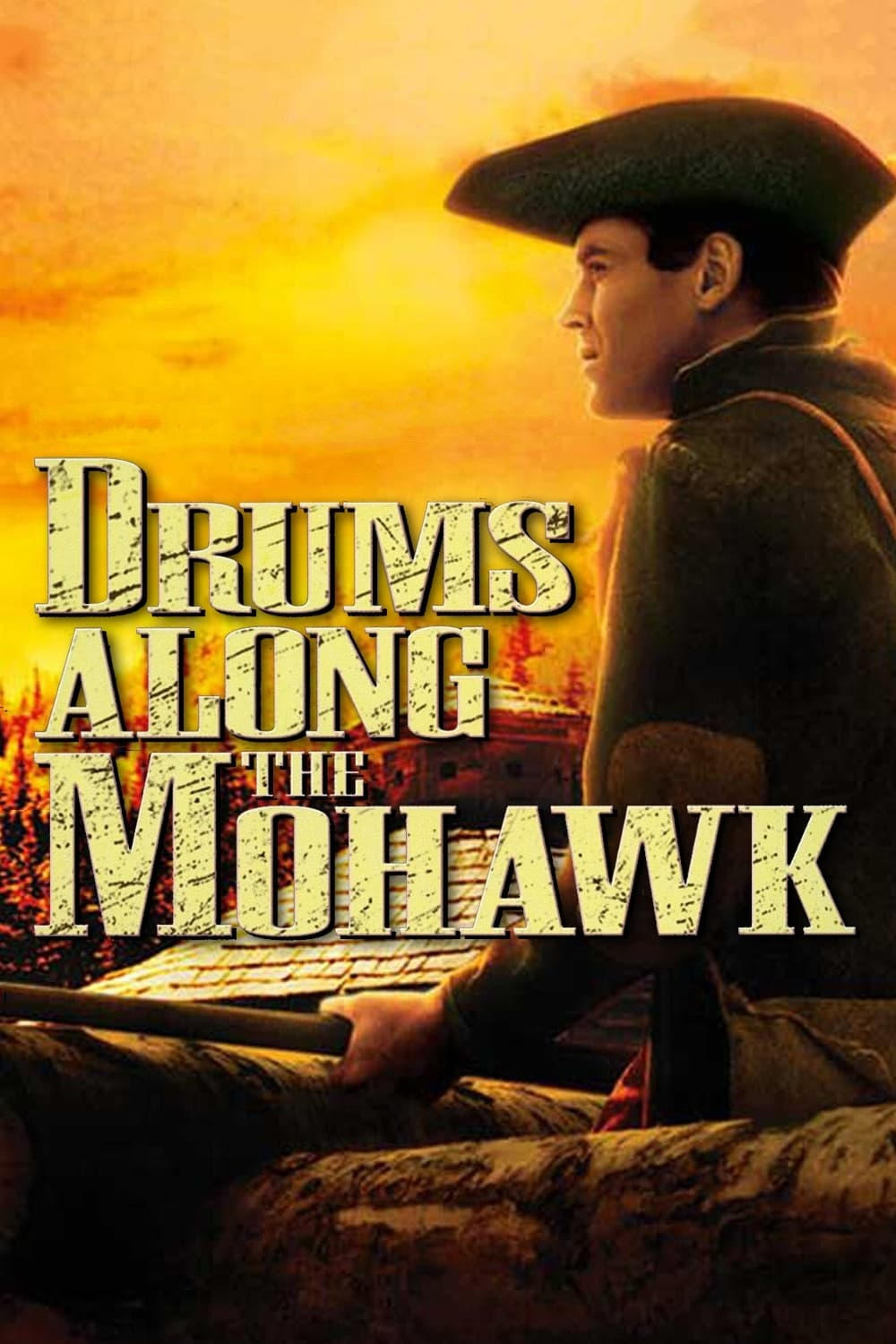
Directed by John Ford, ‘Drums Along the Mohawk’ shifts the focus of the Revolutionary War to the frontier settlements of New York. The film follows a newlywed couple struggling to build a life while facing constant threats from British forces and their Native American allies.
The narrative highlights the harsh realities of frontier survival and the devastating raids that plagued the Mohawk Valley. The production is notable for being Ford’s first feature film shot entirely in Technicolor.
‘The Patriot’ (2000)
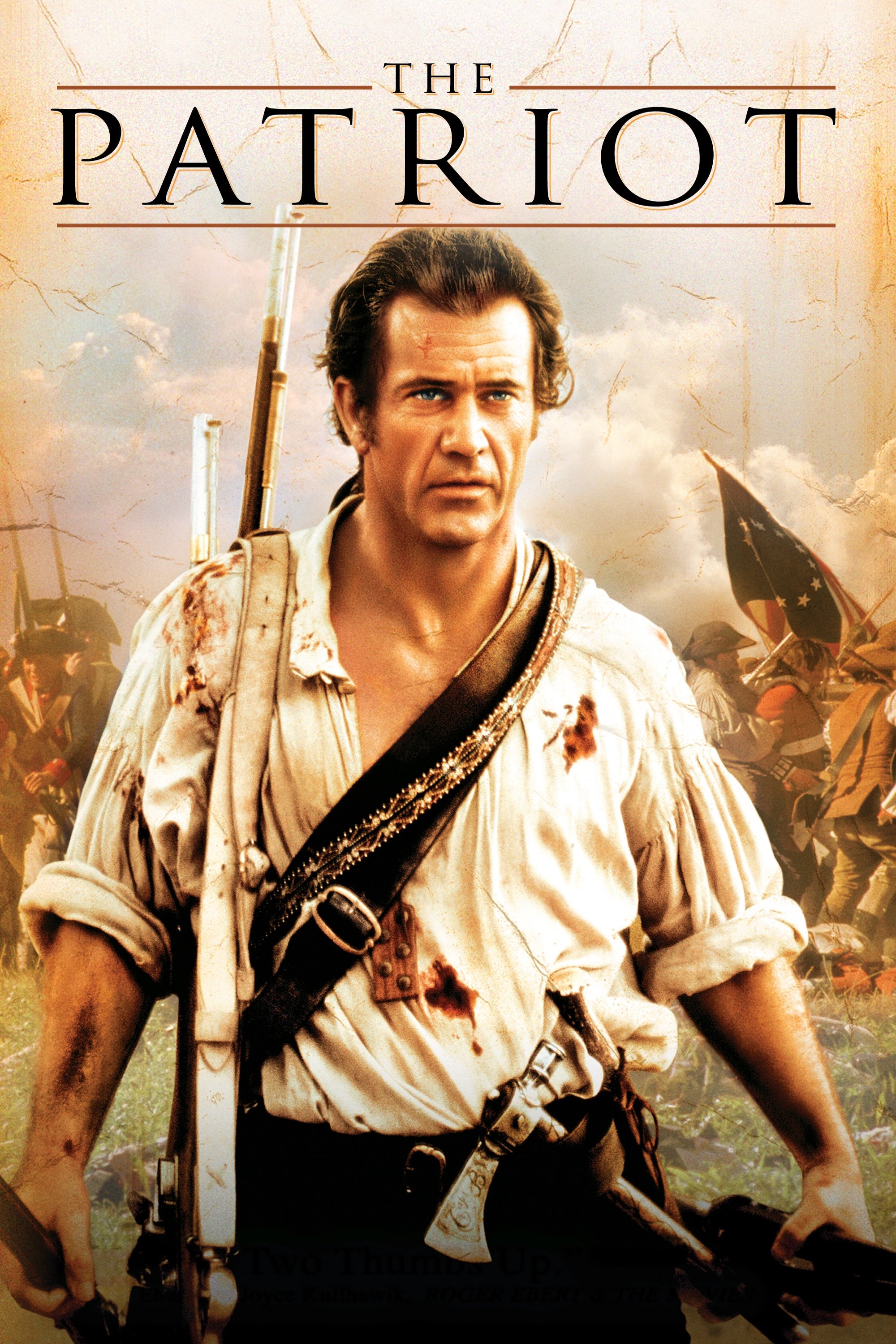
‘The Patriot’ centers on a veteran of the French and Indian War who is reluctantly drawn into the American Revolution after his family is targeted by a ruthless British colonel. The protagonist forms a local militia in South Carolina, employing guerrilla warfare tactics to disrupt the British army’s southern campaign.
The film features large-scale battle reenactments and dramatic representations of eighteenth-century military strategy. The narrative emphasizes themes of familial duty and the high personal costs associated with the fight for independence.
‘The Crossing’ (2000)
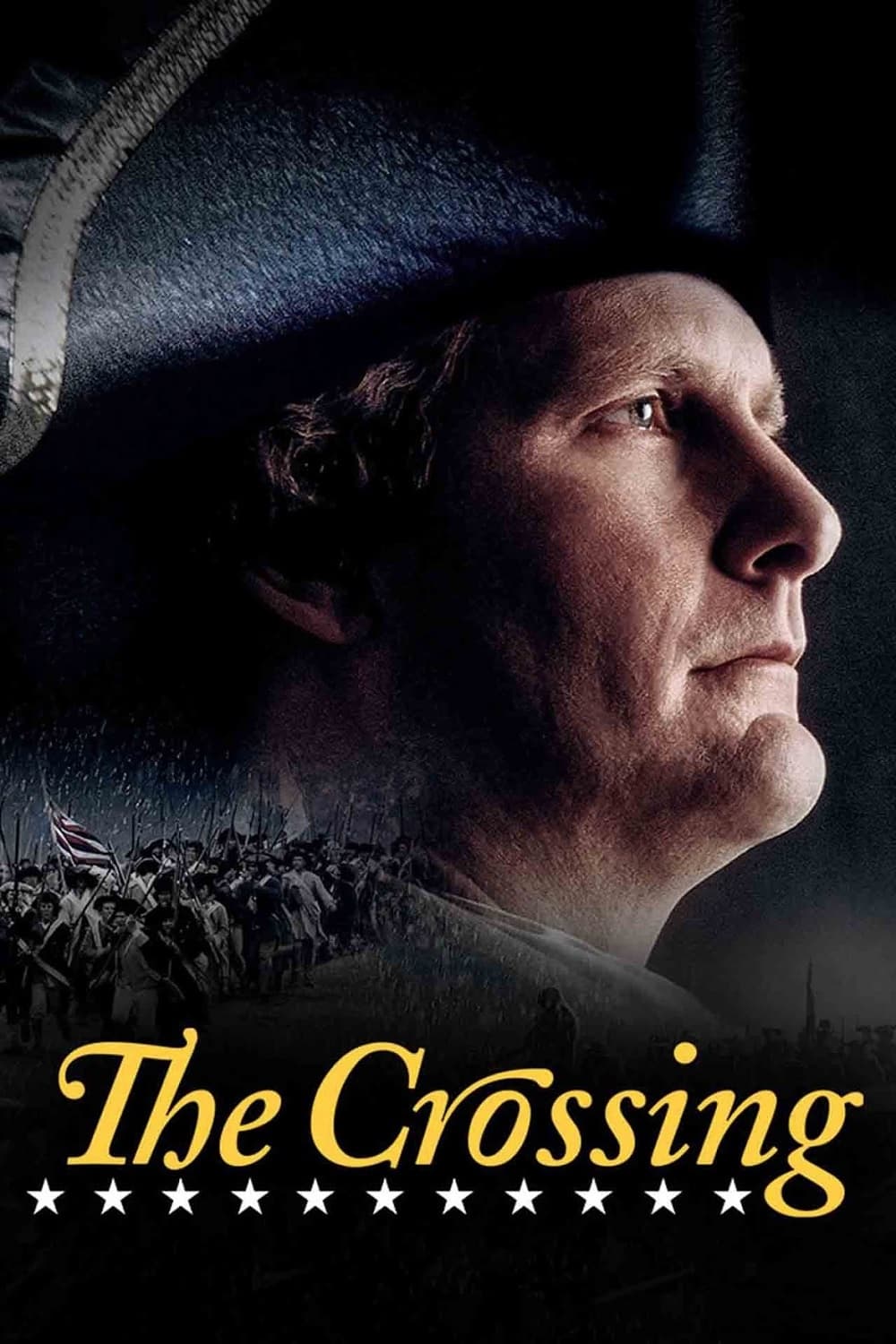
‘The Crossing’ focuses specifically on George Washington’s daring campaign to cross the ice-choked Delaware River in December 1776. The made-for-television film details the dire state of the Continental Army and the strategic planning behind the surprise attack on the Hessian garrison at Trenton.
The narrative portrays the logistical nightmares and severe weather conditions that nearly derailed the crucial military operation. This focused historical drama highlights a turning point that revitalized American morale during a desperate phase of the war.
‘1776’ (1972)

Adapted from the Broadway musical, ‘1776’ explores the intense political debates of the Second Continental Congress in Philadelphia. The film follows John Adams, Benjamin Franklin, and Thomas Jefferson as they draft the Declaration of Independence and attempt to persuade divided delegates to support secession.
The narrative uses musical numbers to explain the complex compromises required to unite the thirteen colonies. The production focuses entirely on the legislative battles that officially launched the American Revolution.
‘Hamilton’ (2020)
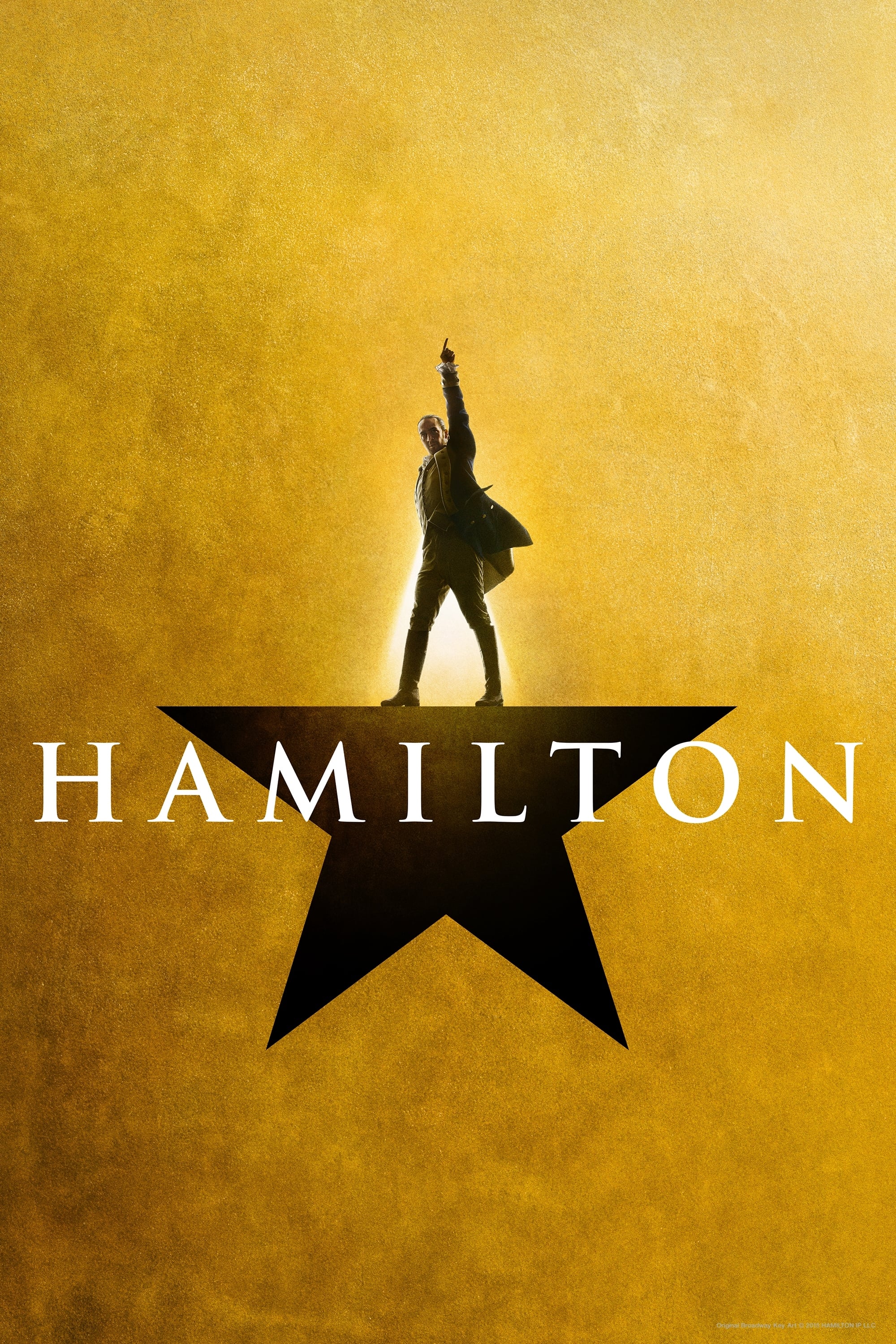
‘Hamilton’ presents a filmed version of the groundbreaking stage musical that details the life of American Founding Father Alexander Hamilton. The narrative spans from Hamilton’s early days as an ambitious immigrant joining the revolutionary cause to his pivotal role in shaping the nation’s financial system.
The production utilizes a diverse cast and a score blending hip-hop, R&B, and traditional show tunes to recount historical events. The film captures the political rivalries, military strategies, and personal tragedies that defined the Revolutionary era.
Please share your thoughts on these revolutionary films and any other historical favorites in the comments.