


TV Shows That (In)Famously “Jumped the Shark”



Television history is filled with long-running series that eventually lost their way after years of success. The term jumping the shark describes a specific moment when a show begins a decline in quality or deviates too far from its original premise. This often happens due to writers running out of ideas or key actors leaving the production. Fans usually pinpoint these distinct scenes or plot twists as the beginning of the end for their favorite programs.
‘Happy Days’ (1974–1984)

The phrase jumping the shark originated from a specific episode in this sitcom’s fifth season. Fonzie literally jumps over a shark on water skis while wearing his signature leather jacket. Viewers and critics cite this moment as the point where the series exhausted its core premise and began relying on outlandish gimmicks. The show continued for several years afterward but never regained its earlier critical standing.
‘Dallas’ (1978–1991)
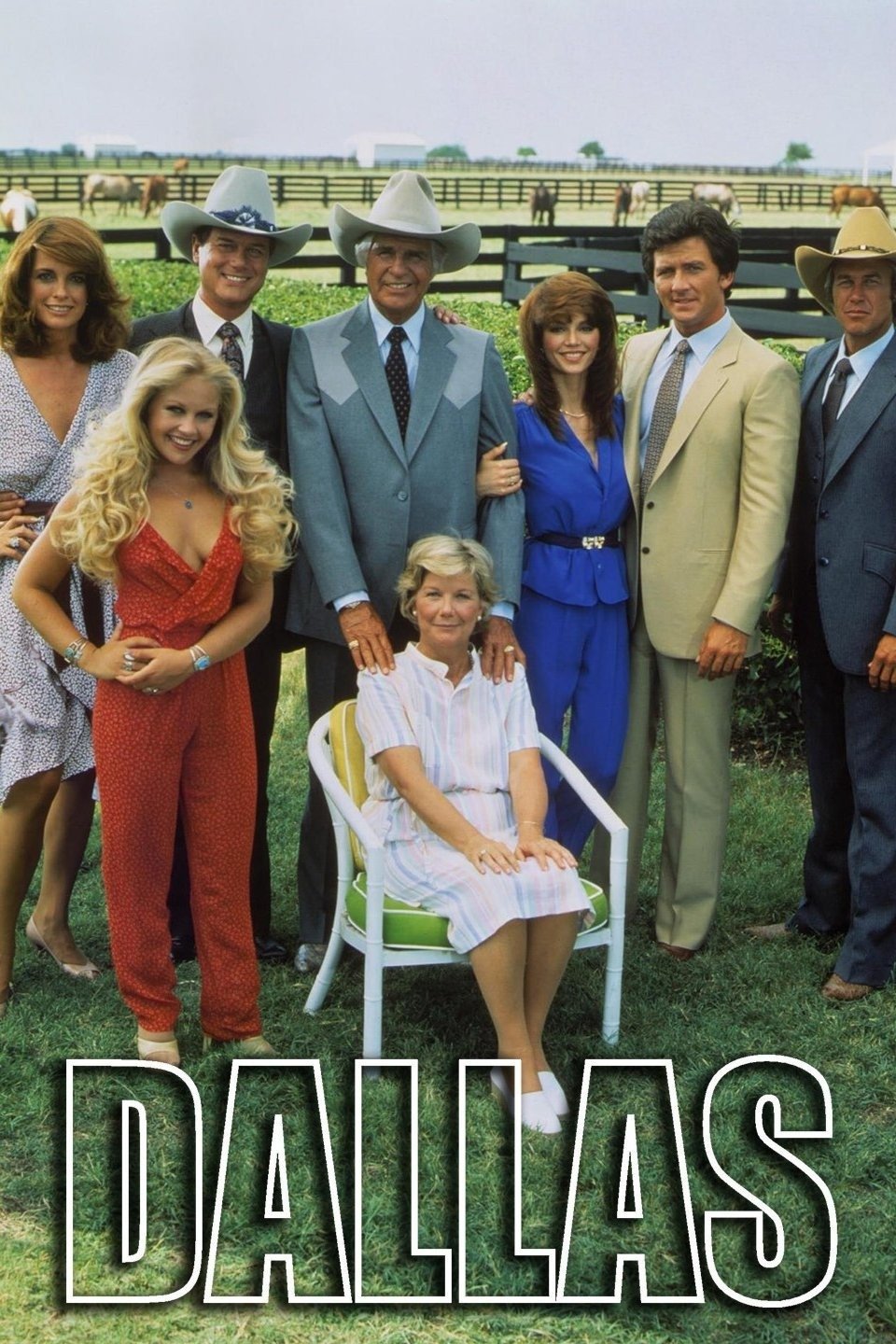
This primetime soap opera stunned audiences when it revealed that an entire season was merely a dream. The character Bobby Ewing had died on screen a year prior but suddenly reappeared alive in the shower. This plot device invalidated a whole year of storytelling and upset many loyal viewers. The show struggled to recover its credibility after asking fans to disregard such a significant amount of character development.
‘The X-Files’ (1993–2018)
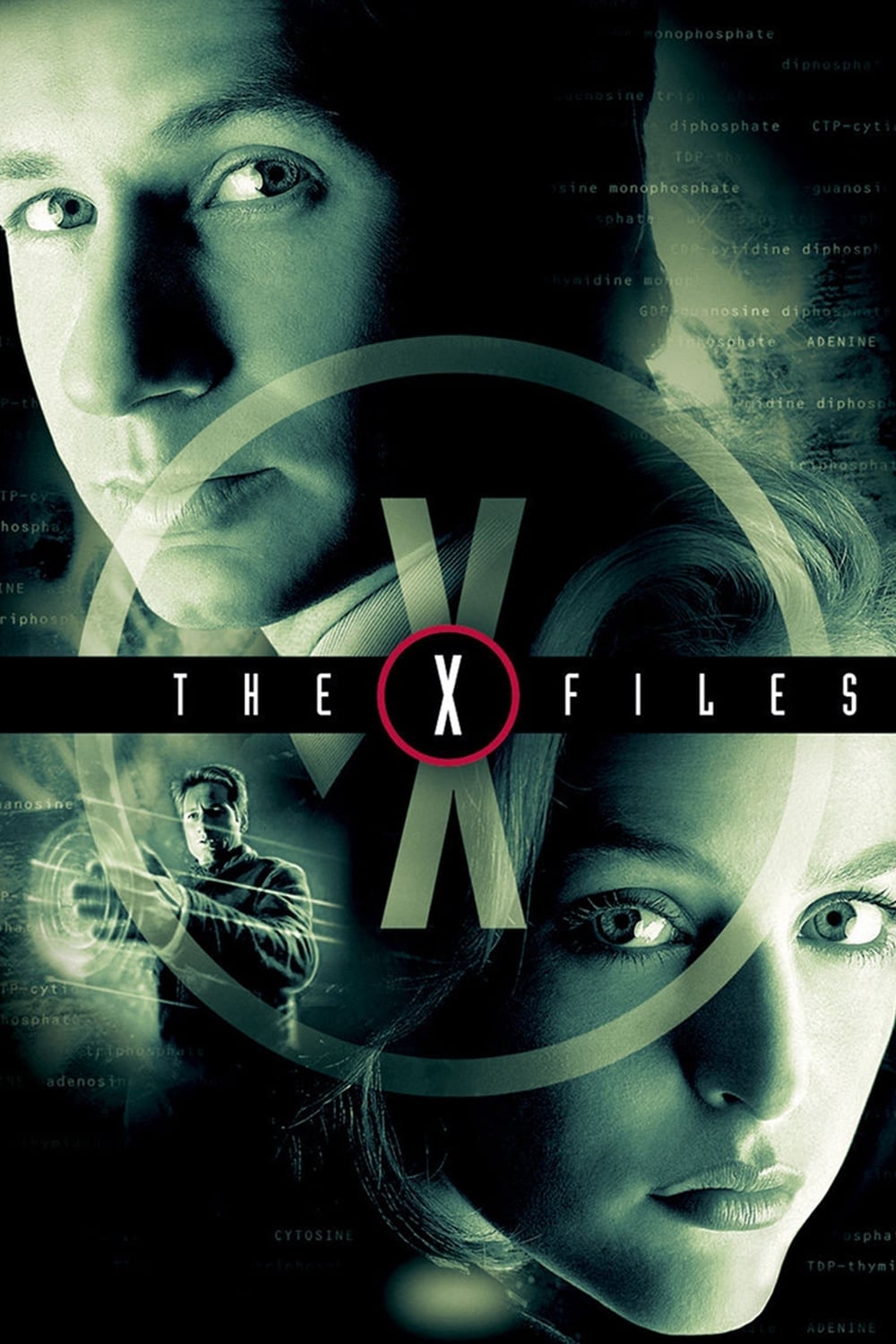
The dynamic between agents Mulder and Scully was the heart of this paranormal drama. The series suffered greatly when David Duchovny reduced his role and eventually left the show as a regular cast member. Writers introduced new agents like John Doggett to fill the void but the chemistry was never the same. Many fans felt the overarching alien conspiracy plot became too convoluted to follow in the later seasons.
‘The Office’ (2005–2013)
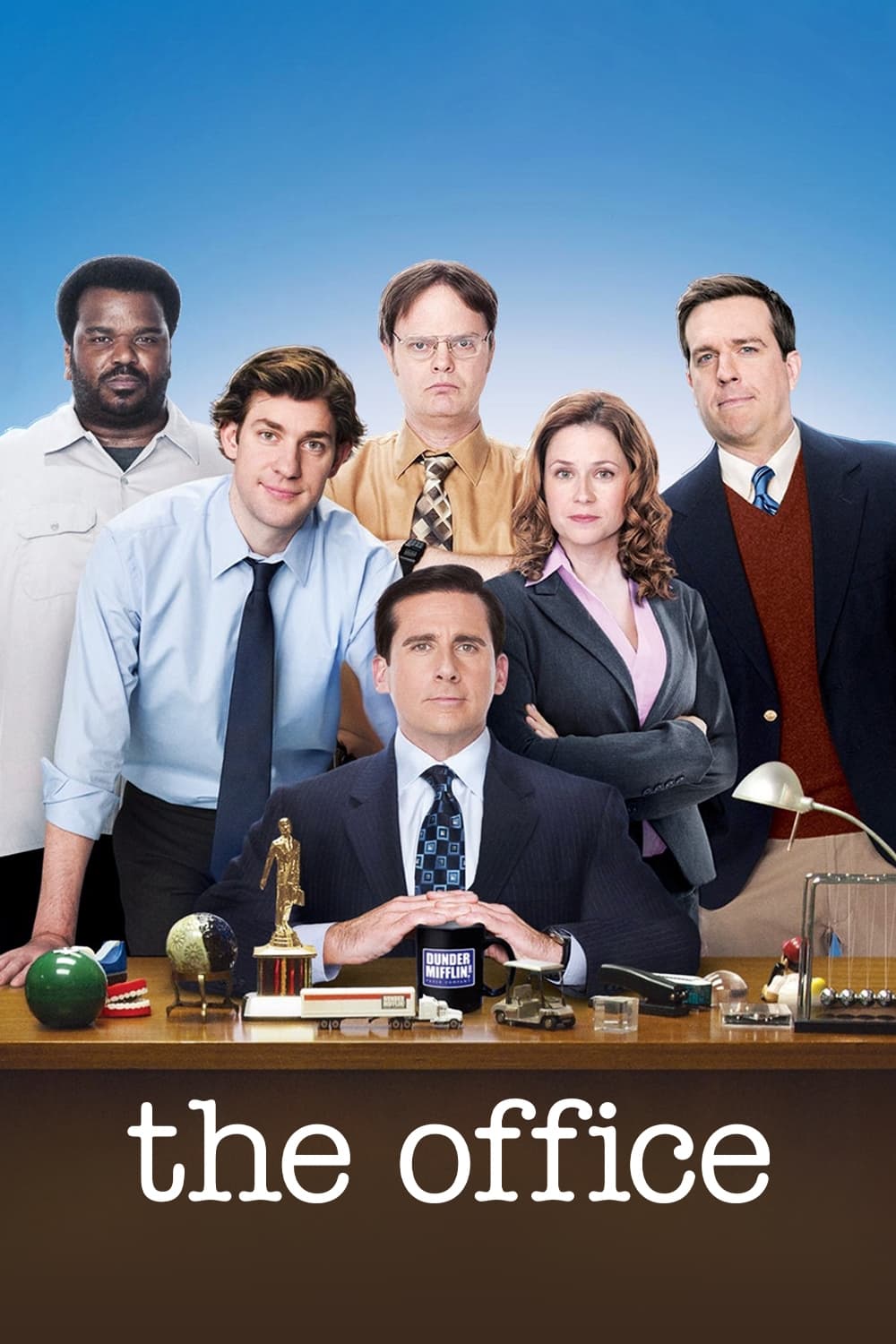
Steve Carell served as the anchor for this mockumentary sitcom through his portrayal of Michael Scott. The quality of the series noticeably dipped after his departure in the seventh season. New managers were introduced in an attempt to maintain the chaotic energy of the workplace. Critics noted that the storylines became increasingly cartoonish and the character arcs lost their grounded emotional resonance.
‘Game of Thrones’ (2011–2019)
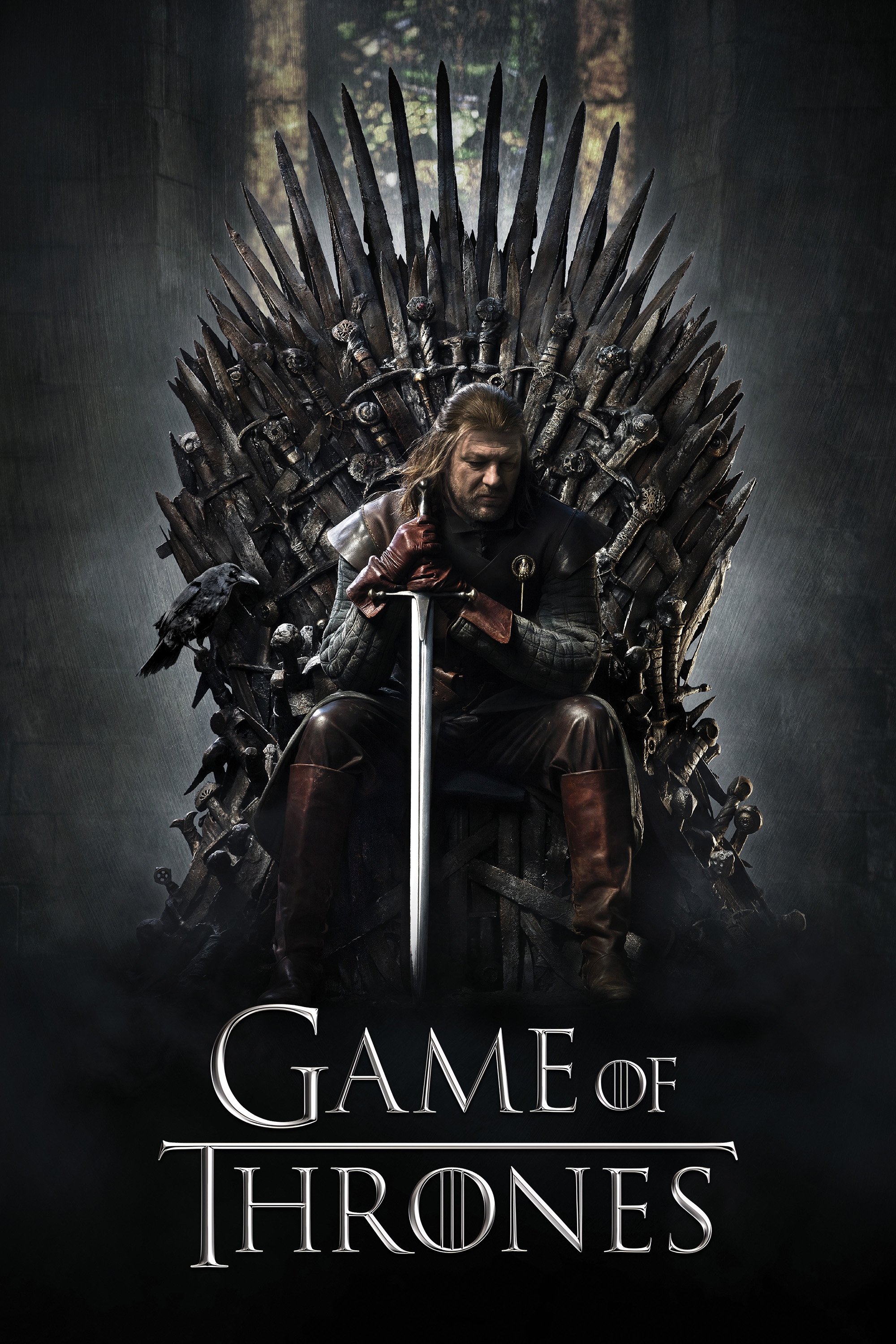
This fantasy epic was acclaimed for its complex political maneuvering and slow-burning character arcs. The final season rushed through major plot points that required much more time to develop naturally. Characters made decisions that seemed to contradict years of development for the sake of shocking twists. The rapid pacing and controversial conclusion left a significant portion of the fanbase disappointed.
‘Lost’ (2004–2010)
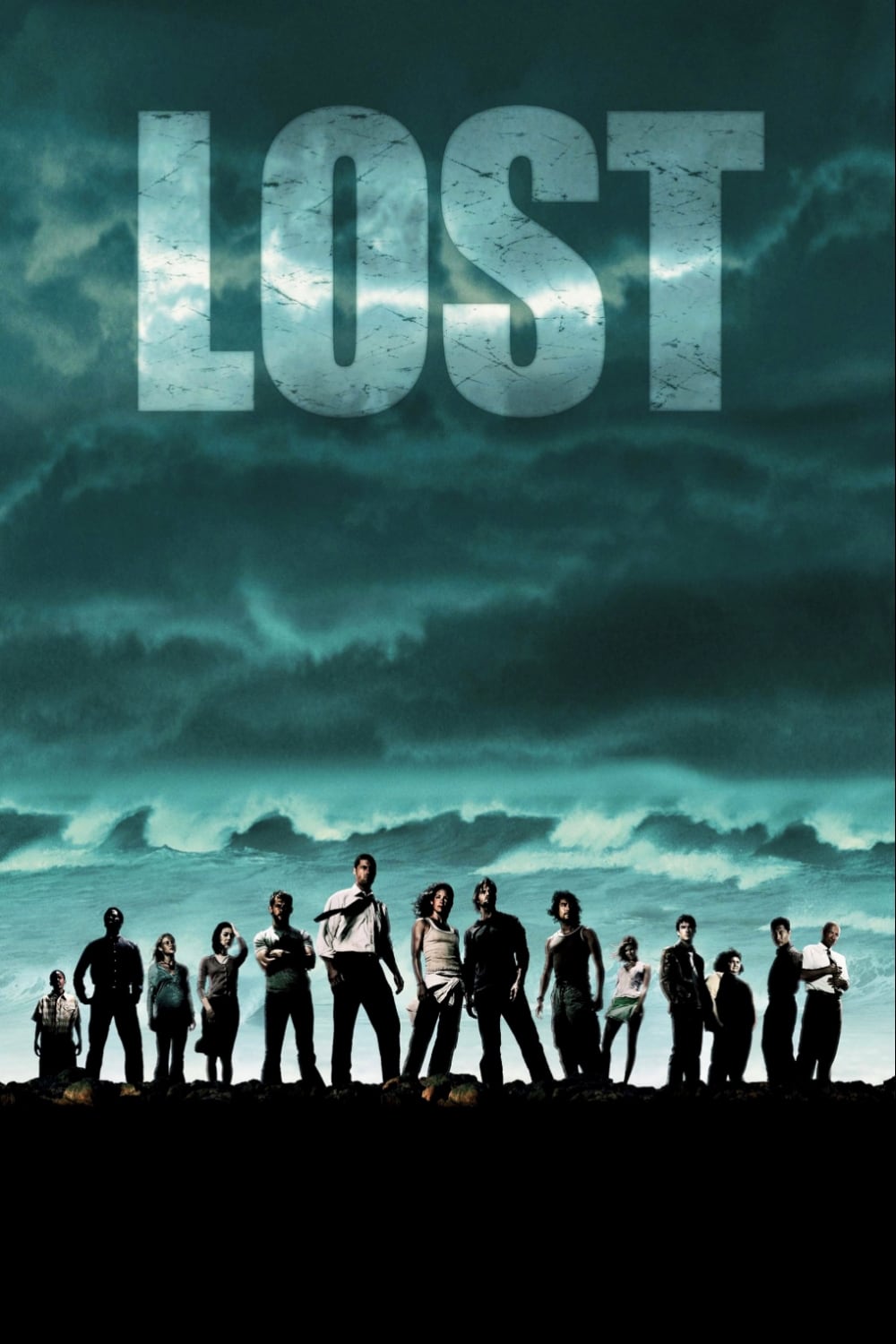
This mystery series captivated audiences with its puzzle-box storytelling and large ensemble cast. The introduction of time travel and increasingly abstract metaphysical concepts alienated many early viewers. Questions raised in the first season were often answered with more questions rather than satisfying resolutions. The final season focused heavily on a flash-sideways narrative that some felt detracted from the main island survival story.
‘Dexter’ (2006–2013)
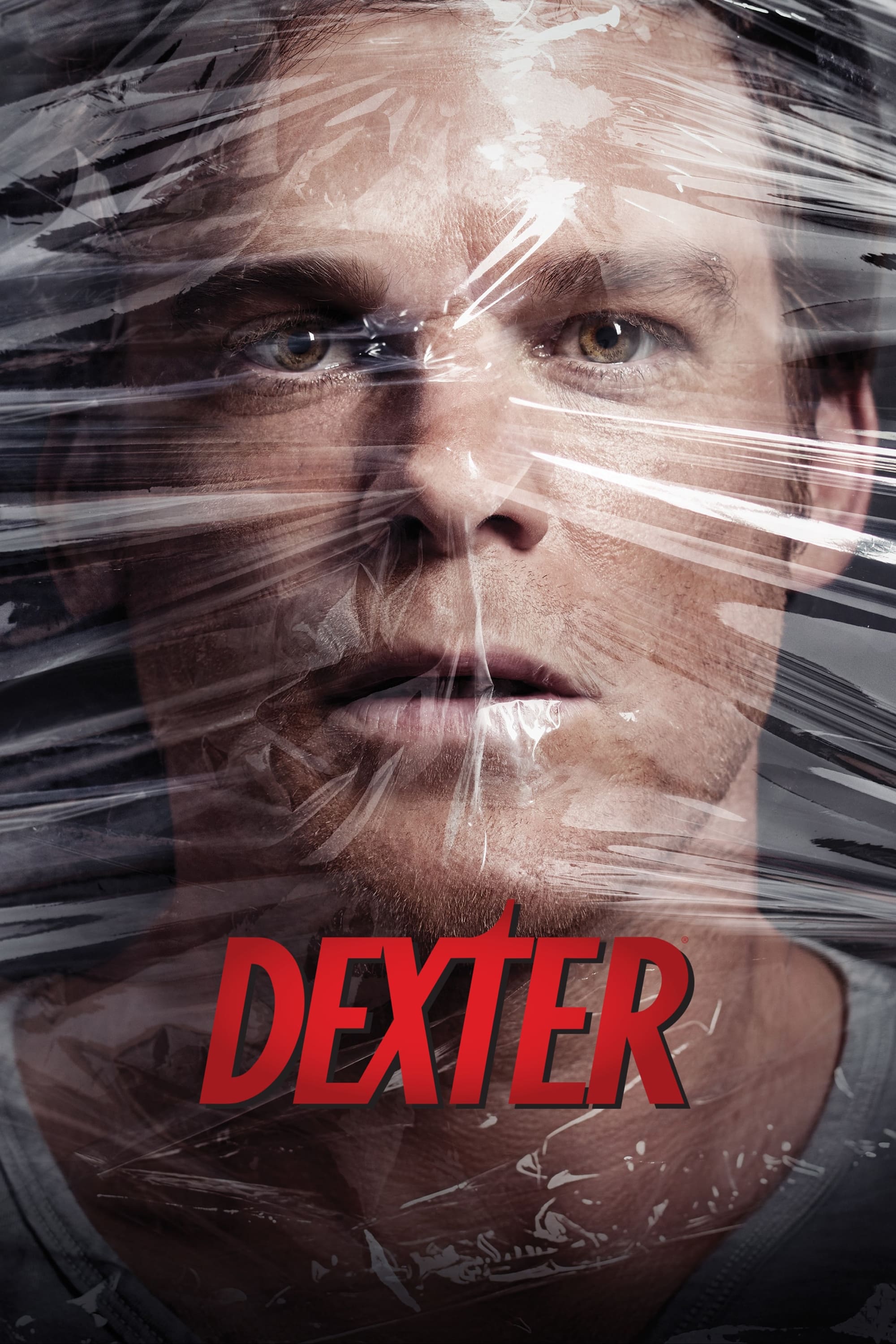
The early seasons of this crime drama were praised for their tight writing and tense atmosphere. Quality began to waver in the later years as the protagonist often escaped capture through implausible coincidences. The series finale is frequently cited as one of the most confusing conclusions in television history. Viewers were baffled by the decision to have the titular character become a lumberjack in the final moments.
‘Heroes’ (2006–2010)
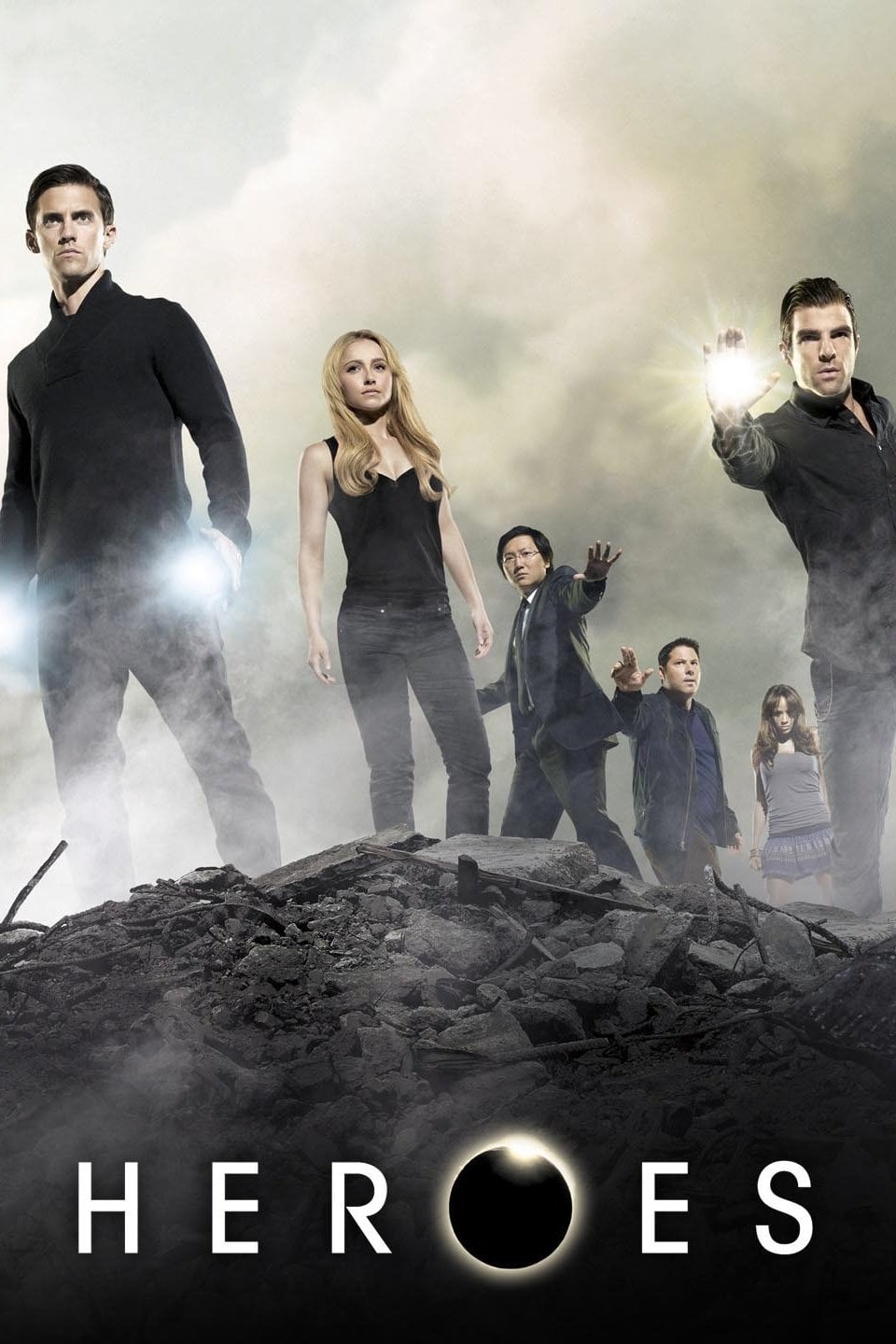
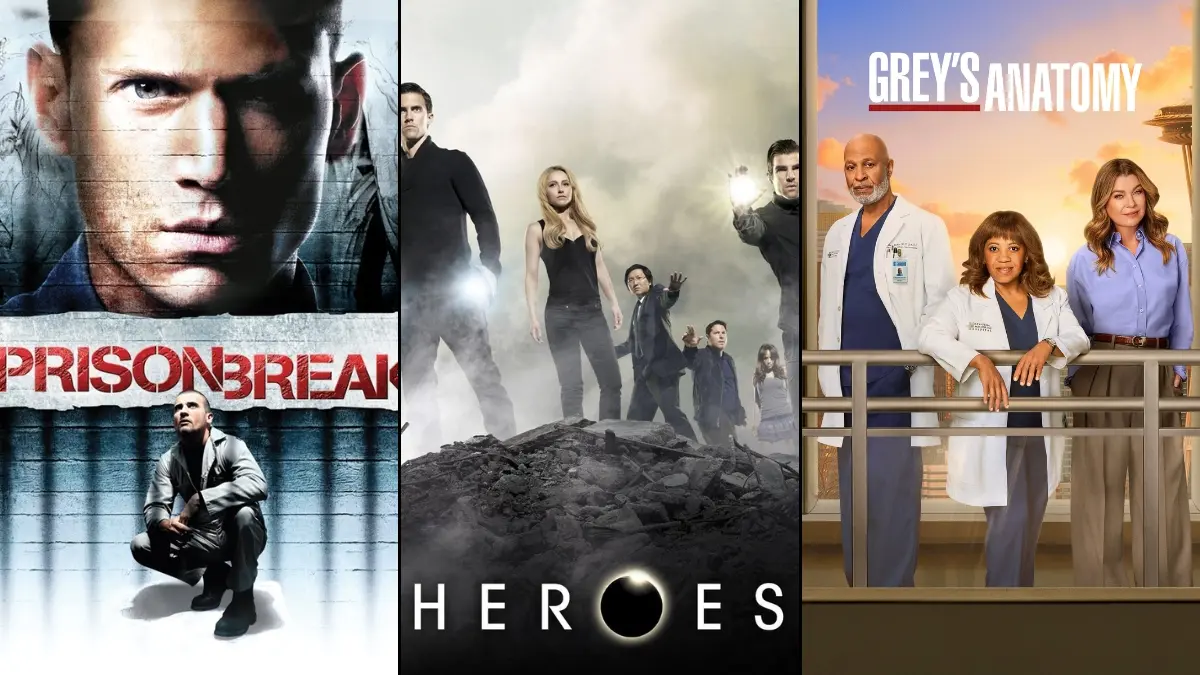
The first season of this superhero drama was a massive cultural phenomenon with a clear narrative structure. The writers struggled to maintain momentum in the second season due to a strike and a loss of direction. Characters frequently lost and regained their powers in ways that made the stakes feel meaningless. The plot became an overly complex web of time travel and shifting allegiances that drove away casual viewers.
‘Prison Break’ (2005–2017)

The first season provided a tightly constructed thriller about a man breaking his brother out of jail. The show lost its central hook once the characters successfully escaped and were on the run. Writers had to invent increasingly elaborate government conspiracies to keep the characters in peril. Subsequent seasons forced the protagonists back into different prisons in a repetitive cycle that diminished the tension.
‘Glee’ (2009–2015)
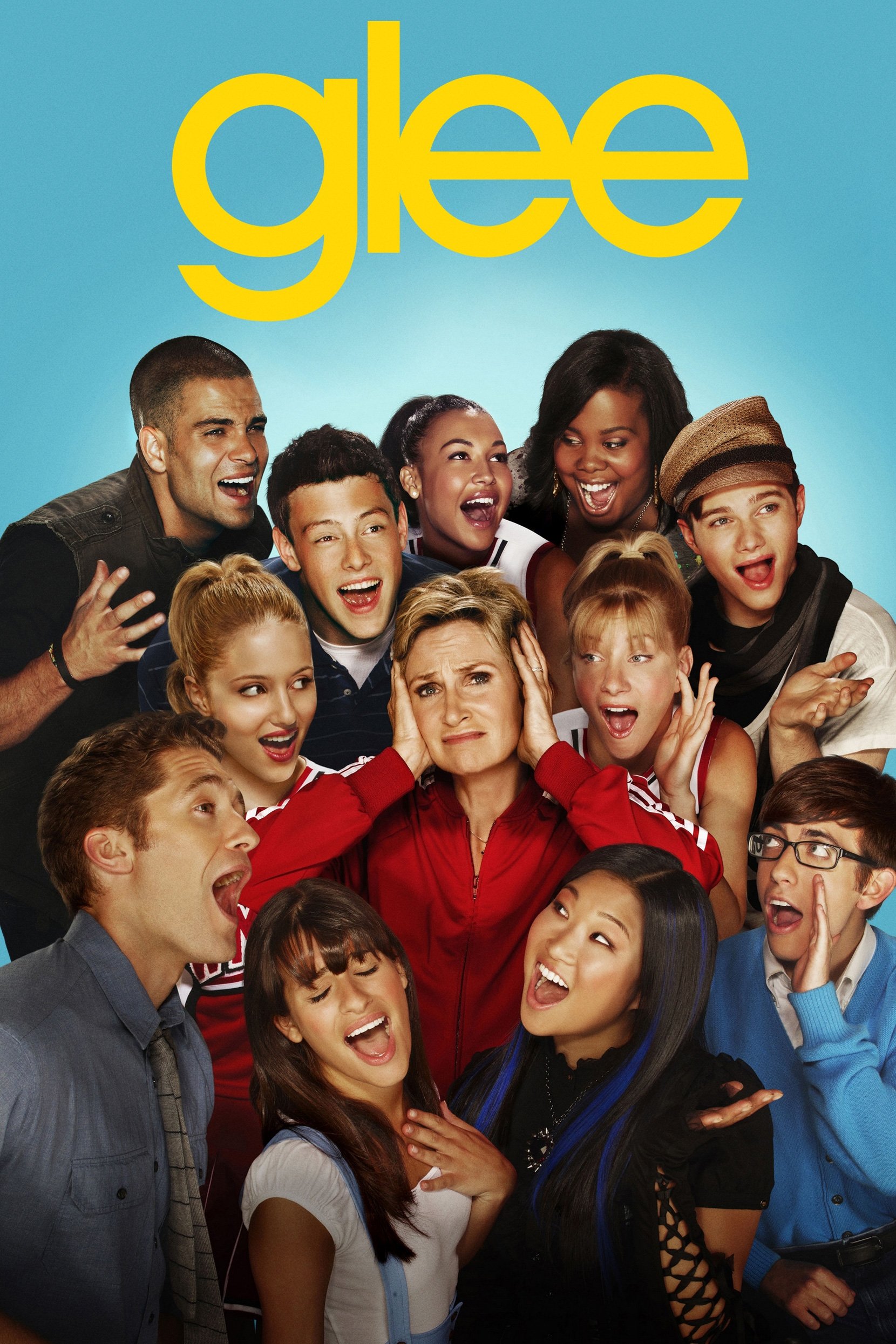
This musical comedy was a breakout hit that celebrated the underdog status of its high school characters. The show faced a major hurdle when the original cast members graduated and had to be split between different locations. New students were introduced to fill the choir room but they failed to capture the same audience affection. The storylines eventually veered into preachy territory that prioritized messages over coherent narrative.
‘Supernatural’ (2005–2020)
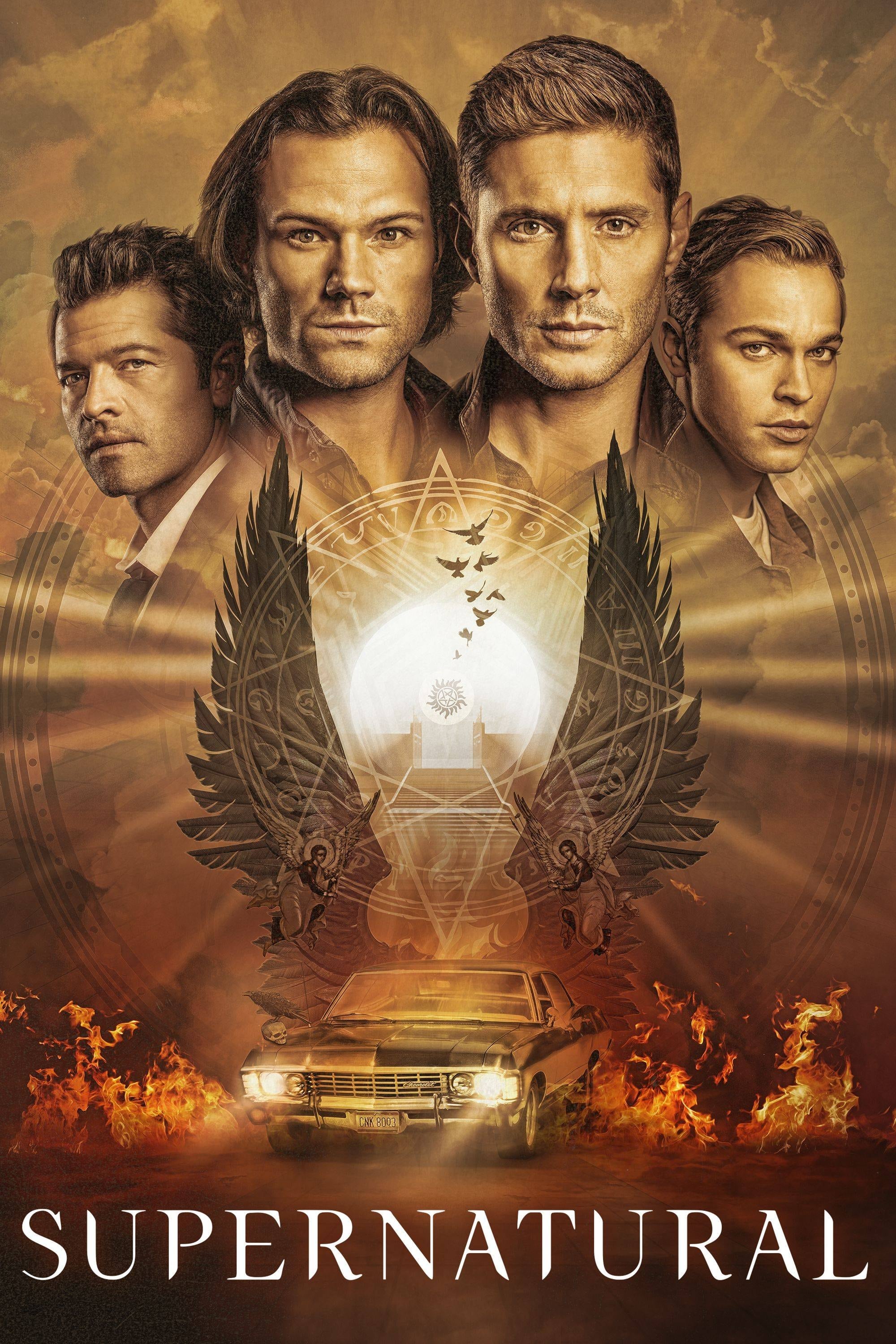
The show was originally designed with a five-season arc that concluded with a definitive apocalyptic event. The network decided to continue the series for another decade and forced the writers to invent new cosmic threats constantly. The power levels of the enemies escalated until the protagonists were fighting abstract primordial entities. Many fans felt the later seasons repeated the same emotional beats of self-sacrifice without lasting consequences.
‘Grey’s Anatomy’ (2005–Present)
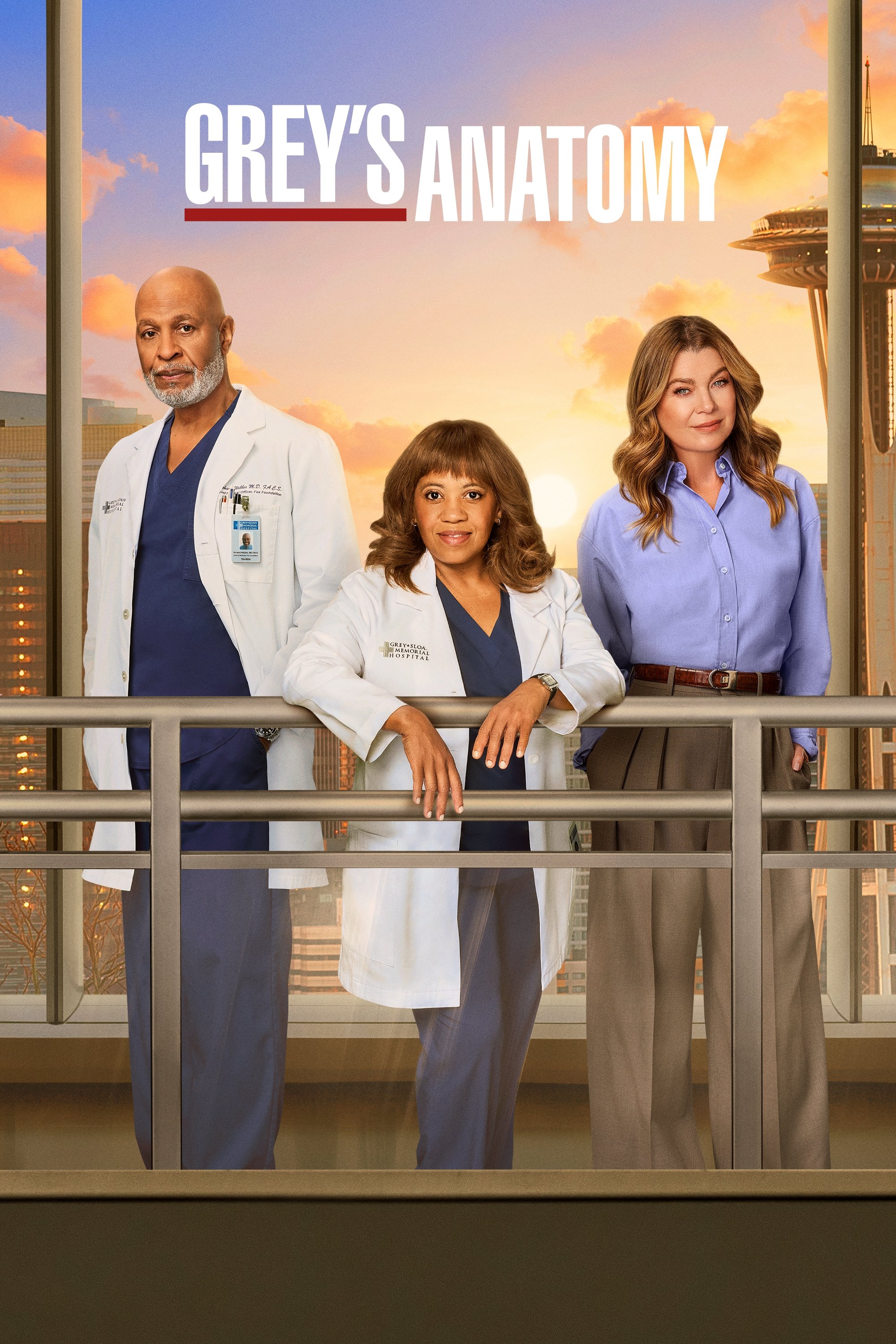
This medical drama is known for its high-stakes romances and tragic hospital disasters. Viewers point to the storyline involving a character having a romantic relationship with a ghost as a low point. The medical cases often took a backseat to increasingly melodramatic personal conflicts that stretched believability. A musical episode further divided the audience and is often remembered as a tonal misstep.
‘The Walking Dead’ (2010–2022)
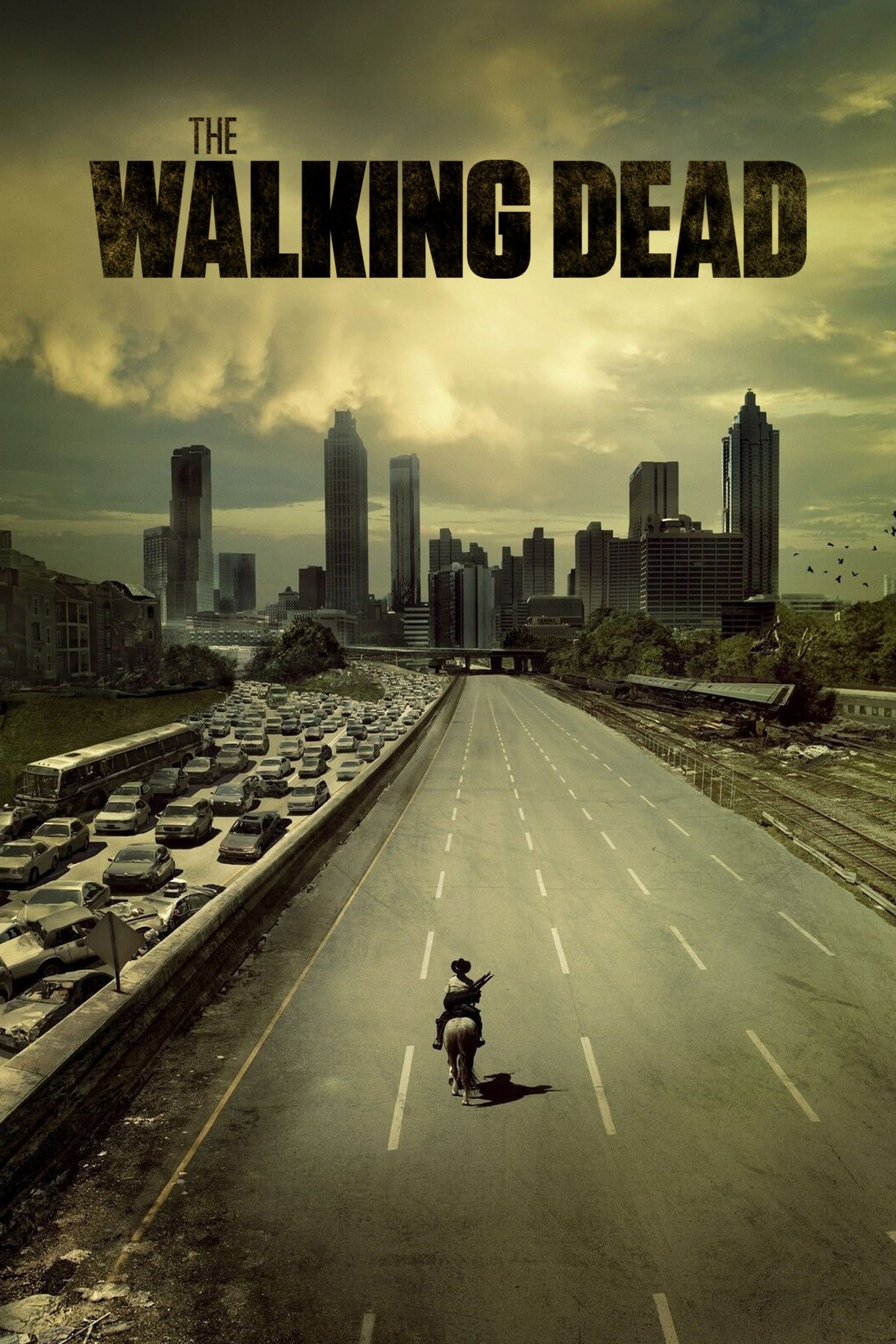
Survival horror was the main draw of this series until it became a repetitive cycle of finding shelter and losing it. The introduction of the villain Negan and the brutal deaths of beloved characters caused a sharp drop in viewership. The plot slowed down significantly as the focus shifted to inter-community warfare rather than the zombie threat. The departure of the main protagonist Rick Grimes marked the end of an era for many loyal watchers.
‘Two and a Half Men’ (2003–2015)
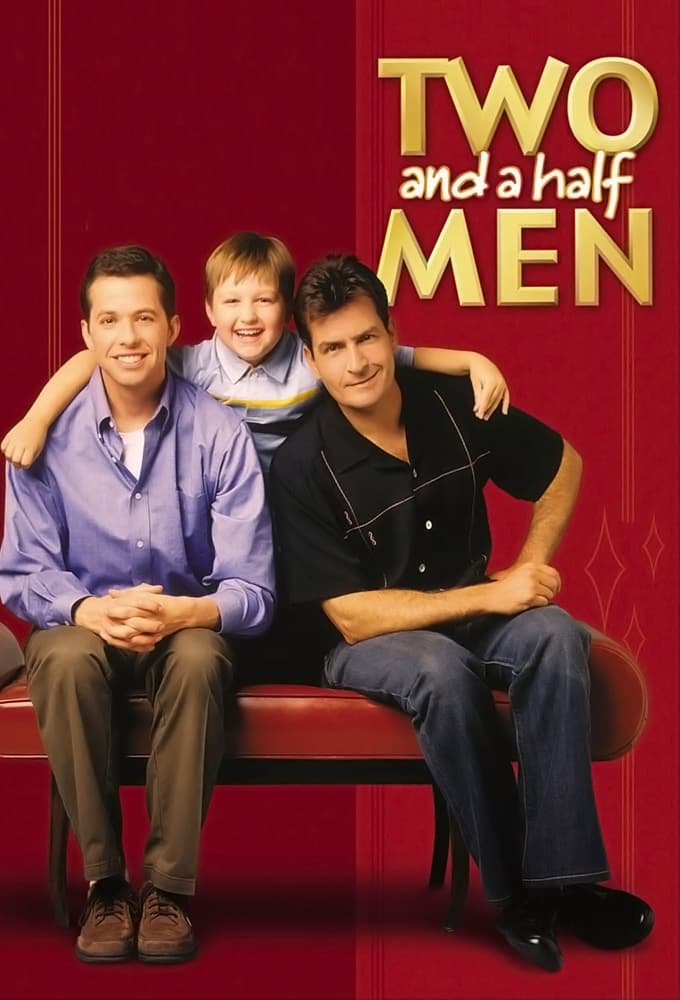
The chemistry between Charlie Sheen and Jon Cryer was the foundation of this popular sitcom. The production fired Sheen after a highly public dispute and replaced him with Ashton Kutcher. The dynamic of the show shifted completely and relied heavily on different types of humor that did not land with all fans. It continued for several seasons but felt like a different show entirely without the original lead.
‘Scrubs’ (2001–2010)
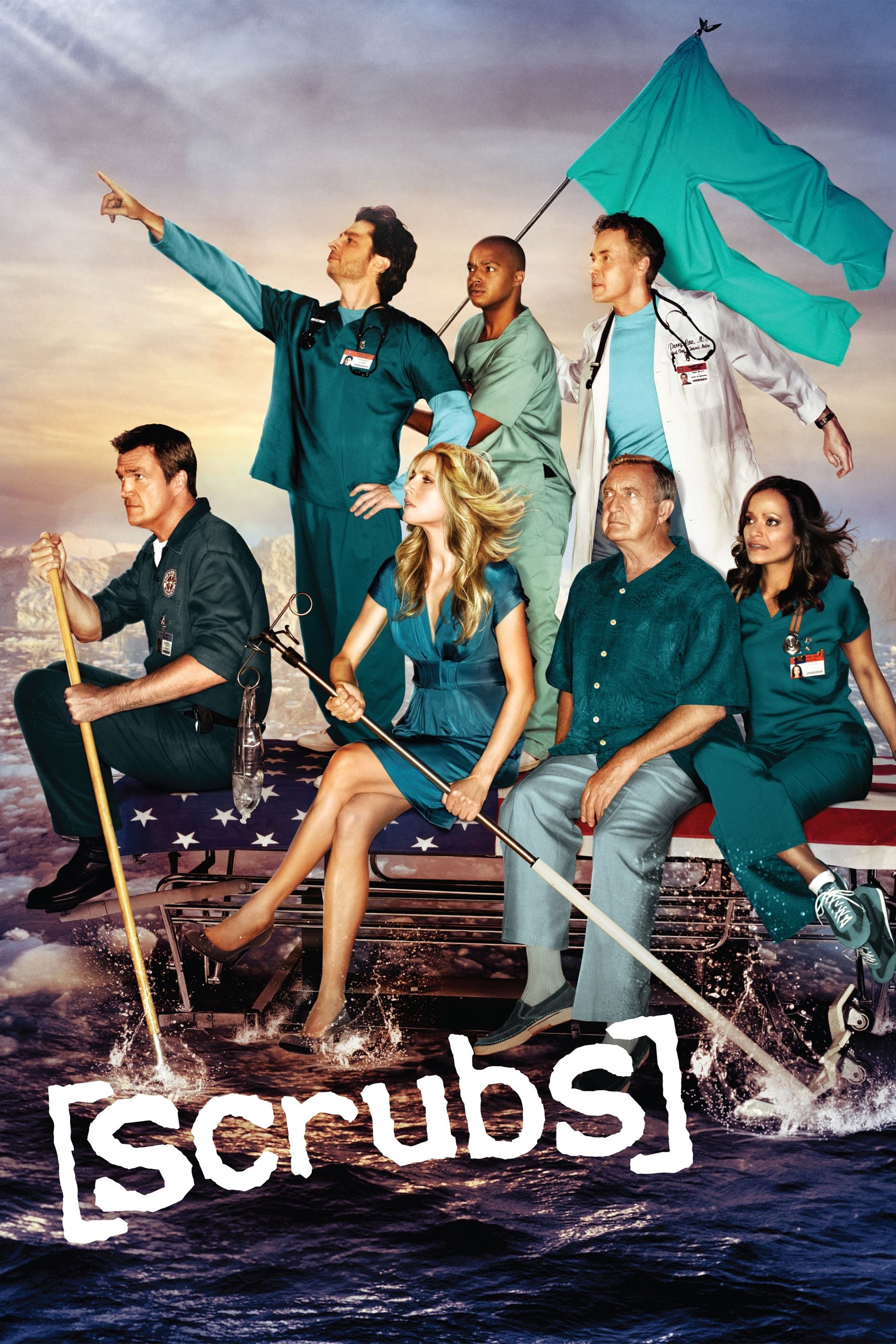
The series finale of the eighth season was widely considered a perfect ending to the medical comedy. The network decided to bring the show back for a ninth season with a mostly new cast set in a medical school. The original protagonist appeared only in a supporting role and the narration style was changed. Fans generally ignore this final season and consider the season eight finale the true conclusion.
‘Roseanne’ (1988–2018)
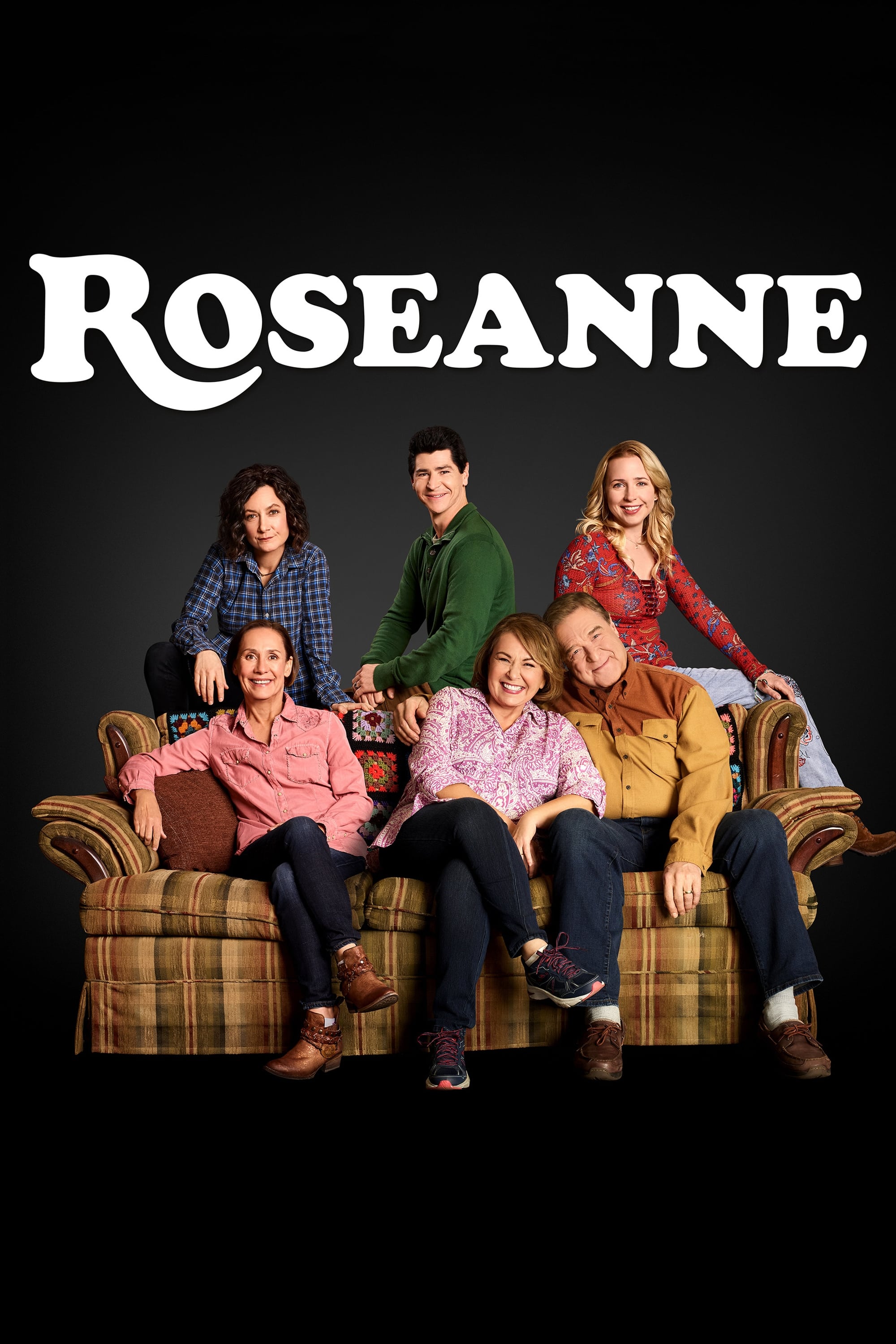
This sitcom was celebrated for its realistic portrayal of a working-class American family. The final season of the original run took a bizarre turn when the family won the lottery. The struggles that defined the characters were replaced by fantasy sequences and guest stars fighting terrorists. The series finale revealed the entire lottery storyline was a work of fiction written by the main character.
‘That ’70s Show’ (1998–2006)

The ensemble cast was crucial to the success of this period sitcom about teenagers in Wisconsin. The departure of the main character Eric Forman and the actor Topher Grace created a void that the show could not fill. A new character named Randy was introduced but failed to integrate well with the existing group. The final season felt aimless as the writers struggled to find reasons for the characters to remain in their hometown.
‘Community’ (2009–2015)
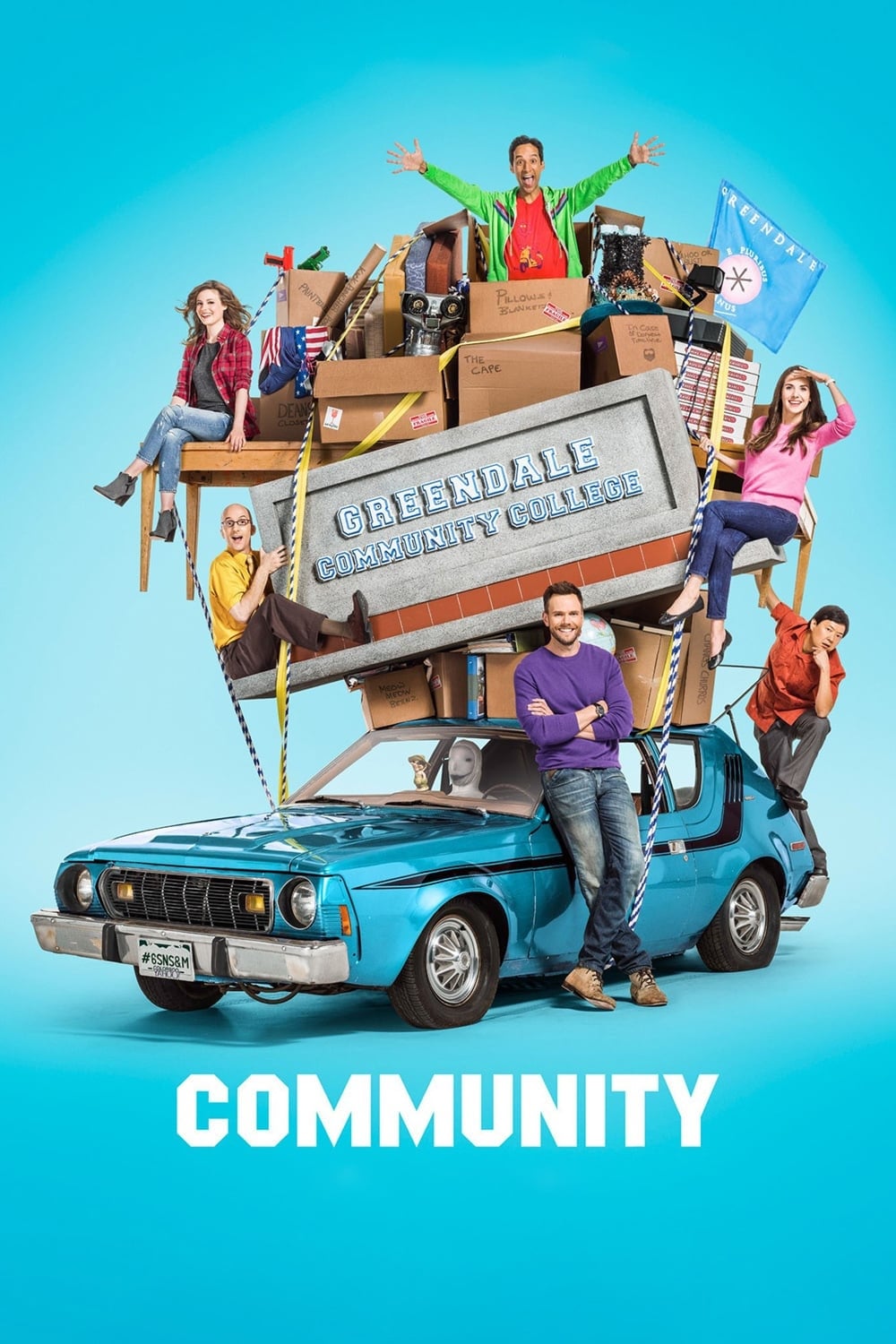
This cult hit was driven by the unique creative vision of its showrunner Dan Harmon. The network fired Harmon before the fourth season and the quality of the writing suffered immediately. Characters began to act like caricatures of themselves rather than complex individuals. The distinct meta-humor became forced and the season is often referred to as the gas leak year by fans and the show itself.
‘Weeds’ (2005–2012)

The initial premise of a suburban mother selling marijuana to maintain her lifestyle was compelling and grounded. The show lost its way when the main character burned down her house and the family went on the run. The setting changed frequently and the plot became more about surviving drug cartels than suburban satire. The charm of the Agrestic neighborhood was never successfully replicated in the later seasons.
‘House of Cards’ (2013–2018)
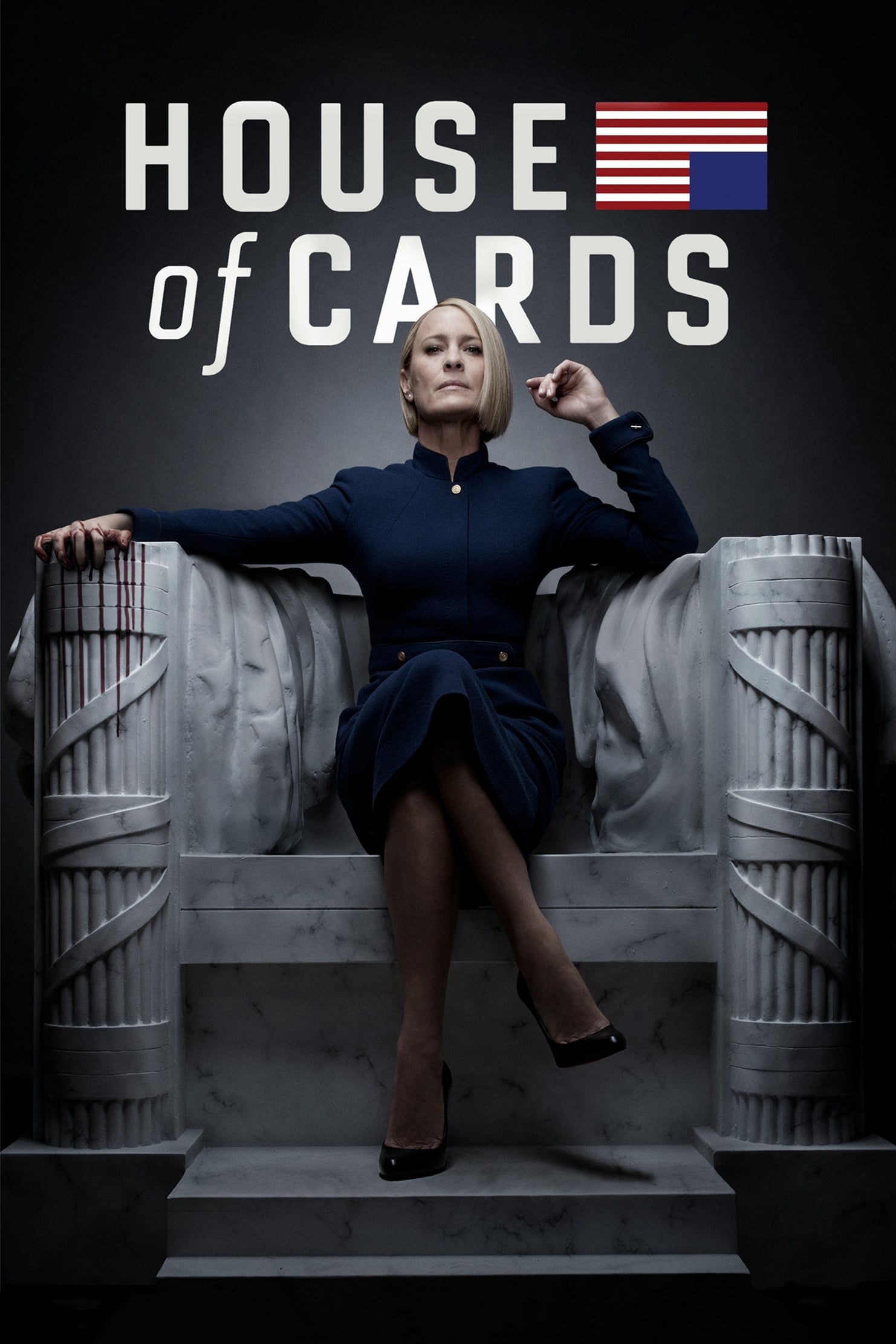
Political intrigue and the ruthless ambition of Frank Underwood drove this drama’s early success. The firing of lead actor Kevin Spacey due to allegations of misconduct forced a major rewrite for the final season. The focus shifted entirely to Claire Underwood but the absence of the primary antagonist left a gaping hole in the narrative. The conclusion felt rushed and lacked the intricate plotting that defined the earlier years.
‘The Simpsons’ (1989–Present)
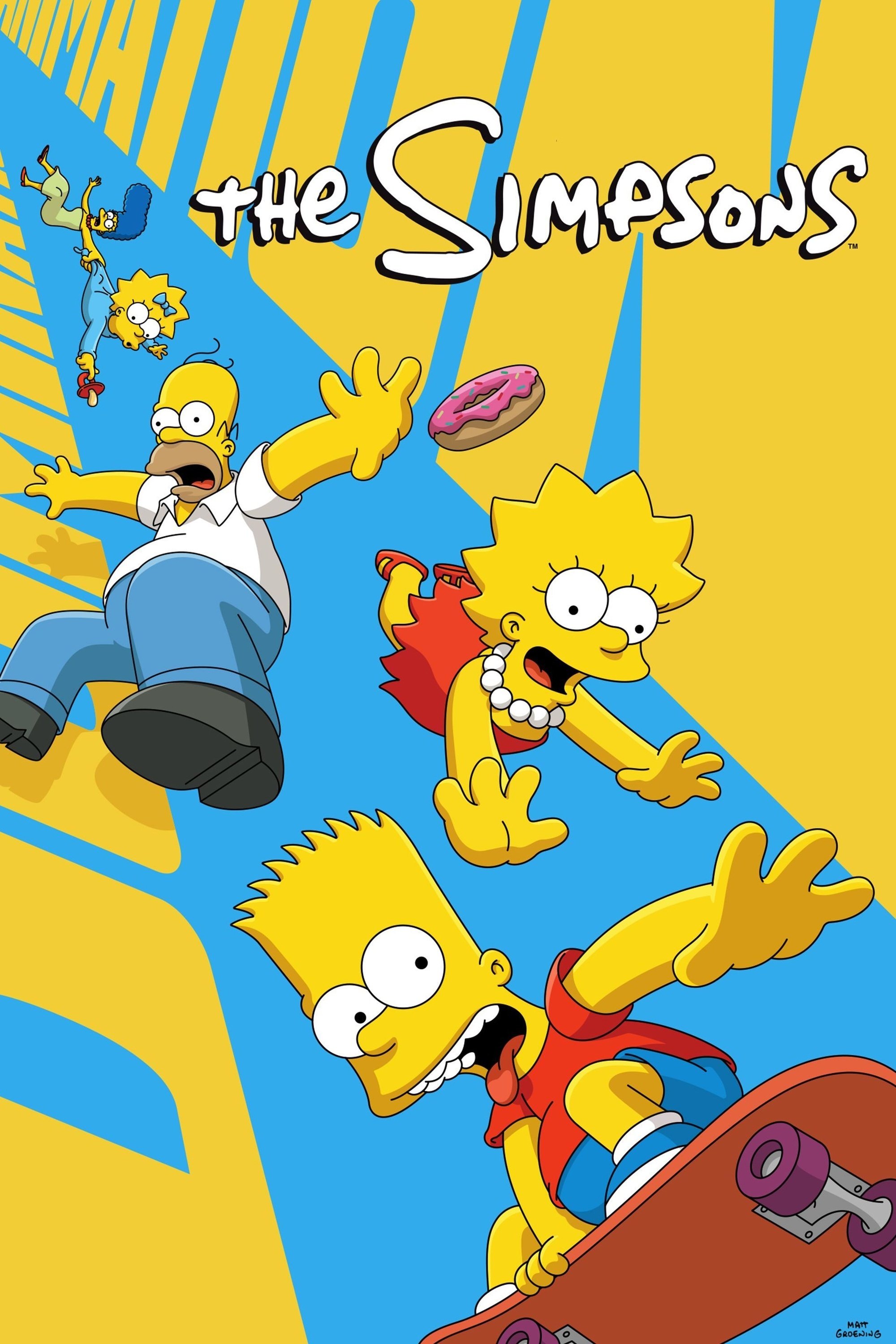
Fans often debate exactly when this legendary animated series began its decline. A commonly cited moment is the episode that revealed Principal Skinner was an impostor with a stolen identity. This retcon angered viewers because it undermined years of character development for a cheap twist. The show has continued for decades but many believe the golden age ended shortly after this controversy.
‘Family Guy’ (1999–Present)
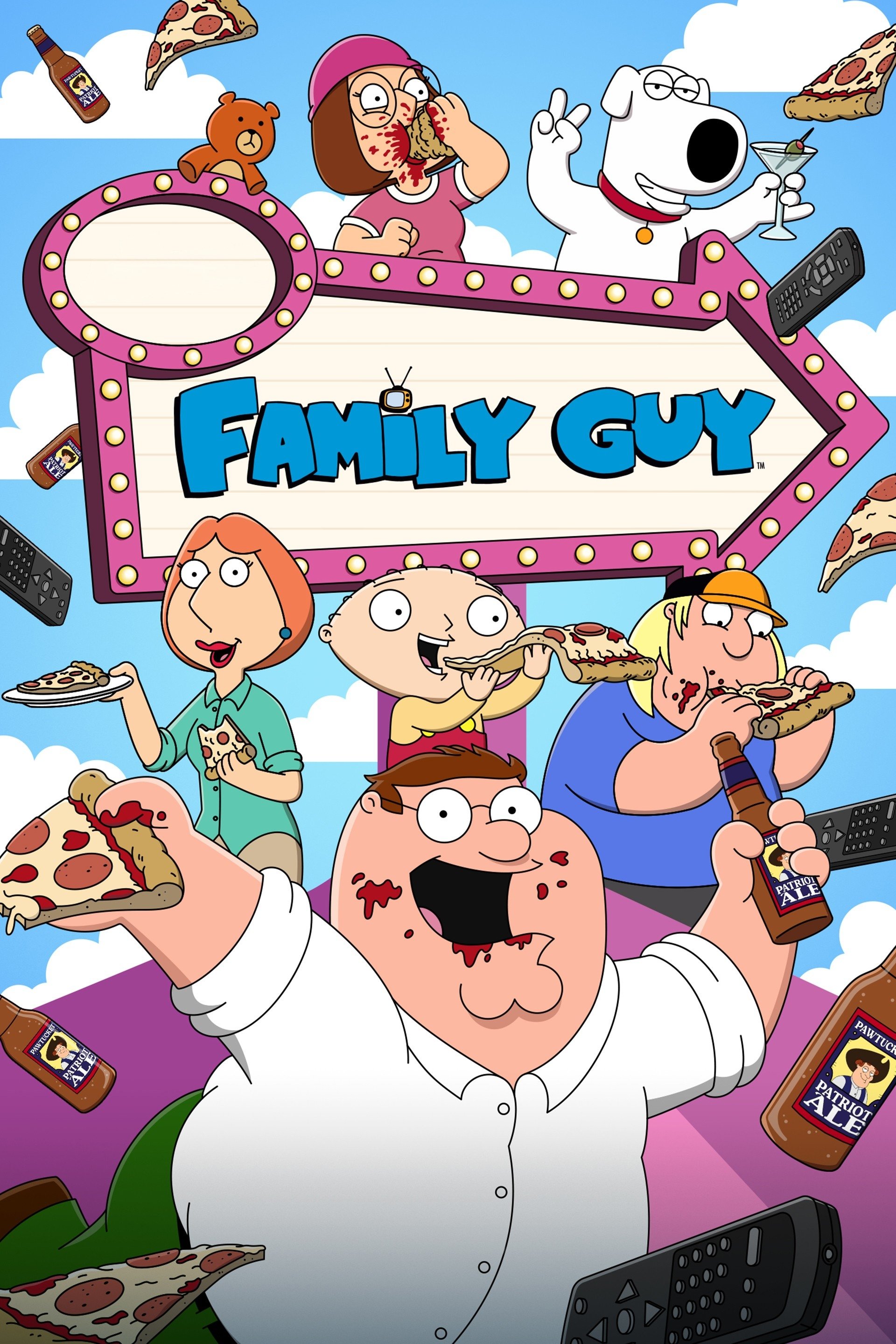
This animated comedy has always relied on cutaway gags and shock humor. The decision to kill off the family dog Brian and replace him with a new dog named Vinny sparked outrage. The writers resurrected the character a few episodes later due to the negative backlash. This stunt made death feel meaningless in the show and was seen by many as a cynical ploy for ratings.
‘Riverdale’ (2017–2023)
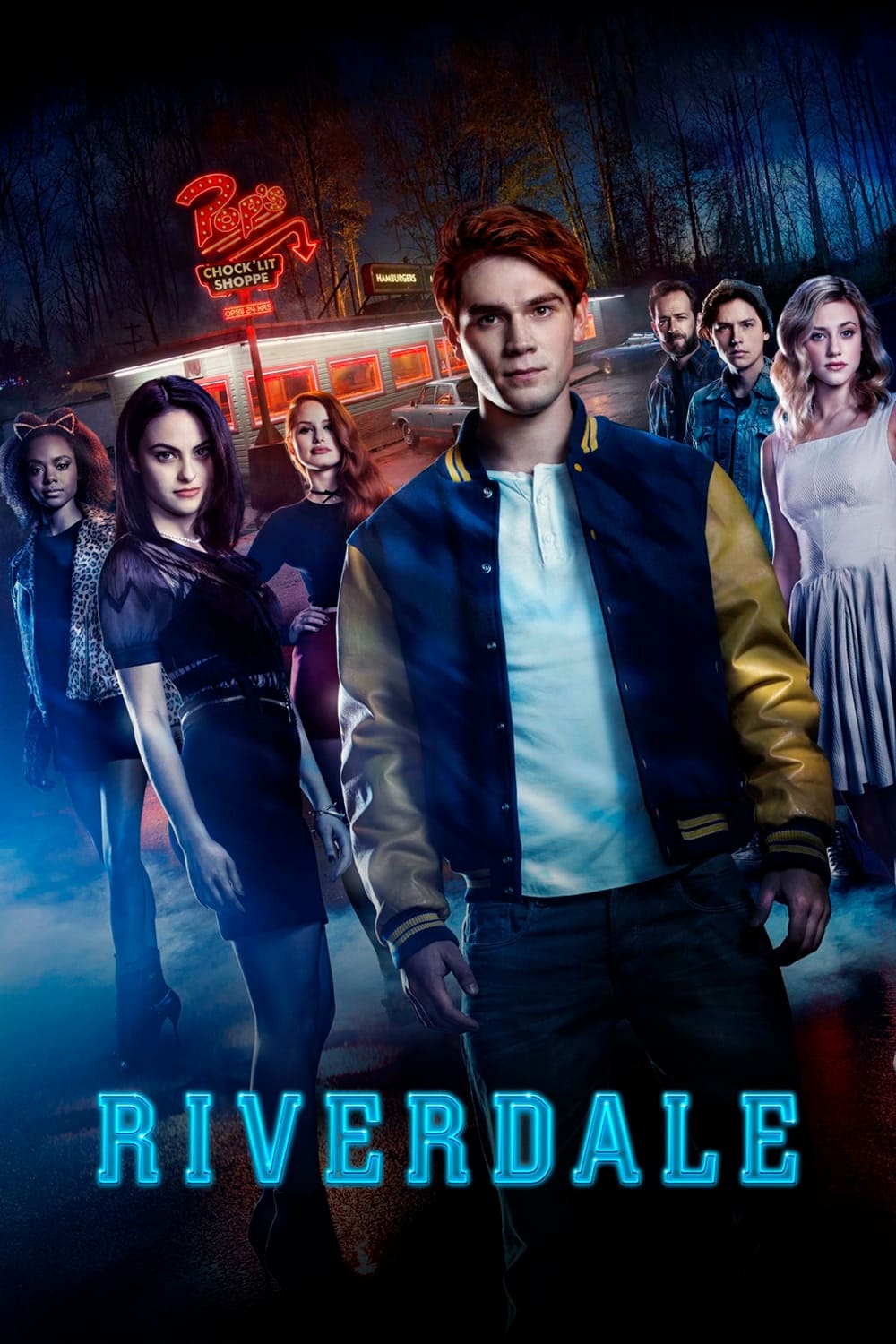
The show began as a dark murder mystery based on the classic Archie Comics characters. The plotlines quickly escalated into bizarre territory involving organ harvesting cults and supernatural abilities. A significant time jump in the later seasons attempted to reset the narrative but only added to the confusion. The tone shifted so drastically from the first season that it became unrecognizable as a teen drama.
‘True Blood’ (2008–2014)

The initial appeal of this series was its metaphor for civil rights through the lens of vampires integrating into society. The world expanded too quickly to include werewolves and fairies and witches. The plot became overcrowded with supernatural creatures that diluted the central vampire premise. Later seasons focused on a vampire god storyline that many viewers found ridiculous even for a fantasy show.
‘Pretty Little Liars’ (2010–2017)
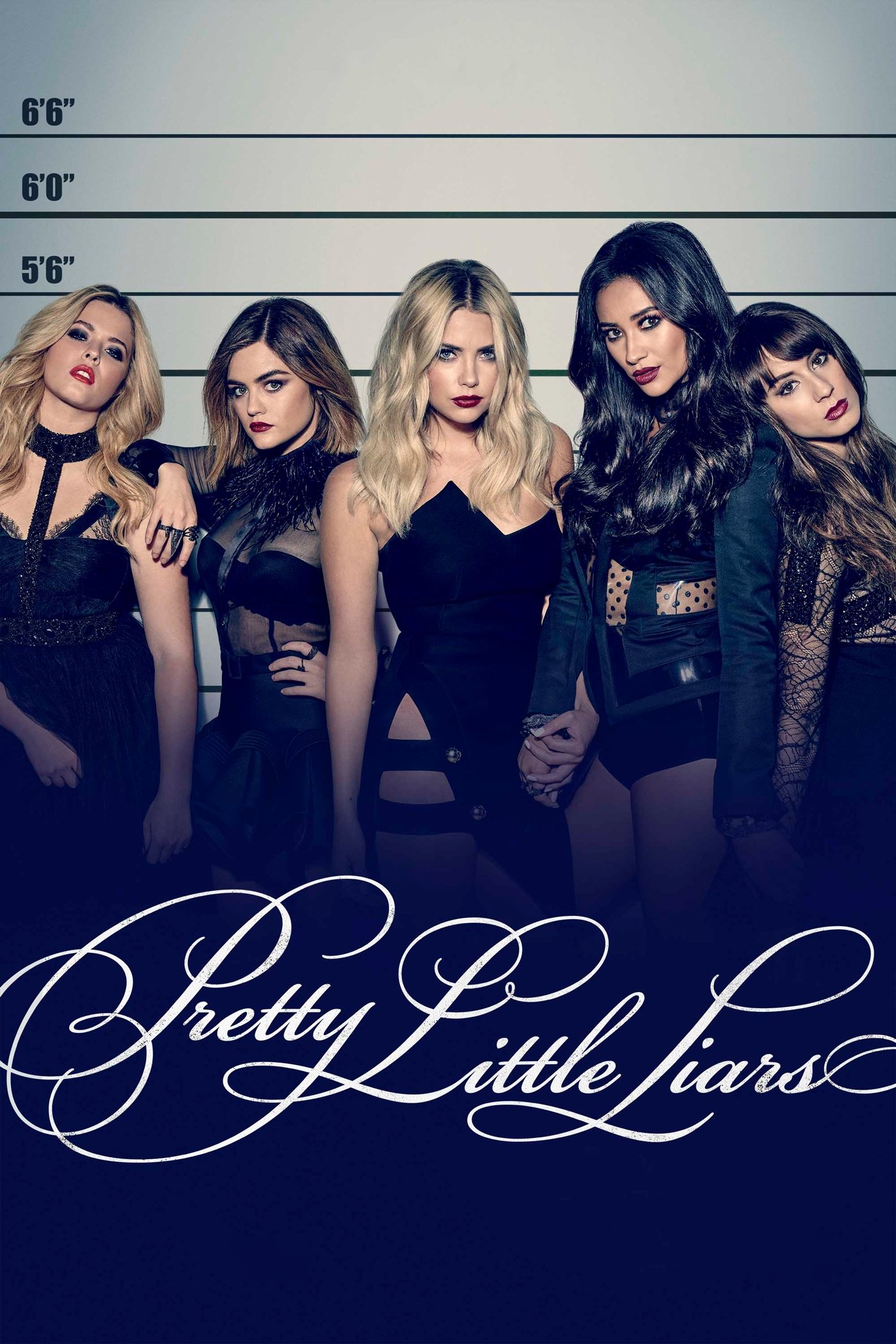
The central mystery of who was tormenting the main characters kept viewers hooked for years. The ultimate reveal of the antagonist’s identity was complicated by secret twins and convoluted family trees. The writers seemed to change the identity of the villain multiple times to outsmart fan theories. This resulted in a resolution that felt improvised and lacked logical consistency with previous episodes.
Share your thoughts on which show had the most disappointing decline in the comments.

