


Under-90-Minutes Movies You’re Sleeping On (But Shouldn’t)


Short on time but hungry for something great? These tight, efficient films prove you don’t need a two-hour runtime to tell a full, compelling story. Every pick here wraps in under 90 minutes, cutting out the filler and getting straight to what matters—performances, craft, and a clear sense of purpose.
Below, you’ll find a mix of thrillers, dramas, comedies, docs, classics, and international gems. Each entry includes handy details—who made it, who’s in it, where it was shot or set, awards and festival runs, and how it was produced—so you can quickly decide what fits your mood tonight.
‘Before Sunset’ (2004)
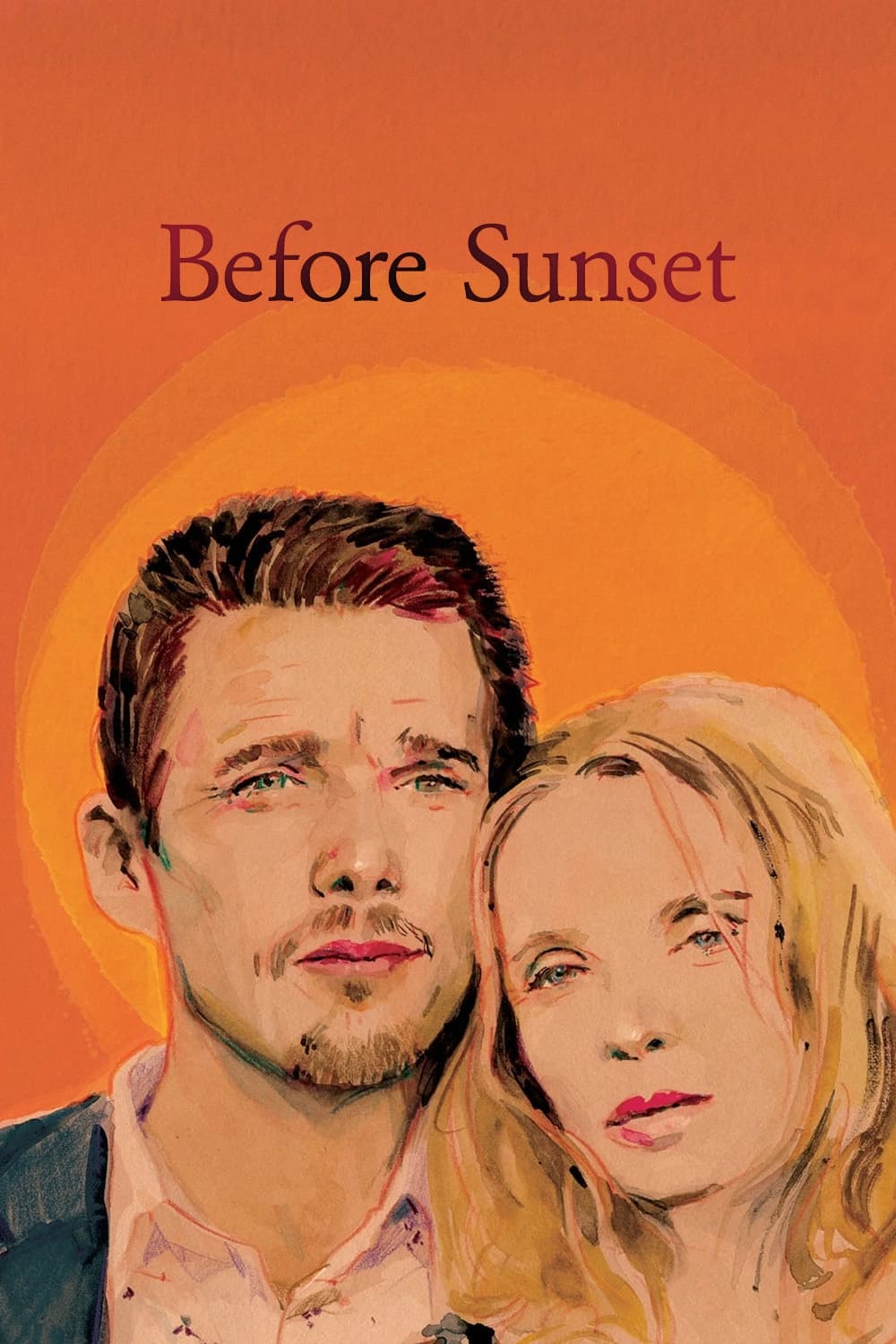
Directed by Richard Linklater, this second chapter in the trilogy reunites Ethan Hawke and Julie Delpy for a real-time reunion across Paris. Linklater co-wrote the screenplay with Hawke and Delpy; the film was shot on location in the French capital with a lean schedule and a dialogue-driven approach that unfolds over roughly 80 minutes of screen time.
The production embraces natural light and handheld camerawork to follow the characters through bookstores, cafés, and along the Seine, with editor Sandra Adair shaping the continuous, walk-and-talk rhythm. It premiered at the Berlin International Film Festival and later received a screenplay nomination at major awards.
‘Run Lola Run’ (1998)
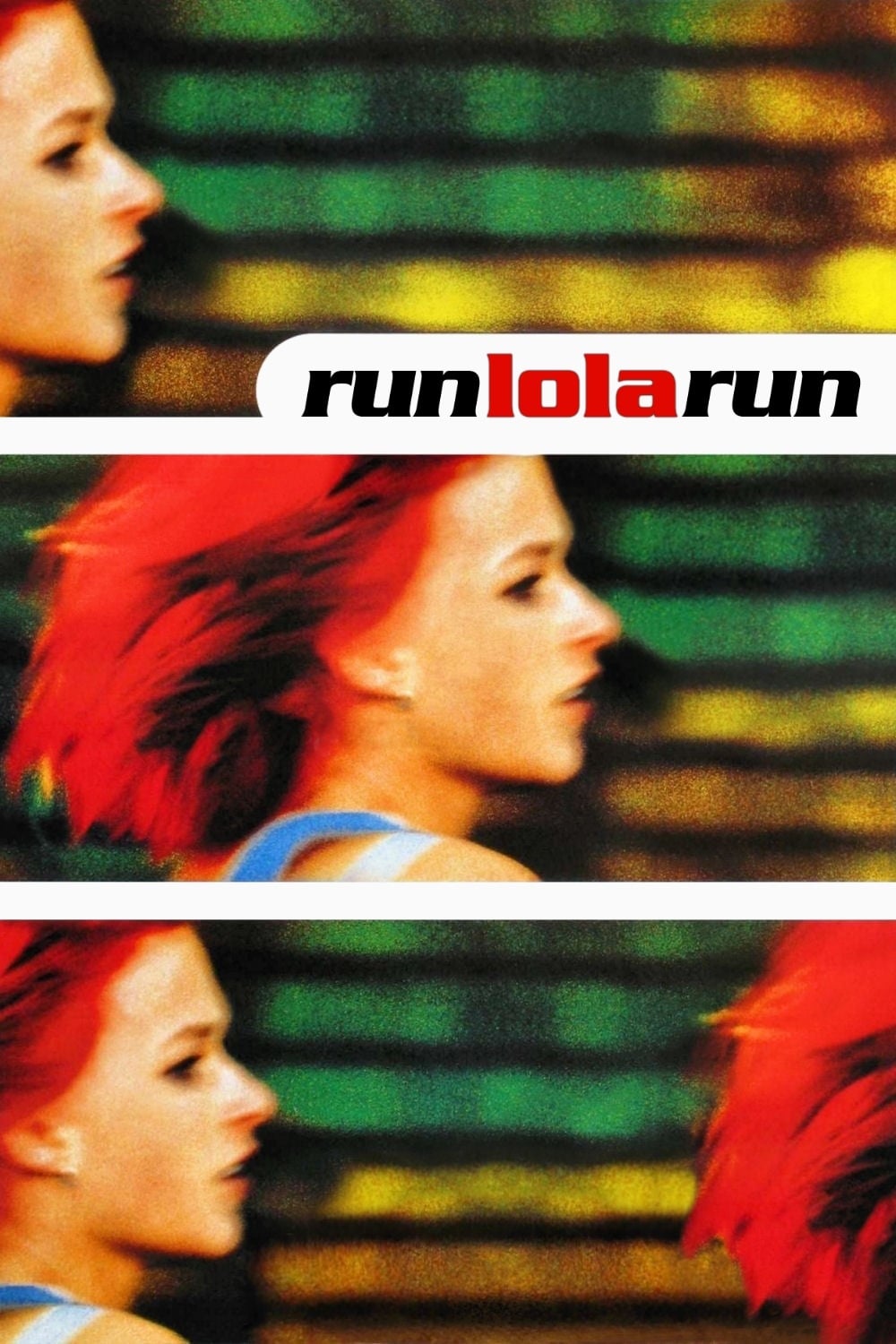
Tom Tykwer wrote and directed this German thriller starring Franka Potente and Moritz Bleibtreu. Set in Berlin, the film races through three alternate timelines of the same 20-minute crisis, using jump cuts, animated inserts, and speed-ramped sequences to reset and replay events.
Tykwer’s techno score, co-composed with Johnny Klimek and Reinhold Heil, drives the pacing, while editing from Mathilde Bonnefoy stitches together photo-montage flash-forwards that show consequences for side characters. Shot across recognizable Berlin locations, it became a breakout success for German cinema worldwide.
‘The Iron Giant’ (1999)
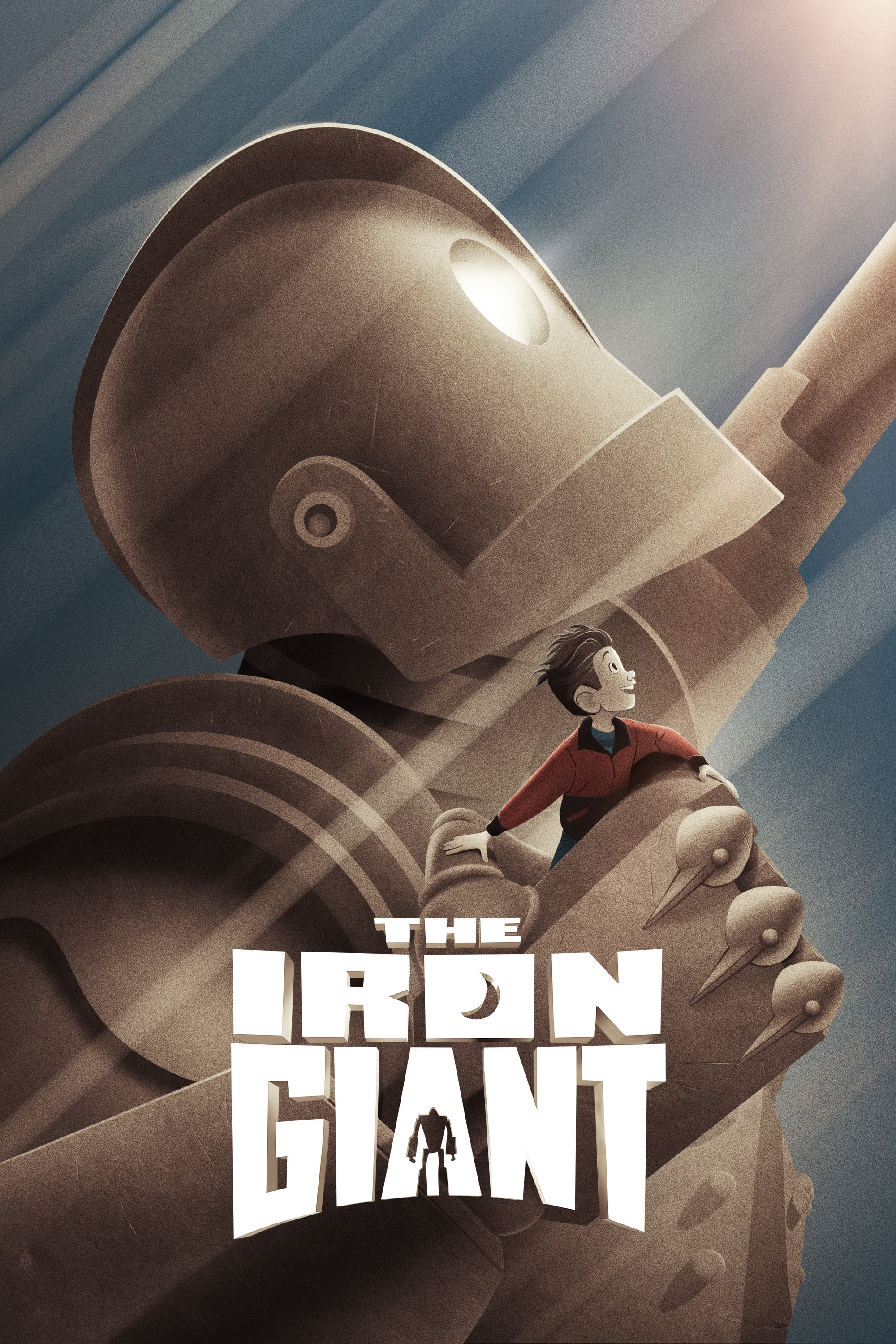
Director Brad Bird adapted Ted Hughes’s novel, with animation produced by Warner Bros. Feature Animation. Voice performances include Eli Marienthal, Jennifer Aniston, Harry Connick Jr., Vin Diesel, and Christopher McDonald.
The production blends traditional 2D character animation with computer-generated elements for the title robot, integrating them through compositing to maintain a unified hand-drawn look. Set in late-1950s Maine, the film features a score by Michael Kamen and has been screened in a remastered “Signature Edition” with minor additions.
‘Detour’ (1945)
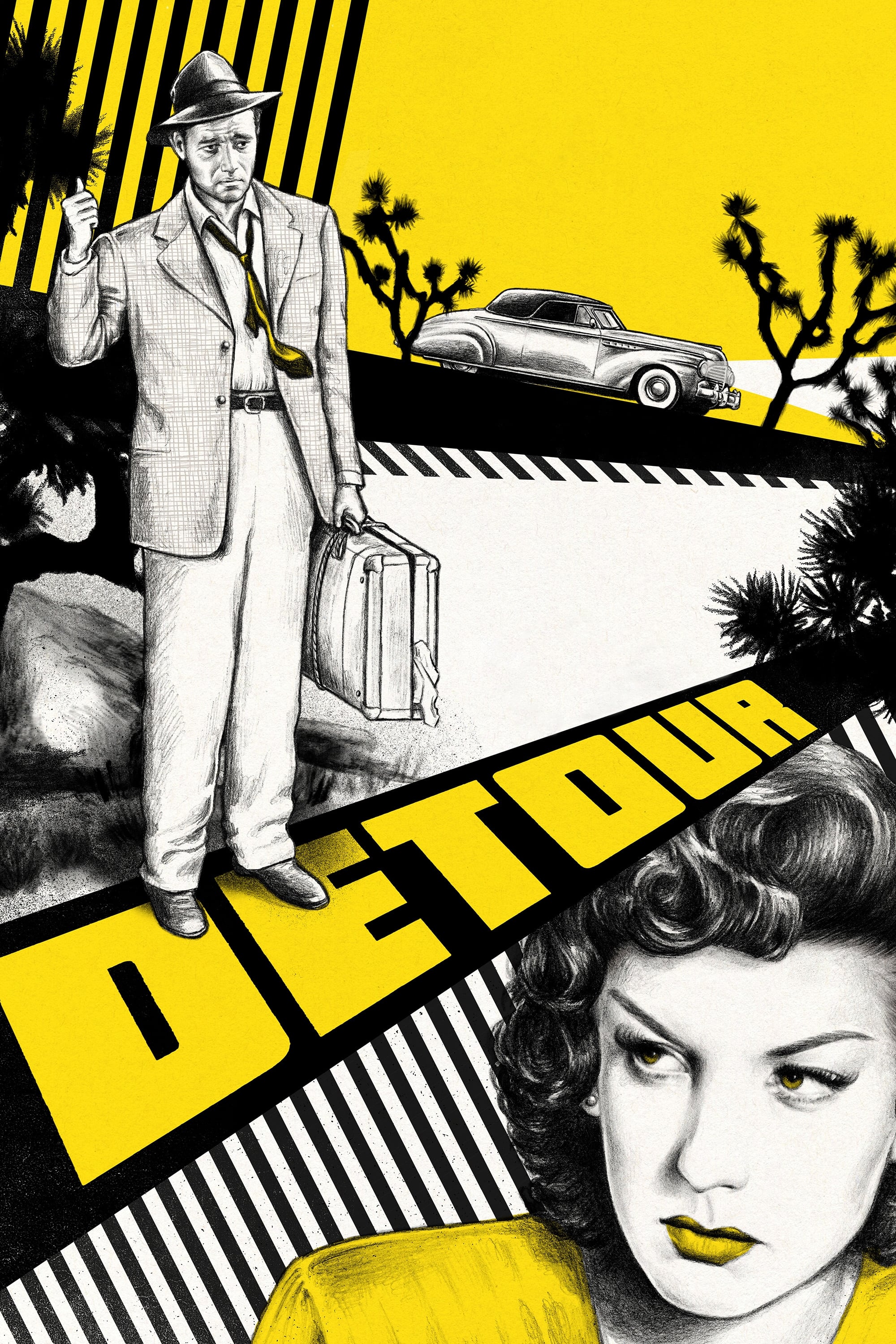
Edgar G. Ulmer directed this poverty-row noir starring Tom Neal and Ann Savage. The film was produced on a very low budget, famously shooting on backlot sets and minimal locations to depict a cross-country odyssey gone wrong.
Its narration structure and stark lighting reflect the period’s noir hallmarks, with cinematography by Benjamin H. Kline. Long considered a public-domain staple, it later received 4K restoration work, which helped reintroduce its terse, 68-minute construction to new audiences.
‘Grave of the Fireflies’ (1988)
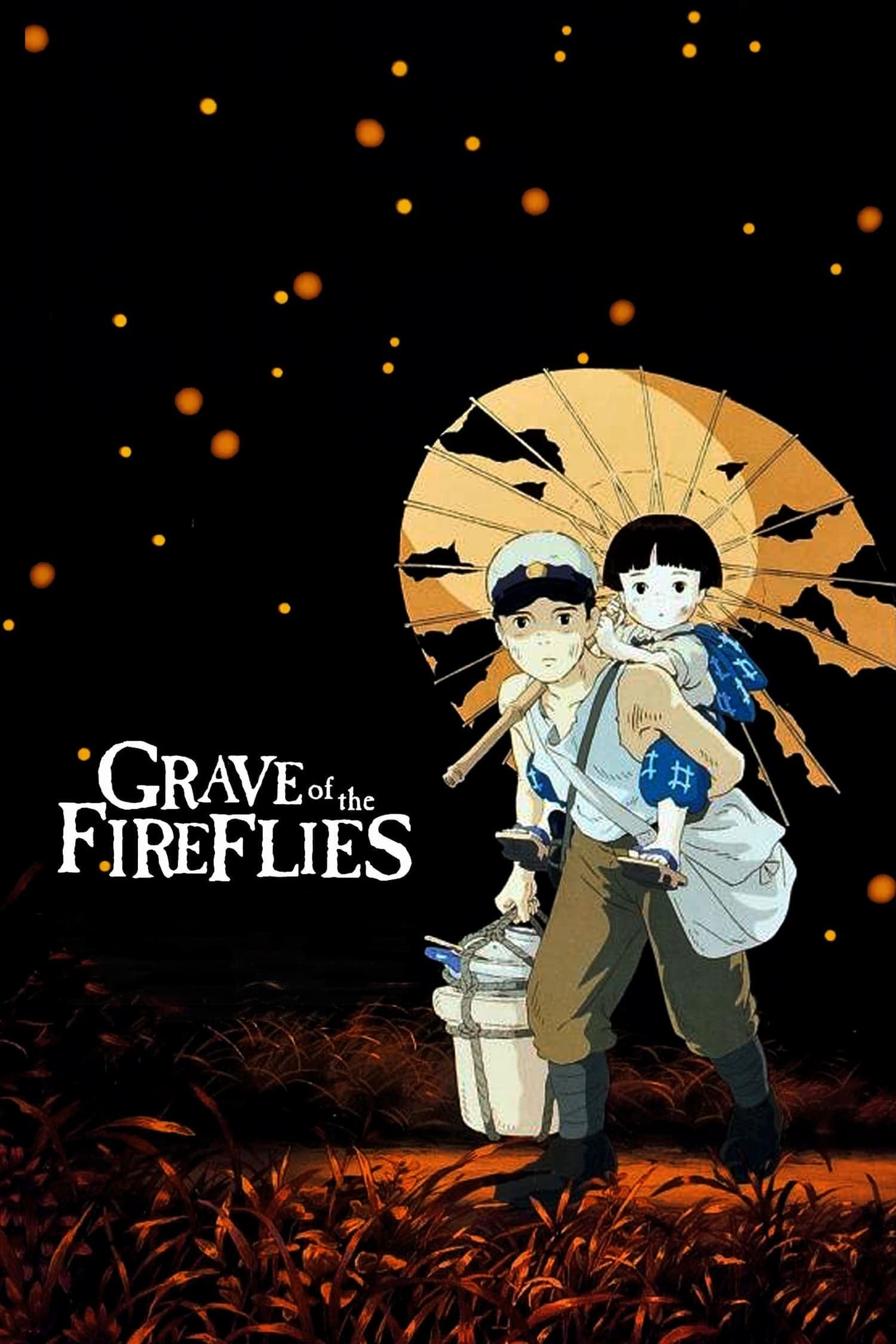
Isao Takahata directed this animated war drama produced by Studio Ghibli, adapted from Akiyuki Nosaka’s semi-autobiographical short story. Voices in the original Japanese cast include Tsutomu Tatsumi and Ayano Shiraishi.
The film uses meticulous background art by Nizō Yamamoto to depict firebombed cities and rural Japan, with a spare musical score by Michio Mamiya. It was originally released as a double bill in Japan and has since been issued on multiple restored home-video editions.
‘Shiva Baby’ (2020)
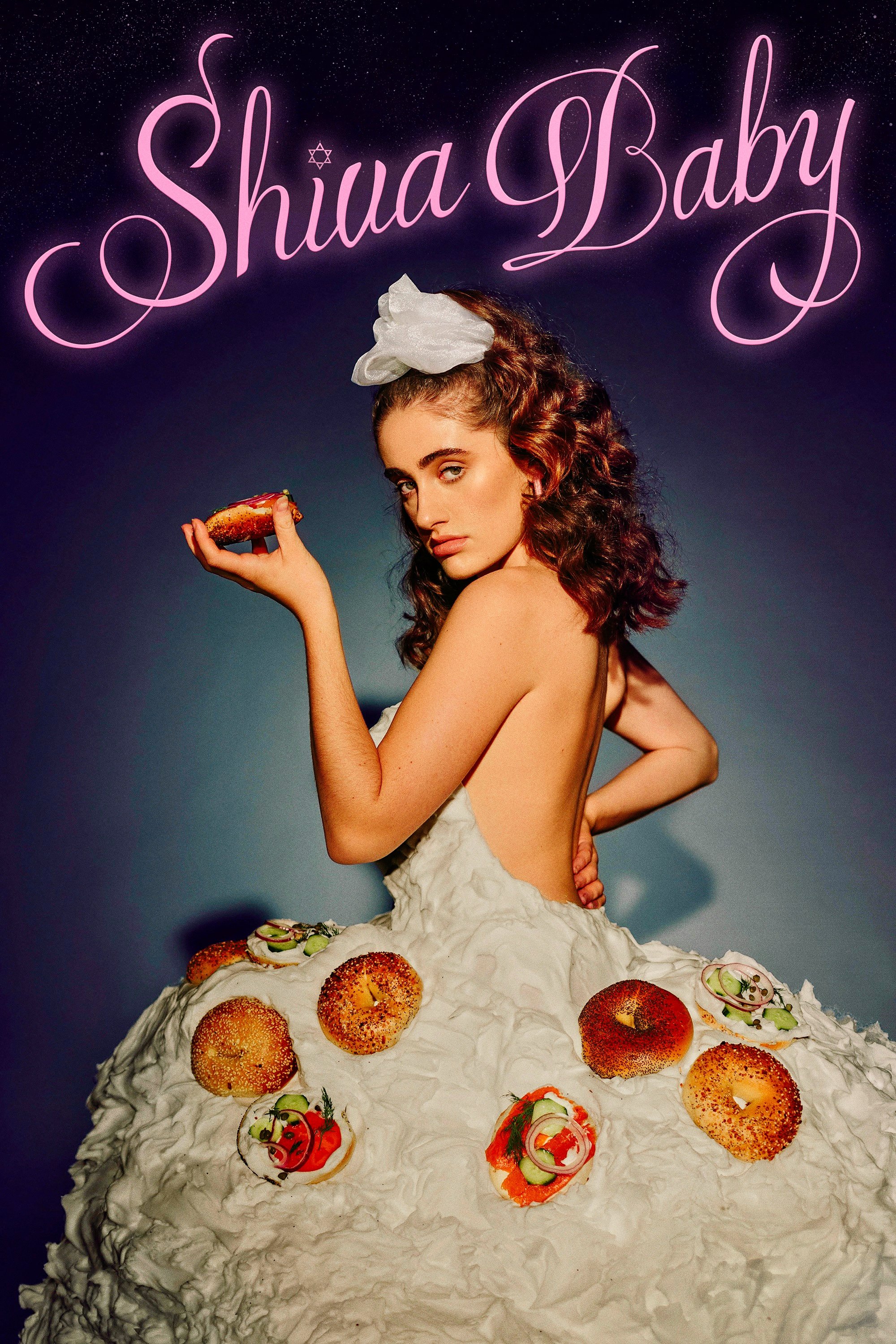
Writer-director Emma Seligman expanded this feature from their 2018 short film, with Rachel Sennott leading a cast that includes Molly Gordon, Polly Draper, and Fred Melamed. The story is set largely within a single house during a post-funeral gathering.
The film’s chamber-piece design uses tight framing and creeping strings by composer Ariel Marx to heighten overlapping conversations and social pressure. Principal photography took place in New York, with a compact shoot that emphasizes continuous blocking and ensemble timing.
‘The Vast of Night’ (2019)
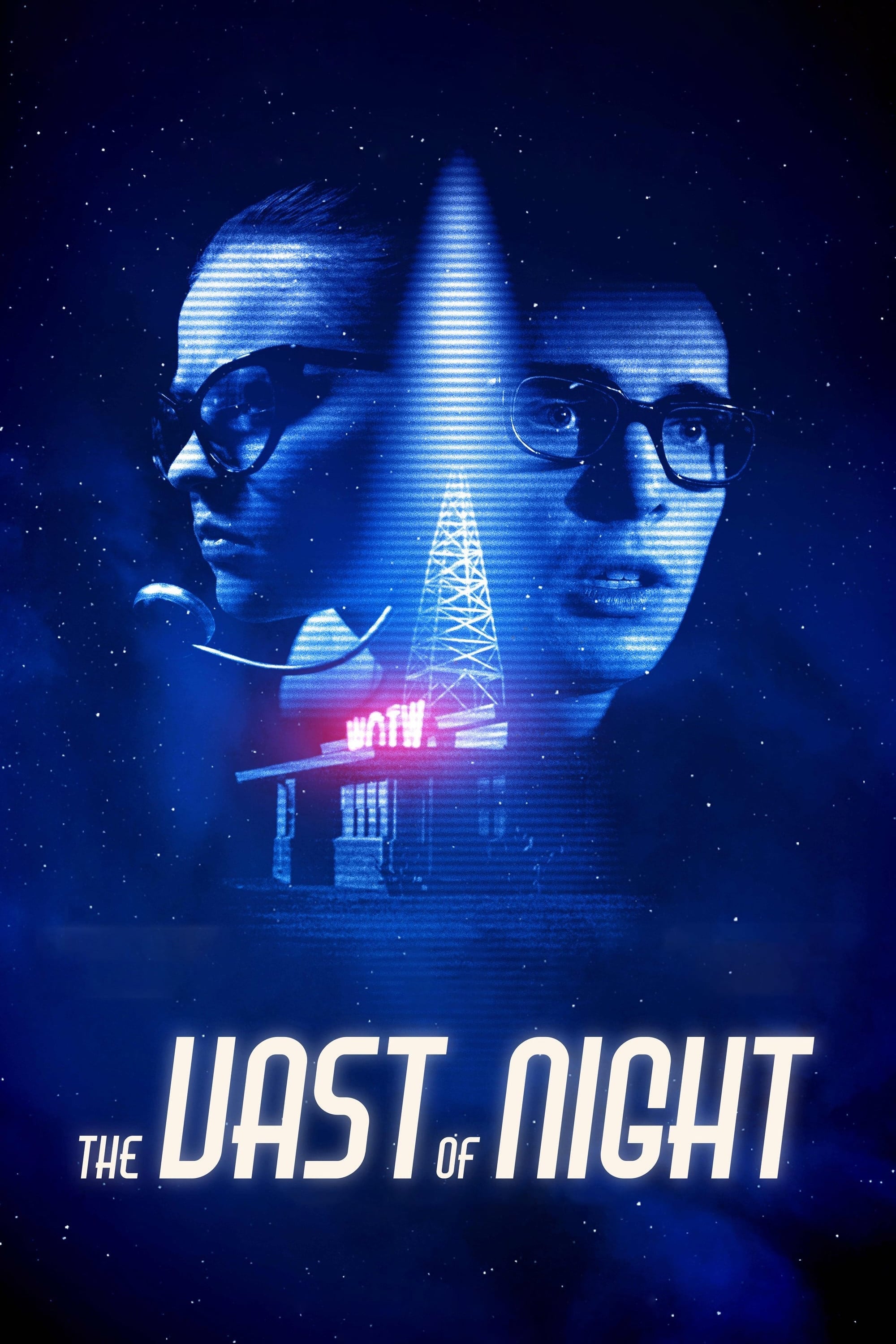
Andrew Patterson directed this period sci-fi mystery set in 1950s New Mexico, starring Sierra McCormick and Jake Horowitz. The production is notable for long tracking shots and extended takes that follow characters through a small town on the night of a strange audio transmission.
Sound design plays a central role, using phone-switchboard chatter, radio static, and live call-ins to advance the plot. The film premiered at Slamdance, won the Audience Award, and later released globally through streaming after a limited theatrical rollout.
‘Locke’ (2013)
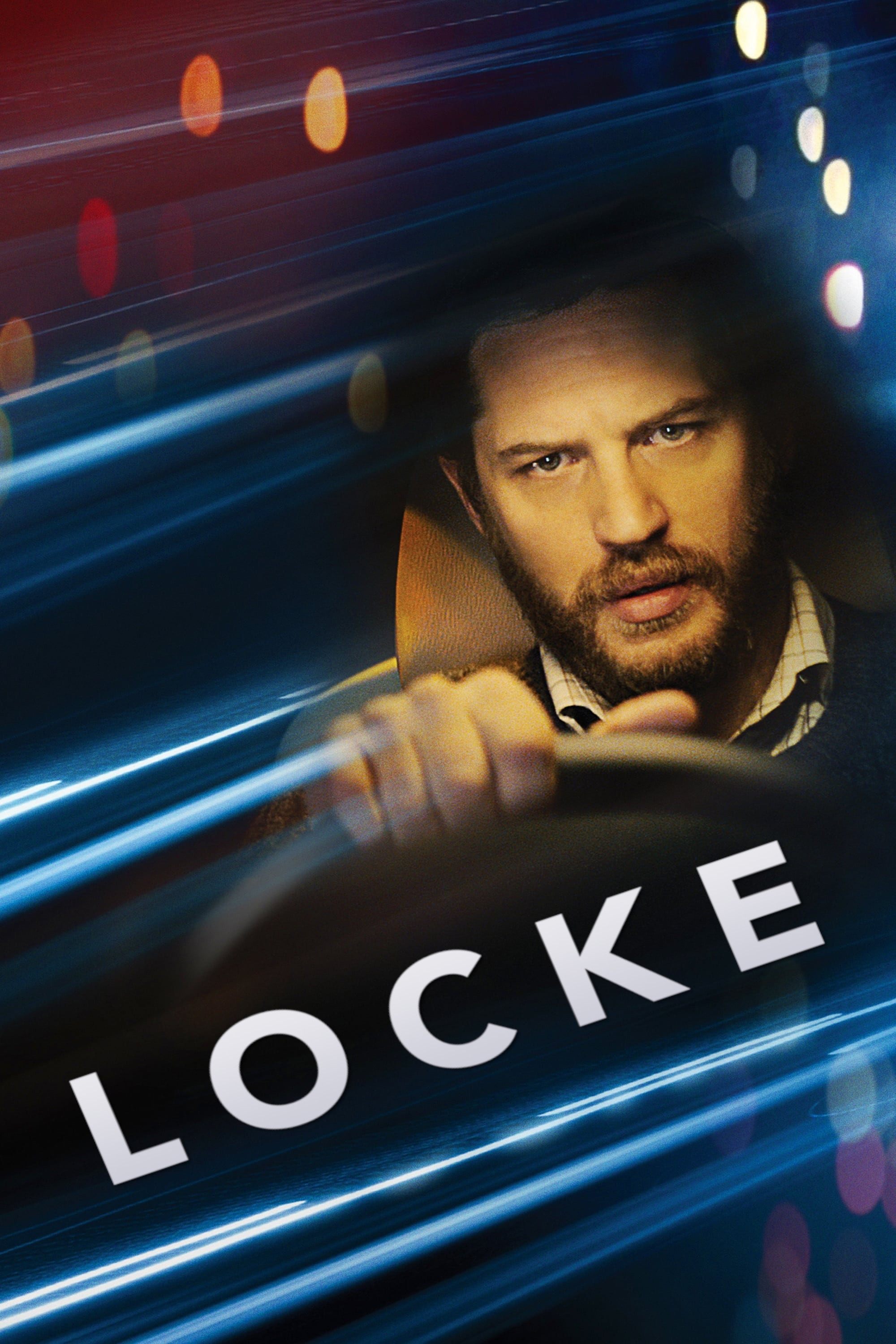
Steven Knight directed and wrote this single-location drama starring Tom Hardy. The narrative unfolds almost entirely inside a moving car on the M6 motorway, with Hardy interacting via phone calls voiced by Andrew Scott, Olivia Colman, Ruth Wilson, and others.
The production was shot in real time over several consecutive nights, with Hardy driving while the crew in another vehicle controlled lighting and camera rigs. Dickon Hinchliffe composed the score, and editor Justine Wright shaped takes recorded across multiple runs to retain the real-time feel.
‘Coherence’ (2013)
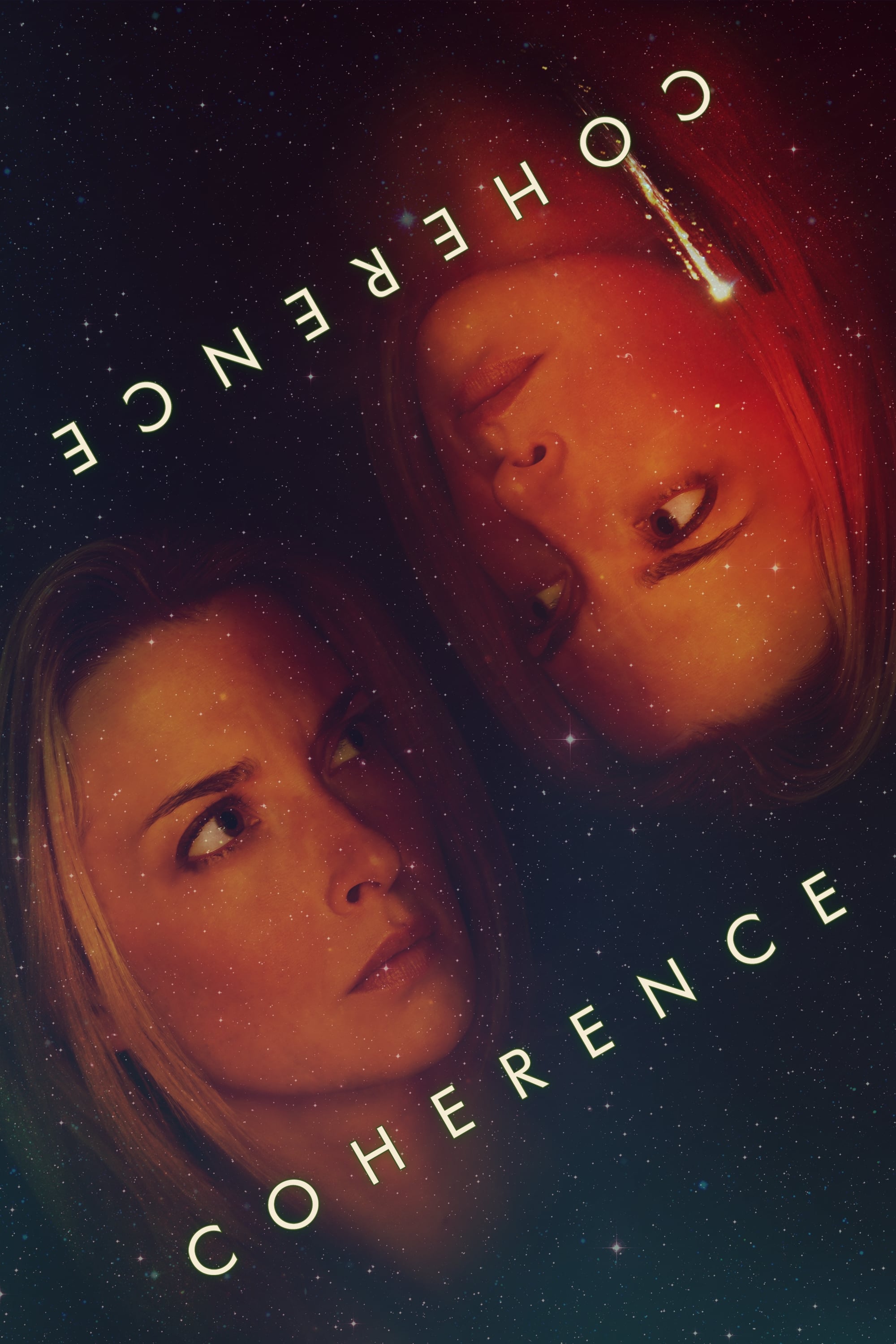
James Ward Byrkit directed this micro-budget sci-fi ensemble starring Emily Baldoni, Maury Sterling, and Nicholas Brendon. The dialogue was largely improvised within scene outlines, with cast members receiving secret instructions to create shifting dynamics.
Shot in Byrkit’s own house over a few nights, the film uses practical lighting and minimal VFX to depict reality-bending events during a dinner party. The intimate scale, handheld photography, and puzzle-box structure made it a genre-festival favorite.
‘Blue Jay’ (2016)
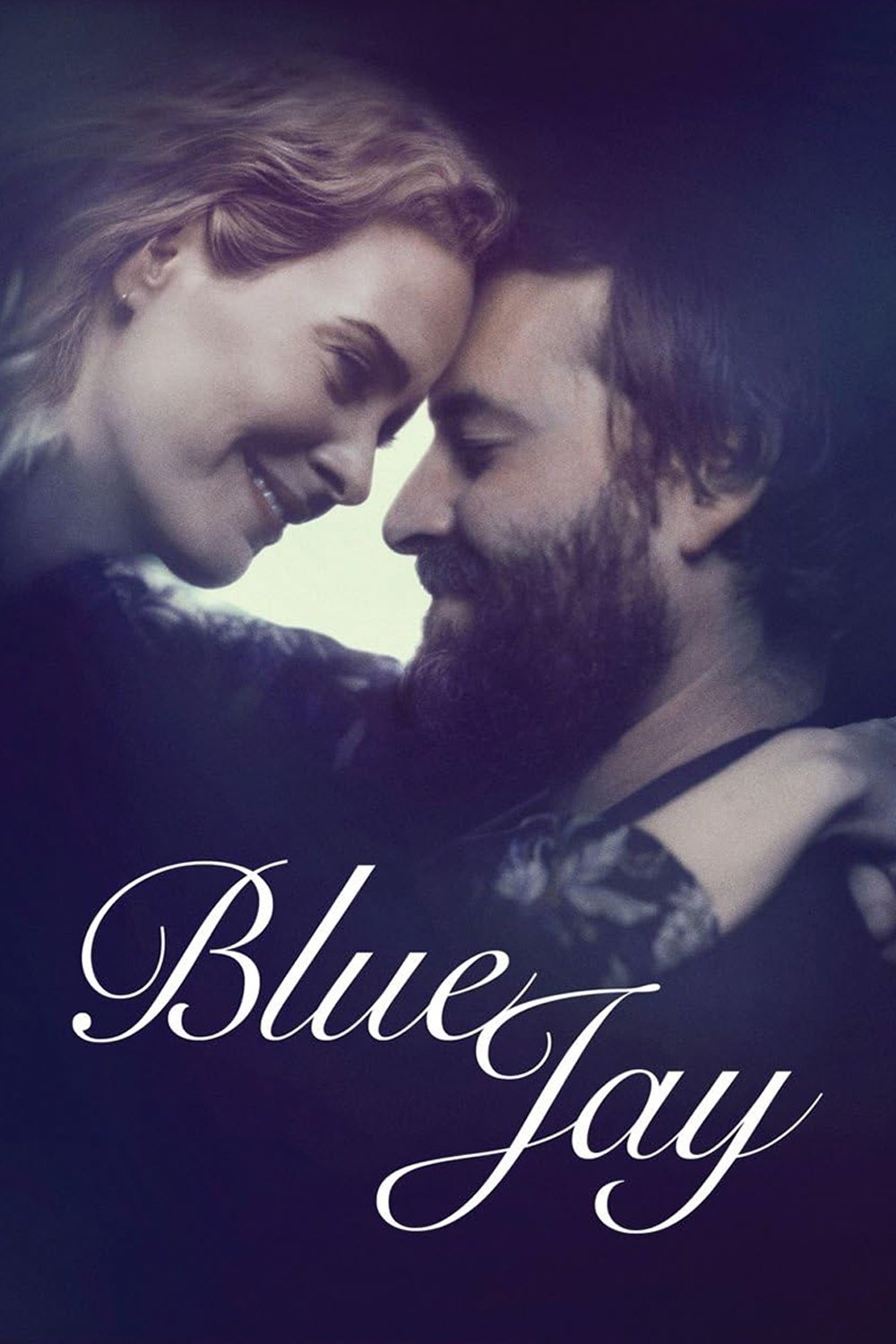
Alex Lehmann directed this black-and-white romantic drama written by and starring Mark Duplass opposite Sarah Paulson. Cinematography emphasizes natural light and close-quarters compositions to accentuate the two-hander format.
The film was produced under the Duplass Brothers’ indie model with a small crew and quick turnaround. It premiered at the Toronto International Film Festival, with the monochrome palette reinforcing its reflective, small-town setting.
‘The Guilty’ (2018)
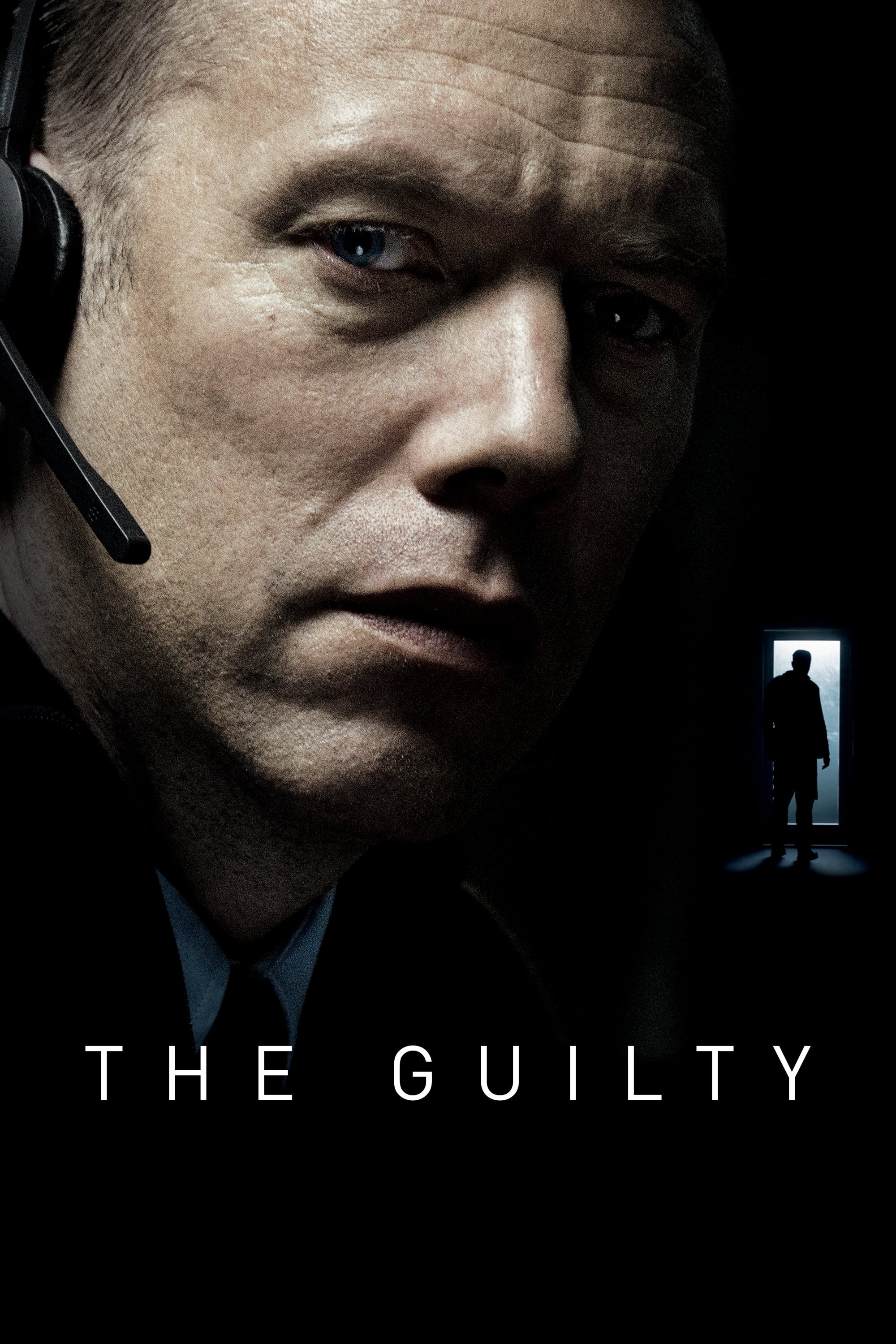
Gustav Möller directed this Danish thriller starring Jakob Cedergren as an emergency dispatcher. The action is confined to a call center, with the story unfolding through voice performances and sound cues rather than on-scene visuals.
The production relied heavily on real-time acting, recording callers in rooms adjacent to Cedergren to maintain spontaneity. It was Denmark’s submission for major international awards and later inspired remakes in other countries.
‘The 39 Steps’ (1935)
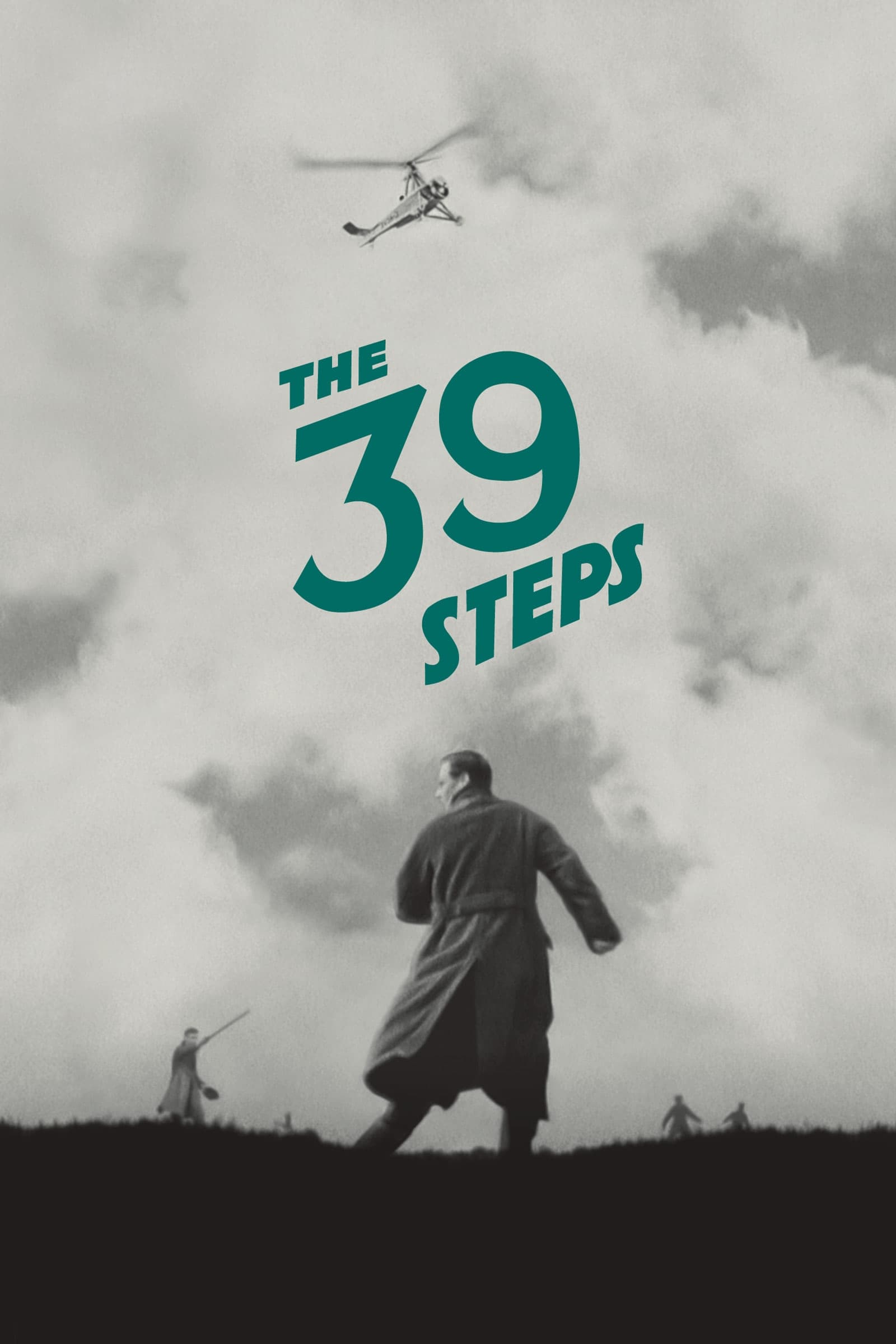
Alfred Hitchcock directed this British espionage adventure adapted from John Buchan’s novel, starring Robert Donat and Madeleine Carroll. It features early examples of the director’s “wrong man” motif and cross-country chase framework.
Location work and studio sets recreate Scotland and London, with quick cutting and comic interludes that became Hitchcock signatures. The film’s brisk runtime supports a series of escapes and encounters, including the famed handcuffed-fugitives sequence.
‘Rashomon’ (1950)
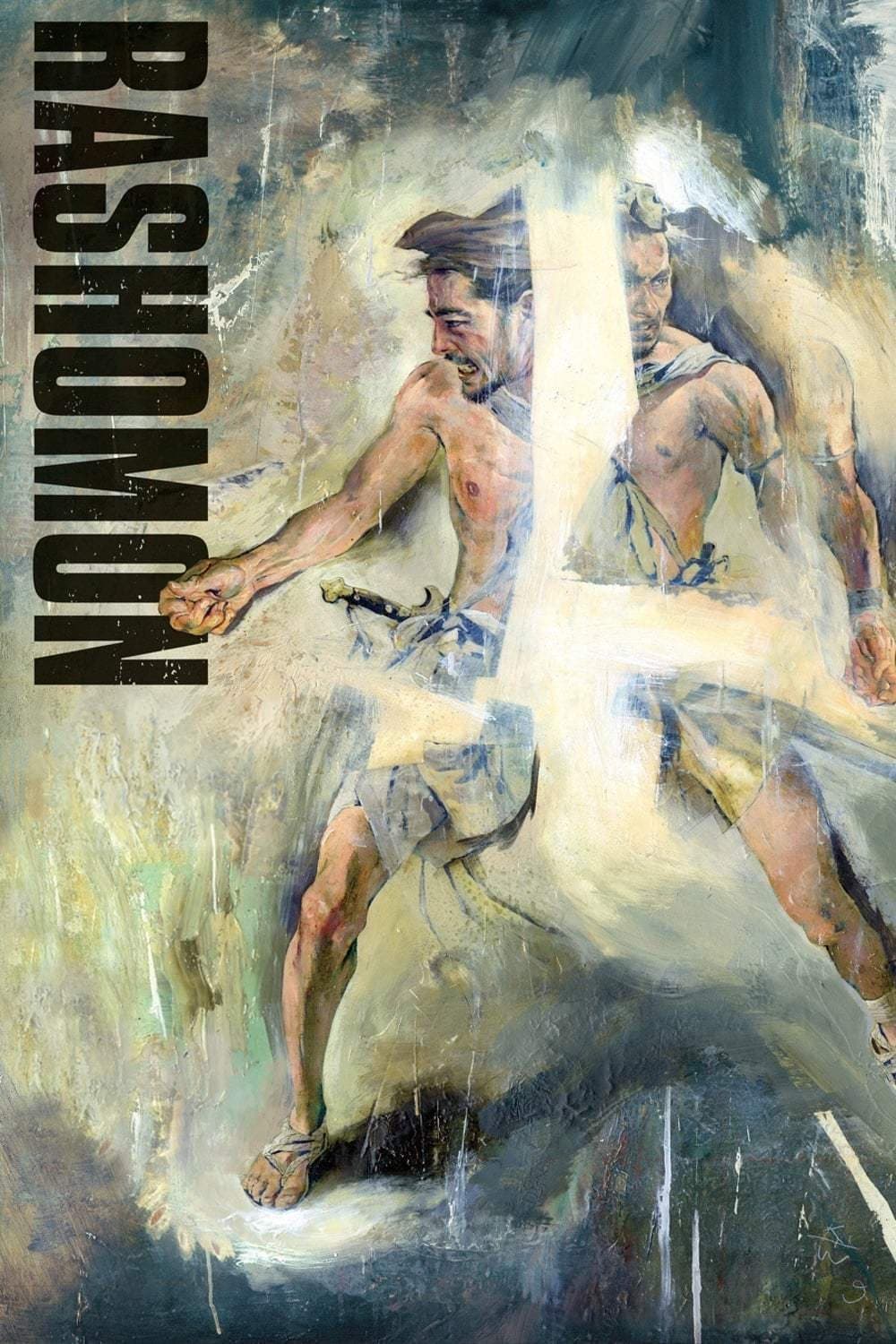
Akira Kurosawa directed this Japanese drama starring Toshiro Mifune, Machiko Kyō, Masayuki Mori, and Takashi Shimura. The screenplay by Kurosawa and Shinobu Hashimoto draws from stories by Ryūnosuke Akutagawa and presents contradictory testimonies of the same event.
Kazuo Miyagawa’s cinematography uses dappled forest light and inventive camera movement, while Fumio Hayasaka’s score underscores shifting perspectives. The film won the Golden Lion at Venice and introduced many international viewers to postwar Japanese cinema.
‘The Cabinet of Dr. Caligari’ (1920)
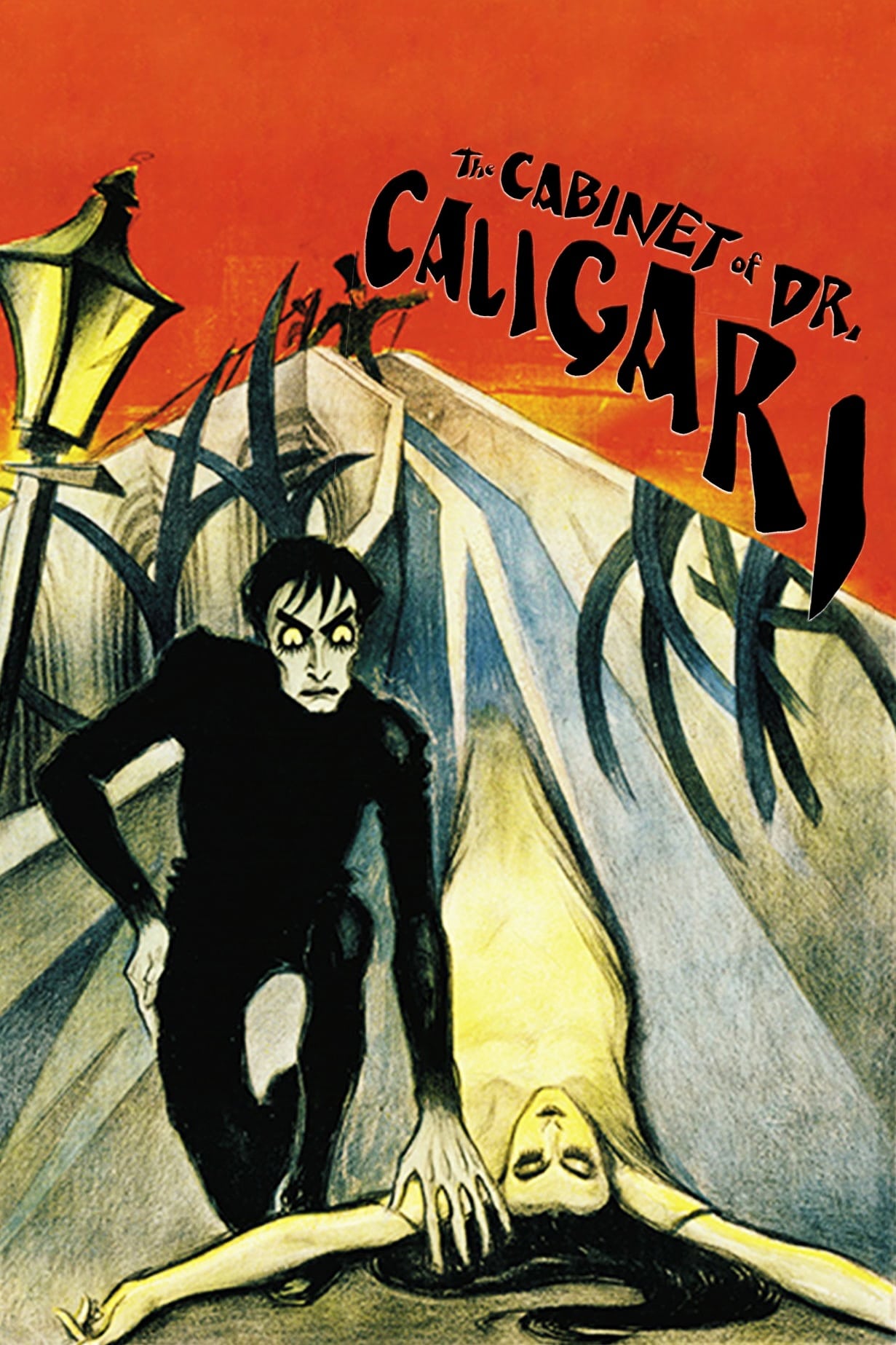
Directed by Robert Wiene, this German silent classic stars Werner Krauss, Conrad Veidt, and Lil Dagover. The film is renowned for its expressionist set design—painted shadows, jagged architecture, and distorted perspectives—created by designers Hermann Warm, Walter Reimann, and Walter Röhrig.
Its narrative framing device and stylized mise-en-scène influenced horror and art-house cinema for decades. Surviving prints have been restored multiple times, and modern releases often include new orchestral or electronic scores to accompany the imagery.
‘The General’ (1926)
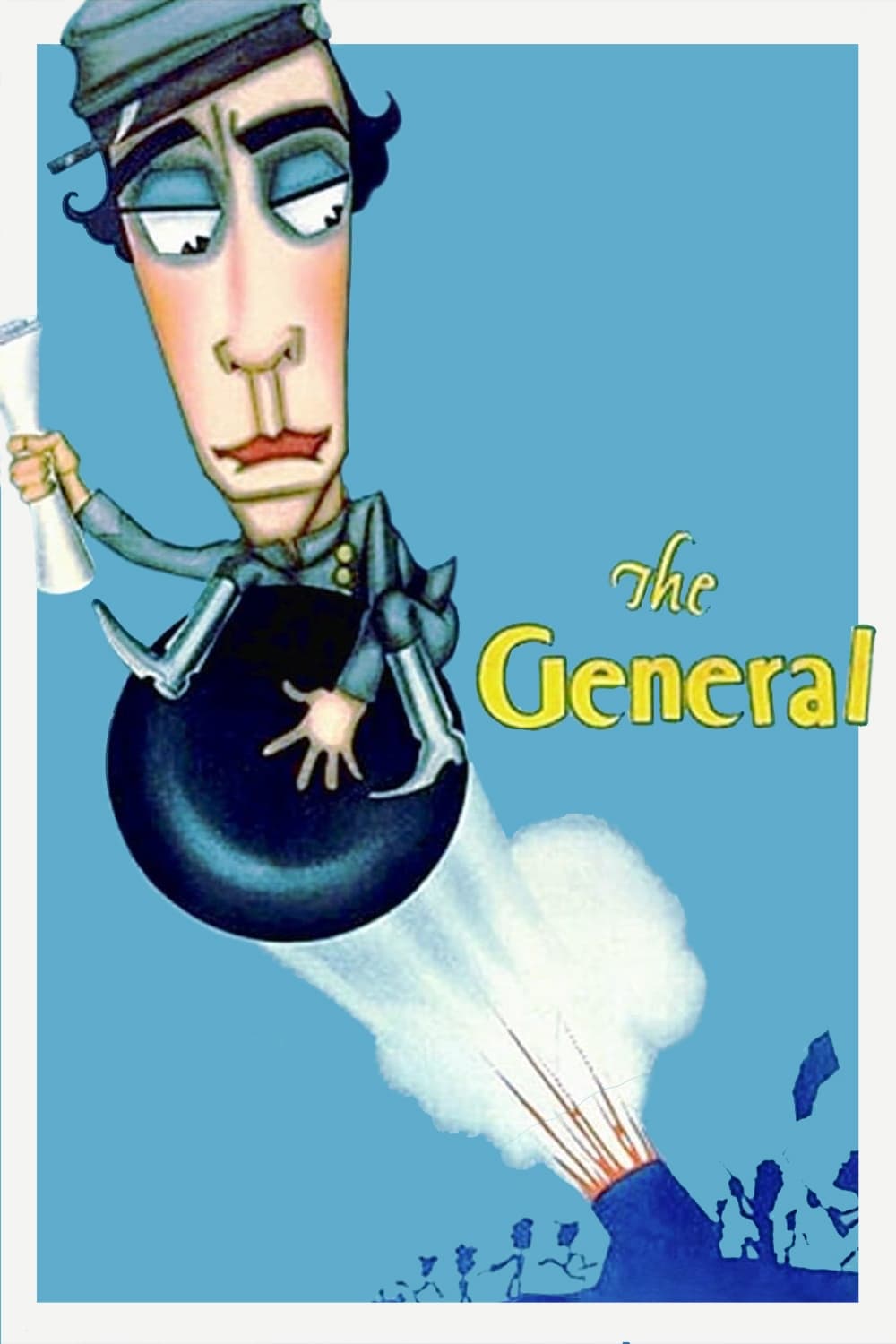
Buster Keaton co-directed with Clyde Bruckman and stars as a Southern railroad engineer during the American Civil War. The production is noted for large-scale stunts, practical effects, and full-size trains used on location in Oregon.
Keaton’s set-pieces were meticulously storyboarded and executed without rear projection, with cinematography by Bert Haines and Devereaux Jennings capturing complex chase logistics. The film’s negative and various prints have been preserved and restored by major archives.
‘Persona’ (1966)
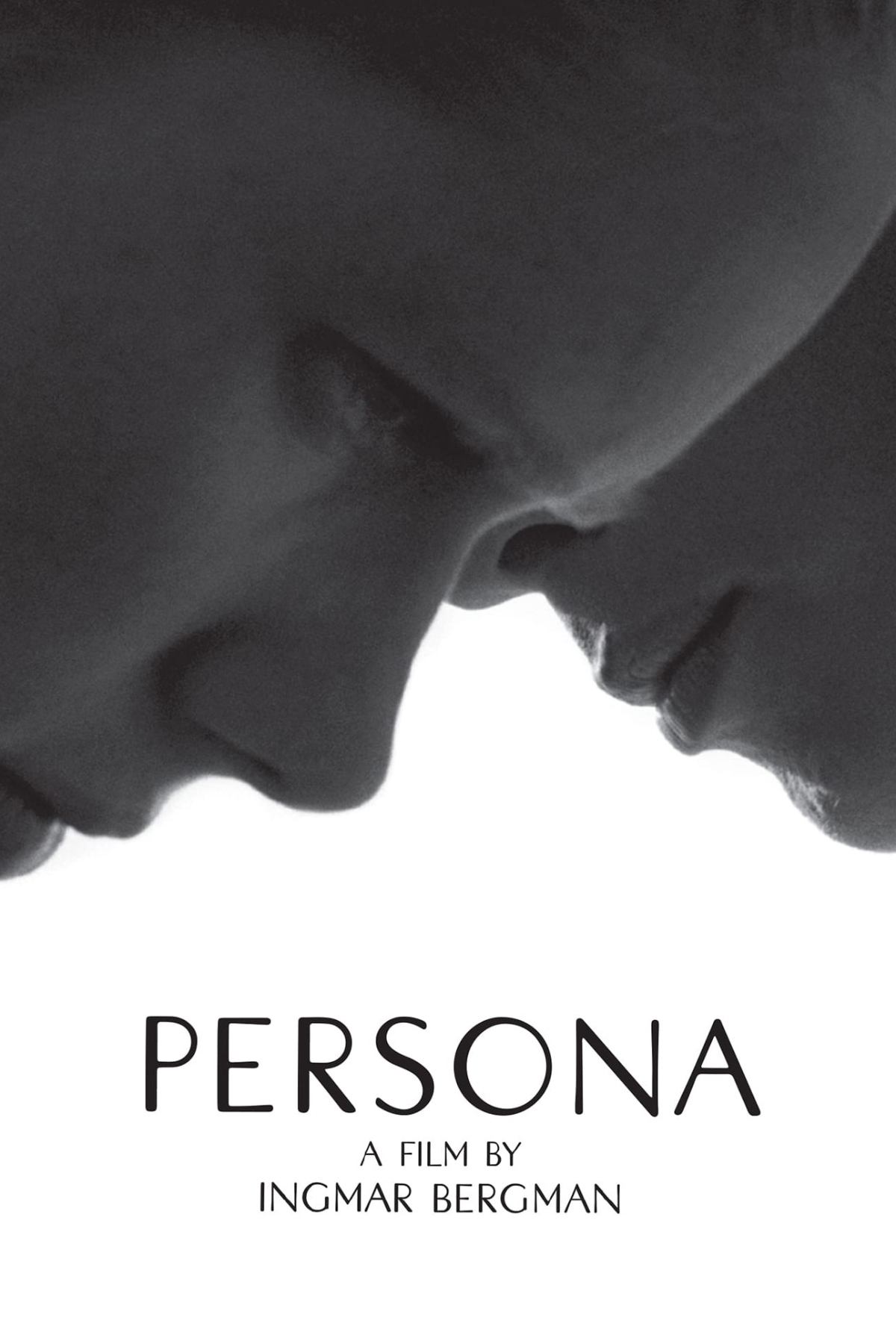
Ingmar Bergman wrote and directed this Swedish chamber drama starring Bibi Andersson and Liv Ullmann. Principal photography took place on the island of Fårö and at Råsunda Studios, with Sven Nykvist’s high-contrast cinematography emphasizing faces and negative space.
The production incorporates experimental opening imagery and self-reflexive montage, blending theater and cinema techniques. Music by Lars Johan Werle and precise sound design support the intimate, psychologically driven structure.
‘Pi’ (1998)
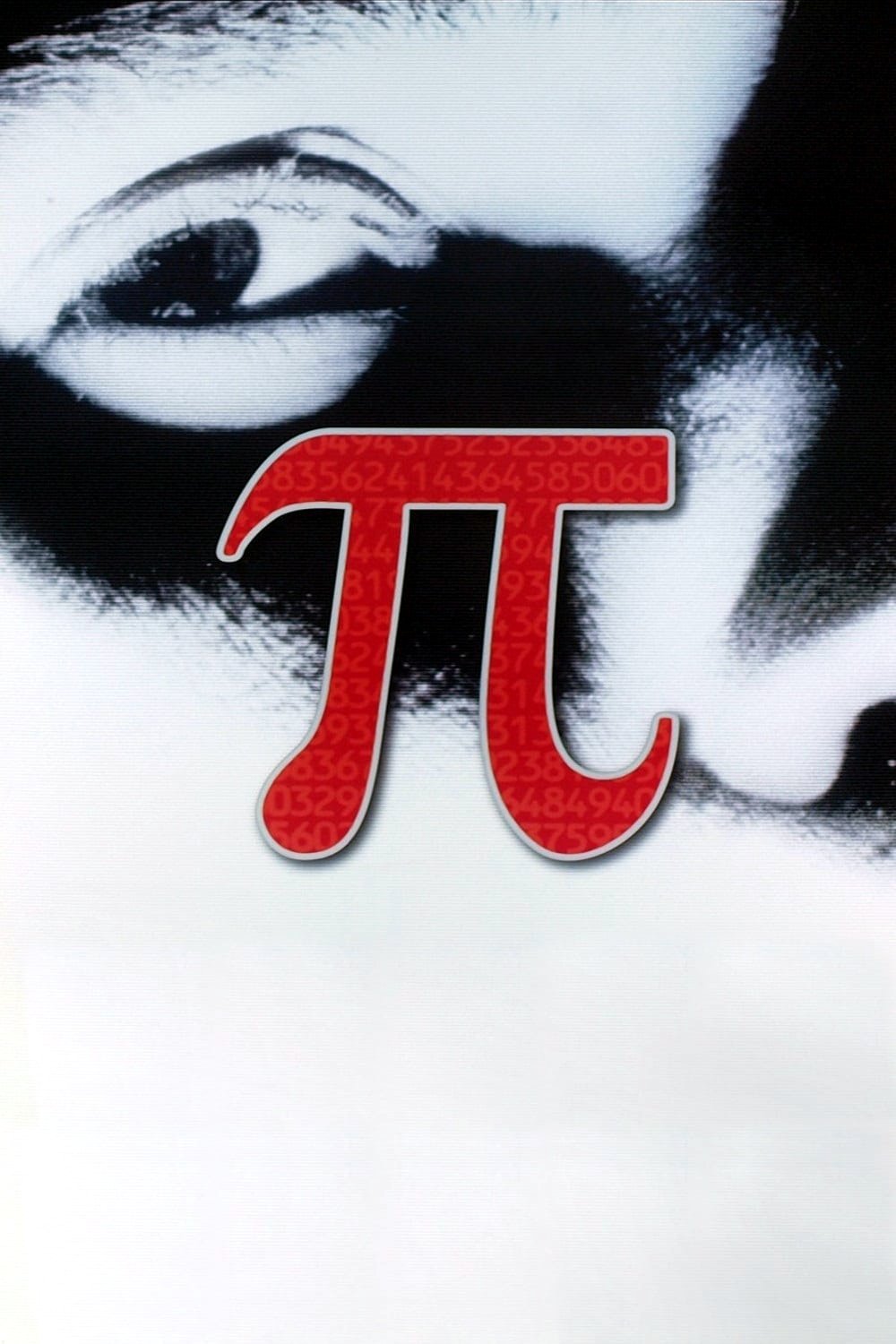
Darren Aronofsky directed this independent feature, shot in stark black-and-white 16mm. Sean Gullette stars, with supporting turns by Mark Margolis and Ben Shenkman. The film mixes mathematical obsessions with urban paranoia, set largely in cramped New York interiors.
Funding came through small investors and credit-card financing, with postproduction upsizing the 16mm footage for theatrical prints. Composer Clint Mansell and the collective’s electronic influences shaped the soundtrack that accompanied its festival breakout.
‘Primer’ (2004)
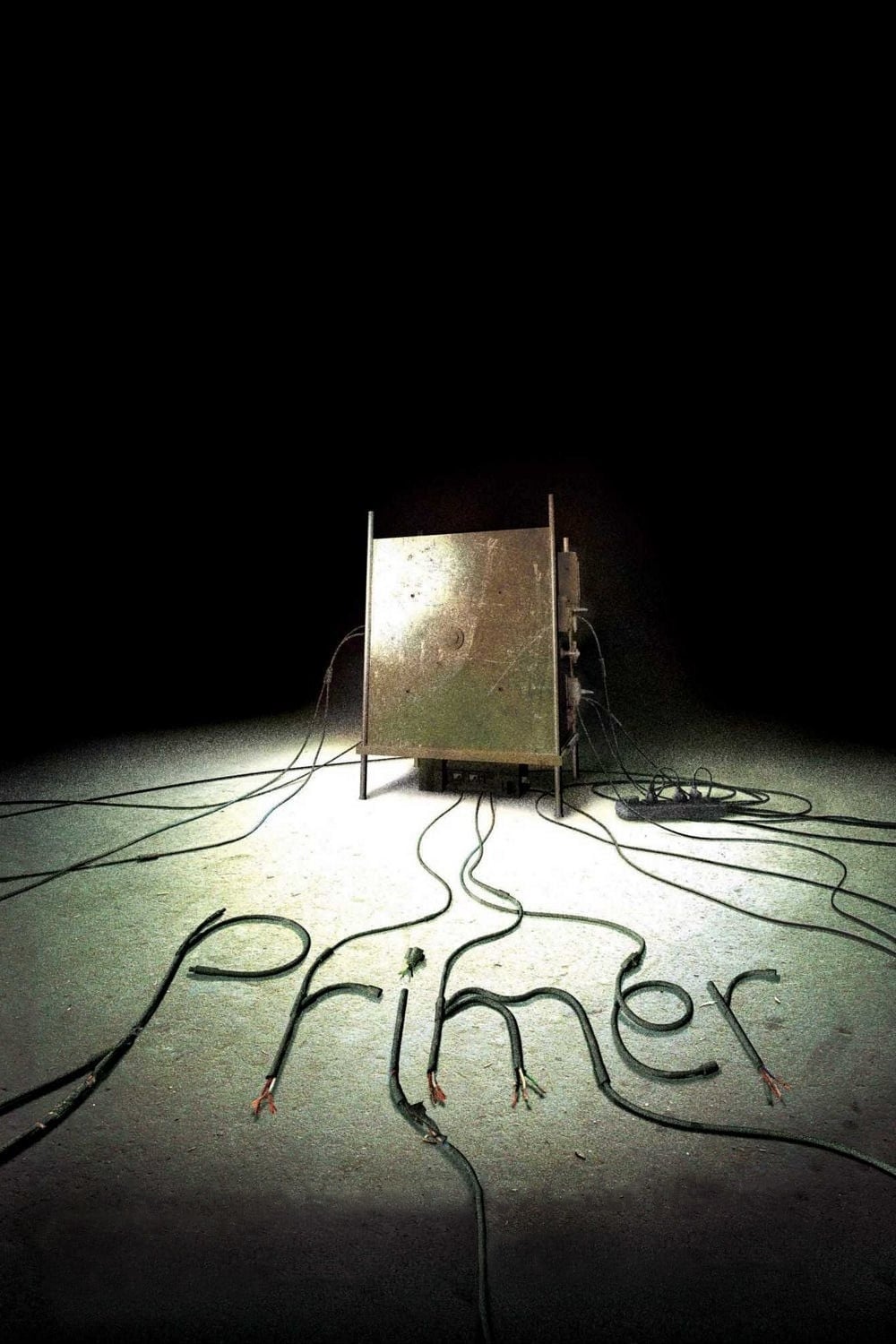
Shane Carruth wrote, directed, produced, edited, and starred in this ultra-low-budget sci-fi drama. Shot on Super 16 with a skeleton crew, it emphasizes technical dialogue and naturalistic performances from a cast of newcomers.
The film’s production famously kept costs minimal, using practical locations around Dallas and precise sound work in post. It won the Grand Jury Prize at Sundance and earned a following for its intricate structure within a concise runtime.
‘Tangerine’ (2015)
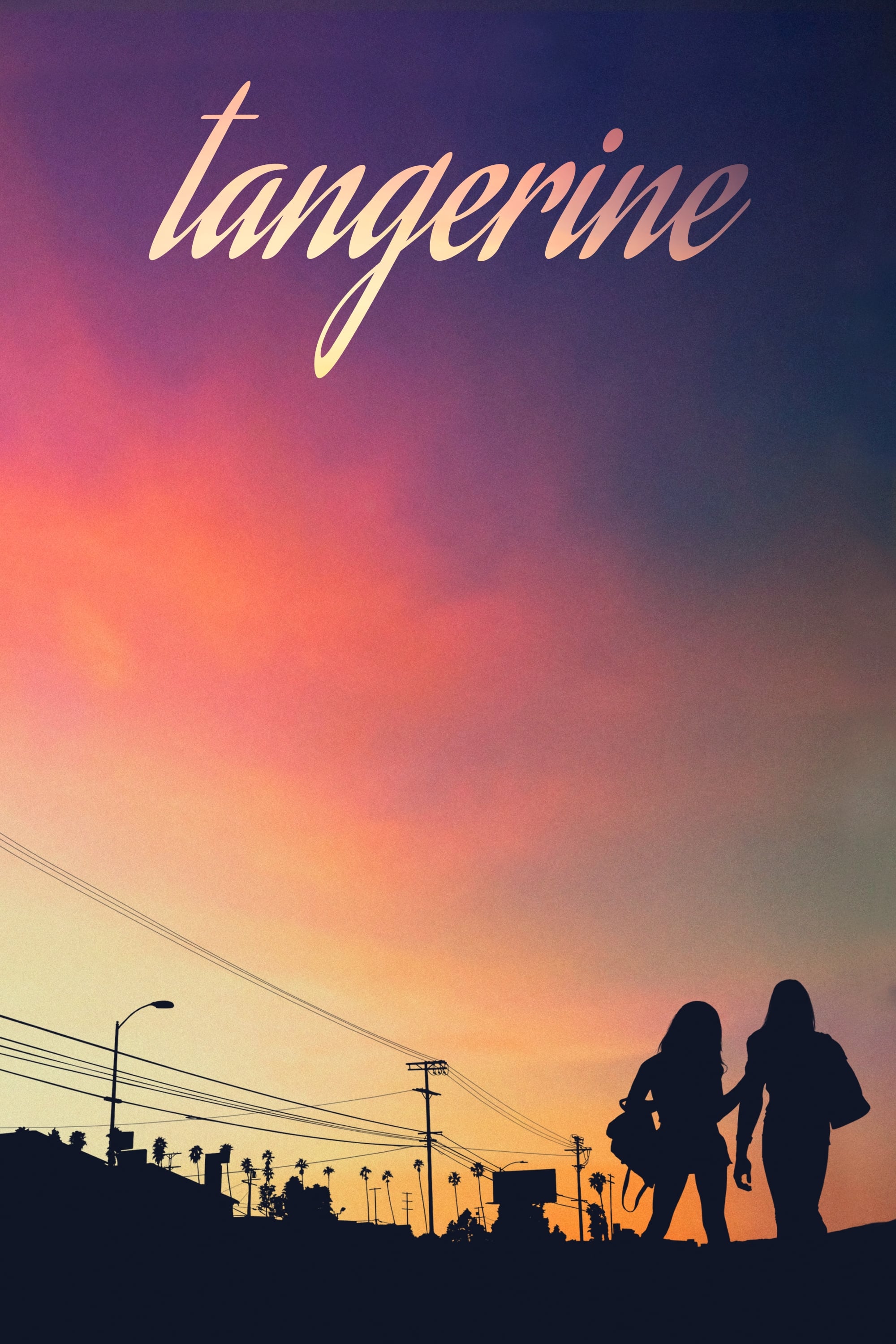
Sean Baker directed and co-wrote this Los Angeles-set comedy-drama starring Kitana Kiki Rodriguez and Mya Taylor. The film is widely noted for being shot primarily on iPhone 5s devices with anamorphic adapters, supported by professional sound and stabilizing rigs.
Shooting on actual streets and businesses along Santa Monica Boulevard contributed to its energetic verité feel. The film premiered at Sundance and secured theatrical distribution, with a soundtrack featuring contemporary artists tied to its setting.
‘Creep’ (2014)
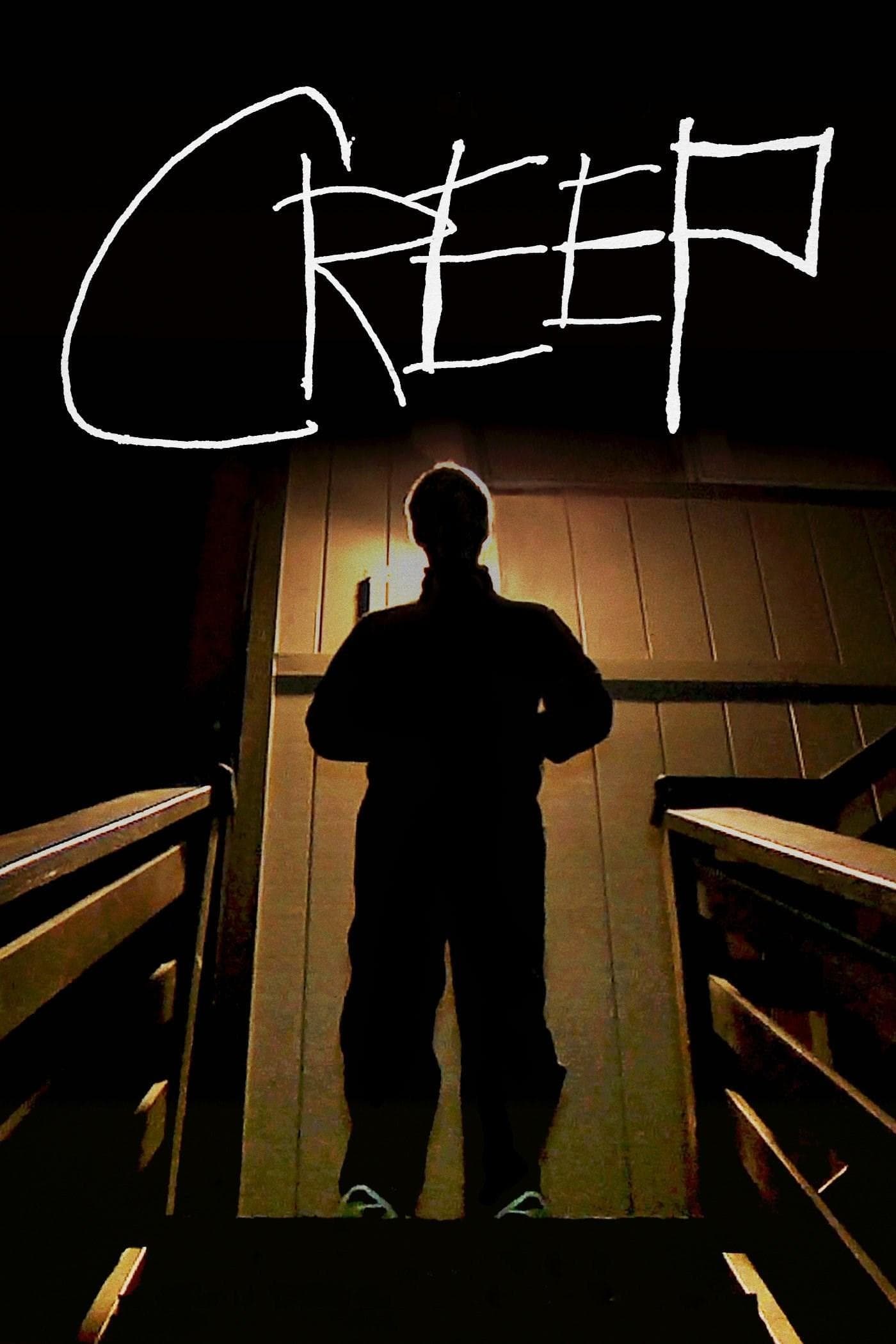
Patrick Brice directed and co-wrote this found-footage horror film starring Mark Duplass and Brice. The story centers on a videographer hired for a day in a remote cabin, captured through handheld camerawork and diegetic audio.
Production used an outline-driven process with iterative cuts and added scenes to shape the final narrative. The minimal crew, single primary location, and limited cast allowed for a quick shoot and an intimate atmosphere.
‘Safety Not Guaranteed’ (2012)
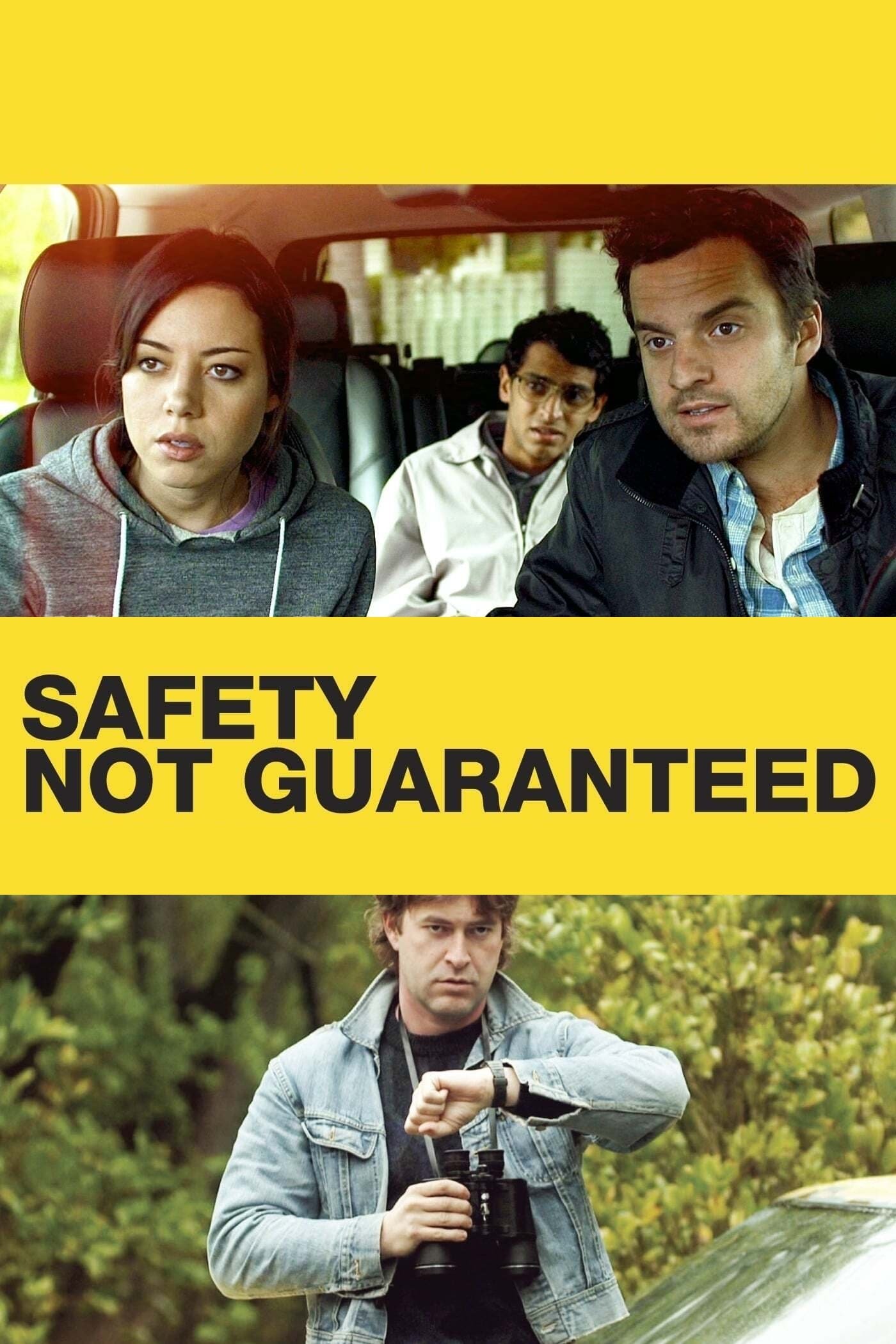
Colin Trevorrow directed this indie comedy-drama inspired by a well-known classified ad. The ensemble includes Aubrey Plaza, Mark Duplass, Jake Johnson, and Karan Soni, with a script by Derek Connolly.
Filmed in and around Seattle and Ocean Shores, Washington, it relies on practical locations and a modest budget. Festival buzz led to wider distribution and launched careers that would move into larger studio projects.
‘The Fits’ (2015)

Anna Rose Holmer directed this Cincinnati-set drama starring Royalty Hightower. The narrative follows a young girl who shifts from a boxing gym to a drill-team troupe at a community center.
The production team worked with local performers and choreographers, integrating rehearsal footage and staged routines. Cinematography by Paul Yee uses controlled framing and slow push-ins, while sound design adds tactile detail to gym spaces and practice halls.
‘Wendy and Lucy’ (2008)
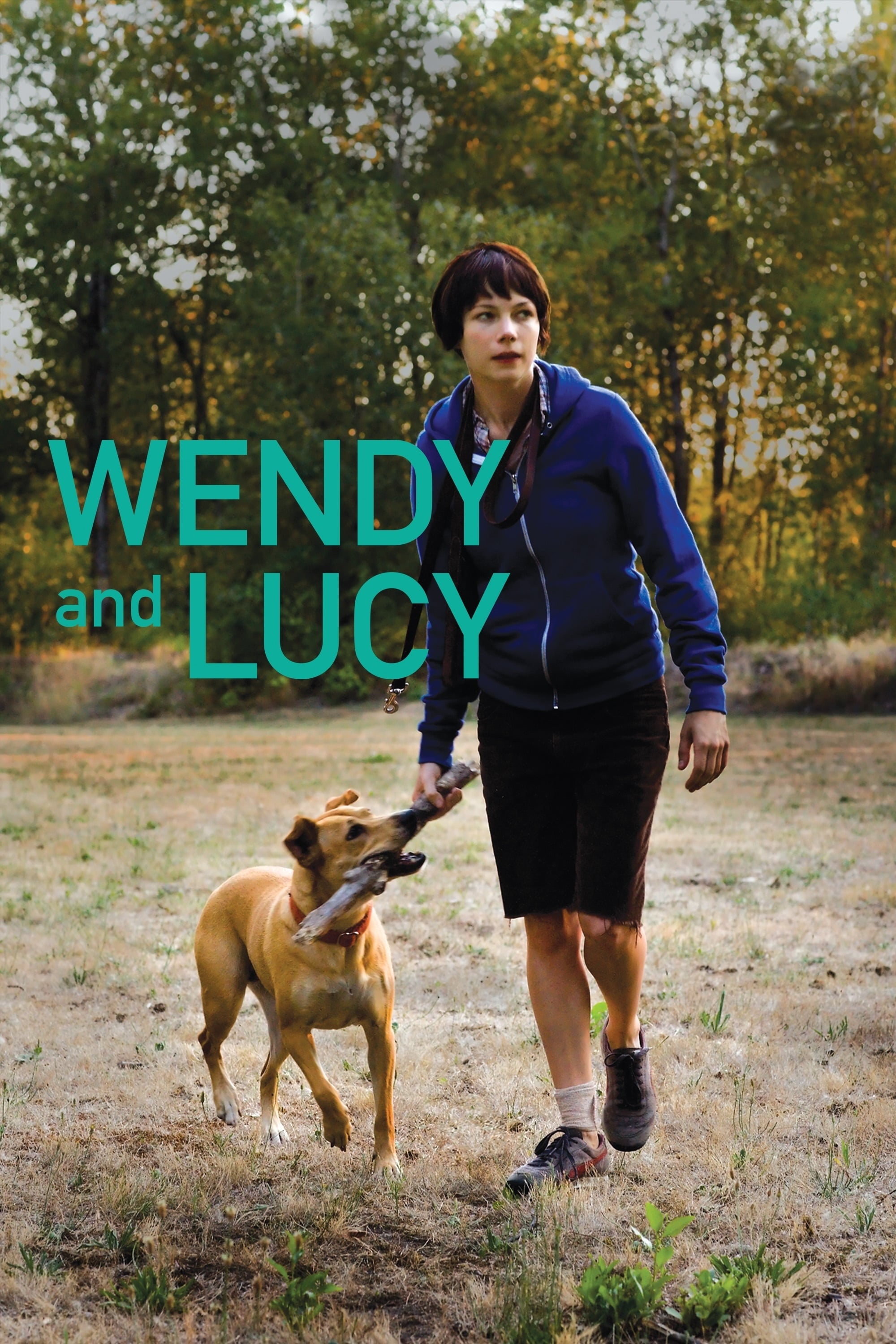
Kelly Reichardt directed and co-wrote with Jon Raymond, adapting from his short story. Michelle Williams stars, with filming in Oregon locations that emphasize rail yards, small shops, and wooded areas.
The production follows Reichardt’s minimalist approach—modest crew, natural light, and ambient sound. It screened in competition at Cannes’ Un Certain Regard and received multiple critics’ awards for Williams’s performance and the film’s spare, observational style.
‘Following’ (1998)

Christopher Nolan wrote, directed, and edited this debut feature, shot on weekends over about a year. Using black-and-white 16mm, the film stars Jeremy Theobald, Alex Haw, and Lucy Russell in a nonlinear crime story set in London.
Nolan rehearsed extensively to minimize film stock usage, shooting one or two takes per setup. The film premiered at Slamdance and secured a small theatrical release before wider recognition after the director’s subsequent studio work.
‘Open Water’ (2003)
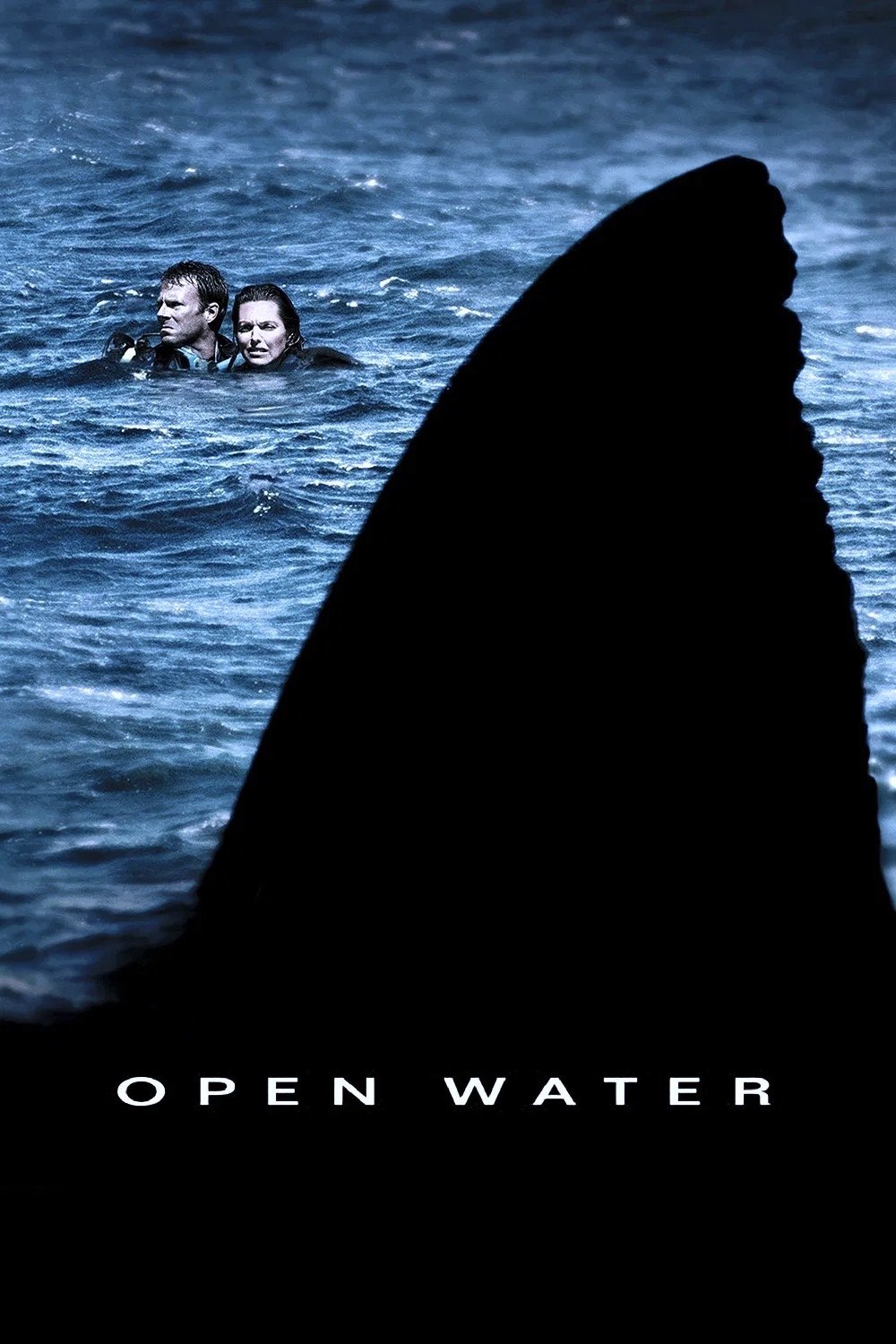
Chris Kentis wrote and directed this survival drama based loosely on real events, starring Blanchard Ryan and Daniel Travis. The film was shot on digital video in the Caribbean and Bahamas, using real ocean conditions and live sharks with safety protocols in place.
Its micro-budget production relied on natural light, minimal VFX, and postproduction color work to enhance the open-sea environment. Festival screenings led to acquisition and a successful theatrical run compared with its comparatively tiny budget.
‘The Red Turtle’ (2016)
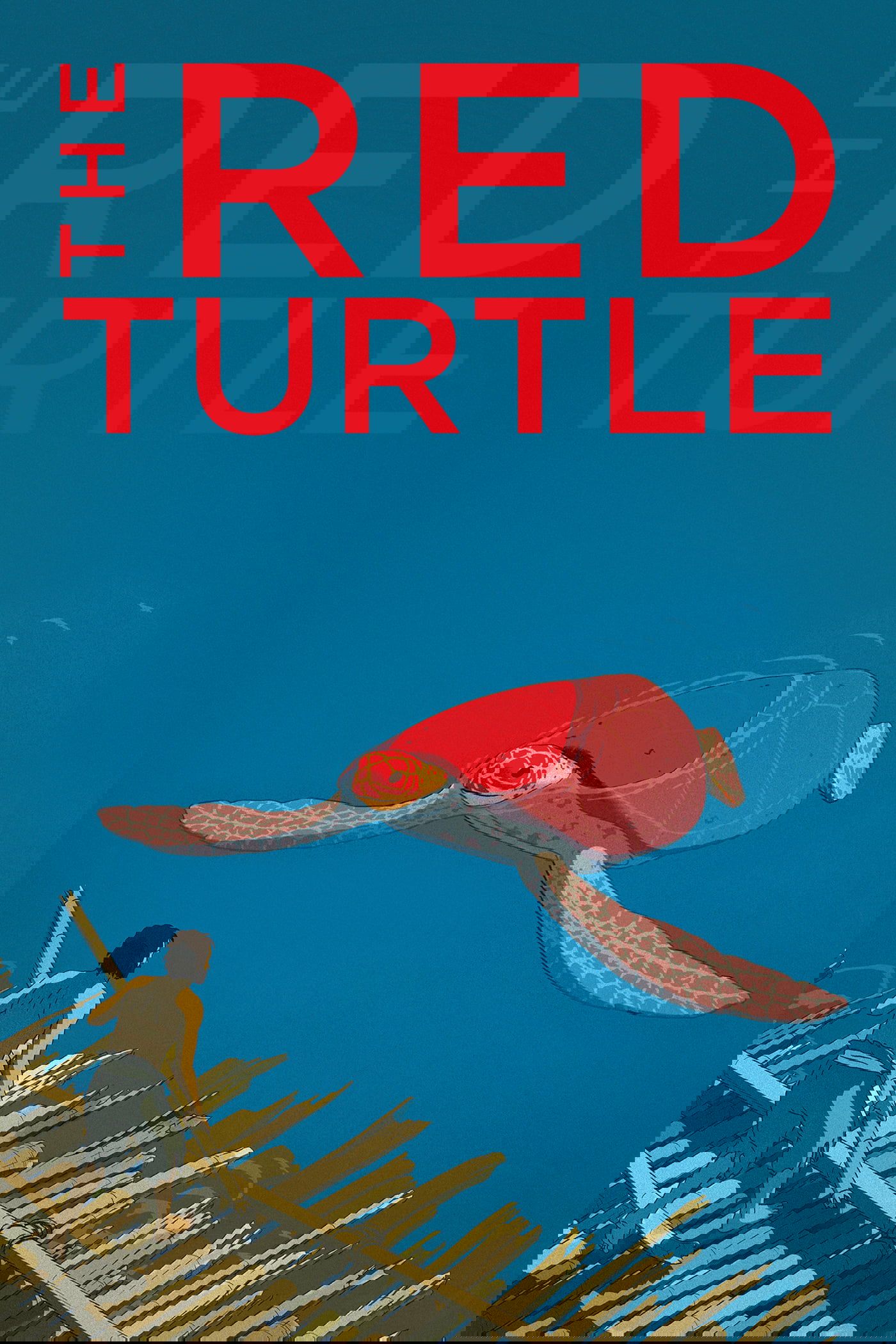
Michael Dudok de Wit directed this dialogue-free animated feature, a European-Japanese co-production with Studio Ghibli’s participation. The film uses hand-drawn and digital techniques to portray an island setting and its surrounding sea life.
Premiering in the Un Certain Regard section at Cannes, it received nominations at major international awards. Composer Laurent Perez Del Mar’s score complements the film’s near-wordless storytelling and the carefully detailed environmental sound design.
‘The Blair Witch Project’ (1999)
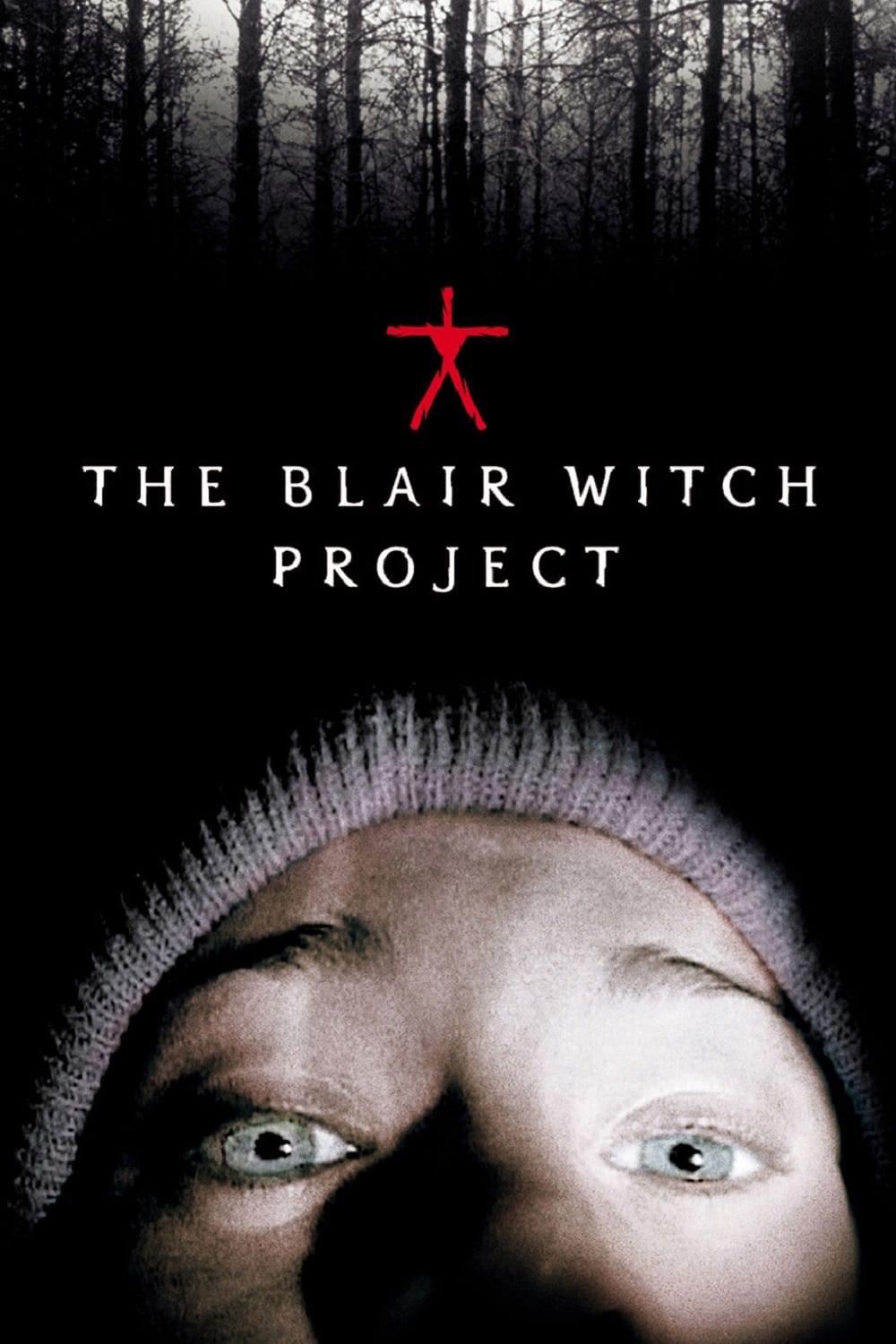
Daniel Myrick and Eduardo Sánchez directed this independent horror feature, presented as recovered footage from a student documentary. The cast—Heather Donahue, Michael C. Williams, and Joshua Leonard—improvised within a guided outline, responding to cues delivered during location shoots.
Filming took place in Maryland’s Seneca Creek State Park and surrounding areas, with long overnight hikes and minimal crew interaction to preserve performances. The production’s editing process shaped multiple cuts before the widely released version that popularized found-footage techniques.
Share your own under-90-minutes favorites in the comments so everyone can discover more quick, worthwhile watches.

