


Underrated Foreign Movies Nobody Talks About (But Should)


There are so many remarkable films made outside the English speaking world that slip past casual attention. This list brings together a wide range of titles from across continents that earned festival recognition, introduced standout filmmakers, or tried unusual forms and techniques that set them apart. Each entry gives you the key facts you need to decide what to watch next without fluff.
You will find dramas, thrillers, animations, and documentaries from different cultures and filmmaking traditions. The notes include directors, countries of origin, languages, principal cast, and festival highlights, along with concise plot setups and production details. Use it as a map to explore storytelling you might have missed.
‘The Cow’ (1969)
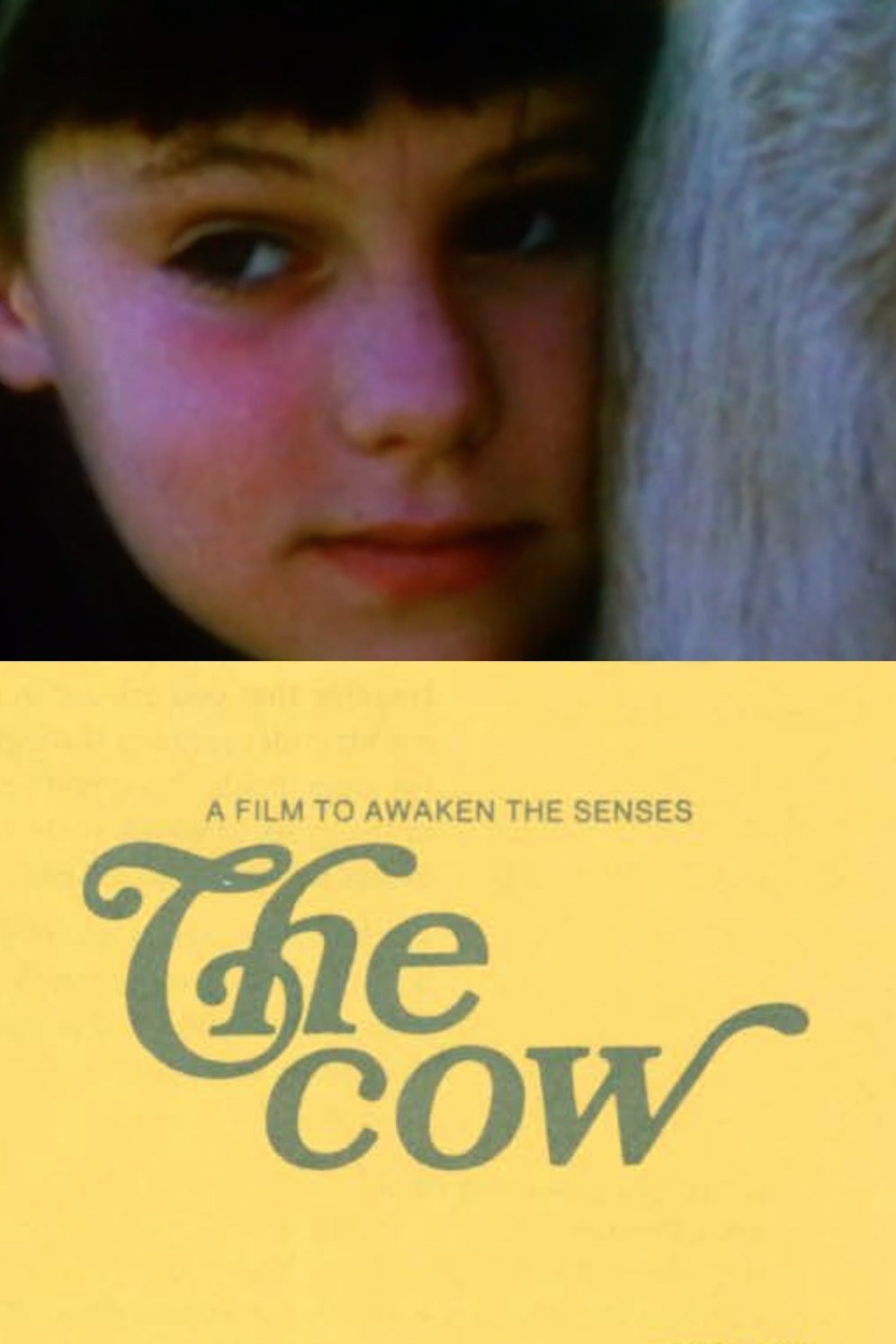
This Iranian film is directed by Dariush Mehrjui and is based on a story by Gholam Hossein Saedi. It stars Ezzatolah Entezami and is spoken in Persian. The film is often cited as a key work of the Iranian New Wave and was influential for a generation of national cinema. Its original title is ‘Gav’.
The story follows a villager and his deep attachment to his only cow. The production used rural locations and a spare visual style to reflect village life. The film circulated internationally through festival screenings and later restorations that helped preserve its reputation.
‘Maborosi’ (1995)
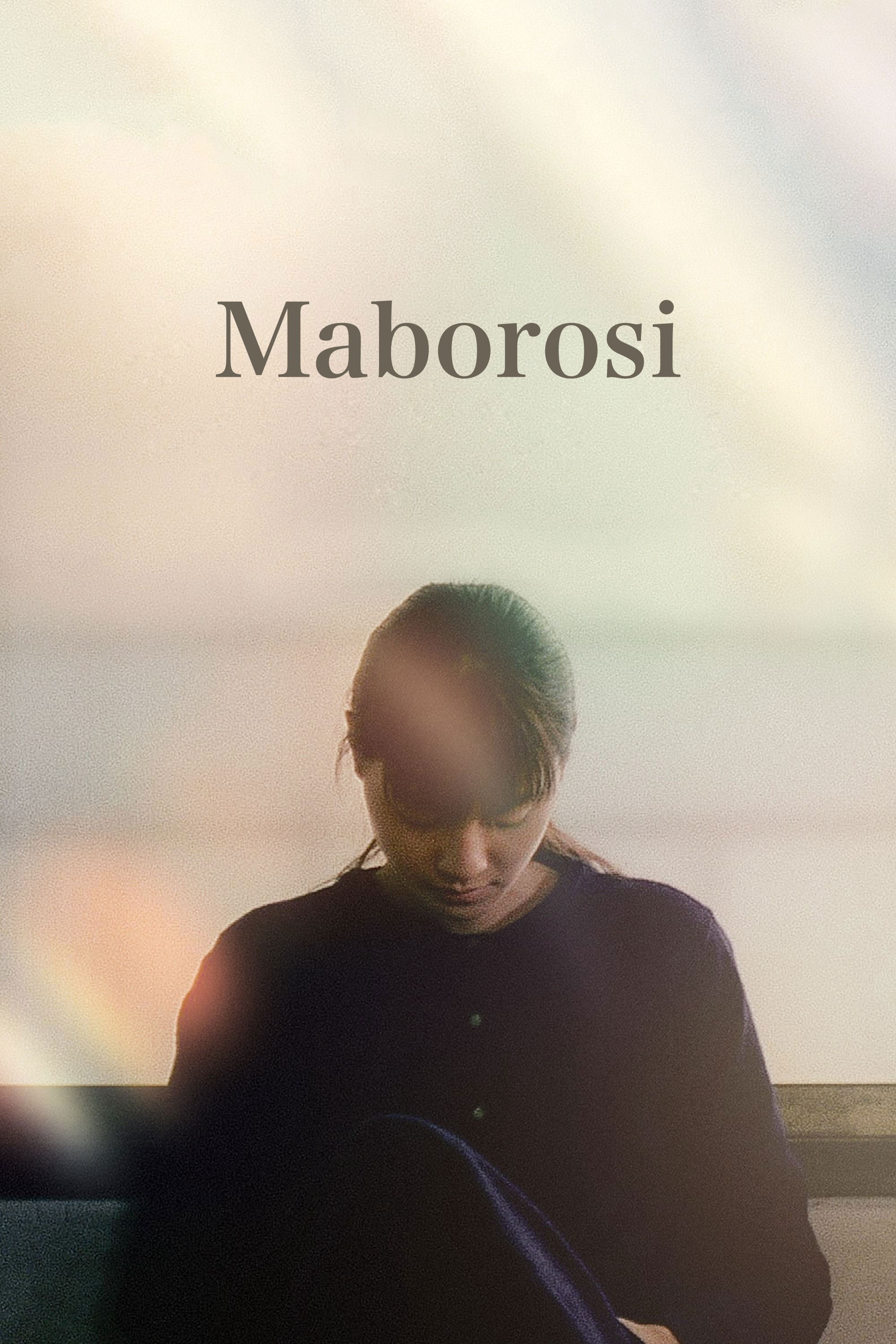
This Japanese feature is directed by Hirokazu Kore eda and adapted from a novel by Teru Miyamoto. It stars Makiko Esumi and Tadanobu Asano. The cinematography by Masao Nakabori is widely noted for natural light and precise framing. The primary language is Japanese.
The film follows a young widow who relocates to a coastal town and tries to rebuild family life. It premiered at major festivals and received awards in Venice. The original title is ‘Maboroshi no Hikari’.
‘The Stolen Children’ (1992)

This Italian drama is directed by Gianni Amelio and stars Enrico Lo Verso with Valentina Scalici and Giuseppe Ieracitano. It is spoken in Italian and was shot on Italian locations that trace a journey from the north to the south. It won major festival awards including recognition at Cannes.
The plot follows a young carabiniere assigned to escort two siblings after a family scandal. The production is known for location work, extensive travel sequences, and a mix of professional and non professional actors that create a documentary like texture.
‘In the City of Sylvia’ (2007)
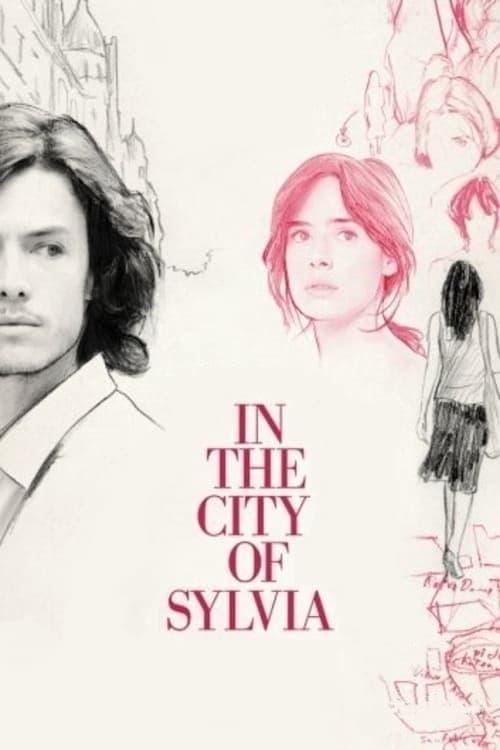
This Spanish and French film is directed by José Luis Guerín. It stars Xavier Lafitte and Pilar López de Ayala and is spoken in French and Spanish. The cinematography is by Natasha Braier and favors long takes and careful choreography in public spaces.
The story tracks a traveler who returns to Strasbourg to find a woman he met years earlier. The production uses real city settings, ambient sound, and minimal dialogue. It screened in Venice and built a following in art house circuits.
‘A Touch of Sin’ (2013)
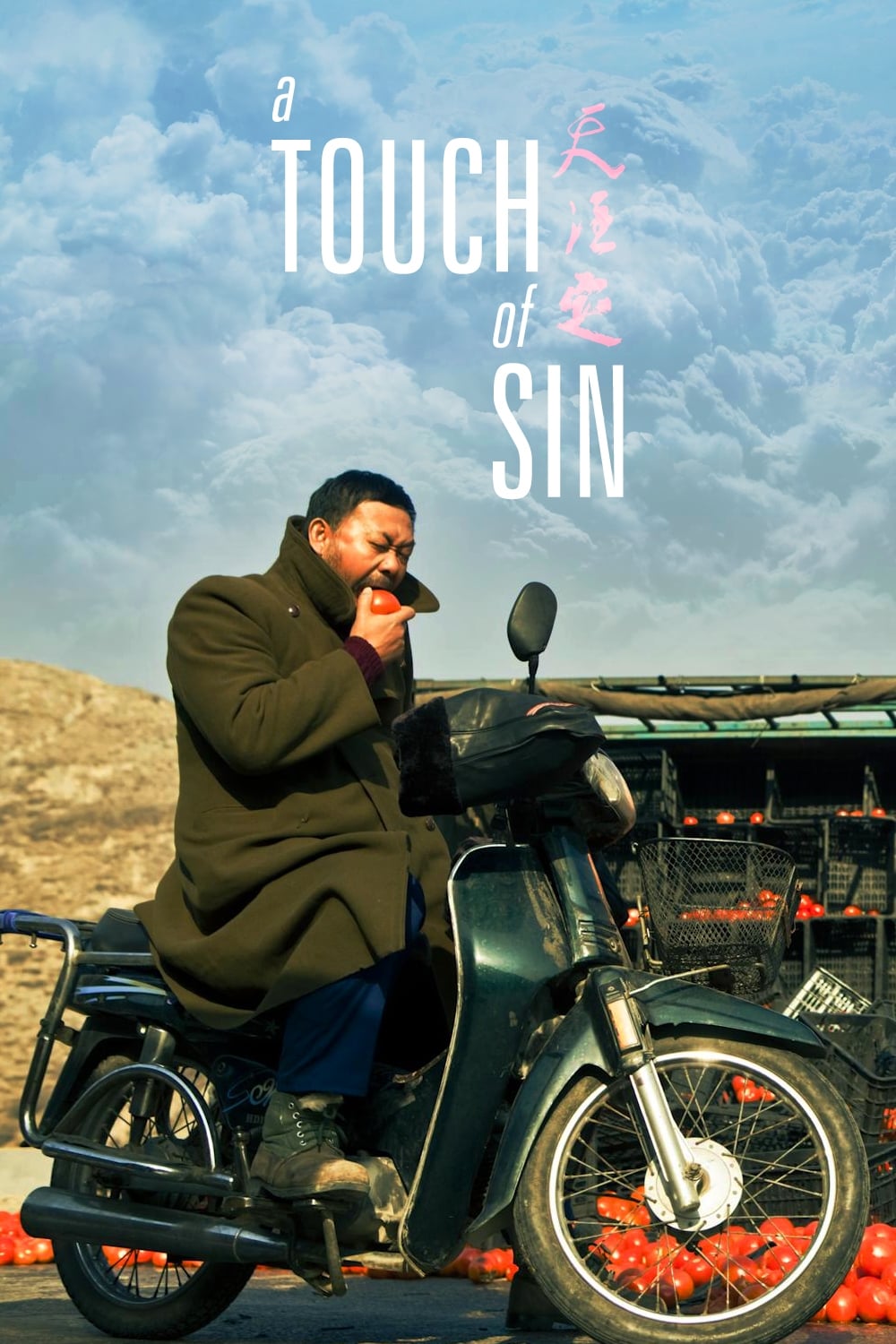
This Chinese film is directed by Jia Zhangke and stars Zhao Tao, Jiang Wu, Wang Baoqiang, and Luo Lanshan. It is spoken in Mandarin and regional dialects. The film won Best Screenplay at the Cannes Film Festival.
The narrative is structured around four stories inspired by widely reported incidents. Shooting took place across multiple provinces with handheld camerawork and sharp location detail. The film engaged national conversation around rapid economic change and censorship debates.
‘Dream of Light’ (1992)
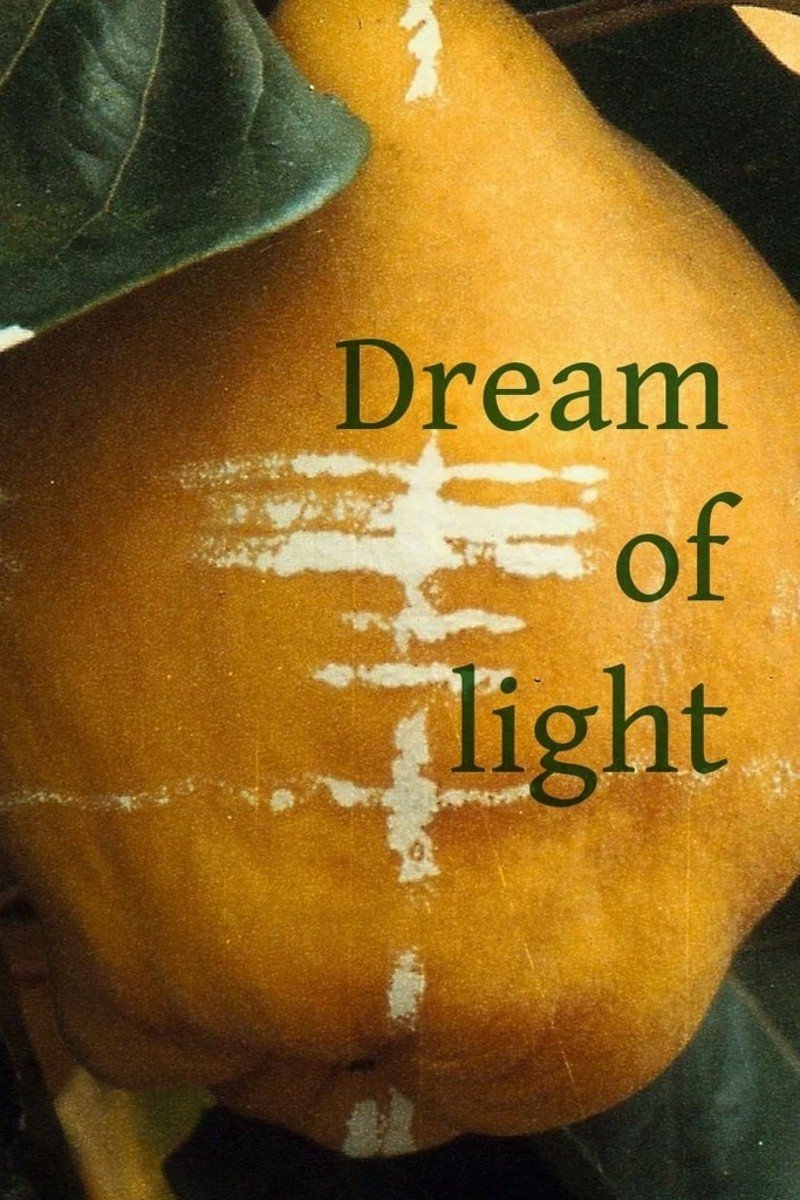
This Spanish documentary is directed by Víctor Erice and follows the painter Antonio López García as he attempts to paint a quince tree in his garden. It is spoken in Spanish and blends observational filmmaking with discussions of technique and time. It received the Jury Prize and the critics prize at Cannes.
Production spanned changing weather and light conditions and records the painter’s daily routine, tools, and adjustments to the canvas. The film also includes conversations with other artists and family members, creating a portrait of process and patience.
‘The Aura’ (2005)
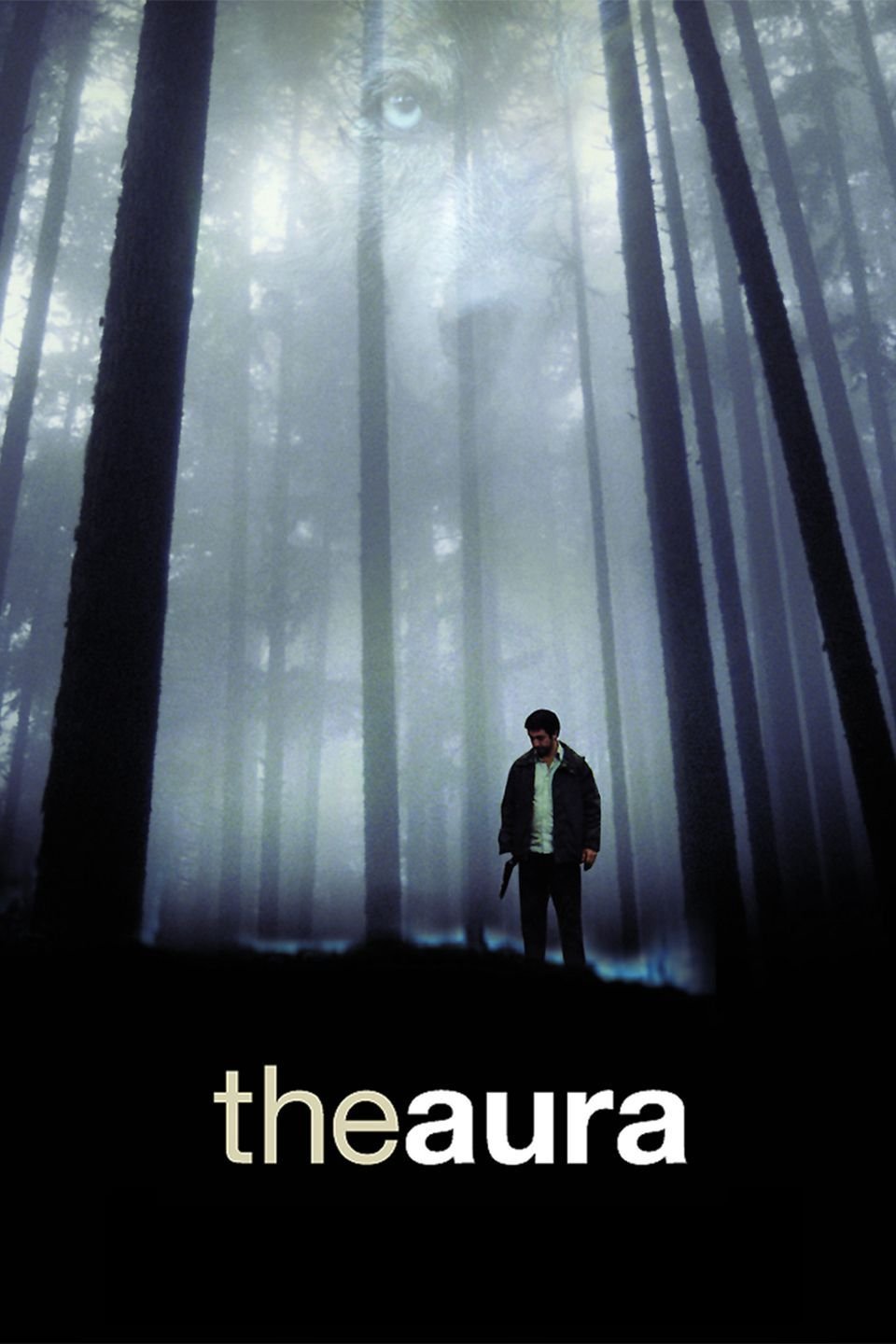
This Argentine thriller is directed by Fabián Bielinsky and stars Ricardo Darín. It is spoken in Spanish and was shot in Buenos Aires and in wooded locations in Patagonia. It premiered in Venice and won multiple national awards in Argentina.
The plot follows a shy taxidermist who suffers from epilepsy and becomes entangled in a robbery plan. The production is noted for precise sound design that reflects the protagonist’s condition and for crisp nocturnal photography. The director previously made ‘Nine Queens’.
‘Ilo Ilo’ (2013)
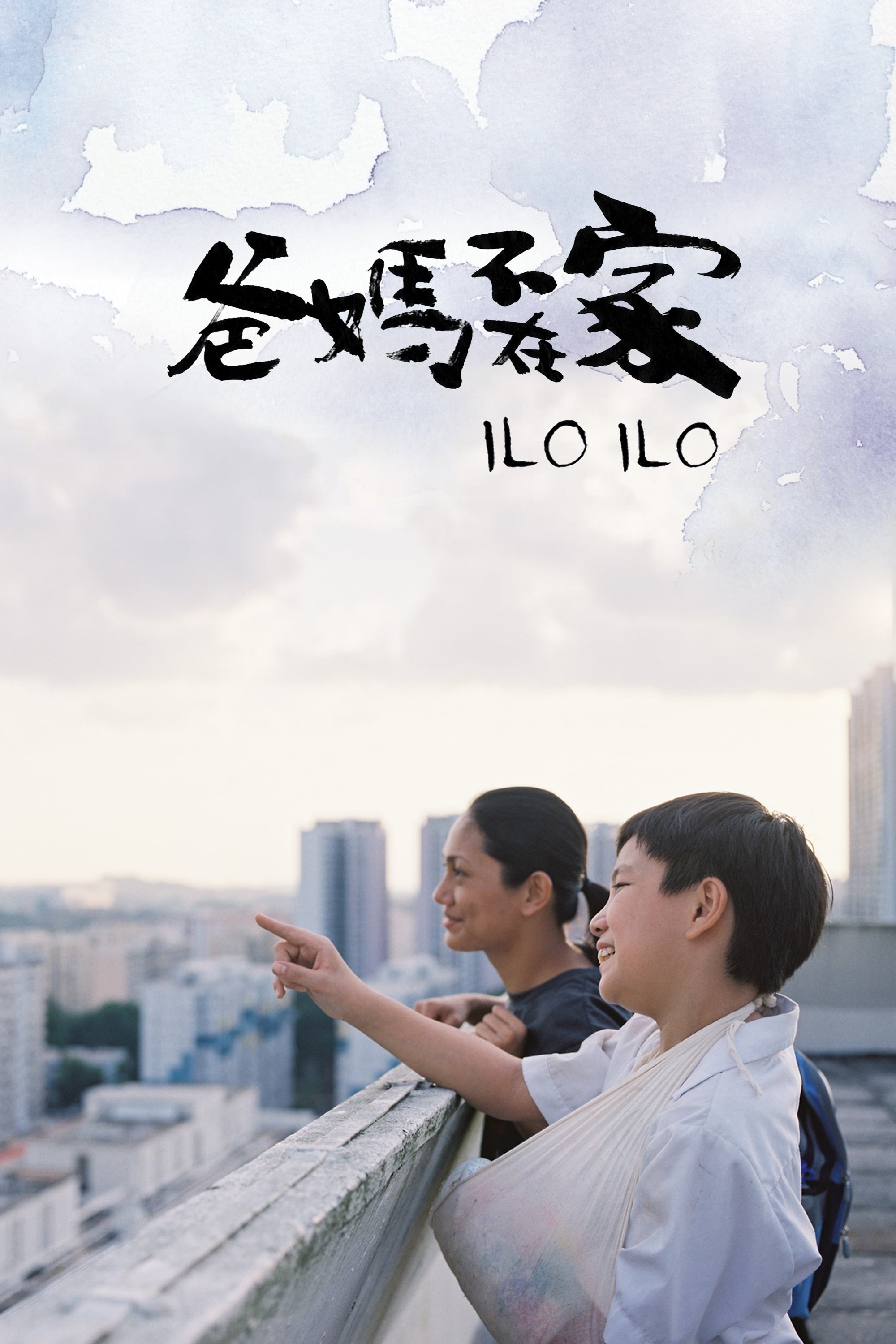
This Singaporean drama is directed by Anthony Chen and stars Yeo Yann Yann, Angeli Bayani, Koh Jia Ler, and Chen Tianwen. It is spoken in Mandarin, Hokkien, and Tagalog. The film won the Camera d Or at the Cannes Film Festival.
The story centers on a Singaporean family and their Filipino domestic worker during an economic downturn. Production drew on autobiographical elements and filmed in housing estates and schools around the city. The film marked a milestone for Singapore cinema on the global stage.
‘The Bothersome Man’ (2006)
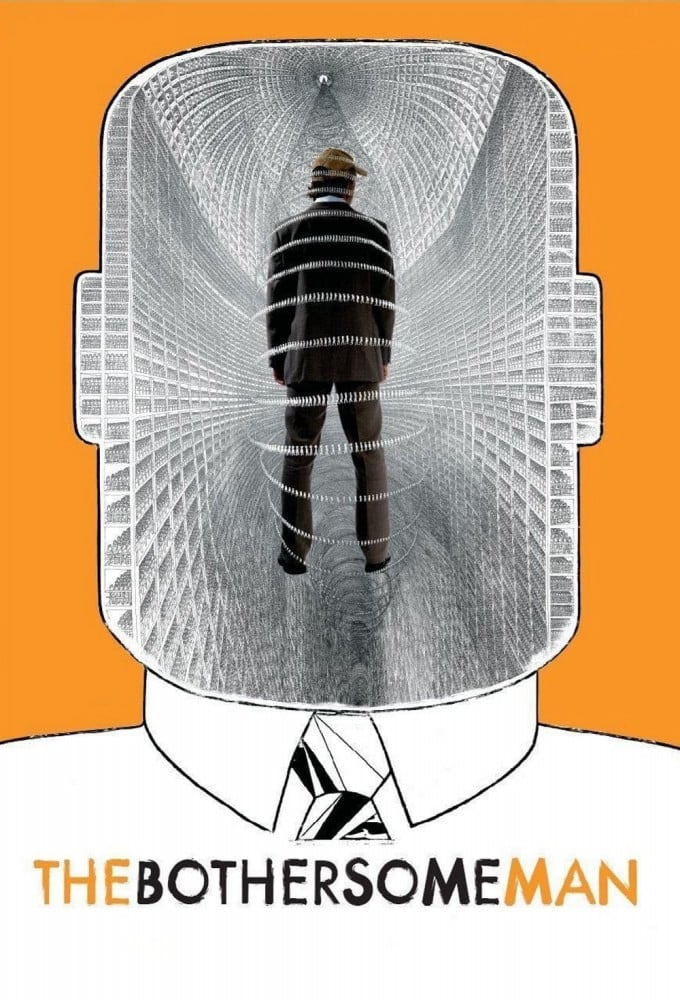
This Norwegian film is directed by Jens Lien and stars Trond Fausa Aurvåg and Petronella Barker. It is spoken in Norwegian. It screened in the Cannes Critics Week program and won prizes at international genre festivals.
The plot follows a man who arrives in a city that seems perfect and discovers a strange absence of emotion. The production uses cool color palettes and minimalist architecture to build a controlled world. The film’s concept has been discussed in relation to utopia and conformity.
‘The Silent House’ (2010)

This Uruguayan horror film is directed by Gustavo Hernández and stars Florencia Colucci and Abel Tripaldi. It is spoken in Spanish. The film is presented as a single continuous take and was shot using a low light digital workflow in a country house.
The plot follows a young woman who explores a dark property with a series of frightening events. The film inspired an English language remake titled ‘Silent House’. The original played at international festivals and was noted for its real time structure.
‘The Tribe’ (2014)
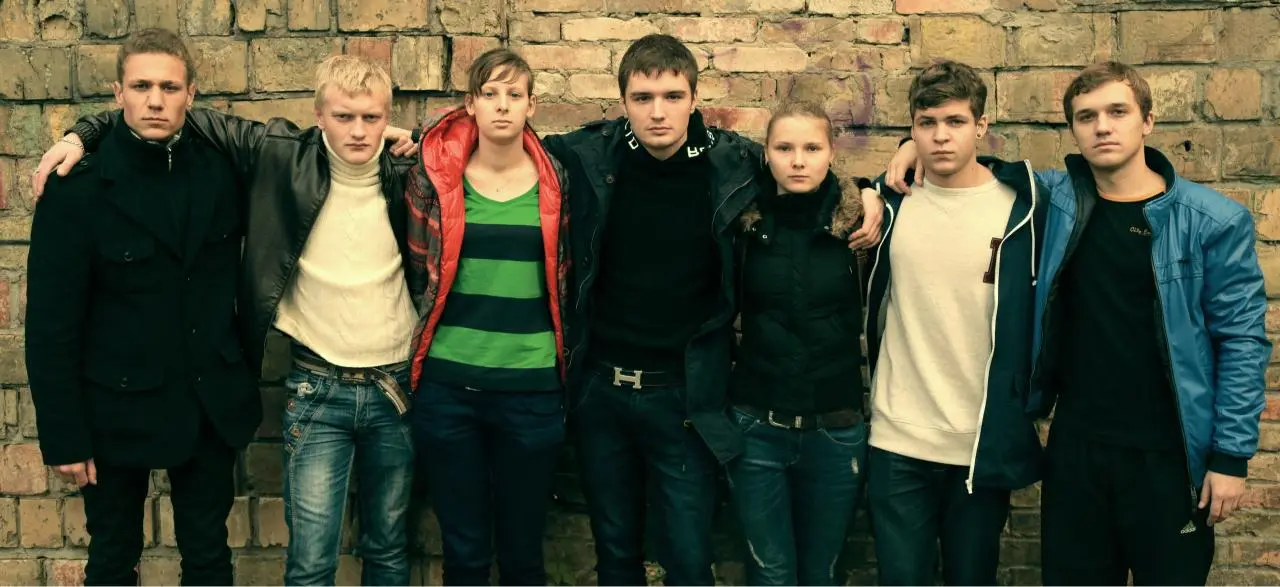
This Ukrainian feature is directed by Myroslav Slaboshpytskiy and is performed in Ukrainian Sign Language without subtitles. It stars Grigoriy Fesenko and a cast of non professional deaf actors. It won the top prize in Cannes Critics Week along with additional honors.
The story is set in a boarding school in Kyiv and follows initiation into a group of older students. The production uses long takes, fixed camera positions, and ambient sound to guide comprehension. The absence of spoken dialogue emphasizes movement and framing.
‘Thithi’ (2015)
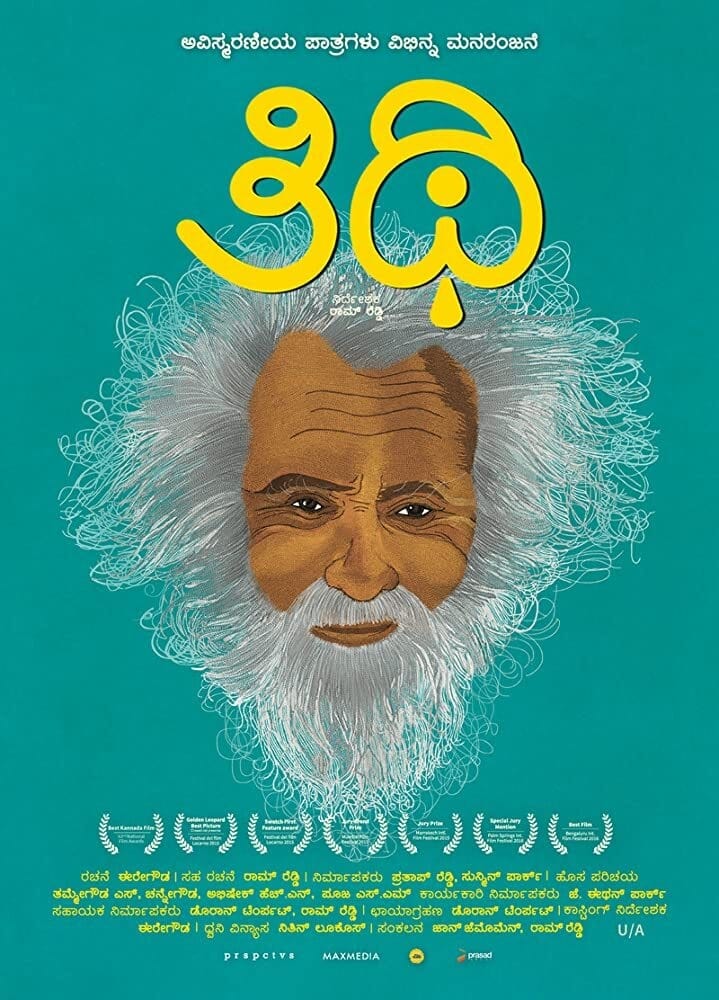
This Indian film from Karnataka is directed by Raam Reddy and is spoken in Kannada. It features a largely non professional cast drawn from villages where the film was shot. It earned awards at Locarno and at national ceremonies in India.
The plot unfolds around a funeral gathering in a rural community and introduces multiple generations of one family. The production uses real locations, community participation, and open air night scenes. Its original title is the same as the ritual it depicts.
‘Hotel Salvation’ (2016)
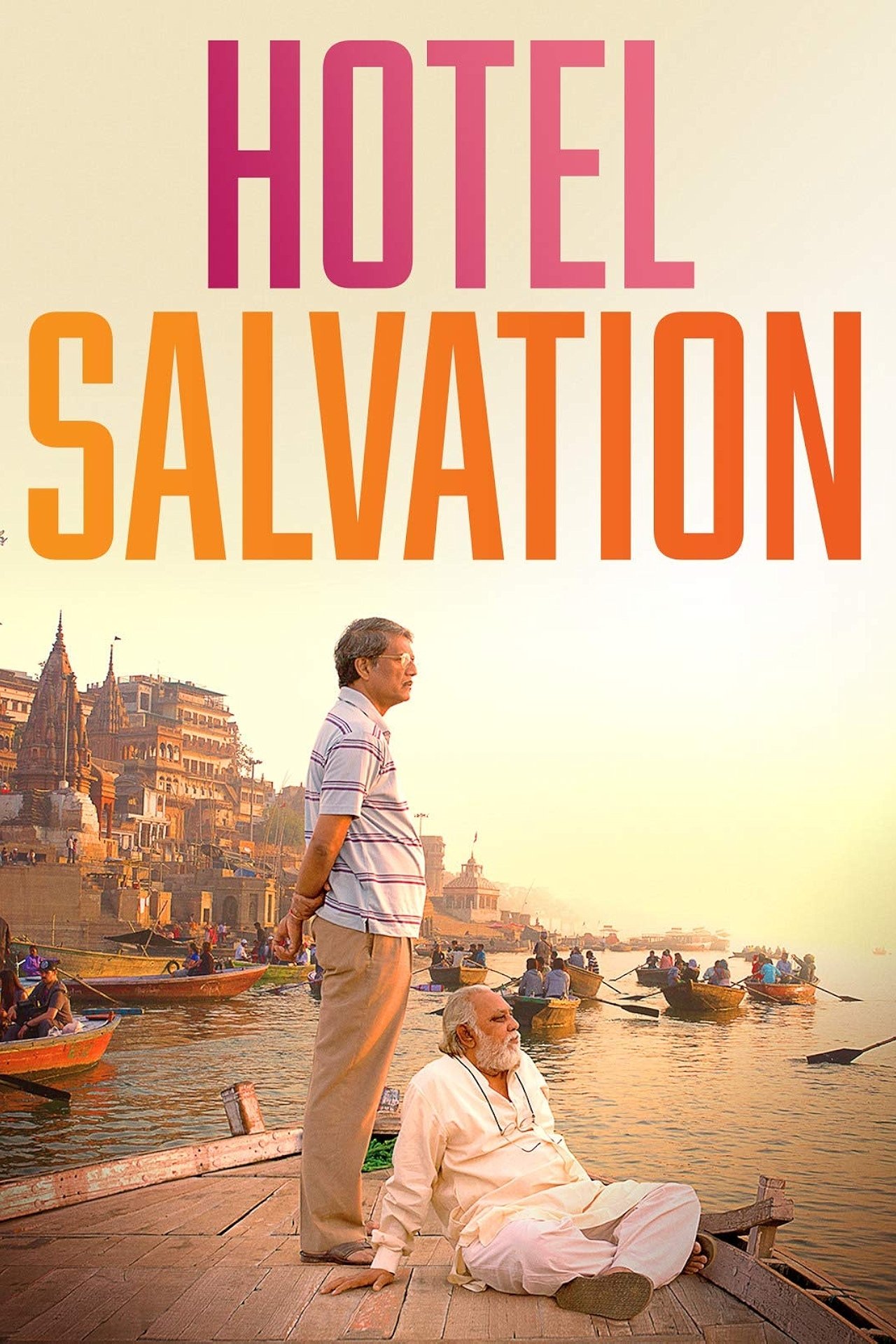
This Indian drama is directed by Shubhashish Bhutiani and stars Lalit Behl and Adil Hussain. It is spoken in Hindi. The film premiered in the Orizzonti section at Venice and received the UNESCO award there.
The story follows a father and son who travel to Varanasi so the elder can spend his final days near the Ganges. The production filmed in active guesthouses and along the river with a small crew. The original title is ‘Mukti Bhawan’.
‘System Crasher’ (2019)
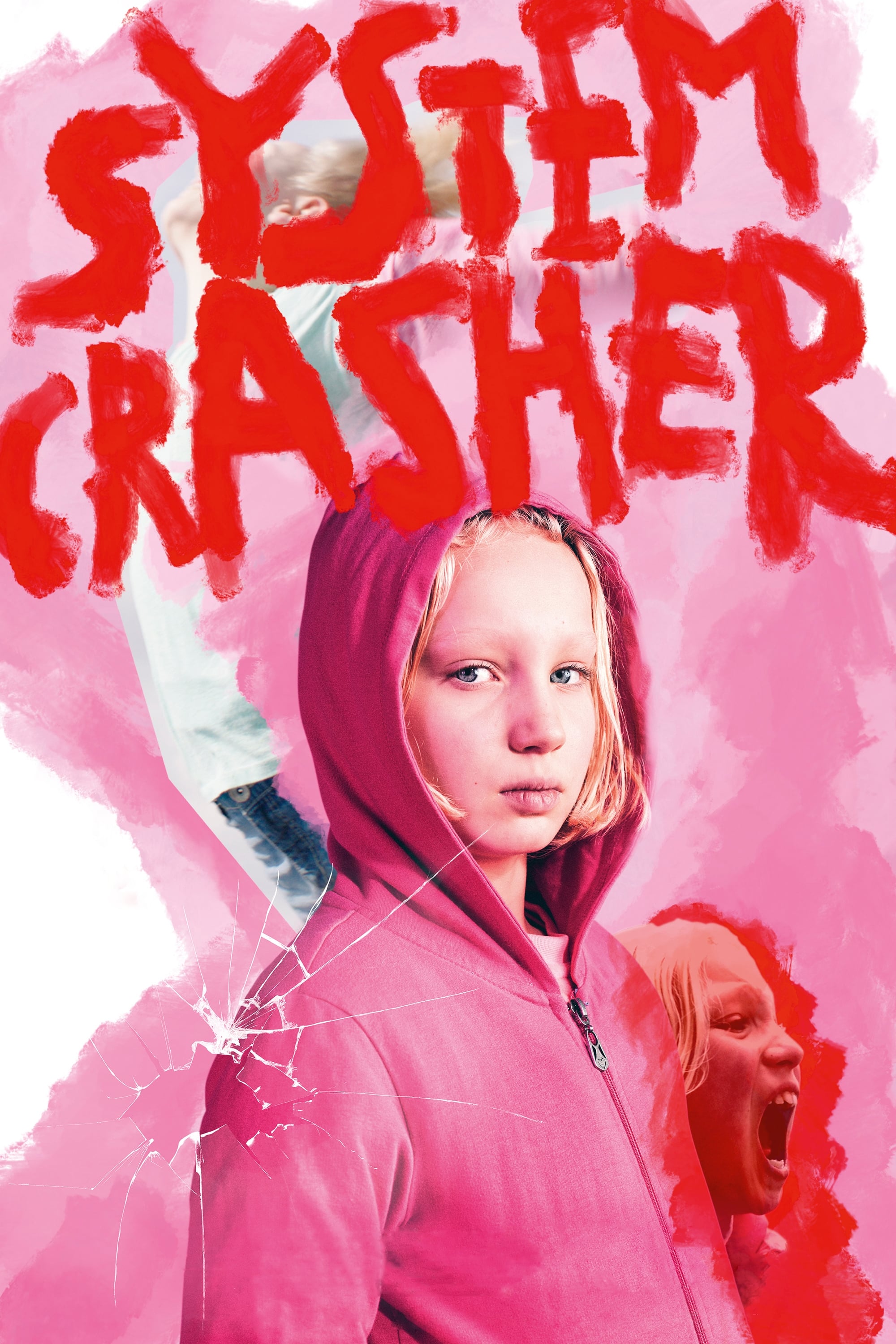
This German film is directed by Nora Fingscheidt and stars Helena Zengel, Albrecht Schuch, and Gabriela Maria Schmeide. It is spoken in German. It won the Alfred Bauer Silver Bear at the Berlin Film Festival and received wide festival play.
The plot follows a fierce child who cycles through care systems and specialized schooling. Production involved research with social workers and child protection services. The film later brought international attention to its young lead who appeared in ‘News of the World’.
‘The Edge of Heaven’ (2007)
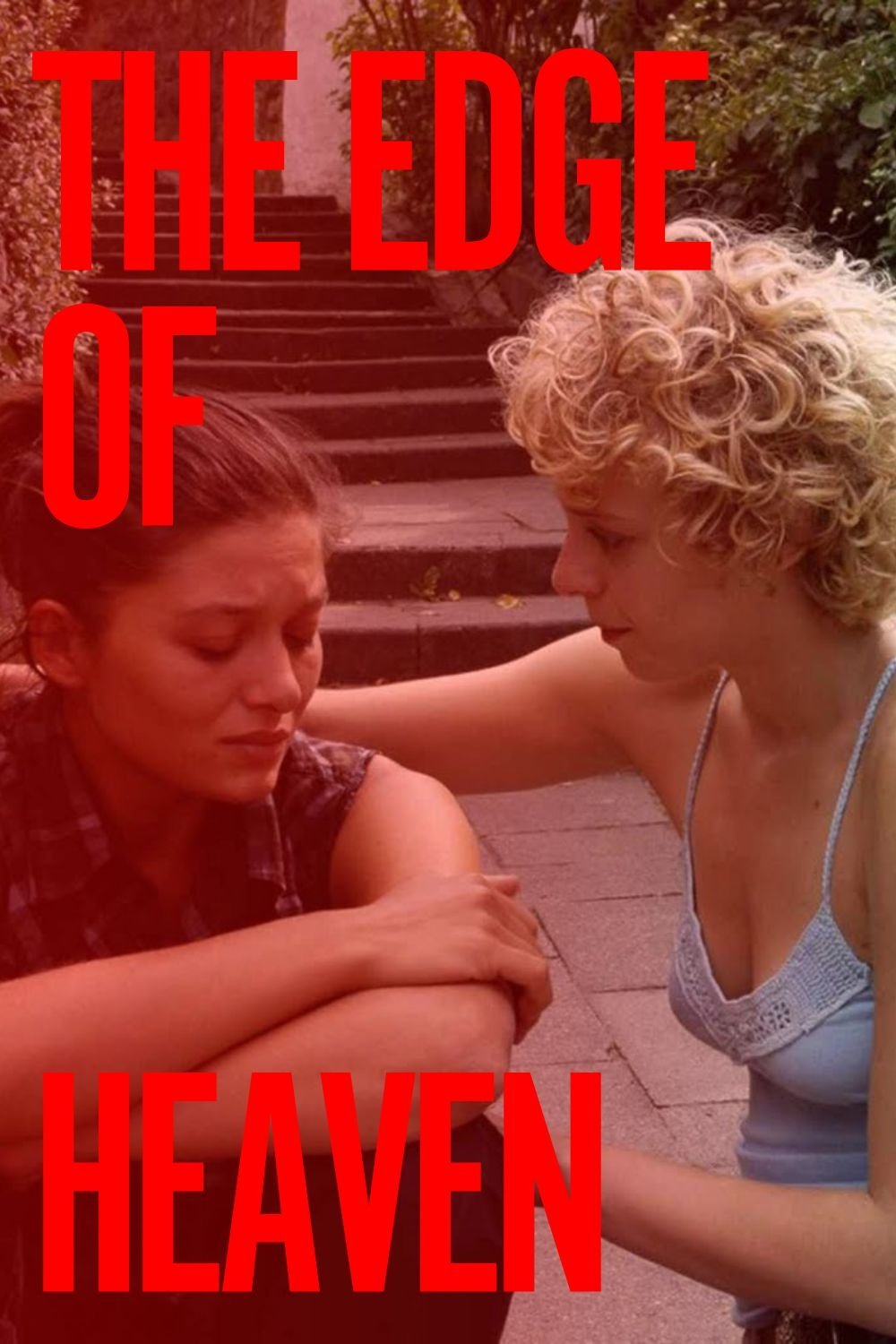
This German and Turkish co production is directed by Fatih Akin and stars Baki Davrak, Nurgül Yeşilçay, Tuncel Kurtiz, and Hanna Schygulla. It is spoken in German, Turkish, and English. It won Best Screenplay at the Cannes Film Festival.
The story links characters in Hamburg and Istanbul through family ties and chance crossings. The production shot in both countries and follows intersecting chapters that move back and forth between cities. It belongs to a thematic grouping in the director’s body of work focused on love and death.
‘A Simple Life’ (2011)
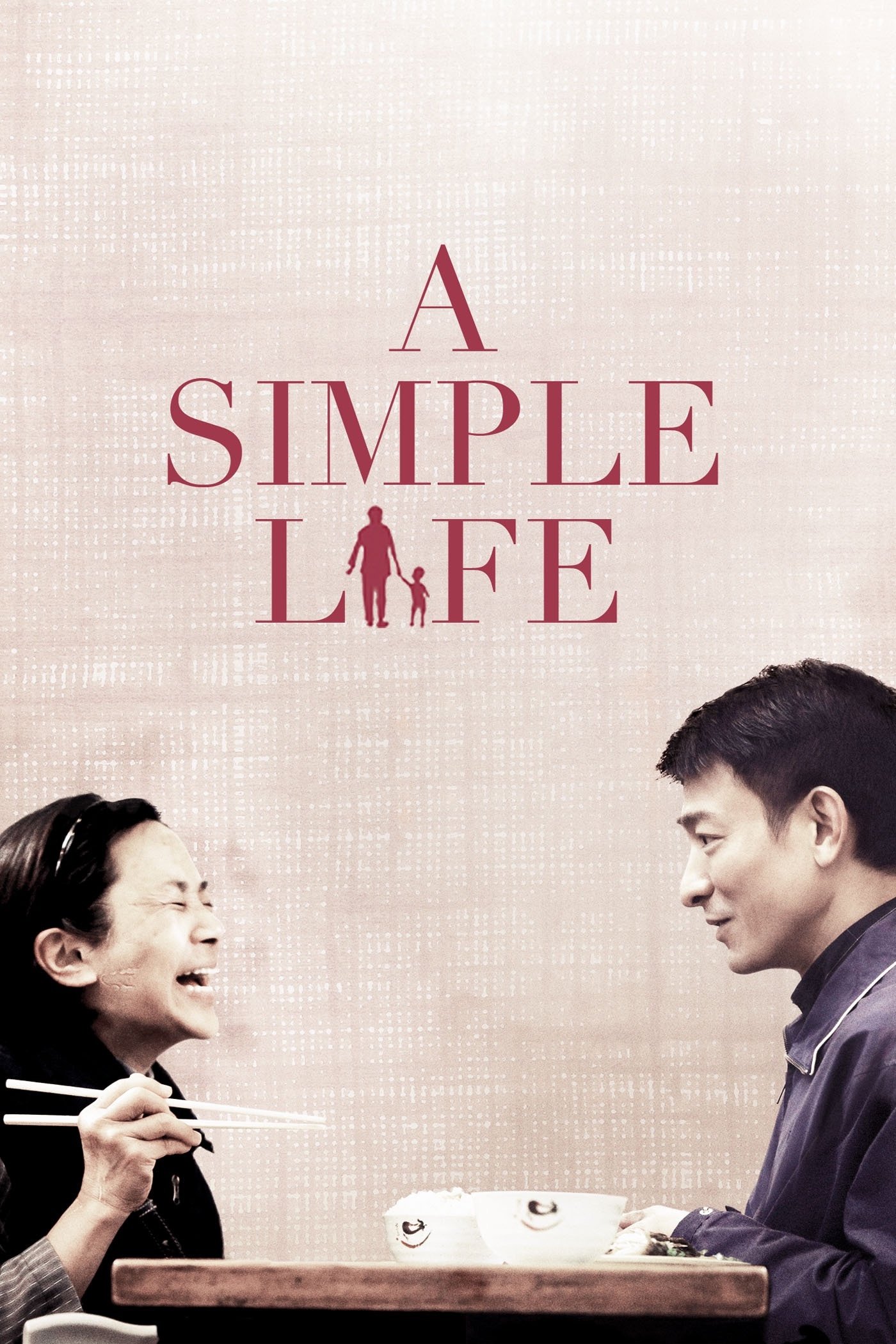
This Hong Kong drama is directed by Ann Hui and stars Andy Lau and Deanie Ip. It is spoken in Cantonese. Deanie Ip won Best Actress in Venice and the film gathered major prizes in Asia.
The plot is based on the experiences of producer Roger Lee and his long time family maid. Production took place in real care homes and apartments in Hong Kong. The original title is ‘Tao Jie’.
‘The Way I Spent the End of the World’ (2006)

This Romanian feature is directed by Cătălin Mitulescu and stars Dorotheea Petre and Radu Iacoban. It is spoken in Romanian. Dorotheea Petre received the Best Actress award in the Un Certain Regard section at Cannes.
The film follows siblings living in Bucharest during the final period of the communist regime. Production recreated period details with costumes and locations that reflect everyday life in that era. The film contributed to the international visibility of the Romanian New Wave.
‘Peppermint Candy’ (1999)

This South Korean drama is directed by Lee Chang dong and stars Sol Kyung gu and Moon So ri. It is spoken in Korean. The film opened the Busan International Film Festival and later screened in Cannes.
The narrative unfolds in reverse order across key moments in one man’s life. Production features sequences on railway tracks and bridges that serve as structural anchors. The film’s title refers to a recurring object that links episodes.
‘The Blue Caftan’ (2022)
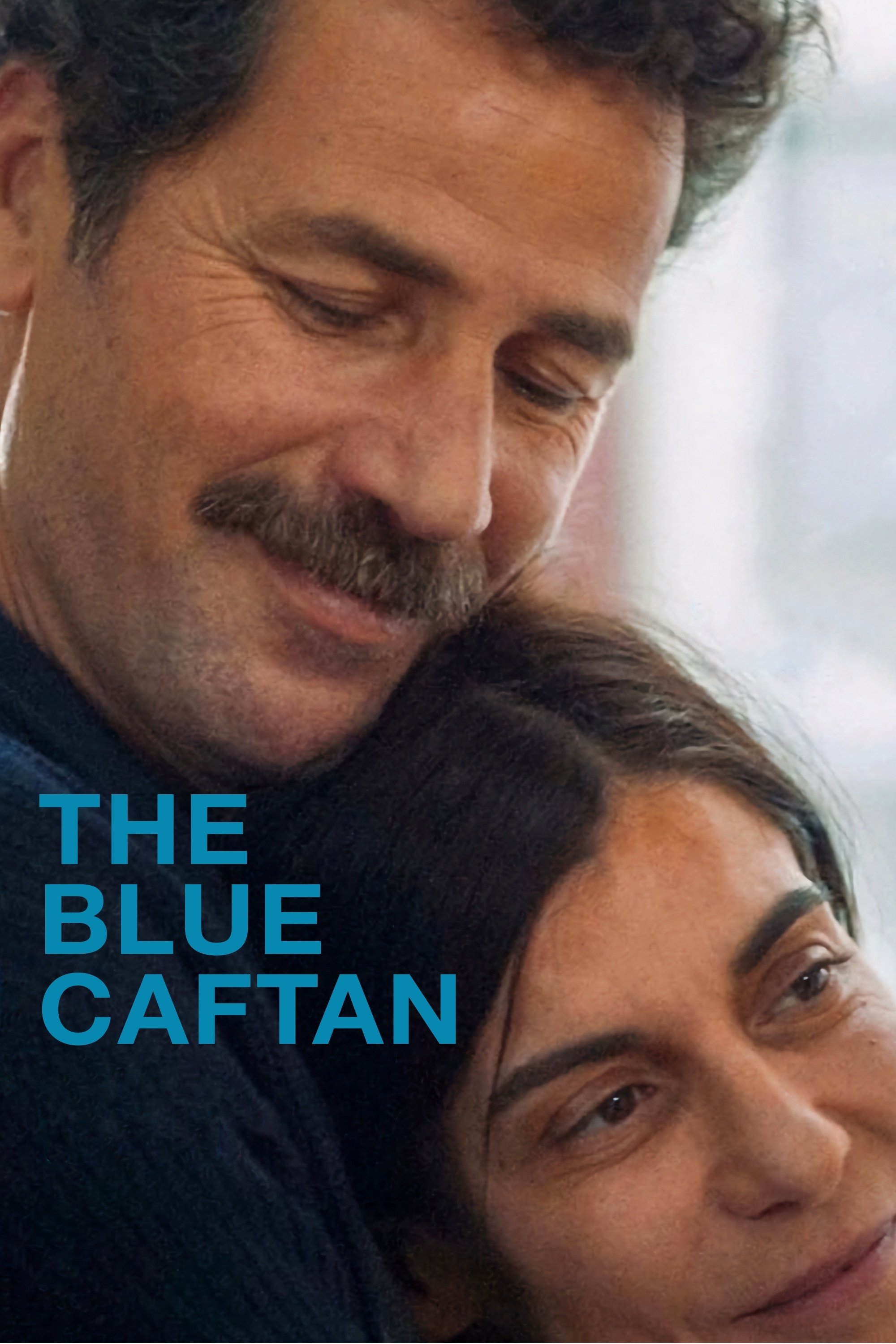
This Moroccan film is directed by Maryam Touzani and stars Lubna Azabal and Saleh Bakri. It is spoken in Arabic and French. It premiered in the Un Certain Regard section at Cannes and was selected as Morocco’s submission for the Academy Awards.
The story follows a master tailor and his wife who run a small shop in the city of Salé. Production highlights include detailed work with fabric and craft techniques that are shown on screen. The film was supported by a French and Moroccan co production structure.
‘The Wolf House’ (2018)
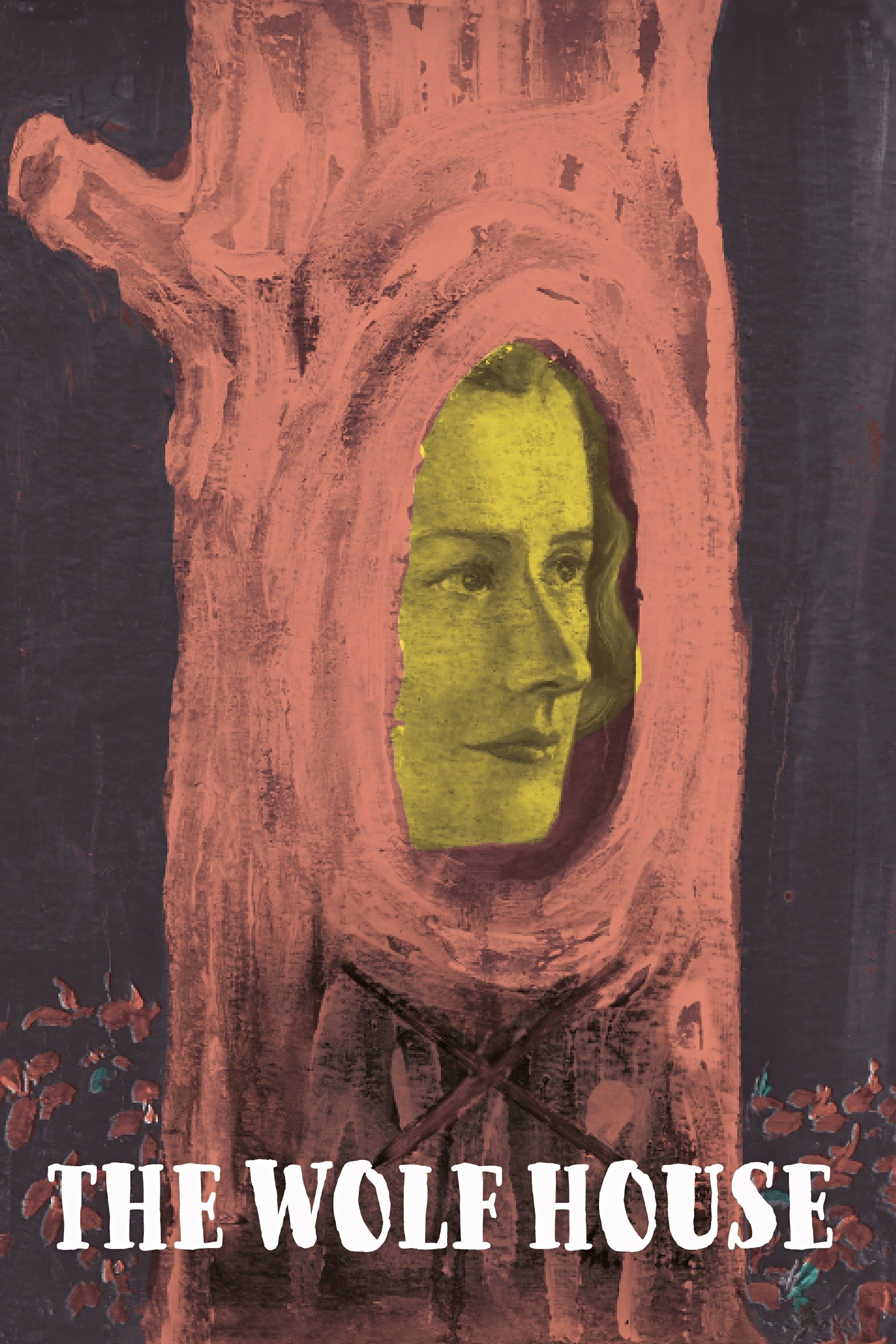
This Chilean animated feature is directed by Cristóbal León and Joaquín Cociña. It is spoken in Spanish and uses stop motion techniques that were staged as gallery installations during production. It premiered in the Forum section at Berlin and won the Caligari Prize.
The plot imagines a young woman who hides in a house after escaping a secluded sect. The film uses painted walls, shifting sets, and in camera transformations to create a living space that changes across scenes. The original title is ‘La Casa Lobo’.
‘The Innocents’ (2021)
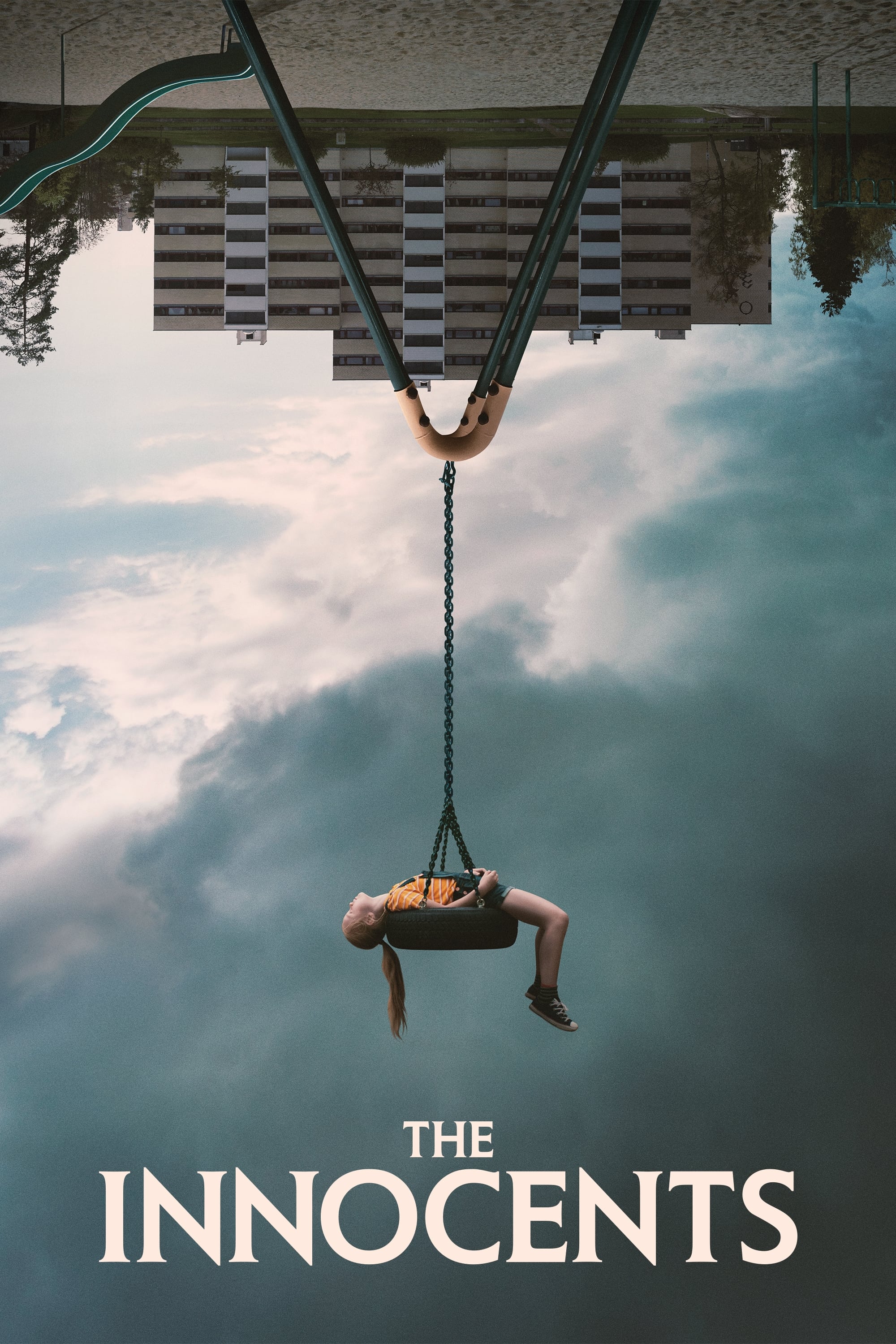
This Norwegian film is directed by Eskil Vogt and stars Rakel Lenora Fløttum, Alva Brynsmo Ramstad, and Sam Ashraf. It is spoken in Norwegian. It premiered in the Un Certain Regard section at Cannes and received nominations at the European Film Awards.
The story follows children in a housing estate who discover unusual abilities during a summer break. Production took place in real apartment complexes and forests near Oslo with careful sound design to capture small details. The film connects to the director’s ongoing collaboration as a writer with Joachim Trier.
‘The Constitution’ (2016)
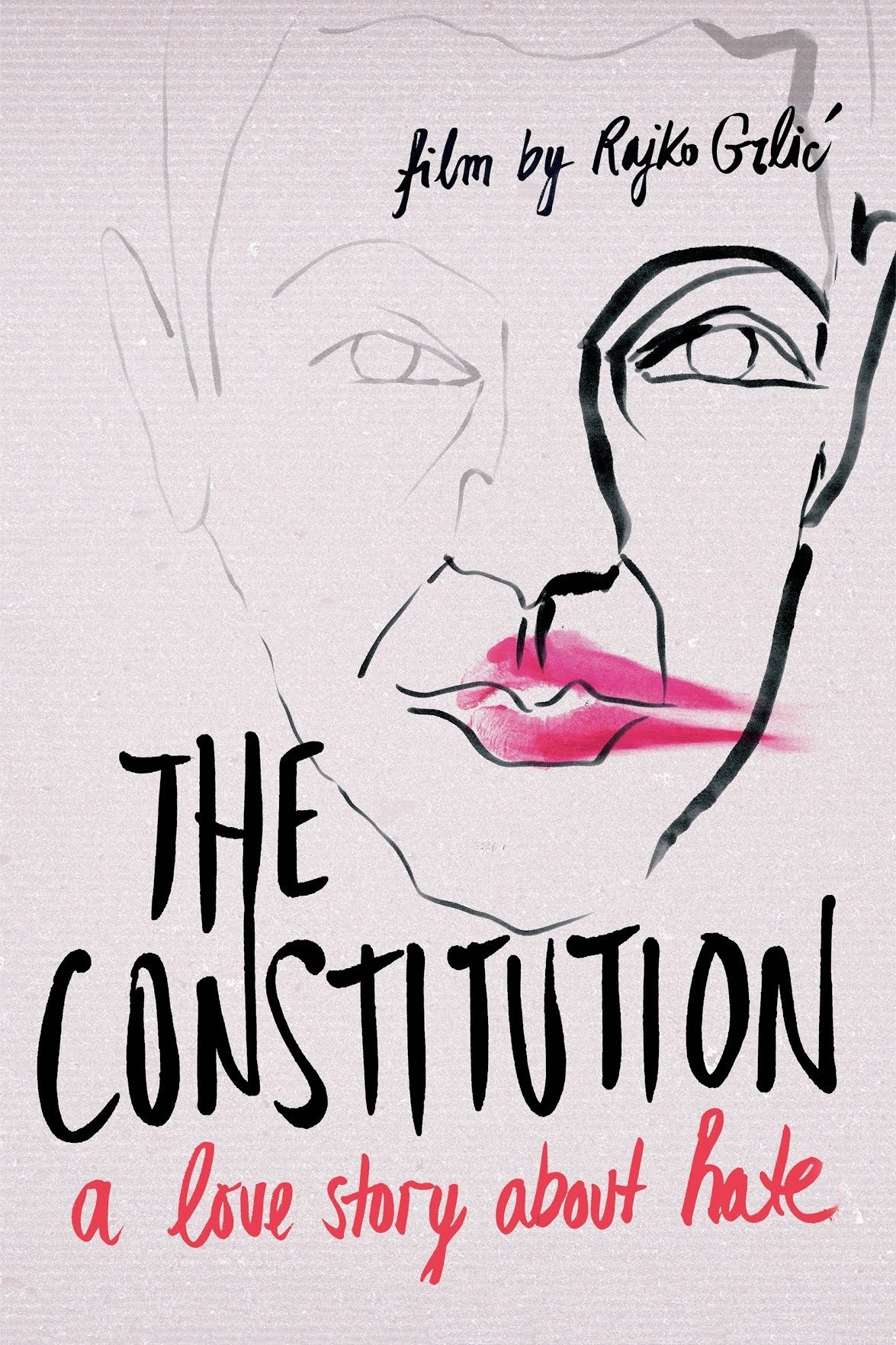
This Croatian drama is directed by Rajko Grlić and stars Nebojša Glogovac, Ksenija Marinković, and Dejan Aćimović. It is spoken in Croatian. The film won the Grand Prix of the Americas at the Montreal World Film Festival and collected awards at regional festivals.
The plot follows neighbors in Zagreb whose lives intersect through illness, work, and national identity. Production filmed on location in the city and in interior sets that recreate apartments and hospital rooms. The original title is ‘Ustav Republike Hrvatske’.
‘Grbavica: The Land of My Dreams’ (2006)
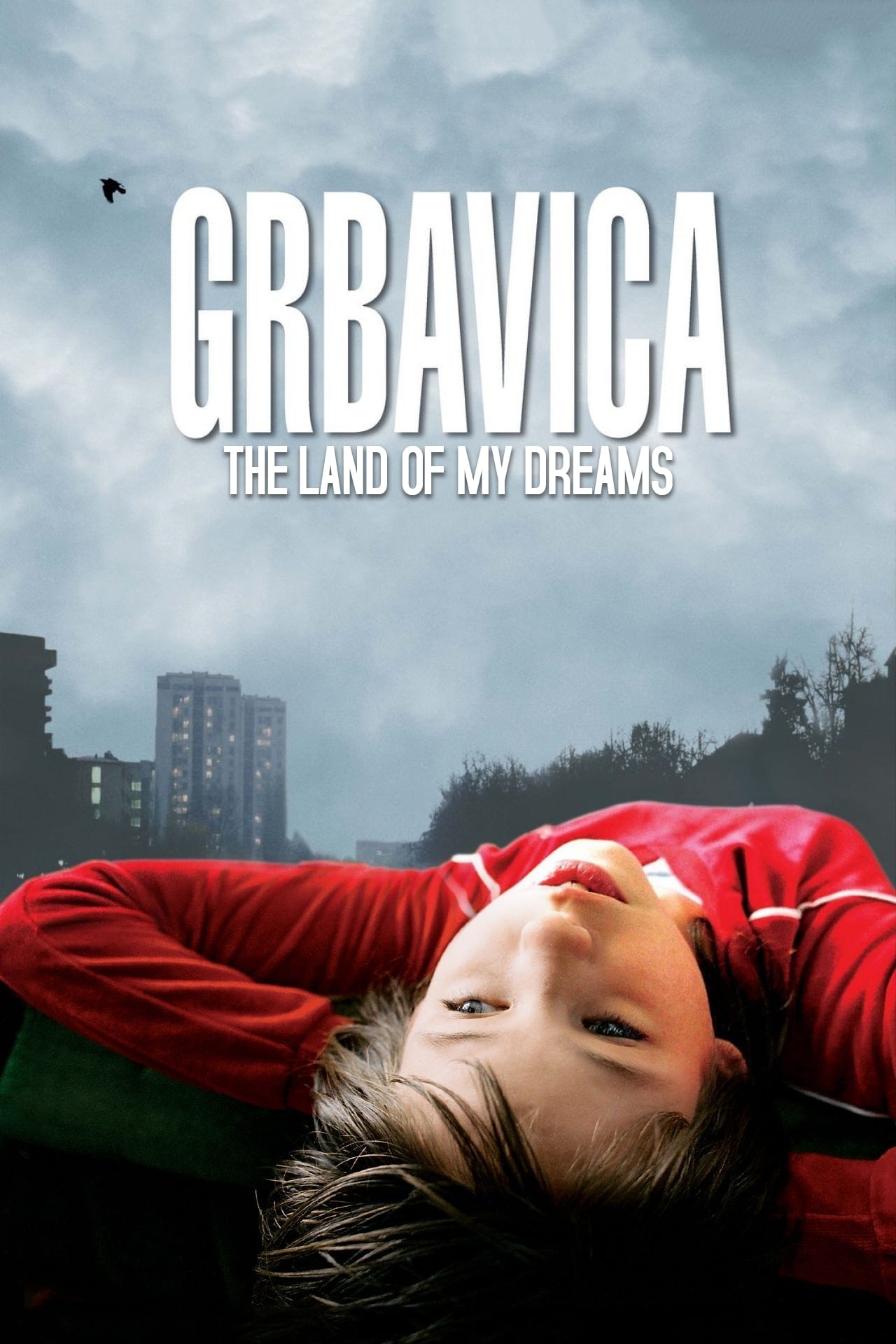
This film from Bosnia and Herzegovina is directed by Jasmila Žbanić and stars Mirjana Karanović and Luna Mijović. It is spoken in Bosnian. The film won the Golden Bear at the Berlin Film Festival.
The story is set in Sarajevo and follows a mother and daughter living with the legacy of wartime violence. Production worked with local crews and locations across the Grbavica district. The film’s international title is ‘Esma s Secret Grbavica’.
‘The Ornithologist’ (2016)
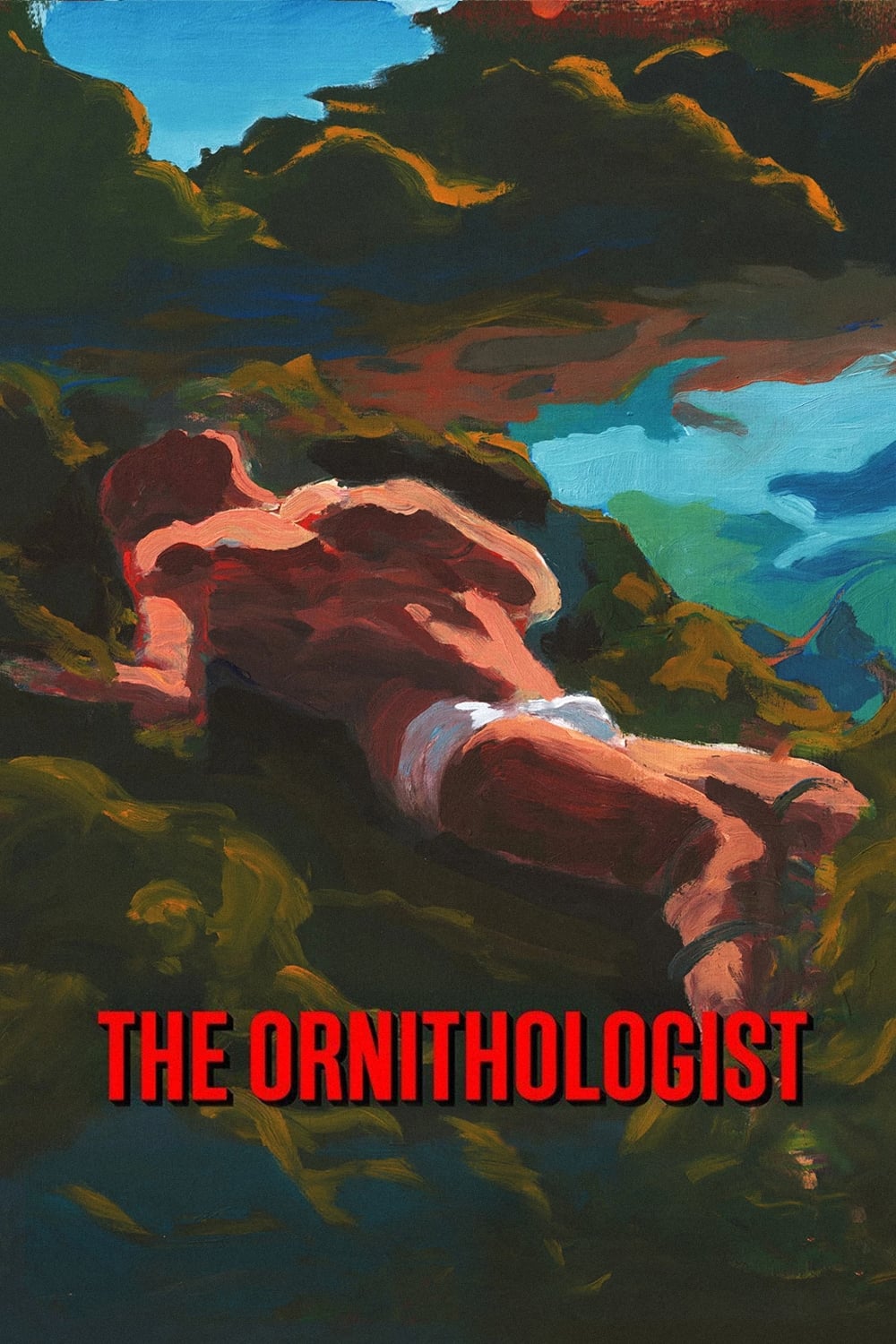
This Portuguese feature is directed by João Pedro Rodrigues and stars Paul Hamy, Xelo Cagiao, and João Pedro Rodrigues in a small role. It is spoken in Portuguese and several other languages. The director won Best Director at the Locarno Film Festival.
The plot follows a bird watcher who becomes lost in a remote region and encounters pilgrims and villagers. Production used river rapids, cliffs, and forests in northern Portugal with a mix of natural light and night scenes. The film engages with religious imagery and transformation.
‘The Woman Who Left’ (2016)
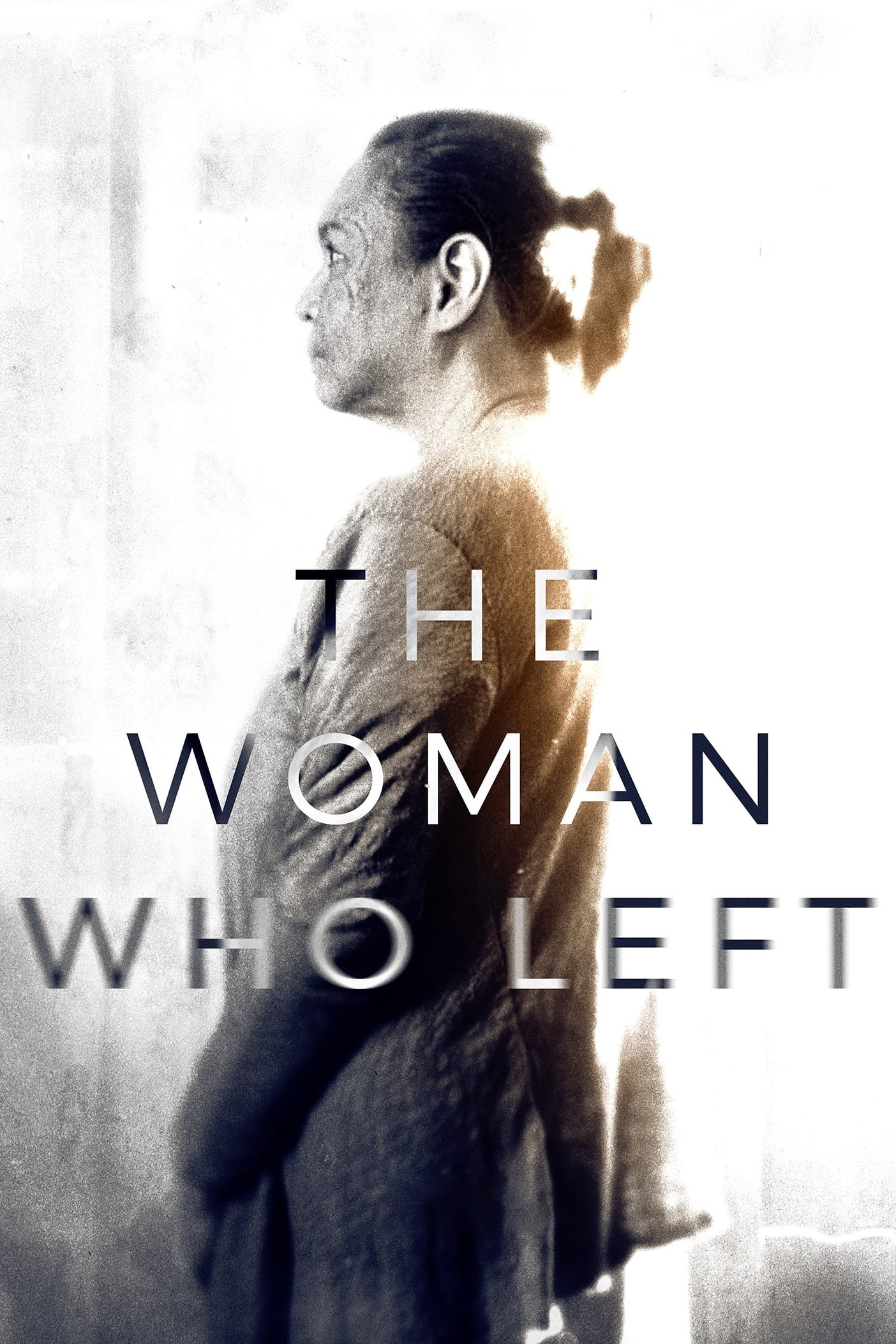
This Philippine drama is directed by Lav Diaz and stars Charo Santos Concio, John Lloyd Cruz, and Michael De Mesa. It is spoken in Filipino and is presented in black and white with extended running time. It won the Golden Lion at the Venice Film Festival.
The story concerns a former teacher who is released from prison and searches for the person responsible for her wrongful conviction. Production uses long takes, static compositions, and urban and rural locations around Manila. The film contributes to the director’s exploration of national history through slow cinema methods.
Share the titles you would add to this list in the comments so other readers can discover them too.

