


Underrated Martial Arts Movies Nobody Talks About (But Should)



Martial arts cinema spans studio epics, gritty thrillers, and scrappy independents from Hong Kong, Thailand, Vietnam, Indonesia, the United States, and beyond. Many strong titles slipped through the cracks of mainstream conversation even though they feature notable directors, performers, and stunt teams whose work shaped how screen fighting looks and feels today.
This list gathers lesser discussed features across subgenres that range from period wuxia to modern crime stories to tournament tales. Each entry highlights directors, key cast, choreography crews, alternate titles, formats, and production details so you can find the films and know what kind of action to expect.
‘Pedicab Driver’ (1989)
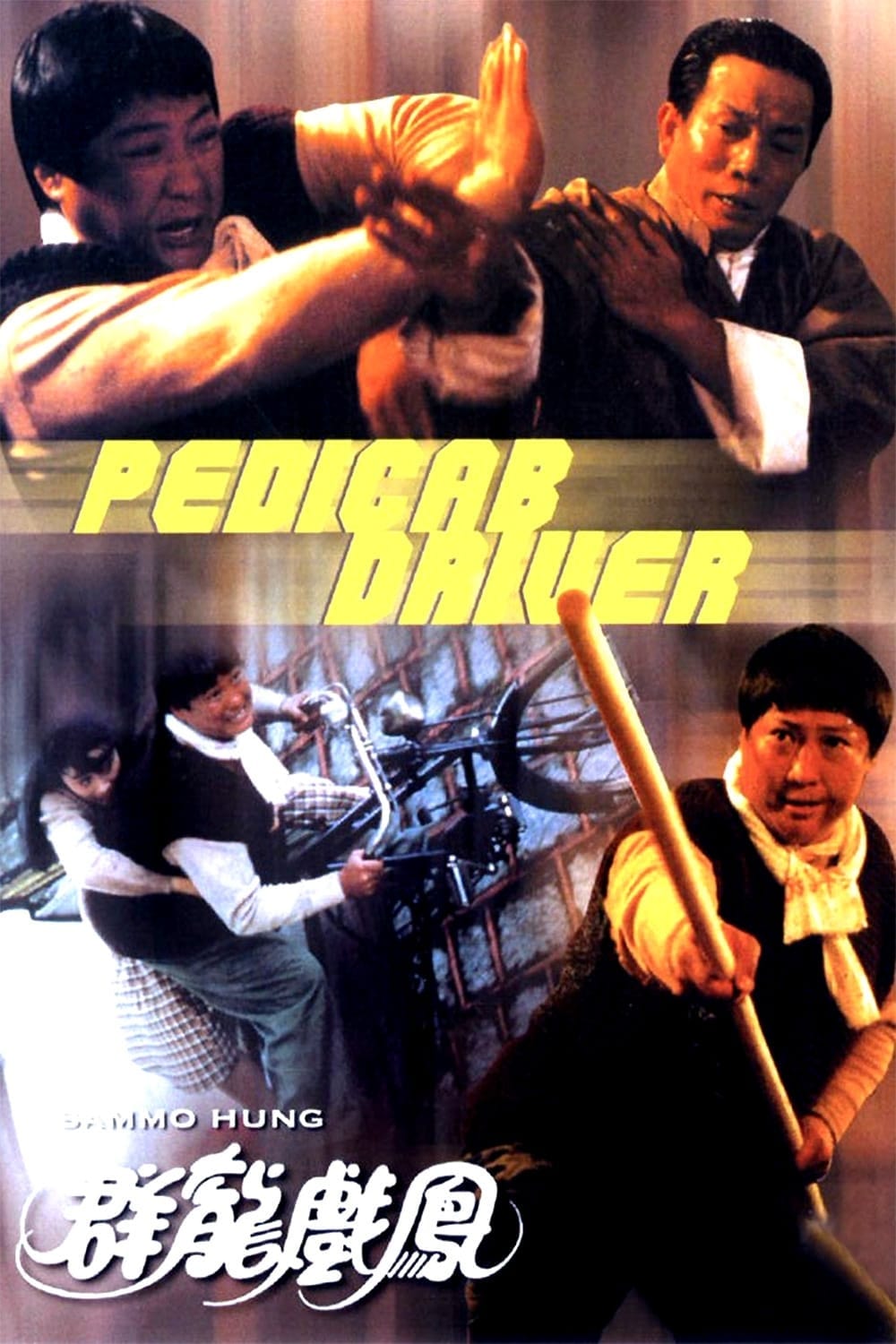
Sammo Hung directs and stars in a story set in Macau that follows a tight knit group of pedicab workers who cross paths with local gang figures. The cast features Lam Ching ying, Max Mok, Mang Hoi, and other Golden Harvest regulars, with scenes staged on bustling streets and studio backlots that recreate historic neighborhoods.
Action design by the Sammo Hung Stunt Team mixes hand to hand exchanges and weapon work inside cramped rooms and open markets where movement is controlled by real world obstacles. Different home releases circulated with minor edits to comedic beats, while later restorations aimed to present a fuller character throughline.
‘Eastern Condors’ (1987)

Sammo Hung directs a wartime mission movie about Chinese American prisoners offered amnesty if they destroy a cache of munitions behind enemy lines. The ensemble includes Yuen Biao, Lam Ching ying, Yuen Wah, and Joyce Godenzi, with military gear and period costuming used to place the commandos in hostile terrain.
Principal photography took place in tropical locations chosen to stand in for dense jungle, supported by large practical explosions and aerial wire work overseen by veteran stunt coordinators. International editions vary in scene order and pacing, and the film is known for extended ensemble fights that require precise timing among multiple performers.
‘Knockabout’ (1979)

Sammo Hung directs Yuen Biao as a street hustler who becomes a student under a quirky beggar monk after running afoul of a master con artist. The narrative follows confidence schemes, an intense training regimen, and a final reckoning that pays off the lessons learned throughout the story.
Choreography showcases northern long fist techniques and advanced acrobatics filmed in longer takes that let Yuen Biao demonstrate opera school tumbling. The production team used clean staging and wide framing so audiences can track footwork, angle changes, and counterattacks without heavy cutting.
‘Righting Wrongs’ (1986)
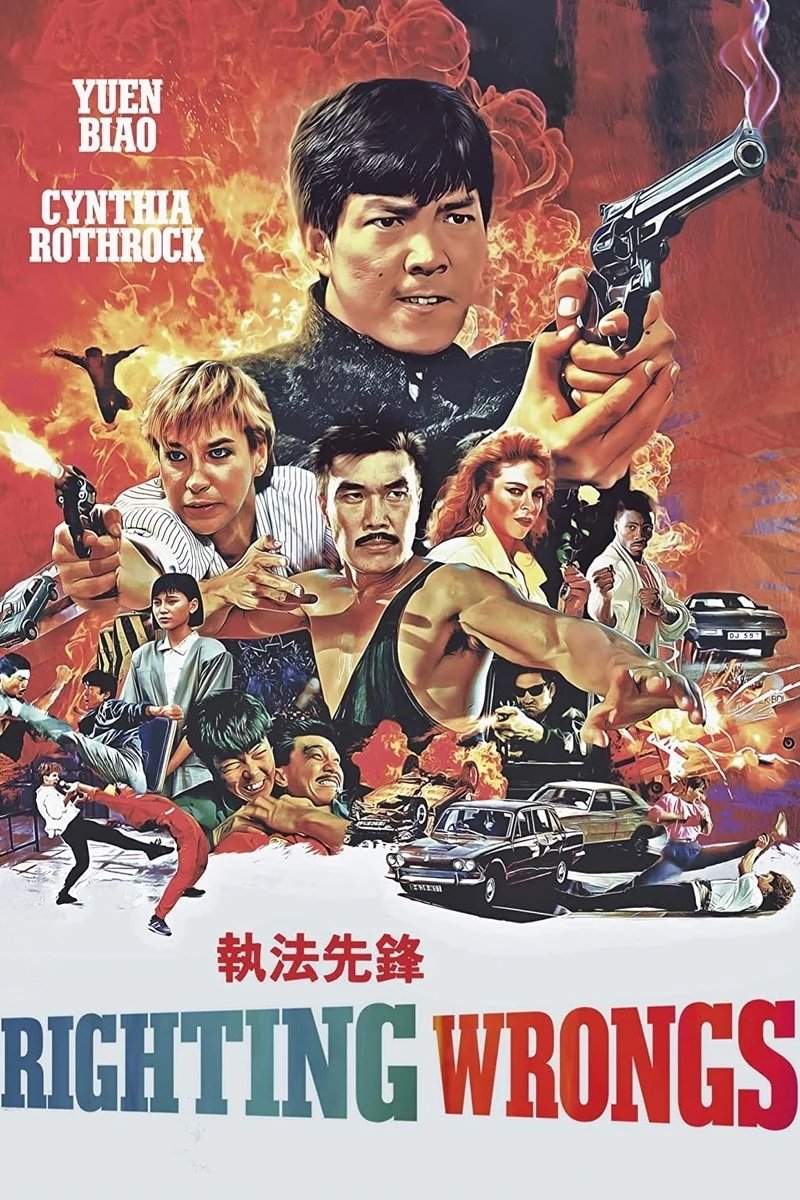
Corey Yuen directs Yuen Biao as a prosecutor who takes direct action after a case against a powerful syndicate collapses. Cynthia Rothrock co stars as a determined inspector, with location work across courts, streets, and industrial spaces that support a story centered on the justice system.
The film is also known as ‘Above the Law’ in several regions and has multiple endings depending on territory. Fights feature hard contact, risky falls, and weapon disarms performed by the leads and stunt professionals under the supervision of the director and his longtime action unit.
‘Tiger Cage’ (1988)
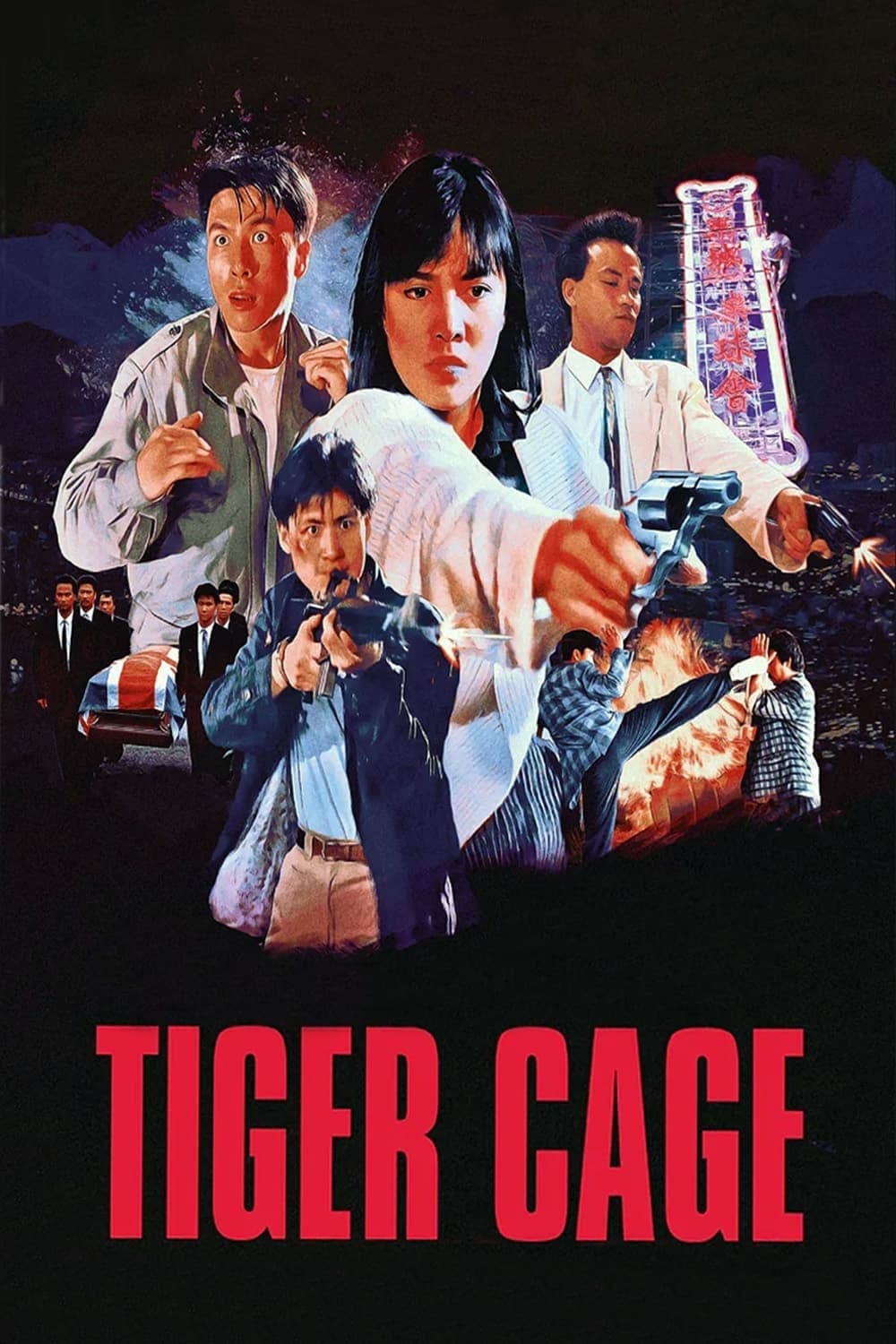
Yuen Woo ping directs a police procedural that follows an anti narcotics team as corruption and betrayal turn partners against each other. Donnie Yen appears in an early major role alongside Jacky Cheung and Michael Wong, with scenes set in apartments, alleys, and nightclubs to ground the casework.
The action blends close quarters brawling with shootouts and foot chases that use stairwells and tight corridors to shape rhythm. The director’s family led stunt crew designed combinations that highlight fast kicking while maintaining the rough texture of modern urban fights.
‘Tiger Cage II’ (1990)
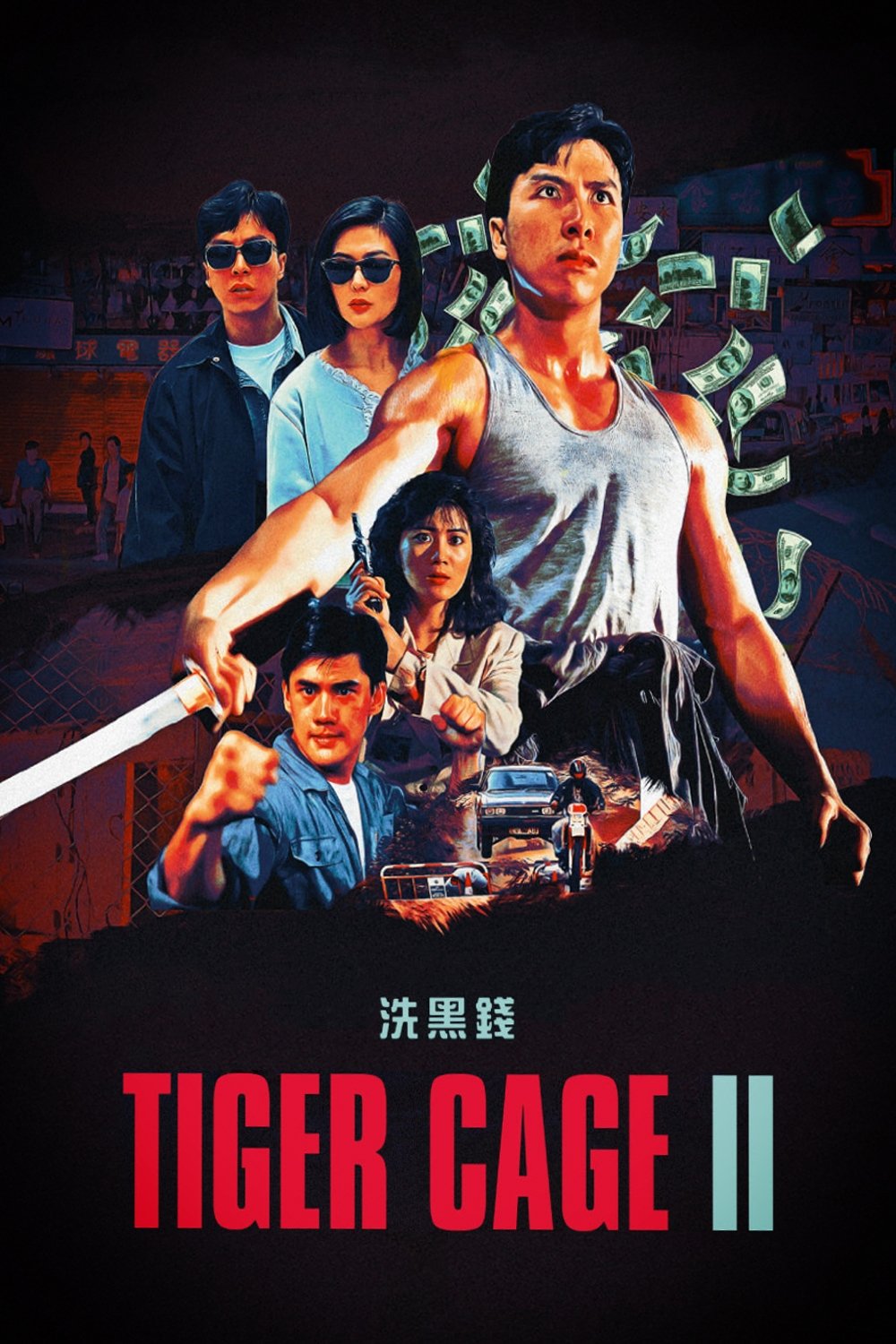
Yuen Woo ping returns with a new storyline that pairs a hotheaded fighter and a lawyer who are pulled into a money laundering war. Donnie Yen leads a cast that includes Rosamund Kwan and Robin Shou, with set pieces that move from courtrooms to warehouses to crowded streets.
Choreography leans on rapid hand trapping, chain kicking, and improvised weapons in contained spaces that force quick angle changes. Many releases present it as a separate tale from ‘Tiger Cage’, and the films can be watched independently without shared plot threads.
‘She Shoots Straight’ (1990)
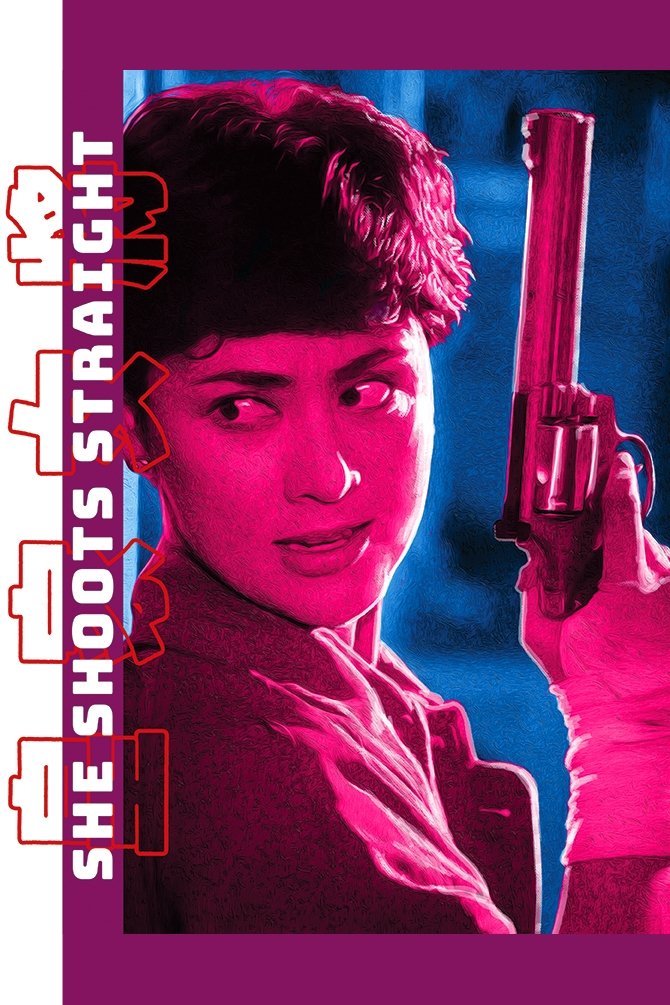
Corey Yuen directs Joyce Godenzi as an elite officer whose team clashes with a ruthless gang after a high stakes operation. The cast features Tony Leung Ka fai, Carina Lau, and Yuen Wah, with sequences that cut between family tensions and tactical raids.
Set pieces stage running battles across docks, rooftops, and a busy urban hub where vertical movement adds danger to each exchange. Godenzi’s physical performance includes throws, locks, and weapon transitions delivered in clear, well lit compositions managed by the director’s stunt unit.
‘Burning Paradise’ (1994)

Ringo Lam tells a Shaolin escape story about a young monk held inside a fortress run by a sadistic abbot, with Willie Chi and Carman Lee leading the cast. Massive interior sets create a maze of cells, tunnels, and traps that turns every step into a tactical choice.
Sword and staff fights favor full body engagement without heavy wirework, which keeps movements grounded in weight and leverage. The antagonist’s domain is built as a single oppressive environment, and the production design supports continuous action that follows characters through multiple chambers.
‘The Blade’ (1995)

Tsui Hark crafts a harsh revenge tale loosely inspired by ‘One Armed Swordsman’, with Vincent Zhao as a factory worker who adapts to life after a severe injury. The film uses handheld photography and fast cuts that put viewers inside the dust and sparks of forges and fight sites.
Natural lighting and location shooting emphasize grit while keeping blade arcs visible in the frame. Alternate edits circulated on early discs and later restorations, which explains differences in scene progression and voiceover across versions.
‘Dreadnaught’ (1981)
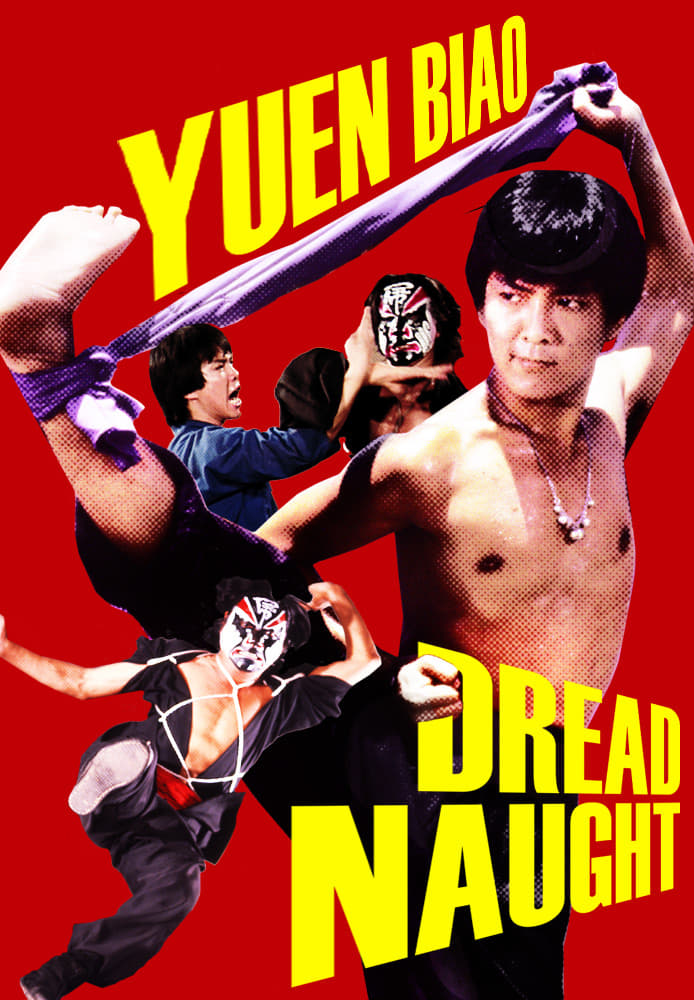
Yuen Woo ping directs Yuen Biao as a laundry worker who seeks help from Wong Fei hung after drawing the attention of a masked murderer known as White Tiger. Kwan Tak hing reprises his signature role, anchoring training and clinic scenes that connect folk hero medicine with martial guidance.
The film blends Peking opera routines with southern forms, and choreography uses stage props and scenery as functional tools. A finale inside an opera theater turns backdrops and rigging into moving parts of the fight, with camera placement chosen to keep spatial relationships readable.
‘Ninja in the Dragon’s Den’ (1982)
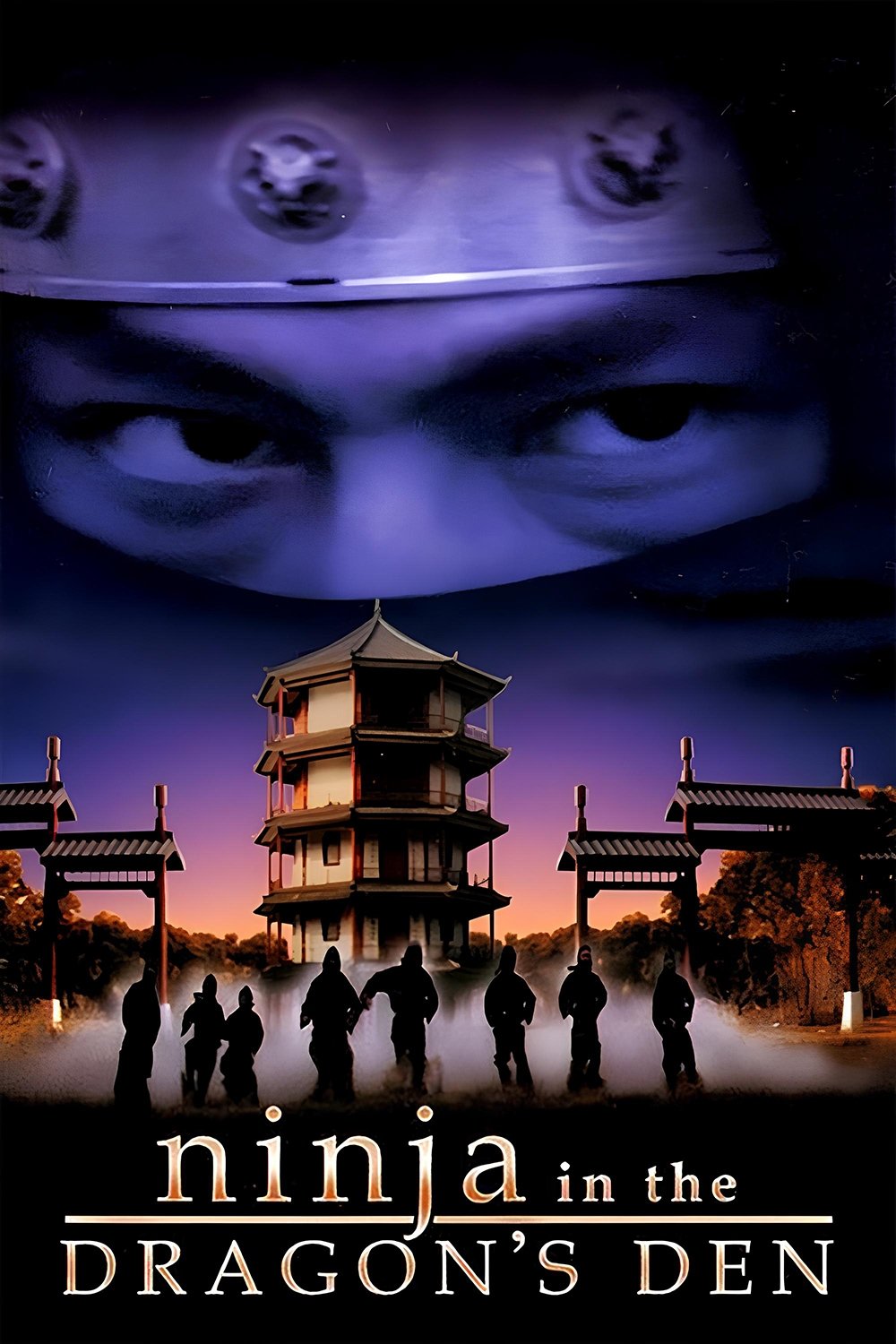
Corey Yuen directs Hiroyuki Sanada and Conan Lee in a cross cultural duel that grows into a team up against a hidden enemy. The story pits a Japanese ninja against a Chinese martial artist with both sides driven by family debts and old secrets.
Action showcases rope dart, throwing implements, and wire assisted leaps that remain legible through clear blocking. Cantonese and Japanese dialogue tracks were both prepared, and different territories emphasized one language or the other on release prints and home formats.
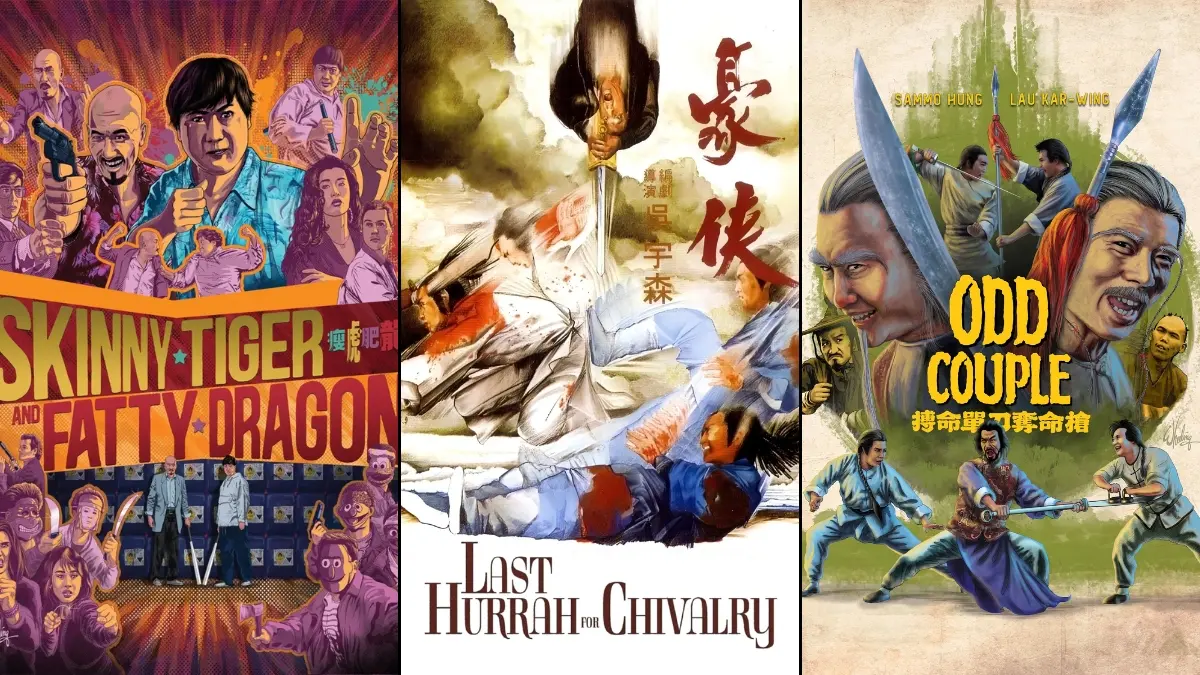
‘Last Hurrah for Chivalry’ (1979)
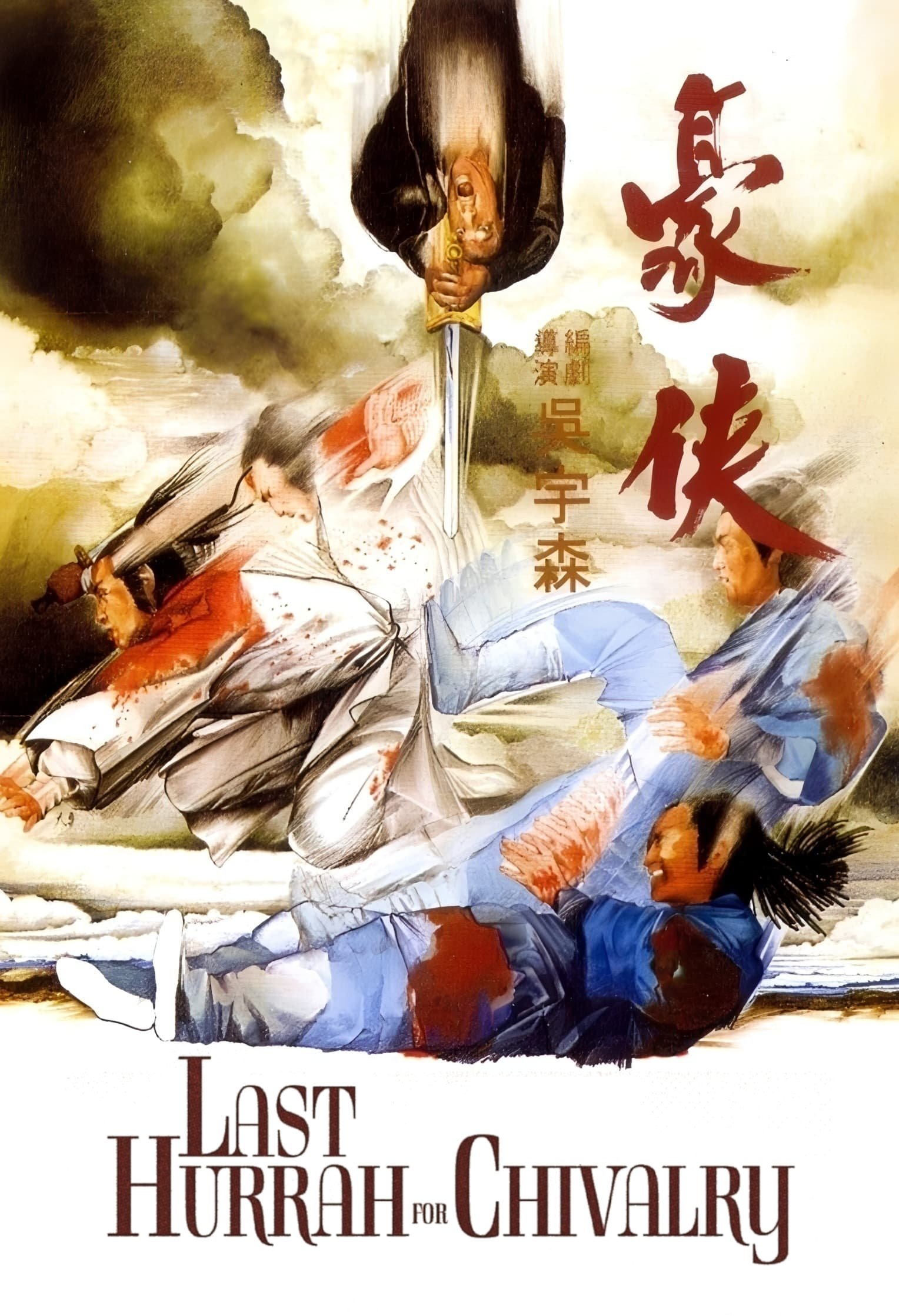
John Woo presents a wuxia drama about two swordsmen who enter a vendetta on behalf of a wronged groom whose household was attacked. The plot explores shifting alliances inside merchant clans and hired killer circles, with twists that unfold through feasts, duels, and secret meetings.
Swordplay relies on classical lunge and parry patterns filmed in extended takes that show footwork and body lines. Subtitles and character naming can vary by edition, which affects how relationships are read during key confrontations.
‘Odd Couple’ (1979)
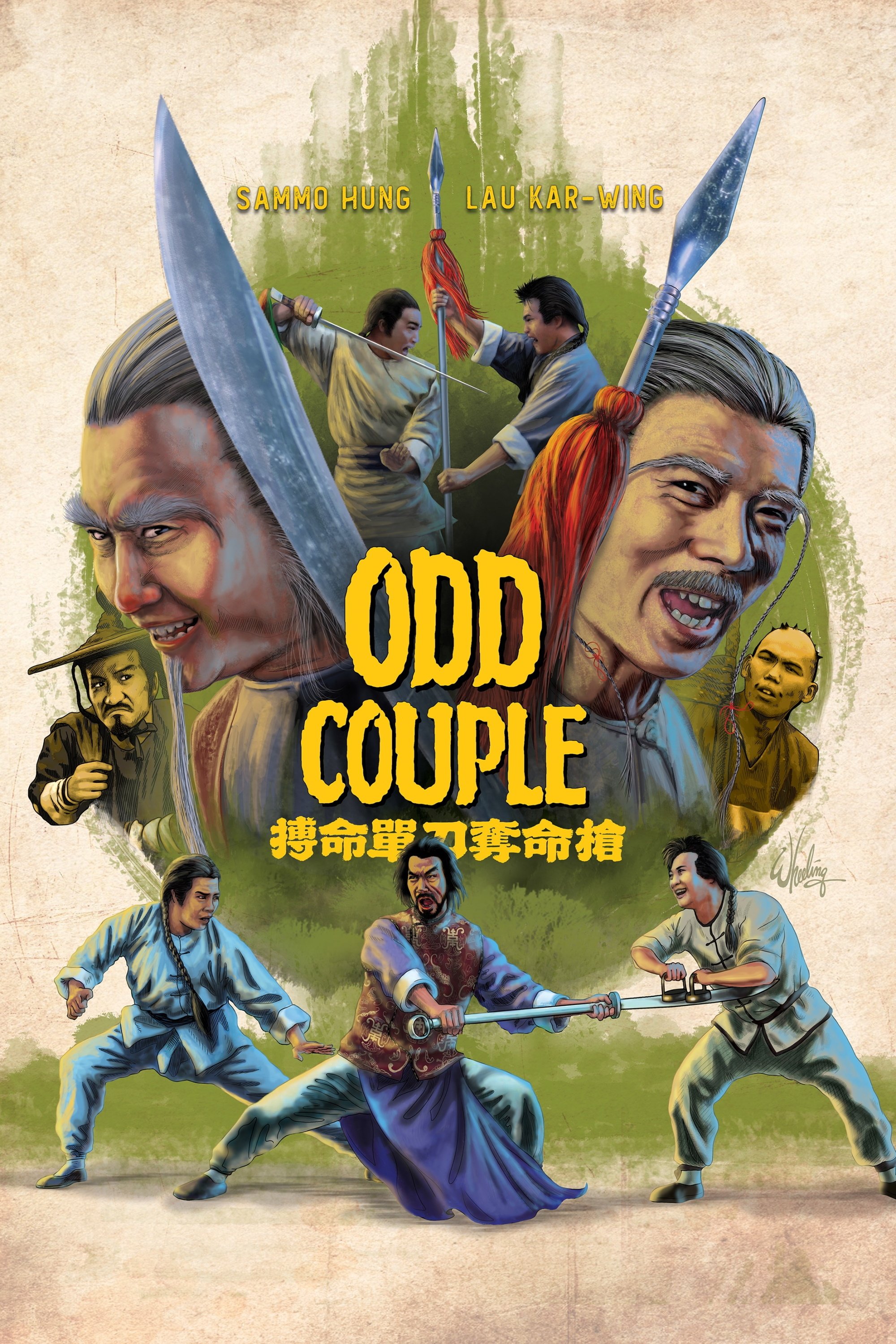
Lau Kar Wing directs a duel driven story about two aging masters who meet annually to test sabre against spear. Sammo Hung and Lau Kar Wing play both masters and their respective students, using costumes and performance choices to distinguish each role.
The production focuses on long weapon choreography that highlights timing, distance, and angle control. Interior stages let the team maintain safe blade gaps while still delivering high speed exchanges that demonstrate authentic technique.
‘Skinny Tiger, Fatty Dragon’ (1990)
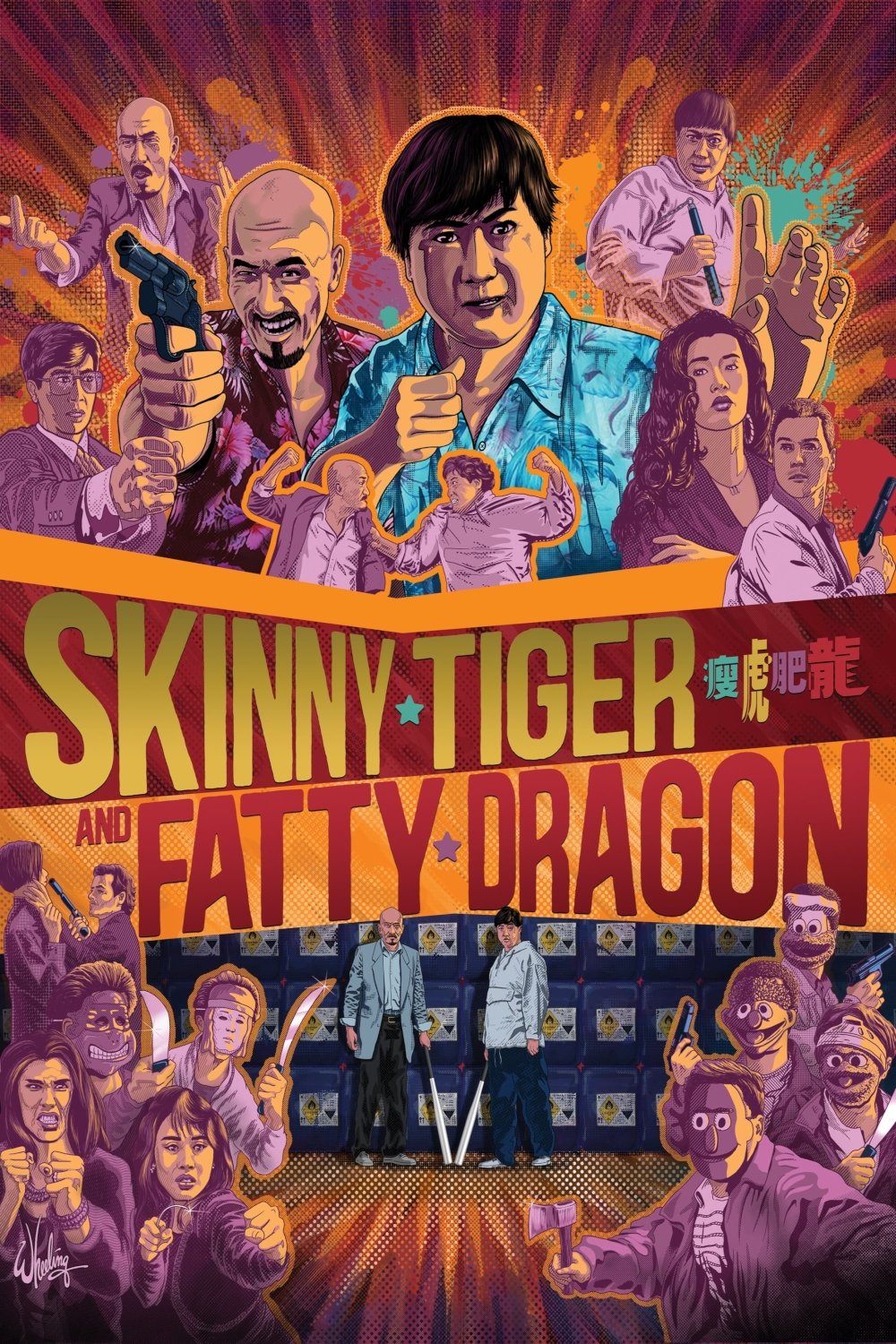
Lau Kar Wing directs Sammo Hung and Karl Maka as mismatched officers chasing a syndicate across Hong Kong and Macau. Locations include markets, apartments, and industrial sites that place fights inside everyday environments.
Choreography nods to the style associated with Bruce Lee through interception and short power while keeping the director’s ensemble rhythm. Post production sound and music reflect the era’s energetic approach, with crisp effects that accentuate contact.
‘Outlaw Brothers’ (1990)
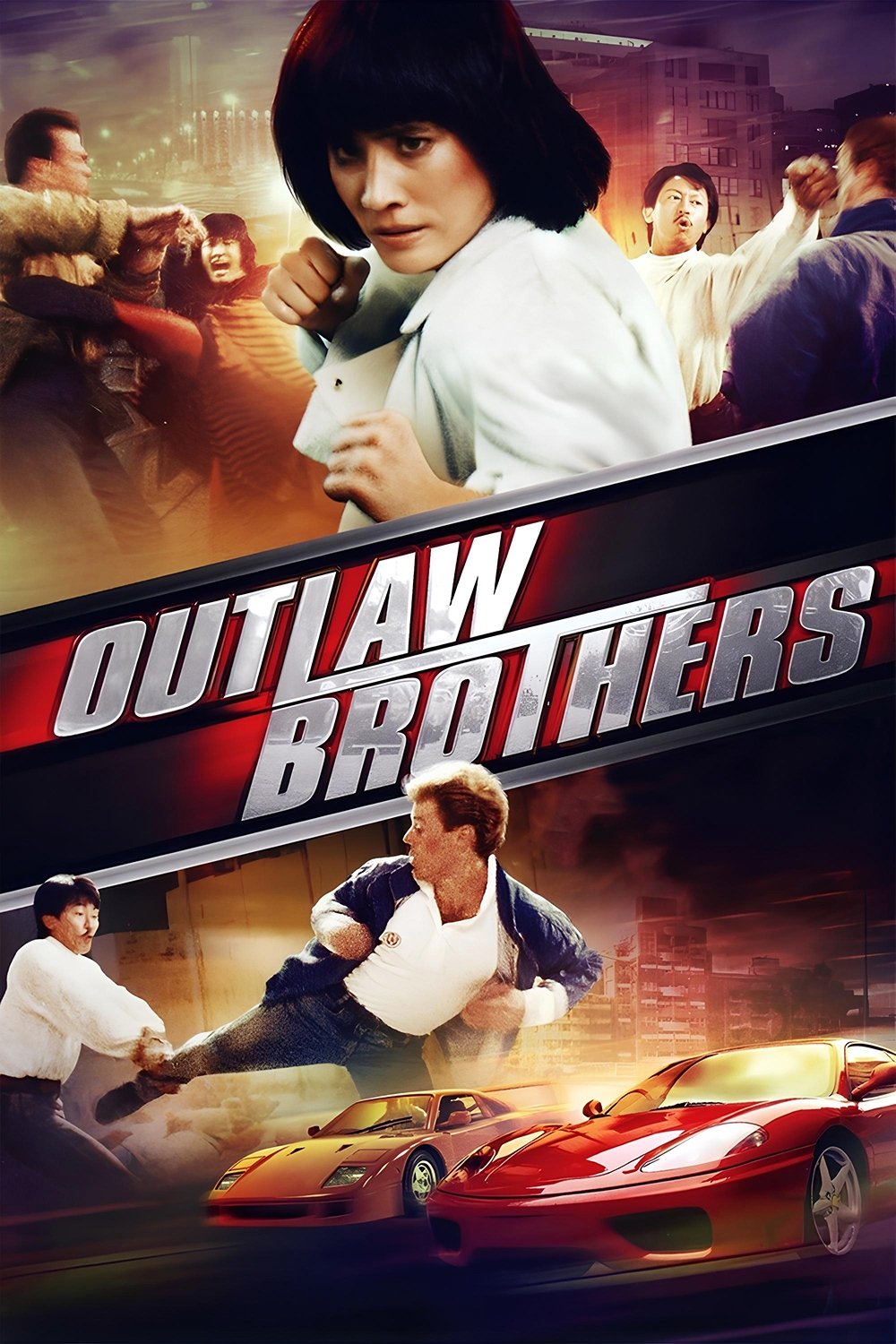
Frankie Chan directs and co stars in a caper that mixes elaborate car chases with close quarters combat as thieves collide with smugglers and a relentless detective. The cast features Max Mok and Yukari Oshima, and the story uses police stations, garages, and crowded streets for momentum.
Stunt teams deliver practical driving gags with ramps, near misses, and flips integrated into the narrative rather than isolated showcases. Hand to hand scenes emphasize high kicks and weapon disarms, and many performers appear in multiple roles across the action.
‘Chocolate’ (2008)

Prachya Pinkaew directs Yanin Vismitananda as a young woman who learns by watching fighters and films while caring for her mother. A debt collection journey pushes her into confrontations with a series of crews, each with its own specialties and venues.
Panna Rittikrai designs hard contact choreography with falls and impacts performed without digital aid. End credit outtakes show the practical nature of the stunts, and the production uses real locations that include markets, meat lockers, and building ledges.
‘Born to Fight’ (2004)

Panna Rittikrai directs a rescue story about law enforcement and national athletes taken hostage in a rural community. Dan Chupong leads a cast that includes real champions whose sports skills are written directly into the action design.
Large scale demolitions, bridge runs, and vehicle gags are staged in wide shots that preserve geography. The film integrates soccer, gymnastics, and striking arts into teamwork sequences that build toward a community wide pushback against the captors.
‘The Rebel’ (2007)

Charlie Nguyen directs a Vietnamese period thriller set under French colonial rule, where an agent begins to question his mission after meeting a resistance fighter. Johnny Tri Nguyen and Ngo Thanh Van lead the cast with Dustin Nguyen in a pivotal supporting role.
Fight scenes blend local traditions with contemporary choreography led by the star’s action team, and the result uses elbows, knees, and throws with clear camera placement. Location work in historic districts and countryside sites provides authentic backdrops that frame both drama and combat.
‘Clash’ (2009)

Le Thanh Son directs a heist driven story about a skilled operative who assembles a team to retrieve a stolen laptop for a crime boss. Ngo Thanh Van and Johnny Tri Nguyen reunite on screen as loyalties fray and double crosses create duels across docks and night clubs.
Choreography features close range striking and clinch work along with knife transitions and firearm disarms. The film enjoyed strong local attendance that helped keep momentum for Vietnamese action cinema and expanded international exposure for its stars.
‘Blood and Bone’ (2009)
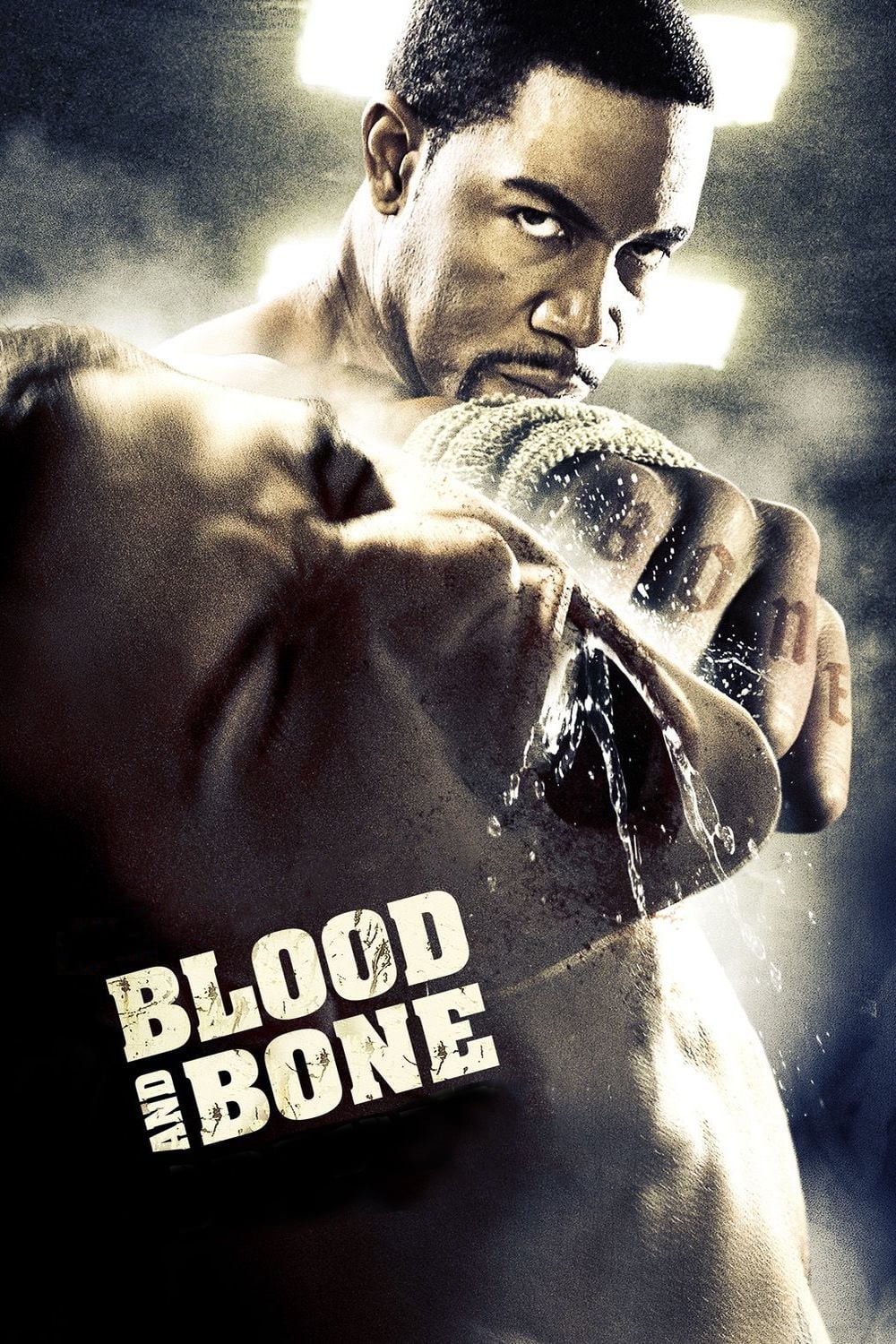
Ben Ramsey directs Michael Jai White as a quiet fighter who enters an underground circuit to fulfill a promise to a fallen friend. Real life combat athletes such as Matt Mullins, Kimbo Slice, and Maurice Smith appear in featured matches that give the bouts distinct styles.
Larnell Stovall’s choreography presents clean technique with camera setups that capture full combinations and finishing sequences. The story moves through Los Angeles neighborhoods and gyms, and production design keeps the rings and backrooms grounded in recognizable spaces.
‘Undisputed III: Redemption’ (2010)
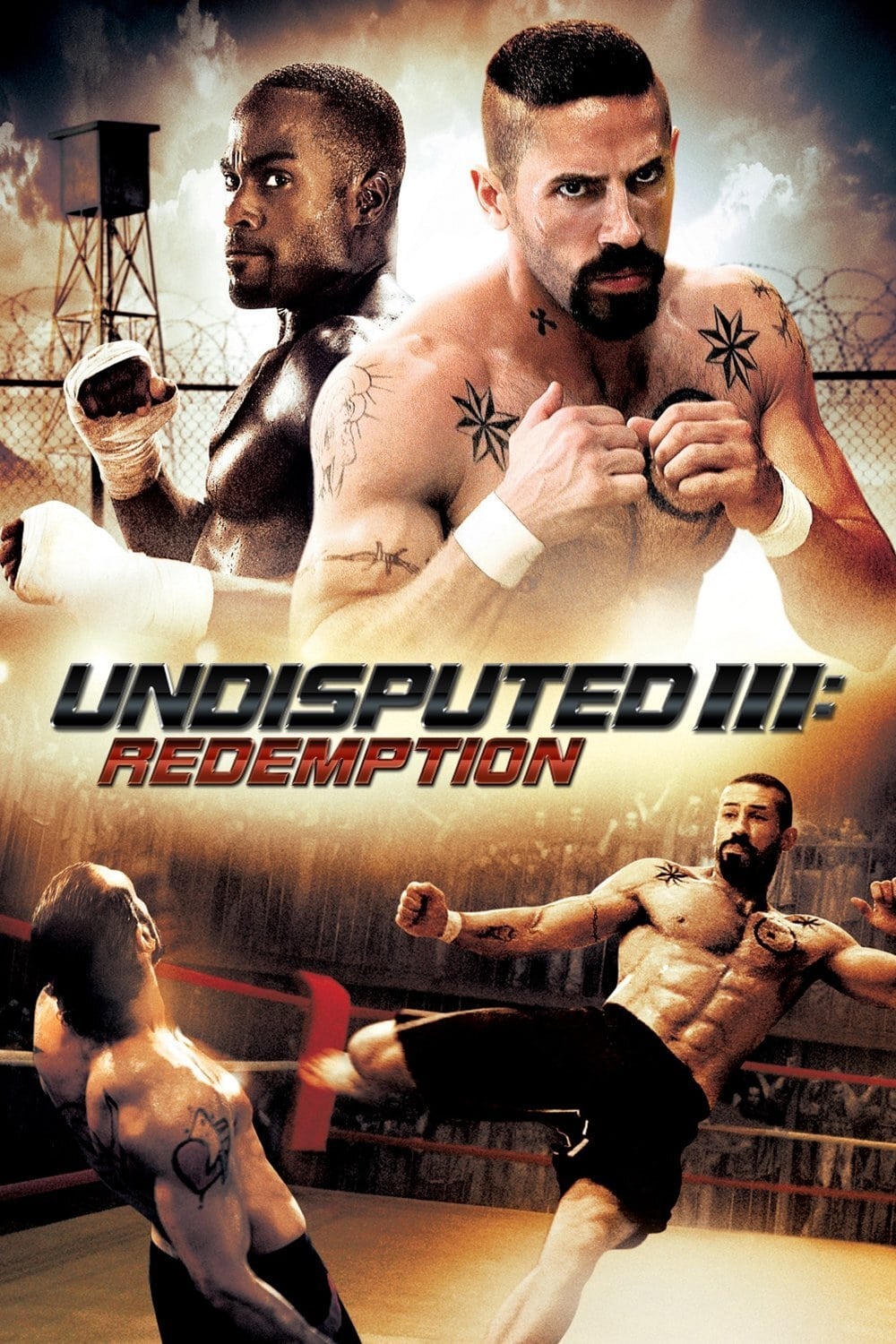
Isaac Florentine continues the prison fighting saga with a global tournament that pits inmates from multiple facilities against one another. Scott Adkins returns as Yuri Boyka and faces Marko Zaror among other specialists whose skill sets define each matchup.
The film features spinning kicks, sweeps, and aerial counters shot with angles that preserve both impact and foot placement. Modest resources are maximized through use of industrial locations and training yards that change textures between rounds.
‘Ninja: Shadow of a Tear’ (2013)
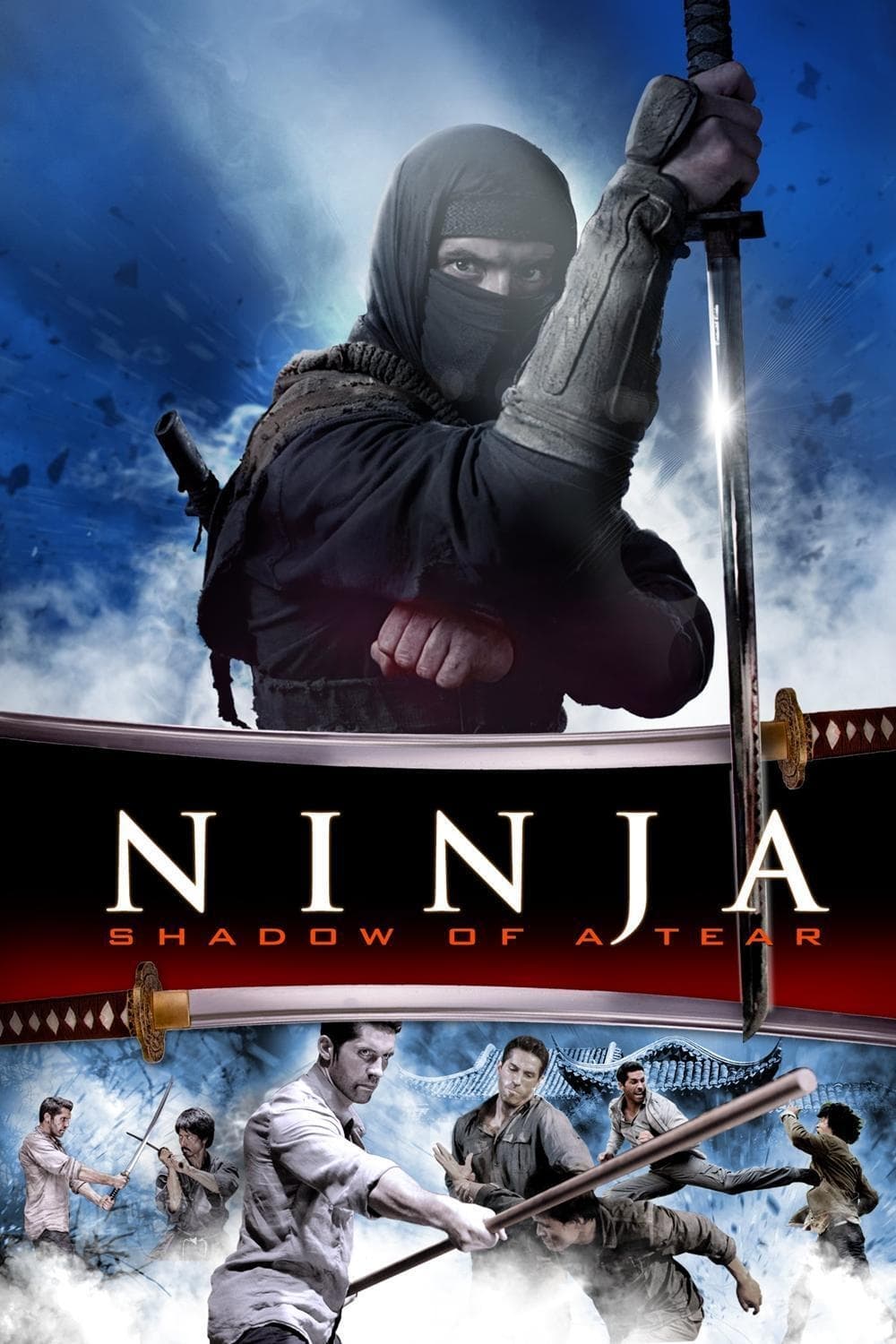
Isaac Florentine directs Scott Adkins in a revenge tale that tracks a trail from dojos to jungle outposts as a smuggling network comes into focus. Kane Kosugi joins the cast, and the story links personal loss with a broader conspiracy that demands cross border travel.
Tim Man designs blade flows, joint breaks, and rapid combination strings that read clearly without heavy visual effects. Production took place largely in Thailand, which supplies dense urban alleys and rural environments that shape tactics during pursuits and fights.
‘Kung Fu Jungle’ (2014)
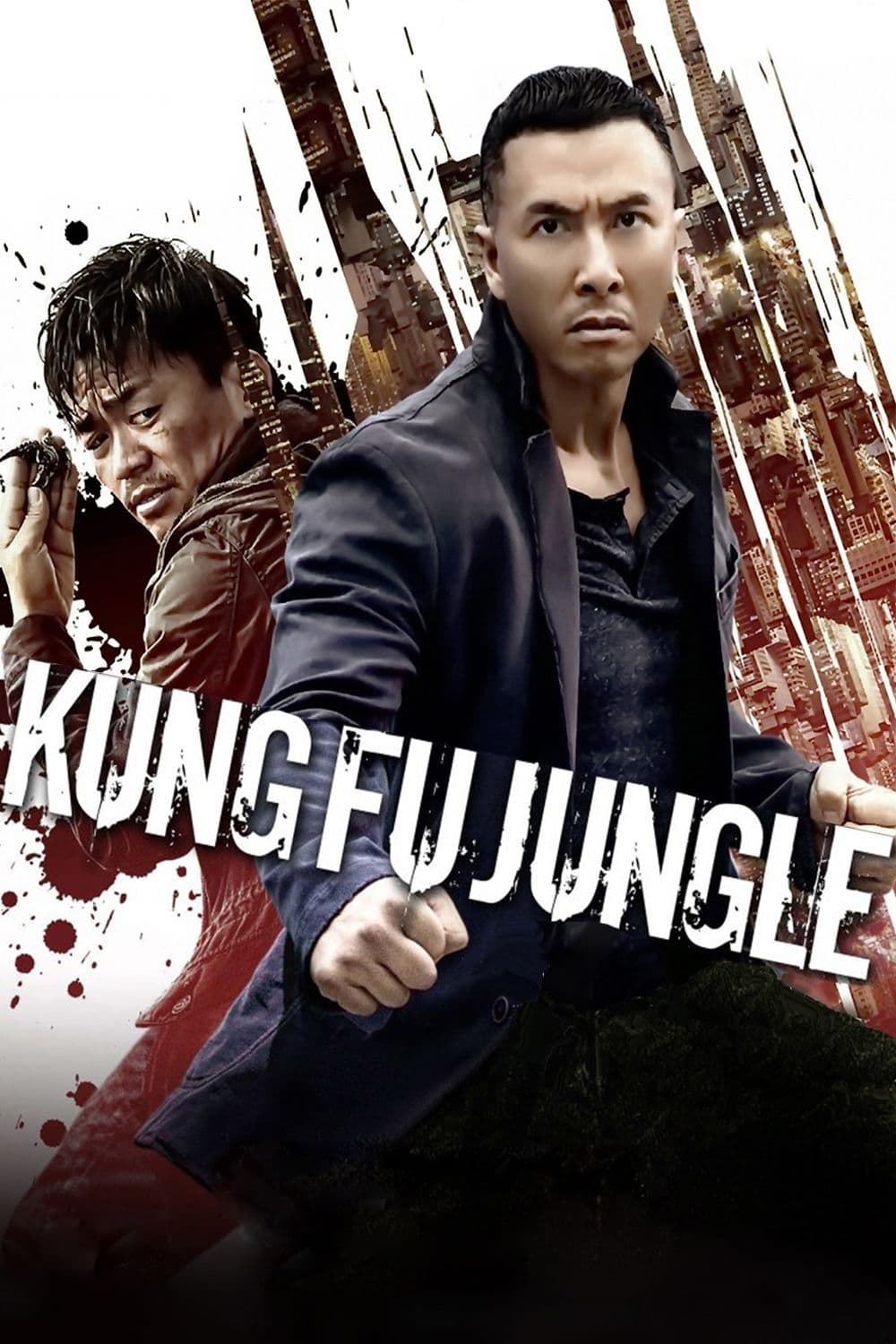
Teddy Chan directs a thriller about a former instructor who offers to help police stop a martial artist targeting masters across the city. Donnie Yen leads opposite Wang Baoqiang with Charlie Yeung heading the investigation unit that handles the case.
Donnie Yen supervises action design that maps each confrontation to a distinct tradition such as boxing, kicking, grappling, and weapons. The film includes numerous cameo appearances by industry veterans whose brief roles acknowledge the breadth of the field.
‘Headshot’ (2016)
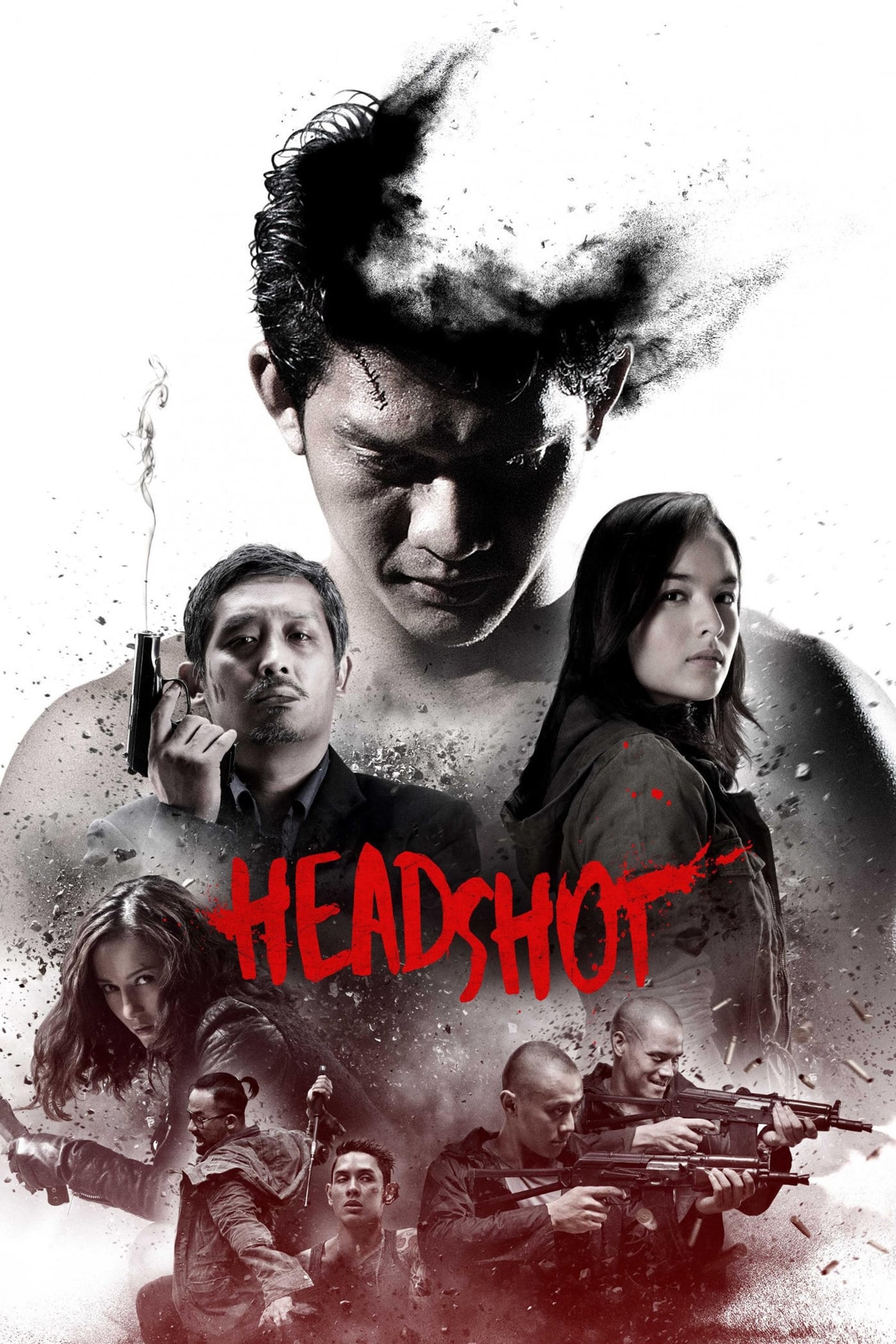
Kimo Stamboel and Timo Tjahjanto direct Iko Uwais as an amnesiac who becomes a target for a violent crime family after he is nursed back to health by a doctor. The narrative moves through safe houses, buses, clinics, and coastal areas as factions seek control.
Choreography by the Iko Uwais team builds on silat with long takes that keep geography consistent through rooms and stairwells. Production used locations around Jakarta and nearby islands, and the supporting cast includes frequent collaborators from regional action crews.
‘The Paper Tigers’ (2020)
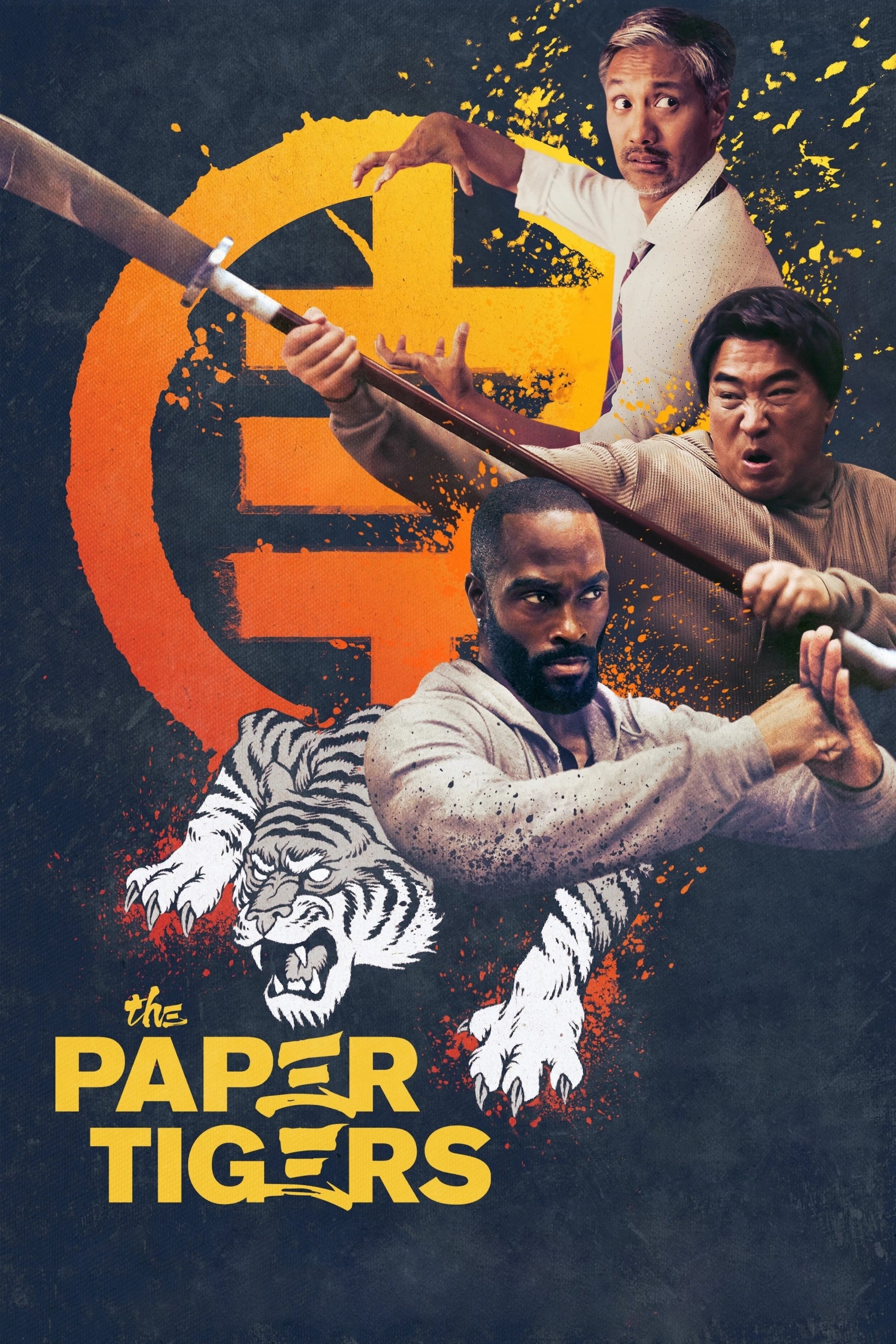
Bao Tran directs an independent feature about three former prodigies from a Seattle based kung fu school who reunite after the death of their teacher. Alain Uy, Ron Yuan, and Mykel Shannon Jenkins lead, with Ken Quitugua handling both a key role and action duties.
The film was financed in part through crowdfunding and regional partnerships, which enabled on location shooting across the Pacific Northwest. Fight scenes emphasize practical choreography shaped by character history, and the production welcomes local community participation during set pieces.
Share your favorite overlooked fight flicks in the comments so everyone can discover a few new training sessions for their watchlist.

