


Underrated Movies Only 1960s Kids Will Remember

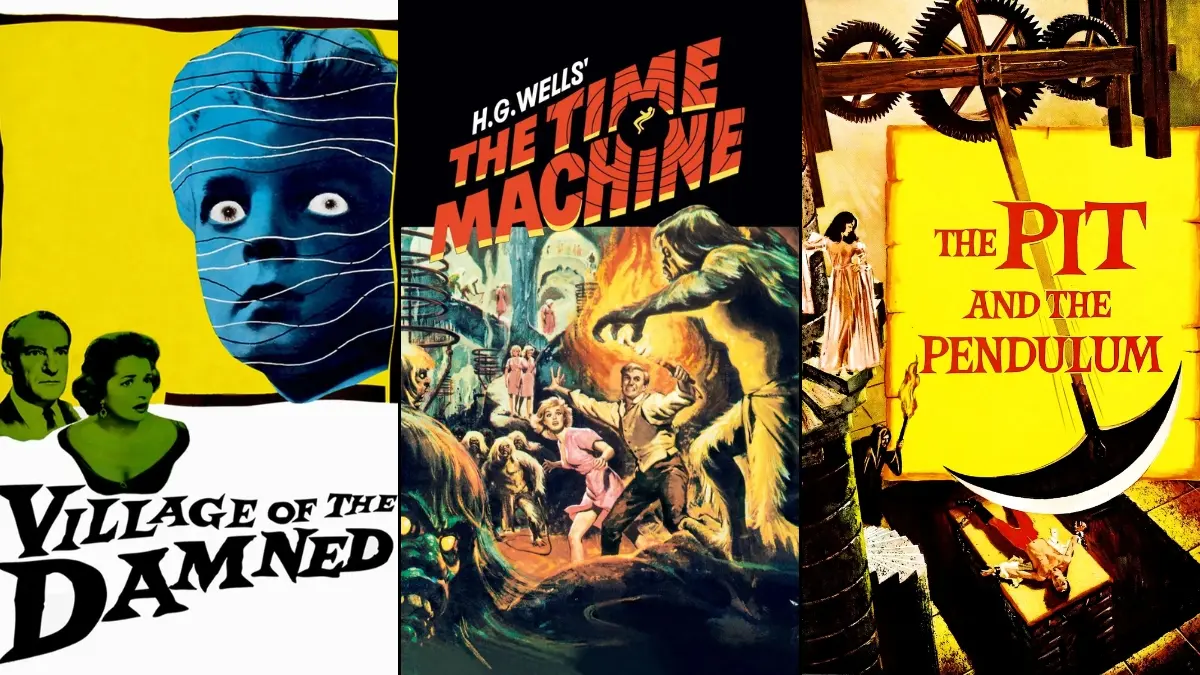


There’s a special corner of memory where Saturday matinees, drive-ins, and after-school TV slots live on forever. In that space, lively sci-fi adventures, spooky chillers, and fizzy comedies played alongside historical epics and whimsical fantasies—many of them less trumpeted than the decade’s biggest blockbusters, but endlessly replayed in living rooms and neighborhood theaters. These are the kinds of titles kids of the era absorbed without even trying, just by flipping channels or piling into the family car.
This list spotlights films that stuck around in the culture through reruns, classroom 16mm prints, and well-worn VHS tapes later on. You’ll find creature features powered by stop-motion marvels, clever studio comedies, and imaginative adaptations that fueled a generation’s curiosity about rockets, robots, and relics. Each entry below includes practical details—who made it, who starred, where it came from, and what it set out to do—so you can place these memory-anchors back on the shelf where they belong.
‘The Time Machine’ (1960)
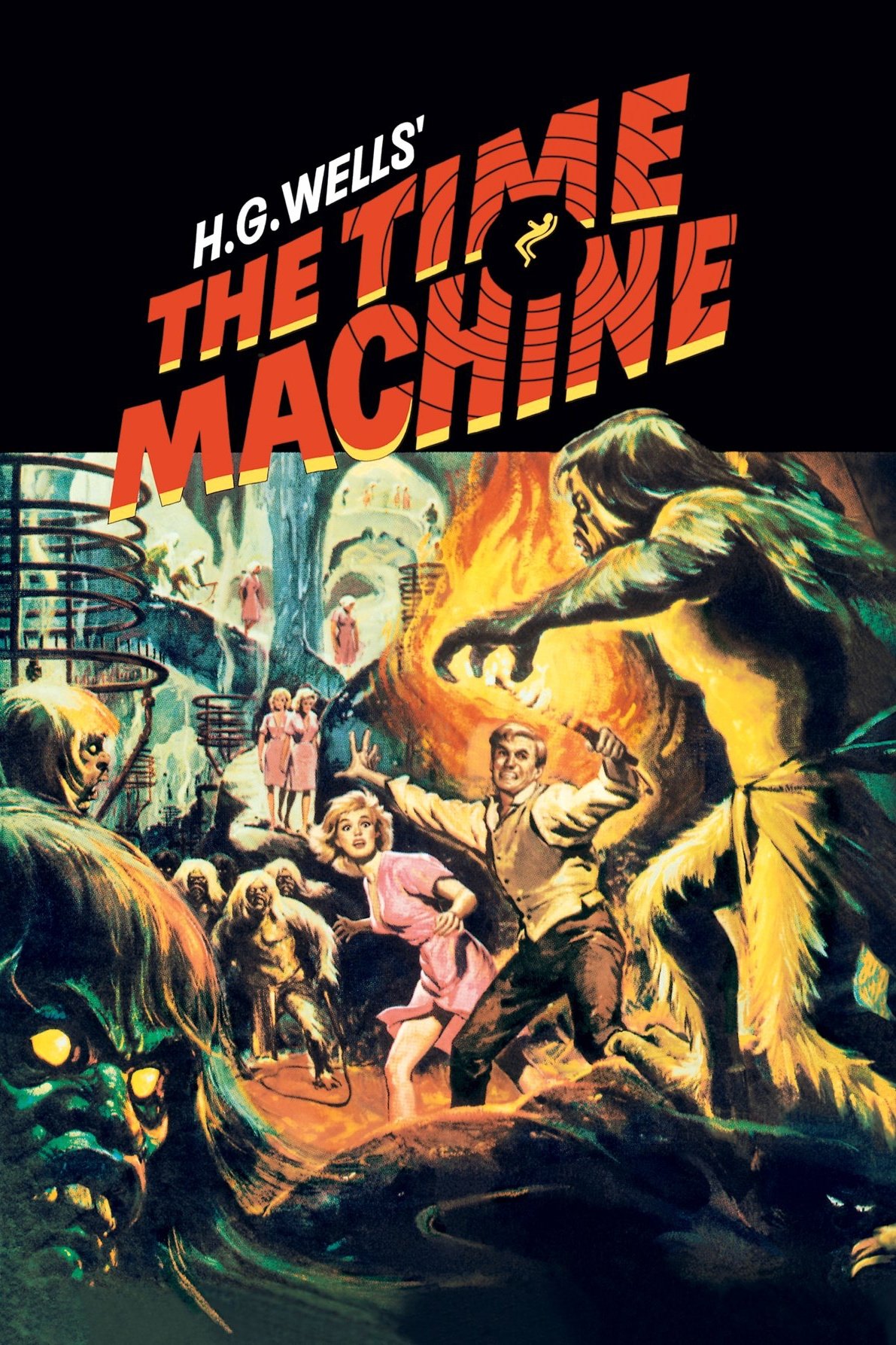
Directed by George Pal and adapted from H. G. Wells’ novel, this Metro-Goldwyn-Mayer production stars Rod Taylor as a Victorian inventor who travels far into humanity’s future. The film is known for its art direction by George W. Davis and the time-lapse visual effects work that used miniature sets, stop-motion techniques, and makeup transformations to depict the Eloi and Morlocks.
Composer Russell Garcia provided the score, and Yvette Mimieux, Alan Young, and Sebastian Cabot round out the cast. Production utilized soundstages and backlot spaces to create both period London and distant eras, with Pal’s production team reusing and redressing existing sets to stretch the budget while maintaining a consistent visual world.
‘Village of the Damned’ (1960)
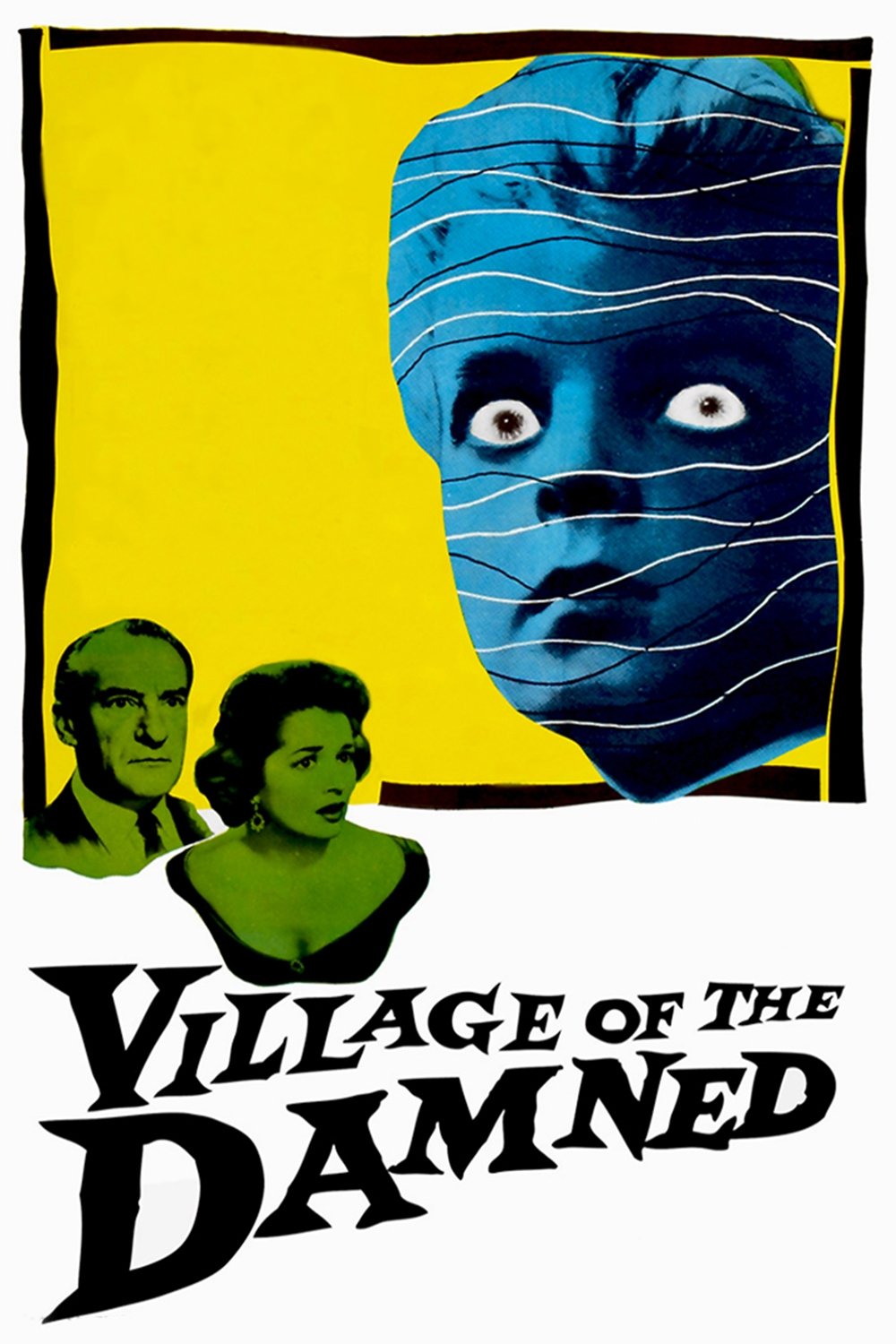
A British-made science-fiction thriller from MGM-British Studios, this adaptation of John Wyndham’s novel ‘The Midwich Cuckoos’ was directed by Wolf Rilla. It stars George Sanders and Barbara Shelley, and follows a village where every woman suddenly gives birth to eerily similar children possessing strange powers.
Cinematographer Geoffrey Faithfull’s monochrome imagery emphasizes the children’s unsettling presence, enhanced by distinctive makeup and contact lenses. The film’s quiet tone, location photography in Buckinghamshire, and measured editing established a template for subsequent adaptations and sequels, including the directly connected ‘Children of the Damned’.
‘The 3 Worlds of Gulliver’ (1960)
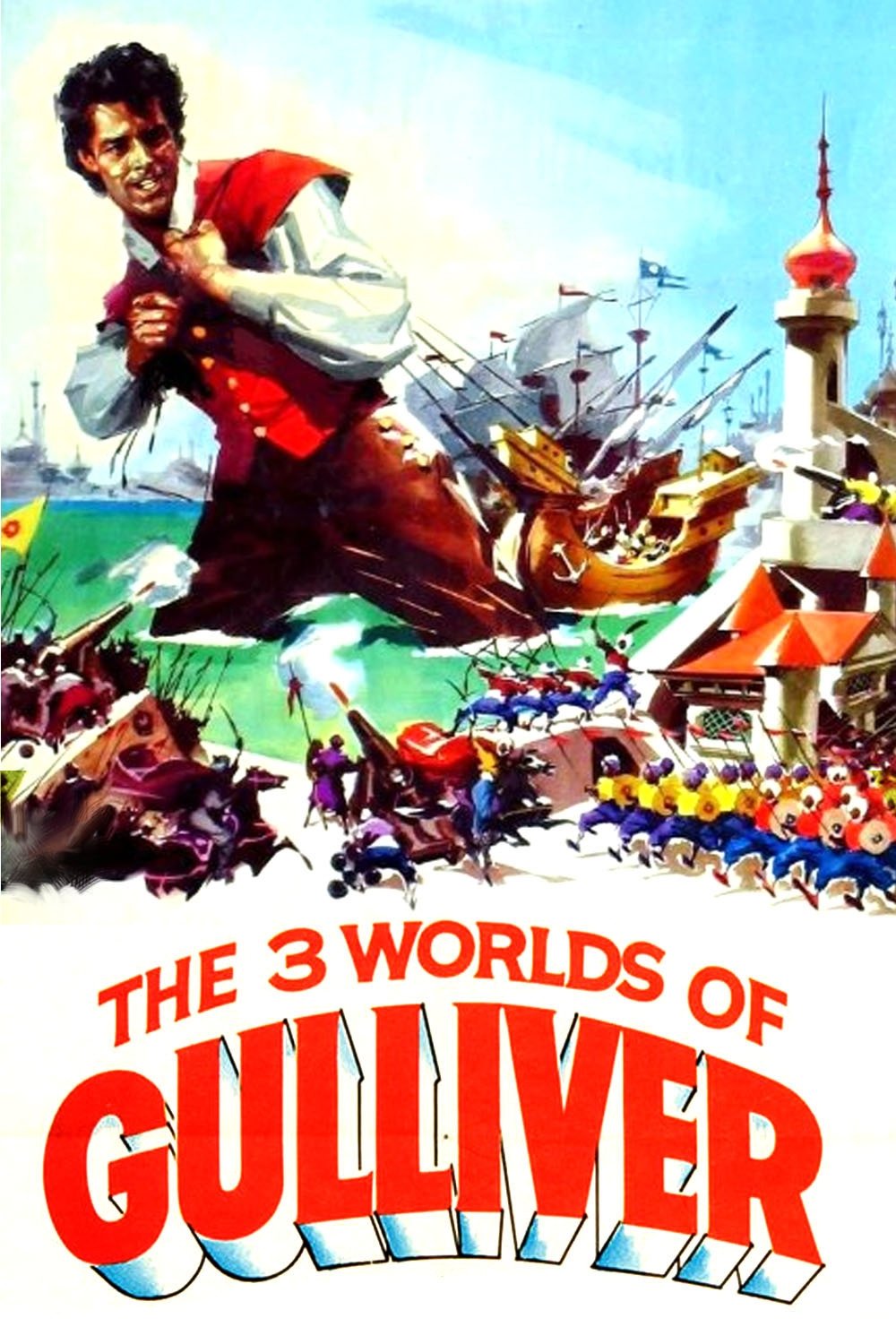
This Columbia Pictures fantasy adventure was directed by Jack Sher and produced by Charles H. Schneer, with stop-motion effects by Ray Harryhausen. Kerwin Mathews plays Lemuel Gulliver, whose travels bring him to Lilliput and Brobdingnag, with scale tricks and optical compositing used to sell the different “worlds.”
Nathan Juran worked on art direction, and the production used carefully matched miniature and full-scale props to line up eyelines and interactions. The score by Bernard Herrmann supports Harryhausen’s set-piece effects, including crowd scenes that combined rear projection with multiple exposure techniques.
‘The Absent-Minded Professor’ (1961)
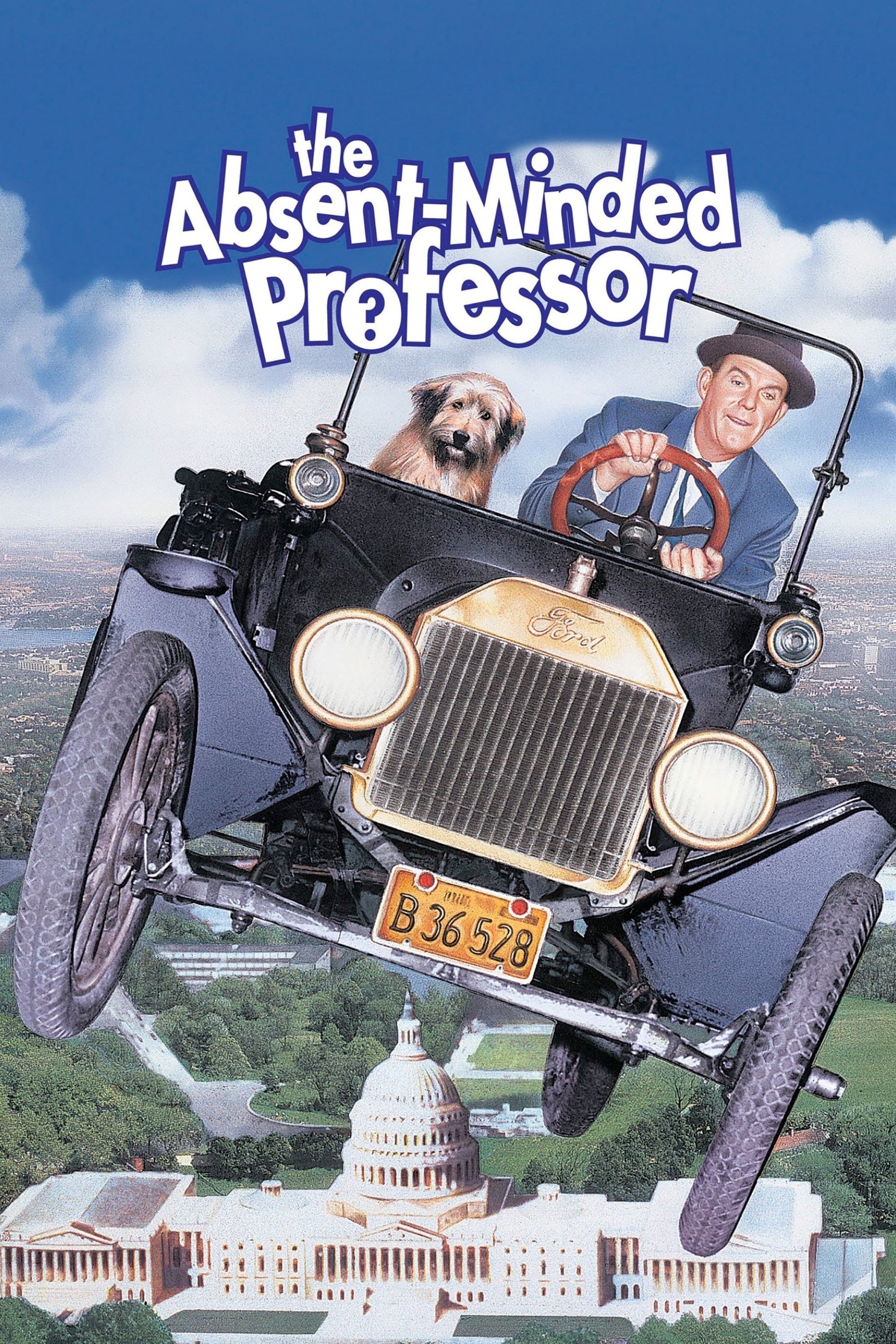
A Walt Disney Productions comedy directed by Robert Stevenson, this film stars Fred MacMurray as Professor Ned Brainard, inventor of a gravity-defying substance nicknamed Flubber. Nancy Olson, Keenan Wynn, and Tommy Kirk co-star, with Ed Wynn appearing in a memorable supporting role.
The production relied on wire work, matte shots, and optical printing to depict bouncing basketball games and flying Model T sequences. Shot in black-and-white to ease compositing challenges of the era, it was followed by the sequel ‘Son of Flubber’ and later inspired the Robin Williams vehicle ‘Flubber’.
‘The Pit and the Pendulum’ (1961)
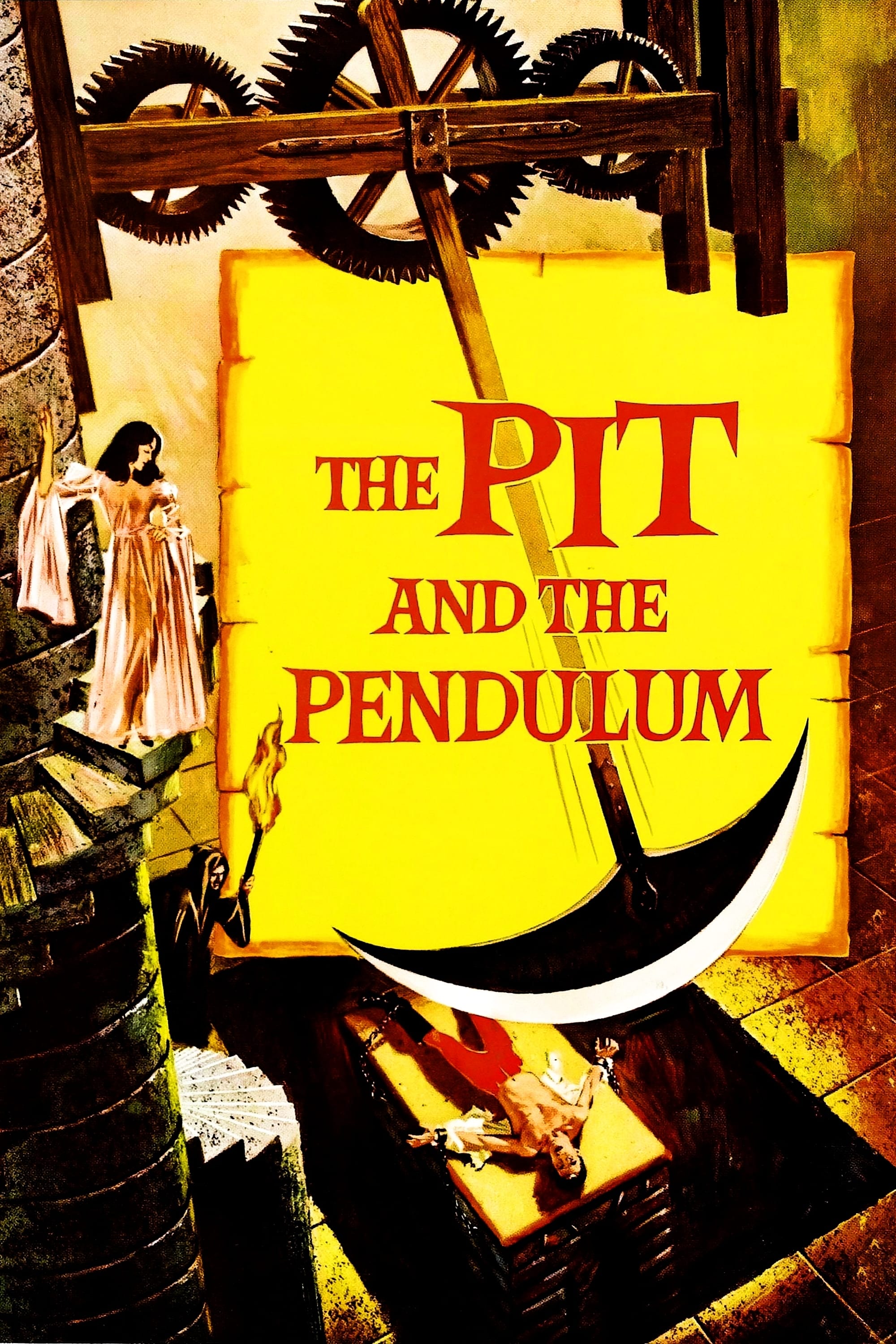
Produced and directed by Roger Corman for American International Pictures, this Gothic horror entry adapts motifs from Edgar Allan Poe. Vincent Price leads the cast alongside Barbara Steele and John Kerr, with Daniel Haller serving as art director to create the castle’s catacombs and torture chamber.
Floyd Crosby’s cinematography uses colored gels and fog effects, and Les Baxter’s score amplifies the film’s dread. Practical set pieces—including a full-size pendulum rig—were constructed on a tight schedule, demonstrating AIP’s efficient model for colorful period horrors built on soundstages.
‘Mysterious Island’ (1961)
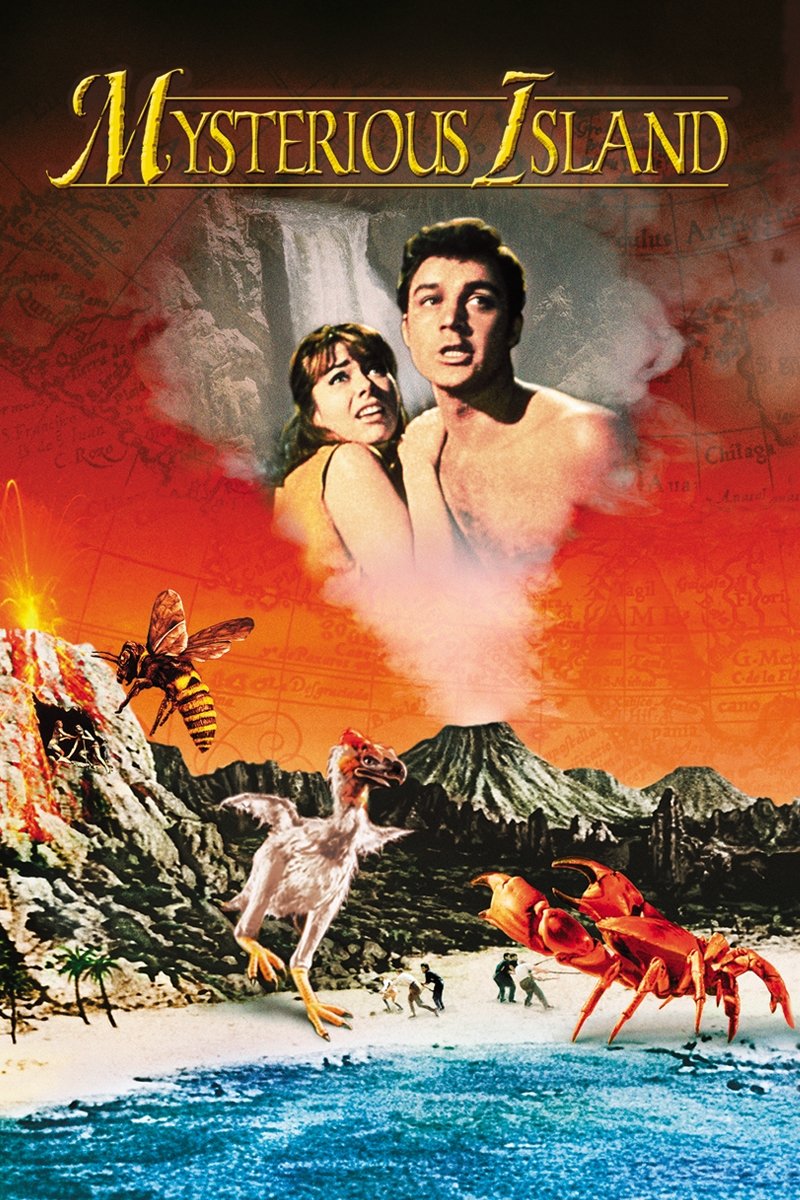
This Columbia Pictures adventure draws from Jules Verne and reunites producer Charles H. Schneer with Ray Harryhausen, whose stop-motion creatures—giant crabs, bees, and cephalopods—are integrated with live action via split-screen and rear-projection techniques. Cy Endfield directs, and the cast includes Michael Craig, Joan Greenwood, and Herbert Lom as Captain Nemo.
Filming combined Spanish locations with studio work, while Bernard Herrmann supplied a robust orchestral score. Miniature models of the Nautilus and island environments were matched with large-scale props to maintain continuity across different shot scales.
‘The Day the Earth Caught Fire’ (1961)

A British science-fiction drama directed by Val Guest for Universal–British, this film stars Edward Judd, Janet Munro, and Leo McKern. The story tracks London journalists covering a climate catastrophe triggered by simultaneous nuclear tests, presented through a newsroom procedural structure.
The production used real Fleet Street settings and extensive location shooting, while cinematographer Harry Waxman employed infrared stock and atmospheric filters for heat-haze effects. The film features distinctive tinted sequences and a notable dual-ending montage assembled by editor Bill Lenny.
‘Carnival of Souls’ (1962)
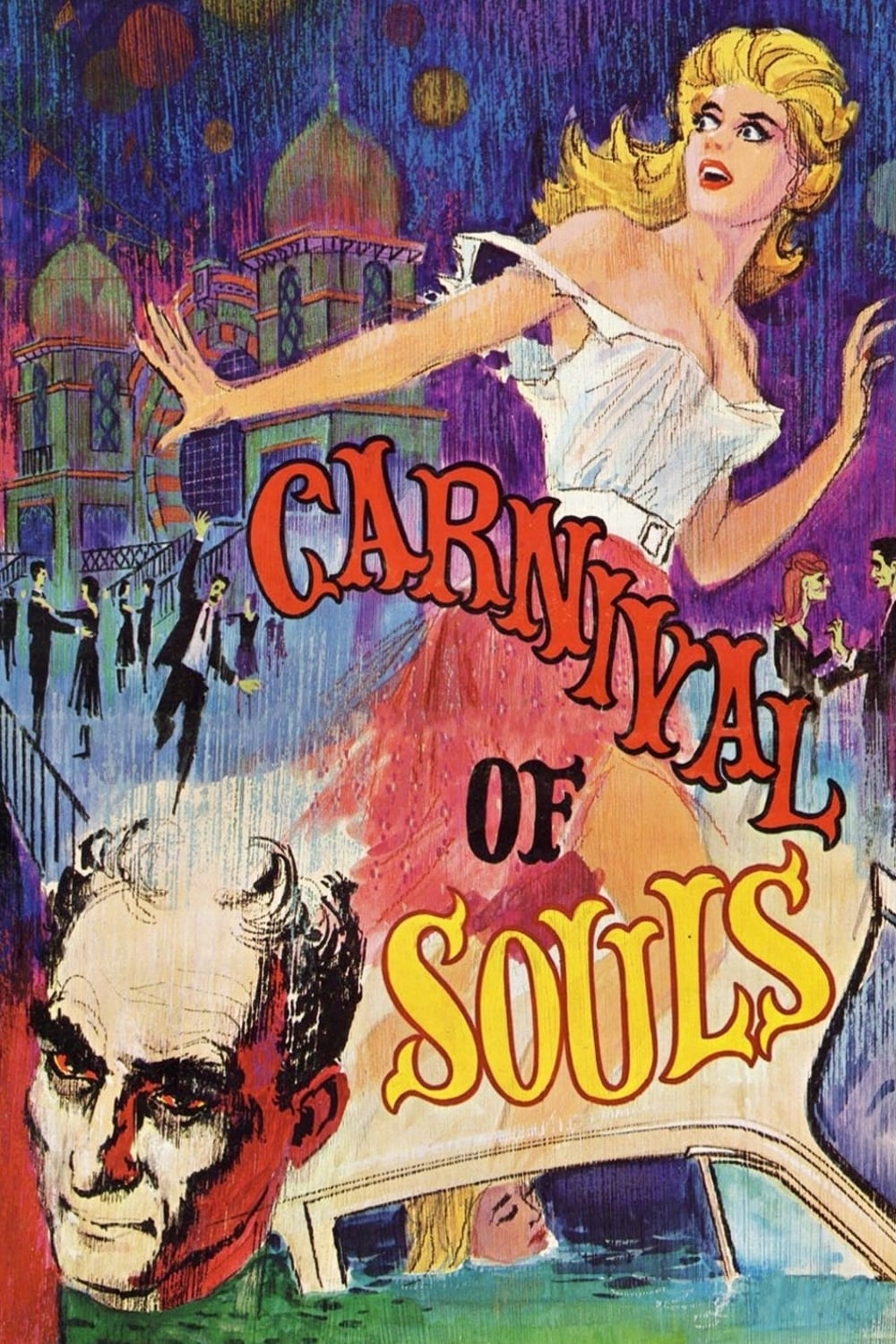
An independent horror film directed by Herk Harvey and written by John Clifford, this production was shot largely in Kansas and Utah, including the abandoned Saltair Pavilion. Candace Hilligoss stars as a church organist haunted by a pale figure, with a minimalist approach that makes heavy use of ambient sound and location texture.
The film’s budget-conscious methodology involved non-union crews, post-dubbed dialogue, and practical guerrilla techniques for securing shots in public spaces. Its eerie organ score, reliance on natural light, and long, quiet takes contributed to a distinctive mood that later found a wide audience through television and repertory screenings.
‘The Wonderful World of the Brothers Grimm’ (1962)
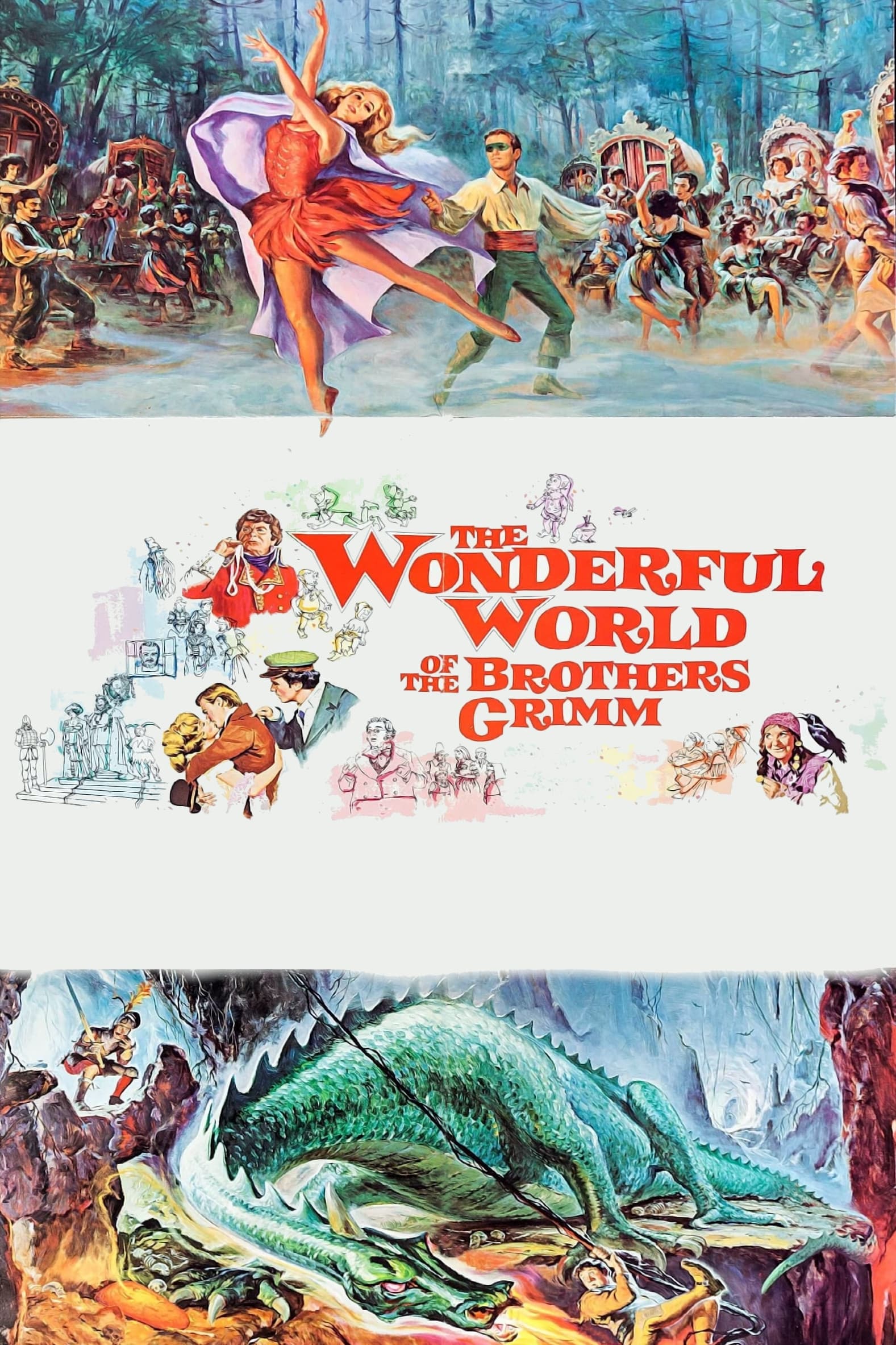
Co-directed by Henry Levin and George Pal, this Cinerama feature blends biographical framing with fairy-tale episodes. Laurence Harvey and Karlheinz Böhm portray the Grimm brothers, with guest stars including Jim Backus and Buddy Hackett in the anthology segments.
The film utilized three-strip Cinerama photography for select sequences, demanding specialized projection and careful shot blocking to manage the format’s curved-screen distortions. Production combined elaborate studio sets with stop-motion inserts, continuing Pal’s interest in integrating miniature effects into family storytelling.
‘Jason and the Argonauts’ (1963)
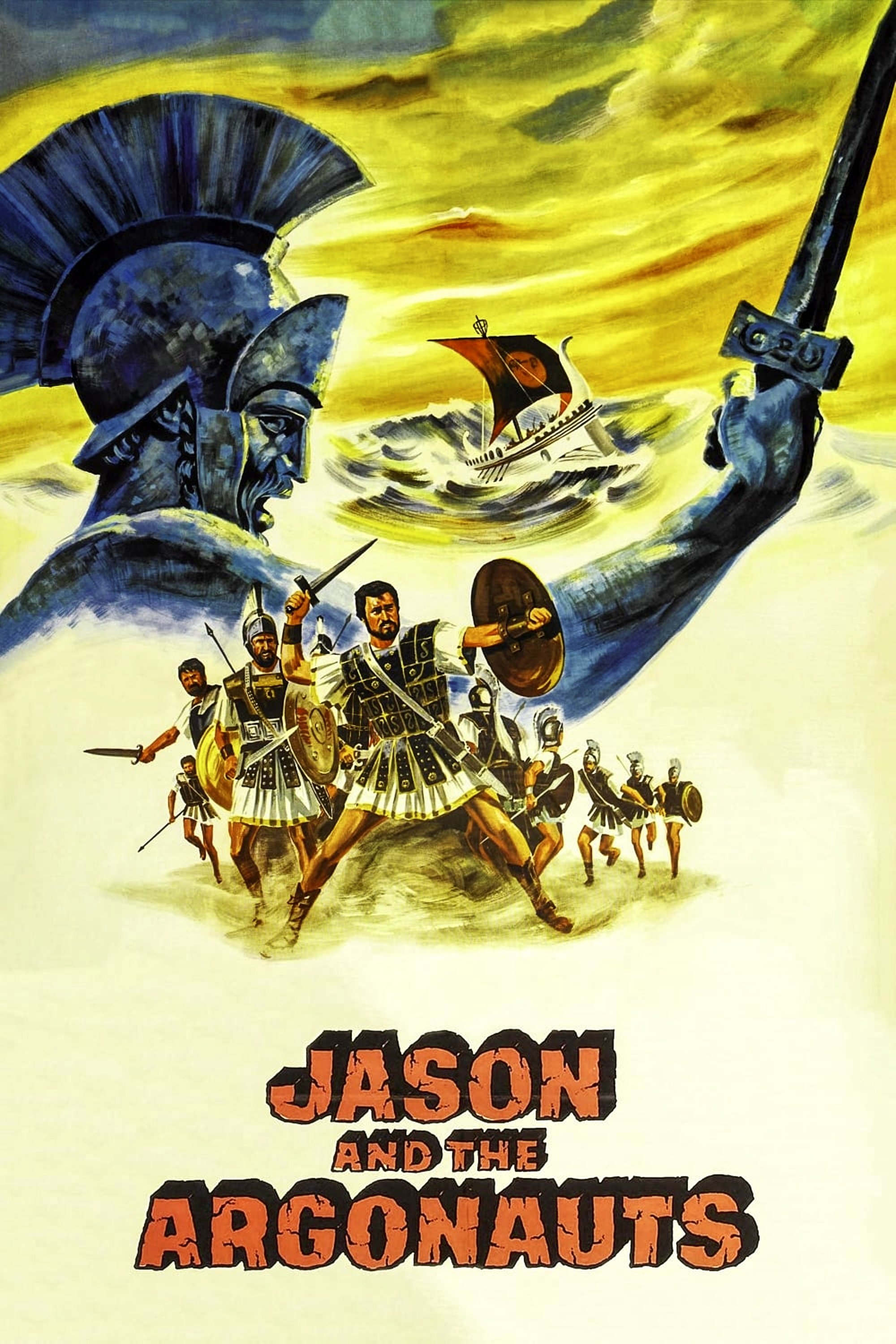
Produced by Charles H. Schneer and directed by Don Chaffey, this Columbia Pictures mythic adventure stars Todd Armstrong, Nancy Kovack, and honorably features Ray Harryhausen’s pioneering stop-motion, including the skeleton battle and the bronze giant Talos. The effects required months of frame-by-frame animation with careful matching to live-action plates.
Bernard Herrmann’s score underscores the episodic quest structure, and location work in Italy provided coastal vistas for the Argo. The production coordinated full-scale ship sets with miniature water-tank photography to achieve consistent movement across effects and live-action shots.
‘The Sword in the Stone’ (1963)
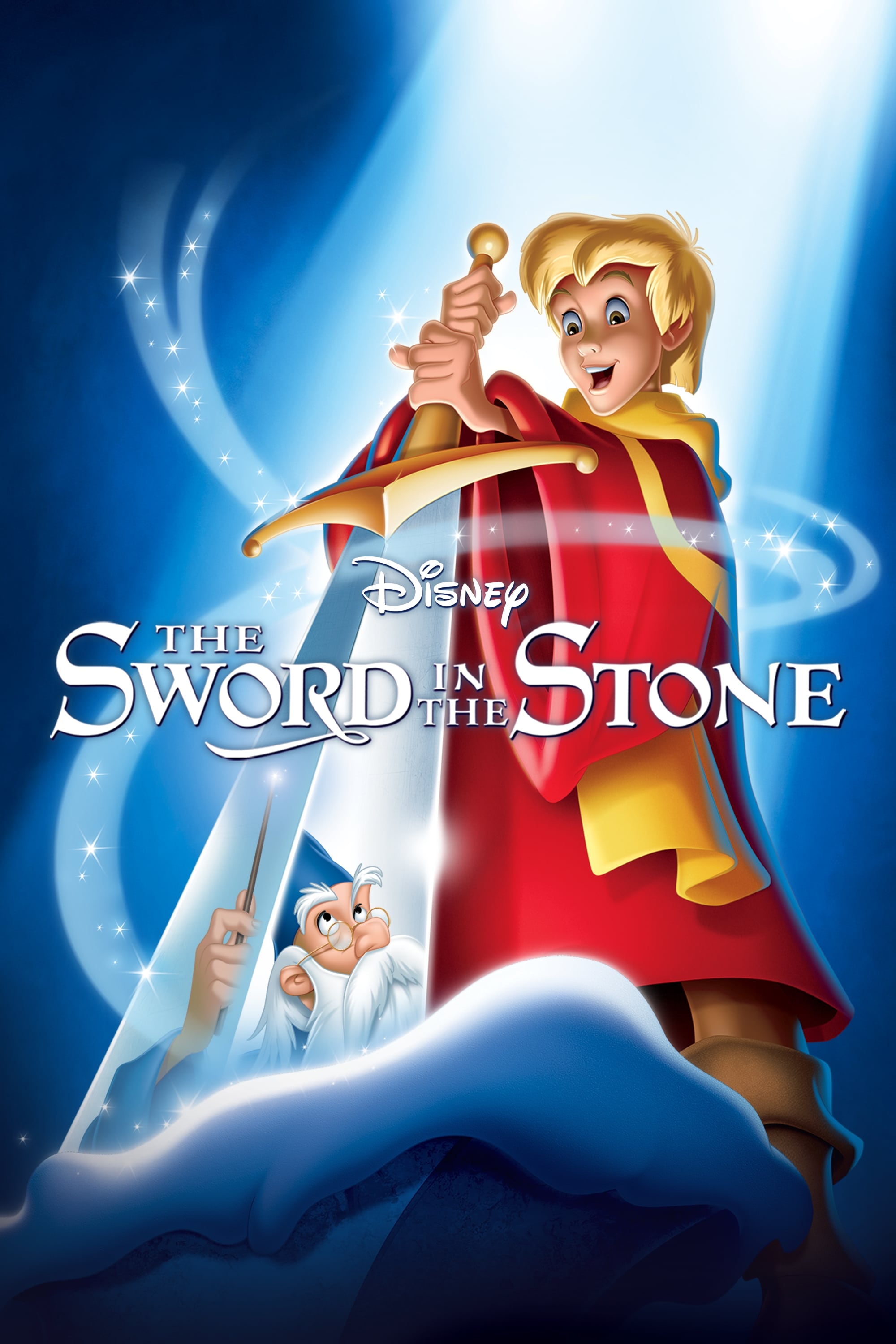
A Walt Disney animated feature directed by Wolfgang Reitherman, this adaptation of T. H. White focuses on young Wart and Merlin. The film uses the Xerography process to transfer pencil lines directly to cels, resulting in a sketch-like visual style typical of Disney productions from the period.
Voice performances include Karl Swenson as Merlin and Rickie Sorensen, Richard Reitherman, and Robert Reitherman sharing Wart’s voice due to production timing. The Sherman Brothers contributed songs, and the film’s episodic structure reflects its origin in serialized Arthurian source material.
‘The Great Race’ (1965)
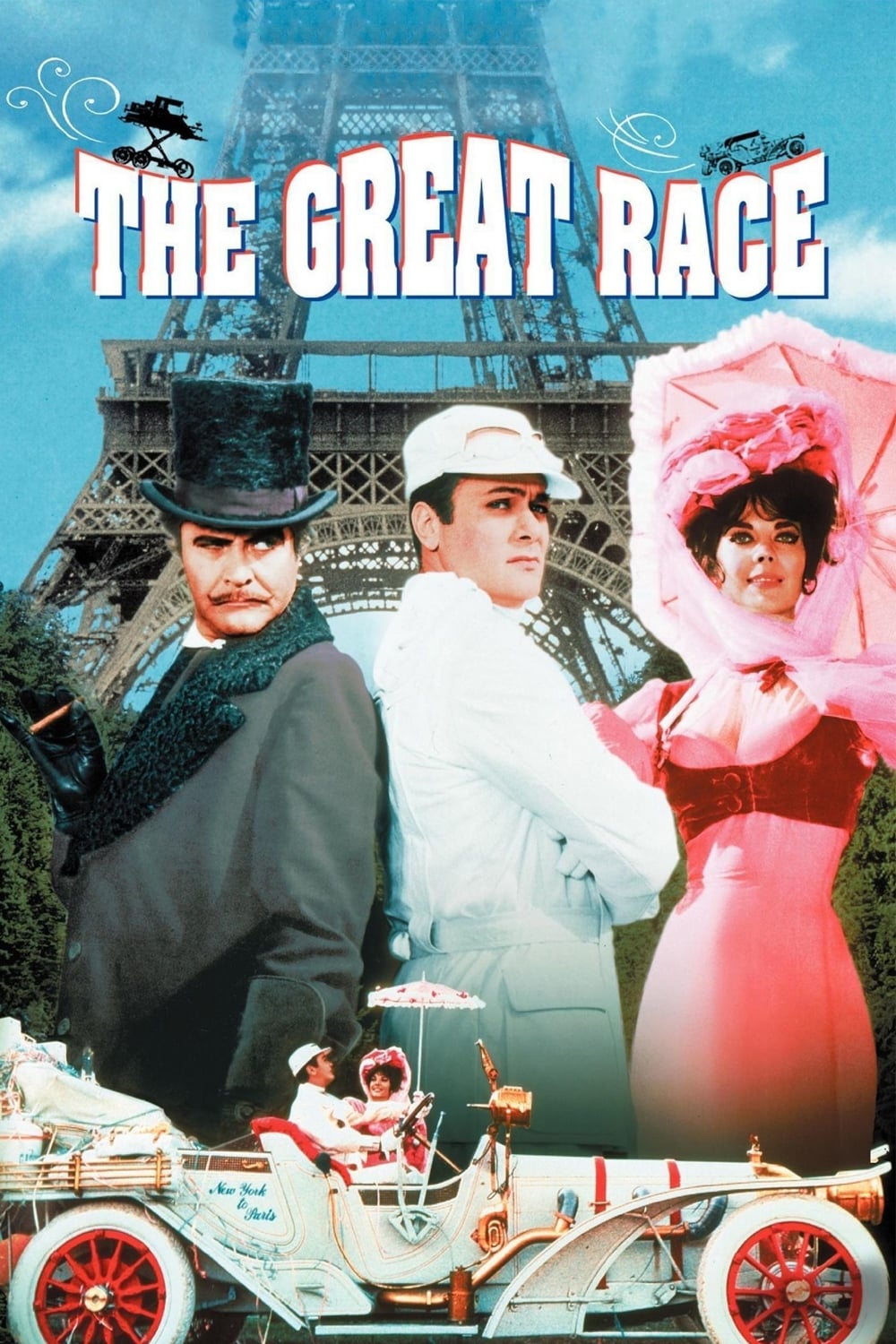
Directed by Blake Edwards for Warner Bros., this large-scale comedy stars Tony Curtis, Jack Lemmon, and Natalie Wood in a globe-spanning auto rally tale. The production features elaborate set pieces, including an extended pie-fight sequence choreographed with hundreds of cream pies and precise camera coverage.
Edwards worked with cinematographer Russell Harlan to stage wide, brightly lit compositions and used Panavision anamorphic lenses. Henry Mancini composed the score, and costume designer Donfeld created distinct color-coded outfits to differentiate rivals across international locations and studio backlots.
‘One Million Years B.C.’ (1966)
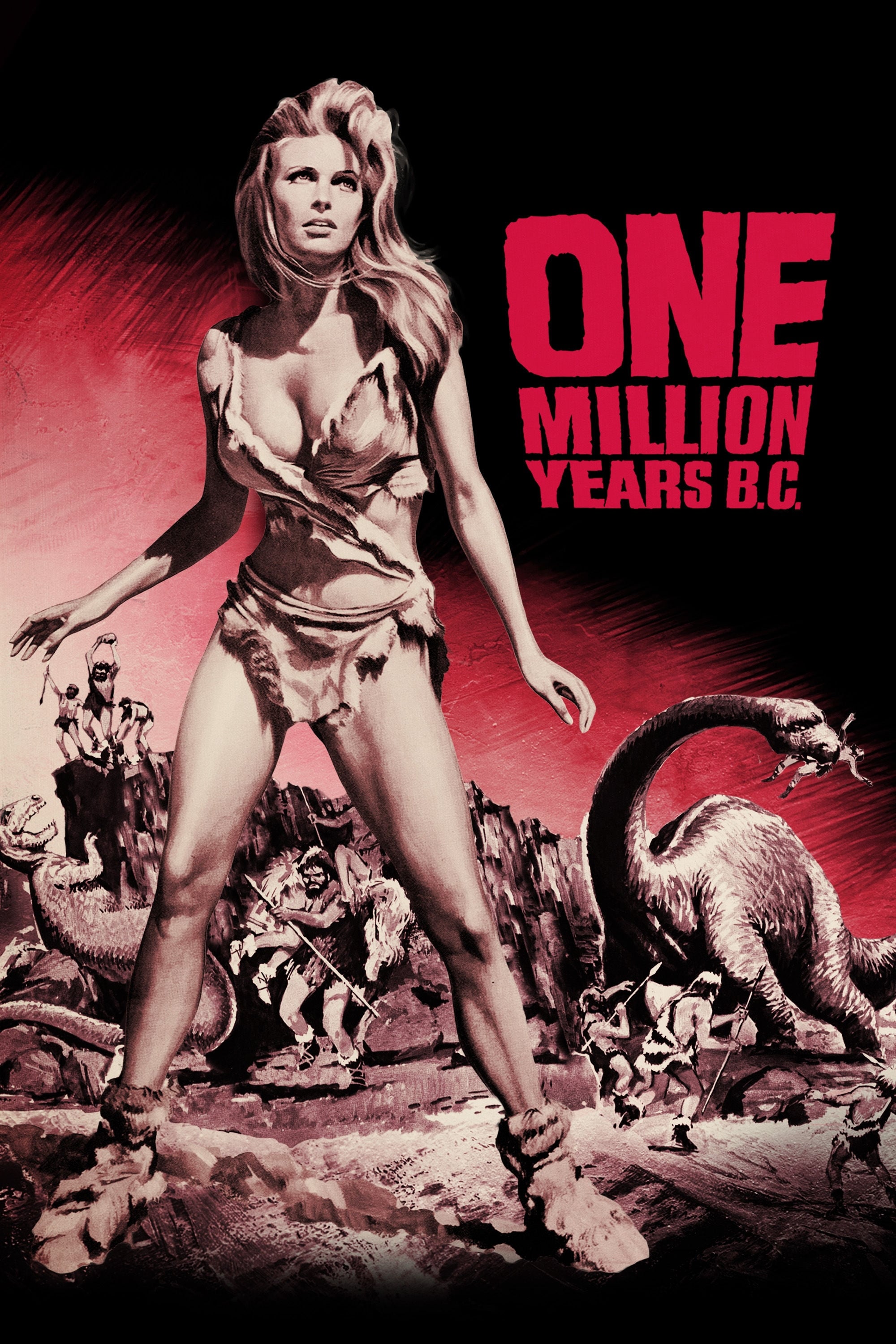
A Hammer Films and Seven Arts co-production, this prehistoric adventure was directed by Don Chaffey. It stars Raquel Welch and John Richardson and is noted for Ray Harryhausen’s stop-motion dinosaurs, composited with live actors through rear projection and traveling matte processes.
The production used volcanic landscapes in the Canary Islands for exteriors, while wardrobe and props were designed to emphasize physical storytelling over dialogue. James Bernard composed the music, supporting action sequences that alternated between miniature animation and on-location stunt work.
‘Fantastic Voyage’ (1966)

A Twentieth Century-Fox science-fiction film directed by Richard Fleischer, this story follows a medical team miniaturized and injected into a human body. The cast includes Stephen Boyd, Raquel Welch, Donald Pleasence, and Edmond O’Brien, with visual effects supervised by Art Cruickshank.
Production built large-scale sets representing arteries, the heart, and the inner ear, using lighting gels, air cannons, and suspended fiber materials to simulate biological environments. Leonard Rosenman provided the score, and costume designers created specialized wetsuits and breathing gear tailored for the optical compositor’s needs.
‘Daleks’ Invasion Earth: 2150 A.D.‘ (1966)
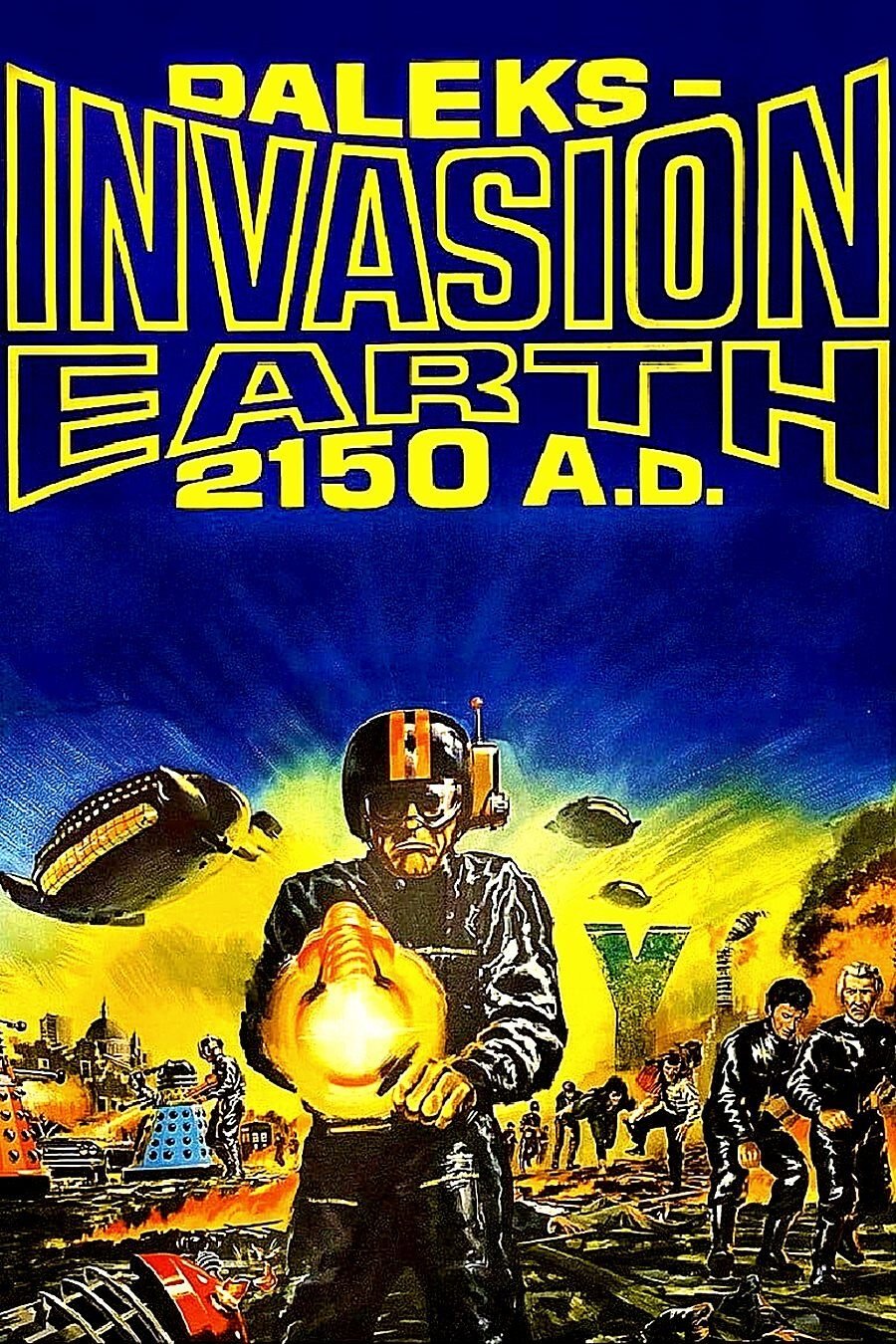
This British feature adapts material from the ‘Doctor Who’ television serial and stars Peter Cushing as Dr. Who, with Roberta Tovey and Bernard Cribbins in supporting roles. Gordon Flemyng directs, and Amicus Productions handled financing and distribution.
The film upgraded the Dalek props from the prior feature ‘Dr. Who and the Daleks’, using metallic finishes and larger sets for urban scenes. Location filming in and around London provided recognizable landmarks for resistance sequences, while sound design emphasized the Daleks’ modulated voices and mechanical movement.
‘Our Man Flint’ (1966)
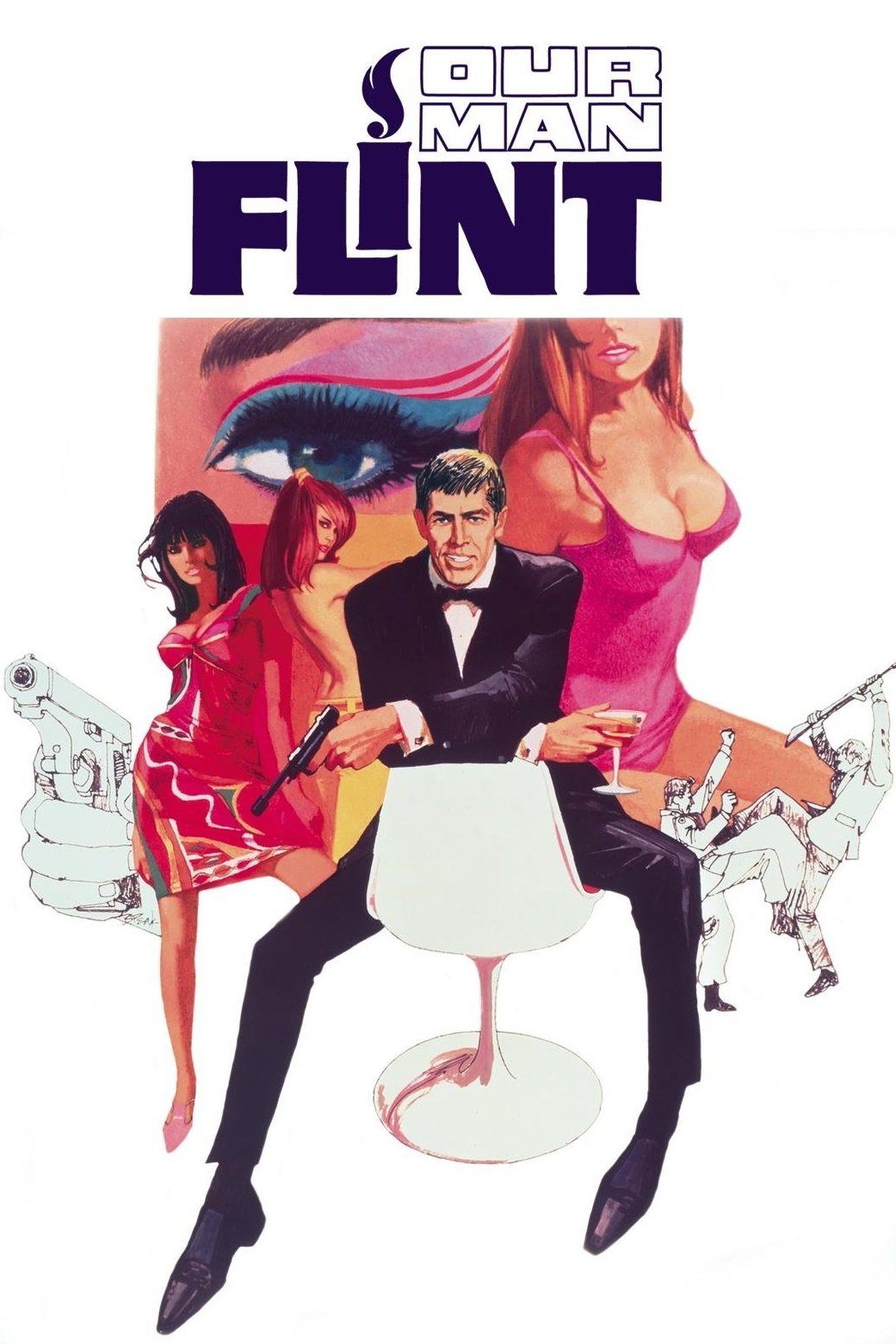
A Twentieth Century-Fox spy spoof directed by Daniel Mann, this film stars James Coburn as superspy Derek Flint, with Lee J. Cobb and Gila Golan in key roles. It plays with contemporary espionage tropes through lavish gadgets and international setpieces.
Joseph MacDonald’s cinematography and a Lalo Schifrin score give the production a sleek audiovisual identity. The art department devised modular control rooms and lairs, while stunt coordination focused on hand-to-hand choreography and wire-assisted gags in keeping with the era’s action-comedy style.
‘The Ghost & Mr. Chicken’ (1966)

A Universal Pictures comedy directed by Alan Rafkin, this vehicle for Don Knotts features a timid typesetter tasked with spending a night in a reputedly haunted house. Joan Staley and Dick Sargent co-star, with a script by Jim Fritzell and Everett Greenbaum.
Production reused standing Universal backlot sets for the town square and the Simmons mansion interior, dressing them with cobwebs, pipe-organ props, and practical effects for moving portraits and secret passages. Composer Vic Mizzy provided the theme, and the crew employed split-diopter shots to keep foreground gags and background action in simultaneous focus.
‘Island of Terror’ (1966)
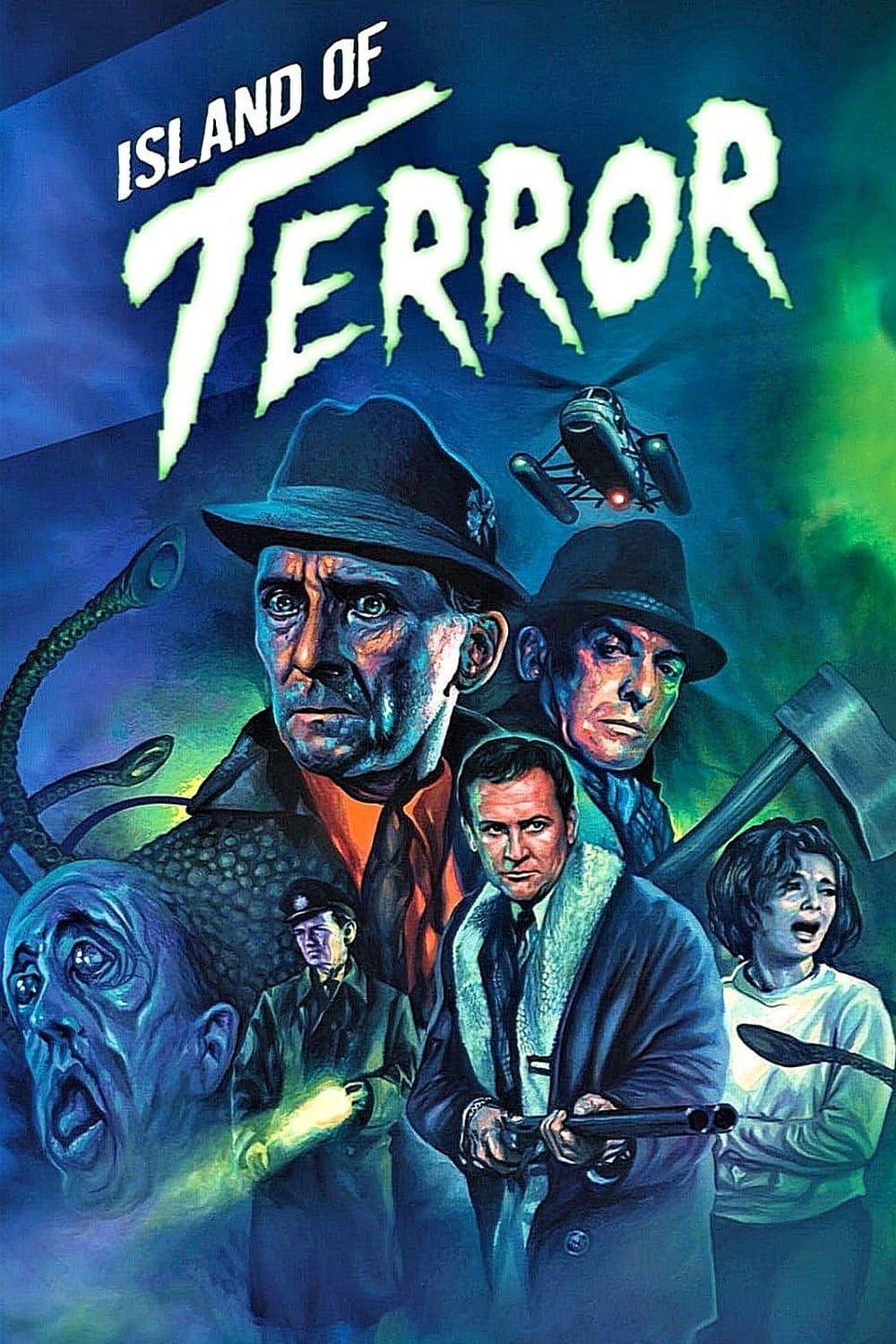
This British science-fiction horror film, directed by Terence Fisher, stars Peter Cushing and Edward Judd as investigators confronting bone-dissolving creatures born from a medical experiment. The script was penned by Edward Mann and Allan Ramírez, with production by Planet Film Productions.
Filmed primarily on rural locations with studio interiors for laboratories and cottages, the movie used rubberized creature suits and miniature inserts to depict the silicates. The sound mix highlights their distinctive clicking motif, and the production schedule emphasized night shoots to integrate effects more seamlessly.
‘Chitty Chitty Bang Bang’ (1968)
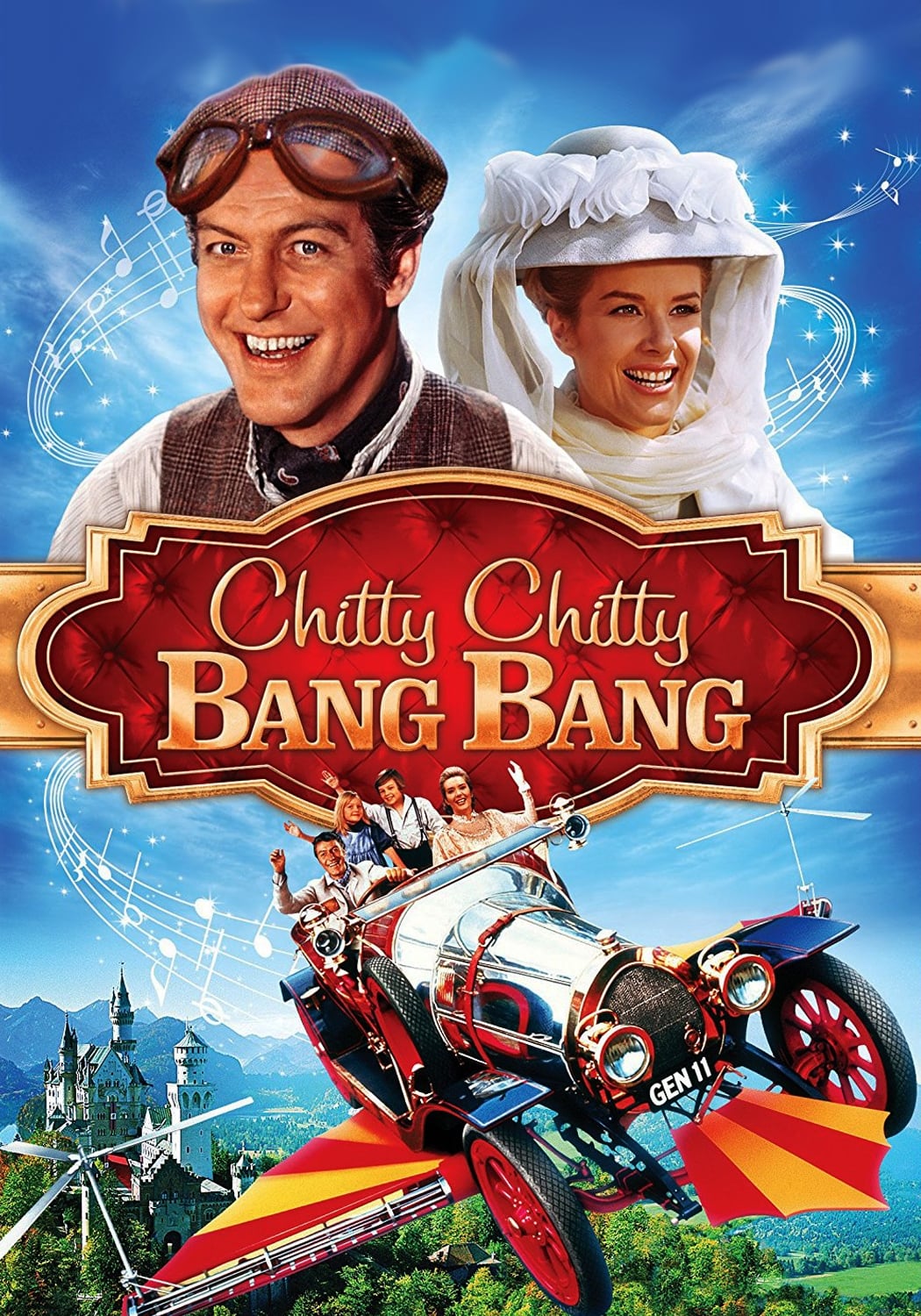
Co-written and produced by Albert R. Broccoli, this musical fantasy is based on Ian Fleming’s novel and stars Dick Van Dyke and Sally Ann Howes. Ken Hughes directs, with Lionel Jeffries and Gert Fröbe in supporting roles, and songs by the Sherman Brothers.
The production built multiple full-size versions of the title car for driving, floating, and flying sequences, supplementing practical rigs with studio wire work and optical composites. Filming spanned English countryside and European locations, while choreographed musical numbers were staged on large soundstages with elaborate set design.
‘Witchfinder General’ (1968)
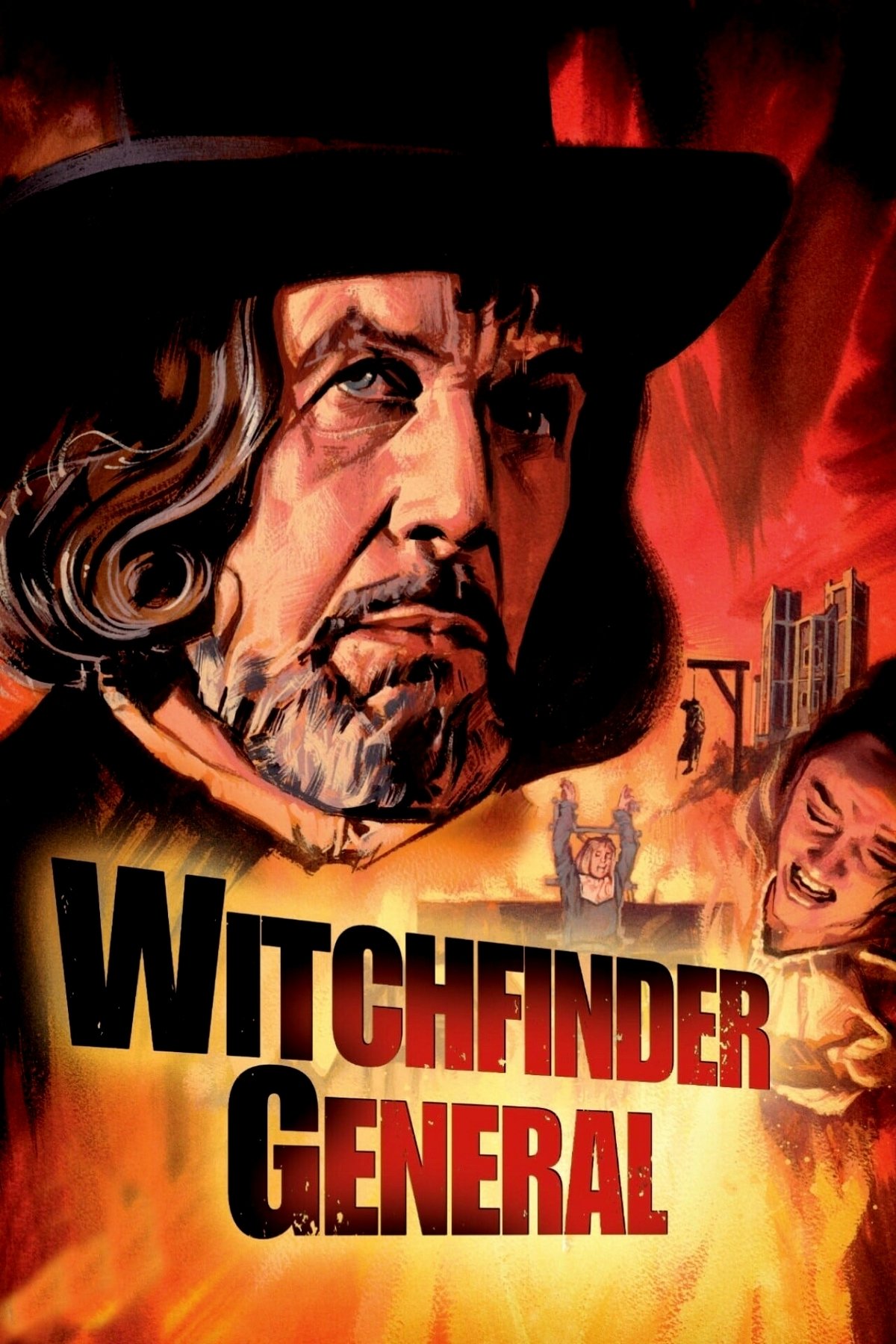
Directed by Michael Reeves and produced by Tigon, this historical horror stars Vincent Price as Matthew Hopkins. Ian Ogilvy and Hilary Dwyer appear in key roles, with Paul Ferris composing the music under a credited alias for union reasons.
Shot largely on location in East Anglia, the production emphasized period detail through costuming and props sourced from historical suppliers. Cinematographer John Coquillon’s natural-light approach and restrained camera movement underscore the narrative’s procedural structure, with practical effects handled in camera.
‘The Green Slime’ (1968)
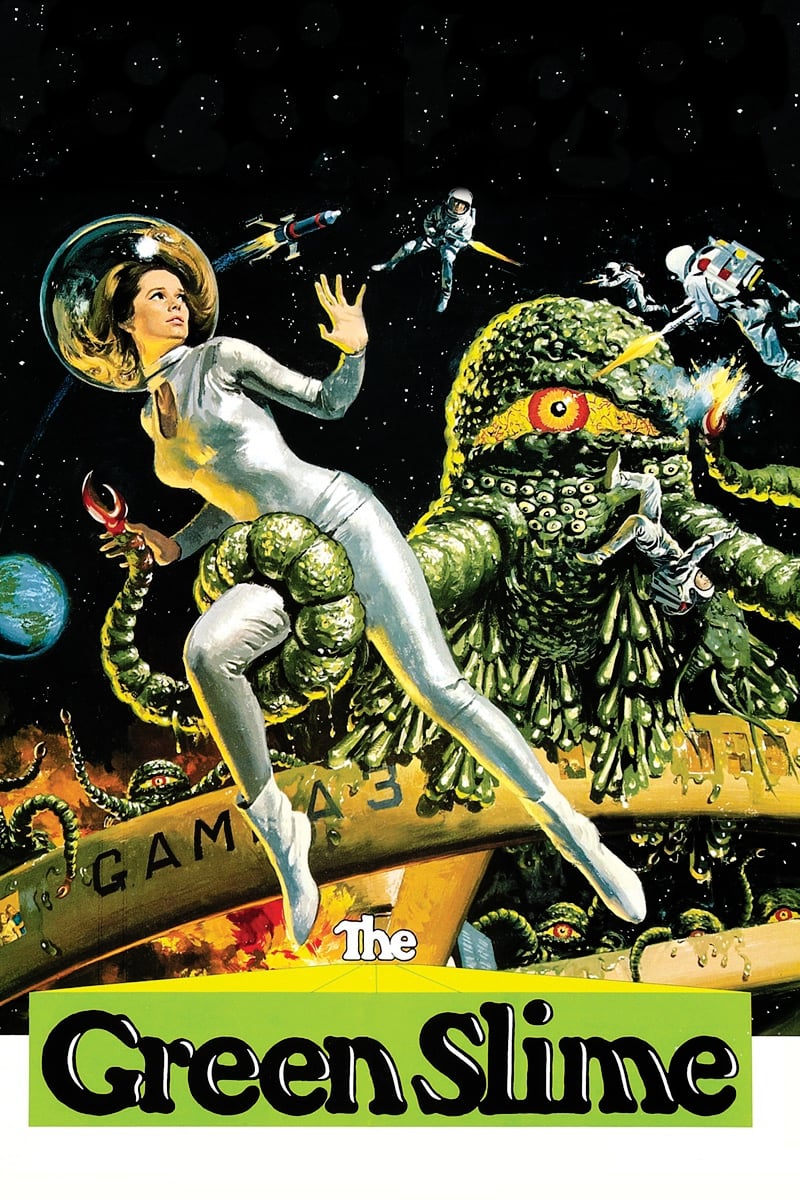
A Japanese-American co-production directed by Kinji Fukasaku, this space station thriller features Robert Horton, Luciana Paluzzi, and Richard Jaeckel. Filmed at Toei Studios in Tokyo with English dialogue, it was produced by MGM for international release.
Miniature models of spacecraft and the Gamma 3 station were shot on soundstages with pyrotechnic elements and wire-suspended alien costumes. The film’s theme song and electronic effects reflect late-decade pop influences, while editing prioritized intercutting between command-center operations and corridor action.
‘The Love Bug’ (1968)
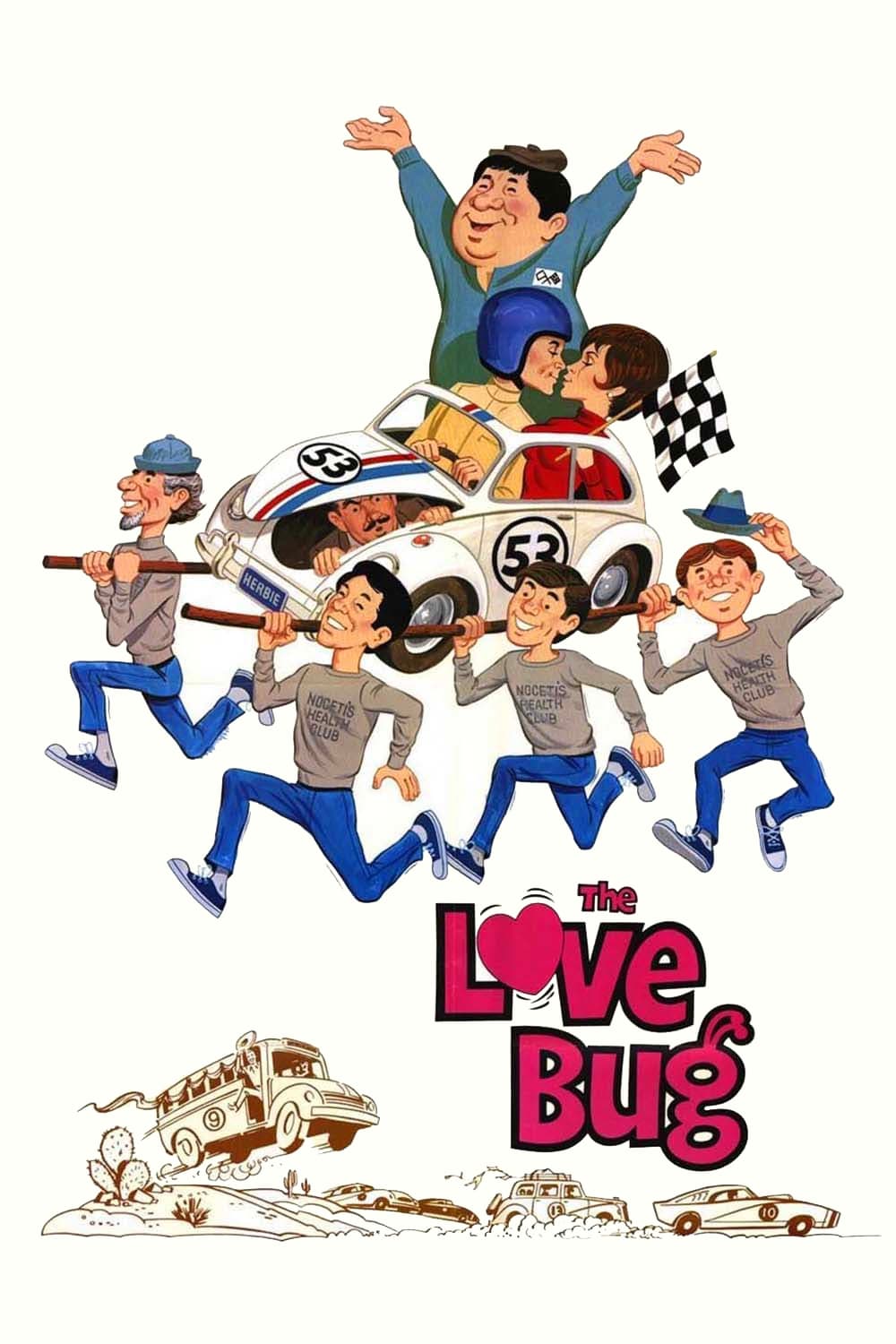
A Walt Disney Productions comedy directed by Robert Stevenson, this entry introduces Herbie, a sentient Volkswagen Beetle, with Dean Jones, Michele Lee, David Tomlinson, and Buddy Hackett in the ensemble. The screenplay was adapted from Gordon Buford’s story ‘Car, Boy, Girl’.
Multiple Beetles were prepared for racing, stunt work, and close-up gags, each with tailored engine setups. The production used California racing venues and city streets for exterior driving sequences, while sound editors layered mechanical whirs and horn cues to establish Herbie’s personality.
‘The Valley of Gwangi’ (1969)
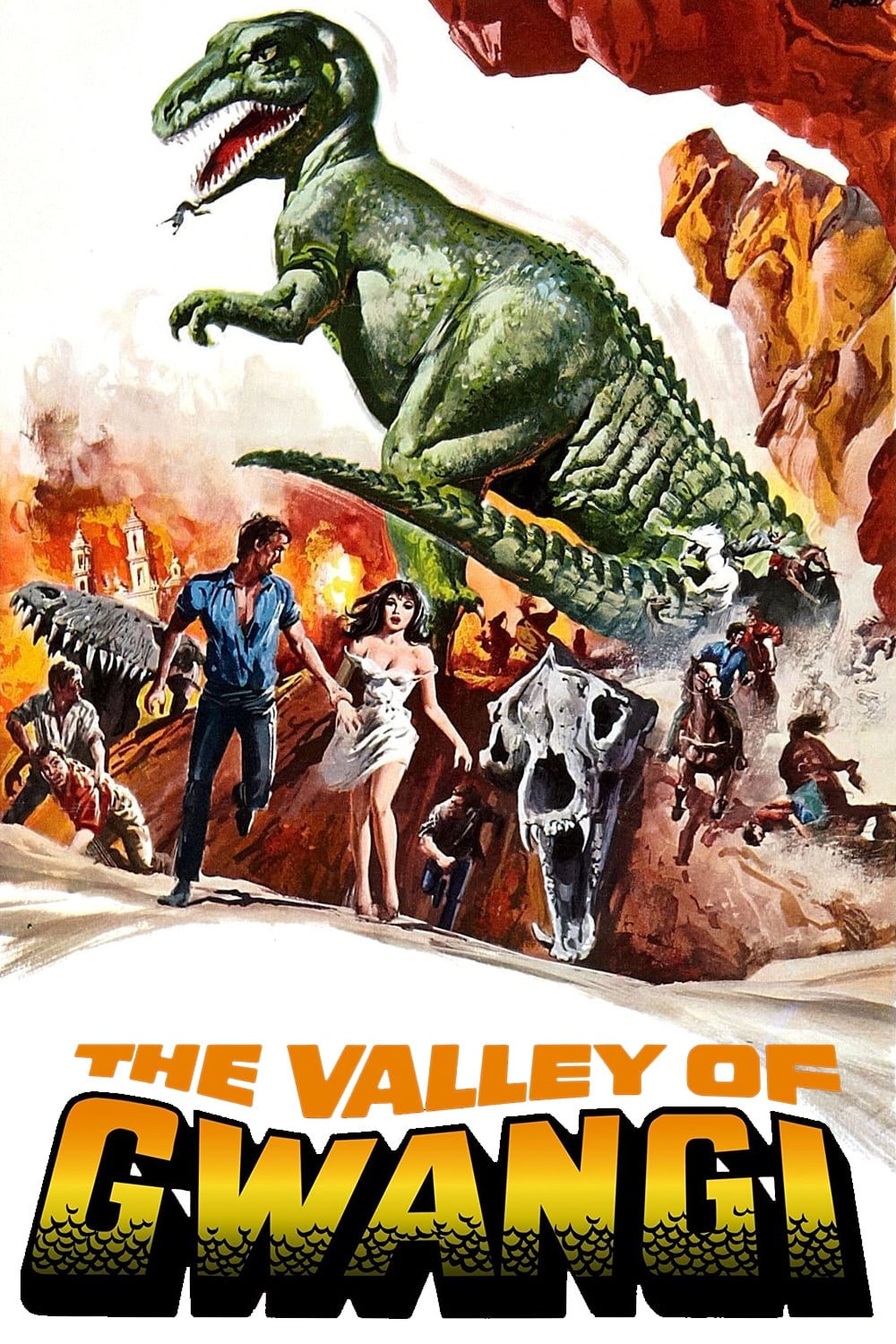
Produced by Charles H. Schneer for Warner Bros.–Seven Arts and directed by Jim O’Connolly, this western-meets-dinosaurs adventure stars James Franciscus and Gila Golan. Ray Harryhausen animated the stop-motion creatures, including an Allosaurus and an elephant-vs-theropod sequence.
Location photography took place in Spain, with canyon and desert landscapes doubling for the story’s frontier setting. The effects unit integrated live-action riders with animated monsters via traveling mattes and rear-projection plates, requiring precise timing between actor eyelines and animated motion.
‘The Computer Wore Tennis Shoes’ (1969)
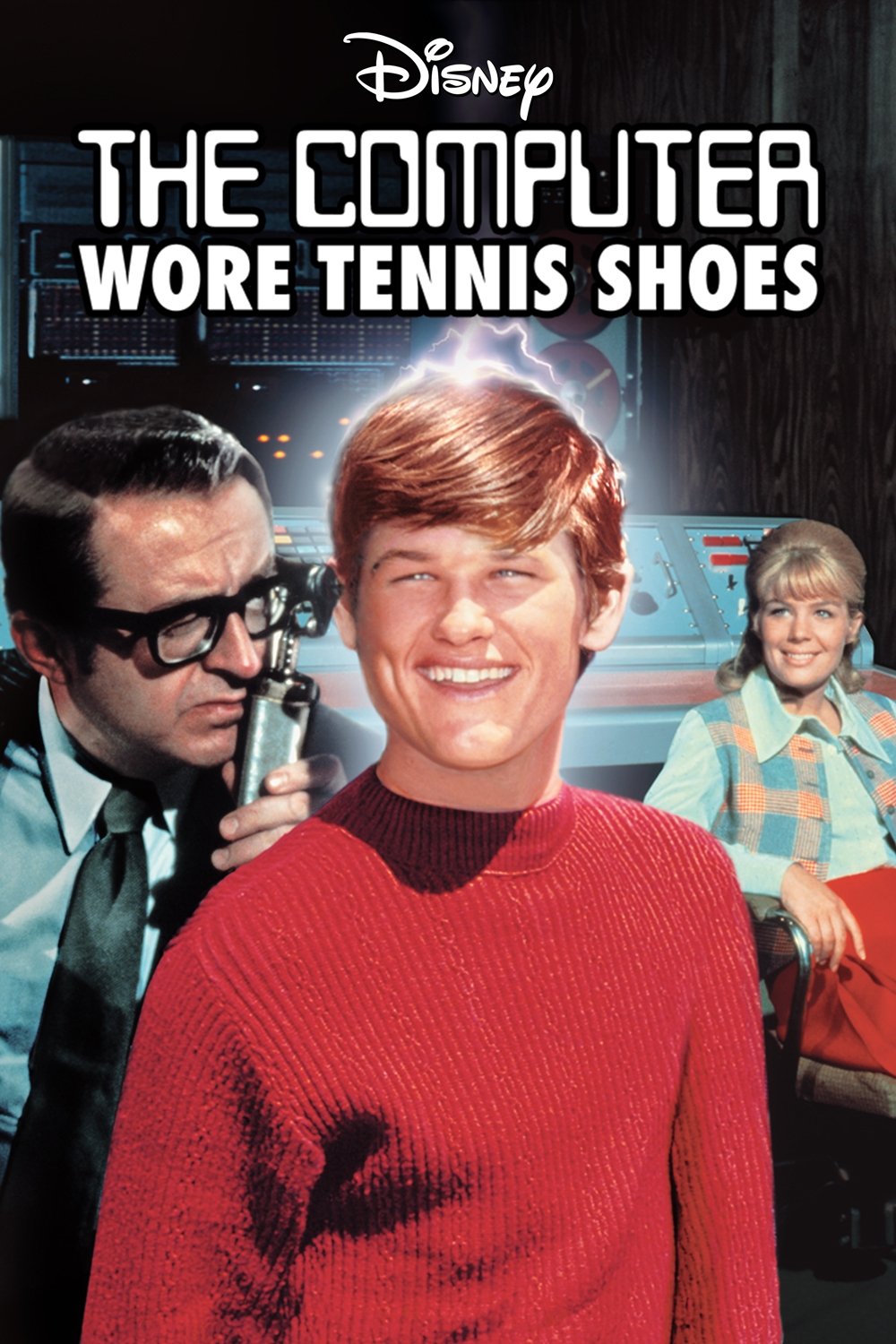
A Disney campus comedy directed by Robert Butler, starring Kurt Russell as student Dexter Riley, with Cesar Romero and Joe Flynn in support. The plot centers on a computer accident that enables instant recall, pushing the college into quiz-bowl competitions.
The production filmed on Disney’s Burbank lot and at local educational facilities, using then-current mainframe props, control panels, and reel-to-reel units. This title launched a series featuring the same characters, followed by ‘Now You See Him, Now You Don’t’ and ‘The Strongest Man in the World’.
‘Marooned’ (1969)
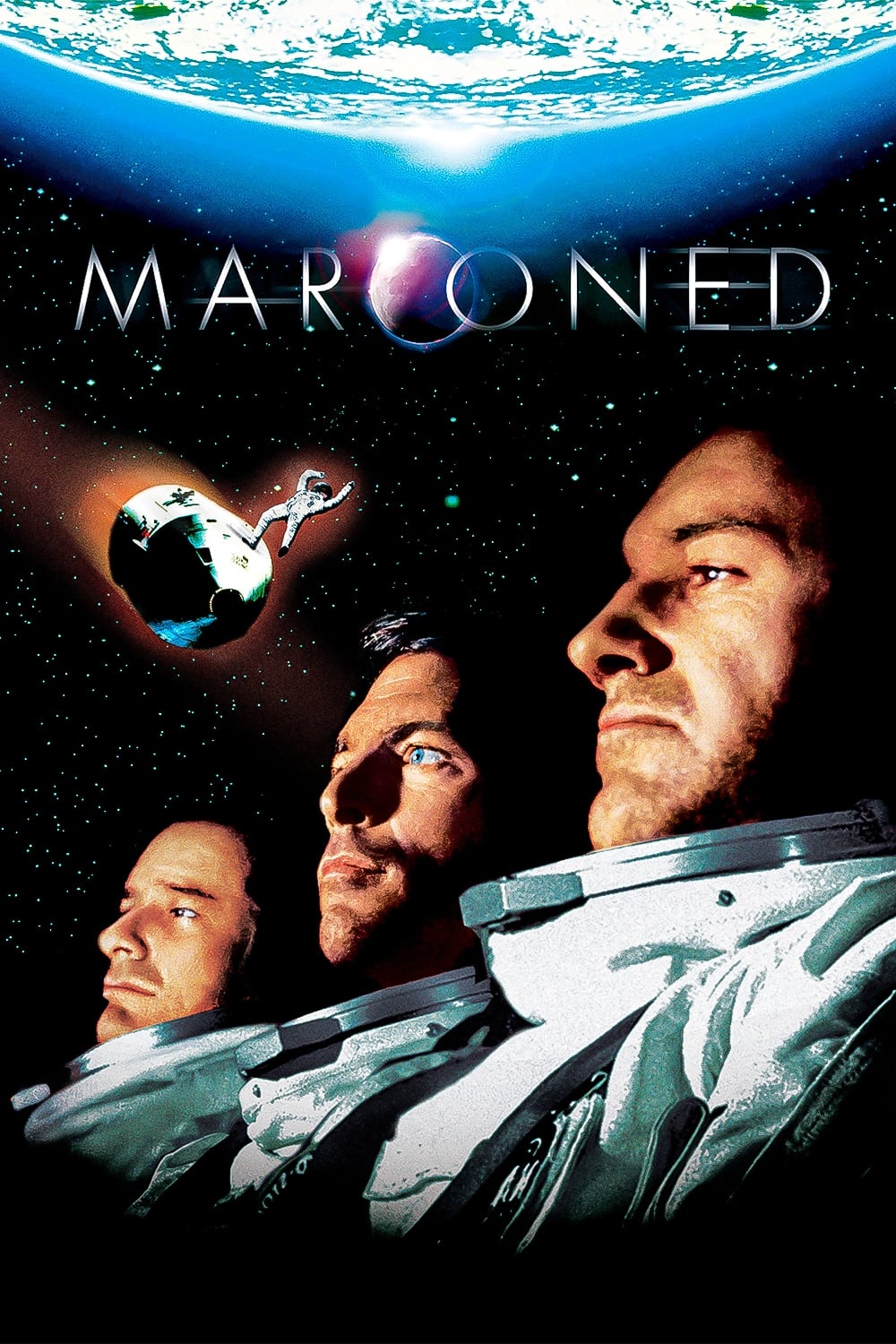
A Columbia Pictures space drama directed by John Sturges, starring Gregory Peck, Richard Crenna, David Janssen, James Franciscus, and Gene Hackman. The narrative follows an orbital mission imperiled by faulty equipment, with ground control operations forming the parallel strand.
Production consulted aerospace advisers and used detailed spacecraft mock-ups, gimbaled capsule rigs, and wire-assisted set pieces to simulate microgravity. Elmer Bernstein composed the score, and editing by Ferris Webster emphasized cross-cutting between mission control and spacecraft interiors, mirroring real-world flight procedures.
Share which forgotten favorites you’d add to the list in the comments!

