


Underrated Movies Only 1970s Kids Will Remember

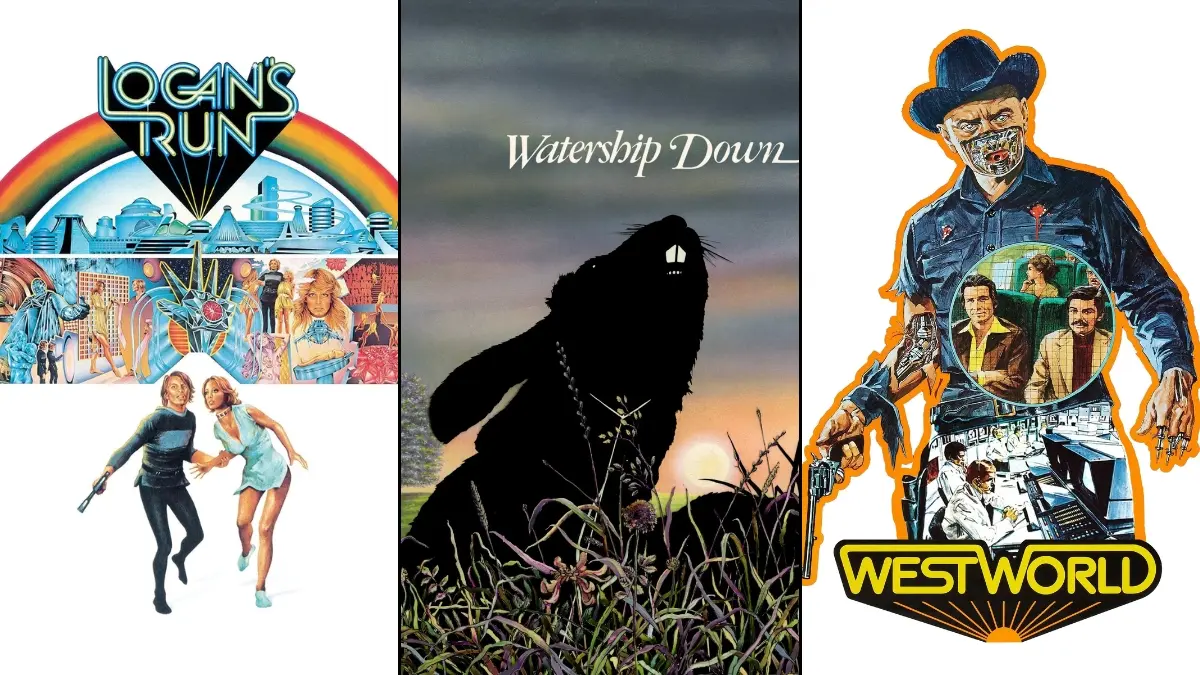


There’s a special corner of pop culture that belongs to kids who grew up in the shag-carpet decade, when weekend matinees, broadcast premieres, and battered VHS tapes turned offbeat films into lifelong favorites. These weren’t always the biggest hits, but they stuck around—syndicated on TV, shelved in school libraries, or replayed in community centers—until entire playgrounds knew them by heart.
This list gathers those titles people swapped on cassette, discovered through older siblings, or stumbled across during late-night creature features. You’ll find studio curios, TV originals, inventive animations, and oddball adventures—projects with distinctive craft, memorable casts, and behind-the-scenes stories that explain how they found their way into living rooms and lunchroom conversations.
‘Silent Running’ (1972)
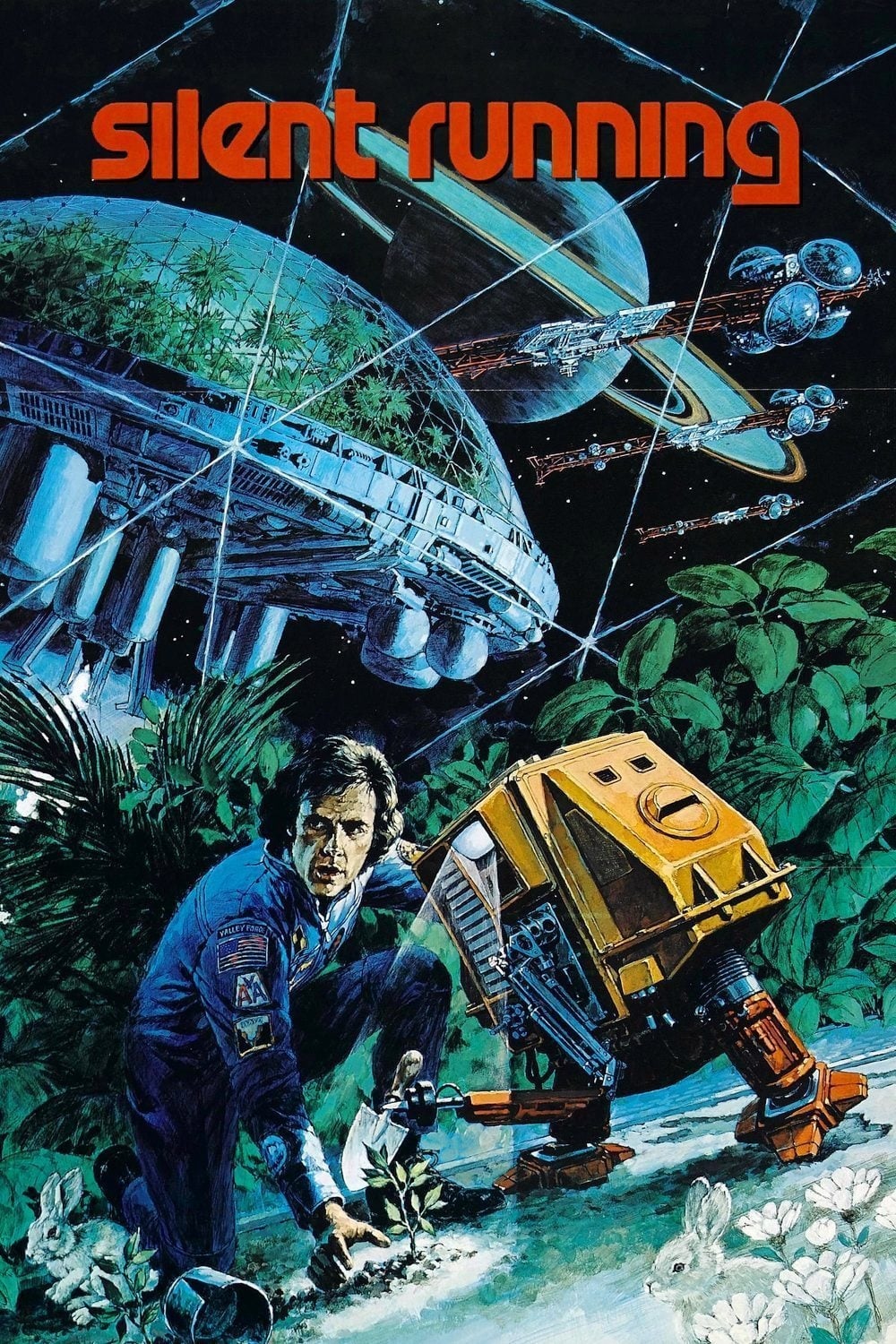
The eco–sci-fi story in ‘Silent Running’ was directed by effects legend Douglas Trumbull and headlined by Bruce Dern, with Universal handling distribution. Its three drone robots—Huey, Dewey, and Louie—were performed by suit actors inside compact casings, creating expressive physicality that informed later droid design across the genre.
Production relied on miniature work and practical effects overseen by veterans from large-scale visual effects shows. Composer Peter Schickele crafted a score that balances folk-tinged vocals with orchestral textures, while the film’s spaceship greenhouses were built as full-scale sets to sell the day-to-day routines of life in orbit.
‘Westworld’ (1973)
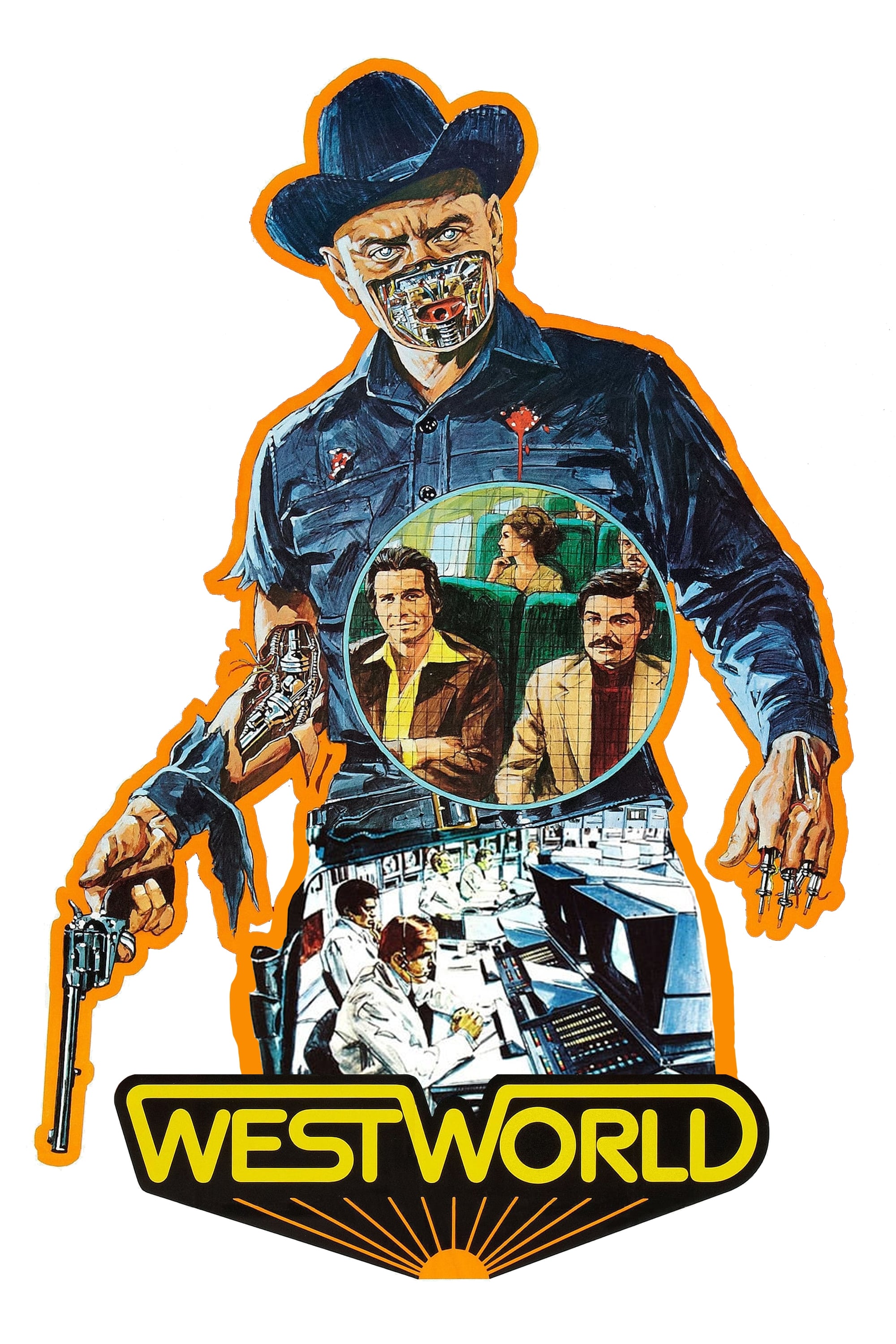
‘Westworld’ came from writer-director Michael Crichton and was produced through MGM, with Yul Brynner, Richard Benjamin, and James Brolin leading the cast. The story’s theme-park premise let the production design team build modular sets that shifted between Western streets, medieval halls, and control rooms.
It pioneered digital image processing for a distinctive android point of view, using rasterized imagery to convey machine vision. The film’s stunt coordination emphasized practical, on-location action, and its marketing underscored the draw of multiple genres colliding under one high-concept umbrella.
‘Logan’s Run’ (1976)
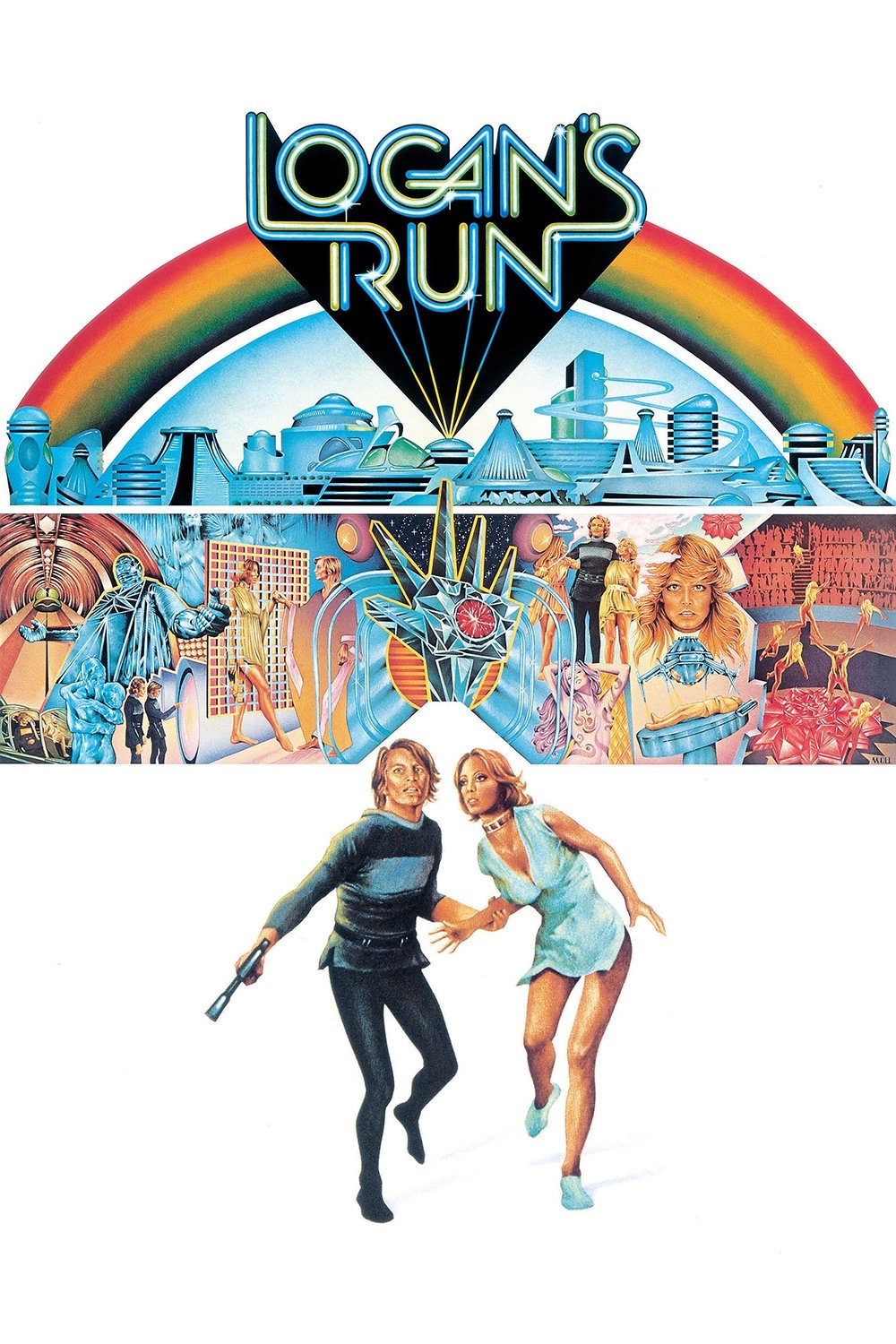
Adapted from the novel by William F. Nolan and George Clayton Johnson, ‘Logan’s Run’ paired director Michael Anderson with a cast featuring Michael York and Jenny Agutter. MGM allocated a sizable budget to create enclosed-city environments, including extensive matte paintings and large interior sets.
The production’s effects unit blended miniature cityscapes with optical compositing and wire-assisted stunts. Jerry Goldsmith’s score fused electronic textures with symphonic writing, while the costume department’s color coding reinforced story logic around societal roles.
‘The Black Hole’ (1979)
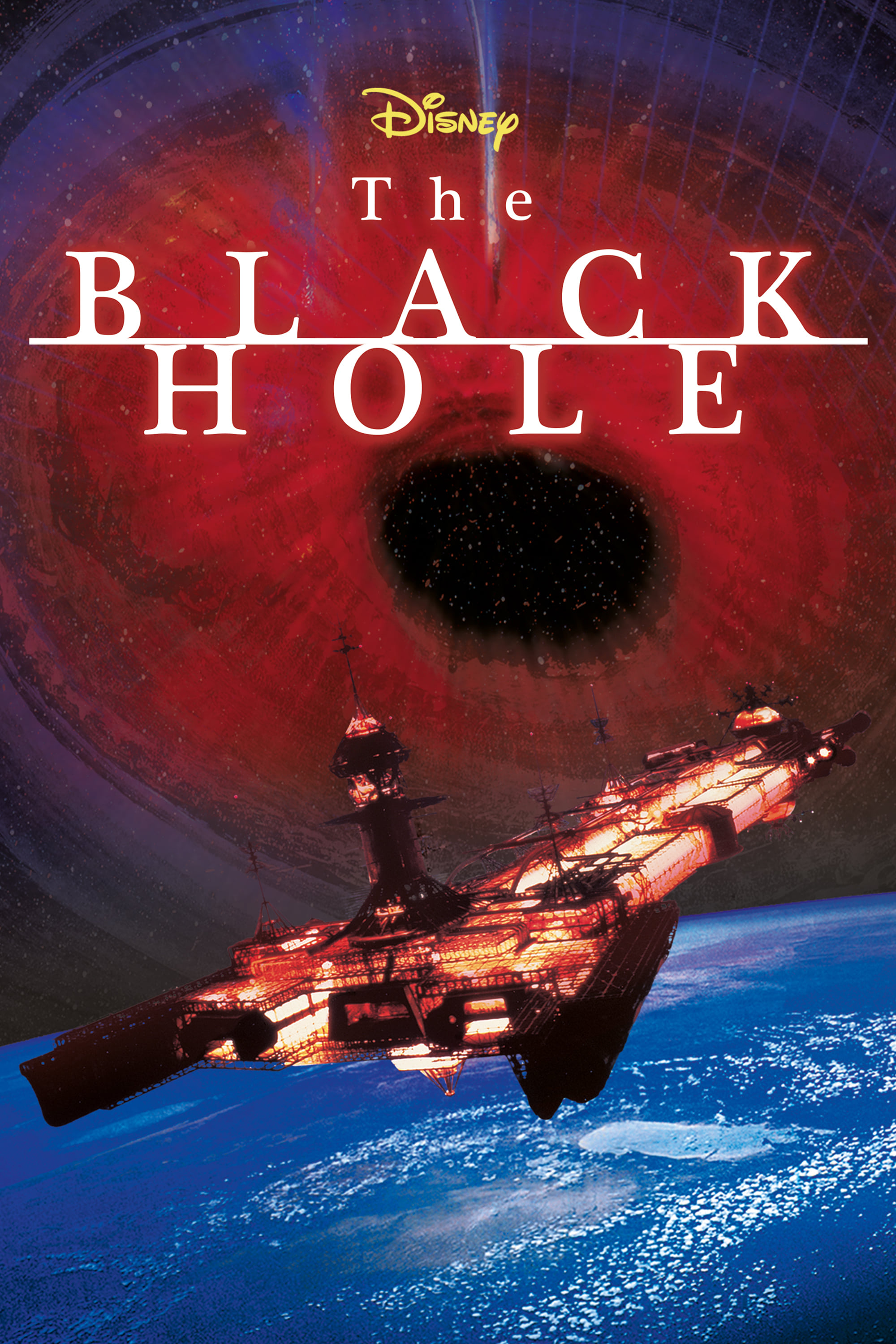
Disney positioned ‘The Black Hole’ as a big-canvas space adventure with Maximilian Schell, Anthony Perkins, and Ernest Borgnine in the ensemble. The production deployed motion-control camera systems and detailed miniatures to stage spaceship set-pieces.
Art direction emphasized glossy, cathedral-like interiors and a striking villain robot silhouette to build iconography. John Barry delivered a sweeping orchestral score, and merchandising extended to storybooks, model kits, and action figures that circulated widely through toy aisles.
‘The Cat from Outer Space’ (1978)

‘The Cat from Outer Space’ mixed sci-fi and family comedy under the Disney banner, starring Ken Berry, Sandy Duncan, and Harry Morgan. The visual effects team used wire rigs, split screens, and clever editing to sell telekinesis gags and midair footballs.
Animal trainers worked with a well-known feline performer for close-ups, while voice processing added a crisp, otherworldly timbre to the cat’s “communications.” The film’s gentle caper structure made it a frequent pick for after-school broadcasts and classroom reward days.
‘Escape to Witch Mountain’ (1975)
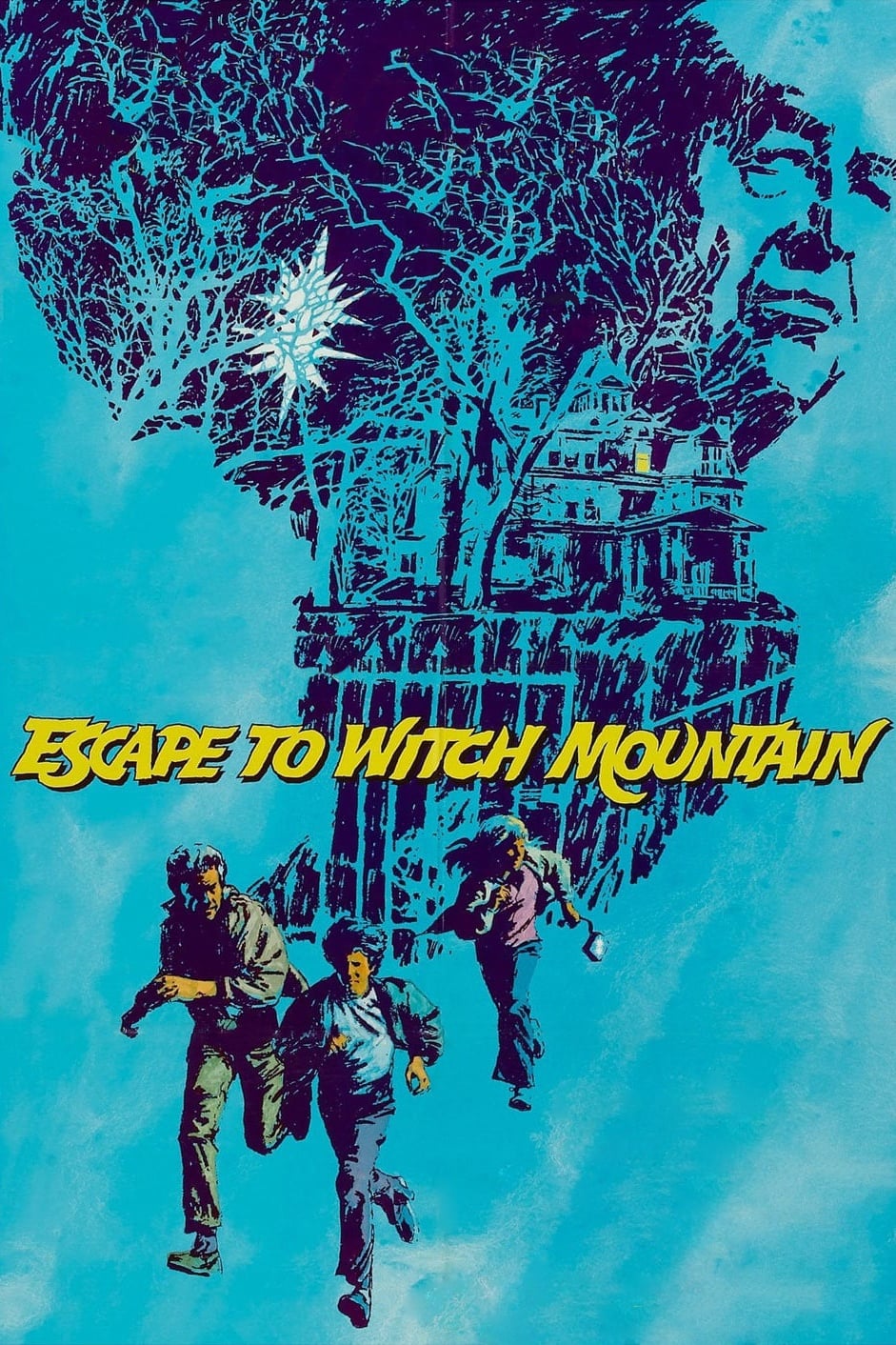
Disney’s ‘Escape to Witch Mountain’ showcased Ike Eisenmann and Kim Richards as gifted siblings alongside Eddie Albert and Ray Milland. Location work took advantage of rugged terrain, with stunt drivers and second-unit crews executing chase beats across winding roads.
Effects teams leaned on practical gags—hidden rigs, forced perspective, and in-camera tricks—to represent telekinetic bursts. The studio quickly recognized its franchise potential, spinning the property into sequels, TV content, and paperback tie-ins.
‘Candleshoe’ (1977)
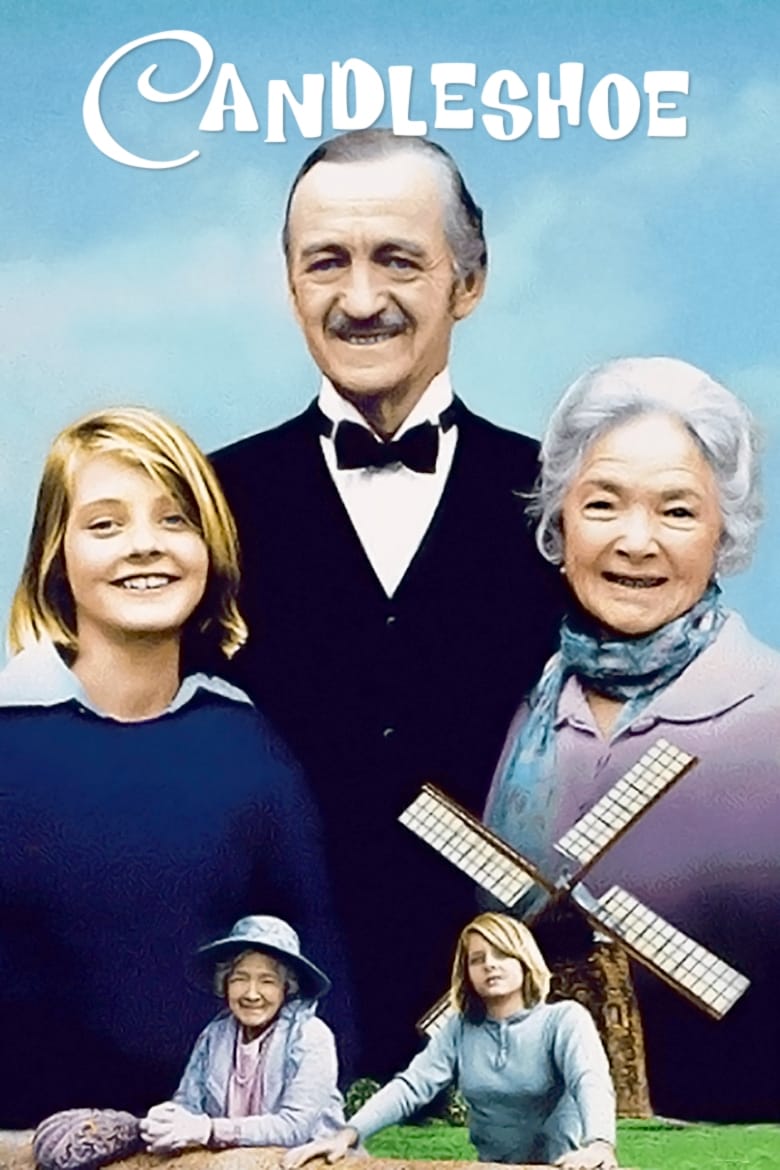
Starring Jodie Foster, David Niven, and Helen Hayes, ‘Candleshoe’ combined treasure-hunt plotting with manor-house intrigue under the Disney label. The production used an English estate setting and costuming that blended contemporary outfits with traditional uniforms for character contrast.
Second-unit teams managed elaborate garden chases and stairway pratfalls with old-school stunt craftsmanship. The screenplay’s clue-solving structure was supported by prop design that hid ciphers in paintings, fixtures, and antique books.
‘Bugsy Malone’ (1976)
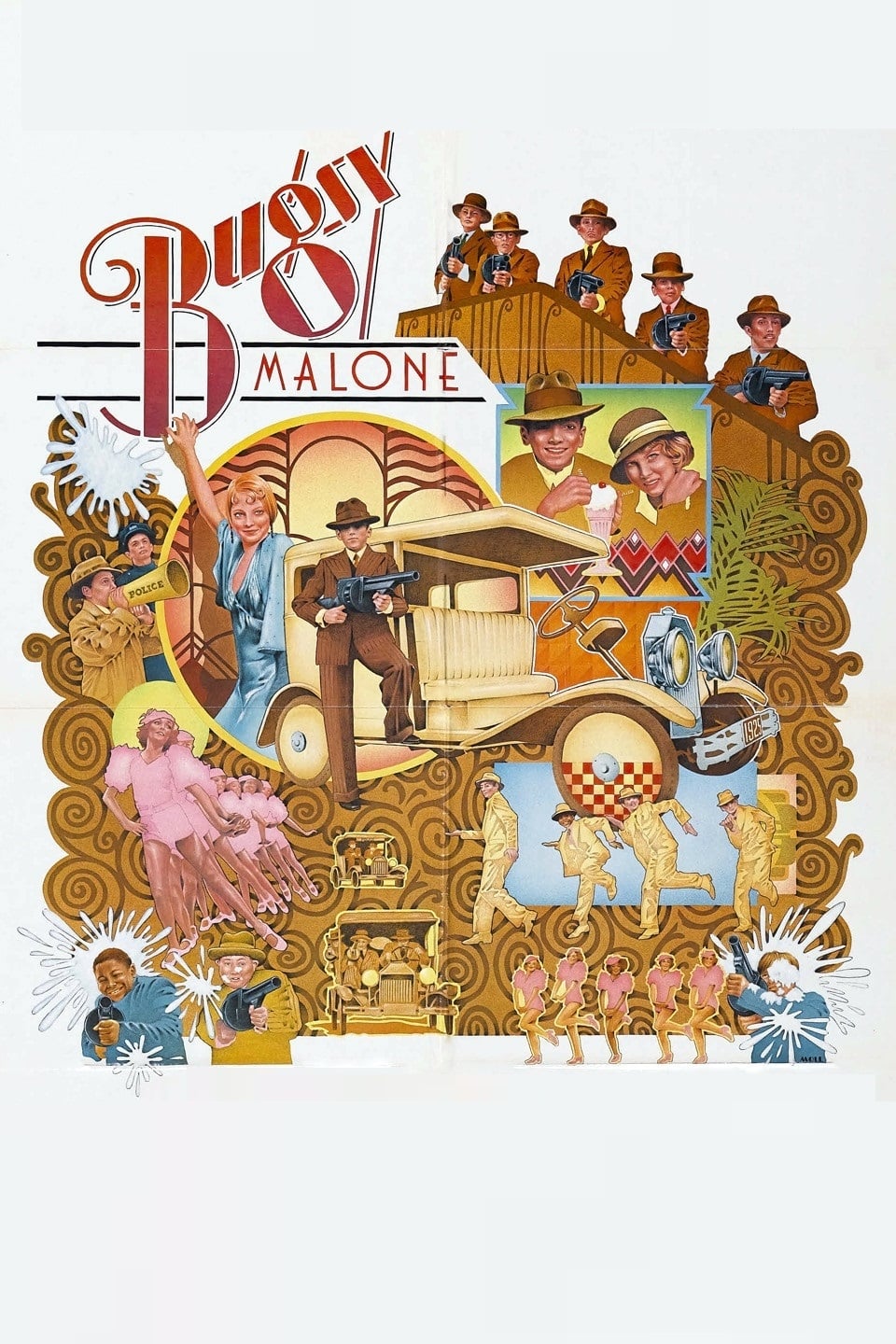
Alan Parker’s ‘Bugsy Malone’ cast children in a Prohibition-era pastiche, with Jodie Foster and Scott Baio among the leads. Instead of squibs, the production devised cream-filled “splurge” guns, which required meticulous wardrobe doubling and choreographed refires to keep continuity intact.
Paul Williams supplied original songs, and the film’s sound mixing balanced youthful vocals with a polished big-band backdrop. Set decoration leaned on scaled-down club interiors, and the dance numbers relied on precise camera blocking to showcase ensemble sync.
‘The Last of Sheila’ (1973)
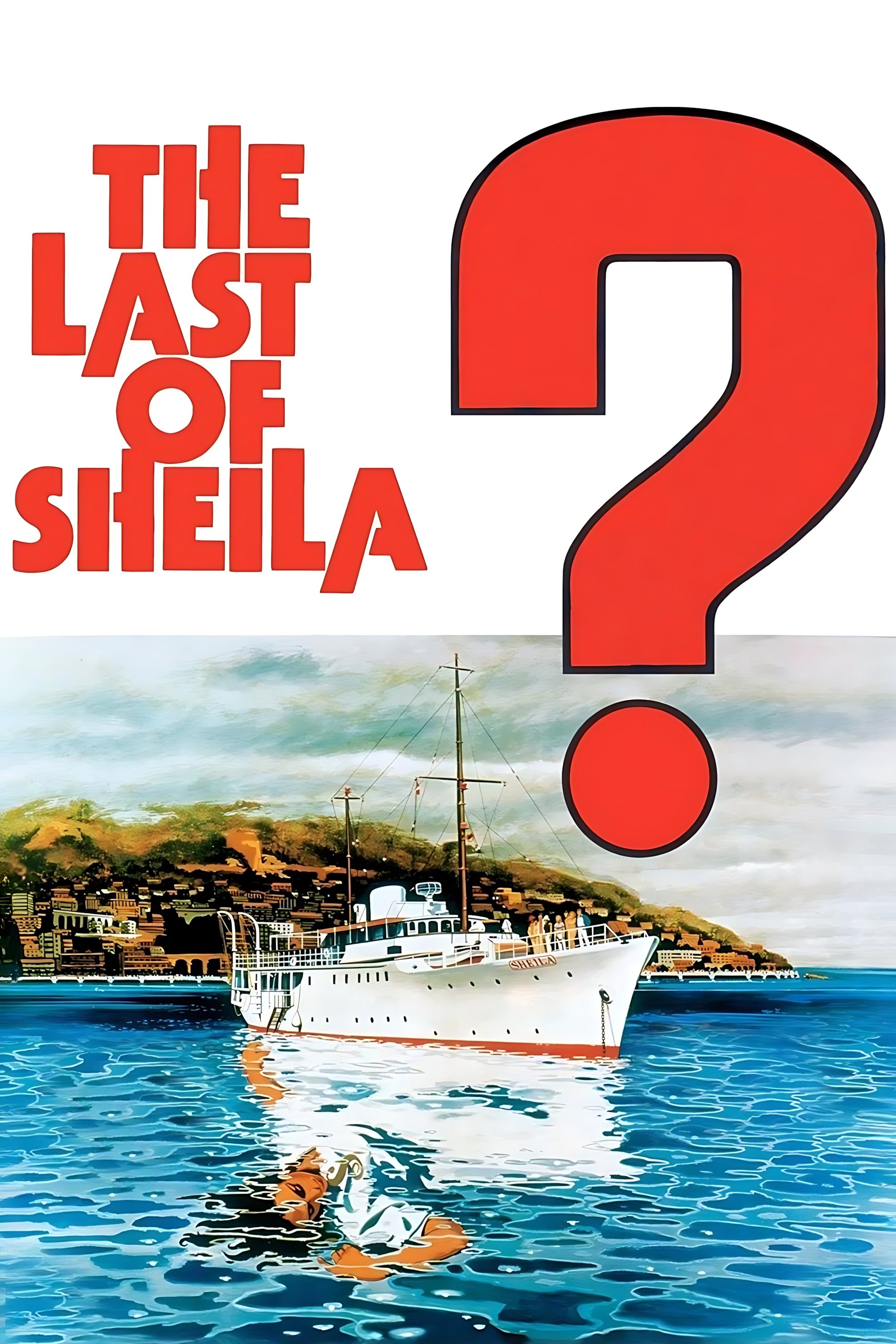
‘The Last of Sheila’ teamed director Herbert Ross with a screenplay by Stephen Sondheim and Anthony Perkins. The cast—James Coburn, Dyan Cannon, and Raquel Welch among them—worked primarily on Mediterranean yacht and port locations.
Its intricate puzzle structure demanded careful prop continuity and insert photography to foreground clues. Emphasis on dialogue rhythm and reaction shots supported the whodunit mechanics, while wardrobe choices subtly coded alliances and rivalries.
‘The Car’ (1977)
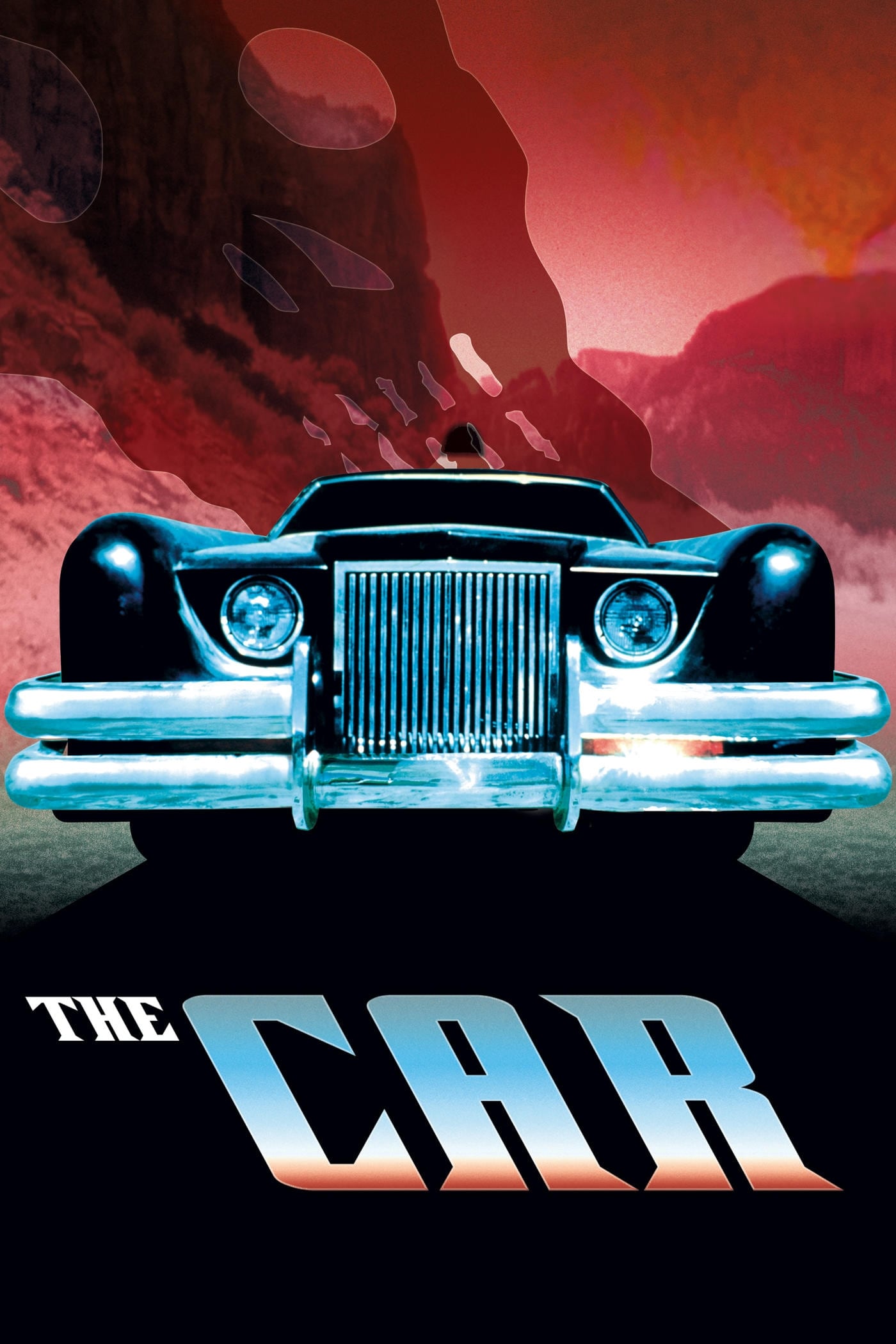
Universal’s ‘The Car’ delivered a desert-set thriller built around a custom, sinister-looking vehicle designed with a chopped roofline and blacked-out details. James Brolin led the cast, with extensive stunt driving on closed highways and dirt roads.
Sound design layered engine roars with processed tones to give the vehicle a character presence. The effects unit used air rams, tow rigs, and remote-control assistance for near-miss gags, while dust plumes and heat shimmer became visual signatures.
‘The Bermuda Depths’ (1978)
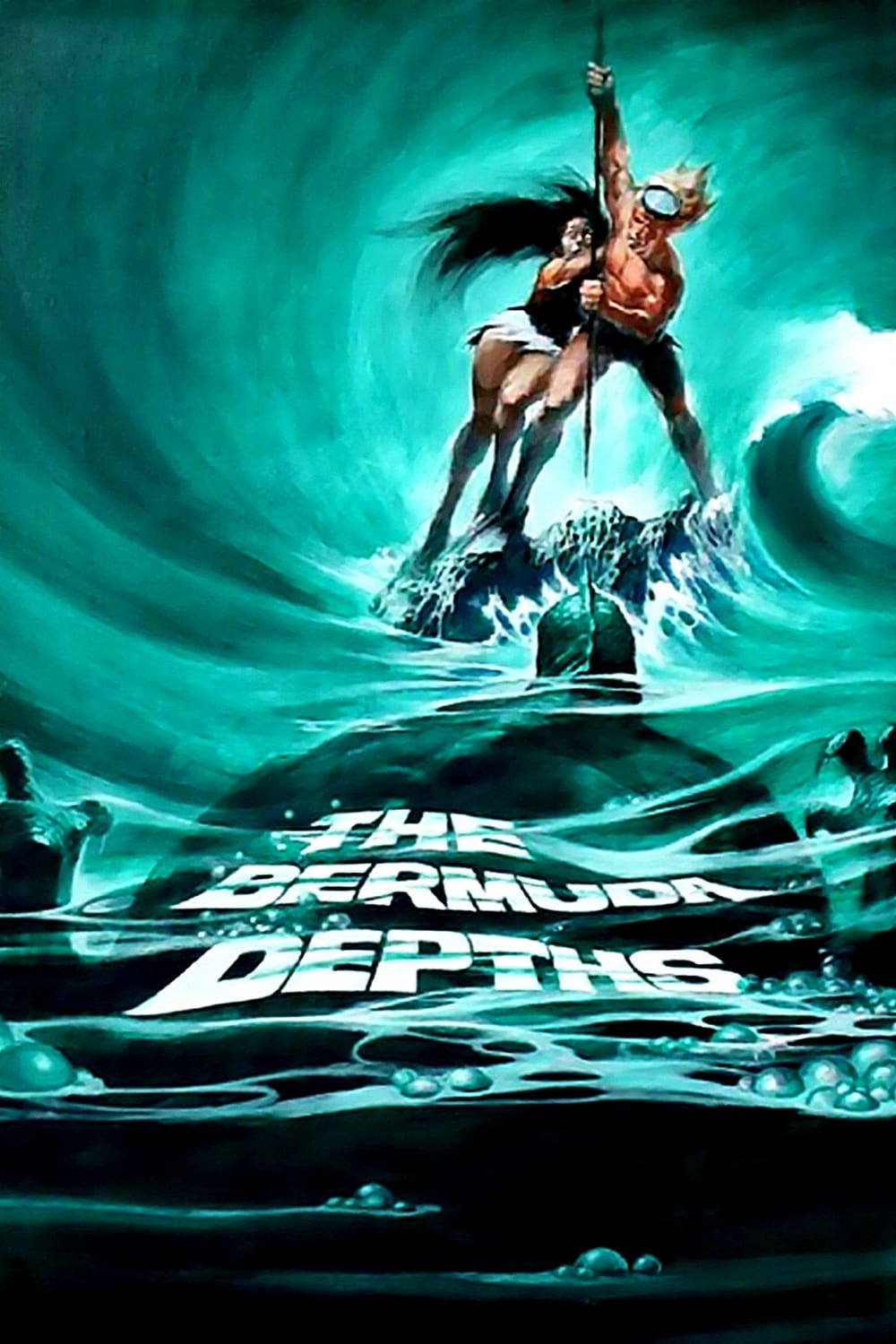
A Rankin/Bass live-action TV feature, ‘The Bermuda Depths’ combined oceanic mythology with location photography in tropical waters. Carl Weathers and Connie Sellecca starred, with a creature component realized through miniature work and underwater cinematography.
The production scheduled daylight dives around weather windows and relied on filtered lenses to achieve a dreamy look. Its broadcast generated word-of-mouth reruns, and the title became a staple of late-night programming blocks and tape-trading circles.
‘The Rescuers’ (1977)
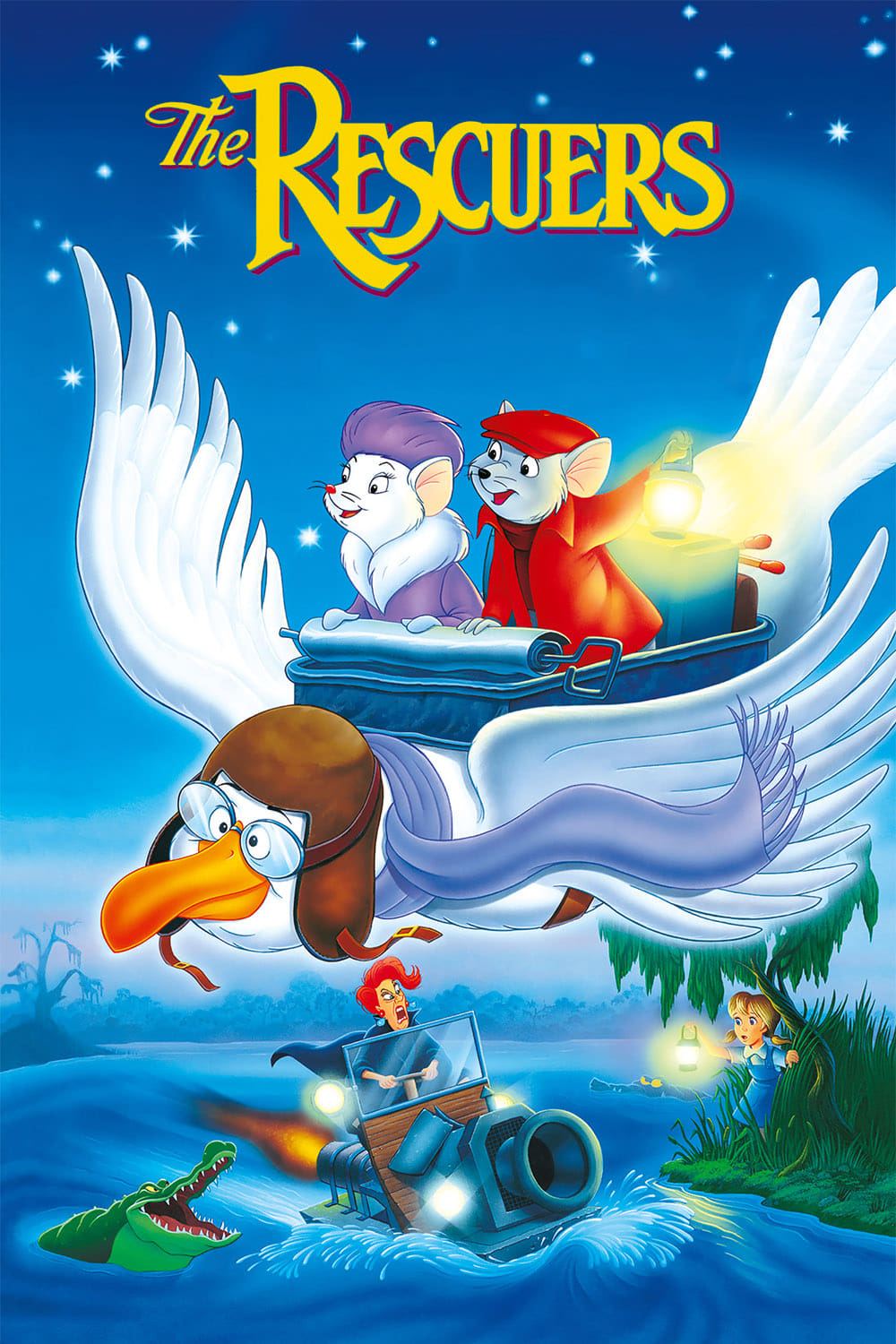
Disney Animation’s ‘The Rescuers’ introduced the Rescue Aid Society with voice work by Bob Newhart, Eva Gabor, and Geraldine Page. The studio’s animation process blended traditional cel techniques with a soft-focus Xerox line to preserve sketchy charm.
Background painters emphasized swamp atmospherics and urban gloom, while the story team structured a linear rescue mission that showcased sidekick set-pieces. The film’s success encouraged further small-hero adventures and merchandising through storybooks and records.
‘Watership Down’ (1978)
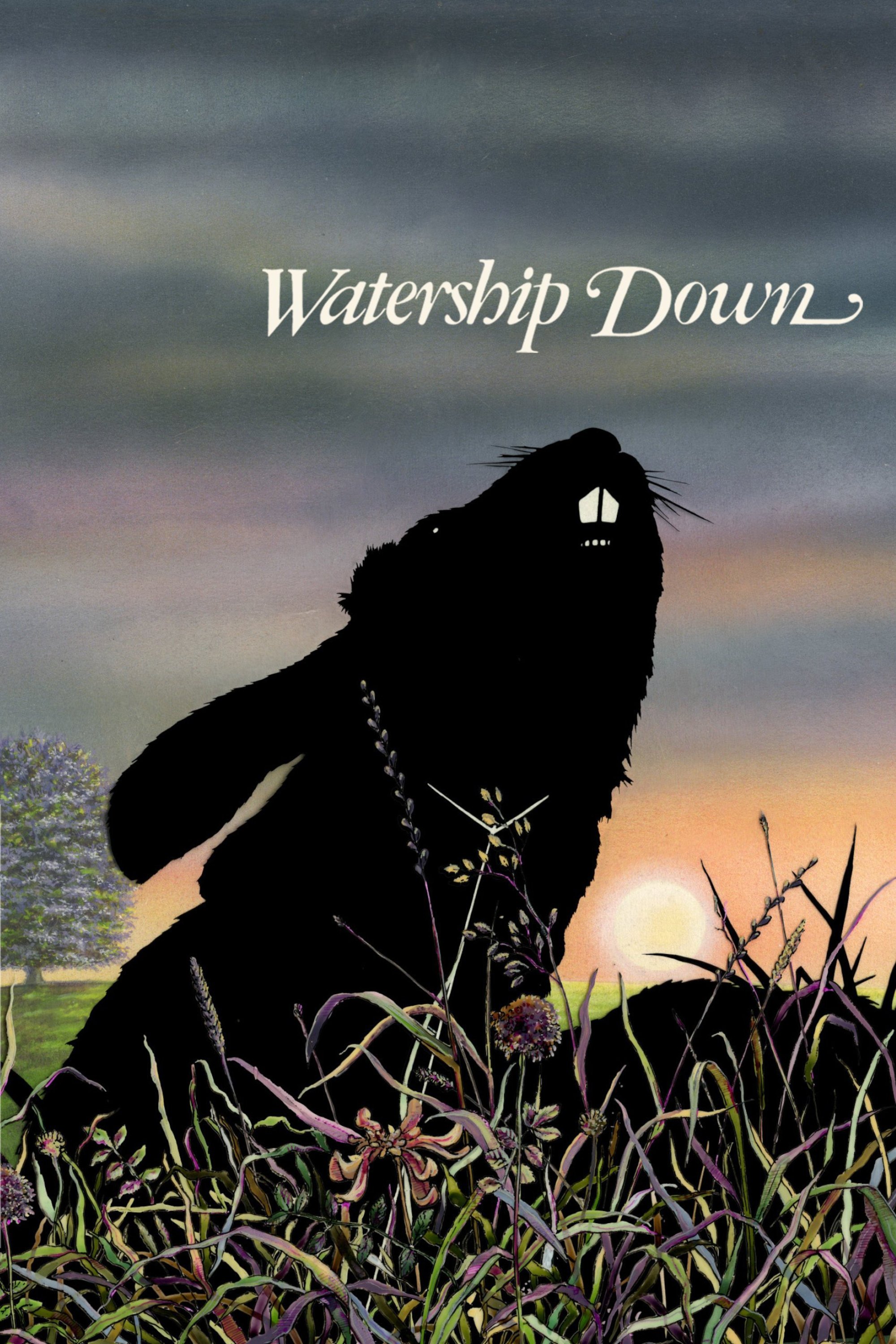
Based on Richard Adams’s novel, ‘Watership Down’ was produced by Nepenthe Productions with Martin Rosen directing and an ensemble of British voice actors. The animation favored naturalistic rabbit movement informed by field observation and anatomical study.
Ink-and-paint teams used earthy palettes and delicate linework to differentiate warrens, predators, and open fields. The soundtrack incorporated choral textures and a charting ballad, while the layout department staged clear, legible action in complex crowd scenes.
‘Fantastic Planet’ (1973)
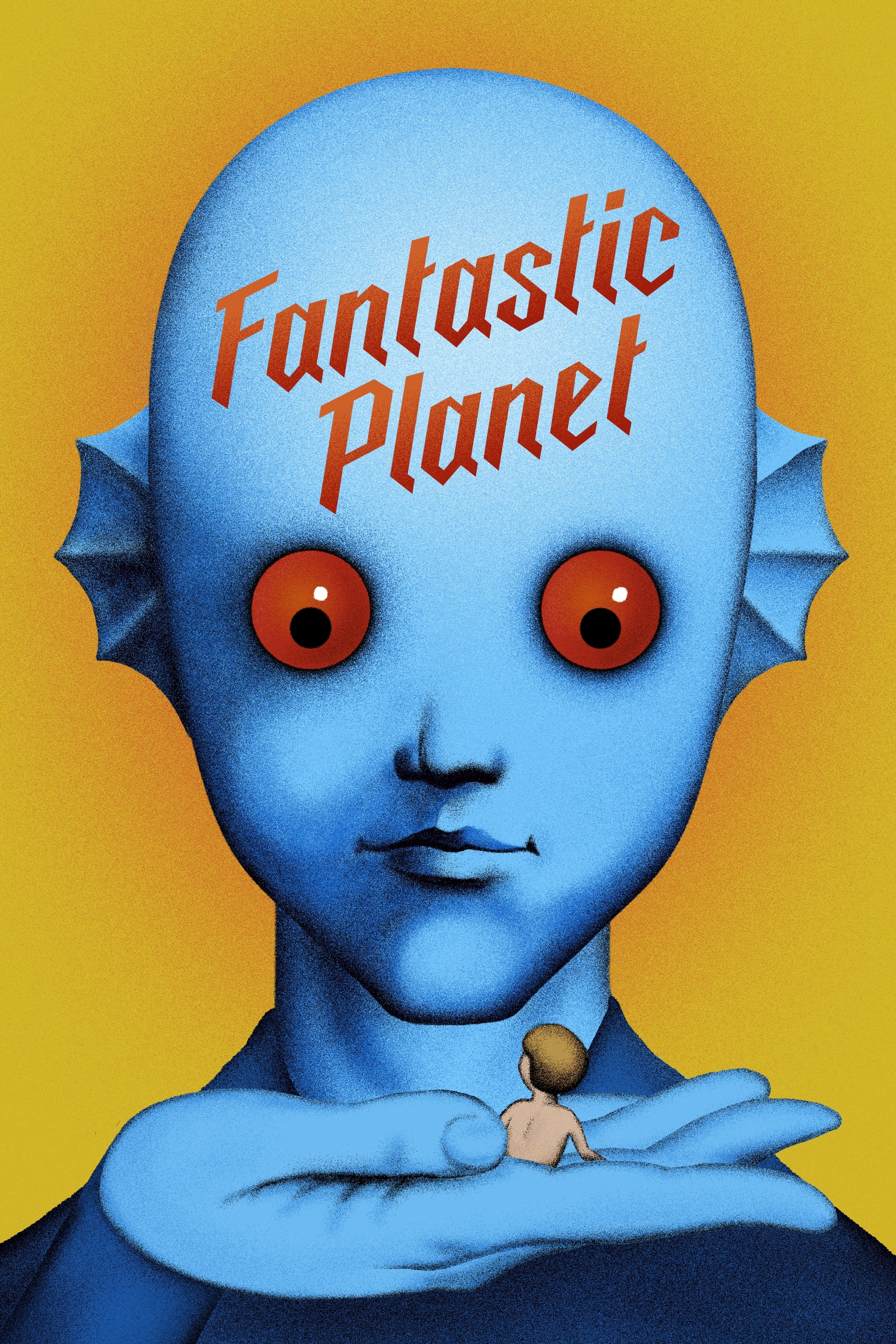
‘Fantastic Planet’ (‘La planète sauvage’) was directed by René Laloux and produced in a French-Czech collaboration. The film used cutout animation with paper puppets and collage-style backgrounds, yielding surreal compositions that remain distinctive.
Recording sessions employed a small voice cast covering multiple roles, while composer Alain Goraguer supplied a psychedelic jazz–inflected score. Distribution in art-house circuits helped the title circulate internationally, finding new audiences through repertory screenings.
‘The Wiz’ (1978)
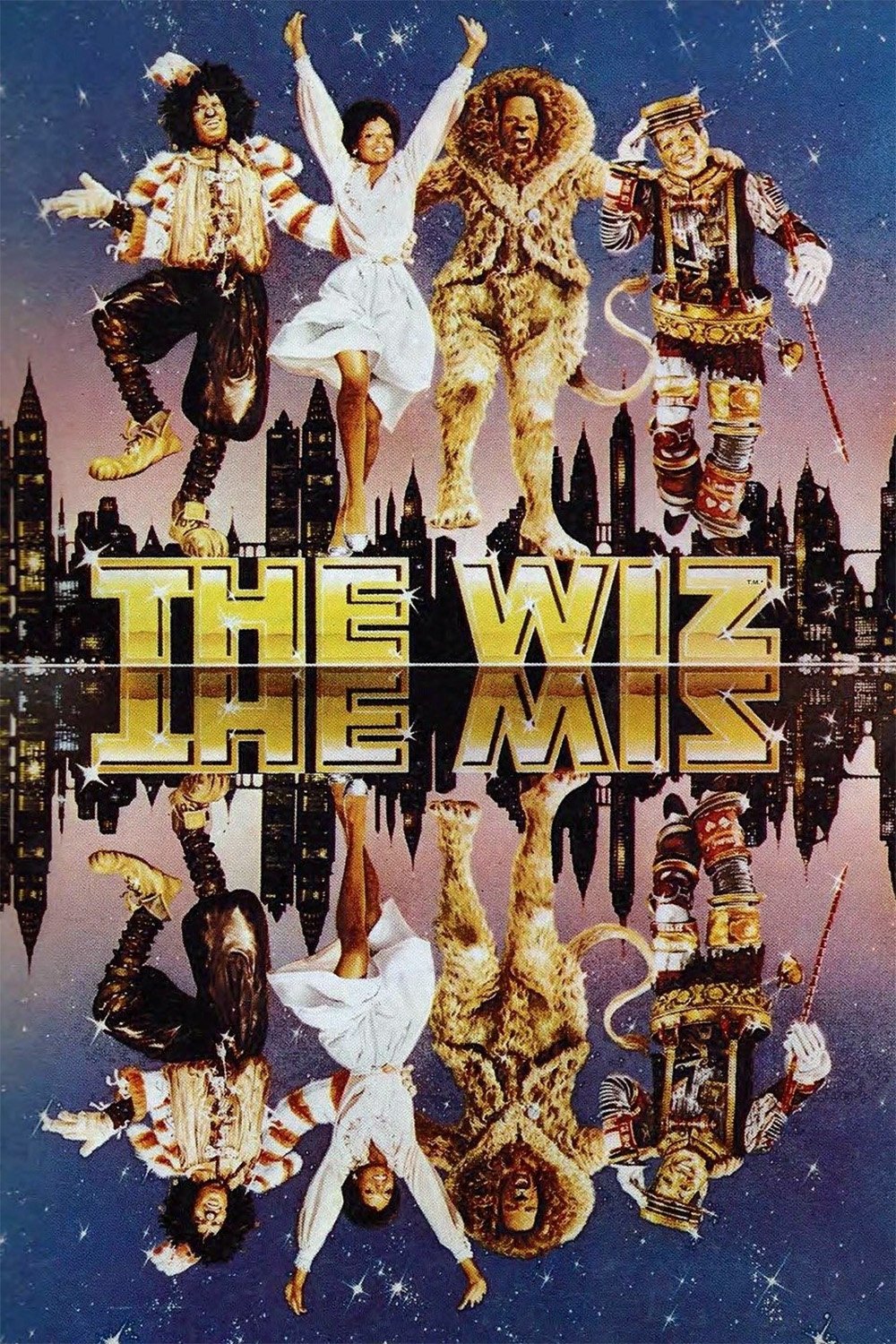
‘The Wiz’ reimagined a classic tale with Diana Ross, Michael Jackson, and Nipsey Russell, directed by Sidney Lumet. Production design transformed New York locations and large-scale sets into fantasy spaces like the Emerald City and Munchkinland.
Choreography by Louis Johnson integrated ensemble numbers across city landmarks and soundstage builds, while Quincy Jones supervised music that blended Broadway orchestration with contemporary R&B. The costume department delivered elaborate, color-coded ensembles for crowd sequences.
‘The Golden Voyage of Sinbad’ (1973)
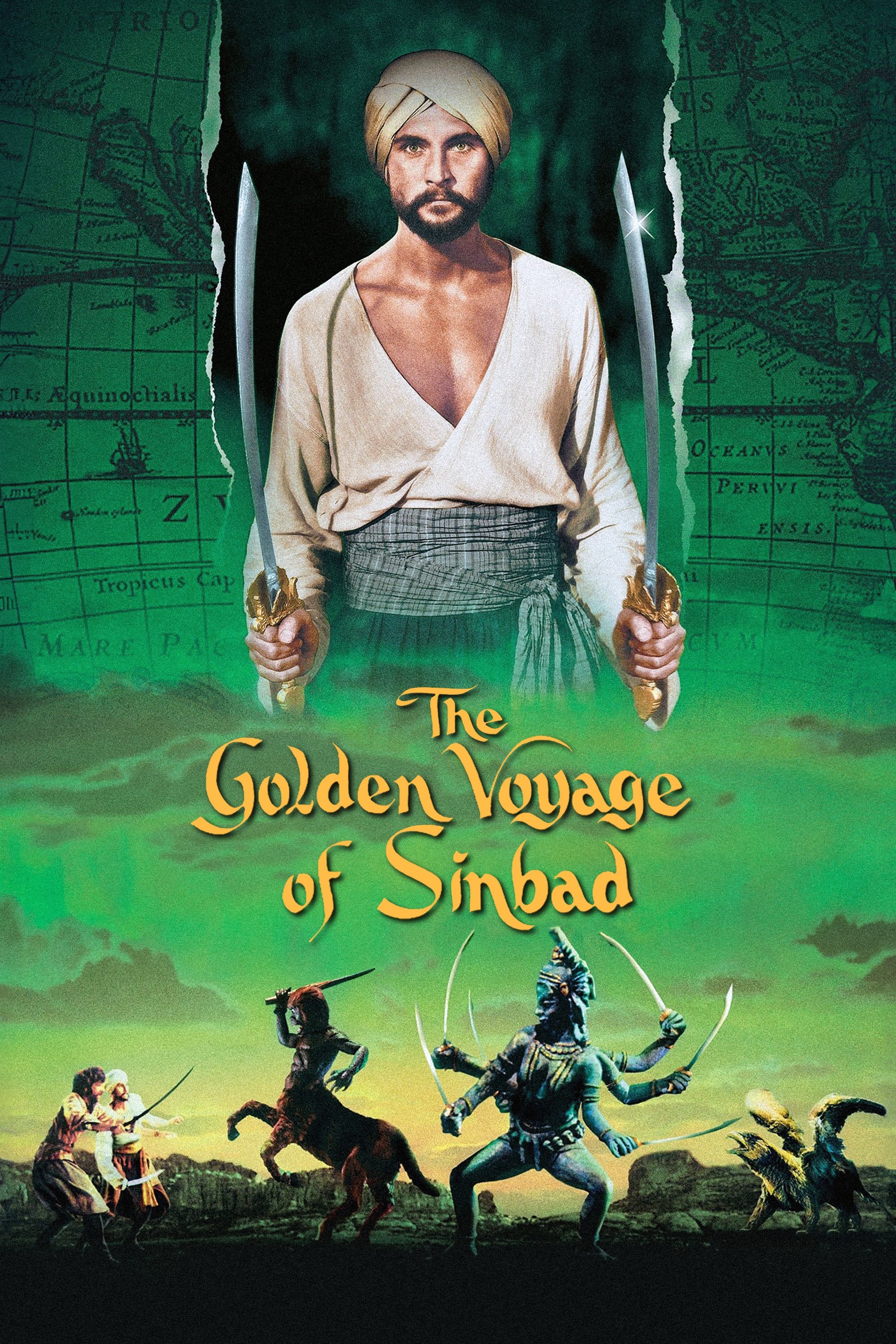
Ray Harryhausen’s stop-motion artistry powered ‘The Golden Voyage of Sinbad’, directed by Gordon Hessler and starring John Phillip Law and Caroline Munro. Columbia Pictures handled release, with location shoots enhancing the mythic adventure atmosphere.
Dynamation techniques combined live actors with animated creatures via split-screen mattes and rear projection. Miklós Rózsa’s score supported the exotic adventure tone, and the production’s creature roster showcased meticulous armature design and incremental animation.
‘Bedknobs and Broomsticks’ (1971)

Disney’s ‘Bedknobs and Broomsticks’ merged live action with animation, directed by Robert Stevenson and featuring Angela Lansbury and David Tomlinson. The film’s centerpiece animated soccer match required months of planning to synchronize choreography with human performers.
The effects department executed practical magic gags using wire rigs, traveling mattes, and sodium vapor compositing. The Sherman Brothers supplied songs, and the art department created period interiors that supported both wartime home-front scenes and whimsical sequences.
‘Pete’s Dragon’ (1977)
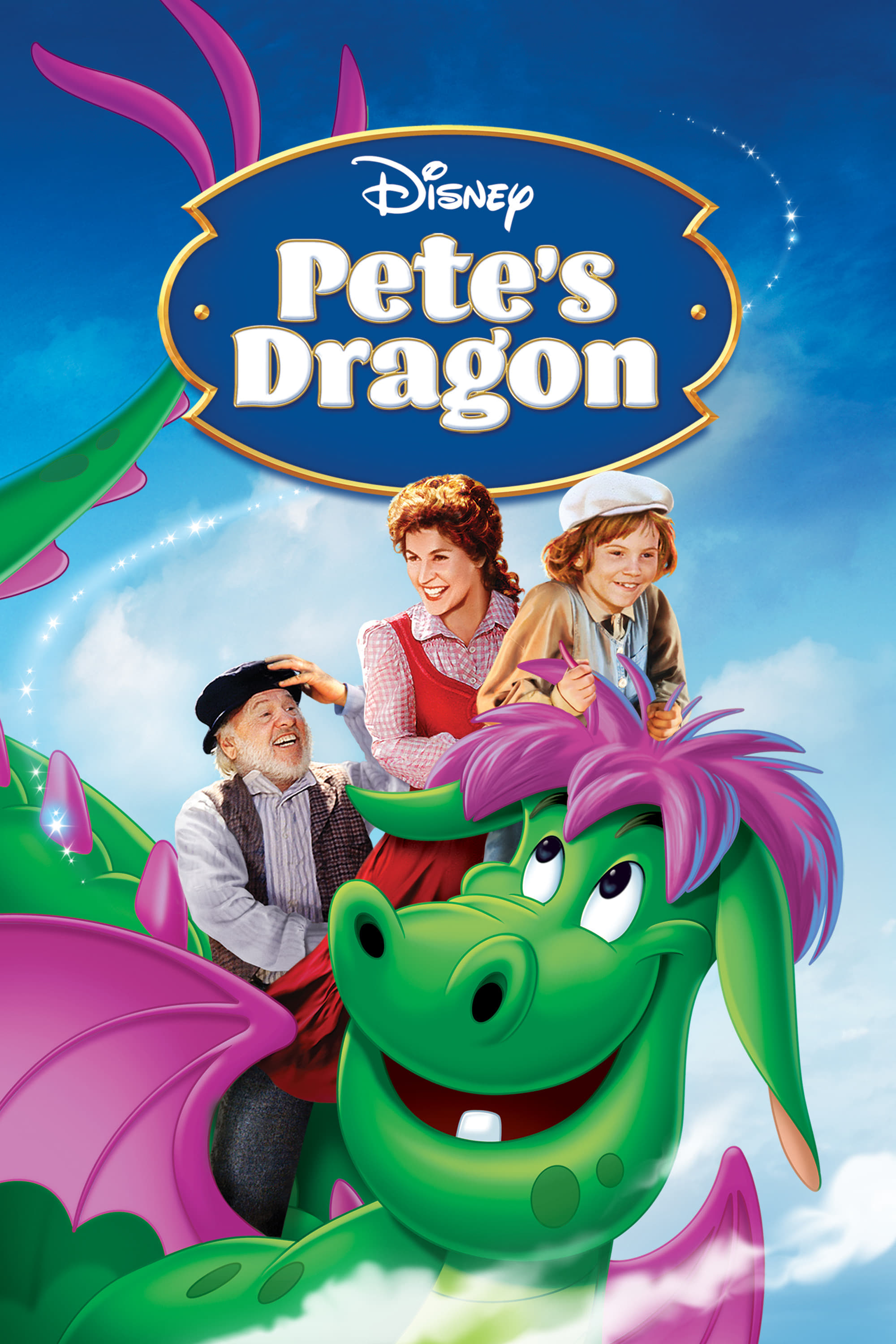
‘Pete’s Dragon’ blended a live-action cast led by Helen Reddy, Mickey Rooney, and Red Buttons with an animated dragon created by Disney’s animation unit. The dragon design emphasized friendly round shapes and bold color choices for immediate readability.
Composite shots used optical printers to integrate the character into physical sets and location photography. The soundtrack featured musical numbers staged as community gatherings, and the production’s lighthouse build became a key visual anchor.
‘The Little Girl Who Lives Down the Lane’ (1976)
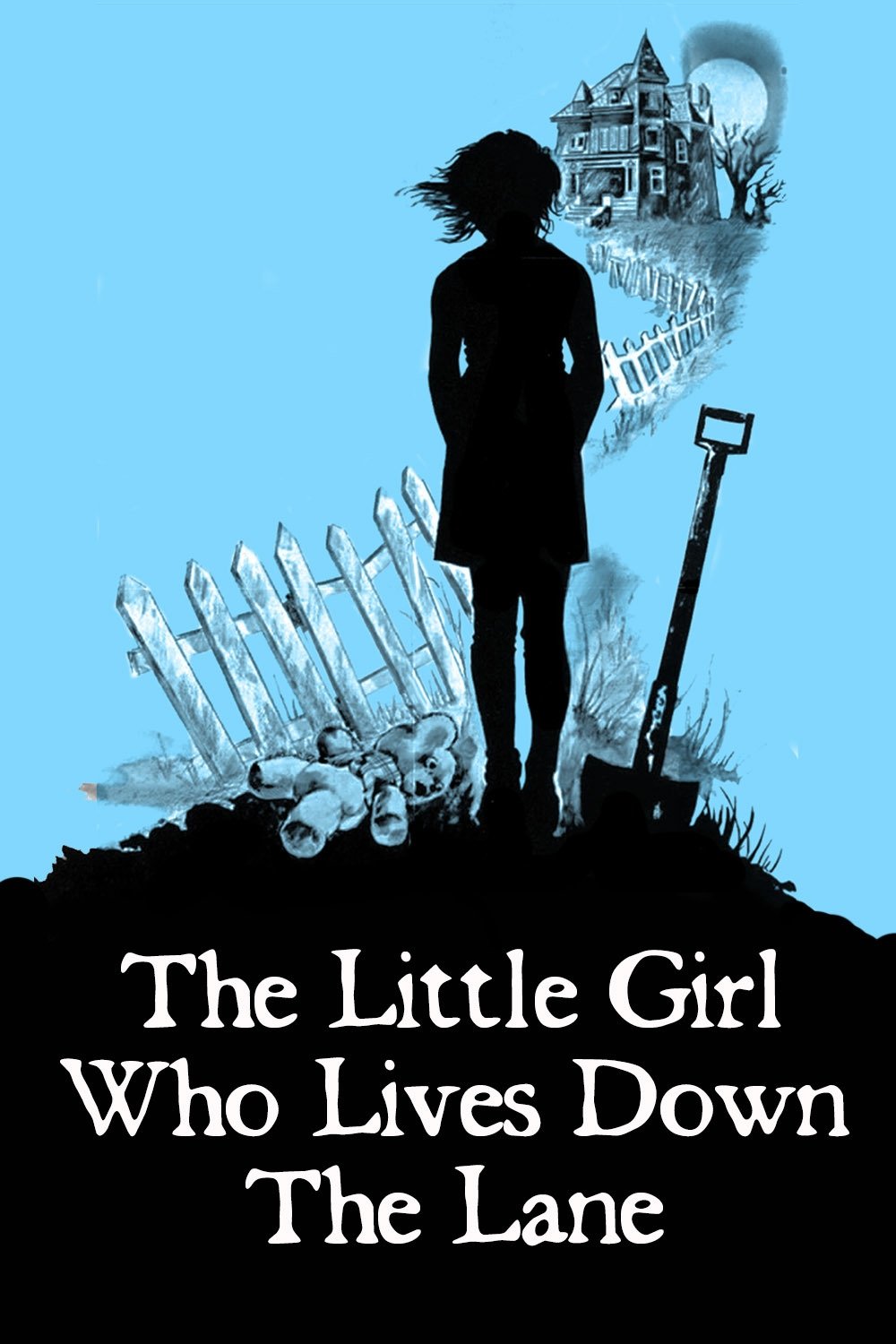
‘The Little Girl Who Lives Down the Lane’ starred Jodie Foster and Martin Sheen, with Nicolas Gessner directing. Its small-town setting and limited interiors supported a controlled shoot that emphasized performance and tension.
The production relied on a lean crew and economical setups, with lighting schemes that shifted between warm domestic scenes and colder, clinical tones. Distribution moved through festival showings and art-house bookings before reaching a broader audience via television.
‘The Phantom Tollbooth’ (1970)
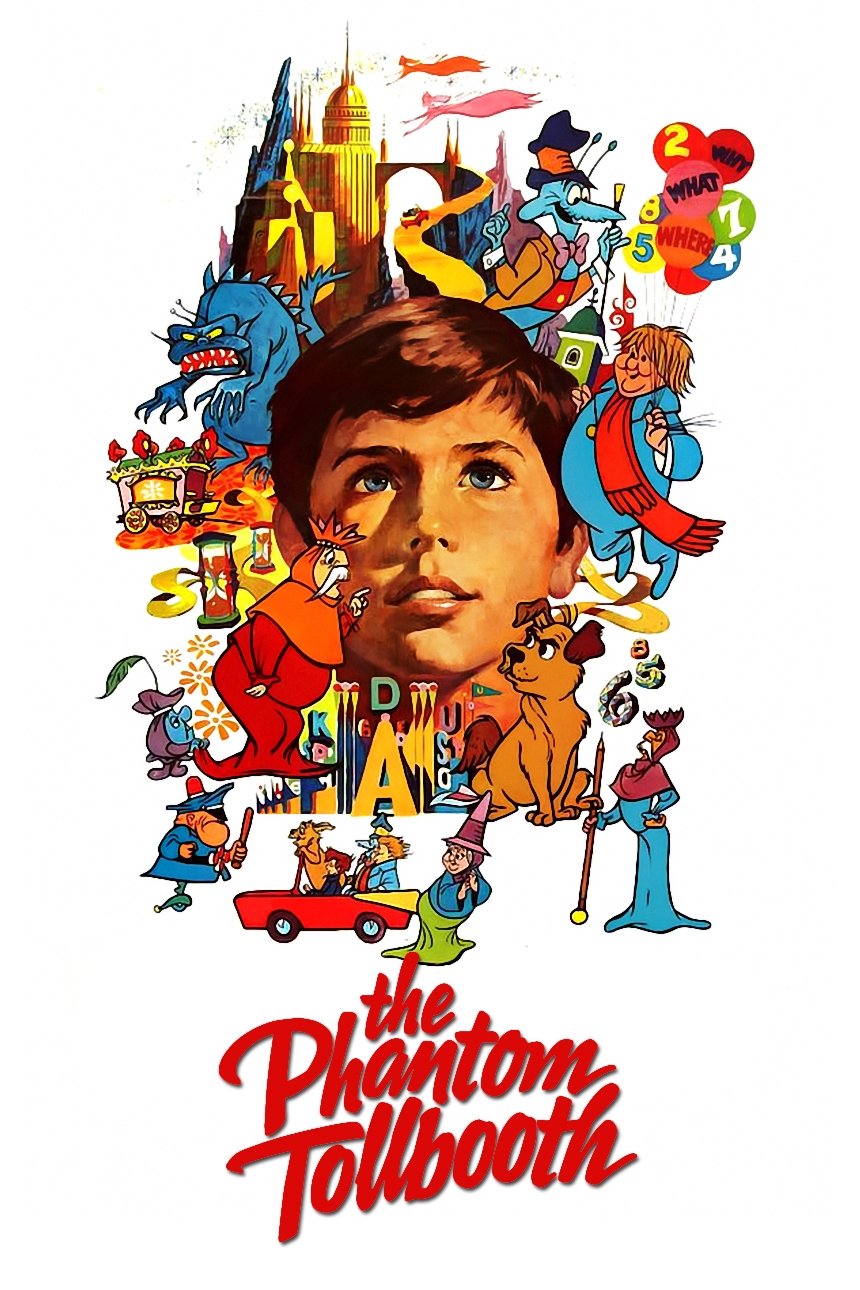
Chuck Jones directed ‘The Phantom Tollbooth’, adapting Norton Juster’s book with a hybrid live-action prologue that transitions into animation. Butch Patrick appeared in the live segments, while Mel Blanc voiced multiple animated roles.
The animation team leaned on Jones’s timing sensibilities, with wordplay visualized through character design and background gags. Orchestration supported the brisk pacing, and the film’s educational angle saw it programmed in school settings and library screenings.
‘Phantasm’ (1979)
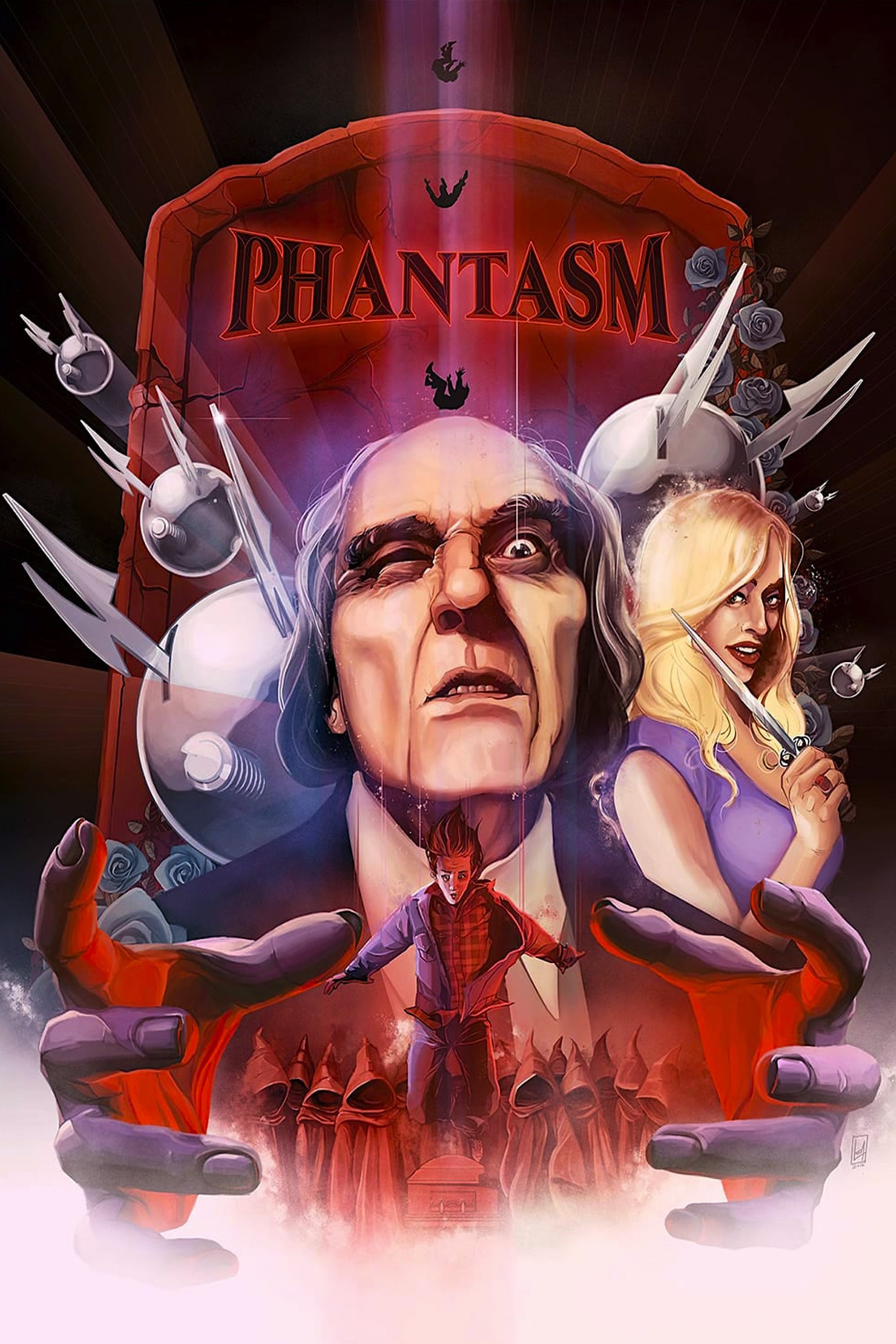
Don Coscarelli wrote, directed, and edited ‘Phantasm’, with Angus Scrimm delivering a defining antagonist performance. Financing remained independent, which shaped a nimble production that reused locations and maximized practical effects.
The film’s sphere effects employed rigs, reverse photography, and strategic cuts. A synthesizer-driven score heightened atmosphere, and clever marketing built word-of-mouth through midnight screenings and regional rollouts.
‘The Omega Man’ (1971)
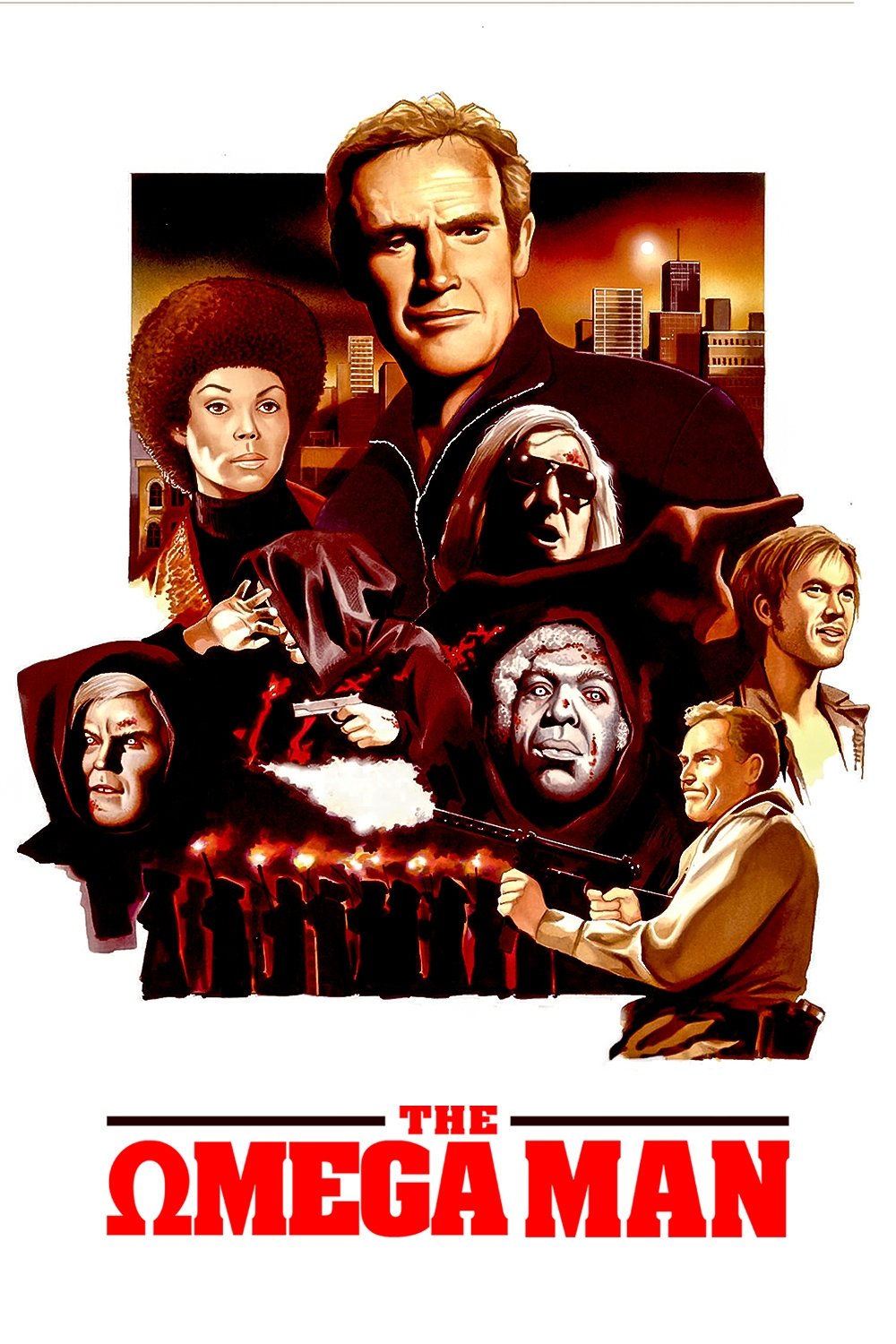
Adapted from Richard Matheson’s novel, ‘The Omega Man’ starred Charlton Heston and was produced and distributed by Warner Bros. Filming took advantage of near-empty downtown streets for desolate city imagery, with coordinated traffic control to sell isolation.
Makeup and costuming created a stark, cult-like antagonist look, paired with lighting schemes that emphasized nocturnal sequences. Ron Grainer’s music balanced suspense motifs with action cues, and the production’s prop arsenal included customized vehicles and weapons.
‘Return from Witch Mountain’ (1978)
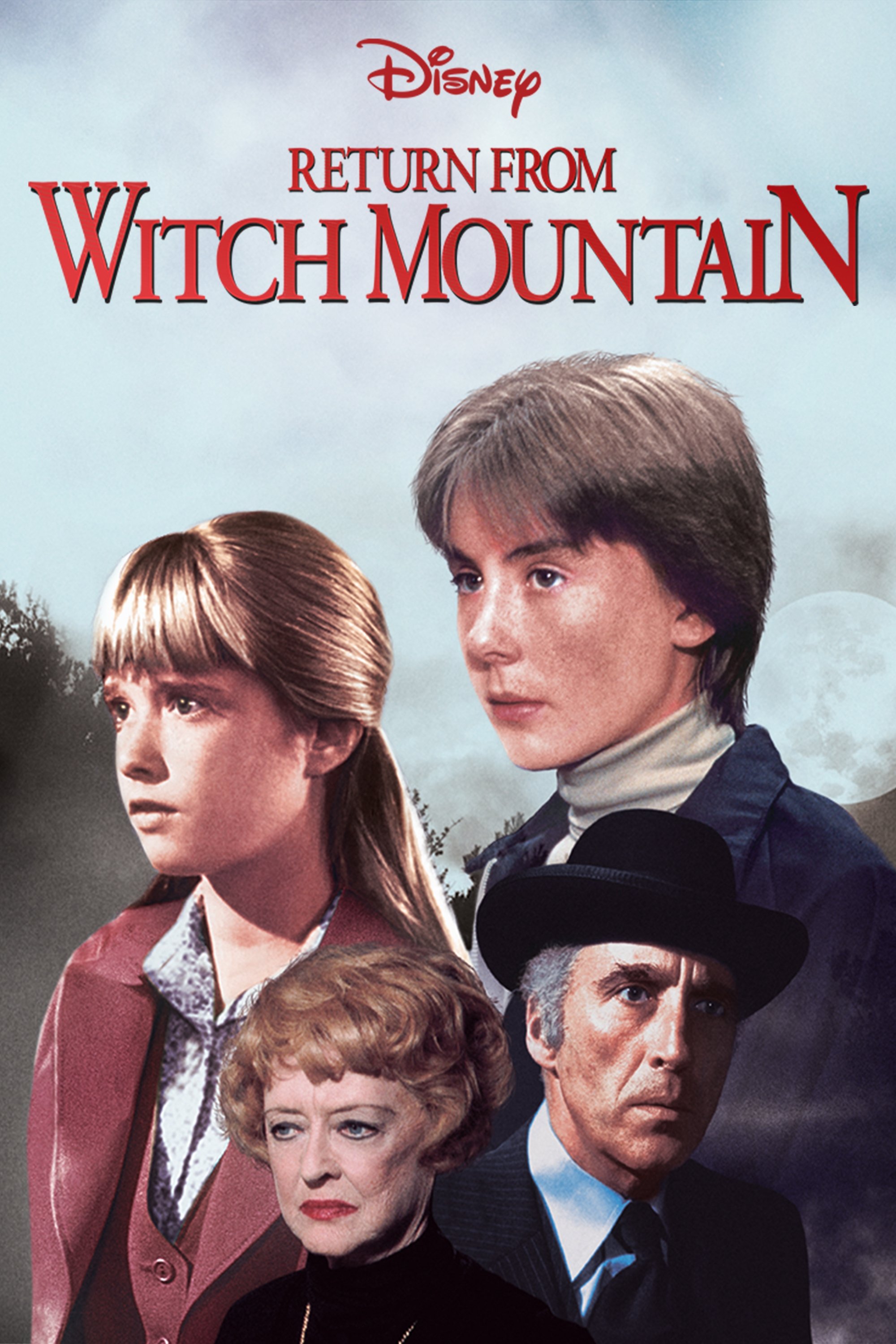
‘Return from Witch Mountain’ brought back Ike Eisenmann and Kim Richards under the Disney banner, adding Bette Davis and Christopher Lee to the cast. The sequel expanded the scope with urban set-pieces, rooftop chases, and more effects-driven displays of power.
Stunt coordination scaled up the action while keeping family-audience parameters in place. The effects team reused and refined practical rigs from the earlier entry, maintaining visual continuity across the franchise.
‘Wizards’ (1977)
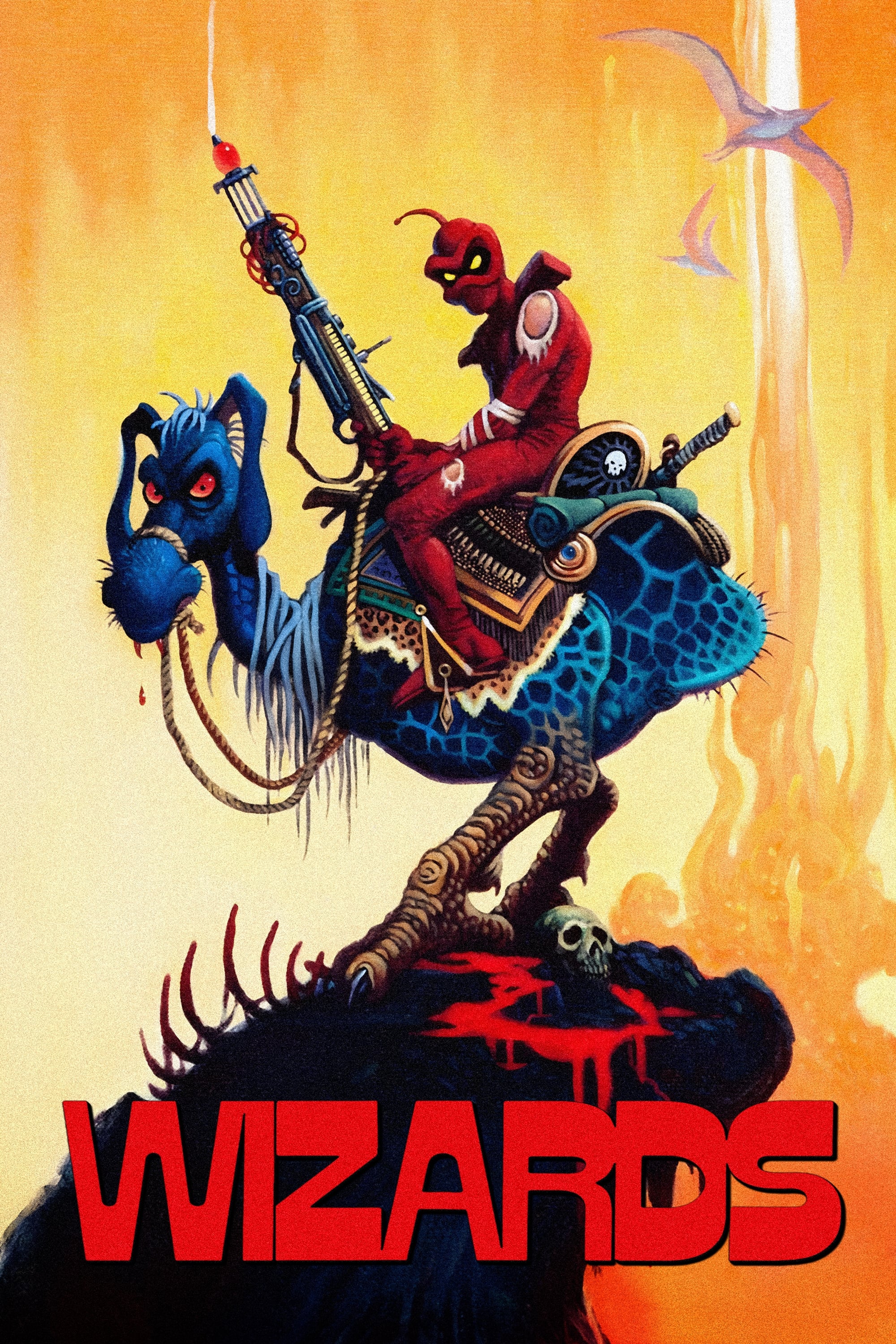
Ralph Bakshi’s ‘Wizards’ combined rotoscoping, cel animation, and collage elements to depict a post-apocalyptic fantasy world. Voice performances by Bob Holt and Jesse Welles anchored the central characters, while the production’s art team mixed delicate linework with heavy shading.
The film’s workflow alternated between hand-painted backgrounds and photographic elements for battle sequences. Its soundtrack included prog-leaning instrumentals, and distribution through Fox placed it alongside cult animation on midnight circuits and campus film clubs.
‘The Last Dinosaur’ (1977)

Produced by Rankin/Bass and Tsuburaya Productions, ‘The Last Dinosaur’ was a TV feature starring Richard Boone and Joan Van Ark. Creature effects combined suitmation techniques with miniature sets, photographed at high frame rates to enhance weight.
The production mounted expedition gear and arctic-themed locations on soundstages, with prop departments fabricating drilling equipment and survival kits. The broadcast ran in specialized time slots, and international versions circulated through dubbed releases and home video.
Share your favorites from this list in the comments and tell us which forgotten gems you think deserve more attention.

