


Underrated Thriller Movies Nobody Talks About (But Should)



Thrillers cover a wide range of stories that move with purpose and keep the stakes clear. This collection brings together titles from several countries and decades that feature precise filmmaking, distinctive performances, and sharply drawn plots that reward close attention.
You will find studio releases that slipped past the spotlight alongside festival discoveries and international breakouts. Each entry lists concrete details like directors, casts, source material, settings, release context, and other specifics that help you decide what to watch next.
‘The Silent Partner’ (1978)
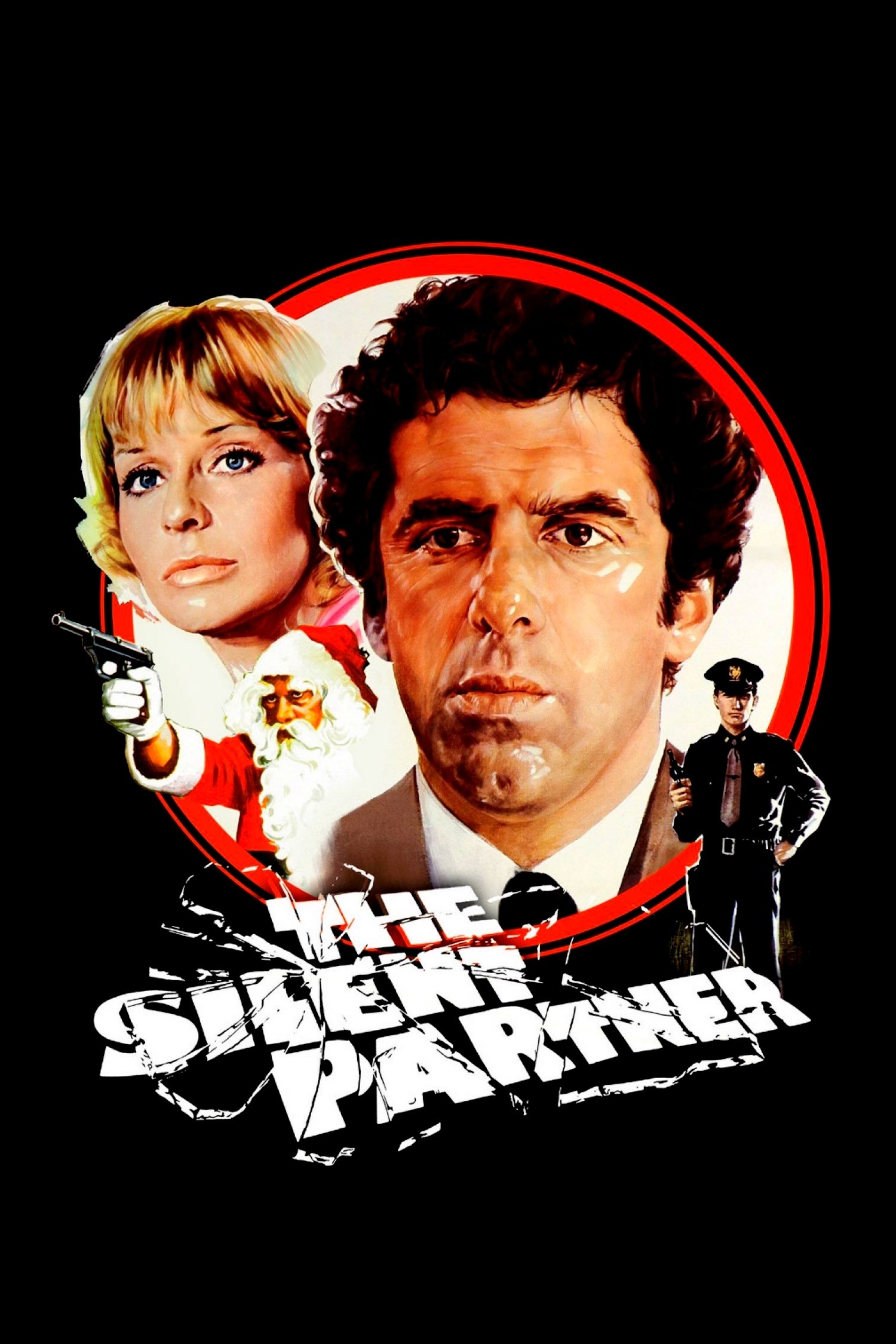
This Canadian heist thriller stars Elliott Gould and Christopher Plummer with Susannah York in support. Director Daryl Duke adapts Anders Bodelsen’s novel with a screenplay by Curtis Hanson and sets the action in Toronto, including key sequences at the Eaton Centre.
The plot follows a bank teller who anticipates a robbery and hides the cash for himself while the thief pursues him afterward. The film uses practical bank procedures, radio communication, and holiday shopping crowds as story elements and it builds its twists around the logistics of deposits and withdrawals.
‘Sorcerer’ (1977)
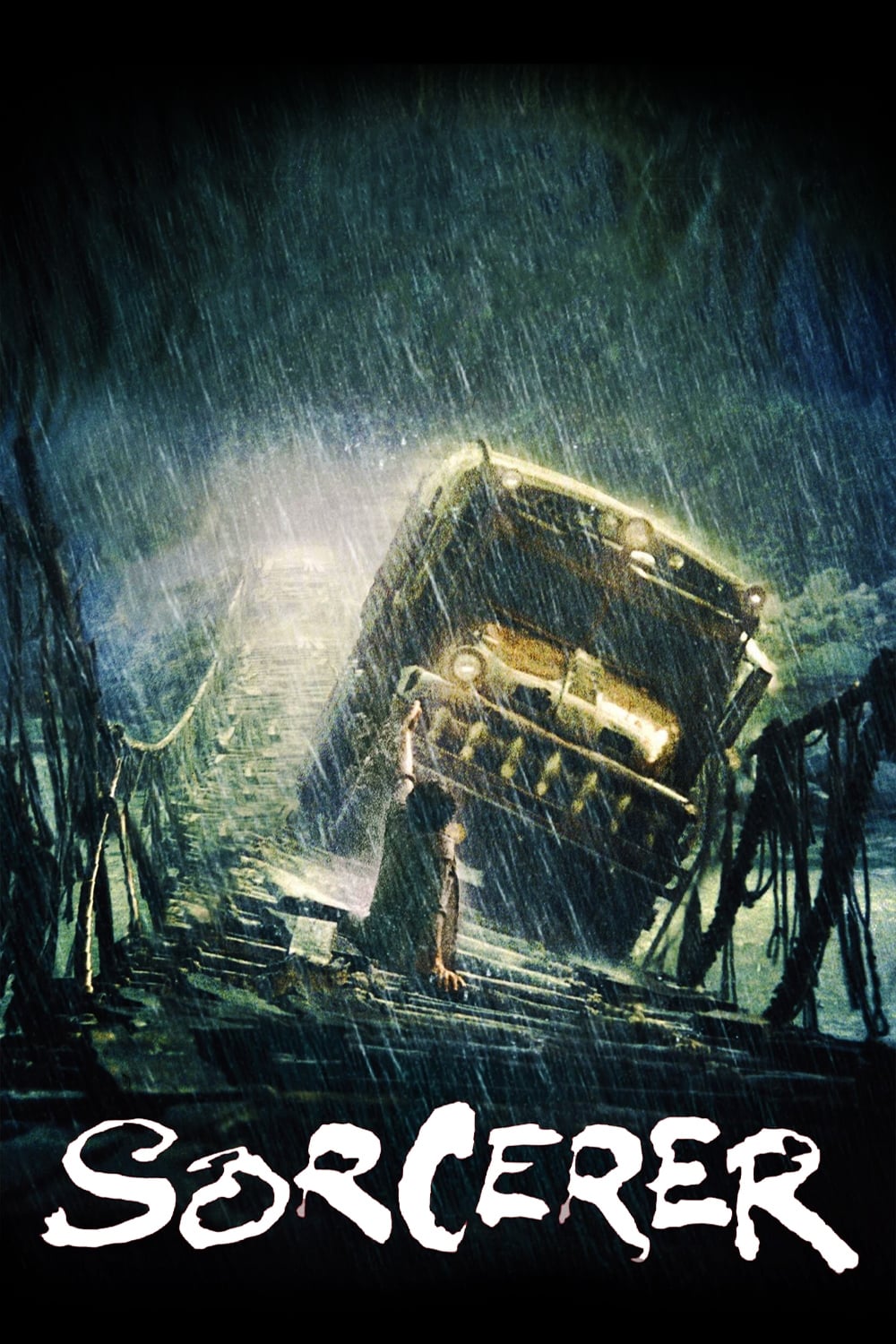
Director William Friedkin reimagines Georges Arnaud’s novel that also inspired ‘The Wages of Fear’. Roy Scheider leads an international cast playing men hired to drive unstable nitroglycerin across treacherous terrain in Latin America.
The production shot on location in the Dominican Republic and Mexico and features a notable score by Tangerine Dream. Set pieces include the river bridge crossing and mountain road transport sequences that use large scale practical effects and trucks rigged for the hazardous cargo.
‘Cutter’s Way’ (1981)
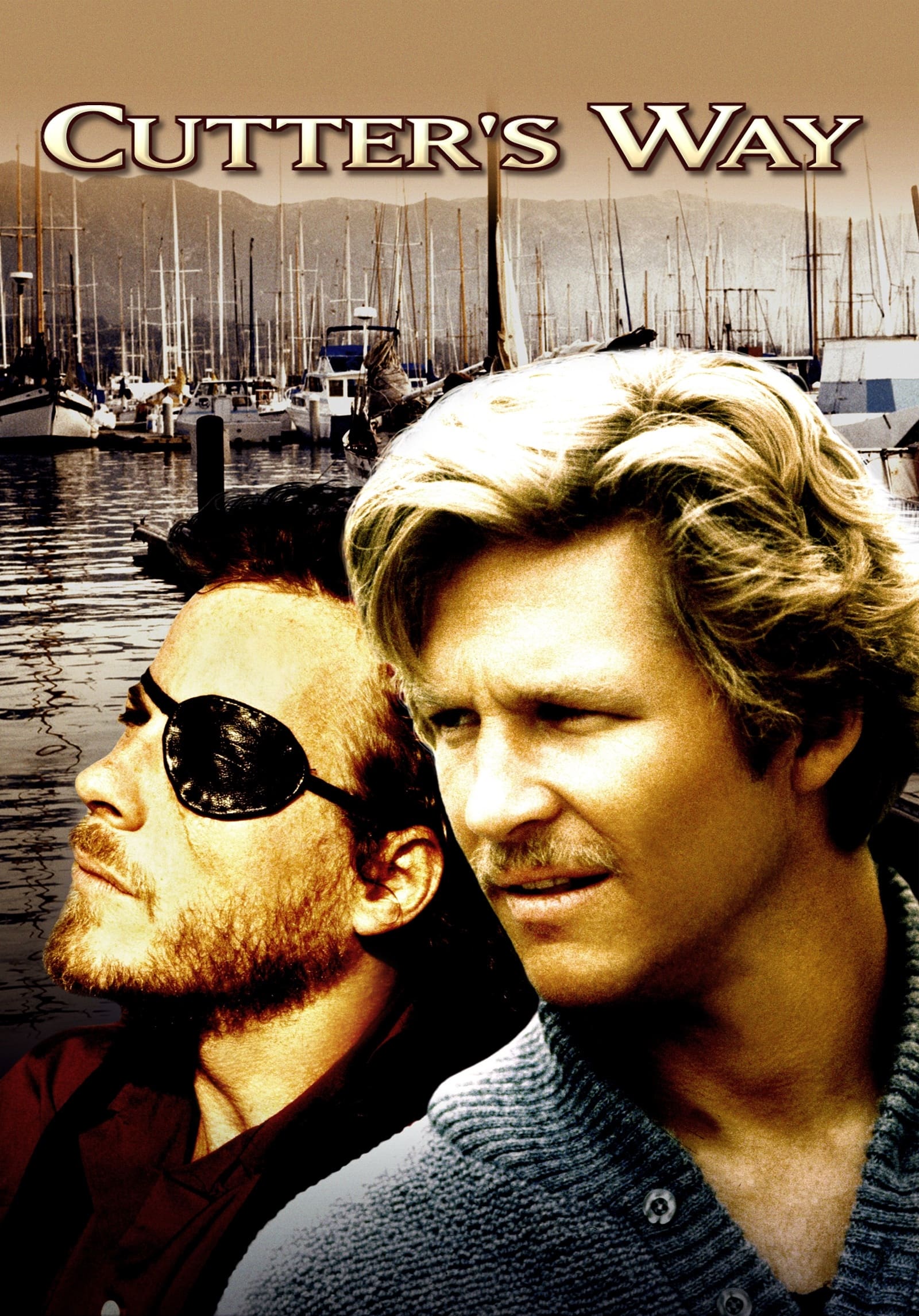
Ivan Passer directs Jeff Bridges, John Heard, and Lisa Eichhorn in this California set neo noir. The story is adapted from Newton Thornburg’s novel ‘Cutter and Bone’ and centers on a disabled Vietnam veteran and his friend who fixate on a possible murder.
The film was released after an initially uncertain distribution path and later found its audience on cable and home video. Scenes draw on Santa Barbara locations and rely on dialogue driven investigation as the pair test their theory against the limits of their evidence.
‘Blow Out’ (1981)
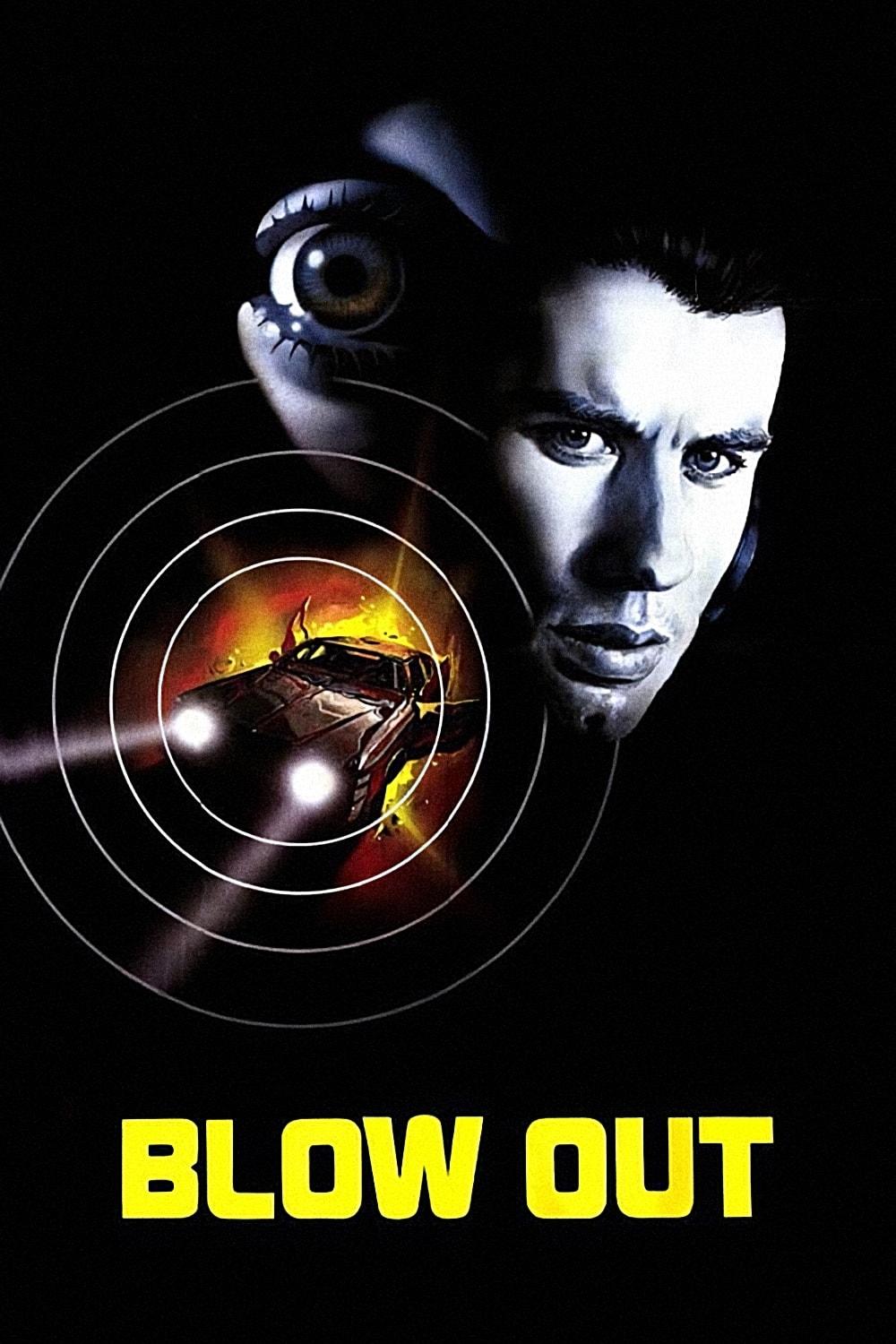
Brian De Palma directs John Travolta, Nancy Allen, and John Lithgow in a thriller about a movie sound technician who records a car crash and suspects foul play. The production uses Philadelphia locations and integrates film post production tools like reel to reel editing and field recording.
Cinematographer Vilmos Zsigmond and composer Pino Donaggio shape the look and sound while split diopter shots and long takes track the investigation. The story builds evidence through audio analysis, re synchronized sound, and a photographic sequence that becomes a key plot device.
‘Manhunter’ (1986)
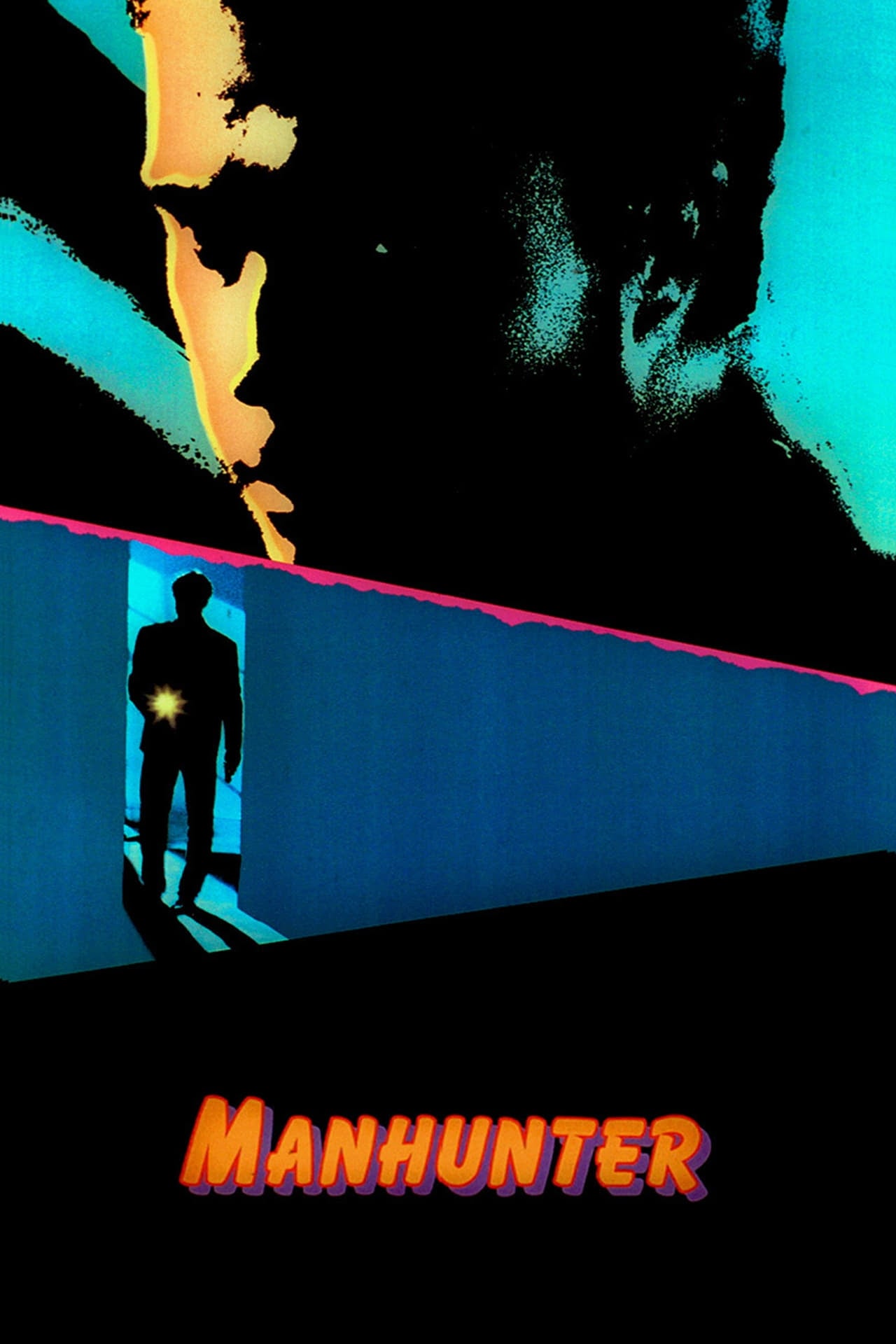
Michael Mann adapts Thomas Harris’s novel ‘Red Dragon’ with William Petersen as profiler Will Graham and Tom Noonan as Francis Dollarhyde. Brian Cox appears as Dr. Hannibal Lecktor, a spelling unique to this film, and the production emphasizes forensics and behavioral study.
Dante Spinotti’s cinematography and a score featuring The Reds and Michel Rubini create a precise procedural rhythm. Locations include Atlanta and coastal Florida and the story ties its timeline to lunar cycles that the investigators use to anticipate the killer’s next move.
‘The Vanishing’ (1988)

Director George Sluizer adapts Tim Krabbé’s novella ‘The Golden Egg’ in a Dutch and French language production led by Gene Bervoets, Johanna ter Steege, and Bernard-Pierre Donnadieu. The narrative tracks a disappearance at a highway rest stop and the methodical steps that follow.
The film structures its mystery through alternating perspectives and measured time jumps that show planning and aftermath. It uses everyday spaces such as service stations, apartments, and rural roads to stage each reveal and builds its final sequence around a planned test of trust.
‘Red Rock West’ (1993)
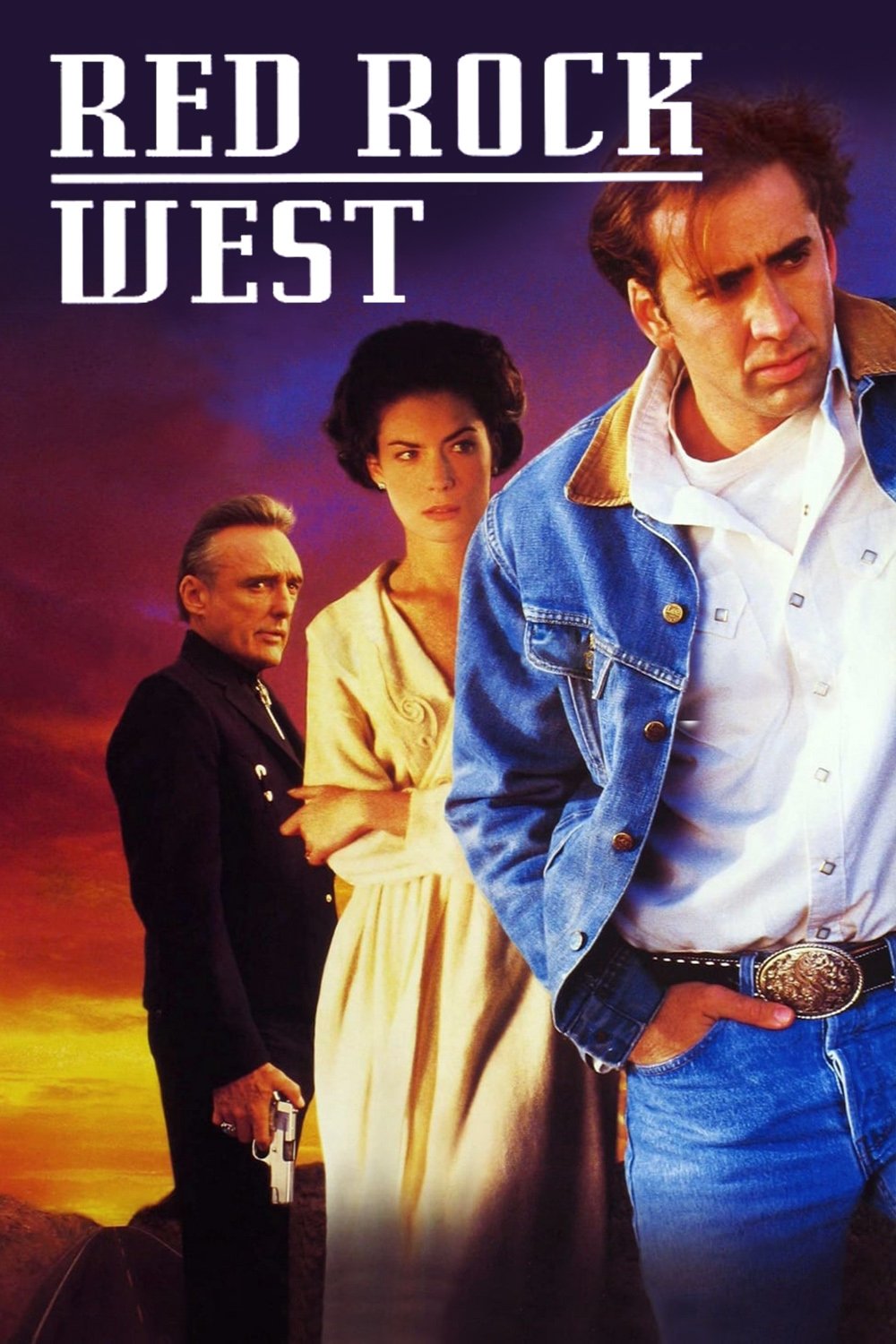
John Dahl directs Nicolas Cage, Dennis Hopper, Lara Flynn Boyle, and J. T. Walsh in a contemporary noir set in the American West. A case of mistaken identity pulls a drifter into a murder for hire situation that keeps circling the same small town.
The production shot across wide open locations and uses highways, bars, and gas stations as recurring points of return. The release rolled out through festivals and limited theatrical bookings in the United States after earlier international play.
‘Bound’ (1996)
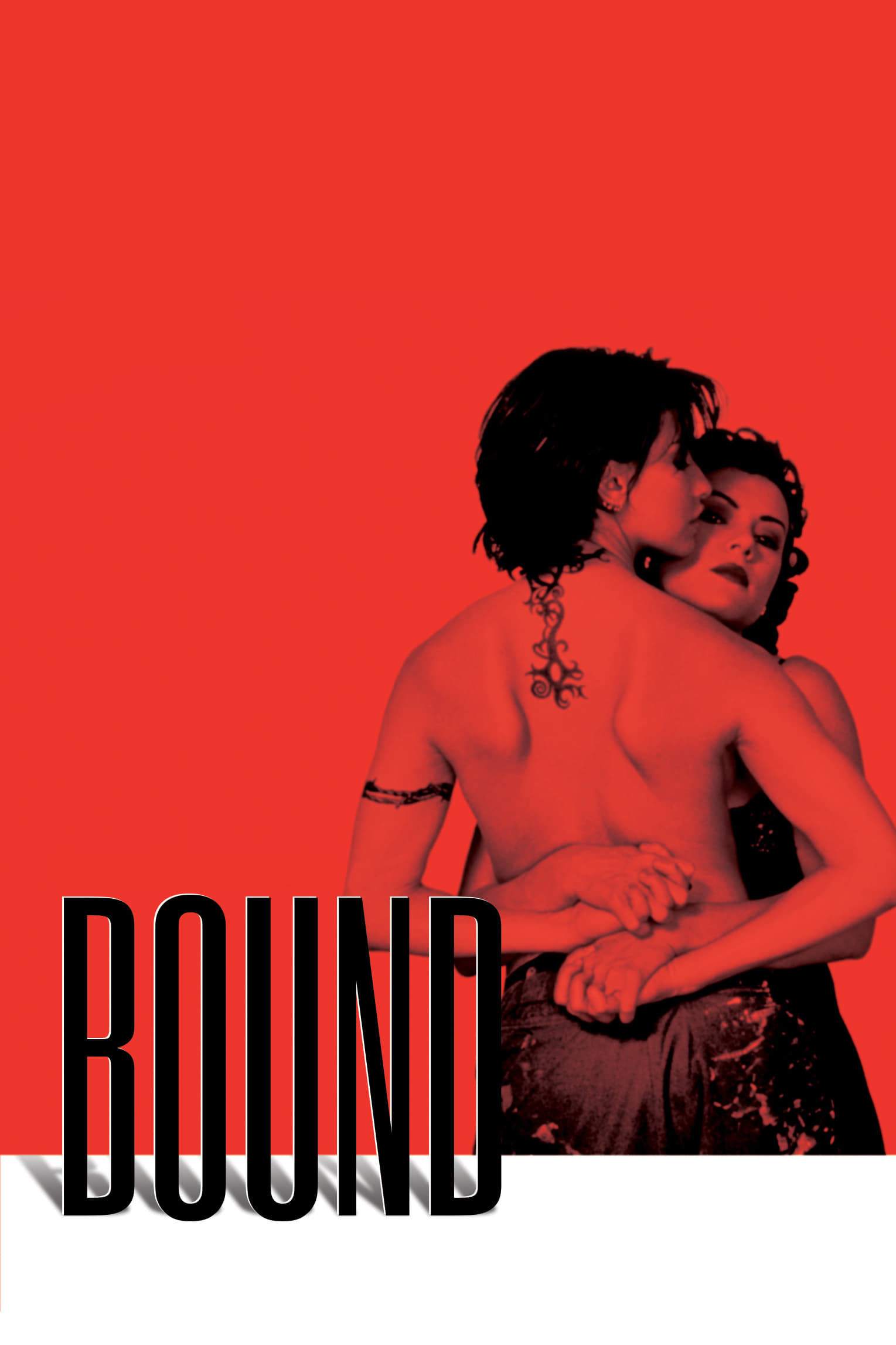
Lana Wachowski and Lilly Wachowski make their feature debut with Gina Gershon, Jennifer Tilly, and Joe Pantoliano. The plot follows an ex con and her neighbor who plan to move mob cash by staging a theft that relies on timing and misdirection.
The film’s visual style uses close quarters apartments, elevators, and plumbing ducts to map movement and risk. Bill Pope’s cinematography and tight sound design highlight footsteps, locks, and whispers that mark each stage of the plan.
‘Insomnia’ (1997)
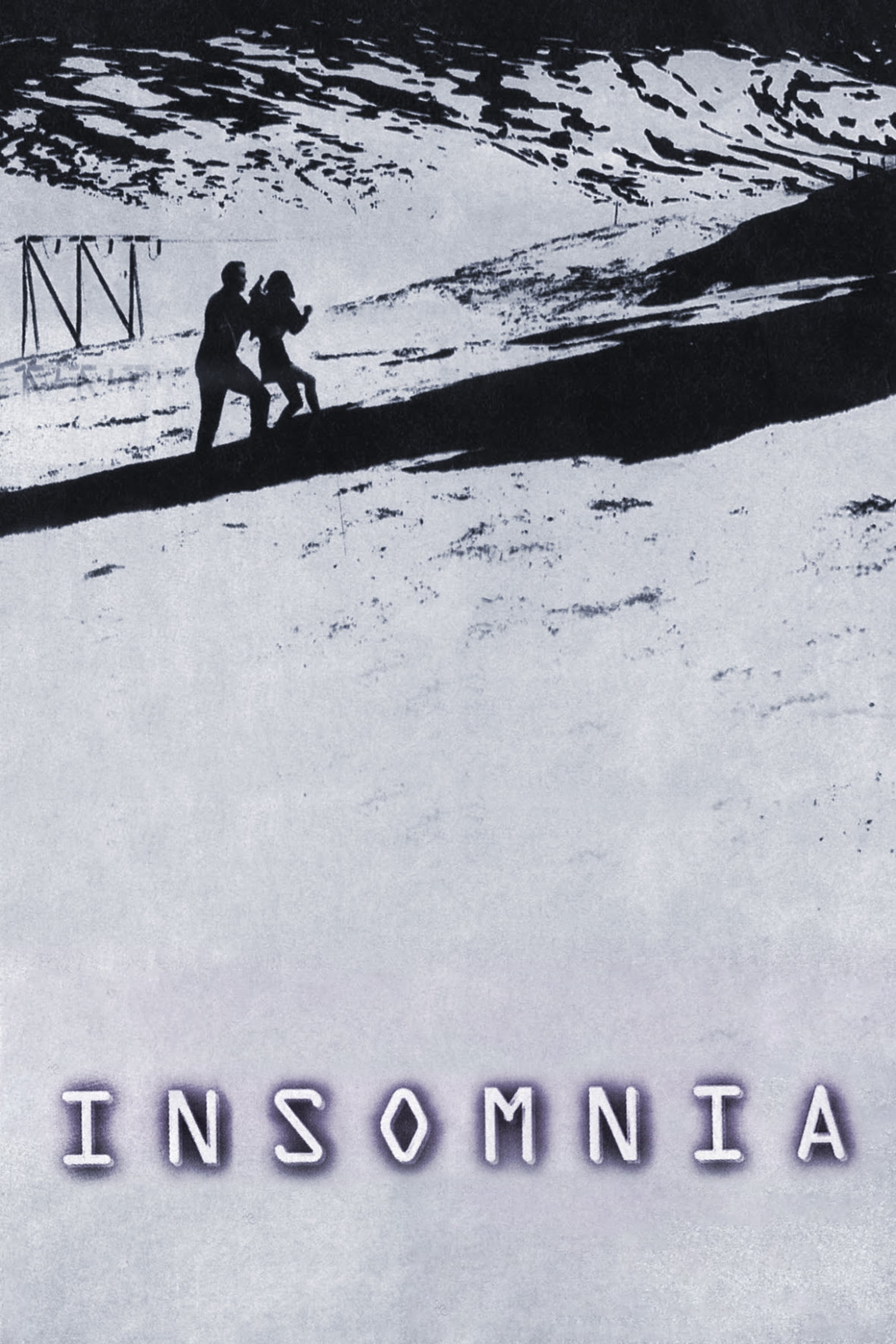
Erik Skjoldbjærg directs Stellan Skarsgård as a Swedish detective called to a murder case in northern Norway during the midnight sun. The constant daylight becomes a procedural obstacle as the investigation continues without normal night cycles.
The film was later remade in English with a different cast and setting while this original keeps its focus on circadian disruption and compromised judgment. The production uses coastal towns and fog covered inlets to frame stakeouts, interviews, and evidence searches.
‘The Game’ (1997)
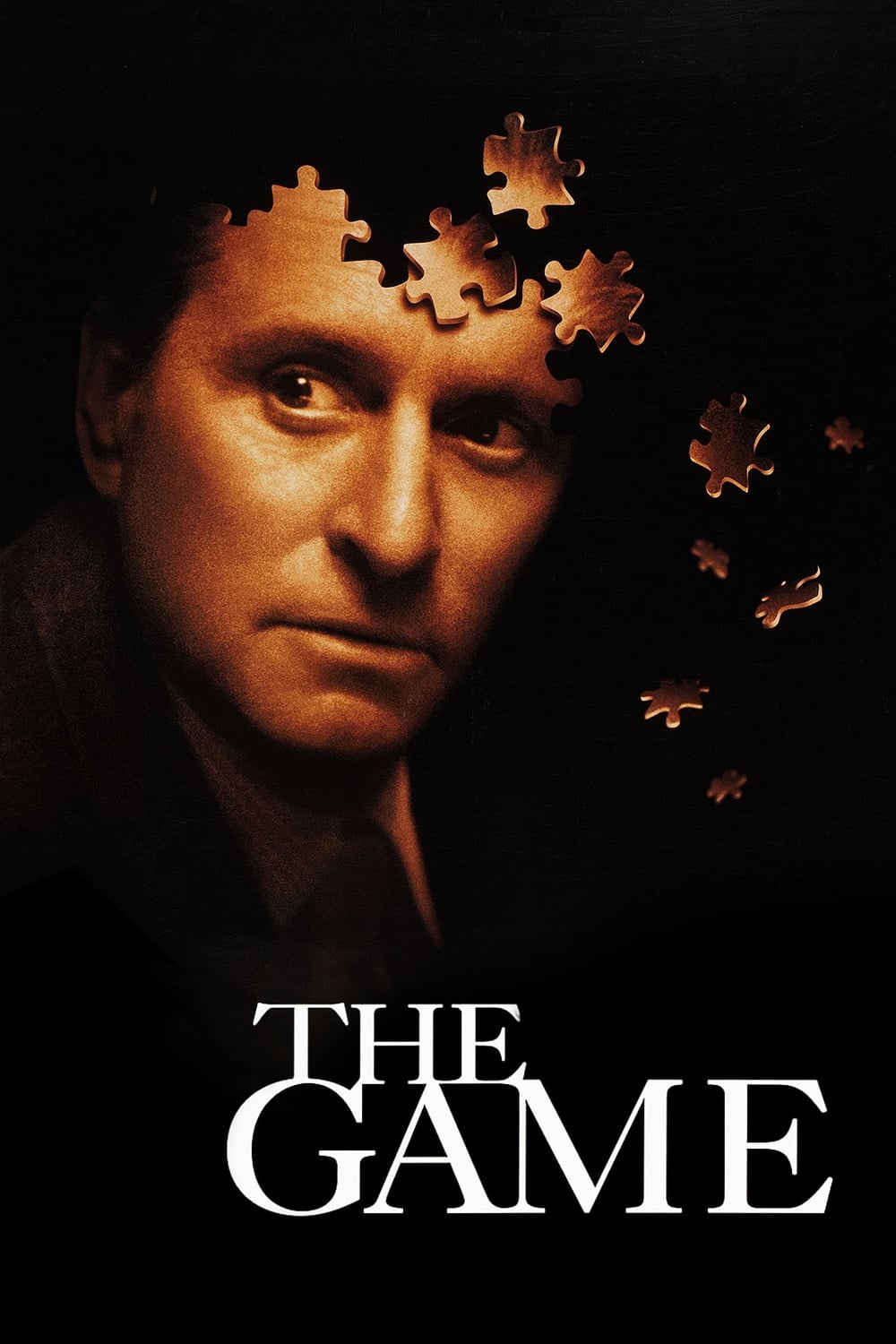
David Fincher directs Michael Douglas and Sean Penn in a San Francisco set thriller about a high end experiential company that engineers an all consuming challenge for a wealthy client. The script by John Brancato and Michael Ferris constructs rules, waivers, and staged events that blur business and personal boundaries.
Harris Savides’s cinematography and Howard Shore’s score support a design filled with alleys, rooftops, and financial district interiors. The plot threads through corporate records, security firms, and tailored psychological profiles that control the escalation.
‘A Simple Plan’ (1998)

Sam Raimi directs Bill Paxton, Billy Bob Thornton, and Bridget Fonda in an adaptation of Scott Smith’s novel. Two brothers and a friend discover cash in a crashed plane and attempt to keep it hidden while outside attention grows.
The film maps each decision to concrete pressures such as bank queries, serial numbers, and law enforcement canvasses. Winter landscapes and small town routines provide cover and exposure in equal measure as phone logs, receipts, and alibis pile up.
‘Arlington Road’ (1999)
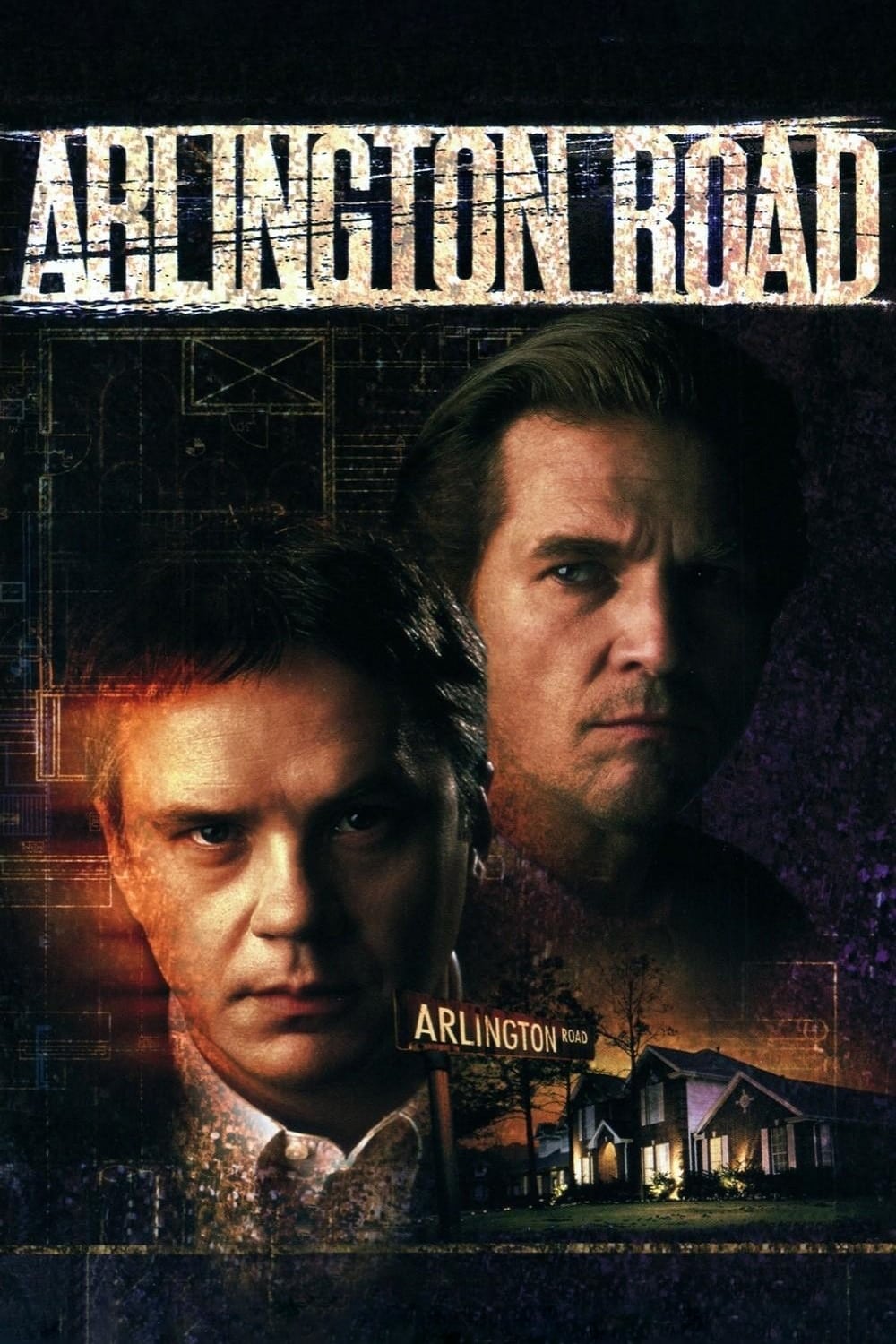
Mark Pellington directs Jeff Bridges, Tim Robbins, Joan Cusack, and Hope Davis in a suburban thriller that explores suspicion and domestic extremism. A college professor studies historical cases and applies his research after an accident leads him to his neighbors.
The story follows paper trails, architectural plans, and community events that give structure to each suspicion. The release arrived in the late 1990s with a marketing campaign that emphasized neighborhood closeness and the ways it can hide preparation.
‘The Pledge’ (2001)
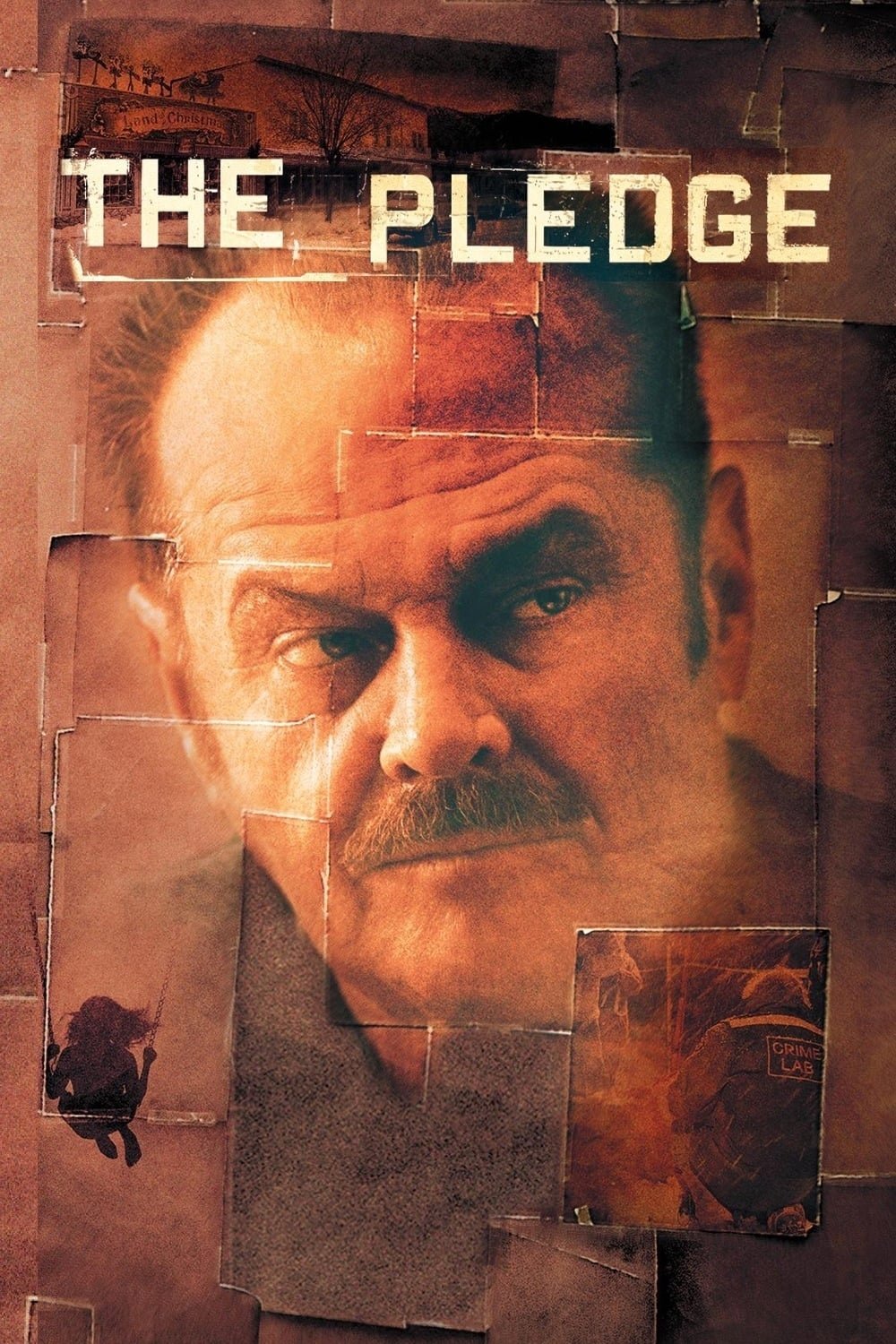
Sean Penn directs Jack Nicholson, Aaron Eckhart, Robin Wright, and Benicio Del Toro in an adaptation of Friedrich Dürrenmatt’s novel. A retiring detective makes a promise to solve a case and continues to investigate beyond official timelines.
The film situates its work in rural communities, gas stations, and roadside diners while specific clues revolve around a pattern of gifts and seasonal events. The production uses mountain roads and forested areas to plot surveillance, decoys, and missed opportunities.
‘Tell No One’ (2006)
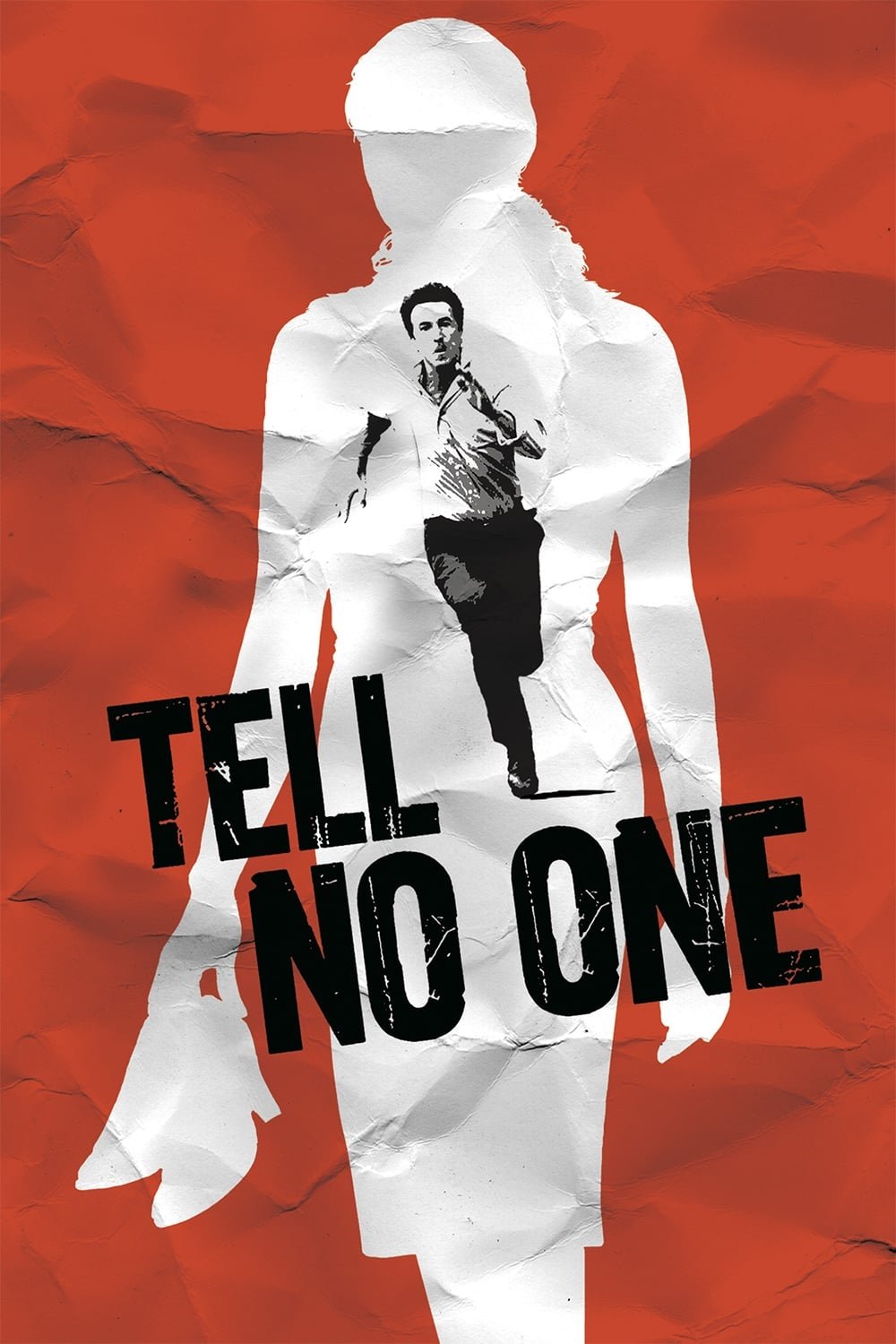
Guillaume Canet adapts Harlan Coben’s novel in a French language production starring François Cluzet and Kristin Scott Thomas. The story begins with a murder investigation and restarts years later when an email suggests the victim may still be alive.
The film uses hospital databases, surveillance footage, and encrypted messages to organize the search. Parisian streets, riverbanks, and suburban stables become action points as police units and private interests run on intersecting schedules.
‘Timecrimes’ (2007)
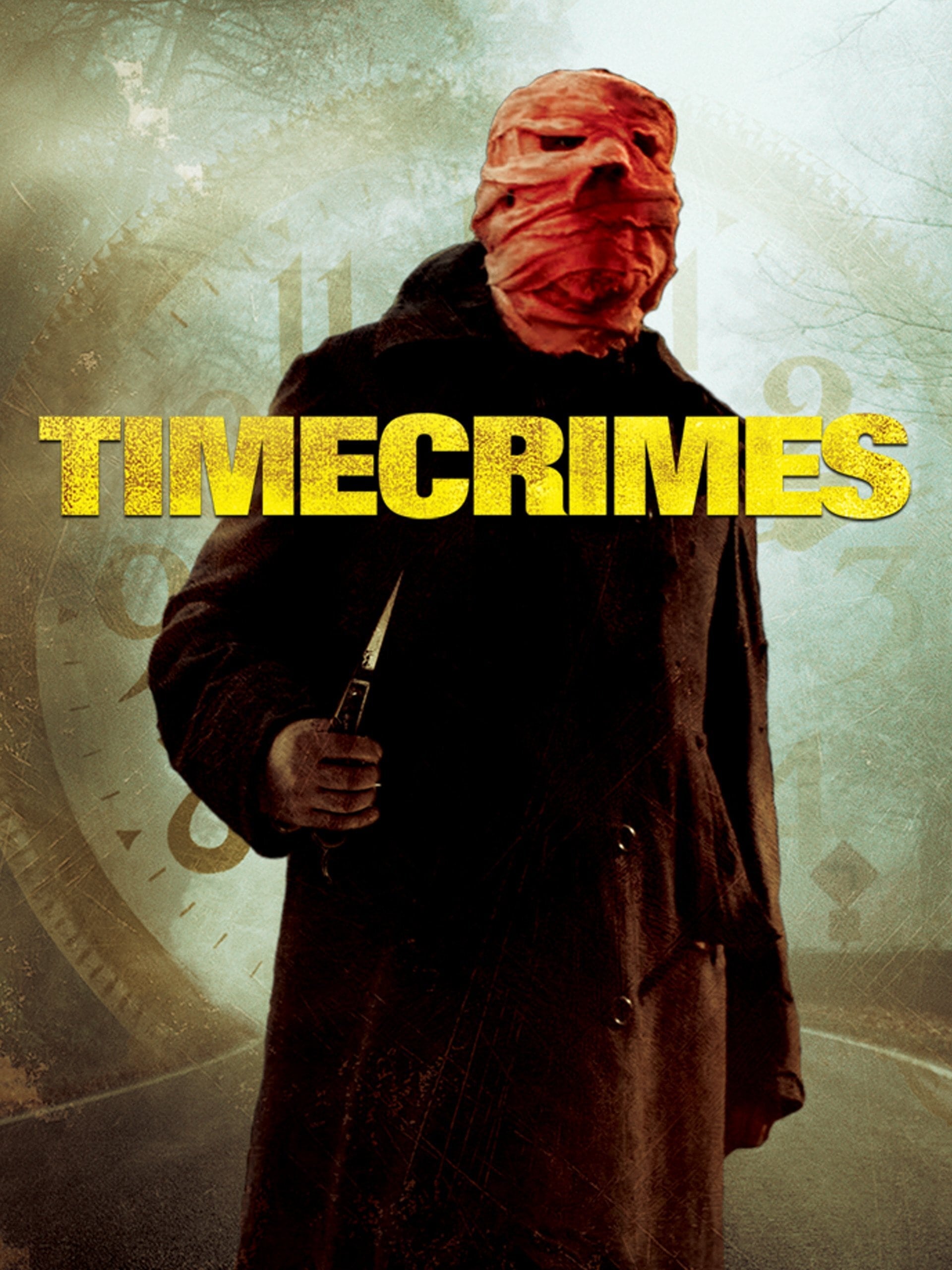
Nacho Vigalondo writes and directs a Spanish thriller that builds a looping narrative around a man who stumbles into a time travel mechanism. Karra Elejalde leads the cast as the story overlaps the same afternoon from multiple angles.
The production confines action to a house, a forest, and a nearby lab with careful blocking that tracks repeated movements. Costume pieces and props become anchors that let the viewer track cause and effect as the loops reset and collide.
‘The Chaser’ (2008)
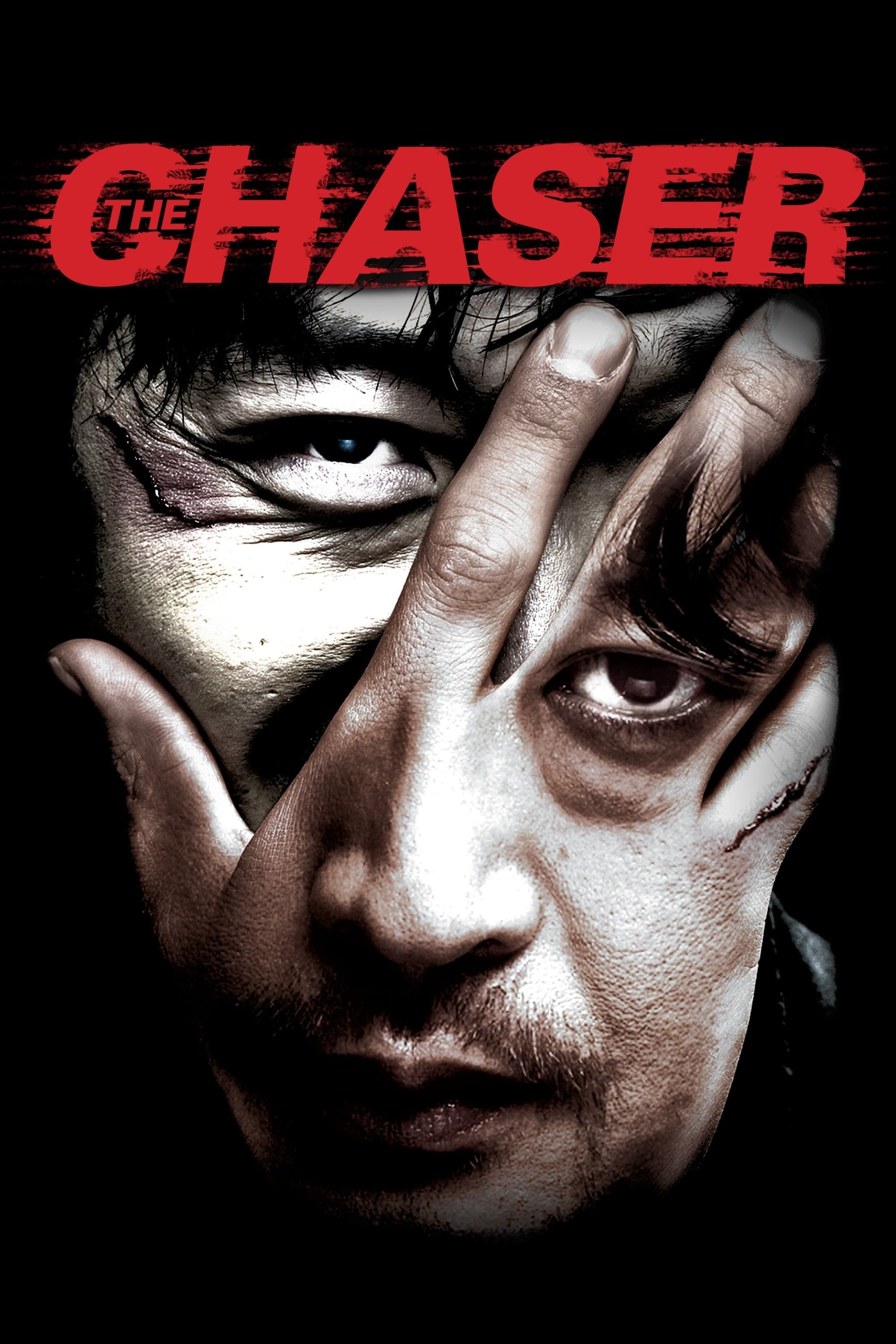
Na Hong-jin’s feature debut stars Kim Yoon-seok and Ha Jung-woo in a Seoul set pursuit that links a former detective turned pimp to a missing person case. The plot follows call logs and appointment books while the investigation narrows to a single suspect.
The film draws on real world police procedures, station politics, and jurisdictional limits as the timeline tightens. Night markets, alleys, and small apartments provide physical constraints that shape each chase and interview.
‘Blue Ruin’ (2013)
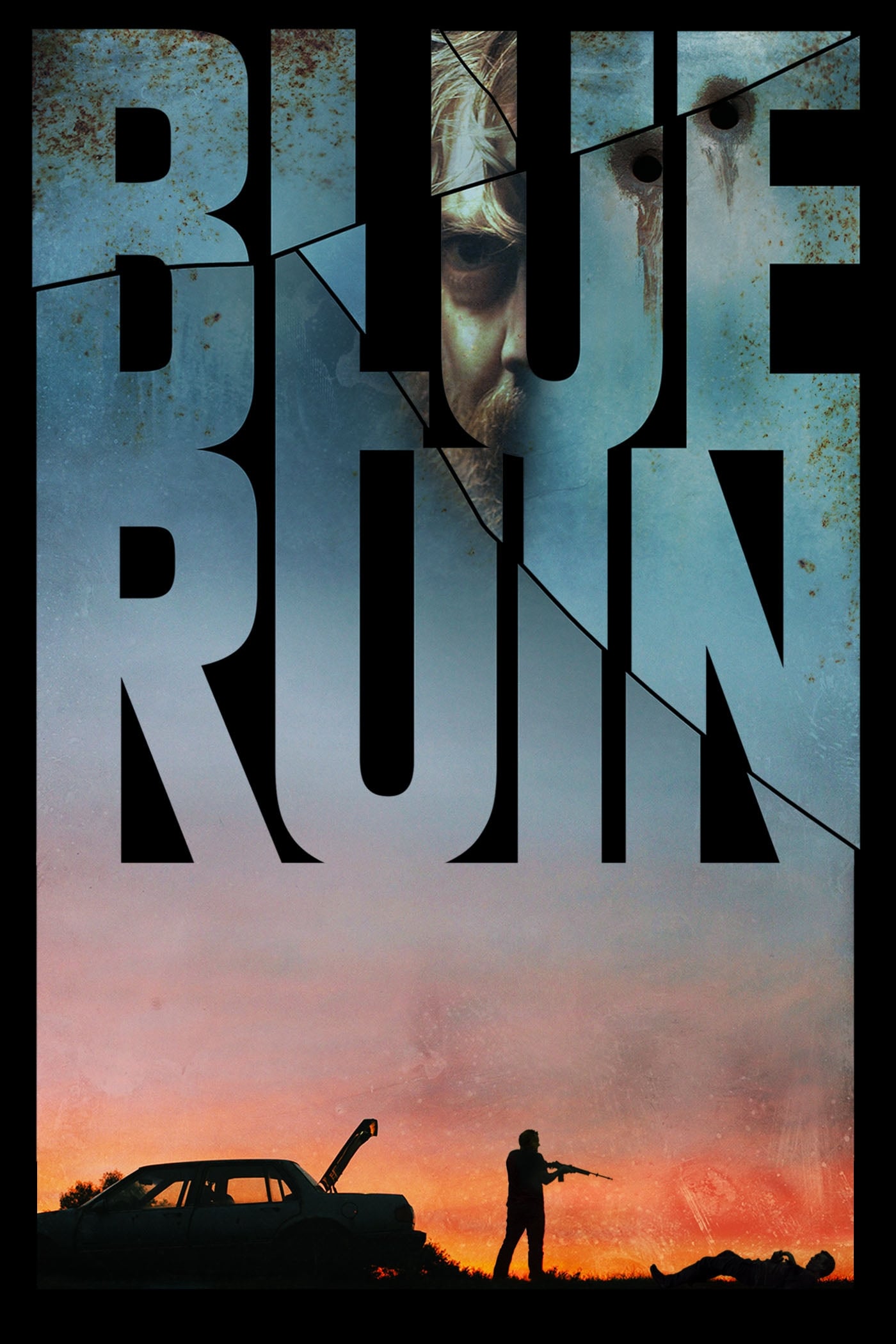
Jeremy Saulnier directs Macon Blair in a lean American revenge thriller that foregrounds practical hurdles such as stolen license plates, improvised weapons, and first aid. The film was partly financed through crowdfunding and premiered in the Directors’ Fortnight section at Cannes.
Its locations include small coastal towns and wooded back roads that support a story about limited resources and skills. The production emphasizes nonprofessional tactics and the consequences that follow each step.
‘Coherence’ (2013)
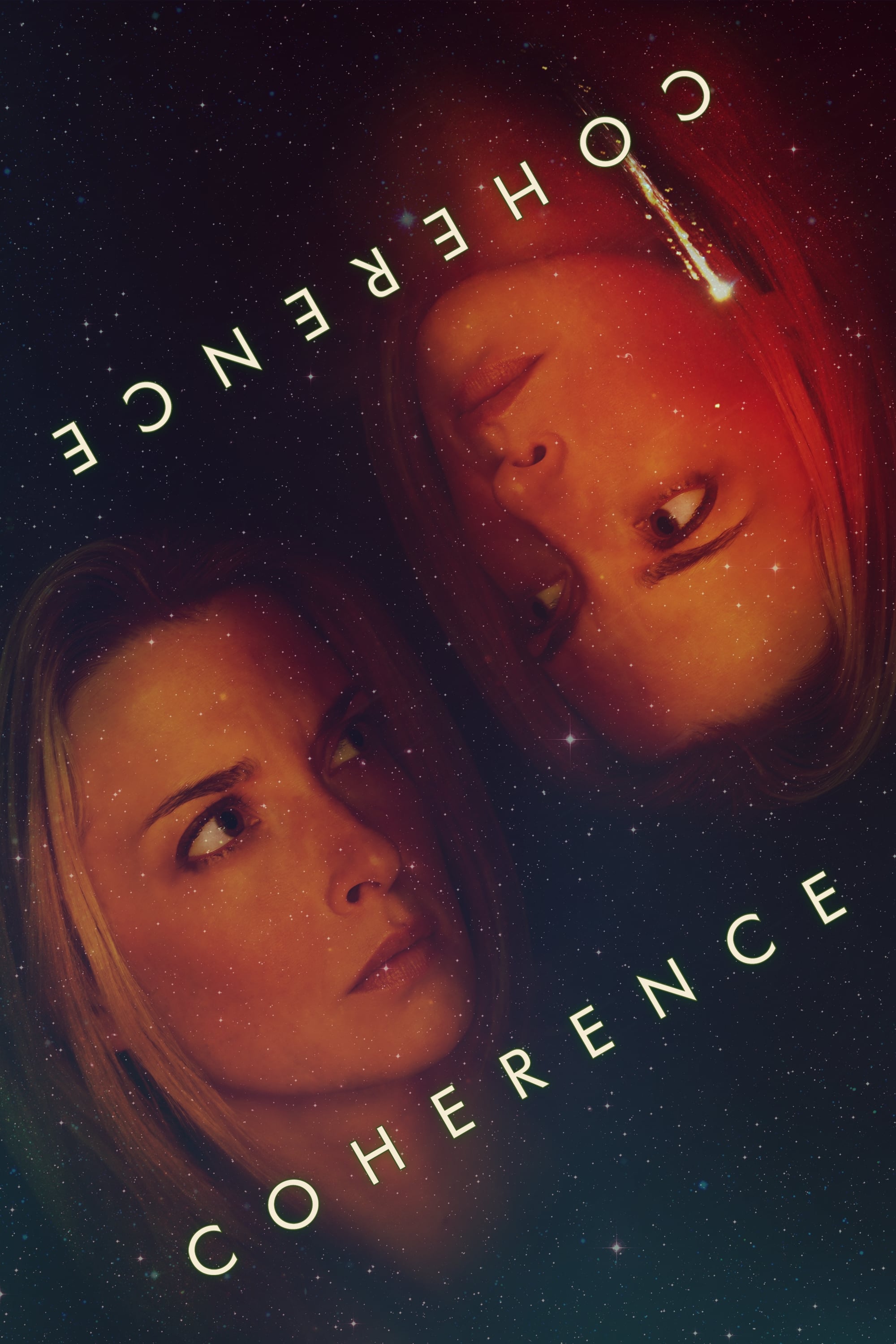
James Ward Byrkit directs a microbudget ensemble piece set over one evening as a group of friends experience strange events during an astronomical phenomenon. The film was shot largely in the director’s home with a loose outline that guided improvised dialogue.
Story beats hinge on phone outages, duplicate notes, and color coded clues that separate shifting realities. The contained space allows the production to track character movement through doors, street blocks, and power fluctuations.
‘Victoria’ (2015)
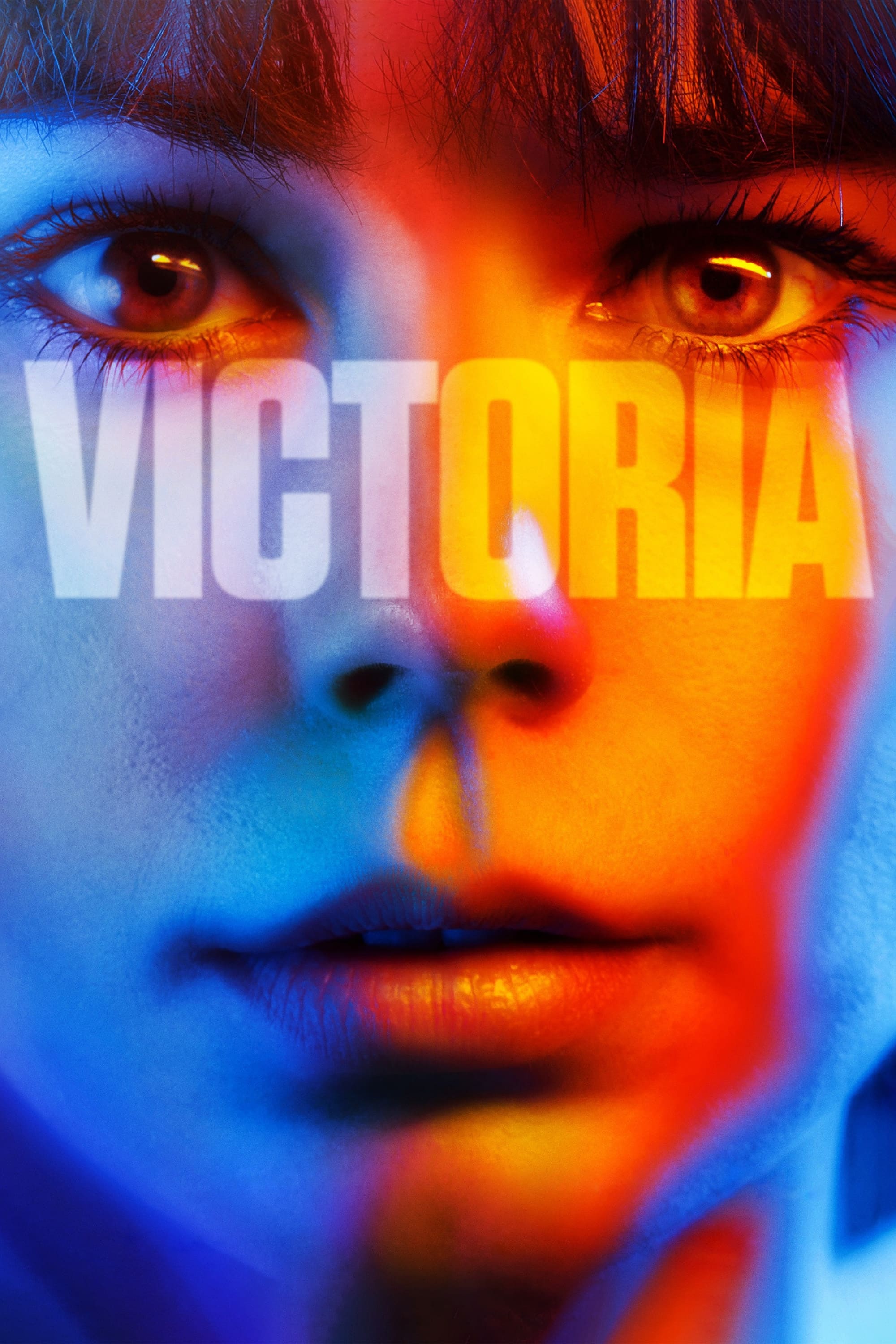
Sebastian Schipper’s Berlin set thriller unfolds in a single unbroken take with Laia Costa and Frederick Lau leading the cast. The story follows a young woman who meets a group of locals and becomes involved in a hurried plan that escalates overnight.
The production choreographed several neighborhoods and interior locations to synchronize actors, camera, and music. Composer Nils Frahm contributes to the soundscape while the film’s continuous approach documents driving, clubbing, and bank entry sequences in real time.
‘The Invitation’ (2015)
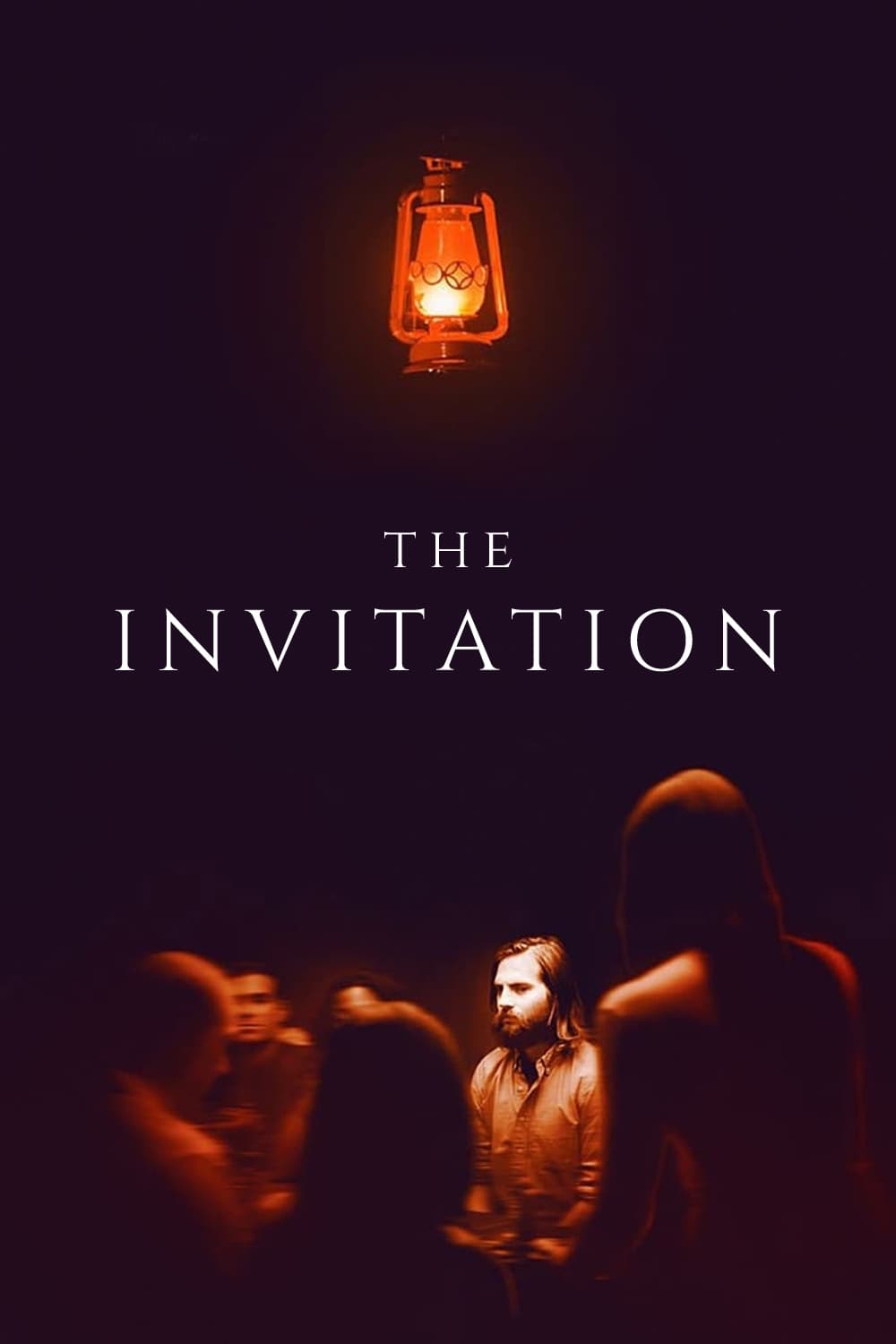
Karyn Kusama directs Logan Marshall Green, Tammy Blanchard, and Michiel Huisman in a Los Angeles dinner party thriller. The story is structured around a reunion that gradually reveals a program of beliefs and intentions shared by several guests.
The film confines most of its runtime to a single home and uses place settings, locked rooms, and phone reception as practical obstacles. It premiered at SXSW and drew a theatrical and digital release that highlighted its single location design.
‘Green Room’ (2015)
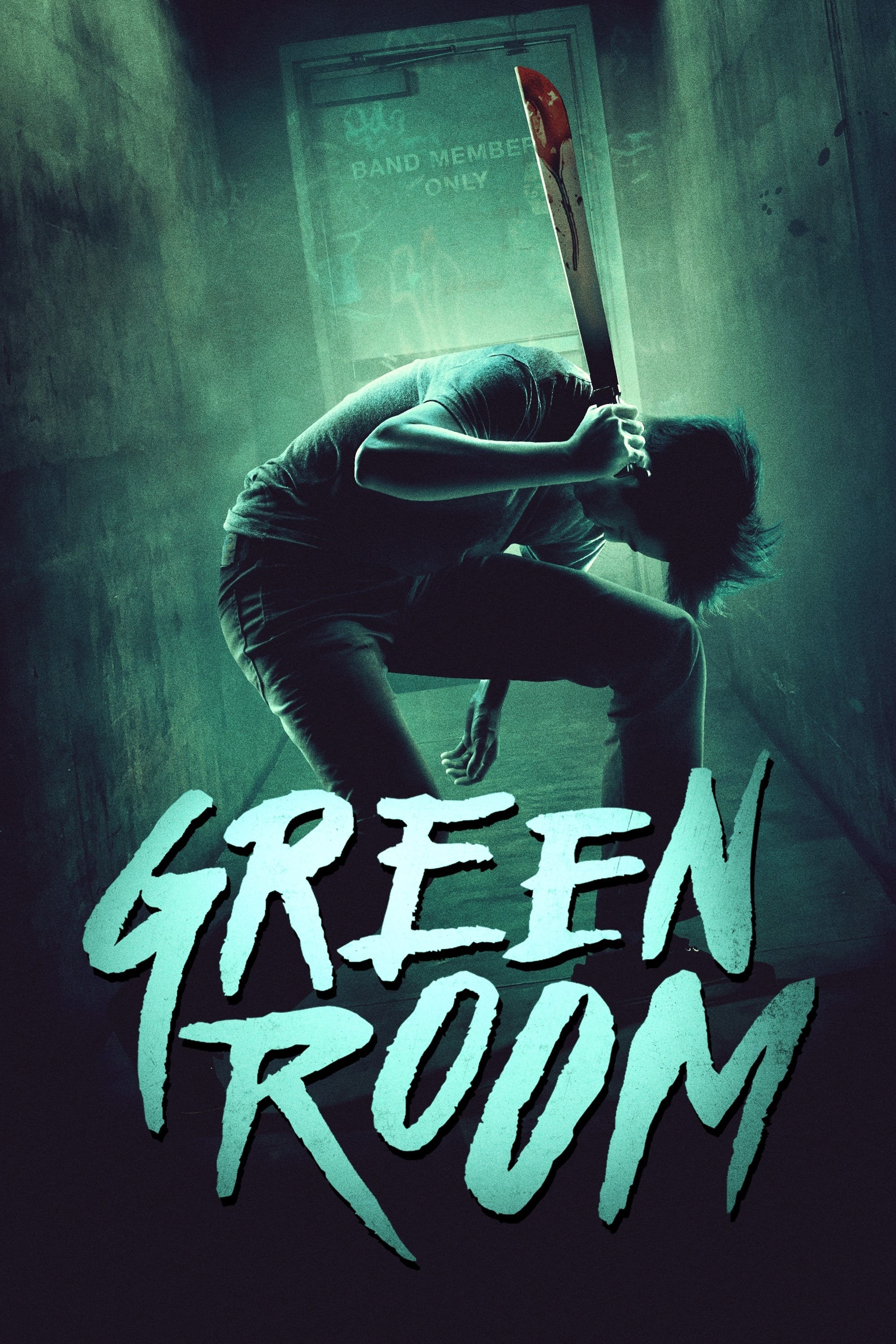
Jeremy Saulnier returns with a siege thriller starring Anton Yelchin, Imogen Poots, Alia Shawkat, and Patrick Stewart. A touring punk band witnesses a crime at a remote club and becomes trapped while the venue’s operators move to contain the situation.
The production uses club interiors, narrow hallways, and exterior parking lots to stage negotiations and fights. The release partnered with specialty distributors and played international festivals before expanding to a wider audience.
‘The Guilty’ (2018)
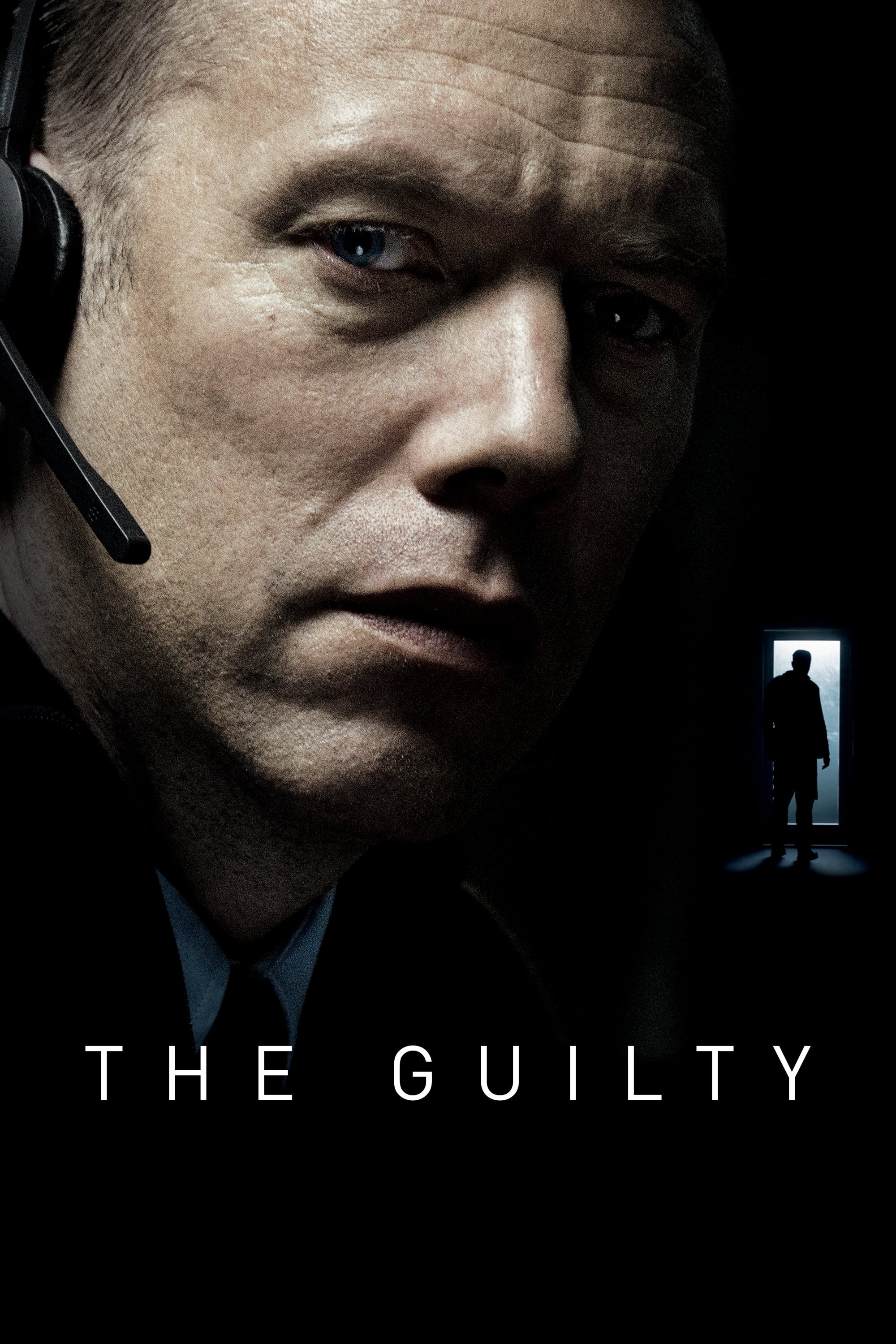
Gustav Möller directs Jakob Cedergren in a Danish single location thriller set inside an emergency call center. The narrative plays out through phone conversations as an officer attempts to manage a developing case in real time.
The film was Denmark’s official submission for the Academy Awards and later inspired an English language remake. Sound design and headset audio provide the primary action while computer screens, time stamps, and call transfers structure the investigation.
‘Under the Silver Lake’ (2018)
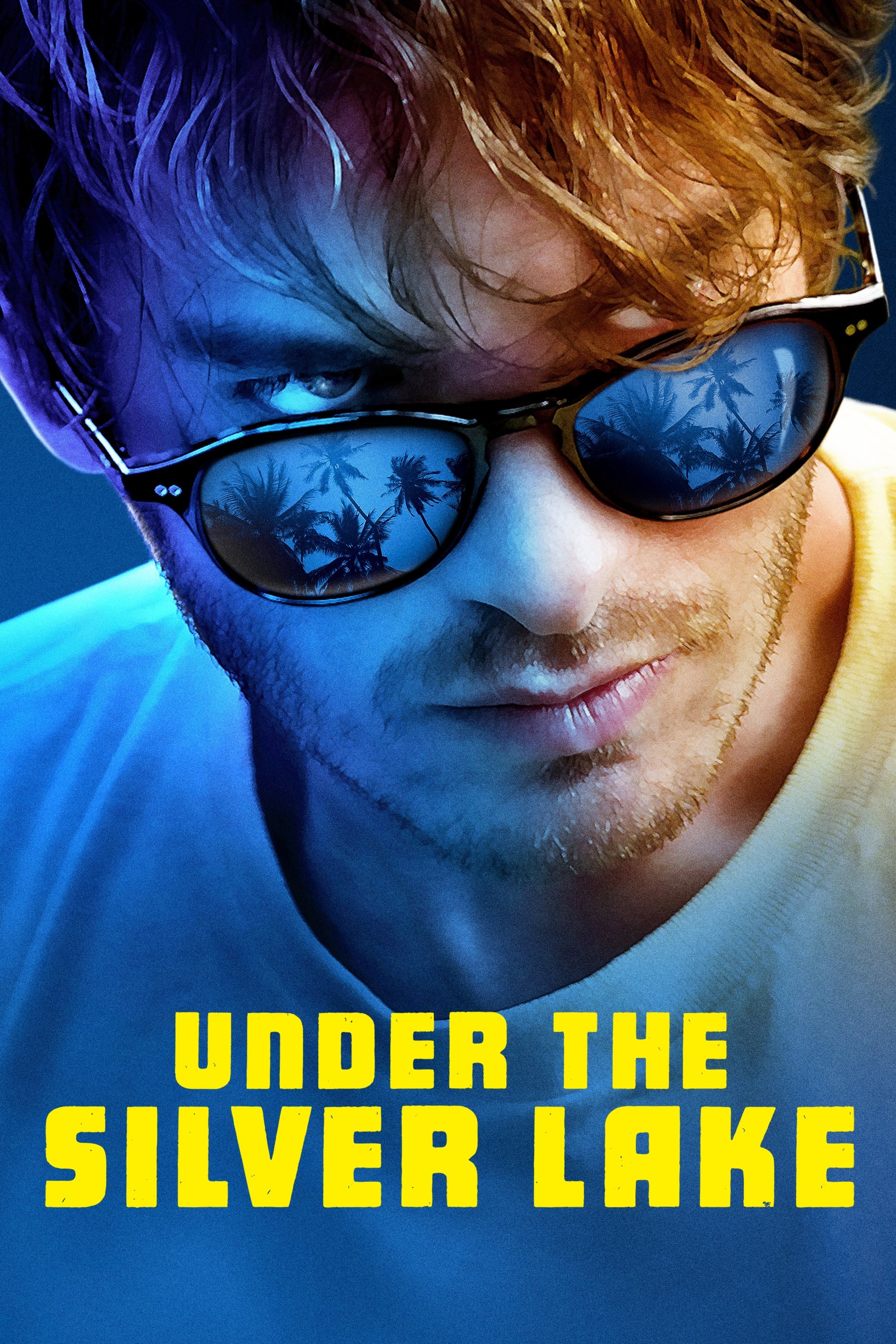
David Robert Mitchell’s Los Angeles mystery stars Andrew Garfield and Riley Keough and follows a resident who tracks cryptic signs across the city. The plot moves through zines, coded songs, and apartment building lore as new threads appear.
The film premiered at Cannes and reached audiences through a staggered international rollout that included digital platforms. Neighborhoods like Silver Lake and Hollywood provide the map for stakeouts, late night walks, and rooftop searches.
‘Calibre’ (2018)
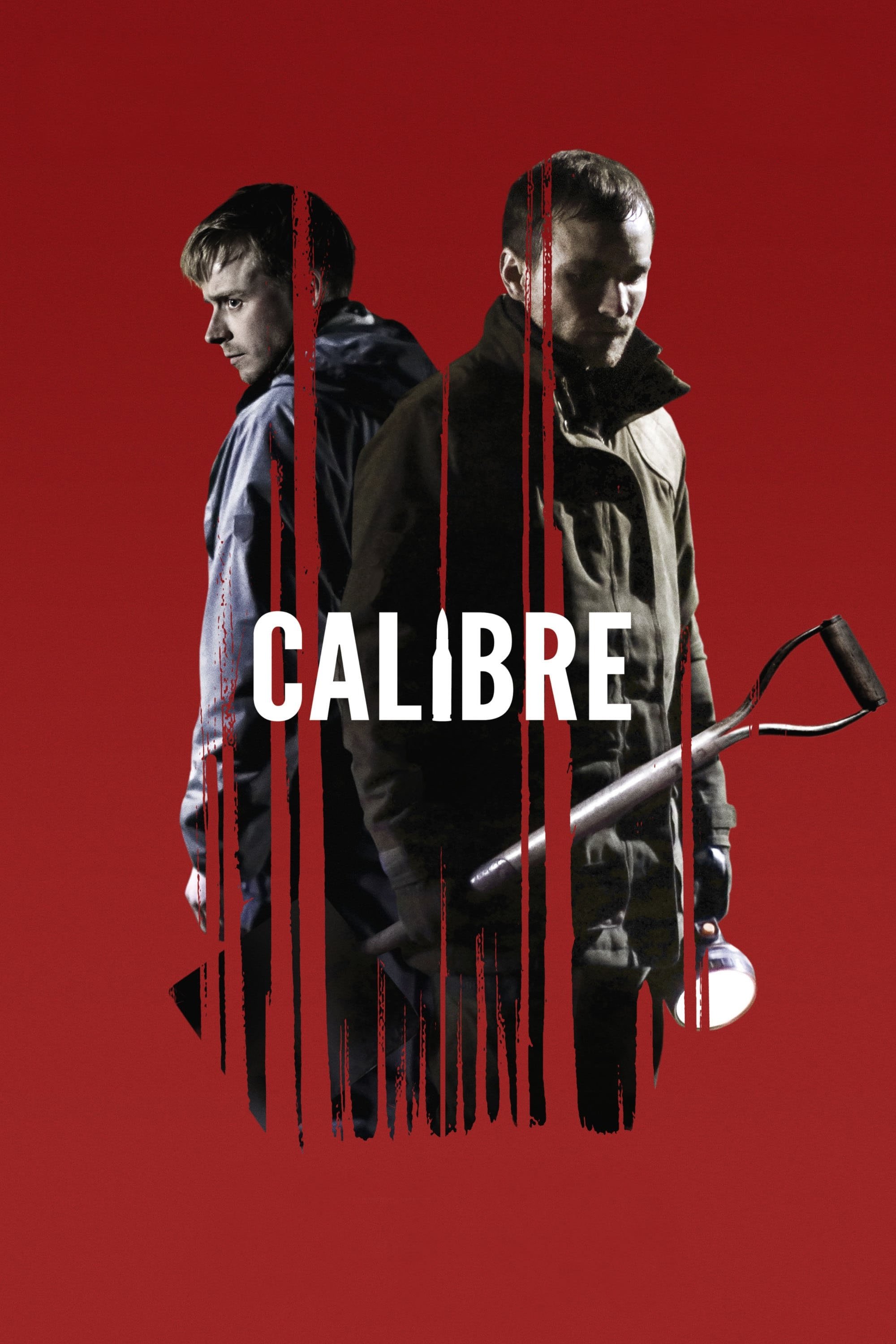
Writer director Matt Palmer sets this Scottish thriller in the Highlands with Jack Lowden and Martin McCann as friends on a hunting trip that goes wrong. The story details permits, local customs, and the handling of firearms as the situation spirals.
The film premiered at the Edinburgh International Film Festival and was later released worldwide on Netflix. Village pubs, woodland tracks, and a nearby estate define the geography as characters weigh choices against tight community ties.
‘I See You’ (2019)
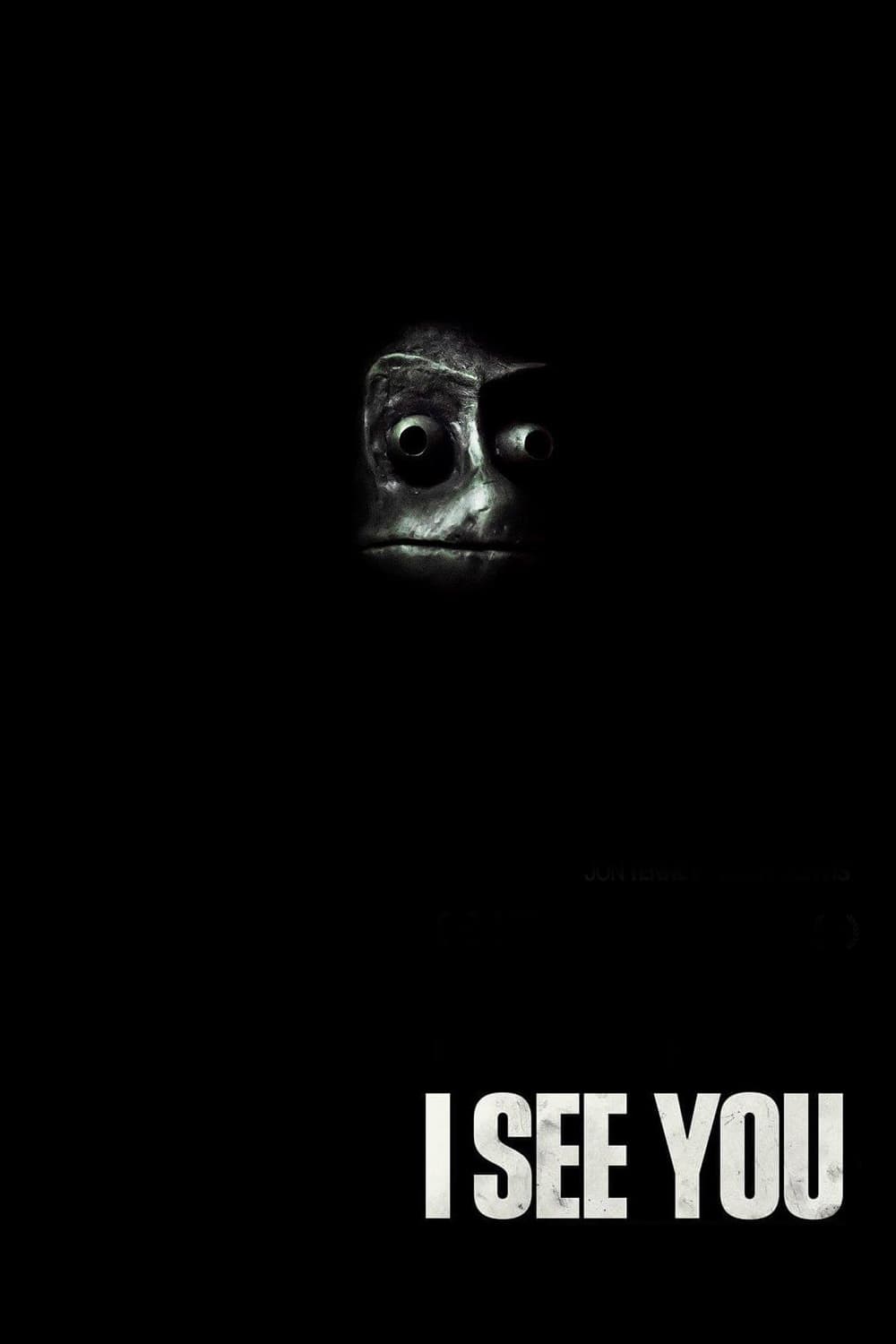
Adam Randall directs Helen Hunt, Jon Tenney, Judah Lewis, and Owen Teague in a domestic thriller that shifts perspective midway through its story. The plot blends a police investigation with home footage and neighborhood history that reframes earlier scenes.
The production uses Ohio suburbia as a setting and balances police work with events inside a single house. Release came through specialty distributors with strong streaming availability that broadened its audience.
Share your favorite under discussed thrillers in the comments so other readers can add them to their watchlists.

