


Unseen Footage Emerges: Lively Kisses Baldoni on Set, Off Script – Baldoni Claims It’s Improvised

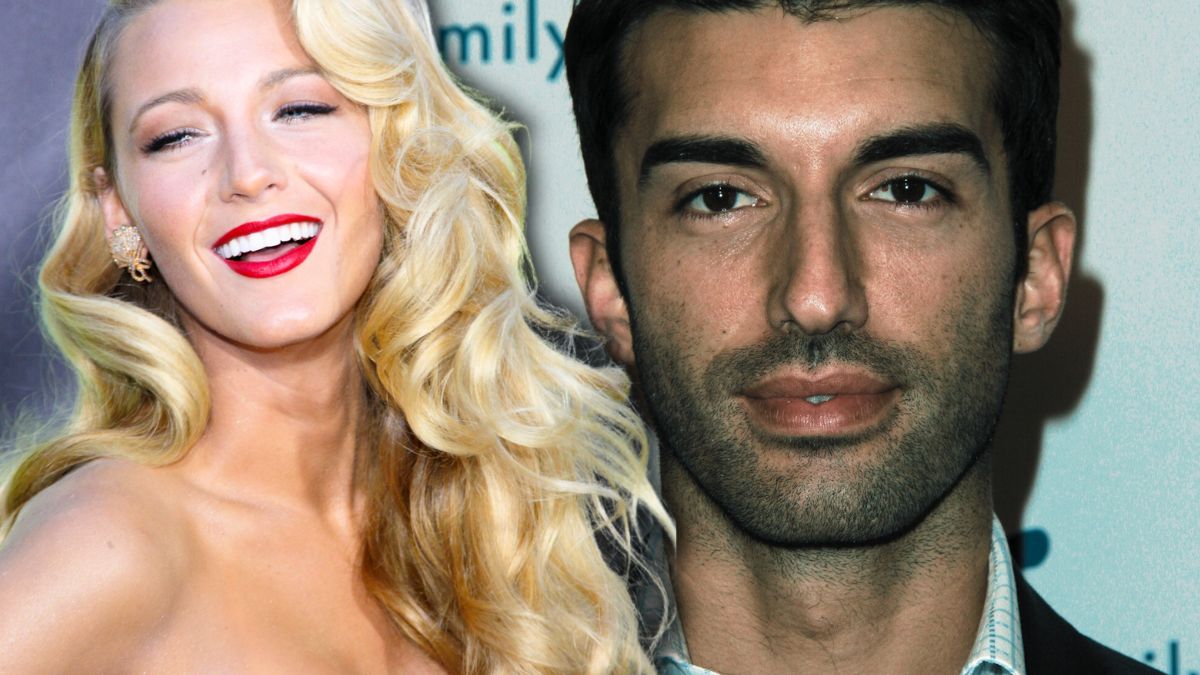


New court documents reveal a dispute between Blake Lively and Justin Baldoni over an unscripted kissing scene during the filming of It Ends With Us. Baldoni claims that Lively added a kiss in a hallway scene that was not in the original script.
According to a recent legal filing, a clip from May 2023 shows Lively’s character, Lily, approaching Baldoni’s character, Ryle, in a hospital hallway. She quickly kisses him on the lips, then walks away saying she “happen[s] to love him too.” Baldoni’s character looks surprised but amused before calling, “Alright, cut.”
Baldoni’s attorneys stated that the kiss was added by Lively, who performed it in every take even though the script did not call for it.
This comes amid a larger legal battle: Lively had previously sued Baldoni in December 2024 for alleged sexual harassment and retaliation, while Baldoni countersued her, her husband Ryan Reynolds, and others for $400 million in January, a lawsuit later dismissed by the judge.
In her original complaint, Lively said the director engaged in “improvised physical intimacy that had not been rehearsed, choreographed or discussed” with her.
Following a January 2024 meeting with producers and Reynolds, the studio agreed to bring in an intimacy coordinator and promised that kissing scenes would no longer be improvised. Baldoni’s team insists that all kissing scenes filmed before the Hollywood strikes were scripted, though they note the May 13, 2023, scene occurred before the strike.
Additionally, alleged text messages between Baldoni and Colleen Hoover, author of It Ends With Us, surfaced. In the texts, Hoover reportedly expressed frustration over the conflict, saying she “felt forced to choose” between Lively and Baldoni and was “disappointed” in the director. These messages were included in a filing by Wayfarer on November 10.
This case highlights ongoing tensions on set and raises questions about consent, improvisation, and professional boundaries in filmmaking.
Have something to add? Let us know in the comments!

