


Western Movies You’re Sleeping On (But Shouldn’t)


The western has stretched far beyond cattle drives and dusty main streets, reaching into survival tales, horror crossovers, and globe-trotting co-productions that use the frontier as a canvas. Plenty of these projects didn’t dominate box offices or awards chatter, yet they’re packed with craftsmanship—tight scripts, striking locations, and crews who sweat the detail from wardrobe to sound design.
Below is a hand-picked set of westerns that flew under many radars. Each one brings something specific: a distinctive director’s voice, an unusual setting, a sharp technical choice, or a historical angle worth spotlighting. If you’ve been meaning to broaden the saddlebag, start here.
‘The Proposition’ (2005)
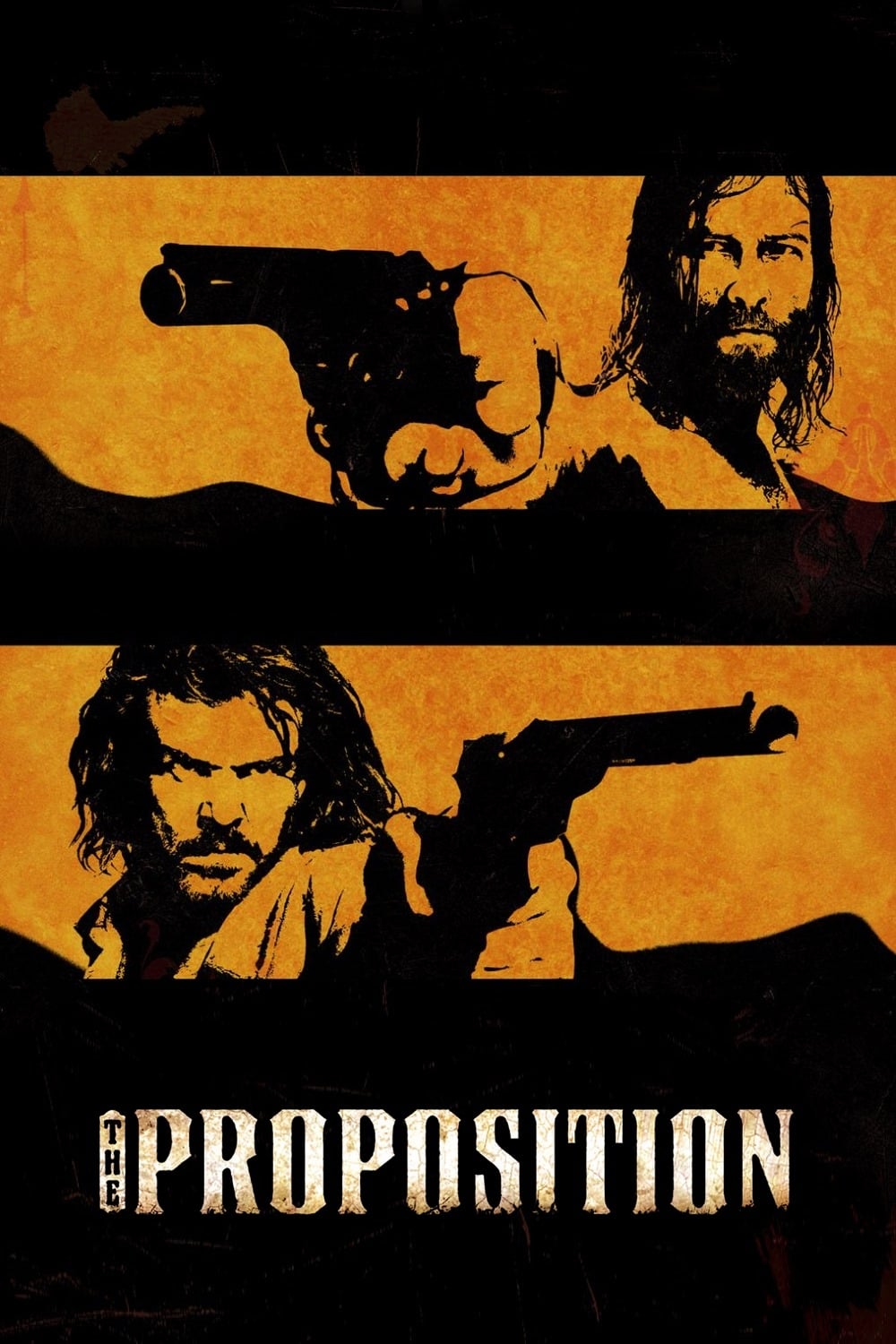
John Hillcoat directs from a screenplay by Nick Cave, with Guy Pearce, Ray Winstone, Emily Watson, and Danny Huston leading the cast. The production was mounted in the Australian outback, using remote Queensland locations to capture harsh, wide-open terrain, with Warren Ellis and Nick Cave composing a spare, violin-driven score. The project was backed by UK-Australian financing, giving it a distinctive cross-Pacific crew mix and on-location sound work to capture wind and heat.
The story centers on colonial law enforcement and outlaw brotherhood, with period detail driven by extensive consultation on uniforms, firearms, and frontier policing. Cinematographer Benoît Delhomme leaned on natural light and long takes, while the makeup and costume departments weathered garments to reflect dust and sweat accumulation over days on the trail.
‘Slow West’ (2015)
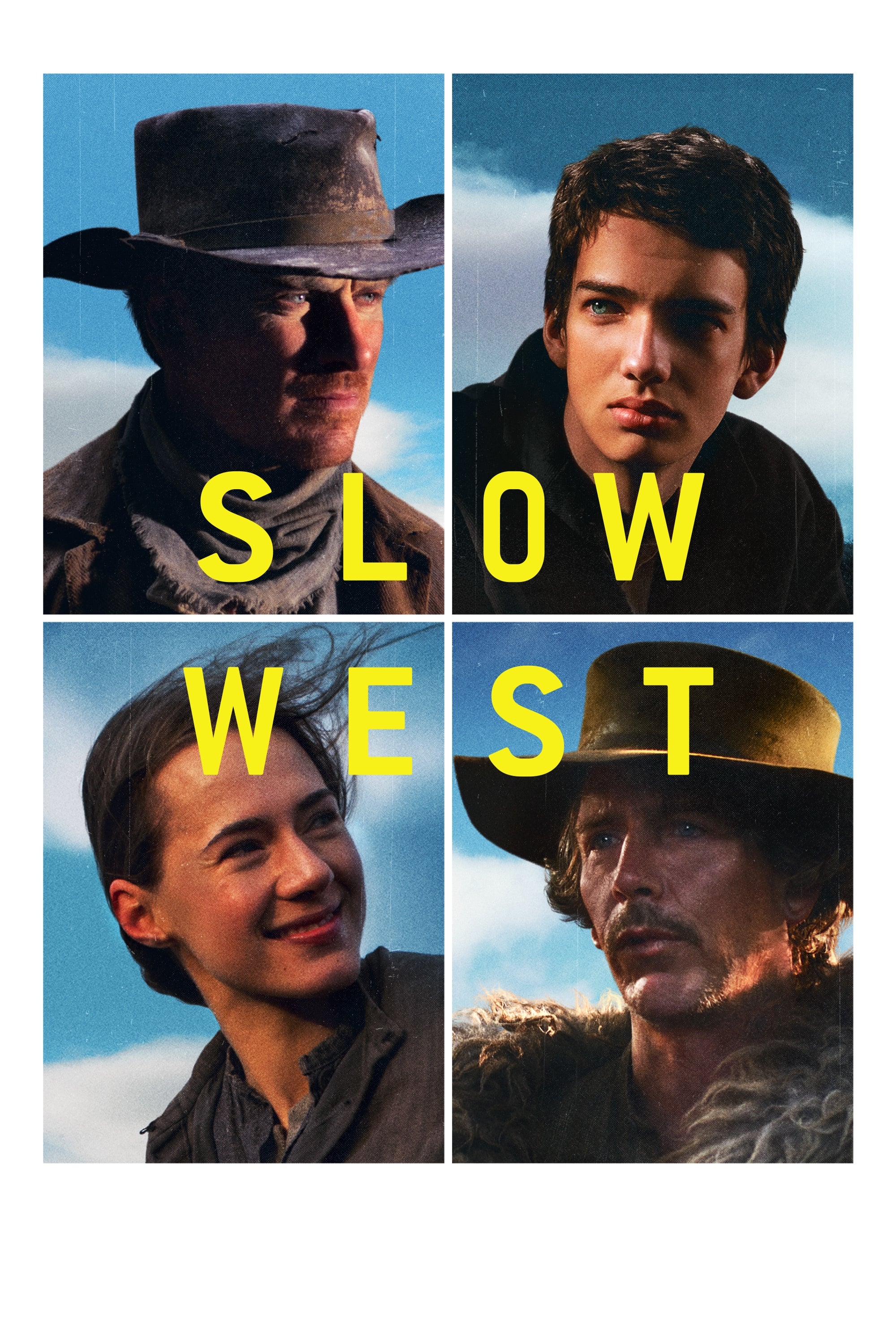
Written and directed by John Maclean, the film stars Kodi Smit-McPhee and Michael Fassbender, with Ben Mendelsohn in a memorable supporting role. Although set in the American frontier, production shot primarily in New Zealand, selecting South Island landscapes to stand in for Colorado’s forests and plains. The film premiered at a major US festival and received jury recognition, which helped secure wider arthouse distribution.
The script tracks a journey across territories policed by bounty hunters, with dialogue that mixes period idiom and concise modern phrasing. The production design team built waystations and encampments at scale, while the visual effects unit handled environmental enhancements to blend New Zealand geography with frontier iconography.
‘Bone Tomahawk’ (2015)
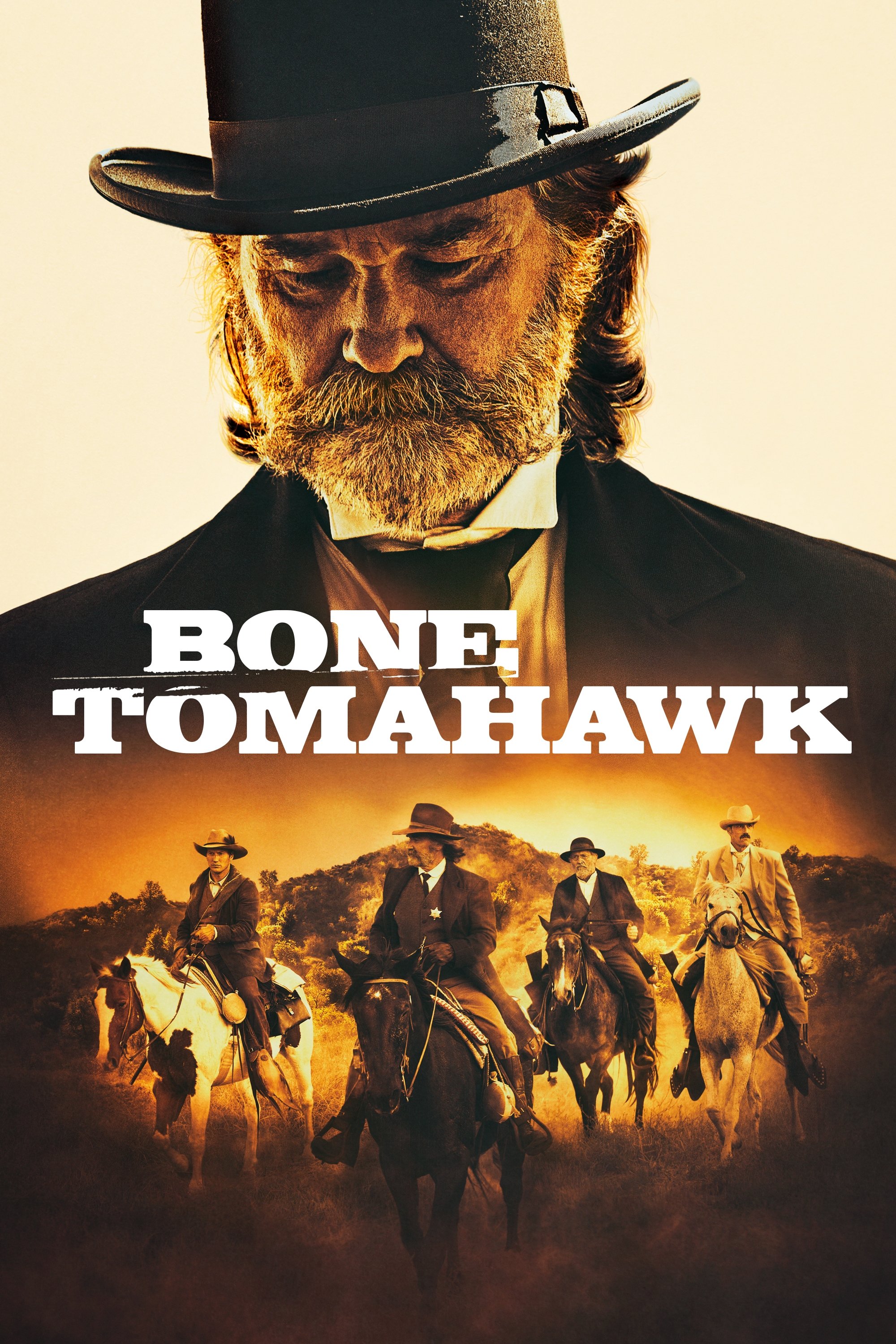
S. Craig Zahler’s feature debut blends a rescue mission structure with horror elements, anchored by performances from Kurt Russell, Patrick Wilson, Richard Jenkins, and Matthew Fox. The production used independent financing, practical gore effects, and desert-edge California locations to keep the action grounded. Its limited theatrical run was supported by a targeted VOD strategy that expanded viewership.
The narrative follows a small-town posse into contested territory, with attention to period firearms, saddlery, and frontier medicine. Sound design emphasizes hoofbeat cadence and canyon acoustics, and the editing maintains deliberate pacing to chart distance, fatigue, and dwindling supplies.
‘Meek’s Cutoff’ (2010)
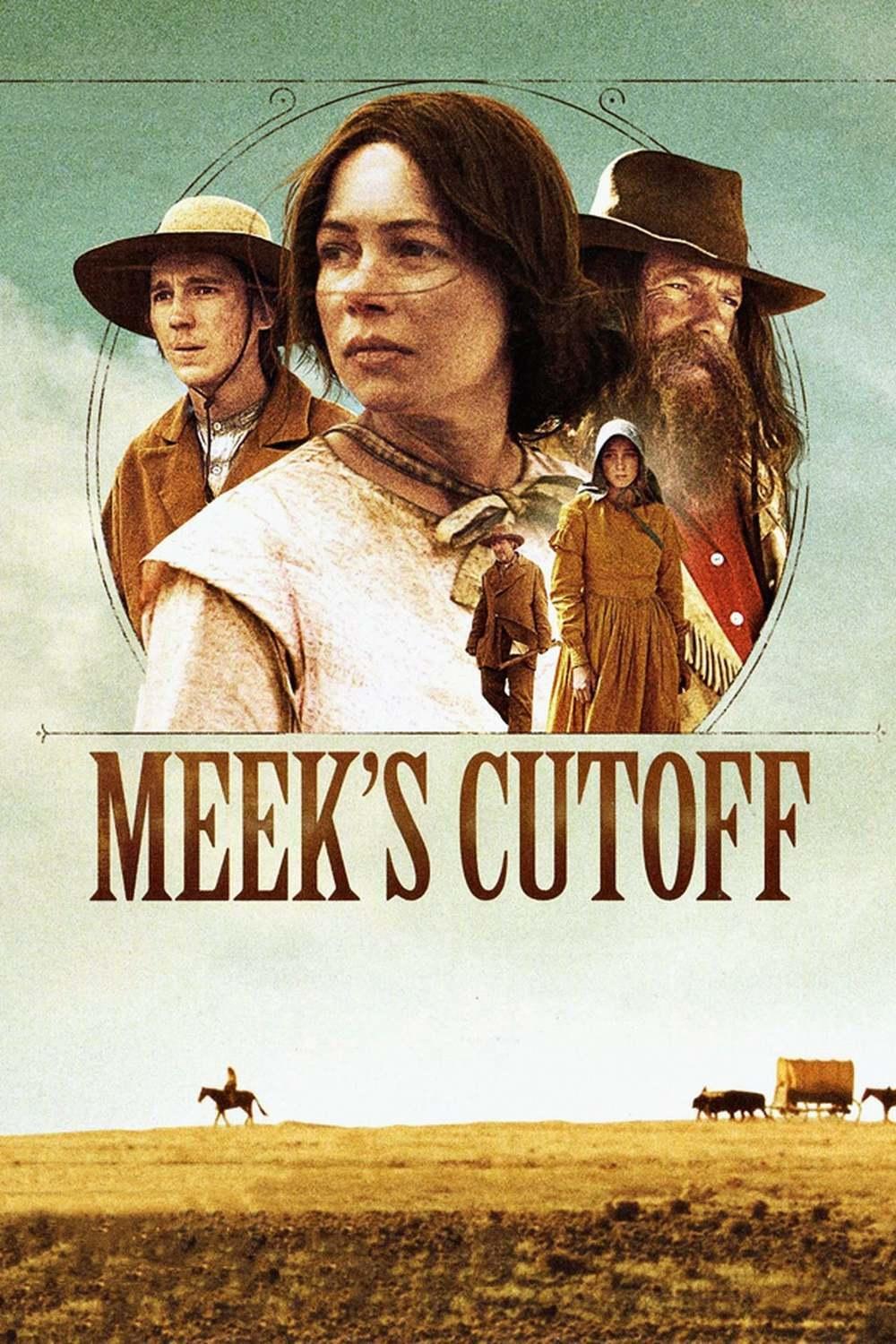
Directed by Kelly Reichardt and starring Michelle Williams, Bruce Greenwood, and Will Patton, the film recreates an emigrant wagon party crossing arid country. It was shot in Oregon with a square frame (1.33:1), which the director and cinematographer Chris Blauvelt used to foreground faces, fabric, and sparse horizons. Hand-stitched costumes and historically accurate wagons were sourced and aged for authenticity.
Dialogue is intentionally minimal, letting sound—canvas creaks, wheel rattle, and wind—carry environment and mood. The production relied on remote camping bases and small crews to preserve the landscape footprint, and the cast trained with oxen handlers to manage teamster tasks on camera.
‘The Sisters Brothers’ (2018)
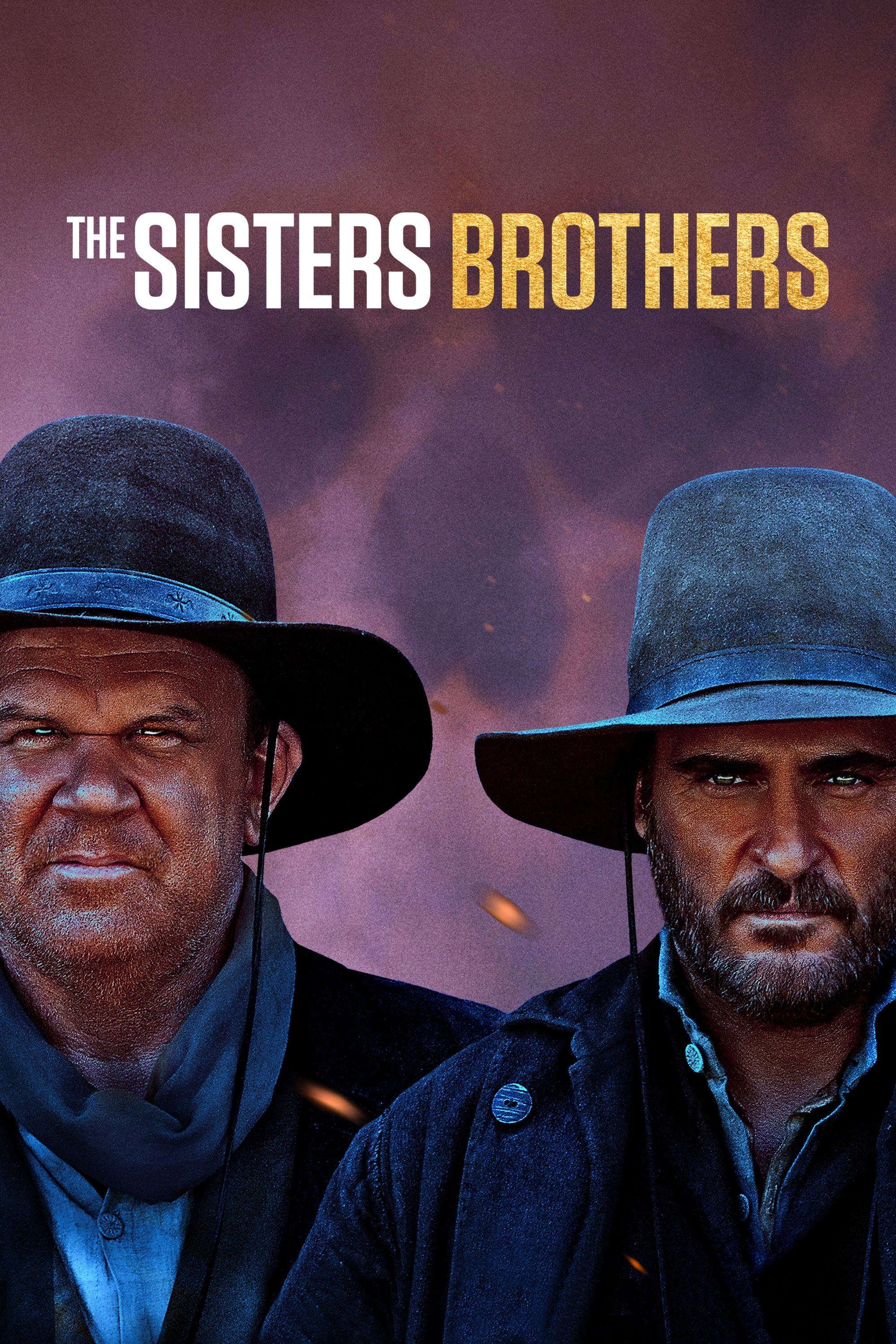
Jacques Audiard adapts Patrick deWitt’s novel, with John C. Reilly, Joaquin Phoenix, Jake Gyllenhaal, and Riz Ahmed headlining. The international co-production shot in Spain and Romania, building towns and mining camps that allowed long tracking shots through contiguous sets. Alexandre Desplat composed the score, and the film premiered on the European festival circuit.
Production design tracks the economics of prospecting, outfitting assay tents, patent chemicals, and bespoke tools. The story’s route covers stage lines and river transport, and the stunt unit coordinated night shoots with practical firelight to depict camp life and sudden violence.
‘Appaloosa’ (2008)
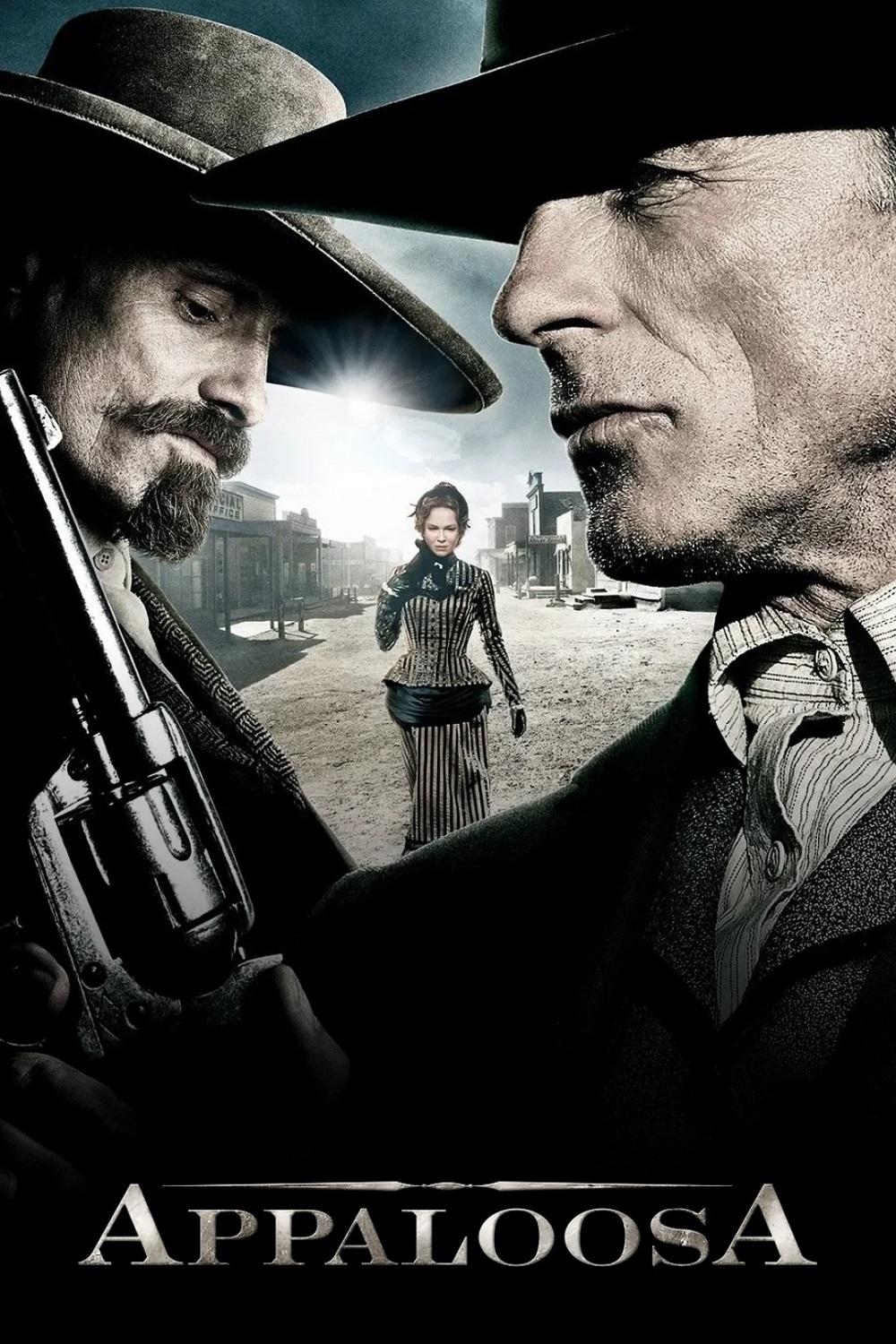
Ed Harris directs and co-stars with Viggo Mortensen, Renée Zellweger, and Jeremy Irons, adapting Robert B. Parker’s novel. The shoot took place in New Mexico, where the team constructed a functional main street with interiors connected to exteriors for uninterrupted blocking. Composer Jeff Beal provided a restrained orchestral palette, and Harris emphasized classical shot setups.
The plot involves hired lawmen contracted by a town council, with legal procedures, deputy commissions, and territorial politics woven into dialogue. The armorer sourced period-appropriate Colts and Winchesters, and the wardrobe team designed town-by-town variations to signal social standing and occupation.
‘Hostiles’ (2017)
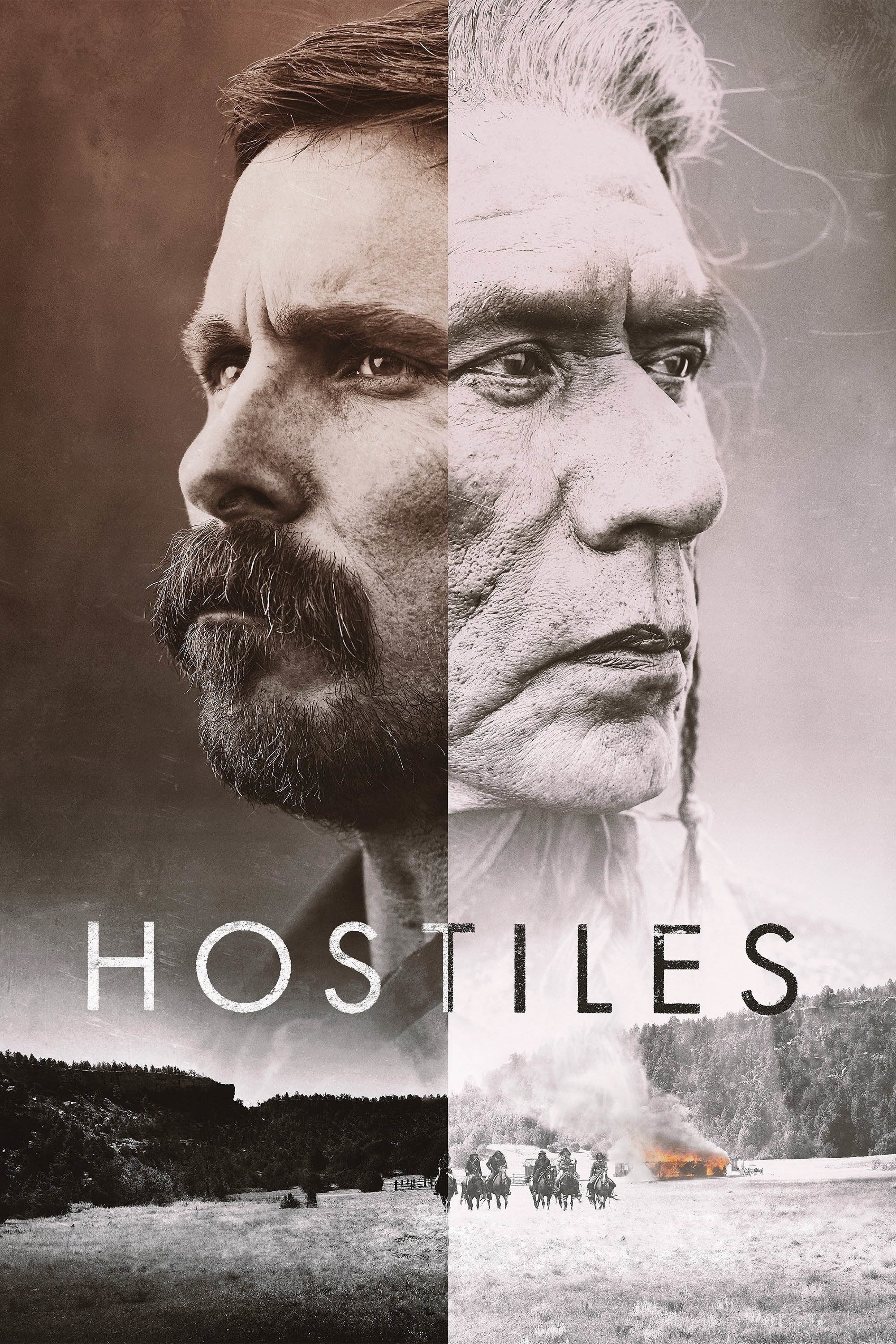
Scott Cooper directs Christian Bale, Rosamund Pike, and Wes Studi in a military escort narrative set across plains and mountains. The production filmed in New Mexico and Colorado, timing principal photography to seasonal shifts that deliver frost, mud, and high-altitude light. Masanobu Takayanagi’s cinematography favors wide-angle frames that hold riders against sky and ridge.
The screenplay centers on Army procedure, prisoner transport, and negotiated passage through tribal lands, with research drawn from period correspondence and manuals. On-set language coaching supported dialogue in multiple Native languages, and the costume department documented rank insignia, campaign hats, and field gear.
‘The Homesman’ (2014)
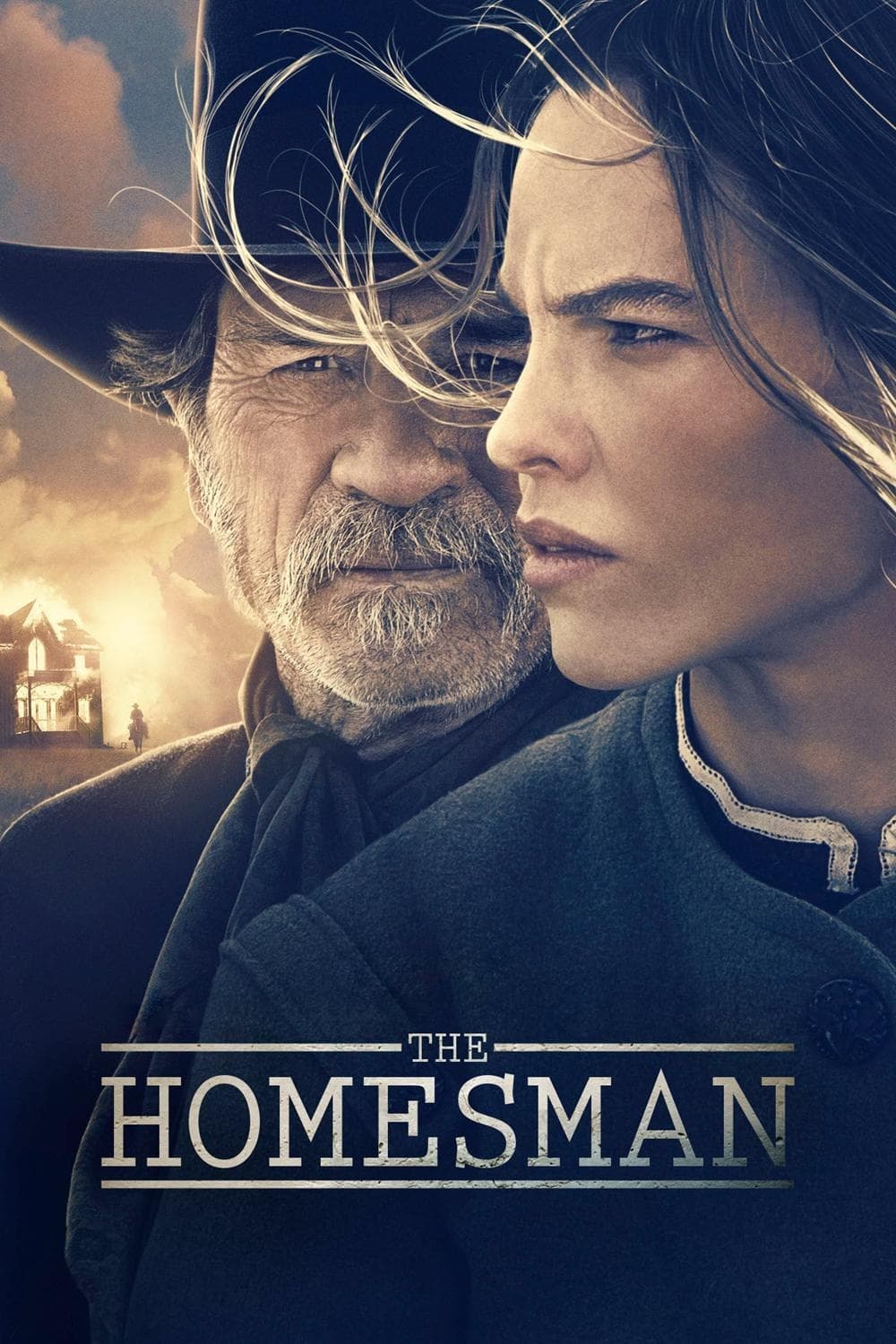
Tommy Lee Jones directs and stars alongside Hilary Swank, adapting Glendon Swarthout’s novel. The production used New Mexico locations and built wagon rigs designed to carry passengers and supplies across open prairie. The film premiered in competition at a major European festival and was later released by a US specialty distributor.
The plot follows a difficult transport mission overseen by frontier officials and community leaders. The crew consulted historians on homesteader architecture and domestic tools, while the camera crew used wind-baffled rigs to stabilize shots during long wagon sequences.
‘Blackthorn’ (2011)
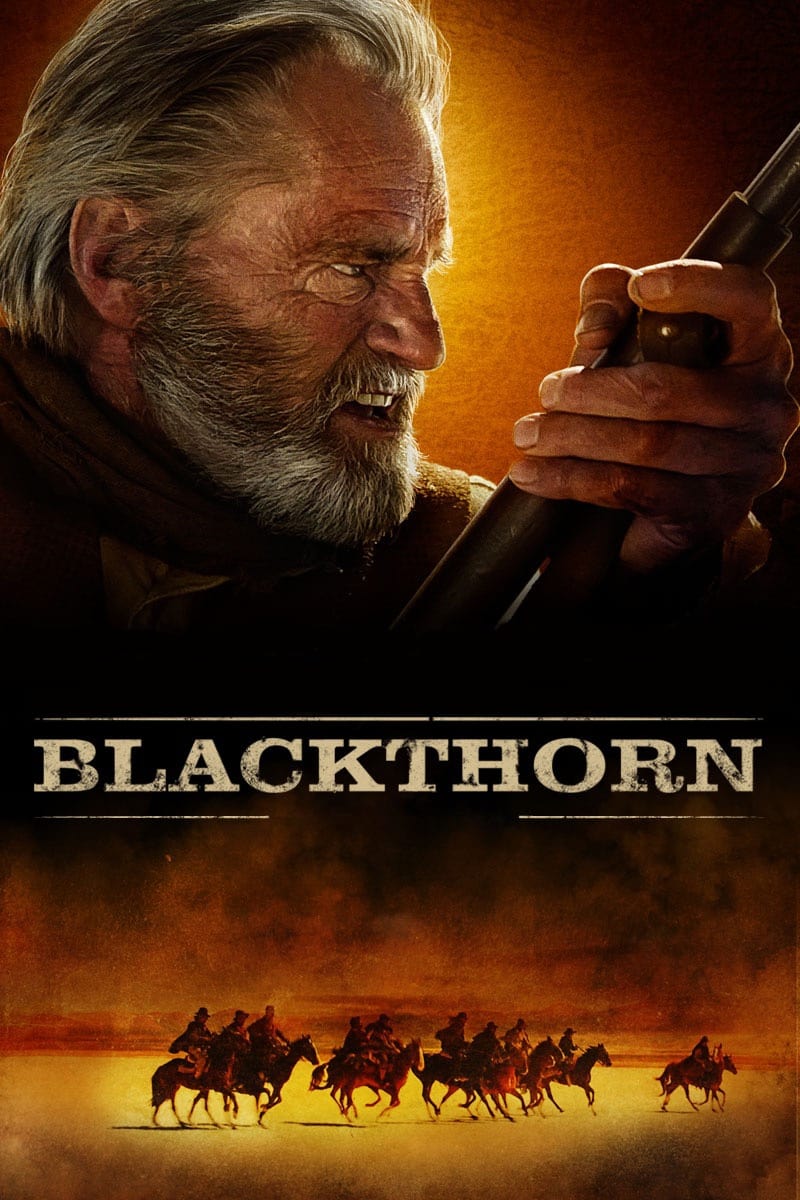
Mateo Gil directs Sam Shepard, Eduardo Noriega, and Stephen Rea in a Bolivian-set postscript to the life of an American outlaw. The shoot took place in Bolivia’s high deserts and salt flats, leveraging natural vistas with minimal set builds. Spanish production companies partnered with local crews, and the score by Lucio Godoy blends strings with Andean instrumentation.
The narrative involves a cross-country ride and a robbery’s aftermath, with attention to older tack, scarred firearms, and the logistics of travel at altitude. Dialogue switches between English and Spanish, and the production integrated regional livestock and herding practices into background action.
‘The Claim’ (2000)
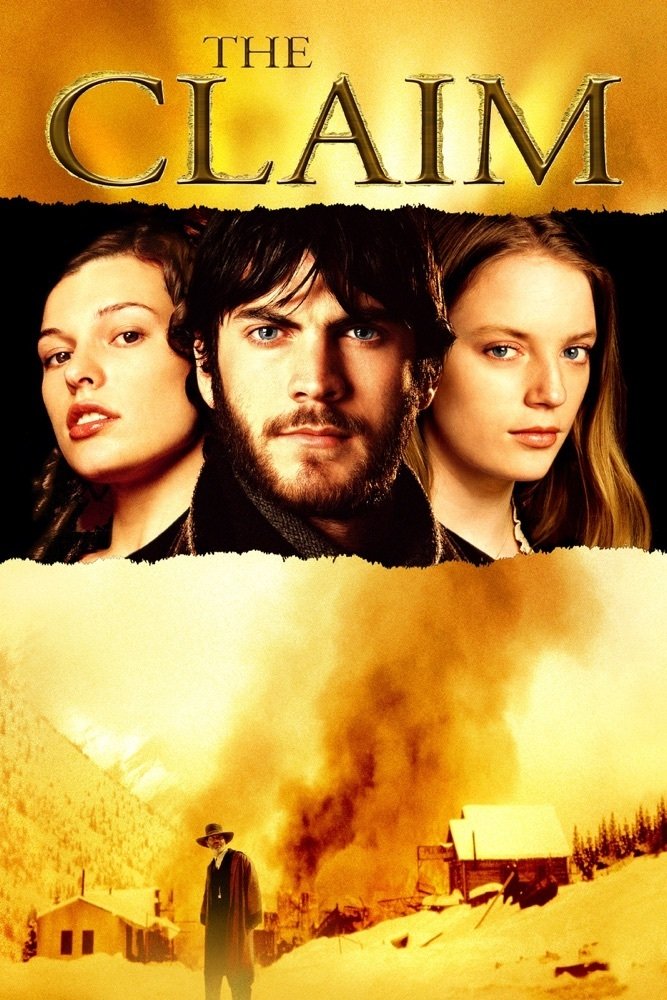
Michael Winterbottom relocates Thomas Hardy’s plot framework to a Sierra boomtown, with Peter Mullan, Milla Jovovich, Wes Bentley, and Nastassja Kinski starring. The production built the town of Kingdom Come in the Canadian Rockies, designing steam-driven mining equipment and timber structures to withstand snow loads. Composer Michael Nyman contributed a recurring melodic motif tied to the town’s fortunes.
Railroad surveying, land deeds, and municipal governance shape the story, with props departments fabricating maps, instruments, and clerks’ ledgers. The cinematography uses diffused winter light to track construction, excavation, and the economics of gold claims.
‘Seraphim Falls’ (2006)
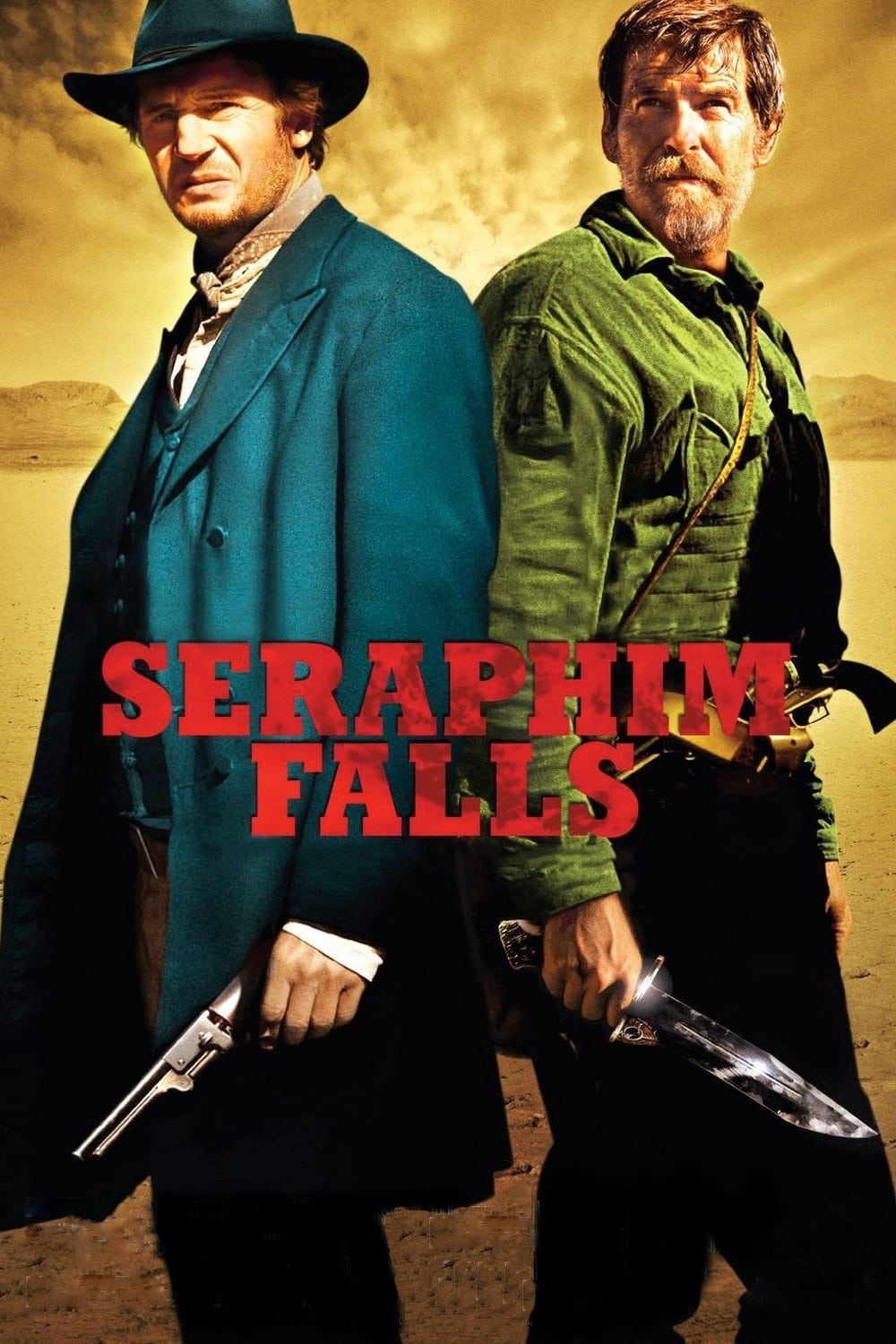
Directed by David Von Ancken and starring Pierce Brosnan and Liam Neeson, the film follows a pursuit across wilderness into arid basins. Production shot in New Mexico and the Pacific Northwest, moving from forested elevations to desert valleys to trace the route on screen. The crew emphasized practical falls, horse work, and river crossings, with minimal digital intervention.
Dialogue and flashbacks establish military history and personal scores, while props include era-specific medical kits, telegraph equipment, and camp cookware. The project was distributed by an independent label, with a release strategy that combined limited theatrical engagements and home media.
‘Sweet Country’ (2017)
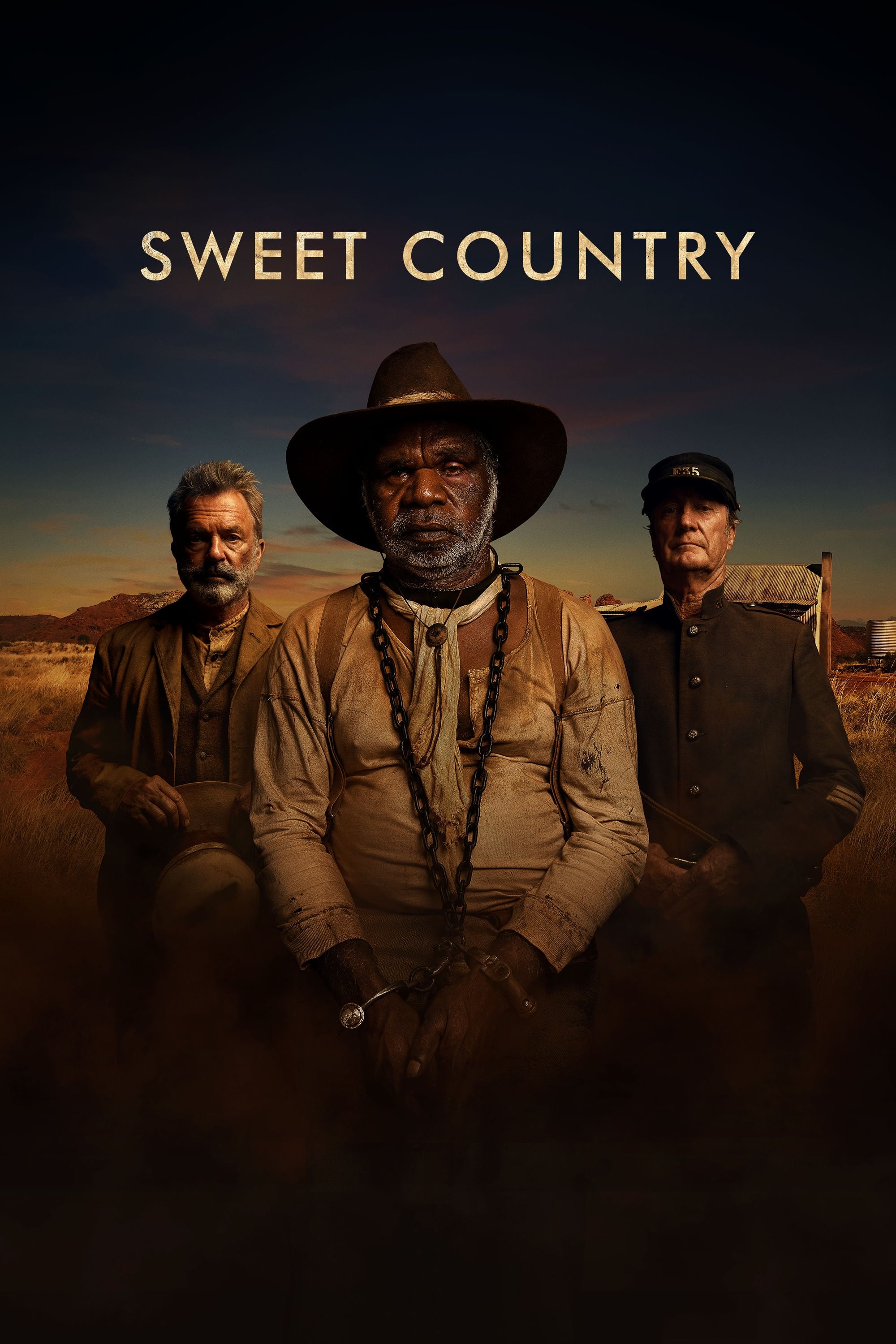
Warwick Thornton directs Hamilton Morris, Bryan Brown, and Sam Neill in a frontier law drama set in the Northern Territory. The production used outback stations and small towns, capturing heat shimmer and red-earth palettes with natural-light cinematography. The film earned jury recognition at Venice and platform honors at Toronto, boosting its international reach.
The plot centers on trial procedure and jurisdiction, with courtroom scenes staged in modest civic buildings. The crew worked with local communities on casting and dialect, and the sound mix foregrounds insects, wind, and distant engines as environmental texture.
‘Brimstone’ (2016)
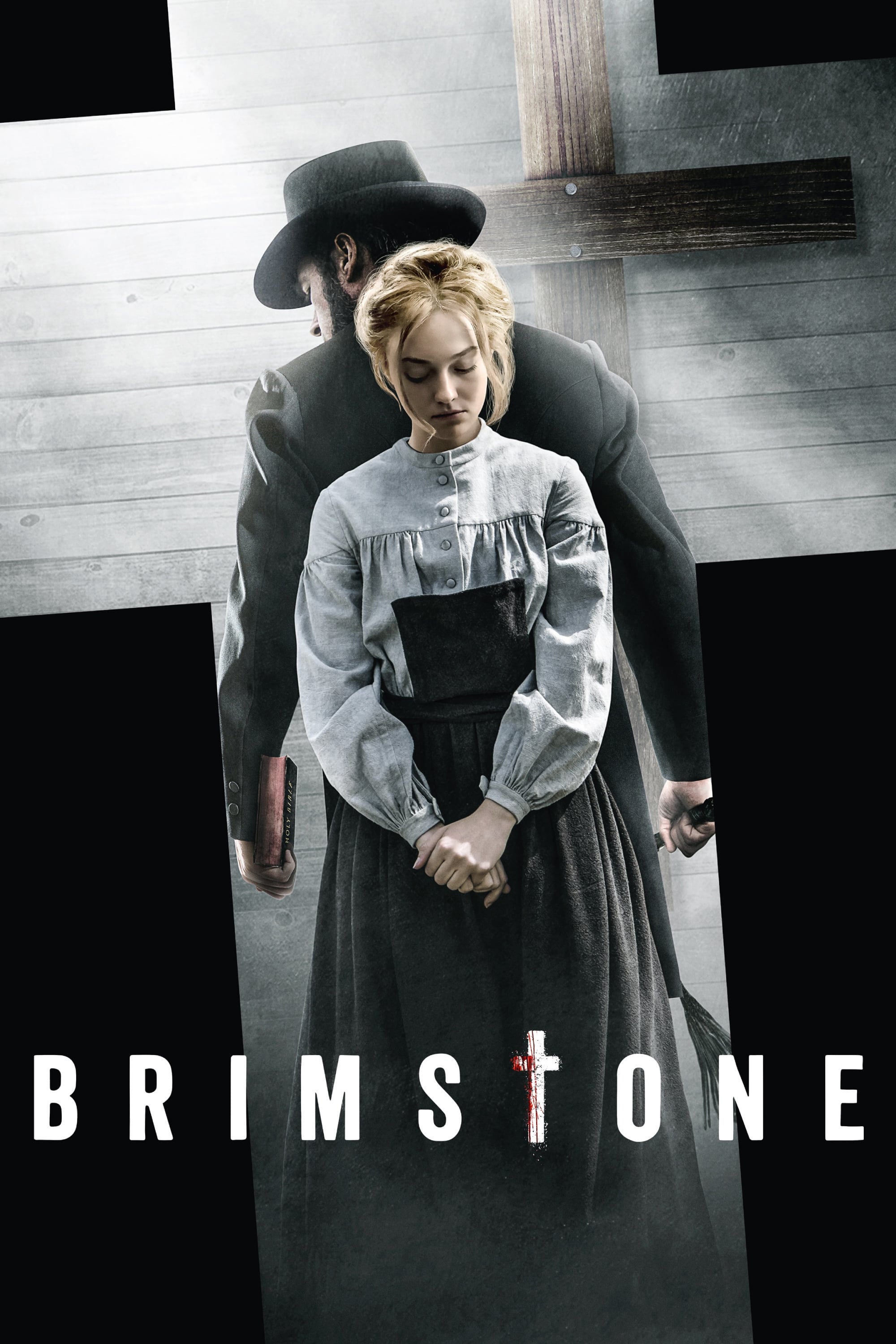
Martin Koolhoven directs Dakota Fanning, Guy Pearce, Carice van Houten, and Kit Harington in a frontier story presented in chaptered structure. The European co-production filmed in Romania and Spain, constructing churches, homesteads, and town interiors with heavy timber and limewash finishes. International financing allowed for extended scheduling and winter exteriors.
The screenplay touches on migration, faith communities, and law enforcement, with costuming that differentiates congregations and settlements. Stunt coordination managed horseback chases over rocky ground, and the editorial structure rearranges chronology to reveal backstory through controlled flashbacks.
‘The Ballad of Lefty Brown’ (2017)
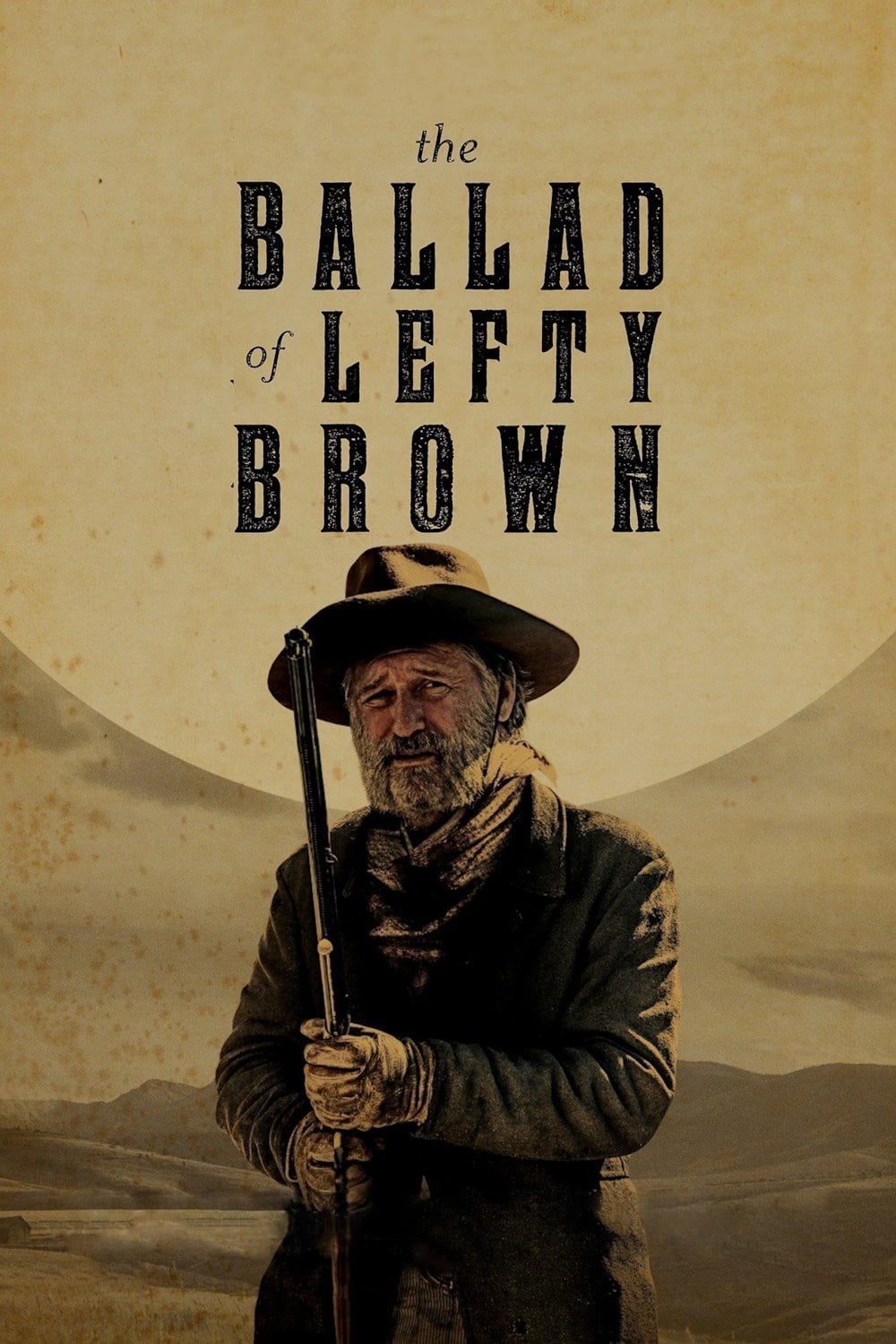
Jared Moshé writes and directs, with Bill Pullman, Peter Fonda, Kathy Baker, and Jim Caviezel in key roles. The film shot in Montana, using working ranches and vast rangeland for panoramic compositions. It premiered at South by Southwest before a limited theatrical rollout supported by a specialty distributor.
The narrative follows a man tracking leads across sparsely populated territory, with period telegraphy, wanted circulars, and territorial politics embedded in the plot. Wardrobe departments sourced wool, canvas, and leather appropriate to colder high plains, and the score favors acoustic instrumentation to underline solitude.
‘Never Grow Old’ (2019)
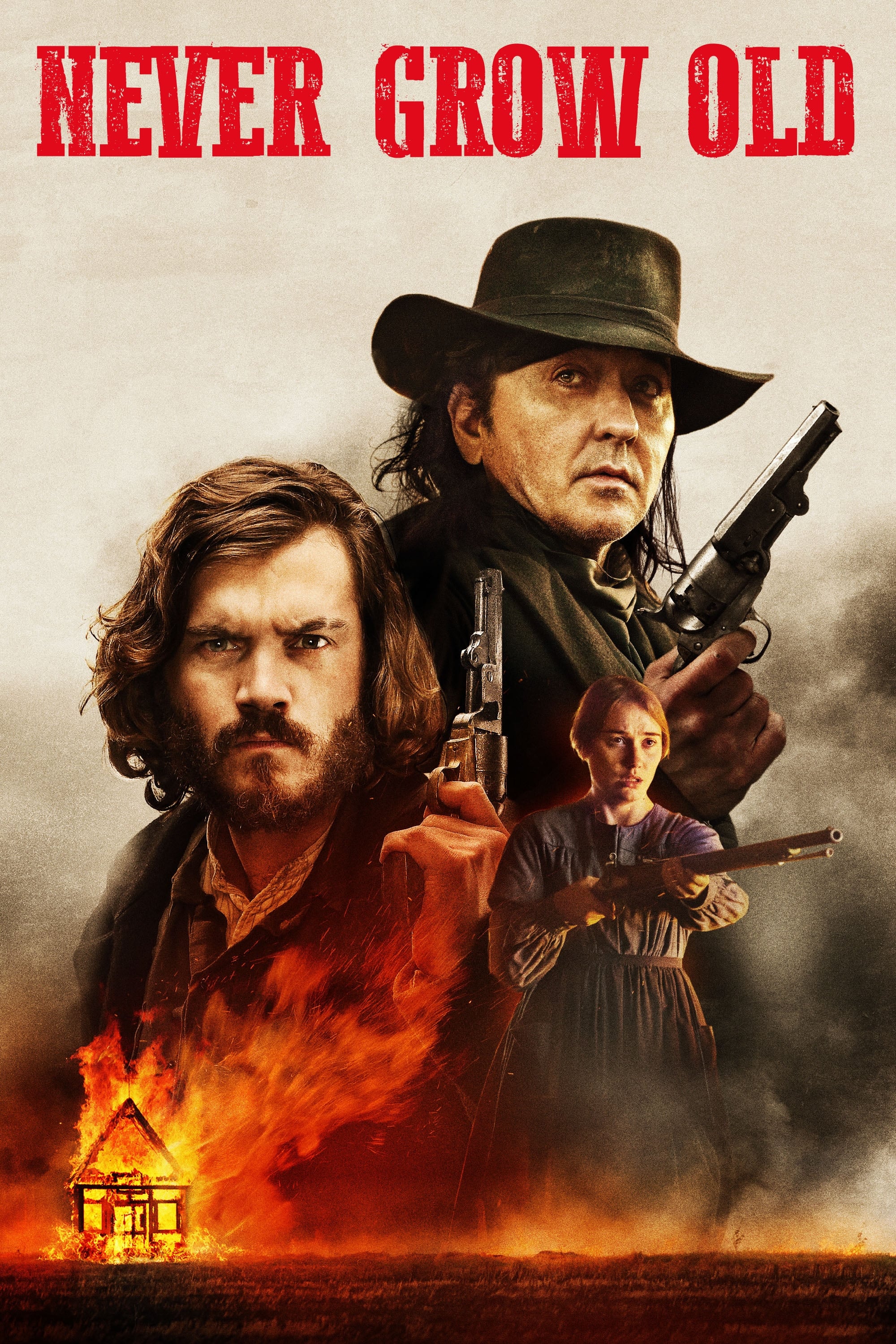
Ivan Kavanagh directs Emile Hirsch, Déborah François, and John Cusack in a border-town tale focused on a carpenter-undertaker. The production used sets in Luxembourg and Ireland to create muddy streets, timber storefronts, and candlelit interiors. The film was acquired for North American release by an independent US distributor.
The script emphasizes the economics of a town shifting under new leadership, with saloon licensing, church meetings, and civic notices feeding conflict. Lighting is predominantly practical—lamps and hearths—requiring camera sensors tuned for low-light capture and meticulous art direction on soot and smoke.
‘Old Henry’ (2021)
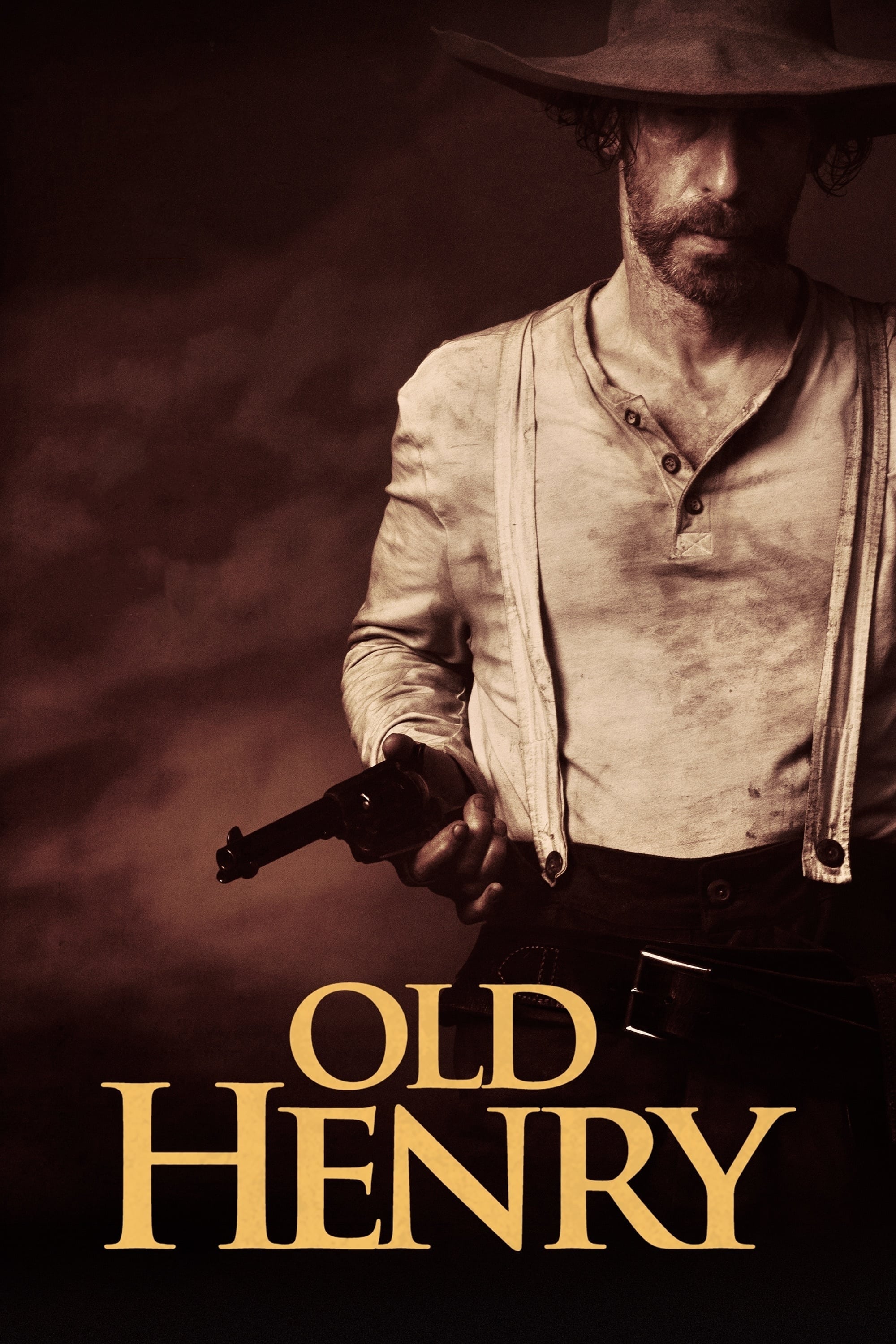
Potsy Ponciroli directs Tim Blake Nelson, Stephen Dorff, and Gavin Lewis in a contained ranch-set story. The production filmed in Tennessee on private land, building a homestead and planting fields to control continuity across the shoot. It premiered on the fall festival circuit, including screenings in Venice programs, before moving to a platform release.
The plot brings strangers to a gate with cash, badges, and conflicting stories, and the armorer curated a mix of sidearms and rifles consistent with rural ownership. The sound team captured creaking floorboards, shifting saddles, and weather fronts to underscore tension within limited geography.
‘The Wind’ (2018)
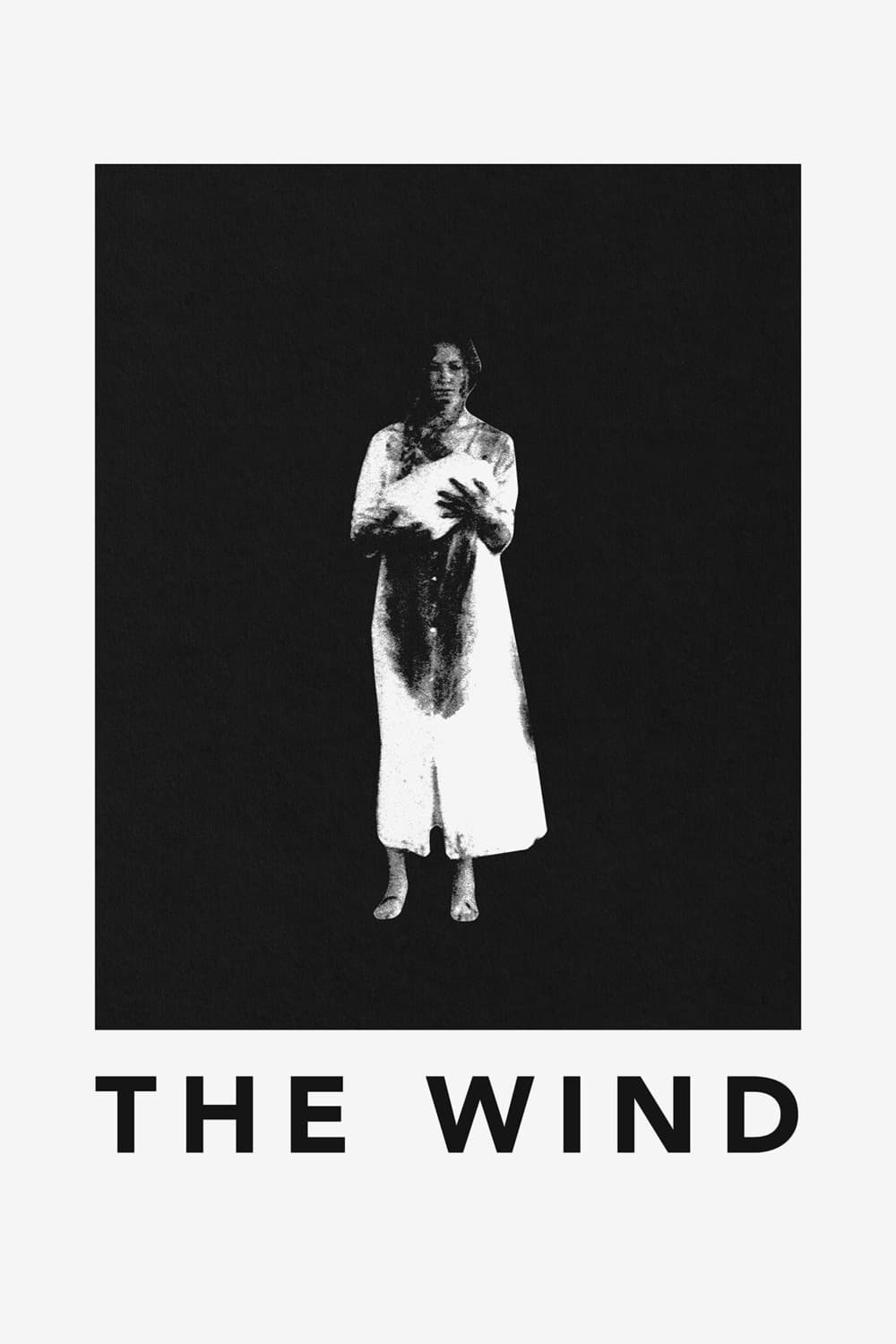
Directed by Emma Tammi and starring Caitlin Gerard, Ashley Zukerman, and Julia Goldani Telles, the film folds psychological horror into prairie isolation. The shoot took place in New Mexico, timing exteriors to wind patterns and dust storms that were built into the shooting schedule. Festival play included genre showcases that helped the film reach horror and western audiences.
The narrative uses diaries, pamphlets, and folk beliefs found among settlers, and the production design team assembled sparse interiors—stoves, churns, and hand-sewn linens—to reflect subsistence living. The score and sound design isolate distant wolves, drafts, and door rattles to externalize fear.
‘The Burrowers’ (2008)
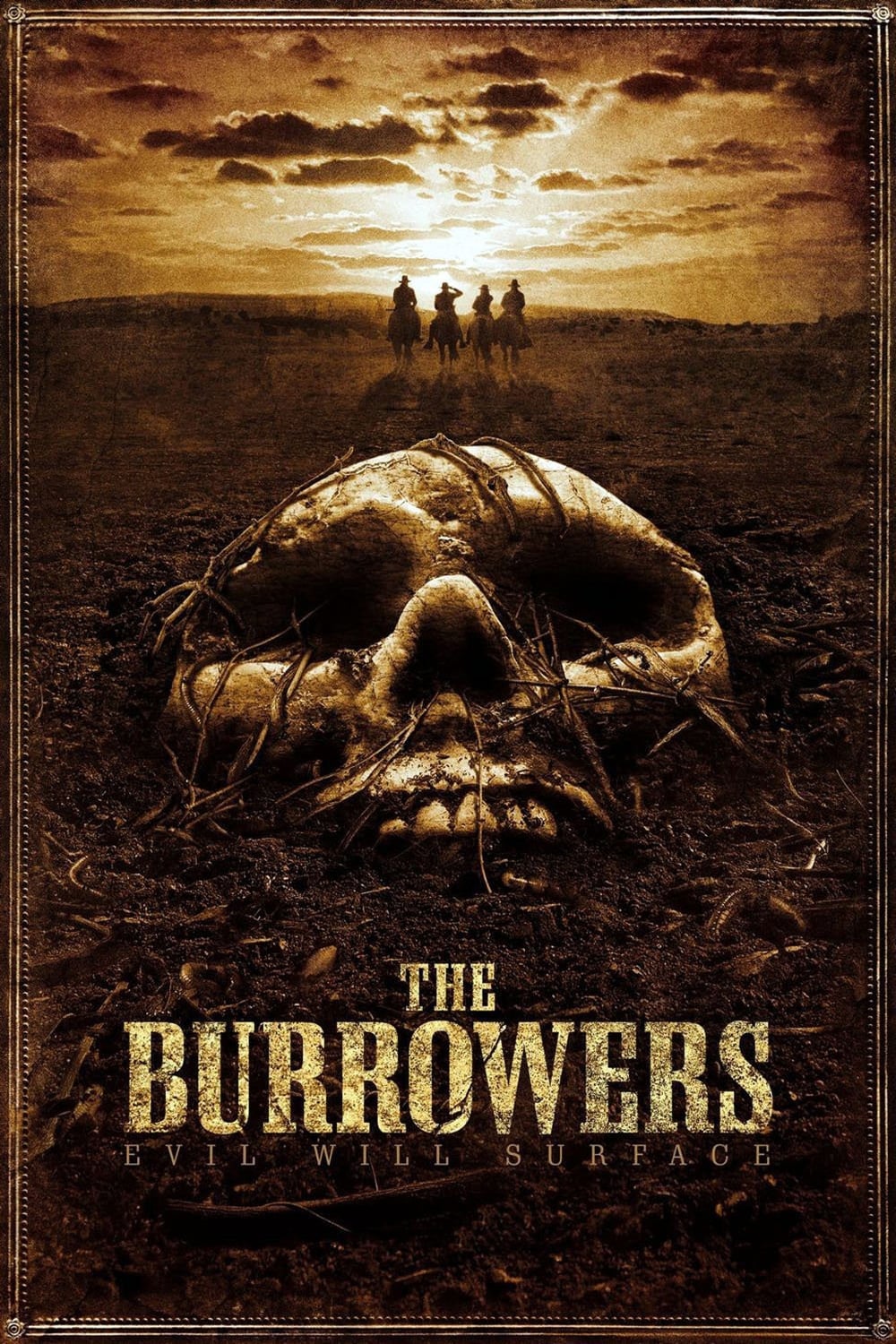
J. T. Petty writes and directs a creature feature set on the plains, with Clancy Brown, Karl Geary, and William Mapother among the cast. The film combines western iconography with subterranean horror, using South Dakota-style landscapes and practical creature work. It screened at genre festivals before a home-video release that found its audience.
The plot dispatches a search party that encounters military patrols and unfamiliar threats underground. Costumes and props reflect militia supply lines—cartridge boxes, bedrolls, and entrenching tools—while the effects team engineered collapsible earth sets for close-quarters sequences.
‘Dead Man’ (1995)
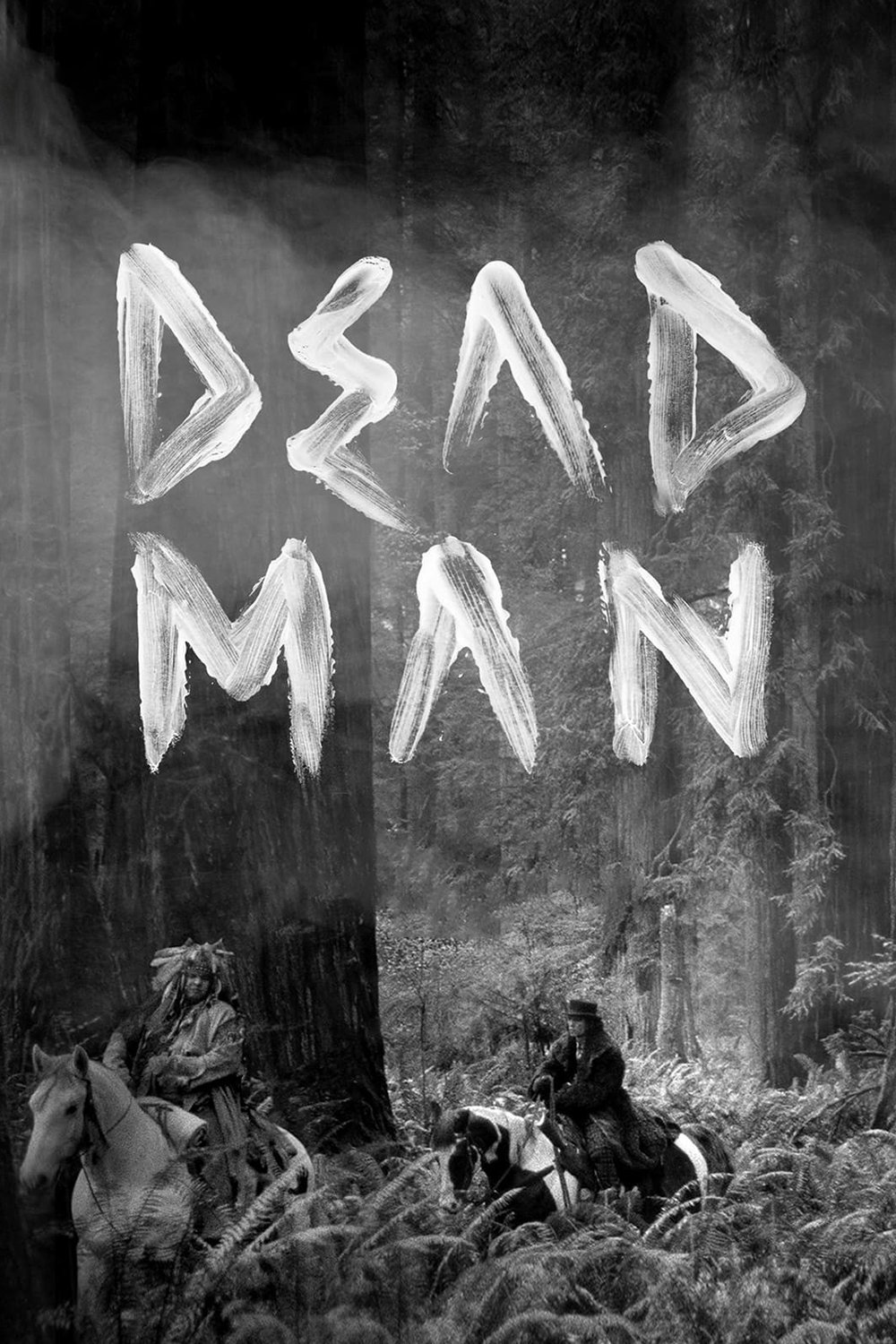
Jim Jarmusch directs Johnny Depp and Gary Farmer in a black-and-white odyssey scored by Neil Young’s live-improvised electric guitar. Cinematographer Robby Müller used monochrome stock to capture forests, rivers, and makeshift towns, and the production traveled through the American West and Pacific Northwest to find weathered locations.
The script layers frontier industry, rail expansion, and itinerant labor into a journey narrative. Cameos from musicians and character actors populate camps and saloons, and the sound mix foregrounds rail clatter, river wash, and gunfire echo to build a hypnotic soundscape.
‘The Salvation’ (2014)
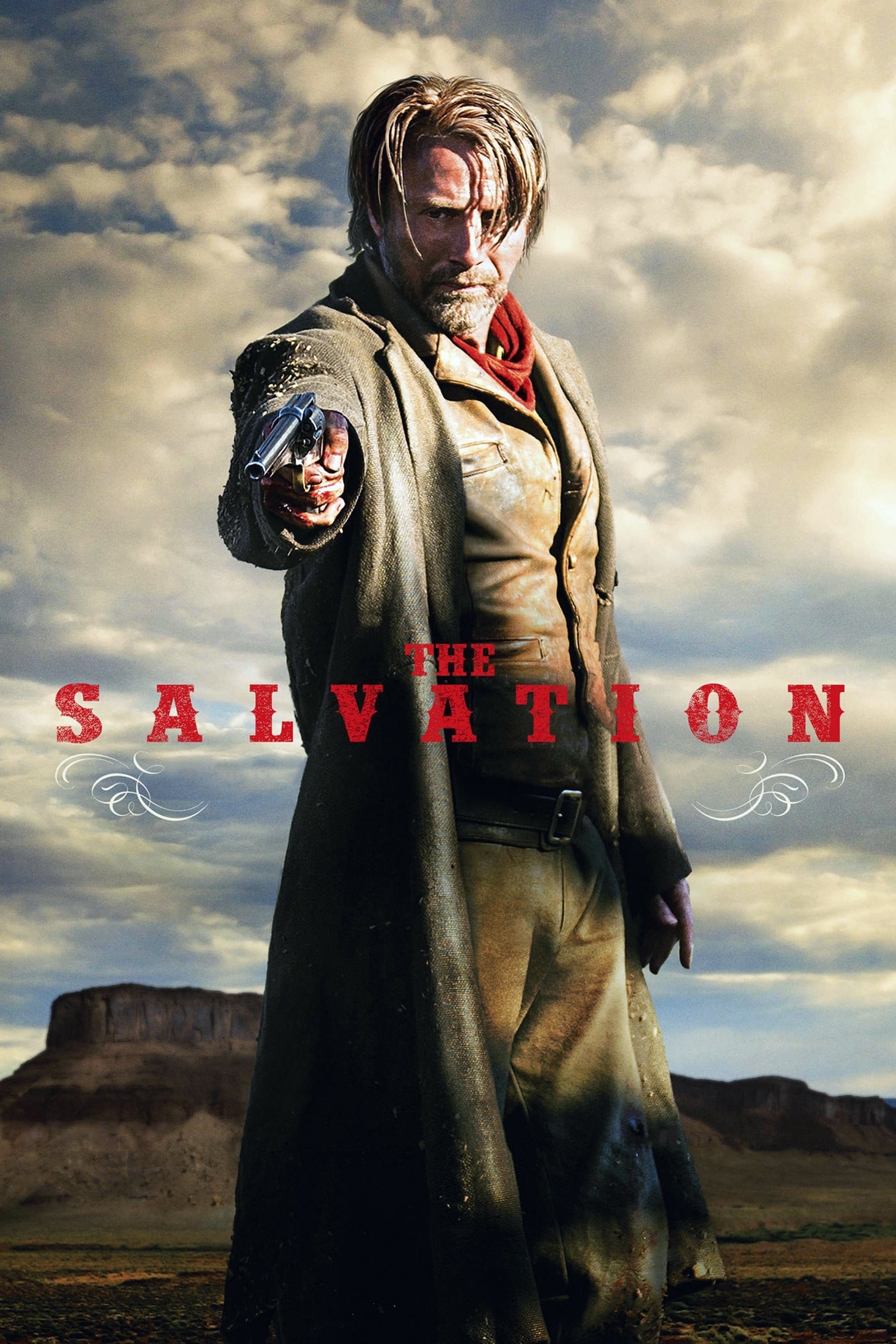
Kristian Levring directs Mads Mikkelsen, Eva Green, Jeffrey Dean Morgan, and Eric Cantona in a revenge-driven frontier story. Although American-set, the production filmed in South Africa, constructing a town with modular facades for fast redresses. The film screened on the Croisette, boosting its international visibility.
The narrative addresses immigration, land rights, and town protection rackets, with a strong emphasis on civic hierarchies—mayor, marshal, and businessmen—and their competing interests. Costume and props integrate immigrant garments, European firearms imports, and signage in multiple languages.
‘The Great Silence’ (1968)
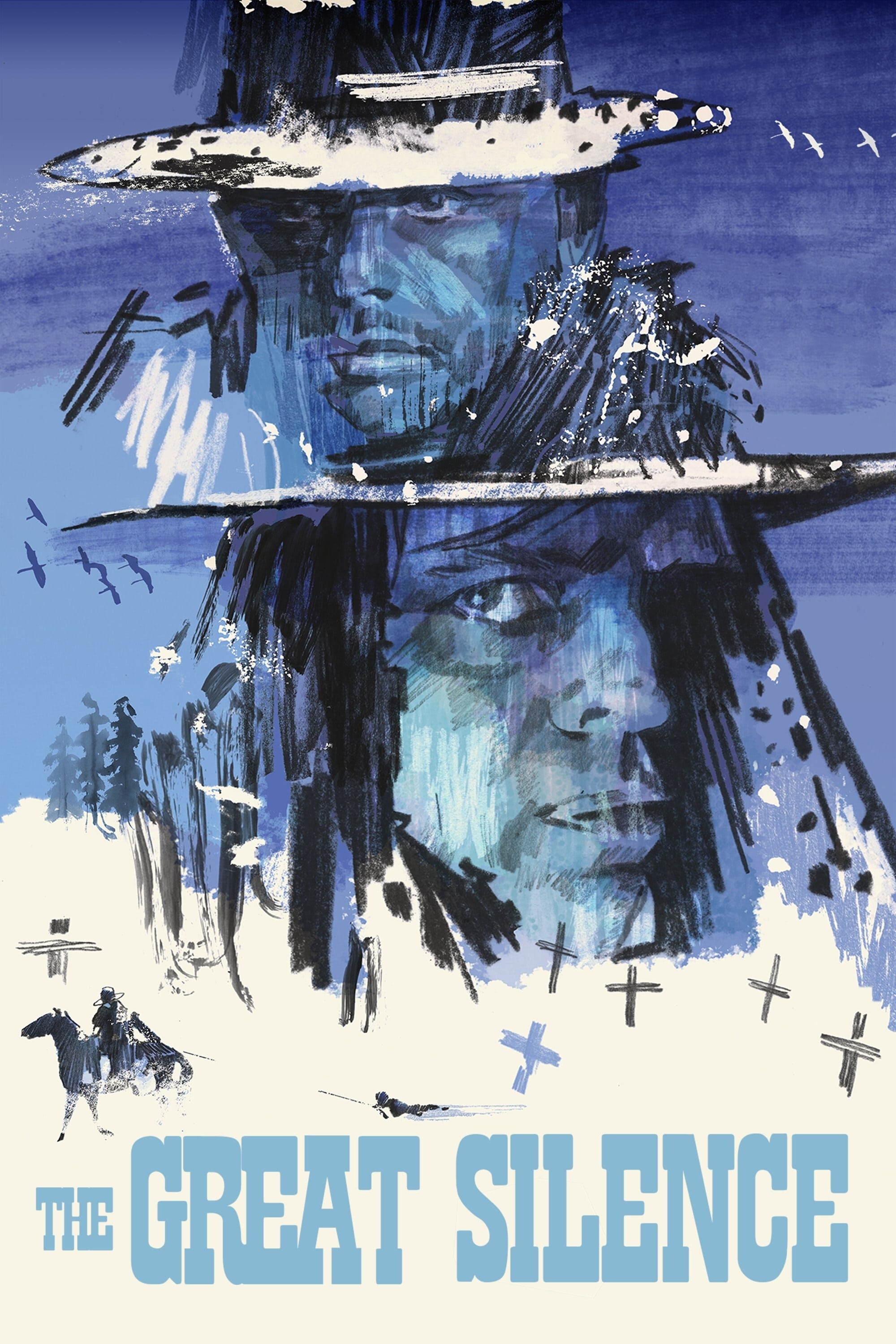
Sergio Corbucci directs Jean-Louis Trintignant and Klaus Kinski in a snowbound tale set around a mountain settlement. Shot in the Italian Alps and studio interiors, the film features an Ennio Morricone score that contrasts lyrical themes with stark imagery. The production designed heavy winter coats, sleighs, and snow-ready firearms to match conditions.
Its narrative pivots on bounty law and amnesties, with officials, outlaws, and townspeople intersecting under harsh weather. The cinematography embraces whiteout vistas, and the editing lets blizzards, avalanches, and muffled gunshots shape rhythm and atmosphere.
‘Open Range’ (2003)

Kevin Costner directs and co-stars with Robert Duvall and Annette Bening in a cattleman-versus-town boss conflict. The production built a full frontier town set in Alberta, with working interiors for fluid camera movement between street and rooms. The crew scheduled daylight scenes around frequent prairie storms to capture shifting cloud banks.
The script incorporates open-range grazing law, trail drives, and supply chains, and the armorer equipped characters with holsters and long guns consistent with ranch work. Production sound recorded spurs, leather, and rain on wood to give everyday actions tactile presence.
‘The Long Riders’ (1980)
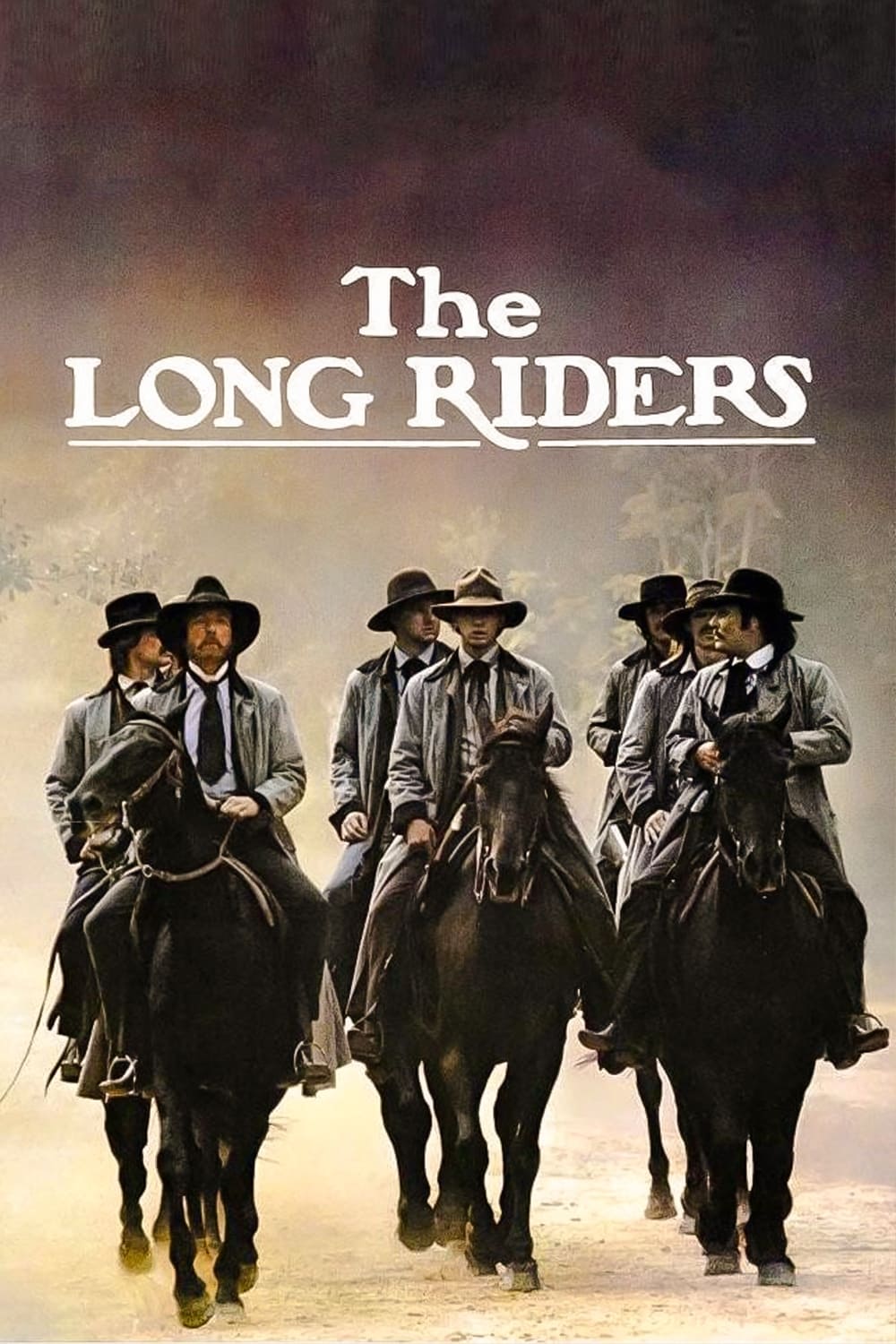
Walter Hill directs a dramatization of the James-Younger gang, casting real-life acting brothers—the Carradines, Keaches, Quaids, and Guests—to play outlaw siblings. Ry Cooder provides the score, and the production staged train and bank robberies with practical stunts and period rolling stock. Location work included rural towns that allowed for large-scale shootouts.
The film details posse organization, Pinkerton tactics, and the aftermath of the Northfield raid. Wardrobe differentiates gang members by region and means, while makeup tracks injuries and dust accumulation across extended chases.
‘Jane Got a Gun’ (2015)

Directed by Gavin O’Connor and starring Natalie Portman, Joel Edgerton, and Ewan McGregor, the film overcame a high-profile director change during pre-production. New Mexico served as the primary location base, where the art department built a homestead compound with defensible chokepoints designed into the layout.
The story revolves around siege planning and frontier community ties, with flashbacks detailing prior alliances. The production used multiple prop builds of the same weapons to handle blank-fire, close-up, and stunt requirements, and the score keeps to restrained motifs to support tension.
‘The Assassination of Jesse James by the Coward Robert Ford’ (2007)
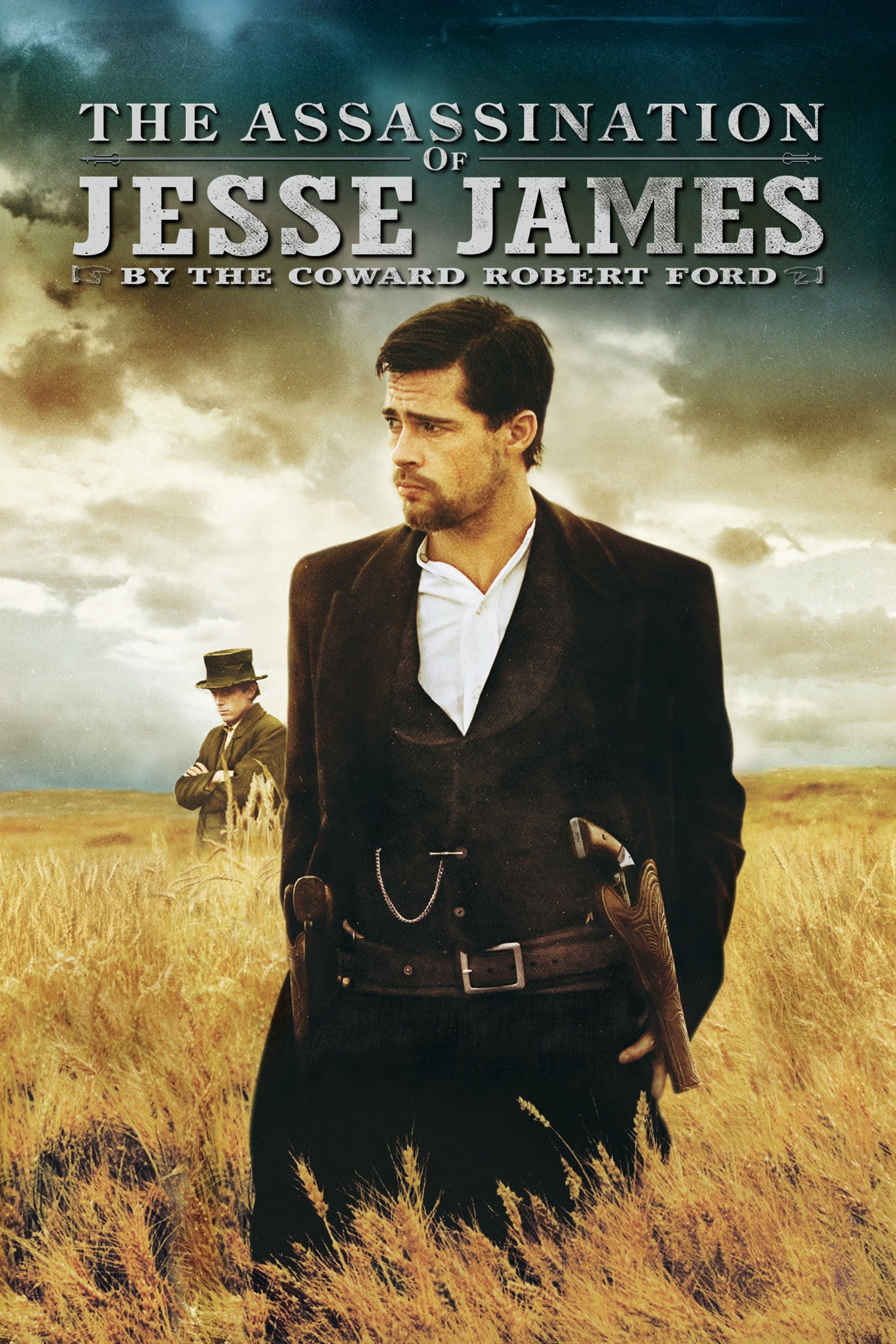
Andrew Dominik directs Brad Pitt and Casey Affleck, with cinematography by Roger Deakins notable for lens vignetting and low-light photography. The production shot extensively in Alberta and Manitoba, building farmhouses and depots to period specifications. Narration by Hugh Ross threads historical context through the timeline.
The film follows the latter phase of an outlaw’s career and the dynamics within his circle, using letters, newspapers, and public events to mark changes in reputation. Costuming tracks social class across rural and urban settings, while the mix blends ambient creaks, train whistles, and quiet interiors to underscore surveillance and paranoia.
‘Sweetgrass’ (2009)
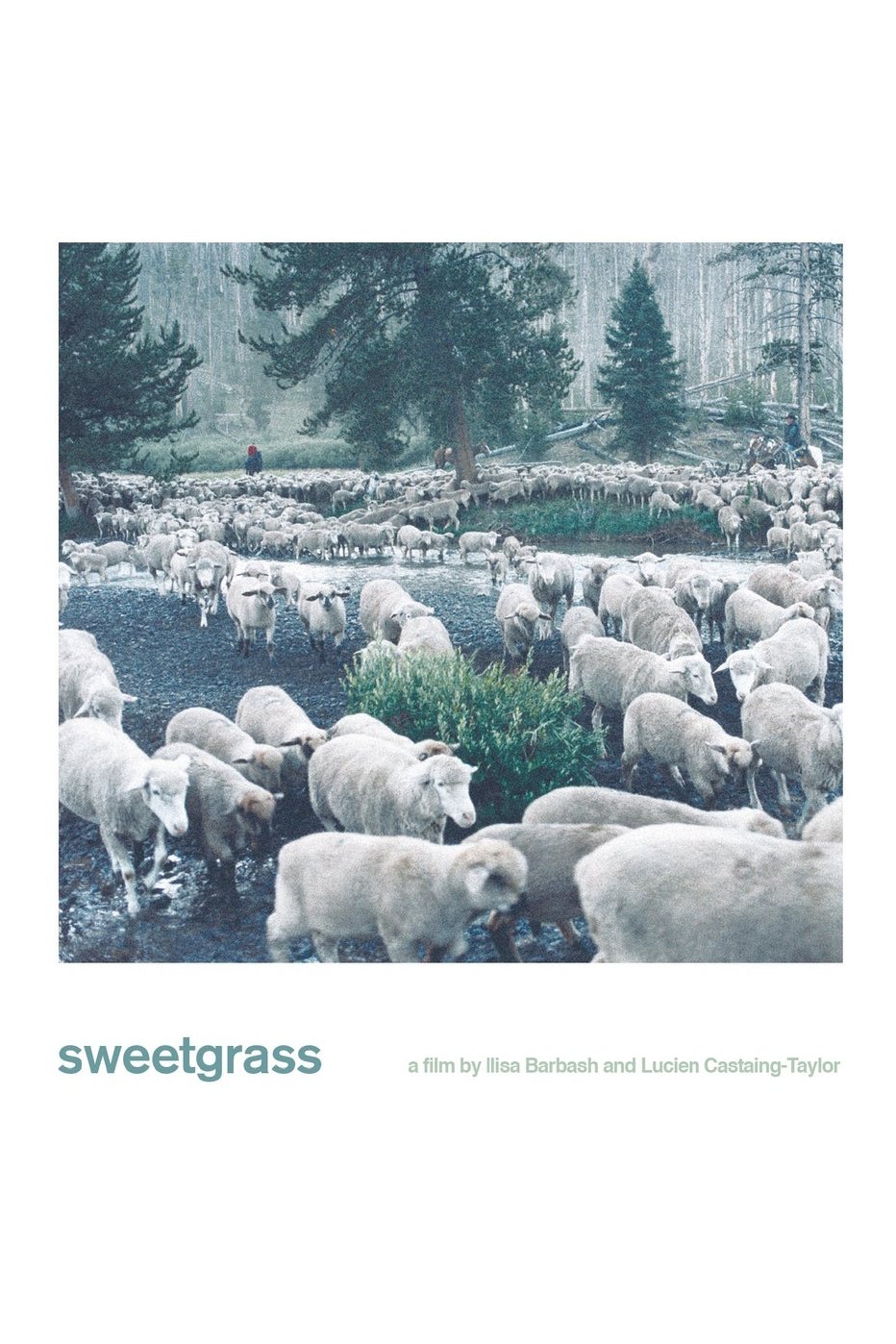
Lucien Castaing-Taylor and Ilisa Barbash direct a nonfiction portrait of modern-day sheepherders driving flocks through public land in Montana. The production team embedded with ranch workers for months, recording long treks, camp routines, and high-country passes with minimal intrusion. The film’s observational approach relies on sync sound and extended takes.
It documents grazing permits, herding dogs, and seasonal labor patterns, capturing the logistics of moving animals across rugged terrain. Post-production preserves natural sound—bleats, wind, stream crossings—eschewing narration to let process and landscape speak.
‘The Ballad of Buster Scruggs’ (2018)
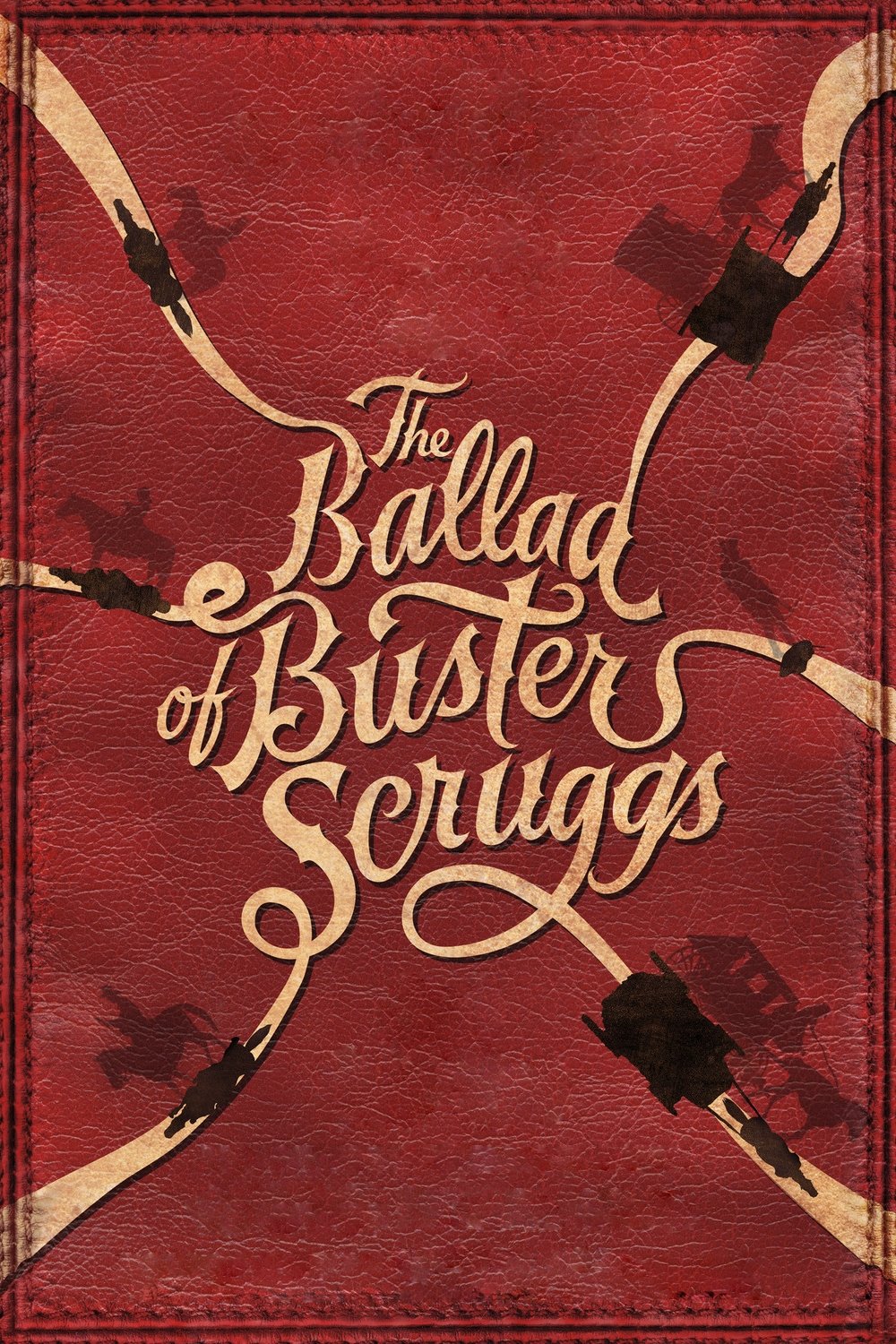
Written and directed by Joel and Ethan Coen, this anthology western comprises six distinct segments featuring performers including Tim Blake Nelson, James Franco, Liam Neeson, Tom Waits, Zoe Kazan, and Brendan Gleeson. Cinematographer Bruno Delbonnel shot the project with a classical widescreen approach, and Carter Burwell composed the score, while production design by Jess Gonchor and costumes by Mary Zophres built out saloons, wagon trains, and frontier towns across varied terrains. The film premiered on the European festival circuit and was distributed globally by Netflix, using a day-and-date streaming strategy to reach a wide audience.
Each chapter examines a separate facet of frontier life—show business, prospecting, bank robbery, wagon migration, and closing-time camaraderie—linked by printed storybook chapter cards and a consistent visual grammar. The production balanced location work with interior builds, coordinated large background ensembles and livestock, and staged period-accurate weaponry and transport. Editorially, the structure allows shifts in tone while maintaining continuity through recurring musical motifs, sound design that highlights wind and open space, and tight prop continuity to track tools, clothing wear, and travel logistics.
Share your favorite lesser-known westerns in the comments so others can add them to their watchlist!

