What Inspired Netflix’s ‘Gentle Monster’? The Disturbing Real-Life Origins Behind the Drama

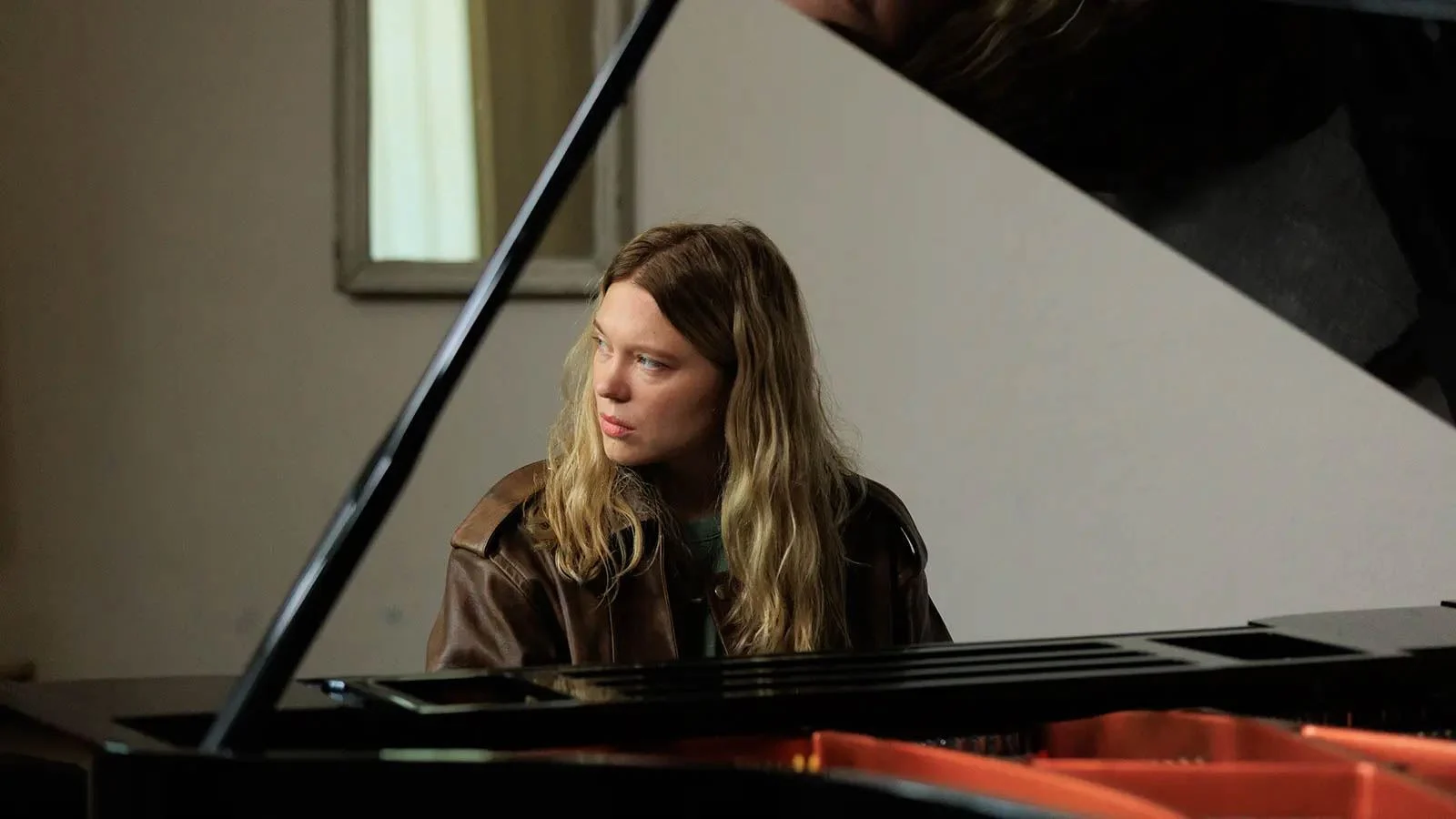
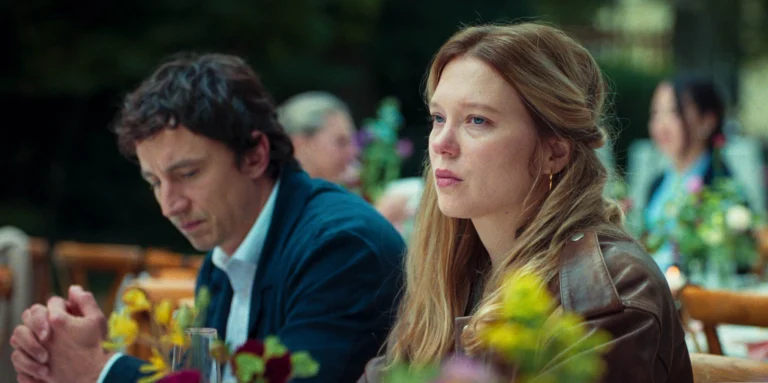
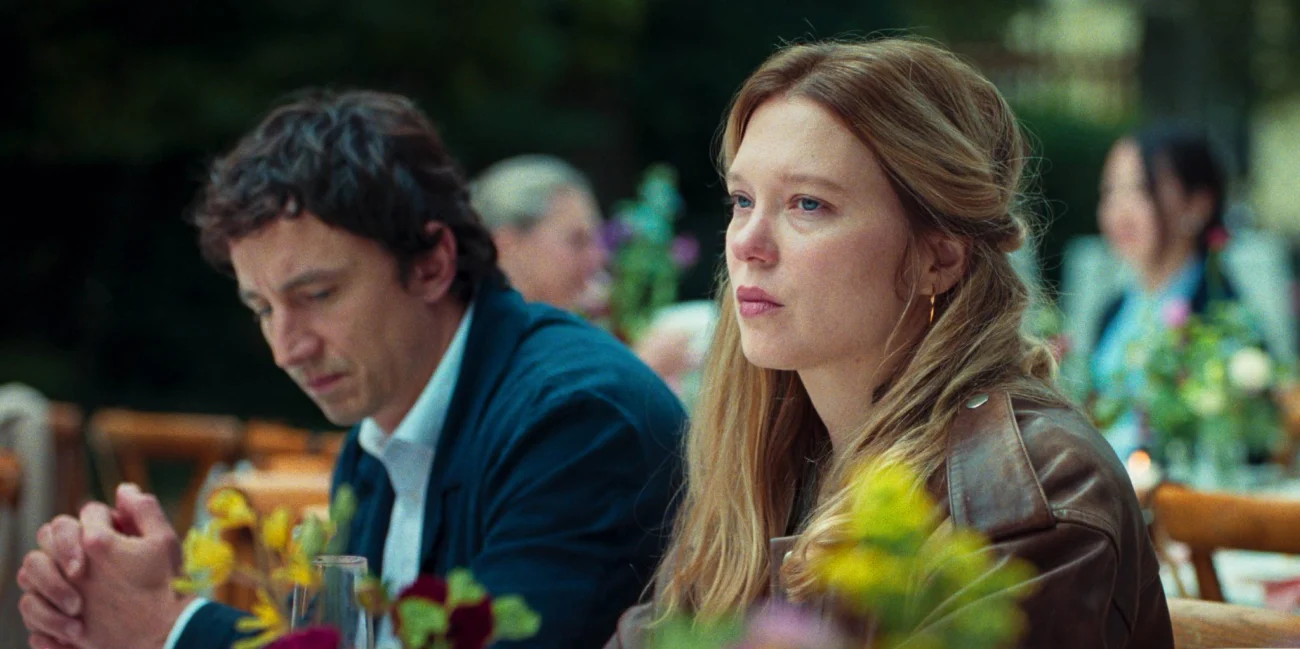
Arriving on Netflix on Nov. 18, 2026, following a limited theatrical run that began Oct. 30, Austrian writer-director Marie Kreutzer’s psychological drama ‘Gentle Monster’ constructs an idyllic domestic life only to shatter it within minutes. French star Léa Seydoux plays Lucy Weiss, a celebrated concert pianist who relocates from the city to the German countryside with her husband, filmmaker Philip (Laurence Rupp), and their young son, Johnny (Malo Blanchet), hoping to ease Philip’s burnout. Their peaceful retreat collapses one morning when special investigator Elsa Kühn (Jella Haase) arrives with a warrant to seize Philip’s computers and phones.
Co-produced across Austria, Germany, and France and featuring Catherine Deneuve as Lucy’s mother, Eloise, the film marks a stark tonal shift for Kreutzer after her acclaimed 2022 historical drama ‘Corsage’. Following its competition premiere at the 79th Cannes Film Festival in May 2026, where it drew a six-minute standing ovation, Netflix acquired distribution rights across North America, the United Kingdom, Australia, and New Zealand. With festival stops at Telluride, Toronto, and London, alongside a European Actress nod for Seydoux at the 39th European Film Awards, viewers are wondering what Netflix’s ‘Gentle Monster’ is based on.
The 2020 German Newspaper Report That Sparked ‘Gentle Monster’
Rather than adapting a book or dramatizing one family’s biography, Kreutzer built ‘Gentle Monster’ from an unsettling real-world reckoning that began in summer 2020. While securing financing for ‘Corsage’, she read an explicit report in the German weekly Die Zeit exposing a vast child sexual abuse ring linked to 30,000 people. “I couldn’t even finish the article that day because it made me feel physically sick,” Kreutzer recalled to Festival de Cannes, noting she was at a public pool with her children and suddenly saw surrounding families differently.
The July 23, 2020, Die Zeit investigation covered the Bergisch Gladbach case in North Rhine-Westphalia, showing Kreutzer that perpetrators are rarely shadowy strangers. Statistically, she realized she must know both victims and offenders in everyday life, prompting her to interview German police, lawyers, psychologists, and child protection groups for authenticity. True to her belief that what audiences do not see is far more terrorizing, the film centers strictly on the women confronting these suspicions.
How the Florian Teichtmeister Scandal Reshaped the Script
Kreutzer had already outlined the project under the working title ‘Johnny Maccaroni’ and received Austrian script funding in 2021. Then, in January 2023, real life collided with her screenplay when Austrian actor Florian Teichtmeister, who played Emperor Franz Joseph I in ‘Corsage’, was charged with possessing child pornography. That September, Teichtmeister pleaded guilty and received a two-year suspended prison sentence after investigators uncovered roughly 76,000 illegal files on his devices.
The scandal fueled intense criticism in Austria over Kreutzer’s handling of rumors and abuse allegations tied to ‘Corsage’. Although she initially feared the film would permanently remain tied to Teichtmeister, she rewrote the script through 2024 to examine how easily people overlook red flags in those they love. “The monstrous or evil thing can come from a very nice person,” she explained to Variety, underscoring her refusal to cast villains as obvious monsters.
From Cannes Backing to the Surprising Origin of the Title
Securing backing for such provocative material proved challenging, even as Kreutzer emphasized emotional restraint over courtroom melodrama. In May 2025, producers Alexander Glehr and Johanna Scherz won the €20,000 ArteKino International Prize at the Cannes Marché du Film’s Investors Circle. “Filmmaking is a really big mountain, and what happens before the premiere – to get a film made – is a very long climb,” Kreutzer told Screen Daily, noting how crucial dedicated investors were to realizing the project.
Filming occurred in late 2025 across Germany and Austria, where Seydoux learned her German lines phonetically and sang on screen for the first time with arrangements by Oscar winner Camille. Meanwhile, the finished title carries a wry double meaning beyond its chilling premise. After dropping ‘Johnny Maccaroni’, Kreutzer reportedly named ‘Gentle Monster’ after the South Korean sunglasses brand whose frames sat on her desk as she wrote, nodding to both an affectionate exterior and how people shield their eyes from uncomfortable truths.
Let us know in the comments below whether you plan to watch ‘Gentle Monster’ on Netflix and what you think of Marie Kreutzer drawing inspiration from these unsettling real-world events.