What Is Netflix’s ‘Gordon’ Based On? The True Story and Novels Behind the Series

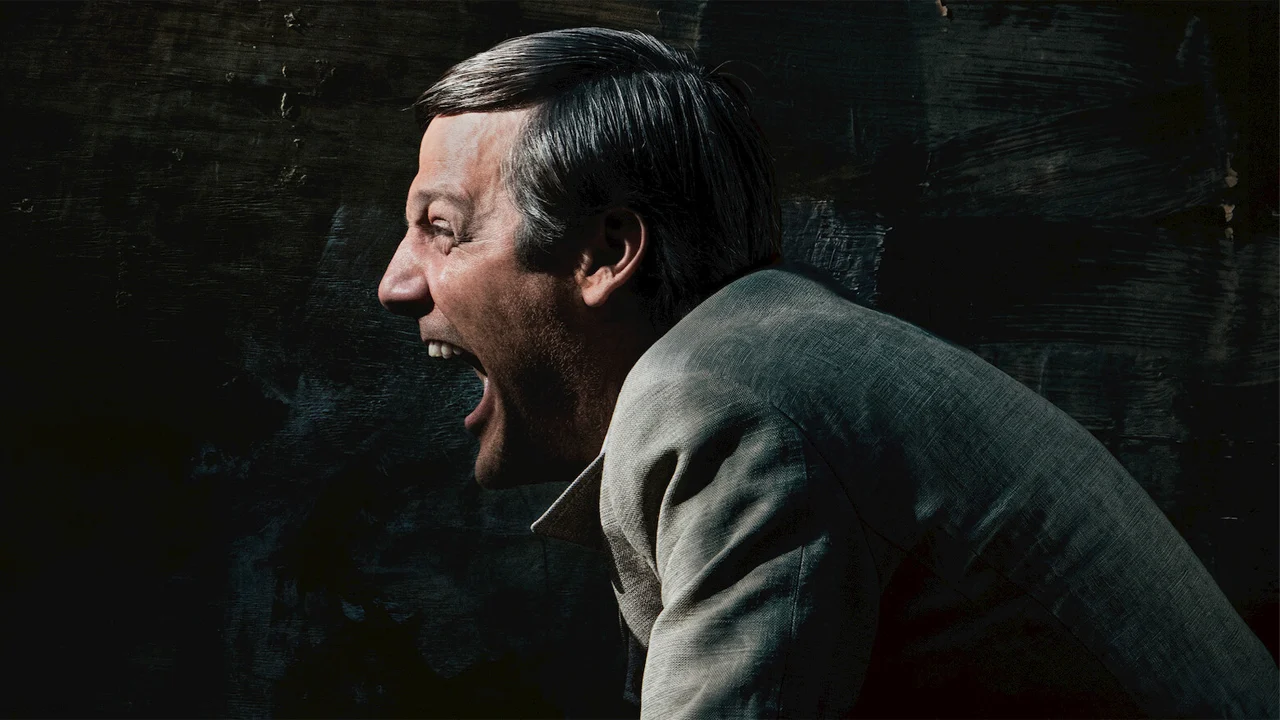
Netflix’s expanding slate of international thrillers delivers a dark new entry with ‘Gordon’, an Argentine limited series arriving globally on November 18, 2026. Headlined by ‘Money Heist’ star Rodrigo de la Serna and steered by directors Pablo Trapero and Pablo Fendrik, the seven-episode drama plunges viewers into a volatile underworld. Built on gritty period atmosphere and mounting psychological tension, the production stands out as one of South America’s most ambitious streaming releases of the year.
Over the past decade, Argentine cinema and streaming television have increasingly examined the murky terrain where street crime collides with political power. For Trapero, stepping behind the camera for ‘Gordon’ marks a return to filming in Argentina after eight years working on international series like ‘ZeroZeroZero’ and ‘Echo 3’. The project also reconnects him with the uncompromising true-crime sensibility that powered his acclaimed 2015 feature ‘The Clan’.
The Novels and Real-Life History Behind ‘Gordon’
Rather than an invented crime saga, Netflix’s ‘Gordon’ is adapted from two historical novels by Argentine journalist and historian Marcelo Larraquy: Gordon, published in March 2025, and its August 2026 sequel, Gordon, el aniquilador. Alongside documented events, those books trace the rise of Aníbal Gordon, a career thief who became an intelligence operative, Triple A death squad enforcer, and clandestine detention center commander in 1970s Argentina.
Before writing Gordon, Larraquy spent decades documenting Argentine political violence in nonfiction books like López Rega and Galimberti. After four years scouring judicial archives and testimonies, he turned to fiction to capture how a common robber infiltrated state security circles, later collaborating directly with Trapero and co-writer Marcos Osorio Vidal on the television scripts.
Across seven episodes set primarily between 1970 and 1976, de la Serna charts Gordon’s shift from a seemingly ordinary family man into an agent of state-backed terror. Describing a protagonist who acts like a “sci-fi portal, opening doors to Argentina’s different universes of the time,” Trapero told Variety how Gordon’s trajectory exposes the fractured institutions of that era.
Who Was the Real Aníbal Gordon?
Born in Colón in Buenos Aires Province in 1930, the real Aníbal Gordon compiled a police record for car thefts and armed robberies starting in the early 1950s. His notoriety surged on February 26, 1971, when his crew robbed the Banco Provincia de Río Negro in San Carlos de Bariloche. Considered one of Patagonia’s biggest bank heists, that crime opens Larraquy’s first novel.
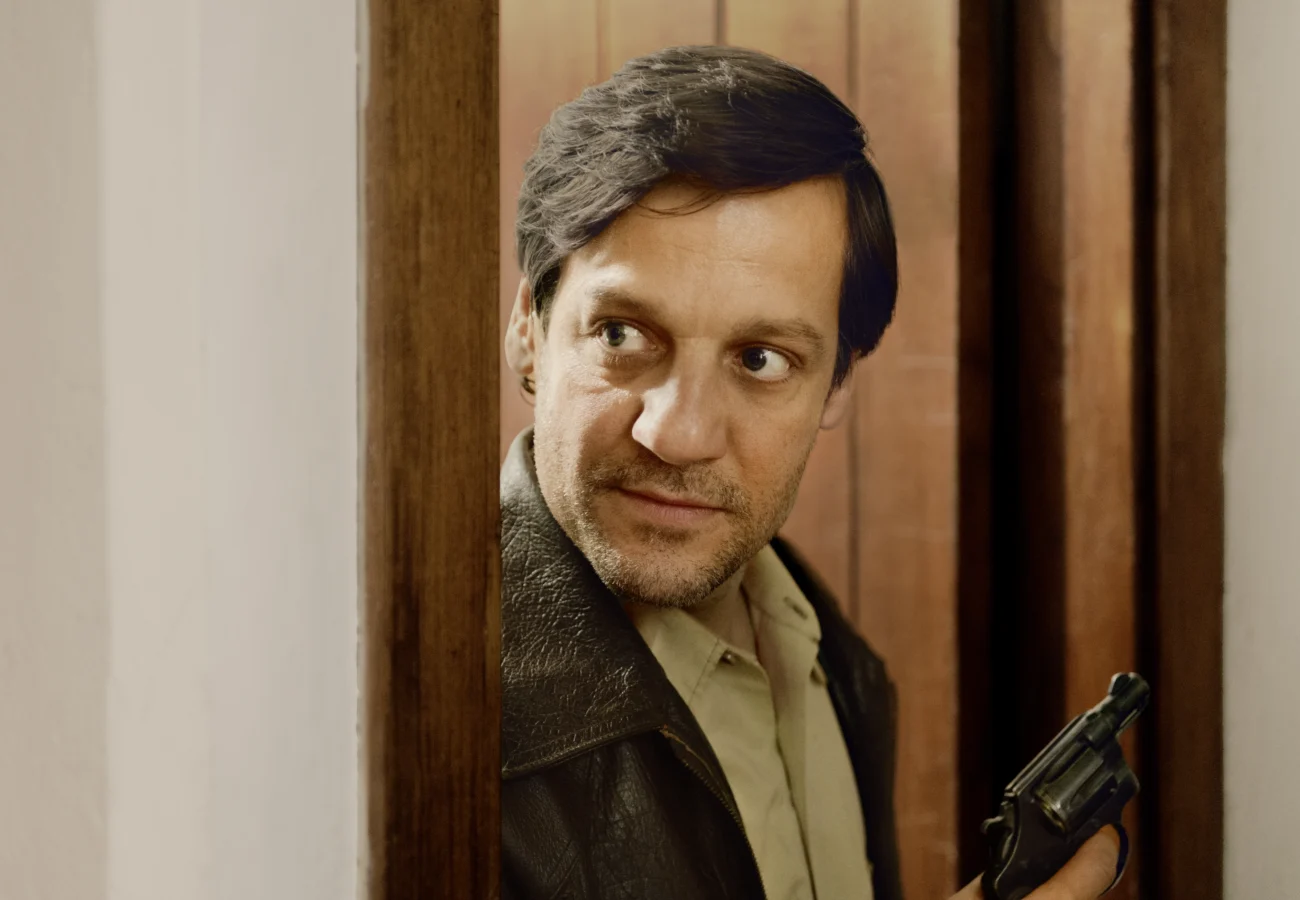
After serving time in Devoto prison and walking free under a 1973 amnesty, Gordon deepened his ties with Argentina’s State Intelligence Secretariat, the SIDE, working for the agency between 1968 and 1984. Operating under aliases like “Silva” and “Coronel Ezcurra,” he joined the far-right Alianza Anticomunista Argentina, or Triple A. Within that paramilitary group, he participated in political kidnappings and killings amid fierce ideological clashes.
Following the March 1976 military coup, Gordon led Grupo de Tareas 18 and commanded Automotores Orletti, a clandestine torture center in Buenos Aires’ Floresta neighborhood tied to Operation Condor. Arrested in Córdoba Province in January 1984 for kidnapping activist Guillermo Patricio Kelly, he received a 16-year prison sentence in 1986 for political murders. Gordon died of lung cancer behind bars on September 13, 1987.
Bringing a Polarizing History to Screen
Rather than glamorizing Gordon’s ascent, the series dissects the cold, bureaucratic mechanics of his brutality. “For Gordon, violence was a commodity,” Trapero explained to Página/12, noting that he and his lead envisioned someone “who made violence his job, just like there are guys who get up and go to the office or to work at the bakery”.
Stepping into a figure whose crimes still haunt Argentina’s collective memory demanded confronting an utter lack of empathy. “He’s a psychopath,” de la Serna told La Nación at the start of his interview, adding that as institutional order collapsed, “Gordon began to realize that he no longer needed that social mask and started to become the monster he truly is”.
Produced by Adrián Suar and Diego Andrasnik through Preludio Producciones, the seven-month shoot across Buenos Aires and Bariloche also features Matías Recalt, Camila Peralta, Fiorella Bottaioli, Agustín Pardella, and Matías Mayer. Its road to Netflix even survived a January 2026 legal challenge, when a Buenos Aires civil appeals court dismissed an injunction filed by one of Gordon’s daughters, ruling that halting the release would amount to prior censorship.
Will you be tuning in to Netflix’s ‘Gordon’, and how do you think prestige dramas should adapt real figures from dark chapters of political history—share your thoughts in the comments!