What Is Netflix’s ‘The Law of Beasts’ Based On? The Real Case Behind the Series

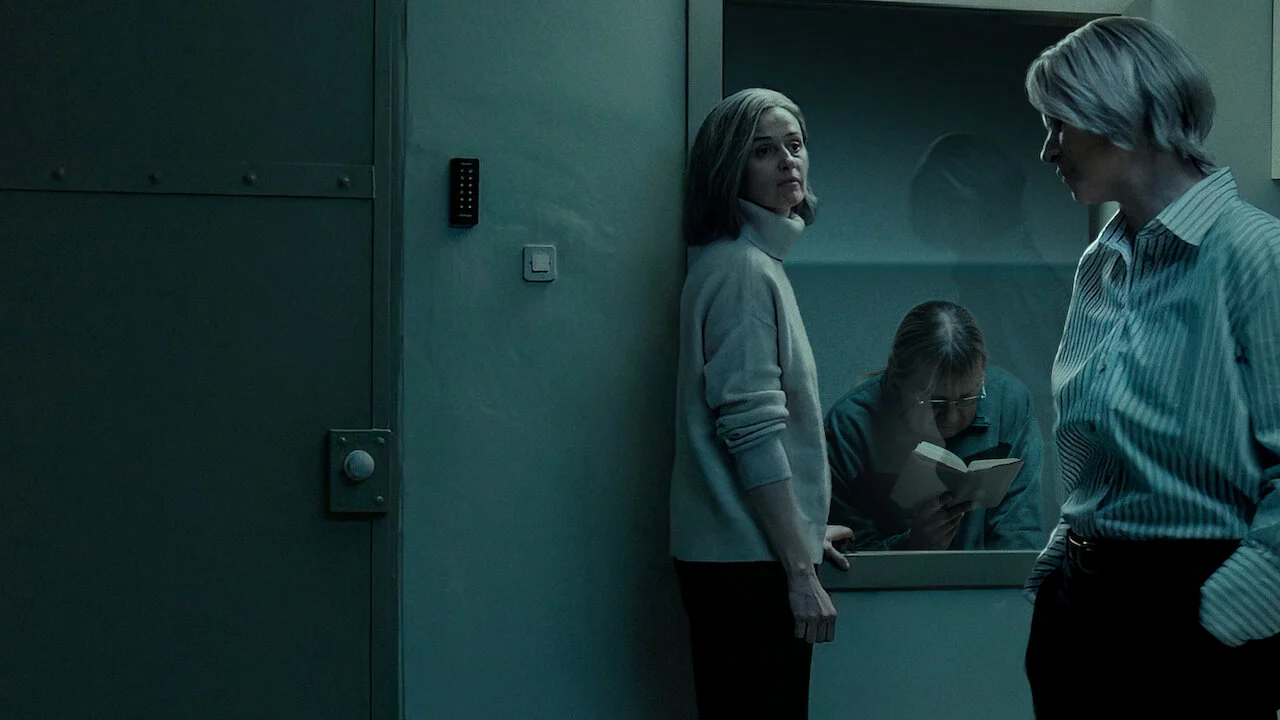
Netflix’s slate of Polish originals has drawn wide attention in recent years by turning unflinching historical scrutiny into gripping drama. Premiering on November 18, 2026, the four-episode limited series ‘The Law of Beasts’—titled ‘Prawo bestii’ in Poland—continues that momentum with a tense psychological thriller steeped in moral ambiguity. Rather than relying on sensational true-crime spectacle, it examines how institutional pressure tests personal loyalties and the rule of law.
Directed by Kasper Bajon and co-written with Anna Kasińska, the drama reunites a creative team acclaimed for ‘High Water’ and ‘The Mire’. Spanning two timelines 25 years apart, ‘The Law of Beasts’ stars Agnieszka Grochowska and Agnieszka Żulewska as estranged friends pulled back into a national crisis. Ahead of the 45-minute episodes’ release, viewers are asking which real events inspired the story’s central conflict.
The Real Case Behind ‘The Law of Beasts’
‘The Law of Beasts’ draws directly from the 1988 criminal case of Mariusz Trynkiewicz and the later upheaval that produced Poland’s controversial “Beast Law,” or ustawa o bestiach. Portrayed by Michał Pawlik, Trynkiewicz was a real Polish serial killer whose crimes and impending prison release ignited a national clash over public safety and constitutional rights.
Rather than staging a documentary reconstruction, Bajon uses that history to examine the toll of state duty. “While inspired by true events, at its heart this is a story about people who, in serving the state and its institutions, are forced to make impossible choices. It explores what happens when the law, our sense of justice and the need to keep society safe cannot be reconciled,” Bajon said in Netflix’s announcement.
The 1988 Murders and the 1989 Amnesty Loophole
The tragedy began in July 1988 in Piotrków Trybunalski, where Trynkiewicz taught physical education. While on temporary prison leave to care for his sick mother during a sentence for abusing boys, he lured and murdered four boys aged 11 to 13 before burning their bodies in the woods.
Ruled sane at trial, Trynkiewicz received four separate death sentences on September 29, 1989. Because an informal execution moratorium was already in place, Poland’s 1989 amnesty commuted his penalty to 25 years behind bars. With the criminal code lacking life imprisonment then, that loophole meant he was due for release in 2014.
What Poland’s “Beast Law” Actually Did
As Trynkiewicz’s February 11, 2014 release neared, lawmakers enacted emergency legislation on November 22, 2013, taking effect in January 2014. Dubbed the “Beast Law” or Lex Trynkiewicz, the act let courts place offenders with mental disorders posing severe threats under preventive supervision or indefinite confinement in Gostynin after their sentences ended.
The day Trynkiewicz’s term expired, authorities cited suspicious drawings found in his cell, sparking debate over whether officials were scrambling to re-arrest him. “Thanks to these drawings, the state has a chance to solve the Trynkiewicz problem and, at the moment he walks free, press charges against him on the grounds that he is providing evidence of his deviance,” Rzeczpospolita editor-in-chief Bogusław Chrabota argued in a broadcast on Polskie Radio Trójka.
Trynkiewicz was briefly freed on February 11, 2014, before a court ordered him into the closed Gostynin center on March 3, 2014. The Helsinki Foundation for Human Rights and Poland’s ombudsman warned the statute risked retroactive and double punishment. Later convicted of possessing child sexual abuse images, he died in a Gdańsk Detention Center hospital ward on January 9, 2025, at 62.
Fact vs. Fiction in Netflix’s Adaptation
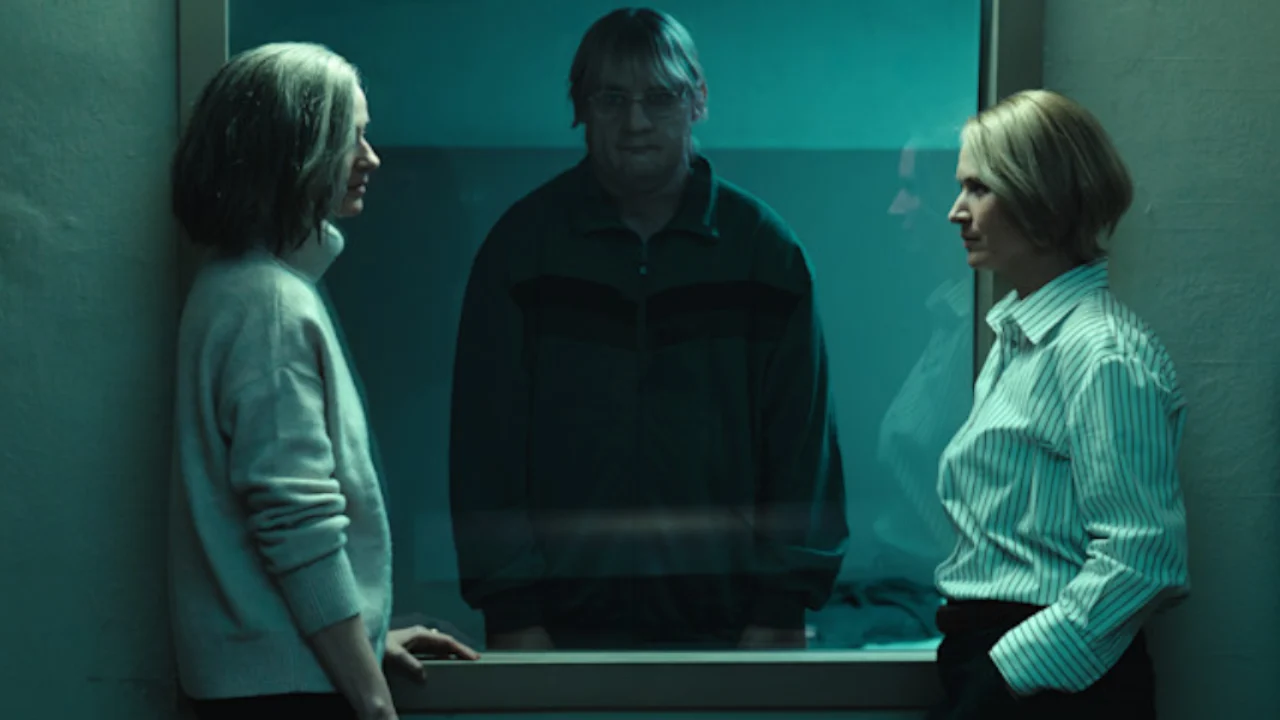
While the crimes and Gostynin law are historical, Netflix stresses that the drama’s emotional core is fictional. Grochowska plays Citizens’ Militia Major Anna Bersz, who leads the 1988 probe and becomes a 2014 government official, while Żulewska plays psychiatrist Agnieszka Grabska, whose sanity ruling shatters their bond. Both are composite figures shaped from real professionals—including women who worked the case—letting Bajon explore ethical dilemmas without claiming documentary accuracy.
Will you be watching ‘The Law of Beasts’ on Netflix, and how do you feel about the real case behind it—share your thoughts in the comments below!