What Really Happens to Lizzie in the Finale of Netflix’s ‘Monster: The Lizzie Borden Story’?



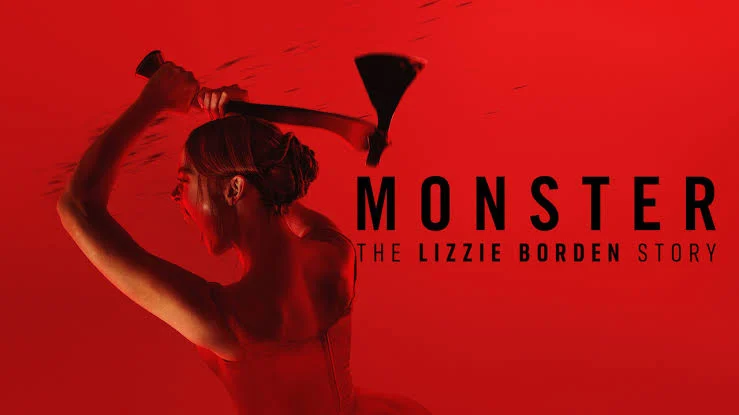
Ryan Murphy’s true crime anthology has done it again, leaving audiences stunned after the finale of ‘Monster: The Lizzie Borden Story‘ dropped on Netflix. The eight episode season ends with the episode Carnival, which focuses on the consequences of the murders and Lizzie’s legal battle.
Fans binging the series have been left with plenty of questions about how the story wraps up, especially since the show takes some major creative liberties with history. The eight-episode Netflix series does not simply retell the famous murder case, instead imagining what could have happened inside the Borden household and building a story around Lizzie’s anger, her relationship with her maid Maggie Sullivan, and her desperate need for freedom.
Does Lizzie Borden Get Convicted of the Murders?
Anyone who knows the real history already has a hint at how this ends, but the show still finds ways to surprise. Lizzie Borden is acquitted of murdering Andrew and Abby Borden, with the series following the historical outcome of her 1893 trial, when a jury found her not guilty after prosecutors failed to establish her guilt.
The prosecution tries everything it can to pin the crime on her, but the case simply does not hold up under scrutiny. The case against her remains largely circumstantial, and the finale brings the trial to its historical conclusion without providing a definitive solution to the question of who killed Andrew and Abby Borden.

What makes the show’s version so interesting is that it does not leave viewers guessing the way the real unsolved case does. While the historical case remains unsolved, the series depicts Lizzie and Maggie as responsible for Andrew and Abby Borden’s deaths, even though Lizzie’s later acquittal reflects the documented historical outcome of the trial.
Courtroom drama aside, the show also spends real energy explaining Emma’s surprising choice to support her sister. Lizzie’s freedom in the trial depends on weak physical evidence, her performance of innocence, and Emma’s loyalty, and her estranged sister improbably breaks away from prosecution and testifies in her favor instead, surprising nearly everyone in the room.
Lizzie and Maggie Sullivan After the Trial
Once the not guilty verdict comes down, Lizzie’s story does not simply end with her walking free. When Lizzie is acquitted, she has a whole new challenge ahead of her, figuring out what to do with herself next, and a dramatic falling out with her sister Emma leaves her alone in the world with nothing but her inheritance to keep her afloat.
Life after the trial is not the clean escape Lizzie hoped for either. By 1908 in the show’s timeline, she has built the home she always dreamed of. She’s fulfilled her dream of creating a home where no living creature feels fear, which she calls Maplecroft, a home with everything she ever wanted including animals of all kinds, a sprawling cherry tree orchard, and even electricity and indoor plumbing.
Maggie’s own path away from Lizzie is far from simple, and the finale makes clear their bond is never fully severed. She announces that she is leaving and promises never to return, giving Lizzie one final parting shot, saying she hopes on her deathbed Lizzie admits to what she did, while back in Ireland, Maggie’s own marriage is falling apart.
Playing Lizzie required more than just emotional commitment from Ella Beatty, since the physical demands of the role were significant too. Beatty has described how wearing the corset every single day was intense, limiting her ability to breathe and putting an immense amount of physical pressure on her lower body.
How Aileen Wuornos Connects to Lizzie’s Legacy
One of the boldest choices in ‘Monster: The Lizzie Borden Story’ is tying Lizzie’s legacy directly to a completely different killer decades later. The true end of Lizzie’s story takes place decades after her death, in the company of another killer, with episode four beginning in 1988, almost a hundred years after Lizzie and Maggie’s story, following Aileen Wuornos, a real life Florida sex worker who became a notorious serial killer.
The show frames Wuornos as someone who was, in a strange way, shaped by Lizzie’s infamy. As the series depicts it, Wuornos was inspired by Lizzie’s crimes, even staying in the Borden family home, which by then had become a bed and breakfast.
Aileen’s own ending is grim and historically accurate, standing in stark contrast to Lizzie’s fate. We watch as Aileen’s story ends very differently from Lizzie’s, as she is strapped to the table to be put to death, asking for Carnival by Natalie Merchant to be played as she prepares to be given the injection.
The finale brings these two women together one last time in a moment that is entirely fictional but emotionally loaded. After Aileen is executed by lethal injection, her eyes suddenly open, and waiting for her are Maggie and Lizzie, with Lizzie telling her that all is forgiven and all is understood.
What the Show Says About Lizzie’s Motive and Legacy
Beyond the plot mechanics, ‘Monster’ spends a lot of time trying to explain why Lizzie might have snapped in the first place. Lizzie wants freedom, control over her own life, and an escape from the restrictions of her family and society, and her anger becomes particularly intense after Abby kills Lizzie’s beloved doves, with Lizzie trying to get help from Andrew but not receiving the support she wanted.
Series creator Ian Brennan has been open about the thematic question driving the entire season. The series imagines the murders as the horrifying culmination of years of repression rather than a random act of violence, with Brennan explaining that the show is interested in whether monsters are born or made, using Lizzie’s story to explore the circumstances that could have shaped her rage.
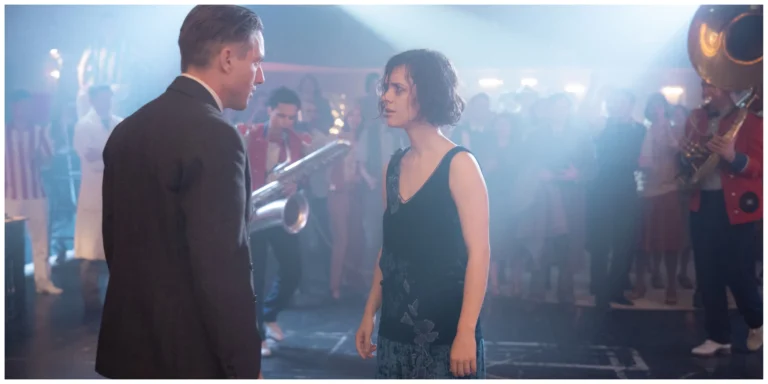
By the time the story catches up to 1911, Lizzie is forced to reckon with what public memory has turned her into. On Halloween, she comes face to face with a little girl dressed as her, a haunting reminder that her infamy has outlived any verdict a jury could hand down.
Netflix itself has framed the closing chapter as less about the murders and more about their long shadow. Netflix describes the finale as the point where Lizzie’s monstrous legacy begins to overwhelm her as she tries to figure out what comes next.
Between the courtroom twists, the doomed romance with Maggie, and that jaw dropping detour into Aileen Wuornos territory, ‘Monster: The Lizzie Borden Story’ clearly wants viewers arguing about who really swung that axe, so which theory has you convinced, the mysterious Portuguese man, Uncle John Morse, or Lizzie and Maggie all along.