Who Are the Giants in ‘The Odyssey’ and How Nolan Finally Brings Them to Life?


Homer’s ancient poem is packed with monsters, but few loom as large, literally, as the giants that stand between Odysseus and his long trip home. With Christopher Nolan’s blockbuster adaptation now in theaters, audiences are getting reacquainted with these towering threats in a way that finally matches the scale of the original story.
The film leans hard into the mythological chaos of the source material, and the giants are proving to be some of its most talked about set pieces. Between a man eating Cyclops and a horde of cannibal warriors, ‘The Odyssey‘ gives these creatures real weight instead of treating them as background spectacle.
The Cyclops Polyphemus in ‘The Odyssey’
The most famous giant in Homer’s tale is Polyphemus, the one eyed son of Poseidon who traps Odysseus and his men in his cave. Bill Irwin plays Polyphemus in Nolan’s film, using his puppetry and theater background to operate and voice the man eating giant. The character is eventually blinded by Odysseus and his crew as they scramble to escape his cave, a moment that has been central to the myth for centuries.
Casting a performer known for physical theater rather than a traditional action star has become one of the more interesting choices in the film’s ensemble.
Polyphemus appears alongside a broader cast of gods and monsters that Odysseus encounters on his journey, including the goddess Athena played by Zendaya, the sorceress Circe played by Samantha Morton, and the sea nymph Calypso played by Charlize Theron.
Reviewers have already zeroed in on how the Cyclops sequence plays on screen. One reviewer described the poem’s gore flecked cyclopses as part of the wild, frenetic fancy that Nolan finally embraces after years of more restrained filmmaking. That shift in tone is a notable departure for a director better known for grounded, cerebral blockbusters.
The Laestrygonians Cannibal Giants
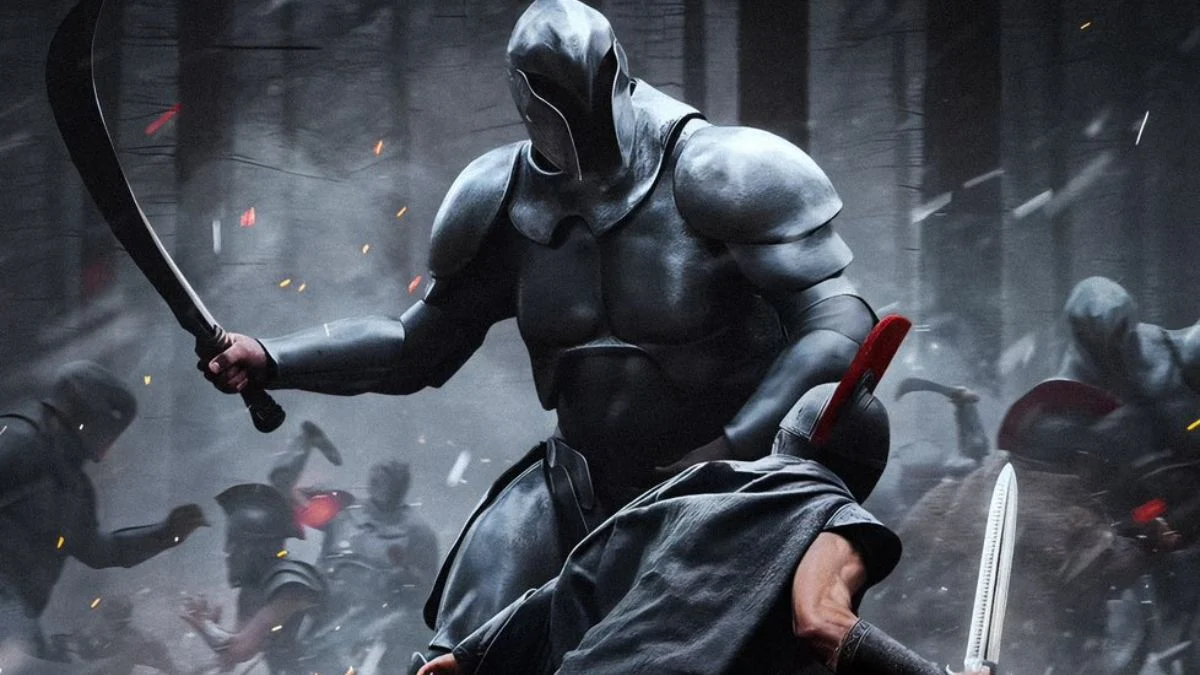
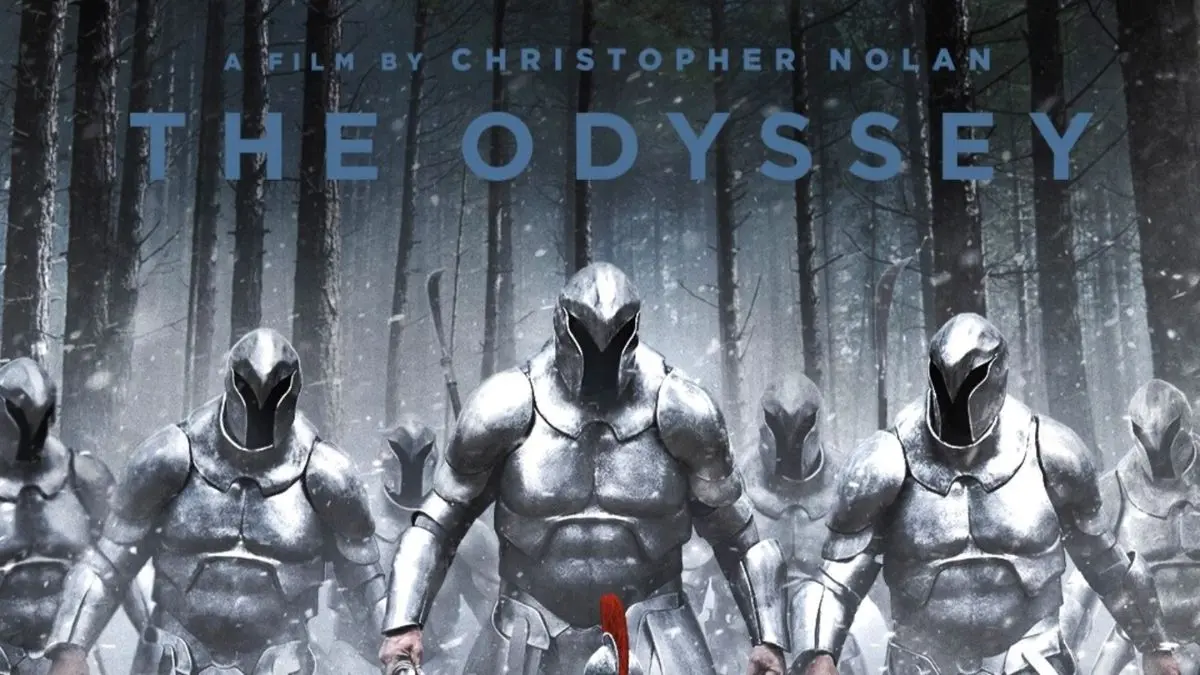
Beyond Polyphemus, ‘The Odyssey’ also brings the Laestrygonians to the screen, a race of giants known in the poem for attacking Odysseus and his fleet with boulders and turning his men into a meal. The crew’s clash with these cannibal giants pushes the film into genuinely punishing territory, and the sequence was shot in Scotland’s Culbin Forest using seven IMAX cameras.
What makes the sequence stand out is the commitment to practical filmmaking over digital shortcuts. The confrontation leans on perspective tricks and wire work rather than CGI, giving the giants a physical presence that feels tethered to the real world. For a story built almost entirely around monsters and gods, that grounded approach is a deliberate choice from Nolan.
The scale of the encounter has already become one of the film’s most anticipated moments among fans of the myth. The Laestrygonians sequence is being framed as a bruising highlight of the movie, staged with IMAX cameras and practical stunt work rather than leaning on visual effects. It is a sequence that fits neatly into the larger pattern of Nolan favoring in camera spectacle throughout his career.
Christopher Nolan’s ‘The Odyssey’ and Its Mythological Stakes
Critics have argued that these giants are not just there for scale, they are structurally necessary to the story Nolan is telling. One review noted that without its gods and monsters, ‘The Odyssey’ would essentially become the story of a man who goes out for a pack of smokes and never comes back, calling the mythological elements the magic the story needs. That framing puts real pressure on sequences like the Cyclops cave and the Laestrygonian attack to land.
Early reception suggests those sequences are indeed resonating with audiences and critics alike. Early reaction to the film’s mythological set pieces has been largely positive, with several outlets highlighting the giants as standout moments. For a film with this much star power, it says something that the monsters are getting just as much attention as the A list cast.
The giants also sit within a massive ensemble that includes some of Hollywood’s biggest names. Matt Damon stars as Odysseus, with Anne Hathaway as Penelope, Tom Holland as Telemachus, Zendaya as Athena, Robert Pattinson as the suitor Antinous, and John Leguizamo as Odysseus’ loyal friend Eumaeus. That the giants can still stand out in a cast this stacked speaks to how much care went into their execution.
How Nolan’s Odyssey Giants Compare to the Source Material
Part of what makes these giants land is how closely the film sticks to Homer’s original beats while still finding room for cinematic invention. Nolan confirmed that he tried to stay as true to the source material as possible, even as he made the choice to have the characters speak contemporary English dialogue. That balance between fidelity and modernization extends directly to how the giants are portrayed.
The film’s overall scale has also become a talking point on its own. Nolan’s passion for the Premium Large Format moviegoing experience peaks with ‘The Odyssey’, a gigantic undertaking that marks the first feature shot entirely with IMAX film cameras. That format choice gives the giants a scope that smaller productions simply could not achieve.
Not every choice has landed cleanly with audiences, though. The result is a meditative action movie both immense and intimate, albeit one whose flow is impeded by the inherently episodic nature of the nonlinear source material and some questionable casting choices. Even so, the giants themselves appear to be emerging as a highlight rather than a point of criticism.
With Polyphemus and the Laestrygonians now fully realized on an IMAX scale, which of Nolan’s giants left the biggest impression on you when you watched ‘The Odyssey’ in theaters.