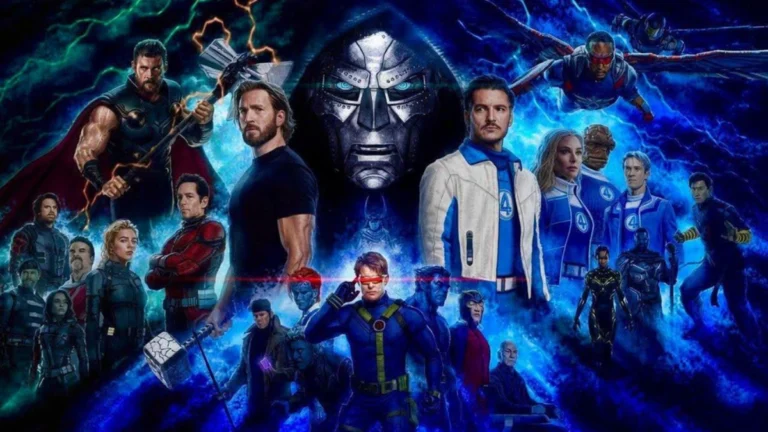
Who Were the Original X-Men? Marvel’s First Mutant Team Explained


Before Wolverine ever clawed his way onto a roster or Krakoa became a mutant nation, there was one small team of teenagers learning to control their powers under a wheelchair-bound genius. The original X-Men lineup is where it all started, and understanding that founding five says a lot about why the franchise has endured for over sixty years.
Marvel’s mutant team has changed shape more times than fans can count, but the core subject of who actually kicked things off remains a favorite topic among longtime readers. Here is a breakdown of the five founding members, the villain who gave them purpose, and how that original team laid the groundwork for everything that followed.
The Founding Five Members of the Original X-Men Team
The original ‘X-Men’ debuted in The X-Men number one, cover dated September 1963, a comic created by writer Stan Lee and artist Jack Kirby for Marvel Comics. That single issue introduced the founding team along with their mentor and their first major antagonist, setting the tone for decades of stories to come.
The five founding members were Scott Summers as Cyclops, Jean Grey as Marvel Girl, Hank McCoy as Beast, Warren Worthington III as Angel, and Bobby Drake as Iceman brought together by their mentor Charles Xavier, also known as Professor X. Cyclops is generally regarded as the first member recruited to the roster and one of the team’s primary leaders.
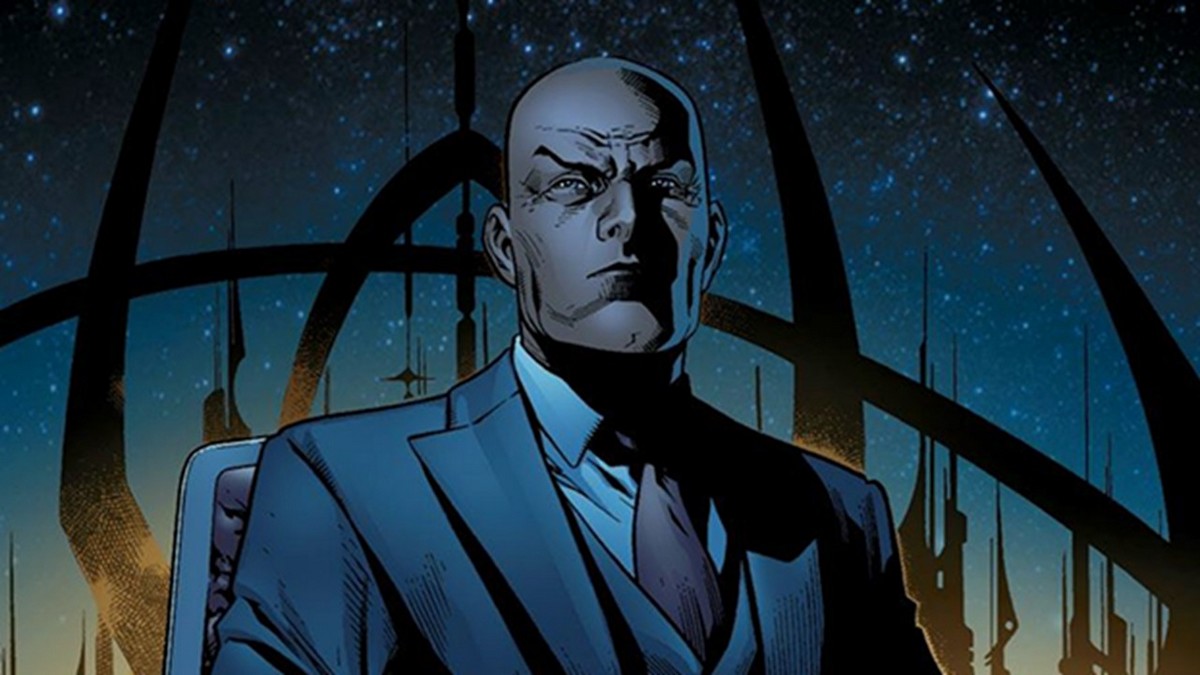
Professor X assembled Cyclops, Iceman, Angel, Beast, and Marvel Girl specifically to serve as his original students at his school for gifted youngsters. Iceman, played by Bobby Drake, was actually the youngest of the group brought in after Cyclops had already joined making him the baby of the original lineup.
Rounding things out, Professor X and Magneto both made their first appearances in that same debut issue alongside the founding five heroes. That decision to introduce hero and villain together in one origin story helped define the franchise’s central conflict right out of the gate.
Stan Lee and Jack Kirby’s Vision for Marvel’s Mutant Heroes
Stan Lee wanted to try something different from what he had already done with characters like Spider-Man, Iron Man, and the Hulk by creating a team whose powers came built in rather than granted by an accident. That concept became the mutant, a being born with abilities rather than one who acquired them.
The idea of “mutants” gave Marvel a way to explore prejudice and fear of the unknown in a way its other franchises could not quite replicate since these heroes were feared by the very people they tried to protect. That thematic backbone, heroes who are hated for simply existing, became one of the defining traits of the entire ‘X-Men’ franchise.
Many of the original team members were teenagers or young adults navigating both their powers and a world that did not want them which added an extra layer of vulnerability to their stories. That youthful, coming of age angle helped separate the original X-Men from more traditional adult superhero teams of the era.
Professor X’s School and the Team’s Original Home Base
The founding X-Men trained and lived at Xavier’s School for Gifted Youngsters, commonly known as the X-Mansion located in Salem Center in Westchester County, New York. That mansion setting gave the early comics a boarding school atmosphere that distinguished the team visually and tonally from other Marvel groups of the time.
Jean Grey’s introduction as Marvel Girl in the debut issue was notable because she was presented as a new pupil at the school apparently the very first female student to join Xavier’s ranks. Her arrival is also the moment readers first meet Cyclops, since the two are introduced to one another within that same opening issue.
The ‘X-Men’ comic actually struggled commercially in its earliest years and was cancelled in 1970 due to low sales before it was revived in 1975 and reshaped under writer Chris Claremont into one of Marvel’s most successful franchises. That gap between the founding team and the franchise’s later explosion in popularity is often overlooked by newer fans who only know the expanded, modern rosters.
Beyond the Original Team, How the X-Men Roster Expanded
Once the founding five were established, Professor X continued recruiting additional mutants in the years that followed, including characters like Havok, Polaris, Mimic, and Changeling though only Havok and Polaris went on to become regular recurring members. That slow expansion set a pattern the franchise would repeat again and again as new eras introduced new lineups.
Later additions such as Vulcan, Darwin, Sway, and eventually Wolverine each played distinct roles as the team grew far beyond its original five person roster reshaping the team’s identity across different comic runs. Wolverine in particular would go on to become one of the most recognizable X-Men despite not being part of the founding lineup at all.
The franchise’s reach eventually extended well past the comic page, spawning multiple animated series and a run of live action films including ‘X-Men’, ‘X2’, ‘X-Men: Days of Future Past’, and ‘Logan’ along with newer entries like ‘Deadpool & Wolverine’ in 2024. That leap into film and television is a big part of why casual audiences often recognize characters like Wolverine or Storm before ever learning about the original five.
Even with dozens of members joining over the decades, the founding team of Cyclops, Marvel Girl, Beast, Angel, and Iceman remains the foundation the entire franchise was built on. So between the classic five and the mutants who joined later, which lineup do you consider the true heart of the ‘X-Men,’ and who do you think deserves more credit for starting it all?