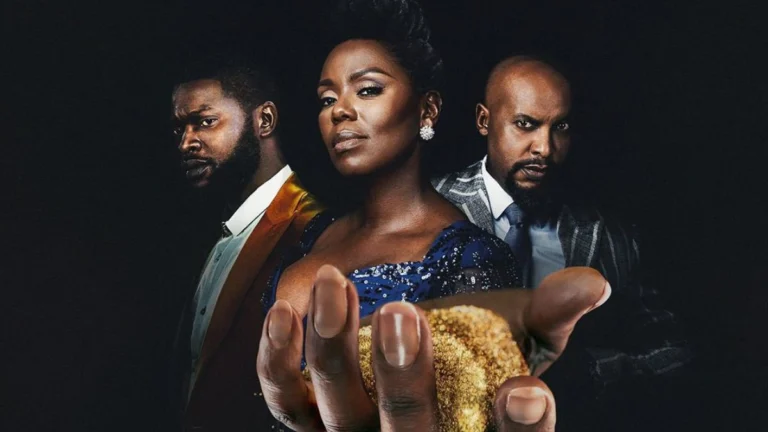
Why ‘Ethos’ Is One of the Best Netflix Hidden Gems You Need to Stream

The international television landscape on streaming platforms has expanded dramatically over the past decade, connecting global audiences with stories from around the world. In particular, Turkish productions have commanded massive international viewership through serialized melodramas and sweeping romances that thrive on high-stakes conflict. However, digital libraries have steadily opened space for bold narrative experiments.
Viewers navigating the overwhelming volume of weekly content frequently struggle to separate formulaic projects from genuine works of artistic merit. In an era dominated by rapid binge-watching, many prestige drama enthusiasts seek titles that prioritize deliberate pacing and thematic resonance. That search often leads cinema lovers toward regional auteurs who showcase distinctive vision on global platforms.
An Exceptional Departure From Streaming Tropes
For anyone wondering whether the Turkish drama ‘Ethos’ is worth adding to their watchlist, the answer is an emphatic yes. Originally titled ‘Bir Başkadır’ upon its debut, the eight-episode miniseries written and directed by Berkun Oya stands as an extraordinary artistic achievement. Rather than relying on familiar television conventions, the production delivers a patient, visually stunning study of contemporary life.
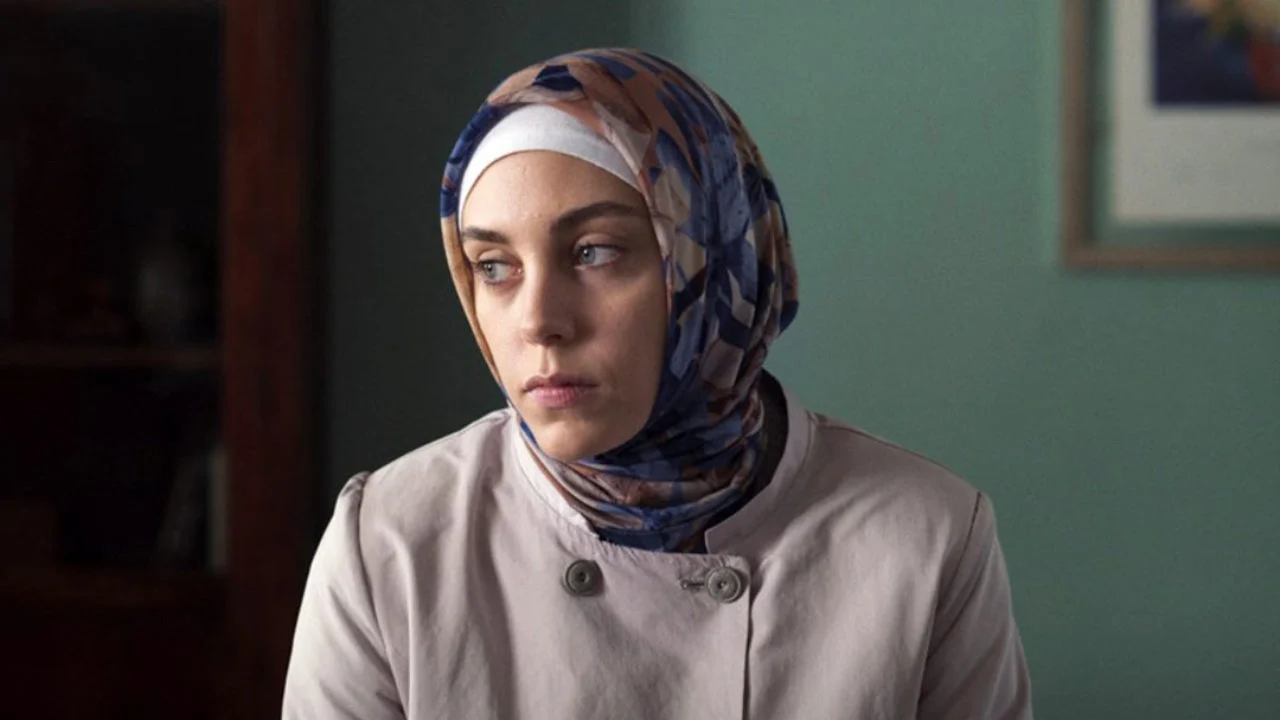
The story centers on Meryem, a young conservative woman living on the outskirts of Istanbul who cleans private luxury apartments. After suffering from mysterious fainting spells that lack a physical explanation, she is referred to a psychiatric clinic for evaluation. Lead star Öykü Karayel delivers a magnetic performance, balancing innocent naivety with remarkable intuitive intelligence.
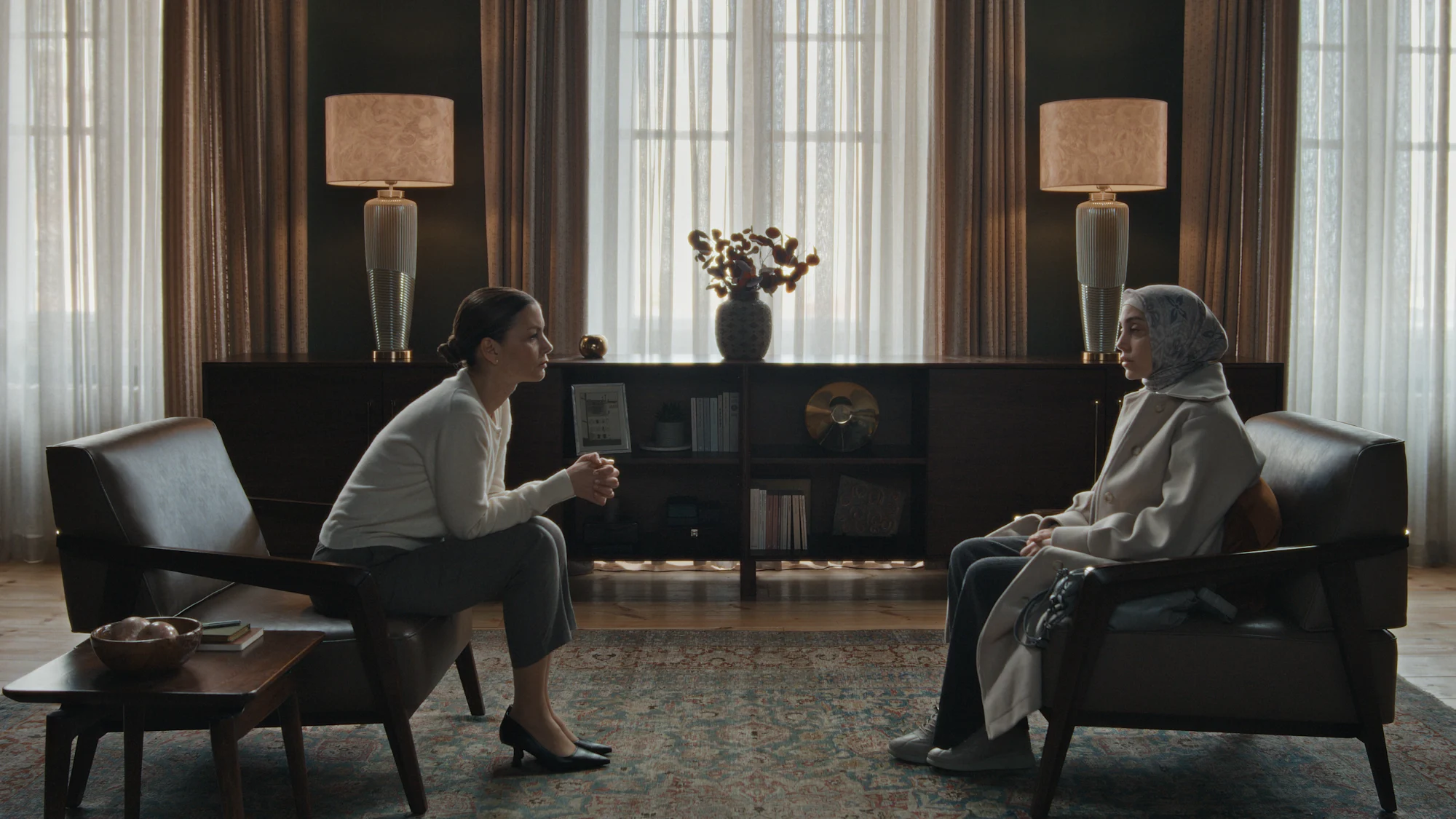
Tension immediately mounts when Meryem sits across from her assigned therapist, Dr. Peri, portrayed by Defne Kayalar. Peri represents the affluent, secular elite who privately harbors prejudices against openly religious citizens wearing traditional headscarves. As Meryem innocently describes her daily routine, their dialogue transforms into a compelling reflection of Turkey’s broader cultural divide.
Rather than confining this friction to clinical walls, the narrative ripples outward across an interconnected web of residents throughout Istanbul. We witness the emotional turmoil of Meryem’s volatile brother Yasin, played by Fatih Artman, alongside his traumatized wife Ruhiye, portrayed by Funda Eryiğit. Their domestic struggles highlight the silence and unresolved pain lurking beneath everyday family life.
Empathetic Storytelling Across Deep Cultural Divides
What elevates the series above standard social commentary is its refusal to reduce any individual to a mere ideological archetype. The story approaches every perspective with immense empathy, as detailed in a cultural analysis by Duvar English. Each delicate interaction slowly dismantles societal defense mechanisms, turning private dilemmas into an invitation for collective introspection.
At its thematic core, the drama examines the emotional cost of repression and the fear of dialogue across fractured communities. Emphasizing this search for common ground, ensemble star Tülin Özen reflected on the characters’ strained bonds in an interview with T24, observing that “We love each other, I think we’ve forgotten that”. That pursuit of reconciliation permeates the entire series.
The narrative scope expands further through insightful supporting figures, including a respected neighborhood cleric and his daughter exploring her own identity. Each encounter proves that isolation cuts across socioeconomic boundaries, whether within modern high-rises or modest suburban homes. The writing weaves these diverse threads together seamlessly, ensuring that every emotional turning point feels entirely earned.
Arthouse Aesthetics and Masterful Restraint
Visually, the series operates with the craftsmanship of slow cinema rather than conventional episodic television. Cinematographer Yağız Yavru frames Istanbul with painterly precision, contrasting towering cityscapes with intimate, still interiors. Scenes frequently linger in complete silence for minutes at a time, allowing micro-expressions and understated body language to convey profound emotion.
This contemplative visual style is enriched by a memorable sonic identity, featuring retro synthesizer compositions and vintage needle drops from 1980s singer Ferdi Özbeğen. The unexpected soundtrack choices infuse the drama with warm, nostalgic textures that linger between scenes. It is a confident aesthetic blend that makes the series feel remarkably distinct and atmospheric.
The Final Verdict on ‘Ethos’
Viewers accustomed to rapid plot twists and relentless action may find the measured rhythm of the eight episodes demanding at first. However, subscribers who embrace its leisurely speed will discover an emotionally transformative journey that rewards close attention. In a streaming landscape filled with disposable entertainment, this drama stands apart as an essential, deeply moving viewing experience.
With its superb ensemble cast and poetic direction, the miniseries remains one of the finest international offerings on the platform. It refuses easy moral conclusions, choosing instead to honor the intricate complexities of human connection. If you appreciate character-driven storytelling with authentic emotional resonance, this series is undoubtedly worth every single minute.
Have you streamed ‘Ethos’ on Netflix yet, and how did its thoughtful exploration of Istanbul resonate with you?