


Worst Bosses in TV History


Bad management makes great television, and these small-screen bosses prove it with a trail of HR nightmares, impossible demands, and chaotic workplaces that keep viewers glued to the drama. From corporate corner offices to fast-food counters and even a nuclear power plant, their leadership styles are textbook examples of what not to do. Here are ten TV bosses whose decisions, behavior, and management tactics created legendary on-screen workplaces for all the wrong reasons.
Logan Roy
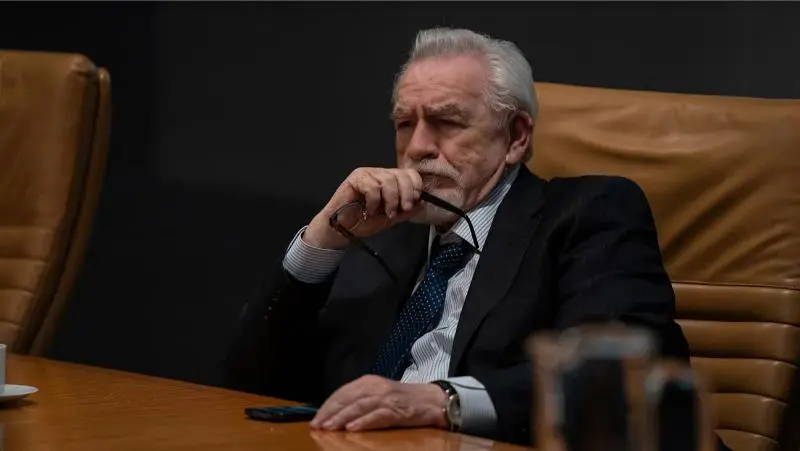
As the CEO of Waystar RoyCo in ‘Succession’, Logan Roy runs a global media conglomerate with a revolving door of executives. He regularly pits his children and senior leaders against one another to test loyalty and extract leverage. Major company decisions—from acquisitions to leadership changes—often happen through abrupt directives delivered during crises or family gatherings.
C. Montgomery Burns
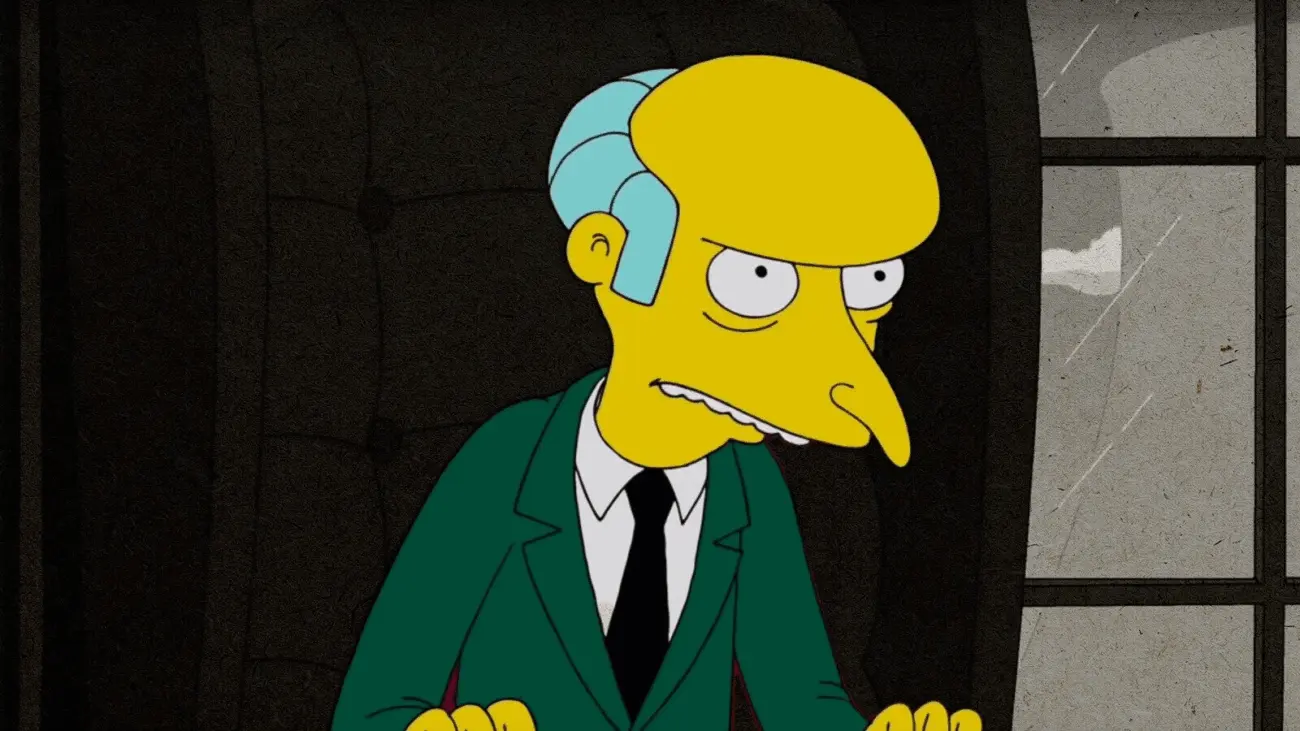
Owner of the Springfield Nuclear Power Plant in ‘The Simpsons’, Mr. Burns is known for cost-cutting that compromises safety and employee welfare. The plant routinely fails inspections, requiring last-minute fixes to avoid shutdowns. He maintains control with threats, surveillance, and an ever-present order to “release the hounds” on unwelcome visitors.
Michael Scott

Regional manager of Dunder Mifflin Scranton in ‘The Office’, Michael Scott frequently violates workplace norms with ill-advised seminars and off-color jokes. His initiatives—like “Diversity Day” and spontaneous office parties—regularly pull employees away from sales work. HR interventions are common, and documentation of incidents becomes part of daily operations.
Louie De Palma
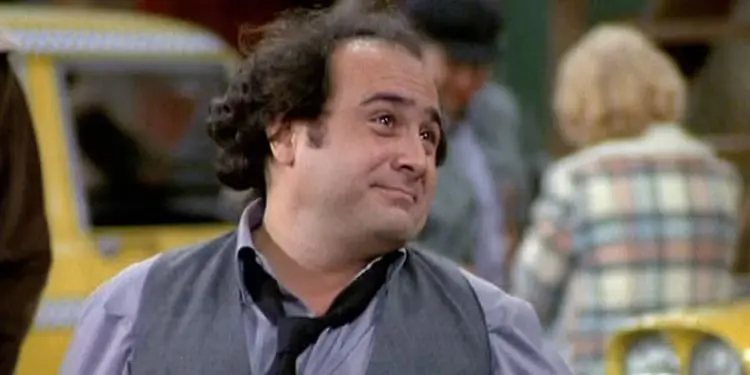
As the dispatcher at the Sunshine Cab Company in ‘Taxi’, Louie De Palma controls driver assignments, pay, and scheduling from his elevated dispatch cage. He uses access to lucrative fares to reward compliance and punish dissent. Drivers often negotiate or scheme for better shifts because formal processes rarely protect them.
Wilhelmina Slater

At fashion magazine MODE in ‘Ugly Betty’, Wilhelmina Slater advances through meticulous planning, strategic alliances, and aggressive takeovers. She leverages corporate politics, board votes, and image management to secure power. Staff retention hinges on withstanding high-pressure demands and delivering rapid results in a competitive editorial cycle.
Ari Gold
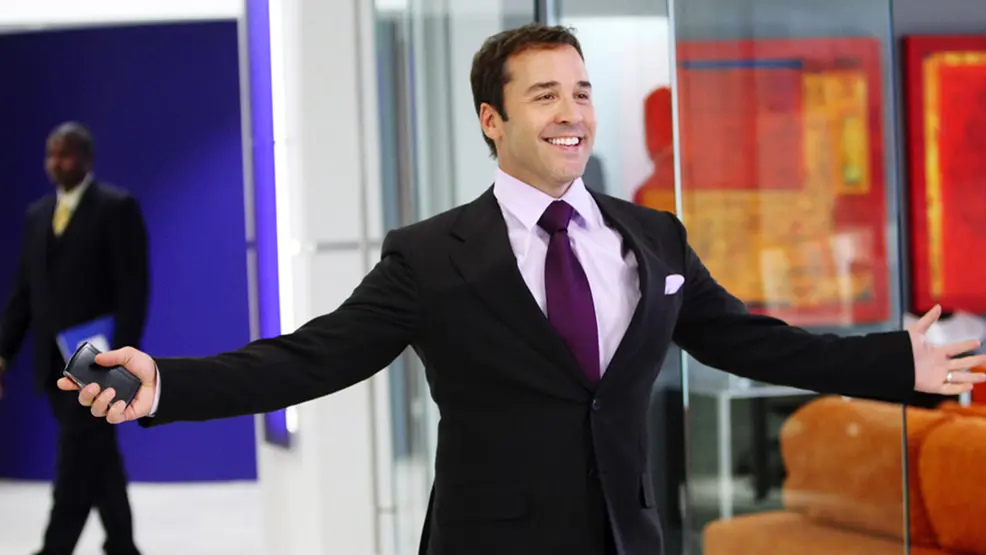
As the head of a powerful talent agency in ‘Entourage’, Ari Gold manages clients and junior agents with relentless pace and high-stakes negotiations. He uses rapid-fire calls, surprise meetings, and public pressure to close deals. Assistants and associates operate under strict time expectations, where a missed call or delay can jeopardize major contracts.
Patty Hewes
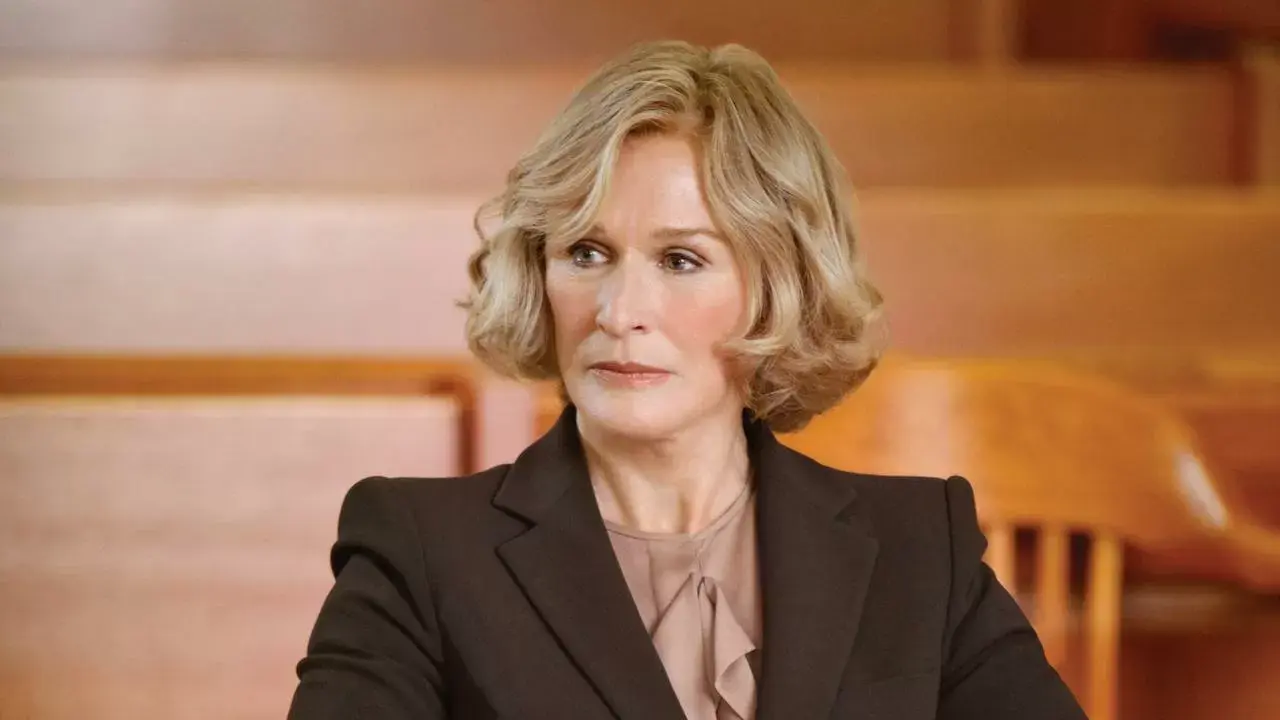
Founding partner at Hewes & Associates in ‘Damages’, Patty Hewes orchestrates complex civil cases with expansive discovery tactics and aggressive litigation timelines. She deploys strategic settlements, media management, and investigative resources to corner opponents. Associates often work under secrecy and compartmentalization, with information shared strictly on a need-to-know basis.
Don Draper
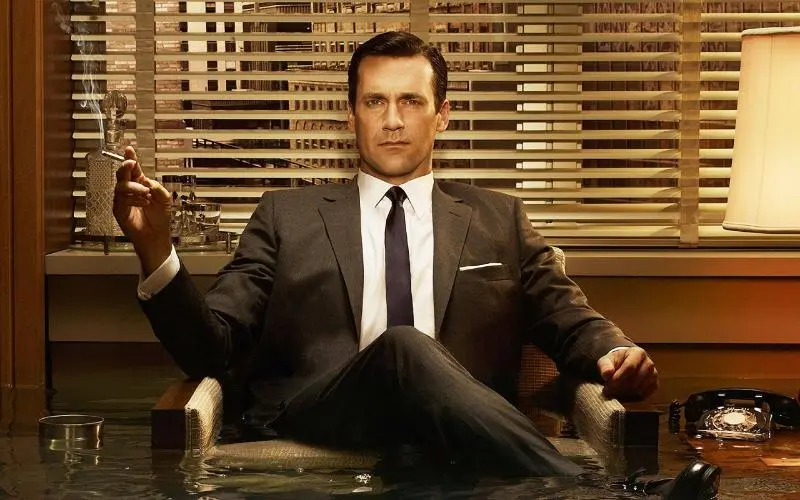
Creative director at Sterling Cooper in ‘Mad Men’, Don Draper drives campaigns through last-minute pivots and bold pitches. He frequently pulls all-nighters with teams to meet client expectations after late creative changes. Office dynamics reflect shifting industry standards, with mentorship, credit, and advancement often tied to performance in high-pressure presentations.
Mr. Krabs

Owner of the Krusty Krab in ‘SpongeBob SquarePants’, Mr. Krabs tightly controls costs—down to the penny—and guards the Krabby Patty formula with elaborate security. Scheduling often maximizes labor output with minimal breaks and strict adherence to procedures. Competitor sabotage and promotional stunts create frequent operational disruptions for staff.
Frank Underwood
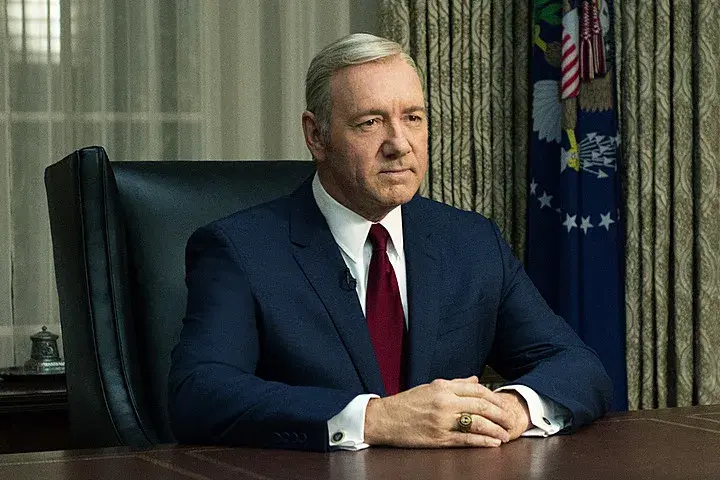
In ‘House of Cards’, Frank Underwood manages his congressional office and later executive staff through back-channel deals, rapid policy maneuvers, and strict message discipline. He coordinates legislative strategy using vote counting, favors, and tightly controlled communications. Staff roles evolve quickly with political needs, making job security dependent on usefulness to the current agenda.
Share your picks—who did we miss and which TV boss tops your list? Add your thoughts in the comments!

