


Worst Movie Remakes the World Would Be Better Off Without


Remakes are a fact of film history, but some updates change or dilute what made the originals work, muddling tone, character, or basic story mechanics along the way. Below are remakes that significantly altered plots or aesthetics, struggled critically or commercially, or both, and today serve more as case studies in what not to do than as fresh takes. For each, you’ll find straightforward details—who made it, who starred, what changed, and how it fared—so you can see exactly where the modern versions diverged from their sources.
‘Psycho’ (1998)
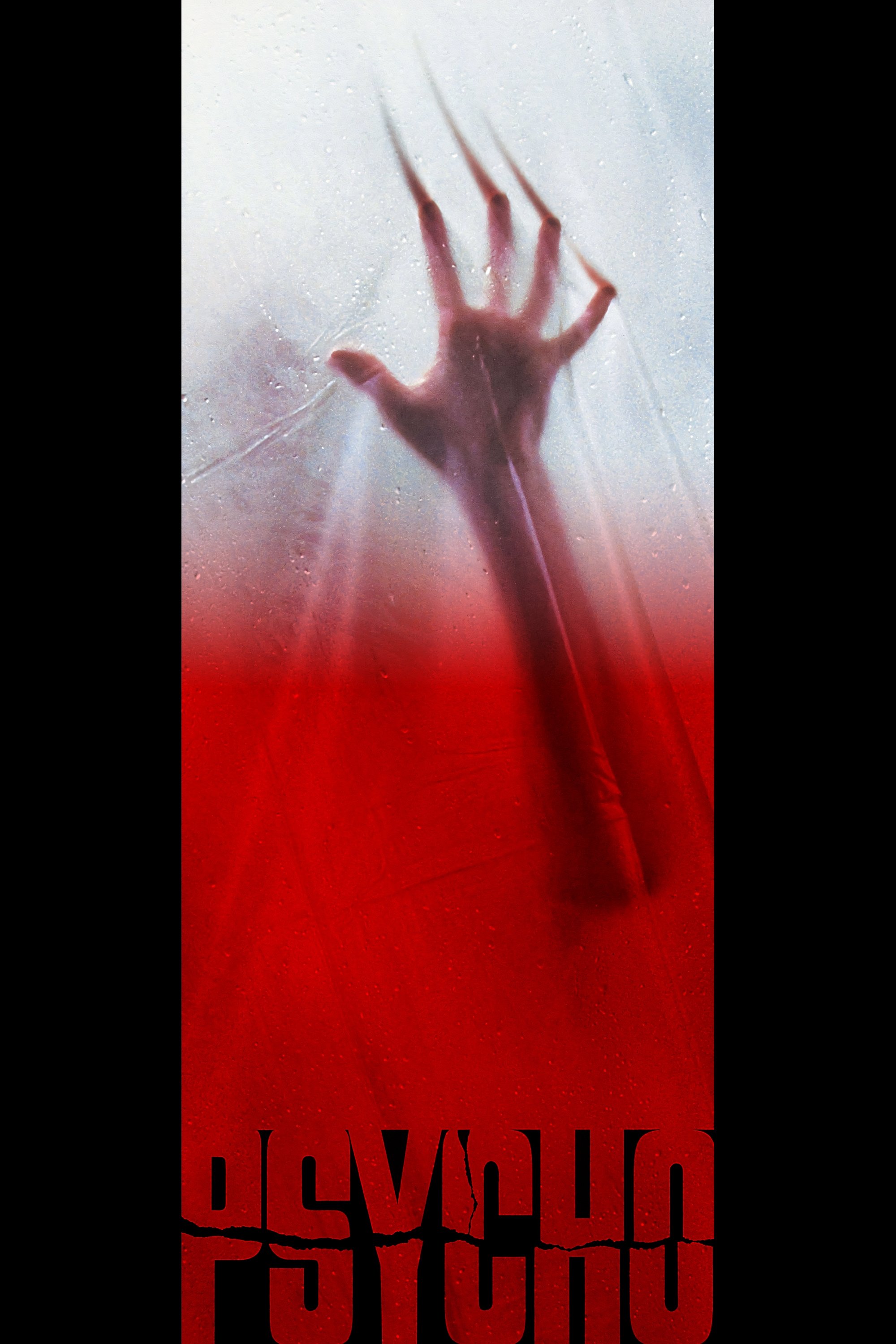
Gus Van Sant directed this near-shot-for-shot color remake of Alfred Hitchcock’s 1960 thriller, starring Vince Vaughn as Norman Bates and Anne Heche as Marion Crane. The production replicated camera setups, script beats, and even musical cues from the original, with minor insertions and contemporary styling. Despite the formal fidelity, the film’s casting and modernized details shifted character dynamics without adding new narrative insight. It opened widely in December 1998 and underperformed domestically relative to expectations.
‘The Wicker Man’ (2006)
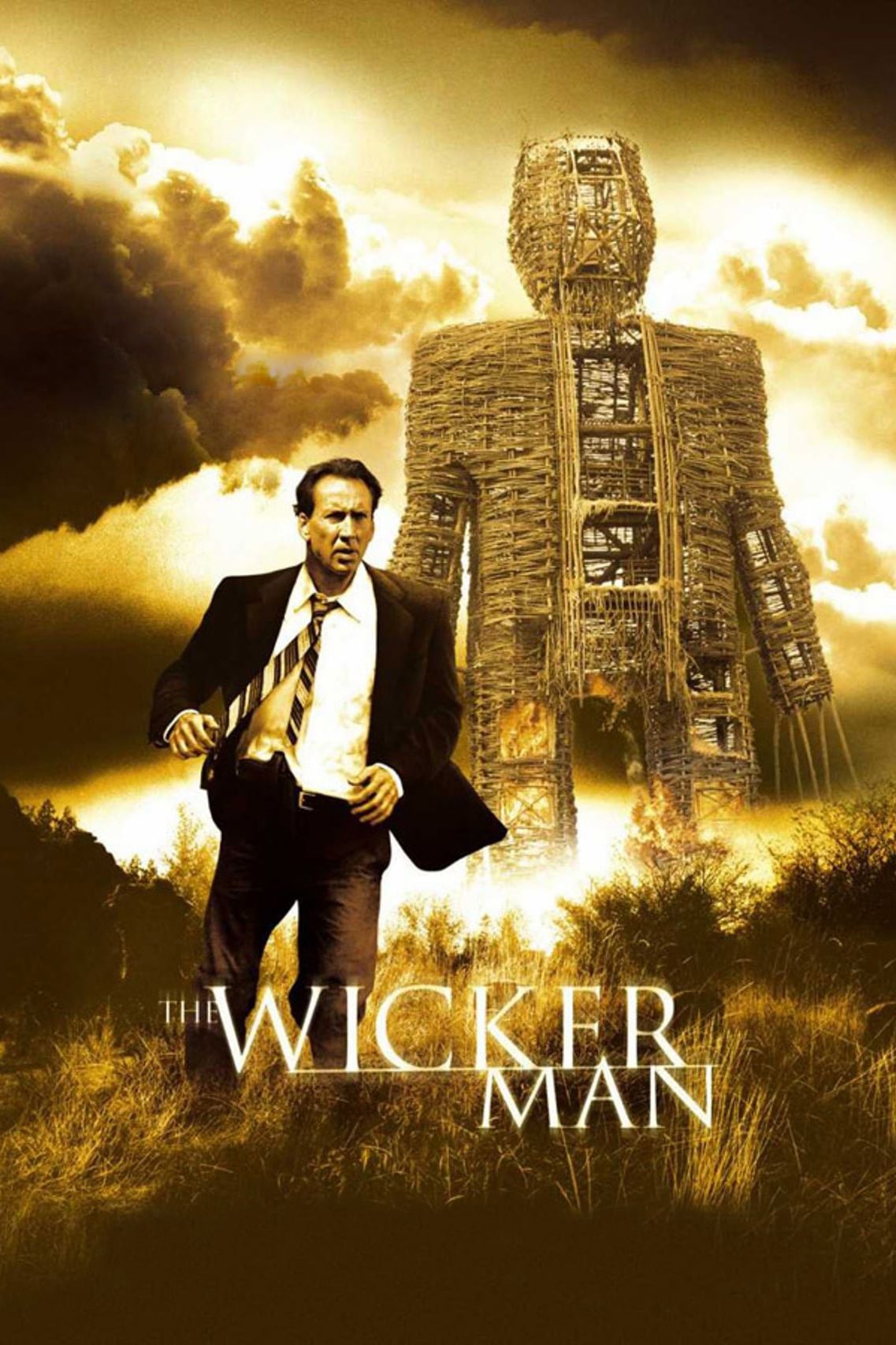
Directed by Neil LaBute, this remake stars Nicolas Cage as a police officer searching for a missing girl on a secretive island community. It relocates the story from Scotland to the Pacific Northwest and reframes the island’s power structure with a matriarchal twist. The film softens some of the original’s folk-horror musicality while emphasizing action beats and dream sequences. Its theatrical release drew negative reviews and generated numerous memes disconnected from the film’s intended tone.
‘Total Recall’ (2012)
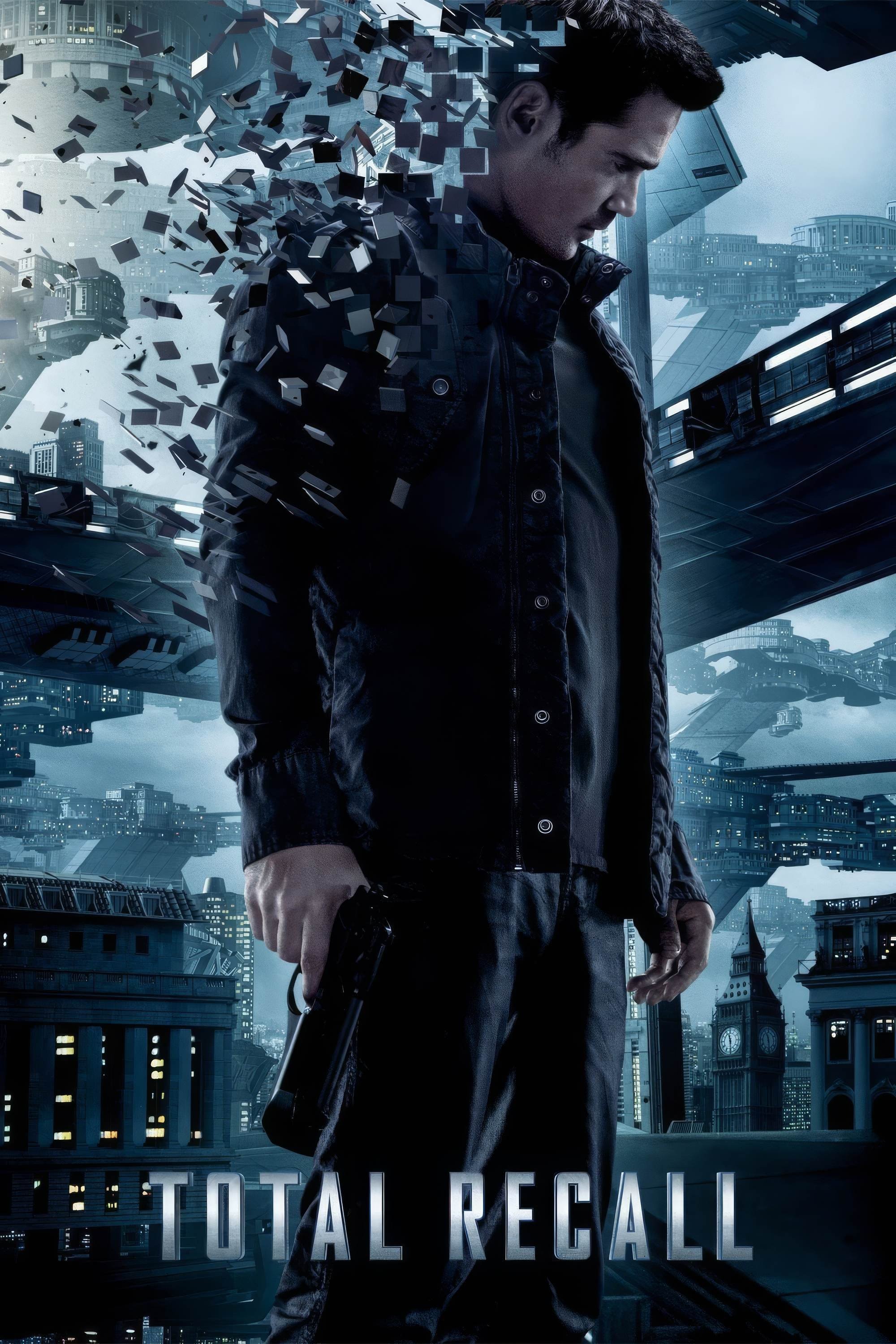
Len Wiseman’s remake stars Colin Farrell, Kate Beckinsale, and Jessica Biel, shifting the action to a future split between two mega-states connected by a core-piercing transport. The film drops the Mars setting from the 1990 version and leans into sleek production design and extended chase sequences. While it keeps memory-implant themes from Philip K. Dick’s story, it reconfigures character allegiances and set-pieces. The worldwide box office was sizable, but domestic returns and critical notices were muted.
‘Ben-Hur’ (2016)
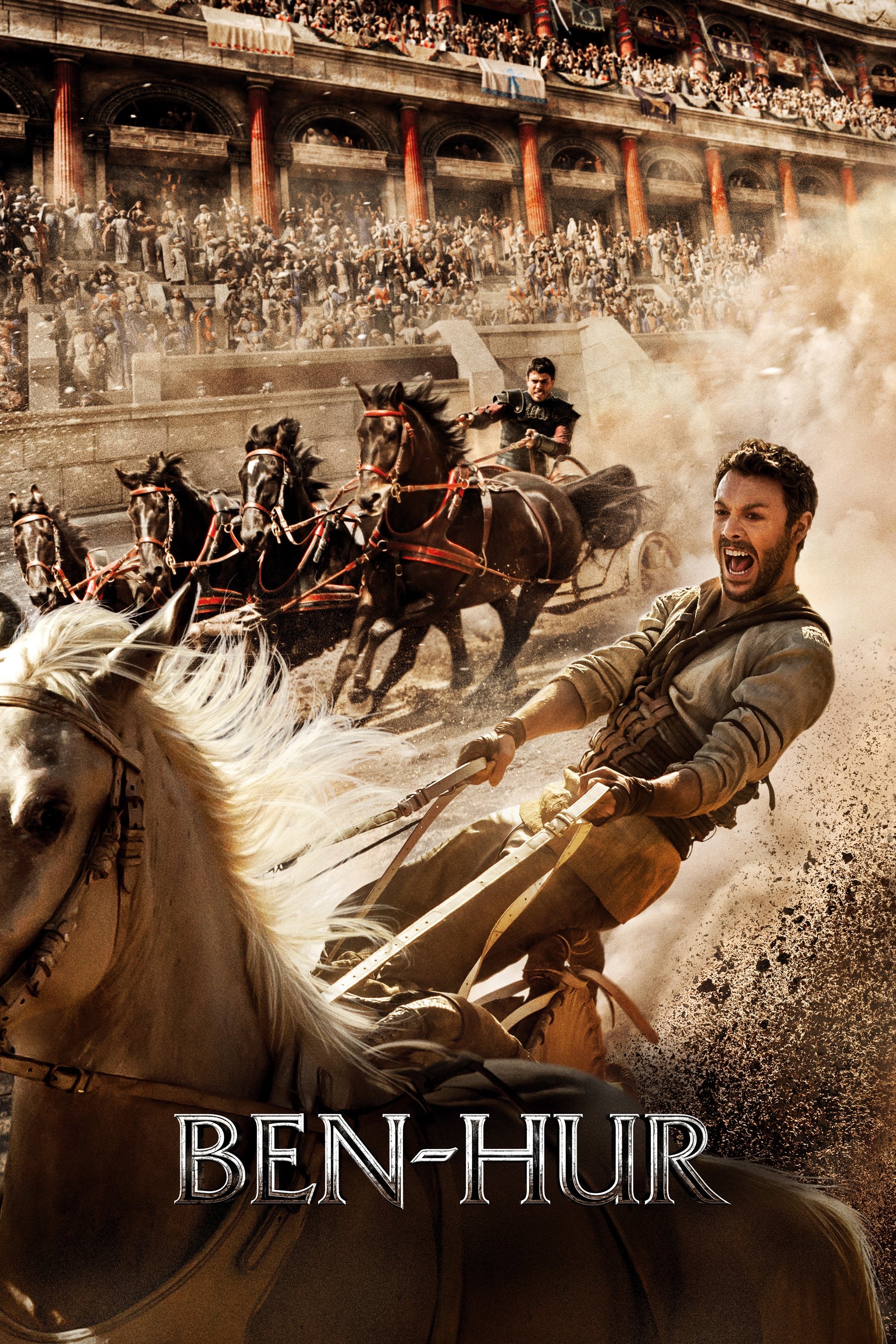
Directed by Timur Bekmambetov, this adaptation revisits Lew Wallace’s novel after the celebrated 1959 epic, with Jack Huston as Judah Ben-Hur and Toby Kebbell as Messala. It compresses the storyline, emphasizing brotherhood conflict and redemption while employing heavy CG augmentation for the chariot race. The film modifies several character arcs and introduces a different approach to the concluding message. It released in late summer 2016 and was widely reported as a major box-office disappointment.
‘Oldboy’ (2013)
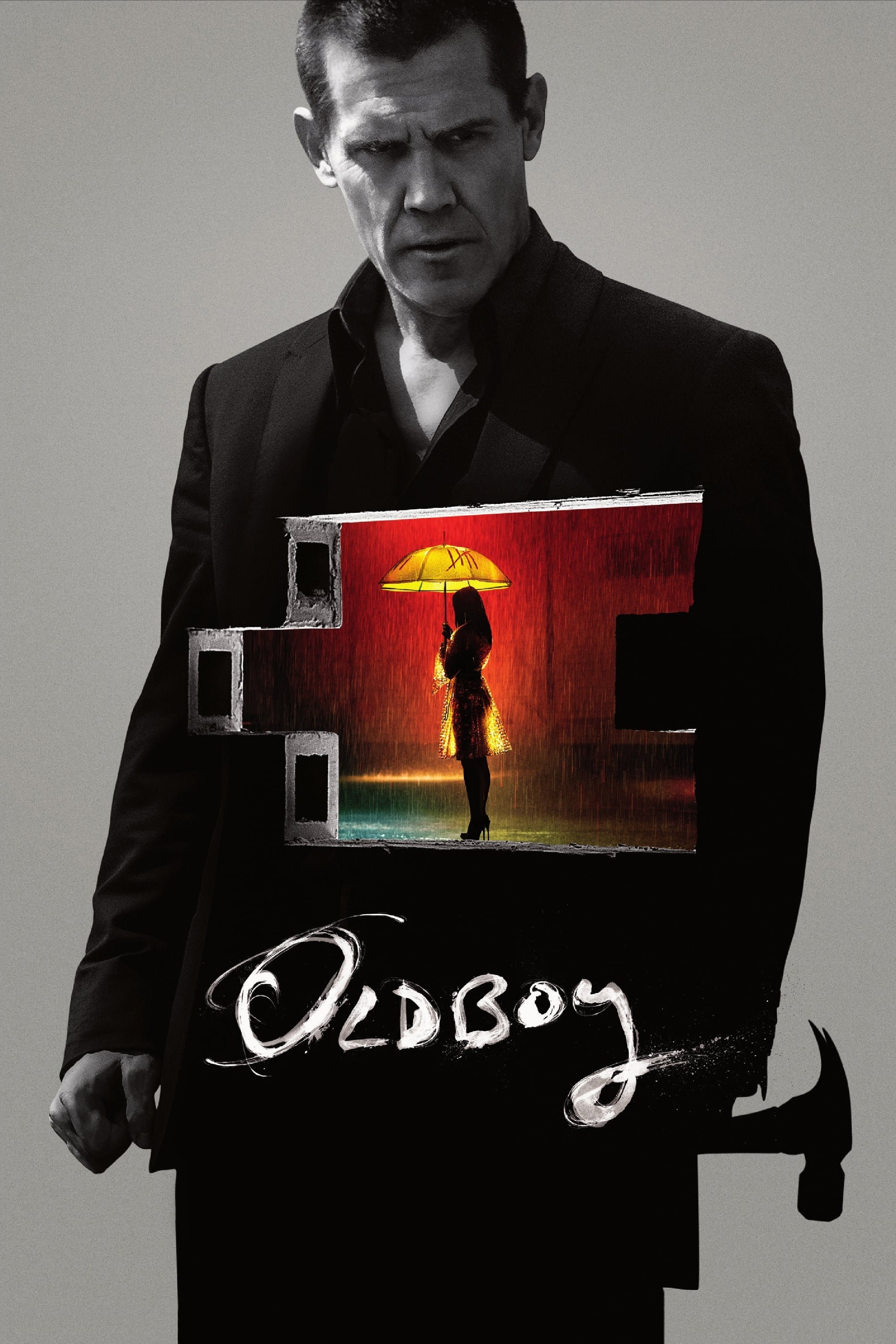
Spike Lee’s version stars Josh Brolin, Elizabeth Olsen, and Sharlto Copley, adapting Park Chan-wook’s 2003 film for an English-language audience. The remake alters investigative beats, relocates the setting to the United States, and changes key reveals and motivations. Action sequences are re-staged, including a corridor fight nod that uses different blocking and visual texture. Its release strategy involved significant cuts from a longer reported version and resulted in modest theatrical earnings.
‘Point Break’ (2015)
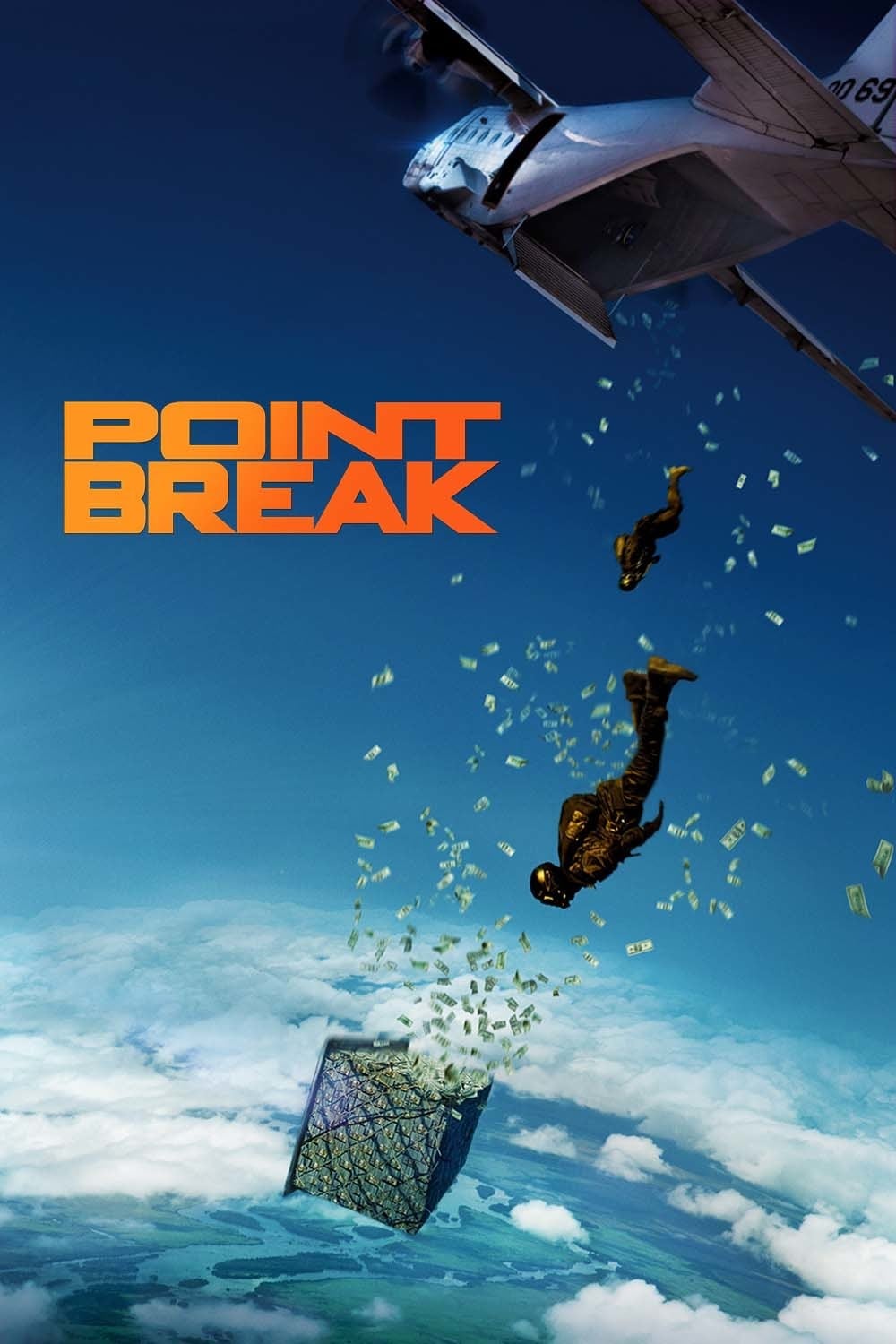
Directed by Ericson Core, this remake recasts the story with Luke Bracey as Johnny Utah and Édgar Ramírez as Bodhi, centering on eco-philosophy and “Ozaki 8” extreme challenges. The narrative replaces the original’s surfing-bank-robbery focus with a globe-trotting sequence of stunts across wingsuiting, big-wave surfing, and free climbing. Character development takes a back seat to location-based set-pieces and practical-effects showcases. Despite international locations and technical ambition, the film struggled in North America and drew poor reviews.
‘A Nightmare on Elm Street’ (2010)
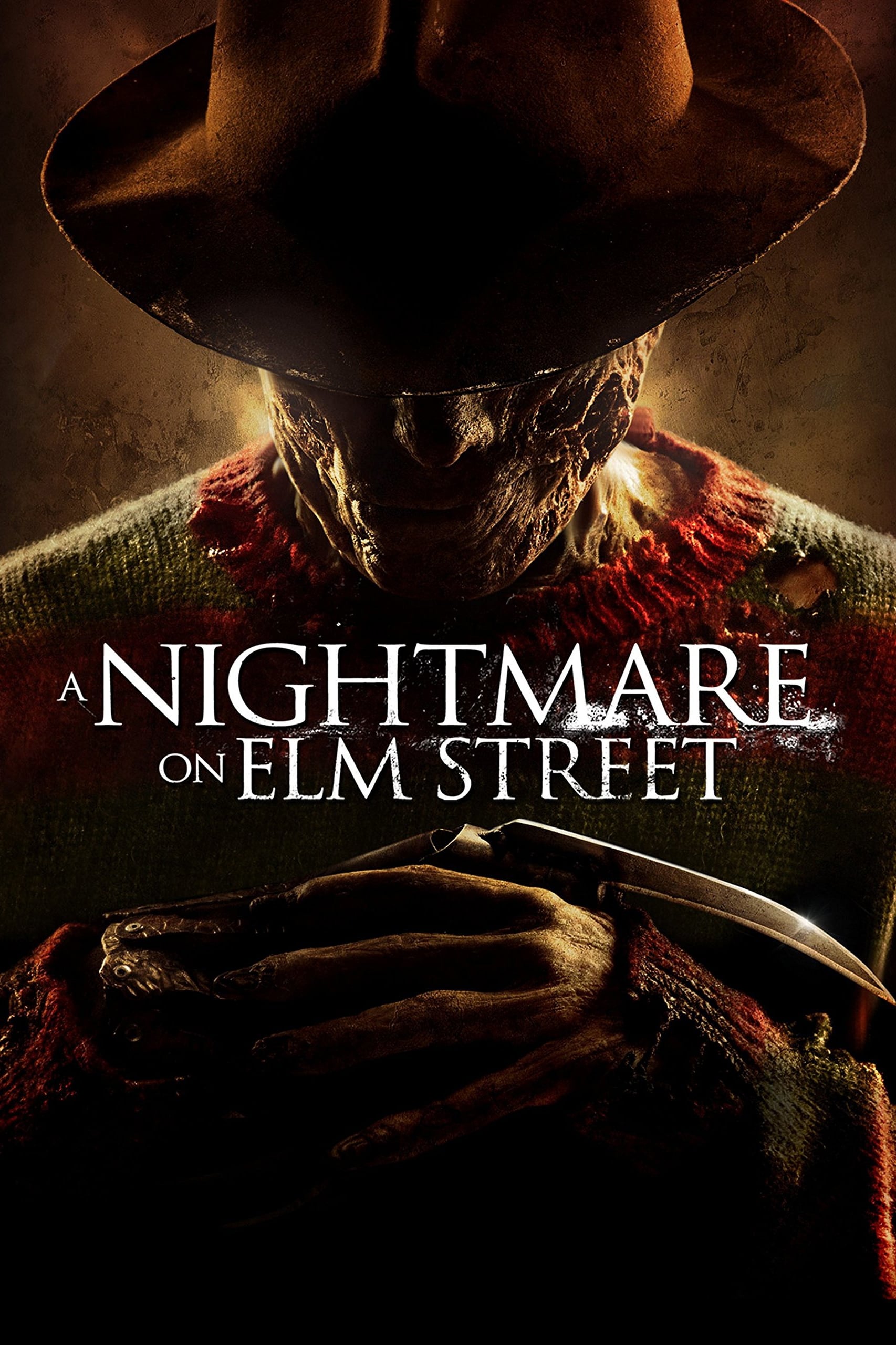
Samuel Bayer directed this reboot with Jackie Earle Haley taking over as Freddy Krueger and Rooney Mara among the new Elm Street teens. It updates the backstory and leans on digital effects for dreamscapes that were previously practical or hybrid. The film condenses lore and adjusts timeline details, introducing different explanations for the town’s history with Krueger. The opening weekend was strong, but the drop-off and critical reception stalled plans for immediate follow-ups.
‘Ghostbusters’ (2016)
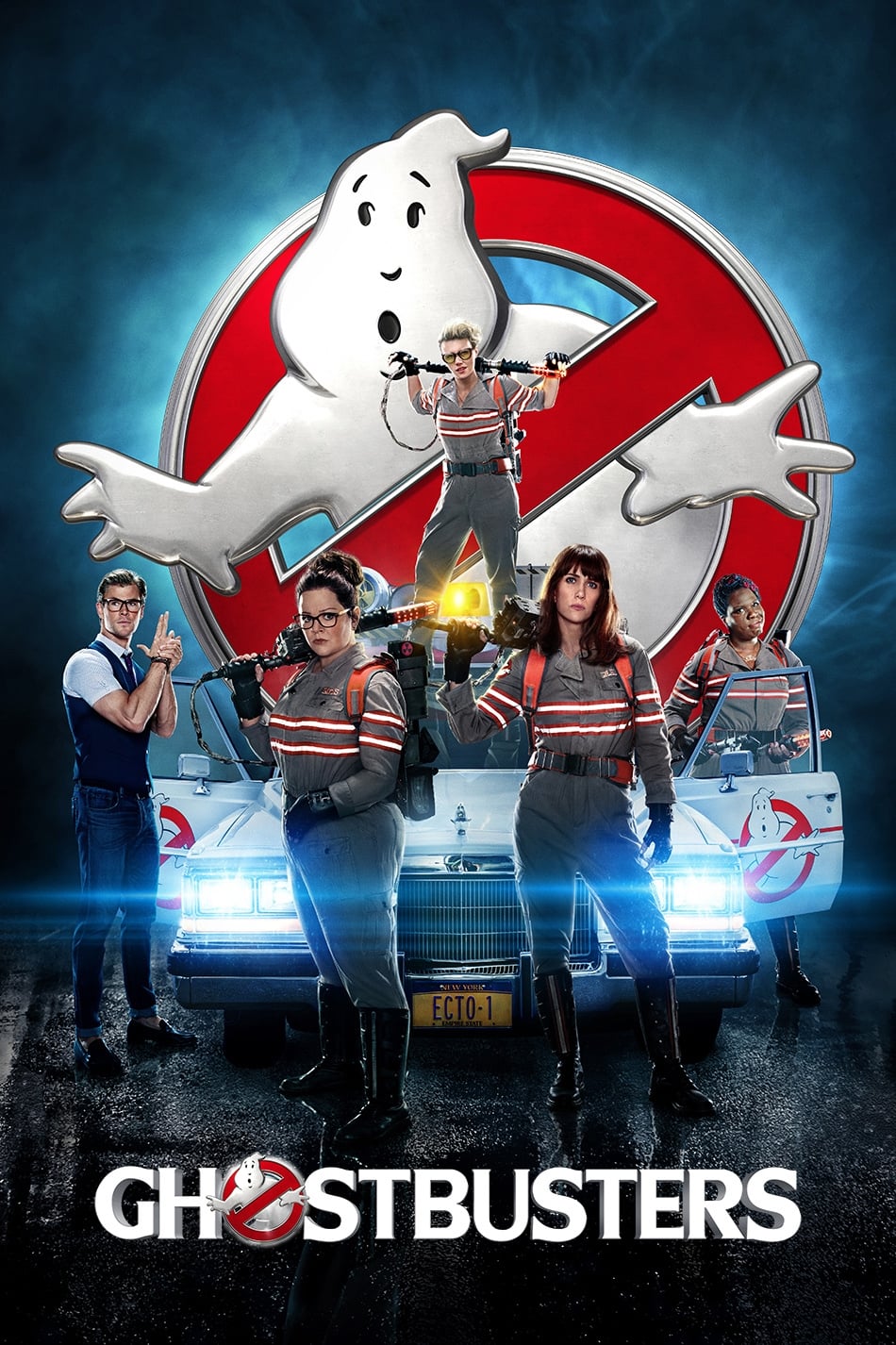
Paul Feig’s film introduces a new team—played by Melissa McCarthy, Kristen Wiig, Kate McKinnon, and Leslie Jones—set in a continuity separate from the 1984 original. It features cameos from legacy cast members in reimagined roles, a redesigned Ecto-1, and updated proton tech with added gadgets. The plot centers on a device-driven spectral surge across New York City, culminating in a Times Square showdown. Despite significant marketing and a mid-summer launch, the movie’s domestic gross fell short of franchise-expansion projections.
‘The Mummy’ (2017)
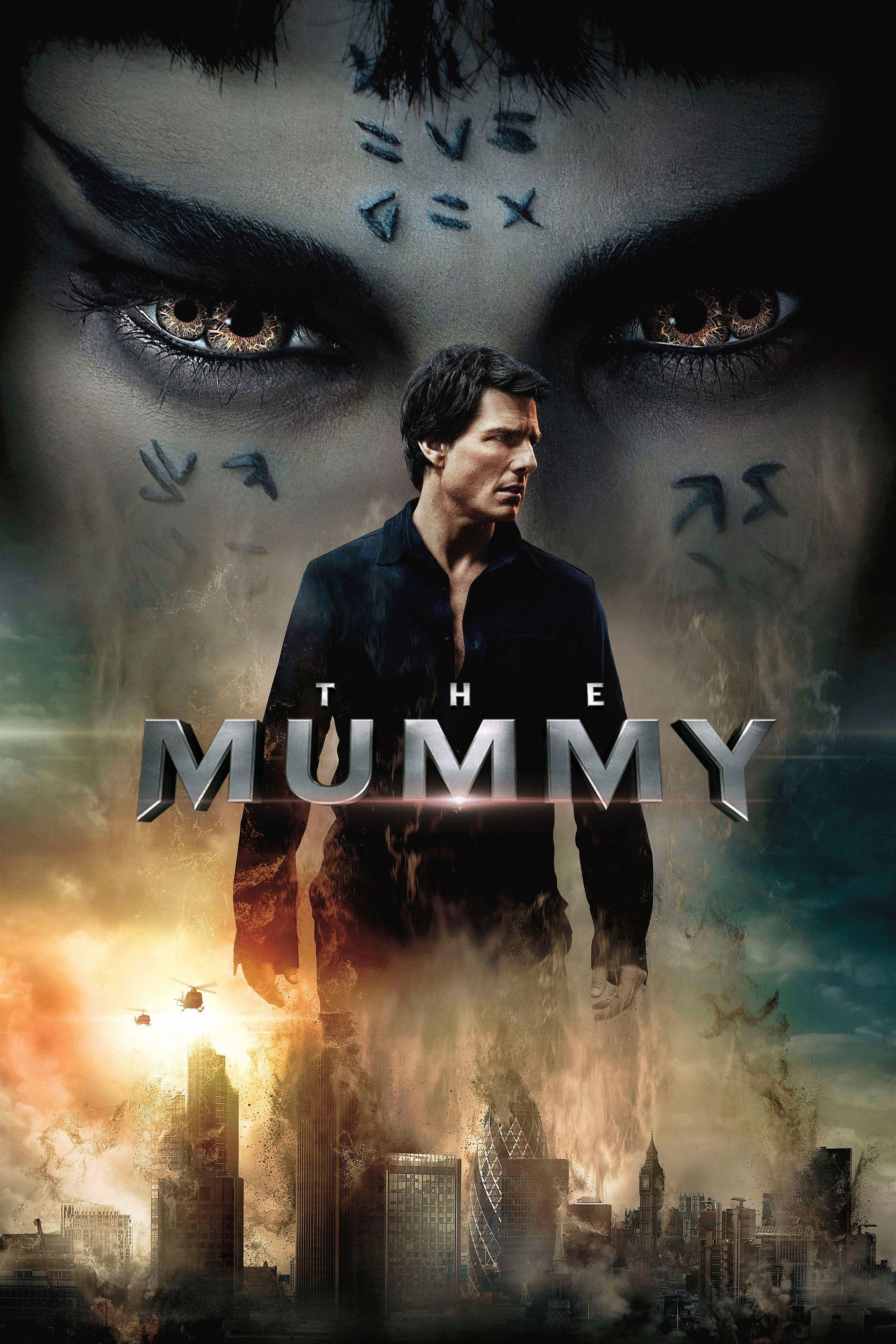
Alex Kurtzman helmed this modern take starring Tom Cruise, intended as the kickoff for a shared “Dark Universe.” The film relocates the mummy’s origin to a cursed Egyptian princess and blends military action with horror elements. It integrates lore breadcrumbs for other Universal monsters, positioning cross-over possibilities within the narrative. The international box office was sizable, but U.S. returns and reception curtailed the planned franchise rollout.
‘RoboCop’ (2014)
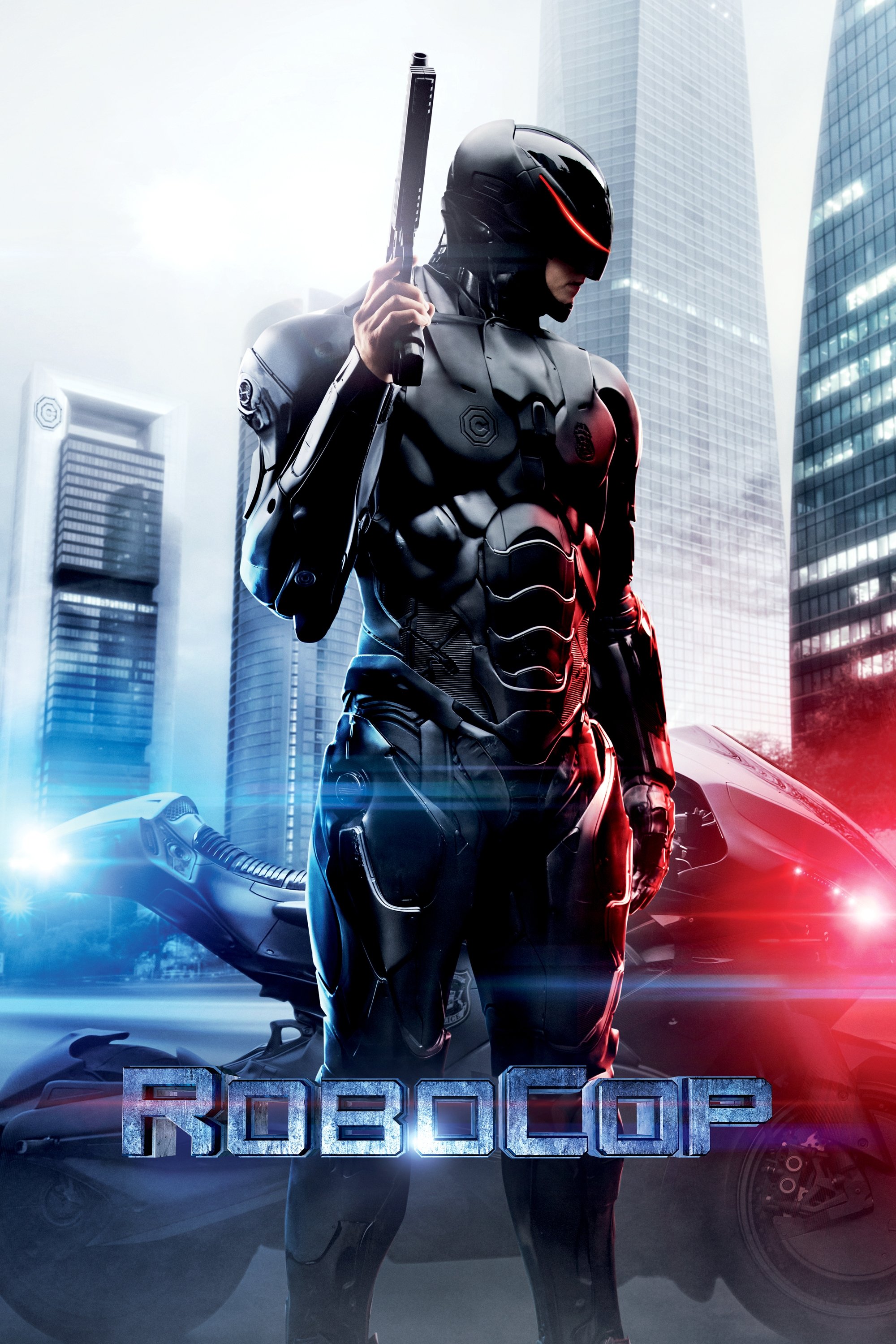
José Padilha’s version casts Joel Kinnaman as Alex Murphy and sets the story amid debates over drone warfare and corporate lobbying. The suit design shifts to tactical black, and the film expands on Murphy’s consciousness, autonomy, and telemetry control. OmniCorp’s strategy and public-relations angles receive more screen time, while satirical bite is reframed through media-show segments. The movie earned moderate global revenue but did not ignite a sustained series.
‘Red Dawn’ (2012)

Directed by Dan Bradley, this remake updates the invasion premise to contemporary small-town America, with Chris Hemsworth leading a guerrilla group. The antagonists were reportedly altered in post-production to change national identities, resulting in digitally revised insignia. The plot condenses training montages and skirmishes into a shorter runtime than the 1984 film. After delays related to studio issues, the film released to weak reviews and modest box office.
‘The Hitcher’ (2007)
Dave Meyers directs this retelling starring Sean Bean as the murderous drifter, with Sophia Bush and Zachary Knighton as the targeted couple. The remake swaps character roles from the 1986 original, changing who is framed and who survives key set-pieces. It emphasizes highway chases and police encounters, adding larger-scale crashes and shootouts. The film opened in January and saw a sharp second-week decline amid negative notices.
‘Arthur’ (2011)
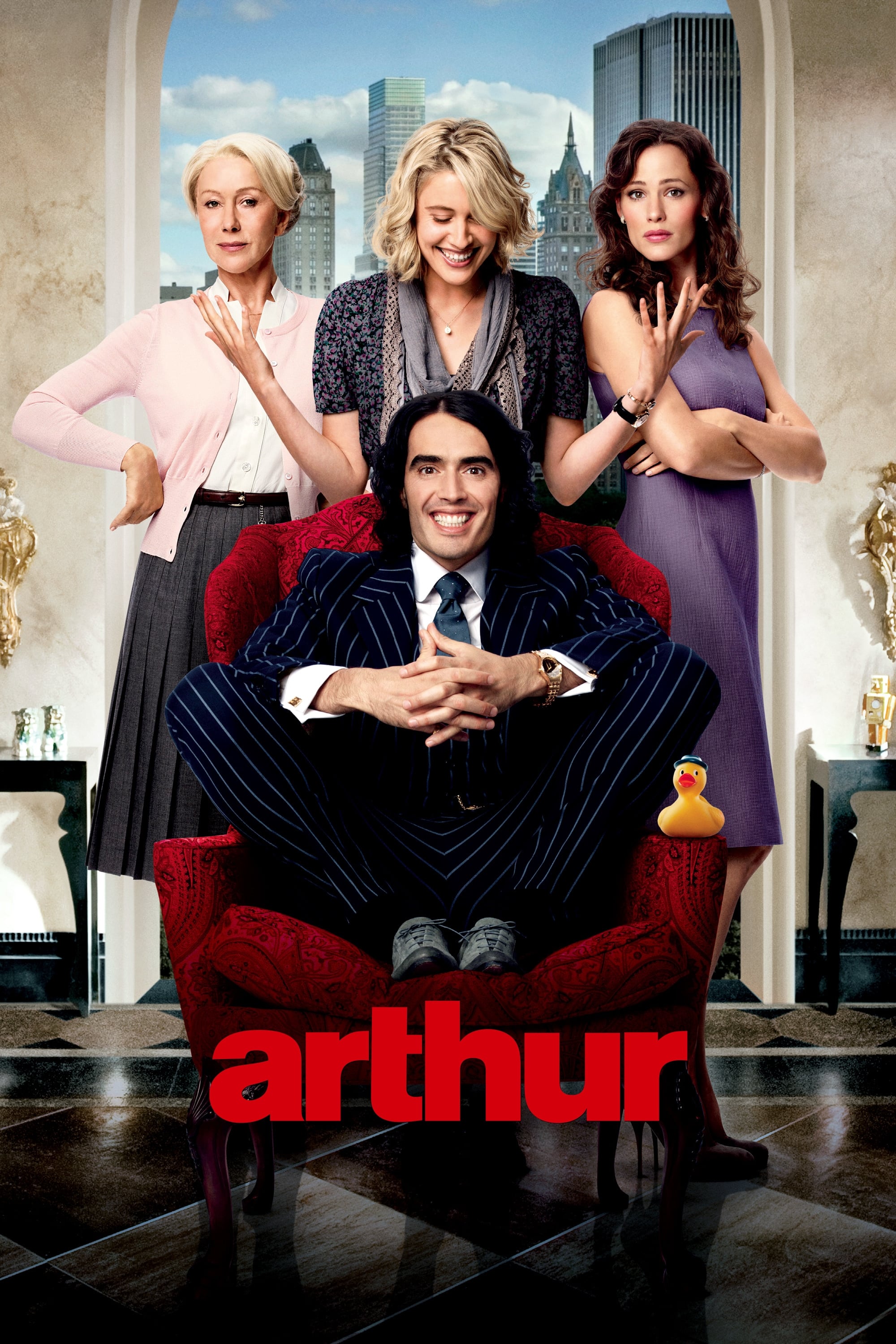
This remake of the 1981 comedy stars Russell Brand as the perpetually irresponsible heir, with Helen Mirren as his long-suffering caretaker and Greta Gerwig as the love interest. The script updates wealth trappings, New York landmarks, and the marriage-ultimatum stakes to contemporary settings. Several iconic scenes are reworked with different punchlines and relationship pacing. Released in spring 2011, it underperformed at the box office relative to its budget.
‘Swept Away’ (2002)
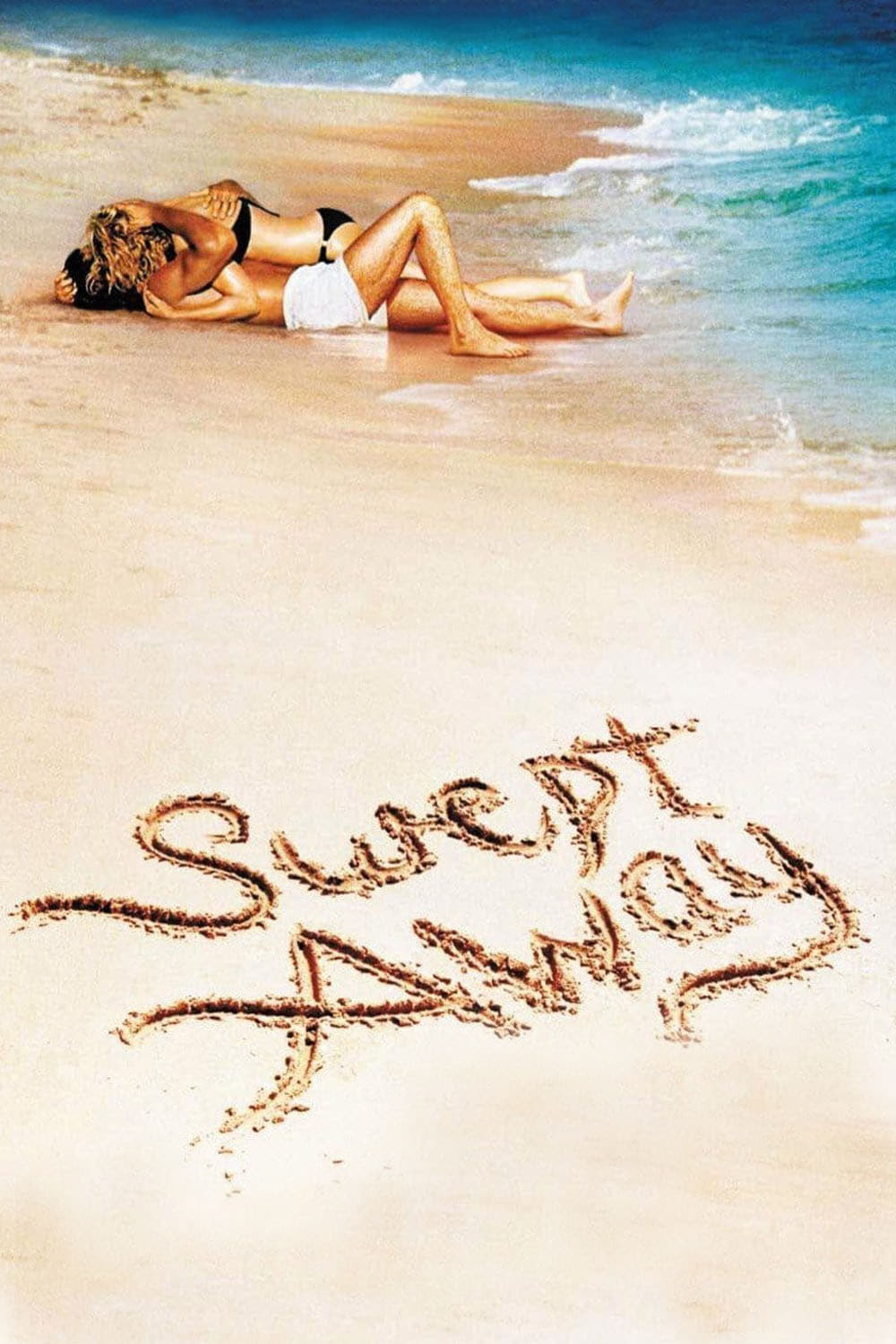
Guy Ritchie directs this remake of Lina Wertmüller’s 1974 film, starring Madonna and Adriano Giannini. The story tracks a wealthy woman and a deckhand stranded on an island, with power dynamics shifting as survival pressures mount. The new version trims political commentary and stylized provocations in favor of a streamlined romantic arc. It had a limited release and drew sharply negative reviews upon arrival.
‘Flatliners’ (2017)
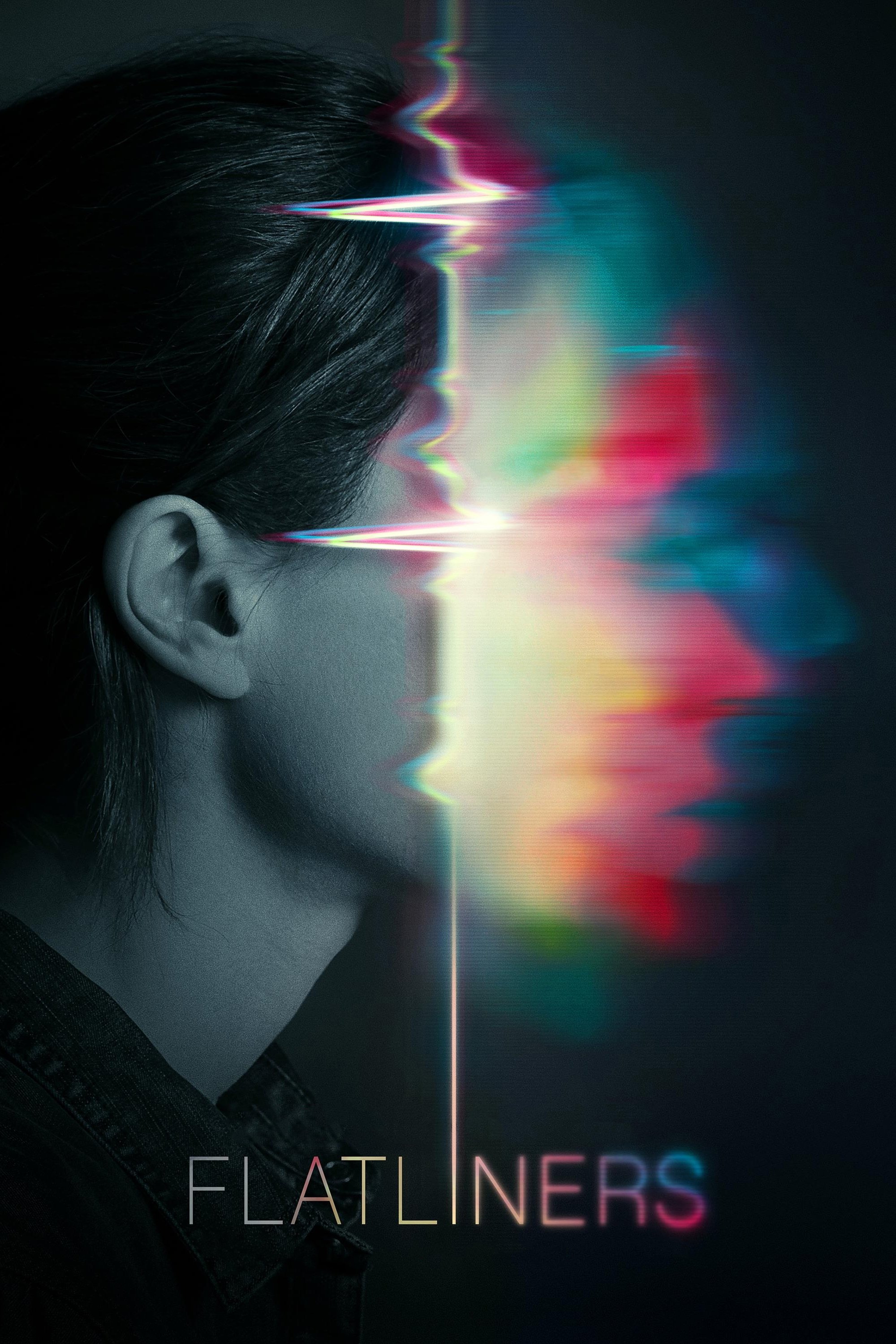
Directed by Niels Arden Oplev, this revisit brings Ellen Page (credited as Elliot Page), Diego Luna, and Nina Dobrev into a medical-student experiment about near-death experiences. The film reframes the original’s team dynamics and introduces new guilt-manifestation scenarios as supernatural stakes. It includes a legacy-cast appearance to suggest continuity while telling a mostly standalone story. The movie opened in early autumn to poor critical response and weak domestic gross.
‘Poltergeist’ (2015)
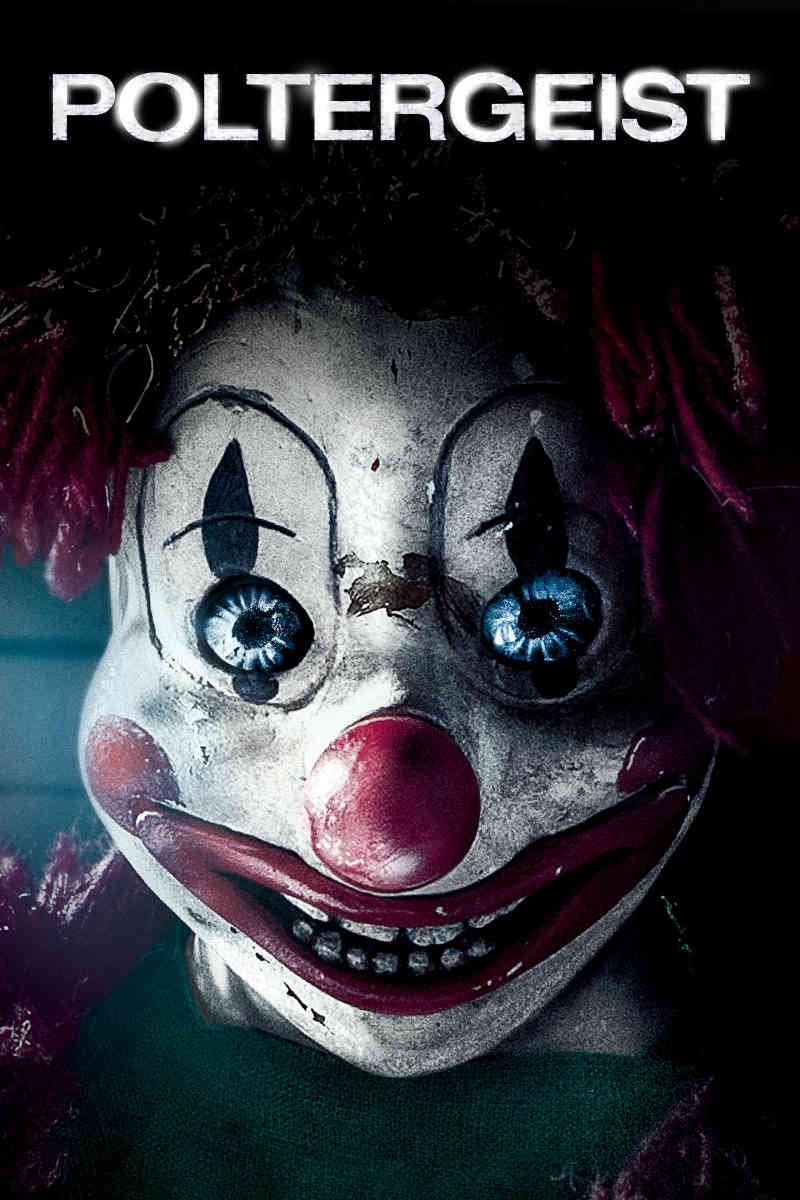
Gil Kenan’s remake stars Sam Rockwell and Rosemarie DeWitt as parents whose new home becomes a focal point for malevolent activity. It updates the era, tech, and children’s interests—tablets, drones, and reality-TV ghost shows—while preserving core beats like the closet portal. The visuals lean on CG for spectral phenomena rather than the original’s practical-effects mix. The film performed modestly in theaters and received mixed-to-negative reviews.
‘The Stepford Wives’ (2004)

Frank Oz directs this reimagining with Nicole Kidman, Matthew Broderick, and Glenn Close, shifting the story toward glossy satire. The remake relocates the tone from paranoid suburban horror to comedic, high-camp commentary on gender roles. Plot reveals and the endpoint technology differ from previous adaptations, altering where the menace comes from. It released in early summer 2004 and earned mixed notices with a front-loaded weekend.
‘Overboard’ (2018)
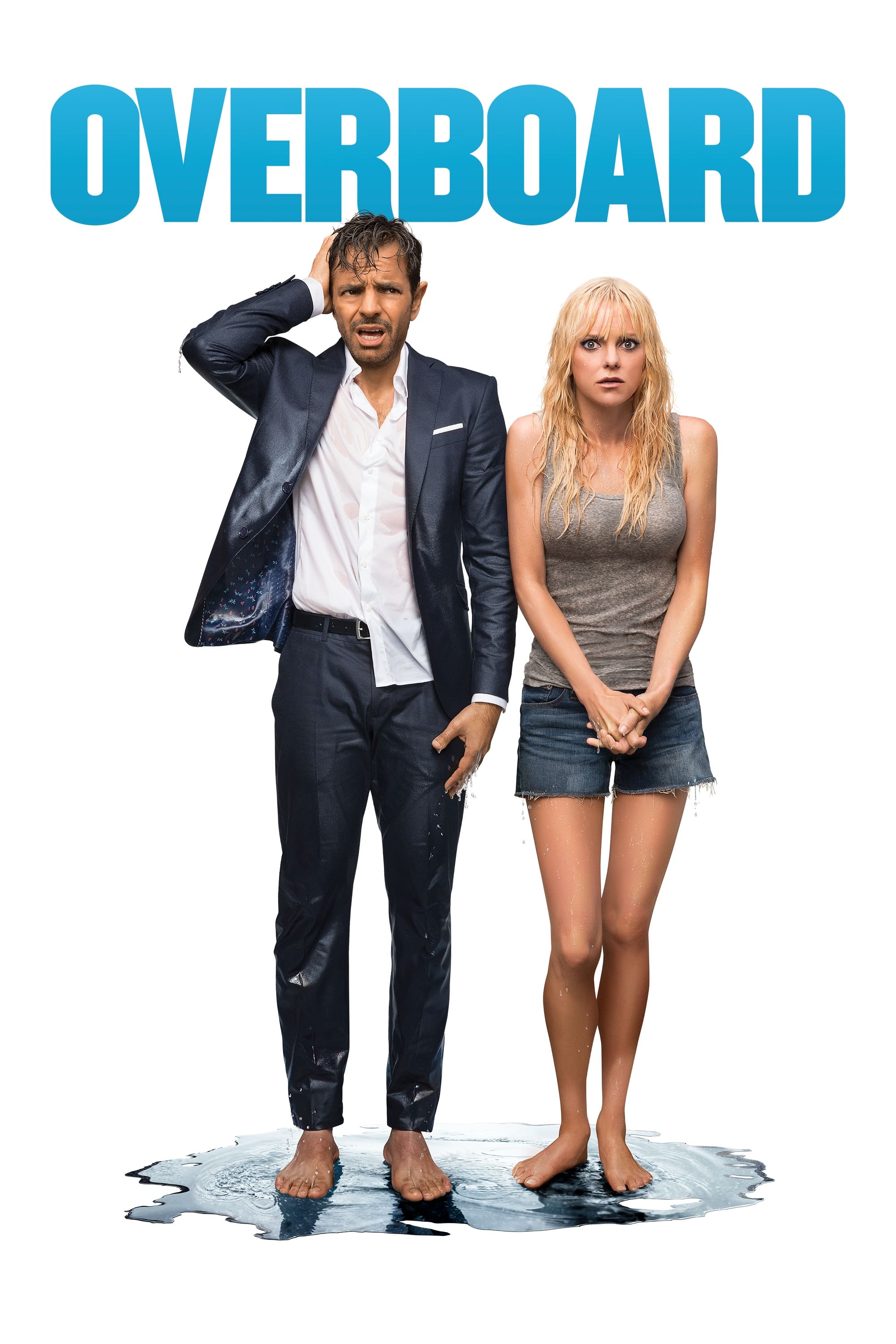
Rob Greenberg’s gender-flipped remake stars Anna Faris as a working mom who cons a spoiled amnesiac yacht owner, played by Eugenio Derbez, into domestic labor. The film resets the locale to Oregon and foregrounds bilingual family dynamics and class contrasts. Story beats mirror the 1987 version while changing character backstories and the ultimate reconciliation. It found a niche audience via star draw and targeted marketing but received lukewarm reviews.
‘Godzilla’ (1998)

Roland Emmerich’s entry relocates the kaiju to New York City, with Matthew Broderick’s character leading a scientific response team. The creature design departs from Toho’s traditional silhouette, emphasizing speed and burrowing tactics over atomic-breath spectacle. The plot folds in a Madison Square Garden egg sequence to set up sequel possibilities that didn’t materialize. The film opened huge and then dropped quickly amid mixed audience reactions and critical pushback.
‘The Grudge’ (2020)
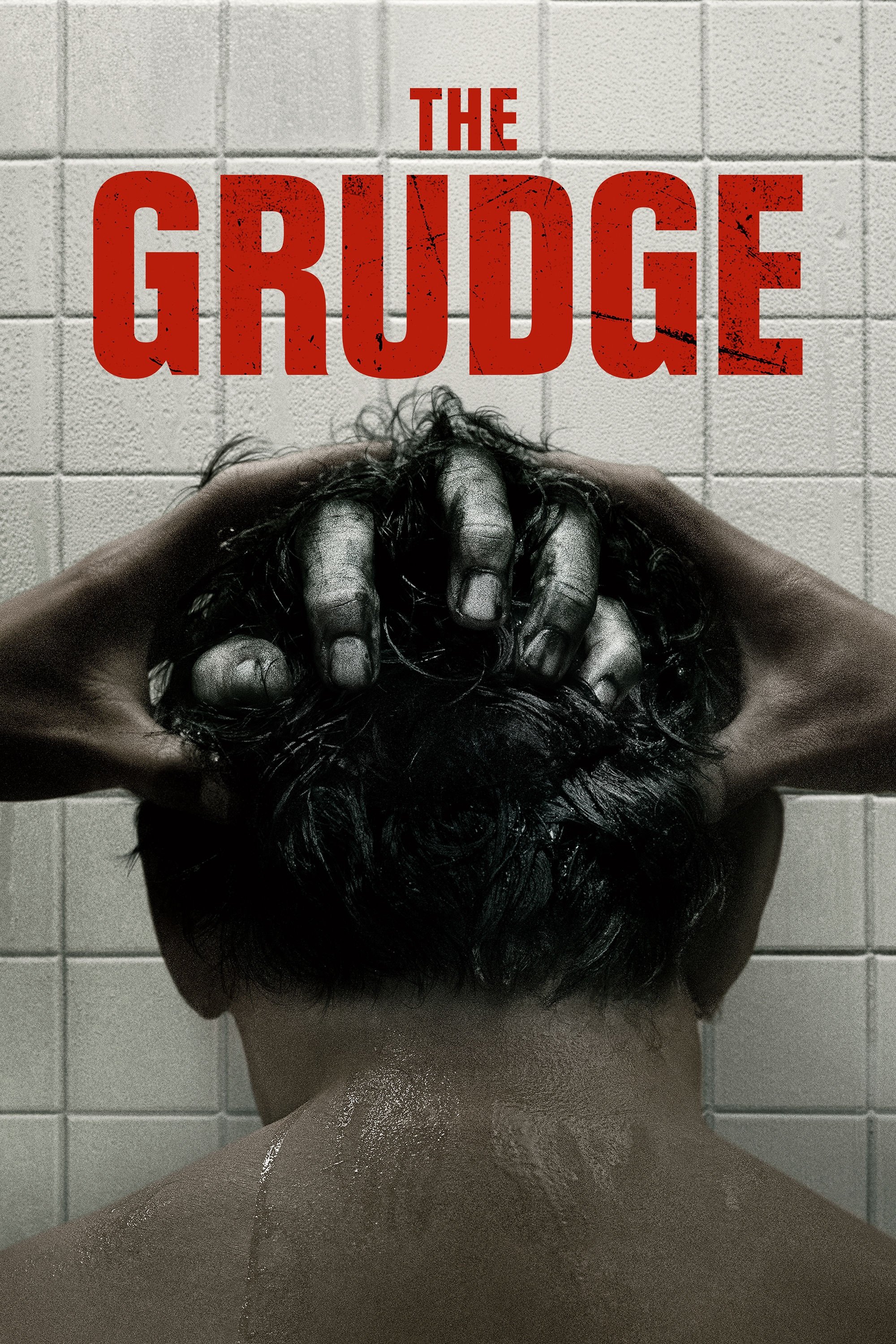
Directed by Nicolas Pesce, this U.S. installment runs parallel to the long-running Japanese franchise, interweaving multiple timelines in a Midwestern setting. It retains the cursed-house premise while expanding to connected locations and investigators. The movie incorporates new haunt manifestations and character vignettes rather than a single protagonist’s arc. It launched in early January and posted soft legs after a strong first Friday.
‘The Fog’ (2005)
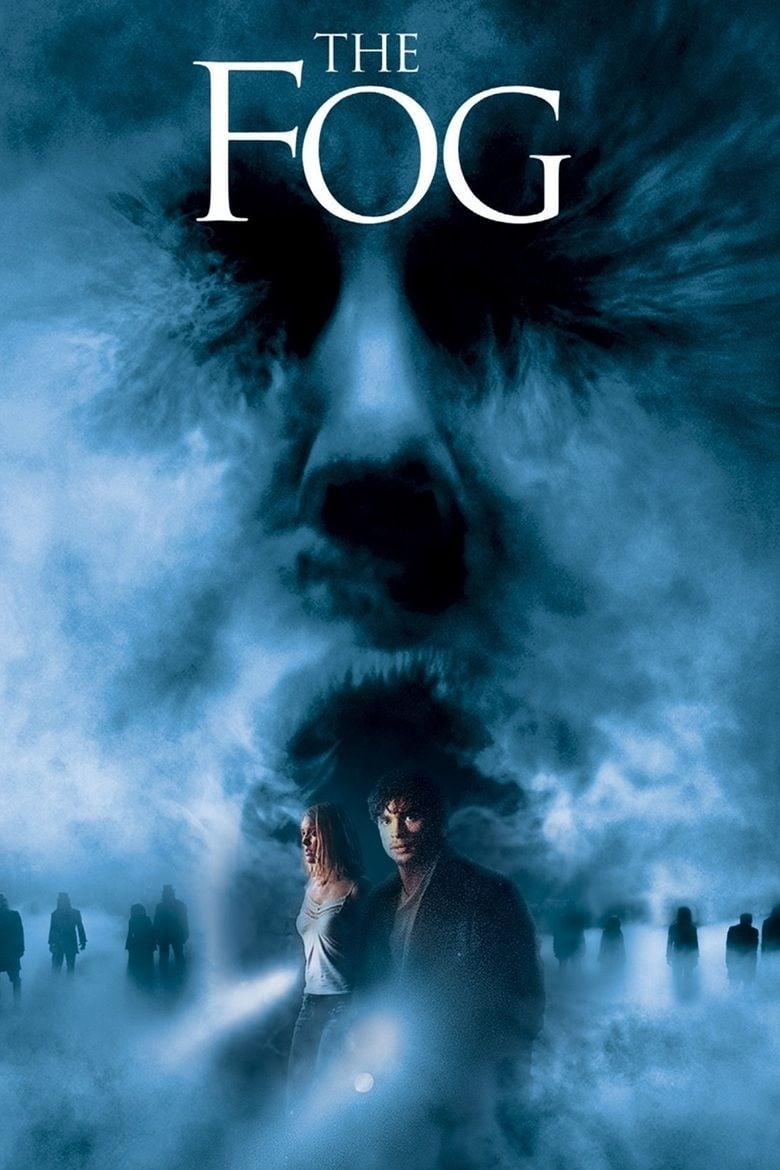
Rupert Wainwright’s remake of John Carpenter’s 1980 coastal ghost story stars Tom Welling, Maggie Grace, and Selma Blair. It relocates character relationships and expands the backstory of the shipwrecked lepers to a more explicit curse mythology. Digital effects replace much of the original’s atmosphere-building practical fog work. The film opened in October and received widely negative reviews along with steep second-week drops.
‘Rollerball’ (2002)
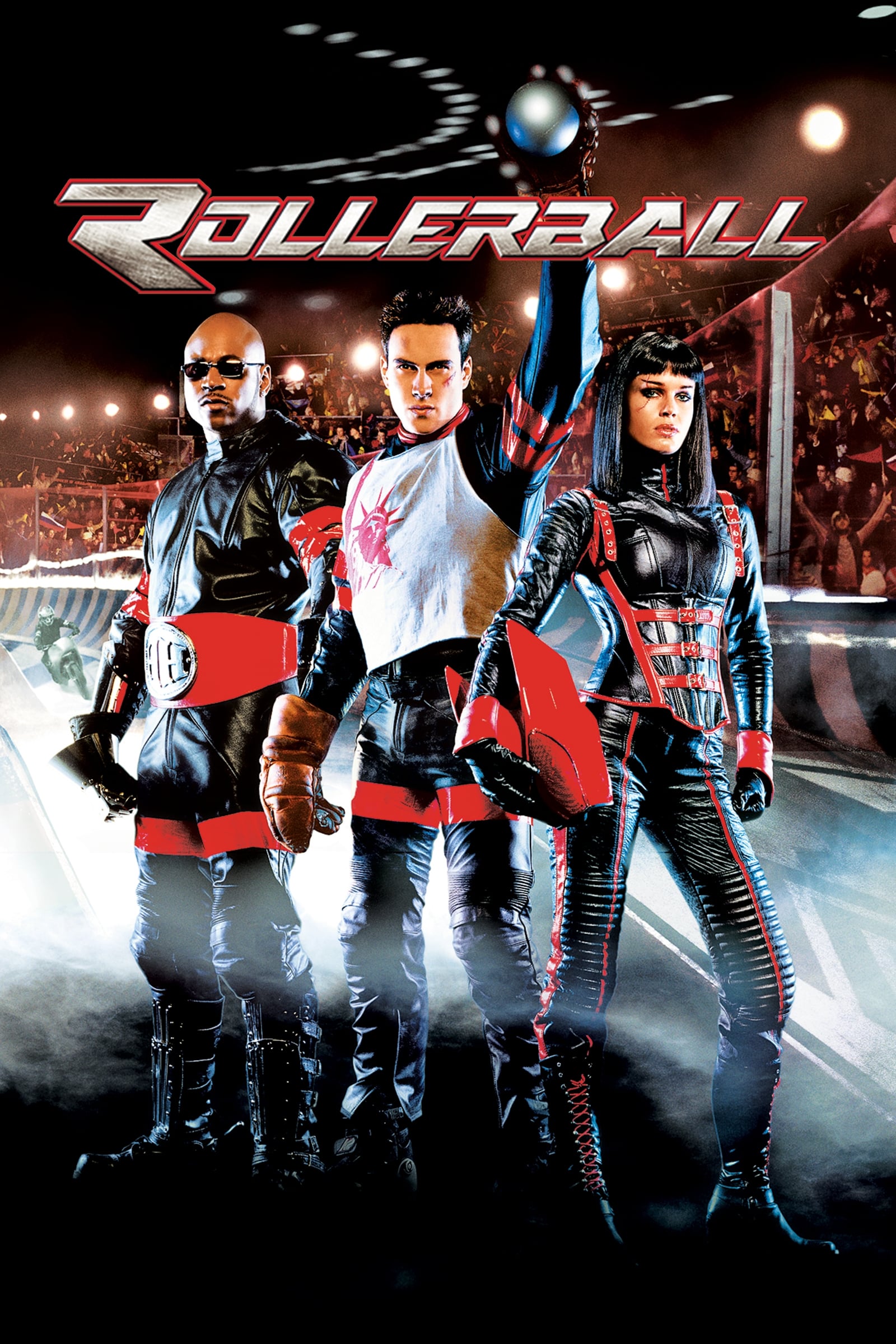
John McTiernan directs this update of the 1975 dystopian sports thriller, with Chris Klein, LL Cool J, and Rebecca Romijn in the leads. The remake shifts settings to a Central Asian league and reframes corporate control as reality-television spectacle. Notable changes include a night-vision chase sequence and altered rules emphasizing extreme violence. Multiple release date moves preceded a February launch that underperformed in North America.
‘Get Carter’ (2000)
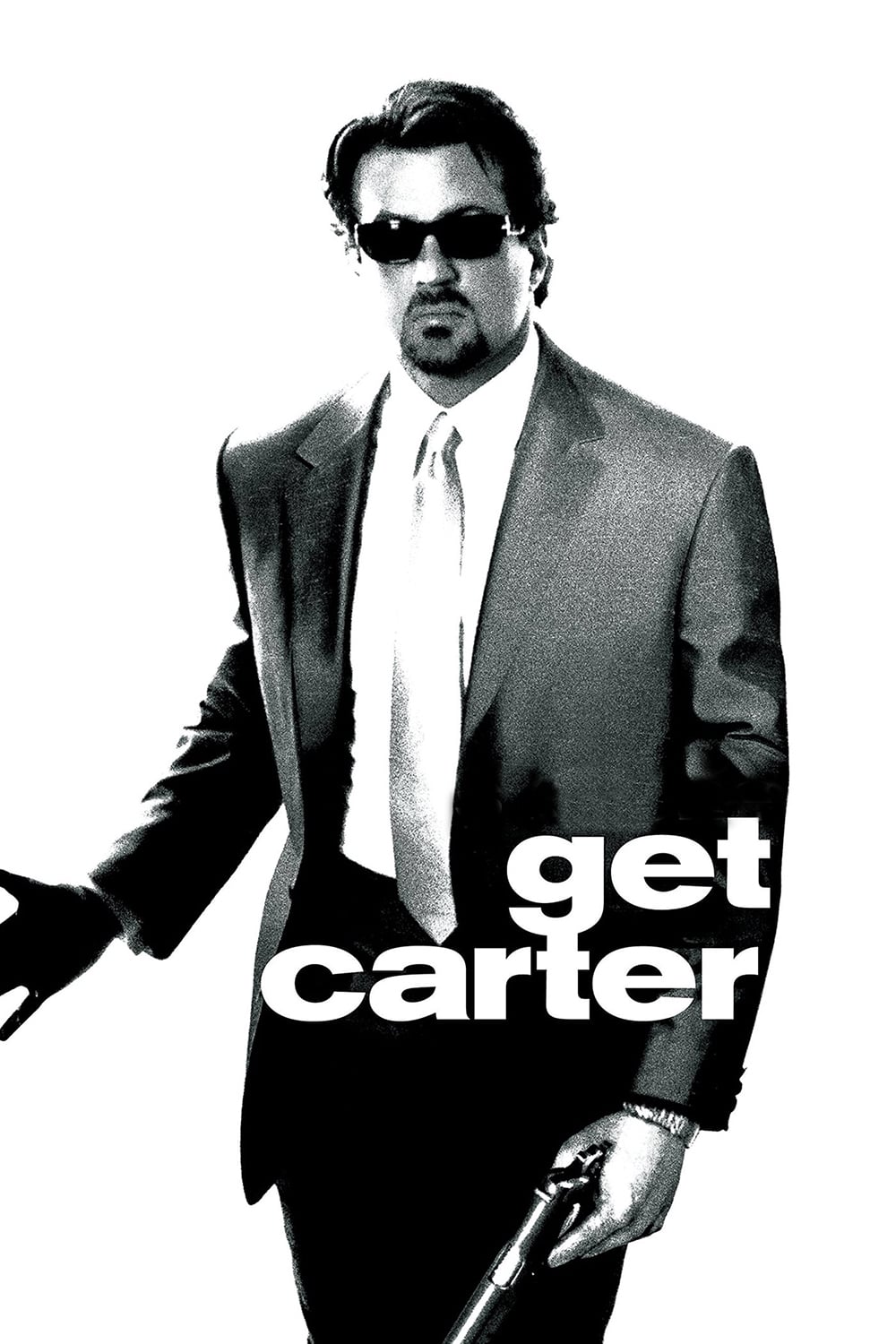
Stephen Kay’s version stars Sylvester Stallone in a relocation of the 1971 British neo-noir to an American setting. The plot reshapes Jack Carter’s family dynamics and updates criminal networks to late-1990s tech and finance angles. Mickey Rourke and Rachel Leigh Cook co-star, with Michael Caine appearing in a new role. The film debuted in the fall and drew poor notices alongside weak domestic grosses.
‘Poseidon’ (2006)
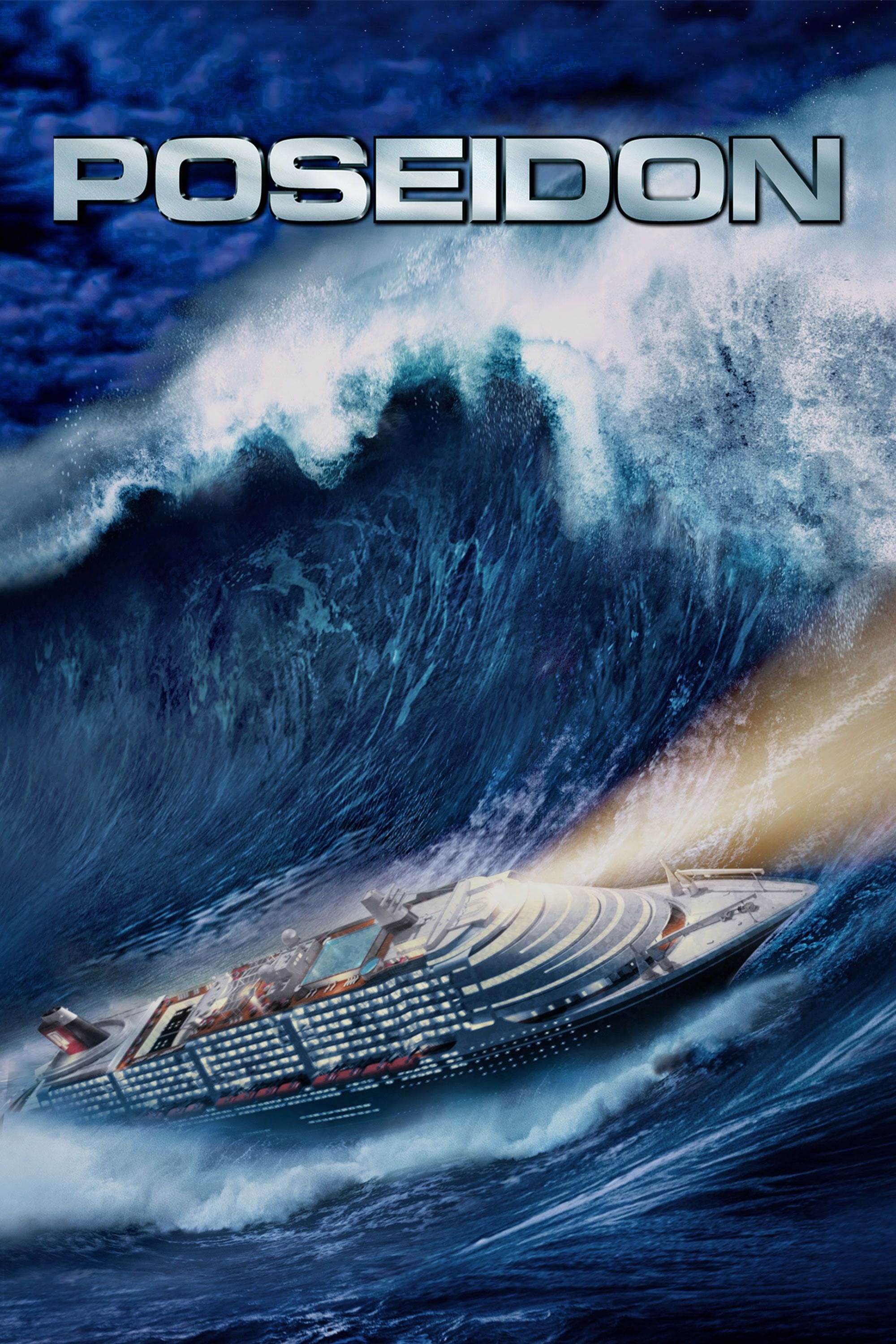
Wolfgang Petersen revisits the capsized-liner survival tale with Josh Lucas, Kurt Russell, and Emmy Rossum among the ensemble. The remake trims character prologues and uses large-scale CG water simulations for the inversion and set-piece escapes. It removes the original’s religious undertones in favor of a streamlined disaster-throughline. Despite strong technical craft, the movie’s box office fell short of expectations in the U.S.
‘The Day the Earth Stood Still’ (2008)
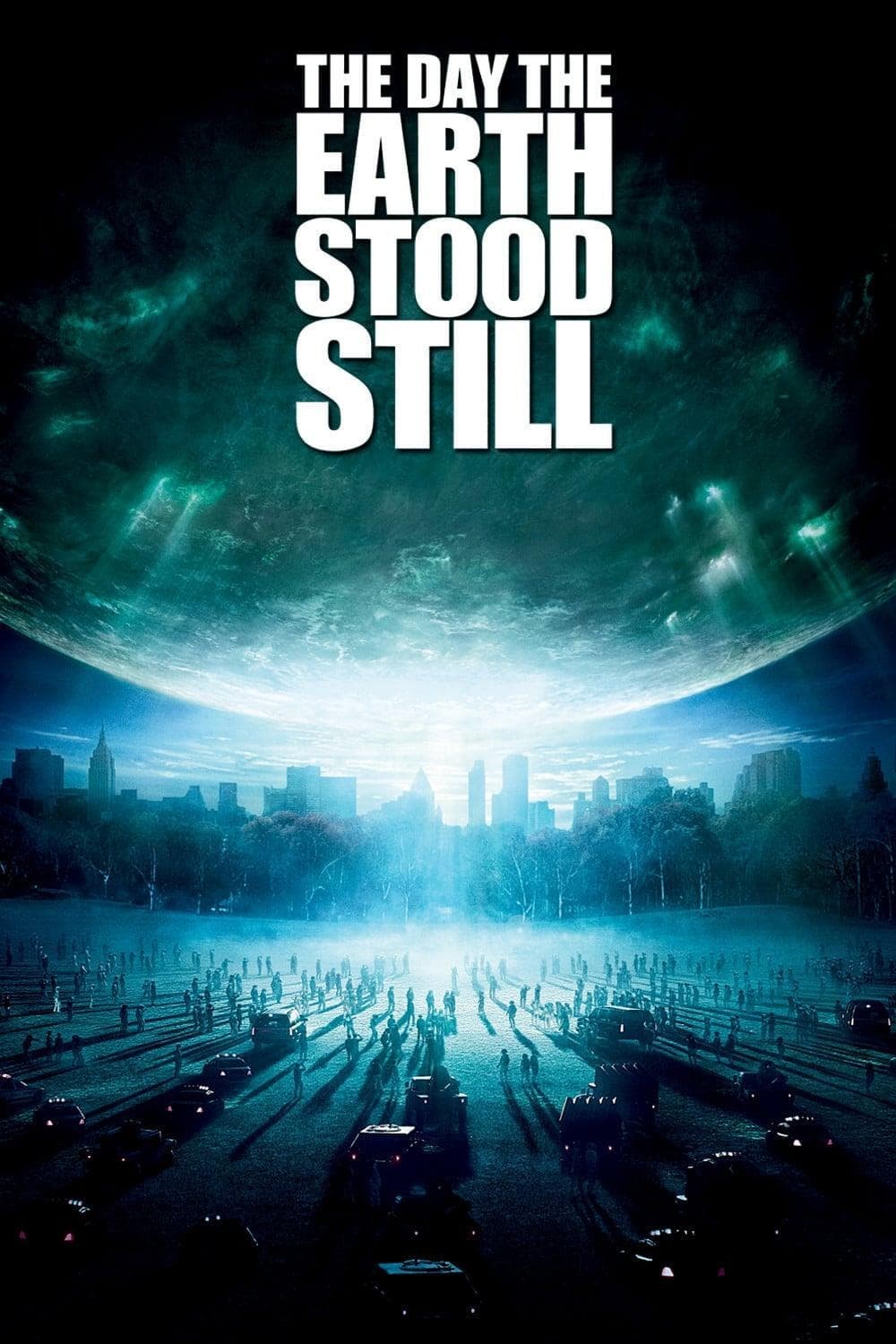
Scott Derrickson’s retelling casts Keanu Reeves as Klaatu and Jennifer Connelly as a scientist contact. Environmental catastrophe replaces Cold War tensions as the central existential threat, with GORT reimagined via nanotechnology. The narrative expands military response sequences and relocates key encounters to modern New York and New Jersey sites. The winter release earned mixed-to-negative reviews and middling domestic receipts.
‘Conan the Barbarian’ (2011)

Marcus Nispel directs this new take with Jason Momoa as Conan, supported by Rachel Nichols and Stephen Lang. The origin story is reshaped through a revenge quest tied to a mystical mask and a warlord’s ambitions. Practical stunt work mixes with CG-heavy combat and creature moments across multiple Mediterranean-like locales. The late-summer debut fell below franchise-restart targets at the box office.
‘The Haunting’ (1999)
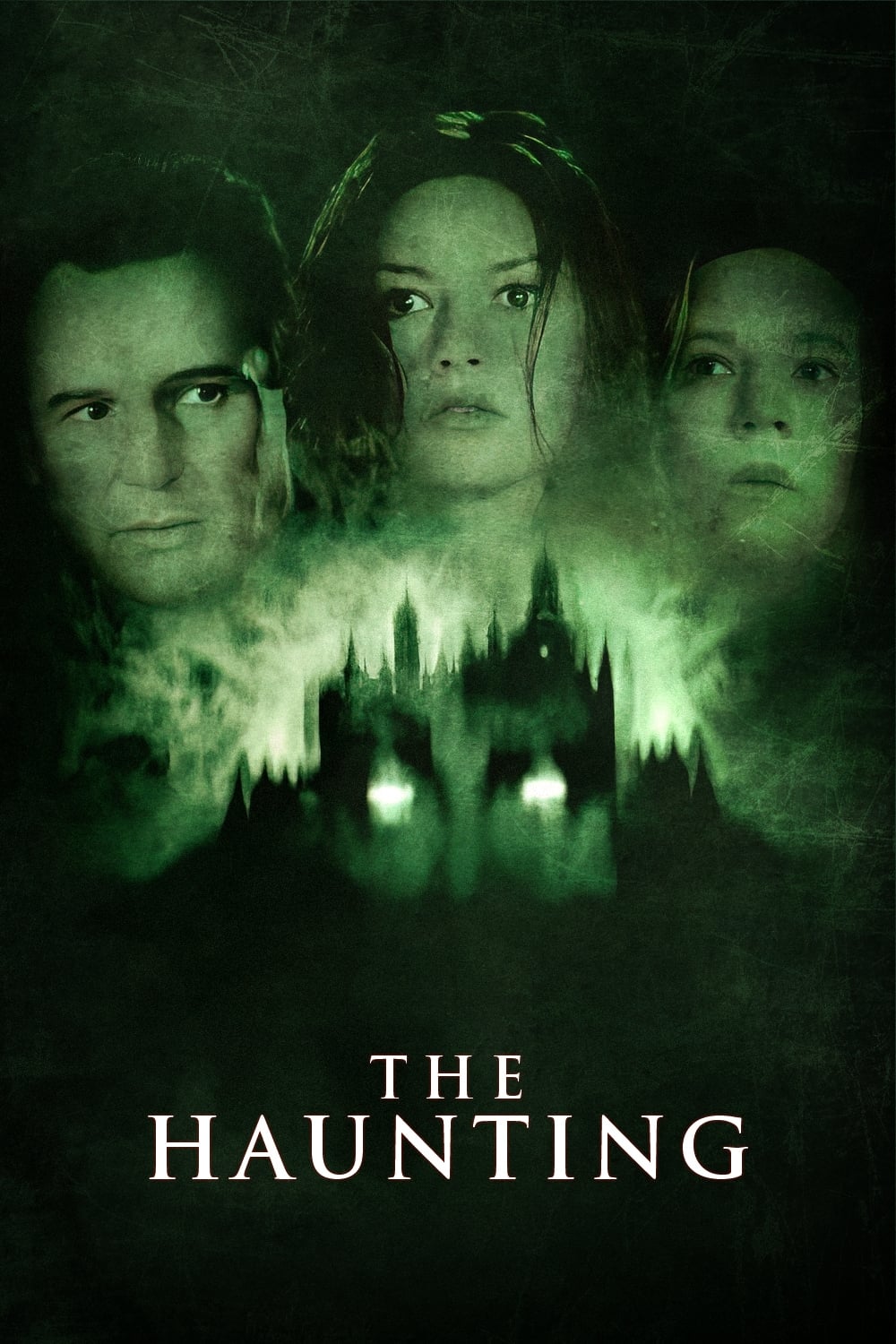
Jan de Bont’s adaptation of Shirley Jackson’s novel updates the 1963 film with Liam Neeson, Catherine Zeta-Jones, Lili Taylor, and Owen Wilson. It amplifies production design and visual effects to manifest the house’s spirits overtly. The plot emphasizes childhood trauma and inheritance mysteries, adding new set-piece traps and apparitions. Released mid-summer, it opened well but faded amid critical pushback on tone and effects.
‘The Invasion’ (2007)

Oliver Hirschbiegel’s body-snatchers update stars Nicole Kidman and Daniel Craig, with additional work reportedly overseen by James McTeigue. The remake modernizes the infection vector and introduces a pharmaceutical and military response thread. Structural changes intercut action and dreamlike horror with a revised ending that signals containment. It arrived late summer after delays and posted disappointing domestic numbers.
‘The Omen’ (2006)
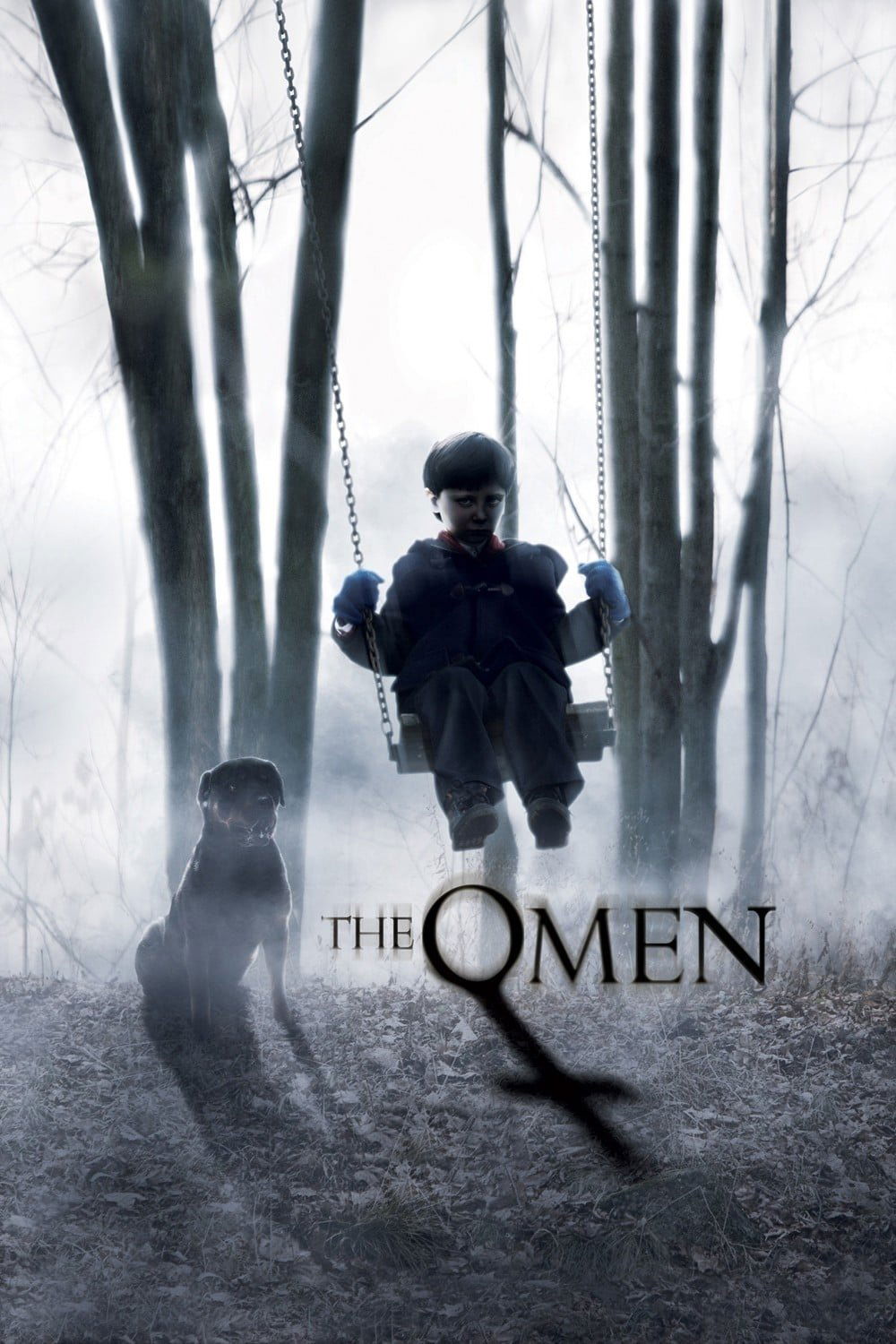
John Moore’s remake of the 1976 satanic-chiller casts Liev Schreiber, Julia Stiles, and Seamus Davey-Fitzpatrick. The script closely follows the original while inserting contemporary political backdrops and updated set-pieces. Iconic death scenes are restaged with digital augmentation and new locations. Timed to a June 6 release, the movie had a strong opening day but fast fade.
‘The Pink Panther’ (2006)
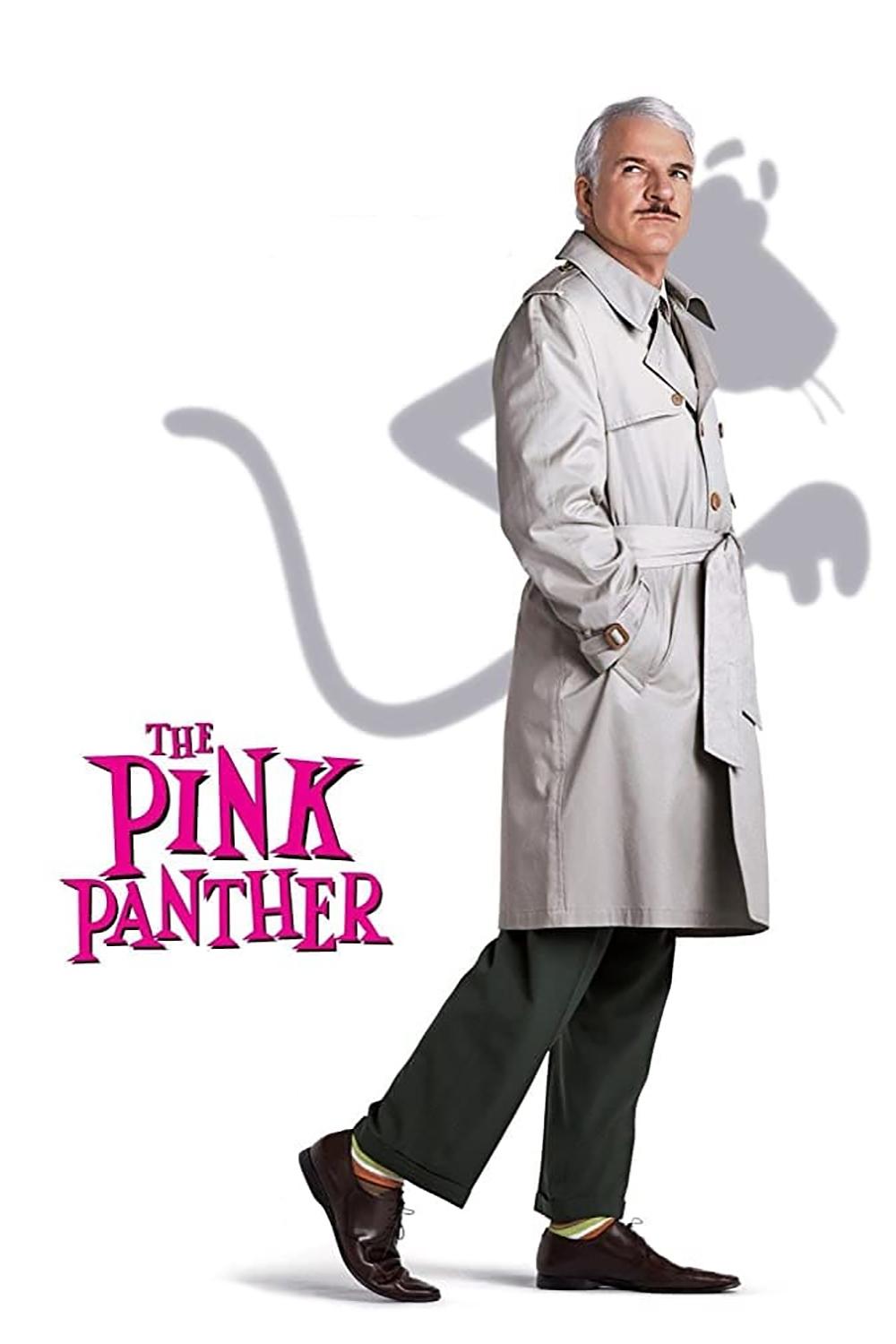
Shawn Levy reboots the inspector comedy with Steve Martin as Clouseau, opposite Kevin Kline and Beyoncé. The case centers on a murdered coach and a stolen diamond, segueing through globe-spanning mishaps. Slapstick set-pieces and accent humor are retooled for mid-2000s family audiences. It launched in February and, despite earning a sequel, was widely lampooned by critics.
‘House of Wax’ (2005)
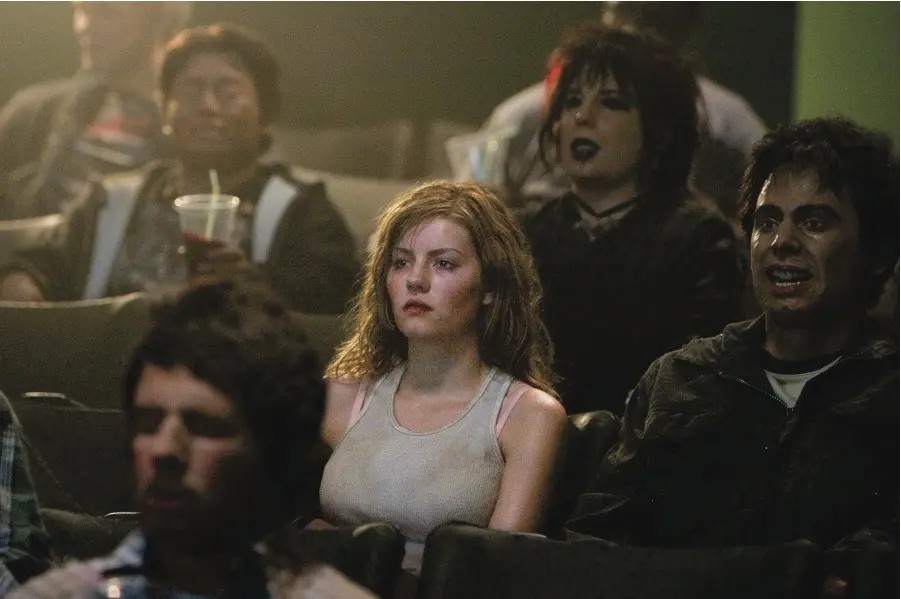
Jaume Collet-Serra’s version blends elements from the 1953 film and unrelated slasher tropes, starring Elisha Cuthbert, Chad Michael Murray, and Paris Hilton. The plot strands a group of friends in a ghost town where victims are encased in wax. Practical gore effects mix with studio backlot environments and set-piece chases. The film opened in early May and drew largely negative reviews while finding later cable visibility.
‘Straw Dogs’ (2011)
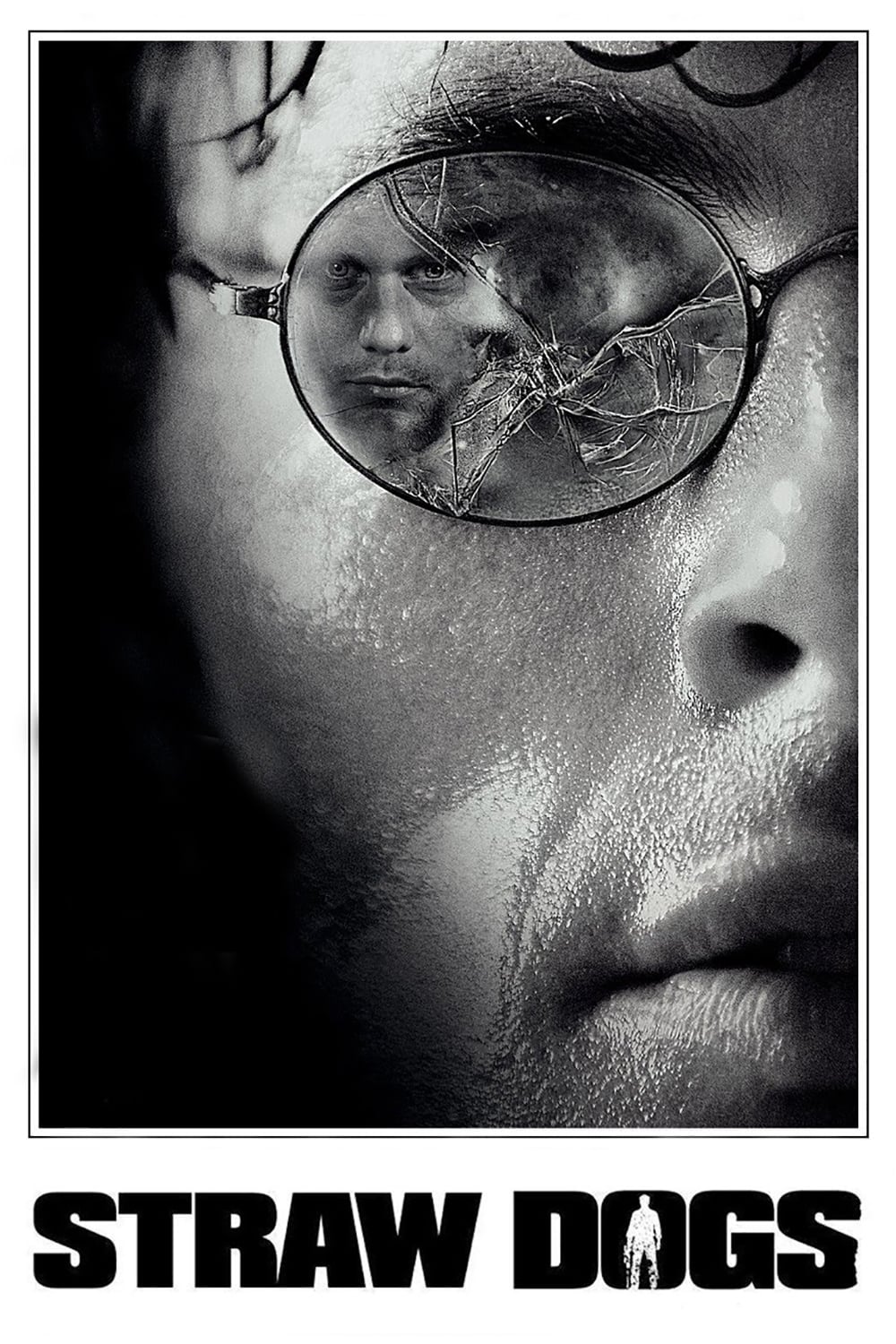
Rod Lurie relocates the 1971 rural-violence story to the American South, starring James Marsden and Kate Bosworth. Character backgrounds shift—turning the lead into a Hollywood screenwriter—and the local antagonists are reimagined as ex-athlete townsmen. The home-invasion finale is re-staged with new geography and weapons. A September release met poor critical marks and modest box-office returns.
‘Taxi’ (2004)
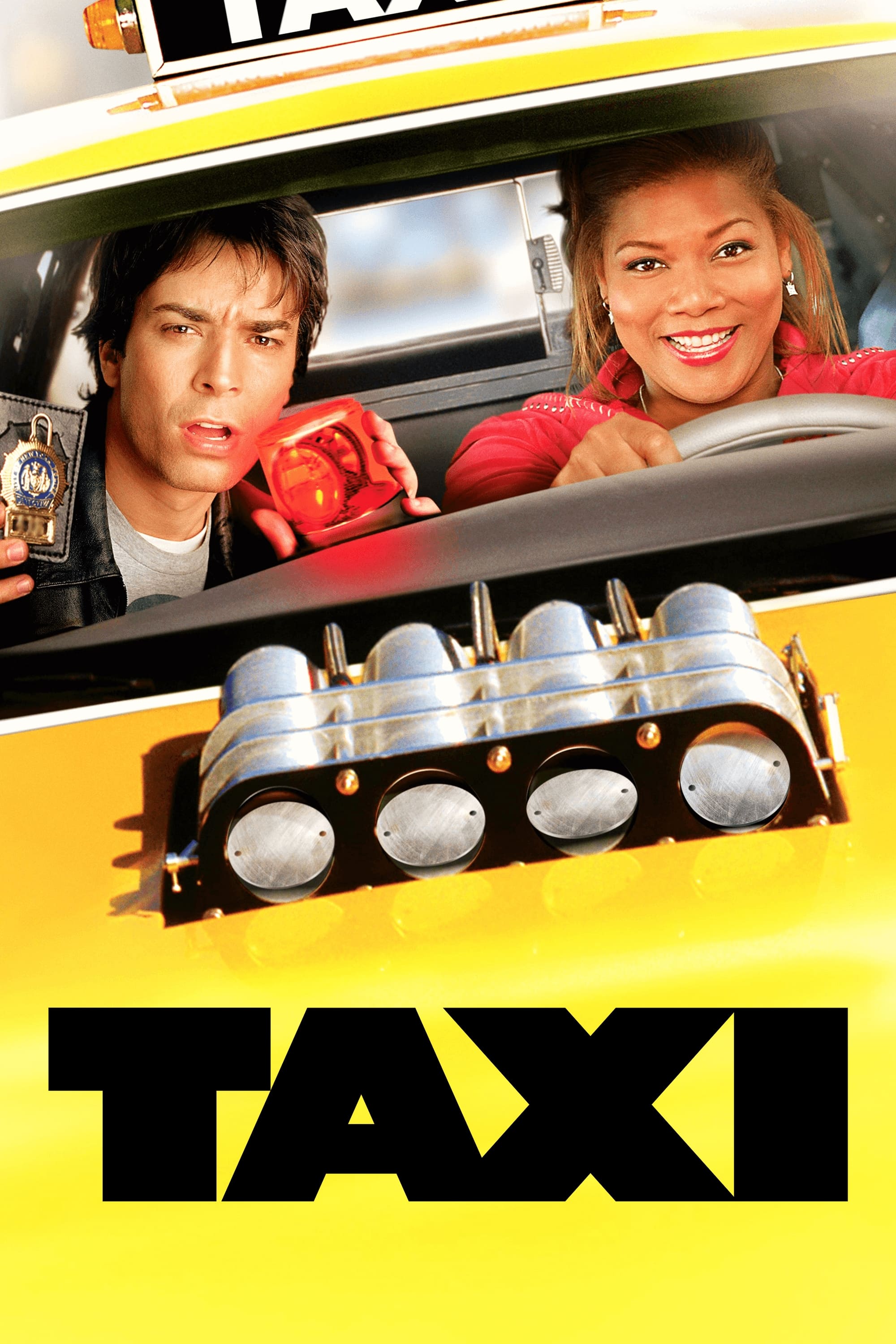
Tim Story’s U.S. remake of the French action-comedy stars Queen Latifah as a speed-demon cabbie and Jimmy Fallon as a traffic-cursed cop. The plot swaps Paris for New York and introduces a crew of supermodel bank robbers. Car stunts and broad gags take precedence over the original’s tuner-culture specificity. The film arrived in October and was widely panned by reviewers.
‘Fame’ (2009)
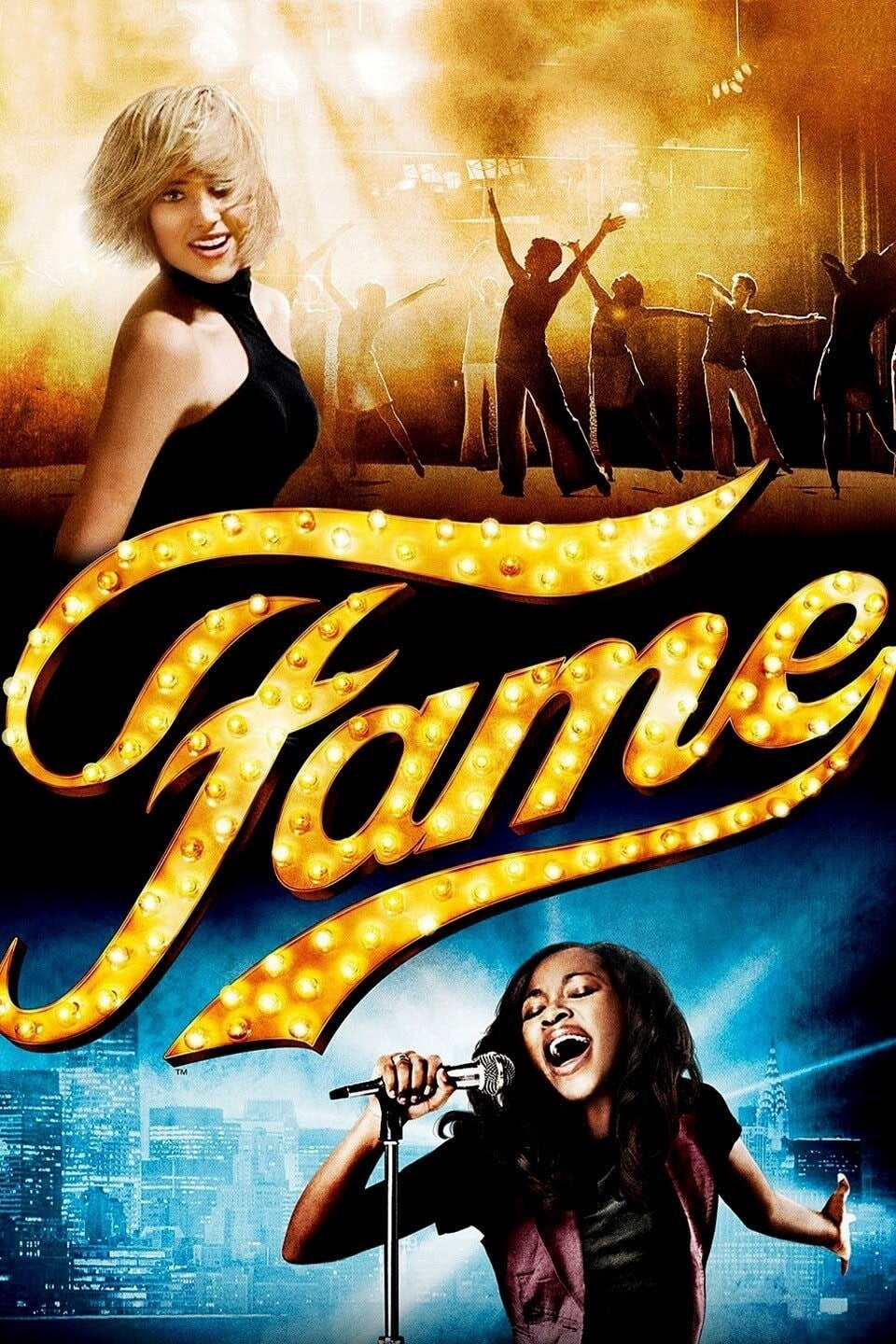
Kevin Tancharoen’s update revisits the performing-arts high school ensemble with Naturi Naughton, Kherington Payne, and Megan Mullally. It streamlines character arcs and modernizes musical numbers with contemporary pop and hip-hop production. The film reduces gritty subplots in favor of aspirational montages and faculty mentorship scenes. Released in September, it earned modestly while drawing comparisons to the 1980 original’s sharper tone.
‘Carrie’ (2013)
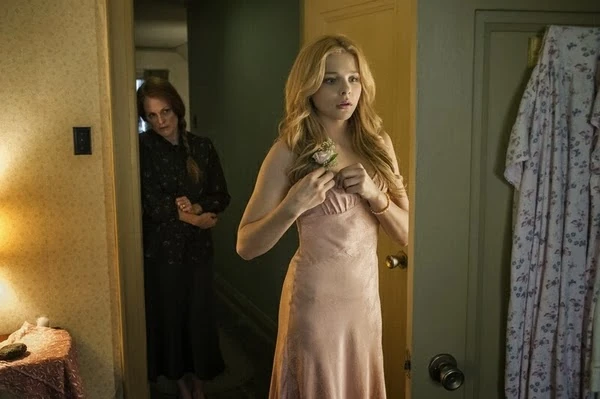
Kimberly Peirce directs this retelling of Stephen King’s story with Chloë Grace Moretz and Julianne Moore. The film closely follows the 1976 plot while incorporating cyberbullying, updated prom staging, and CG-enabled telekinesis. It expands on mother-daughter dynamics with new scenes and altered beats. The October release posted middling numbers and mixed critical reactions.
‘Papillon’ (2017)
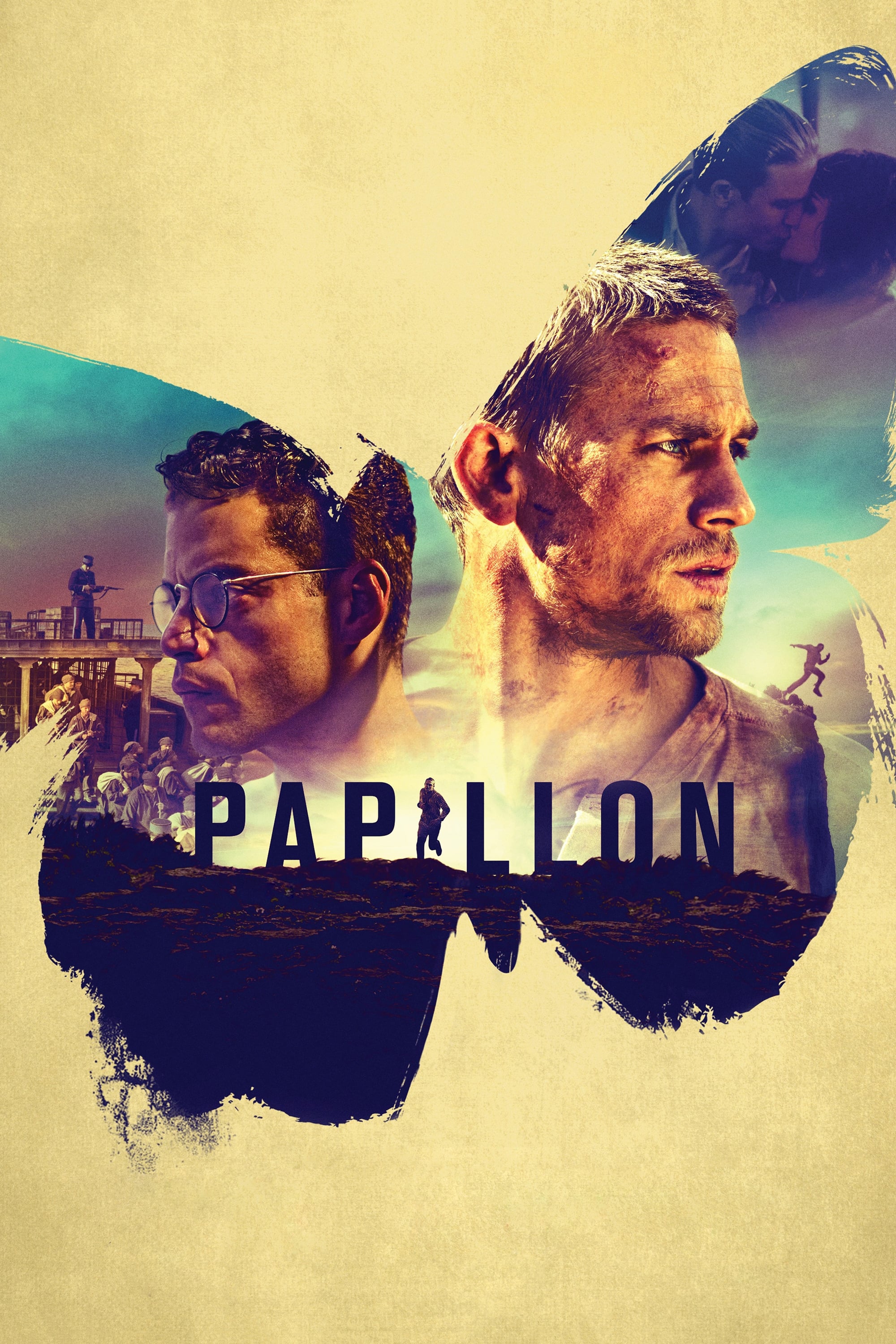
Michael Noer’s version pairs Charlie Hunnam and Rami Malek in a new adaptation of Henri Charrière’s memoir. The remake emphasizes prison-camp realism and location work in Malta and Montenegro. Key escapes and relationships are re-sequenced, with a restrained score and handheld photography. Debuting late summer, it saw limited theatrical exposure and modest receipts.
‘Jacob’s Ladder’ (2019)
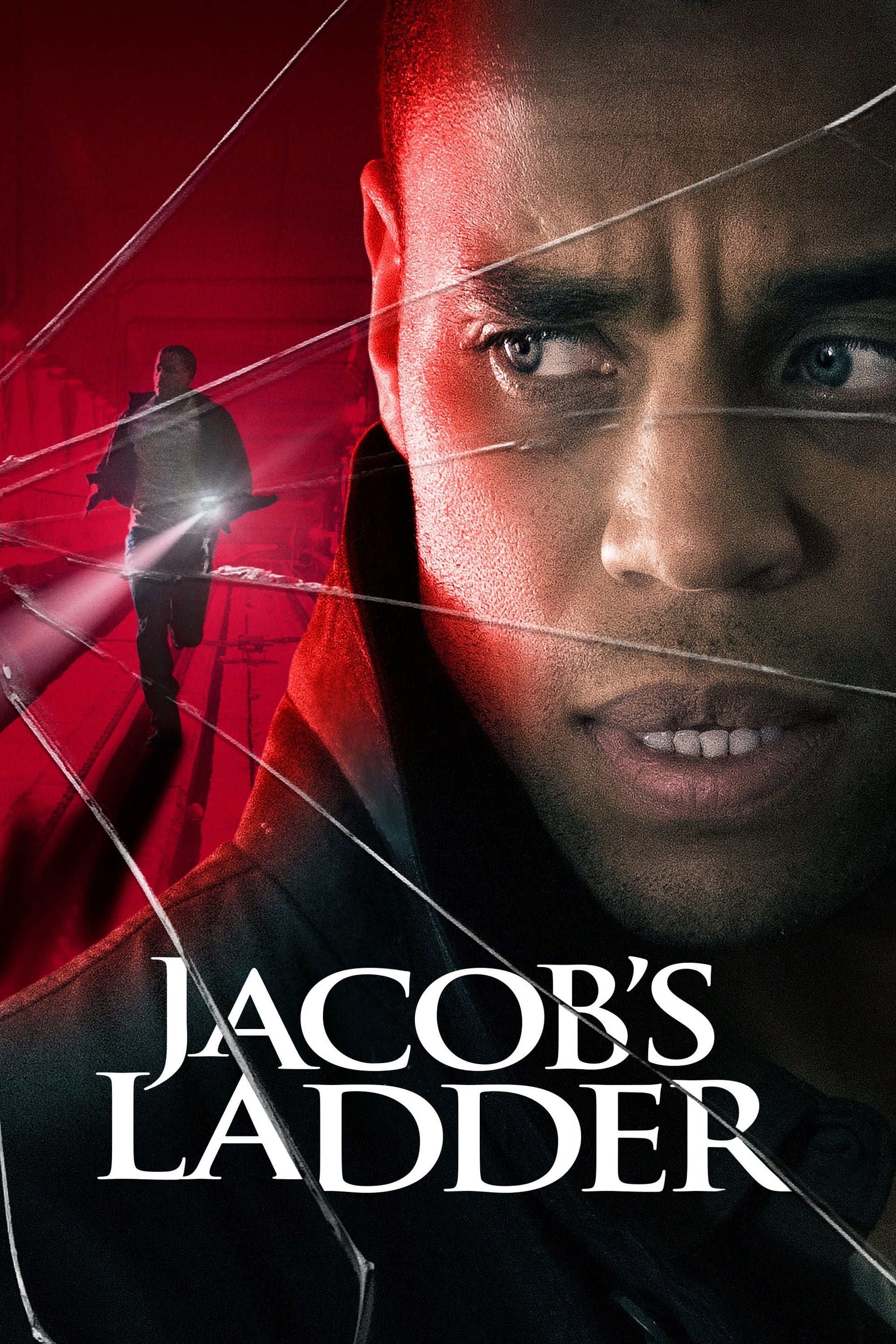
David M. Rosenthal reframes the 1990 psychological thriller with Michael Ealy and Jesse Williams as brothers linked by wartime trauma. The plot introduces conspiracy threads around a designer drug and shifts the central twist mechanics. Urban settings and hospital sequences are reconfigured to foreground paranoia and mistaken identity. After delays, the movie released through limited theatrical and digital platforms.
‘Firestarter’ (2022)

Keith Thomas directs this adaptation of Stephen King’s novel with Zac Efron and Ryan Kiera Armstrong. Government-lab origins and fugitive-family dynamics are updated, with new set-pieces for the pyrokinetic outbreaks. The film integrates day-and-date streaming with its theatrical rollout, affecting box-office visibility. Reviews noted heavy reliance on CG fire and streamlined plotting compared to earlier versions.
‘Hellboy’ (2019)
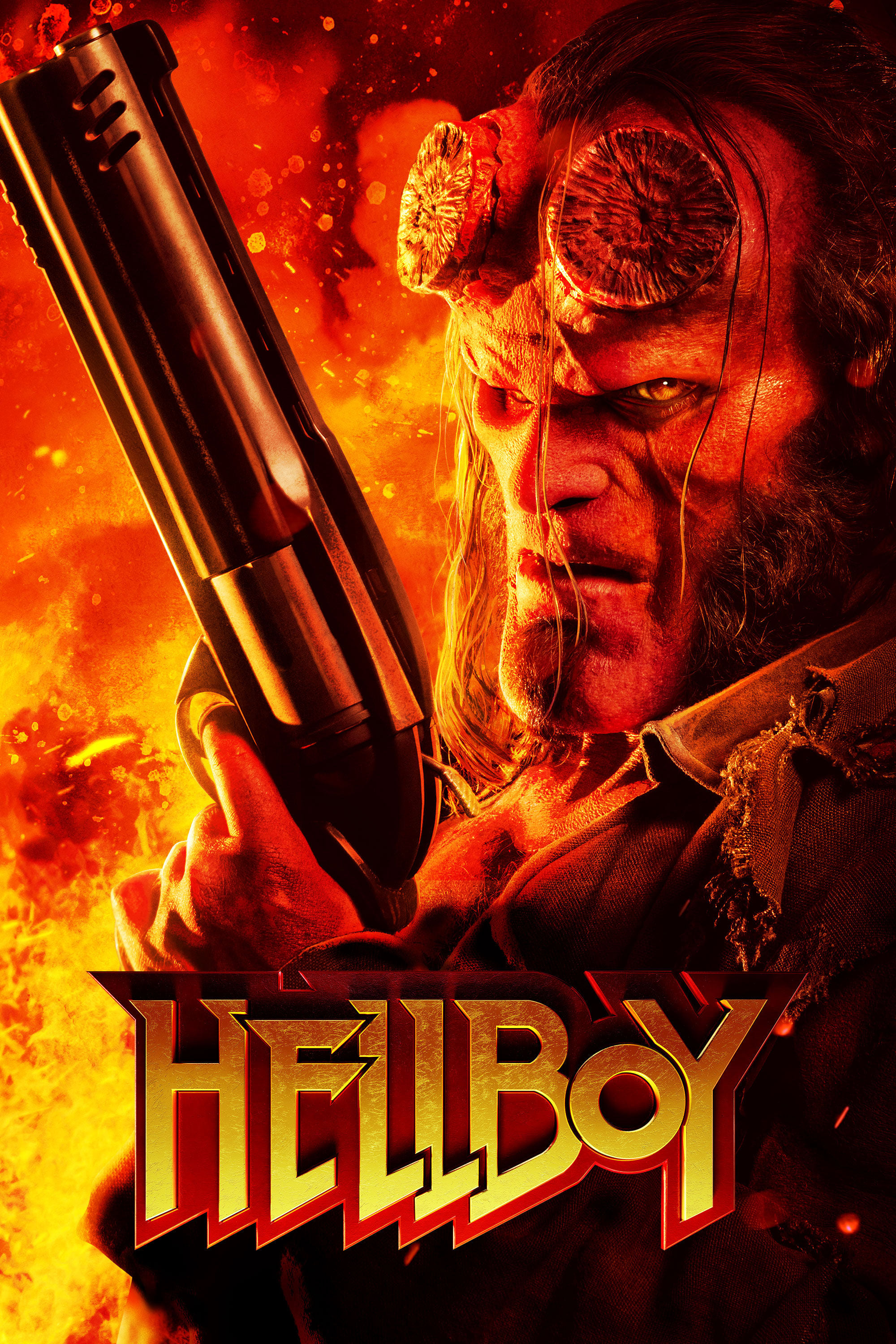
Neil Marshall reboots the comic-film series with David Harbour, introducing folklore threads around the Blood Queen and Arthurian myth. Practical creature effects mix with extensive CG in large-scale battles and monster cameos. The narrative detours through episodic missions rather than a single escalating arc. The spring release underperformed and halted immediate sequel plans.
‘Vacation’ (2015)
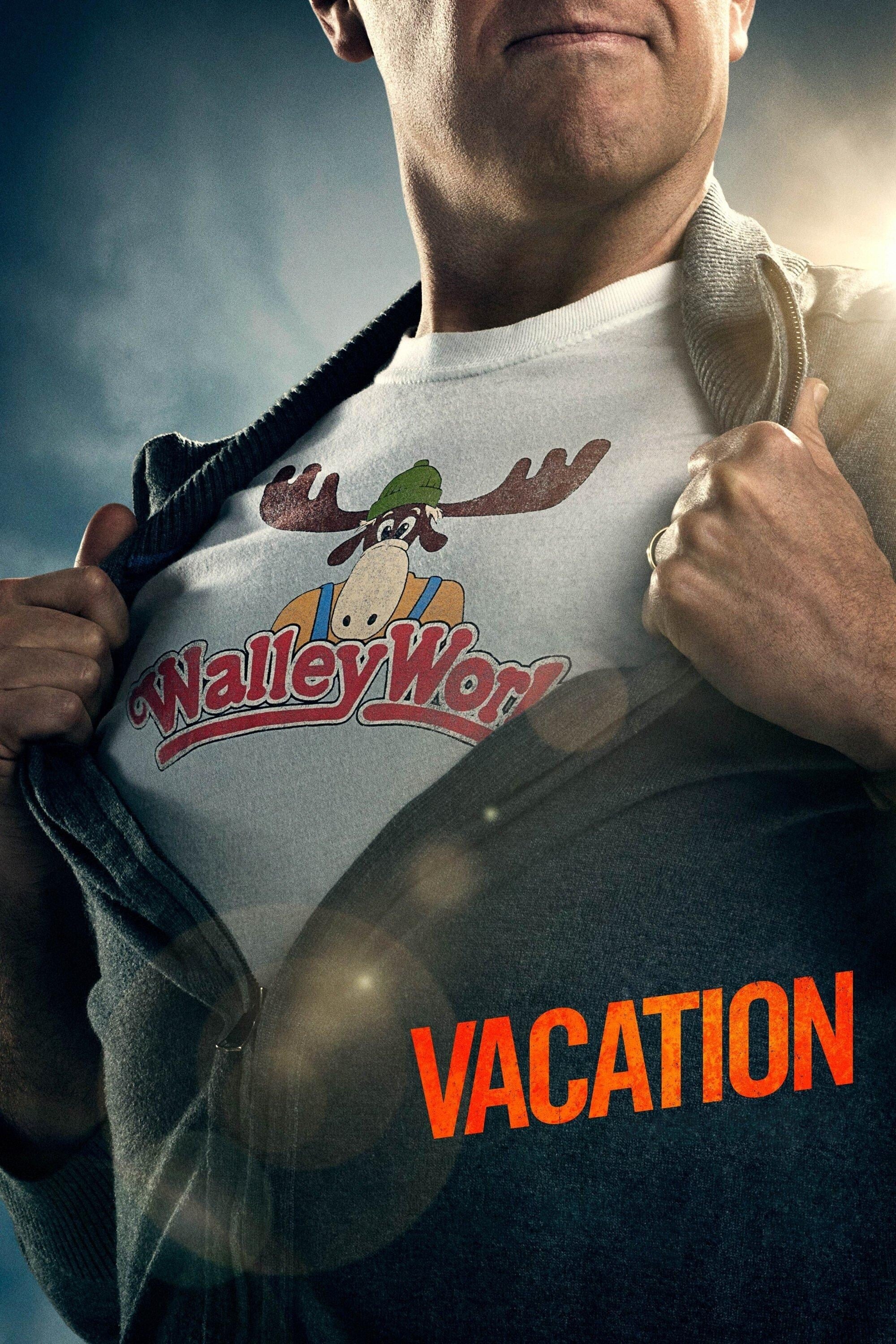
John Francis Daley and Jonathan Goldstein continue the comedy brand with Ed Helms as the grown-up Rusty Griswold, effectively remaking the original family road-trip premise. The route, set-piece disasters, and theme-park endpoint are reimagined for contemporary travel and social-media gags. Cameos connect the film to earlier entries while positioning a new core family. The mid-summer opening generated mixed reception and moderate grosses.
Share your picks in the comments—what other remakes do you think cinema could have done without, and why?

