


Worst Parents in Movie History




Parents in films can be mentors, protectors, or—when stories turn dark—the source of a character’s deepest scars. This roundup spotlights on-screen parents whose actions drive plots through neglect, intimidation, or outright harm, shaping the lives and choices of their children and everyone around them. Each entry focuses on what happens in the story, detailing behaviors and decisions that set these characters apart as cautionary figures in movie history.
Jack Torrance – ‘The Shining’

Jack Torrance moves his family into the isolated Overlook Hotel while he works as the winter caretaker in ‘The Shining’. Cut off from outside help, he succumbs to cabin fever and the hotel’s malevolent influence. He terrorizes his wife and son, ultimately turning violent inside the hotel’s maze-like corridors.
Margaret White – ‘Carrie’
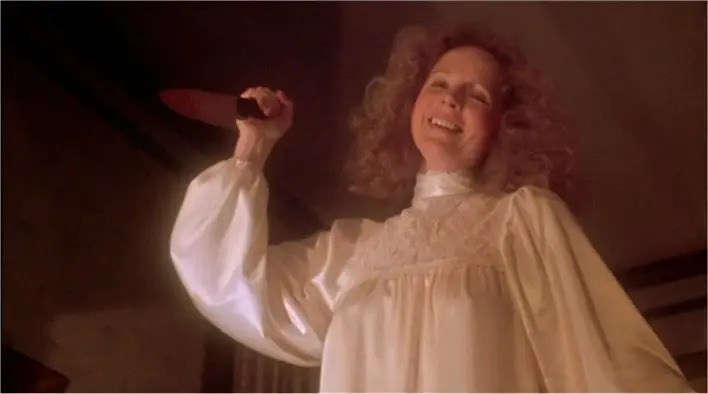
In ‘Carrie’, Margaret White imposes extreme religious rules on her daughter and isolates her from normal teenage life. She punishes Carrie for ordinary experiences and labels them as sinful. Her treatment pushes Carrie to hide who she is and sets the stage for the catastrophic events that follow.
Joan Crawford (as depicted) – ‘Mommie Dearest’
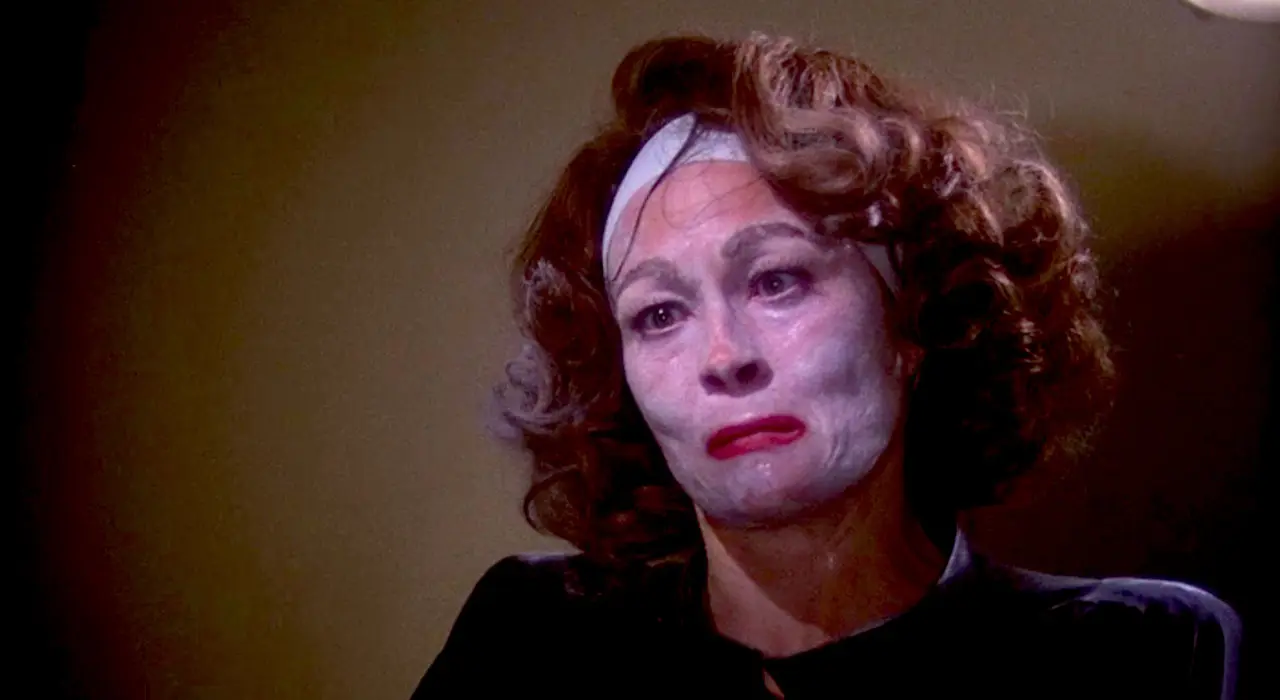
‘Mommie Dearest’ presents a dramatized account of actor Joan Crawford’s home life based on Christina Crawford’s memoir. The film depicts volatile discipline, obsessive control, and a fixation on public image over household stability. These portrayals frame a tense parent–child dynamic that fuels the narrative’s most memorable scenes.
Mary – ‘Precious’
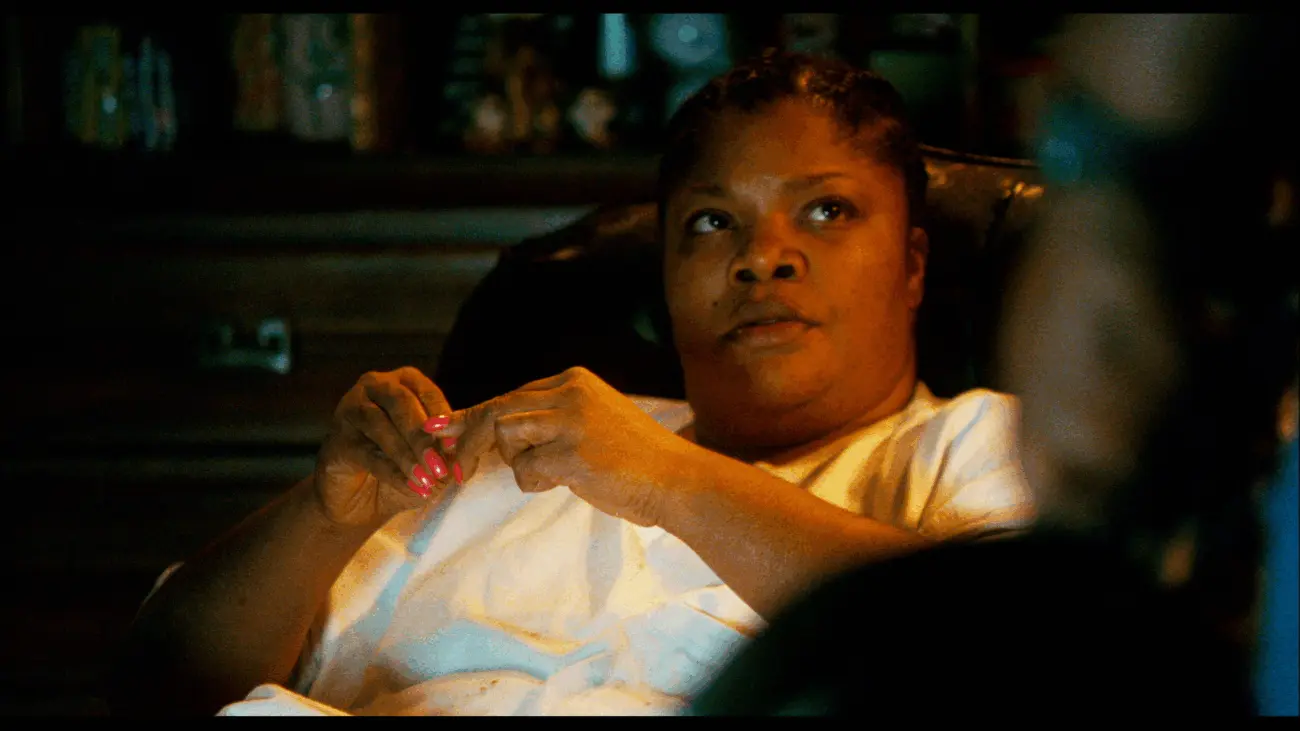
In ‘Precious’, Mary’s daughter endures constant verbal and physical abuse inside their apartment. Mary obstructs her daughter’s schooling and access to supportive adults. The film tracks how authorities, teachers, and social workers confront this toxic environment to secure a safer path forward.
Harry and Zinnia Wormwood – ‘Matilda’
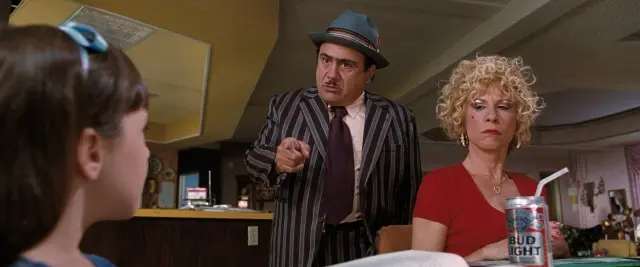
‘Matilda’ introduces the Wormwoods as parents who dismiss reading, mock learning, and ignore their daughter’s needs. Harry runs shady schemes while Zinnia prioritizes television and appearances, leaving Matilda to educate herself. Their neglect contrasts sharply with the support Matilda later finds at school.
Peter and Kate McCallister – ‘Home Alone’

In ‘Home Alone’, the McCallisters accidentally leave their youngest son behind during a chaotic family trip. They fly overseas before realizing he is still at home, triggering a frantic effort to reach him. The situation repeats in the sequel, underscoring how disorganization and large-group logistics lead to serious lapses in supervision.
Darth Vader – ‘Star Wars’

Across the original ‘Star Wars’ trilogy, Darth Vader serves the Empire while his children grow up unaware of their parentage. He confronts Luke in a lightsaber duel and severs his hand before revealing the truth. Only later does he intervene to stop the Emperor, altering the fate of his family and the galaxy.
Eleanor Shaw – ‘The Manchurian Candidate’
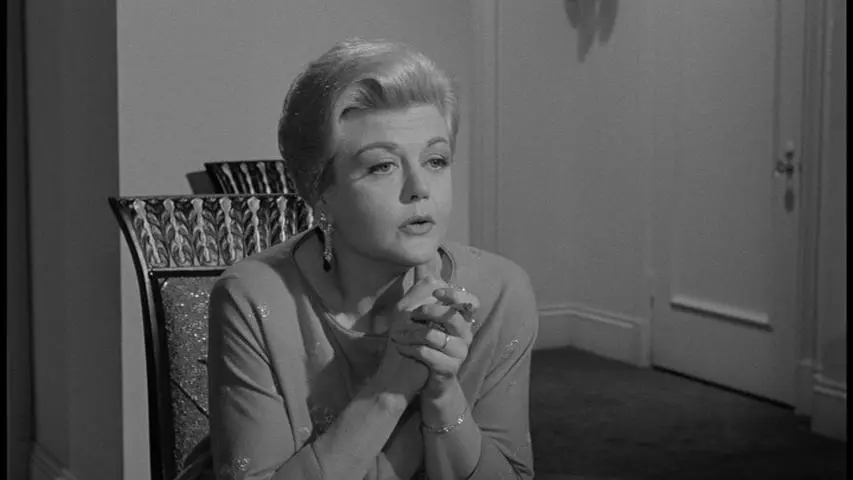
In ‘The Manchurian Candidate’, Eleanor Shaw orchestrates political ambitions through her son’s conditioning and manipulation, in both versions. She leverages connections to powerful interests to control his behavior and choices. The plot details how this influence extends from family spaces to the highest levels of government.
Royal Tenenbaum – ‘The Royal Tenenbaums’

‘The Royal Tenenbaums’ portrays Royal as an absentee father who reappears after years of neglect. He fakes an illness to move back into the family home, disrupting fragile routines his children have built as adults. The film catalogs earlier slights and broken promises that shaped the siblings’ lives.
Gendo Ikari – ‘The End of Evangelion’

In ‘The End of Evangelion’, Gendo Ikari pursues a secret plan tied to global-scale experiments and the fate of humanity. He keeps his son at emotional arm’s length while directing dangerous missions that hinge on the boy’s compliance. His choices place personal objectives above his child’s well-being, driving the film’s final confrontations.
Got another glaring omission—or a swap you’d make? Drop your picks in the comments!

