


10 Real-Life Events That Inspired the Star Wars Franchise

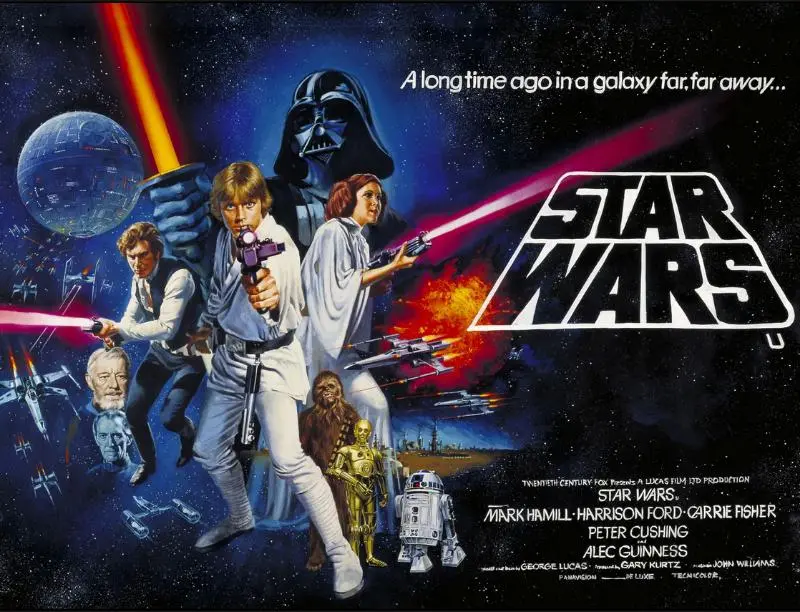


The Star Wars franchise, a sprawling space opera, draws heavily from real-world history to craft its timeless battle of good versus evil. Creator George Lucas wove a rich tapestry of political, cultural, and wartime influences into his galaxy far, far away, giving it a grounded feel despite its fantastical setting.
I’ve always been fascinated by how Lucas blended historical events with myth to shape Star Wars’ iconic story. Here are 10 real-life events that inspired the franchise, exploring the moments and movements that fueled its narrative and world-building.
Knights Templar Persecution
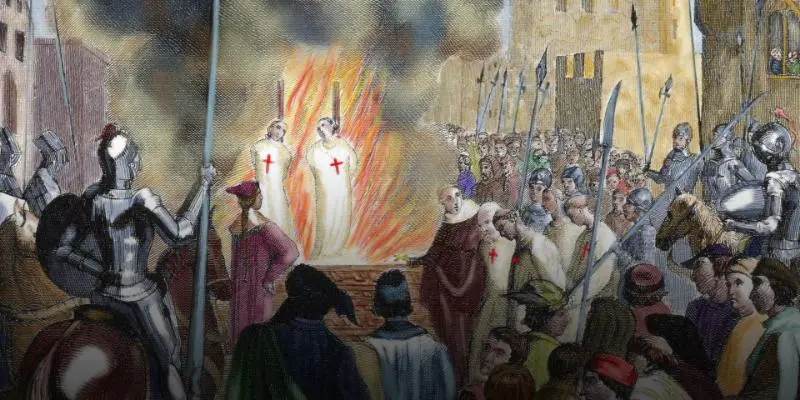
The Jedi Purge in ‘Star Wars: Episode III – Revenge of the Sith’ (2005) mirrors the brutal takedown of the Knights Templar by King Philip IV in 1307. Both groups faced sudden betrayal, with the Templars arrested and executed under false charges, much like the Jedi were targeted by Order 66.
I was struck by how Palpatine’s calculated purge echoes Philip’s power grab, wiping out a revered order. The Templars’ council of 12 elders even resembles the Jedi Council, with Yoda as a stand-in for their grandmaster.
Samurai and Bushido Code

Japanese samurai culture, especially the Bushido code, shaped the Jedi Knights’ honor and discipline. Lucas drew from samurai loyalty and swordsmanship, seen in the Jedi’s lightsaber duels and their peacekeeping ethos.
I love how the Jedi’s calm, focused demeanor feels like samurai warriors in space. Their robes and strict moral code directly reflect the samurai’s influence, grounding the Force in real-world tradition.
British and Dutch East India Companies
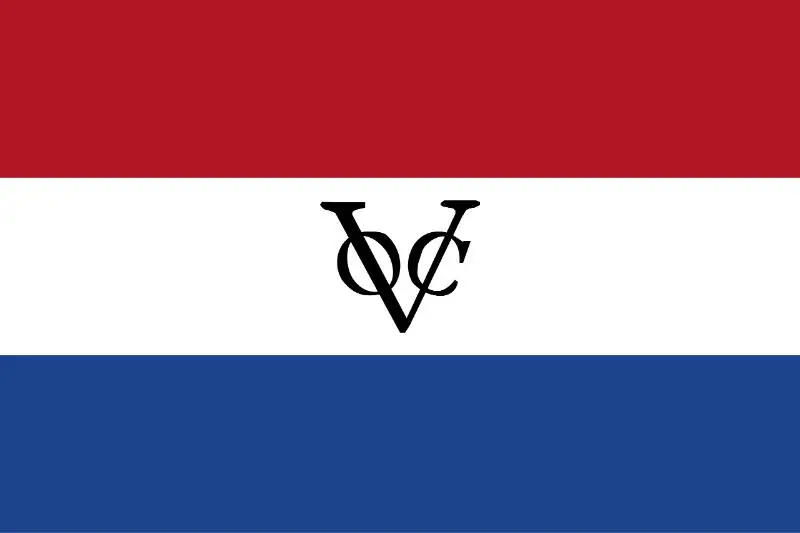
The Trade Federation in ‘Star Wars: Episode I – The Phantom Menace’ (1999) takes cues from the British and Dutch East India Companies of the 17th and 18th centuries. These corporations wielded immense economic and military power, much like the Federation’s control over galactic trade.
I found the parallel chilling, as the Federation’s greedy blockade of Naboo mirrors historical trade monopolies. Their battle droid armies even echo the private fleets of these colonial powers.
French Resistance
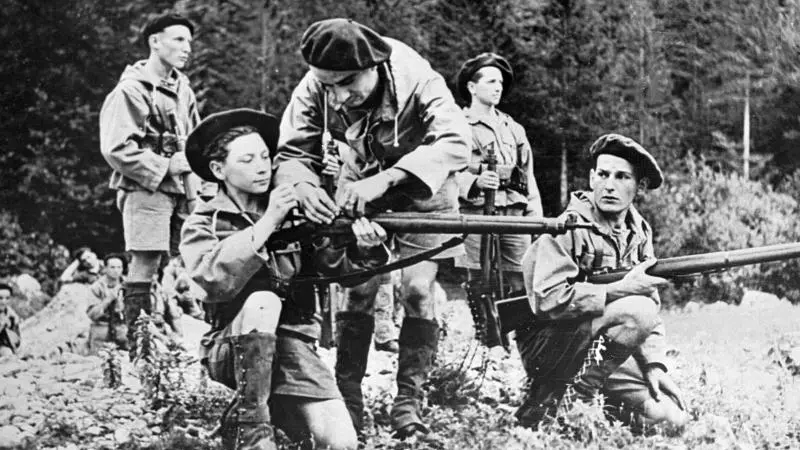
The gritty rebellion in ‘Andor’ (2022-2025) draws heavily from the French Resistance during World War II, with Luthen Rael’s tactics resembling those of Jean Moulin. The show’s focus on covert operations and sacrifice captures the Resistance’s fight against Nazi occupation.
I was gripped by how ‘Andor’ feels like a historical drama, with its hotel takeover scene ripped straight from French Resistance history. It brings a raw, grounded edge to Star Wars’ rebellion.
Cold War Tensions
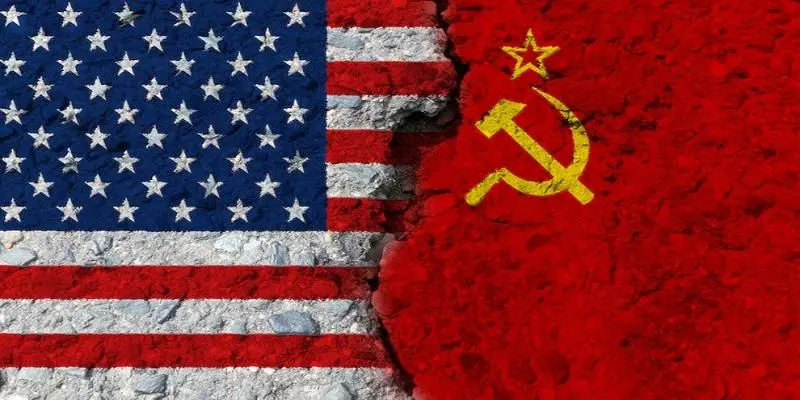
The Cold War’s shadow looms over Star Wars, with the Empire’s militarized control resembling Soviet-style authoritarianism. The Rebel Alliance’s fight mirrors anti-communist resistance, while the Death Star evokes fears of nuclear annihilation.
I’m fascinated by how the franchise captures the era’s paranoia, with space battles feeling like Cold War proxy conflicts. The Strategic Defense Initiative, nicknamed Star Wars, even borrowed the franchise’s name for Reagan’s missile defense plan.
Roman Republic’s Fall
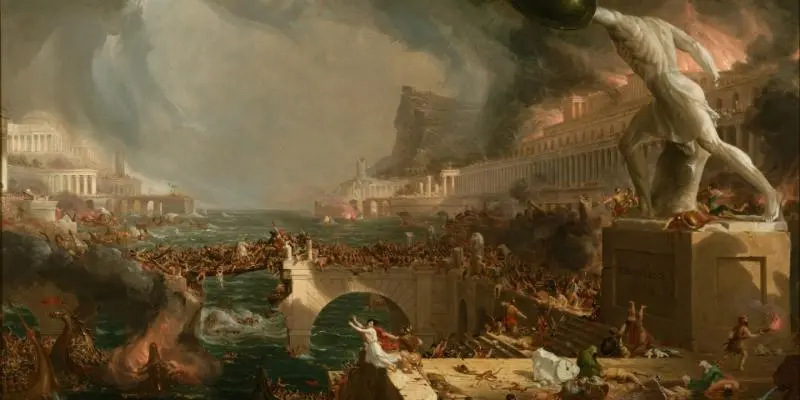
The Galactic Republic’s collapse into the Empire in the prequel trilogy parallels the fall of the Roman Republic to Augustus’ Empire in 27 BCE. Palpatine’s rise from senator to emperor mirrors Augustus’ cunning consolidation of power.
I was amazed by how Naboo’s architecture and the Senate’s structure echo ancient Rome. The pod race in ‘The Phantom Menace’ even feels like a nod to Roman chariot races from ‘Ben-Hur.’
Vietnam War
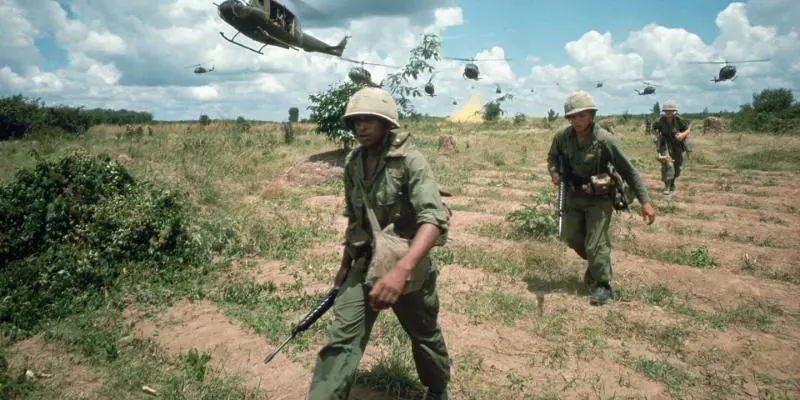
Lucas, initially set to direct ‘Apocalypse Now,’ channeled the Vietnam War into Star Wars, with the Rebel Alliance inspired by the Viet Cong’s guerrilla tactics. The Ewoks’ victory in ‘Star Wars: Episode VI – Return of the Jedi’ (1983) reflects how underdog forces used terrain to defeat stronger enemies.
I found the Ewoks’ forest ambush thrilling, a clear nod to Viet Cong strategies. Lucas saw the Empire as a stand-in for American imperialism, making the Rebels’ fight deeply personal.
Nixon’s Political Maneuvering
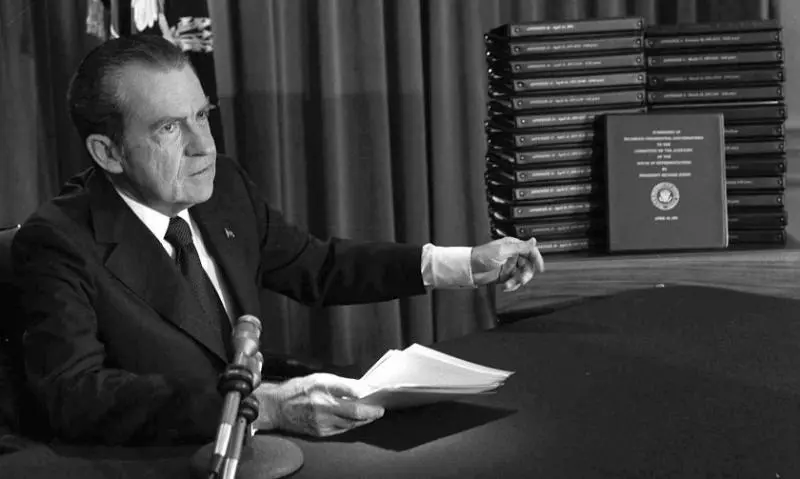
Emperor Palpatine’s manipulation of the Senate draws from Richard Nixon’s political tactics during the Vietnam War era. Lucas crafted Palpatine as a Nixon-like figure, subverting democracy through fear and control.
I was intrigued by how Palpatine’s power grab feels like Nixon’s controversial leadership style. His ability to charm and deceive the Senate makes the character a chilling reflection of real-world politics.
World War I Dogfights
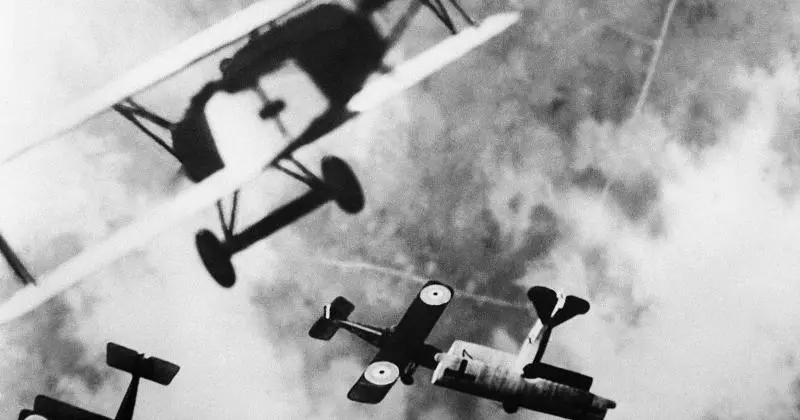
The thrilling space battles in ‘Star Wars: Episode IV – A New Hope’ (1977) were inspired by World War I and II aerial dogfights, with the Death Star trench run echoing the British bombing runs in ‘The Dam Busters.’ The Millennium Falcon’s cockpit design even mimics a B-29 bomber.
I love how these scenes capture the chaotic energy of early air combat. Lucas used wartime footage to make X-wing and TIE fighter clashes feel raw and intense.
Nazi Germany’s Rise
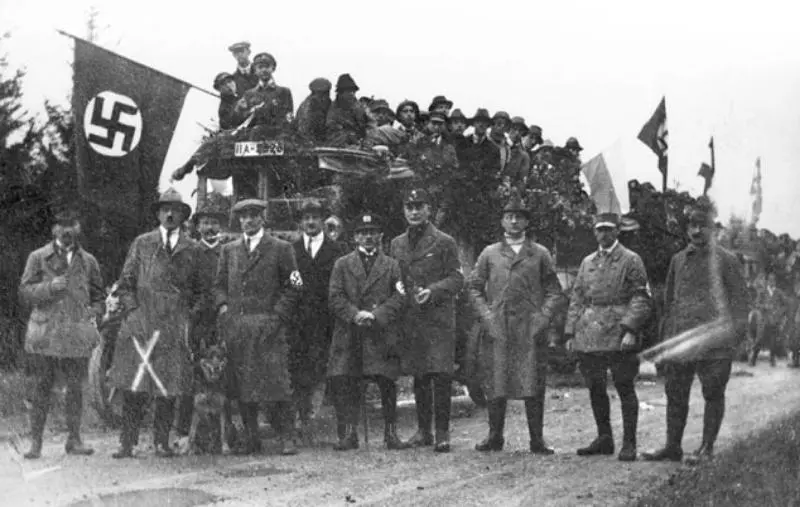
The Galactic Empire’s imagery, from Stormtrooper armor to Palpatine’s dictatorship, heavily draws from Nazi Germany’s aesthetics and Adolf Hitler’s rise. The medal ceremony in ‘A New Hope’ even mirrors the Nuremberg rallies in Leni Riefenstahl’s ‘Triumph of the Will.’
I was stunned by how openly Star Wars uses Nazi-inspired uniforms and titles like Stormtrooper. Palpatine’s transformation from chancellor to emperor directly reflects Hitler’s path to power.
Which Star Wars historical nod surprised you most, or is there another real-world event you think shaped the saga? Share your thoughts in the comments!

