Yes, Ben Reilly Is a Clone — And That’s Exactly What Makes Him Marvel’s Most Complicated Spider-Man


The question of whether Ben Reilly is a clone sounds simple enough, but the honest answer is that it opens a rabbit hole deep enough to swallow entire comic runs and now a buzzy new streaming series. Ben Reilly shares Peter Parker’s DNA, memories, powers, and appearance, making him a clone by every technical definition Marvel has ever offered. But reducing him to just that label misses everything that makes the character so endlessly compelling.
Ben Reilly’s history as a Spider-Man is about as complicated as it gets, and because he is essentially living from one identity crisis to another, pinning down who he really is can be nearly impossible. He has been a street-level hero, a wanted fugitive, a brief replacement Spider-Man, and a full-blown villain. Now, with Prime Video’s ‘Spider-Noir’ bringing him into the spotlight once more, a whole new audience is asking the clone question for the first time.
The Ben Reilly Clone Origin, Explained
Biology professor Miles Warren, known as the Jackal, became infatuated with his student Gwen Stacy and was devastated when she died during a battle between Norman Osborn and Spider-Man. Having experimented with cloning for years, Warren sought to recreate Stacy. His obsession with Peter Parker ran parallel to that grief, and the result was a clone engineered specifically to torment the wall-crawler.
After the death of Gwen Stacy, Miles Warren created clones of both Spider-Man and Gwen, complete with the memories of their counterparts. Under the impression that he was the original Peter Parker, the clone fought the real Spider-Man. That first encounter ended in an apparent death for the clone, with the body discarded as if the story was over before it began.
He survived, but knowing he was the clone, he went into exile. During this time he traveled the world striving to live on his own without bringing too much attention to himself. That wandering period gave birth to the name by which fans know him today.
He gave himself the name Ben Reilly after Uncle Ben and his Aunt May’s maiden name because, despite being mindful that Peter’s implanted memories were not his own, he still held onto those memories to formulate his values and shape the life he wanted to build for himself.
The ‘Clone Saga’ and the Identity Crisis at Its Core
The character returned and featured prominently in the 1994 to 1996 Clone Saga storyline, adopting the Scarlet Spider alias with a costume consisting of a red spandex bodysuit and mask complemented by a blue sleeveless hoodie sweatshirt adorned with a large spider symbol, along with a utility belt and bulkier web-shooters. That hoodie became iconic almost immediately, a symbol of a hero carving out a look that was entirely his own.
At one point, Marvel pushed the story further by making Peter and Ben believe that Ben was the original Peter Parker while Peter himself was the clone. The twist shocked readers and temporarily positioned Ben as the main Spider-Man while Peter stepped away to focus on his personal life. This was not a minor plot detour. It was a full editorial commitment that repositioned the entire franchise around a character who had been dead for nearly two decades of publishing.
Behind the scenes, however, Ben’s career as Spider-Man was doomed as soon as it began. Writer Dan Jurgens and Spider-Man Group EIC Bob Budiansky concluded that longtime readers could not be asked to accept that the character they had followed for so long was not the real guy, and so the messy story that had dragged on for two years concluded in 1996. The Clone Saga remains one of the most debated storylines in Marvel history precisely because it asked readers to fundamentally reconsider their relationship with Peter Parker, and then walked it all back.
During their final battle, Ben was impaled on the Green Goblin’s Glider in ‘Spider-Man’ number 75. Although Osborn was defeated, Ben died and his body turned into ash, confirming he was really the clone all along. It was a grim confirmation that the editorial reversal had won out, but the character proved too rich to stay dead.
The Scarlet Spider’s Second Act as Villain and Antihero
In the Dead No More: The Clone Conspiracy story, the character was revealed to be alive, his mind forcibly transferred to new clone bodies by the Jackal repeatedly before his resurrection was successful.
Driven mad by the experience of being reborn and dying repeatedly, he became the new Jackal and started his own criminal enterprise. This darker turn reframed Ben not as a tragic hero but as a figure broken by the very cloning technology that created him.
The original Jackal returned and resurrected Ben through cloning, but the flawed cloning process left Ben with memories of dying dozens of times, which twisted his mind. After turning against the Jackal, Ben perfected the cloning process and stylized himself as a new Jackal. The poetic cruelty of a clone becoming the master of clone-making gave the character a genuinely sinister arc that his earlier heroic days never suggested.
Reimagined as an antihero, he first hoped to escape his past then embarked on a spiritual quest to redeem himself, later taking on the identity of Chasm in ‘The Amazing Spider-Man’ in 2022. Each new identity layered more complexity onto a character whose entire existence is defined by the question of whether a copy can have a soul.
‘Spider-Noir’ Brings Ben Reilly Into a Whole New Era
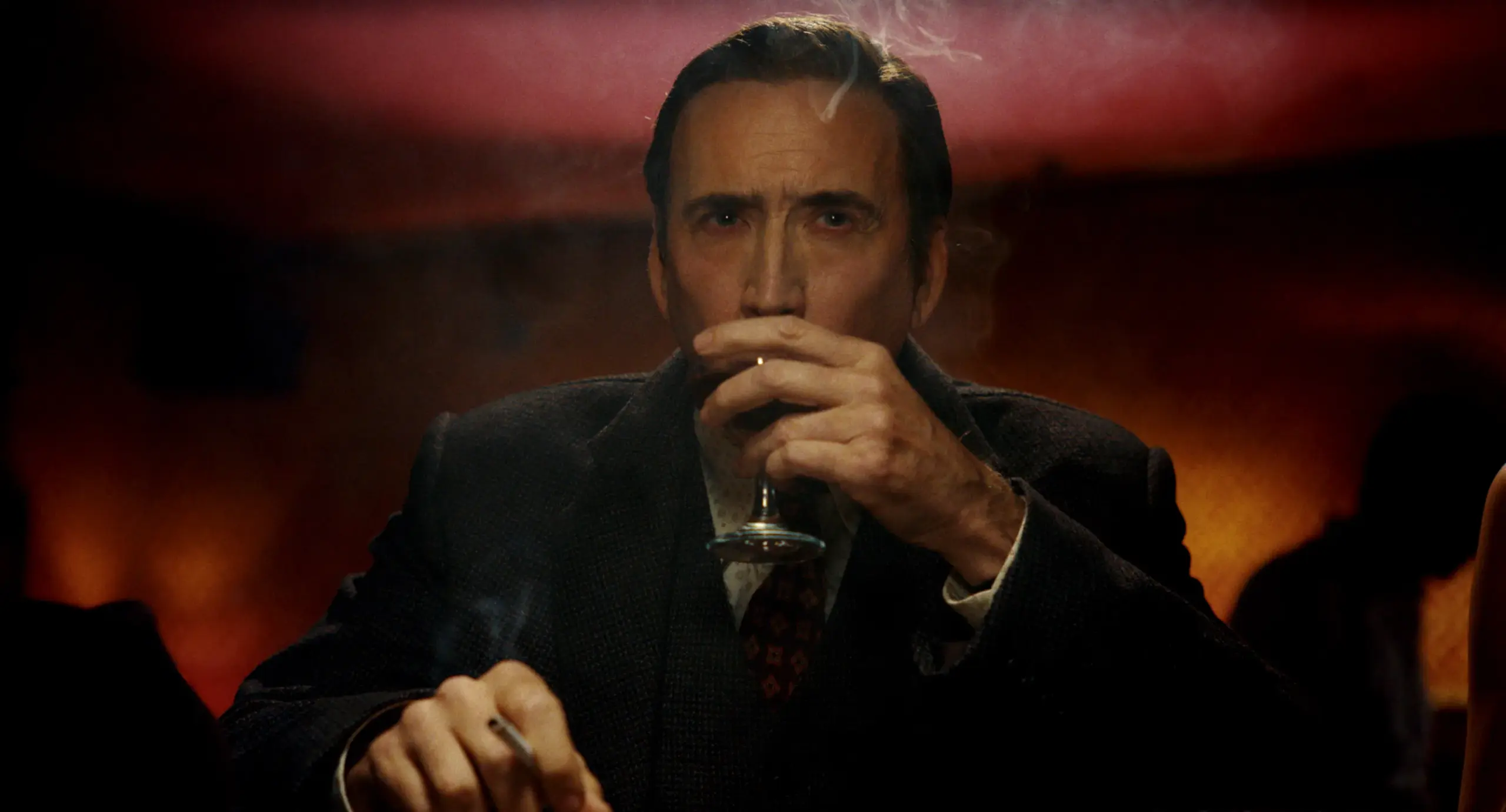
Prime Video debuted the official teaser trailer and premiere date for ‘Spider-Noir’, starring Nicolas Cage in his first leading television role, premiering worldwide on May 27, 2026. Produced by Sony Pictures Television exclusively for MGM+ and Prime Video, the series debuted domestically on MGM+’s linear broadcast channel on May 25, then globally on Prime Video on May 27 as a binge release, in more than 240 countries and territories.
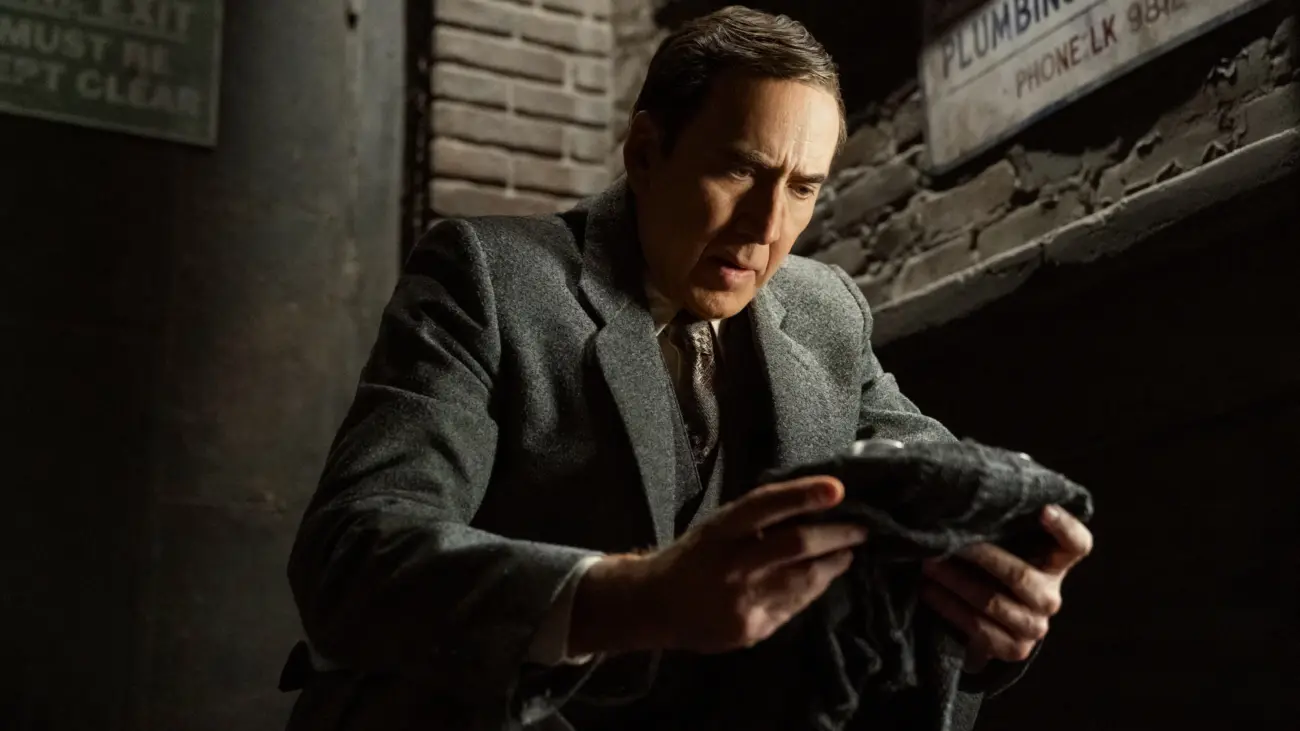
Cage plays Ben Reilly as a weathered and down-on-his-luck private investigator. Set in 1930s New York, Reilly is forced to grapple with his past life following a deeply personal tragedy, as the city’s one and only superhero.
His heroic alter ego is known as The Spider, who wears a black mask, white goggles, and a fedora. The noir setting strips away the superhero spectacle and leans directly into the existential weight the character has always carried in the comics.
Within days of release, ‘Spider-Noir’ had collected an 89% rating on Rotten Tomatoes. The character was confirmed when Amazon revealed Cage would play Reilly rather than Peter Parker, settling months of speculation and aligning the project with Ben Reilly’s distinct position in Marvel canon as a Parker clone who developed his own identity after early conflicts with the original Spider-Man.
The choice to ground this adaptation in Ben Reilly rather than Peter Parker feels like a deliberate statement about what makes this corner of the Spider-Man mythology worth exploring.
Cage previously voiced the character Spider-Man Noir in 2018’s ‘Spider-Man: Into the Spider-Verse’, and in ‘Spider-Noir’ plays a character who is, crucially, a different version from that animated incarnation. That distinction matters because it asks audiences to engage with the idea that being a clone or a variant does not diminish identity, which is the question Ben Reilly has been asking since his first appearance in 1975.
Now that ‘Spider-Noir’ has landed and the debate around Ben Reilly’s DNA has a whole new generation asking questions, which version of this complicated clone do you think deserves more screen time: the heroic Scarlet Spider still trying to earn his place, or the broken antihero clawing his way back from the darkness of Chasm?