


Young Actors Who Became Cultural Phenomena

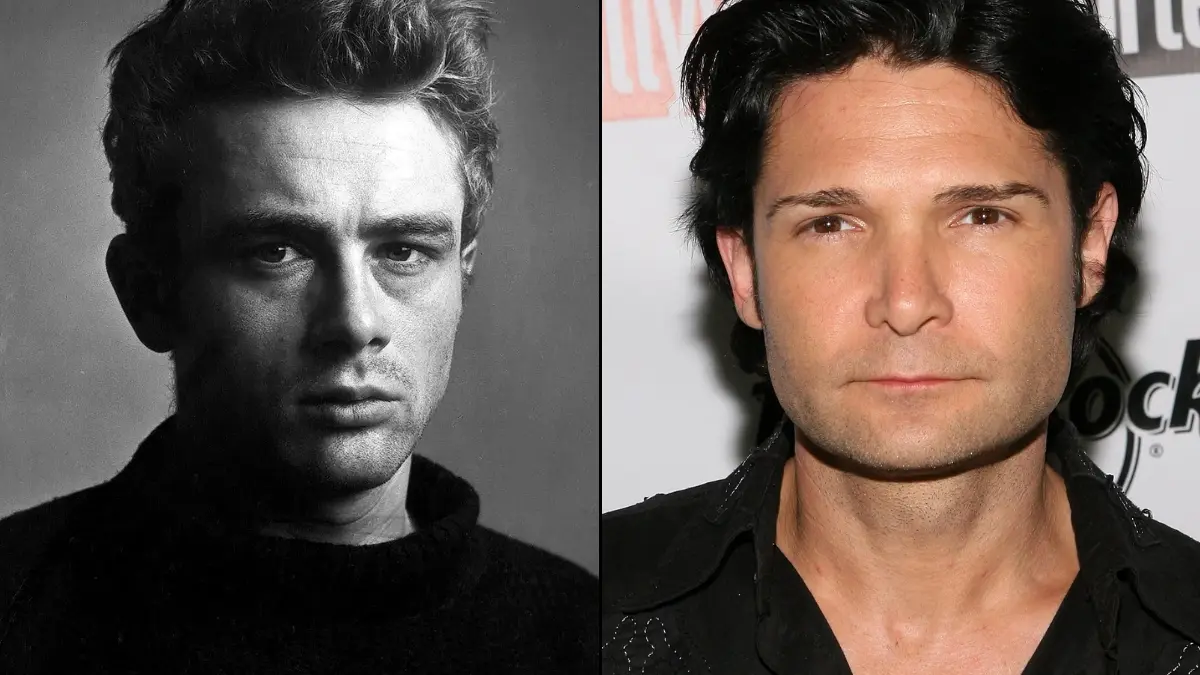


Throughout the history of cinema and television, certain young performers have transcended their roles to become global icons and cultural milestones. These actors captured the public’s imagination not just through their talent, but by personifying the desires, rebellions, and aesthetics of their respective eras. From the silent film heartthrobs of the 1920s to the digital sensations of today, their impact on fashion, behavior, and the entertainment industry remains profound. This list explores the male stars whose early careers defined the zeitgeist and created a lasting legacy in pop culture.
Rudolph Valentino
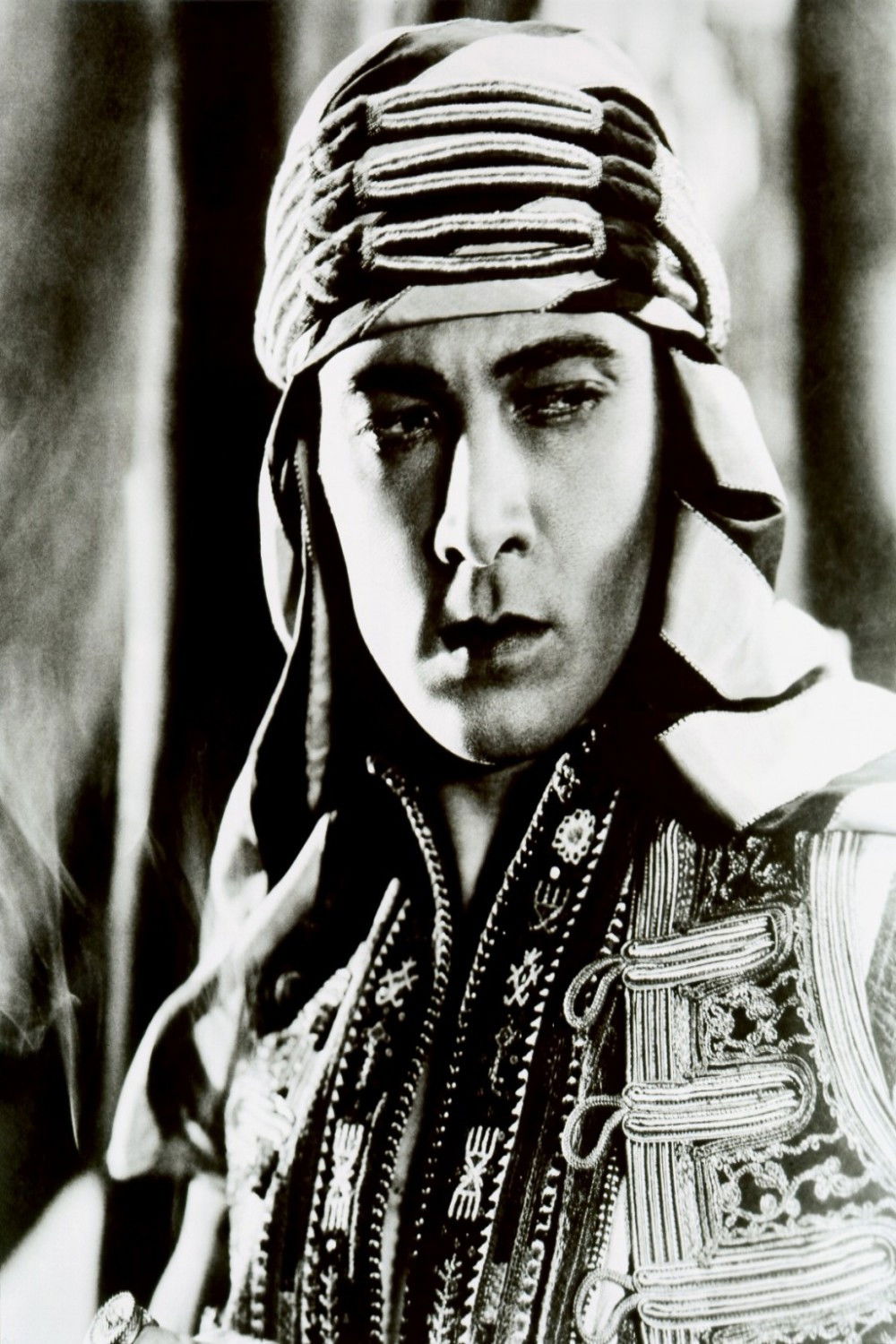
Rudolph Valentino became the silent film era’s first true male sex symbol and a global sensation during the 1920s. His performance in the 1921 film ‘The Sheik’ catapulted him to a level of fame that caused mass hysteria among audiences. Often referred to as the “Latin Lover,” he introduced a new archetype of masculinity to American cinema. His sudden death at the age of 31 led to unprecedented public mourning and established the blueprint for modern celebrity fandom.
Charlie Chaplin
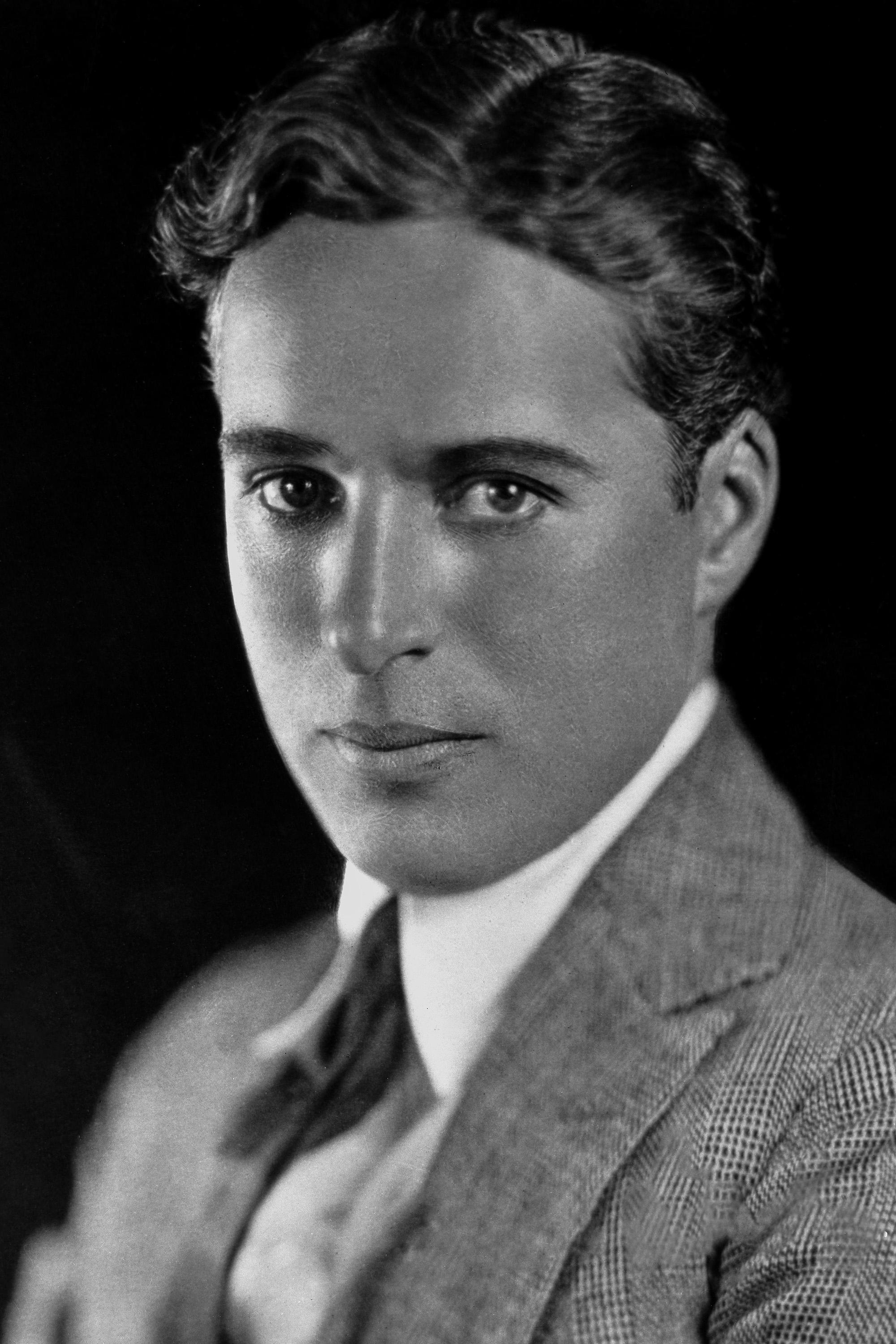
Charlie Chaplin achieved unparalleled fame in the early 20th century through his iconic character known as “The Tramp.” His performance in ‘The Kid’ (1921) showcased his ability to blend physical comedy with deep emotional pathos, captivating audiences worldwide. As one of the founders of United Artists, he gained significant creative control over his work and influenced the development of the film industry. Chaplin’s silhouette and comedic style became instantly recognizable symbols of the silent film era.
Mickey Rooney
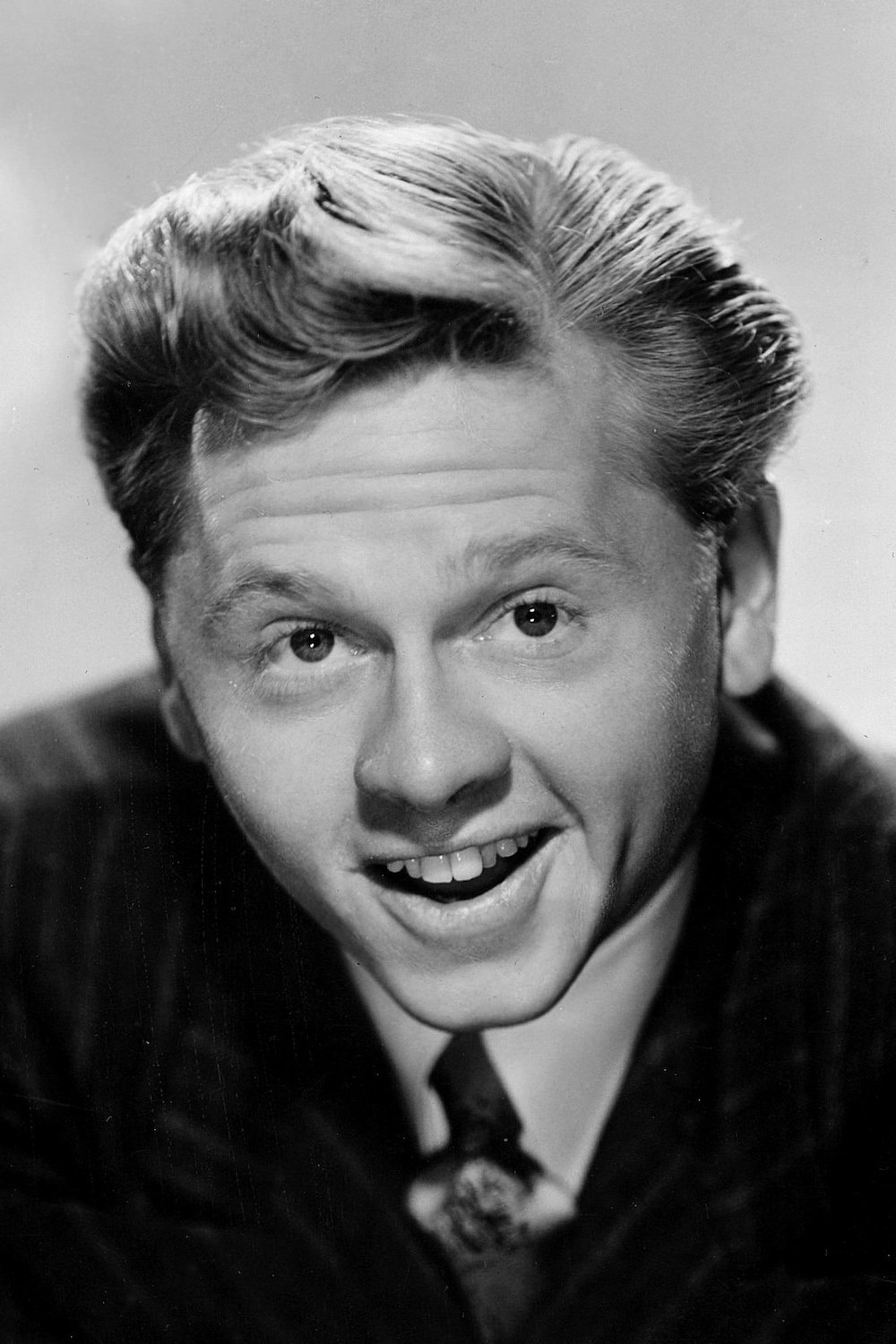
Mickey Rooney was a massive child and teen star who became a cultural staple during the late 1930s and early 1940s. He is best known for portraying the character Andy Hardy in a long-running series of films, starting with ‘A Family Affair’ (1937). Rooney’s energetic screen presence and versatility made him the top box-office attraction in the world for several consecutive years. His collaborations with Judy Garland in musicals like ‘Babes in Arms’ (1939) solidified his status as a quintessential American youth icon.
James Dean
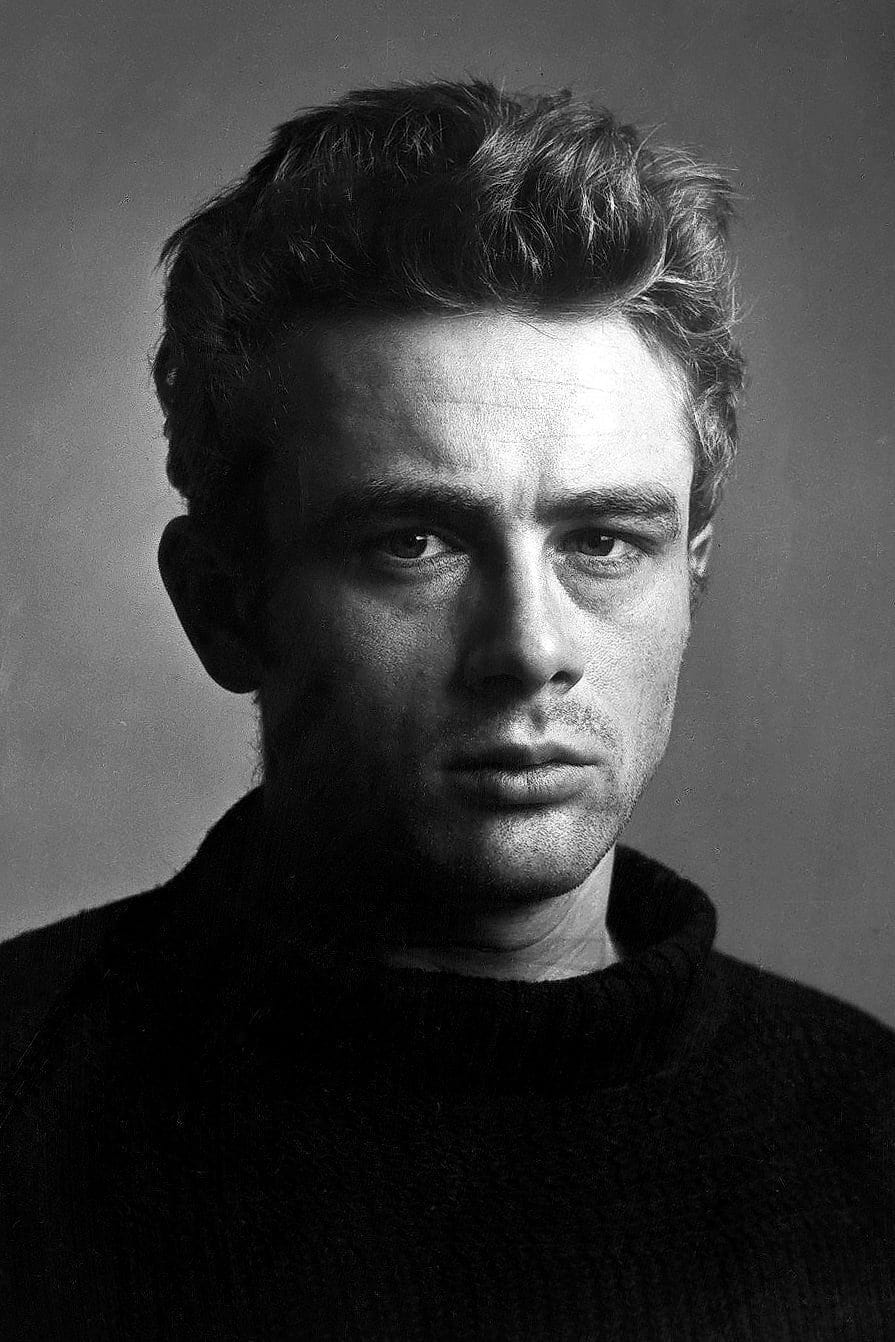
James Dean became the ultimate symbol of teenage disillusionment and rebellion in the mid-1950s. His performance in the 1955 film ‘Rebel Without a Cause’ defined the “angry young man” archetype for an entire generation. Despite starring in only three major films, including ‘East of Eden’ (1955) and ‘Giant’ (1956), his impact on fashion and acting was immense. Dean’s tragic death at age 24 turned him into a permanent legend of youth culture.
Marlon Brando
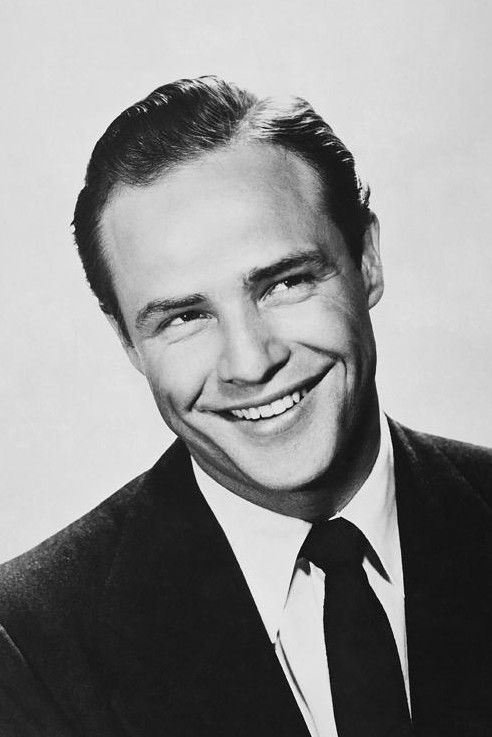
Marlon Brando revolutionized screen acting and became a symbol of raw, brooding masculinity in the 1950s. His role as Stanley Kowalski in ‘A Streetcar Named Desire’ (1951) introduced the power of Method acting to a mainstream audience. In the 1953 film ‘The Wild One’, he portrayed a leather-jacketed biker, creating an image that became synonymous with the burgeoning rock and roll culture. Brando’s influence extended beyond the screen, shifting the industry’s focus toward psychological realism.
Paul Newman
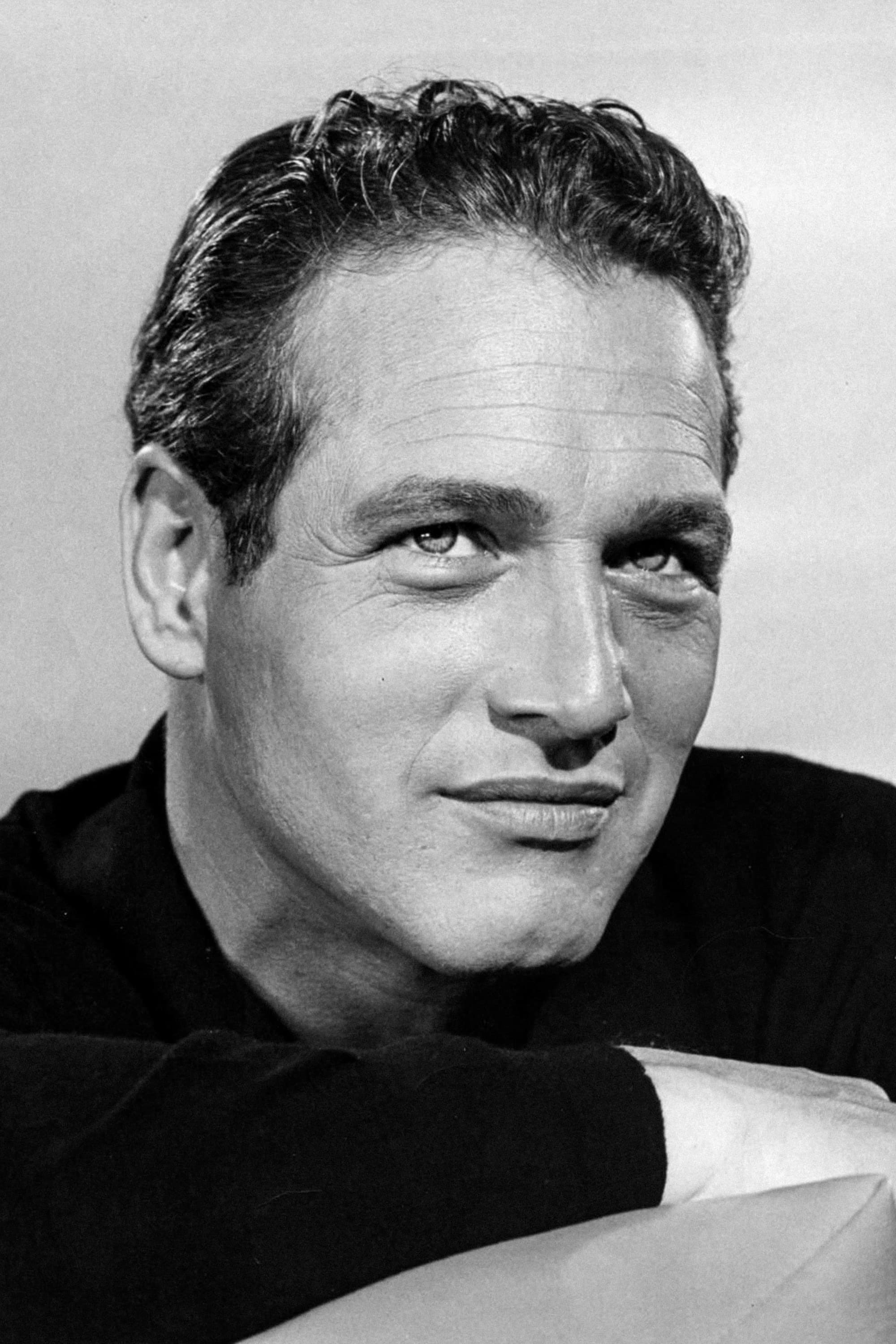
Paul Newman emerged as a major cultural force in the 1950s and 1960s, combining striking looks with immense dramatic talent. His breakout performance in ‘Somebody Up There Likes Me’ (1956) established him as a leading man of his generation. Newman often portrayed charismatic anti-heroes in films like ‘The Hustler’ (1961) and ‘Cool Hand Luke’ (1967). His cool demeanor and blue-eyed stare became a defining image of mid-century Hollywood stardom.
Dustin Hoffman
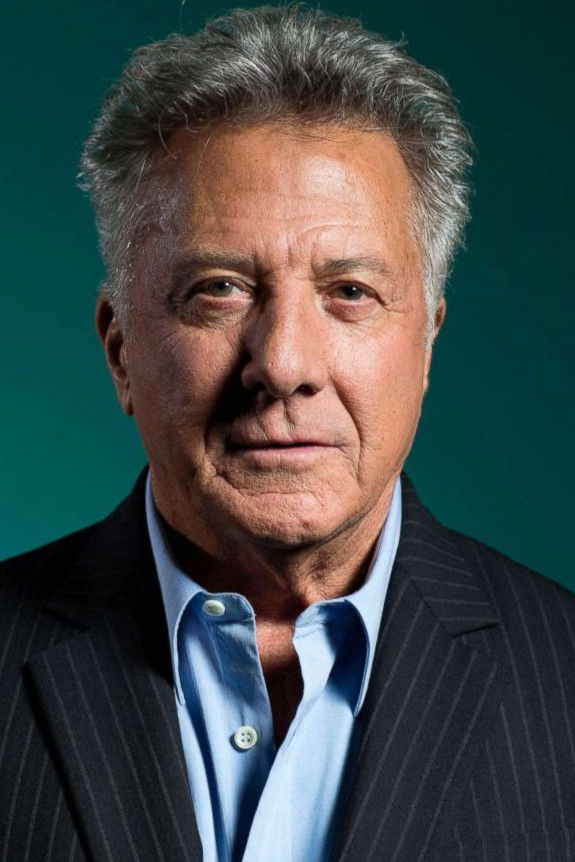
Dustin Hoffman became a cultural phenomenon after starring in the 1967 classic ‘The Graduate’. His portrayal of Benjamin Braddock captured the alienation and uncertainty of the late 1960s youth movement. Unlike the traditional leading men who preceded him, Hoffman brought a quirky and relatable quality to the screen that resonated with younger audiences. His success helped usher in the New Hollywood era, where unconventional actors took center stage.
John Travolta
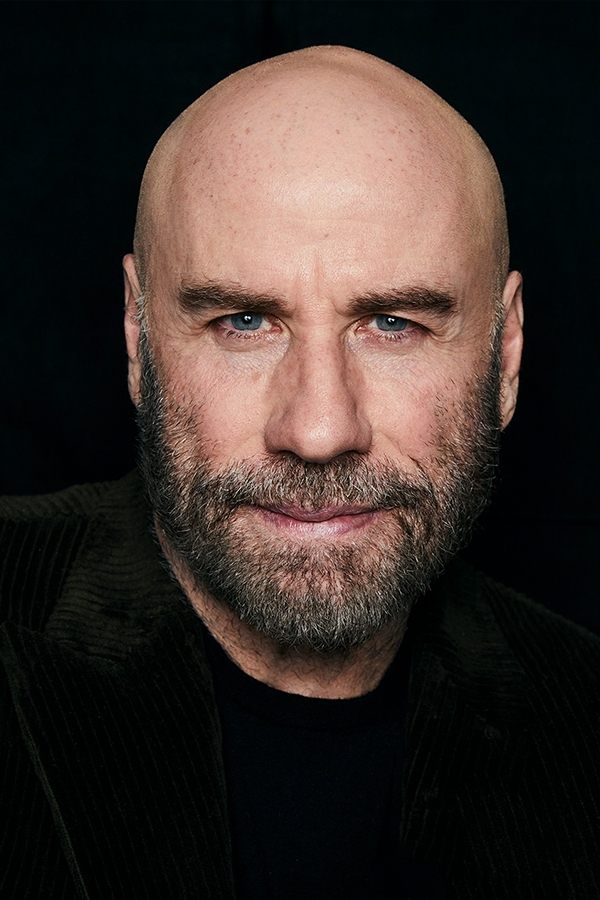
John Travolta became a global sensation in the late 1970s, defining the disco era with his role in ‘Saturday Night Fever’ (1977). His performance as Tony Manero turned him into a style icon and sparked a worldwide dance craze. He followed this success with the 1978 musical ‘Grease’, which solidified his status as a top-tier movie star and heartthrob. Travolta’s influence on pop culture during this period was so pervasive that he became the face of a decade.
Mark Hamill
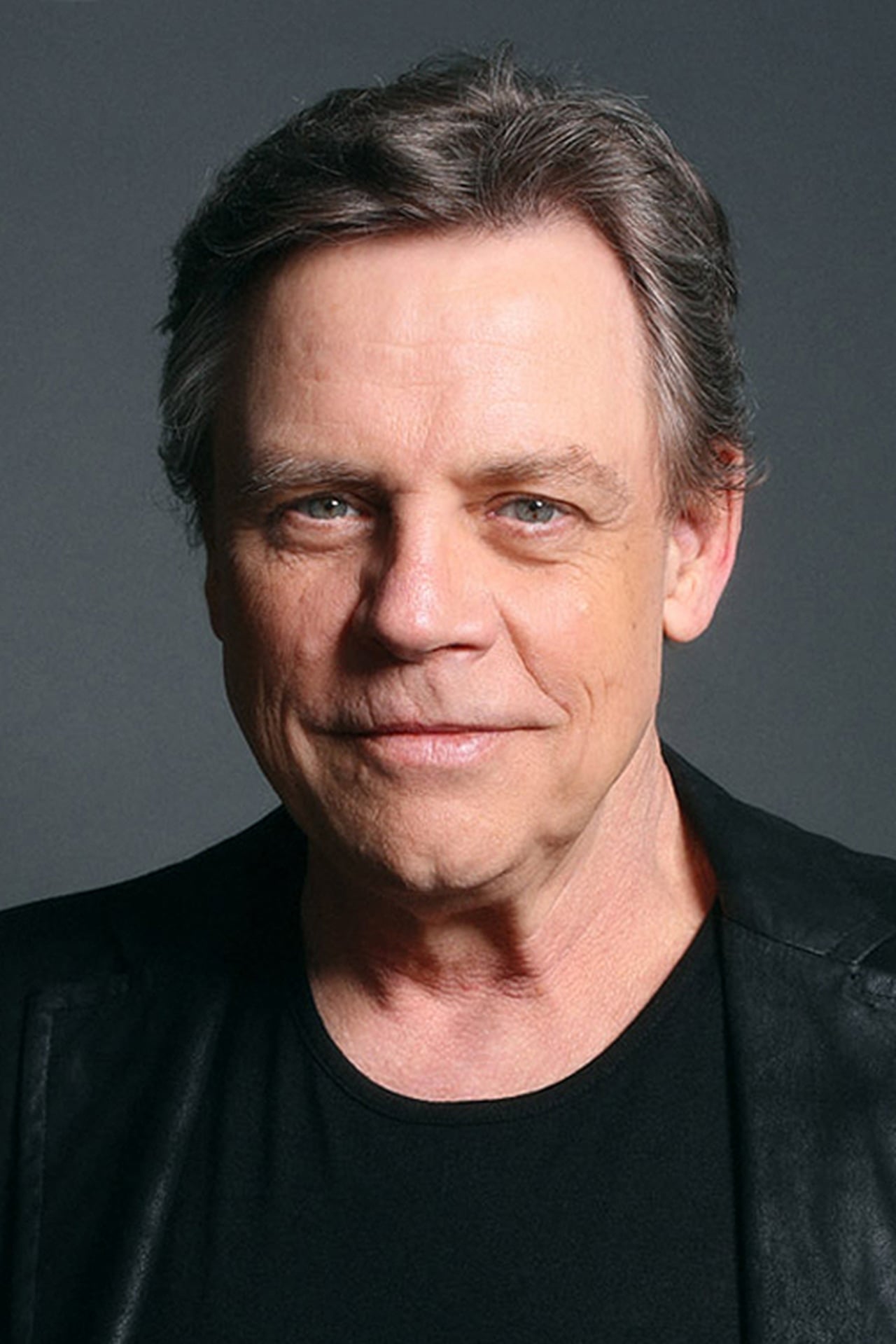
Mark Hamill became an instant cultural icon when he was cast as Luke Skywalker in the 1977 film ‘Star Wars’. His portrayal of the farm boy turned Jedi Knight made him a central figure in one of the most successful media franchises in history. Hamill’s face was featured on countless toys, posters, and merchandise, making him a hero to millions of children and teenagers. His contribution to the science fiction genre helped reshape the landscape of blockbuster cinema.
Michael Jackson
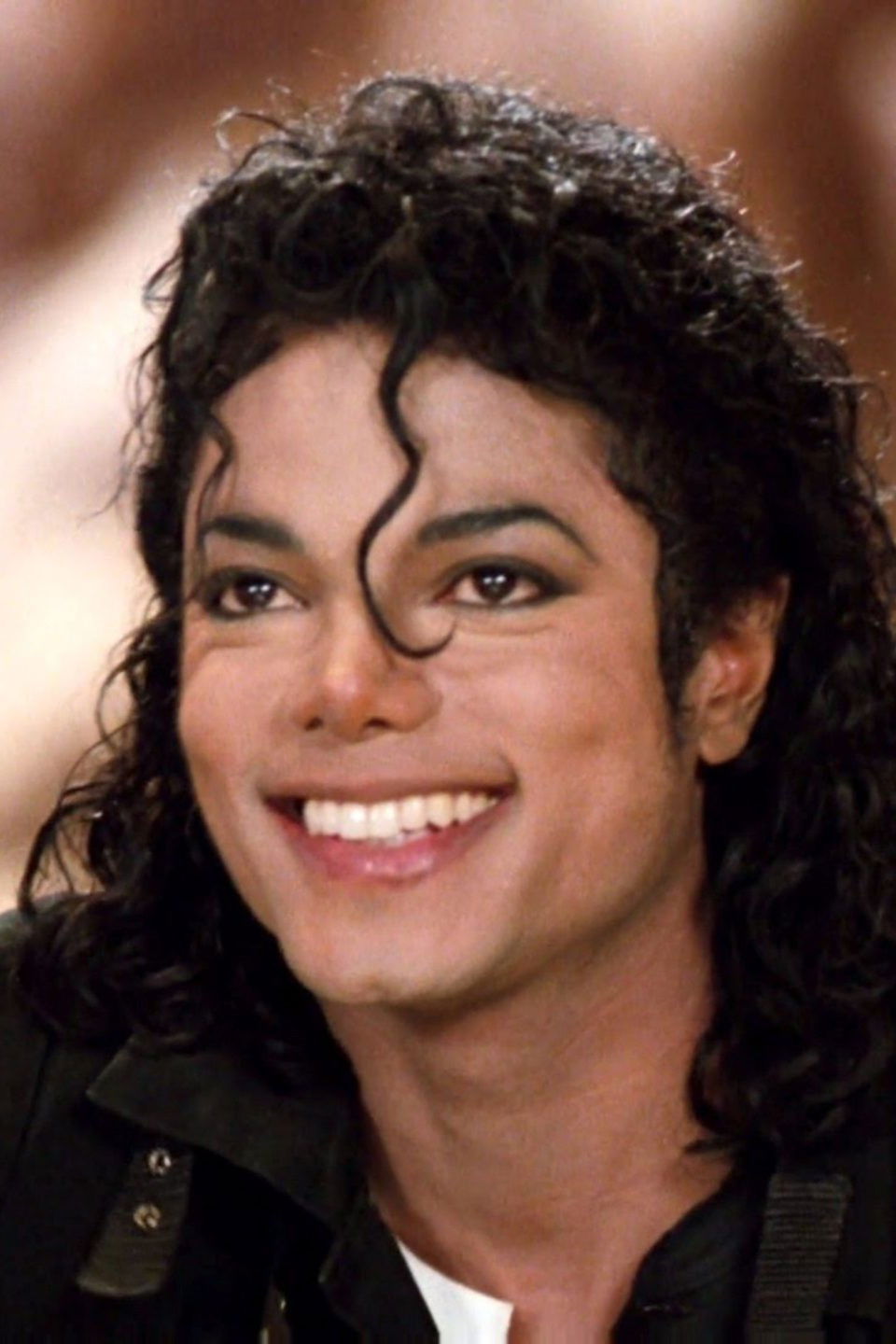
Michael Jackson first rose to prominence as the youngest member of the Jackson 5, becoming a child star phenomenon in the late 1960s. His lead vocals on hits like ‘I Want You Back’ (1969) showcased a level of talent that was unprecedented for a performer his age. Jackson’s early fame with the group made him a pioneer for Black artists in mainstream pop music. His transition into a solo career and the eventual success of the ‘Thriller’ (1982) album turned him into the most famous person on the planet.
David Cassidy
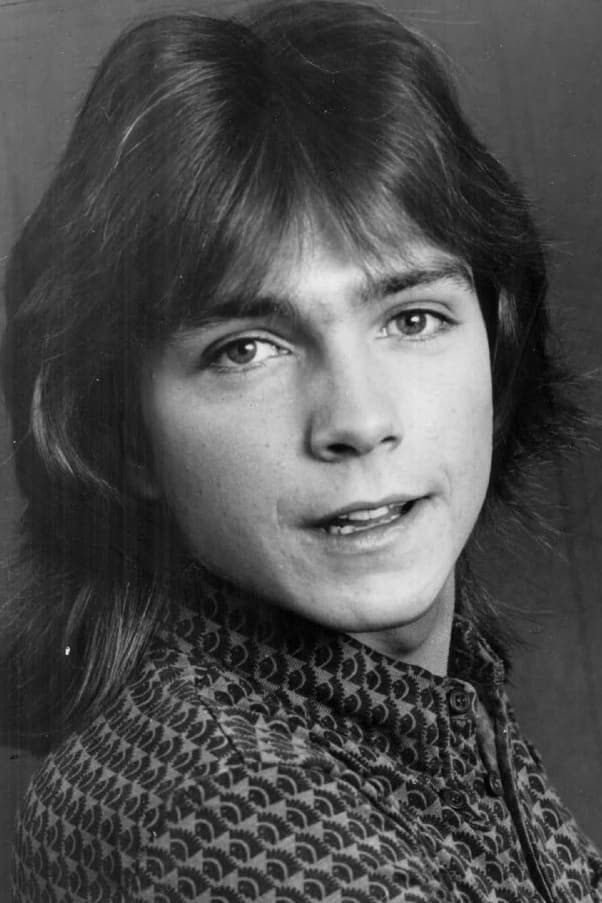
David Cassidy was a premier teen idol of the early 1970s, gaining massive fame through his role on the television series ‘The Partridge Family’ (1970–1974). His popularity led to a phenomenon known as “Cassidymania,” characterized by sell-out stadium tours and hysterical fan encounters. At the height of his career, his official fan club was reportedly larger than those of the Beatles or Elvis Presley. Cassidy’s image dominated teen magazines and bedroom walls for years.
Donny Osmond
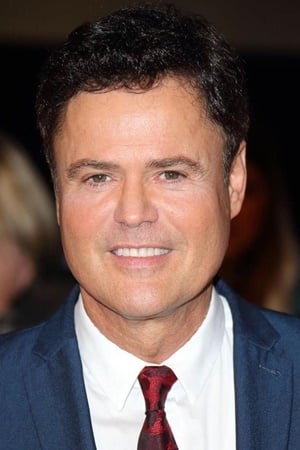
Donny Osmond became a dominant force in the 1970s pop culture landscape, both as a solo artist and as part of the Osmonds. His clean-cut image and hit songs like ‘Puppy Love’ (1972) made him a favorite among young audiences. He further cemented his stardom by co-hosting the variety show ‘Donny & Marie’ (1976–1979) alongside his sister. Osmond’s massive fan base and frequent television appearances made him one of the most recognizable faces of the decade.
Leif Garrett
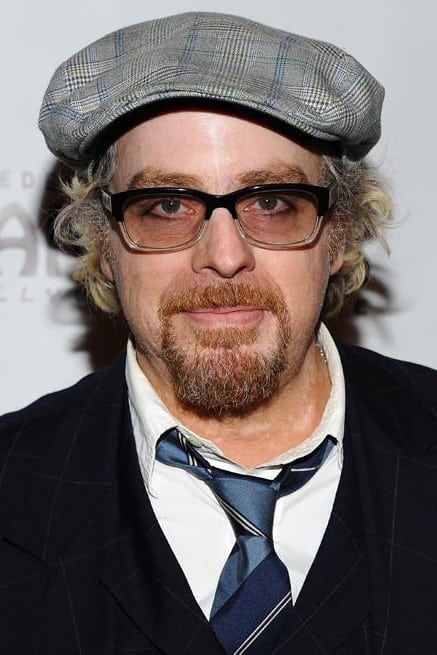
Leif Garrett was a major child actor who transitioned into a massive teen idol during the late 1970s. After appearing in films like ‘Walking Tall’ (1973), he launched a successful music career that targeted the youth market. His presence in teen publications was constant, and his concerts were frequently the site of intense fan frenzy. Garrett’s blonde hair and youthful charm made him the quintessential pin-up boy of the late disco era.
Rob Lowe
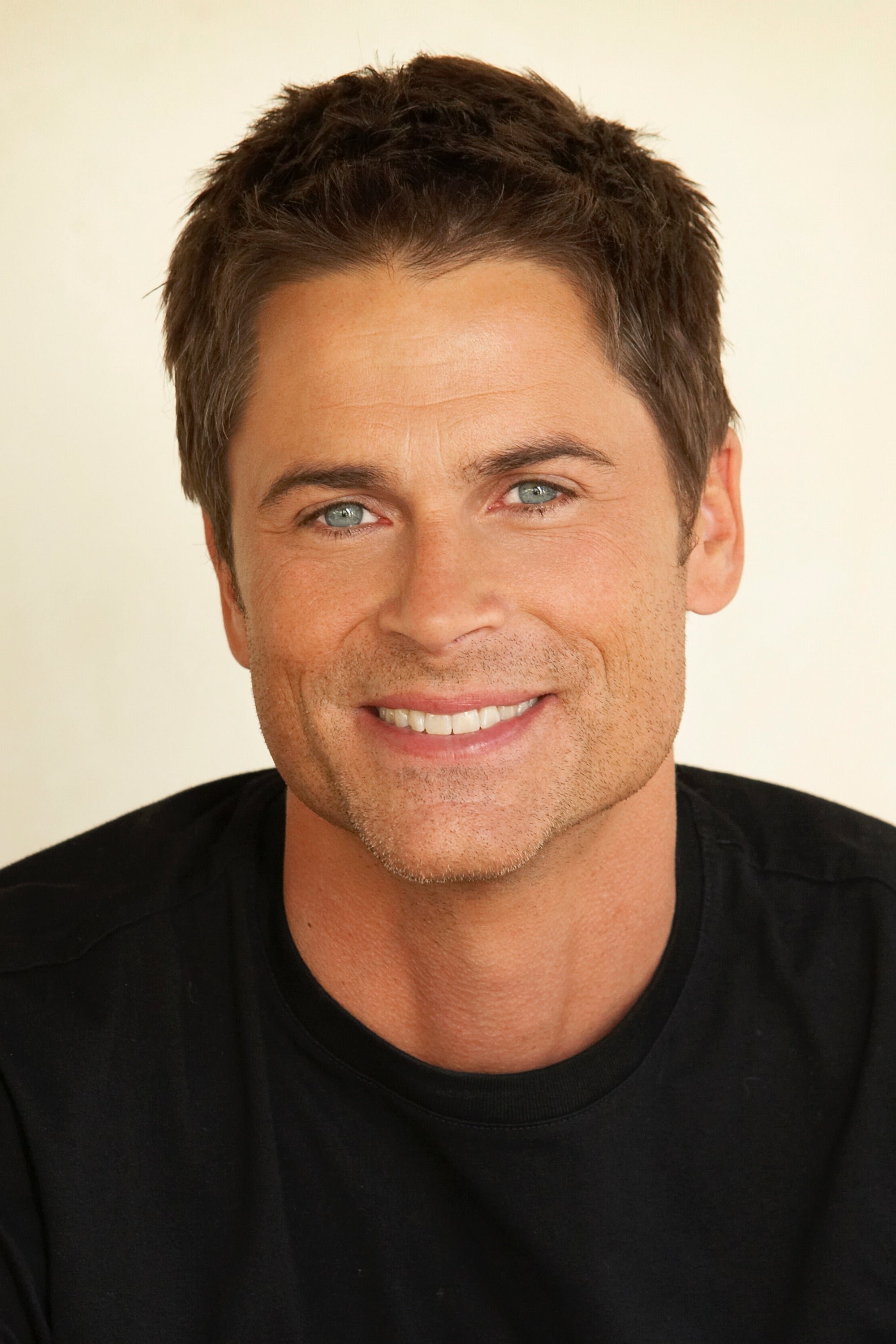
Rob Lowe became a prominent member of the “Brat Pack,” a group of young actors who dominated Hollywood in the 1980s. His roles in films like ‘The Outsiders’ (1983) and ‘St. Elmo’s Fire’ (1985) helped define the aesthetic of the decade’s youth cinema. Lowe’s striking good looks and frequent appearances on screen made him a primary heartthrob for millions of fans. He remained a central figure in the entertainment industry as he transitioned into more mature television roles.
Emilio Estevez

Emilio Estevez was a foundational member of the 1980s “Brat Pack” and a significant cultural figure for the youth of that era. He gained widespread recognition for his performances in ‘The Breakfast Club’ (1985) and ‘St. Elmo’s Fire’ (1985). Estevez often portrayed the relatable or athletic leader, making him a staple of coming-of-age cinema. His work during this period captured the social dynamics and fashion trends that defined 1980s pop culture.
Matt Dillon
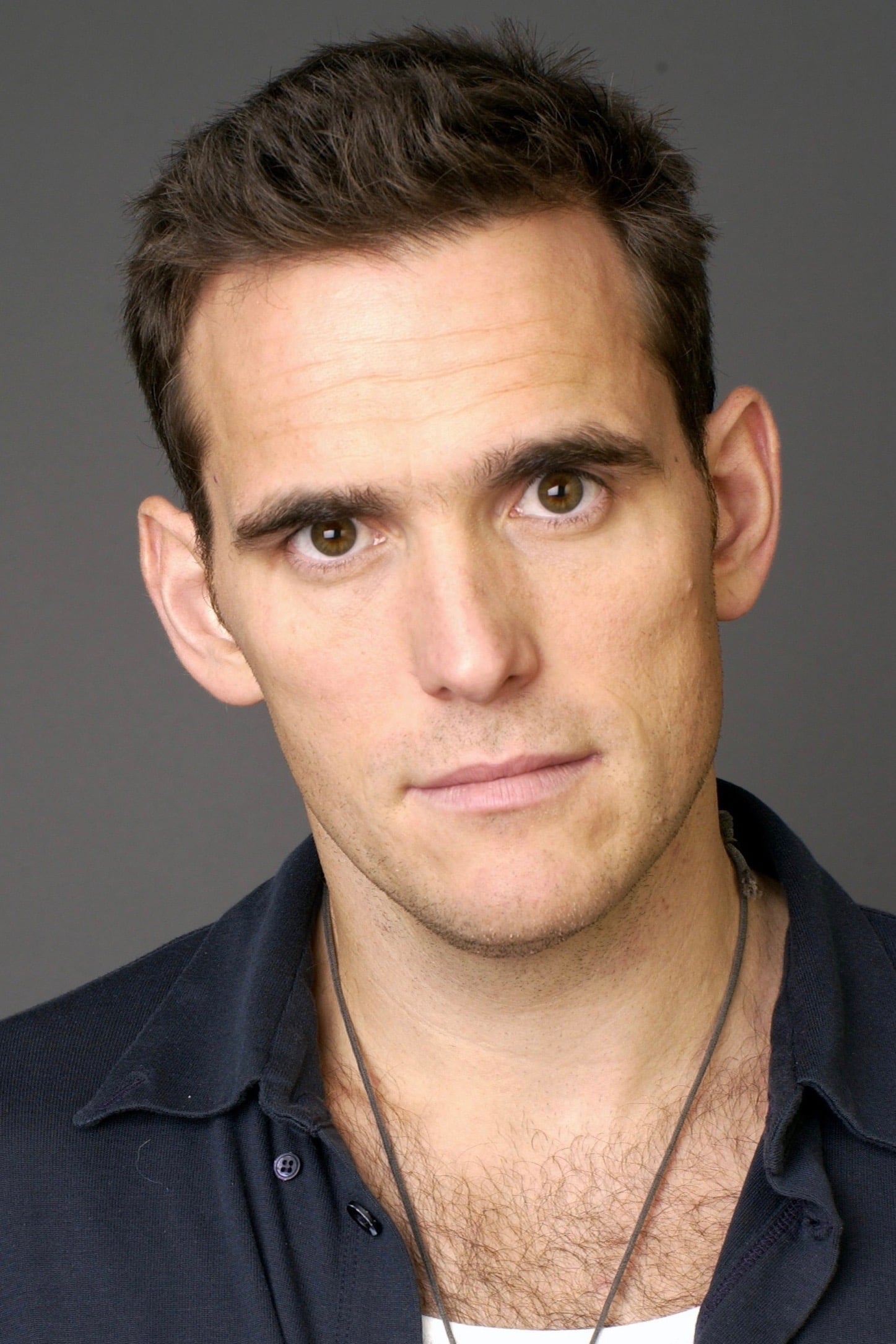
Matt Dillon emerged as a major teen icon in the early 1980s through a series of gritty, realistic performances. He starred in several adaptations of S.E. Hinton novels, most notably ‘The Outsiders’ (1983) and ‘Rumble Fish’ (1983). Dillon’s portrayal of tough, misunderstood rebels resonated with the youth of the time and earned him critical acclaim. His early career set a standard for the intense, character-driven roles that would define his later work.
Tom Cruise
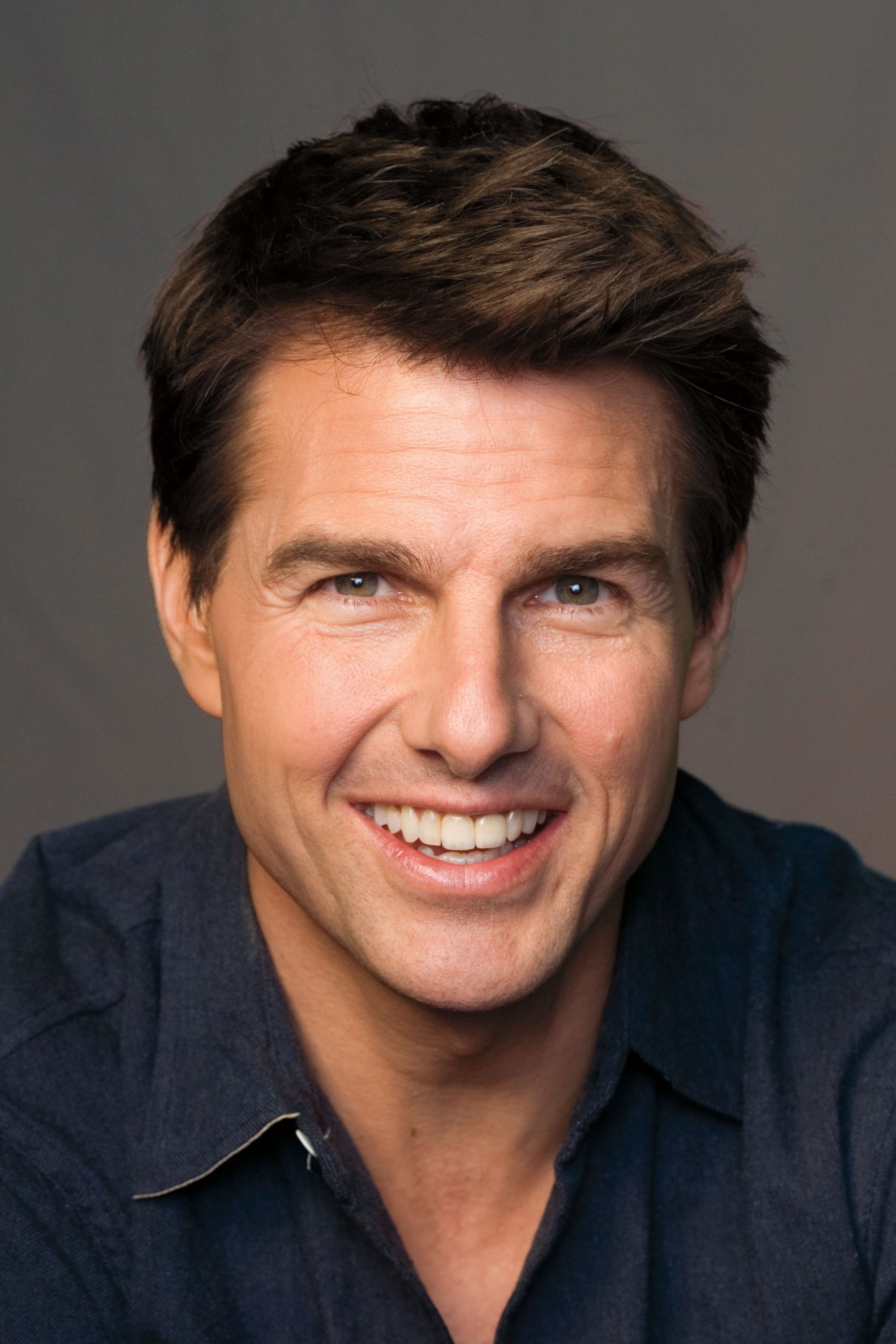
Tom Cruise became a massive cultural phenomenon in the 1980s after starring in ‘Risky Business’ (1983). His role as a fighter pilot in the 1986 film ‘Top Gun’ propelled him to international superstardom and boosted enlistment in the Navy. Cruise’s charismatic screen presence and signature smile became some of the most recognizable traits in Hollywood history. His early successes established him as one of the most bankable and enduring stars in the world.
Ralph Macchio
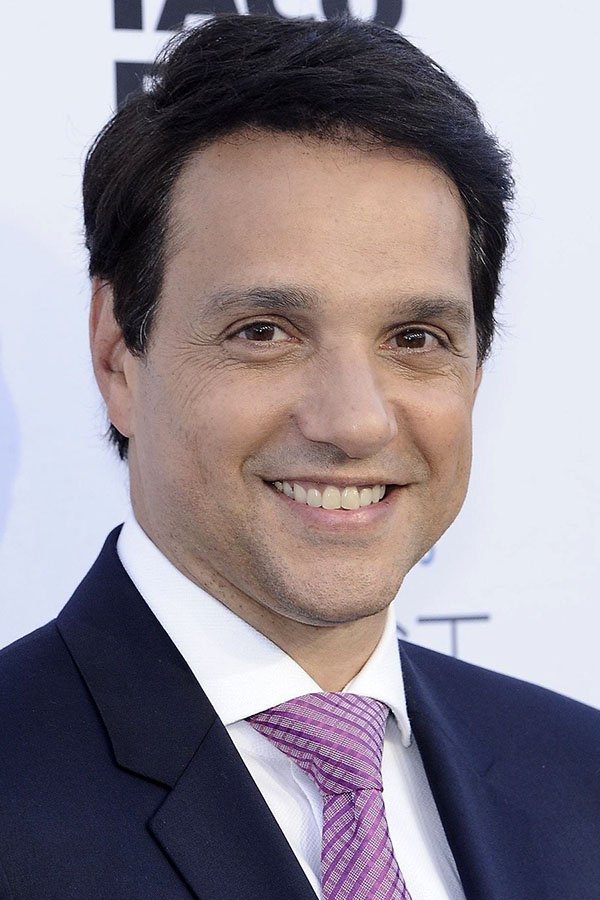
Ralph Macchio became a household name and a cultural icon after starring as Daniel LaRusso in the 1984 film ‘The Karate Kid’. The movie’s immense success sparked a massive interest in martial arts among children and teenagers across the globe. Macchio’s portrayal of the underdog who triumphs through discipline and perseverance resonated deeply with audiences. He reprised the role in several sequels, cementing his place as a permanent figure in 1980s nostalgia.
Michael J. Fox
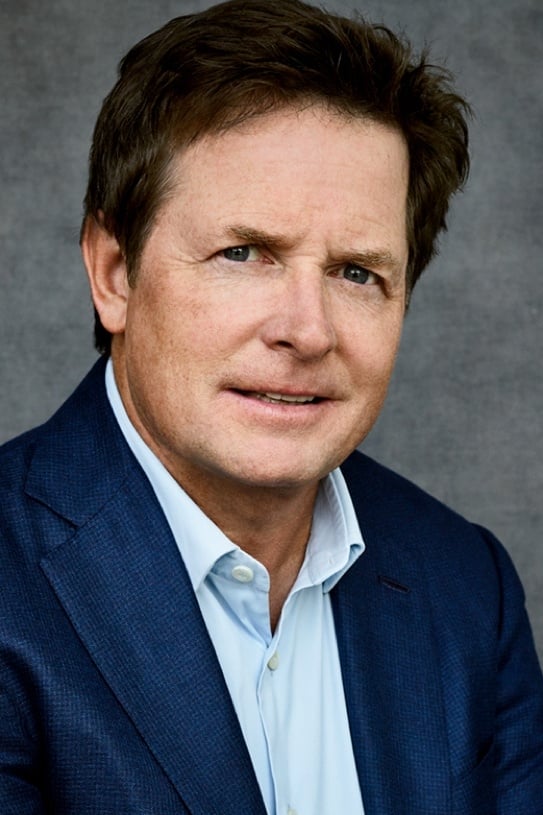
Michael J. Fox achieved enormous fame in the 1980s through his lead role on the sitcom ‘Family Ties’ (1982–1989). His career reached new heights when he played Marty McFly in the 1985 blockbuster ‘Back to the Future’. The film became a cultural milestone, and Fox’s performance as the time-traveling teenager made him a global sensation. His boyish charm and comedic timing made him one of the most beloved actors of the decade.
Corey Haim
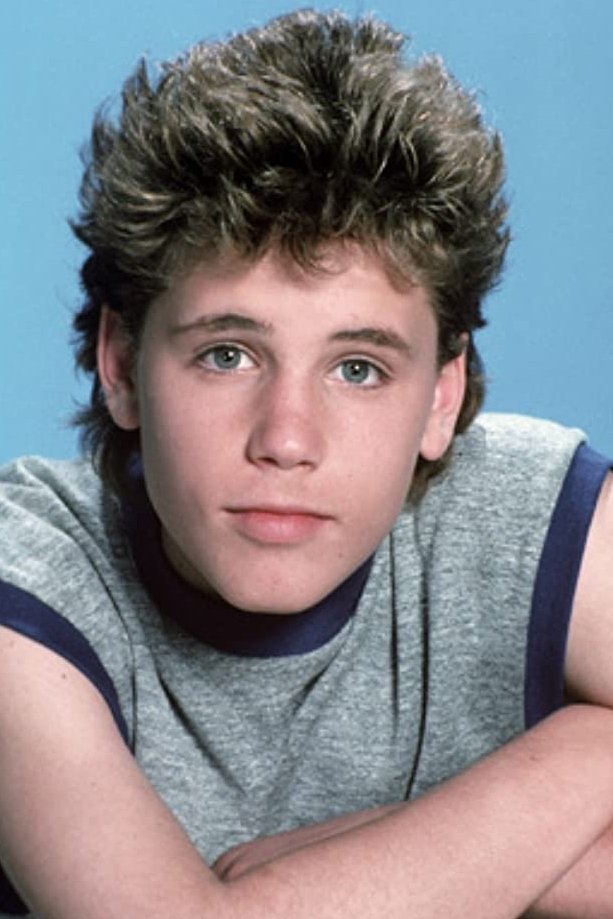
Corey Haim was a dominant teen idol of the late 1980s, often paired with Corey Feldman as “The Two Coreys.” He gained major recognition for his performance in the 1986 film ‘Lucas’ and the horror classic ‘The Lost Boys’ (1987). Haim’s popularity with the teenage demographic was immense, leading to a constant presence on magazine covers and posters. His early success made him a defining face of 1980s youth-oriented cinema.
Corey Feldman
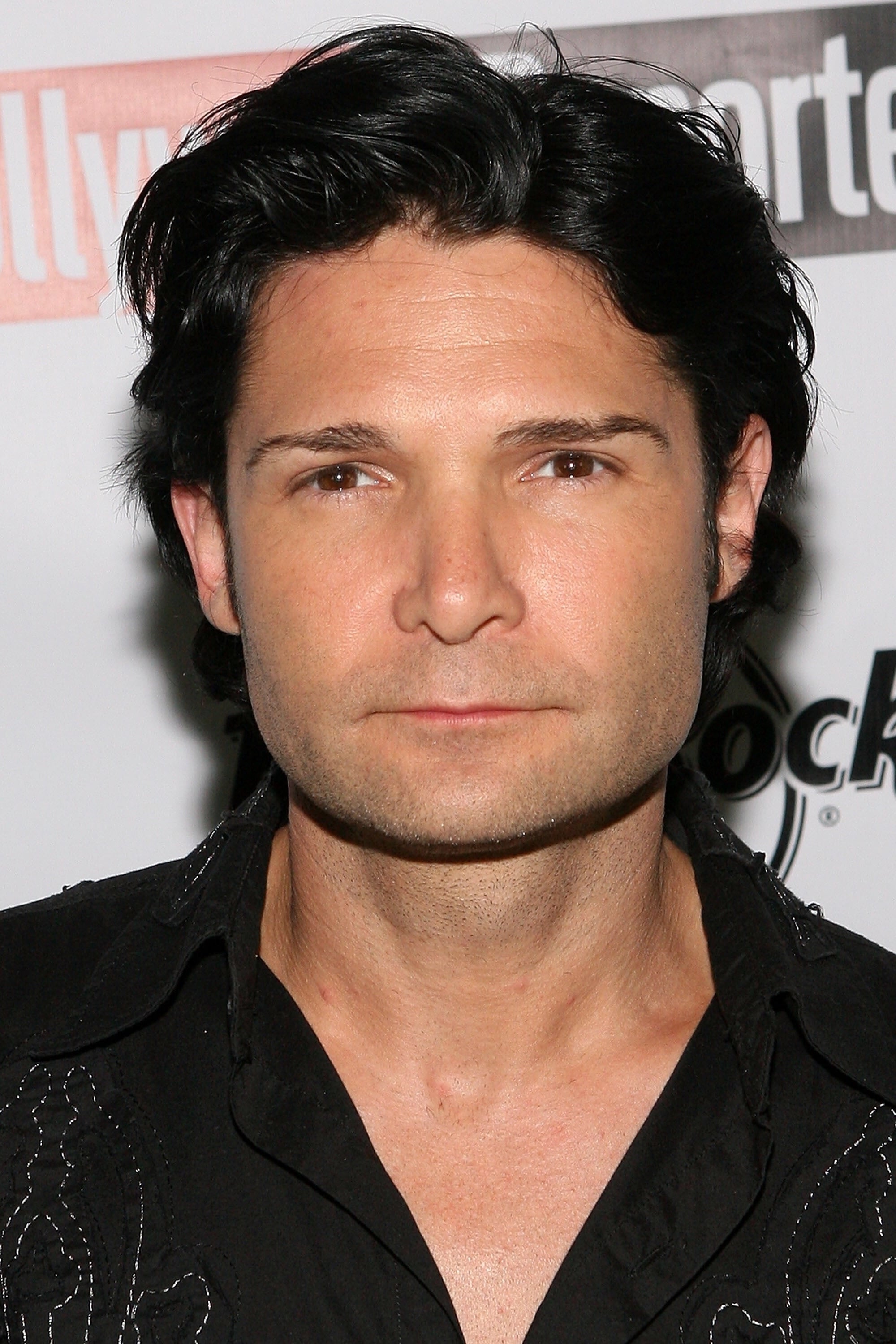
Corey Feldman became a cultural fixture in the 1980s through a string of highly successful adventure and horror films. He appeared in legendary titles such as ‘Gremlins’ (1984), ‘The Goonies’ (1985), and ‘Stand by Me’ (1986). His recurring roles alongside Corey Haim turned the duo into a marketable phenomenon that defined the “cool kid” aesthetic of the era. Feldman’s early prolific career made him one of the most recognizable child and teen stars in history.
River Phoenix

River Phoenix was widely considered one of the most talented actors of his generation and a major cultural icon of the late 1980s and early 1990s. His breakthrough role in ‘Stand by Me’ (1986) showcased a maturity that far exceeded his years. He later earned an Academy Award nomination for ‘Running on Empty’ (1988) and starred in ‘My Own Private Idaho’ (1991). Phoenix’s dedication to social causes and his tragic, early death left a profound impact on Hollywood and his fans.
Christian Bale
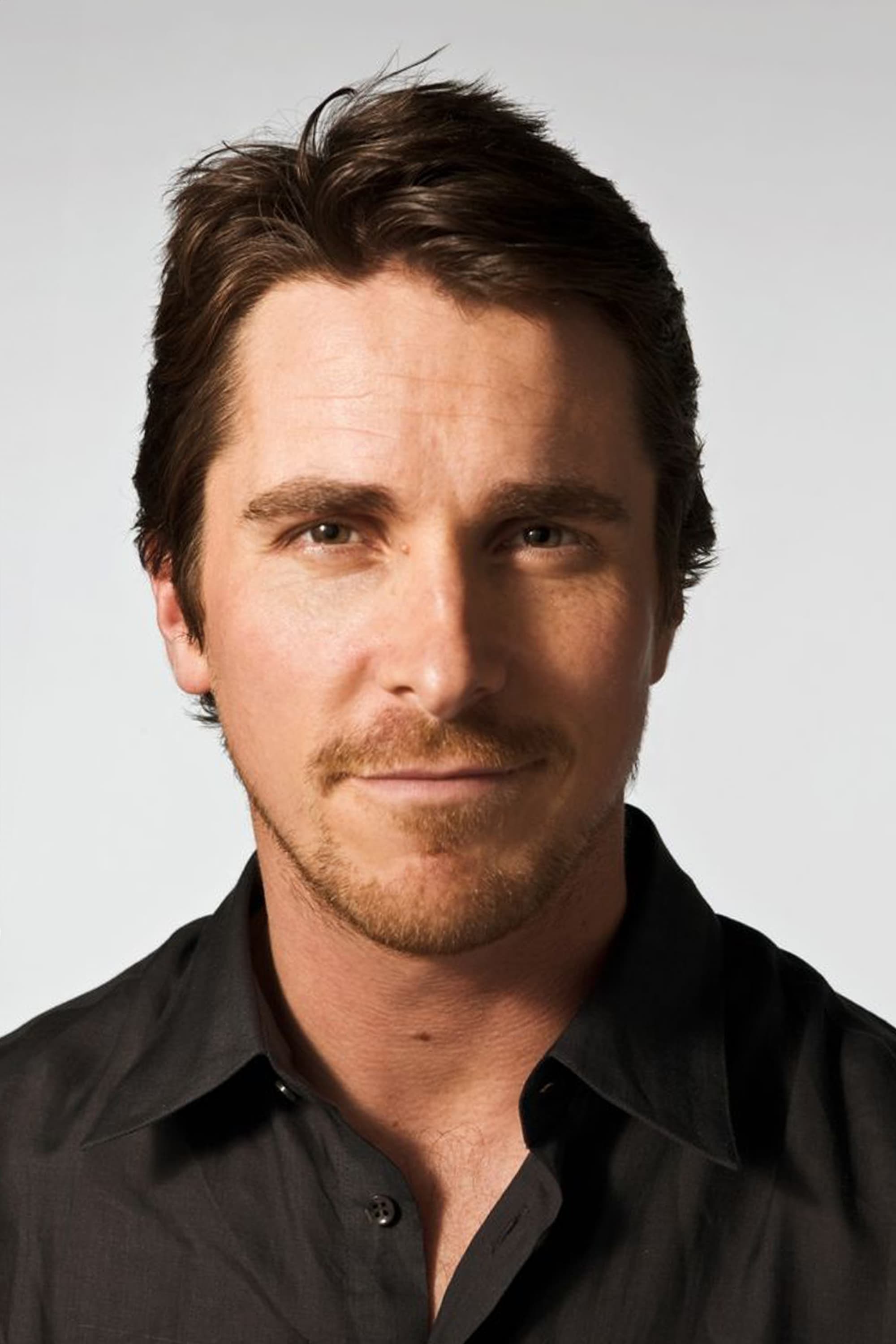
Christian Bale became a sensation as a child actor after starring in the 1987 Steven Spielberg film ‘Empire of the Sun’. His intense and emotionally resonant performance earned him international acclaim and the inaugural Best Performance by a Juvenile Actor award. In the early 1990s, he gained a massive cult following among teenagers for his role in the musical ‘Newsies’ (1992). Bale’s early start paved the way for a career defined by extreme physical and psychological transformations.
Johnny Depp

Johnny Depp became a premier teen idol in the late 1980s as the star of the television series ’21 Jump Street’ (1987–1990). Seeking to distance himself from his heartthrob image, he began a long-standing collaboration with director Tim Burton, starting with ‘Edward Scissorhands’ (1990). This pivot turned him into a cultural icon of the 1990s “alternative” movement, known for his eccentric and artistic roles. Depp’s ability to blend commercial appeal with avant-garde choices made him a unique global superstar.
Brad Pitt
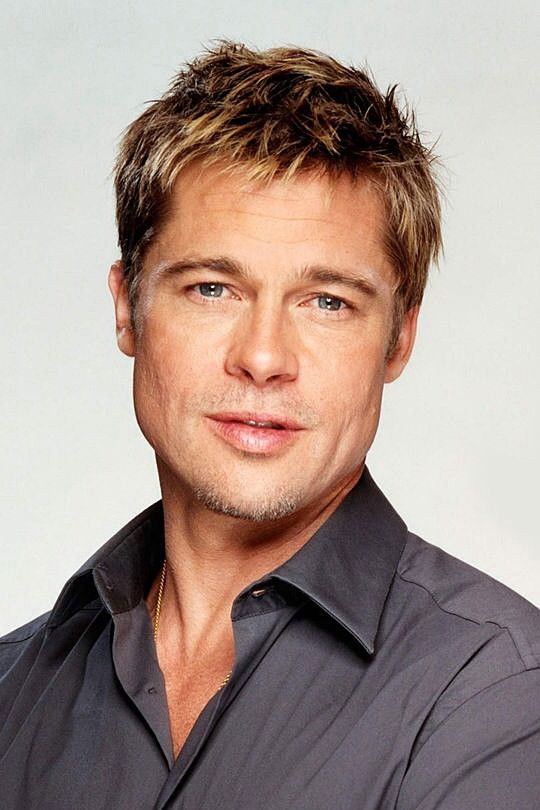
Brad Pitt became a massive cultural phenomenon in the early 1990s after a brief but memorable appearance in the 1991 film ‘Thelma & Louise’. His performance as a charming drifter turned him into an instant sex symbol and a top-tier leading man. He solidified his status with major roles in ‘A River Runs Through It’ (1992) and ‘Interview with the Vampire’ (1994). Pitt’s combination of classical good looks and gritty acting choices defined the movie star aesthetic for decades.
Leonardo DiCaprio
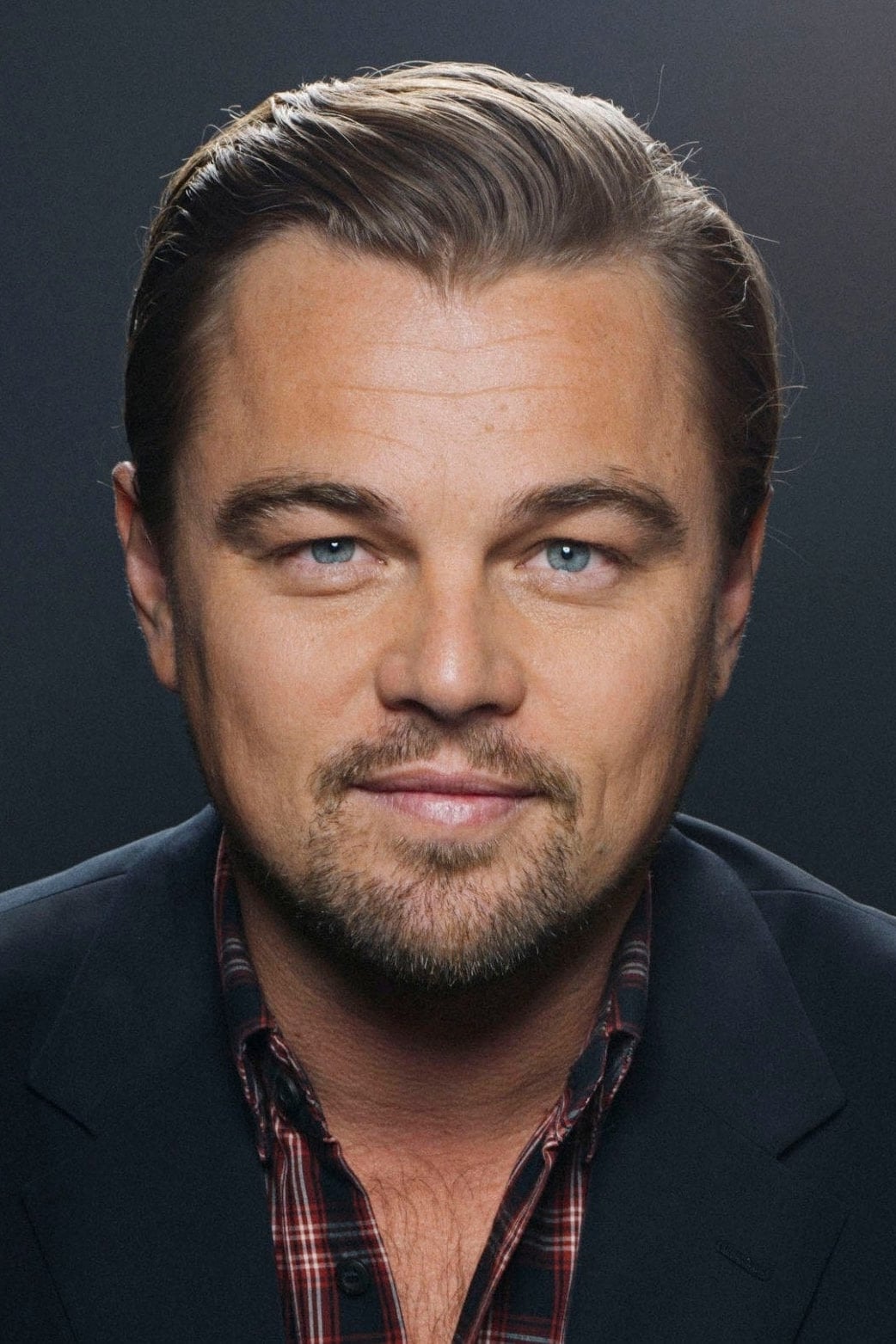
Leonardo DiCaprio achieved a level of global fame in the 1990s that was rarely seen, a phenomenon often called “Leo-mania.” After a breakthrough in ‘What’s Eating Gilbert Grape’ (1993), his lead role in the 1997 epic ‘Titanic’ turned him into the world’s biggest star. His image was ubiquitous, and he became the definitive heartthrob for an entire generation of filmgoers. DiCaprio successfully transitioned from a teen idol to one of the most respected dramatic actors in the industry.
Macaulay Culkin
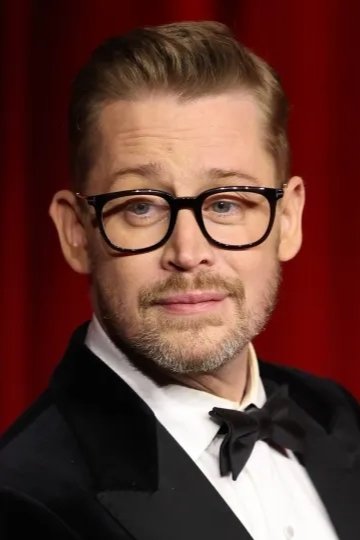
Macaulay Culkin became the most famous child actor in the world following the massive success of ‘Home Alone’ (1990). His portrayal of Kevin McCallister turned him into a global cultural symbol and made the film a perennial holiday favorite. Culkin followed this with ‘Home Alone 2: Lost in New York’ (1992) and ‘My Girl’ (1991), commanding record-breaking salaries for a juvenile performer. His early fame was so intense that he remains one of the most iconic figures of 1990s pop culture.
Jonathan Taylor Thomas

Jonathan Taylor Thomas, often referred to as “JTT,” was a dominant teen idol throughout the mid-1990s. He gained widespread fame for his role as Randy Taylor on the sitcom ‘Home Improvement’ (1991–1998) and for voicing young Simba in ‘The Lion King’ (1994). His face appeared on the cover of virtually every teen magazine for several years, making him a primary heartthrob of the era. Thomas’s immense popularity with young audiences made him a central figure in 1990s television.
Devon Sawa

Devon Sawa became a significant teen sensation in the late 1990s after appearing in several popular films targeted at young audiences. He gained major recognition for his roles in ‘Casper’ (1995) and the 1999 horror-comedy ‘Idle Hands’. His status as a heartthrob was solidified with his lead performance in the supernatural thriller ‘Final Destination’ (2000). Sawa’s career during this period captured the edgy and youthful energy that characterized the turn of the millennium.
Freddie Prinze Jr.

Freddie Prinze Jr. was the quintessential leading man for the teen movie boom of the late 1990s. He became a global heartthrob after starring in the 1997 horror hit ‘I Know What You Did Last Summer’. He followed this success with the 1999 romantic comedy ‘She’s All That’, which became a cultural touchstone for the era. Prinze Jr.’s approachable charm and frequent roles in youth-oriented cinema made him a defining face of late 90s pop culture.
Ryan Gosling
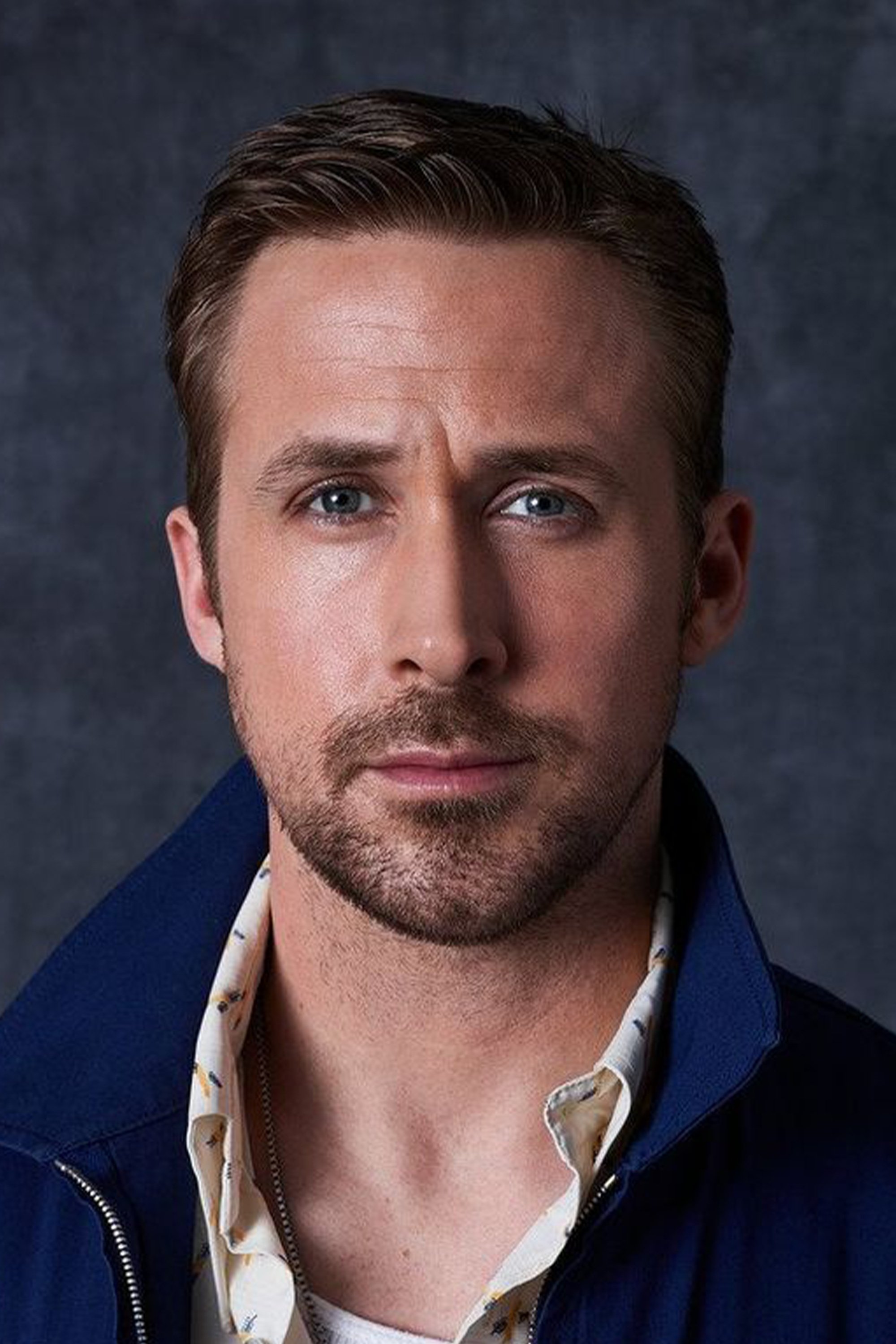
Ryan Gosling first rose to fame as a child star on ‘The Mickey Mouse Club’ (1993–1995) alongside other future superstars. He transitioned to adult roles with critical acclaim in films like ‘The Believer’ (2001) before becoming a global sensation with ‘The Notebook’ (2004). His performance in the romantic drama turned him into a massive cultural icon and a permanent Hollywood heartthrob. Gosling has since become known for his versatility, starring in both independent films and major blockbusters.
Elijah Wood
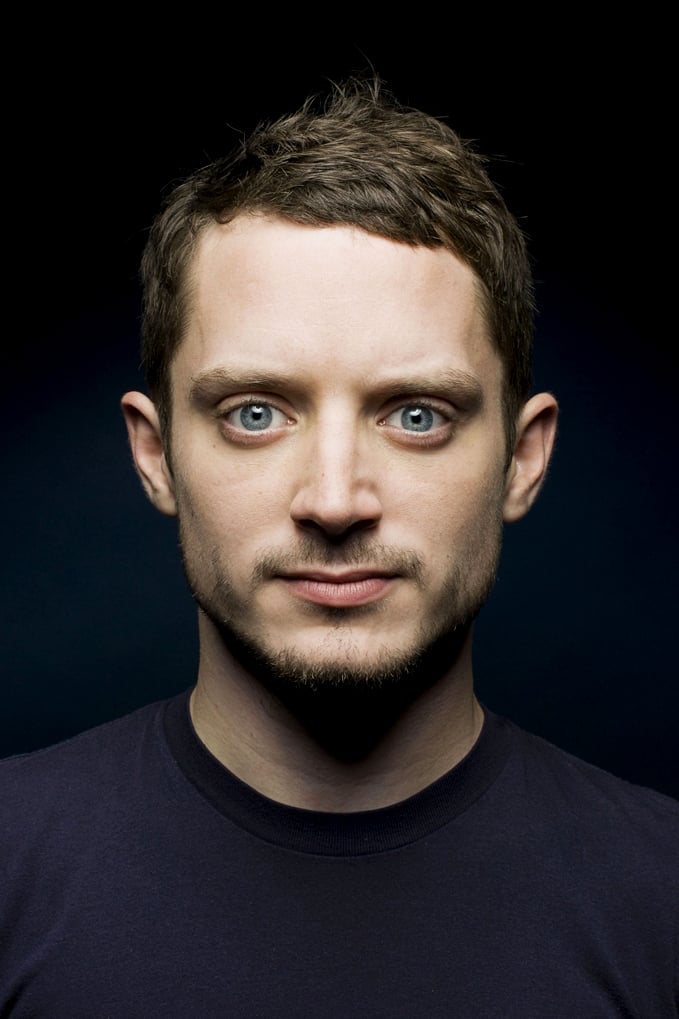
Elijah Wood was a highly successful child actor who became a global phenomenon for his lead role in ‘The Lord of the Rings’ trilogy (2001–2003). As Frodo Baggins, he became the face of one of the most successful film franchises in history. Wood had already established himself with strong performances in 1990s films like ‘The Good Son’ (1993) and ‘North’ (1994). His portrayal of the determined hobbit made him a hero to millions of fans and a central figure in modern fantasy cinema.
Haley Joel Osment
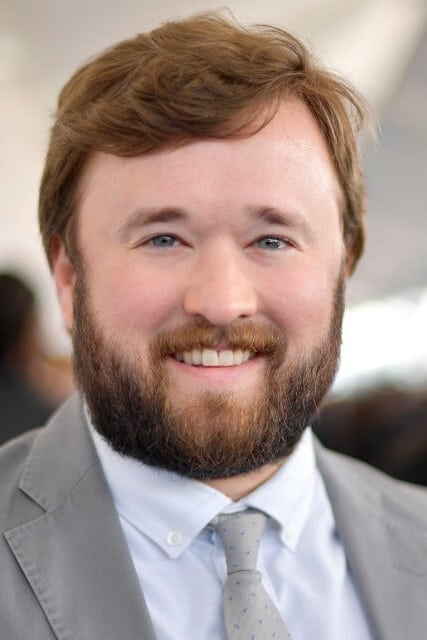
Haley Joel Osment became a cultural phenomenon in 1999 with his haunting performance in the psychological thriller ‘The Sixth Sense’. His delivery of the line “I see dead people” became one of the most famous quotes in cinematic history. Osment received an Academy Award nomination at the age of 11, making him one of the youngest nominees ever. He followed this success with a lead role in Steven Spielberg’s ‘A.I. Artificial Intelligence’ (2001), solidifying his reputation as a prodigiously talented young star.
Heath Ledger
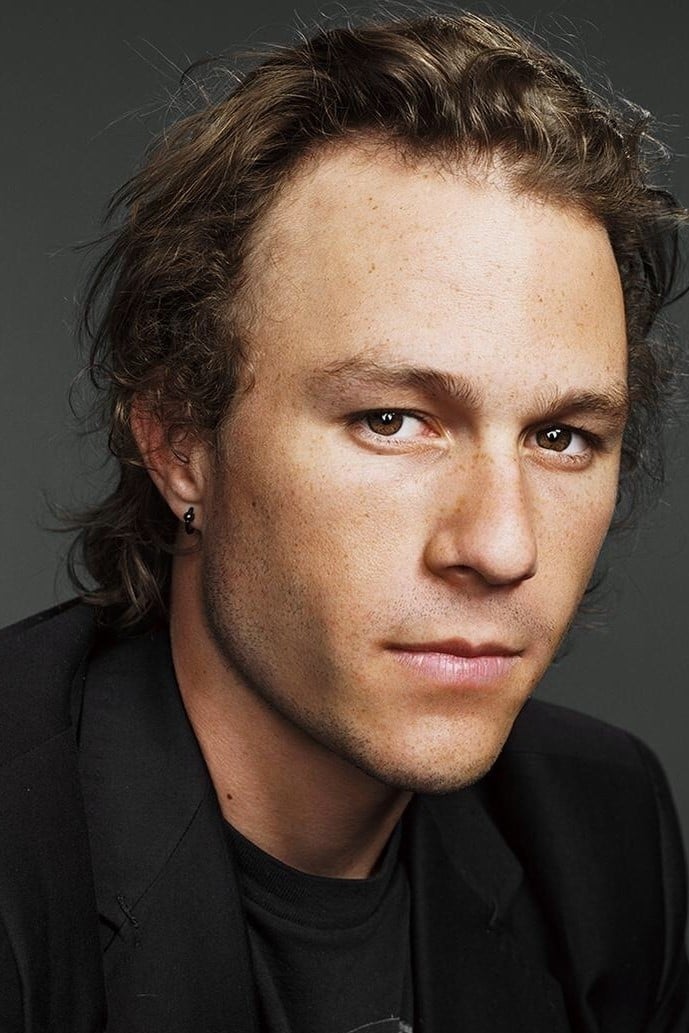
Heath Ledger became a major teen icon after starring in the 1999 romantic comedy ’10 Things I Hate About You’. His charismatic and rebellious performance made him an instant sensation and a sought-after leading man in Hollywood. He later transitioned into darker, more complex roles, culminating in his legendary performance as the Joker in ‘The Dark Knight’ (2008). Ledger’s impact on film and his immense popularity made him one of the most significant actors of his generation.
Orlando Bloom
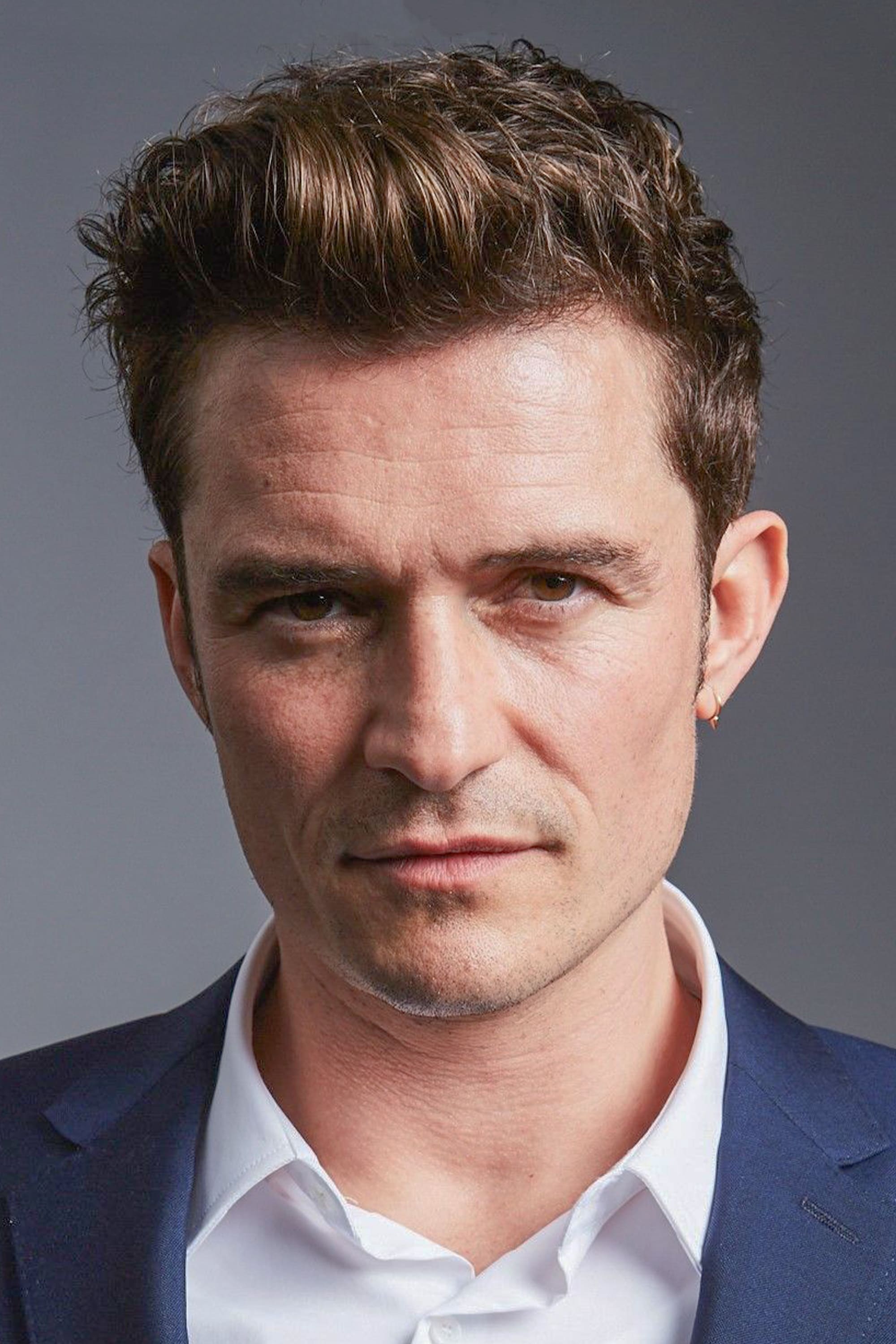
Orlando Bloom became a global heartthrob in the early 2000s after being cast as Legolas in ‘The Lord of the Rings’ trilogy (2001–2003). His ethereal appearance and skilled archery in the films made him a fan favorite and a major cultural icon. He followed this success by starring as Will Turner in the ‘Pirates of the Caribbean’ franchise, starting in 2003. Bloom’s presence in two of the decade’s largest film series turned him into one of the most recognizable faces in the world.
Robert Pattinson

Robert Pattinson sparked a global cultural craze known as “Twi-hard” fever after being cast as Edward Cullen in ‘Twilight’ (2008). The film franchise became a massive phenomenon, and Pattinson’s portrayal of the brooding vampire turned him into an international superstar. His image was featured on endless merchandise and he became the subject of intense media scrutiny. Following the series, he successfully reinvented his career by starring in a wide range of critically acclaimed independent films.
Zac Efron
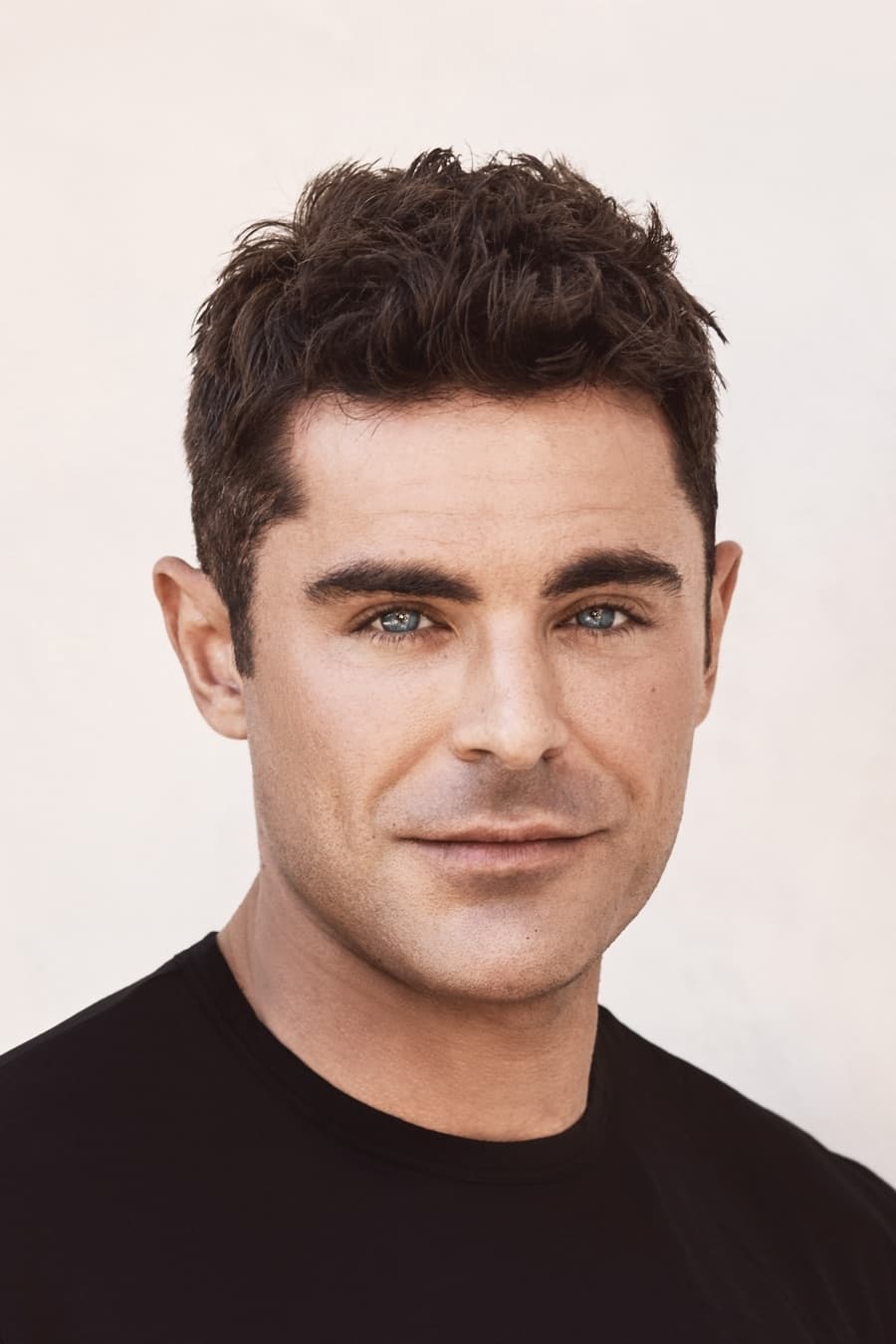
Zac Efron became a massive teen idol in 2006 after starring as Troy Bolton in the Disney Channel original movie ‘High School Musical’. The film and its sequels became a worldwide cultural phenomenon, launching Efron to a level of fame rarely seen for a television actor. His singing and dancing made him a favorite among young audiences, and his face dominated pop culture for years. Efron has since successfully transitioned into a versatile leading man in both comedies and dramas.
Daniel Radcliffe

Daniel Radcliffe became a global sensation at the age of 11 when he was cast as the title character in ‘Harry Potter and the Sorcerer’s Stone’ (2001). For the next decade, he grew up on screen as he portrayed the famous wizard across eight films. The ‘Harry Potter’ franchise became one of the most successful media properties in history, making Radcliffe an icon to millions of fans. He has since pursued a diverse acting career in theater and independent film to distinguish himself from the iconic role.
Shia LaBeouf
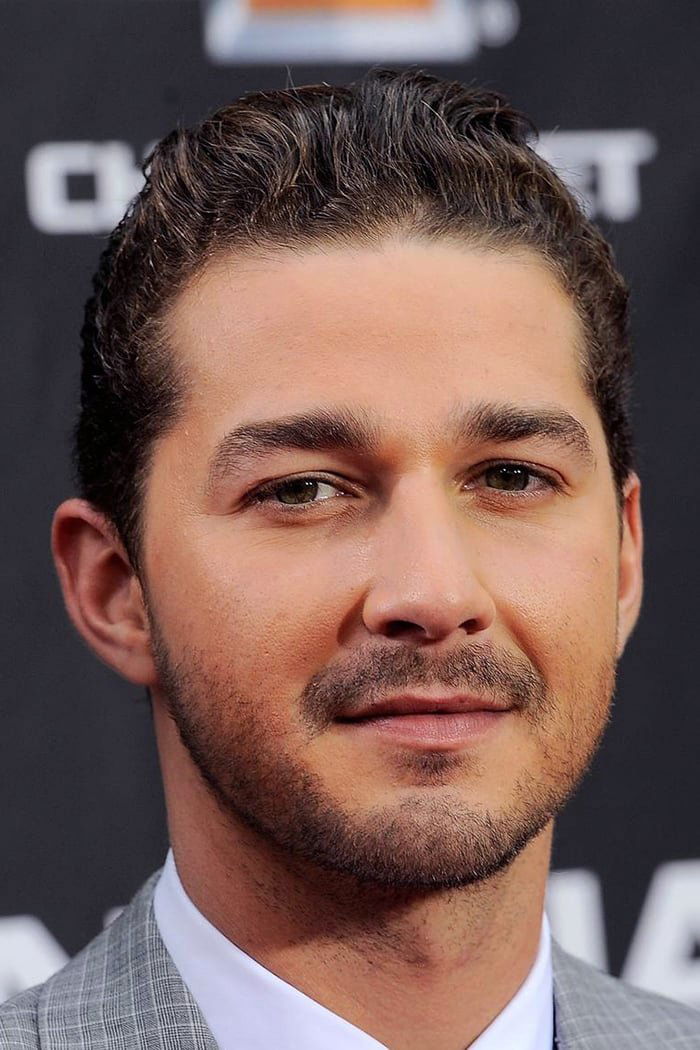
Shia LaBeouf became a major cultural figure in the early 2000s, starting with his role on the Disney Channel series ‘Even Stevens’ (2000–2003). He successfully transitioned to blockbuster stardom with lead roles in ‘Transformers’ (2007) and ‘Indiana Jones and the Kingdom of the Crystal Skull’ (2008). LaBeouf’s energetic performances and relatability made him a favorite of the younger generation during this period. In later years, he became known for his performance art pieces and intense commitment to Method acting.
Timothée Chalamet

Timothée Chalamet became a premier cultural icon of the late 2010s following his breakthrough performance in ‘Call Me by Your Name’ (2017). His role earned him an Academy Award nomination and established him as a major talent in the industry. Chalamet’s unique style and frequent collaborations with acclaimed directors like Greta Gerwig in ‘Little Women’ (2019) have made him a fashion and cinema staple. He is often cited as the definitive leading man for the Gen Z generation.
Tom Holland

Tom Holland became a global phenomenon when he was cast as Peter Parker in the Marvel Cinematic Universe, debuting in ‘Captain America: Civil War’ (2016). His youthful energy and background as a dancer brought a new level of physicality to the iconic role of Spider-Man. The success of his solo films, such as ‘Spider-Man: Homecoming’ (2017), turned him into one of the most popular and recognizable actors in the world. Holland’s immense fan base and charismatic public persona have solidified his status as a top-tier star.
Jacob Elordi
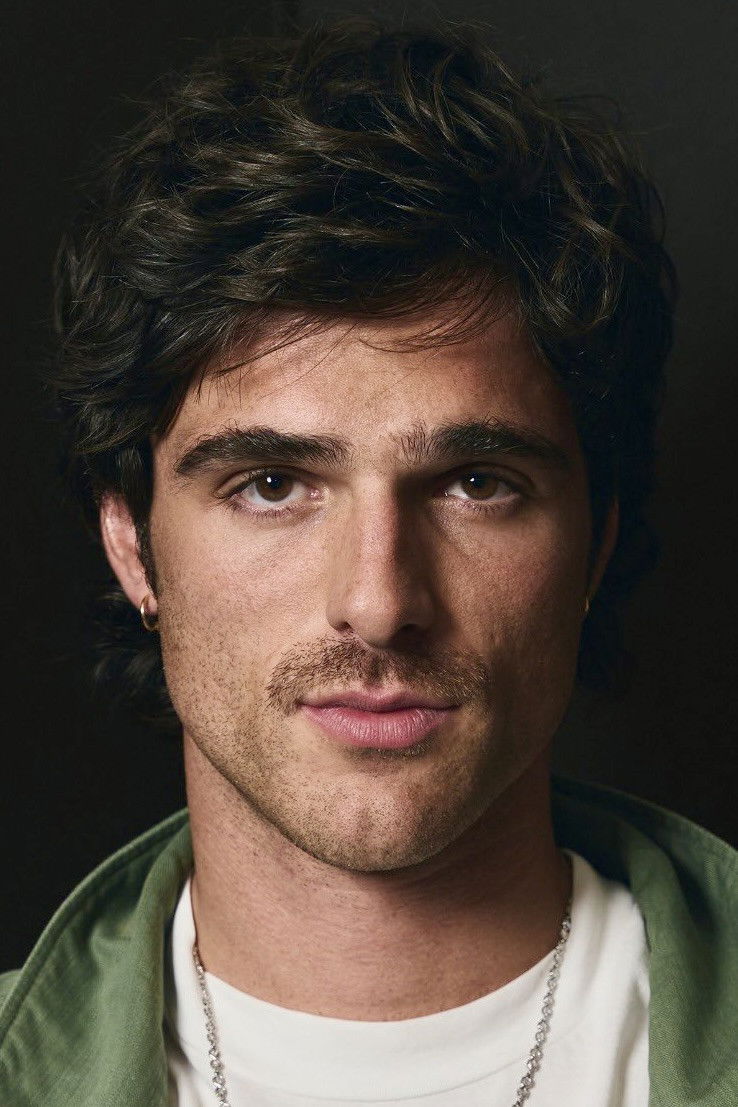
Jacob Elordi became an overnight sensation in 2018 after starring in the Netflix romantic comedy ‘The Kissing Booth’. His popularity grew significantly with his portrayal of the complex and troubled Nate Jacobs on the HBO series ‘Euphoria’ (2019–present). Elordi’s height, classic leading-man looks, and intense performances have made him a major cultural heartthrob and a frequent subject of media attention. He has recently expanded into prestige cinema with roles in ‘Priscilla’ (2023) and ‘Saltburn’ (2023).
Austin Butler

Austin Butler became a major cultural figure after his transformative portrayal of the “King of Rock and Roll” in the 2022 biopic ‘Elvis’. His performance earned him widespread critical acclaim, a Golden Globe Award, and an Academy Award nomination. Butler had previously been known for roles on youth-oriented television shows like ‘The Carrie Diaries’ (2013–2014). The success of ‘Elvis’ catapulted him into the top tier of Hollywood leading men and made him a fixture of the awards season and fashion world.
Jeremy Allen White
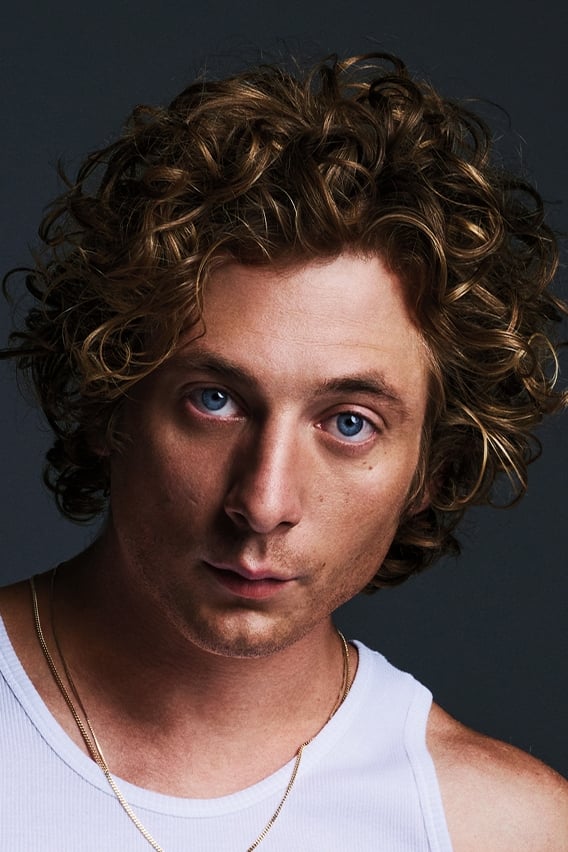
Jeremy Allen White became a massive cultural phenomenon and an unexpected style icon through his lead role in the series ‘The Bear’ (2022–present). His portrayal of the intense chef Carmy Berzatto resonated deeply with audiences and sparked widespread online discussion and memes. White had previously spent a decade starring in the long-running series ‘Shameless’ (2011–2021). His recent fame has led to high-profile fashion campaigns and a resurgence of interest in his gritty, character-driven acting style.
Noah Centineo

Noah Centineo became the “internet’s boyfriend” in 2018 after starring in the Netflix hit ‘To All the Boys I’ve Loved Before’. His role as Peter Kavinsky made him an instant sensation and the face of a new era of romantic comedies. Centineo followed this with several other Netflix productions, including ‘Sierra Burgess Is a Loser’ (2018) and ‘The Perfect Date’ (2019). His massive social media following and relatable charm made him one of the most recognizable young stars of the late 2010s.
Björn Andrésen
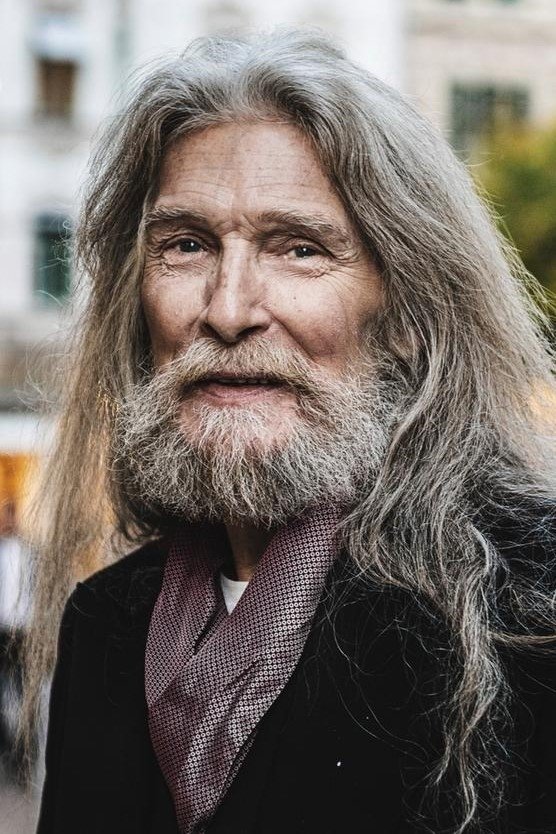
Björn Andrésen became a cultural idol in the early 1970s after director Luchino Visconti declared him “the most beautiful boy in the world.” He was cast as Tadzio in the 1971 film ‘Death in Venice’, which led to an intense level of international fame and media obsession. Andrésen’s appearance was particularly impactful in Japan, where his image influenced the ‘Bishōnen’ (beautiful boy) aesthetic in manga and anime. His life and the pressures of early stardom were later explored in the documentary ‘The Most Beautiful Boy in the World’ (2021).
Harry Styles

Harry Styles first rose to global prominence as a member of the boy band One Direction, creating a level of fan hysteria rarely seen since the Beatles. He successfully transitioned into acting with a role in Christopher Nolan’s 1940s-set war epic ‘Dunkirk’ (2017). Styles has since starred in ‘Don’t Worry Darling’ (2022) and ‘My Policeman’ (2022), maintaining his status as a major cultural force. His influence on fashion, music, and cinema makes him one of the most significant celebrities of the 21st century.
Paul Mescal
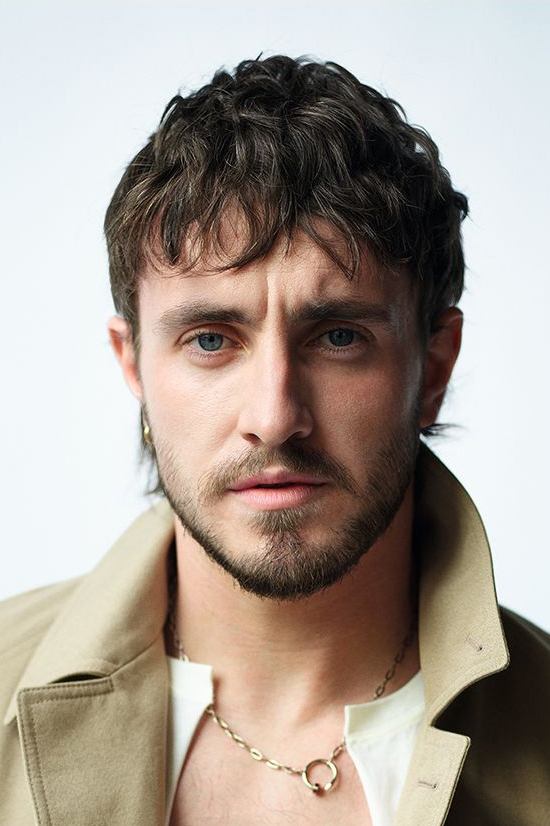
Paul Mescal became an instant cultural sensation during the 2020 lockdowns following his performance in the miniseries ‘Normal People’. His portrayal of Connell Waldron earned him an Emmy nomination and made him a primary subject of pop culture fascination. Mescal’s talent was further recognized with an Academy Award nomination for his lead role in ‘Aftersun’ (2022). His casting in the high-profile sequel ‘Gladiator II’ (2024) has solidified his position as one of the most important young actors of his generation.
Kirk Cameron

Kirk Cameron was one of the biggest teen idols of the 1980s, primarily due to his role as Mike Seaver on the sitcom ‘Growing Pains’ (1985–1992). His popularity with the teenage demographic was enormous, leading to a constant presence on the covers of magazines like Tiger Beat. At the height of the show’s success, he was receiving thousands of fan letters every week. Cameron’s image as the quintessential 1980s teenager made him a central figure in the television landscape of the decade.
Jonathan Brandis
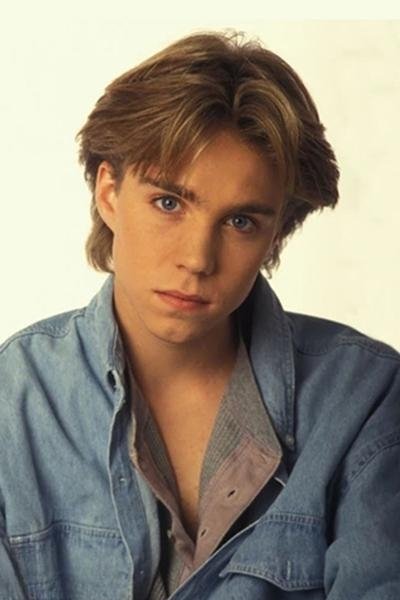
Jonathan Brandis was a major teen idol in the early 1990s, gaining fame for his roles in both film and television. He starred in the popular fantasy movie ‘The NeverEnding Story II: The Next Chapter’ (1990) and the action-comedy ‘Ladybugs’ (1992). Brandis achieved even greater popularity as the teenage genius Lucas Wolenczak on the science fiction series ‘seaQuest DSV’ (1993–1996). His blonde hair and blue eyes made him a favorite pin-up boy for millions of fans during the decade.
Please share which of these stars had the biggest impact on your own generation in the comments.

