


Young Actresses Ordered to Rehab by the Court

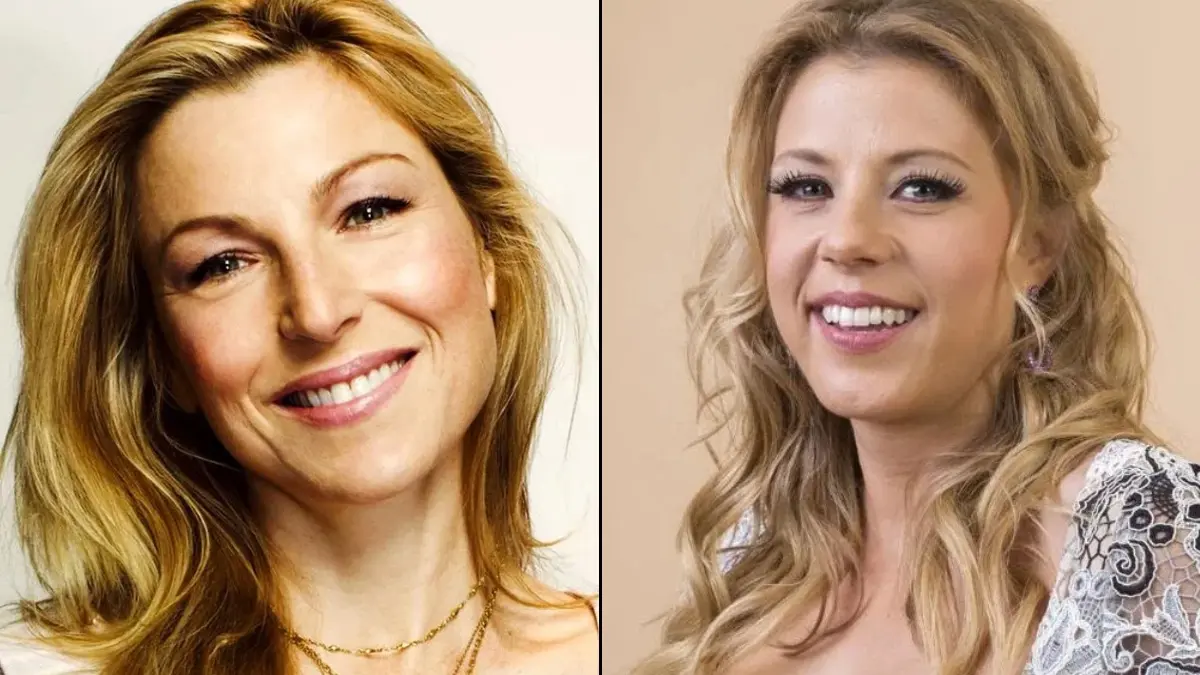


Navigating the pressures of Hollywood at a young age often leads to legal complications that require judicial intervention. For several actresses, these legal issues resulted in court mandates for rehabilitation or psychiatric treatment instead of, or in addition to, incarceration. These orders are typically issued following incidents involving substance abuse, driving under the influence, or public disturbances. This list highlights high-profile instances where the legal system stepped in to prioritize recovery and safety for young stars.
Lindsay Lohan

Lohan rose to fame in ‘The Parent Trap’ before facing a decade of high-profile legal battles. In 2013, a judge ordered the actress to spend 90 days in a locked rehabilitation facility as part of a plea deal regarding a car accident and lying to police. This specific mandate followed several previous court-ordered stints in 2007 and 2010 for various probation violations related to substance use. The judicial requirements often included mandatory drug testing and psychiatric counseling to address her ongoing struggles. Her journey through the legal system became a prominent example of the challenges faced by former child stars.
Amanda Bynes
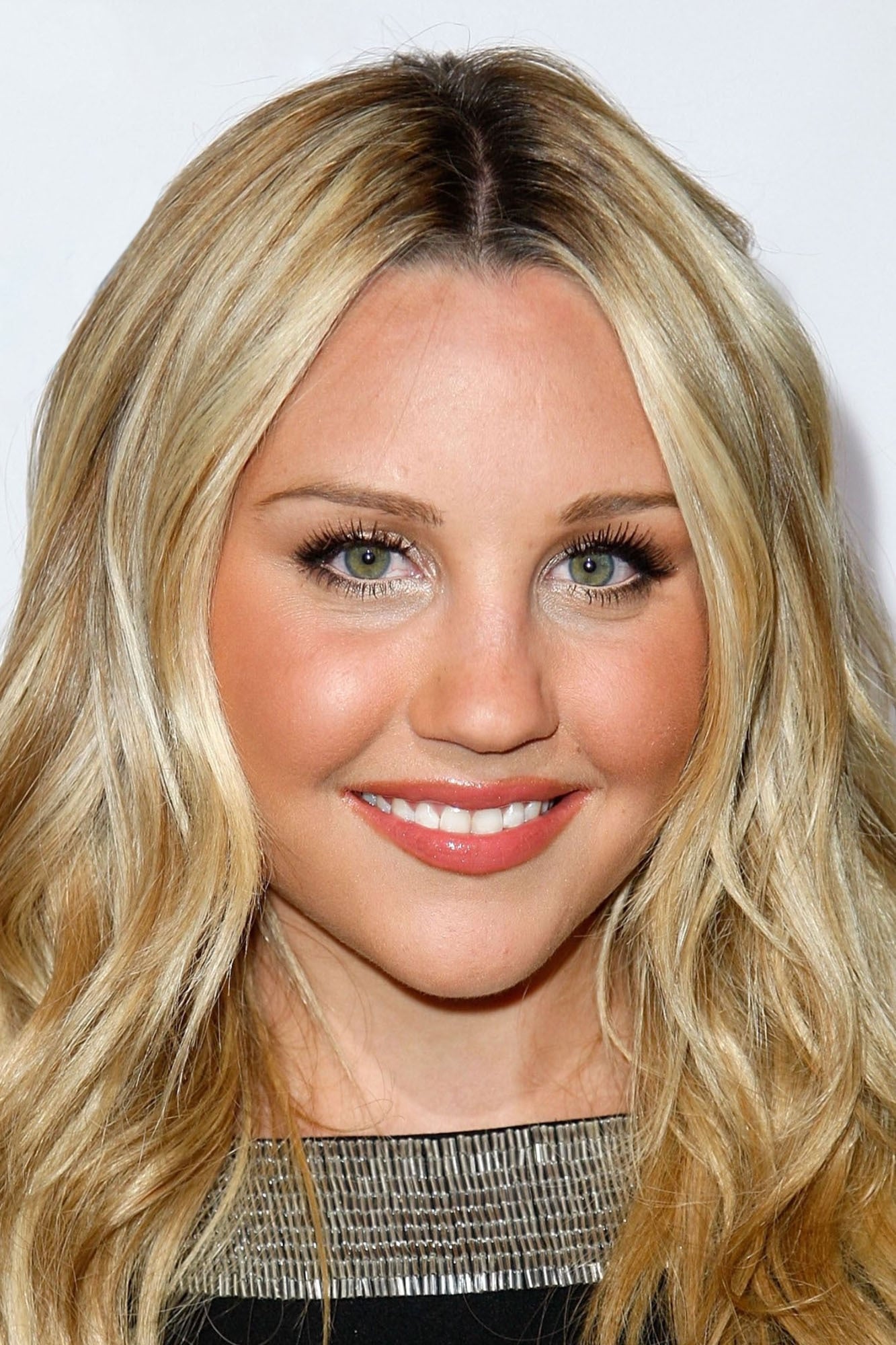
Known for her work in ‘The Amanda Show’ and ‘She’s the Man’, Bynes experienced a public crisis that led to extensive judicial oversight. In 2013, following a series of legal incidents including a DUI arrest and a fire-starting incident, a judge placed her under an involuntary psychiatric hold. This hold eventually transitioned into a court-ordered long-term treatment plan at a private facility to manage her mental health. The legal system played a significant role in her recovery by mandating professional care during a period of extreme personal instability. Her conservatorship, which lasted nearly nine years, further illustrates the level of court involvement in her personal health and safety.
Natasha Lyonne

Before her career resurgence in ‘Russian Doll’, Lyonne faced severe legal and health issues in the early 2000s. In 2005, after a series of arrests and missed court dates, a judge ordered her to participate in a drug treatment program. The ‘But I’m a Cheerleader’ star was dealing with significant health complications at the time of her legal troubles. The court-ordered intervention served as a necessary turning point that eventually allowed her to rebuild her career and personal health. Her story is frequently cited as a successful example of how legal mandates can facilitate long-term sobriety and professional recovery.
Courtney Love
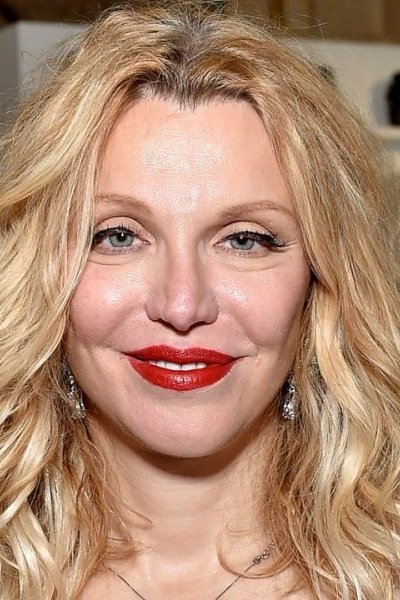
The actress and musician, recognized for her role in ‘The People vs. Larry Flynt’, received a significant court order in 2005. A judge mandated that she spend six months in a locked rehabilitation facility after she admitted to violating her probation in three separate cases. This legal decision followed multiple incidents involving drug possession and public intoxication that occurred while she was already under supervision. The court-ordered treatment was intended to provide a stable environment for her to address her substance dependency. Love’s history with the legal system frequently involved mandates for counseling and chemical dependency programs throughout the early 2000s.
Nicole Richie

Richie became a household name on ‘The Simple Life’ before facing legal consequences for a 2006 DUI arrest. In 2007, a judge sentenced her to four days in jail and ordered her to enroll in a court-sanctioned alcohol education program. This mandate was part of a plea deal that required her to remain on probation for three years. The court took her past record and the specific circumstances of the arrest into account when issuing the rehabilitation requirements. This intervention helped her transition away from her previous lifestyle and focus on her growing family and business ventures.
Mischa Barton

Barton, who gained immense popularity on ‘The O.C.’, encountered mental health challenges that led to legal intervention in 2009. After police responded to a call for medical assistance, she was placed under an involuntary psychiatric hold by court-sanctioned authorities. This period of treatment was legally mandated under California regulations to ensure her immediate safety and stability. While not a direct result of a criminal sentence, the legal nature of the hold required her to remain in a medical facility for evaluation. Her experience highlighted the intense scrutiny and pressure placed on young television stars during the mid-2000s.
Tatum O’Neal

As the youngest person ever to win an Academy Award for ‘Paper Moon’, O’Neal has had a long history with both fame and substance issues. In 2008, following an arrest for purchasing narcotics, a judge ordered her to enter a drug treatment program. The court provided this option as part of a plea agreement to resolve the criminal charges against her. This was not her first encounter with mandated recovery, as her life has been marked by periodic legal and professional struggles related to addiction. The judicial system’s intervention aimed to redirect her toward sobriety through structured rehabilitation and monitoring.
Jodie Sweetin

The ‘Full House’ star struggled with addiction following the conclusion of her childhood television role. While many of her recovery efforts were personal, her legal battles over custody often involved court-monitored rehabilitation and sobriety requirements. A judge oversaw her progress through drug testing and mandated participation in support programs to ensure a stable environment for her children. These legal parameters were essential in documenting her path to long-term sobriety and stability. Sweetin has since become a vocal advocate for others facing similar court-mandated recovery processes.
Yasmine Bleeth
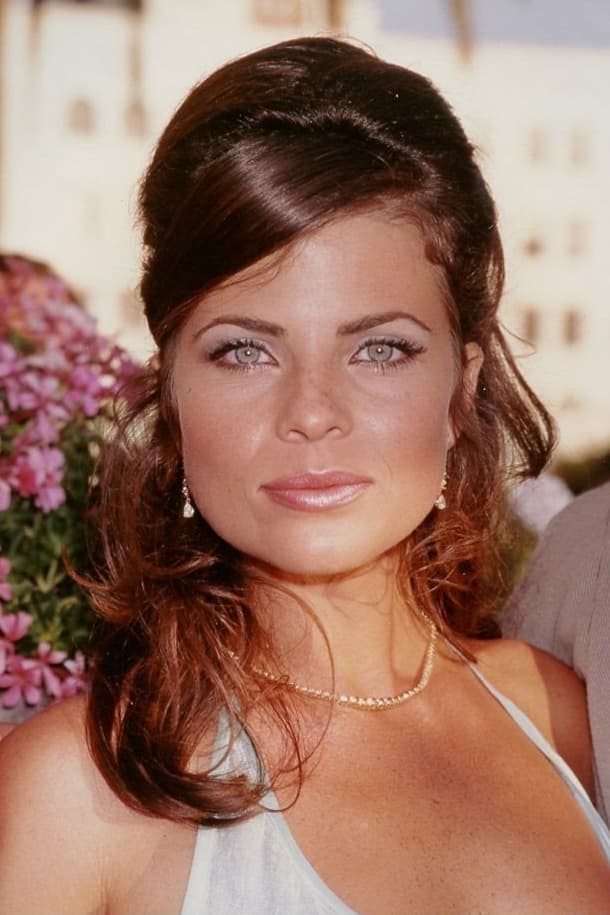
Bleeth gained international fame as a lead actress on the hit series ‘Baywatch’ during the 1990s. In 2001, following an arrest for cocaine possession, a judge sentenced her to two years of probation and ordered her to participate in a drug treatment program. This judicial mandate included regular drug screening and community service to address her substance abuse issues. The legal intervention came at a time when her professional career was significantly impacted by her personal struggles. She has largely remained out of the public eye following her court-ordered recovery and subsequent completion of probation.
Please share your thoughts on these legal interventions and their impact on celebrity recovery in the comments.

