15 Inspiring Movies Like ‘Being Heumann’ You Have to See

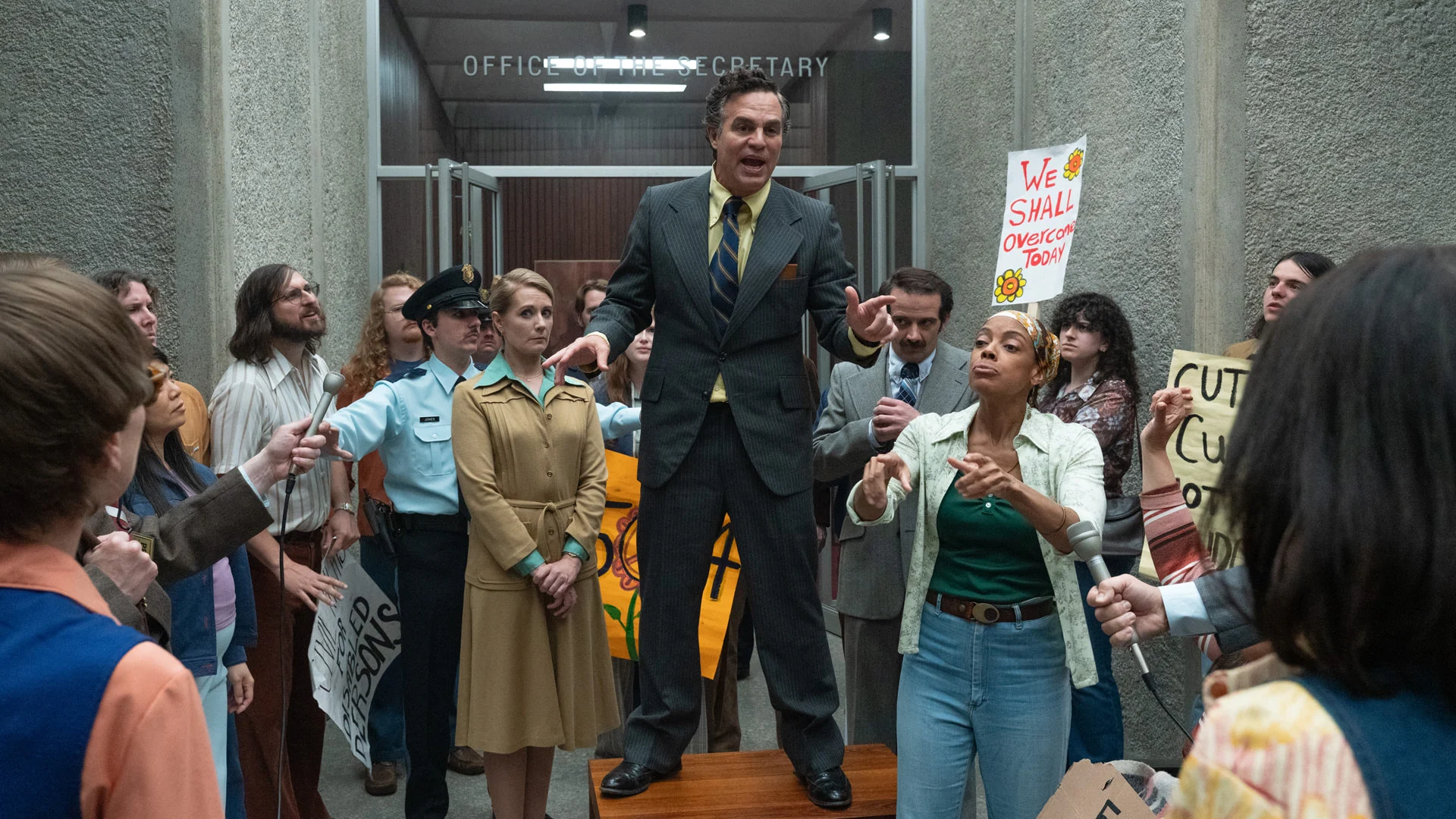
Directed by Siân Heder, the Apple TV biographical drama ‘Being Heumann’ chronicles the extraordinary advocacy of disability rights pioneer Judith Heumann, focusing on her leadership during the historic 1977 Section 504 sit-in. The film illustrates how grassroots solidarity, strategic nonviolent occupation, and persistent confrontation with federal bureaucracy forced systemic changes for accessibility and equal rights.
Audiences moved by its authentic representation, historical focus, and unapologetic depiction of disabled self-determination will find similar power across a range of cinema. From documentaries that capture the birth of the disability rights movement to narrative dramas highlighting legal battles and personal autonomy, these stories showcase the enduring fight against institutional exclusion. Here are 15 impactful films that share the spirited activism, historical weight, and themes of community empowerment found in ‘Being Heumann’.
‘Crip Camp: A Disability Revolution’ (2020)

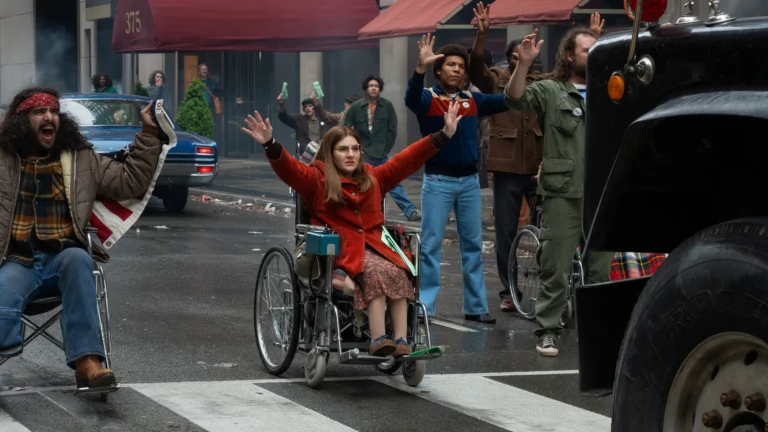
Directed by Nicole Newnham and James LeBrecht, this documentary explores Camp Jened, a summer camp in the Catskills for disabled teenagers that helped catalyze the disability rights movement. Camp attendees and counselors, including activist Judith Heumann, forged lifelong alliances and political consciousness that inspired nationwide grassroots organizing. The film documents pivotal civil rights milestones, most notably the historic 1977 Section 504 occupation of the San Francisco Federal Building. Using a mixture of archival video recordings and contemporary interviews, the production highlights the strategic determination and humor of the activists.
‘Then Barbara Met Alan’ (2022)

Starring Ruth Madeley and Arthur Hughes, this television drama recounts the true story of Barbara Lisicki and Alan Holdsworth. The two disabled cabaret performers met in the late 1980s and co-founded the Disabled People’s Direct Action Network in the United Kingdom. Their organization coordinated nonviolent civil disobedience and blocked inaccessible public transport to expose systemic discrimination. These public protests placed direct pressure on British lawmakers, ultimately leading to the passage of the landmark Disability Discrimination Act 1995. The film captures both the emotional bond between the two organizers and the collective mobilization required to achieve legislative change.
‘Music Within’ (2007)

This biographical drama chronicles the life of Richard Pimentel, a young man who suffered severe hearing loss while serving in the Vietnam War. Returning home to face pervasive societal exclusion, Pimentel struck up a transformative friendship with Art Honeyman, a writer living with cerebral palsy. The daily prejudice the pair encountered motivated Pimentel to become a professional speaker and corporate consultant on disability awareness. His advocacy and workplace training programs helped educate employers and build national momentum for the Americans with Disabilities Act of 1990. The film underscores how personal resilience and cross-disability solidarity can drive substantive legislative reform.
‘CODA’ (2021)
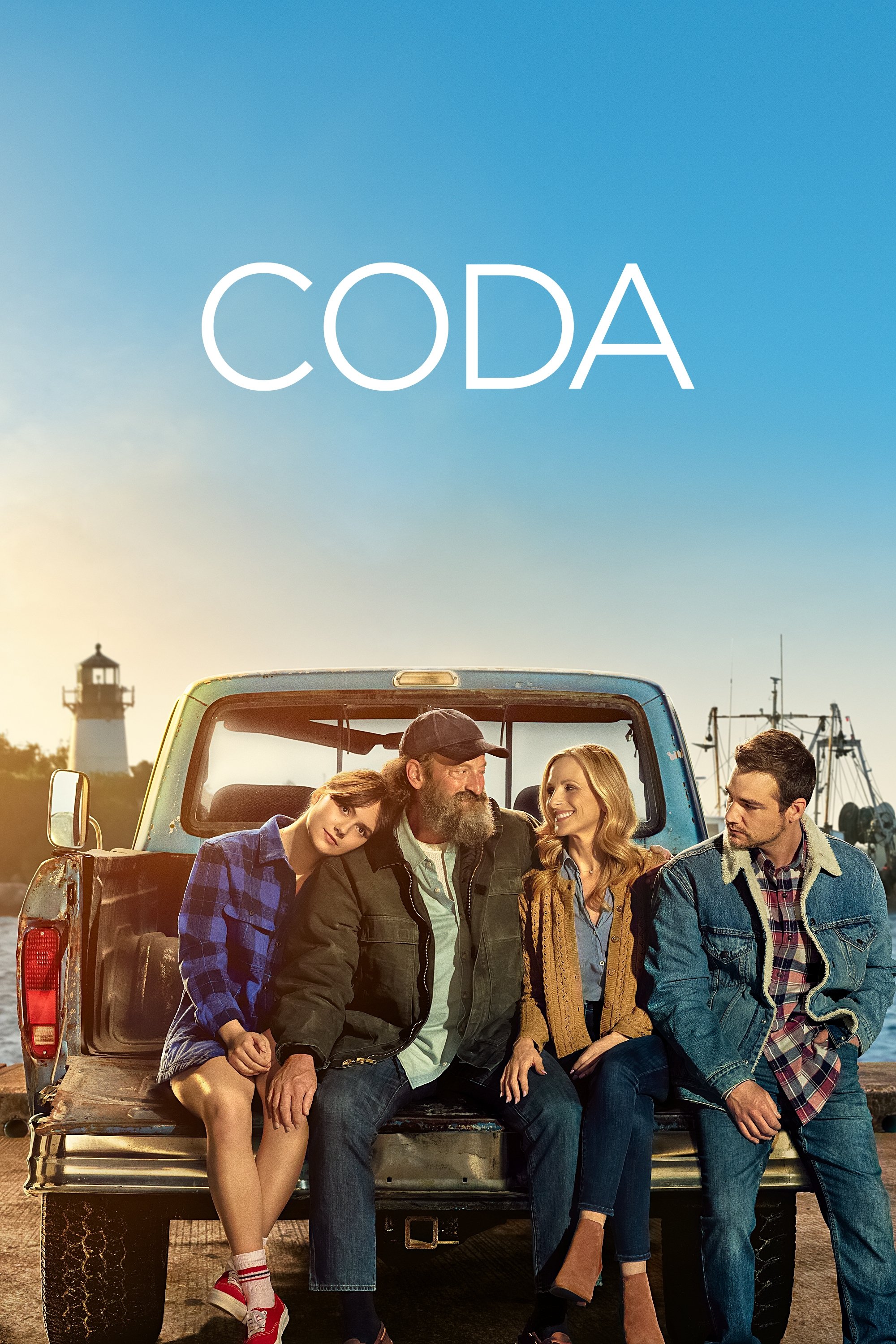
Directed by Siân Heder, this drama centers on Ruby Rossi, a teenager living as the sole hearing member of a culturally Deaf household in Gloucester, Massachusetts. Ruby acts as an indispensable interpreter for her family’s commercial fishing business while navigating her personal desire to study music at college. The production made history by casting Deaf actors Troy Kotsur, Marlee Matlin, and Daniel Durant in leading roles, incorporating authentic American Sign Language dialogue. Through its narrative, the film explores the practical and institutional hurdles that Deaf communities encounter when navigating inaccessible public systems. The movie received widespread recognition during the awards season, winning the Academy Award for Best Picture.
‘Breathe’ (2017)

Directed by Andy Serkis, this biographical drama tells the true story of Robin Cavendish, a charismatic British man paralyzed from the neck down by polio in 1958. Refusing to spend the rest of his life confined to a specialized hospital ward, Cavendish and his wife Diana coordinated with medical innovators to live at home. Working alongside inventor Teddy Hall, Cavendish developed an innovative wheelchair with a built-in ventilator that restored his physical mobility. He subsequently traveled across Europe to advocate for institutionalized disabled patients, demonstrating that independent living was viable and necessary. The narrative documents how patient-led ingenuity revolutionized disability care and challenged restrictive medical establishments.
‘The Sessions’ (2012)
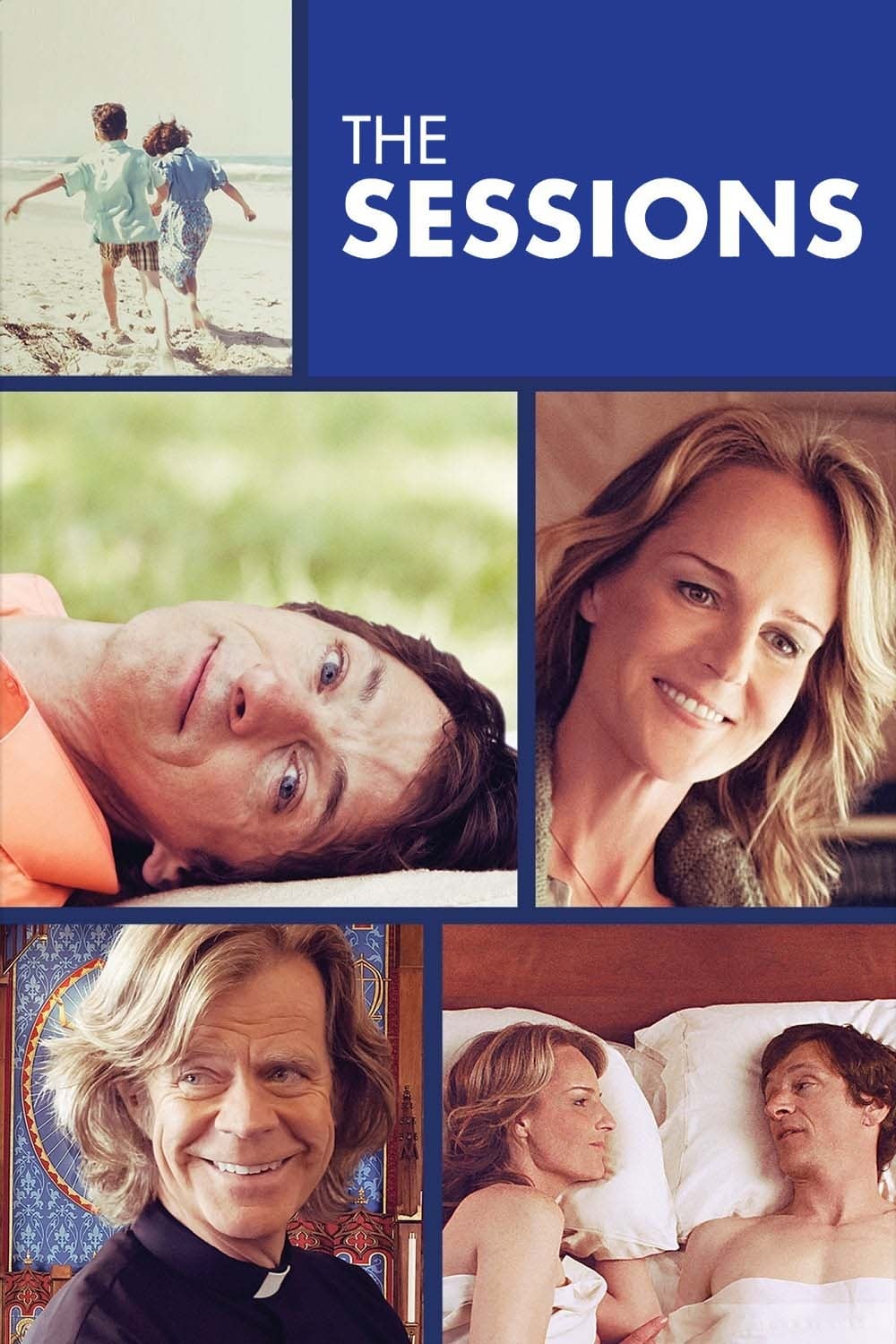
Based on a personal essay by journalist and poet Mark O’Brien, this drama follows an adult survivor of childhood polio who requires an iron lung to survive. Desiring emotional and physical intimacy, O’Brien consults a sex surrogate and his Catholic parish priest to pursue his personal agency. The film explores bodily autonomy, romantic vulnerability, and the complex inner life of a severely disabled person. Actor John Hawkes portrays O’Brien with intellectual depth, emphasizing the subject’s writing career alongside the logistical obstacles of his condition. By focusing squarely on adult identity and self-determination, the production subverts traditional cinema representations of disability.
‘Temple Grandin’ (2010)

This biographical film details the early life and academic career of Temple Grandin, an autistic woman who revolutionized handling systems in the livestock industry. Claire Danes stars as Grandin, navigating educational institutions that often misunderstood neurodiversity during the 1960s and 1970s. With the support of insightful mentors, Grandin leveraged her unique visual thinking and sensory processing to design humane engineering facilities. Her professional success challenged contemporary medical dogmas and positioned her as a prominent global speaker for autism self-advocacy. The film highlights the critical value of educational accommodations and the importance of recognizing diverse cognitive strengths.
‘My Left Foot: The Story of Christy Brown’ (1989)
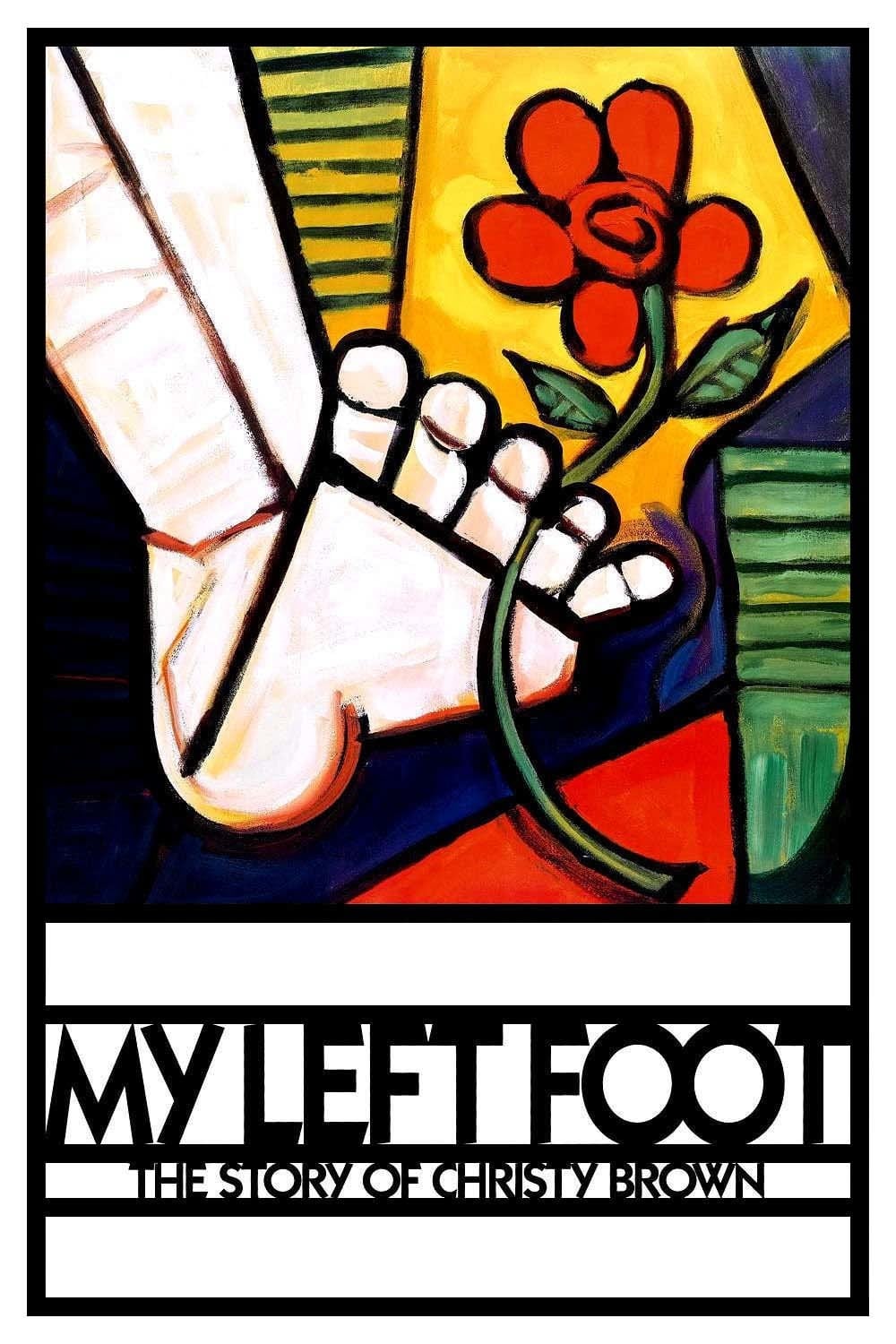
Adapted from the autobiography of Christy Brown, this biographical drama depicts an Irishman born with severe cerebral palsy into a large Dublin working-class family. Initially written off by medical professionals as mentally incapacitated, Brown demonstrates his cognitive ability by learning to write with his left foot. Daniel Day-Lewis portrays Brown’s turbulent journey as he develops into an accomplished author, poet, and painter. The story details the fierce dedication of Brown’s mother alongside the pervasive social marginalization he continually encountered. The film emphasizes artistic expression as an instrument for asserting individuality and dismantling societal misconceptions about physical impairment.
‘Gaby: A True Story’ (1987)

This biographical drama portrays the life of Gabriela Brimmer, a Mexican woman born with severe cerebral palsy who communicated by typing with her left big toe. Supported by her indigenous caregiver Florencia Sánchez Morales, Brimmer fought against local school administrations that denied admittance to disabled pupils. Her academic perseverance allowed her to complete higher education and establish herself as an influential author and poet. Brimmer channeled her public visibility into civil rights advocacy, co-founding an organization dedicated to securing equal rights for physically disabled Mexicans. The film documents how her grassroots leadership broke structural barriers and opened educational opportunities for future generations.
‘Sound of Metal’ (2019)
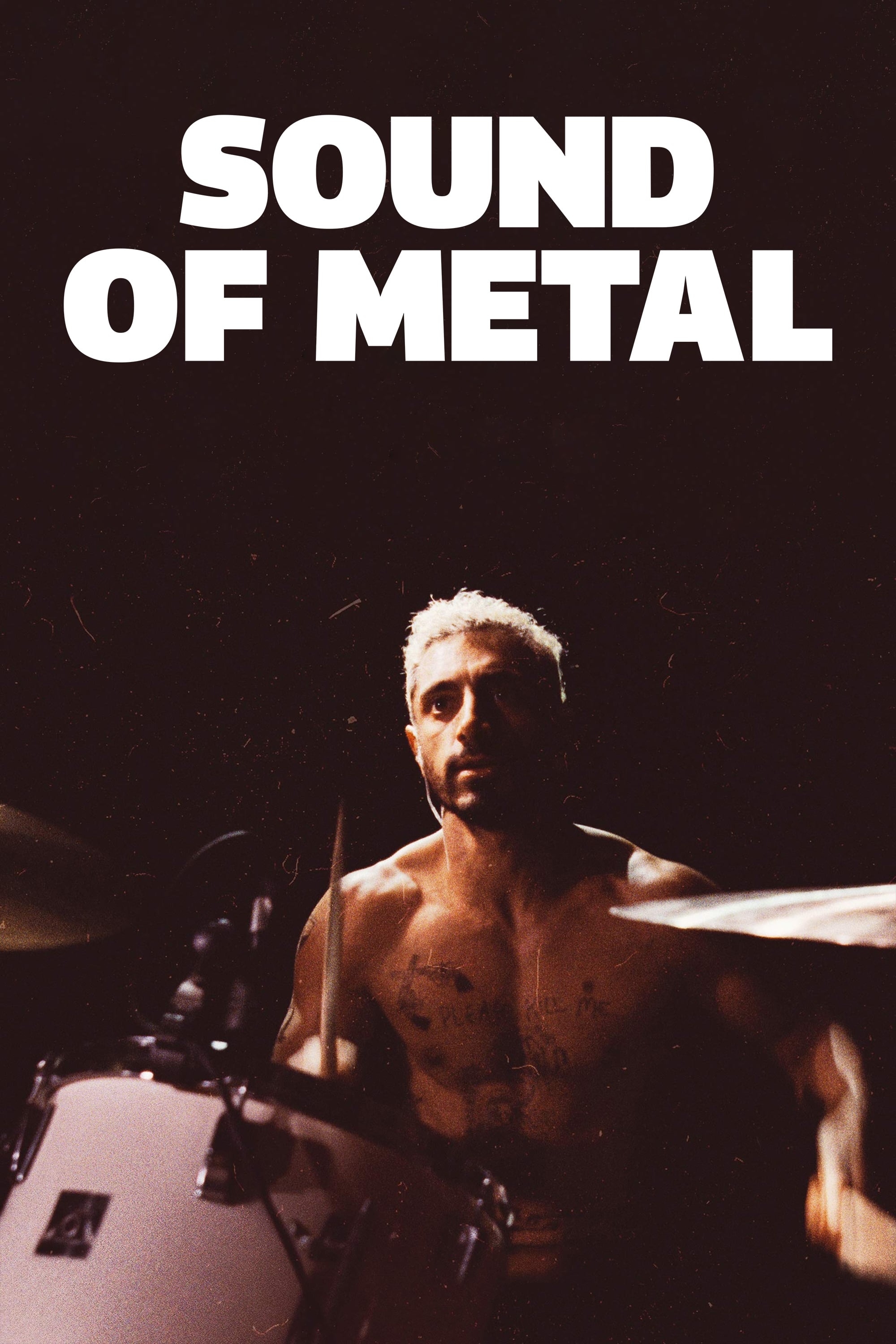
Directed by Darius Marder, this drama follows Ruben, a heavy metal drummer and recovering addict who experiences sudden and severe hearing loss. Ruben joins a sober living facility for Deaf recovering addicts run by a thoughtful counselor named Joe. During his stay, Ruben learns American Sign Language and begins to understand deafness not as a defect to be corrected, but as a rich community identity. The film utilizes innovative sound mixing techniques to place the audience directly into the protagonist’s changing sensory experience. By prioritizing Deaf culture and personal acceptance over conformity, the narrative offers an authentic exploration of sensory transition and identity.
‘Children of a Lesser God’ (1986)

Based on the stage play by Mark Medoff, this drama explores the relationship between a speech teacher at a New England school for the Deaf and a deaf custodian named Sarah Norman. Sarah firmly rejects pressure from educators to learn lip-reading or spoken English, choosing instead to communicate purely through American Sign Language. This conflict exposes the divide between hearing authority figures seeking assimilation and Deaf individuals insisting on cultural self-determination. Marlee Matlin won the Academy Award for Best Actress for her performance, making history as the first Deaf actor to win an Oscar. The film addresses crucial themes of linguistic autonomy, mutual respect, and the right of disabled individuals to define their own identities.
‘Born on the Fourth of July’ (1989)

Directed by Oliver Stone, this biographical drama chronicles the life of Ron Kovic, a patriotic Marine who is paralyzed while fighting in the Vietnam War. Returning home to substandard conditions in Veterans Administration hospitals, Kovic experiences neglect and bureaucratic indifference from the government he served. His anger and disillusionment drive him to become an outspoken political activist and organizer with Vietnam Veterans Against the War. Kovic organizes peaceful demonstrations and speaks at national political conventions to demand dignifying healthcare and accountability for wounded veterans. The film shows how personal injury and institutional neglect can mobilize an individual to lead powerful civil rights resistance.
‘The Theory of Everything’ (2014)

This biographical drama examines the life of renowned theoretical physicist Stephen Hawking following his diagnosis of motor neuron disease during his doctoral studies at Cambridge. Given a short medical prognosis, Hawking continued his revolutionary work in theoretical physics while progressively losing motor control and speech. The narrative highlights the critical role played by his family and collaborators in creating assistive technologies that supported his research. It showcases the adaptation of specialized computer-generated speech synthesizers that enabled Hawking to publish books and deliver lectures worldwide. The production illustrates how assistive innovation and sheer intellect allowed Hawking to make profound contributions despite physical limitations.
‘The Miracle Worker’ (1962)

This biographical film recounts the early childhood education of Helen Keller, who became blind and deaf following a severe illness in infancy. Anne Sullivan, a visually impaired teacher from the Perkins Institution for the Blind, is hired to teach Keller language and social conduct. Sullivan rejects the pity and indulgence shown by Keller’s family, employing tactile fingerspelling to establish structured communication. The climactic breakthrough at the water pump illustrates the transformative moment when Keller grasps the connection between physical symbols and language. The story demonstrates how accessible educational instruction and high expectations can unlock human potential and personal autonomy.
‘Pride’ (2014)
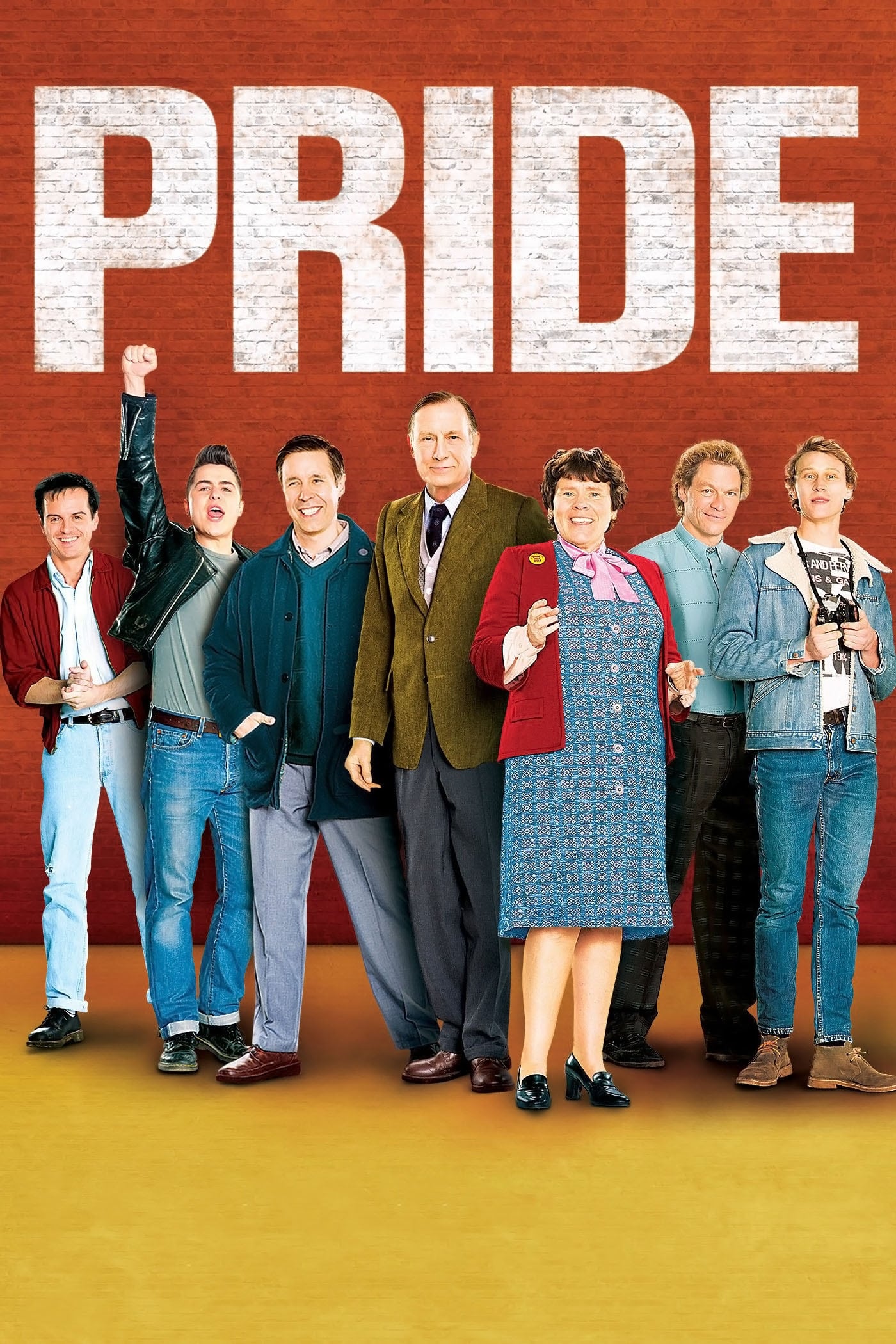
Set during the 1984 British miners’ strike, this historical comedy-drama follows gay and lesbian activists who form the Lesbians and Gays Support the Miners campaign. The activist group raises funds and travels to an isolated Welsh mining community to deliver direct aid to striking families. Despite initial social friction and conservative resistance, the two disparate groups discover shared grievances against state authority and media misrepresentation. This grassroots coalition mirrors the diverse political alliances formed by disability activists during the 1977 San Francisco sit-in. The collaboration ultimately influenced the National Union of Mineworkers to champion LGBTQ+ civil rights within the British Labour Party platform.
Share your thoughts on these disability rights and civil advocacy films in the comments, and tell us which stories moved you the most.