15 Movie Characters Who Don’t Deserve The Hate They Get

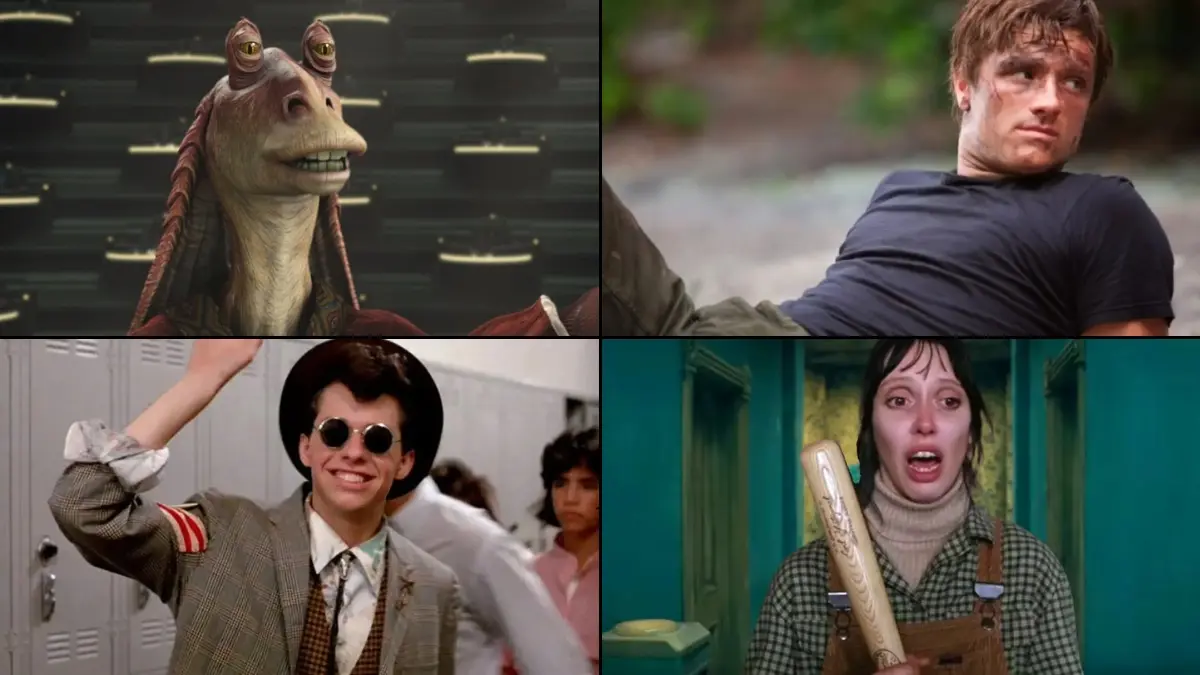

Film audiences often form strong emotional connections to characters, but this can lead to intense negative reactions when a figure deviates from traditional heroic tropes or challenges viewer expectations. In many cases, these characters are designed to fulfill specific thematic roles or represent complex human experiences that are misinterpreted by the public. Examining the narrative context and creator intentions often reveals a deeper level of character development that justifies their actions within the story. The following list identifies several movie figures who have faced significant backlash despite their narrative importance and logical character arcs.
Jar Jar Binks
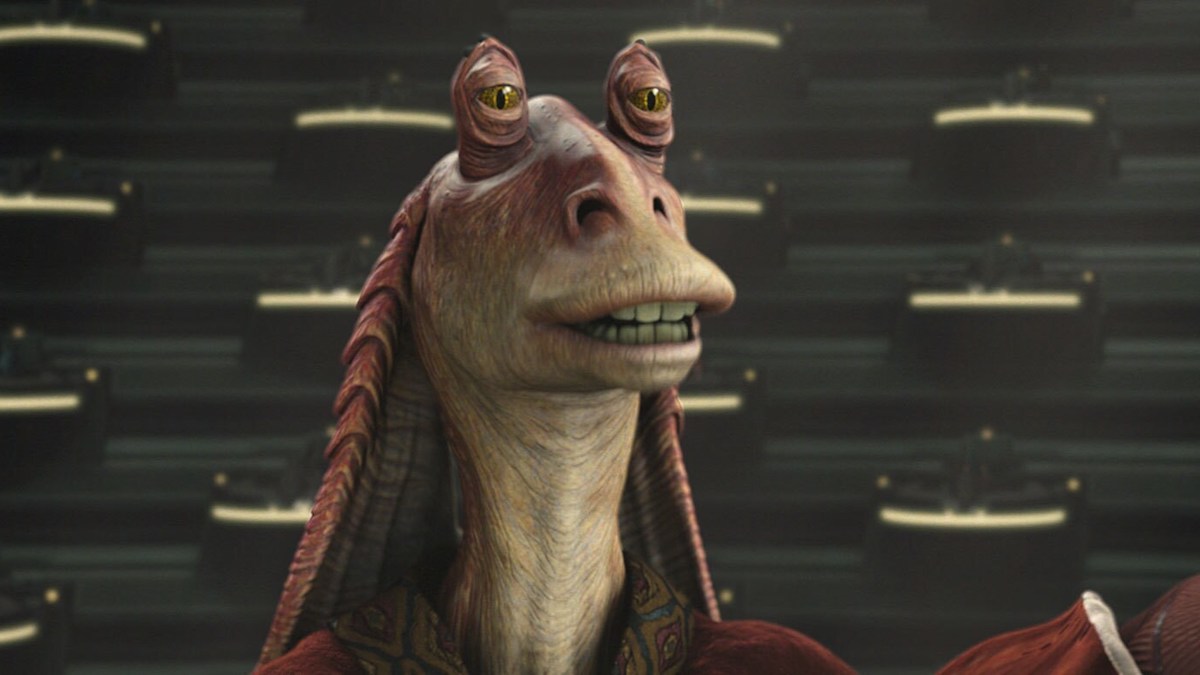
Jar Jar Binks is a Gungan from Naboo who appears in the ‘Star Wars’ prequel trilogy. George Lucas designed the character to serve as physical comic relief for children, drawing inspiration from Goofy and silent film stars. Despite intense public criticism, actor Ahmed Best’s performance was a milestone in motion-capture technology. The character’s clumsy nature is a narrative device that leads to his accidental success as a general and eventually a senator. Lucas has defended the character, citing him as an essential part of the saga’s appeal to younger audiences.
Rose Tico
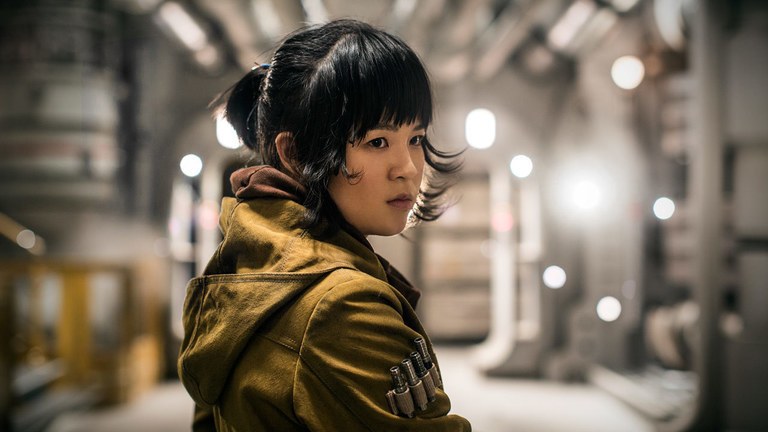
Rose Tico is a resistance mechanic who plays a major role in ‘Star Wars: The Last Jedi’. Her character represents the ordinary people who keep the rebellion functioning behind the scenes. Her philosophy of saving what you love rather than destroying what you hate is the central moral theme of the film. Actress Kelly Marie Tran faced severe harassment, yet the character remained a symbol of hope and empathy within the story. Her presence expands the scale of the galactic conflict beyond the legendary Skywalker lineage.
Jenny Curran

Jenny Curran is the lifelong companion and love interest of the titular character in ‘Forrest Gump’. Many viewers view her as an antagonist who abandons Forrest, but her actions are rooted in a history of severe childhood trauma. Her journey reflects the turbulent counterculture movements of the 1960s and 1970s as she searches for self-worth. Robin Wright’s portrayal depicts a woman struggling to believe she deserves love after years of sexual and emotional abuse. Jenny eventually finds peace by returning to Forrest, providing a tragic but realistic arc for her character.
Summer Finn
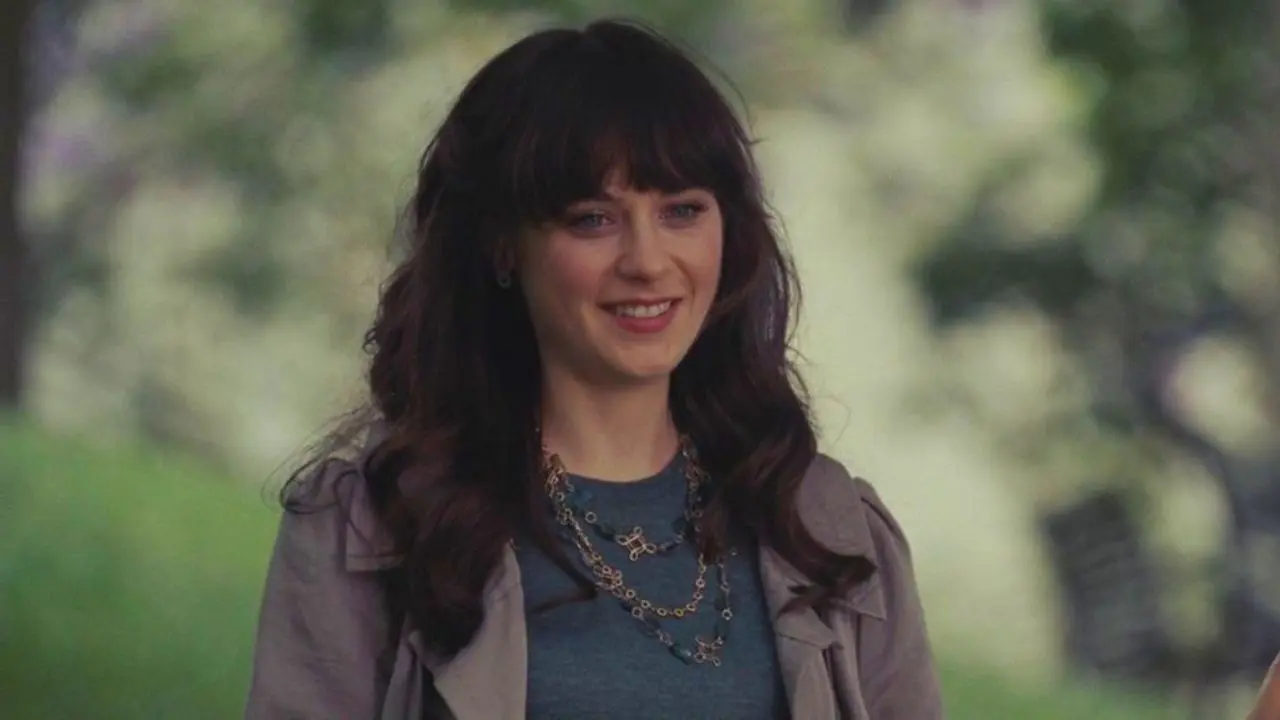
Summer Finn is the subject of Tom’s obsession in the romantic drama ‘500 Days of Summer’. Although often blamed for breaking the protagonist’s heart, the character is explicit from the start about not wanting a serious relationship. The film is constructed around Tom’s biased perspective, which often ignores Summer’s actual needs and boundaries. Director Marc Webb has noted that Summer is not the villain, but rather a victim of Tom’s projections. She remains a consistent and honest character who ultimately pursues the commitment she feels ready for with someone else.
Daisy Buchanan
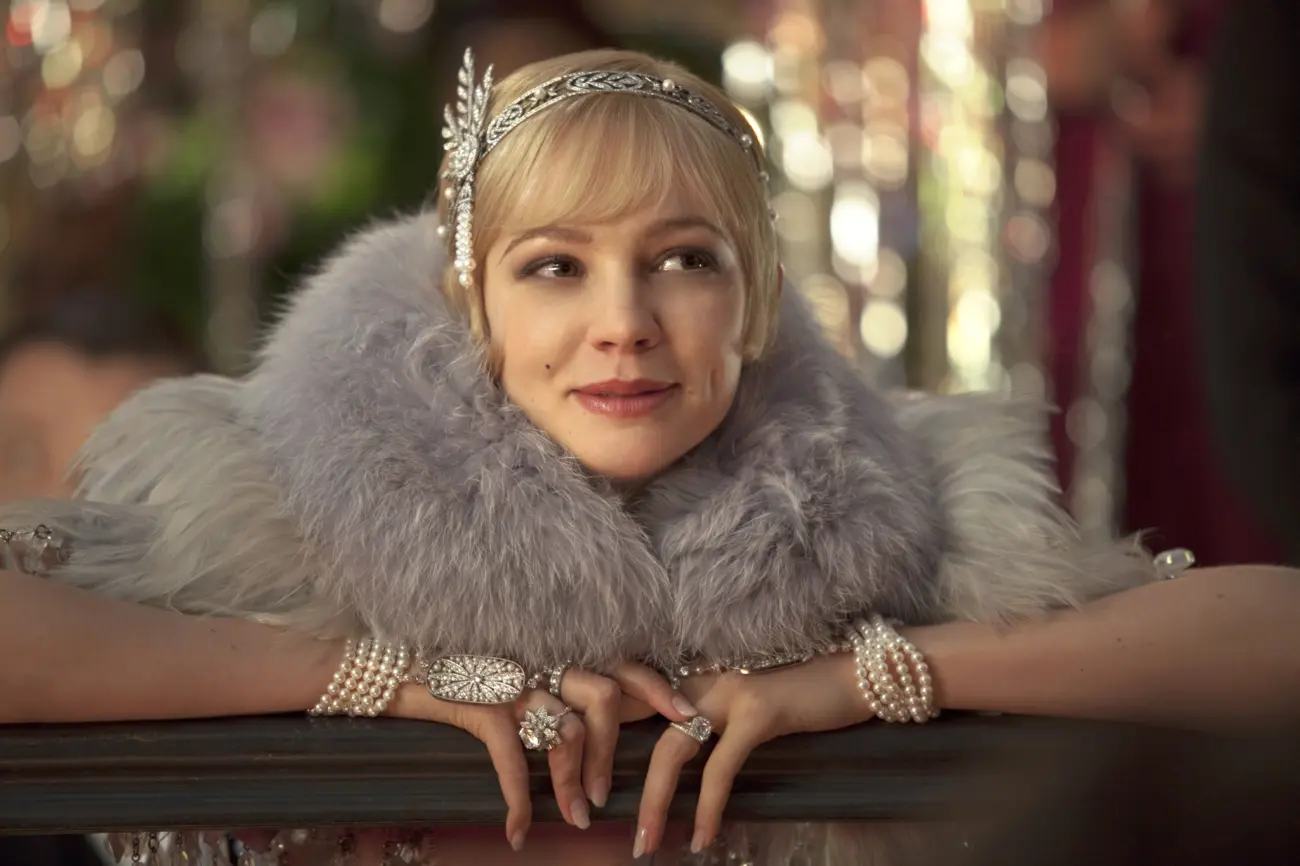
Daisy Buchanan is a socialite in the 2013 adaptation of ‘The Great Gatsby’ who finds herself caught between Jay Gatsby and Tom Buchanan. While often criticized as shallow or cruel, Daisy’s actions are dictated by the limited options available to women in 1920s high society. She is a victim of a system that values her as a status symbol rather than an individual. Her decision to stay with Tom reflects the survival instinct of someone who has always been protected by wealth. Daisy acts as a mirror to the destructive and obsessive nature of Gatsby’s unattainable dream.
Willie Scott

Willie Scott is a lounge singer who accompanies Indiana Jones in ‘Indiana Jones and the Temple of Doom’. Critics frequently cite her frequent screaming as an annoyance, but the character was specifically written as a comedic foil to the stoic hero. Her reaction to human sacrifice and giant insects is presented as a realistic human response compared to the seasoned explorers. Actress Kate Capshaw performed the role with a focus on screwball comedy tropes common in the 1930s cinema setting. Willie provides a necessary sense of grounded panic in an increasingly supernatural and dark environment.
Mutt Williams
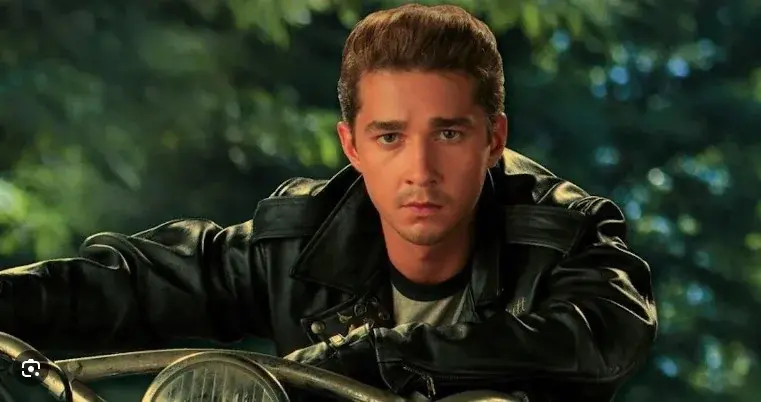
Mutt Williams, introduced in ‘Indiana Jones and the Kingdom of the Crystal Skull’, is the son of Indiana Jones and Marion Ravenwood. Fans criticized the character’s rebellious greaser attitude and his physical abilities during the jungle chase scene. However, the character serves to show Indy’s transition into fatherhood and adds a new dynamic to the franchise’s family themes. Shia LaBeouf’s character provides a youthful perspective that contrasts with the 1950s setting’s changing social landscape. Ultimately, Mutt’s presence allows the narrative to explore the legacy of the Jones family name through a new generation.
Bella Swan
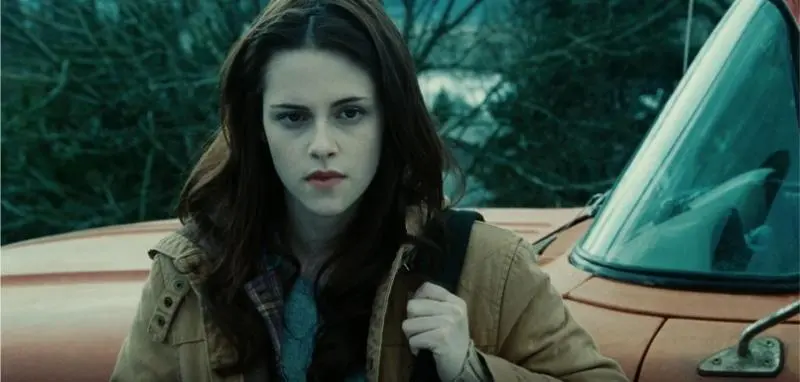
Bella Swan is the protagonist of ‘The Twilight Saga’ who enters a romance with a vampire named Edward Cullen. Critics often describe her as passive or lacking a distinct personality, but she is a character driven by intense conviction and choice. She consciously chooses to leave her old life behind to embrace a supernatural existence, showing significant psychological resolve. Her introverted nature is a representation of the social isolation many teenagers feel during their high school years. Bella’s journey is one of self-actualization as she finds where she truly belongs in a dangerous world.
Peeta Mellark
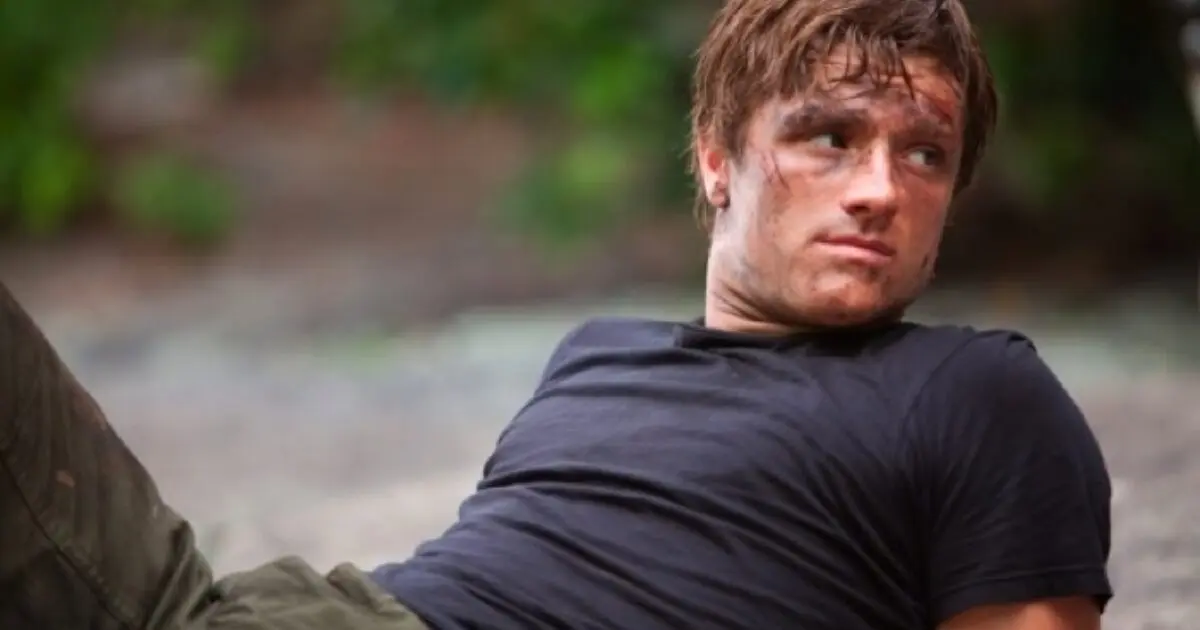
Peeta Mellark is the District 12 tribute who fights alongside Katniss Everdeen in ‘The Hunger Games’. He is sometimes dismissed for being less physically aggressive than Gale Hawthorne, yet his strength lies in his mastery of words and public manipulation. His ability to craft a narrative is what secures the sponsors necessary for his and Katniss’s survival. Peeta serves as a moral anchor, famously stating that he wants to remain himself despite the brutality of the arena. His kindness is presented as a radical act of defiance against a fascist regime.
Cho Chang
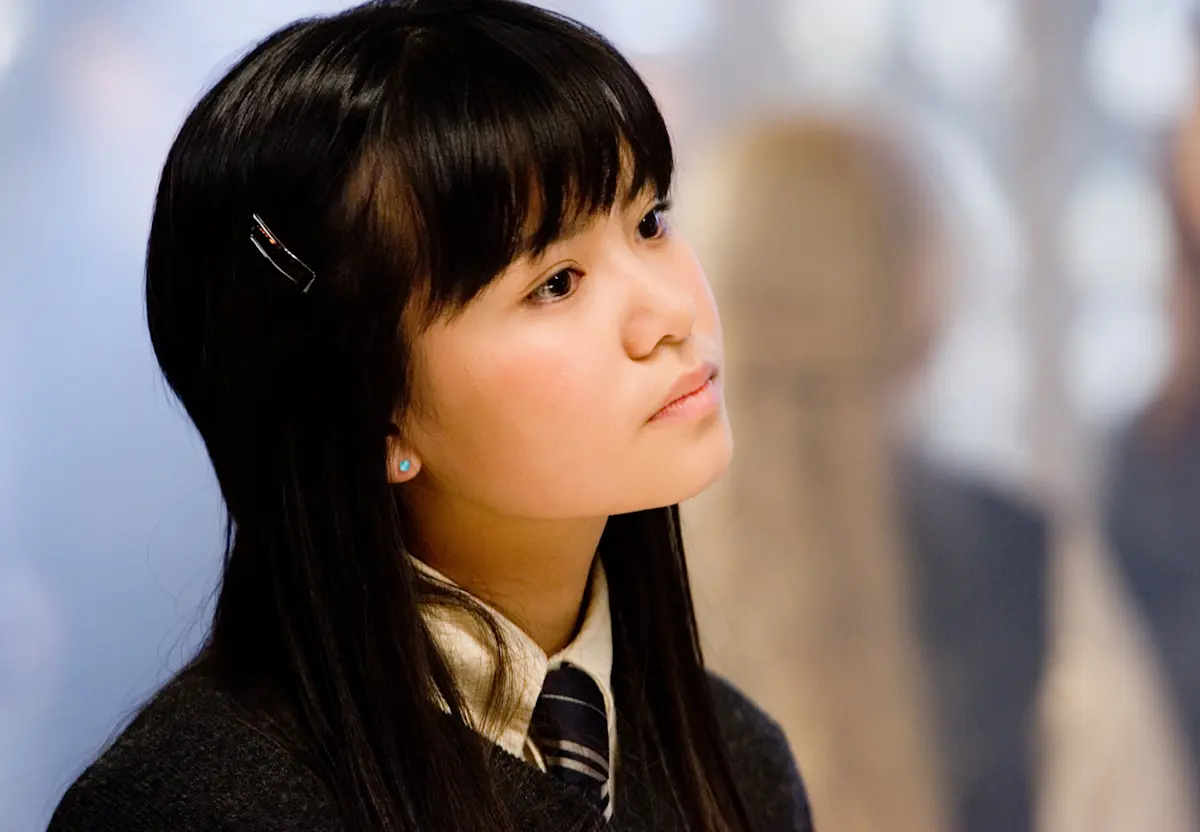
Cho Chang is a student at Hogwarts and Harry Potter’s first romantic interest in ‘Harry Potter and the Order of the Phoenix’. Much of the fan backlash against her stems from her emotional fragility following the death of Cedric Diggory. The character is a realistic portrayal of a teenager suffering from intense grief and survivor’s guilt. Her conflict between her loyalty to her friends and her feelings for Harry adds depth to the social pressures at the school. Cho provides a humanizing look at the emotional casualties of the return of Lord Voldemort.
Mary Jane Watson
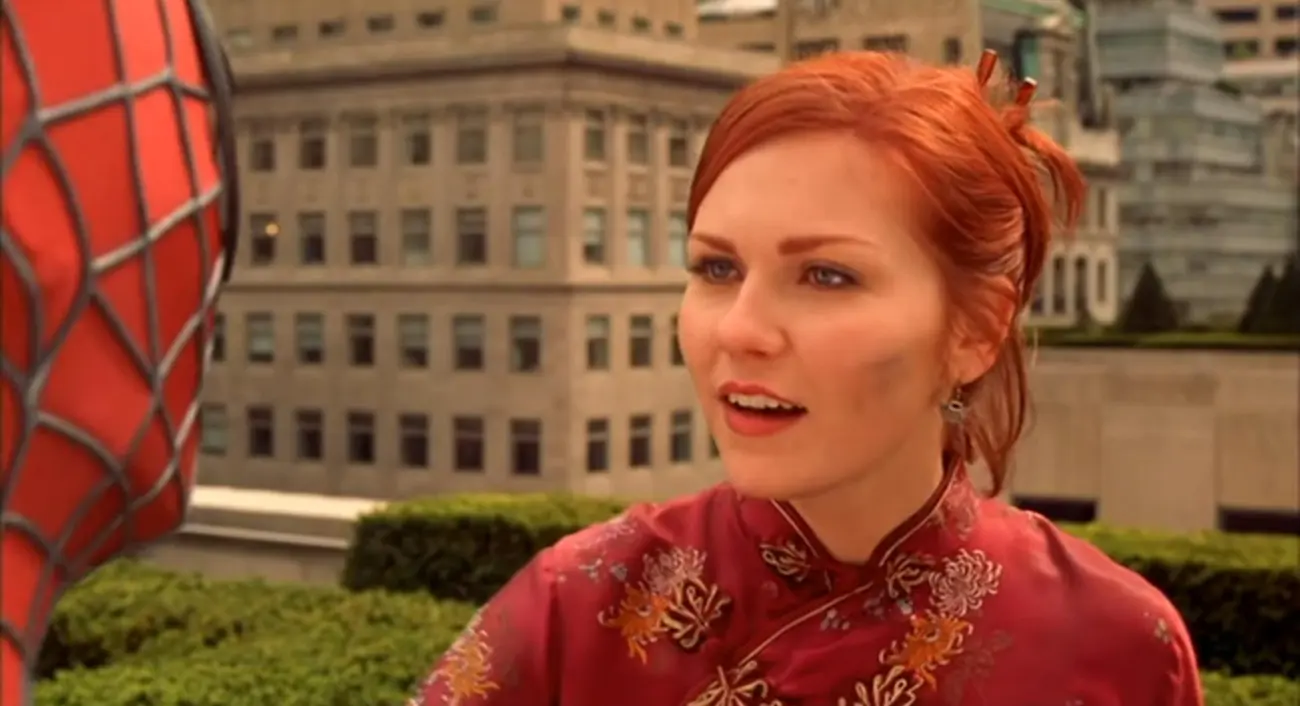
Mary Jane Watson is the primary romantic lead in Sam Raimi’s ‘Spider-Man’ trilogy. While some fans characterize her as a burden to Peter Parker, her character deals with an abusive father and the instability of an acting career. Her frustration with Peter often stems from his constant secrecy and lack of reliability, which are valid concerns for any partner. Mary Jane represents the struggle to find personal identity while being tethered to a superhero’s chaotic life. She remains a resilient figure who consistently tries to build a future despite the dangers surrounding her.
Wendy Torrance
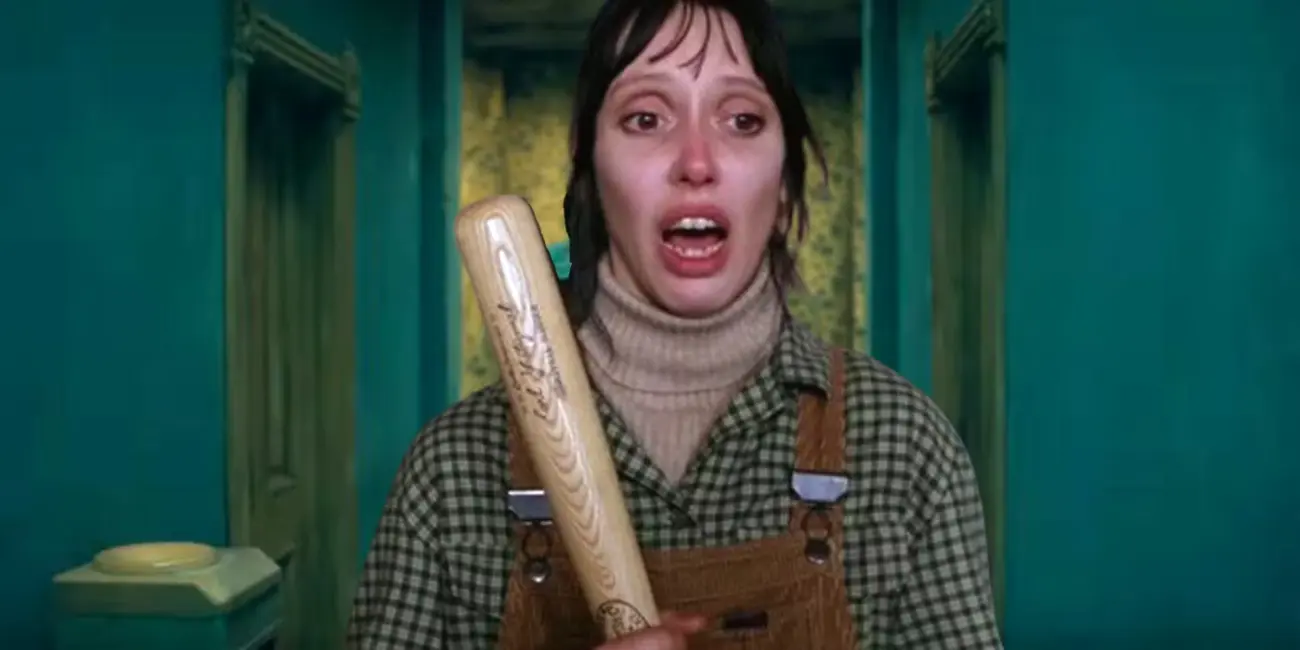
Wendy Torrance is the mother and wife in the horror film ‘The Shining’ who must protect her son from a haunted hotel and her deteriorating husband. Although critics at the time labeled her performance as over-the-top, modern audiences have re-evaluated her as a heroic survivor. Wendy is the only character who keeps a level head enough to find a way out of the Overlook Hotel. Her frantic actions are a grounded response to the domestic violence and supernatural threats she faces. She successfully navigates a maze of terror to ensure her son’s safety.
Gale Hawthorne
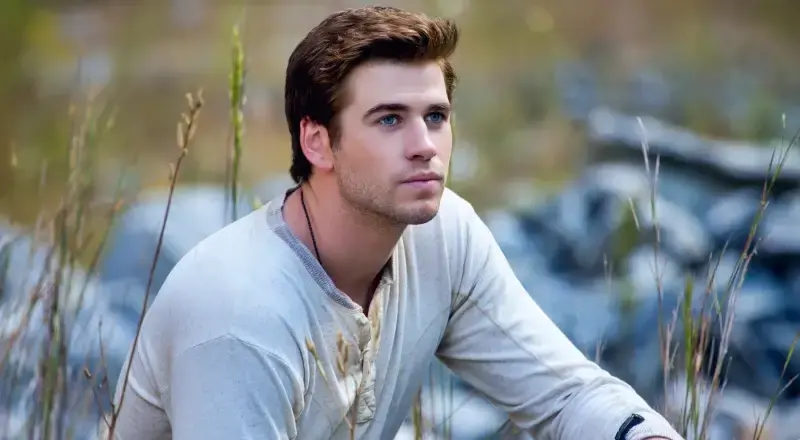
Gale Hawthorne is a hunter from District 12 who becomes a key military strategist in ‘The Hunger Games: Mockingjay – Part 1’. He is often criticized for his cold tactical decisions that lead to the deaths of innocent people at the end of the war. His character represents the way systemic oppression can turn a victim into a hardened and radicalized revolutionary. Gale’s tragedy is that his desire for justice for his people blinds him to the human cost of his methods. He serves as a critical foil to Peeta, illustrating the different ways individuals respond to prolonged trauma and war.
Duckie Dale
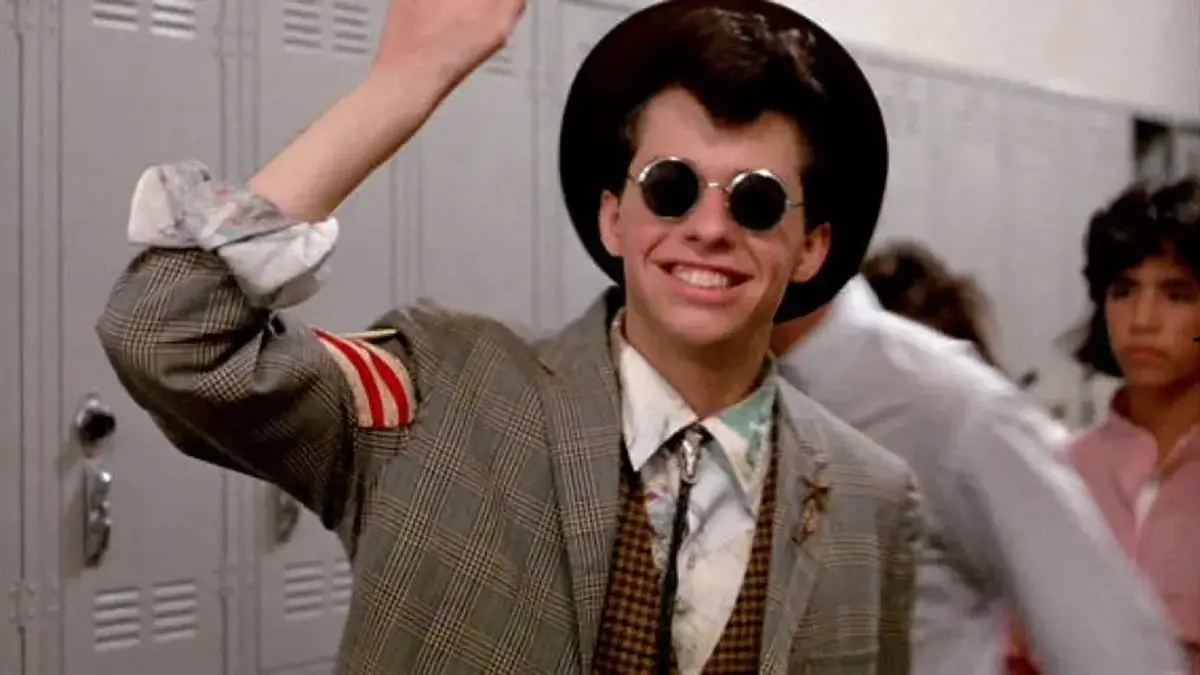
Duckie Dale is the loyal best friend of Andie in ‘Pretty in Pink’ who is known for his eccentric style and devotion. Modern critiques often paint him as possessive, but within the context of the 1980s teen film, he is the emotional heart of the story. His flamboyant personality is a shield against the social rejection he faces from the wealthy “preppies” at his school. Duckie ultimately puts his own feelings aside to encourage Andie to follow her heart at the prom. His character explores the boundaries of friendship and the pain of being a social outcast.
Peter Parker
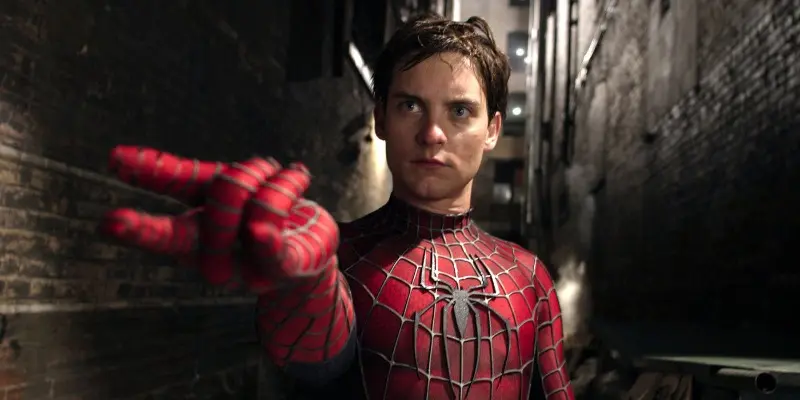
The symbiote-influenced Peter Parker in ‘Spider-Man 3’ is frequently mocked for his aggressive dancing and “emo” hairstyle. Director Sam Raimi intended these scenes to be intentionally awkward, showing how a dorky person would misinterpret the concept of being “cool.” The behavior is a manifestation of Peter’s unearned confidence and growing arrogance while under the alien’s influence. It serves a narrative purpose by highlighting the suit’s corrupting nature and how it distorts Peter’s genuine personality. The character’s descent into vanity is a necessary setup for his eventual realization of the suit’s danger.
Share your thoughts on which movie characters you believe are unfairly judged in the comments.