


1980s Horror Movies that Aged Incredibly Well



The decade delivered practical effects breakthroughs, genre-defining villains, and unforgettable set pieces that continue to circulate through pop culture. From studio-backed spectacles to scrappy independents, filmmakers leaned on animatronics, makeup wizardry, and inventive camera work that still looks striking on modern screens. Many of these productions birthed long-running franchises, reshaped studio fortunes, and inspired new waves of artists across film, television, comics, and games.
Below is a curated tour through twenty essential titles from that era. Each entry highlights concrete details—who made them, how they were crafted, where they were shot, and what they sparked afterward—so you can trace the techniques, collaborators, and creative decisions that keep these films in constant conversation today.
‘The Shining’ (1980)
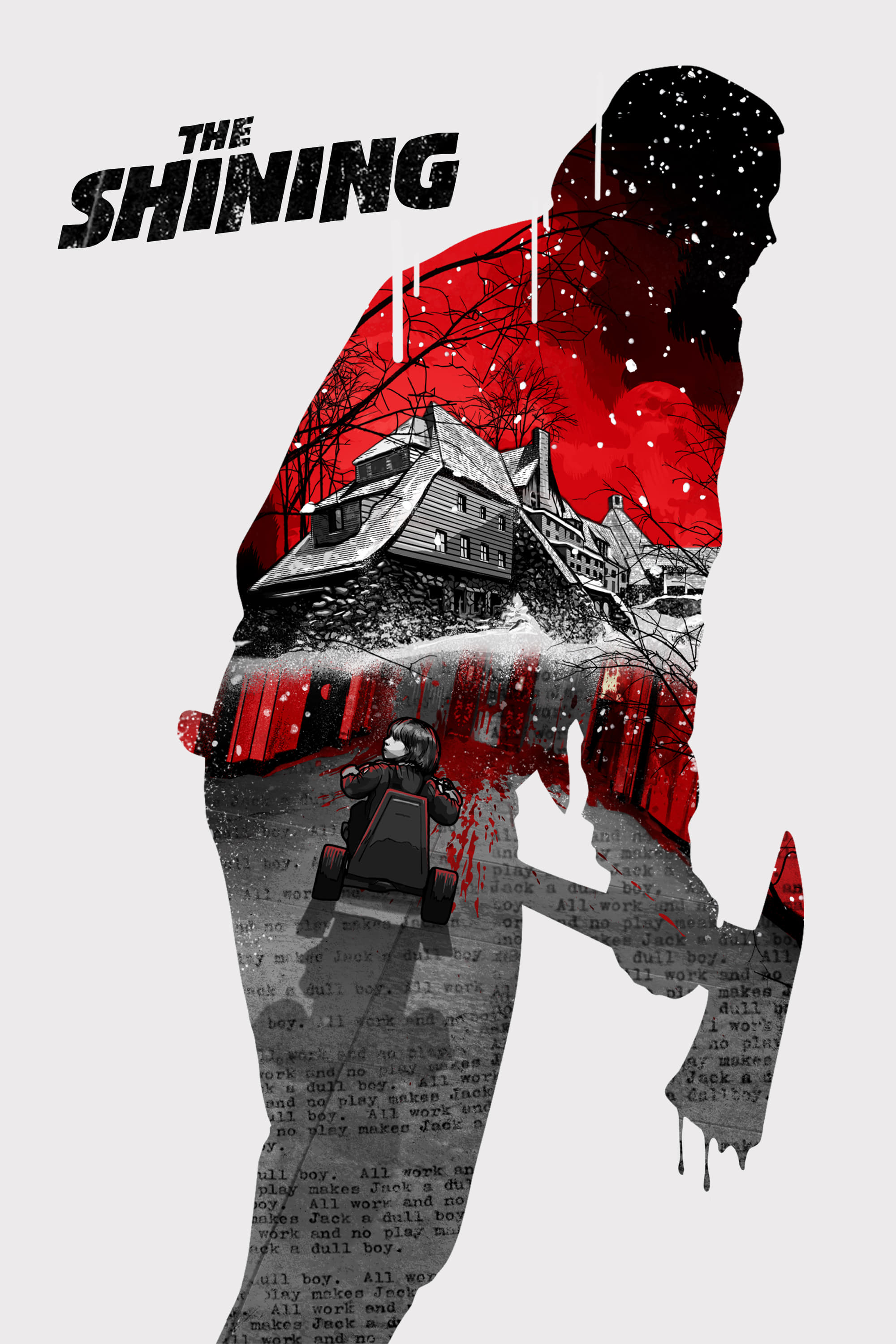
Directed by Stanley Kubrick and adapted from Stephen King’s novel, this film stars Jack Nicholson and Shelley Duvall as a family caretaking the isolated Overlook Hotel. The production built expansive hotel interiors at Elstree Studios, paired with exterior shots at Timberline Lodge, and used precise Steadicam work by inventor Garrett Brown to achieve its famous corridor tracking.
John Alcott’s cinematography and Roy Walker’s production design emphasized symmetrical compositions, the hedge maze set, and intricate patterns that reinforce the hotel’s geography. The soundtrack blends original music by Wendy Carlos and Rachel Elkind with curated classical pieces, and the film’s dialogue, props, and imagery have been widely referenced and studied.
‘The Thing’ (1982)
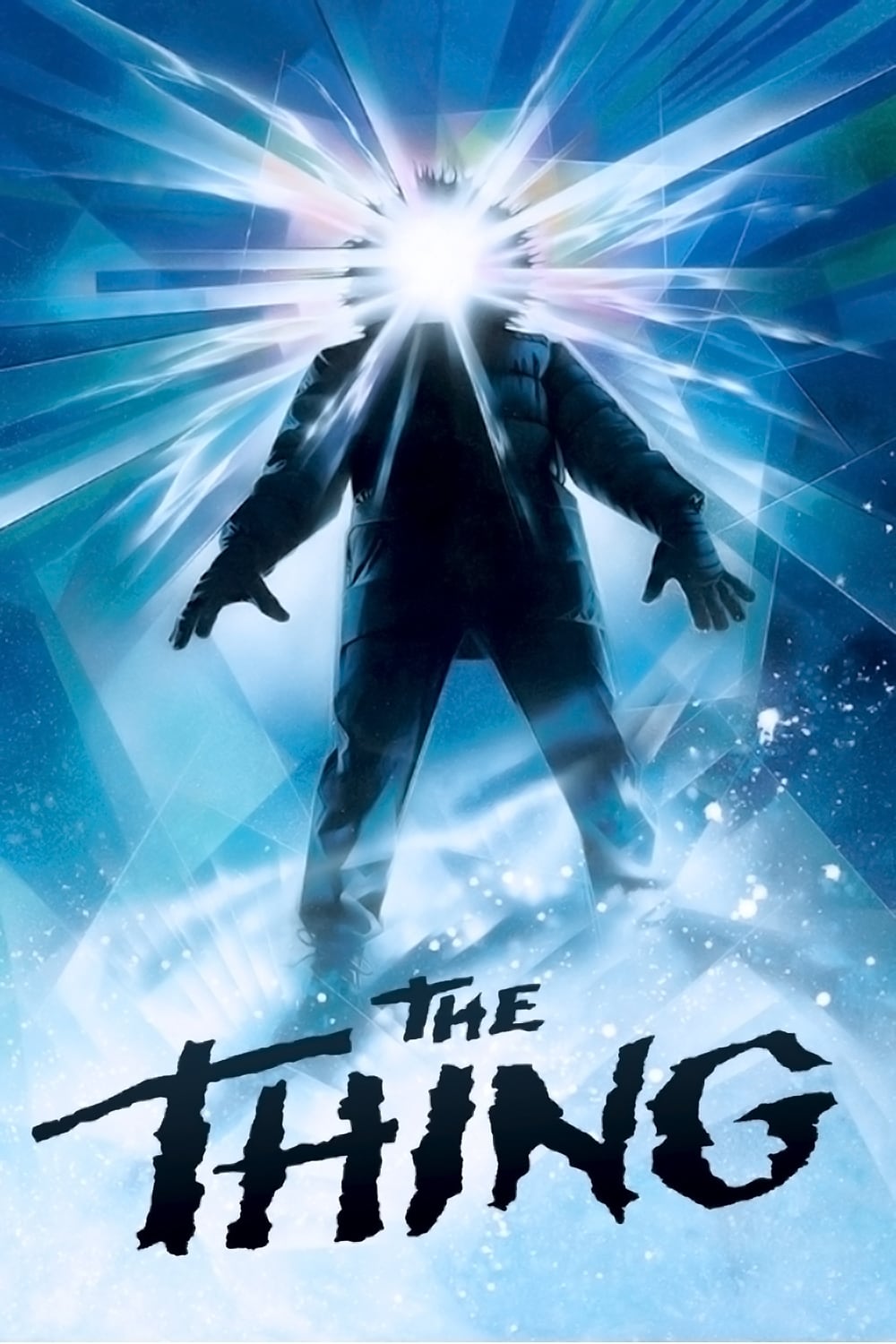
John Carpenter’s Antarctic-set story, drawn from the novella ‘Who Goes There?’, follows an American research team led by Kurt Russell’s character. Creature effects designer Rob Bottin created elaborate animatronic and prosthetic transformations, while Ennio Morricone composed the score and Dean Cundey handled widescreen cinematography that emphasized isolation and suspicion.
Production took place on refrigerated stages in Los Angeles and on location in British Columbia to simulate polar conditions. The film’s “blood test” sequence, canine performances, and miniature work demonstrate meticulous practical methods, and its narrative spawned a prequel, video game adaptations, and extensive critical analysis.
‘The Fly’ (1986)
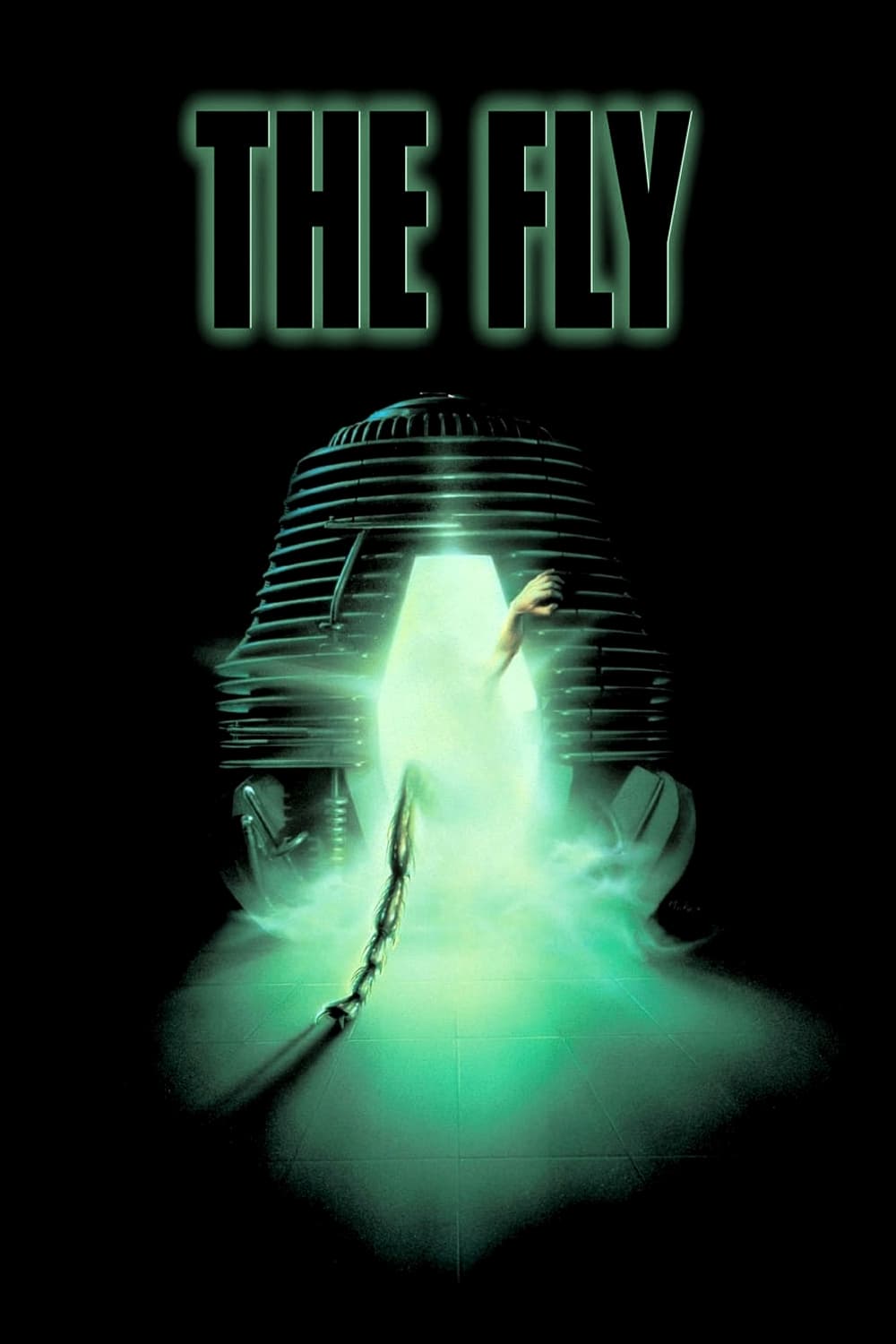
Directed by David Cronenberg and starring Jeff Goldblum and Geena Davis, this remake reimagines the original short story with a focus on a scientist’s teleportation experiment. Makeup designer Chris Walas and his team constructed progressive prosthetics and animatronics for the Brundlefly metamorphosis, work that received the Academy Award for Best Makeup.
Carol Spier’s production design gave the “telepods” a distinct industrial look, and Howard Shore’s orchestral score underlined the transformation’s tragic arc. The film’s marketing featured a memorable tagline, and its practical effects pipeline—foam latex appliances, bladder inflations, and puppeteering—became a touchstone for genre craftsmen.
‘A Nightmare on Elm Street’ (1984)
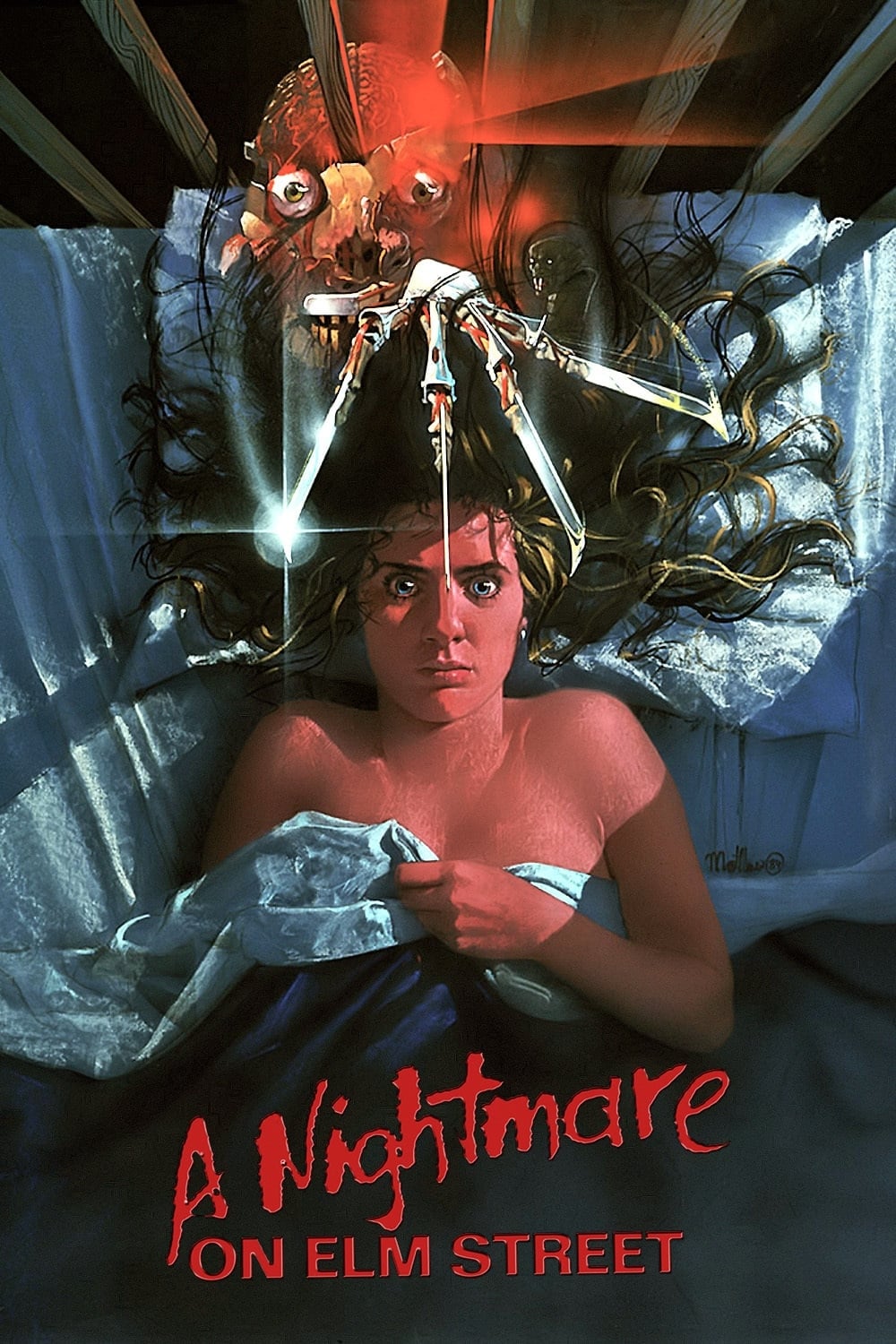
Writer-director Wes Craven introduced Freddy Krueger, played by Robert Englund, and centered the story on teenagers targeted in their dreams. The production engineered inventive gags, including a rotating room rig for a gravity-defying kill, a stretched wall made with elastic materials, and a practical “bathtub” setup with underwater staging.
Shot around Los Angeles, the film featured Heather Langenkamp and an early screen role for Johnny Depp. Charles Bernstein provided the score, and the success transformed New Line Cinema’s fortunes, launching sequels, a crossover, merchandise, and international distribution pipelines.
‘The Evil Dead’ (1981)
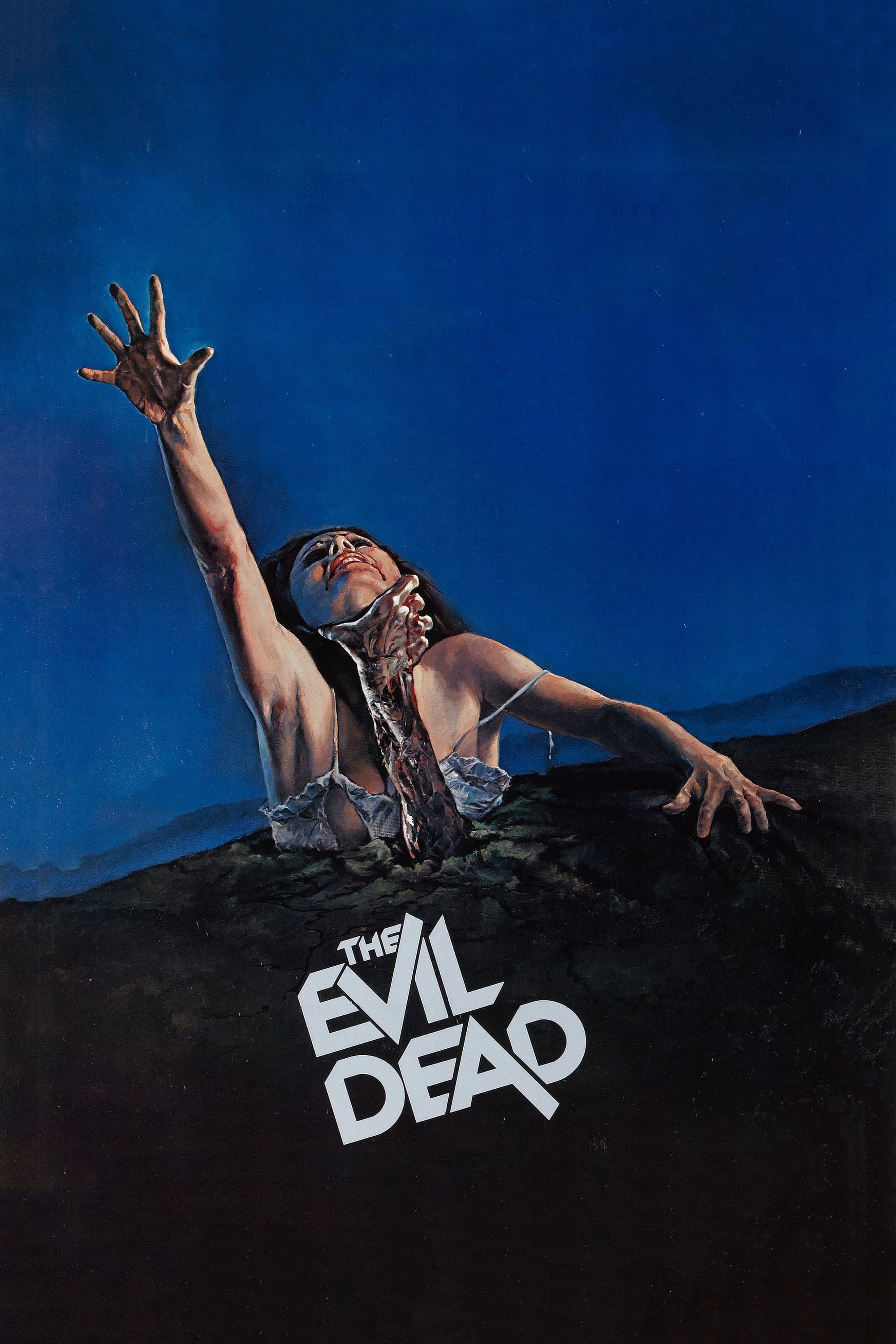
Sam Raimi’s cabin-in-the-woods entry starred Bruce Campbell as Ash Williams and was produced with an ultra-lean budget that encouraged hands-on inventiveness. The team devised custom “shaky cam” rigs to sprint the camera through forests, used trick lenses for kinetic movement, and leaned heavily on in-camera effects.
Tom Sullivan developed the Necronomicon designs and gore effects using latex, stop-motion, and miniature models. Shot in rural Tennessee with grueling schedules, the film navigated censorship controversies in multiple territories and grew into a franchise covering sequels, a television continuation, comics, and video games.
‘Evil Dead II’ (1987)
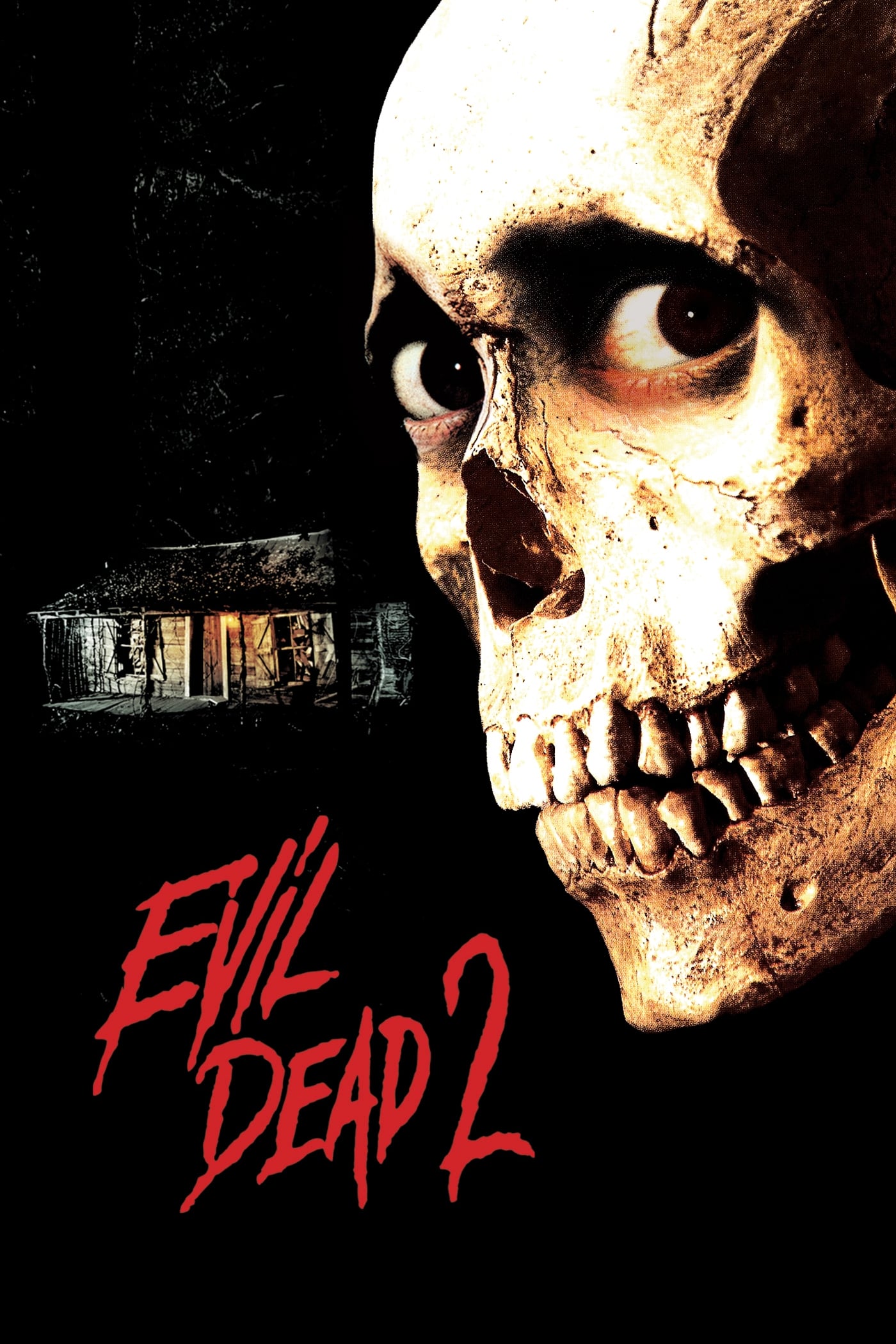
Raimi returned with Bruce Campbell for a sequel that revisits the setup and then expands it with elaborate set pieces. Production took place largely on soundstages, allowing controlled lighting, breakaway architecture, and creature rigs that could flood rooms and manipulate props.
Makeup effects were led by Mark Shostrom, with Greg Nicotero and Robert Kurtzman among key contributors who later founded KNB EFX Group. The film combined stop-motion animation, puppetry, and prosthetics, while Peter Deming’s cinematography and a Dino De Laurentiis-backed financing structure supported a bigger toolbox.
‘An American Werewolf in London’ (1981)
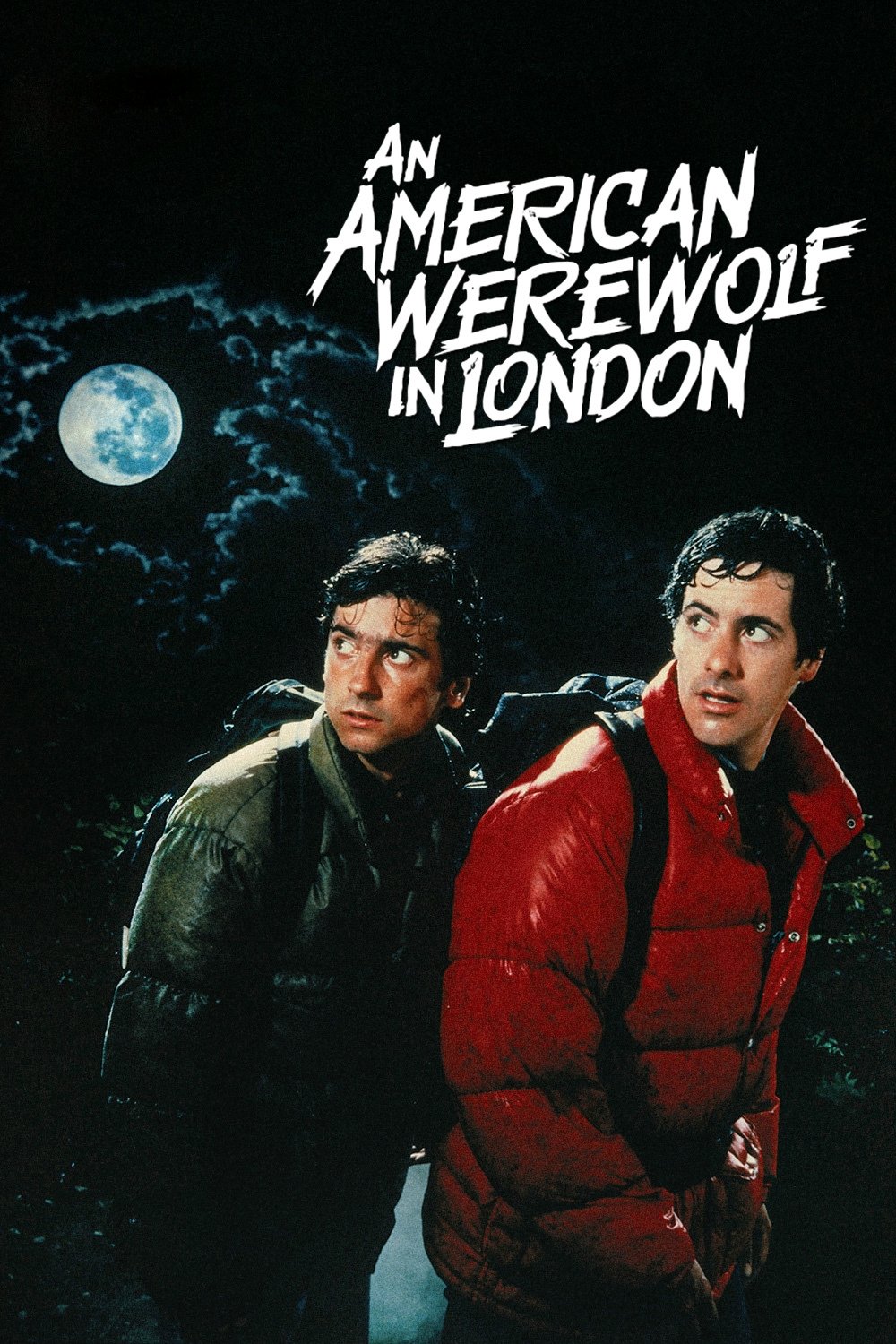
John Landis directed this tale of two backpackers crossing the English countryside, with David Naughton and Griffin Dunne in leading roles. Rick Baker’s makeup team executed an on-screen transformation using mechanical bladders, hair-punching, and articulated limbs, work that earned the inaugural Academy Award for Best Makeup.
The production filmed iconic London locations, including the Underground and Piccadilly Circus, with coordinated street closures and stunt planning. The soundtrack features multiple recordings of the song ‘Blue Moon’, and the film’s blend of horror elements with contemporary setting influenced later werewolf depictions across media.
‘Poltergeist’ (1982)
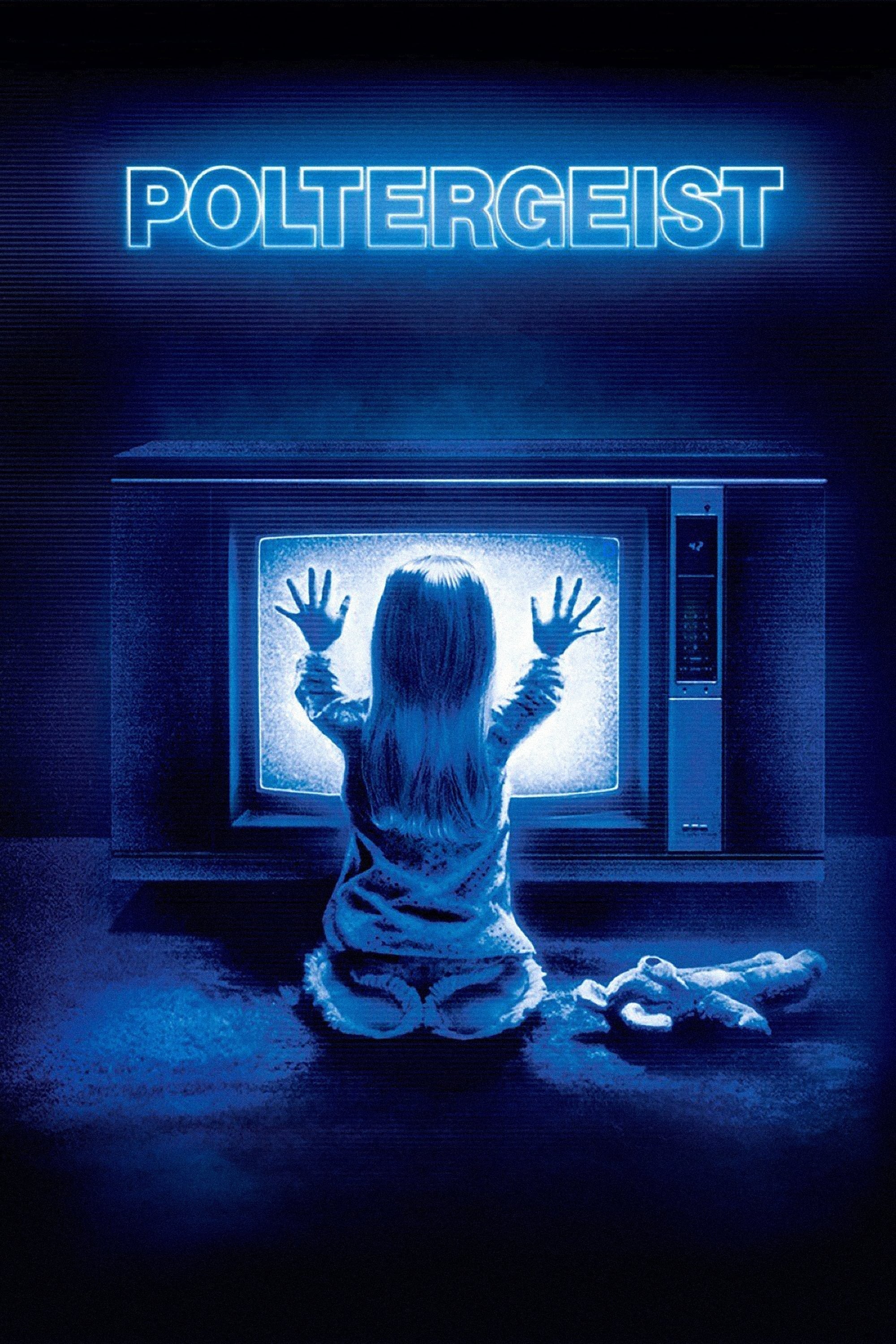
Credited to director Tobe Hooper with Steven Spielberg as producer and co-writer, this suburban haunting centers on a family whose home becomes a focal point for otherworldly activity. Industrial Light & Magic contributed optical composites, matte paintings, and motion-control shots to realize spectral phenomena.
Jerry Goldsmith composed the score, and practical stunts—flying objects, collapsing interiors, and wire work—were executed on controlled stages. The film introduced memorable lines and imagery, generated sequels and a remake, and drew ongoing discussion about authorship and production oversight.
‘Hellraiser’ (1987)
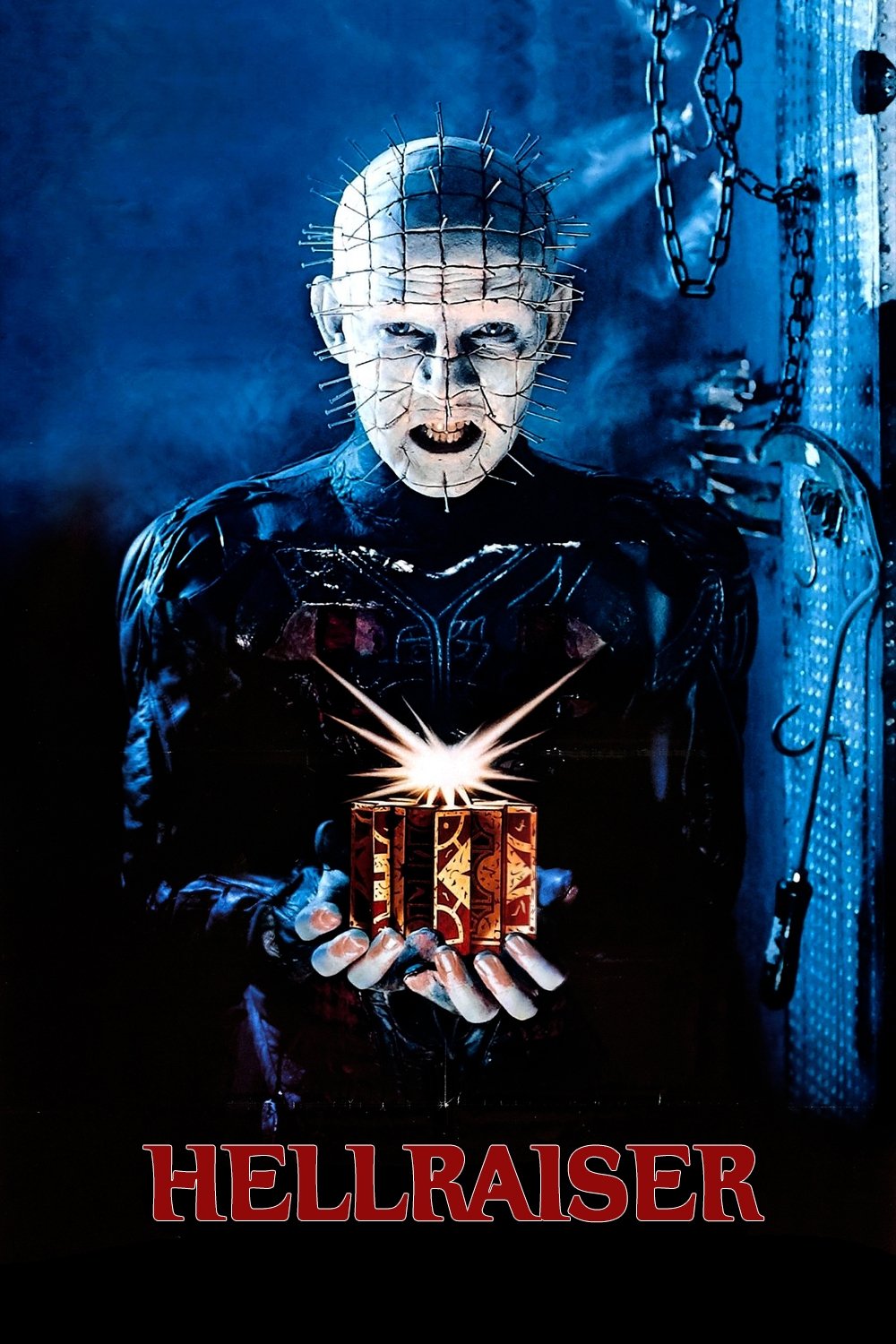
Clive Barker adapted his own novella, bringing the Lament Configuration puzzle box and the Cenobites to the screen. Doug Bradley portrays the lead Cenobite, later popularly called Pinhead, and the story juxtaposes extradimensional rules with a domestic crime plot.
Effects supervision by Bob Keen delivered extensive prosthetics, latex appliances, and gore gags, while composer Christopher Young provided an orchestral score. Shot in the United Kingdom with some dialogue re-recorded for a transatlantic release, the film inaugurated a long-running franchise and extensive tie-in literature.
‘The Howling’ (1981)
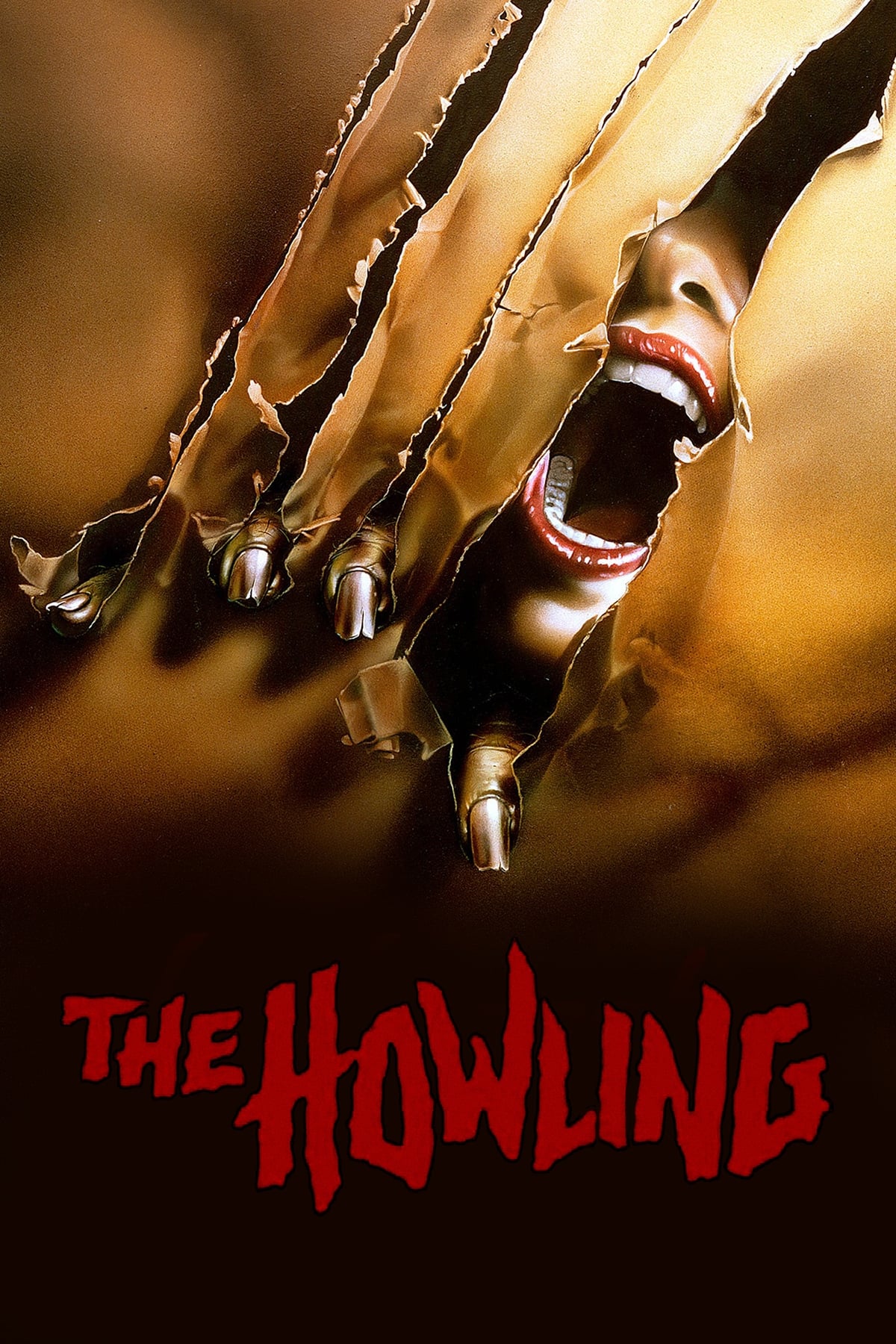
Directed by Joe Dante and based loosely on Gary Brandner’s novel, this film follows a television journalist who encounters a secluded community with a hidden secret. Rob Bottin engineered transformation effects that emphasized musculature shifts, snouts, and facial elongation through layered appliances.
The movie incorporates media satire with cameos by genre-familiar faces such as Dick Miller and Roger Corman. Pino Donaggio composed the score, and the success led to multiple follow-ups that explored different settings and tones, establishing one of the decade’s prominent werewolf series.
‘Re-Animator’ (1985)
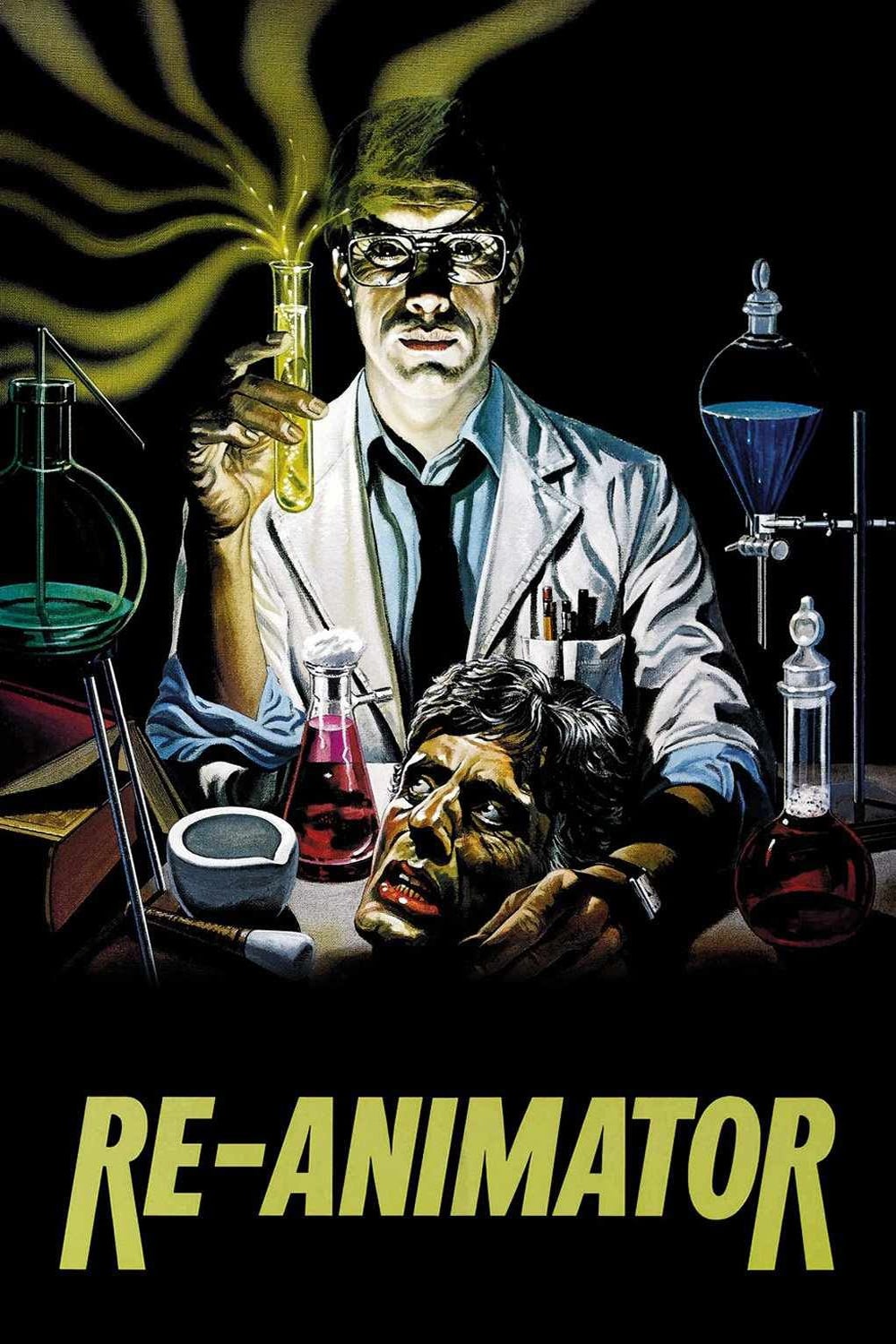
Stuart Gordon adapted H. P. Lovecraft’s ‘Herbert West–Reanimator’, casting Jeffrey Combs as a medical student perfecting a reagent that restores the dead. The production staged laboratory and morgue sets that could accommodate hose-fed fluid effects, detachable appliances, and complex blocking for headless performances.
Effects artist John Naulin and team created numerous gags involving severed limbs and reanimated corpses, and the film was often released unrated due to graphic content. Richard Band’s score nods to classic suspense motifs, and the title expanded into sequels and touring stage adaptations.
‘The Lost Boys’ (1987)
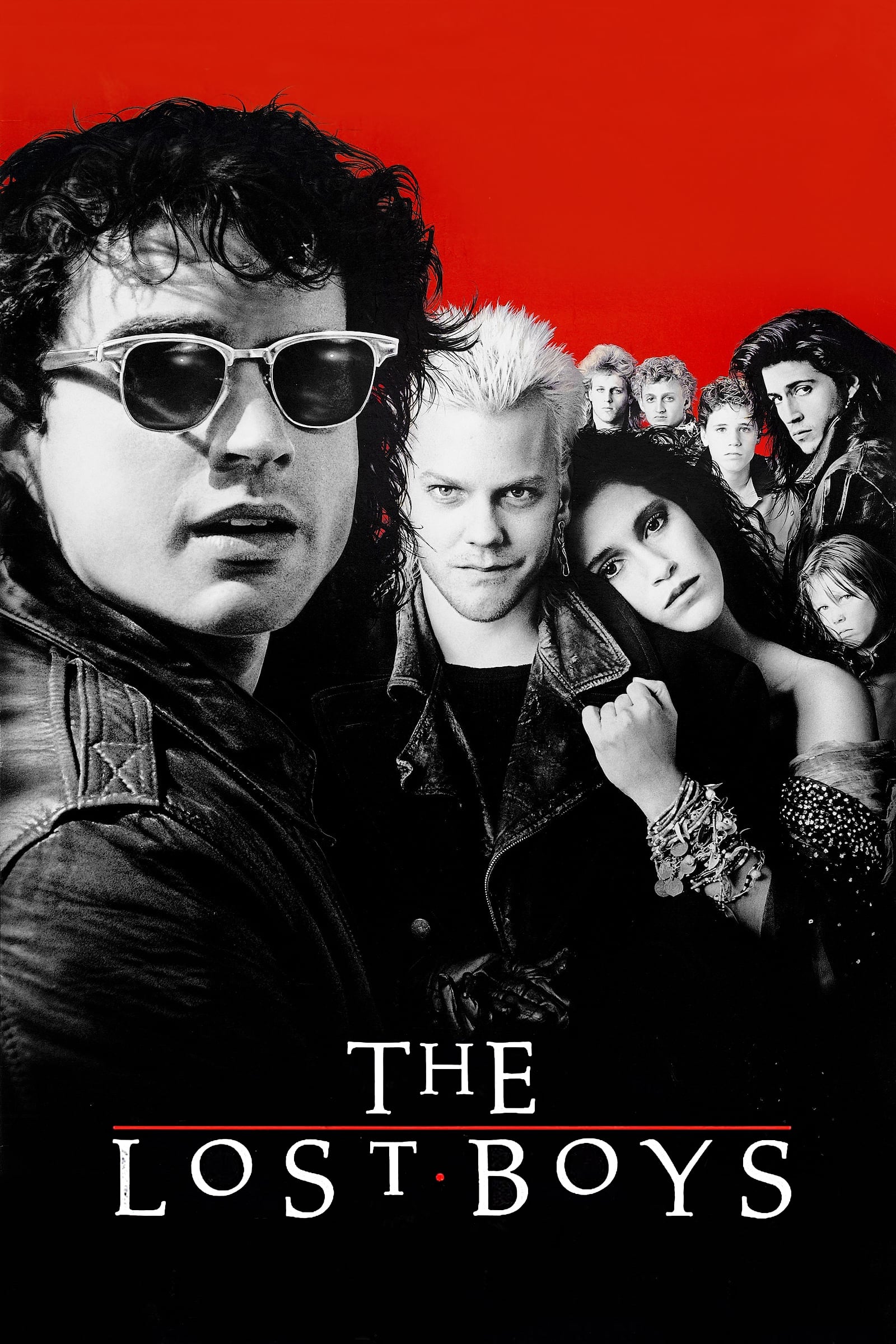
Joel Schumacher directed this coastal-town vampire story starring Jason Patric, Kiefer Sutherland, Corey Haim, Corey Feldman, and Jami Gertz. The narrative integrates a comic shop, boardwalk culture, and motorcycle gangs, while makeup and wire work supported aerial sequences and rapid-eye transformations.
Principal photography used the Santa Cruz Beach Boardwalk and surrounding areas, with Michael Chapman serving as cinematographer. The soundtrack, anchored by “Cry Little Sister,” became a commercial component of the release, and the property later generated sequels and comic continuations.
‘The Changeling’ (1980)
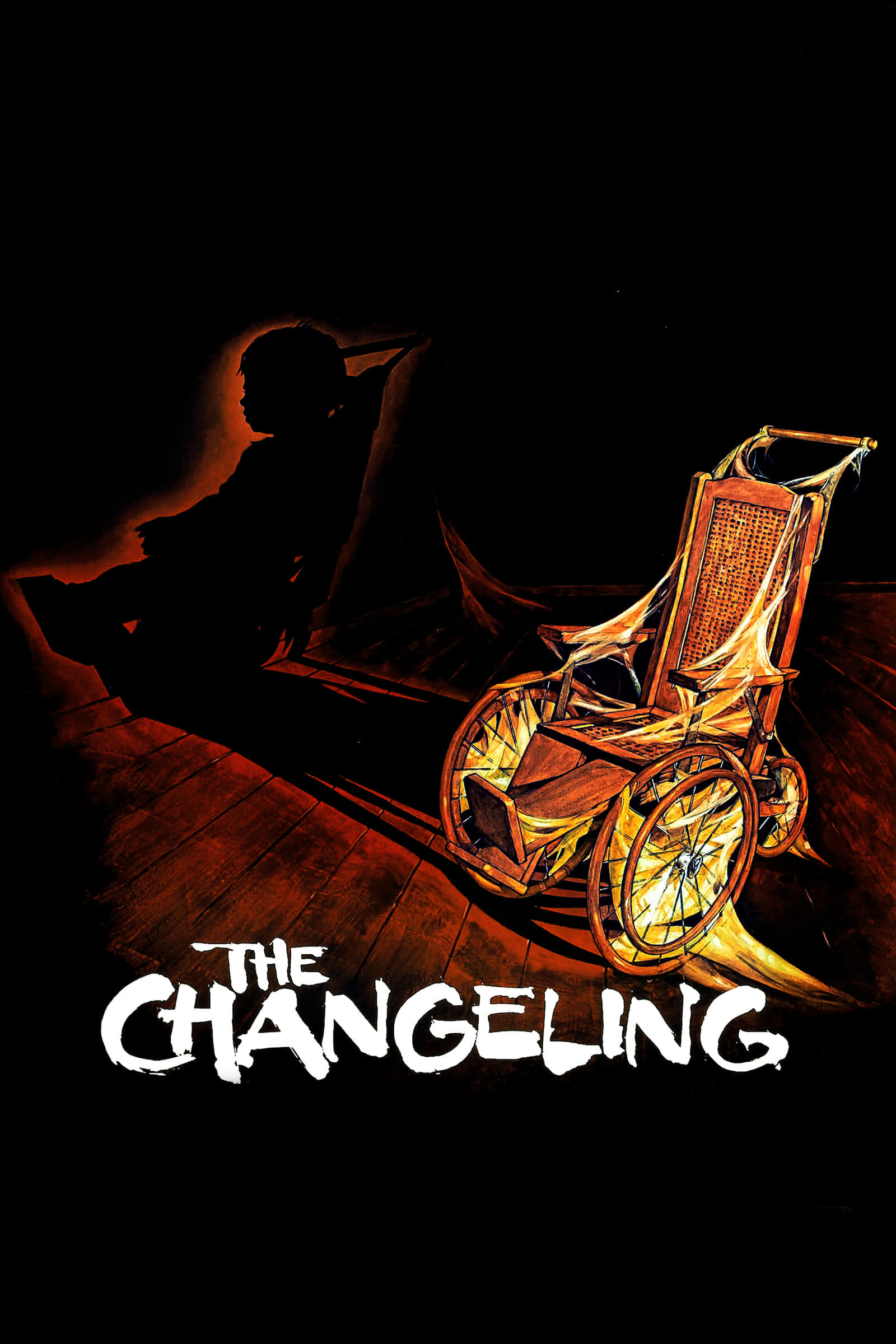
Peter Medak’s haunted-house mystery stars George C. Scott as a composer drawn into the history of a grand Seattle mansion. The production built large-scale interiors on stages in Vancouver, enabling moving walls, concealed rigging, and long tracking shots that underscore the home’s architecture.
The film emphasizes sound cues, seance transcription, and period research within its investigation, and it earned multiple Genie Awards recognizing Canadian achievements. Its use of simple objects—such as a red rubber ball and a wheelchair—has been frequently cited in discussions of restrained ghost-story techniques.
‘The Return of the Living Dead’ (1985)
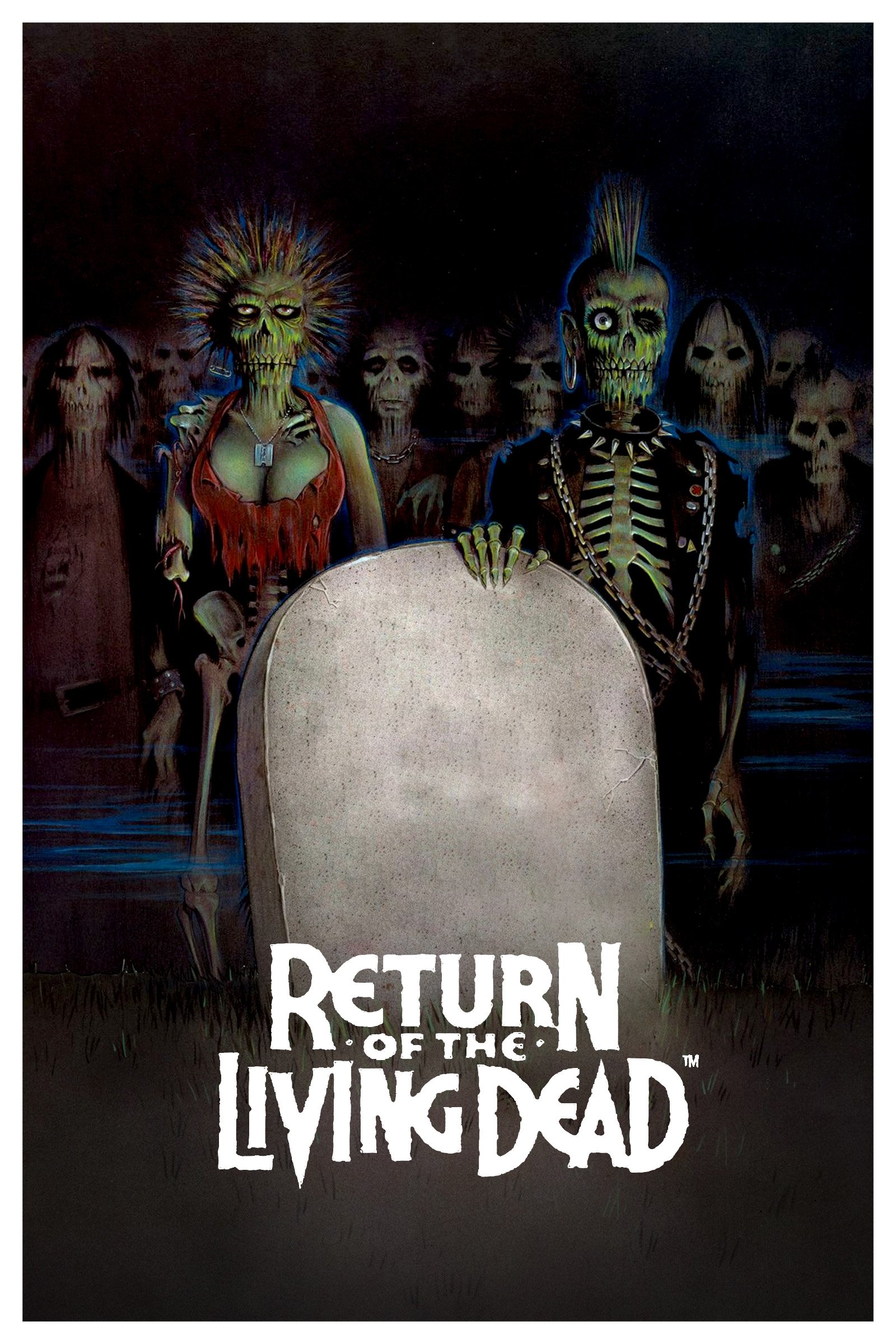
Written and directed by Dan O’Bannon, this title diverges from the Romero continuity, establishing zombies that run, talk, and seek out brains. The setting connects to a medical supply warehouse and a cemetery, with escalating containment failures driving the action.
The soundtrack platforms punk and alternative bands, and creature performer Allan Trautman brought the “Tar Man” to life with suit acting and puppetry. The film’s Louisville backdrop, split-canister plot hook, and black-comedy tone fed a series of sequels and a steady afterlife in genre programming.
‘Day of the Dead’ (1985)
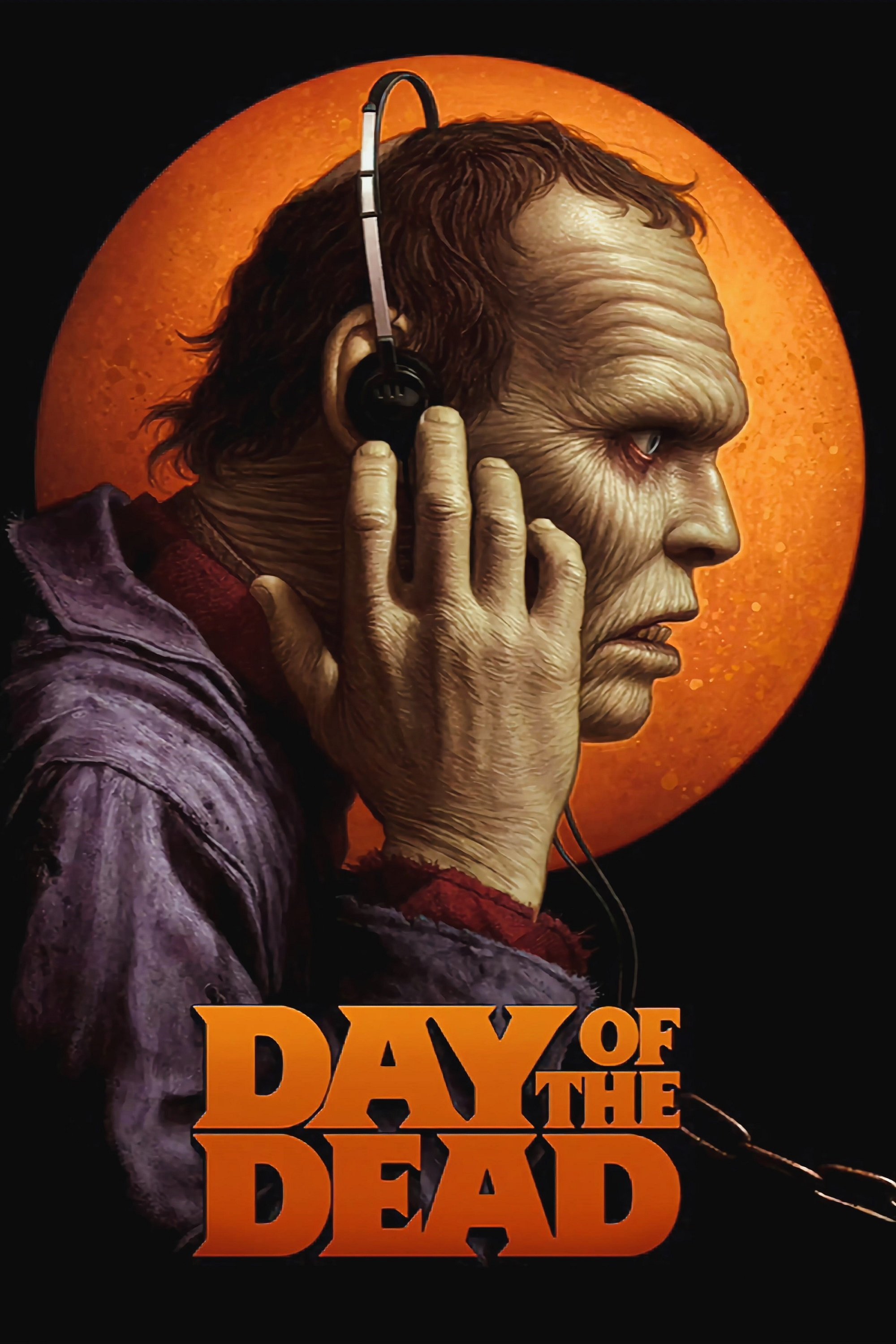
George A. Romero’s third Dead installment takes place in an underground military complex where scientists and soldiers clash over survival strategies. The narrative spotlights the character Bub, portrayed by Sherman Howard, as part of examinations into conditioning and memory among the undead.
Tom Savini led makeup effects with contributions from Greg Nicotero, showcasing elaborate disembowelments, animatronics, and bite prosthetics. Filming utilized an active limestone mine in Florida for extensive subterranean sets, and John Harrison’s synthesizer-driven score complements the claustrophobic environment.
‘Pet Sematary’ (1989)
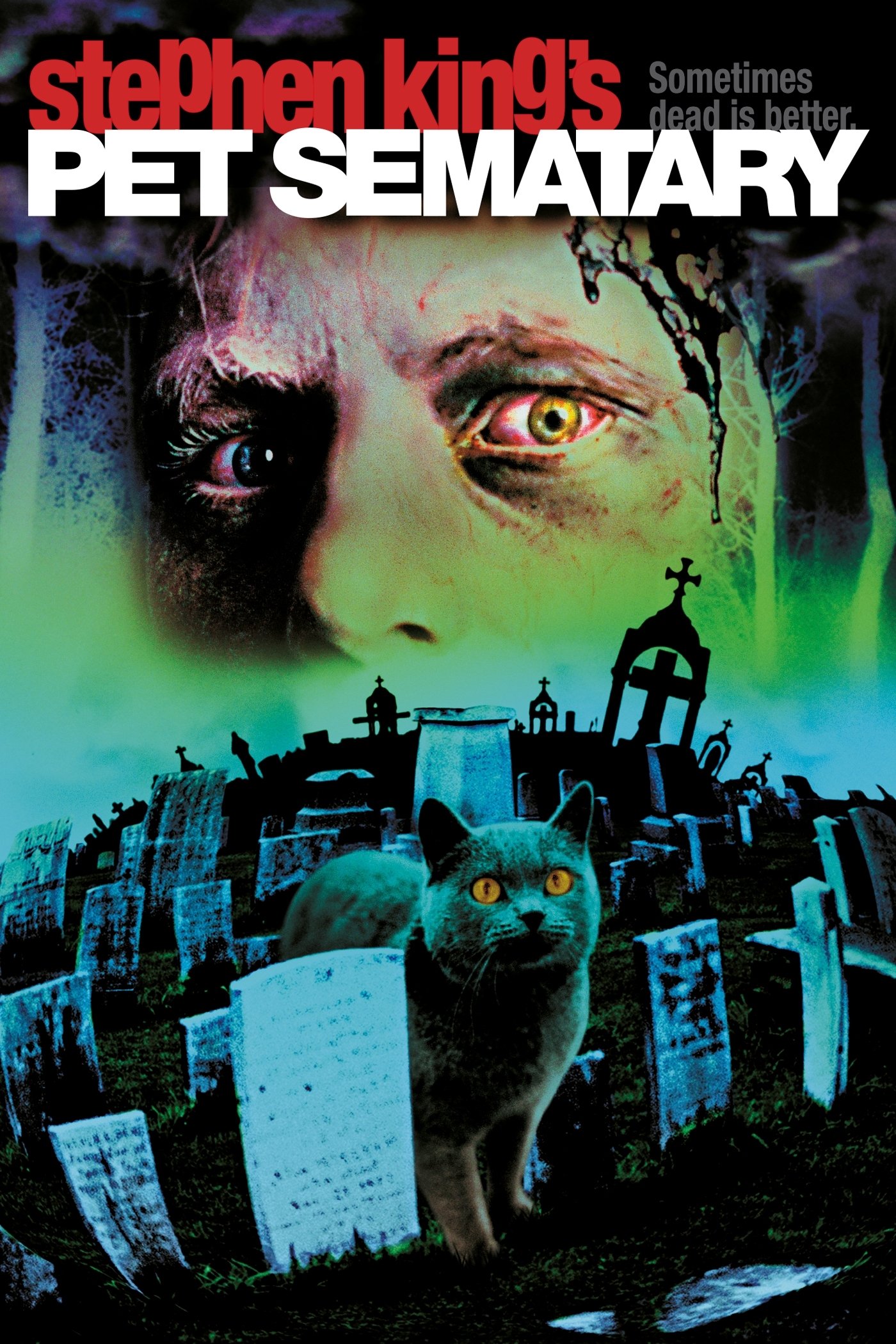
Director Mary Lambert adapts Stephen King’s novel about a family confronting the consequences of a burial ground with a dangerous reputation. Production made use of Maine locations for exteriors, and the author appears on screen in a cameo as a minister.
Fred Gwynne’s performance as neighbor Jud Crandall anchors several key scenes, and multiple trained cats portrayed Church with dedicated handlers. The makeup approach to the character Zelda and a practical tendon-slice effect remain widely documented in discussions of the film’s craftsmanship.
‘Child’s Play’ (1988)
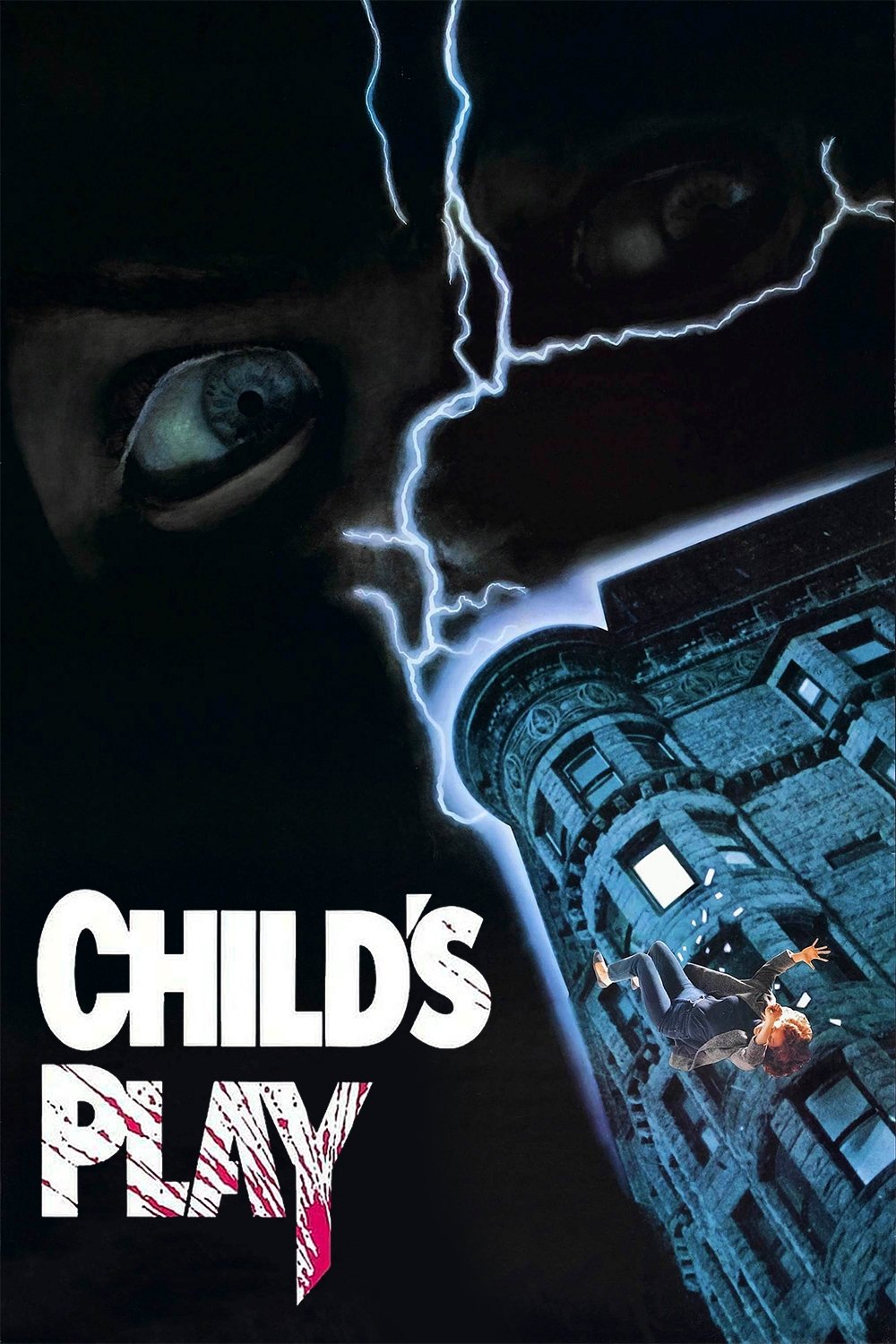
Tom Holland directs from a story developed by Don Mancini, introducing the doll Chucky as voiced by Brad Dourif. The plot uses a possession device tied to a serial killer, with Chicago landmarks and apartment settings providing the backdrop.
Effects supervisor Kevin Yagher oversaw an array of Chucky puppets, including full-body animatronics and radio-controlled facial mechanisms. The film’s success led to ongoing sequels and a later television continuation, along with extensive merchandising and convention presence.
‘The Blob’ (1988)
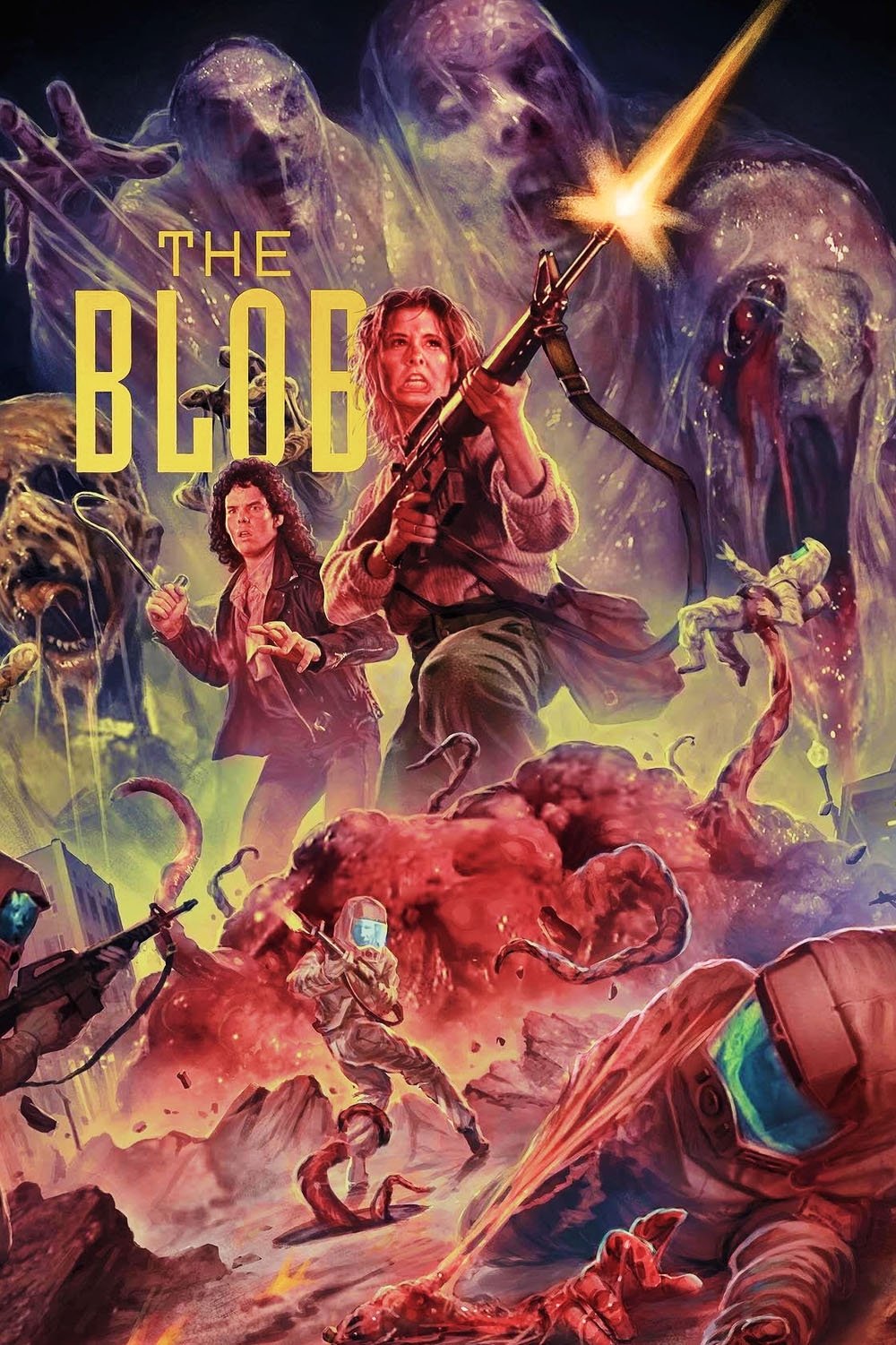
Chuck Russell’s remake reinterprets the amorphous creature as a product of a misfired government program, focusing on a small-town community under siege. The script, co-written with Frank Darabont, builds set pieces around public spaces such as diners, sewers, and a movie theater.
Alterian Studios contributed dissolving-body gags and tentacle mechanics, while Dream Quest Images handled miniatures and optical composites. Location work combined small-town main streets with stage builds for destructive stunts, and the production showcased elaborate breakaway sets like the collapsing phone booth.
‘Gremlins’ (1984)
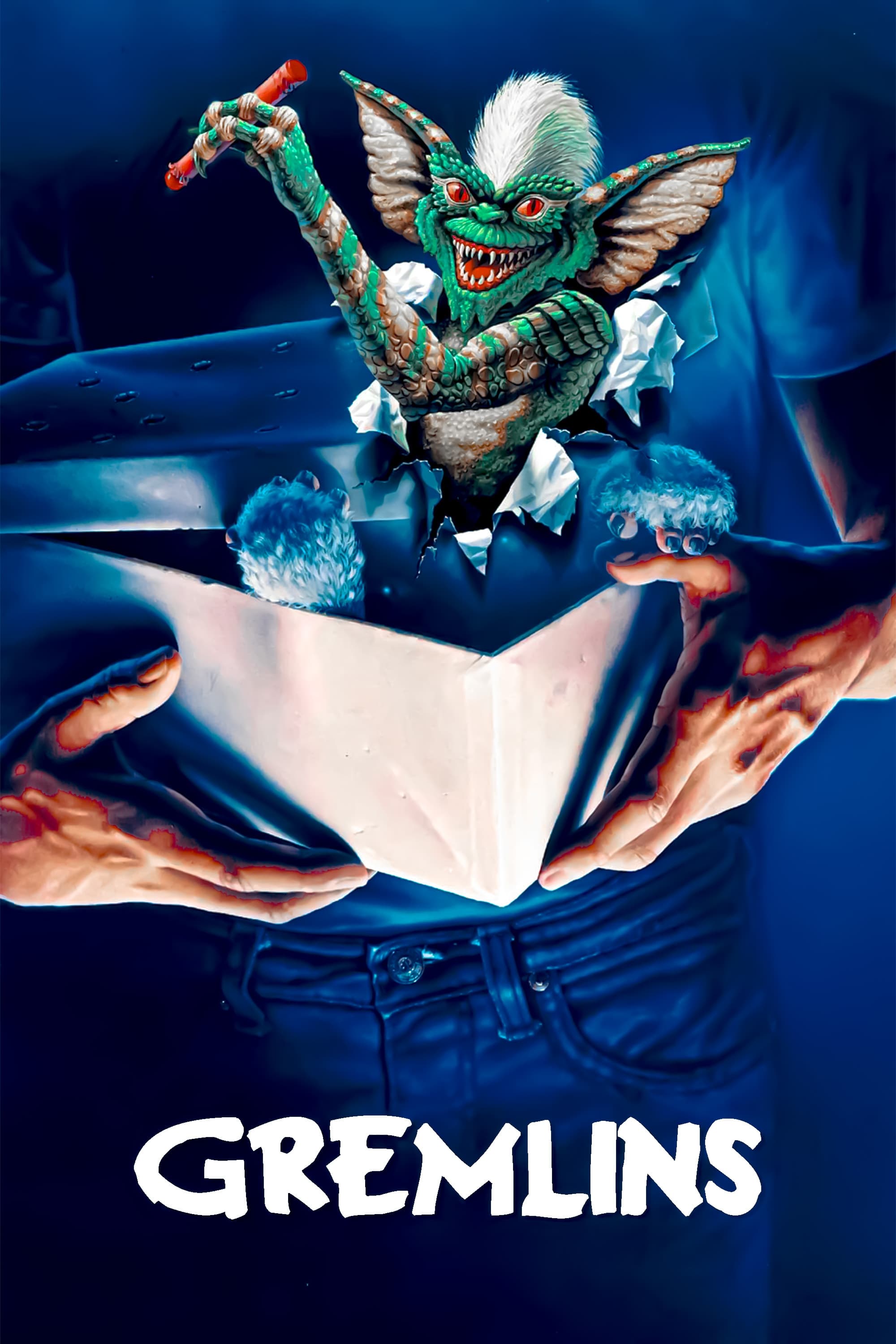
Directed by Joe Dante and produced by Steven Spielberg, this story follows the rules-bound Mogwai whose offspring overrun a snow-dusted town. Chris Walas and his team created extensive animatronics for both Gizmo and the gremlins, enabling expressive eyes, ears, and mouths without digital augmentation.
Jerry Goldsmith’s score fuses a mischievous theme with orchestral and synth textures, and the film’s holiday setting helped fuel a broad merchandising strategy. Its intensity for younger audiences contributed to changes in U.S. rating guidelines, and the property continued with a sequel and later animated storytelling.
‘Near Dark’ (1987)
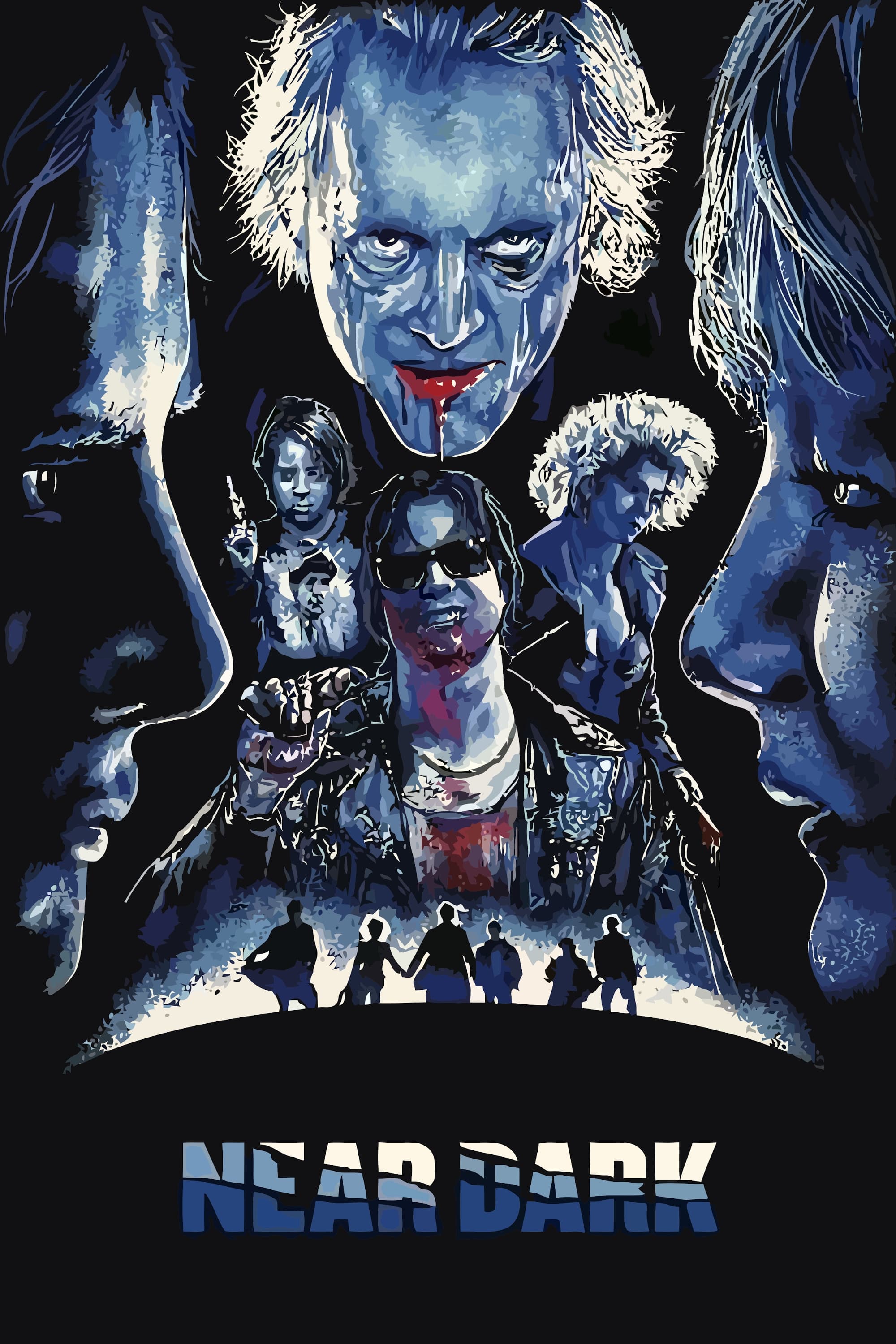
Kathryn Bigelow’s genre blend follows a nomadic clan of vampires crossing the American Southwest, featuring performances by Adrian Pasdar, Jenny Wright, Lance Henriksen, Bill Paxton, and Jenette Goldstein. The screenplay avoids saying the word “vampire,” instead focusing on itinerant outlaw dynamics and blood dependence.
Cinematographer Adam Greenberg emphasized blue-hour exteriors and sodium-vapor nightscapes, while Tangerine Dream supplied the score. The film shared creative DNA with ‘Aliens’ through casting, saw modest initial box office, and expanded its audience significantly on home video and re-releases.
Got a favorite scare from this era we didn’t cover? Share your picks for 1980s horror that still hits today in the comments.

